Article

Second-Order Kinematic Invariants for the Design of Compliant Auxetic Symmetrical Structures
Department of Enterprise Engineering, University of Rome Tor Vergata, 00133 Rome, Italy
*
Author to whom correspondence should be addressed.
Symmetry 2025, 17(1), 134; https://doi.org/10.3390/sym17010134
Submission received: 18 December 2024 / Revised: 13 January 2025 / Accepted: 16 January 2025 / Published: 17 January 2025

Abstract

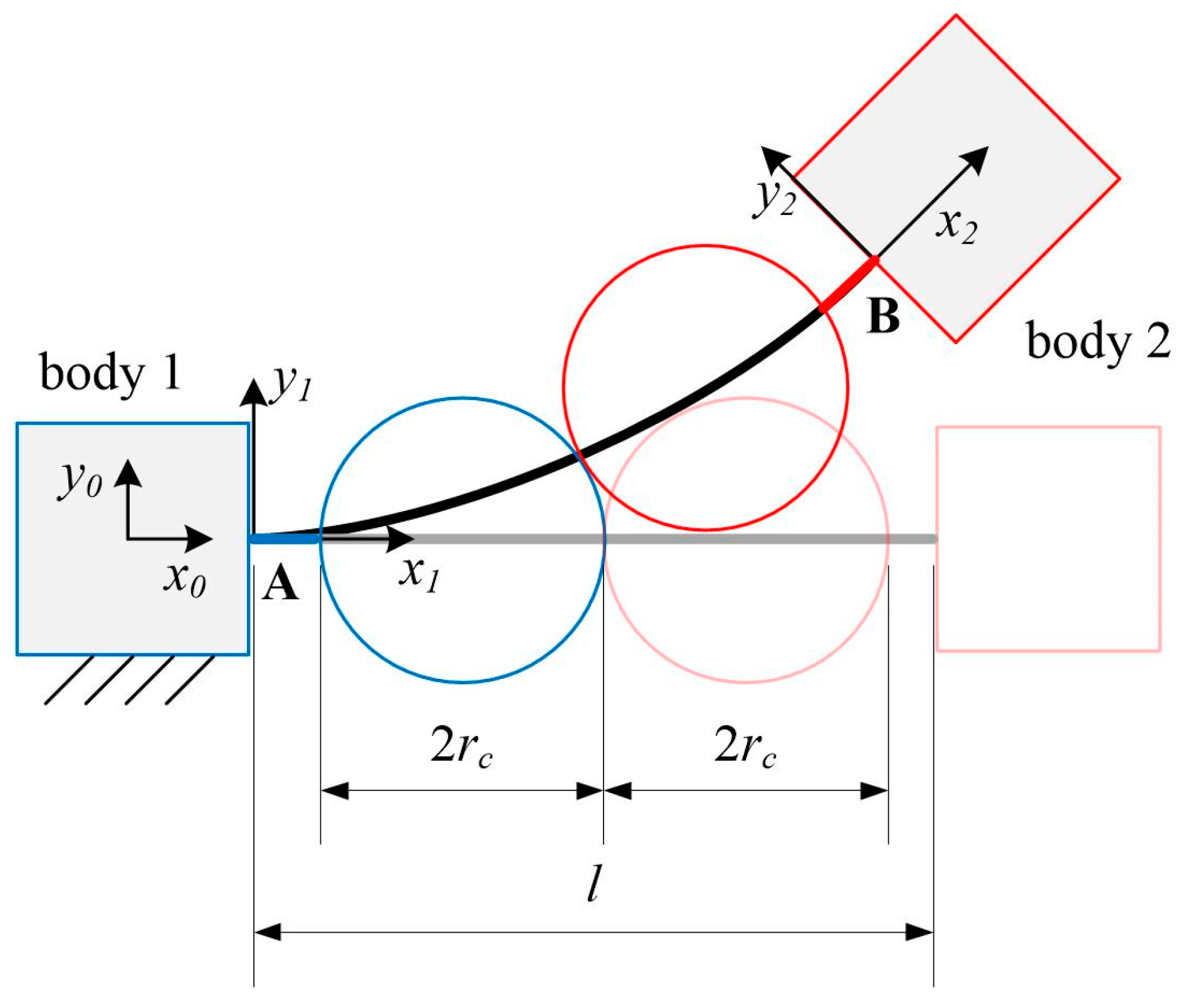
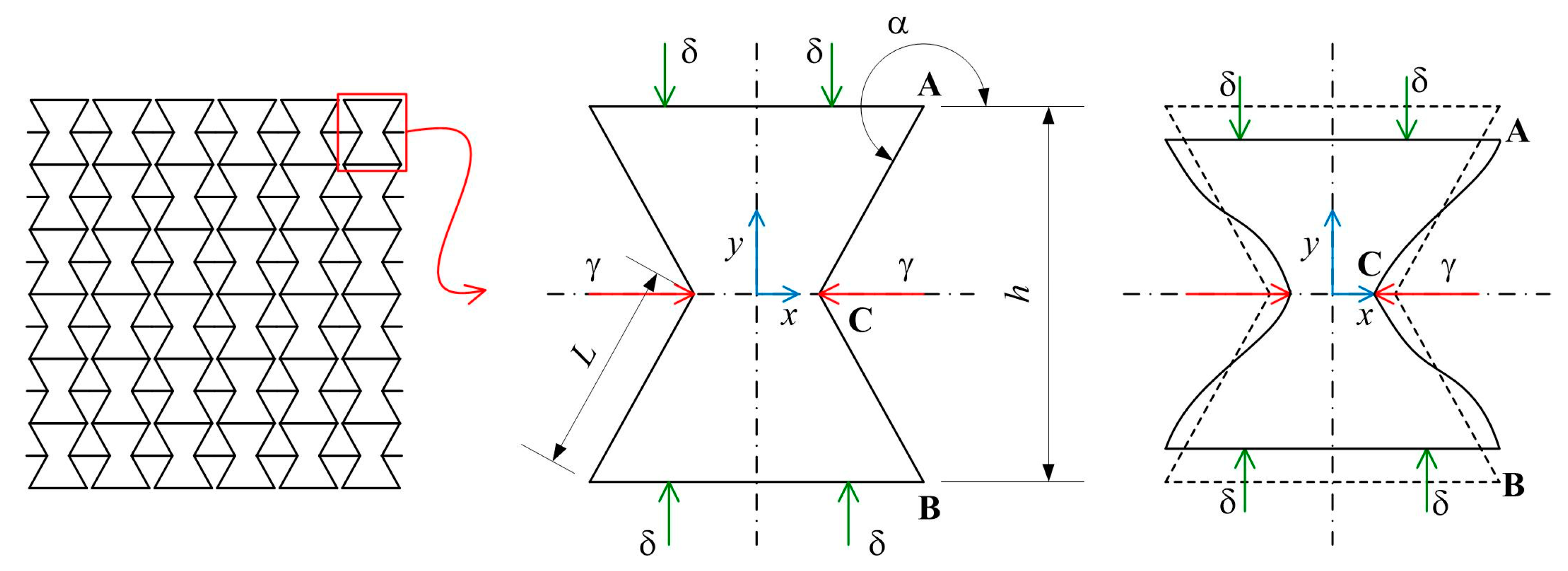
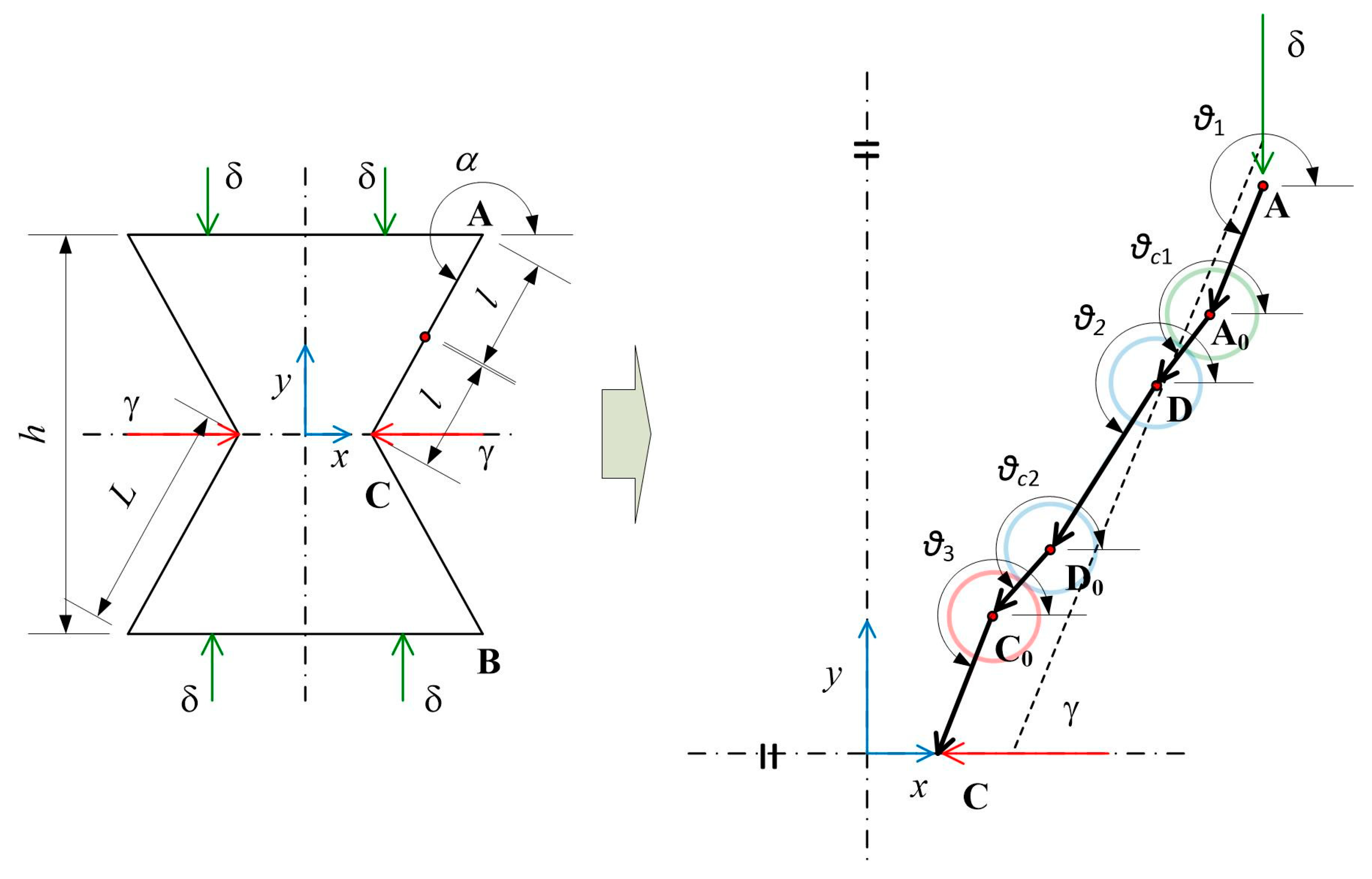
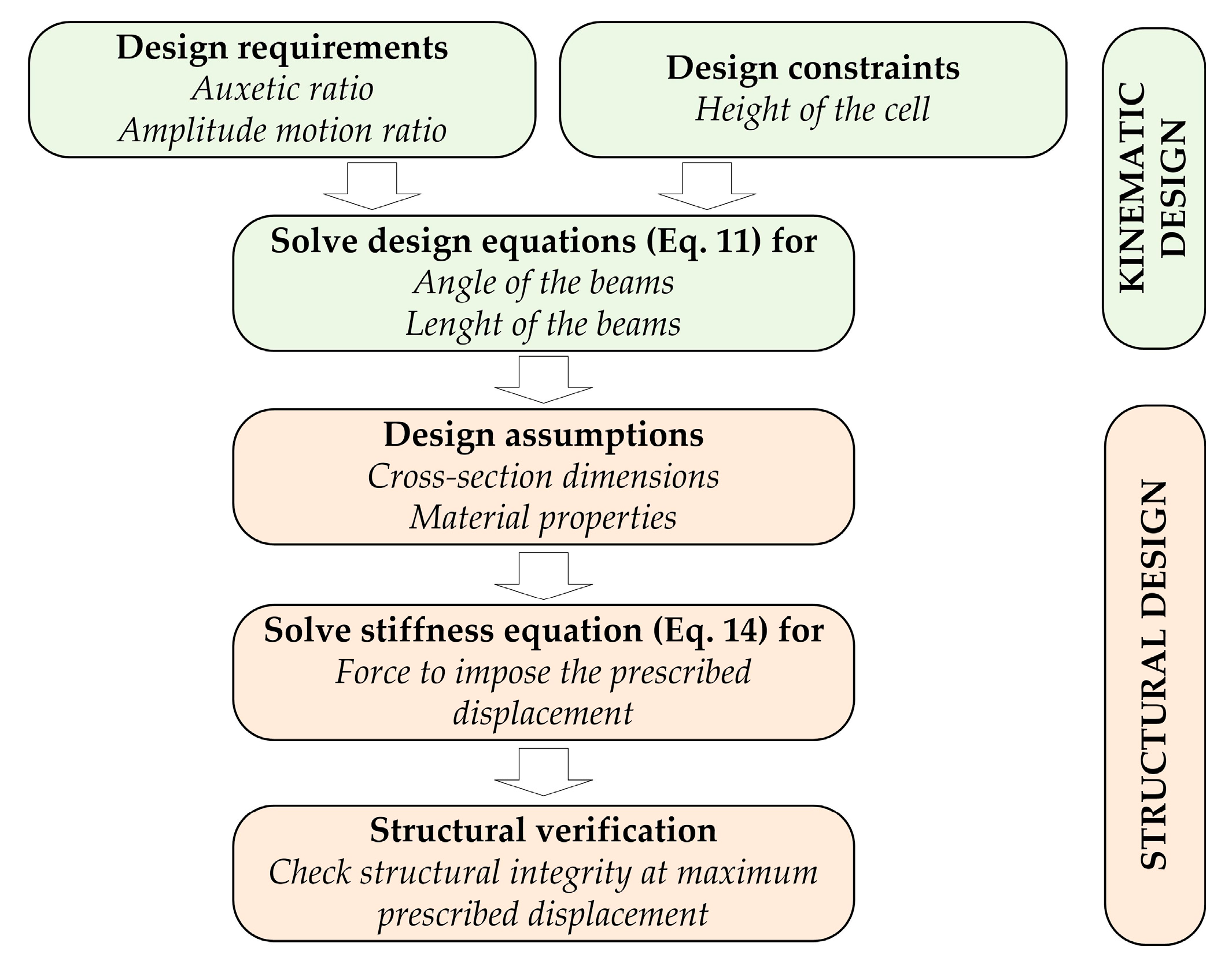
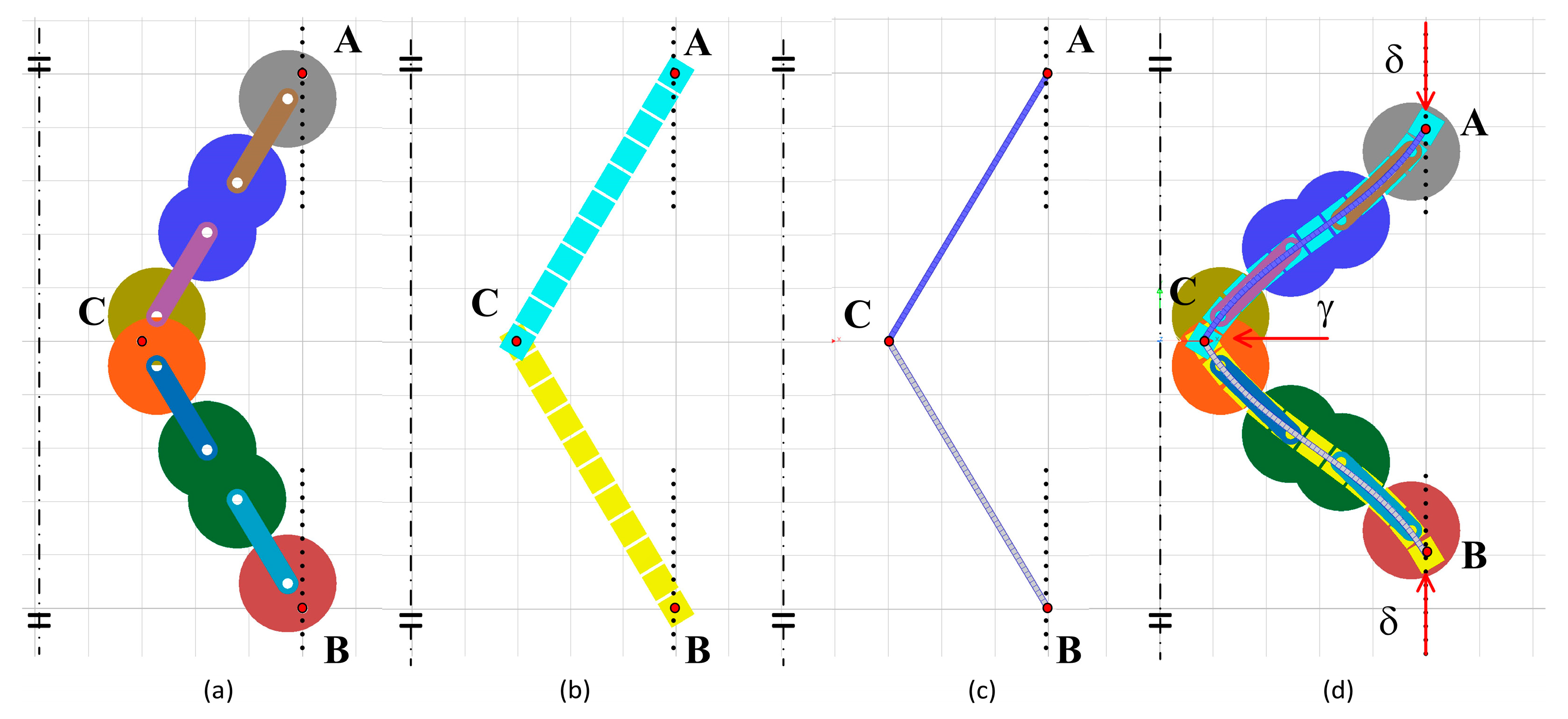
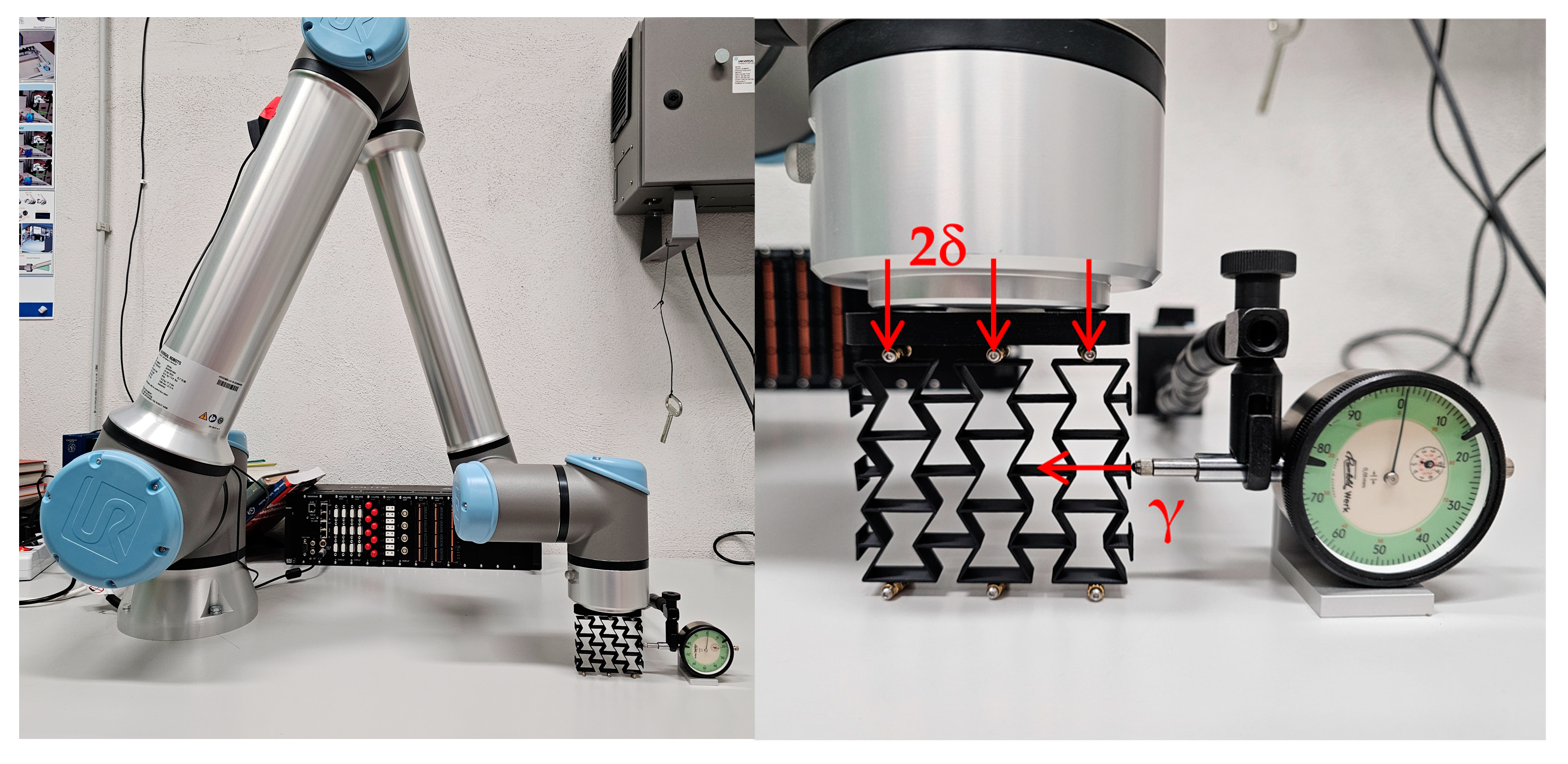
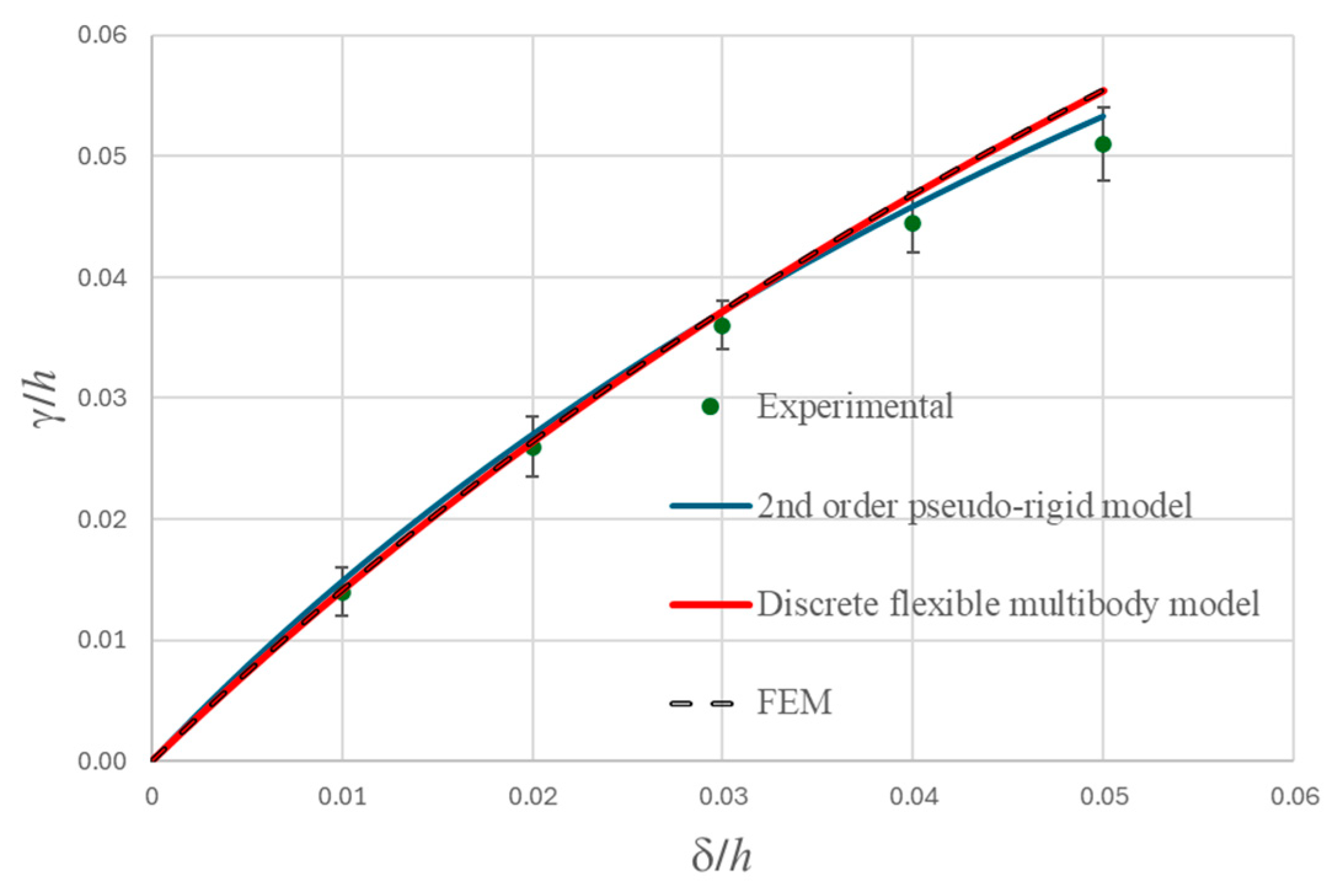
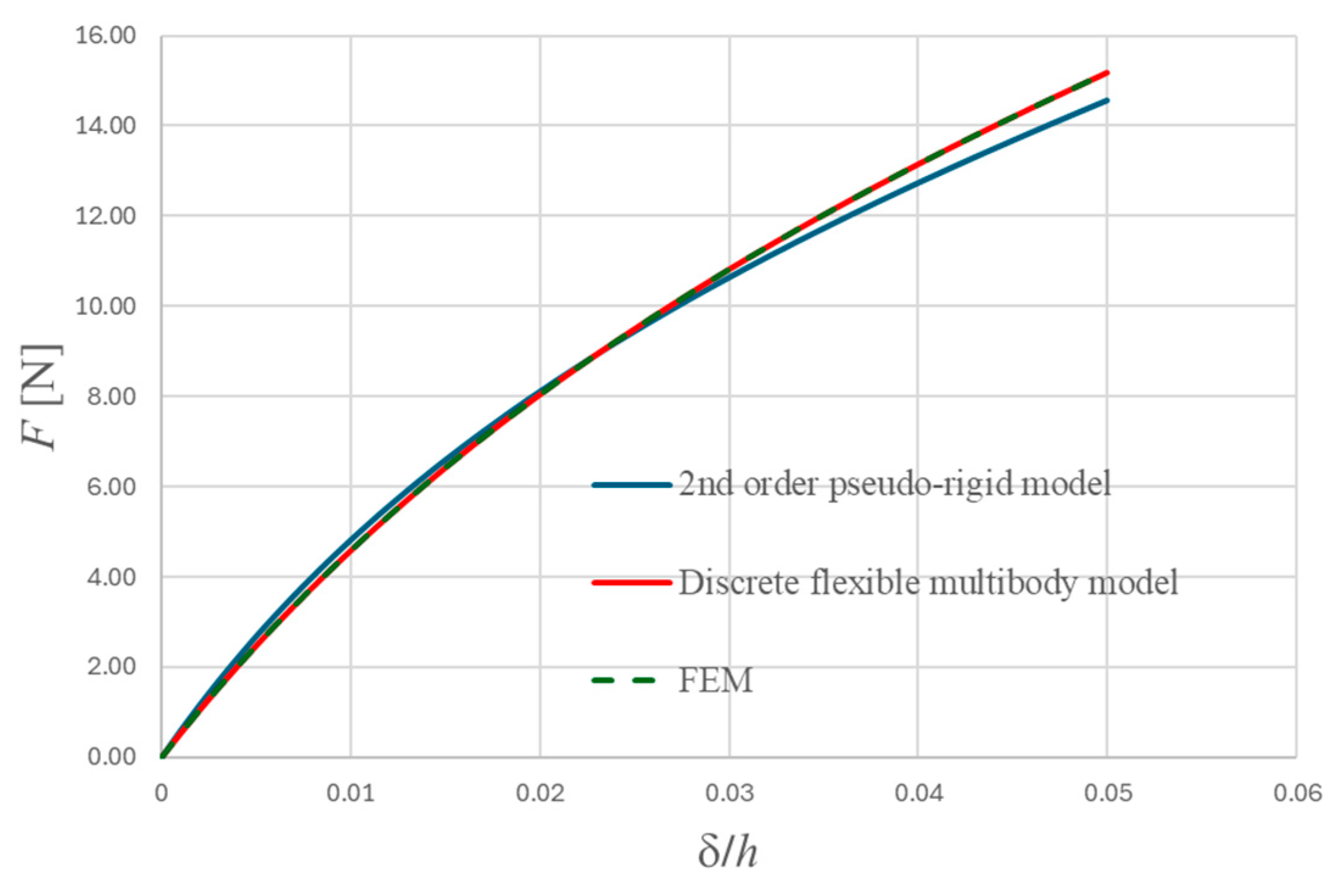
Auxetic structures have great potential in modern engineering, and their design represents an emerging field in industrial applications. The accurate synthesis of the elements of such structures requires multidisciplinary approaches that combine kinematics and structural mechanics. Design methodologies are often based on complex time-consuming numerical methods and with considerable computational burden for exploring a large set of alternatives. The aim of the present work is to propose a novel method for designing symmetrical auxetic structures based on the use of pseudo-rigid mechanisms that can reproduce their nonlinear elasto-kinematic behavior with a limited set of parameters. For the definition of these pseudo-rigid mechanisms, the theory of kinematic invariants is proposed. It allows for the deduction of surrogate rigid-link mechanisms with a simpler structure but remarkable accuracy. This approach is an emerging method employed in the generic synthesis and analysis of compliant mechanisms, and, in this study, it is extended for the first time to support the design of auxetic structures. This paper describes the analytical process to deduce the design equations and discusses the example of an application to a symmetrical re-entrant structure, comparing the results with those of a numerical flexible multibody model, a finite element model, and with experimental tests. All the comparisons demonstrate the considerable potential of the proposed methodology, which can also be adapted to other types of auxetic structures.
Keywords: compliant mechanism; auxetic structure; pseudo-rigid model; flexible multibody; kinematic invariant; mechanism design compliant mechanism; auxetic structure; pseudo-rigid model; flexible multibody; kinematic invariant; mechanism design