Article

Diffusion Augmented Complex Inverse Square Root for Adaptive Frequency Estimation over Distributed Networks


1
School of Electronic Information and Electrical Engineering, Chengdu University, Chengdu 610106, China
2
School of Transportation Engineering, East China Jiaotong University, Nanchang 330013, China
3
School of Electrical Engineering, Southwest Jiaotong University, Chengdu 610031, China
4
College of Computer Science, Sichuan University, Chengdu 610056, China
*
Author to whom correspondence should be addressed.
Symmetry 2024, 16(10), 1375; https://doi.org/10.3390/sym16101375
Submission received: 14 September 2024 / Revised: 7 October 2024 / Accepted: 9 October 2024 / Published: 16 October 2024
(This article belongs to the Section A: Computer Science)

Abstract

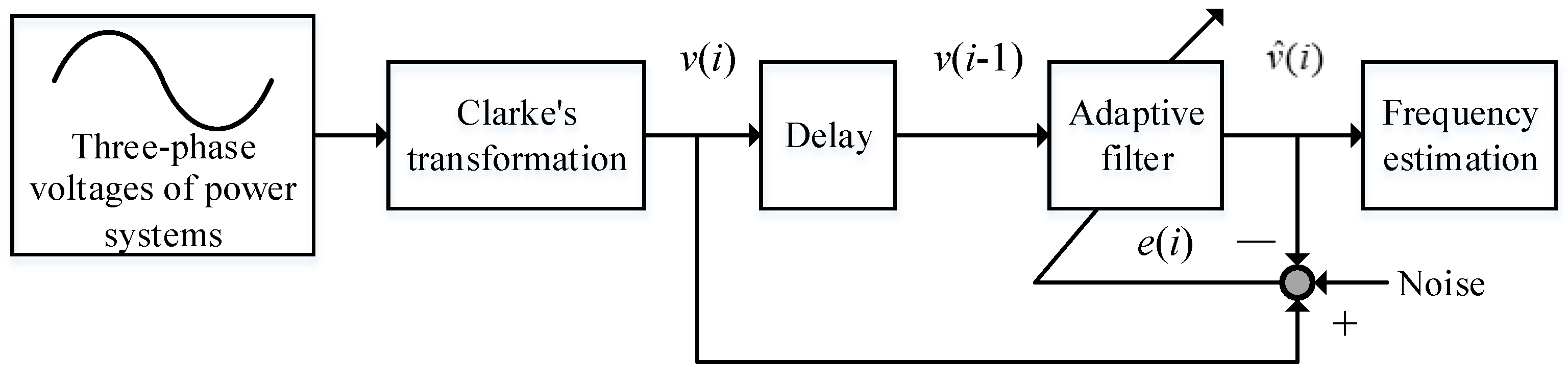
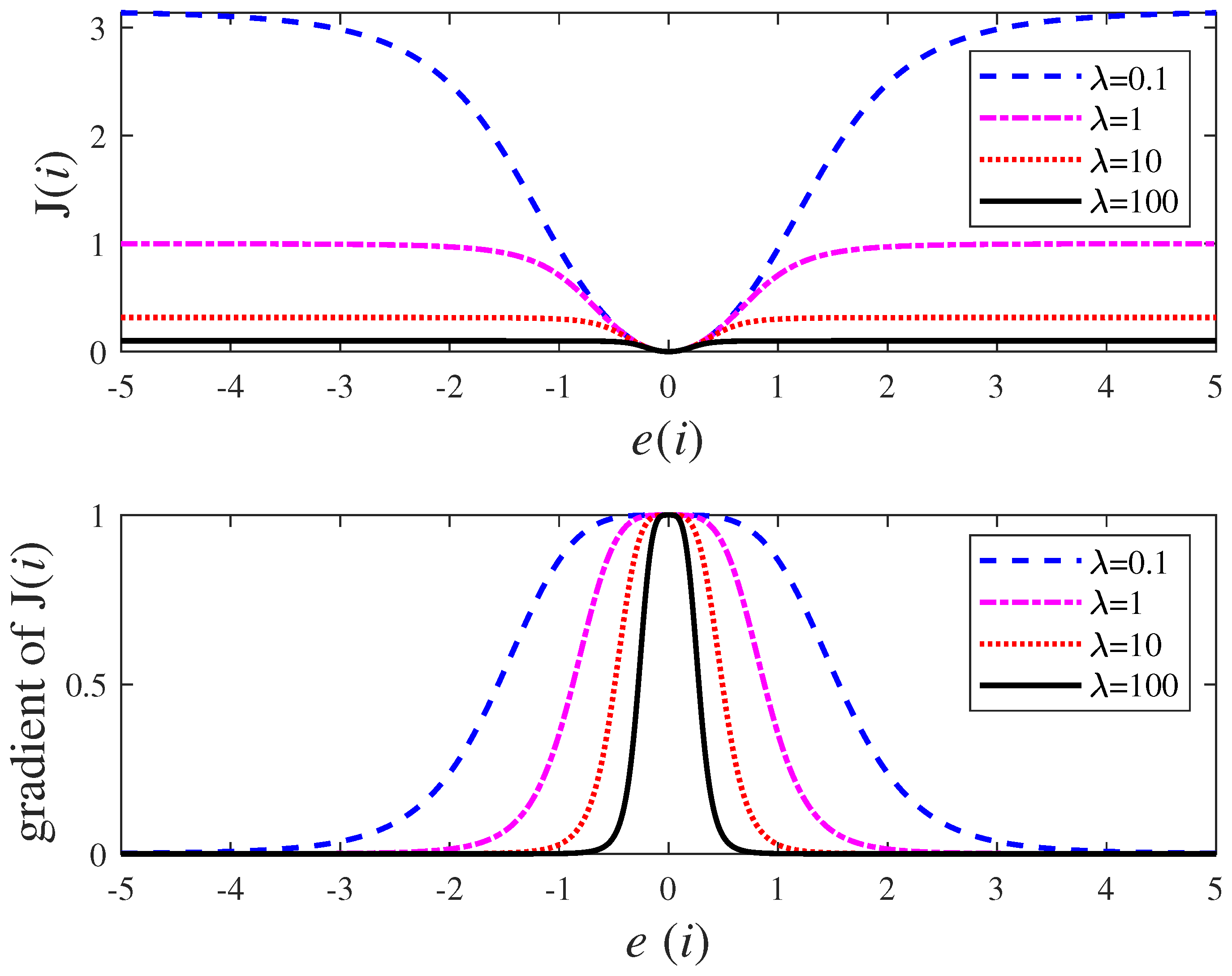
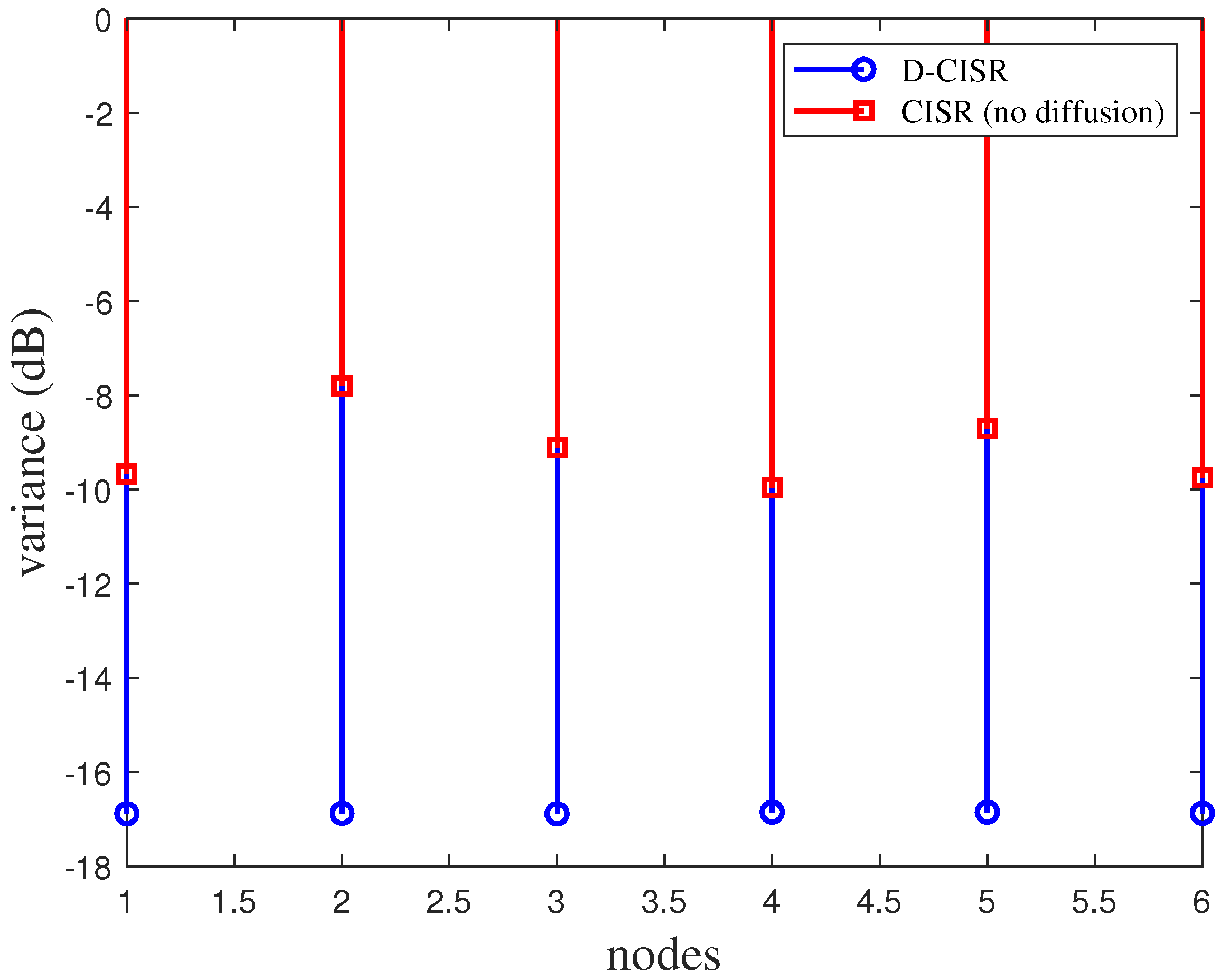
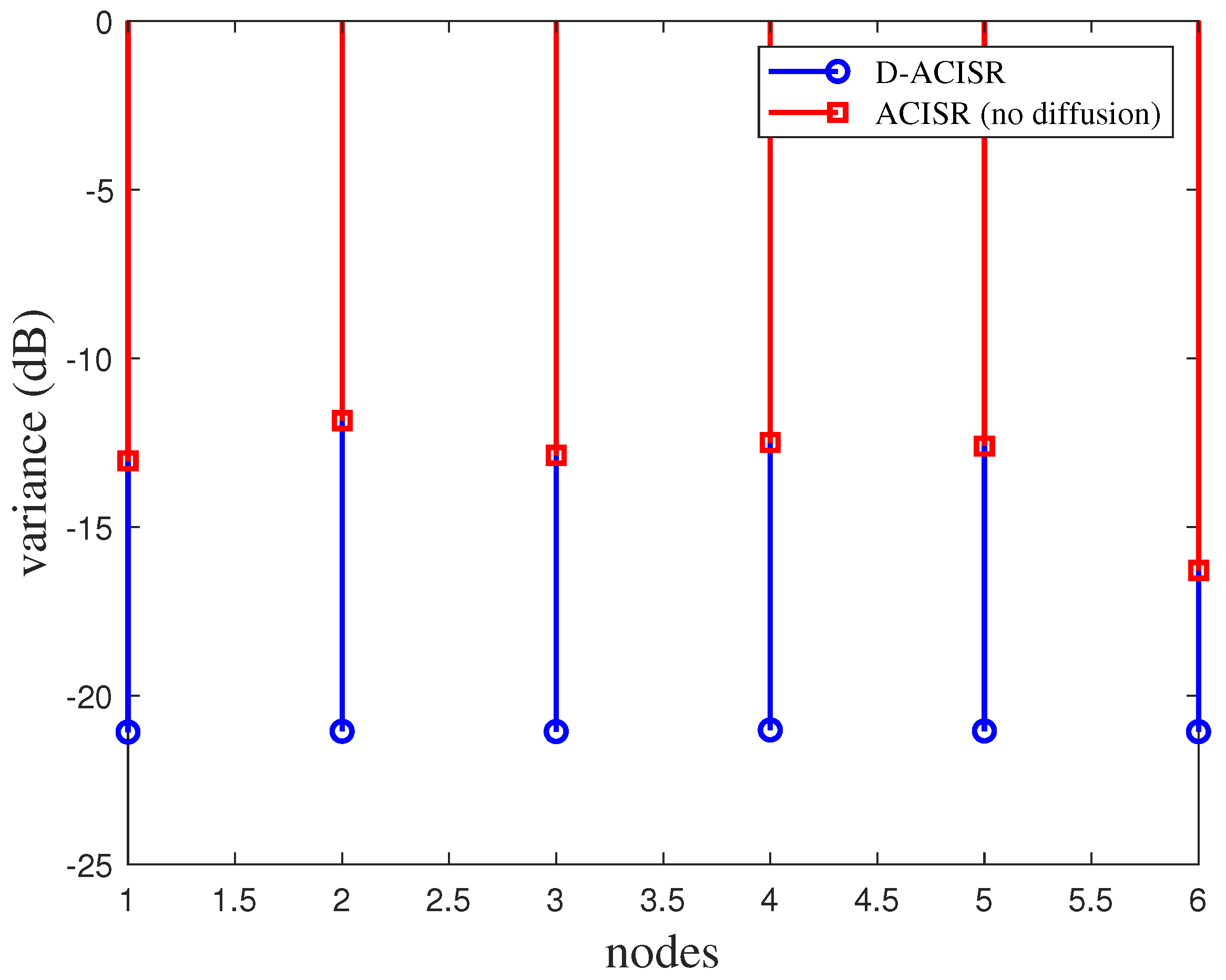
Using adaptive filtering to estimate the frequency of power systems has become a popular trend. In recent years, however, few studies have been performed on adaptive frequency estimations in non-stationary noise environments. In this paper, we propose the distributed complex inverse square root algorithm and distributed augmented complex inverse square root algorithm for the frequency estimation of power systems based on the widely linear model and the inverse square root cost function, where the function can restrain both positive and negative large errors, based on its symmetry. Moreover, the wireless sensor networks support monitoring and adaptation for the frequency estimation in the distributed networks, and the proposed approach can ensure good robustness of the balanced or unbalanced three-phase power system with the help of a local complex-value voltage signal generated by Clark’s transformation. In addition, the bound of step size is driven by the global vectors, and that low computation complexity do not hinder those performances. The results of several experiments demonstrate that our algorithms can effectively estimate the frequency in impulsive noise environments.
Keywords: robust frequency estimation; widely linear model; inverse square root; distributed network; unbalanced three-phase voltage robust frequency estimation; widely linear model; inverse square root; distributed network; unbalanced three-phase voltage