Article

Race Recognition Using Deep Convolutional Neural Networks


1
Advanced Program in Computer Science, University of Science, VNU HCMC, Ho Chi Minh 700000, Vietnam
2
Faculty of Information Technology, Ho Chi Minh City Open University, Ho Chi Minh 700000, Vietnam
3
Faculty of Information Technology, Ho Chi Minh City University of Technology (HUTECH), Ho Chi Minh 700000, Vietnam
*
Author to whom correspondence should be addressed.
Symmetry 2018, 10(11), 564; https://doi.org/10.3390/sym10110564
Submission received: 7 July 2018 / Revised: 11 August 2018 / Accepted: 30 October 2018 / Published: 1 November 2018

Abstract

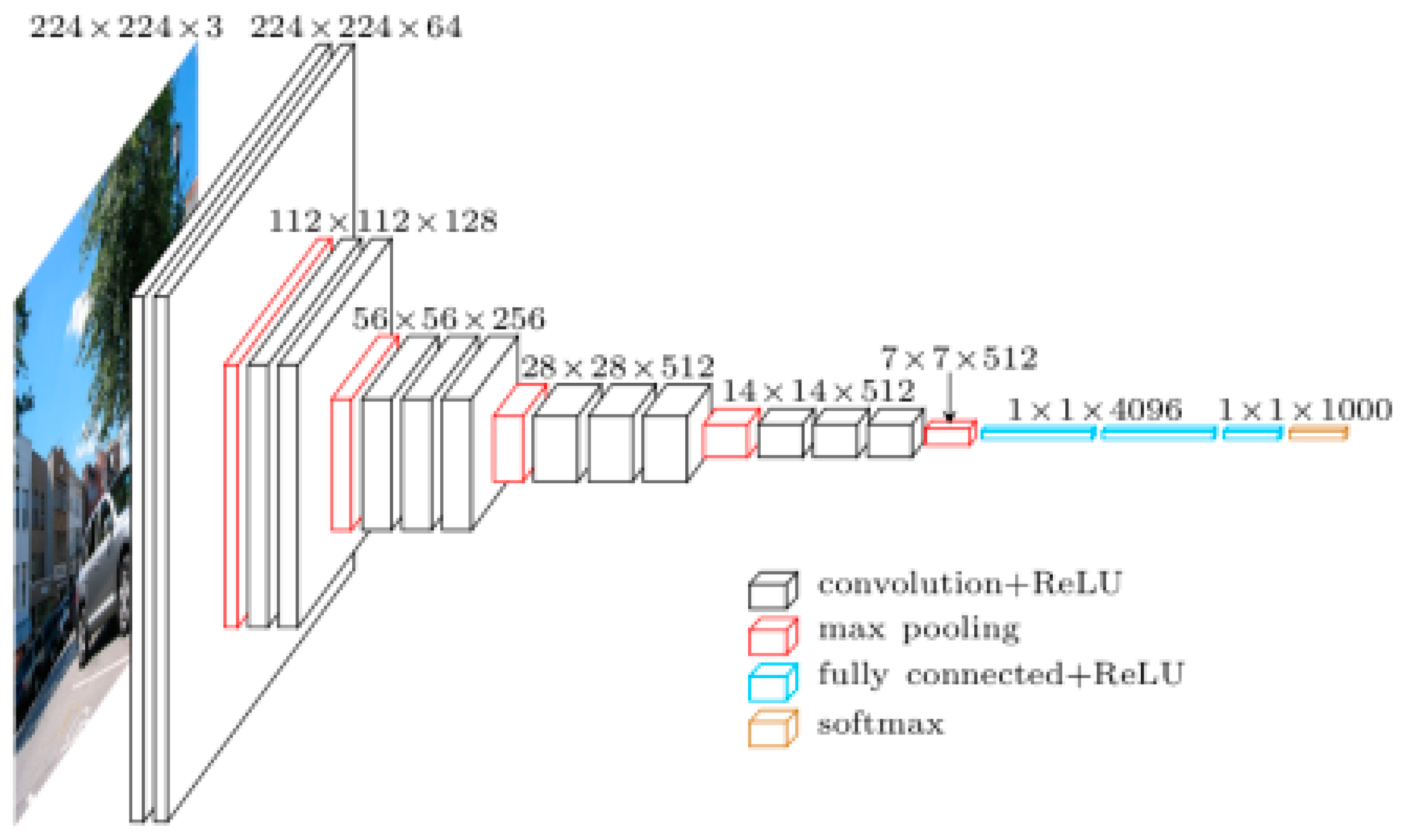
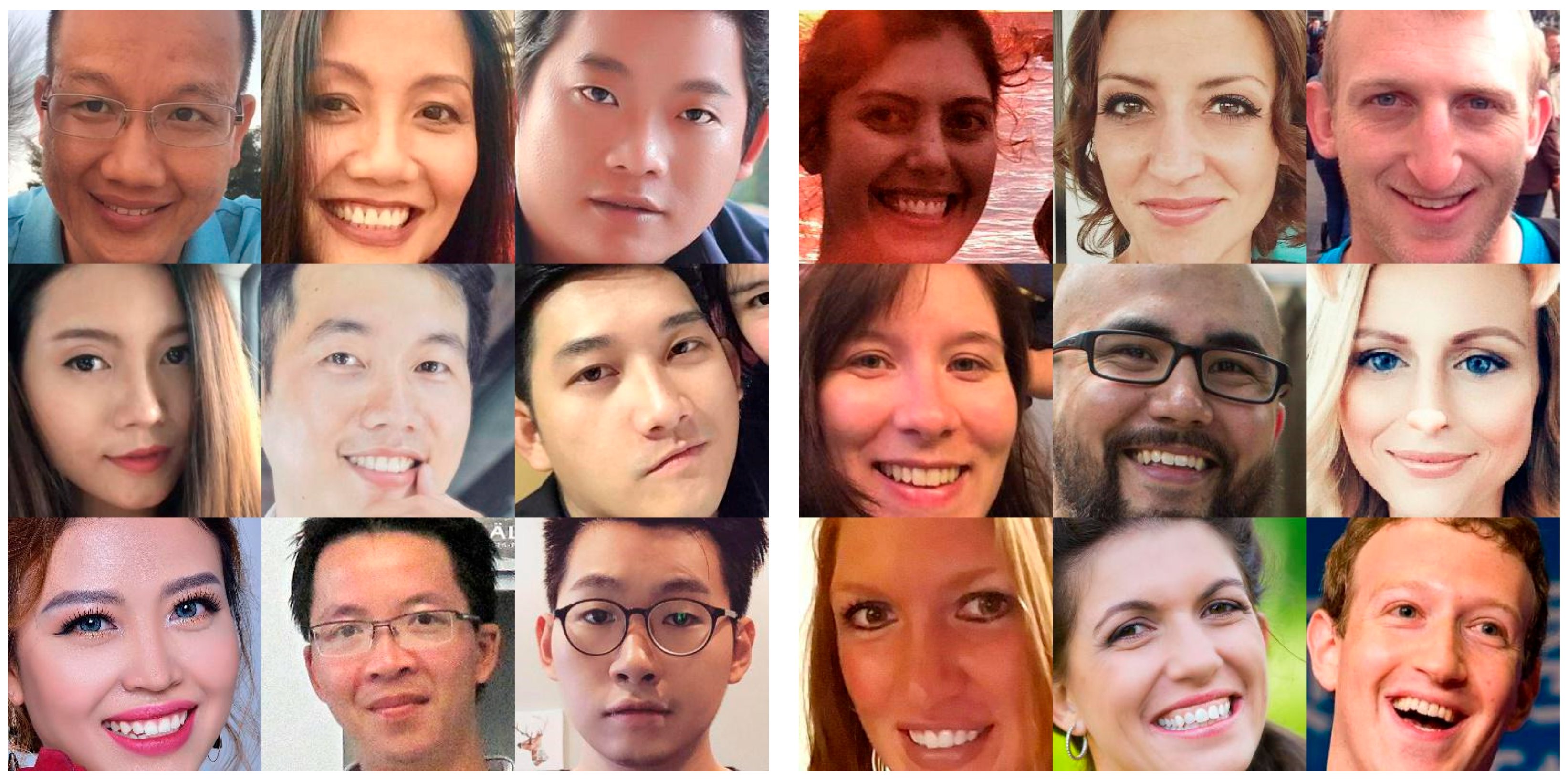
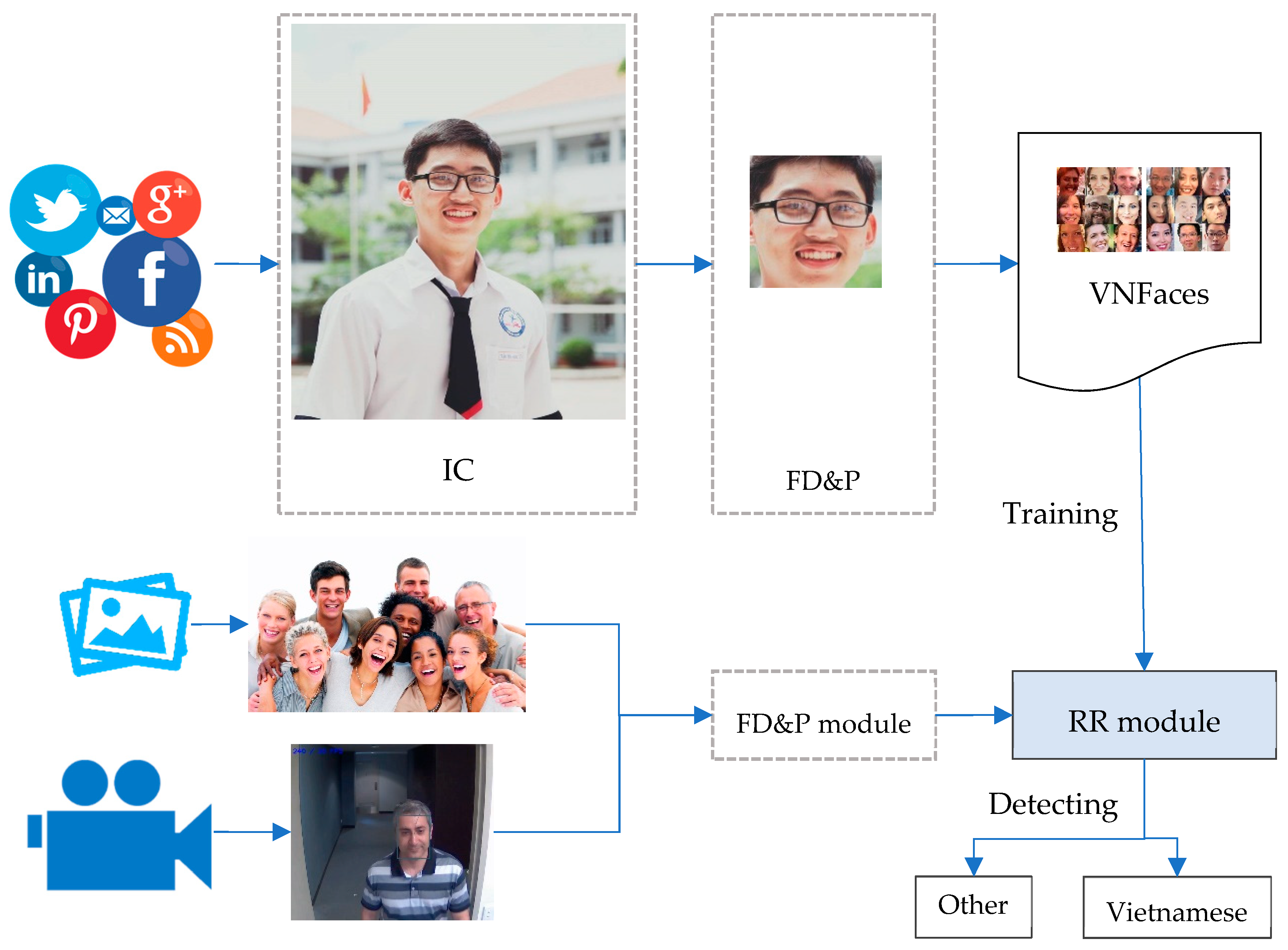
Race recognition (RR), which has many applications such as in surveillance systems, image/video understanding, analysis, etc., is a difficult problem to solve completely. To contribute towards solving that problem, this article investigates using a deep learning model. An efficient Race Recognition Framework (RRF) is proposed that includes information collector (IC), face detection and preprocessing (FD&P), and RR modules. For the RR module, this study proposes two independent models. The first model is RR using a deep convolutional neural network (CNN) (the RR-CNN model). The second model (the RR-VGG model) is a fine-tuning model for RR based on VGG, the famous trained model for object recognition. In order to examine the performance of our proposed framework, we perform an experiment on our dataset named VNFaces, composed specifically of images collected from Facebook pages of Vietnamese people, to compare the accuracy between RR-CNN and RR-VGG. The experimental results show that for the VNFaces dataset, the RR-VGG model with augmented input images yields the best accuracy at 88.87% while RR-CNN, an independent and lightweight model, yields 88.64% accuracy. The extension experiments conducted prove that our proposed models could be applied to other race dataset problems such as Japanese, Chinese, or Brazilian with over 90% accuracy; the fine-tuning RR-VGG model achieved the best accuracy and is recommended for most scenarios.
Keywords: race recognition; deep convolutional neural networks; social networks; surveillance system race recognition; deep convolutional neural networks; social networks; surveillance system