Article

Spatiotemporal Dynamics and Multi-Scenario Simulations of Land-Use Carbon Emissions and Carbon Storage in Xinjiang Under SSP-RCP Scenarios Using the SD-PLUS-InVEST Model


1
College of Public Administration (Law School), Xinjiang Agricultural University, Urumqi 830052, China
2
College of Agronomy, Xinjiang Agricultural University, Urumqi 830052, China
3
Xinjiang Key Laboratory of Water Cycle and Utilization in Arid Zone, Urumqi 830011, China
4
Xinjiang Tianshan Snow and Avalanche Field Scientific Observation and Research Station, Xinyuan County 835800, China
5
Xinjiang Institute of Ecology and Geography, Chinese Academy of Sciences, Urumqi 830011, China
*
Author to whom correspondence should be addressed.
Land 2026, 15(5), 756; https://doi.org/10.3390/land15050756
Submission received: 22 March 2026 / Revised: 24 April 2026 / Accepted: 26 April 2026 / Published: 29 April 2026

Abstract

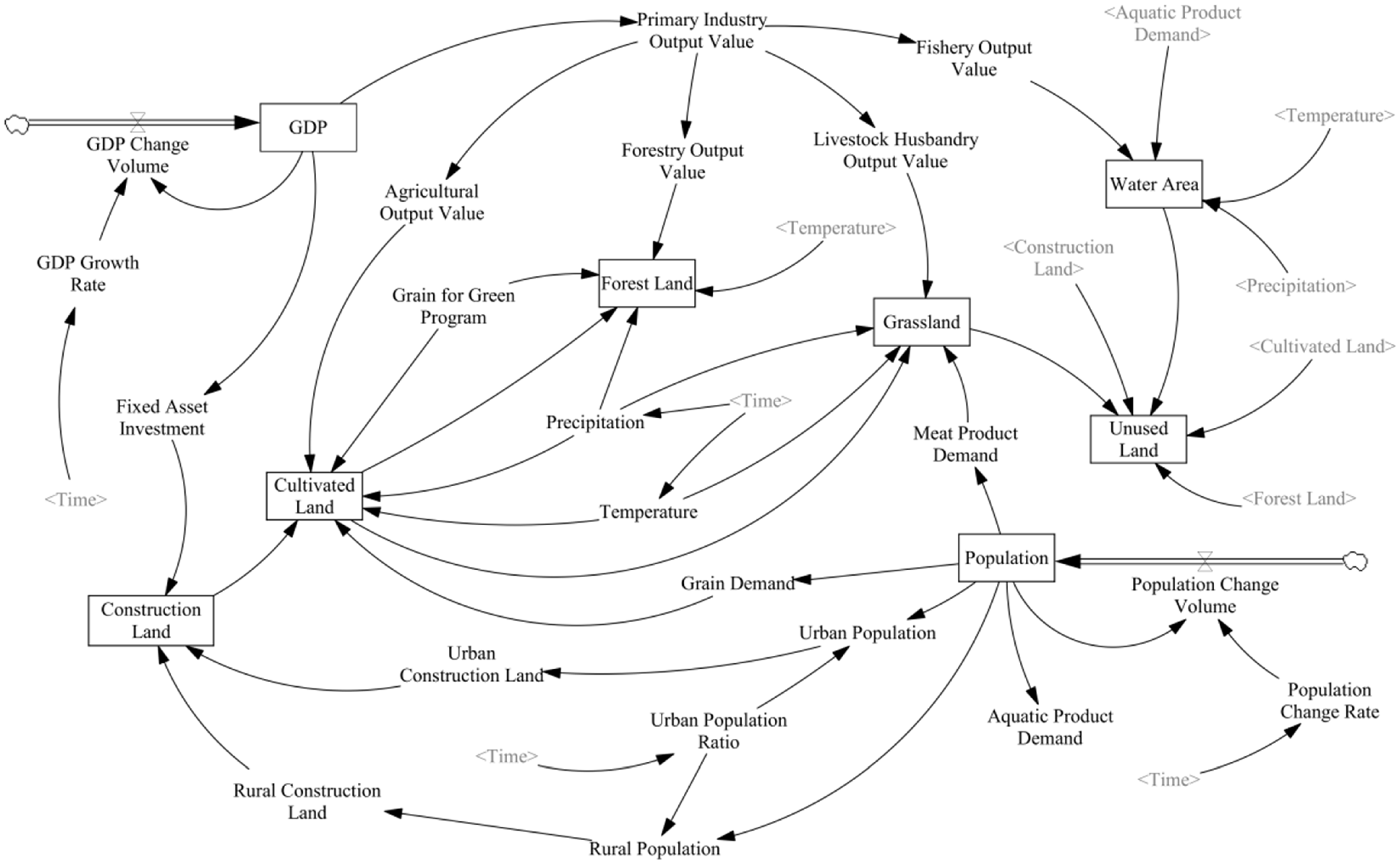
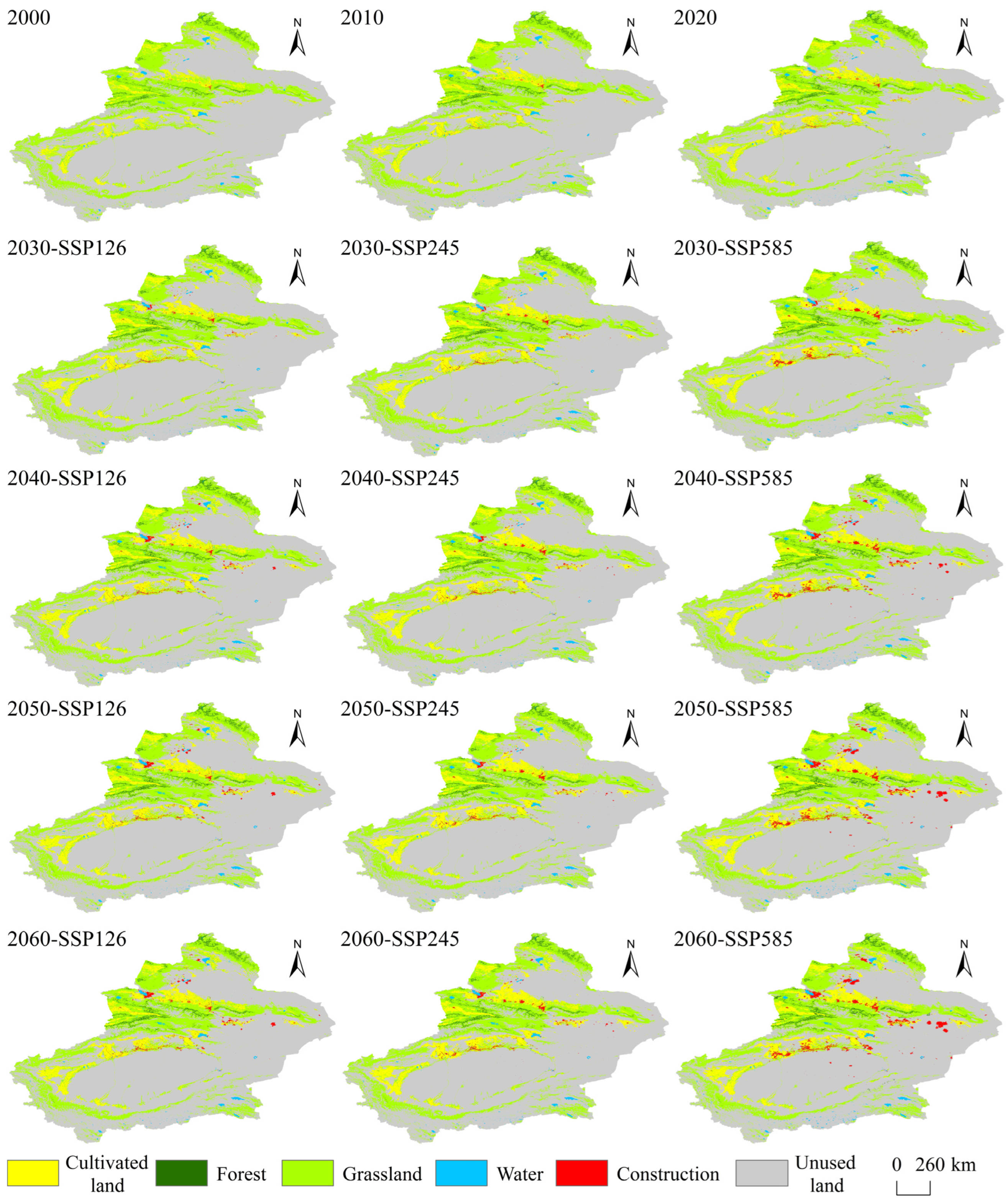
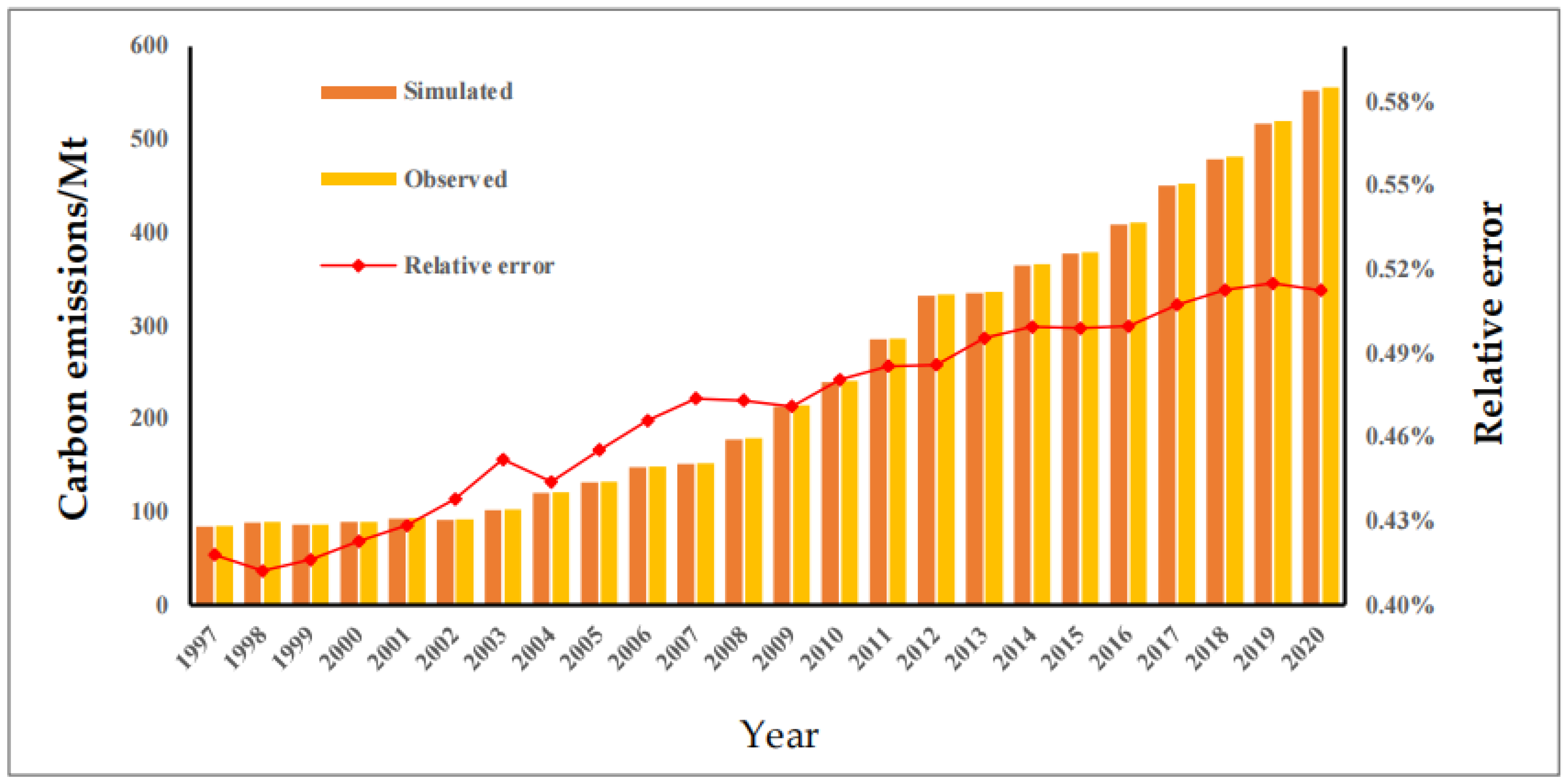
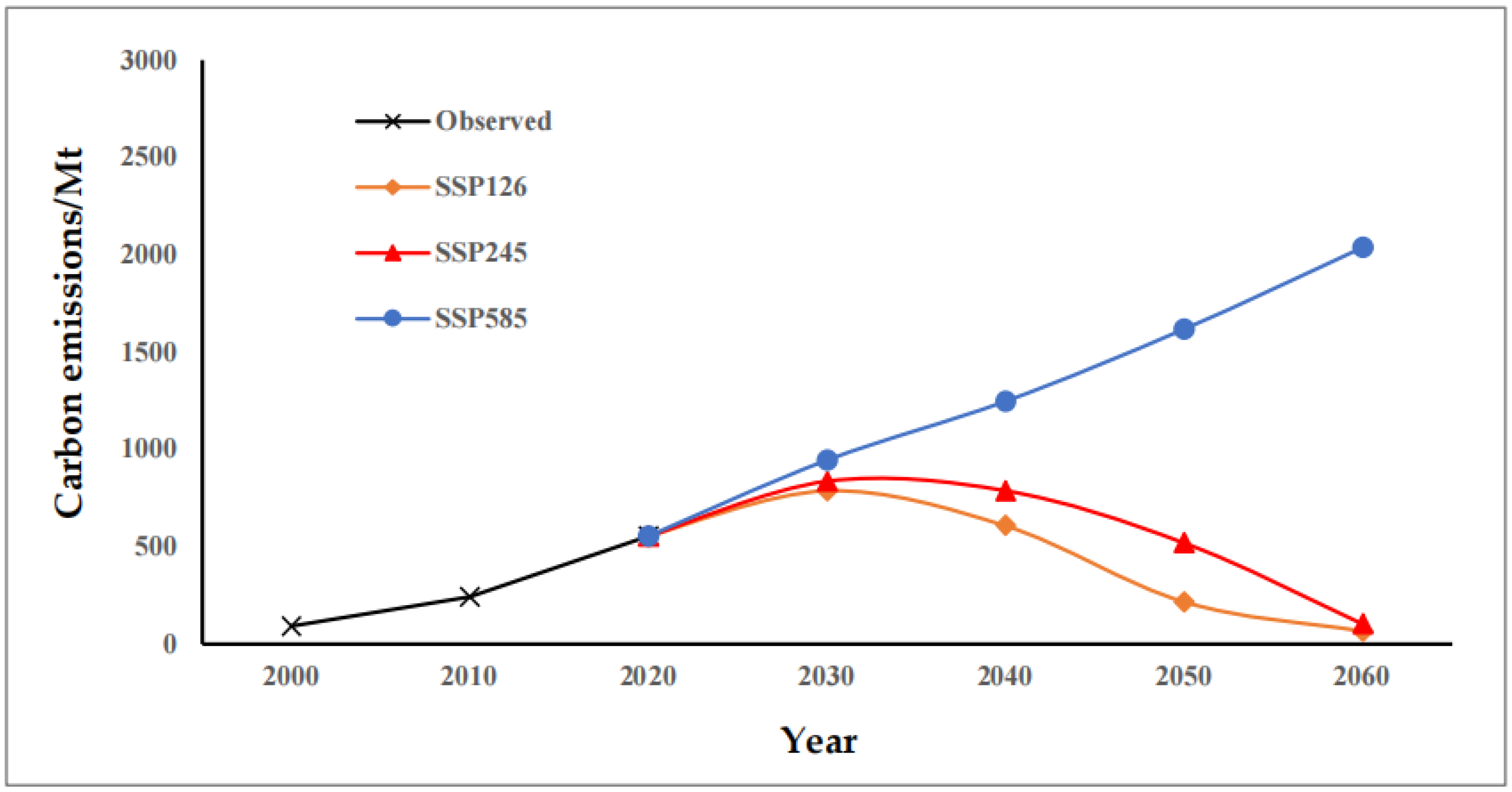
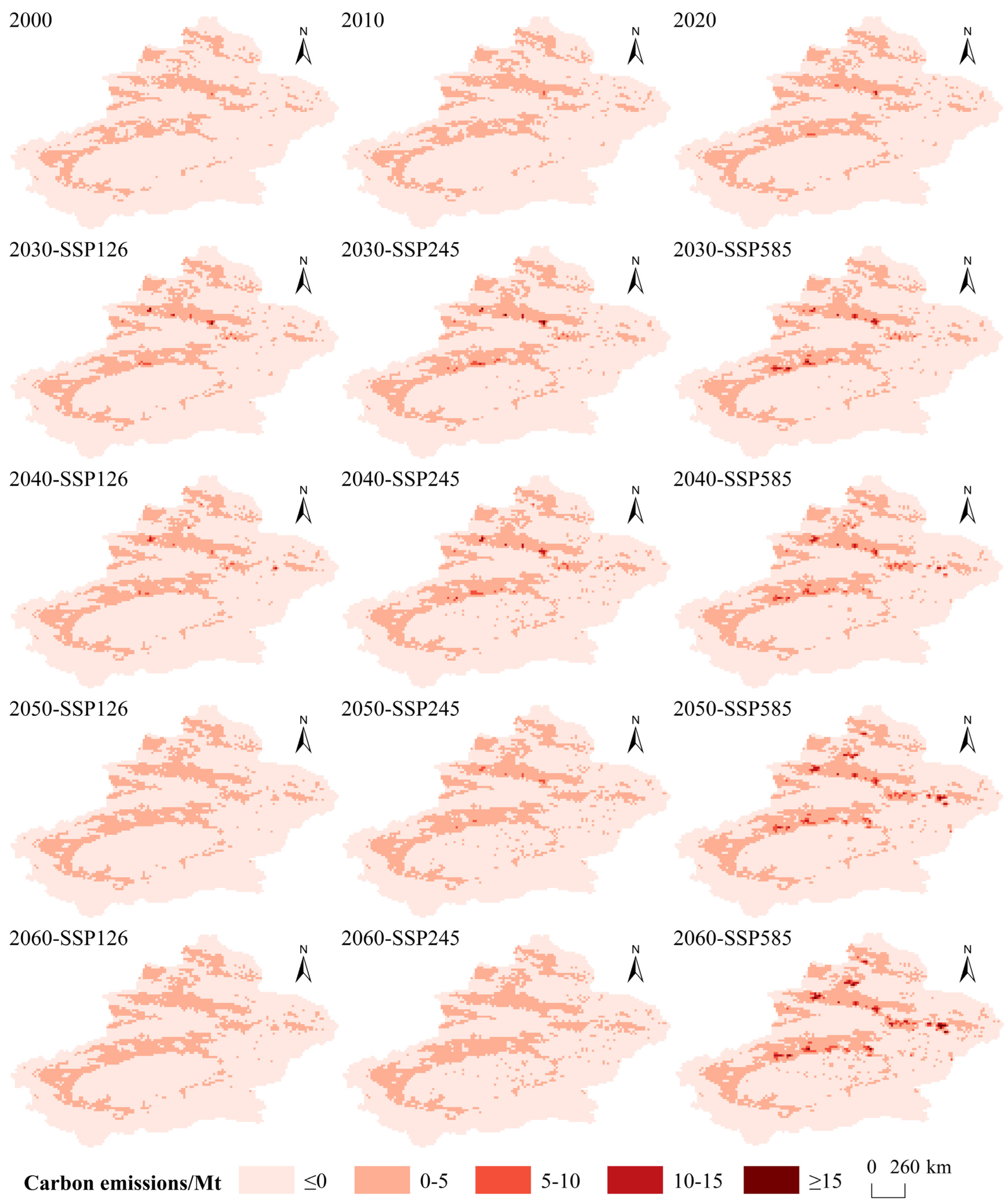
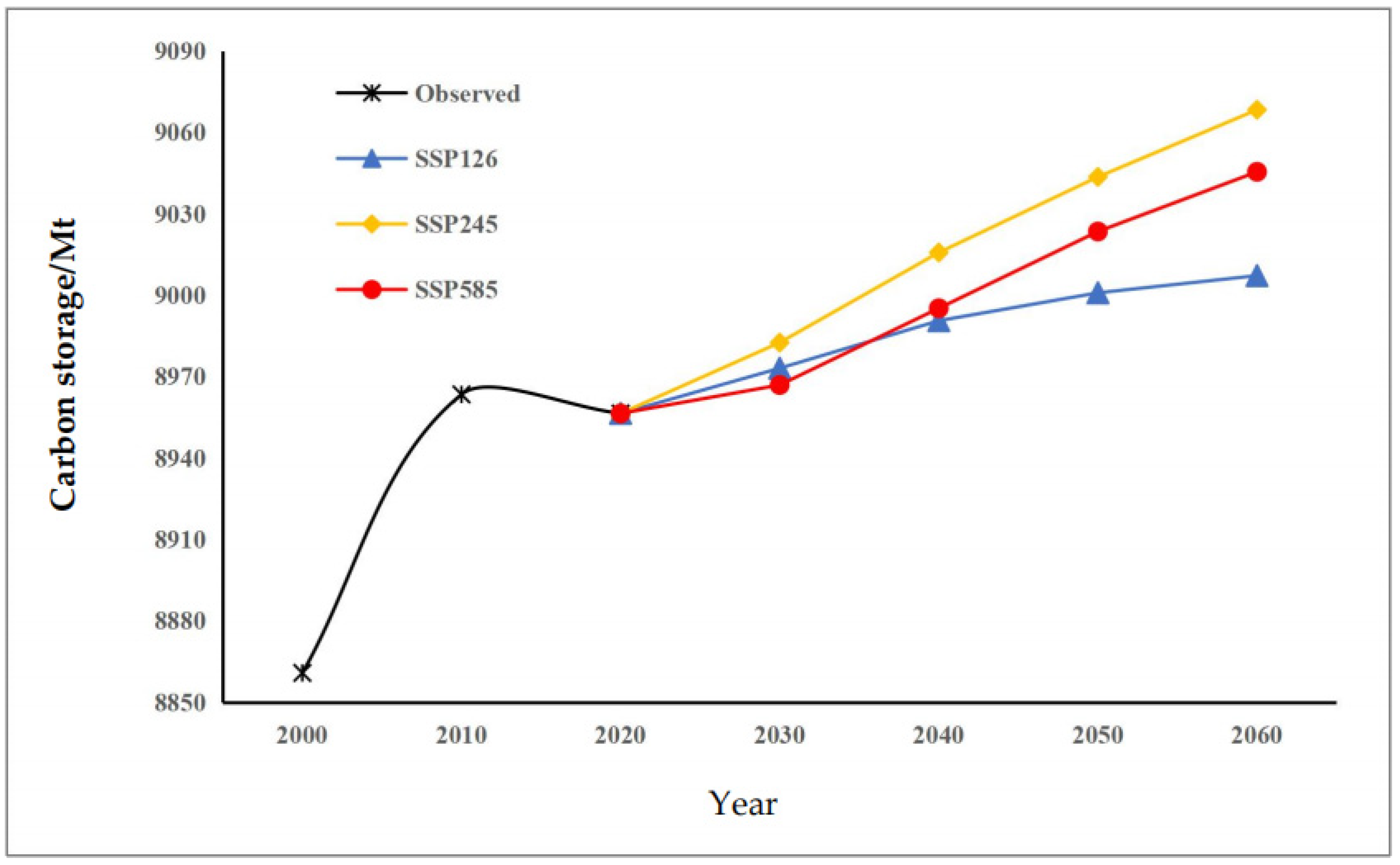
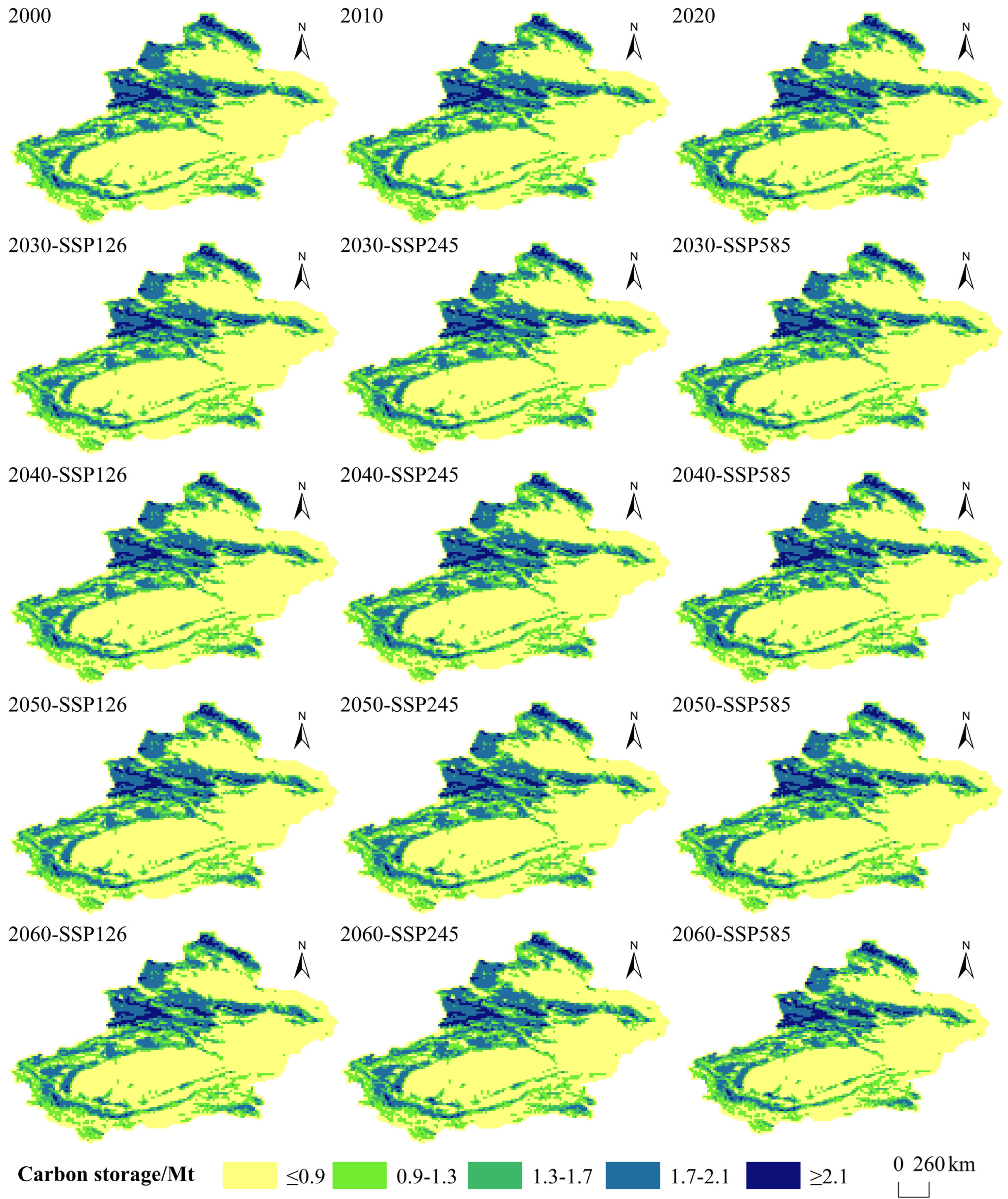
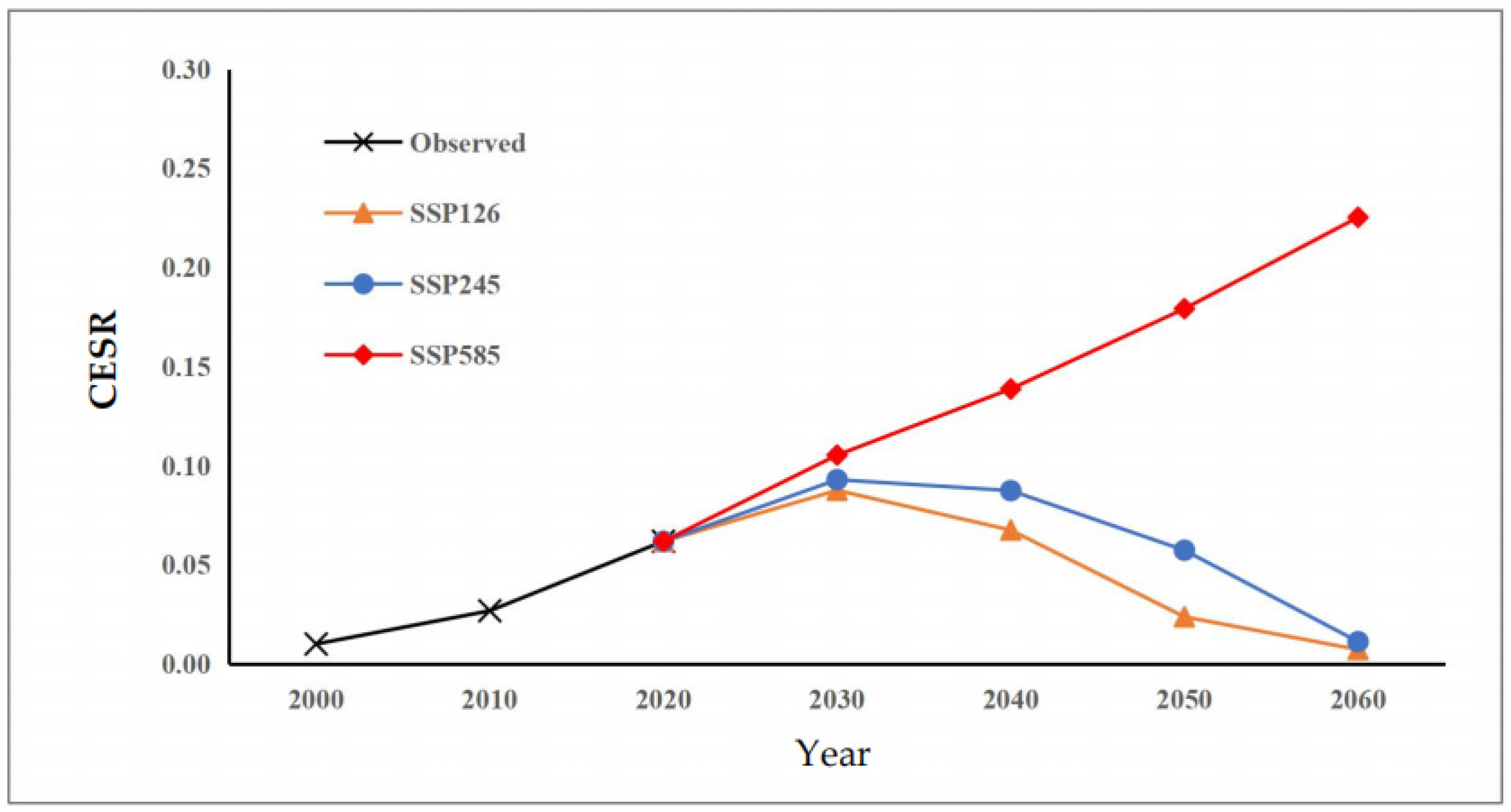
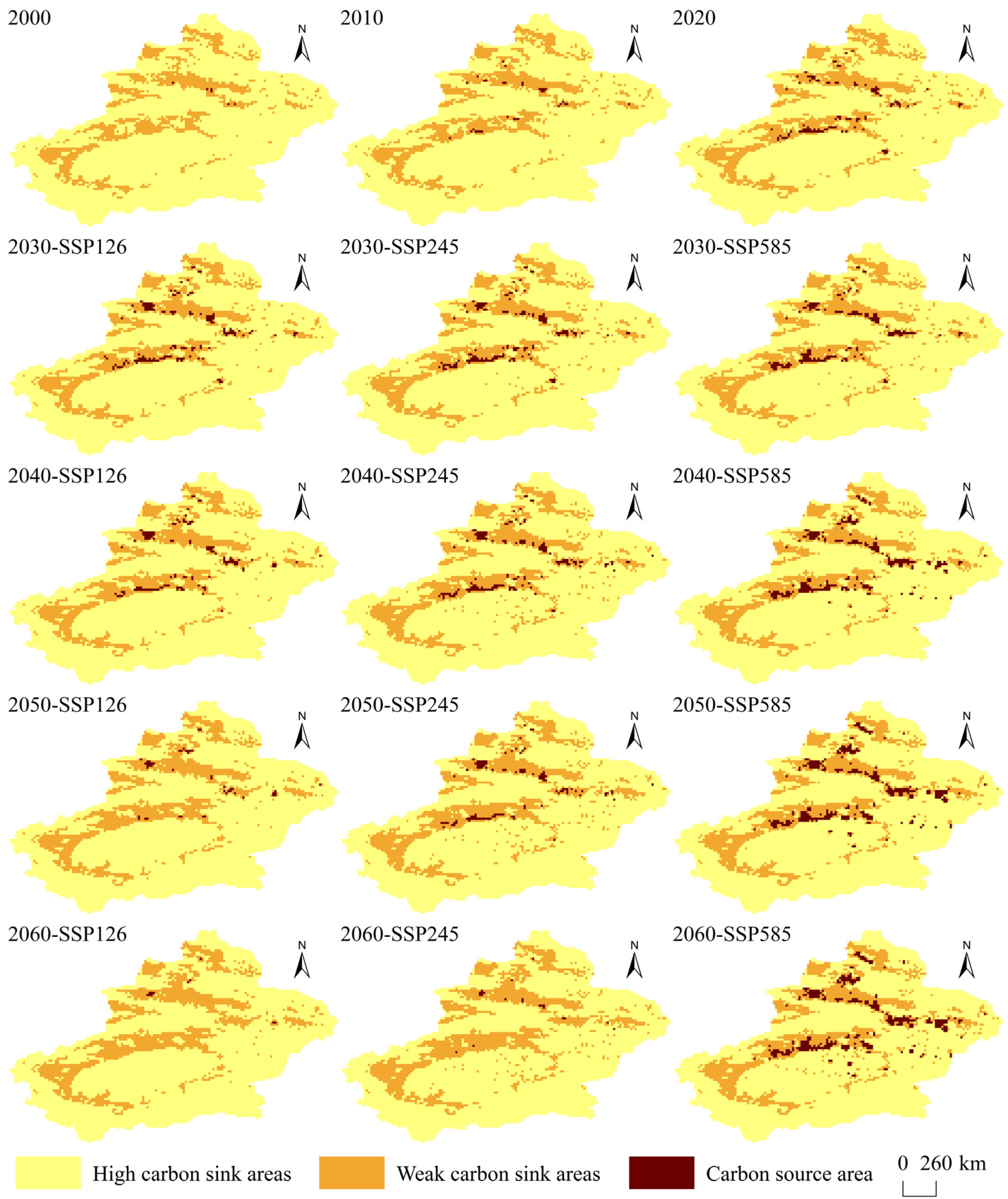
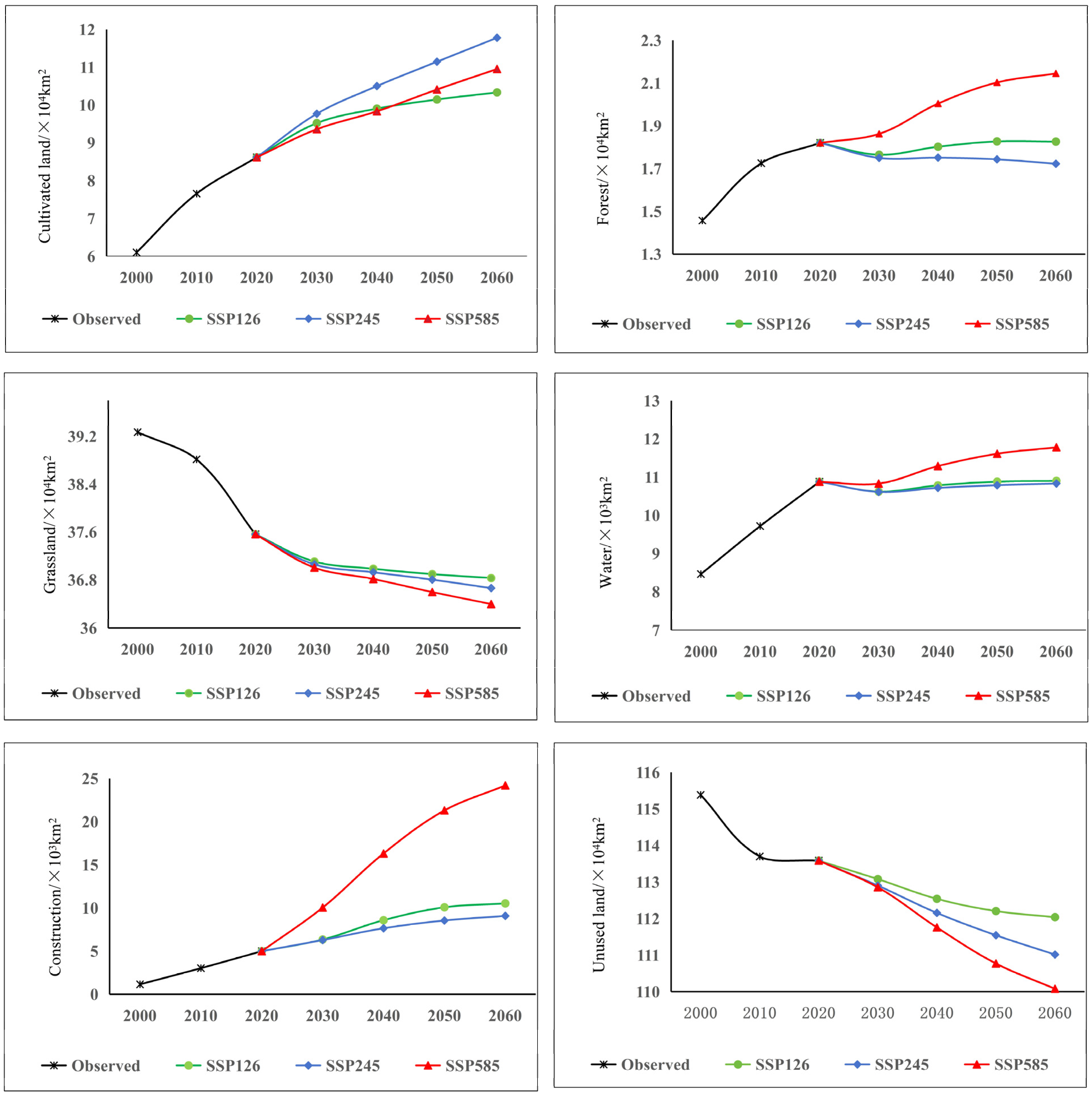
Understanding how land-use dynamics and carbon balance respond to socio-economic development and future climate change is essential. It supports the refinement of ecological management strategies in environmentally fragile regions and the achievement of China’s dual-carbon goals. This study aims to (i) analyze historical land-use evolution in Xinjiang from 2000 to 2020 and simulate its future dynamics from 2021 to 2060 under multiple SSP-RCP scenarios; (ii) quantify land-use carbon emissions and carbon storage using the coupled SD-PLUS-InVEST model; and (iii) evaluate the carbon balance through the carbon emission to storage ratio (CESR). This study coupled the system dynamics (SD) model, Patch-generating Land Use Simulation (PLUS) model, and InVEST model by integrating socio-economic statistics, IPCC climate data, and land-use datasets. The integrated model was used to simulate land-use evolution in Xinjiang from 2000 to 2060 and to quantify the spatiotemporal variation in land-use carbon emissions, carbon storage, and the CESR. Results indicated that carbon emission increased continuously from 2000 to 2020. Carbon emission showed an inverted U-shaped pattern from 2020 to 2060, with the peak occurring in approximately 2030 under the SSP1–2.6 and SSP2–4.5 scenarios, while it continued to rise from 2020 to 2060 under SSP585. Carbon storage exhibited an “initial increase followed by decline” from 2000 to 2020 but increased consistently from 2020 to 2060 under all scenarios. Xinjiang is a carbon-contributing area with the CESR less than 1 from 2000 to 2060. The CESR increased first and then decreased from 2020 to 2060 under SSP126 and SSP245, while it increased significantly under SSP585. The carbon contribution capacity in Xinjiang decreased under SSP585. These findings indicated that Xinjiang is a carbon contribution area, but its contribution function may be weakened by the expansion of energy-related land use and reduction in forest areas. Hence, it is necessity to uphold Xinjiang’s role within the national carbon balance framework by enhancing spatially differentiated land management, promoting the low-carbon transformation of the energy structure, and strengthening ecological restoration efforts to improve regional carbon sink capacity.
Keywords: carbon storage; carbon emission; carbon balance; system dynamics; SD-PLUS-InVEST model; arid area carbon storage; carbon emission; carbon balance; system dynamics; SD-PLUS-InVEST model; arid area