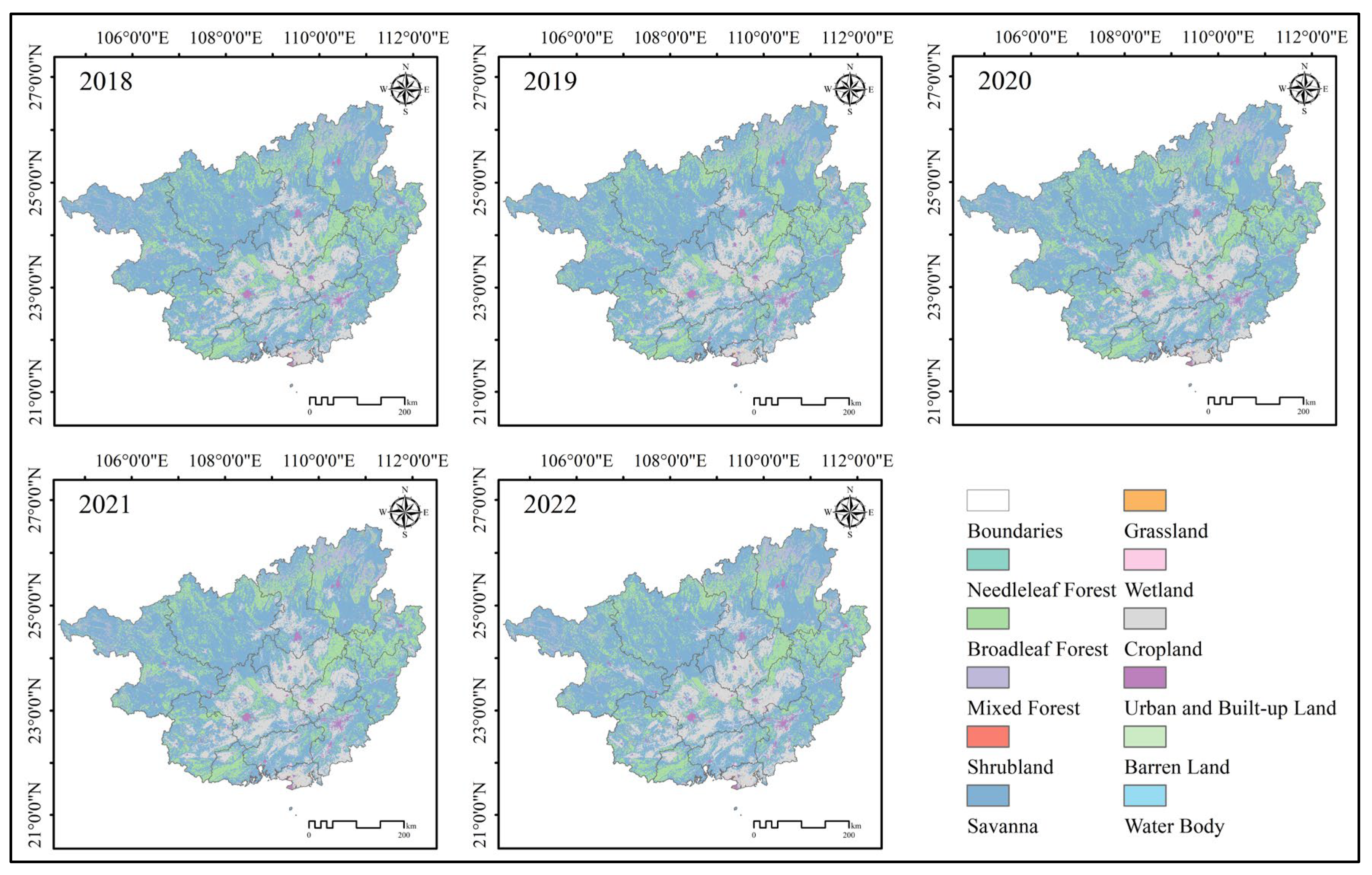
1. Introduction
Climate change has increased global attention to the regulation of terrestrial carbon cycling, emphasizing the importance of understanding the spatiotemporal dynamics of Net Primary Productivity (NPP) as a primary indicator of vegetation carbon sequestration [
1,
2]. As a fundamental component of carbon sink formation, NPP variation reflects the combined effects of climate forcing and human activities [
3,
4], making it essential for evaluating regional carbon balance and ecosystem resilience. At the same time, land-use and land-cover change (LUCC) remains a major driver of ecosystem structural and functional shifts by influencing vegetation composition, carbon stocks, and hydrological conditions [
5,
6]. In rapidly developing regions, the interactions among LUCC, hydrothermal factors, and vegetation productivity are particularly complex, and their integrated impacts on carbon sink dynamics are still not fully understood [
7]. Improving knowledge of these coupled processes is critical for guiding regional carbon management, optimizing land-use strategies, and supporting climate-resilient development.
In the carbon cycle, the distribution and transformation of different land-use types reshape ecosystem structure and function, thereby influencing regional and global carbon budgets. Owing to differences in vegetation types, ecological functions, and management practices, land-use types such as forests, croplands, grasslands, and urban areas exhibit distinct NPP levels and dynamic characteristics [
8]. Forests, particularly broadleaf forests, generally demonstrate higher NPP [
9], whereas croplands, despite having lower NPP, contribute significantly to regional carbon sinks due to their extensive coverage [
10]. In contrast, grasslands and urban areas tend to exhibit lower NPP values [
11]. Therefore, examining the spatial–temporal distribution and variation patterns of NPP across different land-use types is essential for accurately assessing regional carbon budgets and optimizing management strategies.
Moreover, temperature and precipitation, as key hydrothermal factors affecting vegetation productivity, influence the spatiotemporal dynamics of NPP by regulating physiological processes such as light-use efficiency, respiratory metabolism, water-use efficiency, and biomass accumulation [
12,
13,
14]. Because vegetation types differ in their physiological traits and resource-use strategies, their responses to hydrothermal variability vary in magnitude and sensitivity, resulting in pronounced spatial heterogeneity [
15]. For instance, Peng et al. (2012) [
16] showed that in Northeast China, growing-season precipitation explains more than 70% of the interannual NDVI variability in grassland biomes, whereas forest NDVI is predominantly constrained by growing-season temperature, leading to markedly different spatial trends between grassland and forest ecosystems.
At the regional scale, NPP research often focuses on analyzing the spatial–temporal variations in different land-use types and their responses to climate change and human activities [
17]. For example, Zhao et al. (2022) [
18] analyzed Guangxi province and found that land-use change—particularly urban expansion and forest cover reduction—led to significant shifts in ecosystem productivity, including NPP. Similarly, Yuan et al. (2025) [
19] showed that land conversion significantly altered NPP patterns in the Qinling region. Furthermore NPP generally shows a positive response to precipitation and a regionally variable sensitivity to temperature [
20,
21]. Recent studies have further highlighted the importance of spatial heterogeneity and time-lag effects in these responses [
22]. For instance, Fang et al. (2025) [
23] demonstrated that grassland productivity in Yunnan was predominantly driven by precipitation, with temperature effects varying spatially and showing lagged responses.
Although numerous studies have investigated the spatiotemporal dynamics of NPP and its driving mechanisms, most have still focused on decomposing the relative contributions of different drivers and have rarely examined in a systematic way the coupled mechanisms linking LUCC-induced NPP responses with the sensitivity of NPP to regional hydrothermal conditions [
24,
25]. In humid subtropical monsoon–karst regions that are strongly disturbed by intensive human activities and characterized by frequent land-use changes, dynamic coupling studies that take “LUCC change–NPP variation–hydrothermal response” as the main analytical thread are still lacking, making it difficult to clarify how different land-use change pathways shape differences in carbon sink functions and environmental adaptability [
26,
27,
28]. Therefore, this study takes the Guangxi Zhuang Autonomous Region—a strategic pivot of the Belt and Road Initiative and an important component of the southwest ecological barrier—as the study area. Using multi-source remote sensing datasets for 2018–2022, we develop an integrated “LUCC–NPP–hydrothermal sensitivity” analytical framework under a unified spatiotemporal scale and combine land-use change analysis with hydrothermal sensitivity coefficients and related methods to reveal NPP evolution driven by different land-use change pathways and its response patterns to hydrothermal variability, thereby providing theoretical support for carbon budget assessment and land-resource optimization in karst ecological regions.
3. Methods
3.1. Methodological Framework
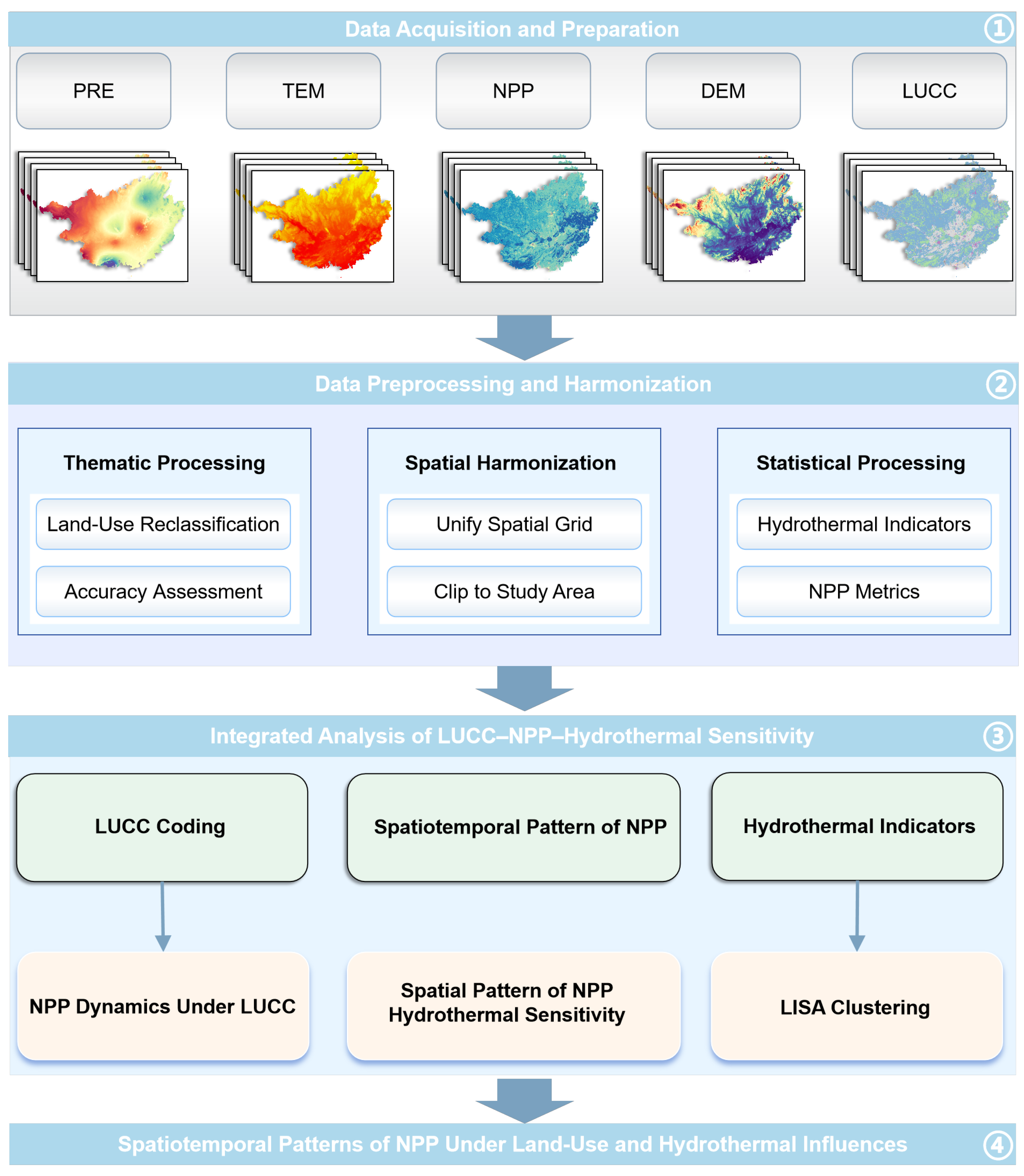
Figure 2 summarizes the overall methodological workflow. First, multi-source datasets of NPP, land-use, and meteorological variables for 2018–2022 are harmonized to a unified spatiotemporal grid. Second, a land-use change coding scheme is applied to identify annual land-use conversion pathways and to link these transitions with changes in NPP. Third, hydrothermal (temperature and precipitation) sensitivity coefficients of NPP are calculated at the pixel scale, followed by LISA-based spatial clustering to detect sensitivity hotspots, coldspots, and outliers. Finally, we integrate land-use change pathways, NPP dynamics, and hydrothermal sensitivity patterns to interpret the evolution of regional carbon sinks in Guangxi and to discuss implications for land-use management and climate-resilient ecosystem planning.
3.2. Coding Scheme for Land-Use Changes
To quantify the impact of land-use change on NPP variations, this study established an analytical framework based on pixel change matrices and adopted a standardized encoding system to systematically characterize the transition processes between different land types. In remote sensing analysis, the study area is discretized into N pixels, each defined as Pi, where i = 1, 2, …, N. The entire set of pixels constitutes the raster matrix P.
Assuming that the land-use types of an arbitrary pixel
Pi at times t and t + 1 are denoted as
and
, respectively, and each land-use type is assigned a unique identifier
Lk where
k = 1, 2, …, k represents different land-use categories. To describe the land-use change in pixels, a change encoding matrix
C is defined, where the element
represents the transition type of pixel
Pi between times
t and
t + 1, formulated as follows:
This encoding method maps the land-use change in each pixel to a unique code
, thereby constructing a Change Matrix
C whose dimensions are consistent with the raster matrix
P. This standardized encoding enables comprehensive statistical analysis of land-use changes between different land types. Let
represent the NPP value of pixel
Pi in year
t (unit: g C/m
2/yr). The NPP change for pixel
Pi between consecutive years is defined as follows:
This process is applied to all pixels, forming a complete NPP Change Matrix
whose dimensions are consistent with the raster matrix
P. To explore the NPP change characteristics induced by different types of land-use change, this study conducted statistical analysis on the change encoding matrix
C. For any transition type
(e.g.,
Ck = 208 indicating the transition from broadleaf forests to croplands), the corresponding NPP change set is defined as follows:
For each transition type
, the total, mean, maximum, and minimum NPP changes are calculated as follows:
where
denotes the total number of pixels involved in transition type
and
represents the set of pixels corresponding to the specified transition type. By performing frequency statistics and mean analysis of
for different transition types, the contribution and impact of land-use changes on NPP spatial and temporal patterns can be comprehensively revealed. Additionally, to accurately characterize the spatial features of land-use changes, all calculation results are mapped back to the original raster matrix
P, thereby constructing complete spatial distribution maps. This process ensures the quantification and spatial analysis of NPP changes under various land-use change scenarios.
3.3. Calculation of Sensitivity Coefficients
To evaluate the sensitivity of NPP to different climatic factors and to conduct a quantitative analysis of sensitivity across spatial scales, we applied the sensitivity analysis method proposed by Beven along with the concept of dimensionless processing of change rates [
37]. Sensitivity coefficients were calculated at the pixel scale, and normalization was applied to facilitate comparative analysis across different regions. The calculation formula is as follows:
The variables used in the formula are defined as follows: represents the value of a meteorological factor (e.g., precipitation, temperature) at pixel (x,y) in year i. denotes the NPP value at pixel (x, y) in year i. indicates the multi-year average value of the meteorological factor at pixel (x, y). Similarly, refers to the multi-year average value of NPP at pixel (x, y). Finally, n represents the total number of years included in the calculation.
The above formula essentially calculates the sensitivity of NPP to different meteorological factors by assessing the covariance and variance between climatic factors and NPP across multiple years. This approach reflects the sensitivity of a specific climatic factor to NPP in terms of magnitude and direction. However, since the sensitivity coefficients
may have different scales across pixels, standardization is applied to ensure consistency and comparability within the study area. The steps of standardization are as follows.
Among them, and represent the minimum and maximum sensitivity coefficients among all pixels, respectively.
4. Results
4.1. Analysis of Spatiotemporal Distribution Characteristics and Hydrothermal Changes in NPP
As shown in
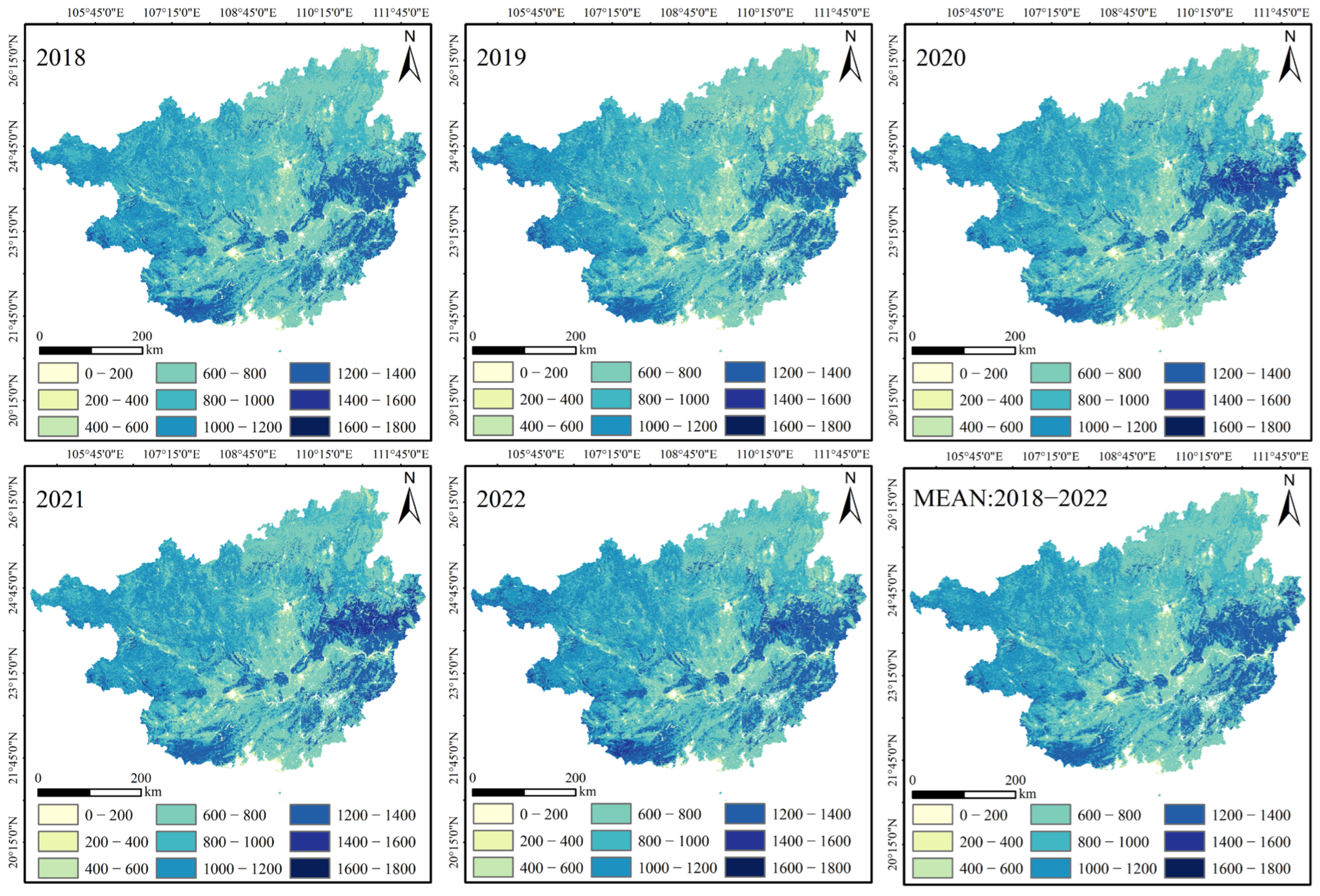
Figure 3, the spatiotemporal distribution of NPP across Guangxi from 2018 to 2022 exhibited significant regional differences and interannual fluctuations. The average distribution pattern indicates that the southwestern and northern mountainous regions of Guangxi are high-value areas of NPP (1600–1800 g C/m
2/yr), where dense forest vegetation and humid climates contribute to consistently high levels of Net Primary Productivity. In contrast, the southeastern plains and northeastern karst areas are identified as low-value areas of NPP (below 400 g C/m
2/yr), encompassing regions with intensive urbanization and agriculture, where productivity remains low due to sparse or highly seasonal vegetation coverage.
In terms of interannual variation, significant differences in NPP distribution were observed across years. The year 2019 was the lowest point for NPP throughout the study period, showing a general decline compared to 2018, indicating weakened vegetation productivity. Starting from 2020, regional NPP gradually recovered, reaching its peak in 2021, with widespread high NPP distribution, reflecting optimal vegetation growth conditions during that year. Although there was a slight decline in NPP in 2022 compared to 2021, most regions remained above the 2019 levels. The amplitude of interannual fluctuations varied across different regions is as follows: high-value forested areas maintained consistently high NPP with minor fluctuations, while low-value areas such as urban regions and barren lands continued to exhibit low productivity with minimal change. In contrast, croplands and other seasonally vegetated areas (such as the central-southern plains and karst regions of Guangxi) were more sensitive to climatic conditions, exhibiting significant fluctuations. Notably, these areas experienced a substantial decline in productivity in 2019, followed by a pronounced recovery in 2021, with fluctuations far greater than those observed in forest-dominated regions.
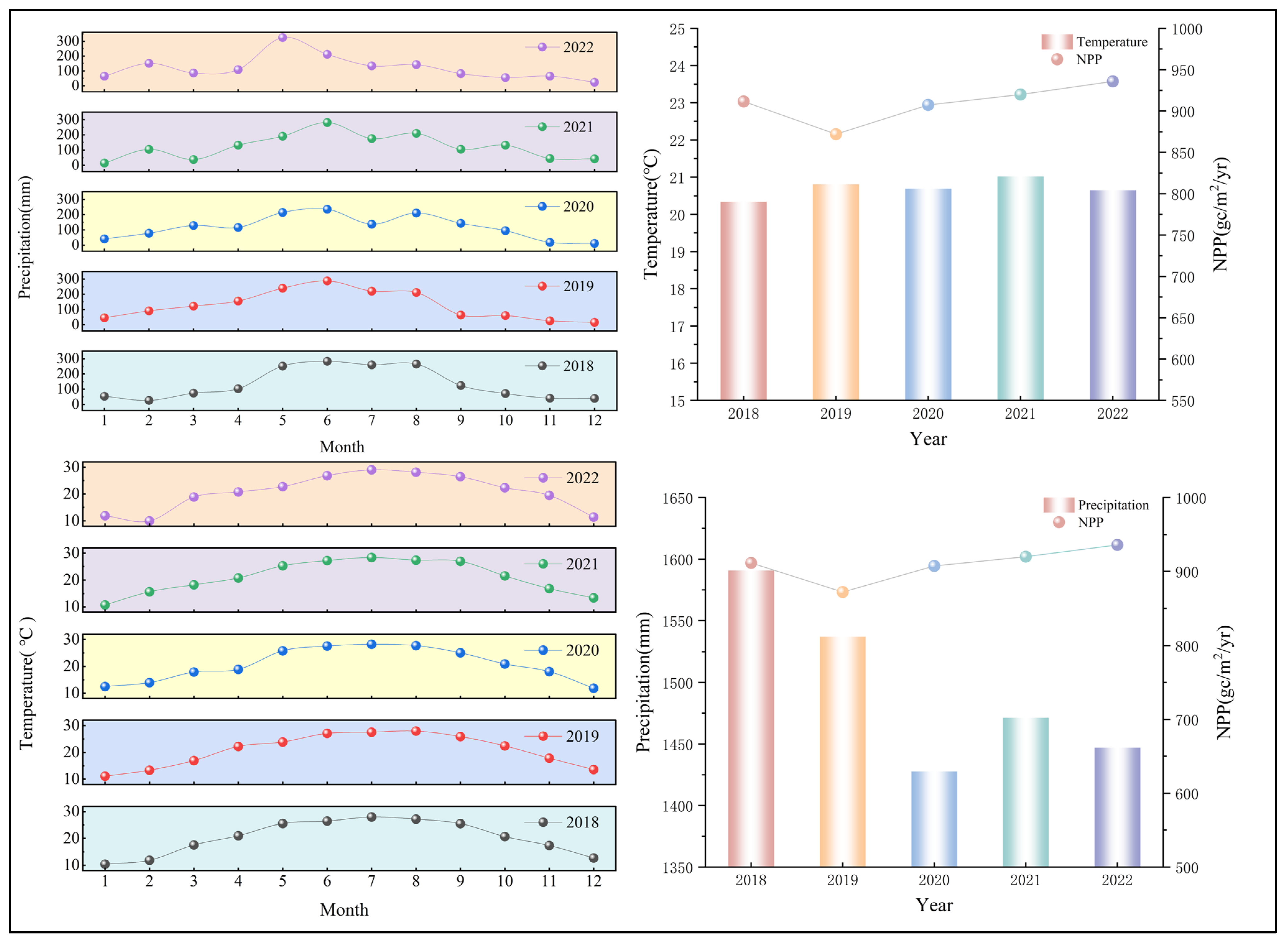
On a monthly scale (
Figure 4), the five-year period displayed typical subtropical monsoon climate characteristics: there were low values during winter and spring (January–March), gradually increasing from late spring to early summer (April–July), reaching peaks during summer (June–August), and subsequently declining during autumn (August–October). Specifically, precipitation generally peaked between May and August, with May 2022 showing the highest precipitation at 325.36 mm. Temperature typically reached its highest points around July and August, with peak summer temperatures from 2020 to 2022 being slightly higher than those from 2018 to 2019.
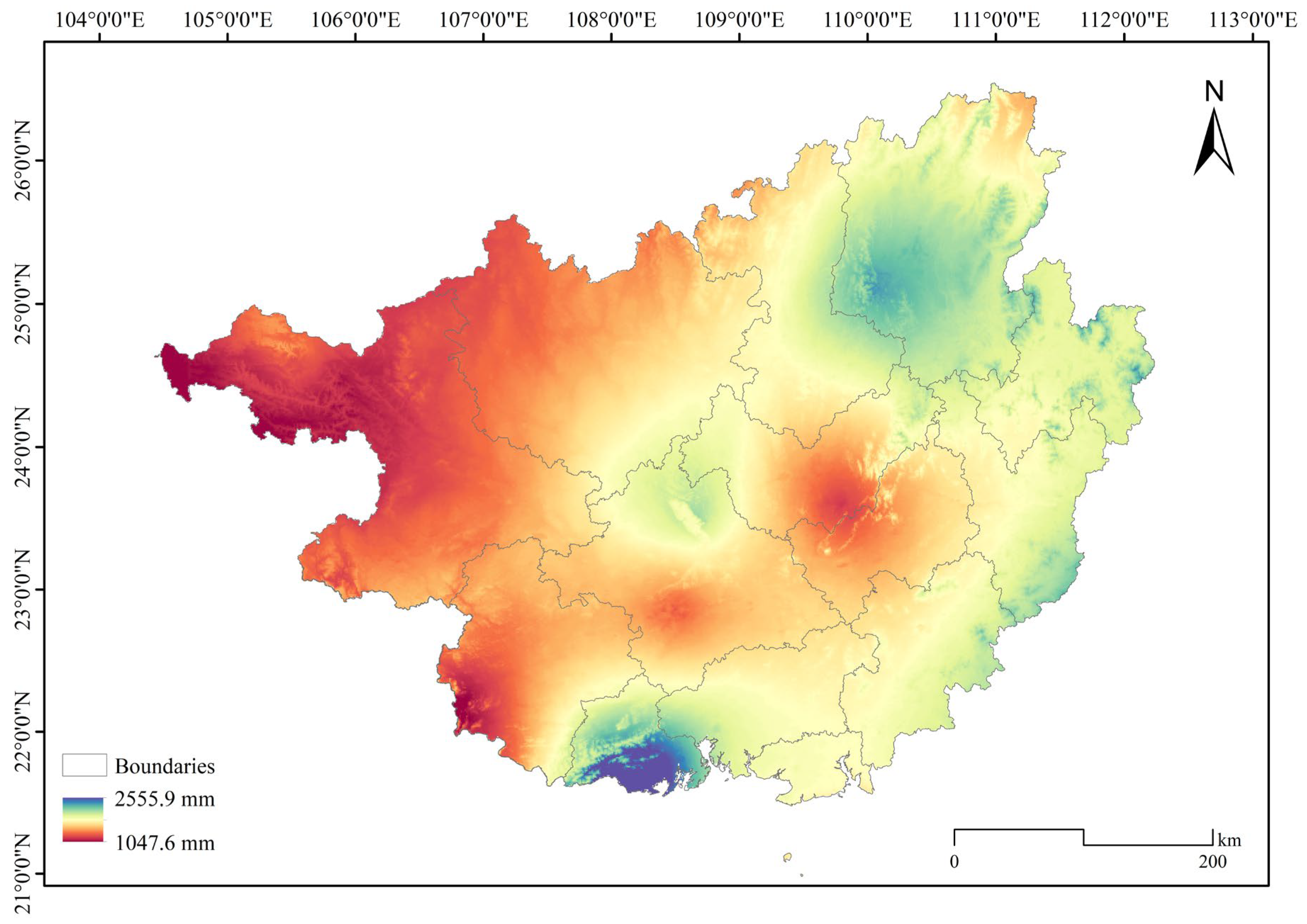
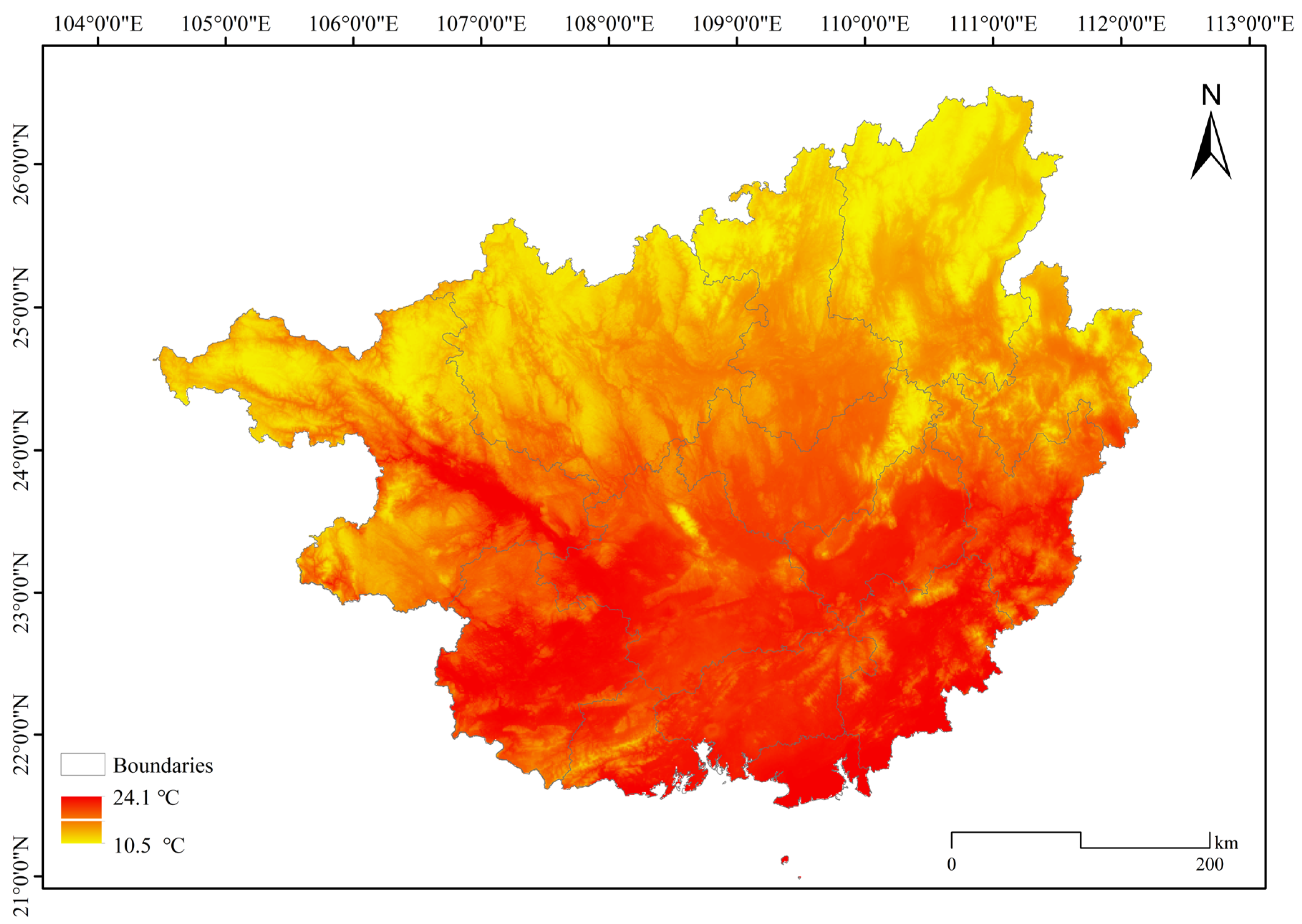
According to
Figure 5 and
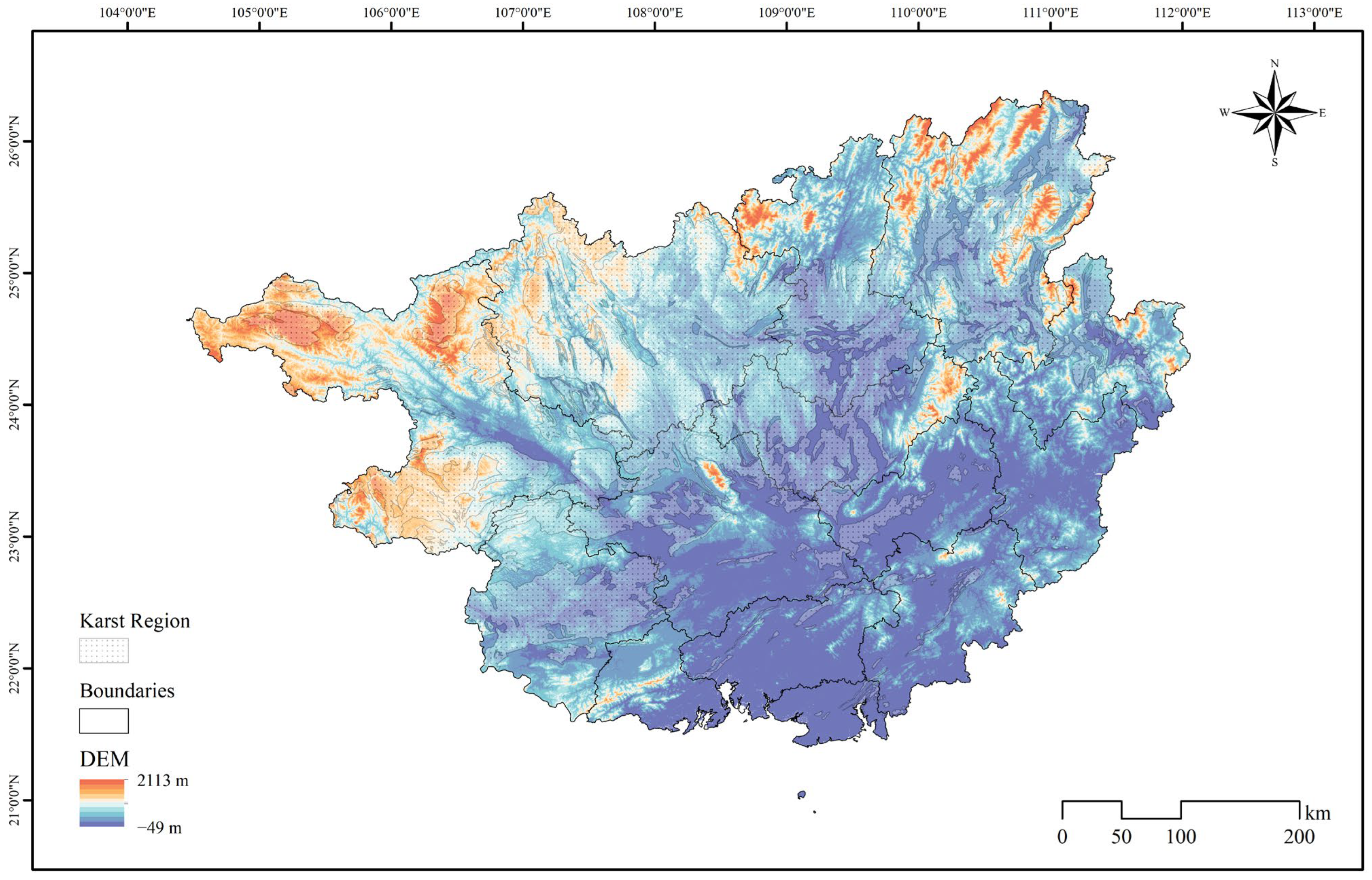
Figure 6, the overall spatial distribution of temperature and precipitation during the study period exhibits distinct patterns. Mean annual temperature shows a clear latitudinal gradient, with higher temperatures (22–24 °C) in the southern parts of Guangxi. As latitude increases toward the northern mountainous regions, the mean annual temperature gradually decreases, sometimes dropping to 15–18 °C. This pattern is consistent with Guangxi’s latitudinal position and topographical structure, particularly in the northern mountains and hilly areas, where the combined effects of higher altitudes and increased intrusion of cold air during winter contribute to lower mean temperatures.
Compared to temperature patterns, the spatial distribution of mean annual precipitation generally follows a gradient of decreasing from east to west. The eastern coastal and southeastern regions receive abundant rainfall due to the influence of the southeast monsoon from the Western Pacific. In contrast, as longitude increases westward, precipitation gradually decreases due to topographic barriers and weakened moisture transport.
Overall, the spatial distribution of precipitation and temperature during 2018–2022 generally followed the typical pattern of hot–wet synchronization within the year. However, interannual variations in precipitation and temperature exhibited different combinations, such as “high precipitation–moderate temperature” and “moderate precipitation–high temperature”. The overall pattern of “hot in the south, cool in the north; wet in the east, dry in the west” characterizes the main spatial distribution of hydrothermal conditions observed during the study period.
4.2. NPP Efficiency of Land-Use Types and Its Interannual Variation Characteristics
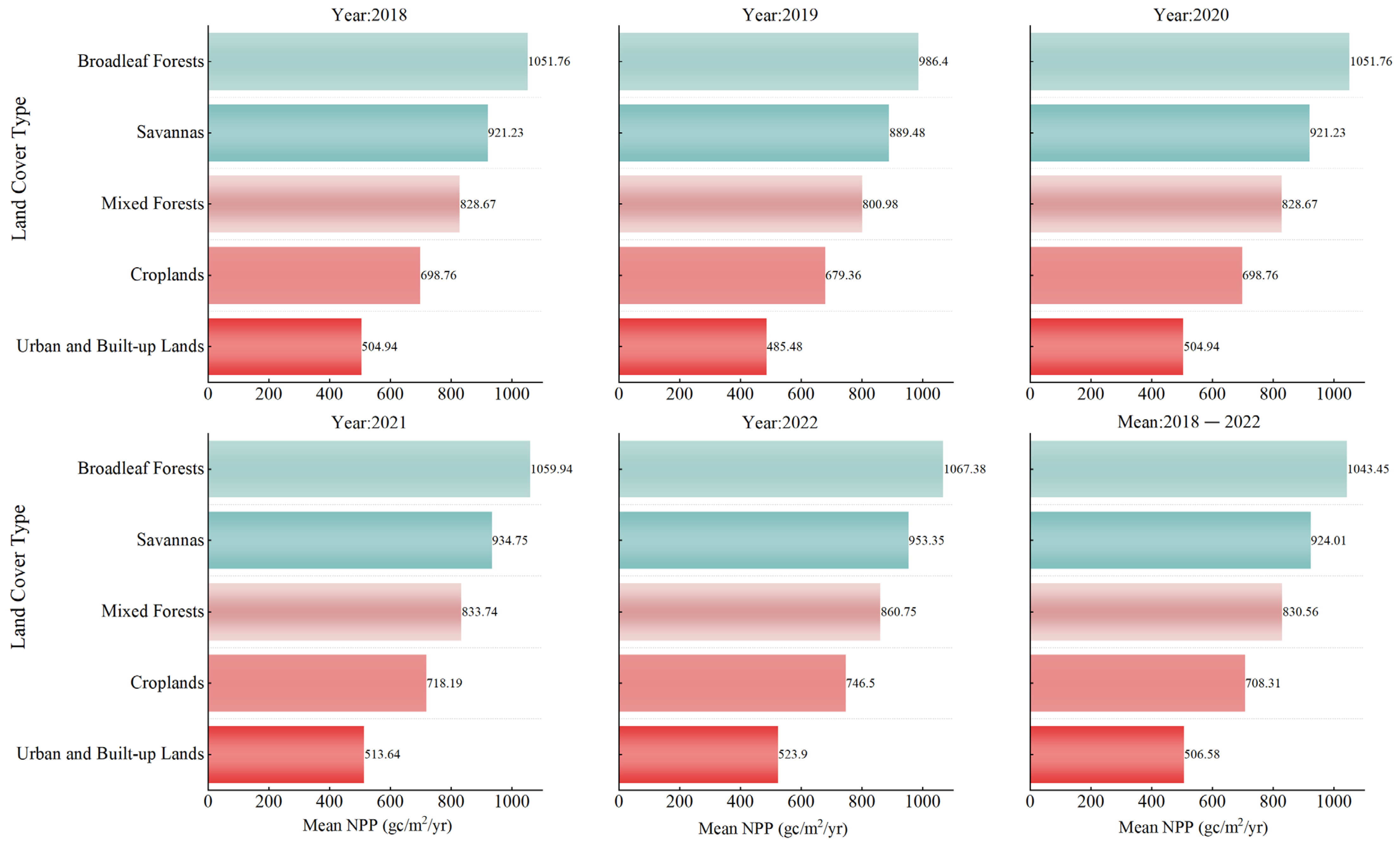
To clarify the functional characteristics and dynamic evolution of different land-use types within the regional carbon sink pattern, this study analyzed the interannual variation in NPP across five land-use types from 2018 to 2022. Overall, the NPP of each land-use type exhibited a general upward trend with fluctuations, experiencing a widespread short-term decline in 2019 followed by a gradual annual recovery (
Figure 7). Specifically, broadleaf forests increased from 986 g C/m
2/yr in 2019 to 1067 g C/m
2/yr in 2022, representing an approximate growth of 8.2%. Meanwhile, croplands showed the most significant increase among all land-use types, rising from 679.36 g C/m
2/yr to 746.5 g C/m
2/yr, with a relative growth rate of nearly 10%. The NPP of savannas and mixed forests also demonstrated steady increases, with growth rates ranging from 7% to 8%. Additionally, although the NPP of urban and built-up lands remained relatively low throughout the study period, it increased from 504 g C/m
2/yr to 523.9 g C/m
2/yr, achieving a growth rate of 4%.
However, from a long-term perspective, the ranking of NPP among different land-use types remained relatively stable, indicating a generally stable ecosystem structure. From a structural perspective, land-use types such as broadleaf forests, despite having high NPP, contribute less to the overall regional carbon sink due to their scattered distribution. Conversely, croplands, although having slightly lower NPP, contribute significantly to total carbon sequestration due to their extensive coverage.
4.3. Analysis of Temporal NPP Transitions Associated with Land-Use Change
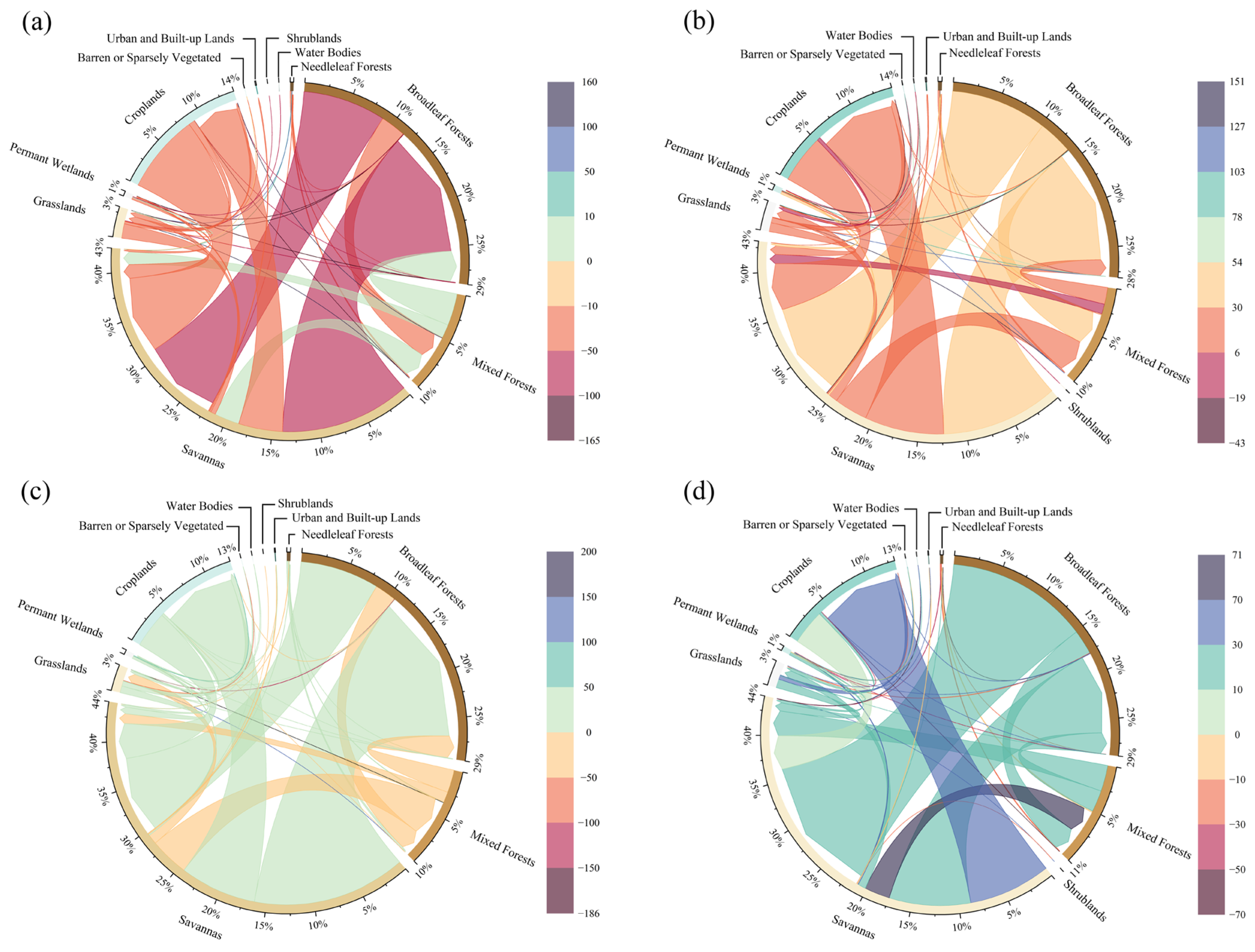
To investigate the dynamics of carbon sinks under land-use change, this study utilizes land-use change data between adjacent years during 2018–2022 to quantify the direction and spatial structure of NPP flows among land-use types over time. The analysis also reveals how land-use changes reshape the regional carbon sink pattern; the results are presented in
Figure 8.
Overall, NPP transfers were primarily concentrated among broadleaf forests, mixed forests, savannas, and croplands, indicating that these four land-use types play dominant roles in the distribution and structural adjustment of carbon sinks. During this period, land-use-driven NPP changes exhibited a temporal evolution pattern characterized by a generally stable increase. From 2018 to 2020, land-use changes were mainly marked by the conversion of savannas into broadleaf forests and croplands into savannas, often accompanied by a decline in NPP per unit area. However, the magnitude of this decline gradually diminished year by year. As shown in
Figure 8, savannas participated extensively in NPP flow across all four periods, underscoring their important role in regulating regional NPP. Particularly in the 2019–2020 and 2021–2022 periods, savannas exhibited strong NPP flow connections with mixed forests and broadleaf forests. Over time, the scale of NPP flow involving savannas expanded, highlighting their growing regulatory function in the regional carbon sink configuration. Broadleaf forests accounted for approximately 28% of the total area involved in NPP transitions and had the highest NPP per unit area among all land-use types (with a five-year mean of 1043.45 g C/m
2/yr). In most cases, conversion to broadleaf forests resulted in a per-unit NPP increase, suggesting a carbon sink enhancement effect during land-use adjustment. Broadleaf forests are mainly distributed in mountainous areas, with ecosystems typically characterized by a high leaf area index, rapid biomass accumulation, and strong structural stability.
Further analysis revealed that mixed forests were often associated with increases in NPP per unit area during land-use changes, indicating relatively high carbon accumulation efficiency in certain areas. Notably, in plots converted from savannas to mixed forests, the increase in NPP per unit area was particularly evident. Croplands showed a sustained increase in per-unit NPP during NPP flow processes. Specifically, the average NPP of incoming cropland areas rose from −2.42 g C/m
2/yr in the 2018–2019 period to 26.34 g C/m
2/yr in the 2021–2022 period. Meanwhile, the total NPP inflow to croplands also increased year by year, indicating an improvement in the carbon sink efficiency of agricultural ecosystems. As illustrated in
Figure 9, these spatial changes were mainly concentrated in central regions and river valley plains, suggesting that continued agricultural management practices positively contributed to carbon sequestration in farmlands. It is noteworthy that during the bidirectional conversion between savannas and broadleaf forests in 2018–2019, both transitions resulted in a decline in per-unit NPP (−52.8 and −65.76 g C/m
2/yr, respectively). This result reveals the potential ecological disturbance effects and lagged functional responses in land-use changes.
In summary, from 2018 to 2022, the performance of different land-use types in NPP flow structures reflected the region’s multi-level ecological responses to land-use change. Savannas exhibited strong regulatory capacity and adaptability across all periods, broadleaf forests demonstrated the highest carbon fixation potential and played a key role in optimizing the carbon sink pattern, and mixed forests and croplands showed dynamic regulatory characteristics. These findings reveal the functional differentiation of various ecosystem types in the evolution of regional carbon sinks under land-use adjustment and also reflect the positive impact of current land-use restructuring and ecological restoration measures, indicating that the regional ecosystem is evolving toward a more efficient, stable, and sustainable state.
4.4. Clustering and Outlier Analysis of Hydrothermal Sensitivity Coefficients
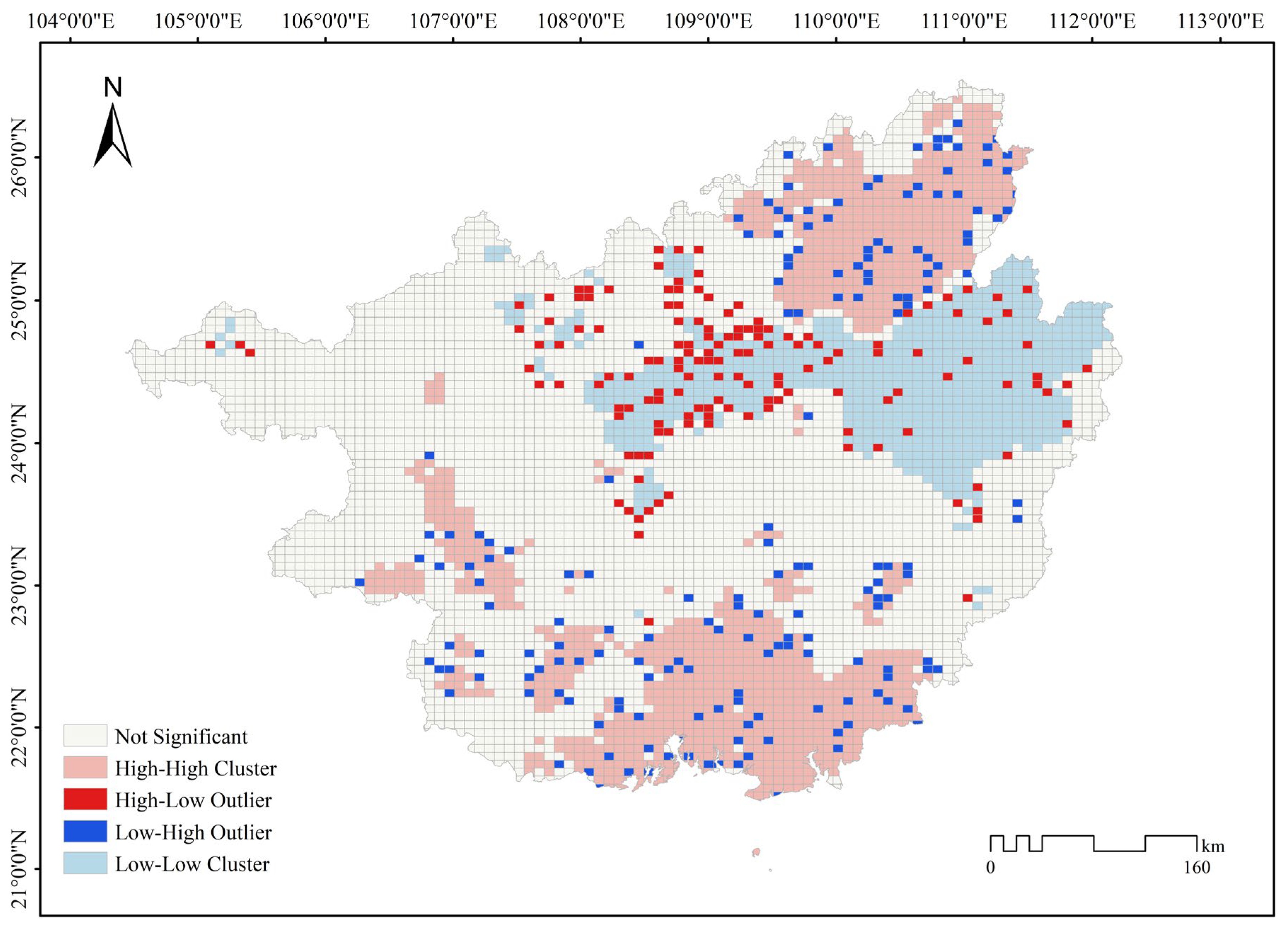
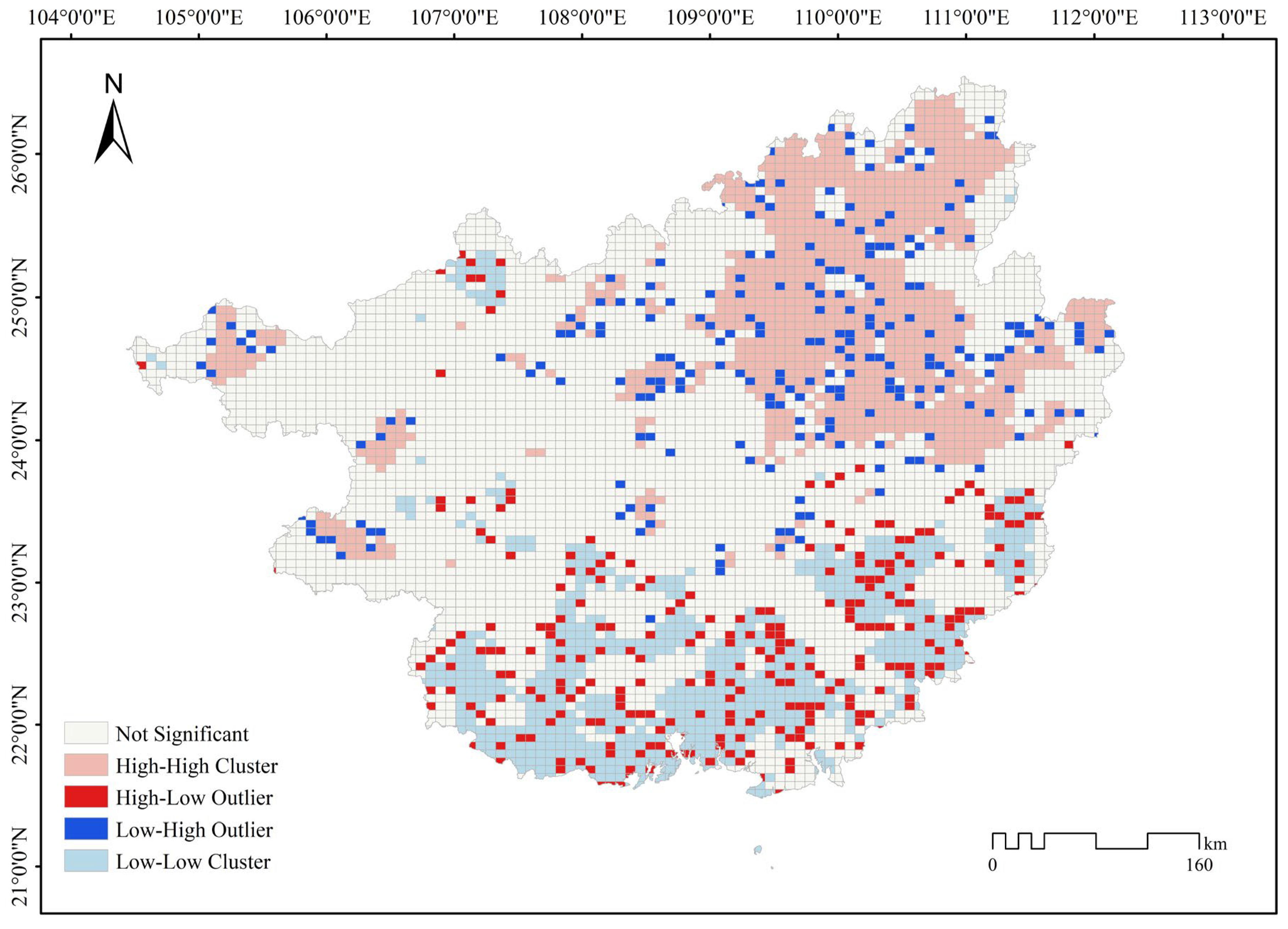
To further understand the spatial differentiation patterns of hydrothermal sensitivity coefficients in the study area, this study applied the Local Indicators of Spatial Association (LISA) method to identify the spatial clustering and outlier characteristics of precipitation and temperature sensitivity coefficients (
Figure 10 and
Figure 11). Additionally, a comprehensive spatial comparison of the two factors was conducted to reveal deeper spatial heterogeneity and driving mechanisms. The spatial distribution of sensitivity coefficients was classified into five categories: High–High Cluster (hotspot), Low–Low Cluster (coldspot), High–Low Outlier, Low–High Outlier, and Not Significant, which indicates locations where the NPP value differs markedly from that of the surrounding units. Based on the significance of the LISA statistics (
p < 0.05), we mapped the LISA cluster types to reveal the spatial aggregation patterns of NPP and their differences among land-use types.
From an overall spatial pattern perspective, the hydrothermal sensitivity coefficients in the study area exhibited significant spatial imbalance, with hotspots and coldspots showing strong spatial continuity and clustering effects. Specifically, precipitation sensitivity hotspots were primarily concentrated in the northern and southern parts of the study area, forming continuous clusters. This pattern indicates that NPP in these areas is highly sensitive to precipitation changes, and climate fluctuations may have significant ecological impacts. In contrast, precipitation sensitivity coldspots were mainly located in the central part of the study area, exhibiting relatively continuous and stable spatial clustering characteristics. Further analysis revealed that this region mostly has a Digital Elevation Model (DEM) altitude above 189 m, predominantly featuring mountainous terrain with broadleaf forests as the dominant vegetation type. On the other hand, dense broadleaf forests effectively regulate water cycling, conserve water resources, and reduce transpiration intensity, which further diminishes the area’s response to precipitation variability. Consequently, this region exhibits stable and continuous low sensitivity to precipitation changes.
Additionally, a small number of scattered outlier areas (High–Low Outliers and Low–High Outliers) were identified within the study region, indicating significant local-scale heterogeneity in sensitivity. Overall, the spatial distribution of precipitation sensitivity generally follows a pattern of “high sensitivity in the north and south, low sensitivity in the center.”
The spatial pattern of temperature sensitivity coefficients differs significantly from that of precipitation sensitivity. Temperature sensitivity hotspots are primarily concentrated in the northern region of the study area, exhibiting a continuous and pronounced clustering pattern, suggesting that NPP in this area is highly sensitive to temperature fluctuations. In contrast, the southern coastal areas present a large-scale and continuous distribution of temperature sensitivity coldspots, characterized by a relatively regular “block-like” clustering pattern. Overall, the spatial pattern of temperature sensitivity follows a “high in the north, low in the south” distribution. Additionally, the scattered distribution of spatial outliers further reflects the spatial heterogeneity of temperature sensitivity at a finer scale.
5. Discussion
The associations between the NPP spatial pattern revealed in this study and the underlying land-use structure and hydrothermal background reflect the comprehensive response of ecosystems in the humid subtropical monsoon–karst region to multiple environmental factors. Differences among land-use types in resource acquisition capacity, ecological process intensity, and adaptability to climate fluctuations lead to a marked spatial differentiation of regional NPP. These results provide a reference for identifying key areas that are more sensitive to precipitation and temperature variability, prioritizing the spatial arrangement of ecological conservation and restoration projects, coordinating the spatial configuration of cropland and built-up land, and formulating land-use strategies aimed at enhancing carbon sinks and achieving carbon neutrality objectives.
From the perspective of land-use types, the interannual NPP trajectories show that forests maintain the highest and most stable productivity, whereas croplands and grasslands exhibit stronger fluctuations. The widespread NPP decline in 2019, followed by recovery in subsequent years, suggests that short-term climatic anomalies and ecological disturbances can significantly modify vegetation productivity, particularly in agricultural and seasonally vegetated systems [
38,
39], as also indicated by
Figure 4, where both precipitation and temperature in 2019 were lower than in the adjacent years. At the same time, croplands contribute substantially to the regional carbon sink due to their large areal extent, while broadleaf and mixed forests provide high per-unit NPP, jointly underpinning the overall carbon budget. In contrast, rapid expansion of urban and built-up land has the potential to reshape the spatial structure of regional carbon sinks and exacerbate the trade-off between economic development and ecological sustainability.
The temporal NPP transitions associated with land-use change further highlight the differentiated roles of specific land-use pathways in regulating carbon sinks. Conversions from croplands and savannas to broadleaf and mixed forests are generally accompanied by NPP gains, indicating that vegetation succession and ecological restoration can enhance local carbon sequestration capacity. Savannas frequently participate in NPP flows and maintain strong linkages with both forest and cropland systems, implying a key regulatory role in regional NPP reallocation and a certain degree of ecological resilience. The persistent increase in NPP associated with cropland-related transitions suggests improved carbon sink efficiency in agricultural ecosystems, likely reflecting the joint effects of optimized agricultural management and land-use policies.
The spatial clustering patterns of hydrothermal sensitivity complement these findings by revealing the spatial heterogeneity of climate-related ecological risks. Precipitation sensitivity hotspots concentrated in northern and southern Guangxi, together with temperature sensitivity hotspots in the north, indicate that ecosystems in these regions are particularly vulnerable to changes in hydrothermal regimes. In mountainous areas, complex topography and karst landforms can prolong water retention and delay infiltration, thereby reducing sensitivity to precipitation fluctuations, whereas dense broadleaf forests further buffer hydrological variability [
40]. In contrast, coastal areas exhibit low temperature sensitivity and relatively high precipitation sensitivity, suggesting strong climatic resilience mediated by the marine environment and underscoring the importance of maintaining existing coastal ecological protection measures [
41,
42].
The overlap between temperature sensitivity hotspots and precipitation sensitivity coldspots in parts of the central and northern region implies that NPP risks there are more strongly driven by temperature anomalies (e.g., extreme heat or drought), whereas precipitation variability plays a comparatively minor role. In northeastern broadleaf forest regions, high temperature sensitivity combined with low precipitation sensitivity may stem from stomatal regulation and limited transpiration under heat stress, pointing to the need for targeted adaptive management focusing on temperature-related risks [
43]. Overall, the coupling between land-use structure and hydrothermal background jointly shapes both the magnitude and spatial heterogeneity of NPP responses to climate variability, providing a scientific basis for region-specific carbon management and climate adaptation strategies.
It is worth noting that the five-year dataset used in this study is primarily intended to characterize short-term NPP response patterns, and it may carry certain limitations in reflecting longer-term ecological trends. Incorporating longer time-series data and process-based modeling in future research would help further verify the persistence and stability of these short-term characteristics and refine the understanding of ecohydrological mechanisms underlying NPP dynamics.