Article

The Welfare Landscape and Densification—Residents’ Relations to Local Outdoor Environments Affected by Infill Development


Department of Landscape Architecture, Planning and Management, Swedish University of Agricultural Sciences (SLU), 234 22 Lomma, Sweden
*
Author to whom correspondence should be addressed.
Land 2023, 12(11), 2021; https://doi.org/10.3390/land12112021
Submission received: 21 August 2023 / Revised: 30 October 2023 / Accepted: 2 November 2023 / Published: 6 November 2023
(This article belongs to the Special Issue Urban Landscape Transformation vs. Heritage)

Abstract

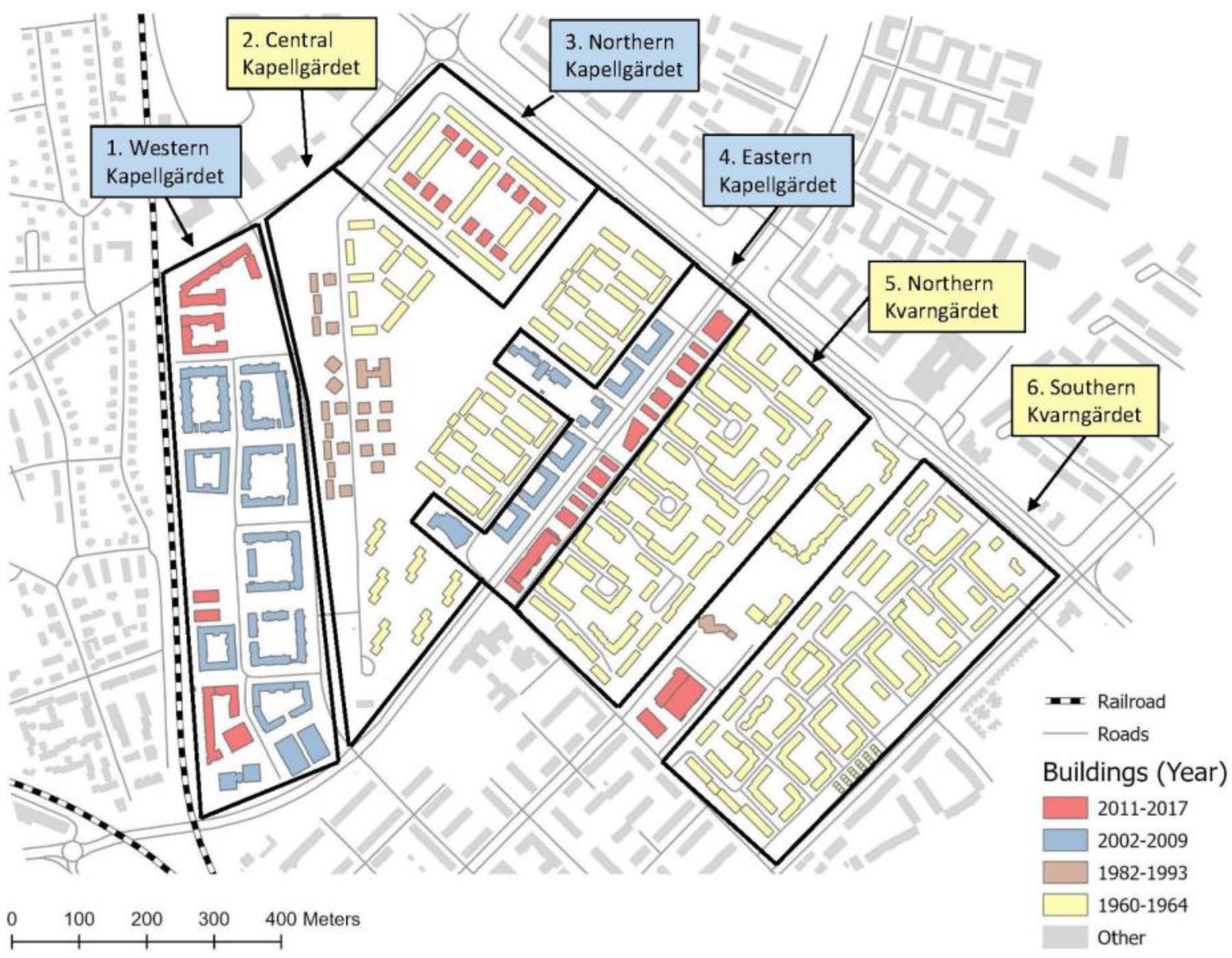
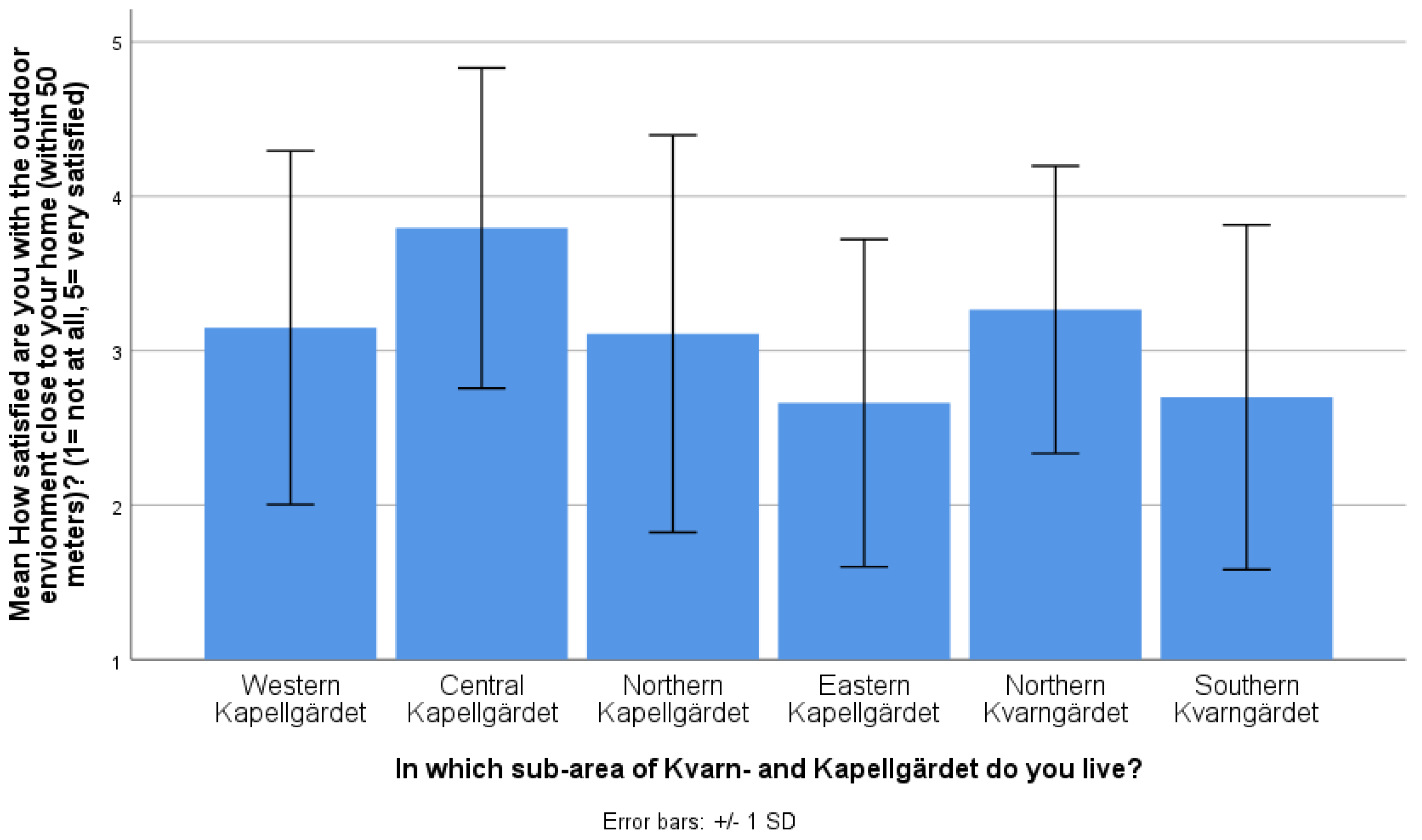
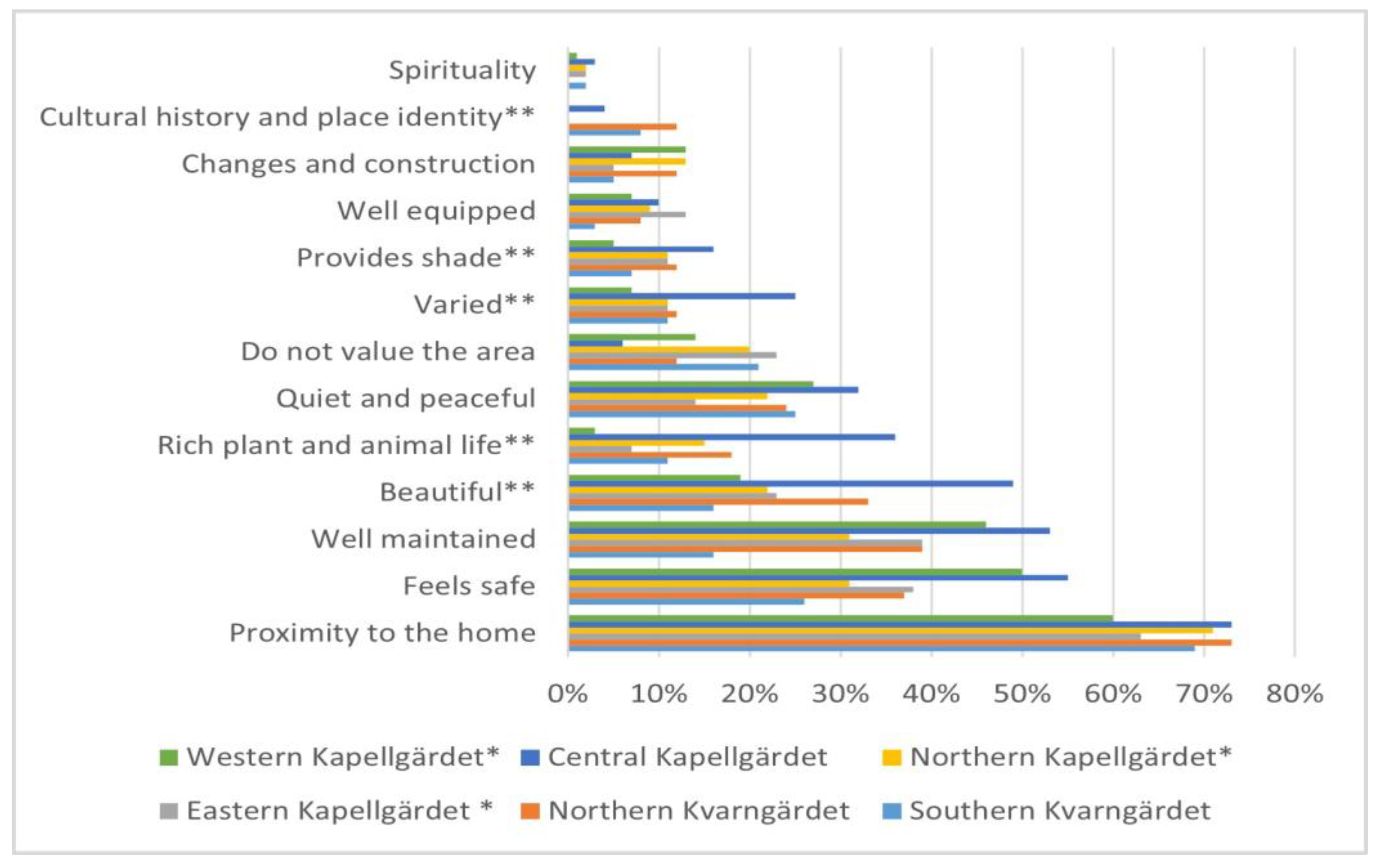
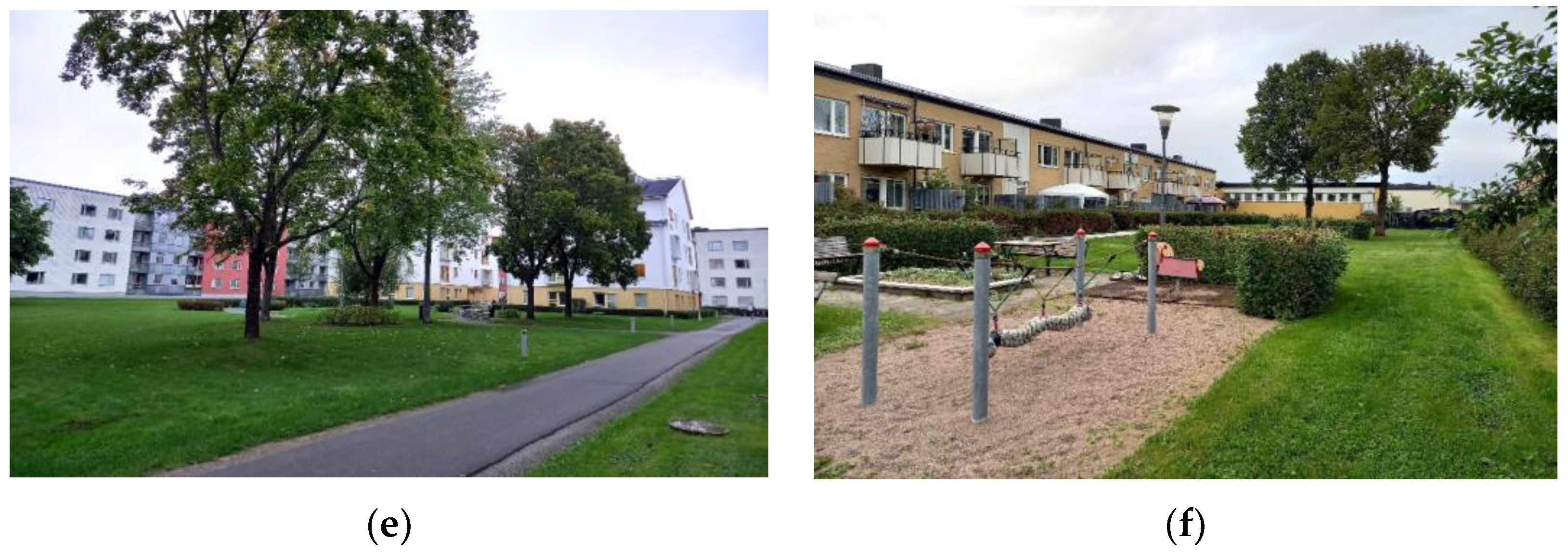
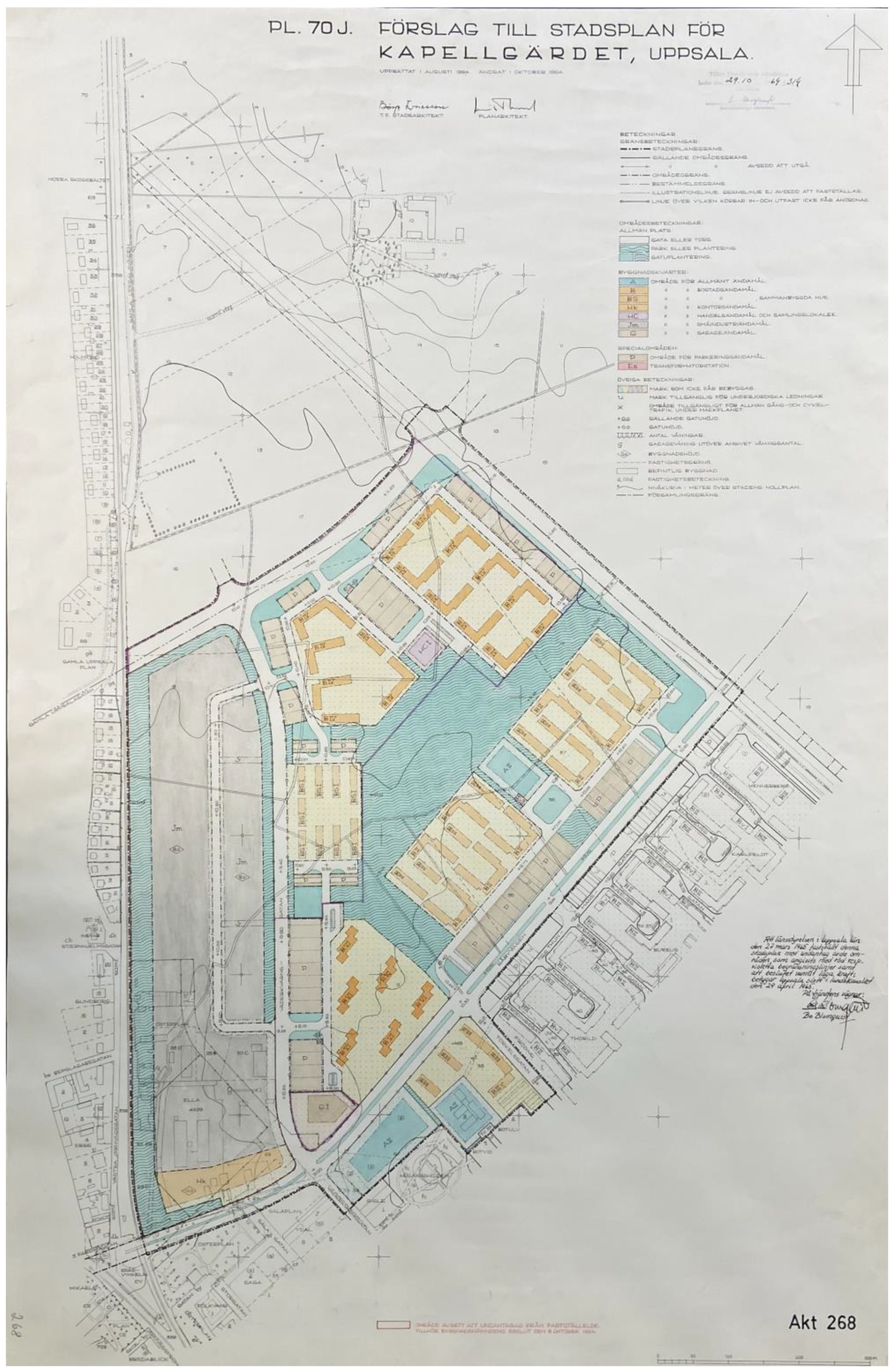
Densification through infill developments is a common planning strategy where both advantages and problems have been brought forward. However, the knowledge on how such developments affect residents and their relations to local outdoor environments is limited. Also, modernist areas have been highlighted as planning heritage with specific values. We studied the case of a multi-family housing area in Uppsala, Sweden, originally planned in the 1960s as part of the Swedish modernist welfare era and later affected by densification through infill development. The mixed-methods approach included document analysis and observations followed by an online survey focused on the use of, perceived qualities of and satisfaction with outdoor environments among residents. The results revealed the heritage of careful planning during the 1960s concerning green space availability and solutions limiting car traffic, with recent densification affecting different sub-areas to various degrees. Respondents living in non-densified sub-areas reported higher levels of satisfaction, more qualities and a more varied use of the outdoor environment compared to in densified sub-areas. However, the management level was considered too low in mainly one of the non-densified sub-areas. Many respondents brought up the loss of qualities in their local outdoor environment through the infill development, both during the construction work and in the result, with less green spaces and increased car traffic. This study revealed large negative effects for residents of densification that focuses on density without securing sufficient qualities in the outdoor environment but also of neglected open space management.
Keywords: car traffic; compact cities; green space; infill development; neighborhood satisfaction; open space management; perceived qualities; planning; Uppsala car traffic; compact cities; green space; infill development; neighborhood satisfaction; open space management; perceived qualities; planning; Uppsala