Article

Short-Term Effects and Vegetation Response after a Megafire in a Mediterranean Area

1
Research Centre of S. Teresa, ENEA (Italian National Agency for New Technologies, Energy and Sustainable Economic Development), 19032 Lerici, Italy
2
Department of Life and Environmental Sciences, University of Cagliari, 09123 Cagliari, Italy
*
Author to whom correspondence should be addressed.
Land 2022, 11(12), 2328; https://doi.org/10.3390/land11122328
Submission received: 16 November 2022 / Revised: 11 December 2022 / Accepted: 16 December 2022 / Published: 19 December 2022

Abstract

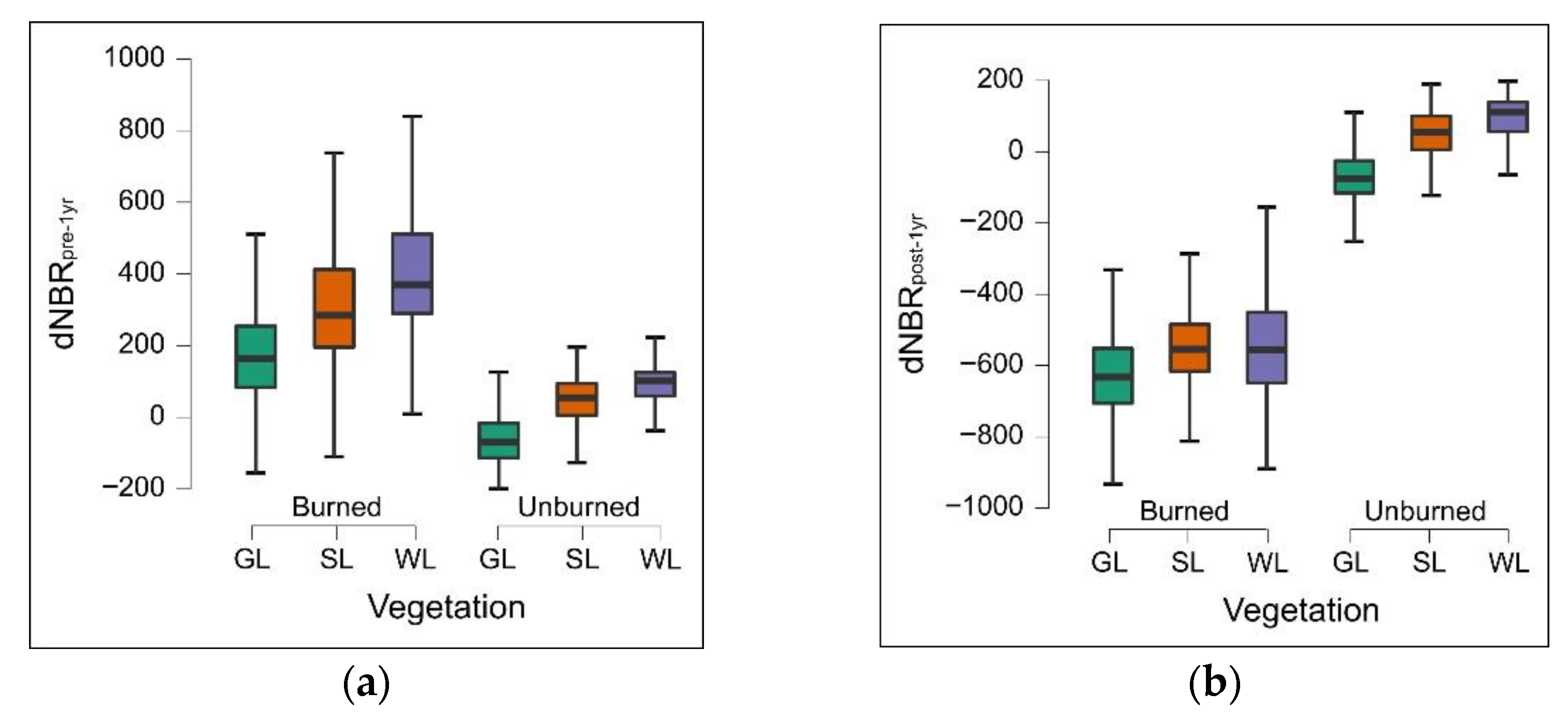
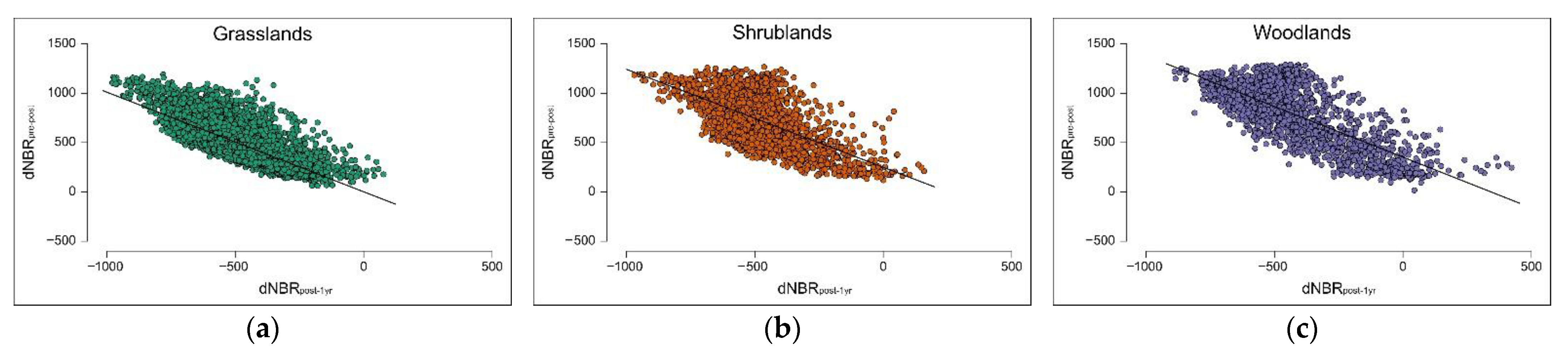
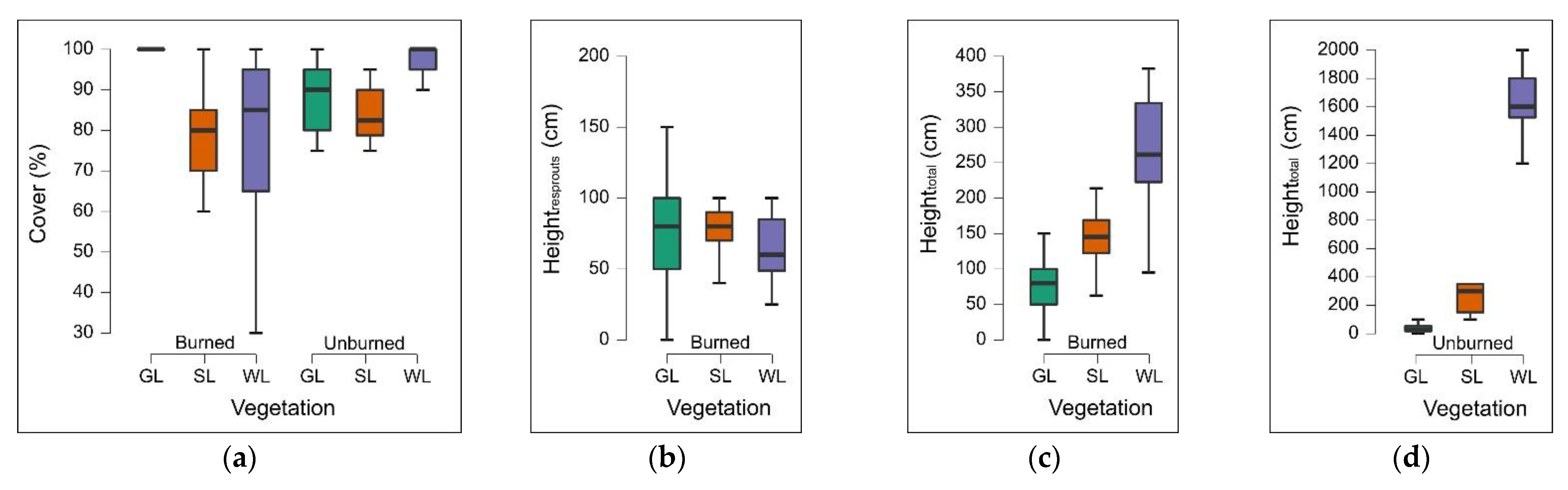
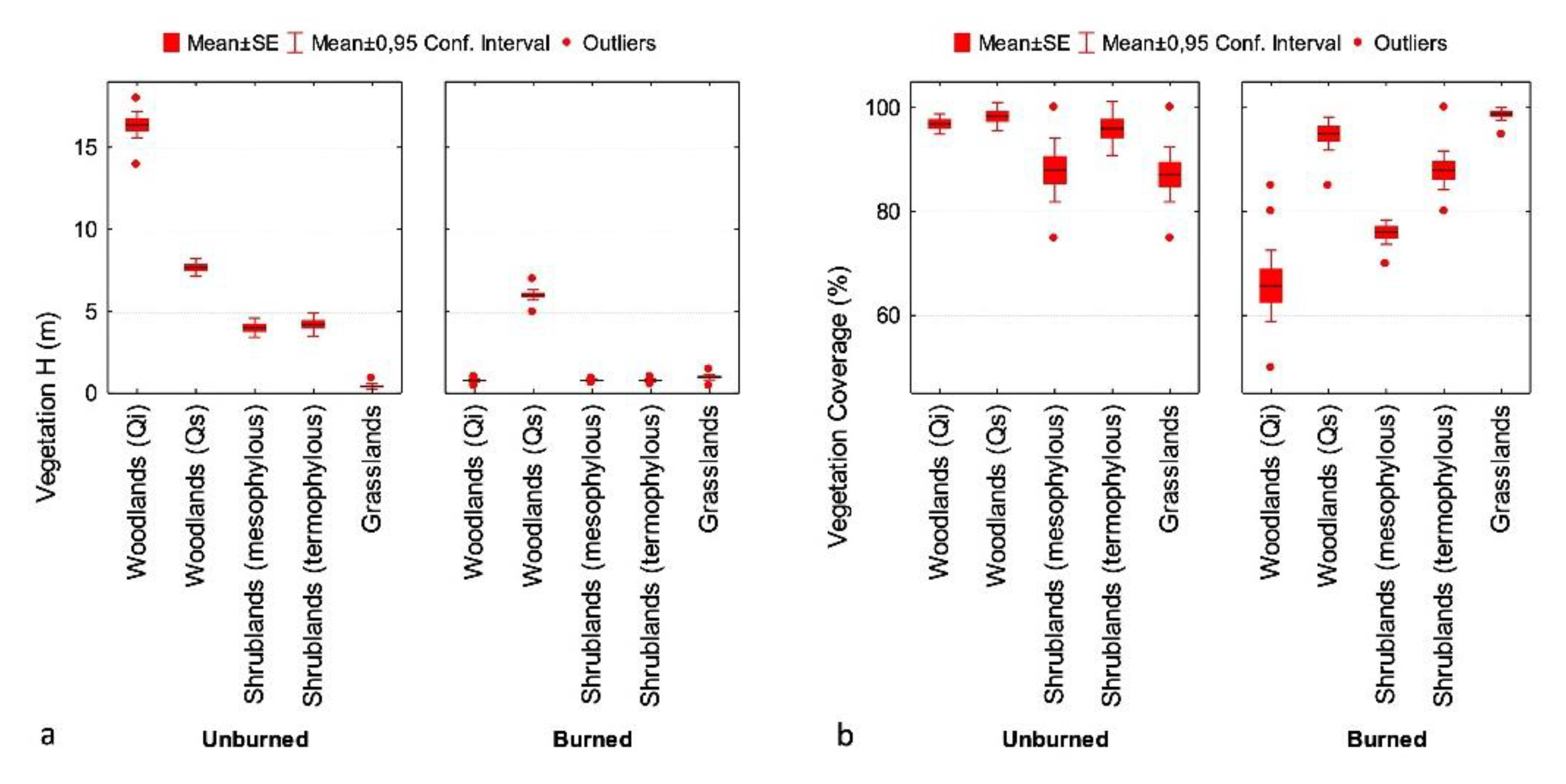
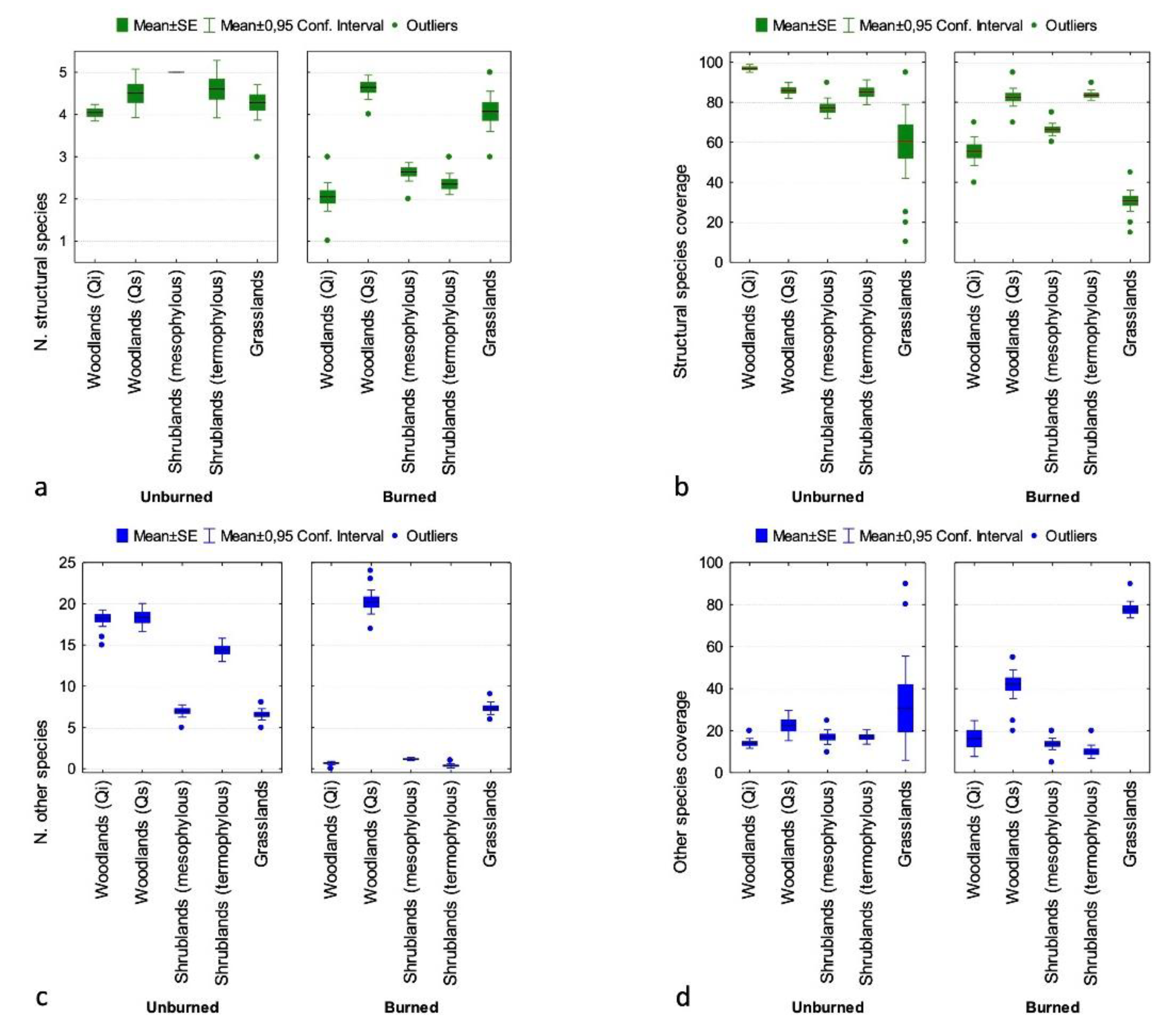
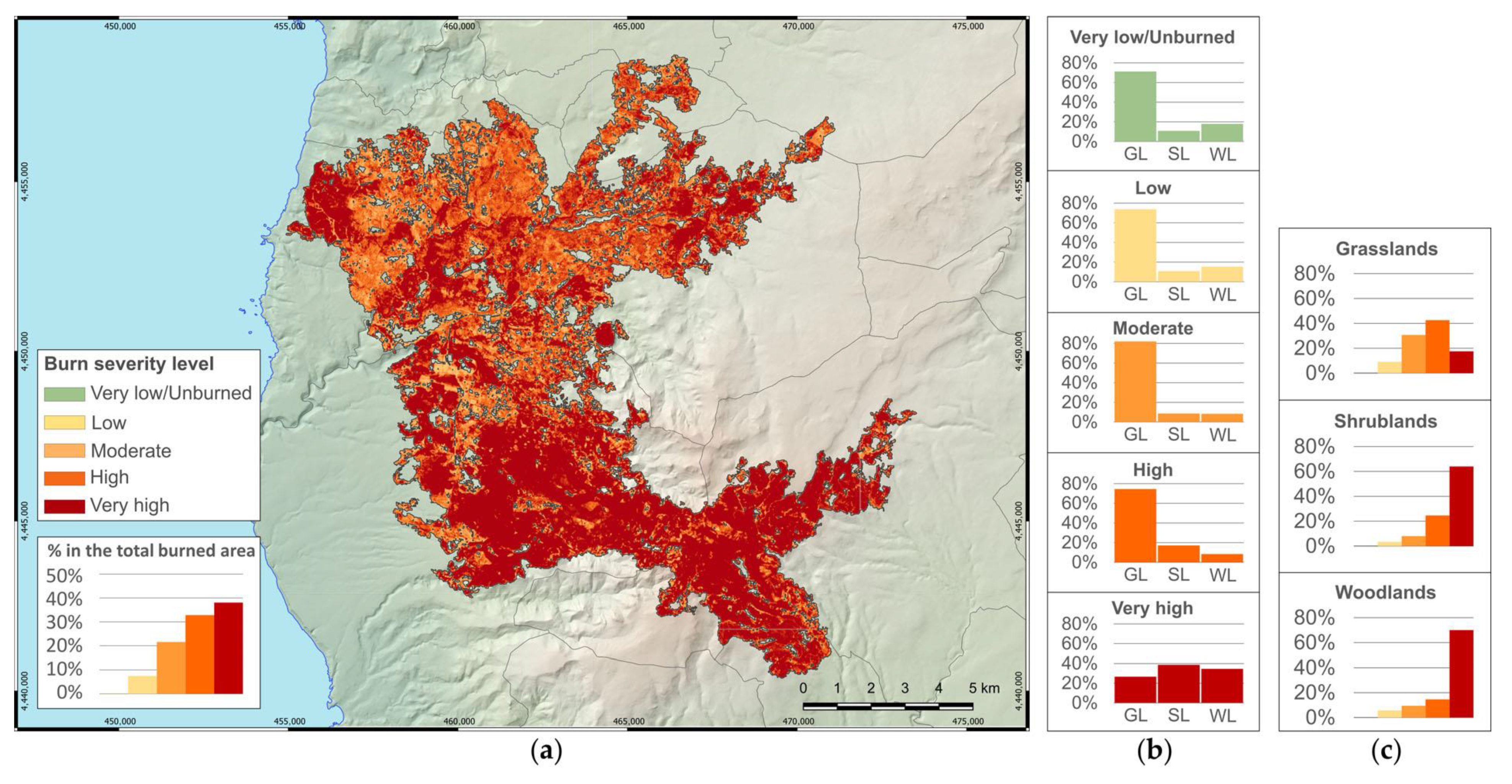
In Mediterranean-climate areas, wildfires have an important ecological role, selecting organisms, influencing species composition and structure of vegetation, and shaping landscapes. However, the increase in frequency and severity of fires can cause, among others, progressive vegetation degradation, biodiversity, and ecosystem services loss. Under the climate change scenario, the frequency and severity of wildfires are expected to increase, especially in the Mediterranean Basin, recognized as among the most affected by the intensification of droughts and heat waves in the future. Therefore, from the perspective of adaptation, it is important not only to assess the sudden effects after a fire but also to investigate the ecological changes and vegetation response over time. In this framework, this study investigates the effects and the short-term vegetation response in an area struck by a megafire. The vegetation response one year after a fire has been assessed in semi-natural grasslands, shrublands, and woodlands at the landscape scale through spectral indices, and at the field scale through floristic and vegetation surveys. Our results showed that after a severe wildfire, although some areas did not exhibit vegetation regrowth, the response of natural vegetation was notable after one year. In the study area, the most resilient vegetation type was semi-natural grasslands, suggesting that this type of vegetation can be crucial for landscape recovery. The other vegetation types showed different response patterns that also prefigure possible changes in species composition and loss of plant diversity over the medium term. This study highlights the value of combining remote sensing spectral analyses and detailed floristic and vegetation surveys for understanding the direction of the early stages of post-fire vegetation dynamics.
Keywords: wildfires; vegetation recovery; vegetation resilience; Sentinel-2; dNBR; climate change; Montiferru; Sardinia wildfires; vegetation recovery; vegetation resilience; Sentinel-2; dNBR; climate change; Montiferru; Sardinia