Article

Investigating Ecosystem Service Trade-Offs/Synergies and Their Influencing Factors in the Yangtze River Delta Region, China
1
Belt & Road Institute, Jiangsu Normal University, Xuzhou 221009, China
2
School of Architecture & Design, China University of Mining and Technology, Xuzhou 221116, China
*
Author to whom correspondence should be addressed.
Land 2022, 11(1), 106; https://doi.org/10.3390/land11010106
Submission received: 8 December 2021 / Revised: 27 December 2021 / Accepted: 6 January 2022 / Published: 9 January 2022

Abstract

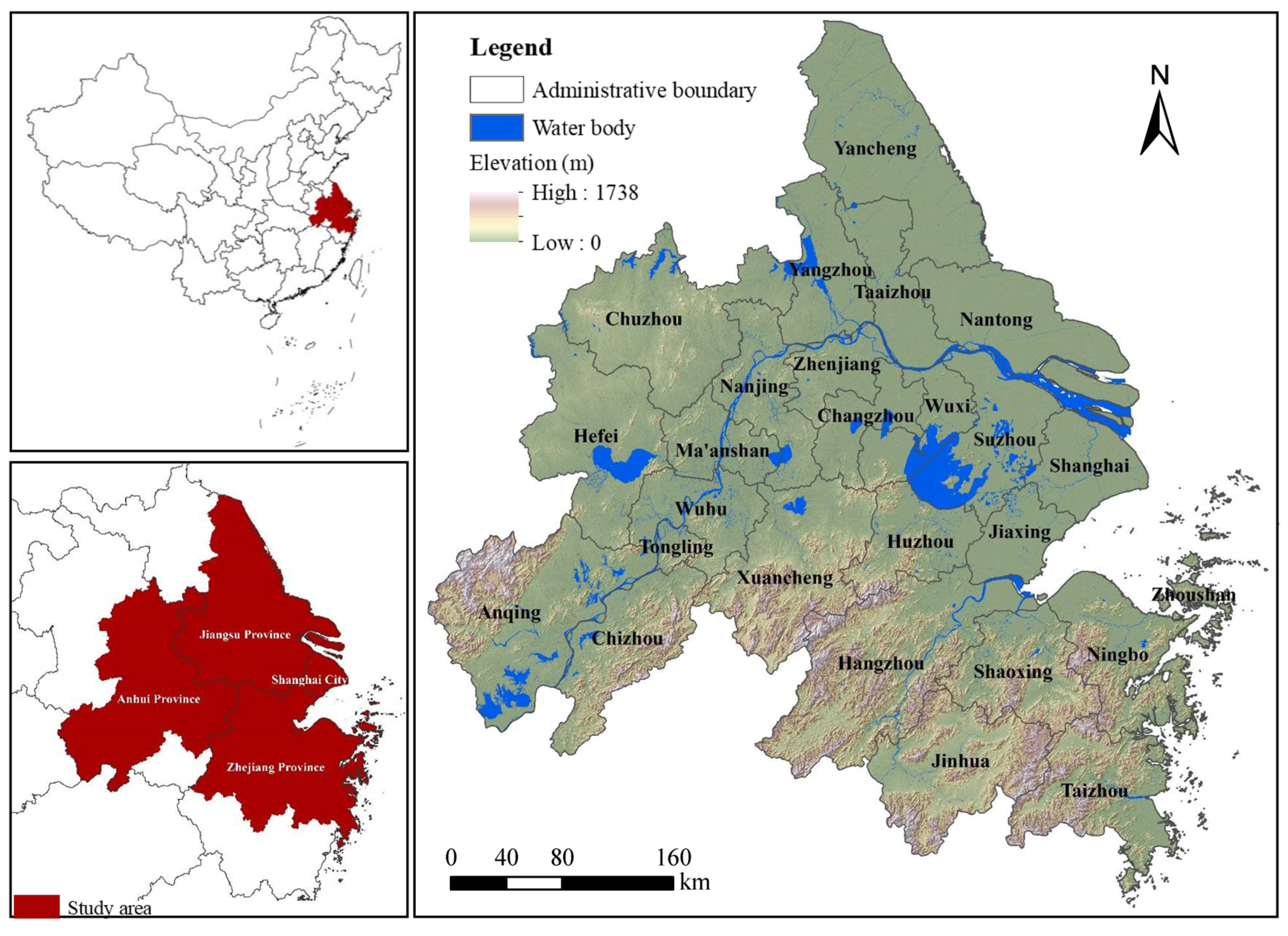
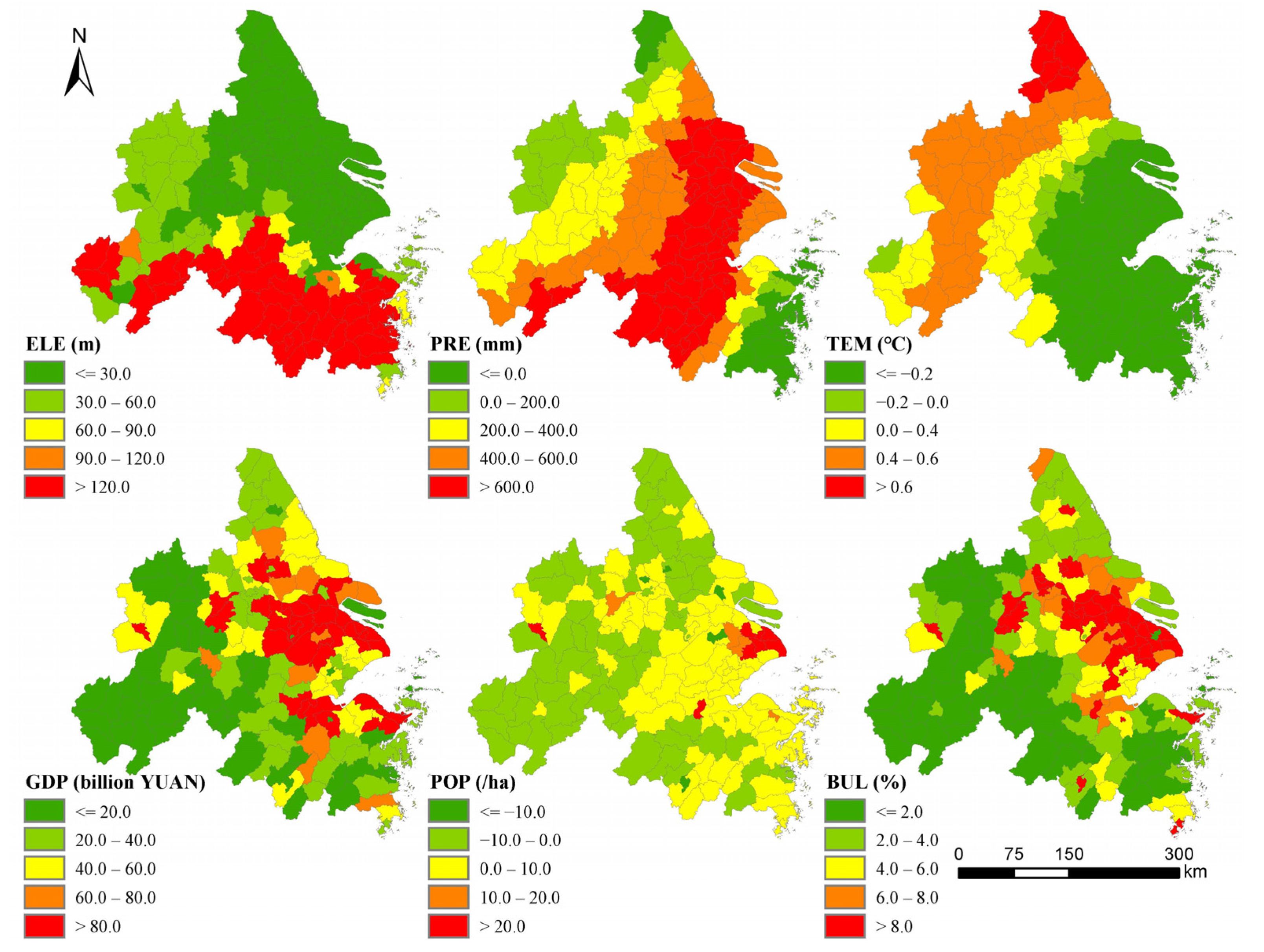
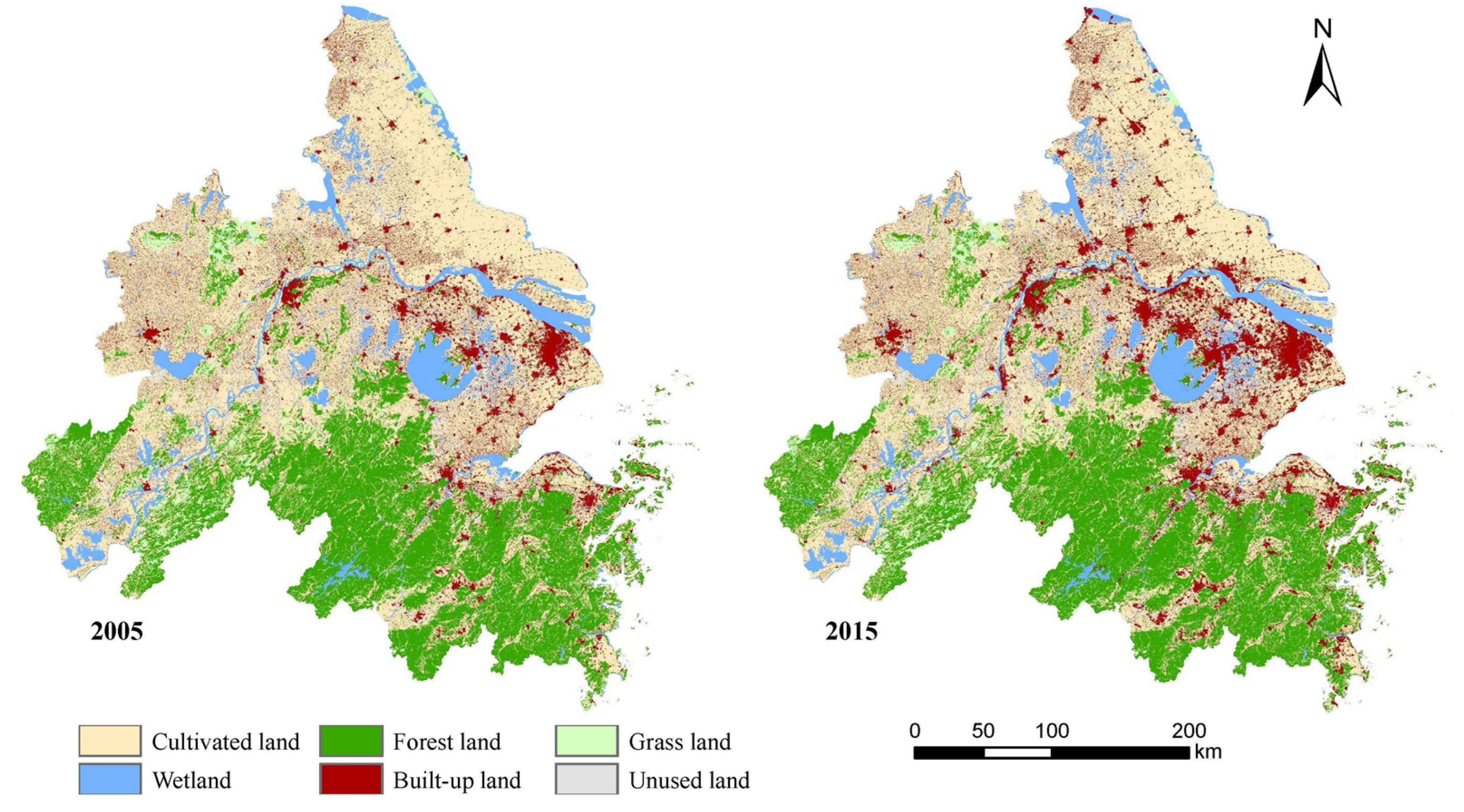
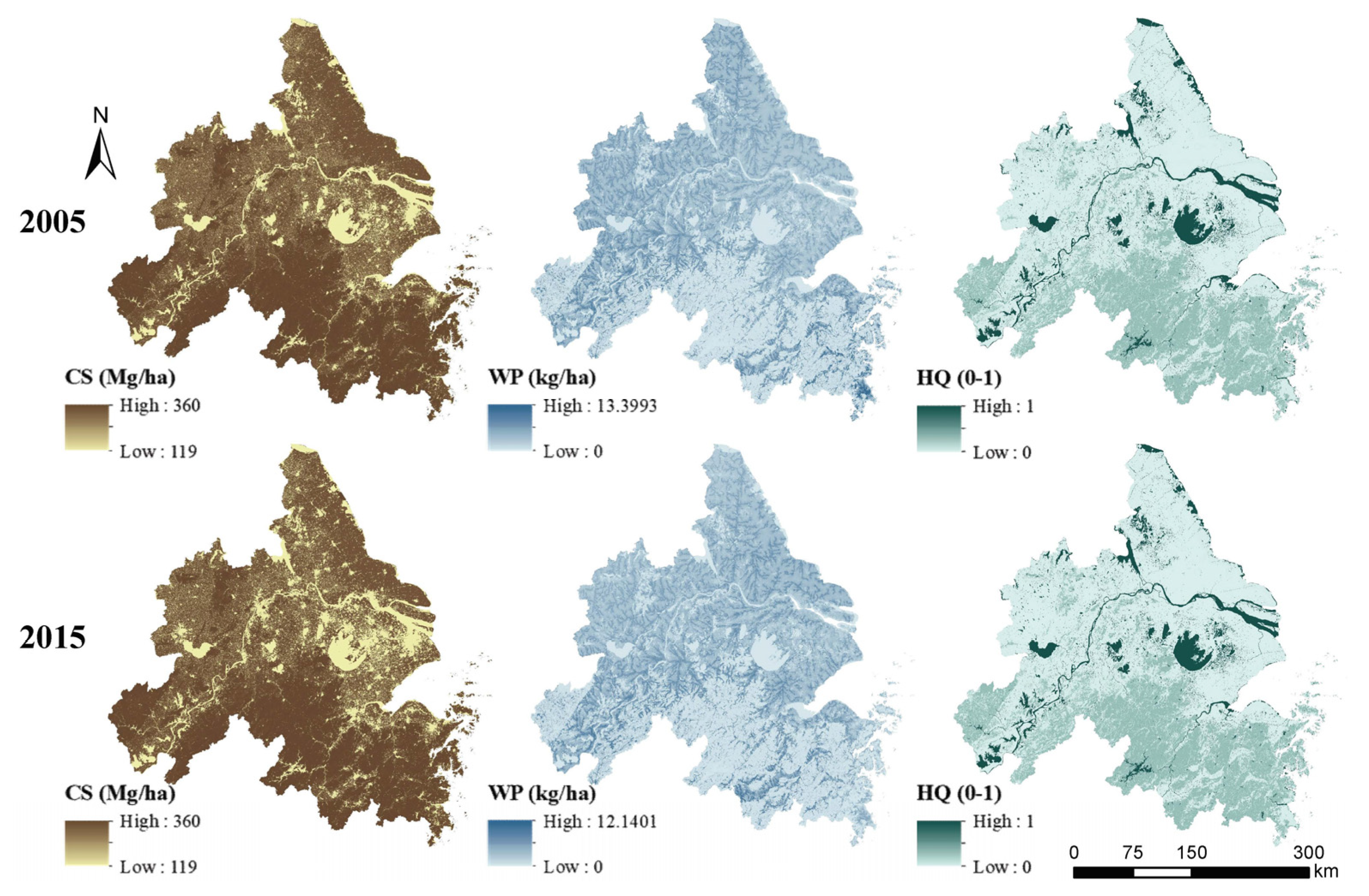
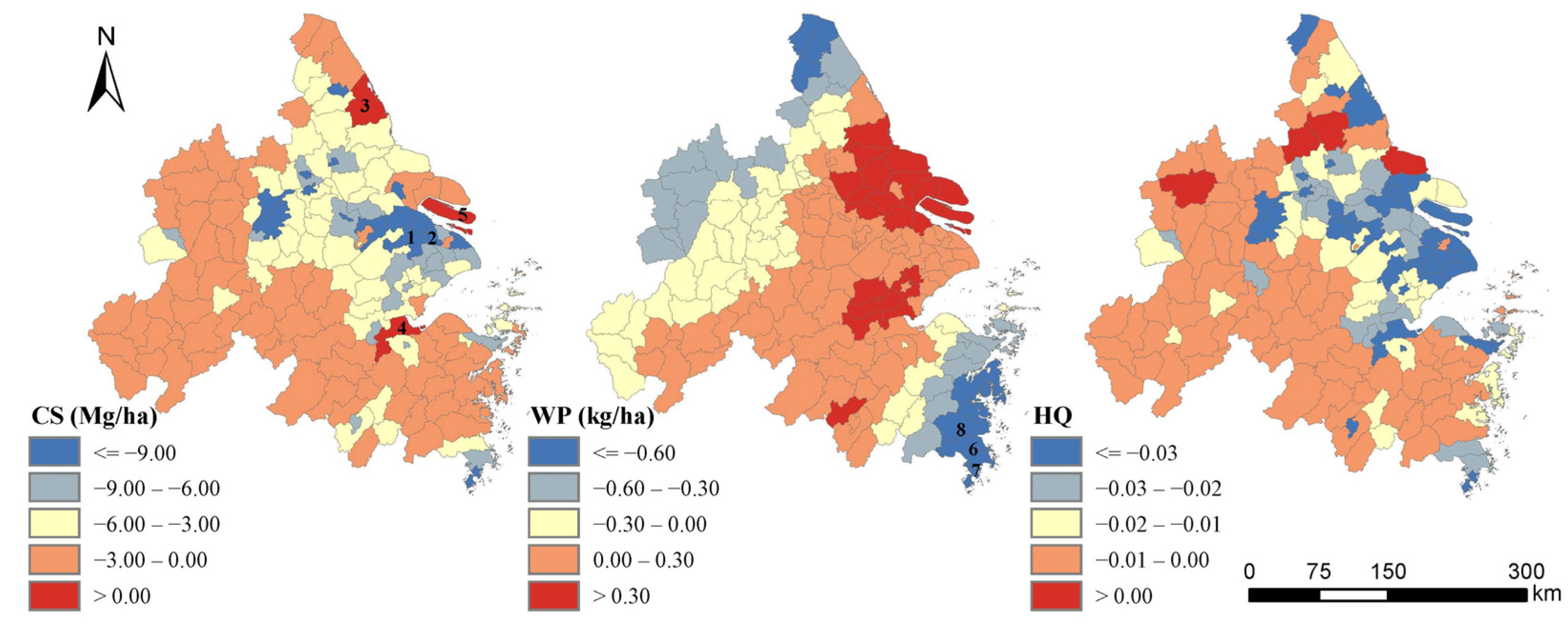
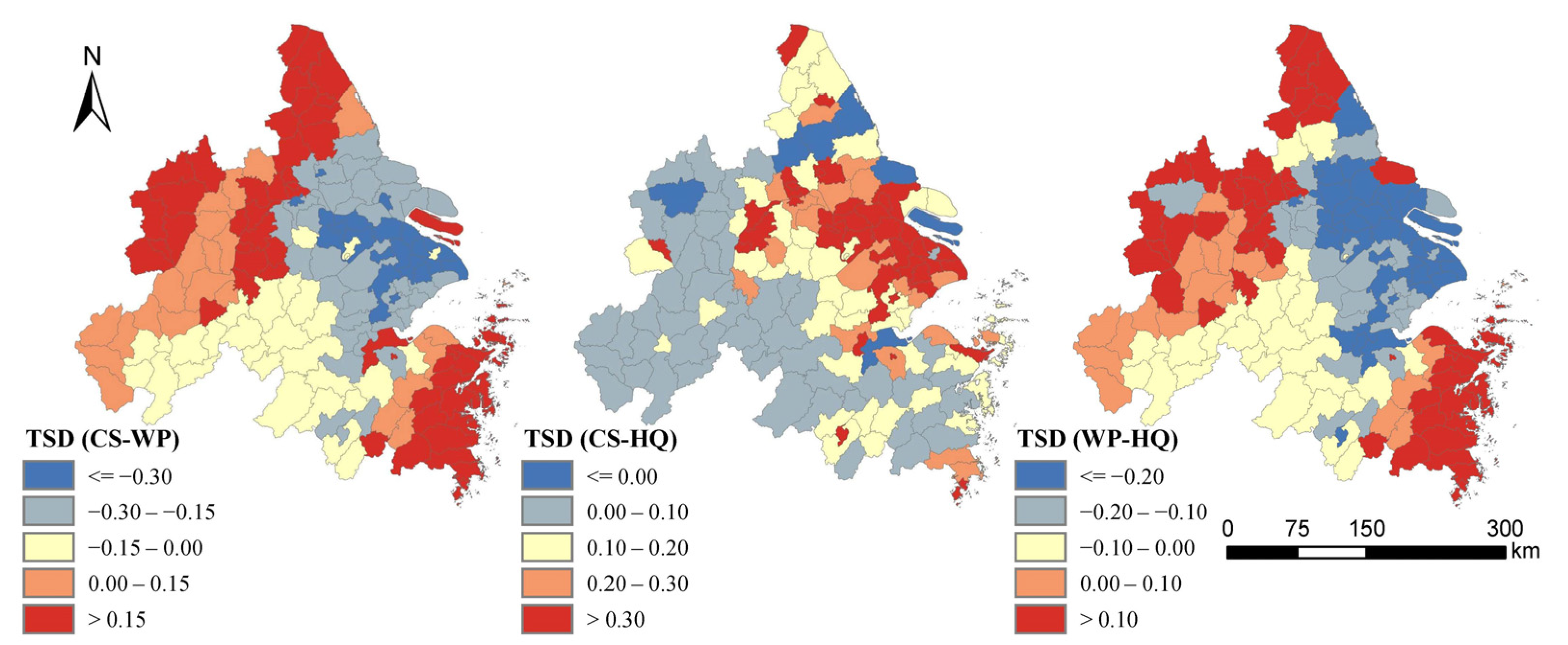
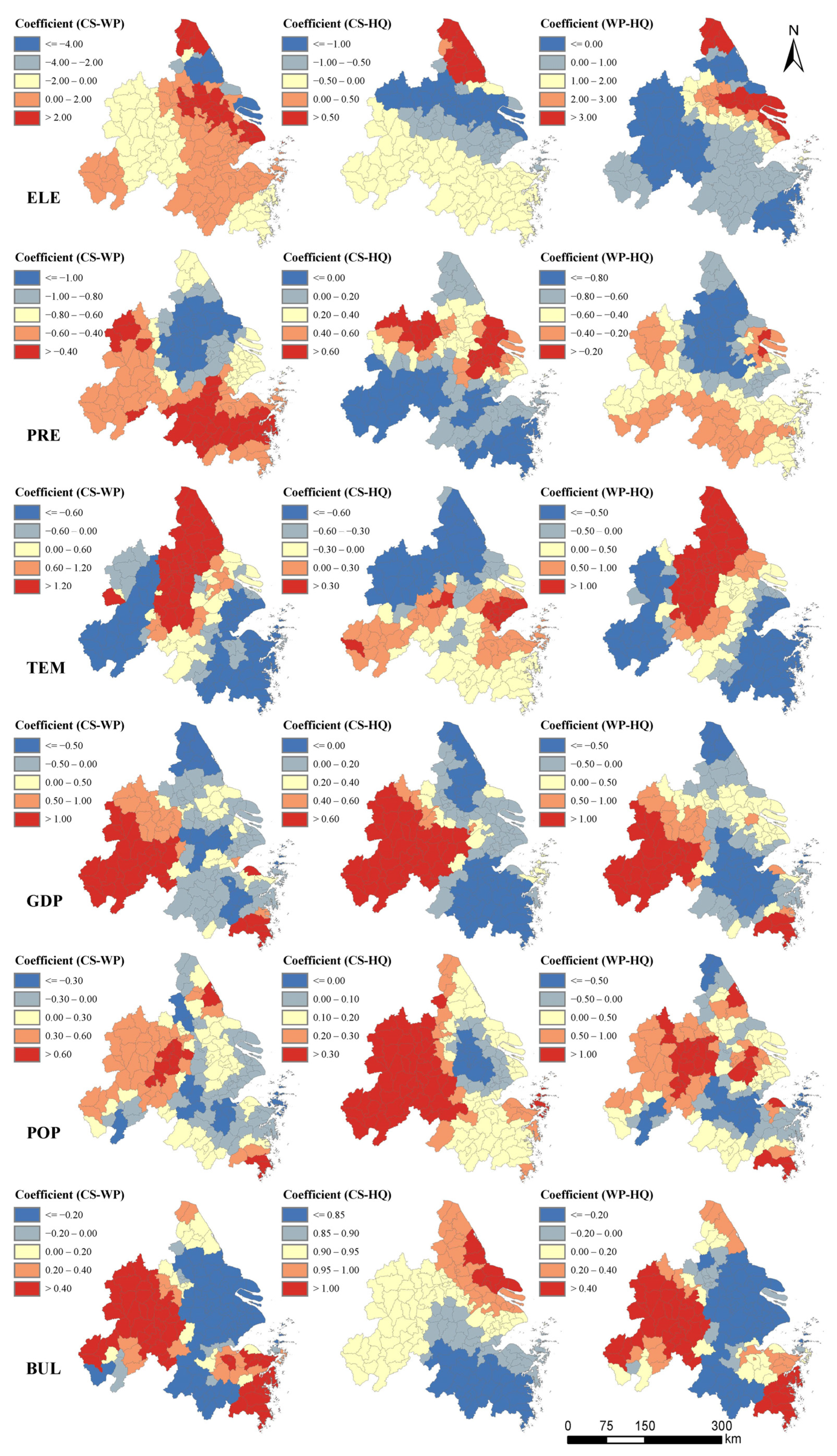
A comprehensive understanding of the ecosystem services (ESs) trade-off/synergy relationships has become increasingly important for ecological management and sustainable development. This study employed the Yangtze River Delta (YRD) region in China as the study area and investigated the spatiotemporal changes in three ESs, namely, carbon storage (CS), water purification (WP), and habitat quality (HQ). A trade-off/synergy degree (TSD) indicator was developed that allowed for the quantification of the trade-off/synergy intensity, and the spatial pattern of the TSD between ESs in the YRD region to be analyzed. Furthermore, a geographically weighted regression (GWR) model was used to analyze the relationship between the influencing factors and trade-offs/synergies. The results revealed that CS, WP, and HQ decreased by 0.28%, 2.49%, and 3.38%, respectively, from 2005 to 2015. The TSD indicator showed that the trade-off/synergy relationships and their magnitudes were spatially heterogeneous throughout the YRD region. The coefficients of the natural and socioeconomic factors obtained from the GWR indicated that their impacts on the trade-offs/synergies vary spatiotemporally. The impact factors had both positive and negative effects on the trade-offs/synergies. The findings of this study could improve the understanding of the spatiotemporal dynamics of trade-offs/synergies and their spatially heterogeneous correlations with related factors.
Keywords: ecosystem services; trade-off/synergy; TSD indicator; influencing factor; spatially heterogeneous; Yangtze River Delta region ecosystem services; trade-off/synergy; TSD indicator; influencing factor; spatially heterogeneous; Yangtze River Delta region