Article

How Do Human Land Use Changes and Ecological Restoration Drive Ecological–Economic–Social Coupling Coordination Across the Yellow River Basin in China?

1
College of Public Administration, Shandong Technology and Business University, Yantai 264005, China
2
Weifang Engineering Vocational College, Weifang 262500, China
3
School of Economics and Management, Beijing Forestry University, Beijing 100083, China
4
Development Research Center, National Forestry and Grassland Administration, Beijing 100714, China
*
Author to whom correspondence should be addressed.
Land 2026, 15(9), 1729; https://doi.org/10.3390/land15091729
Submission received: 14 August 2026 / Revised: 7 September 2026 / Accepted: 15 September 2026 / Published: 16 September 2026

Abstract

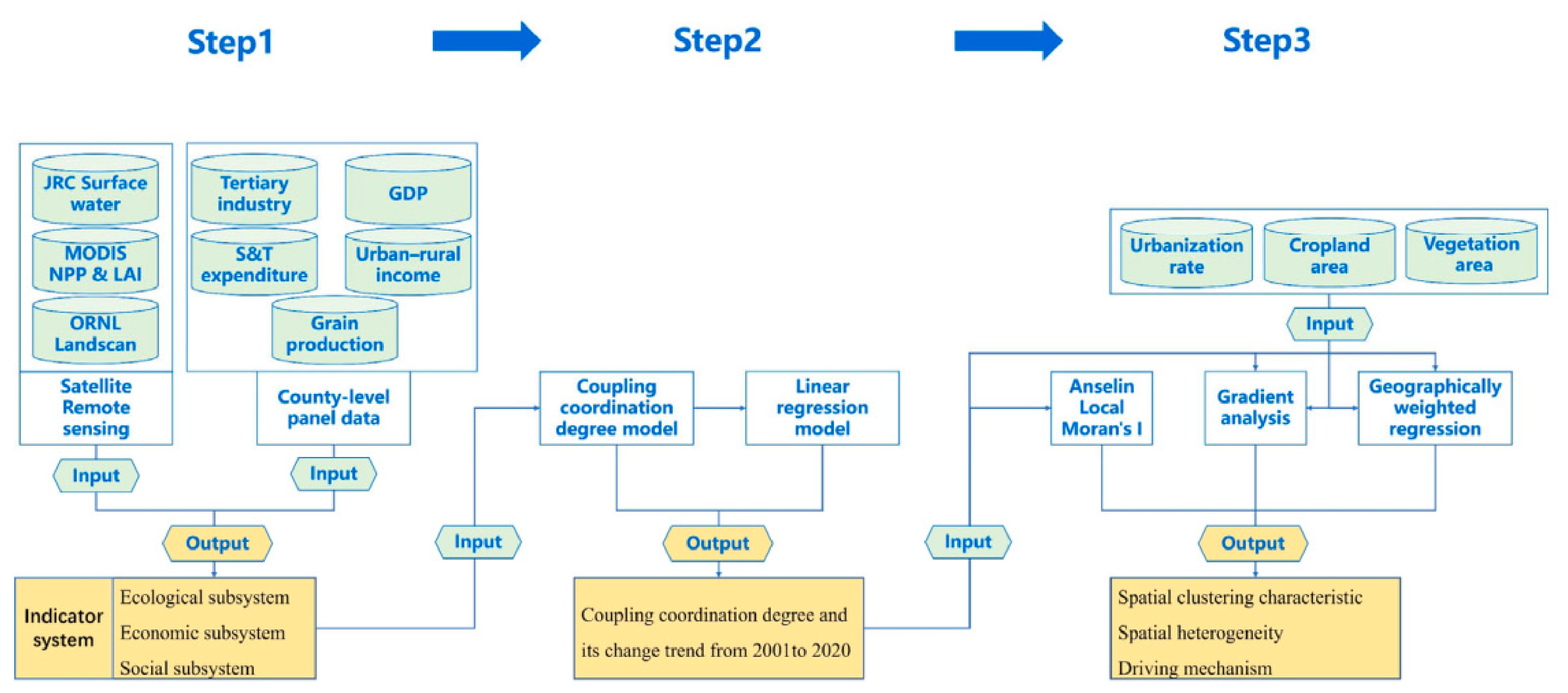
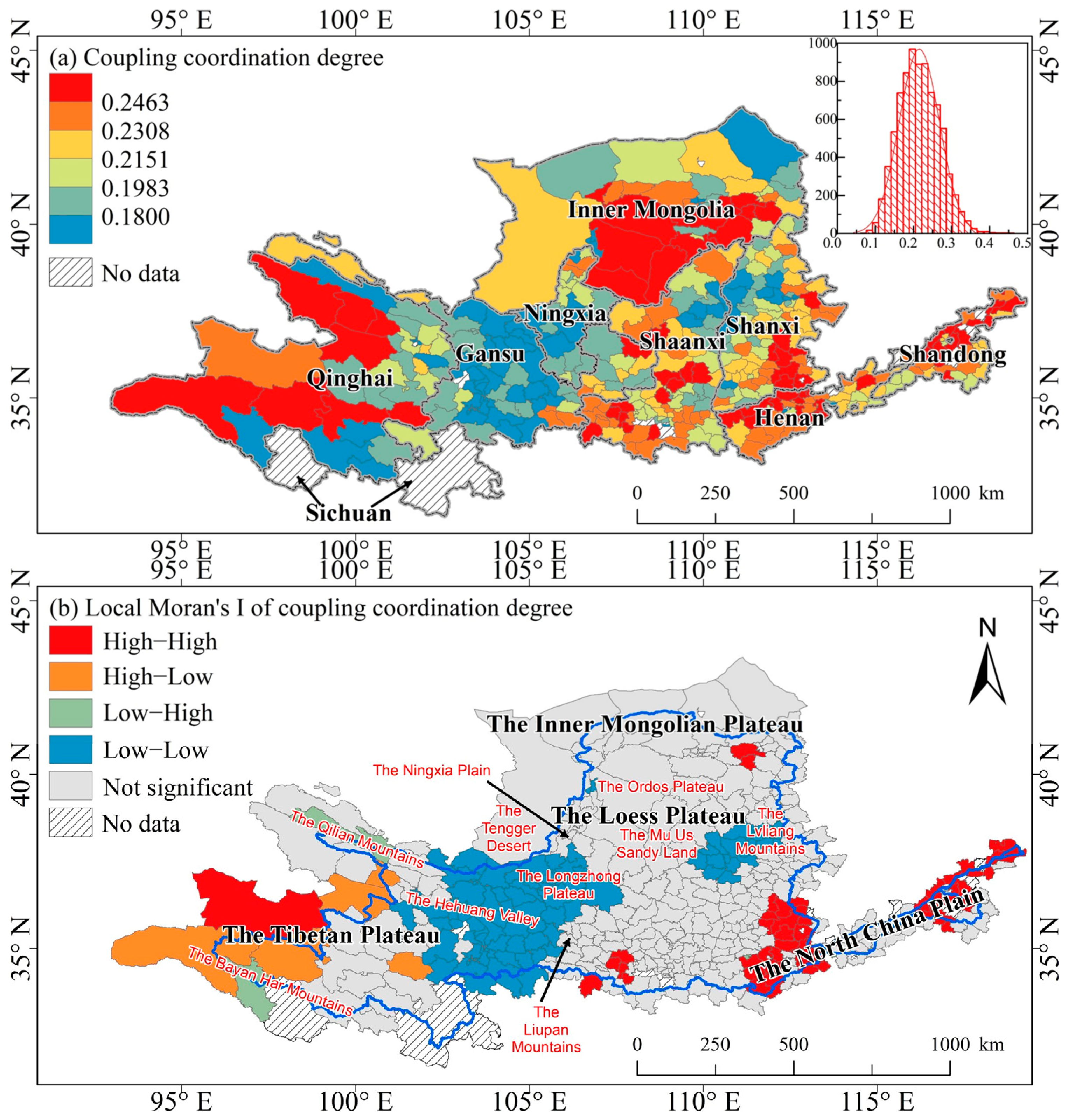
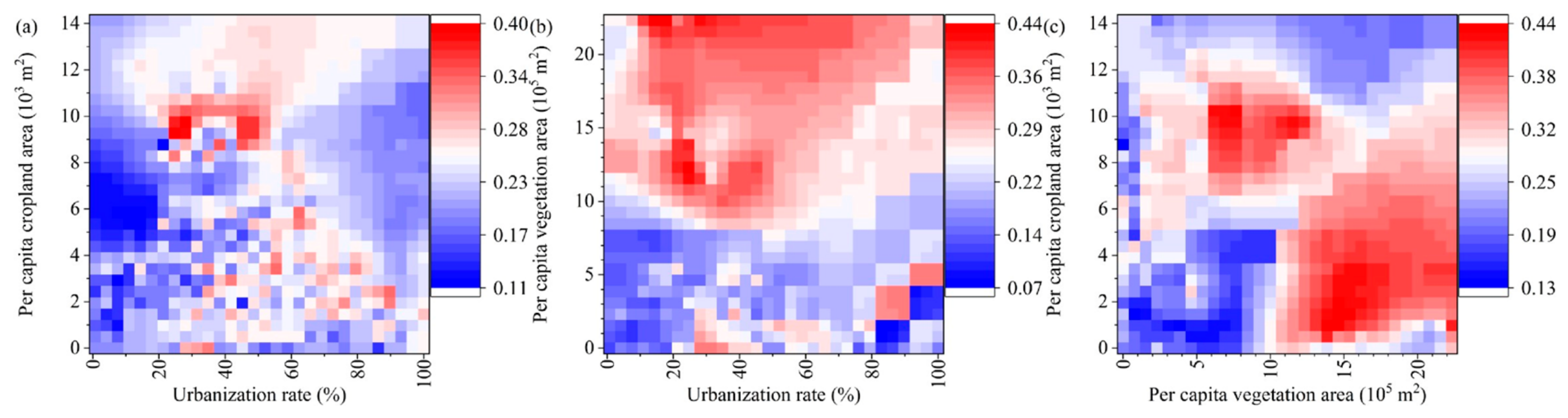
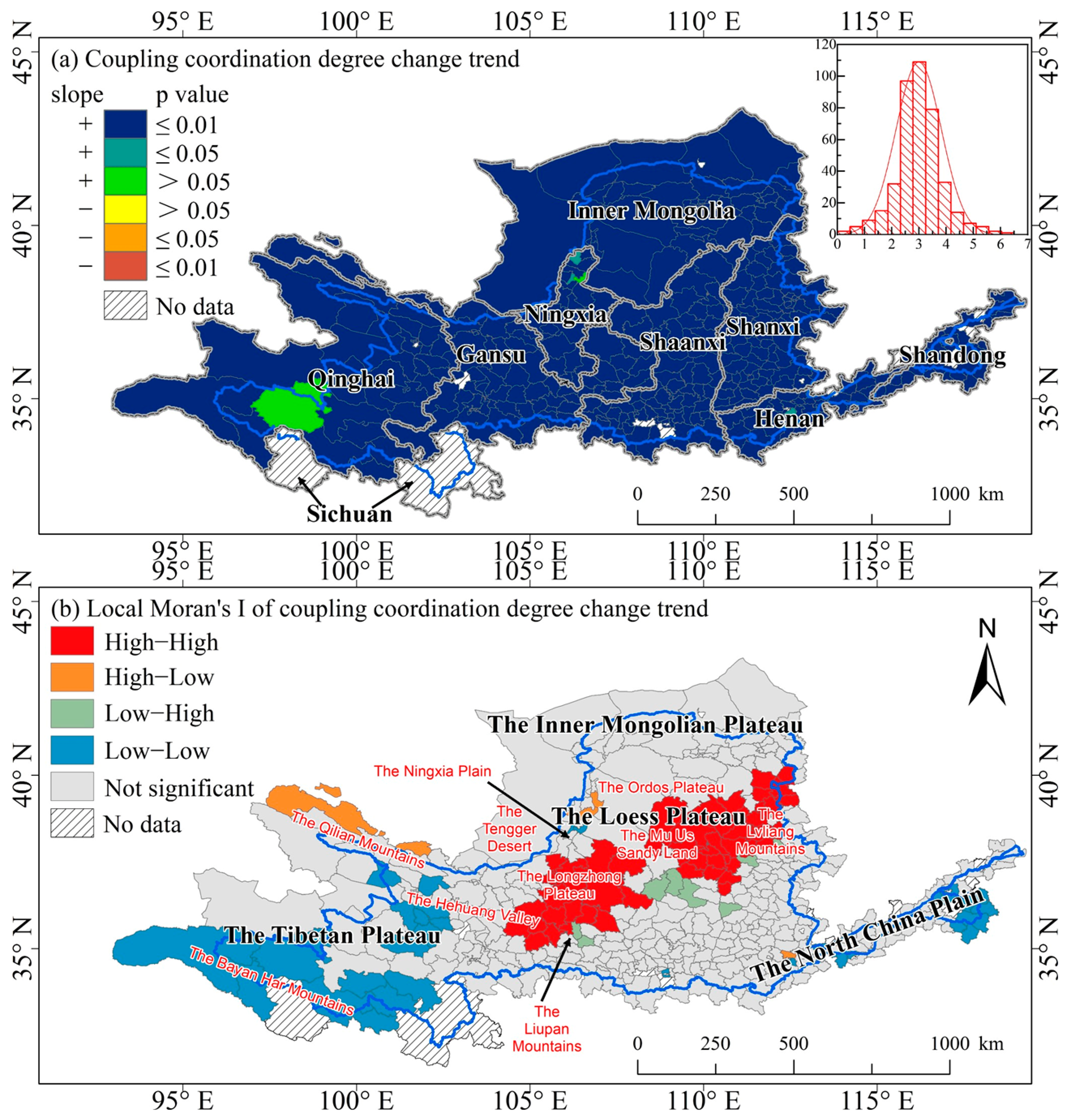
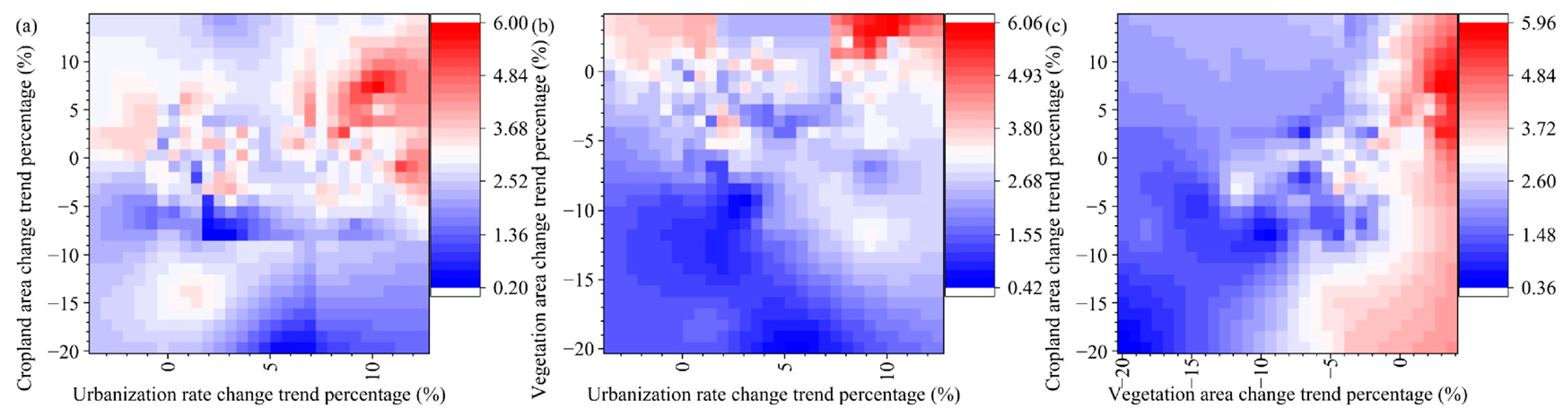
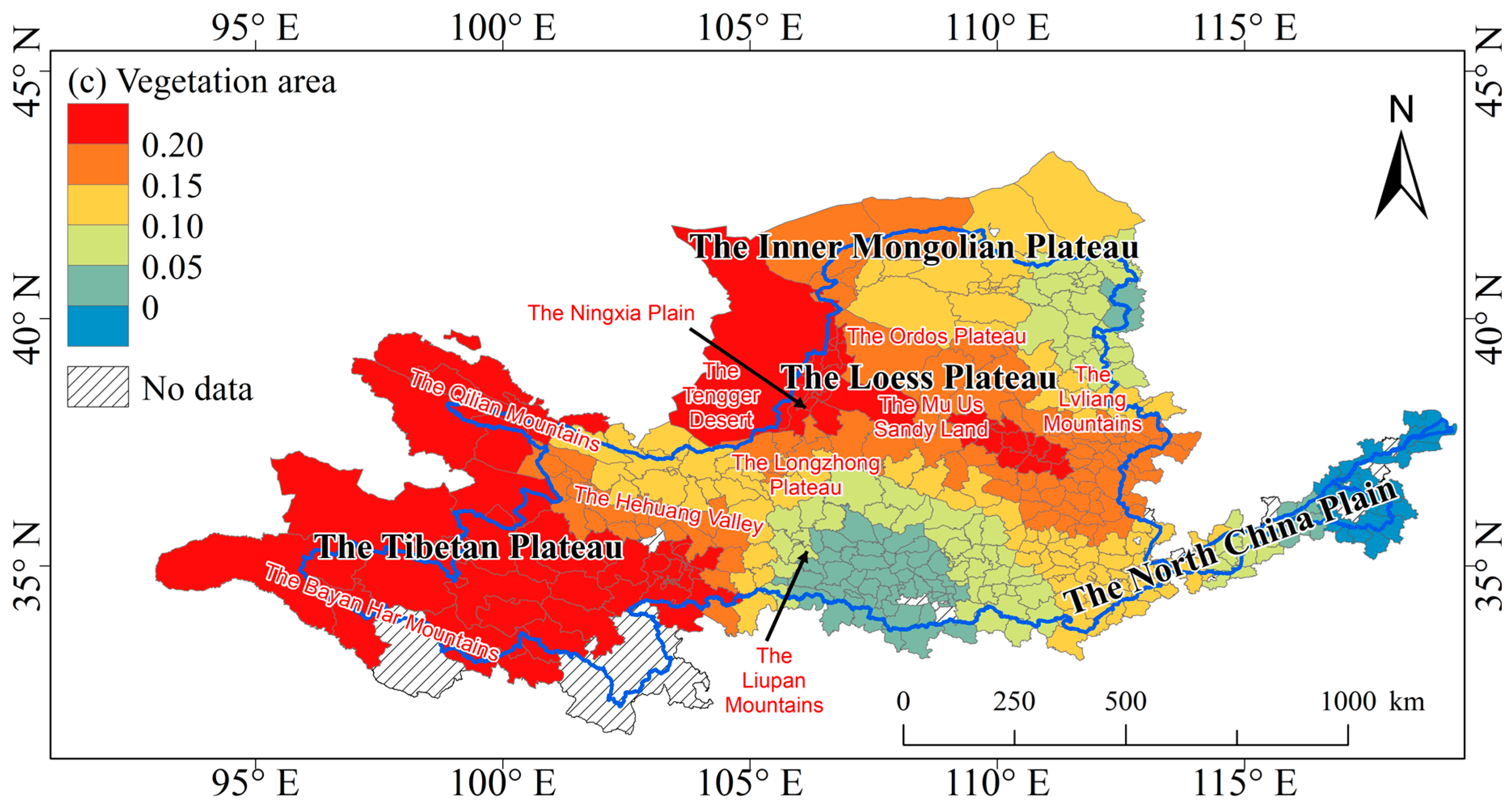
Conflicts between intense human activity and fragile ecosystem protection have and will continue to affect the ecological–economic–social complex system across the Yellow River Basin. An enhanced understanding of the effects of human land use changes and ecological restoration on the coupling coordination of this system is urgently needed to promote the basin’s sustainable development. Here, we integrated remote sensing data with county-level panel data from 2001 to 2020 to assess the coupling coordination degree at a fine spatial resolution. We also investigated the spatial heterogeneity of the effects of changes in urbanization rate, cropland area, and vegetation area on changes in the coupling coordination degree. We found that the coupling coordination degree was low overall and exhibited High–High clustering in the lower reaches, which have the most hydrothermal resources and highest socio-economic development level. Since 2001, the coupling coordination degree has exhibited a significant increasing trend and shows High–High clustering in the agro-pastoral ecotone of the Loess Plateau, which is the core area of the Grain for Green Program. The urbanization rate should be regulated within a reasonable range to ensure sufficient preservation of cropland and vegetation areas to sustain coupling coordination in the upper and middle reaches. Increasing or maintaining stable cropland and vegetation areas could support urban expansion by safeguarding food security and the provision of ecosystem services, thereby strengthening coupling coordination. Ecological restoration played a dominant role in promoting coordinated development in the upper and middle reaches. The continued implementation of ecological protection and restoration projects has enhanced ecosystem services and the well-being of rural residents, promoting sustainable development. These findings will improve the governance of human land use activity and ecological project implementation to promote sustainable development in the study area.
Keywords: sustainable development; urbanization; cropland governance; ecological protection sustainable development; urbanization; cropland governance; ecological protection