Article

Determinants of Women’s Place Attachment in Middle-Income Neighborhoods of Santiago, Chile

by
Asal Kamani Fard
1,*,
Mohammad Paydar
2,* and
Pablo Azócar Fernández
1
1
Departamento de Planificación y Ordenamiento Territorial, Facultad de Ciencias de la Construcción y Ordenamiento Territorial, Universidad Tecnológica Metropolitana, Dieciocho 390, Santiago 8330526, Chile
2
Escuela de Arquitectura Santiago, Facultad de Ciencias Sociales y Artes, Universidad Mayor, Av. Portugal 351, Santiago 8330231, Chile
*
Authors to whom correspondence should be addressed.
Land 2026, 15(7), 1242; https://doi.org/10.3390/land15071242
Submission received: 28 May 2026 / Revised: 3 July 2026 / Accepted: 6 July 2026 / Published: 10 July 2026
(This article belongs to the Special Issue Healthy and Inclusive Urban Public Spaces)

Abstract

Place attachment contributes to urban resilience, identity, and well-being by fostering a sense of belonging and emotional connection to place. In contexts of urban transformation and socio-spatial inequality, understanding its determinants is essential for improving urban livability and inclusive urban environments. This study examines how women’s place attachment is influenced by individual, social, and built-environment factors in middle-income central and peri-central neighborhoods of Santiago, Chile. A key contribution is the inclusion of personal values in explaining place attachment, extending previous socio-spatial research. Data were collected through simple random sampling from 586 women residing in six middle-income neighborhoods of Santiago. Structural equation modeling was applied to analyze relationships between individual characteristics, personal values, social cohesion, accessibility, and subjective and objective built-environment conditions. Results show that working outside the home, length of residence, personal values, social cohesion, accessibility, aesthetic quality, and perceived comfort and insecurity significantly influence women’s place attachment. Built-environment characteristics related to accessibility and comfort emerge as key mechanisms shaping emotional attachment to urban neighborhoods. Findings highlight the importance of improving accessibility while maintaining neighborhood residential structure in middle-income areas undergoing urban transformation. Overall, the study provides empirical evidence on socio-spatial processes shaping women’s place attachment and contributes to understanding spatial equity, urban well-being, and inclusive urban environments in a Latin American metropolis.

1. Introduction

According to Comstock et al. [1], place attachment is a social-psychological process describing individuals’ emotional bonds with their social and physical environments. It contributes to resilience, well-being, and identity by fostering stability, belonging, and place-based meaning [2,3]. Beyond its physical dimension, place attachment reflects the emotional and symbolic meanings embedded in urban spaces, shaping community engagement, mental health, and self-concept.
Place attachment is influenced by a combination of individual, social, and built-environment factors [1]. Individual characteristics such as length of residence, homeownership, education, income, and socio-demographic attributes have been widely associated with neighborhood attachment [4,5]. Social interactions and neighborhood-based activities play a key role in strengthening attachment, particularly in contexts of socio-spatial inequality [6]. In this regard, social cohesion, referring to trust, solidarity, and social ties among residents, has been consistently identified as a key determinant of place attachment [7].
Built-environment characteristics also shape emotional bonds with place [8]. Previous studies have found negative associations between place attachment and high building density, physical incivilities, and environmental degradation, including litter, graffiti, and vacant buildings [1,9]. In contrast, the availability of local amenities and higher environmental quality are positively associated with stronger place attachment [10].
Gender differences have also been observed, with women often reporting stronger attachment to their residential environments than men [11,12]. In Latin American cities, neighborhood attachment is particularly relevant for women as it supports everyday mobility, care responsibilities, and social networks while also shaping perceptions of safety and accessibility [13].
Place attachment has been conceptualized as a multidimensional construct encompassing affective, cognitive, and behavioral bonds between individuals and places, reflecting the ways in which people emotionally, functionally, and socially relate to their residential environments [2,14,15]. Empirical evidence shows that neighborhood attachment is shaped by a combination of residential stability, social interactions, perceived safety, environmental quality, and opportunities for everyday activities, all of which contribute to the development of emotional bonds with place over time [1,16]. Beyond these structural and social dimensions, gender-sensitive urban research highlights that place experiences are not uniform across populations. Feminist geography and gender-and-mobility studies emphasize that women often experience urban environments differently due to caregiving responsibilities, everyday mobility patterns, and heightened sensitivity to safety and accessibility conditions, which in turn shape their engagement with and attachment to neighborhoods [17,18,19]. These perspectives underscore that place attachment is embedded within broader socio-spatial processes and highlight the importance of simultaneously considering individual, social, and environmental dimensions when examining how people (particularly women) form emotional bonds with urban places.
Despite growing interest in place attachment, limited research has simultaneously examined how individual, social, and built-environment factors jointly shape women’s place attachment within contexts of urban transformation and socio-spatial inequality. Moreover, although place attachment has long been associated with individual, social, and environmental characteristics, the specific contribution of personal values and lifestyle-related characteristics, particularly among women living in Latin American cities experiencing socio-spatial inequalities and urban transformation processes, remains comparatively underexplored. Furthermore, recent studies have increasingly emphasized the multidimensional nature of place attachment, highlighting the interplay between social relationships, environmental perceptions, mobility practices, and everyday experiences in shaping emotional bonds with neighborhoods [20,21,22]. Particular attention has been devoted to vulnerable groups, including women, whose attachment to place is influenced not only by residential stability but also by safety perceptions, caregiving responsibilities, accessibility to services, and opportunities for social interaction [23,24]. Nevertheless, evidence from Latin American metropolitan contexts remains relatively limited, especially regarding the combined role of personal values, social cohesion, and objectively assessed built-environment characteristics. The present study contributes to addressing this gap by simultaneously examining these dimensions among women residing in middle-income neighborhoods of Santiago, Chile.
This study addresses this gap by investigating how women’s place attachment is shaped by individual, social, and built-environment factors in middle-income central and peri-central neighborhoods of Santiago, Chile. Santiago represents a relevant case due to its high levels of socio-spatial segregation and ongoing urban transformation processes. Focusing on middle-income neighborhoods allows for controlling socioeconomic variation while examining areas that represent a significant proportion of the city’s middle-class population [25].
The research question guiding this study is: What individual, social, and built-environment factors influence women’s place attachment in middle-income central and peri-central neighborhoods of Santiago, Chile?
To address this question, data were collected through a household survey administered to women residing in six middle-income neighborhoods in central and peri-central Santiago. Exploratory factor analyses were first conducted to identify latent dimensions of lifestyle and perceived built-environment characteristics, followed by structural equation modeling to examine the relationships among individual, social, and environmental determinants of place attachment.
By integrating personal values, social cohesion, perceived environmental conditions, and objectively measured built-environment characteristics within a single analytical framework, this study contributes to urban studies literature by providing empirical evidence on women’s place attachment in a highly segregated Latin American metropolis. The findings offer insights for promoting spatial equity, neighborhood well-being, and gender-sensitive urban planning interventions.

2. Methodology

2.1. Study Area, Research Procedure and Participants

Chile’s capital, Santiago, is one of the biggest cities in the Americas. Seven million people live there, making up over 40% of Chile’s total population. Despite being among the wealthiest nations in Latin America, Chile nevertheless has a high level of inequality [26,27,28,29]. The distinction is also evident when looking at Santiago’s pericentral zones. The majority of the neighborhoods in Santiago’s east pericentral zone are associated with high-income status, whereas the majority of the neighborhoods in the other three nearby pericentral zones are associated with low-income status. As a result, the majority of Santiago’s middle-class neighborhoods are located in the city’s center.
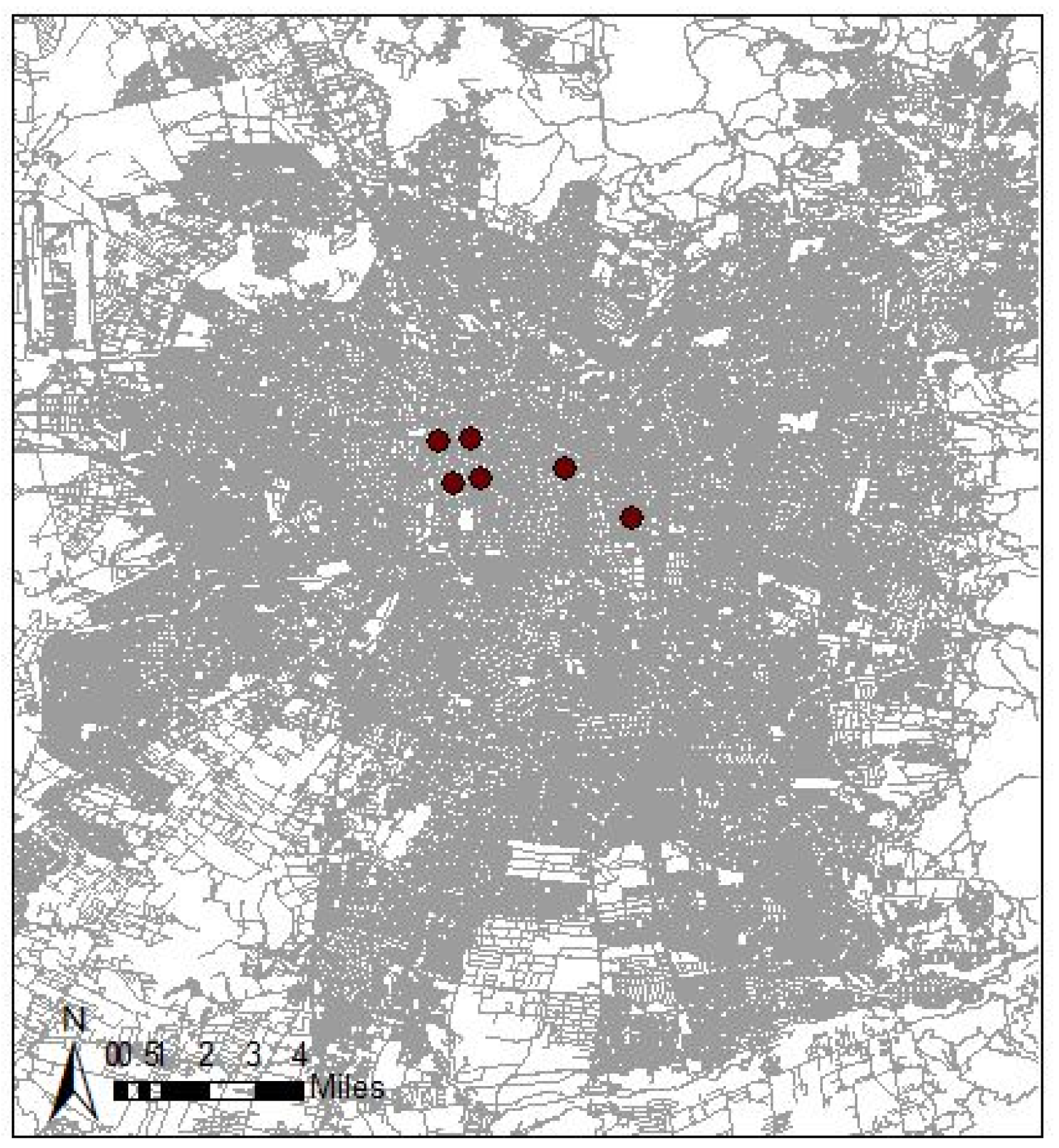
We chose to concentrate primarily on the neighborhoods with middle-income statuses in order to better regulate the involvement of socioeconomic status in the linkages explored in this study in such a segregated metropolis. Since the study’s focus was on women who reside in middle-class neighborhoods in Santiago’s central and pericentral zones, all of these locations and the related middle-class neighborhoods within them were initially identified on a map. The number of respondents in these middle-income neighborhoods in Santiago’s central and peri-central neighborhoods was then calculated using a power analysis and a simple random sampling based on Census 2024 and the total number of women residing in these neighborhoods. Consequently, a target sample size of 586 women was estimated through power analysis based on Census 2024 data and the total number of women residing in the selected middle-income neighborhoods. Subsequently, six middle-income neighborhoods were identified as representative of middle-class neighborhoods in Santiago’s central and pericentral zones (Figure 1). Each of the six neighborhoods received an equal portion of the sample size to ensure that there were enough women in each neighborhood. Five neighborhoods were selected from the city center, and one neighborhood was chosen from the surrounding zones since the center is more typical of the city’s middle-income neighborhoods. Additionally, the neighborhoods were chosen to be well-connected to public transportation, particularly metro stations, as this could boost place attachment due to increased pedestrian mobility, which is enhanced when public transportation is well-connected [30].
Following the selection of the neighborhoods, each neighborhood’s blocks were chosen at random, and dwellings inside the city blocks were also chosen at random. In addition to being willing to engage in the study, participants had to be at least eighteen years old. Data were collected through face-to-face household surveys conducted between January and July 2025 by trained interviewers. Women aged 18 years and older who permanently resided in the selected dwellings and agreed to participate voluntarily were eligible for inclusion. Data collection continued until the target number of respondents was achieved in each neighborhood. A total of 586 valid questionnaires were ultimately obtained, resulting in an overall response rate of 72%.
The six selected neighborhoods were considered representative examples of middle-income residential areas located in central and peri-central Santiago because they share similar socioeconomic characteristics, housing typologies, and accessibility to public transportation. Although the findings cannot be generalized to all neighborhoods in Santiago, they provide important insights into place attachment processes occurring within middle-income urban contexts undergoing socio-spatial transformation. Table 1 shows the Methodological framework of this study.

2.2. Measurements

Inquiries concerning sociodemographic factors like age, gender, educational attainment, and length of residency were included in the survey’s first section. Since the study concentrated on middle-class neighborhoods, monthly income was excluded. Personal values, lifestyles, social characteristics, the subjective built environment, and the degree of place attachment were all measured in the following categories. Based on validated questionnaires from earlier research [e.g., [31]], the questionnaire utilized for this study was structured. The measurement details are explained in the following subsections.
Despite the importance of the impact age has on place attachment, age was eventually left out of the study due to missing percentages and challenges in modifying them for additional analysis. The descriptive statistics for each respondent’s place attachment, social cohesiveness, socio-demographic characteristics, personal values, and physical environment are shown in Table 2.

2.2.1. Place Attachment as Dependent Variable

Place attachment was measured using a five-item, four-point Likert scale (1 = strongly disagree and 5 = strongly agree) that was developed from earlier research [1] “This is the ideal neighborhood to live in.” “Now this neighborhood is a part of me.” “There are places in the neighborhood to which I am very emotionally attached.” “It would be very hard for me to leave this neighborhood,” and “I would not willingly leave this neighborhood for another” were among these statements. The five-item scores were summed. The reliability of these five place attachment questions was assessed using Cronbach’s alpha coefficient, which yielded a value of 0.82.

2.2.2. Lifestyles

The eight-item lifestyle measure used in this study was developed with professional assistance and following several conversations with a diverse range of residents, particularly those from the designated districts. Based on earlier research, the scale was modified [32,33]. Exploratory factor analysis (EFA) was used to identify the lifestyle components. Principal component analysis and varimax rotation were employed in EFA to reduce the amount of data. Four items that would load in several models were later eliminated. “Visiting parks and plazas,” “Taking part in cultural and religious events,” “Reading books, magazines, and newspapers,” and “Watching online programs, including TV programs and videos” were among these activities. Table 3 shows the two variables that were found using EFA (75.18% variance explained, KMO = 0.674).

2.2.3. Personal Values

This study included seven personal values chosen from earlier research [34,35,36]. Self-direction, hedonism, power, accomplishment, universalism, security, and conformity are examples of individual values. Each personal value was rated on a 5-point Likert scale, where 1 represented “not important” and 5 represented “very important.” “Thinking about new ideas and being curious in my life” and “Having fun and enjoying my life” were the measures of hedonism and self-direction, respectively. “Showing my abilities and being successful in different aspects” and “Having power in my life, including social power, authority, or wealth,” respectively, were the metrics used to evaluate achievement and power. The following statements were also used to assess universalism, security, and conformity: “All people are treated equally, have social justice and equal opportunities,” “Have the assurance of living in a safe environment at national and local levels,” and “Always be polite, respectful, and follow the rules,” respectively.

2.2.4. Social Cohesion

Our review revealed 16 distinct scales to measure social cohesion. Nonetheless, the scale developed by Sampson et al. (1997) was most commonly used to quantify it [37]. A scale that has been utilized in a number of other studies assessing social cohesion was used in this investigation [37,38,39,40]. Respondents are asked to indicate how much they agree or disagree with five prompts on this 5-item Likert-style scale. Strongly disagree (1) to strongly agree (5) are the potential answers on this scale. Example items included: “People in this neighborhood are willing to help their neighbors”, “People in this neighborhood can be trusted”, and “People in this neighborhood generally get along with one another.” The dependability of these five social cohesion questions was assessed using Cronbach’s alpha coefficient, which yielded a result of 0.89.

2.2.5. Built Environment

Following the prior studies’ emphasis on these features, the built environment was measured using both real/objective and perceptual/subjective methods. The “Abbreviated Neighborhood Environment Walkability Scale (NEWS-A)” was used to assess perceived built environment characteristics [41,42]. Nevertheless, the tool was adjusted based on what we observed in the selected neighborhoods. Additionally, an EFA was performed using varimax rotation and principal component analysis. The perceived built environment EFA results are presented in Table 4. The EFA analysis revealed four components (KMO = 0.839; 62.08% variance explained).
The built environment variables were also objectively investigated. The link node ratio was used to measure connectivity, whereas the entropy index was used to measure mixed land use [43]. The buffer zones were measured within an 800 m radius of each neighborhood’s geometric center. Geographic Information Systems (GIS) were used to measure the variables in each buffer zone. Additionally, an audit tool was used to record the built environmental characteristics associated with the microscale [44]. The Pedestrian Environment Data Scan (PEDS) and the Systematic Pedestrian and Cycling Environmental Scan (SPACES) audit tools served as the foundation for the development of an audit tool adapted to the characteristics of our neighborhoods. Pedestrian comfort, traffic safety, aesthetics, appropriate green areas, and building height—one of the primary markers of enclosure—were all measured using the audit tool (Table 5). The final audit instrument (Table 4) contained eighteen items that were measured within a 400 m radius of the geometric center of each neighborhood that was selected. Every item exhibited moderate to high inter-rater reliability (kappa > 0.40) [45].

2.3. Analysis

Structural equation modeling (SEM) was employed to examine the simultaneous relationships among socio-demographic characteristics, lifestyle factors, personal values, social cohesion, built-environment attributes, and place attachment. SEM was considered appropriate because several variables represented latent constructs identified through exploratory factor analyses and because SEM accounts for measurement error while simultaneously estimating relationships among observed and latent variables. The objective of the present study was to identify determinants of women’s place attachment rather than to test mediation pathways. Therefore, only direct relationships specified in the conceptual framework were estimated and interpreted.
In this regard, first, we fitted the measurement model using AMOS v.21. Next, we fitted the entire structural model. A normal distribution of the endogenous variables is required for the maximum likelihood estimation approach, which we used to improve the model using modification indices. The final model explained the relationship between key variables and place attachment. Equations for simultaneous regression were used to estimate the effects of the exogenous factors on place attachment.
Five distinct model fit indices were used to evaluate the models’ fit [46,47,48,49,50,51,52]: relative chi-square (CMIN/DF; <3), comparative fit index (CFI; greater than 0.90), Tucker–Lewis index (TLI; greater than 0.90), root mean square error of approximation (RMSEA; ≤0.05), and PCLOSE greater than 0.05.

3. Results

Table 6 presents the standardized direct effects estimated from the structural equation model. Because the study was designed to examine determinants of women’s place attachment and did not hypothesize mediating relationships, only direct effects are reported. The findings indicate that women’s place attachment is influenced by a combination of socio-demographic characteristics, personal values, social cohesion, and perceived and objectively assessed built-environment attributes. The model demonstrated an acceptable fit to the data according to commonly recommended thresholds, indicating that the proposed framework adequately captured the relationships between socio-demographic, personal, social, and built-environment characteristics and women’s place attachment.
Compared to other women, those who work outside the home exhibit higher place attachment (β = 0.109; p = 0.050). In a similar vein, women who have lived there longer tend to be more attached to their place than others (β = 0.085; p = 0.049). According to personal values, women’s place attachment was significantly positively correlated with power and universalism (β = 0.087; p = 0.019; β = 0.150; p = 0.010). Additionally, women’s place attachment is significantly impacted by social cohesion (β = 0.246; p = 0.000). Place attachment is positively impacted by two factors of the perceived built environment: “Aesthetic and Infrastructure for Comfort” and “accessibility” (β = 0.306; p = 0.000; β = 0.230; p = 0.006), while “insecurity-related aspects” has a negative impact (β = −0.095; p = 0.070). Finally, according to the objectively assessed built environmental characteristics, women’s place attachment is positively impacted by path comfort (β = 0.086; p = 0.065) and negatively impacted by mixed land use (β = −0.348; p = 0.071).

4. Discussion

The study’s primary research question was what individual, social, and constructed environmental factors influence women’s place attachment in central and pericentral medium-income neighborhoods in Santiago, Chile. Several socio-demographic characteristics, including educational attainment and foreign origin, were not significantly associated with place attachment. This may indicate that within relatively homogeneous middle-income neighborhoods, emotional attachment depends less on socioeconomic differences and more on social interactions, neighborhood experiences, and perceived environmental qualities. However, the time of residency and working outside the home are factors that increase women’s place attachment. Previous research [1,30] supports the notion that length of residence influences place attachment. One explanation for how having a job outside the home contributes to increased place attachment is that women who work outside the home may have greater contact with the neighborhood’s surroundings as a result of their daily commute.
Furthermore, women who feel more powerful in their lives and who support social justice and equitable treatment are more attached to their neighbourhoods. Given how little research has been done on the impact of personal values on place attachment, this may be considered one of the study’s innovations. One explanation for the connection between place attachment and power is that the neighbourhood contributes to the development of this sense of personal power, which in turn causes these individuals to become more attached to their neighbourhood. Additionally, neighbourhood public places can serve as a platform for achieving social justice and equitable opportunity for those who care about these issues, and this process can increase their sense of attachment to their neighbourhoods. Future research could examine the connections between place attachment and personal values in more detail.
Moreover, women in this city have a stronger sense of place attachment when social cohesion is improved. Previous research provides strong evidence for this [1]. Furthermore, our study discovered strong correlations between place attachment and perceived built environment measures. Place attachment may be associated differently with perceived and objective measurements of the built environment since they are frequently not fully aligned [53]. Place attachment is positively correlated with “aesthetics and infrastructure for comfort”; however, it is adversely associated with “perceived insecurity.” This is supported by earlier research since a secure and aesthetically pleasing setting can increase residents’ feelings of comfort and security, increasing the likelihood that they would stay for a long time and develop an emotional bond [24,54]. Although Chile is still one of the safest nations in Latin America overall, security in Santiago has been declining recently [55]. This demonstrates how crucial it is to improve security and associated aspects in Santiago’s central and pericentral areas in order to strengthen women’s attachment to this city. Perceived accessibility was also linked to women’s attachment to their neighborhood. According to earlier research [20,56] the perceived accessibility of places like stores, parks, everyday amenities, and public transit improves inhabitants’ capacity to meet their daily requirements. This simplicity of use could promote place attachment by raising functional satisfaction with the neighborhood [20].
Additionally, “infrastructure and functional aspects for comfort” from the objectively evaluated built environment demonstrated a favourable correlation with place attachment. Chan and Li [20], who discovered a negative correlation between place attachment and unsatisfactory pathway conditions, supported this. Furthermore, several comfort-related metrics, such as the pathway’s width and quality, are the same as those associated with the perceived built environment’s “Aesthetic and Infrastructure for Comfort” factor, which likewise shows a favourable correlation with place attachment. This demonstrates the significance of such comfort-related aspects for improving women’s place attachment in this city and should be taken into consideration by Santiago’s municipal officials.
Moreover, mixed land use demonstrated a negative association with women’s place attachment. This finding partially contrasts with studies suggesting that land-use diversity may strengthen place attachment by increasing accessibility to daily destinations, supporting commercial activities, and creating opportunities for social interaction among residents [20,57]. However, previous studies have also emphasized that place attachment is closely associated with neighborhood stability, residential continuity, collective efficacy, and the preservation of neighborhood identity [7,15]. In neighborhoods experiencing increasing commercial intensification or substantial functional diversification, changes in neighborhood character and everyday residential experiences may weaken emotional bonds with place, particularly among long-term residents [7]. The findings of the present study suggest that maintaining the predominantly residential character of middle-income neighborhoods while improving accessibility to services and amenities may represent a more balanced strategy for strengthening women’s place attachment in Santiago. An important finding of this study is that perceived built-environment characteristics exhibited stronger associations with women’s place attachment than most objectively measured environmental indicators. This suggests that emotional bonds with neighborhoods may be shaped more strongly by lived experiences, everyday practices, and subjective evaluations of urban environments than by physical characteristics alone. Environmental psychology research has consistently emphasized that individuals engage with places through cognitive, affective, and experiential processes, which may mediate the relationship between urban form and behavioral and psychological outcomes [15]. Similar observations have been reported in studies conducted in Global South contexts, where environmental comfort, neighborhood quality, and socio-morphological conditions substantially influence satisfaction, well-being, and everyday experiences among vulnerable populations [58]. For example, Elshater et al. [59], examining outdoor workers in Cairo, demonstrated that perceived environmental conditions and socio-morphological characteristics, including thermal comfort, noise exposure, and the quality of surrounding urban spaces, were more strongly associated with workers’ satisfaction and perceptions of decent working conditions than some objectively assessed environmental attributes. Likewise, recent research on women’s cooperatives in Lebanon and Turkey highlights that collective participation, social support structures, and opportunities for local engagement can strengthen women’s sense of empowerment, satisfaction, and connection with their communities [60]. Although these studies were conducted in different contexts, they collectively suggest that subjective experiences and socially embedded interactions may constitute particularly important mechanisms through which women develop emotional attachment to urban neighborhoods.

5. Conclusions

This study investigated the relationships between women’s place attachment and socio-demographic, individual, social, and built-environment factors in middle-income central and peri-central neighborhoods of Santiago, Chile. Using household survey data collected from 586 women and applying structural equation modeling, the study identified several significant determinants of place attachment.
The findings indicate that women who work outside the home, reside longer in their neighborhoods, endorse values associated with power and universalism, and experience stronger social cohesion tend to report higher levels of place attachment. Perceived accessibility, aesthetic quality, comfort-related infrastructure, and lower perceptions of insecurity were also positively associated with emotional attachment to neighborhoods. In contrast, higher levels of mixed land use were negatively associated with place attachment, suggesting that maintaining neighborhood residential identity while improving accessibility may contribute to strengthening women’s attachment to place.
The study contributes to urban studies literature by integrating personal values within a broader socio-spatial framework and by simultaneously examining subjective and objective built-environment measures in a Latin American context characterized by socio-spatial inequalities. The findings may support urban policies aimed at promoting inclusive, accessible, and socially cohesive neighborhoods.
Several limitations should be acknowledged. The study focused exclusively on middle-income neighborhoods located in central and peri-central Santiago, limiting the generalizability of findings to other socioeconomic contexts. Consequently, the observed relationships may not fully reflect the experiences of women living in low-income neighborhoods, where socioeconomic disadvantage, deficiencies in urban infrastructure, and heightened safety concerns may play a more dominant role in shaping place attachment. Likewise, women residing in high-income neighborhoods may experience place attachment differently because of distinct residential environments, mobility patterns, and access to urban amenities. Furthermore, the use of cross-sectional data does not allow causal relationships to be established. Notwithstanding these limitations, this study’s benefits include its examination of a wide range of built environmental factors using both objective and subjective measurements. Future research could examine these relationships longitudinally, explore mediation pathways among social and environmental factors, and compare women’s place attachment across diverse urban and cultural contexts.
The external validity of the proposed research model should therefore be interpreted with appropriate caution. Although the conceptual framework integrating socio-demographic, individual, social, and built-environment factors may be applicable to other urban settings, the magnitude and relative importance of these relationships are likely to vary across different socioeconomic, cultural, and geographic contexts. Future studies should validate the model in diverse cities, socioeconomic groups, and cultural settings to examine its broader applicability and identify context-specific determinants of women’s place attachment.

Author Contributions

Conceptualization, A.K.F. and M.P.; methodology, A.K.F. and M.P.; software, M.P.; validation, A.K.F., M.P. and P.A.F.; formal analysis, M.P.; investigation, A.K.F. and M.P.; resources, A.K.F.; data curation, A.K.F.; writing—original draft preparation, M.P.; writing—review and editing, A.K.F. and M.P.; visualization, M.P.; supervision, A.K.F. and M.P.; project administration, A.K.F.; funding acquisition, A.K.F. All authors have read and agreed to the published version of the manuscript.

Funding

Project supported by the Competition for Research Regular Project, year 2023, code LPR23-18, Universidad Tecnológica Metropolitana.

Institutional Review Board Statement

This study has ethical approval from the Ethics Committee of Universidad Tecnológica Metropolitana (approval number: CEC-UTEM-25-01), Chile. All participants consented to join the study.

Data Availability Statement

The data are not publicly available but can be made available upon reasonable request from the corresponding authors.

Conflicts of Interest

The authors declare no conflicts of interest.

References

  1. Comstock, N.; Dickinson, L.M.; Marshall, J.A.; Soobader, M.-J.; Turbin, M.S.; Buchenau, M.; Litt, J.S. Neighborhood attachment and its correlates: Exploring neighborhood conditions, collective efficacy, and gardening. J. Environ. Psychol. 2010, 30, 435–442. [Google Scholar] [CrossRef]
  2. Anton, C.E.; Lawrence, C. Home Is Where the Heart Is: The Effect of Place of Residence on Place Attachment and Community Participation. J. Environ. Psychol. 2014, 40, 451–461. [Google Scholar] [CrossRef]
  3. Anton, C.E.; Lawrence, C. The relationship between place attachment, the theory of planned behaviour and residents’ response to place change. J. Environ. Psychol. 2016, 47, 145–154. [Google Scholar] [CrossRef]
  4. Kamani Fard, A.; Paydar, M. Place Attachment and Related Aspects in the Urban Setting. Urban Sci. 2024, 8, 135. [Google Scholar] [CrossRef]
  5. Bonaiuto, M.; Aiello, A.; Perugini, M.; Bonnes, M.; Ercolani, A.P. Multidimensional perception of residential environment quality and neighborhood attachment in the urban environment. J. Environ. Psychol. 1999, 19, 352. [Google Scholar] [CrossRef]
  6. Adewale, B.A.; Ibem, E.O.; Amole, S.A.; Adeboye, A.B. Place attachment in Nigerian urban slums: Evidence from inner-city Ibadan. Cities 2020, 107, 102902. [Google Scholar] [CrossRef]
  7. Brown, B.; Perkins, D.D.; Brown, G. Place attachment in a revitalizing neighborhood: Individual and block levels of analysis. J. Environ. Psychol. 2003, 23, 259–271. [Google Scholar] [CrossRef]
  8. Paydar, M.; Kamani Fard, A.; Sabri, S. Walking Behavior of Older Adults and Air Pollution: The Contribution of the Built Environment. Buildings 2023, 13, 3135. [Google Scholar] [CrossRef]
  9. Chang, J.; Lin, Z.; Vojnovic, I.; Qi, J.; Wu, R.; Xie, D. Social environments still matter: The role of physical and social environments in place attachment in a transitional city, Guangzhou, China. Landsc. Urban Plan. 2023, 232, 104680. [Google Scholar] [CrossRef]
  10. Sun, Y.; Fang, Y.; Yung, E.H.; Chao, T.-Y.S.; Chan, E.H. Investigating the links between environment and older people’s place attachment in densely populated urban areas. Landsc. Urban Plan. 2020, 203, 103897. [Google Scholar] [CrossRef]
  11. Azevedo, A.; Custódio, M.J.; Perna, F. “Are you happy here?”: The relationship between quality of life and place attachment. J. Place Manag. Dev. 2013, 6, 102–119. [Google Scholar] [CrossRef]
  12. Kamalipour, H.; Yeganeh, A.J.; Alalhesabi, M. Predictors of Place Attachment in Urban Residential Environments: A Residential Complex case study. Procedia-Soc. Behav. Sci. 2012, 35, 459–467. [Google Scholar] [CrossRef]
  13. Morais, L.M.O.; Borde, E.; Guevara, P.; Valdebenito, R.; Baldovino-Chiquillo, L.; Sarmiento, O.L.; Vergara, A.V.; Friche, A.A.L.; Caiaffa, W.T. Gender and urban health: A Latin American structured tool for research and policy. Cad. Saúde Pública 2025, 40, e00046124. [Google Scholar] [CrossRef] [PubMed]
  14. Scannell, L.; Gifford, R. Defining place attachment: A tripartite organizing framework. J. Environ. Psychol. 2010, 30, 1–10. [Google Scholar] [CrossRef]
  15. Lewicka, M. Place attachment: How far have we come in the last 40 years? J. Environ. Psychol. 2011, 31, 207–230. [Google Scholar] [CrossRef]
  16. Sun, C.; Li, F.; Chen, Y. Urban form, neighborhood environment, and place attachment: A structural equation model. Cities 2020, 100, 102649. [Google Scholar] [CrossRef]
  17. Valentine, G. The production of safe spaces. Geoforum 1997, 28, 283–294. [Google Scholar] [CrossRef]
  18. Hanson, S. Gender and mobility: New approaches for informing sustainability. Gend. Place Cult. 2010, 17, 5–23. [Google Scholar] [CrossRef]
  19. Lawson, V. Geographies of care and responsibility. Ann. Assoc. Am. Geogr. 2007, 97, 1–11. [Google Scholar] [CrossRef]
  20. Chan, E.T.; Li, T.E. The effects of neighbourhood attachment and built environment on walking and life satisfaction: A case study of Shenzhen. Cities 2022, 130, 103940. [Google Scholar] [CrossRef]
  21. Chang, C.C.; Hwang, R.L.; Lee, M.H. Built environment characteristics and place attachment: A systematic review of recent evidence. Cities 2023, 134, 104190. [Google Scholar]
  22. Koohsari, M.J.; Sugiyama, T.; Mavoa, S.; Villanueva, K.; Owen, N. Place attachment and neighborhood walkability: Emerging evidence from urban environmental research. Health Place 2023, 80, 102992. [Google Scholar]
  23. Morais, M.; Silva, C.; Lopes, M. Gendered experiences of neighborhood attachment: Safety, mobility, and care practices in contemporary cities. Cities 2025, 149, 105027. [Google Scholar]
  24. Li, J.; Koohsari, M.J.; Kaczynski, A.T.; Tanimoto, R.; Watanabe, R.; Nakaya, T.; Luo, Y.; Zhao, J.; Yasunaga, A.; Oka, K.; et al. The built environment and place attachment: Insights from Japanese cities. Prev. Med. Rep. 2025, 50, 102969. [Google Scholar] [CrossRef] [PubMed]
  25. Castellani, F.; Parent, G.; Zentero, J. The Latin American Middle Class: Fragile After All? IDB Publications (Working Papers) 6733; Inter-American Development Bank: Washington, DC, USA, 2014. [Google Scholar]
  26. Figueroa, C.; Hodgson, F.; Mullen, C.; Timms, P. Walking through deprived neighbourhoods: Meanings and constructions behind the attributes of the built environment. Travel Behav. Soc. 2019, 16, 171–181. [Google Scholar] [CrossRef]
  27. Herrmann-Lunecke, M.G.; Mora, R.; Vejares, P. Perception of the built environment and walking in pericentral neighbourhoods in Santiago, Chile. Travel Behav. Soc. 2021, 23, 192–206. [Google Scholar] [CrossRef]
  28. Paydar, M.; Fard, A. Travel mode choice of the commuters and neighborhood socioeconomic segregation. J. Transp. Health 2025, 44, 102085. [Google Scholar] [CrossRef]
  29. Paydar, M.; Kamani Fard, A. Subjective Well-Being, Active Travel, and Socioeconomic Segregation. Sustainability 2025, 17, 10571. [Google Scholar] [CrossRef]
  30. Koohsari, M.J.; Yasunaga, A.; Oka, K.; Nakaya, T.; Nagai, Y.; McCormack, G.R. Place attachment and walking behaviour: Mediation by perceived neighbourhood walkability. Landsc. Urban Plan. 2023, 235, 104767. [Google Scholar] [CrossRef]
  31. Kroesen, M.; Chorus, C. The role of general and specific attitudes in predicting travel behavior—A fatal dilemma? Travel Behav. Soc. 2017, 10, 33–41. [Google Scholar] [CrossRef]
  32. Etminani-Ghasrodashti, R.; Paydar, M.; Hamidi, S. University-related travel behavior: Young adults’ decision-making in Iran. Sustain. Cities Soc. 2018, 43, 495–508. [Google Scholar] [CrossRef]
  33. Paydar, M.; Kamani Fard, A. Active travel and subjective well-being in Temuco, Chile. J. Transp. Geogr. 2025, 123, 104070. [Google Scholar] [CrossRef]
  34. García, J.; Mars, L.; Arroyo, R.; Casquero, D.; di Ciommo, F.; Ruiz, T. Personal Values, Attitudes and Travel Intentions Towards Cycling and Walking, and Actual Behavior. Sustainability 2019, 11, 3574. [Google Scholar] [CrossRef]
  35. Paydar, M.; Kamani Fard, A. Satisfaction with travel and its associated factors among university students. J. Transp. Health 2026, 48, 102261. [Google Scholar] [CrossRef]
  36. Paulssen, M.; Temme, D.; Vij, A.; Walker, J.L. Values, attitudes and travel behavior: A hierarchical latent variable mixed logit model of travel mode choice. Transportation 2014, 41, 873–888. [Google Scholar] [CrossRef]
  37. Sampson, R.J.; Raudenbush, S.W.; Earls, F. Neighborhoods and violent crime: A multilevel study of collective efficacy. Science 1997, 277, 918–924. [Google Scholar] [CrossRef] [PubMed]
  38. Baldwin, C.; Vincent, P.; Anderson, J.; Rawstorne, P. Measuring Well-Being: Trial of the Neighbourhood Thriving Scale for Social Well-Being Among Pro-Social Individuals. Int. J. Community Well-Being 2020, 3, 361–390. [Google Scholar] [CrossRef] [PubMed]
  39. Miller, H.N.; Thornton, C.P.; Rodney, T.; Thorpe, R.J., Jr.; Allen, J. Social Cohesion in Health: A Concept Analysis. Adv. Nurs. Sci. 2020, 43, 375–390. [Google Scholar] [CrossRef] [PubMed]
  40. Kamani Fard, A.; Paydar, M. Women’s walking behaviour and subjective well-being in the middle-income neighbourhoods of Santiago, Chile. BMC Public Health 2026. [Google Scholar] [CrossRef] [PubMed]
  41. Cerin, E.; Conway, T.L.; Cain, K.L.; Kerr, J.; De Bourdeaudhuij, I.; Owen, N.; Reis, R.S.; Sarmiento, O.L.; Hinckson, E.A.; Salvo, D.; et al. Sharing good NEWS across the world: Developing comparable scores across 12 countries for the neighborhood environment walkability scale (NEWS). BMC Public Health 2013, 13, 309. [Google Scholar] [CrossRef] [PubMed]
  42. Paydar, M.; Kamani Fard, A. Walking and cycling as recreational activities and their associated factors. Int. J. Urban Sustain. Dev. 2025, 17, 268–283. [Google Scholar] [CrossRef]
  43. Berrigan, D.; Pickle, L.W.; Dill, J. Associations between street connectivity and active transportation. Int. J. Health Geogr. 2010, 9, 20. [Google Scholar] [CrossRef] [PubMed]
  44. Paydar, M.; Kamani Fard, A. Older Adults’ Walking Behavior and the Associated Built Environment in Medium-Income Central Neighborhoods of Santiago, Chile. Infrastructures 2025, 10, 137. [Google Scholar] [CrossRef]
  45. Mayer, H.; Nonn, C.; Osterbrink, J.; Evers, G. Qualitätskriterien von Assessmentinstrumenten—Cohen’s Kappa als Maß der Interrater-Reliabilität (Teil 1). Pflege 2004, 17, 36–46. [Google Scholar] [CrossRef] [PubMed]
  46. Liu, M.; Zhao, S.; Li, J. Associations among perceived built environment, attitudes, walking behavior, and physical and mental state of college students during COVID-19. Travel Behav. Soc. 2022, 28, 170–180. [Google Scholar] [CrossRef] [PubMed] [PubMed Central]
  47. Hu, L.-T.; Bentler, P.M. Fit indices in covariance structure modeling: Sensitivity to under parameterized model misspecification. Psychol. Methods 1998, 3, 424–453. [Google Scholar] [CrossRef]
  48. Hooper, D.; Coughlan, J.; Mullen, M. Structural Equation Modeling: Guidelines for Determining Model Fit. Electron. J. Bus. Res. Methods 2007, 6, 53–60. [Google Scholar]
  49. Kline, R.B. Principles and Practice of Structural Equation Modeling; Guilford Press: New York, NY, USA, 1998. [Google Scholar]
  50. Kline, R.B. Principles and Practice of Structural Equation Modeling, 2nd ed.; Guilford Press: New York, NY, USA, 2005. [Google Scholar]
  51. Kline, R.B. Principles and Practice of Structural Equation Modeling, 3rd ed.; Guilford: New York, NY, USA, 2011. [Google Scholar]
  52. Hu, L.-T.; Bentler, P.M. Cutoff Criteria for Fit Indexes in Covariance Structure Analysis: Conventional Criteria Versus New Alternatives. Struct. Equ. Model. 1999, 6, 1–55. [Google Scholar] [CrossRef]
  53. Koohsari, M.J.; Nakaya, T.; McCormack, G.R.; Shibata, A.; Ishii, K.; Yasunaga, A.; Hanibuchi, T.; Oka, K. Traditional and novel walkable built environment metrics and social capital. Landsc. Urban Plan. 2021, 214, 104184. [Google Scholar] [CrossRef]
  54. Leverentz, A.; Pittman, A.; Skinnon, J. Place and Perception: Constructions of Community and Safety Across Neighborhoods and Residents; SAGE Publications Sage: Los Angeles, CA, USA, 2018. [Google Scholar]
  55. Busco, C.; González, F.; Lillo, N. Safety, Gender, and the Public Transport System in Santiago, Chile. Sustainability 2022, 14, 16484. [Google Scholar] [CrossRef]
  56. Pfeiffer, D.; Ehlenz, M.M.; Andrade, R.; Cloutier, S.; Larson, K.L. Do neighborhood walkability, transit, and parks relate to residents’ life satisfaction? Insights from Phoenix. J. Am. Plan. Assoc. 2020, 86, 171–187. [Google Scholar] [CrossRef]
  57. Kim, B.; Park, J. Effects of Commercial Activities by Type on Social Bonding and Place Attachment in Neighborhoods. Sustainability 2018, 10, 1771. [Google Scholar] [CrossRef]
  58. Li, Y.; Zhang, X.; Wang, S. Neighborhood safety perceptions, environmental quality, and emotional attachment to place among urban residents. Landsc. Urban Plan. 2025, 256, 105112. [Google Scholar]
  59. Elshater, A.; Abusaada, H.; Alfiky, A.; El-Bardisy, N.; Elmarakby, E.; Grant, S. Workers’ satisfaction vis-à-vis environmental and socio-morphological aspects for sustainability and decent work. Sustainability 2022, 14, 1699. [Google Scholar] [CrossRef]
  60. Koluman, N.; Chalak, L.; Koutouzidou, G.; Göncü, S.; Celik Guney, M.; Eid, C.; Ragkos, A. Women’s cooperatives and silvopastoralism in the Mediterranean: A strategic approach to service provision in Lebanon and Turkey. Sustainability 2026, 18, 5995. [Google Scholar] [CrossRef]
Figure 1. Location of the Six Selected Neighborhoods in Santiago.
Land 15 01242 g001
Table 1. Methodological framework.
Research StageMethodsOutputs
SamplingPower analysis and simple random samplingN = 586
Study Area SelectionSix middle-income neighborhoods in SantiagoRepresentative neighborhoods
Data CollectionFace-to-face surveys586 respondents
Built Environment AssessmentGIS and neighborhood auditsObjective indicators
Factor ExtractionEFALifestyle and perceived BE factors
SEMAMOS v21Determinants of place attachment
Table 2. Descriptive statistics on place attachment, social cohesion, sociodemographic variables, personal factors, personal values, and the built environment for all respondents (N = 586).
VariablesVariable DescriptionFrequencyPercentageMeanSD
Place attachment 2.770.68
Socio-demographic variables
Job situation1 = With job outside of home28648.8
0 = Without job outside of home30051.1
Education1 = Basic education or lower 213.6
2 = Secondary education20635.2
3 = Professional Technician16227.6
4 = Higher education17329.5
5 = Postgraduate244.1
Duration of residency at the present houseLess than one year488.4
Between 1 and 3 years10116.1
Between 3 and 5 years10317.6
More than 5 years33457.9
Having foreign origin0 = No48182.1
1 = Yes10517.9
Personal values
Self-direction 4.110.90
Hedonism 4.320.76
Power 4.051.00
Achievement 4.150.88
Universalism 4.470.76
Security 4.580.64
Conformity 4.520.68
Social/related variables
Social cohesion 2.570.81
Built environmental factors
Path comfort 0.670.09
Safety from Traffic 0.650.16
Aesthetic 2.000.19
Greenery 1.760.13
Building height 1.361.13
Mixed land use 0.250.03
Link node ratio (Links/Nodes per unit of area) 0.840.14
Table 3. Results from EFA for lifestyle.
ComponentHow Often (in the Last Month) Have You Engaged in Various Activities During Your Free Time?Loadings
Physical active people outside of homeGo to the gym or indoor sports0.876
Going to outdoor sports, walking, jogging or cycling,0.813
Going to restaurants and malls with friendsGoing to shopping centers0.886
Going to the restaurant/cafeteria with friends 0.807
Table 4. Results of EFA for subjective built environment.
Component Loadings
Aesthetic and Infrastructure for comfort Most of the sidewalks in my neighborhood are wide enough.0.572
In general, the sidewalks in this neighborhood are well maintained.0.672
There are dedicated bike lanes in my neighborhood.0.660
There are many natural attractions in my neighborhood (such as vegetation and trees).0.737
My neighborhood is pleasant to look at while walking through it.0.727
There is sufficient signage to facilitate pedestrian movement in my neighborhood.0.717
The streets in my neighborhood are well lit at night0.736
AccessibilityThe store I use is a short walk from my house0.828
There are many places I usually go that are a short walk from my house0.840
The bus stop is a short walk from my home0.824
The streets in my neighborhood don’t have many dead ends.0.591
The parks and squares are within easy walking distance of my house0.642
There are many alternative routes to get from one place to another in my neighborhood (I don’t have to follow the same path every time).0.537
Insecurity related aspectsThere is a high level of crime in my neighborhood.0.773
The crime rate in my neighborhood makes it unsafe to go for a walk during the day.0.833
The crime rate in my neighborhood makes it unsafe to go for a walk at night.0.865
Safety from trafficThere are many obstructions along the sidewalks (parked cars, ongoing construction, etc.)0.739
There is so much traffic on the nearby streets that walking or cycling becomes difficult and/or unpleasant.0.752
Vehicles do not respect the speed limits in my neighborhood.0.792
Table 5. The summary measures regarding the built environment through audit instruments in the street segments.
DomainVariable (Factor)Variable DescriptionMean
(in Total Zones) [SD]
Infrastructure and functional aspects for comfort 0.67 [0.09]
Quality of pavement1 = poor, 2 = fair, 3 = good
Sidewalk width1 < 4 feet,
2 = between 4 and 8 feet, 3 > 8 feet
Physical barriers/path obstructions1 = present, 0 = not present
The buffer between road and path1 = present, 0 = not present
Amenities (All types)1 = present, 0 = not present
Presence of benches1 = present, 0 = not present
Traffic safety 0.65 [0.16]
Traffic control devices1 = present, 0 = not present
Crossing aids1 = present, 0 = not present
Crosswalks1= none, 2 = 1–2, 3 = 3–4, 4 > 4
Quality and quantity of green spaces 1.76 [0.13]
Number of trees 1 = none or very few, 2 = some, 3 = many/dense
Presence of flowers1 = yes, 0 = no
Maintenance and cleanliness of green spaces1 = Poor (much litter/no grass cutting
2 = Fair (some litter/grass cutting in some places
3 = Good (no litter/grass cutting in many places
Aesthetic related aspects 2.00 [0.19]
General cleanliness: (can you see trash, graffiti, broken windows, discarded objects, etc.?)1 = None or almost no trash/bad graffiti/broken facilities)
2 = Yes, a little (little trash/bad graffiti/broken facilities)
3 = Yes, a lot (a lot of trash/bad graffiti/broken facilities)
Building Maintenance1 = Poor (Much unrepaired and unmaintained façade is observed
2 = Fair (To some extent, unrepaired and unmaintained façade is observed)
3 = Good (unrepaired and unmaintained façade is not observed)
Articulation in building designs1 = little or no articulation,
2 = some articulation,
3 = highly articulated
Public art (Is there public art that is visible in this segment?)1 = yes, 0 = no
Building height 1.36 [1.13]
Building height1 = short, 2 = medium, 3 = tall
Table 6. The results of direct effects of socio-demographic, personal, social, and built environmental factors on place attachment.
Place Attachment
VariablesEstimateC.R.
Sociodemographic factors
Having job outside of home0.109 **1.950
Secondary versus basic education−0.016−0.168
Technicians Versus Basic Education0.0750.841
Higher education versus basic education0.0240.260
Postgraduate versus basic education0.0100.192
Time of residency at home0.085 **1.967
Having foreign origin0.0210.549
Lifestyle
Physical active people outside of home−0.002−0.040
Going to restaurants and malls with friends0.0681.115
Personal values
Self-direction 0.0330.799
Hedonism −0.055−1.058
Power 0.087 **2.346
Achievement−0.012−0.284
Universalism0.150 **2.585
Security−0.060−0.801
Conformity−0.076−1.203
Social-related factors
Social cohesion0.246 ***4.580
Perceived Built Environment
BA_1: Aesthetic and Infrastructure for comfort 0.306 ***3.686
BA_2: Accessibility0.230 ***2.775
BA_3: Insecurity related aspects−0.095 *−1.813
BA_4: Safety from traffic−0.030−0.530
Objective built environment
Path comfort0.086 *1.138
Safety from Traffic0.0791.561
Aesthetic −0.343−0.672
Greenery0.0000.283
Building height−0.383−1.417
Mixed land use−0.348 *−1.805
Link node ratio (Links Nodes per unit of area)0.0140.229
Model fit:
CMIN/DF2.541
CFI0.901
TLI0.899
RMSEA0.050
PCLOSE0.209
C.R. = Critical Ratio; *** p < 0.01; ** p < 0.05; * p < 0.1.
Disclaimer/Publisher’s Note: The statements, opinions and data contained in all publications are solely those of the individual author(s) and contributor(s) and not of MDPI and/or the editor(s). MDPI and/or the editor(s) disclaim responsibility for any injury to people or property resulting from any ideas, methods, instructions or products referred to in the content.