Article

Deconstructing the Evolution of Historical Urban Landscapes: A Multidimensional Layering Approach
1
School of Architecture & Urban Planning, Lanzhou Jiaotong University, Lanzhou 730070, China
2
School of Marxism, Beijing Forestry University, Beijing 100083, China
3
College of Architecture & Urban Planning, Tongji University, Shanghai 200092, China
4
Welsh School of Architecture, Cardiff University, Wales CF10 3AT, UK
5
School of Architecture & Fine Art, Dalian University of Technology, Dalian 116024, China
*
Author to whom correspondence should be addressed.
Land 2026, 15(5), 869; https://doi.org/10.3390/land15050869
Submission received: 21 March 2026 / Revised: 10 May 2026 / Accepted: 12 May 2026 / Published: 18 May 2026

Abstract

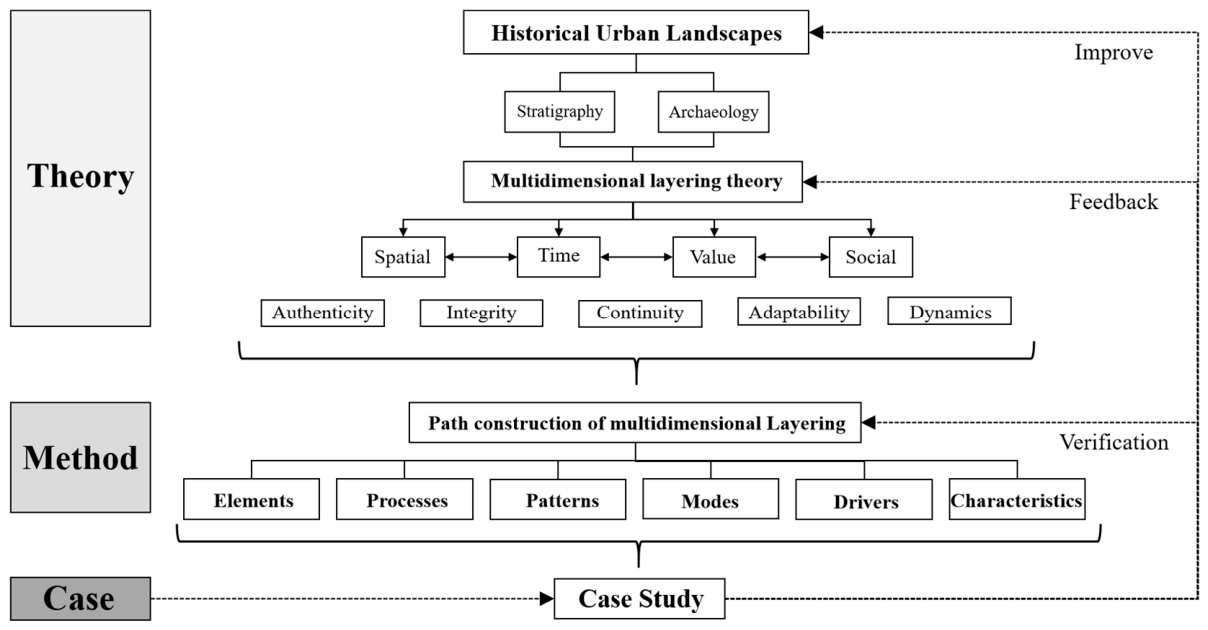
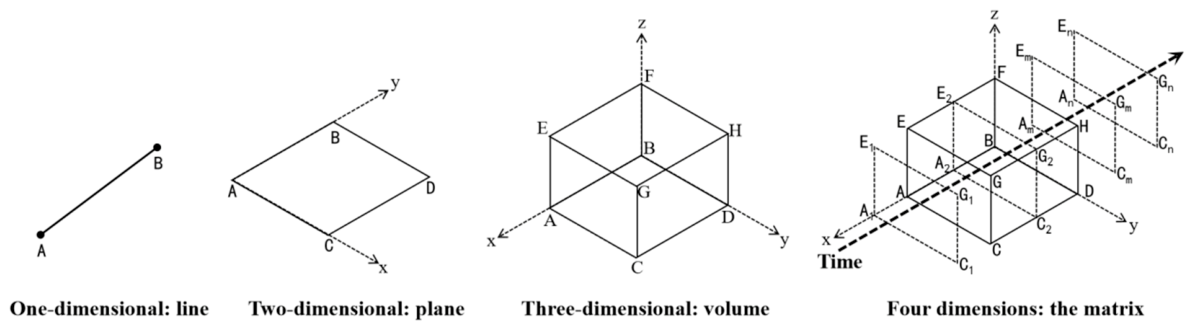
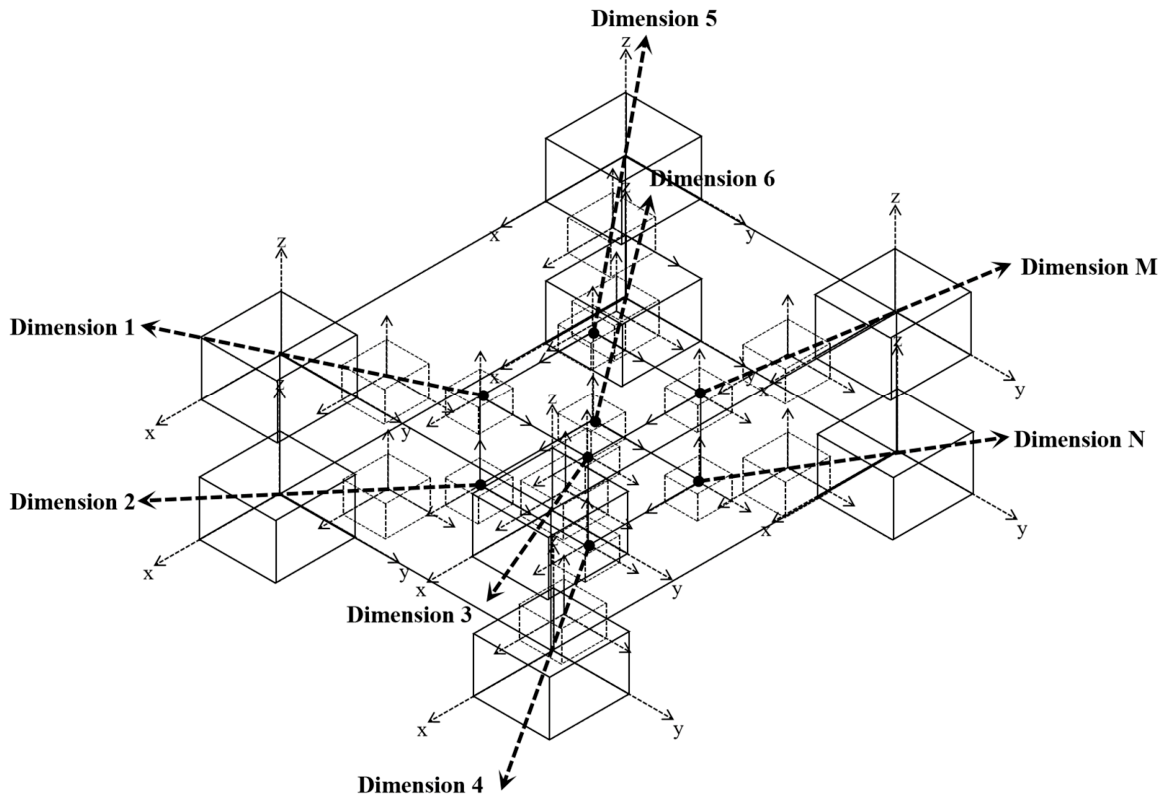
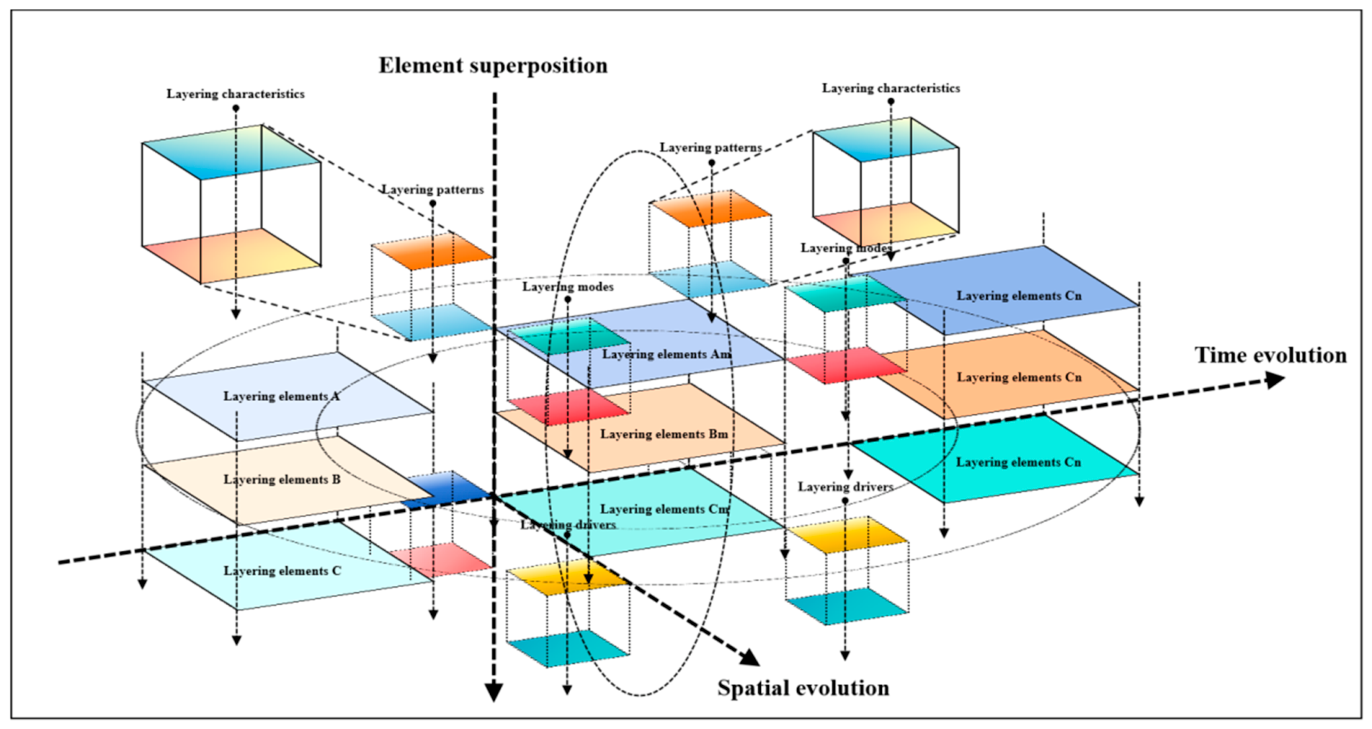
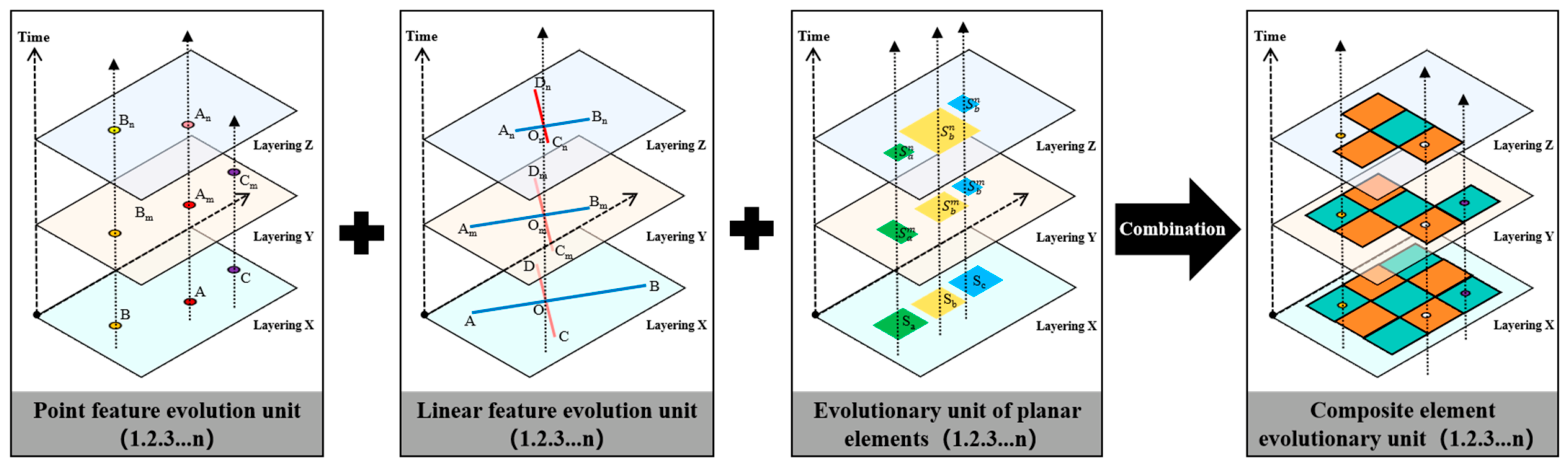
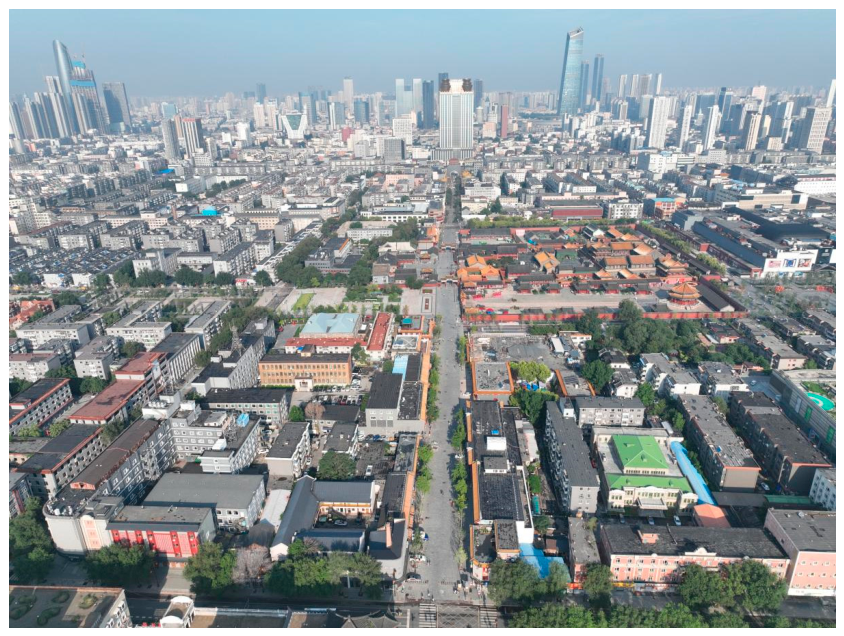
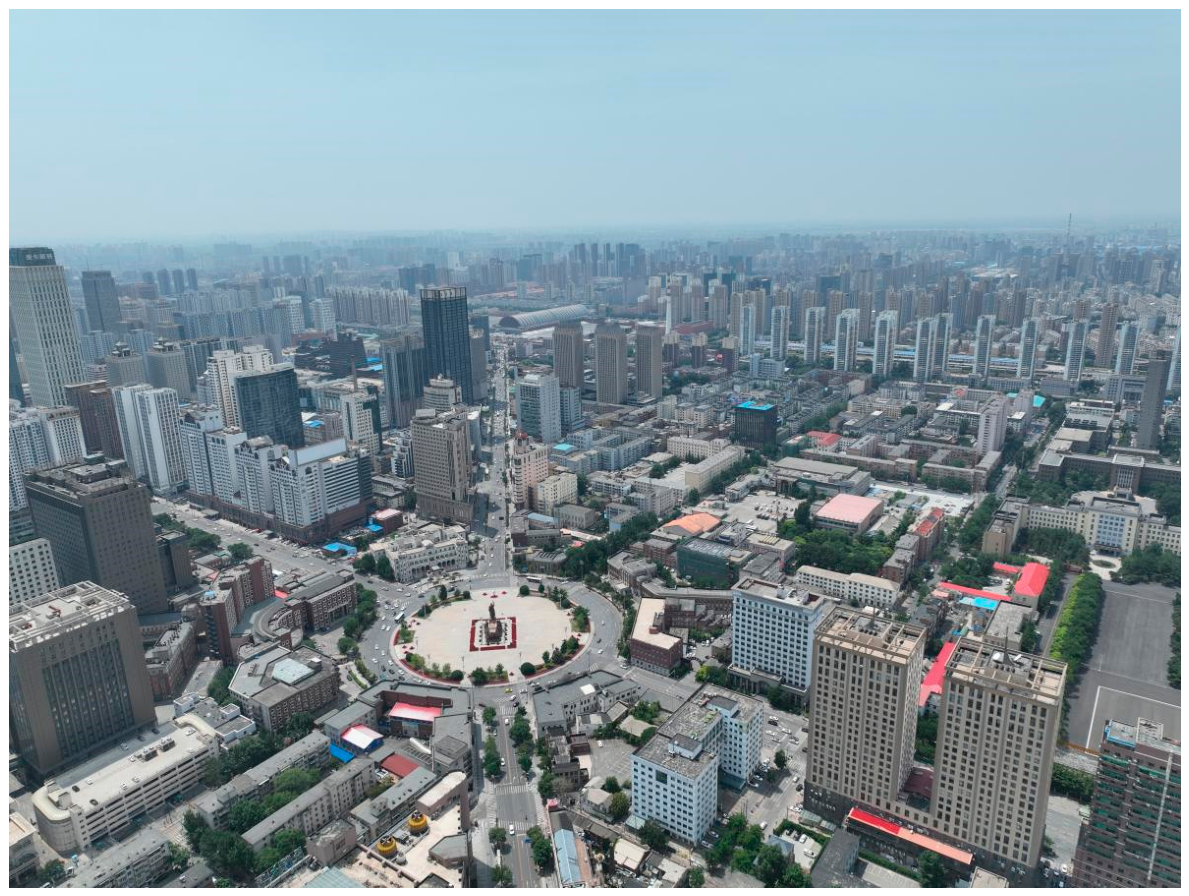
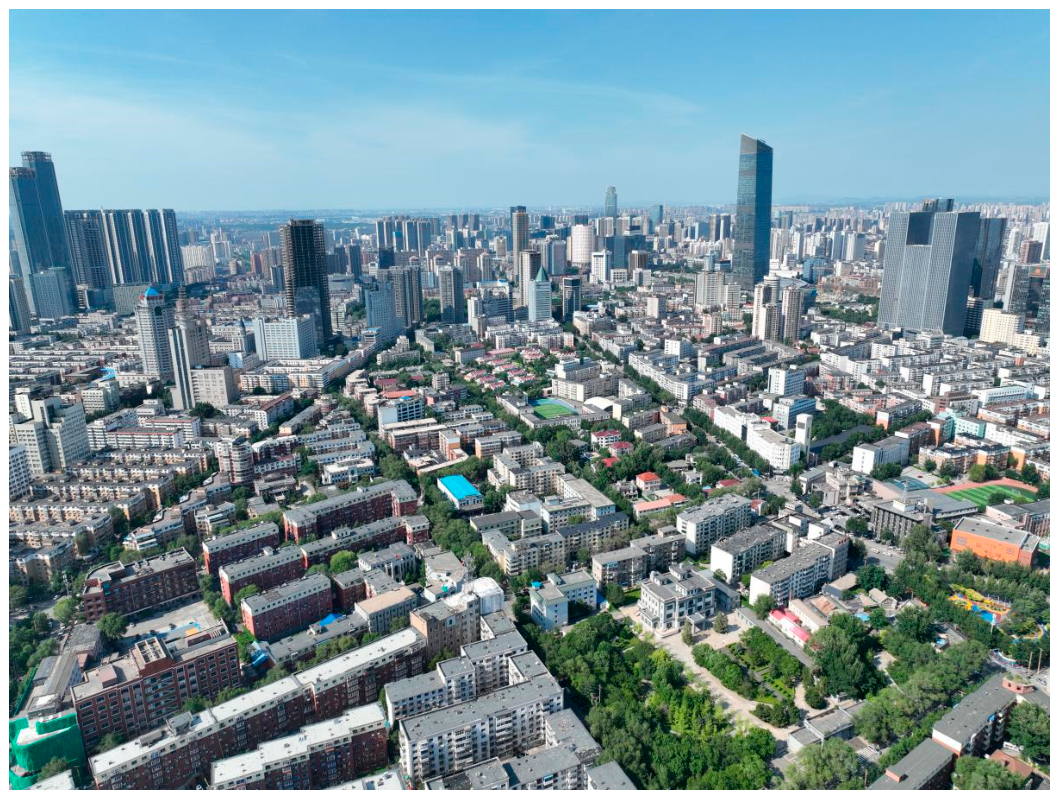
As a form of living heritage, Historic Urban Landscapes (HULs) have long been limited by the static perspectives and reductionist tendencies of conventional conservation and research approaches. Although the geological and archaeological concept of “stratification” offers a methodological basis for understanding the diachronic evolution of heritage, its unidimensional temporal lens fails to capture the inherent complexity and systemic nature of historic urban landscapes. To address this gap, this study proposes a “multidimensional stratification” theoretical framework through theoretical critique and paradigm reconstruction. The framework introduces innovations at the ontological, epistemological, and methodological levels, positing that the evolution of historic urban landscapes emerges from the nonlinear interaction and dynamic interweaving of four core dimensions: time, space, society, and value. It further systematizes five intrinsic attributes of such landscapes: authenticity, integrity, continuity, adaptability, and dynamism. Building on this foundation, the paper constructs a systematic analytical pathway—elements–processes–patterns–modes–drivers–characteristics—that enables dynamic analysis from micro-level identification to macro-level generalization, offering a scalable tool for HUL conservation and regeneration. To demonstrate the framework’s applicability, the historic urban area of Shenyang—a nationally designated historical and cultural city—is selected as a case study. Its urban landscape comprises four core districts: the Shengjing City District, the South Manchuria Railway Concession District, the Commercial Port District, and the Tiexi Industrial District, representing historical strata from the Qing dynasty capital, modern colonial planning, commercial opening, to industrial heritage. Using the multidimensional stratification approach, this study elucidates the spatial complexity, temporal nonlinearity, social dynamism, and value pluralism embedded in Shenyang’s historic urban area. Corresponding conservation strategies grounded in holism, dynamism, and differentiation are proposed. The research not only advances the theoretical understanding of HUL but also provides a novel paradigm—integrating holistic, dynamic, and operational perspectives—for the conservation, renewal, and regenerative practice of historic urban landscapes worldwide.
Keywords: historical urban landscapes; multidimensional layering; urban heritage conservation historical urban landscapes; multidimensional layering; urban heritage conservation