Article

Ecoparque: An Example of Nature-Based Solutions Implementation at Tijuana a Global South City
by
Lina Ojeda-Revah
and
Gabriela Muñoz-Meléndez
*
Departamento de Estudios Urbanos y del Medio Ambiente, El Colegio de la Frontera Norte, Km 18.5 Carretera Tijuana-Ensenada, San Antonio del Mar, Tijuana B.C. 22560, Mexico
*
Author to whom correspondence should be addressed.
Land 2026, 15(1), 89; https://doi.org/10.3390/land15010089 (registering DOI)
Submission received: 21 December 2025 / Revised: 30 December 2025 / Accepted: 30 December 2025 / Published: 1 January 2026
(This article belongs to the Topic Nature-Based Solutions-2nd Edition)

Abstract

Nature-Based Solutions (NBS) are recognized as urban strategies to face environmental degradation and climate change vulnerability to address social challenges. However, NBS are context-dependent and must be based on evidence. Thus, this document details the NBS implementation in a global south city such as Tijuana, a semiarid city at the Mexico–USA border, which has rapidly grown under poor urban planning, widespread irregular settlements, increase in air and water pollution, and limited green spaces. In response, six hectares of a severely eroded slope have been transformed by El Colef into Ecoparque, an Urban Resilience Laboratory. This academic initiative aims to enhance residents’ quality of life by analyzing environmental problems, raising awareness, and engaging the community, in addition to identifying opportunities for implementing NBS. This paper presents the 32 years’ experience of implementing NBS at Ecoparque, such as a constructed wetland as part of a wastewater treatment, reforestation with native plants grown in an in situ nursery, soil restoration using its own-produced compost, and urban ecosystem rehabilitation. Moreover, main challenges and upscaling opportunities are identified to adopt NBS in a Global South city. Results showed that the most relevant problems have been insufficient human and financial resources, as well as the lack of a proper legal framework. This study provides an analytical significance that could be useful to apply under similar contexts.

1. Introduction

By 2023, more than half of the population worldwide lived in cities and towns; this number is expected to increase to about 5 billion in 2030 and to 2 billion by 2050 [1]. This increase of urbanites is worrisome given that cities are both victims of climate change and among its worst perpetrators; the former because metropolises are disproportionately exposed to climate impacts, the latter because they are also responsible for generating a large share of global emissions [2]. Cities are responsible for 80% of greenhouse gas emissions and consume 80% of the world’s resources [3]. Furthermore, with urbanization, the consumption of energy and water resources has increased, causing environmental problems that impact human wellbeing [4], such as the pollution of air and water and generation of waste disposal [5].
The increasing global urbanization and its environmental impacts are hindering urban sustainability and resilience currently but are likely to continue and intensify in the future [6]. In this context, NBS are being advocated for as a strategy for cities dealing with the degradation of natural resources and ecosystem services and vulnerability to climate change and extreme weather events, as well as incertitude about citizens’ health and wellbeing. Inspired by nature, NBS are “actions to protect, conserve, restore, sustainably use and manage natural or modified terrestrial, freshwater, coastal and marine ecosystems which address social, economic and environmental challenges effectively and adaptively, while simultaneously providing human wellbeing, ecosystem services, resilience and biodiversity benefits” [7].
NBS serve as a transdisciplinary umbrella term that brings together concepts like ecosystem services, green infrastructure, and natural capital, to address threats to society [8] and for maintaining human well-being [9]. A literature review on NBS reveals they are site specific in function of the urban context and landscape scale, require a systematic understanding between nature conservation and societal needs, benefit both people—including equity—and biodiversity, empower governance processes that promote broad participation and foster communication, are practical and viable economically, and, most importantly, are challenge oriented in ecological and social terms [8,10,11,12].
However, our NBS literature review also highlights several significant challenges hindering their effective implementation. These include a lack of legal, policy frameworks, and guidance and tools; weak law enforcement; and limited stakeholder engagement. Also mentioned are organizational issues such as inflexible and fragmented structures, sectoral silos, and limited collaborative governance, as well as insufficient public awareness and engagement. Another set of issues relate to deficient monitoring and assessment leading to shortages of reliable data, appropriate indicators, and clear measures of effectiveness, which create uncertainties regarding the added value and benefits. Finally, there is a dearth of public or private financial resources, funding instruments (e.g., maintenance and human resources), low private sector engagement, and power dynamics tied to property interests [13,14,15].
As in many countries of the Global South, in Latin America, although urban ecosystem services research related to NBS has recently increased, its integration into planning is still limited [16]; in Mexico even greenspace planning and management face the very same problem [17]. But, going back to NBS research, most focus on using them to ensure water supply, enhance quality, lower landslide risk, and control flooding [18,19]. Yet, there are prejudices to overcome; for example, Latin American participants of a symposium to deepen understandings of nature-based thinking noted that putting nature ahead of human needs represents a privileged viewpoint, since tackling poverty and inequality must come before environmental efforts [18].
Within this framework, the purpose of this document is to examine the NBS implemented at an urban park in a city of the Global South, as well as their performance, challenges, and opportunities of upscaling. This manuscript draws from a case study methodology to know the local context and main environmental problems of the city of Tijuana, Baja California, Mexico, and the local park “Ecoparque” and its NBS adoption through historical and technical data; difficulties and opportunities identified are described later. Then, obstacles during achievement and enhancement strategies are debated. Finally, conclusions are given.

2. Materials and Methods

This academic work was carried out as case study research, a methodology of the social sciences, that has been defined as an empirical method that investigates a contemporary phenomenon in depth and within its real-world context, when the boundaries between phenomenon and context may not be clearly evident [20]. This research initiative uses a clear-cut focus on a unit of analysis, applying an empirical approach to deal with complex research questions, in processes or objects with multiple not obvious variables, utilizing qualitative, quantitative, and mixed methods applied either in a positivist or interpretivist mode, presented in a narrative way [21] that can provide important evidence for the argument [22].
According to their epistemological function, case studies could be exploratory, descriptive, or explicative, while categorized by their characteristics, could be critical, unusual, common, revealing, and longitudinal [20]. It must be added that case studies are not samples, and, in that sense, results from their characterization could not be generalized in a statistical sense but in a logical and analytical fashion; moreover, case studies could impact theories and key concepts and shed light on the understanding of a given phenomenon [22].
Here, the case study research begins with a brief description of Tijuana to set the urban context, then the case study of Ecoparque is presented in a longitudinal way, as seen in Figure 1. For 27 years, interventions were carried out more in a reactive way; noticeably, it was 2013 when a committee of specialists was established, composed of civil, biochemical, and chemical engineers, and a biologist. All of them are assigned to El Colef, in addition two independent external volunteers joined such committee, one specialized in native plants and the other in urban agriculture.
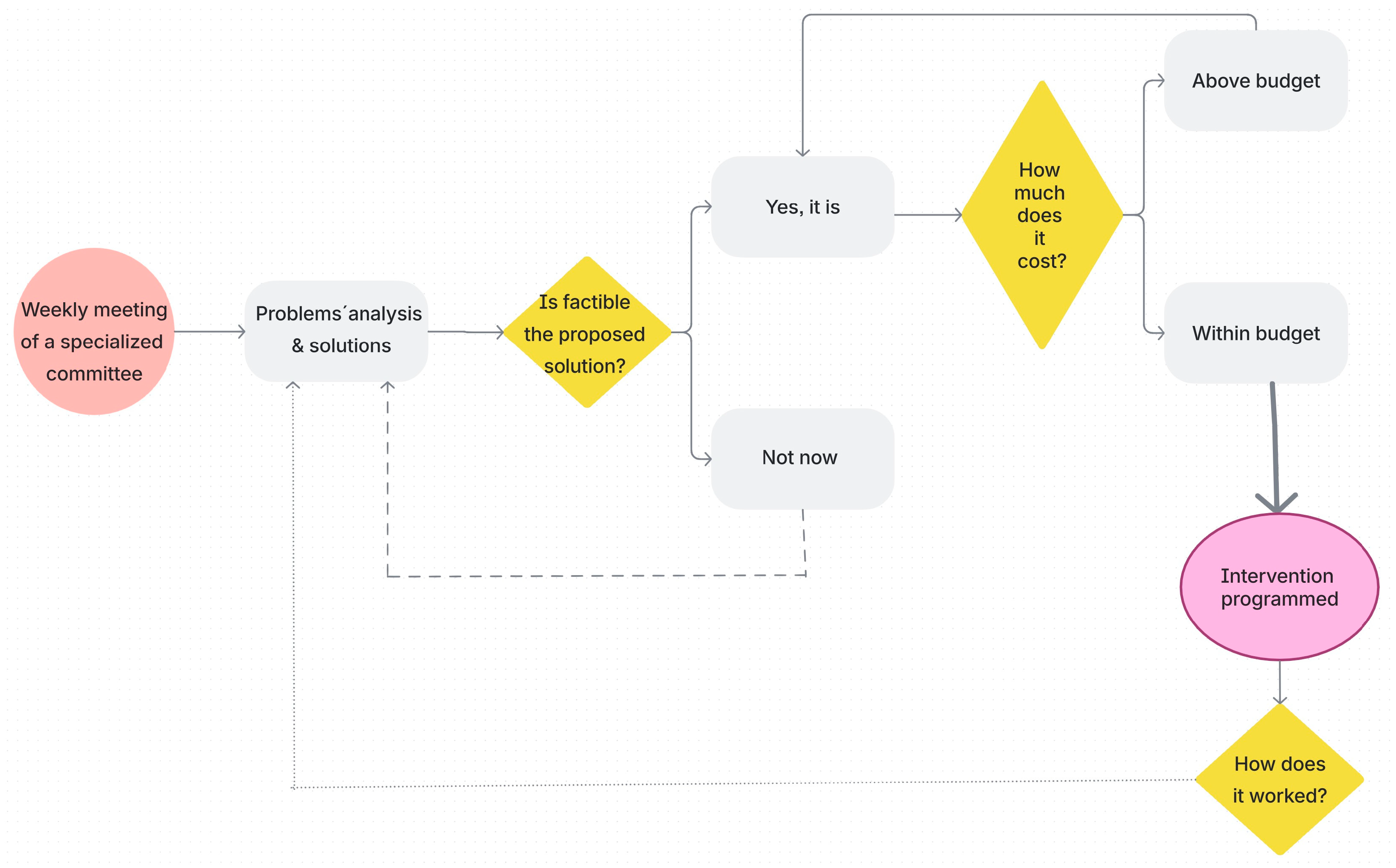
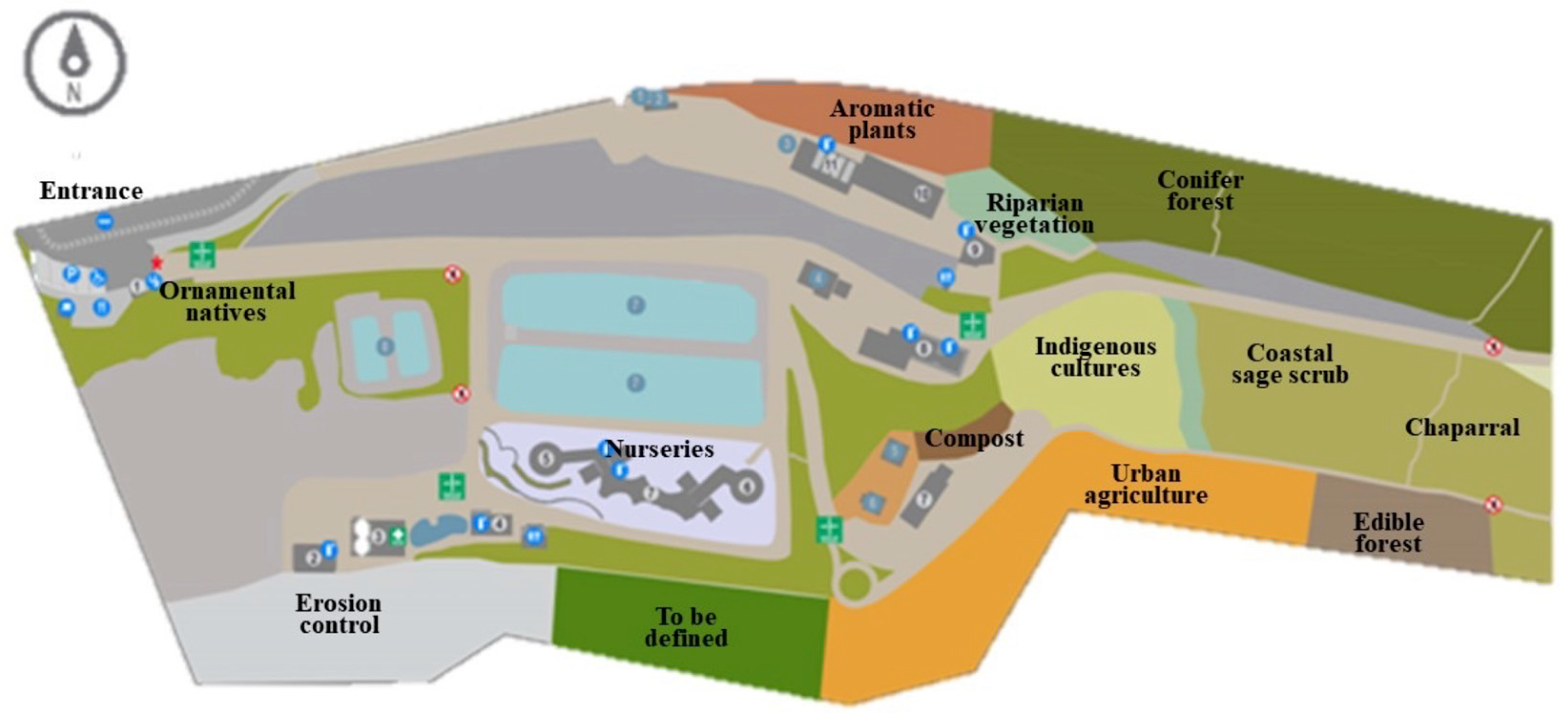
From then until now, this committee has been in charge of the site planning and decision making, as depicted in Figure 2. It should be mentioned that planned actions have been developed under financial constraints, and they have been prioritized under opportunity. When actions are planned, depending on the program, a set of appropriate indicators are drafted to identify interactions and overlaps, data sources, and monitoring details to know if goals are achieved, and after the intervention ends the committee analyzes it, registering lessons. Common indicators used for repetitive interventions are
  • Vegetation inventories (species’ richness and abundance, natives, and exotic)
  • Water quality (bacteriological, organic, inorganic, and nutrient content)
  • Birdwatching (species)
  • Compost quality (NPK content)
  • Solar energy generation (kwh per time)
  • Risk (firewalls, security measures, and number of accidents)
  • Environmental education (number of visitors per educational level, workshops, tours, volunteering, and consulting)

2.1. Tijuana’s Urban Context and Challenges

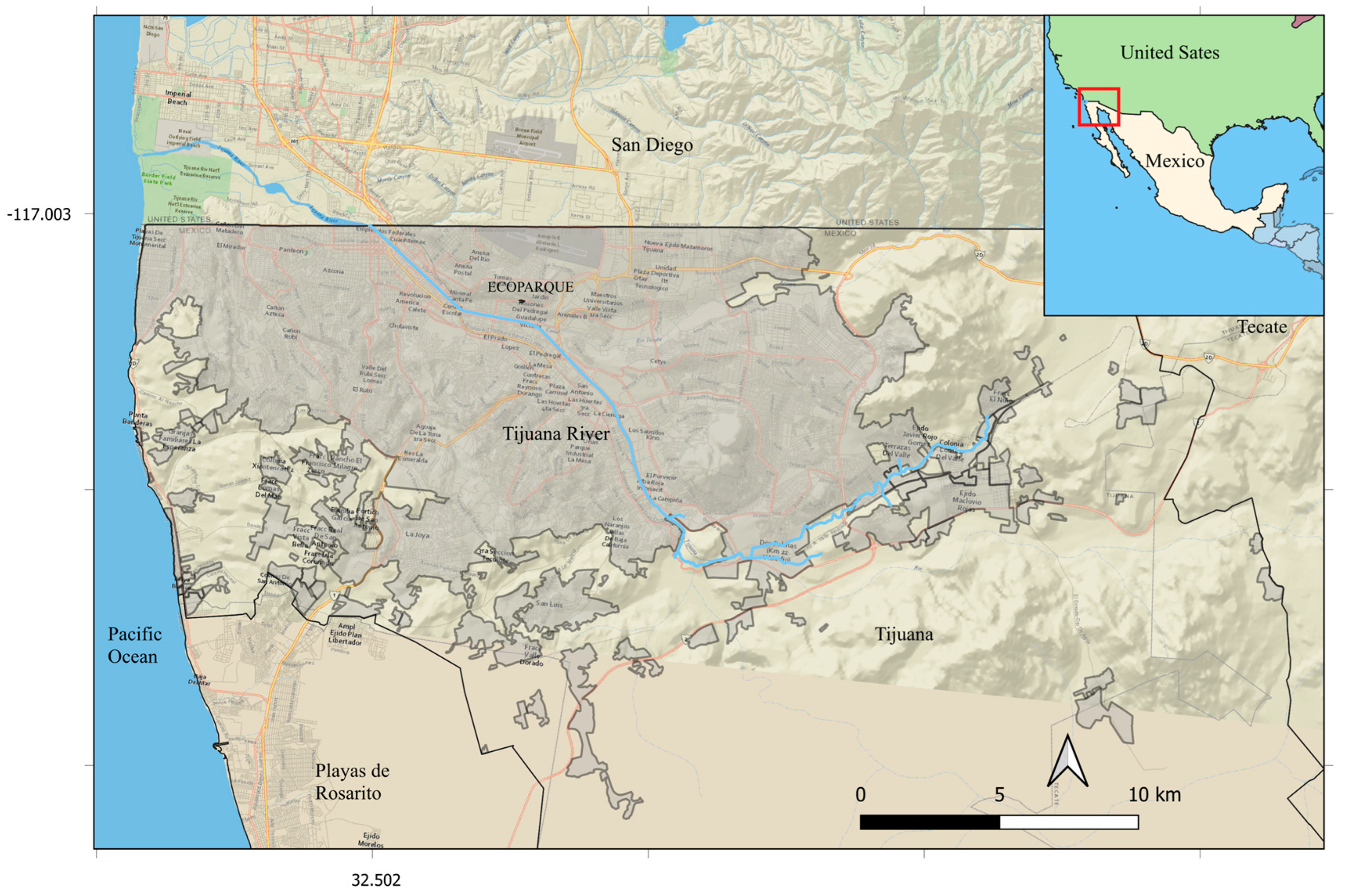
Tijuana is in the far northwest of Mexico, in the state of Baja California, bordering with the USA, south of San Diego County, California, and with the Pacific Ocean to the west (Figure 3). The city lies on a terrain with a rugged topography, ranging from sea level in the west to more than 1800 m above sea level in the eastern mountain range. The soil is unstable and saturates quickly, thus it is prone to floods, erosion, and landslides. The Mediterranean-type climate is semiarid and temperate, with hot dry summers and rainy winters, with an average annual temperature of 17.7 °C and scarce and irregular rainfall (237 mm annual average) [23]. The city is in the California Floristic Province, which has great biodiversity and endemic species, and is considered one of the world’s biodiversity hot spots, threatened by rapid urbanization [24]. The main ecosystems present are chaparral, coastal scrubland, and riparian vegetation with some trees along intermittent streams [25].
Tijuana has a demographic dynamic greatly influenced by migration, attracted in large numbers by being a commercial center with services and industrialization, given its proximity to the USA. By 2020, the city’s population reached 1,922,523 inhabitants [26]. The city’s urban area expanded from 7789 hectares in 1972 to 30,626 hectares in 2017 (on average 507 hectares per year) [27], reducing and fragmenting natural habitats and affecting species diversity [25].
Rapid growth and poor urban planning have led to capacity mismatches to meet the needs of the population, aggravated by the irregular origin of 43% of human settlements [28] by a progressive occupation of hillsides with slopes unsuitable for construction [29]. Consequently, Tijuana has become an area vulnerable to flooding and landslides, due to modifications made to a landscape with abrupt topography, the increase in impermeable surfaces, the removal of the natural vegetation, and an inefficient network of storm drains, which destabilize the slopes, reduces the infiltration of rainwater, and accelerates its runoff. Moreover, the city has only 1.44 m2 of public green areas per inhabitant unevenly distributed [30].
On the other hand, the main water source to supply Tijuana comes from the Colorado River, which is transported via an aqueduct that runs 125 km, from the Mexicali Valley to Tijuana, overcoming a height of up to 1061 m [31]. During 2021, 166,509,443 m3 of water was moved through the Colorado River—Tijuana Aqueduct using 658,134,925 KWh for pumping at a cost of MXN 1,293,772,489 (USD 79 million at the value of 2025); 92% of this water was consumed at Tijuana [32]. Due to energy consumption to operate this aqueduct, 68,045 tons of CO2, 409 tons of SO2, 339 tons of NOx, and 90 tons of PM10 were estimated to be generated [33].
These expensive and energy-embedded waters are used once (a mere 2.8% is reused), treated, and discharged (88% of population has access to sewerage system) into the Tijuana River, whose waters drain to the Pacific Ocean passing across Imperial Beach, CA, USA. Tijuana River waters are treated at the South Bay International Wastewater Treatment Plant just across the border; however, its treatment capacity of 9.5 million l/day has been regularly exceeded since 2014 [34], especially during the rainy season, causing tensions between Mexico and the USA.
Along with water dependency, the accelerated urbanization in Tijuana has increased between 1950 and 2010, an increment of 235 times of construction materials, except for wood, adobe, and waste material, the increase of which was eleven, one, and nine times, respectively. For its part, the consumption of electricity increased nearly 18 times from 1980 to 2010. Additionally, all urbanization activities have deteriorated the air quality. In particular, ozone and PM10 have been historically above maximum permitted levels. Another impact related to air quality are wildfires (associated with the Mediterranean climate in the region) that have increased due to urban waste fires (from 2010 to 2015, solid waste generation has increased to 28.5 thousand tons), caused by electric shocks, cigarette butts, and bonfires [35]. Additionally, it is expected that climate change conditions will increase climate sensitivity, such as water scarcity and wildfires [36].

2.2. Ecoparque, an Urban Resilience Laboratory

In 1987, El Colef created Ecoparque, a project focused on environmental education, academic outreach, and applied research, to look for answers to environmental problems caused by Tijuana’s accelerated urbanization. From then until now, Ecoparque has transformed into an Urban Resilience Laboratory, where the conditions of environmental management in the city are analyzed, experiments are designed, solutions are provided in technical and scientific terms, and areas of opportunity are identified through applied research, all with the aim to improve the quality of life of Tijuana’s inhabitants.
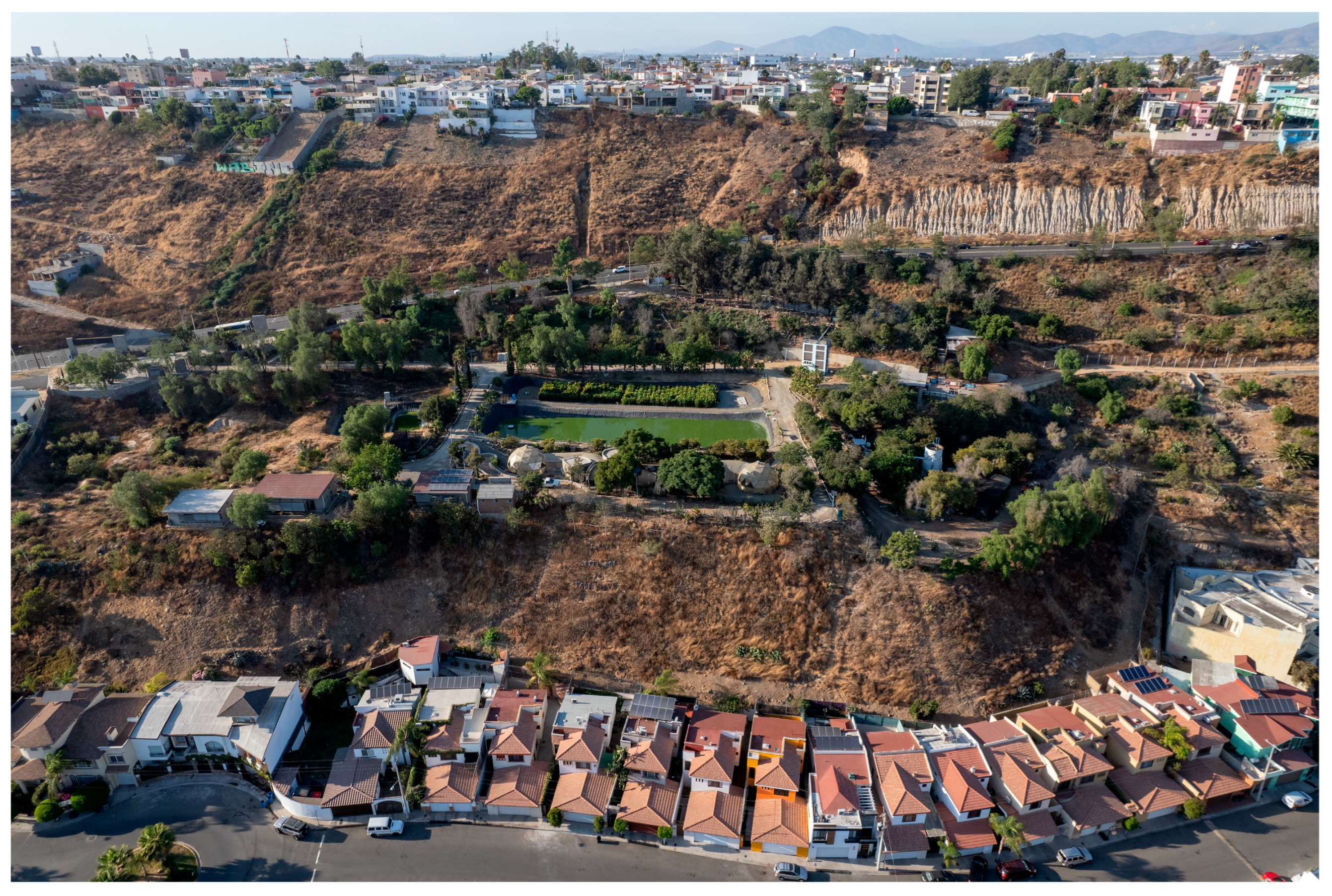
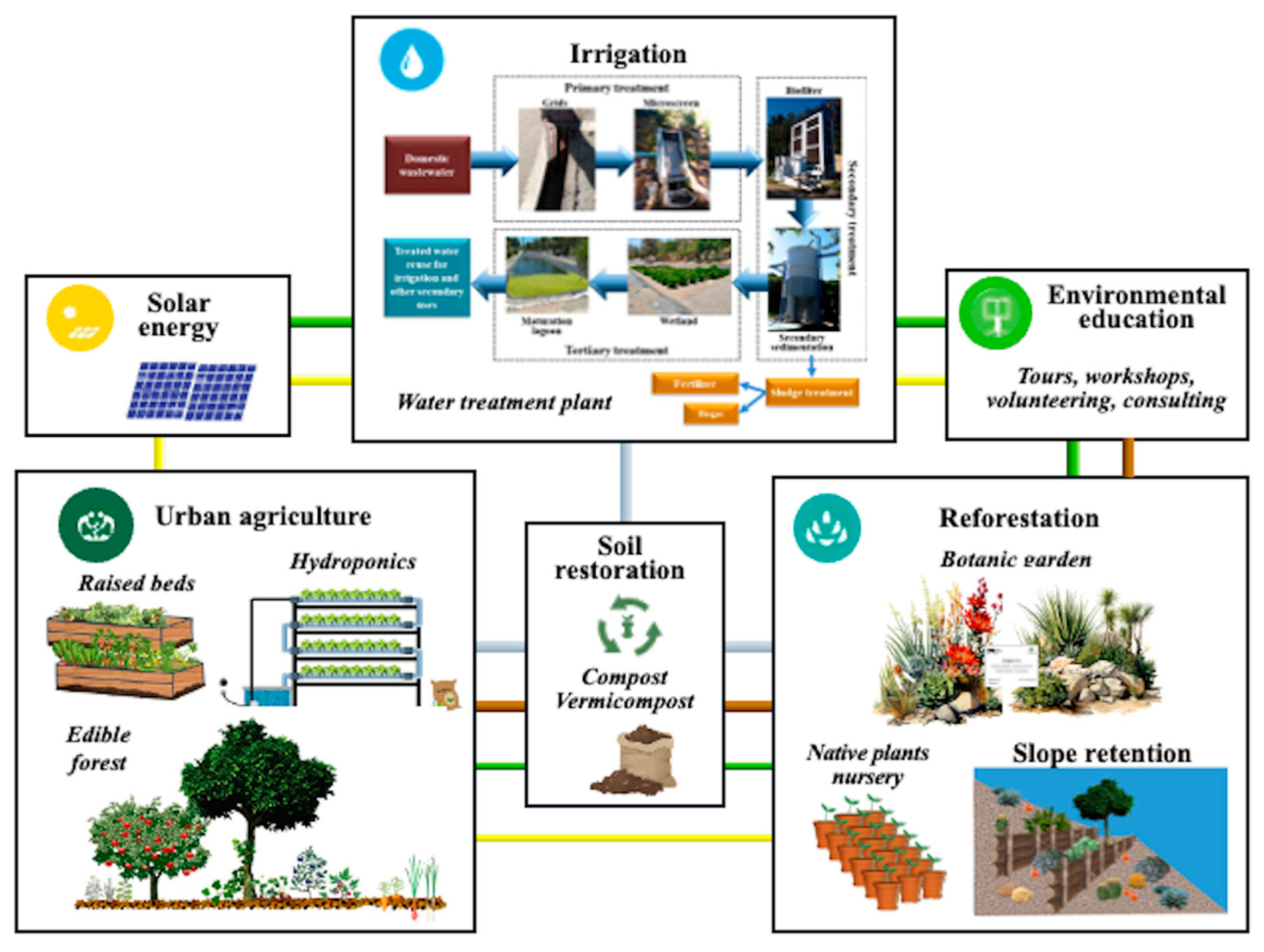
Ecoparque is found within the urban area of Tijuana, and it extends over six hectares of a hillside with an elevation of around 80 m above the riverbed level (see Figure 4). Activities carried out in the park are organized into five interrelated multipurpose programs: water, botanical garden with a native plant nursery, urban agriculture, energy, environmental education, and a soil amendment subprogram (compost and vermicompost) (Figure 5). As observed, colored lines show interactions among programs, for example, soil restoration is intrinsically associated with urban agriculture, reforestation, and environmental education. In the Supplementary Materials a short video of the park can be downloaded.

2.2.1. Constructed Wetlands

In 1993, a secondary DEWATs started to operate in Ecoparque with 5 lps of installed capacity. This system treats domestic wastewater that arrives by gravity from a settlement of 6193 inhabitants distributed in 2090 homes and 153 small businesses. Wastewater is received by an inlet grid and micro sieve (primary stage) to pass to a biofilter and sedimentation tank (secondary stage). By 2012, two artificial wetlands’ horizontal subsurface were added to DEWATs. This addition aimed to improve water quality to reduce the high concentrations of fecal coliforms, N and P. The installed system was composed of
  • Unit 1. Surface ≈ 533 m2 (width = 13 m, length = 41 m), depth of 0.52 m at 1.06 m (slope 1%)
  • Unit 2. Surface ≈ 560 m2 (width = 13 m, length = 43 m), depth of 0.90 m at 1.25 m (slope 1%)
  • Water tanks ≈ 60 m2 (width = 5 m, length = 12 m) depth = 2.5 m
The substrate layer comprises gravel of 4″ to 6″ at the inlet and outlet, with some gravel of 1 ½″. The rest of the wetland has gravel of ¾″ in diameter. On the other hand, a variety of vegetation was planted. For example, Schoenoplectus californicus (tule) is a perennial grass-like herb, native to Baja California, that grows in dense stands in marshes and along pond margins [37]. After several years of unsuccessfully trying for better water quality, by late 2019, unit 1 was kept as a wetland with the addition of an Anaerobic Baffled Reactor (ABR) before the inlet and reorganization and cleaning of the substrate layer. This wetland is currently planted with Canna hybrid. Unit 2 was transformed into a maturation pond. Modifications were achieved to comply with water quality standards. Water flows at the two units are 1 L per second (Q = 1 lps), while the hydraulic retention time (HRT) is around six days per unit.
The quality of the water produced is periodically monitored to ensure compliance with the NOM-001-SEMARNAT-1997 [38]. This Mexican regulation was updated in 2021 to NOM-001-SEMARNAT-2021 [39]. More than 30% of the treated water is reused in situ by means of a (1) Gravity irrigation system using two elevated tanks of ten m3 of capacity, (2) Pressurized irrigation system using a seven and a half HP centrifugal pump, and (3) two and a half km irrigation network. About four hectares of green areas are irrigated, including the edible forest and native plants established.

2.2.2. Reforestation with Native Plants

Reforestation started in 1990 by means of hydroseeding, a technology that uses water pressure to embed seeds mixed with environmentally friendly fertilizers into the steep slopes. However, due to changes in management scope, many introduced species were planted over several years, without a design and without proper maintenance. In 2013, a diagnosis was carried out, accounting for 53 exotic species (trees and shrubs); then, a master plan was developed (see Figure 6).
By 2016, the park was registered as a facility that manages confined wildlife outside of its natural habitat (No. SPA-PIMVS-JB-0009-BC/17), with the environmental authorities (SMADS/SEMARNAT), and a Botanic Garden was constructed with documented collections of living plants along with a native plant nursery. According to our 2022 perennial plant inventory, the park houses 1675 plants, belonging to 141 different trees and shrub species, of which 35.46% are native. The nursery has propagated 30 species of native plants.

2.2.3. Soil Restoration Using Compost and Vermicompost

From 2 May 2016 to 31 March 2017, a composting pilot program using forced aeration with a blower was carried out in Ecoparque. Up to 118 households were enrolled in this program, of which 77% actively participated. A total of 17,624 kg of organic waste was collected, and 4000 kg of compost was produced during around 100 days; analysis according to national standards [40] on the compost quality render it as a soil amendment due to its N-P-K composition, pH, and organic content percentage. The compost produced at Ecoparque could be used for ecological agriculture and reforestation as well as for urban green areas.
After the composting program ended, a vermicomposting program was initiated using California worms (Eisenia sp.). Compost has been utilized for ornamental plants propagation for the environmental education program, for the seeding of plants, as substrate and breeder in elevated beds of the urban garden in the urban agriculture program, and has been employed to improve soil in Ecoparque’s slopes.

2.2.4. Ecosystem Restoration

After decades of reforestation and restoration within Ecoparque, to date, 35 bird species have been recorded, of which the majority are migratory residents (43%), followed by residents (30%) and migratory (19%). One of them, the red-shouldered hawk (Buteo lineatus), is considered by the International Union for Conservation of Nature (IUCN) under the category of “least concern”, but under NOM-059 Mexican legislation it has a “special protection” category [41].
At the southern end of the park, on a very steep slope of approximately 7000 m2, a native vegetation patch with 20 native species has been preserved. This is an important area because it proves that native vegetation can survive in the city’s harsh environment.

2.2.5. Edible Forest

This multi-stratum agroforestry system with six strata: large, medium, and small crown trees, shrubs, vines, and herbs. Initiated in 2015, by 2025 this area comprises 31 different edible species of which 14 are trees, one is a vine, six are shrubs, and ten vegetables and tender herbs.

3. Results as a Summary of Key Experiences and Lessons Learned

Decades of experience at implementing and operating NBS in Ecoparque have left valuable lessons, and these are summarized in Table 1.
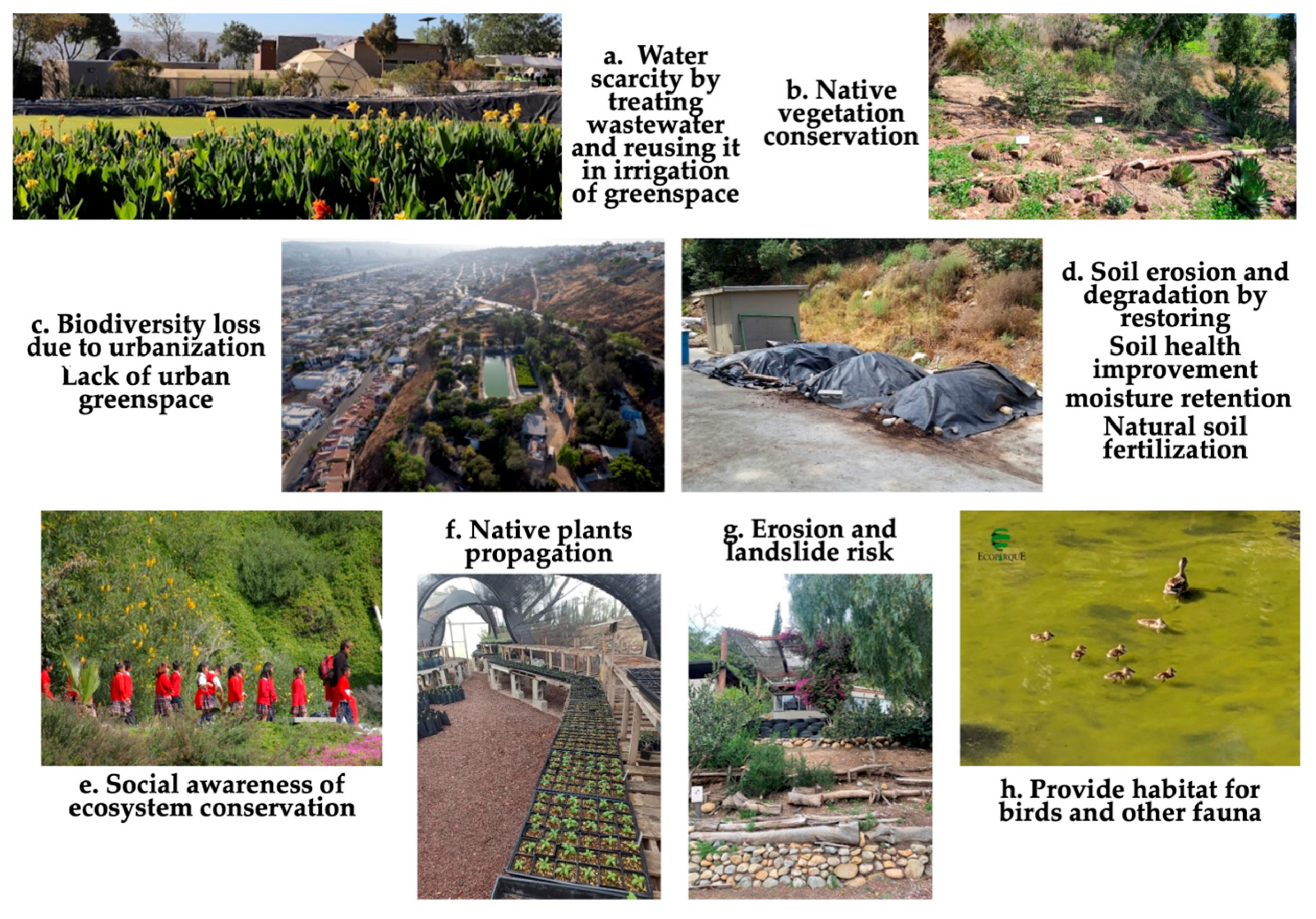
As seen in Table 1, NBS at Ecoparque have the potential for addressing environmental problems in the city as they have already showed their effectiveness in situ, see graphical abstract examples depicted in Figure 7. As observed in Figure 7a, the treated water can sustain vegetation, native plants included (see Figure 7b), in Ecoparque.
In addition to risk management, the urban park is an example of how to respond to the lack of urban greenspace (as noted in Figure 7c). Ecoparque is the fourth most extensive public green space in Tijuana, only behind three parks managed by the municipal government.
On the other hand, Figure 7d presents the compost used to restore and fertilize the soil. Moreover, this urban park has been, for decades, a space of environmental awareness for society by receiving visitors (Figure 7e).
Biodiversity loss due to urbanization has been handled by the propagation of native plants in our own nursery as shown in Figure 7f, while Figure 7g exhibits a technique to reduce erosion and landslide risk installed in Ecoparque few years ago.
Finally, all the work developed for more than three decades is paying back by restoring biodiversity. Our park provides a habitat for birds and other fauna, as demonstrated in Figure 7h.

4. Discussion on NBS Principles and Challenges at Ecoparque

4.1. General Challenges for NBS in Ecoparque

In the introduction of this document, a literature review was carried out identifying NBS challenges [13,14,15], as well as green infrastructure implementation [42], and greenspace planning and management in Mexico [17]. Although with different classifications, authors identified similar problems. In Tijuana and in Ecoparque most complications have been presented eventually, some of the most excruciating ones are detailed below.

4.2. During Implementation and Maintenance

Ecoparque is a complex project that has been operating for 32 years. During this period, successes and failures have been experienced at implementing and maintaining actions, those faced by specific NBS have been detailing in Table 1. Categorizing these by principles and challenges reported in the literature, major obstacles could be classified as
Challenge oriented principle related to social awareness comprise the following:
  • Social preference for lustrous vegetation of humid places
  • Quality of residues to be composted
  • Household enrolment
Systematic understanding, practical and economic viability, and challenged oriented principles, are associated with
  • Insufficient funds
  • Limited specialized human resources
Site specific principle together with external factor difficult monitoring and evaluation assessment was
  • Thefts of tools and urban agricultural production
Furthermore, a different set of challenges due to technical issues determined by site specific principle were identified:
  • “Siphon effect at wetland” (vacuum effect)
  • Substrate clogging with sediments
  • Lack of wastewater inlets due to clogging
  • Steep slopes
  • Supersaturation of composting piles during the rainy season
In addition, other technical issues determined by site specific conditions and social challenges principles were
  • Pest and disease control
  • Native species propagation
  • Rodents at the composting beds
  • Adaptation to local urban and site conditions
Finally, a technical issue under specific social challenges and systemic understanding principles was
  • Adaptation of native plants to the urban environment
More importantly, Ecoparque, as part of El Colef, belongs to a network of CPI whose financial resources entirely come from the federal government; such resources tend to vary annually. Furthermore, funding restrictions applied to CPIs such as co-financing, private–public partnerships, and tax deduction are tools that cannot be used to look for additional funds. At last, while technical issues have not been reported as a challenge in our literature, they may be linked to the presence of specialized personnel. At Ecoparque, these challenges have been addressed through collaborations with expert volunteers.

4.3. Scaling up NBS

There is no experience of scaling up NBS projects developed in Ecoparque, besides a short-lived purple line project to reuse treated water to irrigate green spaces in Tijuana. The reasons for falling to advance NBS at the city level could be due to problems discussed before. Yet, of special mention is that in Mexico there are laws that offer a framework for NBS (greenspace and green infrastructure) development, but there is a lack of clear definitions, roles, and functions [43]. This is partly due to the low relevance given in the legislation to environmental services conservation [44], including urban greenspace planning focused on cultural services [17].
Nonetheless, there are national examples that have shown that political will could defeat challenges; for example, the experience of Xalapa’s floods and landslides showed how sustained political will, in close collaboration with different organizations, a long-term vision, and gradual implementation can drive change. As established in the Xalapa Municipal Climate Plan 2013, this city has introduced various adaptation strategies, including NBS and green infrastructure [45]. Another successful example is the Green Infrastructure Network Special Program implemented in Mexico City [46].
In addition, a recently published federal rule [47] establishes guidelines to reinforce the territorial system, to withstand, adapt to, and recover from natural hazards and climate change through spatial planning. It highlights green infrastructure as an essential component of land-use planning and management for promoting resilience against climate change and to improve quality of life.

5. Conclusions

Ecoparque is an urban resilience laboratory that promotes a culture of experimentation with a safe-to-fail approach, to stimulate innovation for addressing urban environmental problems. With an integrated resource management vision, NBS are developed to try to reduce the need for external inputs. In a semi-arid area, treated water is used for irrigation, reforestation, with native plants for conservation, while reducing erosion, enhancing slope stabilization, and increasing green space. Compost is also produced to improve the soil and fertilize plants, and energy consumption is reduced by taking advantage of the slope to treat water and using solar energy. Through the participation of society, an experiential approach to caring for the urban environment is generated and transmitted to the community. Urban agriculture is also promoted to improve healthy diets and food security.
Maintenance and implementation of NBS at Ecoparque have faced significant challenges mainly due to a lack of personnel and financial resources. Most importantly, scaling up of NBS developed in Ecoparque at Tijuana face the absence of a proper legal framework, although this can be overcome by political will; however, the lack of this has the potential to end years of efforts and united will of transdisciplinary and interdisciplinary work on this side of the world. Despite difficulties and obstacles in environmental problem-ridden cities of the Global South, projects such Ecoparque have demonstrated that this can work and should be included in urban planning procedures carried out by corresponding levels of government; furthermore, it provides solid-based indicators for longitudinal monitoring in decades-long projects. And, last but not least, Ecoparque has endured mainly due to the team’s long-term commitment and creativity.

Supplementary Materials

The following short video can be downloaded at https://www.youtube.com/watch?v=f5O46tSg4Ug (accessed on 20 December 2025)

Author Contributions

Conceptualization, L.O.-R. and G.M.-M.; formal analysis, L.O.-R. and G.M.-M.; investigation, L.O.-R. and G.M.-M.; resources, L.O.-R.; data curation, L.O.-R. and G.M.-M.; writing—original draft preparation, G.M.-M.; writing—review and editing, L.O.-R. and G.M.-M.; visualization, L.O.-R. and G.M.-M. All authors have read and agreed to the published version of the manuscript.

Funding

This research received no external funding.

Data Availability Statement

The original contributions presented in this study are included in the article/Supplementary Materials. Further inquiries can be directed to the corresponding author.

Acknowledgments

We would like to acknowledge the help received from the Ecoparque team members Xiomara Delgado, Armando Arteaga, Samuel Pérez, Ignacio Martinez, and Tania Bermudez. Thanks also to Fernando Jauregui for making the map.

Conflicts of Interest

The authors declare no conflicts of interest.

Abbreviations

The following abbreviations are used in this manuscript:
El ColefEl Colegio de la Frontera Norte
CPICentro Público de Investigación
NBSNature-based solutions
CACalifornia
USAUnited States of America
KWhKilo Watt hour
DEWATsDecentralized Wastewater Treatment Plant
HPHorse Power
SMADSSecretaría de Medio Ambiente y Desarrollo Sustentable
SEMARNATSecretaría de Medio Ambiente y Recursos Naturales
UNPFAUnited Nations Population Fund
UN-HabitatUnited Nations Human Settlements Programme
IMPLANInstituto Metropolitano de Planeación de Tijuana
INEGIInstituto Nacional de Geografía y Estadística
CEABCComisión Estatal del Agua de Baja California
SPASecretaria de Protección al Ambiente
SEDEMASecretaría del Medio Ambiente
SIDETRANSSistema Descentralizado de Tratamiento y Reúso de Aguas Negras en Zonas Urbanas
LORLina Ojeda-Revah
GMMGabriela Muñoz-Meléndez

References

  1. United Nations Population Fund (UNPFA). Urbanization. Available online: https://www.unfpa.org/urbanization (accessed on 7 March 2025).
  2. United Nations Human Settlements Programme (UN-Habitat). Cities and Climate Change Action. World Cities Report 2024; United Nations Human Settlements Programme (UN-Habitat): Nairobi, Kenya, 2024; Available online: https://unhabitat.org/world-cities-report-2024-cities-and-climate-action (accessed on 12 December 2025).
  3. Yigitcanlara, T.; Kamruzzamanf, M.; Buysb, L.; Giuseppe, I.; Sabatini-Marques, J.; Moreira da Costa, E.; Yune, J.J. Understanding ‘Smart Cities’: Intertwining Development Drivers with Desired Outcomes in a Multidimensional Framework. Cities 2018, 81, 145–160. [Google Scholar] [CrossRef]
  4. Kong, L.; Liu, Z.; Wu, J. A Systematic Review of Big Data-Based Urban Sustainability Research: State-of-the-Science and Future Directions. J. Clean. Prod. 2020, 273, 123142. [Google Scholar] [CrossRef]
  5. Bibri, S.E.; Krogstie, J. Smart Sustainable Cities of the Future: An Extensive Interdisciplinary Literature Review. Sustain. Cities Soc. 2017, 31, 183–212. [Google Scholar] [CrossRef]
  6. Almenar, J.B.; Elliot, T.; Rugani, B.; Philippe, B.; Navarrete Gutierrez, T.; Sonnemann, G.; Geneletti, D. Nexus between Nature-Based Solutions, Ecosystem Services and Urban Challenges. Land Use Policy 2021, 100, 104898. [Google Scholar] [CrossRef]
  7. European Commission. Brief Me on Nature-Based Solutions. Available online: https://knowledge4policy.ec.europa.eu/biodiversity/brief-me-nature-based-solutions_en (accessed on 8 March 2025).
  8. Albert, C.; Brillinger, M.; Guerrero, P.; Gottwald, S.; Henze, J.; Schmidt, S.; Ott, E.; Schröter, B. Planning Nature-Based Solutions: Principles, Steps, and Insights. Ambio 2021, 50, 1446–1461. [Google Scholar] [CrossRef] [PubMed]
  9. Millenium Ecosystem Assessment. Ecosystems and Human Well-Being: Synthesis; Island Press: Washington, DC, USA, 2005.
  10. Cohen-Shacham, E.; Andrade, A.; Dalton, J.; Dudley, N.; Jones, M.; Kumar, C.; Maginnis, S.; Maynard, S.; Nelson, C.R.; Renaud, F.G.; et al. Core Principles for Successfully Implementing and Upscaling Nature-Based Solutions. In Environmental Science and Policy; Elsevier Ltd.: Amsterdam, The Netherlands, 2019; pp. 20–29. [Google Scholar] [CrossRef]
  11. International Union for Conservation of Nature. IUCN Global Standard for Nature-Based Solution. A User-Friendly Framework for the Verification, Design and Scaling up of NbS; International Union for Conservation of Nature: Gland, Switzerland, 2020. [Google Scholar]
  12. Kabisch, N.; Frantzeskaki, N.; Hansen, R. Principles for Urban Nature-Based Solutions. Ambio 2022, 51, 1388–1401. [Google Scholar] [CrossRef] [PubMed]
  13. Dorst, H.; van der Jagt, A.; Toxopeus, H.; Tozer, L.; Raven, R.; Runhaar, H. What’s behind the Barriers? Uncovering Structural Conditions Working against Urban Nature-Based Solutions. Landsc. Urban. Plan. 2022, 220, 104335–104348. [Google Scholar] [CrossRef]
  14. Sarabi, S.; Han, Q.; Romme, A.G.L.; de Vries, B.; Valkenburg, R.; Den Ouden, E.; Zalokar, S.; Wendling, L. Barriers to the Adoption of Urban Living Labs for NbS Implementation: A Systemic Perspective. Sustainability 2021, 13, 13276. [Google Scholar] [CrossRef]
  15. Seddon, N.; Chausson, A.; Berry, P.; Girardin, C.A.J.; Smith, A.; Turner, B. Understanding the Value and Limits of Nature-Based Solutions to Climate Change and Other Global Challenges. In Philosophical Transactions of the Royal Society B: Biological Sciences; Royal Society Publishing: London, UK, 2020. [Google Scholar] [CrossRef]
  16. Romero-Duque, L.P.; Trilleras, J.M.; Castellarini, F.; Quijas, S. Ecosystem Services in Urban Ecological Infrastructure of Latin America and the Caribbean: How Do They Contribute to Urban Planning? Sci. Total Environ. 2020, 728, 138780. [Google Scholar] [CrossRef] [PubMed]
  17. Ojeda-Revah, L.; Ochoa González, Y.; Vera, L. Fragmented Urban Greenspace Planning in Major Mexican Municipalities. J. Urban Plan. Dev. 2020, 146, 04020019. [Google Scholar] [CrossRef]
  18. Mercado, G.; Wild, T.; Hernandez-Garcia, J.; Baptista, M.D.; van Lierop, M.; Bina, O.; Inch, A.; Ode Sang, Å.; Buijs, A.; Dobbs, C.; et al. Supporting Nature-Based Solutions via Nature-Based Thinking across European and Latin American Cities. Ambio 2024, 53, 79–94. [Google Scholar] [CrossRef] [PubMed]
  19. Ozment, S.; Gonzalez, M.; Schumacher, A.; Oliver, E.; Silva, M.; Grunwald, A.; Watson, G. Nature-Based Solutions in Latin America and the Caribbean Regional Status and Priorities for Growth; World Resources Institute: Washington, DC, USA, 2021. [Google Scholar]
  20. Yin, R.K. Case Study Research and Applications, 6th ed.; AGE Publications, Inc.: London, UK, 2018. [Google Scholar]
  21. Remenyi, D. Case Study Research: The Quick Guide Series; van Zyl, W., Ed.; Research Essentials; UJ Press: Johannesburg, South Africa, 2022. [Google Scholar] [CrossRef]
  22. Gerring, J. Case Study Research: Principles and Practices, 1st ed.; Cambridge University Press: Cambridge, UK, 2006. [Google Scholar]
  23. Instituto Metropolitano de Planeación de Tijuana. Programa de Desarrollo Urbano del Centro de Población de Tijuana 2020–2040; Instituto Metropolitano de Planeación de Tijuana: Tijuana, Mexico, 2019. [Google Scholar]
  24. Mittermeier, R.A.; Rylands, A.B. Biodiversity Hotspots. In Encyclopedia of the Anthropocene: Volumes 1-5; Elsevier: Amsterdam, The Netherlands, 2017; Volume 3, pp. 67–75. [Google Scholar] [CrossRef]
  25. Eaton-Gonzalez, R.; Mellink, E. One Shared Region and Two Different Change Patterns: Land Use Change in the Binational Californian Mediterranean Region. Land 2015, 4, 1138–1154. [Google Scholar] [CrossRef]
  26. Instituto Nacional de Estadística y Geografía. Censo de Población y Vivienda (CPV). 2020. Available online: https://www.inegi.org.mx/programas/ccpv/2020/default.html#Microdatos (accessed on 21 March 2025).
  27. Sanchez-Rodriguez, R.A.; Morales-Santos, A.E. Vulnerability Assessment to Climate Variability and Climate Change in Tijuana, Mexico. Sustainability 2018, 10, 2352. [Google Scholar] [CrossRef]
  28. Alegria-Olazabal, T.; Ordoñez-Barba, G.M. Legalizando La Ciudad. Asentamientos Informales y Procesos de Regulación En Tijuan; El Colegio de la Frontera Norte: Tijuana, Mexico, 2016. [Google Scholar]
  29. Bringas-Rabago, N.L.; Sanchez-Rodriguez, R.A. Social Vulnerability and Disaster Risk in Tijuana: Preliminary Findings. In Equity and Sustainable Development. Reflection from the U.S.-Mexico Border; Center for U.S.-Mexican Studies; UCSD: La Joya, TX, USA, 2006; pp. 150–172. [Google Scholar]
  30. Ojeda-Revah, L.; Ochoa-Gonzalez, Y. Infraestructura Verde Para Tijuana, México. In Desarrollo Sostenible en la Frontera Norte de México: Reflexiones Para una Agenda de Acción; El Colegio de la Frontera Norte: Tijuana, Mexico, 2018; pp. 21–48. [Google Scholar]
  31. Comision Estatal del Agua. Sabes Cómo Llevamos el Agua Desde el Río Colorado Hasta las Ciudades de Tecate, Tijuana y Playas de Rosarito? Gobierno del Estado de Baja California: Playas de Rosarito, BC, Mexico, 2025. Available online: http://www.cea.gob.mx/documents/arct/perfil.pdf (accessed on 8 March 2025).
  32. Operadores Sistemas de Agua Potable y Alcantarillado. Indicadores de Gestión. Organismos Operadores de Sistemas de Agua Potable y Alcantarillado; Gobierno del Estado de Baja California: Mexicali, Mexico, 2022. [Google Scholar]
  33. Munoz-Melendez, G. La habitabilidad en una región de emergencia ambiental: El caso de la cuenca del río Tijuana. In Visiones Sobre La Habitabilidad Terrestre Y Humana Frente Al Cambio Climático. Una Primera Aproximación Epistemológica; Cervates-Nuñez, S., Ed.; UNAM: Ciudad de Mexico, Mexico, 2021; pp. 169–186. [Google Scholar]
  34. Minute 320 Binational Technical Team. Report of Transboundary Bypass Flows into the Tijuana River; International Boundary and Water Commission United States Mexico: San Diego, CA, USA, 2017. [Google Scholar]
  35. Munoz-Melendez, G. Capítulo 6. El vínculo agua-energía-desarrollo urbano en ciudades de la frontera norte. In Gestion del Agua en Mexico: Sustentabilidad y Gobernanza; Aguilar-Benitez, I., Ed.; El Colegio de la Frontera Norte: Tijuana, Mexico, 2020; pp. 197–222. [Google Scholar]
  36. Secretaria de Proteccion al Ambiente. Programa Estatal de Accion ante el Cambio Climatico de Baja California; Secretaria de Medio Ambiente y Recursos Naturales (SEMARNAT), Gobierno del Estado de Baja California (GobBC) & Instituto Nacional de Ecologia (INE): Mexicali, Mexico, 2012. [Google Scholar]
  37. Rebman, J.P.; Roberts, N.C. Baja California Plant Field Guide; San Diego Natural History Museum: San Diego, CA, USA, 2012. [Google Scholar]
  38. NOM-001-ECOL-1996; Que Establece los Límites Máximos Permisibles de Contaminantes en las Descargas de Aguas Residuales en Aguas y Bienes Nacionales. Diario Oficial de la Federación: Ciudad de Mexico, Mexico, 1997; p. 35.
  39. NOM-001-SEMARNAT-2021; Que Establece los Límites Permisibles de Contaminantes en las Descargas de Aguas Residuales en Cuerpos Receptores Propiedad de la Nación. Diario Oficial de la Federación: Ciudad de Mexico, Mexico, 2021; p. 18.
  40. NADF-020-AMBT-2011; QUE ESTABLECE LOS REQUERIMIENTOS MÍNIMOS PARA LA PRODUCCIÓN DE COMPOSTA A PARTIR DE LA FRACCIÓN ORGÁNICA DE LOS RESIDUOS SÓLIDOS URBANOS, AGRÍCOLAS, PECUARIOS Y FORESTALES, ASÍ COMO LAS ESPECIFICACIONES MÍNIMAS DE CALIDAD DE LA COMPOSTA PRODUCIDA Y/O DISTRIBUIDA EN EL DISTRITO FEDERAL. Gaceta Oficial del Distrito Federal: Ciudad de Mexico, 2012; p. 14.
  41. NOM-059-SEMARNAT-2010; Protección Ambiental-Especies Nativas de México de Flora y Fauna Silvestres-Categorías de Riesgo y Especificaciones Para su Inclusión, Exclusión o Cambio-Lista de Especies en Riesgo. Diario Oficial de la Federación: Ciudad de Mexico, Mexico, 2010.
  42. Zuniga-Teran, A.A.; Staddon, C.; de Vito, L.; Gerlak, A.K.; Ward, S.; Schoeman, Y.; Hart, A.; Booth, G. Challenges of Mainstreaming Green Infrastructure in Built Environment Professions. J. Environ. Plan. Manag. 2020, 63, 710–732. [Google Scholar] [CrossRef]
  43. Salgado-López, J.A.; Galván-Benítez, R. Infraestructura verde. Conceptualización y análisis normativo de México Green Infrastructure. Conceptualization and legal analysis of Mexico. Quivera Rev. Estud. Territ. 2022, 24, 105–128. [Google Scholar]
  44. Fernández Mesta, M.E. Servicios ambientales: Elementos para el desarrollo de un marco jurídico. Terra Latinoam. 2016, 34, 155–166. [Google Scholar]
  45. Balderas Torres, A.; Angón Rodríguez, S.; Sudmant, A.; Gouldson, A. Adapting to Climate Change in Mountain Cities: Lessons from Xalapa, Mexico; Coalition for Urban Transitions: Washington, DC, USA, 2021; Available online: https://urbantransitions.global/publications (accessed on 20 December 2025).
  46. Secretaria de Medio Ambiente, de la Ciudad de México. Infraestructura Verde, Programa Especial de la Red de Infraestructu-ra Verde (PERIVE); Secretaria de Medio Ambiente, de la Ciudad de México, 2023. Available online: https://www.sedema.cdmx.gob.mx/programas/programa/infraestructura-verde (accessed on 20 December 2025).
  47. NOM-003-SEDATU-2023; Que Establece los Lineamientos Para el Fortalecimiento del Sistema Territorial Para Resistir, Adaptarse y Recuperarse Ante Amenazas de Origen Natural y del Cambio Climático a Través del Ordenamiento Territorial. Diario Oficial de la Federación: Ciudad de Mexico, Mexico, 2024.
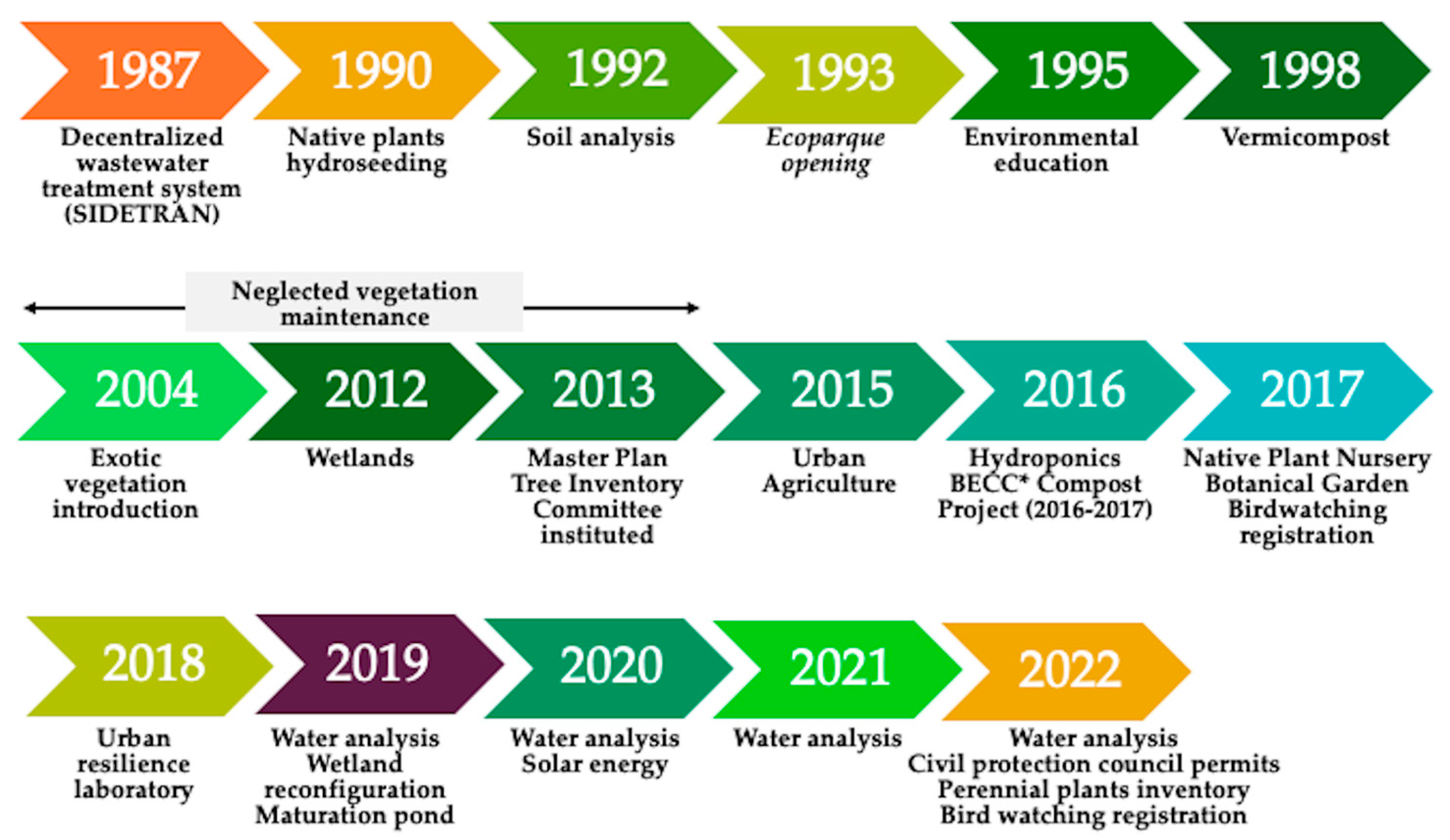
Figure 1. Ecoparque’s timeline. Source: Authors’ own elaboration.
Land 15 00089 g001
Figure 2. Flow diagram of decision making at Ecoparque. Source: Authors’ own elaboration.
Land 15 00089 g002
Figure 3. Study area. Source: Authors’ own elaboration.
Land 15 00089 g003
Figure 4. Panoramic view of Ecoparque. Source: Guillermo Arias.
Land 15 00089 g004
Figure 5. Ecoparque’s programs, their main functions, and interactions. Source: Authors’ own elaboration.
Land 15 00089 g005
Figure 6. Botanic garden master plan. Source: Authors’ own elaboration.
Land 15 00089 g006
Figure 7. Graphical abstract examples of NBS in Ecoparque. Source: Authors’ own preparation.
Land 15 00089 g007
Table 1. NBS at Ecoparque: problems, challenges, solutions, and environmental problems addressed.
NBSProblems in EcoparqueSolutionsEnvironmental Problems Addressed
Constructed wetland “Siphon effect at wetland” (vacuum effect)A TEE PVC piece venting to the atmosphere was installed.Water scarcity by treating wastewater and reusing it in irrigation of greenspace
Substrate clogging with sedimentsAn ABR with plastic filers were installed before the inlet. Such filters are periodically cleaned.
Lack of wastewater inlets due to cloggingContact the municipal provider of wastewater. The installation of a system of pipelines and pumps to recirculate water in the DEWAT system (biofilter, sedimentation tank, wetland, and maturation pond)
Reforestation with native plantsIntroduction of exotic speciesLong-term program to replace them with native plantsBiodiversity loss due to urbanization by conservation
Adaptation of native plants to the urban environmentResearch on conditions needed by native plants to adapt to urban environmentsNative plants propagation
Steep slopesDevelopment of different slope retention techniquesErosion and landslide risk
Pest and disease controlUse of organic pesticides, pest control plant species and promoting plant biodiversity
Native species propagationResearch to develop plant propagation protocols, mainly by seed to ensure genetic variabilityLack of urban greenspace
Social preference for lustrous vegetation of humid placesPromote awareness to appreciate native brown–green vegetation with attractive landscape designsSocial awareness of ecosystem conservation
Compost producingQuality of residues to be compostedFlyers informing on the “separation at source”, and acceptable residues were distributed to participating households.Soil erosion and degradation by restoring moisture retention
Household enrolmentIncentives such as ornamental plants and 5 kg compost packages were given out.Natural soil fertilization
Rodents at the composting bedsHumidity and temperature control
Supersaturation of composting piles during the rainy seasonPiles were covered with black sturdy plastic sheets.
Native ecosystems restorationLack of personnel for bird watchingVolunteerism of specialized personnelBiodiversity loss by:
-Providing habitat for birds and other fauna
-Native vegetation conservation
Lack of personnel to monitor the natural vegetation patchResearch as master thesis topic
Edible forestThefts of tools and urban agricultural productionSturdy lockers were bought to store toolsBiodiversity loss
Adaptation to local urban and site conditionsSeed selection of cultivars that thrive in urban conditionsSoil health improvement
Disclaimer/Publisher’s Note: The statements, opinions and data contained in all publications are solely those of the individual author(s) and contributor(s) and not of MDPI and/or the editor(s). MDPI and/or the editor(s) disclaim responsibility for any injury to people or property resulting from any ideas, methods, instructions or products referred to in the content.