Article

Heritage Conservation and Sustainable Tourism Through Community Participation: Insights from Mt. Rtanj, Serbia


by
Sanja Obradović Strålman
1,* and
Nikola Milentijević
2
1
Department of Geography, Tourism and Hotel Management, Faculty of Sciences, University of Novi Sad, 21000 Novi Sad, Serbia
2
Department of Geography, Faculty of Sciences and Mathematics, University of Priština in Kosovska Mitrovica, 38220 Kosovska Mitrovica, Serbia
*
Author to whom correspondence should be addressed.
Land 2026, 15(1), 8; https://doi.org/10.3390/land15010008 (registering DOI)
Submission received: 14 November 2025 / Revised: 16 December 2025 / Accepted: 17 December 2025 / Published: 19 December 2025

Abstract

This study explores the interrelationships between community participation, environmental awareness and education, heritage conservation, and sustainable tourism development in shaping quality of life and conservation support in the Mt. Rtanj protected area, Serbia. Using a quantitative approach, data were collected from local residents of Boljevac and Sokobanja municipalities and analyzed through structural equation modeling (SEM). The results confirmed all hypothesized relationships, indicating that active participation and environmental education significantly enhance sustainable tourism development, conservation support, and quality of life. The findings highlight the need for inclusive governance, environmental education programs, and equitable benefit-sharing mechanisms to strengthen local engagement in sustainable tourism. This study contributes to the limited body of literature on sustainable tourism in Southeast European Mountain regions and offers a replicable framework for community-based conservation and development, aligned with the United Nations Sustainable Development Goals (SDGs 8, 12, and 15).

1. Introduction

Sustainable tourism seeks to achieve a balance between tourist enjoyment of natural and cultural attractions and their preservation for future generations [1]. The concept emphasizes responsible travel that minimizes negative impacts on the environment, supports local communities and protects natural, cultural, and geological heritage [2]. Ecotourism, as a subset of sustainable tourism, focuses on responsible travel to natural areas to preserve heritage and improve the quality of life of local residents [3]. The goal is to minimize the negative consequences of tourism development while maximizing benefits for local communities [4]. In order to make this possible, the support and full involvement of the local community are necessary, since their participation and attitudes directly affect efforts to protect and preserve resources, as well as the quality of the tourist experience [5].
Heritage preservation within tourism refers to safeguarding cultural and natural assets to ensure their longevity [6].
Support for conservation refers to the implementation of practices that enable the protection and preservation of biodiversity and ecosystems, and at the same time foster development that does not cause degradation [7].
The interconnectedness of sustainable development, heritage preservation, and support for conservation highlights the importance of examining these topics in greater depth, particularly in the context of protected areas.
The current study aims to explore the attitudes of the local community towards ecotourism and conservation in the Mt. Rtanj area. Based on the quota-purposive sampling method, residents from the Sokobanja and Boljevac municipalities were surveyed to assess their perspectives on community participation, quality of life, sustainable tourism, conservation support and heritage preservation. Understanding their views is essential in order to develop policies and strategies that are in line with the community’s aspirations and ensure the ecological integrity of Mt. Rtanj. The integration of local communities, their views and their active participation is crucial for the successful development of ecotourism and the implementation of the initiative of heritage protection and preservation initiatives. This study aligns with several United Nations Sustainable Development Goals (SDGs) y promoting ecotourism and sustainable tourism development, it supports SDG 8: Decent Work and Economic Growth, SDG 12: Responsible Consumption and Production and SDG 15: Life on Land [8].
A limited number of scholarly studies have focused on these topics, mostly at a theoretical or review level [7,9,10]. The main objective of the current study is to empirically examine the attitudes of the local population and incorporate components such as community participation, sustainable tourism, conservation support, quality of life, heritage preservation, and environmental awareness and education into a single research model. The involvement of local communities is widely acknowledged as essential for sustainable tourism, heritage preservation, and environmental conservation [11,12]. Residents’ attitudes toward sustainable tourism and conservation shape both their willingness to support heritage and ecosystem protection and their perception of the social and economic benefits that improve quality of life. By integrating community participation, sustainable tourism, conservation support, heritage preservation, quality of life, and environmental education into a single analytical model, this study fills a gap—to our knowledge, no previous empirical research has combined all these components in one framework [11,13]. Thus, our research offers a novel and comprehensive approach to assessing how local communities can foster sustainable development in protected natural and cultural areas. This study thus highlights the importance of local communities in preserving heritage for future generations.

2. Theoretical Background and Hypotheses Development

2.1. Nature Protected Areas and Ecotourism

Areas with preserved natural landscapes and minimal human influence have always attracted the attention of tourists. Protected ecosystems have become key destinations.
With the rise of sustainable tourism, we have seen an increase in responsible behavior and respect for natural values. It is evident that ecotourism is a rapidly growing sector, especially since tourists, following new trends, seek novel destinations and authentic experiences [14] and show a greater interest in engaging with local communities. Ecotourism is conceptualized as a holistic product, where the experiences of tourists and their satisfaction influence the perception of the destination [15]. Its foundation lies in the responsible use of natural resources and the promotion of authentic local products, ensuring that economic benefits remain within the ecotourism destination [16].
The integrative role of ecotourism is reflected in the harmony between environmental protection and tourists’ use of protected areas [17].
Ecotourism is particularly important for strengthening awareness of the interconnection between the environment and tourism.

2.2. Community Participation in Ecotourism

Community participation is a key pillar of ecotourism and sustainable tourism development as it enables residents to engage in planning, decision-making, and implementation processes, ensuring alignment with local needs and values [18,19]. This approach promotes local ownership and long-term environmental stewardship, which are essential for the success and sustainability of ecotourism [20]. When residents are actively engaged, ecotourism can generate social and economic benefits such as new income sources, the development of local products, and employment opportunities [5].
Community participation has been analyzed through stakeholder theory and social exchange theory, emphasizing mutual benefits and balanced interests among local communities, tourists, and governing institutions [21,22]. According to social exchange theory, local participation depends on the perceived balance between benefits (e.g., income, improved infrastructure) and potential costs (e.g., environmental degradation or cultural disruption) [19,23].
Empirical studies confirm that resident participation enhances support for tourism and reduces negative attitudes, acting as a mediator between residents’ perceptions and sustainable outcomes [24,25,26]. Participation also promotes environmentally responsible behavior and supports conservation-oriented practices [27,28,29].
Ecotourism further reinforces this relationship by linking tourism, community development, and biodiversity conservation through a positive feedback loop between local participation and resource protection [30,31]. However, protected area management can generate social tensions if communities are excluded from decision-making, highlighting the importance of inclusive governance [9]. Based on prior empirical findings linking participation to conservation, awareness, heritage, and well-being, the following hypotheses are proposed:
H1. 
Higher levels of community participation are positively associated with residents’ support for conservation initiatives.
H2. 
Increased community participation leads to greater environmental awareness and education among residents.
H3. 
Enhanced community participation contributes to improved heritage conservation efforts.
H4. 
Greater community participation is linked to higher perceived quality of life among residents.

2.3. Sustainable Tourism Development

The United Nations Environment Programme (UNEP) and World Tourism Organization (UNWTO) [32] define sustainable tourism as the balanced development of tourism activities across environmental, economic, and socio-cultural dimensions to ensure long-term sustainability. The UNWTO [33] emphasizes that sustainable tourism principles apply to all forms of tourism and destinations, both mass and alternative forms. Sustainable tourism relies on the integration of ecological, social, cultural, and economic sustainability, as well as on education, local participation, and protection of natural and cultural heritage [34].
Sustainable development supports conservation by promoting the responsible use of resources and the integration of ecological protection with economic and social objectives [35]. It also advances Education for Sustainable Development (ESD), which equips individuals with knowledge, values and skills for responsible environmental and social behavior [36]. Furthermore, heritage preservation is central to sustainable development, ensuring modernization does not erode cultural or natural assets but rather strengthens local identity, cohesion and resilience [37].
H5. 
Implementation of sustainable tourism practices positively influences residents’ support for conservation.
H6. 
Sustainable tourism development enhances environmental awareness and education within the community.
H7. 
Sustainable tourism practices contribute to the conservation of cultural and natural heritage.

2.4. Support for Conservation

Support for conservation refers to residents’ willingness to protect and manage natural, environmental, and cultural resources in a sustainable manner within their community. It encompasses pro-environmental behaviors, advocacy for heritage preservation, and active participation in conservation initiatives [38]. In the context of tourism development, such support is strengthened when residents perceive that tourism provides economic, educational, and social benefits while maintaining ecological balance. Active resident engagement in conservation fosters a sense of ownership, pride, and stewardship, improving both environmental outcomes and community well-being [39]. Therefore, it can be hypothesized that:
H8. 
Support for conservation initiatives is positively related to residents’ perceived quality of life.

2.5. Environmental Awareness and Education

Environmental awareness reflects degree of concern, understanding, and sense of responsibility that individuals and communities have toward protecting and maintaining a clean and healthy environment for present and future generations [40,41]. It encompasses environmental knowledge, pro-environmental behaviors, and attitudes toward environmental protection [42]. In the context of ecotourism, environmental education plays a crucial role by using natural settings as platforms for informal, experiential and lifelong learning, helping visitors and residents understand ecological processes and sustainability principles [43]. Exposure to ecotourism experiences can strengthen environmental attitudes, deepen ecological knowledge, and encourage pro-environmental behaviors, ultimately supporting both conservation objectives and community well-being [44].
H9. 
Higher levels of environmental awareness and education are associated with improved heritage conservation.
H10. 
Environmental awareness and education positively impact residents’ perceived quality of life.

2.6. Heritage Conservation

Natural and cultural heritage should be regarded as fundamental components of sustainable tourism development.
While the preservation of heritage focuses on protecting ecosystems and biodiversity, the safeguarding of cultural heritage aims to maintain collective memory, community identity, and continuity of traditional knowledge. Recognizing and preserving both types of heritage is essential not only for protecting the environment and cultural identity but also for promoting sustainable tourism and fostering intercultural understanding. Together, they form a holistic approach to heritage management that aligns with the principles of sustainable development and the green economy [32,45].
H11. 
Effective heritage conservation efforts are linked to higher perceived quality of life among residents.

2.7. Moderating Role of Sustainable Tourism Development

Sustainable tourism development can enhance the positive effects of community participation on residents’ quality of life. When tourism is managed sustainably, ensuring economic, social, and environmental balance, residents’ engagement in decision-making, conservation, and local initiatives translates into greater social, cultural, and economic benefits. Thus, sustainable tourism development amplifies the impact of community participation by enhancing the perceived benefits for local well-being and quality of life.
H12. 
The relationship between community participation and residents’ perceived quality of life is moderated by the level of sustainable tourism development; specifically, the positive effect of community participation on quality of life is stronger when sustainable tourism development is high. Although several hypotheses are presented, they are organized into coherent conceptual groups reflecting community participation, sustainable tourism development, conservation support, environmental awareness, heritage preservation, and quality of life. Each hypothesis corresponds to an individual theoretical pathway required for the SEM structure, while the grouped presentation ensures a consistent and integrated interpretation of results in the later sections (Figure 1).
During the development of the preliminary conceptual model, the observed variables were selected based on their established relevance in tourism studies, particularly research in sustainable tourism, ecotourism, and resident-perception frameworks [11,13]. For each construct—community participation, sustainable tourism development attitudes, environmental awareness and education, heritage conservation support, perceived economic and socio-cultural benefits, community attachment, and residents’ quality of life—validated indicators from prior empirical studies were adopted. These variables were chosen because they effectively capture the multidimensional nature of residents’ interactions with tourism development and conservation processes in protected areas. Clarifying the meaning of each indicator strengthens the theoretical rigor of the hypothesized model and ensures its suitability for application in the Rtanj Special Nature Reserve.

3. Materials and Methods

3.1. A Brief Overview of the Case Study

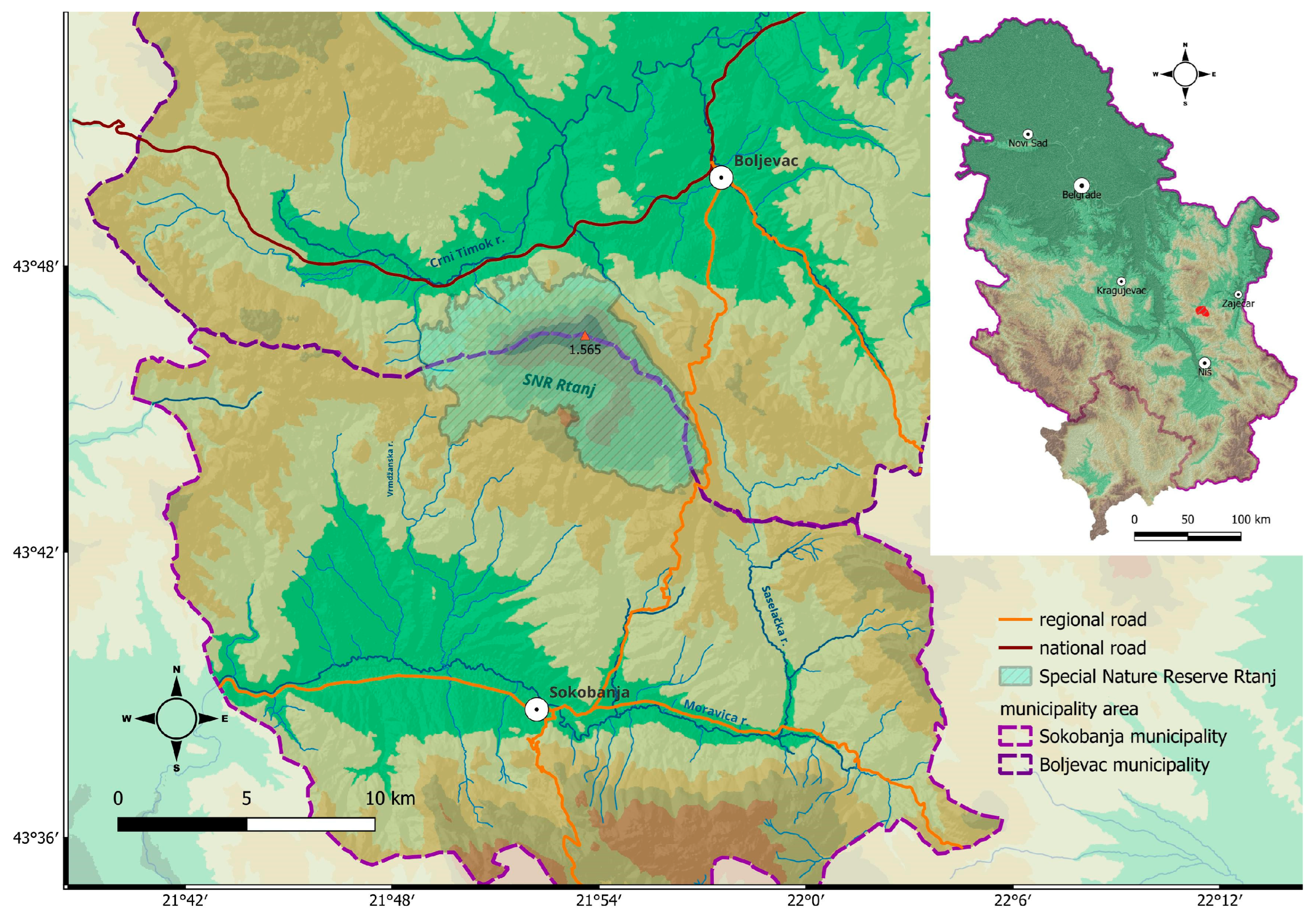
Rtanj is a mountain located in eastern Serbia (Figure 2), approximately 200 km southeast of Belgrade, between the municipalities of Boljevac in the north and Sokobanja in the south. These municipilaties are about 30 km distanced; this is important because the distance of these municipalities from the study area may influence local perceptions—communities located inside or at the edge of the area may have direct experience with the site, while those several kilometers away may rely on indirect information. Therefore, the improved map helps clarify the spatial context and strengthens the interpretation of community responses (Figure 2). The protected area does not include permanent residential settlements; therefore, the survey targeted residents of neighboring municipalities located within approximately 30 km of the protected area, whose social and economic activities are closely linked to the site.
The mountain is characterized by its pyramidal shape, it is part of the Serbian Carpathians, and the highest peak is called Šiljak. Precisely because of its unique shape, it has always attracted the public and aroused the interest of scientists [46]. Rtanj Mountain, which is also a Special Nature Reserve (SNR), is located in Eastern Serbia, and is known for its distinctive pyramidal shape and rich biodiversity, which makes it very attractive for the development of ecotourism and highlights the necessity of conservation [47]. Unique, extraordinary geological formations and endemic species attract both researchers and tourists, emphasizing the need for the implementation of sustainable tourism that balances between heritage conservation and community development [48].
The northern slopes are covered with dense forest and shrub vegetation, supporting a high level of floristic diversity and several freshwater springs. Rtanj’s ecological importance is underscored by the presence of endemic and rare species, most notably Nepeta rtanjensis (“Rtanj catmint”), identified in 1974 and exclusively found on this mountain. Another well-known natural resource is “Rtanj tea,” derived from Satureja montana (winter savory), traditionally valued for its antiseptic, aromatic, and purported aphrodisiac properties [49]. In order to avoid overexploitation, sustainable harvesting and conservation measures have been introduced to ensure the protection of this species.
In addition to its many ecological values, Rtanj is deeply embedded in local cultural narratives and folklore. The geometrical regularity of its peak has inspired various hypotheses, including claims of artificial origin and associations with unexplained phenomena, such as sightings of unidentified flying objects. These myths, alongside the mountain’s natural characteristics, have contributed to its increasing attractiveness as a site for nature-based and cultural tourism [46]. The application of these concepts to Mountain Rtanj underscores the necessity of examining the attitudes of residents of the municipalities of Sokobanja and Boljevac, on whose territories the SNR extends. These communities, as the primary custodians of this area, possess valuable local knowledge and experience, as well as a strong interest in sustainable development. Their active involvement can lead to more effective conservation strategies and enhance the authenticity of the ecotourism experience which is increasingly popular today.
In recognition of its geodiversity, biodiversity, and cultural significance, Rtanj was designated a protected natural monument in May 2019. This legal status aims to safeguard the mountain’s geological formations, endemic flora, and associated intangible heritage [46]. Within this framework, ecotourism has emerged as a key strategy for promoting sustainable development, balancing environmental protection with economic opportunities for the local community. Today, Rtanj offers a multifaceted visitor experience, combining well-developed hiking routes with opportunities for ecological education and cultural exploration, making it a valuable model for sustainable and responsible tourism development in Serbia.

3.2. Study Sample

The current study focuses on the attitudes of the local community of the Mt Rtanj about ecotourism and conservation. A quota-purposive sample was used in this research. The local population of Sokobanja and Boljevac municipality, on whose territory Rtanj is located, was surveyed. According to the last Census results [50] show that 23,383 inhabitants live in these two municipalities. Considering the depopulation of the area and using Cochran’s sample size [51], a sample of 264 respondents was determined (margin of error 6%, level of confidence 95%).

3.3. Creating and Collecting Questionnaires

The questionnaire is divided into eight parts (Supplementary Material S1). The first part related to age (minimum 18 years for participation), gender, education, employment status, type of job, number of household members, as well as length of residence (sociodemographic information). Respondents’ age (18+) and occupation (e.g., local administrators, members of citizens’ associations, tourism operators, farmers) were recorded to capture a range of perspectives and allow evaluation of differences in attitudes toward ecotourism, conservation, and community participation.
The second part of the questionnaire referred to community participation. Items from the second section were adapted from previous studies by Jepson et al. [52] and Rasoolimanesh et al. [53]. The third part was about residents’ quality of life and items were adapted from Budhiasa et al. [54]. The fourth part included issues related to sustainable tourism, and the questions were modified from the study of Nicholas et al. [28]. The following two segments of the questionnaire contained questions related to conservation support and heritage conservation. The last segment included questions about environmental awareness and education. The respondents had the task of rounding up the statements, i.e., evaluating them in according to agreement on a 1–5 Likert scale (where 1 is strongly disagree and 5 is strongly agree).
The questionnaire items were adapted from previous English-language studies and translated into Serbian to ensure clarity and cultural relevance. To confirm the effectiveness of this adaptation, the questionnaire was tested on a small number of respondents [55]. After pre-testing, the questionnaire was created in Google Forms and shared in the Facebook groups of the municipalities of Sokobanja and Boljevac. Questionnaires were collected from October 2024 to April 2025. Each respondent was informed about how to complete the survey, its purpose, anonymity, and voluntary participation, and that the data would be used solely for research purposes. While the use of Facebook groups allowed us to reach a broad audience efficiently, we acknowledge that it may underrepresent residents who do not use social media or have limited internet access, which could influence the composition of the sample. This limitation is considered in the discussion.

3.4. Measurement of Constructs

The questionnaire consisted of 8 parts with 38 items, plus 7 sociodemographic questions (full questionnaire provided as Supplementary Material). All latent variables were measured using multiple observed items evaluated on a five-point Likert scale (1 = strongly disagree; 5 = strongly agree). Below, we provide a detailed description of each construct and its item composition.
Community participation.
This construct was measured using nine items adapted from Jepson et al. [52] and Rasoolimanesh et al. [53]. The items captured a variety of community participation activities, including decision-making in conservation programs, volunteering, training and educational programs, citizen science initiatives, direct conservation actions, and promotion of heritage and tourism. Example items include:
“I contribute to conservation programs and tourism development decision-making in my community.”
“I join activities that are relevant to the promotion of heritage sites.”
Residents’ quality of life.
Quality of life was assessed using five items adapted from Budhiasa et al. [54], capturing material, emotional, community, and health-related well-being. Example:
“Tourism increases the community well-being.”
Sustainable tourism development.
This construct consisted of six items adapted from Nicholas et al. [28], measuring involvement in sustainable tourism initiatives, adoption of environmental standards, and cooperation in planning processes. Example:
“I participate in sustainable tourism-related plans and development.”
Support for conservation.
Support for conservation was measured using four items adapted from Oladeji et al. [56], assessing residents’ willingness to participate, volunteer, provide financial support, or attend meetings. Example:
“I would be willing to engage in volunteer work regarding the conservation of natural and cultural resources.”
Environmental awareness and education.
A nine-item scale developed by the authors measured knowledge of geoheritage, familiarity with conservation practices, participation in educational activities, and pro-environmental behaviors. Example:
“Residents believe environmental education is important for preserving geoheritage.”
Rtanj heritage conservation.
This construct included five items developed for this study, reflecting perceptions of natural and cultural heritage preservation and the role of community efforts. Example:
“Tourism contributes to the protection of Rtanj’s natural and cultural heritage.”

3.5. Statistical Methods

Once the questionnaires were collected, the data were first entered into Excel and then analyzed using IBM SPSS Statistics (version 25) and AMOS (version 25) software. First, the validity of the questionnaire was determined based on Pearson’s correlation (two-tailed significance level 5%). Then the suitability of the data for factor analysis was determined by the Kaiser Meyer-Olkin (KMO) test—the KMO value was 0.851, which is above the recommended value of 0.6 and it can be said that the value is meritorious. Data reliability was violated based on Bartlett’s test of sphericity (χ2 (703) = 10,049.327, p = 0.000). Then it was determined that CMB does not effect the data (single element less than 50%). Kurtoses and skewness values were within the allowed range (normal data skewness between −2 and +2 and kurtosis between −7 and +7, [57]). Cronbach’s alpha was used to determine internal reliability, and then composite reliability (CR) and the average variance extracted (AVE) were determined. The profile of the respondents, i.e., their socio-demographic characteristics, are presented on the basis of descriptive statistics. The next step involved testing the research model based on goodness of fit indices. Once the model was validated, the hypotheses were tested.

4. Results

The socio-demographic attributes of the respondents, residents of the municipalities of Boljevac and Sokobanja, are shown in Table 1. Out of a total of 264 respondents, women appear in a higher percentage (60.2%). The average age of the respondents is 42 years, and the participants range from 18 to 74 years old. Most participants are employed (72.3%), primarily in the private sector (33.0%) and public (27.7%), while a smaller share of participants declared that they have an occupation related to nature protection, tourism or agriculture.
Most of the participants in the research have a bachelor’s degree (42.1%), followed by those with high school qualifications (36.0%). The most common household size is between three and five members (55.3%). Regarding length of residency, almost half of the respondents (approximately 48.5%) have lived in this area for more than 30 years, suggesting a strong level of community attachment and familiarity with the local context.
Table 2 shows descriptive statistics and measurement model validity. The mean values of the observed dimensions range from 3.28 to 4.01, which indicates mostly favorable perceptions across the measured variables. The lowest value was determined for Heritage Conservation (HC = 3.28). Conversely, the dimension Sustainable Tourism Development (STD = 4.01), followed by Residents’ Quality of Life (RQL = 3.97) and Support for Conservation (SC = 3.82), have the highest mean values, which indicates that the surveyed members of the local community view the mentioned aspects more positively.
Considering that all Cronbach’s alpha values exceed the recommended threshold of 0.70, it can be said that satisfactory internal consistency was achieved. On the other hand, CR values range from 0.735 to 0.885, further supporting the reliability of the measurement model. The last determined values, AVE, are also met or around the acceptable minimum of 0.50, confirming the convergent validity of the constructs used in the model. Convergent validity was confirmed as all factor loadings were statistically significant and exceeded 0.50, ranging from 0.604 to 0.899. Furthermore, as shown in Table 2, all constructs met the required thresholds for AVE (>0.50) and CR (>0.70), confirming adequate convergent validity of the measurement model.
After establishing internal consistency and convergent validity, the structural equation model (SEM) was estimated to test the hypothesized relationships. The overall model demonstrated an acceptable fit to the data, as indicated by the chi-square statistic (χ2 = 32.299, df = 12, p = 0.001) and the normed chi-square value (CMIN/df = 2.69). Additional fit indices also supported the model adequacy, including the root mean square error of approximation (RMSEA = 0.062), standardized root mean square residual (SRMR = 0.014), normed fit index (NFI = 0.972), relative fit index (RFI = 0.945), incremental fit index (IFI = 0.977), goodness-of-fit index (GFI = 0.972), adjusted goodness-of-fit index (AGFI = 0.881), Tucker–Lewis index (TLI = 0.912), and comparative fit index (CFI = 0.976). All items loaded significantly on their respective latent constructs, confirming that the dataset supports a six-dimension measurement model comprising 38 observed items. The RMSEA value is in the acceptable range (0.05–0.08), while the other fit indices (NFI, RFI, IFI, GFI, TLI, and CFI) exceed the recommended threshold of 0.90, indicating a good fit of the model overall. Although the AGFI value was slightly below the conventional cutoff value, the model fit can still be considered robust and exceeds standard criteria.
Discriminant validity was assessed using the Fornell–Larcker criterion, which compares the square root of the AVE for each construct (diagonal values) with the correlations between constructs (off-diagonal values). As shown in Table 3, the square root of the AVE for each construct (ranging from 0.716 to 0.830) is greater than the corresponding inter-construct correlations, indicating satisfactory discriminant validity [58]. These results confirm that each construct is empirically distinct from the others within the model.
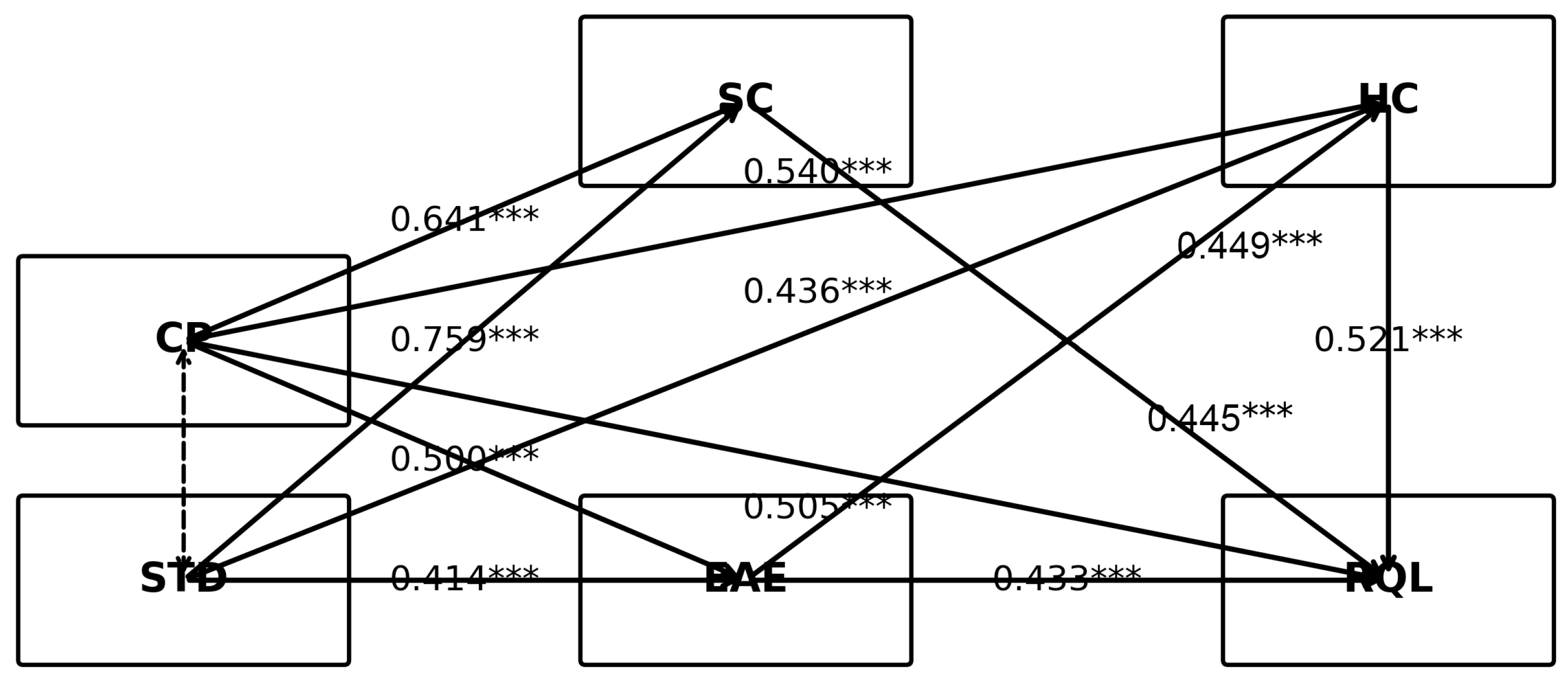
Since the internal consistency of the data and convergence, as well as the validity of the model and discriminant validity, have been established, it is justified to test the hypotheses. Hypothesis testing was performed based on SEM and CFA analysis and is presented in Table 4. For clarity of presentation, Figure 3 illustrates the simplified structural model showing only the latent variables and the standardized coefficients for each hypothesized relationship.
All hypothesized relationships were found to be statistically significant, with critical ratio (C.R.) values exceeding the threshold of 1.96 and standardized regression coefficients (β) ranging from 0.414 to 0.759 (Figure 3). A complete SEM path diagram following standard notation, including latent variables, indicators, measurement errors, residuals, and all structural paths, is provided in Supplementary Material S2.
The analysis confirms community participation (CP) plays a key role in fostering sustainable tourism outcomes. Specifically, CP emerged as a strong predictor of several key dimensions: support for conservation (β = 0.641 *), environmental awareness and education (β = 0.500 *), heritage conservation (β = 0.540 *), and quality of life for residents (β = 0.505 *). These findings indicate that local residents who are actively involved in community life and decision-making processes are more likely to promote sustainable values, protect natural and cultural heritage, and perceive tourism as a means to improve their overall well-being (H1–H4 supported).
Similarly, sustainable tourism development (SDT) was found to significantly shape multiple outcomes. It has a strong positive effect on conservation support (β = 0.759 *) and contributes significantly to environmental awareness (β = 0.414 *) and heritage conservation (β = 0.436 *). These results suggest that well-managed tourism initiatives aligned with sustainability principles are crucial for community resilience and long-term conservation outcomes (H5–H7 supported).
Support for conservation (SC) positively influences residents’ perceived quality of life (β = 0.445 *), which confirms Hypothesis 8. Engagement in conservation efforts fosters a healthier environment, strengthens community pride, and improves residents’ sense of well-being, promoting sustainable local development. Residents with higher environmental awareness and education (EAE) are more likely to engage in conservation efforts (β = 0.449 *) and express satisfaction with the quality of life in their community (β = 0.433 *)—confirming H9 and H10. These relationships point to the transformative potential of environmental education as a tool for fostering individual and collective responsibility for sustainable development.
In addition, heritage conservation (HC) was a significant predictor of residents’ quality of life (β = 0.521 *), supporting H11. This highlights the role of cultural and natural heritage in shaping local identity, pride and life satisfaction, especially when local communities are involved in its conservation.
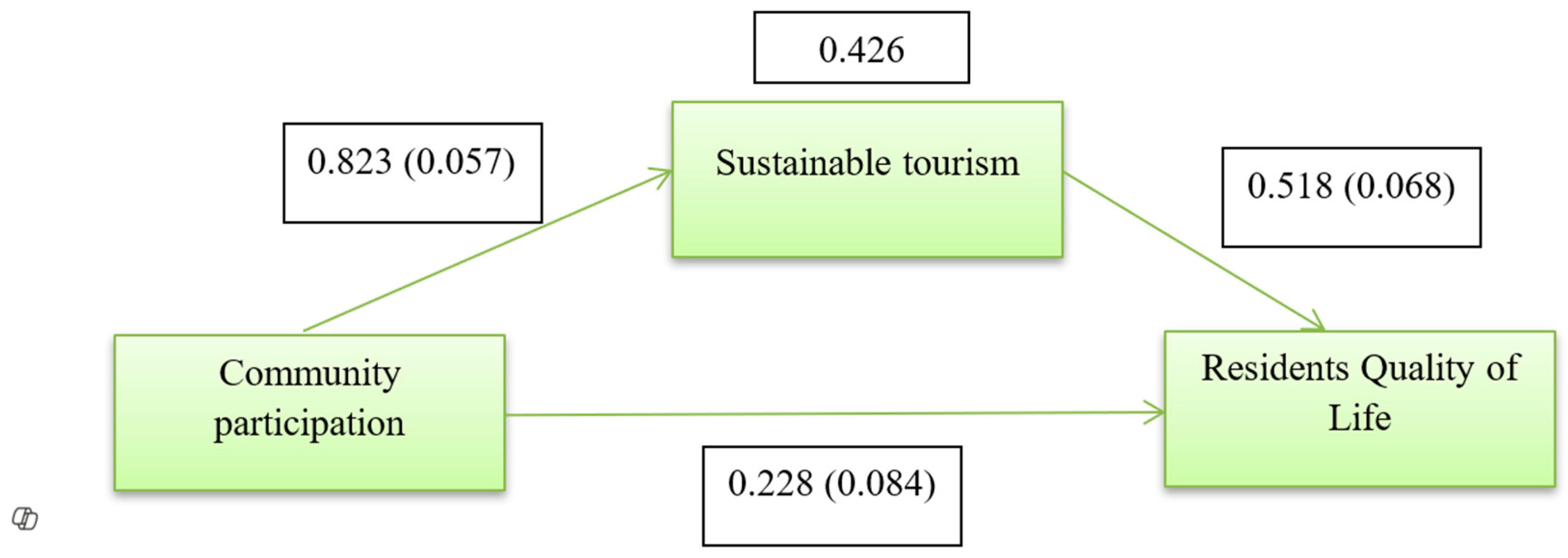
Overall, these findings demonstrate the interconnectedness of community participation, sustainable tourism, environmental education, and conservation, all of which contribute to residents’ perceived quality of life. The model affirms the important role of local communities as users and active actors in sustainable tourism development. However, it should be noted that the influence of external factors and other stakeholders was not tested in this study, so the findings primarily reflect the community perspective rather than the full system of sustainability governance. The next step involved examining indirect (mediating) effects within the proposed structural model (Figure 4). Specifically, the mediating role of STD in the relationship between CP and RQL was tested, which corresponds to Hypothesis 12. To assess this, a bootstrapping procedure was applied using 5000 bootstrap samples and a 95% confidence interval, following the approach recommended by Hayes [59] and implemented via PROCESS Macro.
The analysis revealed that the indirect effect of CP on RQL through STD was positive and statistically significant (indirect effect = 0.426, p < 0.001), indicating that part of the impact of community participation on residents’ quality of life operates through sustainable tourism development. In addition, the direct effect of CP on RQL remained significant (direct effect = 0.228, p < 0.001), suggesting that STD partially mediates this relationship. Importantly, Hypothesis 12 was confirmed. Furthermore, all twelve hypotheses in the model were supported, reflecting consistency between the theoretical framework and the observed data. These findings underscore the importance of fostering community engagement alongside sustainable tourism initiatives to improve residents’ quality of life in tourism-dependent communities. We note that hypotheses were formulated based on prior literature and theory, independently of the study results, to ensure a sound and unbiased research design.

5. Discussion

The results of the study showed strong interconnections between community participation, sustainable tourism development, environmental awareness, heritage conservation, and residents’ quality of life in the Mt. Rtanj area. All hypotheses were statistically significant, which validates and confirms the proposed model and emphasizes the integrated nature of social, environmental, and cultural factors in achieving sustainability and conserving heritage within protected mountain ecosystems. The participation of the local community proved to be a key factor influencing the support of heritage conservation, environmental awareness and education, heritage conservation, and the quality of life of the local population, which confirmed hypotheses H1–H4. These results support previous studies [32,60] that indicated the importance of joint management and decision-making in order to build a sense of local ownership and trust in sustainable tourism initiatives.
In areas such as Rtanj Mountain, where natural and cultural values underpin tourism attractiveness, involving the local population in planning and decision-making is crucial for fostering a sense of responsibility and pride, which in turn supports heritage preservation. In the municipalities of Sokobanja and Boljevac, local communities have been involved to varying degrees in sustainable management and tourism development initiatives. For instance, community members have participated in consultations on environmental protection measures within the Rtanj Special Nature Reserve and in local festivals and cultural events, providing input on tourism-related activities and heritage promotion. Small-scale projects, such as eco-trail development, conservation awareness campaigns, and guided tours organized with local guides, have included residents in both planning and implementation. These activities not only strengthen local pride and social cohesion, as confirmed in other contexts [61,62], but also serve as practical examples of community engagement in sustainable tourism and heritage conservation.
Despite these initiatives, the area still faces challenges related to depopulation, primarily due to limited employment opportunities, outmigration of young residents, and insufficient infrastructure, which reduce the potential benefits of tourism and heritage-based development. Addressing these structural issues is essential to fully leverage the opportunities for improving residents’ quality of life and ensuring long-term sustainability.
The dimension of sustainable development of tourism was shown to influence support for heritage preservation, environmental awareness and heritage conservation which supports hypotheses H5–H7. These findings show that tourism development based on sustainability principles serves as a catalyst for environmental stewardship, community education, and heritage conservation. This is consistent with the findings drawn by Riyanto et al. [60], who suggested that local communities view tourism as equitable and environmentally responsible and are more willing to endorse and support it. In the case of Mount Rtanj, which is characterized by joint management and the status of a protected natural area, sustainable tourism serves as an integrative mechanism that connects heritage preservation, social cooperation and local economic opportunities. Support for heritage preservation is further reflected in the quality of life of the local population, which confirms hypothesis 8. This outcome shows that conservation initiatives yield tangible benefits for local communities through the improvement and provision of environmental quality, fostering local identity and ensuring the satisfaction of the local population. The participation of the local community in resource conservation activities leads to the development of a sense of collective responsibility and ownership, which leads to the provision of ecological integrity and the improvement of the quality of life of the local population. Then, environmental awareness and education proved to be a factor that significantly predicts heritage conservation and the quality of life of the local population, confirming hypotheses 9 and 10. These relationships indicate the central role of education and the formation of pro-environmental attitudes and behavior, which is in line with previous research [44,63]. The local population, which has been educated in an ecological sense, more easily recognizes the positive features of heritage preservation and prefers to participate in preservation activities and sustainable tourism. On the other hand, the moderate mean values of the environmental awareness and education dimension indicate that continuous education and participation of the local population in workshops is necessary in order to deepen community engagement in sustainability. The impact of heritage conservation on the quality of life of the local population also proved to be significant, confirming hypothesis 11. This result confirms the theoretical proposals of previous study of Candeloro and Tartari [64] which confirm the importance of cultural and natural heritage as the basis of local identity and pride, social cohesion and quality of life. On Mount Rtanj, where the local population shows a strong connection with natural values, heritage and cultural traditions, the preservation of heritage leads not only to the preservation of the authenticity of this area, but also to the improvement of the local population’s satisfaction and pride in place.
One of the key findings is the confirmation of the mediating role of sustainable tourism development between the participation of the local community and the quality of life of the population (H12). While the active participation of the local community directly improves the lives of the locals, its full potential is reached when the participation is accompanied by sustainable tourism development. This finding is in line with Hasan et al. [65] who pointed out the importance of mediational analysis in understanding the complex relationships between community development and quality of life.
The findings of this study confirm that sustainable tourism in protected mountain areas depends on inclusive governance structures, environmental education, and shared responsibility between local communities and policymakers. This study indicates the importance of the balance between material (economic) and non-material (cultural, environmental, and emotional) aspects of sustainability to achieve long-term community resilience and satisfaction. Sustainable tourism supports the preservation of heritage while bringing benefits to the local population, so with careful planning and implementation, it represents an ideal solution the Rtanj SNR. However, it is necessary to assess local residents’ willingness to support sustainable development and conservation.
For Mount Rtanj and similar destinations, applications are both theoretical and practical. In a theoretical sense, the results contribute to the expansion of sustainable tourism literature by demonstrating the mediating role of sustainable tourism in improving the quality of life of the local population. In a practical sense, it is suggested that tourism planners and policymakers should prioritize participatory governance, continuous environmental education, and heritage-based tourism strategies that respect ecological limits and cultural authenticity. Strengthening these interconnections can ensure that tourism not only contributes to economic growth but also reinforces conservation and enhances local well-being. Considering the attractiveness and uniqueness of Rtanj, small-scale ecotourism with limited visitation would contribute to its preservation and the development of local community. A limitation of the study is that the online survey may have underrepresented older or offline residents, which could affect the generalizability of the results. The study did not quantify the frequency or effectiveness of specific community participation activities; future research could examine this in more detail. A limitation of the study is that the online survey was distributed via Facebook groups, which may have underrepresented residents who do not use social media or have limited internet access. This could have influenced the composition of the sample and the generalizability of the findings.

6. Conclusions

This study investigated the relationship complexity between key community-level dimensions—community participation, environmental awareness and education, residents’ quality of life and sustainable tourism development—in shaping conservation support and heritage conservation in the Mt. Rtanj region. The results confirmed all the hypotheses, which emphasized the multidimensional nature of sustainable tourism and its dependence on the previously mentioned factors.
The results of the study also showed that it is necessary to ensure the active participation of the local community to strengthen the level of environmental education and awareness in order to ensure support for heritage conservation. It is pointed out that the sustainable development of tourism cannot be seen only as an economic activity, but also a social and ecological process that strengthens and strengthens local cohesion and responsibility towards heritage and the environment.
From a theoretical point of view, the integrative model developed in this study will contribute to broadening the understanding of sustainable tourism development within mountain ecosystems in Southeast Europe, a region that remains insufficiently researched and represented in literature. The model shows how different local community factors interact to shape sustainable tourism outcomes as well as heritage conservation, which provides a certain framework for similar protected areas with a complex management and protection structure.
Practical implications are also significant. Local government, tourism planners, as well as conservation managers should prioritize policies that will promote the joint planning and decision making, the improvement of environmental education, and the equal distribution of profits. This can be done through the establishment of community-based tourism councils, capacity-building programs, and interpretive initiatives on local natural and cultural values that can enhance trust, attachment, and support for conservation. In addition, it is necessary to improve coordination between the municipalities of Boljevac and Sokobanja to ensure integrated management of the Mt. Rtanj area.
The present study also has certain limitations. The use of convenience sampling and self-reported measures may limit the generalizability of results. In addition, the study focused only on one geographic area, so future studies should adopt a comparative, multi-site approach to explore contextual differences in sustainable tourism dynamics. Longitudinal studies and qualitative methods, such as interviews and focus groups, would also provide deeper insight into residents’ evolving attitudes and motivations.
This survey of Mt. Rtanj indicates that sustainable tourism and heritage conservation rely on an informed and empowered local community, which possesses the necessary environmental knowledge and is therefore ready to provide support for conservation. By integrating participation, education, and equitable benefits, local authorities can create conditions for long-term satisfaction, environmental stewardship, and sustainable livelihoods—ultimately contributing to the achievement of the SDGs (8, 12, and 15).

Supplementary Materials

The following supporting information can be downloaded at: https://www.mdpi.com/article/10.3390/land15010008/s1, Supplementary Material S1. Questionnaire; Supplementary Material S2. SEM.

Author Contributions

Conceptualization, S.O.S.; methodology, S.O.S.; software, S.O.S.; validation, S.O.S.; formal analysis, S.O.S.; investigation, S.O.S.; resources, S.O.S.; data curation, S.O.S.; writing—original draft preparation, S.O.S. and N.M.; writing—review and editing, S.O.S. and N.M.; visualization, S.O.S. and N.M.; supervision, S.O.S.; project administration, N.M.; funding acquisition, S.O.S. All authors have read and agreed to the published version of the manuscript.

Funding

This research was funded by the Ministry of Science, Technological Development and Innovation of the Republic of Serbia (Grants No. 451-03-137/2025-03/200125, 451-03-136/2025-03/200125 and 451-03-137/2025-03/200123).

Data Availability Statement

The original contributions presented in this study are included in the article/Supplementary Material. Further inquiries can be directed to the corresponding author.

Conflicts of Interest

The authors declare no conflicts of interest.

References

  1. Agarwal, R.; Mehrotra, A.; Mishra, A.; Rana, N.P.; Nunkoo, R.; Cho, M. Four decades of sustainable tourism research: Trends and future research directions. Int. J. Tour. Res. 2024, 26, e2643. [Google Scholar] [CrossRef]
  2. Zhang, Y.; Cao, R.; Xiao, X.; Wei, Z.; Yang, J.; Gao, Y.; Lu, S.; Zheng, C. How to coordinate the use and conservation of natural resources in protected areas: From the perspective of tourists’ natural experiences and environmentally responsible behaviours. Front. Environ. Sci. 2022, 10, 1028508. [Google Scholar] [CrossRef]
  3. Samal, R.; Dash, R. Ecotourism, biodiversity conservation and livelihoods: Understanding the convergence and divergence. Int. J. Geoheritage Parks 2023, 11, 1–20. [Google Scholar] [CrossRef]
  4. Xu, L.; Ao, C.; Liu, B.; Cai, Z. Ecotourism and sustainable development: A scientometric review of global research trends. Environ. Dev. Sustain. 2023, 25, 2977–3003. [Google Scholar] [CrossRef] [PubMed]
  5. Pineda, F.; Padilla, J.; Granobles-Torres, J.C.; Echeverri-Rubio, A.; Botero, C.M.; Suarez, A. Community preferences for participating in ecotourism: A case study in a coastal lagoon in Colombia. Environ. Chall. 2023, 11, 100713. [Google Scholar] [CrossRef]
  6. Zhang, Z.; Xiong, K.; Huang, D. Natural world heritage conservation and tourism: A review. Herit. Sci. 2023, 11, 55. [Google Scholar] [CrossRef]
  7. Agrawal, A.; Gibson, C.C. Enchantment and disenchantment: The role of community in natural resource conservation. World Dev. 1999, 27, 629–649. [Google Scholar] [CrossRef]
  8. UN—United Nations. The Top 17 Sustainable Development Goals. Sustainable Development Goals 2025. Available online: https://sdgs.un.org/goals (accessed on 8 November 2025).
  9. de los Angeles Somarriba-Chang, M.; Gunnarsdotter, Y. Local community participation in ecotourism and conservation issues in two nature reserves in Nicaragua. J. Sustain. Tour. 2012, 20, 1025–1043. [Google Scholar] [CrossRef]
  10. Mekonnen, H.; Bires, Z.; Berhanu, K. Practices and challenges of cultural heritage conservation in historical and religious heritage sites: Evidence from North Shoa Zone, Amhara Region, Ethiopia. Herit. Sci. 2022, 10, 172. [Google Scholar] [CrossRef]
  11. Nguyen, T.P. The impact of sustainable tourism on local community cultural heritage conservation awareness in Hanoi. Herit. Sustain. Dev. 2025, 7, 675–690. [Google Scholar] [CrossRef]
  12. Chale, H.A.; Ding, X.-H.; Ahmed, S.M.; Liu, R. Empowering Communities and Advancing Sustainable Eco-Tourism: The Intermediary Function of Community Support for Eco-Tourism. J. Manag. Dev. 2025, 2, 22–33. [Google Scholar] [CrossRef]
  13. Abdul Aziz, N.A.; Mohd Ariffin, N.F.; Ismail, N.A.; Alias, A. Community Participation in the Importance of Living Heritage Conservation and Its Relationships with the Community-Based Education Model towards Creating a Sustainable Community in Melaka UNESCO World Heritage Site. Sustainability 2023, 15, 1935. [Google Scholar] [CrossRef]
  14. Bentley, T.A.; Cater, C.; Page, S.J. Adventure and ecotourism safety in Queensland: Operator experiences and practice. Tour. Manag. 2010, 31, 563–571. [Google Scholar] [CrossRef]
  15. Gültekin, Y.S. Ecotourism through the perception of forest villagers: Understanding via mediator effects using structural equation modeling. Environ. Sci. Pollut. Res. Int. 2022, 29, 70899–70908. [Google Scholar] [CrossRef] [PubMed]
  16. Zhang, H.; Lei, S.L. A structural model of residents’ intention to participate in ecotourism: The case of a wetland community. Tour. Manag. 2012, 33, 916–925. [Google Scholar] [CrossRef]
  17. Cvetković, M.; Brankov, J.; Ćurčić, N.; Pavlović, S.; Dobričić, M.; Tretiakova, T.N. Protected Natural Areas and Ecotourism—Priority Strategies for Future Development in Selected Serbian Case Studies. Sustainability 2023, 15, 15621. [Google Scholar] [CrossRef]
  18. Bello, F.G.; Lovelock, B.; Carr, N. Constraints of community participation in protected area-based tourism planning: The case of Malawi. J. Ecotourism 2016, 16, 131–151. [Google Scholar] [CrossRef]
  19. Sobhani, P.; Esmaeilzadeh, H.; Sadeghi, S.M.M.; Wolf, I.D.; Deljouei, A. Relationship Analysis of Local Community Participation in Sustainable Ecotourism Development in Protected Areas, Iran. Land 2022, 11, 1871. [Google Scholar] [CrossRef]
  20. Rustini, N.K.; Sri Budhi, M.K.; Setyari, N.P.W.; Setiawina, N.D. Development of sustainable tourism based on local community participation. J. Econ. Financ. Manag. Stud. 2022, 5, 3283–3286. [Google Scholar] [CrossRef]
  21. Tiwari, S.; Marahatta, D.; Devkota, H. Aspects of Community Participation in Eco-tourism: A Systematic Review. J. Multidiscip. Res. Adv. 2024, 2, 71–79. [Google Scholar] [CrossRef]
  22. Ginting, N.; Wahid, J. Community Participation in Sustainable Tourism: A Case Study in Balige, Indonesia. Environ. Proc. J. 2023, 8, 239–246. [Google Scholar] [CrossRef]
  23. Kunjuraman, V.; Hussin, R.; Che Aziz, R. Community-based ecotourism as a social transformation tool for rural community: A victory or a quagmire? J. Outdoor Recreat. Tour. 2022, 39, 100524. [Google Scholar] [CrossRef]
  24. Jamal, T.B.; Getz, D. Collaboration theory and community tourism planning. Ann. Tour. Res. 1995, 22, 186–204. [Google Scholar] [CrossRef]
  25. Eyisi, A.; Lee, D.; Trees, K. Facilitating collaboration and community participation in tourism development: The case of south-eastern Nigeria. Tour. Hosp. Res. 2021, 21, 275–288. [Google Scholar] [CrossRef]
  26. Ma, X.L.; Yang, L.; Wang, R.; Dai, M.L. Community participation in tourism employment: A phased evolution model. J. Hosp. Tour. Res. 2022, 48, 10963480221095722. [Google Scholar] [CrossRef]
  27. Cheng, T.M.; Wu, H.C.; Wang, J.T.M.; Wu, M.R. Community participation as a mediating factor on residents’ attitudes towards sustainable tourism development and their personal environmentally responsible behaviour. Curr. Issues Tour. 2019, 22, 1764–1782. [Google Scholar] [CrossRef]
  28. Nicholas, L.N.; Thapa, B.; Ko, Y.Y. Residents’ perspectives of a World Heritage Site: The Pitons Management Area, St. Lucia. Ann. Tour. Res. 2009, 36, 390–412. [Google Scholar] [CrossRef]
  29. Dündar, Y.; Karacaer, S.S. Complex Relationships Between Sustainable Tourism Development and Its Antecedents: A Test of Serial Mediation Model. Nat. Resour. Forum 2024, 48, 1436–1455. [Google Scholar] [CrossRef]
  30. Gössling, S. Ecotourism: A Means to Safeguard Biodiversity and Ecosystem Functions? Ecol. Econ. 1999, 29, 303–320. [Google Scholar] [CrossRef]
  31. Krüger, O. The Role of Ecotourism in Conservation: Panacea or Pandora’s Box? Biodivers. Conserv. 2005, 14, 579–600. [Google Scholar] [CrossRef]
  32. UNEP; UNWTO. Making Tourism More Sustainable: A Guide for Policy Makers; United Nations Environment Programme: Paris, France; World Tourism Organization: Madrid, Spain, 2005. [Google Scholar]
  33. WTO. Tourism Carrying Capacity: Report on the Senior-Level Expert Group Meeting Held in Paris, June 1990; World Tourism Organization: Madrid, Spain, 1992. [Google Scholar]
  34. Hall, C.M. Constructing sustainable tourism development: The 2030 agenda and the managerial ecology of sustainable tourism. J. Sustain. Tour. 2019, 27, 1044–1060. [Google Scholar] [CrossRef]
  35. Nowacki, M. Heritage Interpretation and Sustainable Development: A Systematic Literature Review. Sustainability 2021, 13, 4383. [Google Scholar] [CrossRef]
  36. Lim, C.K.; Haufiku, M.S.; Tan, K.L.; Farid Ahmed, M.; Ng, T.F. Systematic Review of Education Sustainable Development in Higher Education Institutions. Sustainability 2022, 14, 13241. [Google Scholar] [CrossRef]
  37. Costantino, C.; Calleo, A.; Benedetti, A.C.; Bartolomei, C.; Predari, G. Fostering Resilient and Sustainable Rural Development through Nature-Based Tourism, Digital Technologies, and Built Heritage Preservation: The Experience of San Giovanni Lipioni, Italy. Sustainability 2024, 16, 5588. [Google Scholar] [CrossRef]
  38. Petriello, M.A.; Redmore, L.; Sène, A.L.; Katju, D.; Barraclough, L.; Boyd, S.; Madge, C.; Papadopoulos, A.; Yalamala, R.S. The scope of empowerment for conservation and communities. Conserv. Biol. 2025, 39, e14249. [Google Scholar] [CrossRef] [PubMed]
  39. Gobster, P.H.; Floress, K.; Westphal, L.M.; Watkins, C.A.; Vining, J.; Wali, A. Resident and user support for urban natural areas restoration practices. Biol. Conserv. 2016, 203, 216–225. [Google Scholar] [CrossRef]
  40. Lewis, B. Environmental Human Rights and Climate Change; Springer: Berlin/Heidelberg, Germany, 2018. [Google Scholar]
  41. Zheng, Y. Association Analysis on Pro-Environmental Behaviors and Environmental Consciousness in Main Cities of East Asia. Behaviormetrika 2010, 37, 55–69. [Google Scholar] [CrossRef]
  42. Üzülmez, M.; Ercan İştin, A.; Barakazı, E. Environmental Awareness, Ecotourism Awareness and Ecotourism Perception of Tourist Guides. Sustainability 2023, 15, 12616. [Google Scholar] [CrossRef]
  43. Falk, J.H.; Staus, N.L. Free-choice learning and ecotourism. In International Handbook on Ecotourism; Packer, J., Ballantyne, R., Eds.; Edward Elgar Publishing: Cheltenham, UK, 2013; pp. 155–168. [Google Scholar] [CrossRef]
  44. Ardoin, N.M.; Wheaton, M.; Bowers, A.W.; Hunt, C.A.; Durham, W.H. Nature-based tourism’s impact on environmental knowledge, attitudes, and behavior: A review and analysis of the literature and potential future research. J. Sustain. Tour. 2015, 23, 838–858. [Google Scholar] [CrossRef]
  45. Pan, S.-Y.; Gao, M.; Kim, H.; Shah, K.J.; Pei, S.-L.; Chiang, P.-C. Advances and Challenges in Sustainable Tourism toward a Green Economy. Sci. Total Environ. 2018, 635, 452–469. [Google Scholar] [CrossRef]
  46. Zavod za Zaštitu Prirode Srbije. Zavod za zaštitu prirode Srbije 2025. Available online: https://zzps.rs/ (accessed on 8 November 2025).
  47. Gaudenyi, T.; Milošević, M.V. The East Serbian Carpathians: Toward Its Definition, Delineation, and Relation to The South Carpathians. Eur. J. Environ. Earth Sci. 2023, 4, 6–10. [Google Scholar] [CrossRef]
  48. Bratić, M.; Marjanović, M.; Radivojević, A.; Pavlović, M. M-GAM method in function of tourism potential assessment: Case study of the Sokobanja Basin in Eastern Serbia. Open Geosci. 2020, 12, 1468–1485. [Google Scholar] [CrossRef]
  49. Zlatković, B.K.; Bogosavljević, S.S.; Radivojević, A.R.; Pavlović, M.A. Traditional use of the native medicinal plant resource of Mt. Rtanj (Eastern Serbia): Ethnobotanical evaluation and comparison. J. Ethnopharmacol. 2014, 151, 704–713. [Google Scholar] [CrossRef]
  50. Census (Statistical Office of the Republic of Serbia). 2022 Census of Population—Ethnicity, Households and Dwellings; Statistical Office of the Republic of Serbia: Belgrade, Serbia, 2022.
  51. Cochran, W.G. Sampling Techniques, 3rd ed.; John Wiley & Sons: New York, NY, USA, 1977. [Google Scholar]
  52. Jepson, A.; Clarke, A.; Ragsdell, G. Investigating the application of the motivation–opportunity–ability model to reveal factors which facilitate or inhibit inclusive engagement within local community festivals. Scand. J. Hosp. Tour. 2014, 14, 331–348. [Google Scholar] [CrossRef]
  53. Rasoolimanesh, S.M.; Jaafar, M.; Ahmad, A.G.; Barghi, R. Community participation in World Heritage Site conservation and tourism development. Tour. Manag. 2017, 58, 142–153. [Google Scholar] [CrossRef]
  54. Budhiasa, S.; Wakarmamu, T.; Firman, A. Community participation as agent for sustainable tourism: A structural model of tourism development at Bali Province, Indonesia. Int. J. Econ. Res. 2017, 14. [Google Scholar]
  55. Balmford, A.; Green, J.M.H.; Anderson, M.; Beresford, J.; Huang, C.; Naidoo, R.; Walpole, M.; Manica, A. Walk on the Wild Side: Estimating the Global Magnitude of Visits to Protected Areas. PLoS Biol. 2015, 13, e1002074. [Google Scholar] [CrossRef]
  56. Oladeji, S.O.; Grace, O.; Ayodeji, A.A. Community Participation in Conservation and Management of Cultural Heritage Resources in Yoruba Ethnic Group of South Western Nigeria. Sage Open 2022, 12. [Google Scholar] [CrossRef]
  57. Hair, J.; Alamer, A. Partial least squares structural equation modeling (PLS-SEM) in second language and education research: Guidelines using an applied example. Res. Methods Appl. Linguist. 2022, 1, 100027. [Google Scholar] [CrossRef]
  58. Fornell, C.; Larcker, D.F. Structural equation models with unobservable variables and measurement error: Algebra and statistics. J. Mark. Res. 1981, 18, 382–388. [Google Scholar] [CrossRef]
  59. Hayes, A.F. Introduction to Mediation, Moderation, and Conditional Process Analysis: A Regression-Based Approach, 3rd ed.; The Guilford Press: New York, NY, USA, 2022. [Google Scholar]
  60. Riyanto, I.; Supriono; Fahmi, M.R.A.; Yuliaji, E.S. The effect of community involvement and perceived impact on residents’ overall well-being: Evidence in Malang marine tourism. Cogent Bus. Manag. 2023, 10, 2270800. [Google Scholar] [CrossRef]
  61. Castillo, C.A.; Morrison, R. Fostering social participation and inclusion in rural communities: The case of the TAIKAN Group in Chile. Challenges 2025, 16, 17. [Google Scholar] [CrossRef]
  62. Orazani, S.N.; Reynolds, K.J.; Osborne, H. What works and why in interventions to strengthen social cohesion: A systematic review. J. Appl. Soc. Psychol. 2023, 53, 938–995. [Google Scholar] [CrossRef]
  63. Estrada-Araoz, E.G.; Gallegos Ramos, N.A.; Paredes Valverde, Y.; Quispe Herrera, R.; Mori Bazán, J. Examining the Relationship between Environmental Education and Pro-Environmental Behavior in Regular Basic Education Students: A Cross-Sectional Study. Soc. Sci. 2023, 12, 307. [Google Scholar] [CrossRef]
  64. Candeloro, G.; Tartari, M. Heritage-led sustainable development in rural areas: The case of Vivi Calascio community-based cooperative. Cities 2025, 161, 105920. [Google Scholar] [CrossRef]
  65. Hasan, M.R.; Selvanathan, E.A.; Bhatia, B.; Greenland, S.; Jayasinghe, M. Well-being and sustainable development: A systematic review and avenues for future research. Sustain. Dev. 2025, 1–21. [Google Scholar] [CrossRef]
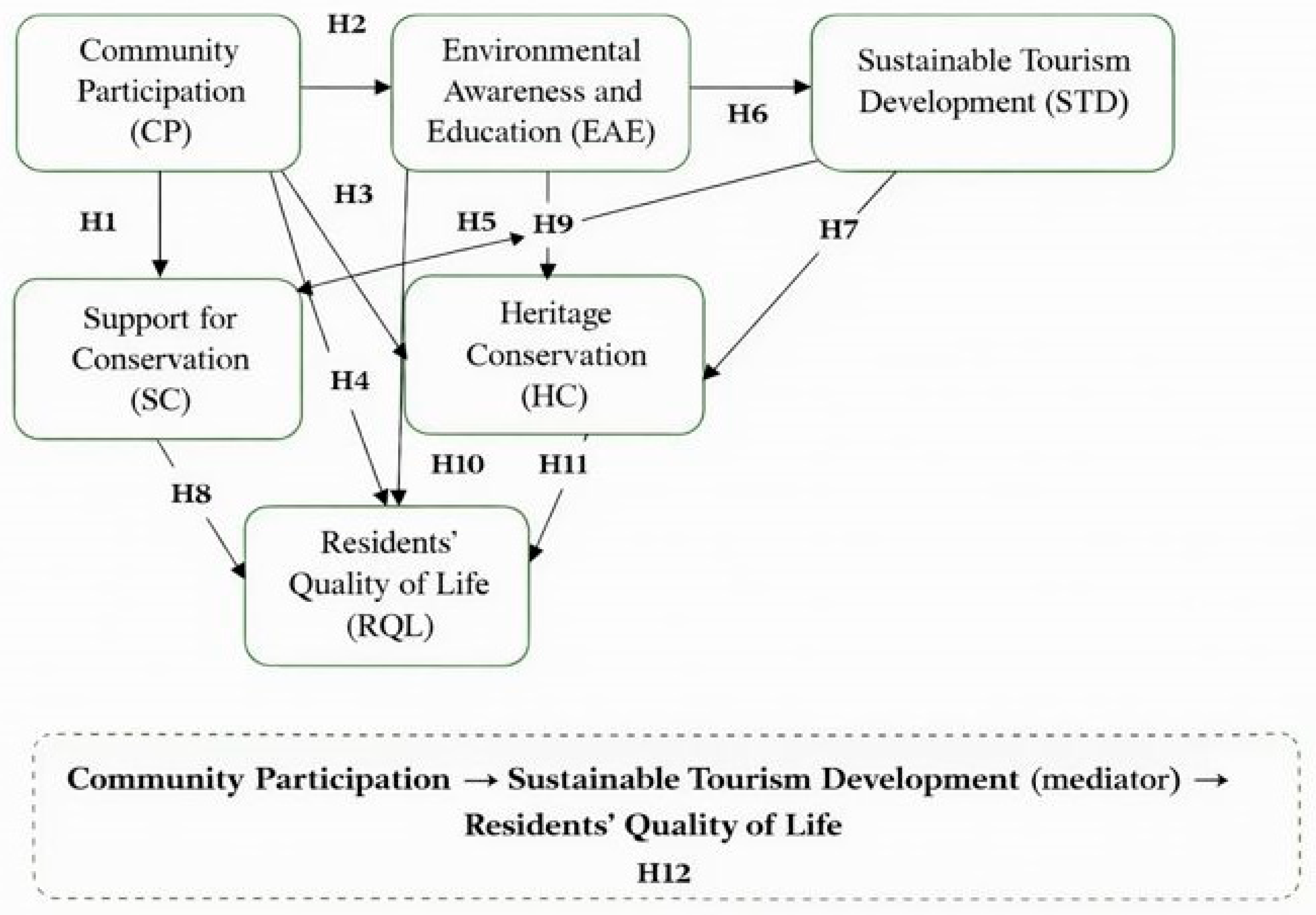
Figure 1. Flowchart illustrating the conceptual framework developed for this study.
Land 15 00008 g001
Figure 2. Location map of defined study area.
Land 15 00008 g002
Figure 3. Simplified structural equation model showing the latent constructs and standardized path coefficients (*** p < 0.001).
Land 15 00008 g003
Figure 4. Mediating effect of sustainable tourism. Numbers on the arrows represent standardized path coefficients (β), numbers in parentheses represent standard errors, and the value above each endogenous variable indicates the R2 (proportion of variance explained).
Land 15 00008 g004
Table 1. Sociodemographic attributes of the respondents (n = 264).
GenderEmploymentType of Job
Male39.8%Student8.0%Agriculture3.4%
Female60.2%Employed72.3%Public sector27.7%
AgeUnemployed12.9%Private sector33.0%
Average age = 42
Std. = 13.1838
Age range (18–74)
Retiree6.8%Tourism6.8%
Household sizeArtisan3.4%
Less than three32.2%Nature protection4.5%
Three to five55.3%Other21.2%
More than five12.5%Length of Residency
Less than 9 years9.5%
10–19 years10.6%
Education 20–29 years19.3%
Elementary school3.0% 30–39 years23.9%
High school36.0% 40–49 years12.1%
Bachelor’s degree42.1% More than 50 years24.6%
Master’s degree/PhD degree18.9%
Table 2. Descriptive statistics and measurement model validity.
VariablesMeanCronbach’s AlphaAVECR
CP3.660.8490.5210.836
RQL3.970.9390.6900.885
STD4.010.9320.5250.777
EAE3.370.8200.5130.829
SC3.820.8570.6440.823
HC3.280.7130.5180.735
Abbreviations: CP—Community Participation, RQL—Residents’ Quality of Life, STD—Sustainable Tourism Development, EAE—Environmental Awareness and Education, SC—Support for Conservation, HC—Rtanj Heritage Conservation.
Table 3. Discriminant Validity.
CPRQLSSTDEAESCHC
CP0.721
RQL0.5050.830
STD0.6660.6110.725
EAE0.5000.4330.4140.716
SC0.6410.4450.6590.4600.802
HC0.5400.5210.4360.4490.4250.720
Abbreviations: CP—Community Participation, RQL—Residents’ Quality of Life, STD—Sustainable Tourism Development, EAE—Environmental Awareness and Education, SC—Support for Conservation, HC—Rtanj Heritage Conservation. Correlations are off-diagonal elements; the AVE’s square root represents diagonal elements.
Table 4. Hypothesis testing.
HypothesisRelationshipBetaStd. ErrorC.R. (t)Status of Hypothesis
H1CP to SC0.641 *0.05713.513Supported
H2CP to EAE0.500 *0.0479.337Supported
H3CP to HC0.540 *0.05110.390Supported
H4CP TO RQL0.505 *0.0699.463Supported
H5STD to SC0.759 *0.03918.855Supported
H6STD to EAE0.414 *0.0407.366Supported
H7STD to HC0.436 *0.0447.845Supported
H8SC to RQL0.445 *0.0608.050Supported
H9EAE to HC0.449 *0.0618.126Supported
H10EAE to RQL0.433 *0.0827.781Supported
H11HC to RQL0.521 *0.0709.881Supported
* p < 0.05; Abbreviations: CP—Community Participation, RQL—Residents’ Quality of Life, STD—Sustainable Tourism Development, EAE—Environmental Awareness and Education, SC—Support for Conservation, HC—Rtanj Heritage Conservation.
Disclaimer/Publisher’s Note: The statements, opinions and data contained in all publications are solely those of the individual author(s) and contributor(s) and not of MDPI and/or the editor(s). MDPI and/or the editor(s) disclaim responsibility for any injury to people or property resulting from any ideas, methods, instructions or products referred to in the content.