Article

Unveiling Paradoxes: A Multi-Source Data-Driven Spatial Pathology Diagnosis of Outdoor Activity Spaces for Aging in Place in Beijing’s “Frozen Fabric” Communities


Department of Architecture, School of Architecture and Art, North China University of Technology, Jinyuanzhuang Road 5, Shijingshan District, Beijing 100144, China
*
Author to whom correspondence should be addressed.
Land 2026, 15(1), 20; https://doi.org/10.3390/land15010020
Submission received: 21 November 2025 / Revised: 16 December 2025 / Accepted: 17 December 2025 / Published: 22 December 2025

Abstract

Against the dual backdrop of rapid population aging and legacy neighborhood renewal, morphologically planning-locked legacy neighborhoods in high-density cities face persistent imbalances in outdoor activity spaces that undermine aging-in-place participation and health equity. This study advances a Spatial Pathology framework. Using nine representative communities in Longtan Subdistrict, Dongcheng District, Beijing, we develop a GIS-assisted spatial audit, a systematic behavioral observation protocol with temporal-intensity metrics, and a validated perception instrument. These tools form a closed evidentiary loop with explicit indicator definitions, formulas, and decision thresholds, alongside a reproducible analytic and visualization pipeline. Tri-dimensional baselines revealed substantial inter-community disparities: Spatial Quality Index (SQI) ranged from 43.3 to 77.0; activity intensity varied from 1.5 to 15.7 persons/100 m2·hour; and overall satisfaction scores spanned 3.88–4.49. It quantifies and identifies three core paradoxes in outdoor activity spaces within this context: (1) the Functional Failure Paradox with FFI exceeding +0.5 and ELR surpassing 60% in dormant communities; (2) the Value Misalignment Paradox where Facilities & Equipment showed the strongest satisfaction impact (β = 0.344) yet the largest unmet-need gap (VQGI > +8); (3) the Practice–Perception Decoupling Paradox evidenced by a negative correlation (r = −0.38) between usage intensity and satisfaction. These paradoxes reveal the spatial roots of planning-locked legacy neighborhoods—compound mechanisms of planning inertia, decision–demand information gaps, and elderly adaptability masking environmental deficits. We translate the diagnosis into typology-specific prescriptions—reactivating dormant spaces via “route–node–plane” continuity and proximal micro-spaces; decongesting peak periods through elastic zoning and equipment redistribution; and precision calibration of facilities and walking loops—implemented through co-creation and light-touch stewardship. This provides evidence-based, precision-targeted intervention pathways for micro-renewal of aging neighborhoods, supporting localized implementation of UN Sustainable Development Goals (SDG 11 Sustainable Cities; SDG 10 Reduced Inequalities). This methodological framework is transferable to other high-density aging cities, offering theoretical scaffolding and empirical reference for multi-source geographic data-driven urban spatial analysis and equity-oriented age-friendly retrofitting.

1. Introduction

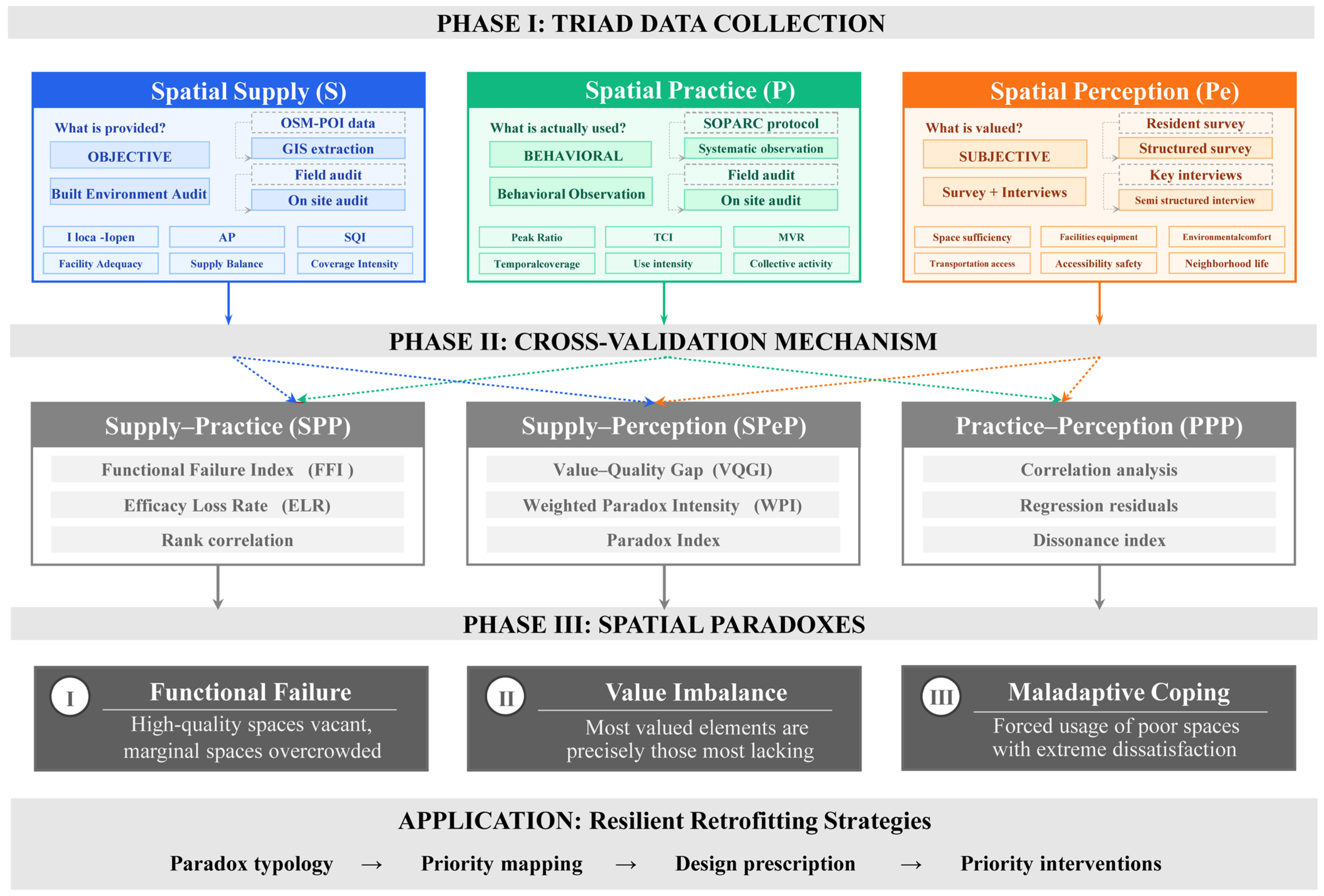
Against the backdrop of global population aging, Aging in Place (AIP) has evolved from a paradigm of “local independence” to one of “local participation.” This shift demands the reconstruction of evidence systems across the intersecting dimensions of place/space, person, and time [1,2,3,4]. Conceptually, residential continuity does not inherently equate to remaining in one’s original home. Its theoretical foundations stem from the multi-layered interactions of environmental gerontology’s person–environment fit model, phenomenological place attachment, and systems ecology perspectives. The former emphasizes matching environmental support capabilities with individual capacities, while the latter advocates examining residences, neighborhoods, urban public spaces, and service networks within a unified framework [5,6,7,8,9]. Existing research has explored three dimensions of aging in place: environmental provision, behavioral practices, and subjective perceptions (Figure 1).

1.1. Spatial Provision: A Full-Chain Examination

The core concern of the environmental dimension is the availability of space and services for older adults: housing modifications for aging in place [10,11,12,13], neighborhood resources and accessibility [14,15,16,17], the social performance of urban public spaces [18,19,20], and the integration of care, health, and social services across sectors [21,22,23]. This body of work provides a framework for translating “supply” into spatial and institutional levels [24,25,26]. From policy design to empirical evaluation, research indicates that age-friendly housing retrofits and assistive technologies, alongside neighborhood-level service embedding and public space accessibility/mixed-use functionality, collectively determine the conditions enabling older adults’ independent living and participation in their communities [27,28,29,30,31,32,33]. Concurrently, systematic evidence on public spaces and social cohesion indicates that physical attributes—such as accessibility, mixed land use, street frontage, and availability of resting facilities—consistently correlate with interaction, trust, and belonging. However, this relationship is significantly moderated by perceived safety, visual perception, duration of residence, and group attributes [34]. This suggests that merely increasing facility provision is insufficient to guarantee quality in-place living, and the link between environmental investments and older adults’ well-being remains difficult to quantify [35,36].

1.2. Spatial Practice: Multi-Actor Collaboration

The behavioral dimension focuses on the practice–collaboration–adaptation dynamics among older adults, family members, service providers, designers, and managers within shared spaces. Research on daily mobility and spatial practices indicates that environmental proactivity and mastery can counteract the “environmental passivity” stemming from vulnerability. By actively mobilizing local resources and innovating usage pathways, older individuals can maintain engagement in purpose-driven activities [37,38,39,40,41,42]. At the public space level, micro-topographies like the “fourth space” serve as important venues for generating mixed co-presence and weak social ties [43,44,45,46,47]. However, behavioral research remains insufficiently coupled with environmental provisioning: feedback and constraints that practices—such as technology use, mobility patterns, and social interaction—impose on supply structures and governance frameworks lack systematic articulation [48,49].

1.3. Spatial Perception: Multi-Layered Subjective Experience

The perception dimension highlights place attachment, place identity, and subjective well-being as key mediators of aging-in-place experiences [50,51,52,53,54,55]. Qualitative studies in high-density cities reveal that elderly well-being extends beyond the material and service provision; place values, social bonds, and personal memories are tightly linked to well-being through at least three pathways [56,57,58,59].

1.4. Spatial Pathology Framework

Current research across these three dimensions remains relatively isolated, lacking effective bridges between environmental provision, behavioral practice, and psychological perception. This fragmentation hinders the formation of comprehensive evidence to inform planning and governance, and consequently many discussions remain at the level of broad slogans, lacking mechanistic detail. Between 2000 and 2023, only 33 studies globally have explicitly linked social sustainability concepts to the aging process through concrete mechanism-based analyses [60].
In China’s aging urban legacy neighborhoods, the “solidified patterns” of long-term planning rigidity, spatial enclosure, and population stagnation further exacerbate home-based care challenges: constrained and inflexible physical spaces, insular social networks, and highly concentrated elderly populations make traditional governance mechanisms ill-equipped to respond promptly to shifting supply–demand dynamics [61]. In this study, we employ the term “Frozen Fabric” as an English analytical label for these solidified spatial patterns in planning-locked legacy neighborhoods. Specifically, we refer to “planning-locked legacy neighborhoods with solidified spatial patterns (hereafter referred to as ‘Frozen Fabric’ communities)”. Here, “frozen” denotes an empirically observable condition in which the physical form, institutional arrangements, and demographic composition have remained highly stable over decades, rather than a purely rhetorical metaphor. At the morphological level, early compound-based planning—often influenced by the work-unit model—produces enclosed layouts, rigid building typologies, and limited reserves of adaptable public space, constraining the retrofitting of outdoor activity spaces. At the institutional level, fragmented property rights and multi-actor governance dilute responsibility and impede coordinated, incremental renewal. At the demographic-social level, long-term residential stability combined with the out-migration of younger cohorts results in a high concentration of older adults and low population turnover, thereby amplifying age-specific demand while reducing the system’s capacity for dynamic supply adjustment. Taken together, these interlocking mechanisms structurally reproduce supply–demand mismatch and governance inertia in “Frozen Fabric communities”.
Against this backdrop, the “Spatial Pathology” framework (Figure 2) proposed in this study is conceived as a diagnostic paradigm that both builds on and departs from conventional post-implementation evaluation, supply–demand matching, and environment–behavior analysis frameworks. Unlike standard post-implementation (post-occupancy) evaluations, which retrospectively gauge whether built outcomes meet predetermined functional criteria or user needs [62,63], the spatial pathology approach delves deeper by interrogating why certain spatial outcomes underperform—treating evident issues not merely as evaluation “failures” but as symptoms of underlying spatial dysfunction. In contrast to supply–demand matching analyses, which focus on quantifying and aligning service provision with user needs (for instance, measuring equity gaps between the availability of age-friendly facilities and the spatial distribution of older populations [64,65]), the spatial pathology framework seeks to reveal latent mismatches and inefficiencies that such equilibrium-based models might overlook. Similarly, while traditional environment–behavior analyses examine how physical environment characteristics influence human behavior and well-being—for example, using concepts like affordances to link design features with user activities [66]—our framework integrates those insights into a broader pathogenic inquiry, asking how maladaptive behavioral patterns or unmet needs observed in outdoor spaces signal deeper structural “ills” in the urban fabric [67]. The core construction logic of the spatial pathology framework is thus analogous to a medical pathology process: it systematically diagnoses spatial maladies by identifying symptomatic patterns (e.g., underutilized parks or social withdrawal of seniors), tracing them to root causes in the spatial–social system, and feeding this diagnostic insight back as evidence for intervention—much as clinical pathology links symptoms to an underlying disease to inform treatment [68,69]. By explicitly invoking pathology principles—symptom evaluation, etiological analysis of “diseased” places, and feedback loops for remediation—this framework transcends the evaluative mode of prior approaches and establishes an integrative, multi-source data-driven method for spatial diagnosis.
We integrate a triadic data loop encompassing environmental supply, behavioral practice, and resident perception to conduct a “pathological” diagnosis of outdoor activity spaces for home-based elderly care in typical legacy neighborhoods of central Beijing. Following three diagnostic pathways, we identify three categories of spatial paradoxes and quantify them in operational terms to inform community planning, governance, and micro-scale renewal.

2. Data and Methods

2.1. Study Area and Sample

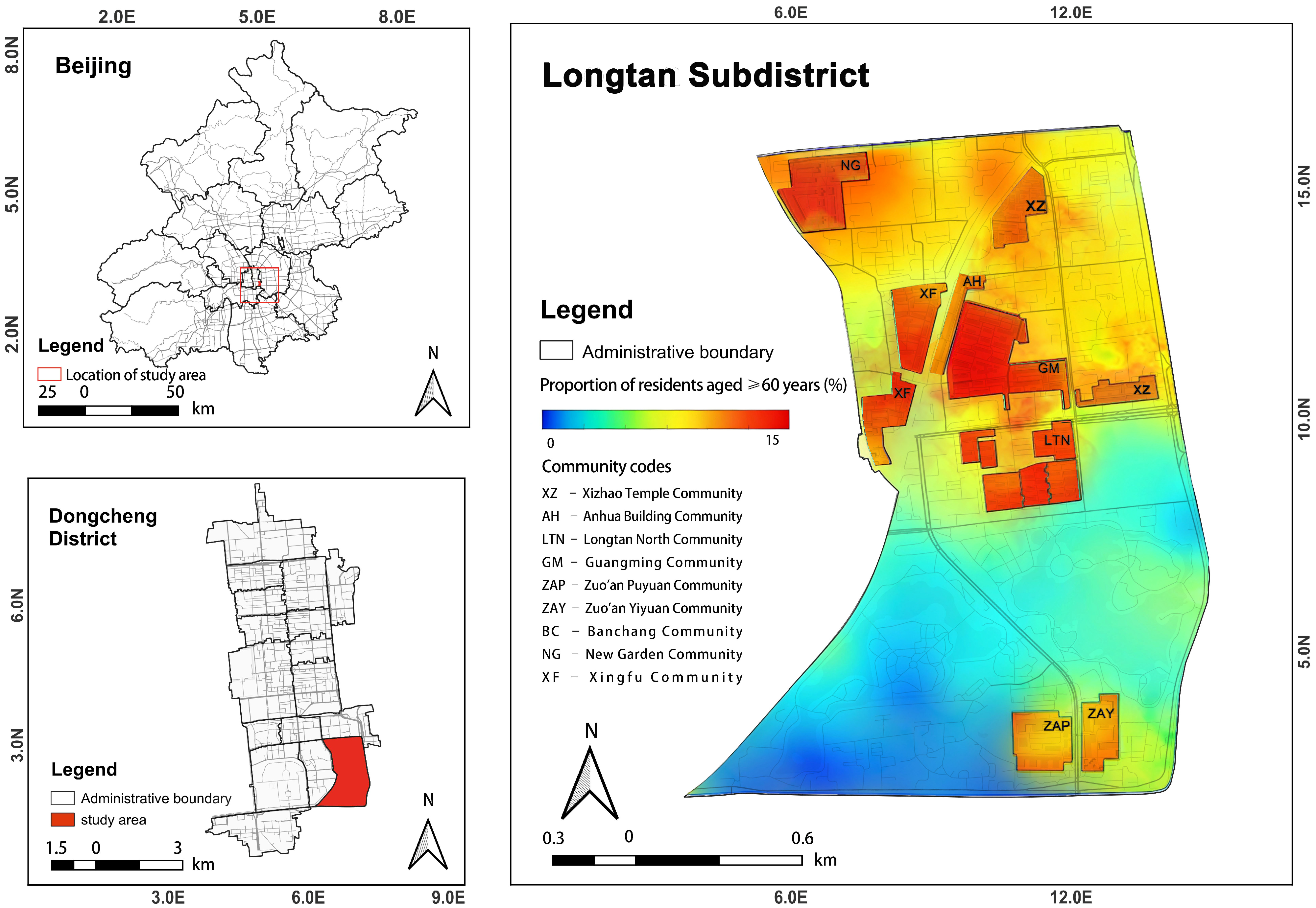
This study selected the Longtan Subdistrict of Dongcheng District, Beijing, as the case study area. Nine representative legacy neighborhoods within this jurisdiction were surveyed and analyzed: Zuo’an Puyuan Community (ZAP), Zuo’anYiyuan Community (ZAY), Longtan North Community (LTN), Banchang Community (BC), Xizhao Temple Community (XZ), Guangming Community (GM), Anhua Building Community (AH), New Garden Community (NG), and Xingfu Community (XF) (Figure 3).
To ensure the findings are generalizable across Beijing’s heterogeneous urban landscape, a rigorous stratified purposive sampling strategy was established based on the city’s residential morphological evolution. The selection criteria prioritized typological representativeness across two critical dimensions spanning the post-1980s urban transformation: construction era and spatial configuration. The nine selected cases effectively capture the spectrum of living environments for aging populations in central Beijing, ranging from pre-reform work-unit residential compounds (characterized by enclosed, collective spatial layouts and high social cohesion) to post-reform commercial housing estates (marked by gated structures and modernized, yet often underutilized, green infrastructure). By deliberately selecting communities that exemplify these distinct developmental phases and varying degrees of spatial openness and green space density, the sample set constitutes a representative microcosm of the prevailing socio-spatial environments where “aging in place” occurs in high-density Chinese cities [70,71].
Located in Beijing’s central urban area, Longtan Subdistrict has a permanent population of approximately 53,000, with about one-third aged 60 and above [72]. All nine communities were constructed during the 1970s–1980s and have been in use for roughly 40–50 years, qualifying them as typical aging residential areas.
These legacy neighborhoods exemplify planning-locked legacy neighborhoods with solidified spatial patterns (hereafter referred to as “Frozen Fabric communities”). Their morphological rigidity, fragmented property-rights arrangements, and constrained governance capacity mean that the physical form, social structure, and population distribution have remained highly stable over decades, with limited room for iterative recalibration of outdoor facilities [73]. The selected legacy neighborhoods also display significant variation in scale and demographics—ranging from large, spacious yet densely populated legacy neighborhoods to smaller, land-constrained legacy neighborhoods with a disproportionately high share of elderly residents. This diversity ensures that the sample captures a range of typical supply–demand conflict scenarios in outdoor spaces for home-based elderly care [74]. All research activities were conducted in compliance with academic ethics standards, and informed consent was obtained from all participants.

2.2. Data Collection and Analytical Workflow

We collected three streams of baseline data—objective spatial supply, actual usage, and subjective perception—and normalized them for comparability [75]. An integrated diagnostic index system was then constructed to identify the resulting “triple paradox” patterns, with key indicator definitions, formulas, and assessment thresholds summarized in Table 1. Through statistical analysis, this framework evaluates imbalances in functional supply versus usage, subjective value versus objective quality, and behavioral practice versus perception in outdoor spaces for home-based elderly care.
Before detailing the data collection procedures, we emphasize that Table 1 serves as the comprehensive methodological repository for this study, consolidating all indicator definitions, computational formulas, threshold criteria, and quality control protocols in a centralized, systematic manner. This integrated presentation is designed to ensure transparency, reproducibility, and ease of cross-referencing throughout the analysis. Table 1 is structured into four hierarchical components:
  • Three Baseline Data Streams A1: Spatial Supply indicators including Location Convenience Index (Iloca), Openness Index (Iopen), Facility Adequacy (zk), Supply Balance (Balance), Activity-Place Index (AP), and Spatial Quality Index (SQI); A2: Spatial Practice indicators including Activity Intensity (Intensity), Peak Hour Ratio (PHR), Time Concentration Index (TCI), and Multi-Visit Rate (MVR); A3: Spatial Perception indicators including six-dimension satisfaction scores ( x ̄ d) and Composite Satisfaction Score (CS).
  • Three Diagnostic Paradox Pathways B1: Suppl vs. Practice mismatch via Functional Failure Index (FFI) and Efficacy Loss Rate (ELR); B2: Supply vs. Perception mismatch via Value-Quality Gap Index (VQGI)and Weighted Paradox Intensity (WPI); B3: Practice vs. Perception decoupling via correlation and regression residual analysis; B4: Integrated ternary analysis via Total Paradox Index (TPI). Each indicator entry in Table 1 specifies its formula, normalization method, threshold classification (e.g., quartile-based cutoffs, coefficient of variation benchmarks), and applicable references. Readers are directed to refer to Table 1 continuously throughout Section 2.2, Section 3, Section 3.1, Section 3.2, Section 3.3 and Section 3.4 for precise operational definitions of all abbreviated indices.
The following three subsections elaborate on data collection protocols for each baseline dimension. All indicators mentioned herein are formally defined in Table 1, Section A, with their corresponding formulas, thresholds, and validation criteria. Cross-references to Table 1 are provided at first mention of each technical term.
  • Spatial Supply Data: Through field surveys and open geographic data, we conducted quantitative audits of each community’s outdoor environment. Recorded indicators include location convenience (Iloca), site openness (Iopen, facility completeness (zk, e.g., counts of seating, toilets, exercise equipment), and supply balance (balance. We also measured the total number and area of spaces available for elderly activities in each community, calculating service density and an Activity-Place (AP Index to gauge the relative sufficiency of dedicated senior activity areas. Based on these measures, we developed a composite Spatial Quality Index (SQI on a 0–100 scale, where higher scores indicate stronger environmental support for older residents.
  • Spatial Practice Data: We employed systematic behavioral observation (based on SOPARC protocols) to capture actual usage patterns of outdoor spaces. On clear, rain-free weekdays and weekends, the period 7:00–18:00 was divided into three daily time segments for repeated observational sweeps. Over two consecutive weeks, this yielded 41,924 recorded instances of elderly activity. While Beijing is characterized by significant seasonal temperature variations which undoubtedly influence absolute levels of outdoor activity, the specific two-week observation window was strategically selected during mid-October. This transitional period offers temperate climatic conditions historically conducive to peak outdoor space utilization by older adults, avoiding the confounding inhibitory effects of extreme winter cold or intense summer heat common in Beijing’s climate [101]. Furthermore, methodological precedents in behavioral mapping suggest that intensive, short-term observational windows during such optimal activity periods are sufficient to capture stable, recurrent patterns of spatial usage and the fundamental mechanisms of environment–behavior interactions, even in the absence of longitudinal seasonal data [102,103]. The research focus here is on the structural relationships between spatial features and behavioral types, which are hypothesized to remain consistent across seasons, albeit with varying frequency. From these data, the average daily activity intensity per community was calculated as an indicator of spatial utilization. We also analyzed temporal usage patterns: the Peak Hour Ratio (PHR—the ratio of the maximum hourly user count to the daily average—was computed to assess whether usage was overly concentrated at certain times; the Time Concentration Index (TCI was calculated to characterize the balance of activity across morning, midday, and evening periods. In addition, a Multi-Visit Rate (MVR was determined to reflect the proportion of repeat visitors, indicating the spaces’ sustained appeal to community seniors.
  • Spatial Perception Data: Questionnaire surveys and interviews were conducted to assess residents’ subjective satisfaction with their community’s outdoor environment. The survey included six evaluation dimensions: spatial adequacy, accessibility, facilities and equipment, barrier-free design and safety, environmental comfort, and neighborhood life. Responses were rated on a 5-point Likert scale, and overall satisfaction was scored on a 100-point scale as the Composite Satisfaction Score (CS We received 354 valid questionnaires. Reliability and validity tests indicated good psychometric properties: Cronbach’s α for all dimension scales exceeded 0.70, the KMO sampling adequacy for the dataset was above 0.60, and Bartlett’s sphericity test was significant, confirming internal consistency and construct validity. Based on the survey results, we calculated each community’s average scores for the six dimensions and the overall satisfaction score, providing baseline levels of subjective perception. Additionally, open-ended responses and follow-up interview notes from representative respondents were reviewed to contextualize the quantitative findings with qualitative insights.
Building upon the baseline data streams we operationalized the spatial pathology diagnosis through three pairwise paradox pathways Each pathway employs custom-designed indices to quantify misalignments: the Functional Failure Index (FFI) and Efficacy Loss Rate (ELR) for supply-practice gaps (B1); the Value-Quality Gap Index (VQGI) and Weighted Paradox Intensity (WPI) for supply-perception misalignments (B2); and correlation/regression residual analyses for practice-perception decoupling (B3). The Total Paradox Index (TPI) integrates all three dimensions via ternary coordinate geometry (B4). Threshold classificationsenable categorical interpretation of mismatch severity. Prior to diagnostic analysis, all baseline metrics undergo min-max normalization to a common [0, 1] interval, enabling valid cross-dimensional comparison and geometric interpretation within the paradox visualization framework. Specifically, the Normalized Spatial Supply Index is computed as SQI/100, converting the composite quality score from its original 0–100 scale. The Normalized Practice Intensity is calculated as I/Imax, where I/Imax, represents the maximum observed activity intensity across all sampled communities. The Normalized Perception Score is defined as CS/5, transforming the Composite Satisfaction Score from its original 1–5 Likert scale to a proportional metric. This normalization protocol follows established conventions in multi-criteria environmental assessment, wherein heterogeneous indicators are rescaled to permit geometric interpretation of deviations from theoretical equilibrium states [79,104]. The following subsections describe the application logic for each diagnostic pathway, with all computational details anchored After compiling the above three datasets, we designed a suite of diagnostic indicators to examine misalignments along the three pairwise dimensions (supply–practice, supply–perception, and practice–perception). These indices were applied and tested using statistical methods as follows:
  • Supply–Demand Functional Failure Paradox (Spatial Supply vs. Actual Usage): This pathway examines how well a community’s objective spatial supply aligns with its actual utilization. We introduce a Functional Failure Index (FFI to quantify the degree of functional oversupply or undersupply, defined as the standardized supply quality (SQI minus the standardized usage intensity. To further quantify unused spatial potential, an Efficacy Loss Rate (ELR was defined as the proportion of supply capacity remaining unused (a percentage of total supply, indicating underutilization). In addition, we compared matching indicators on the supply and usage sides point-by-point to calculate specific mismatch values, pinpointing which functional elements (e.g., seating, exercise equipment) were redundant or deficient at a granular level. This combination of measures diagnoses the functional alignment between each community’s physical supply and its actual usage.
  • Practice–Perception Decoupling Paradox (Actual Use vs. Subjective Perception): This pathway assesses the consistency between seniors’ observed behavior and their reported satisfaction. Methodologically, we first calculate the Spearman rank correlation coefficient between the nine communities’ usage intensity rankings and satisfaction rankings to gauge the overall association between usage and satisfaction. We then examine the rank differences for individual communities. To quantify each community’s deviation, we define a Perception–Utilization Gap as the standardized satisfaction score minus the standardized usage intensity. This value reflects whether a community’s subjective evaluation is higher or lower than would be expected from its objective usage level. We also constructed a simple linear regression model with satisfaction as the dependent variable and usage intensity as the independent variable to identify any communities that emerge as significant outliers beyond the 95% prediction interval. Analysis of regression residuals further corroborates the practice–perception decoupling phenomenon.
  • Value Misalignment Paradox (Spatial Supply vs. Subjective Perception): This pathway reveals contradictions between objective environmental inputs and subjective preferences. The analysis proceeds in two steps. First, a multiple linear regression identifies the relative importance of the six environmental dimensions on overall satisfaction; the standardized regression coefficients indicate each dimension’s weight in influencing overall satisfaction. Second, we calculate the subjective–objective gap for each dimension in each community. We define a Value–Quality Gap Index (VQGI as the average satisfaction score for a given dimension minus the objective supply score for that same dimension. We then compute a Weighted Paradox Intensity (WPI, which considers both the magnitude of each dimension’s gap and its weight (importance) in shaping overall satisfaction. The WPI thus measures the severity of “value misalignment” in each community, aggregating the mismatches across all dimensions.
To determine dimension weights for the Composite Satisfaction Score (CS) and Weighted Paradox Intensity (WPI), we employed a hybrid approach integrating empirical regression analysis with theoretical validation. First, a multiple linear regression model (stepwise method, entry p < 0.05, removal p > 0.10) was constructed with overall satisfaction as the dependent variable and the six dimension scores as predictors (n = 354 respondents). Standardized regression coefficients (β) from this model (reported in Section 3.3) quantify each dimension’s relative contribution to overall satisfaction, thereby providing data-driven weights reflecting actual resident priorities. These empirically derived weights were then cross-validated against established frameworks in environmental gerontology literature (e.g., WHO Age-Friendly Cities framework, Lawton’s Environmental Press model) to ensure theoretical coherence. The resulting weight structure (with ‘Facilities & Equipment’ receiving highest weight β = 0.344, and ‘Accessibility’ lowest β ≈ 0, as per regression output) aligns with qualitative findings from 48 follow-up interviews where residents consistently prioritized tangible amenities over abstract accessibility features. This dual validation—empirical regression combined with theoretical triangulation—ensures that our diagnostic indices (FFI, VQGI, WPI) reflect genuine elderly needs rather than researcher assumptions, enhancing the practical relevance of intervention prescriptions in Section 4.2.

3. Results

3.1. Baseline Disparities Across Communities

Significant disparities were observed among the nine communities in terms of objective supply quality, actual usage intensity, and subjective environmental satisfaction. In terms of spatial supply Table 2, outdoor environmental quality varied markedly across communities, and higher land area did not always translate to better supply performance. For example, Zuo’an Puyuan Community, which has the largest total activity space and highest building density, suffered from poor facility balance and inefficient use of space, yielding an SQI of only 58.3 (out of 100) despite its size. Overall, SQI scores ranged from approximately 40 to 78 across the communities, highlighting substantial gaps in objective environmental quality.
Spatial practice indicators (Table 3) revealed equally pronounced differences in outdoor space utilization. Some large communities had high total foot traffic but low utilization efficiency per unit area, whereas smaller communities were effectively at capacity. Zuo’an Puyuan, with roughly 680 observed senior outings per day (one of the highest totals), had a per-area intensity of only 1.5 persons per 100 m2—the lowest of all communities, reflecting underuse of its ample space. In contrast, compact communities like Anhua Building and New Garden, constrained by limited space, exhibited extremely concentrated activity: their average daily activity intensities reached 15.7 and 11.4 visits per 100 m2, respectively, far exceeding other sites and indicating operation at “full capacity.” Temporal patterns also differed. Most communities saw peak usage in the evening, resulting in pronounced spikes in activity. For instance, Anhua Building and New Garden recorded peak-hour ratios approaching 3.0, indicating short-term surges in load. By contrast, larger communities, benefiting from more abundant space, allowed residents to be more flexible with visit times, yielding lower TCI values and more even activity distributions.
With regard to spatial perception, residents’ subjective satisfaction with outdoor spaces remained moderately high across all communities (Table 4). This contrasts with the objective conditions. Even in Xingfu Community—which had one of the lowest SQI scores—the average overall satisfaction reached about 75/100. Conversely, Xizhao Temple Community, which scored highest on objective conditions, achieved only a bit above 80/100 in satisfaction. This suggests a degree of “positive bias” in older adults’ evaluations of their environment [79]. Overall, satisfaction levels were fairly balanced (no community scored extremely low), and they did not fully mirror the objective disparities in quality, revealing a kind of “satisfaction paradox” [105,106,107].
Building on this foundation, our analysis next applied the triple paradox framework to untangle the complex mismatches in these aging communities’ outdoor spaces. Identifying where supply–demand misalignments and perception gaps occur is critical for formulating targeted intervention strategies (Figure 4).

3.2. Paradox I: Supply–Practice Mismatch

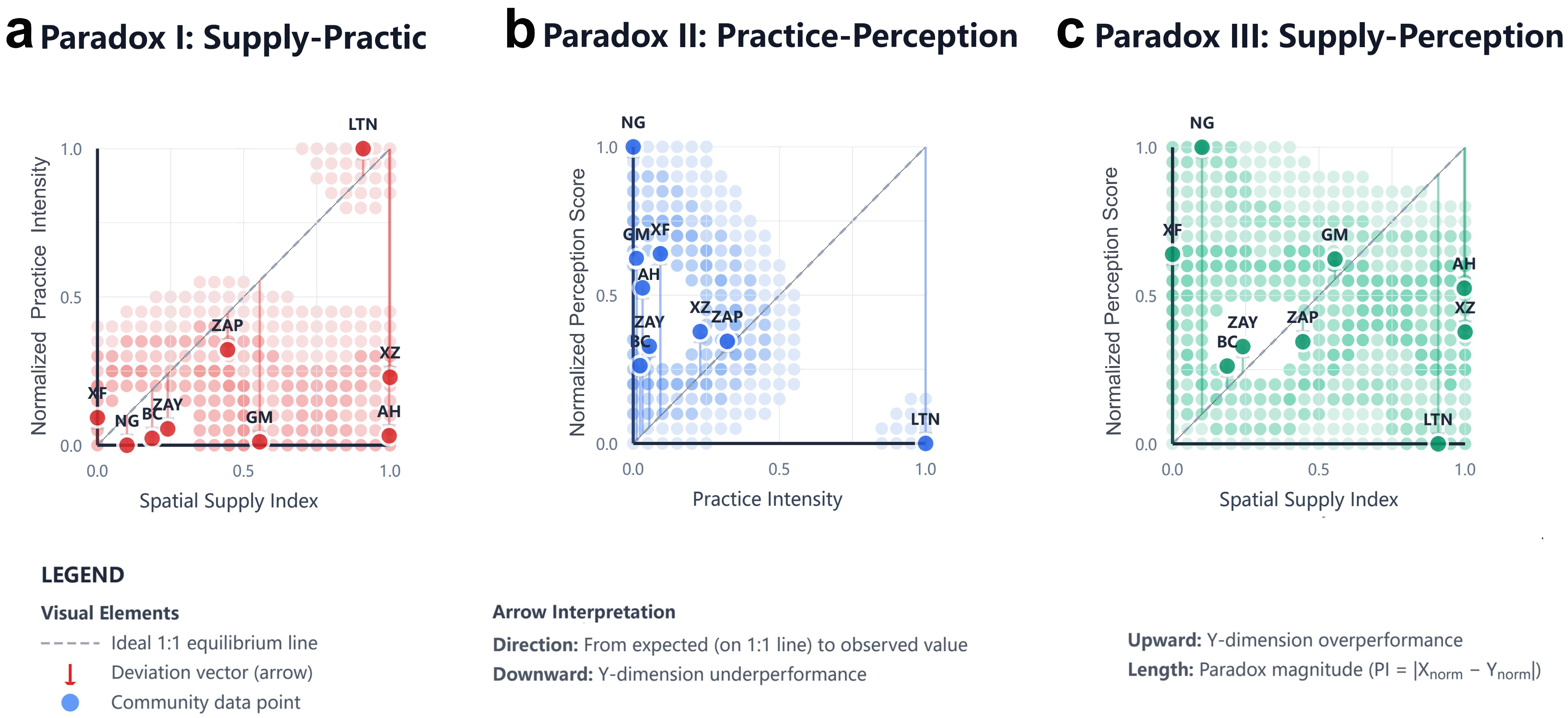
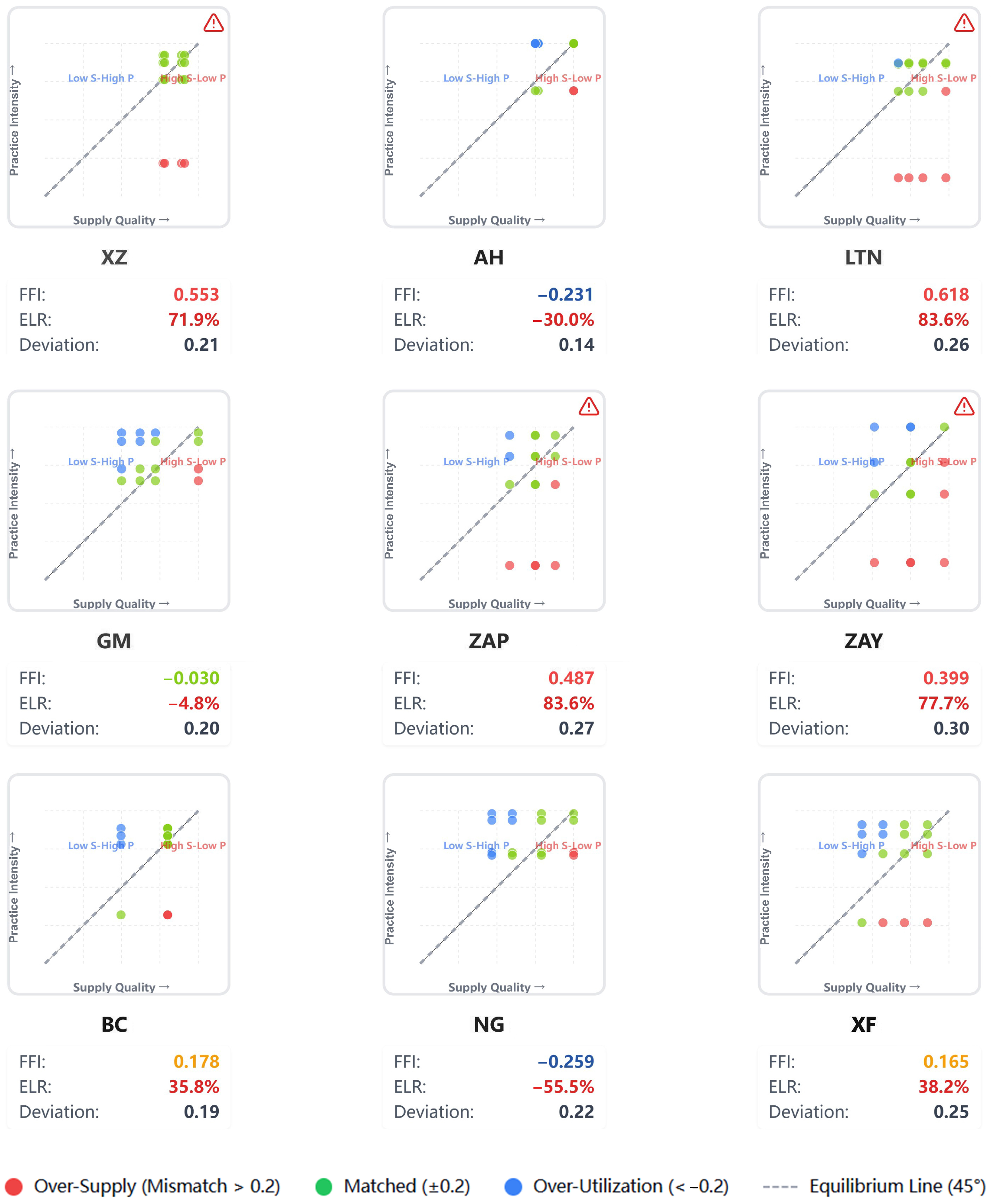
The Functional Failure Paradox refers to the widespread disconnect between spatial supply and actual usage in these communities. Our quantitative comparison of each community’s supply and usage showed that high-quality spaces often remained underutilized, while lower-quality spaces were strained by overuse (Figure 5). For example, Longtan North Community has one of the top three SQI values yet the lowest usage intensity, whereas Anhua Building Community—with only average supply quality—attracted the highest volume of elderly users. This inverted ranking demonstrates that simply enhancing supply does not guarantee higher utilization. Statistically, we found a negative Spearman correlation between community supply quality and usage intensity, indicating a trend that greater supply is associated with lower utilization rates, a relationship that reached significance [108].
This section applies the Functional Failure Index (FFI) and Efficacy Loss Rate (ELR) to diagnose supply–practice disjunctions. We yielded a range of (−1, +1), where positive values indicate unused supply capacity (functional oversupply) and negative values signal overuse relative to capacity. ELR further quantifies the percentage of supplied capacity remaining unutilized. Threshold-based interpretation classifications: FFI > 0.30 constitutes severe functional failure; 0.10–0.30 moderate mismatch; ±0.10 acceptable match; <−0.10 indicates overuse/undersupply. Figure 5 visualizes these metrics through bivariate scatter plots with the 45° equilibrium line denoting ideal supply–use balance.
From the perspective of FFI, the vast majority of communities showed positive FFI values above 0, signaling varying degrees of oversupply and underuse. In particular, the large communities Longtan North and Zuo’an Puyuan had FFI values exceeding +0.5, classifying them as severely functionally deficient. Field observations revealed that such communities often feature spacious plazas or gardens that appear well-equipped on the surface; however, lacking smaller-scale activity nodes close to residences and everyday social ambience, older adults instead congregate in informal open areas near their buildings. Thus, the “best-equipped” spaces (e.g., central plazas) often lie idle. The estimated ELR for Longtan North and Zuo’an Puyuan exceeded 60%, meaning a majority of their designed capacity goes unused. In contrast, compact communities like Anhua Building and New Garden showed negative FFI values, indicating undersupply and chronically overloaded spaces. Seniors in these communities were observed repurposing parking lots and sidewalk areas for gatherings, with public spaces routinely filled beyond their intended capacity.

3.3. Paradox II: Supply–Perception Mismatch

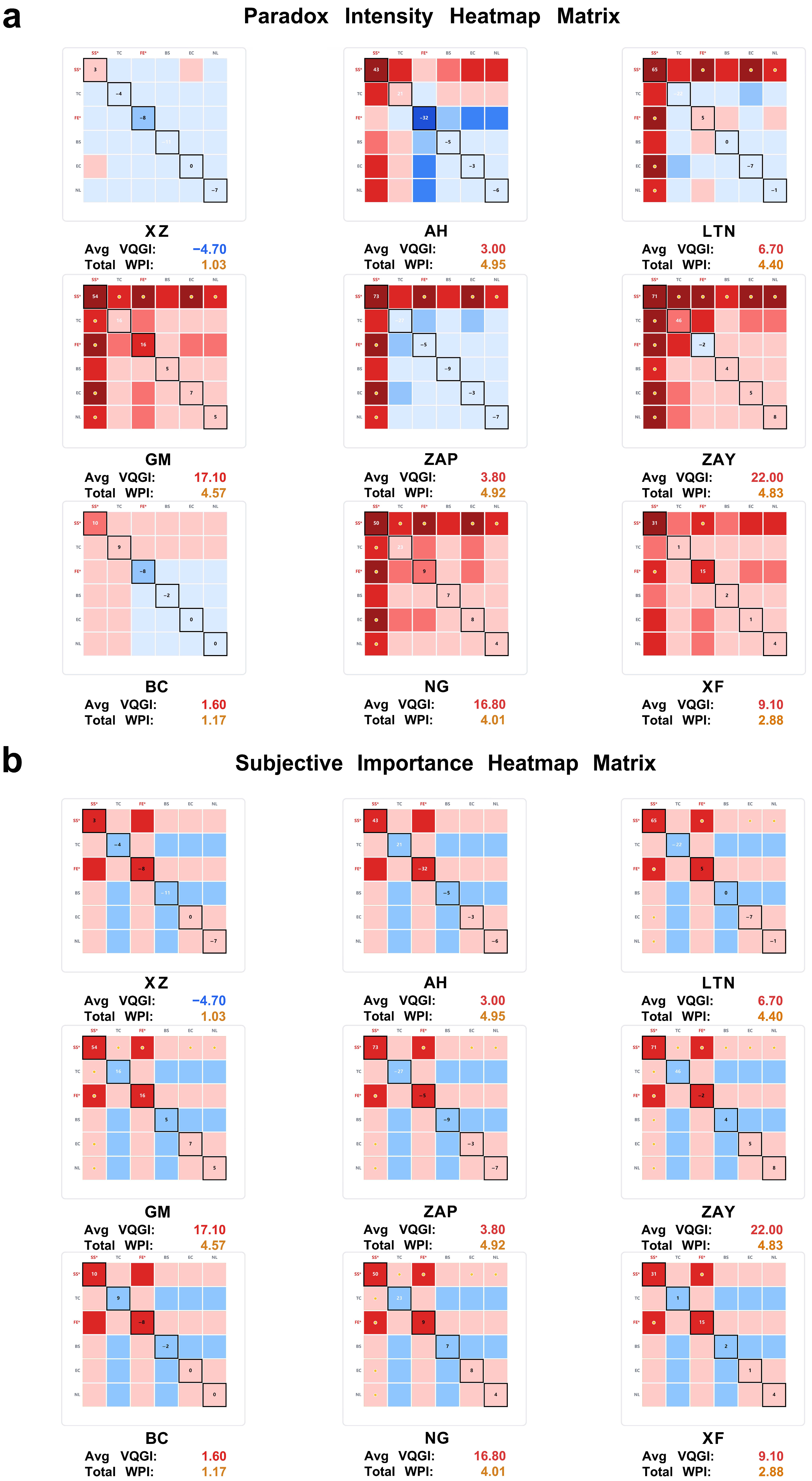
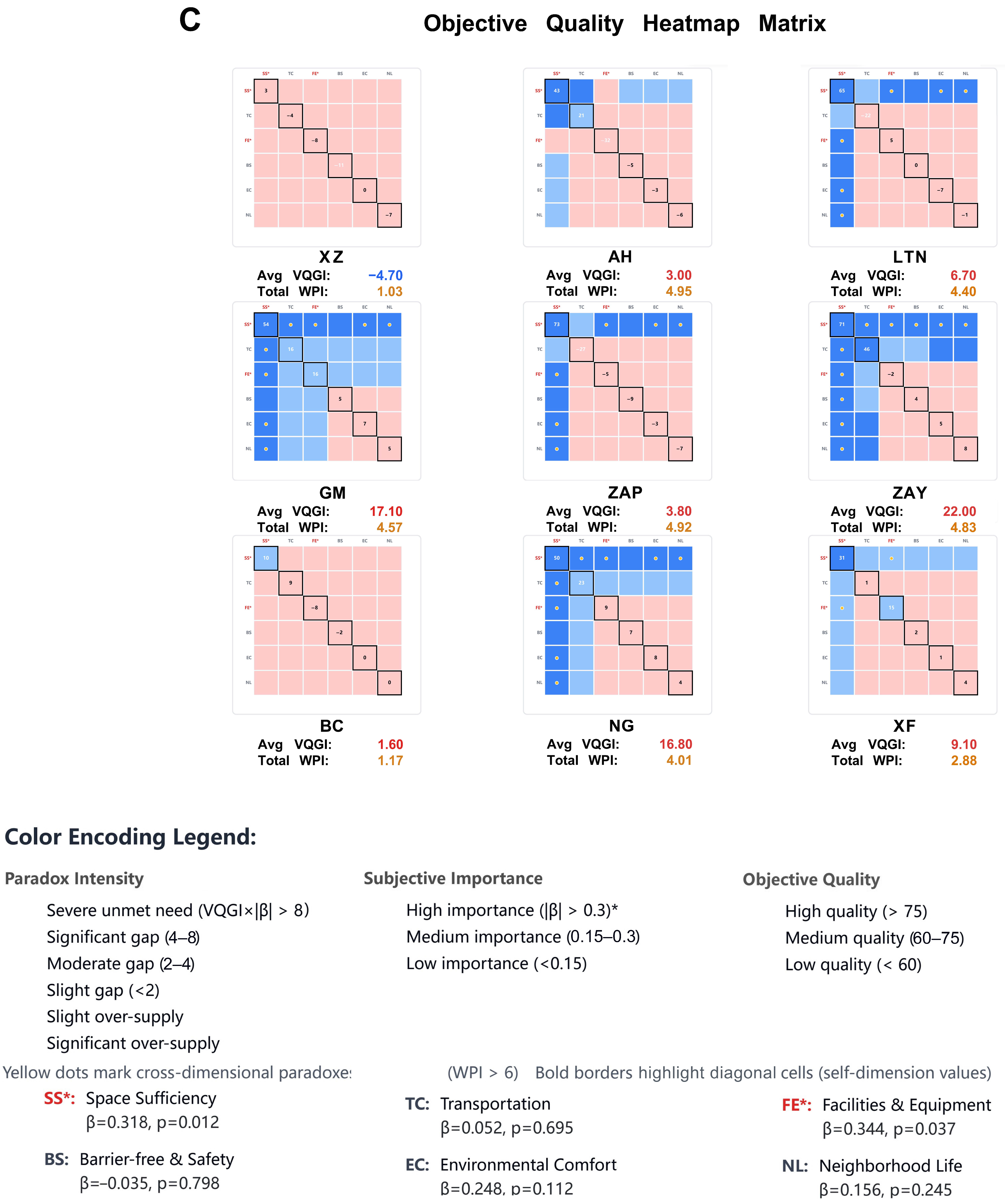
The Value Misalignment Paradox captures the mismatch between objective spatial qualities and residents’ subjective valuations. Analysis of the supply–perception gaps across the six satisfaction dimensions revealed that what older residents value most is not always what has been provided (Figure 6).
First, clear disparities emerged in individual dimensions. The largest supply–demand gap appeared in the Facilities and Equipment dimension: in most communities, residents’ satisfaction with fitness equipment, seating, and related facilities exceeded the objective provision by around 8 percentage points (positive VQGI values). Regression analysis confirmed this dimension has the strongest influence on overall satisfaction (β = 0.344, p = 0.037), indicating that the aspect seniors value most is precisely where current supply is weakest. This finding aligns with qualitative observations—many communities had outdated or insufficient exercise equipment, and seniors consistently voiced a strong desire for new installations. Conversely, the Accessibility and Safety dimension showed the opposite pattern: most communities received high objective scores for features like barrier-free pathways, security lighting, and surveillance, yet residents reported relatively low satisfaction in this domain (average VQGI around –8 points). In other words, supply investment in accessibility and safety exceeded the perceived need. The regression coefficient for this dimension’s effect on overall satisfaction was near zero (and not significant), suggesting that substantial resources have been directed toward features that older residents do not strongly prioritize.
Furthermore, compounding effects were evident across multiple dimensions. Issues in several areas combined to amplify dissatisfaction beyond the sum of their individual effects. For example, a moderate shortfall in each of three or four dimensions can interact to produce a much larger decline in overall satisfaction. This indicates that improvement measures should prioritize such compounded shortfalls rather than addressing dimensions in isolation.
The overall degree of supply–perception misalignment also varied widely by community. We quantified each community’s total misalignment as the sum of its WPI values across all dimensions; these ranged from approximately 0.18 up to 0.45. For instance, Zuo’an Puyuan—characterized by high residential density and very limited open space—exhibited a VQGI of about +70 in the Spatial Sufficiency dimension (indicating residents perceived severe space shortages). Combined with this dimension’s heavy weight in the satisfaction model, Zuo’an Puyuan achieved one of the highest total WPI scores, making it among the most severely misaligned communities in terms of supply versus perceived value.

3.4. Paradox III: Practice–Perception Decoupling

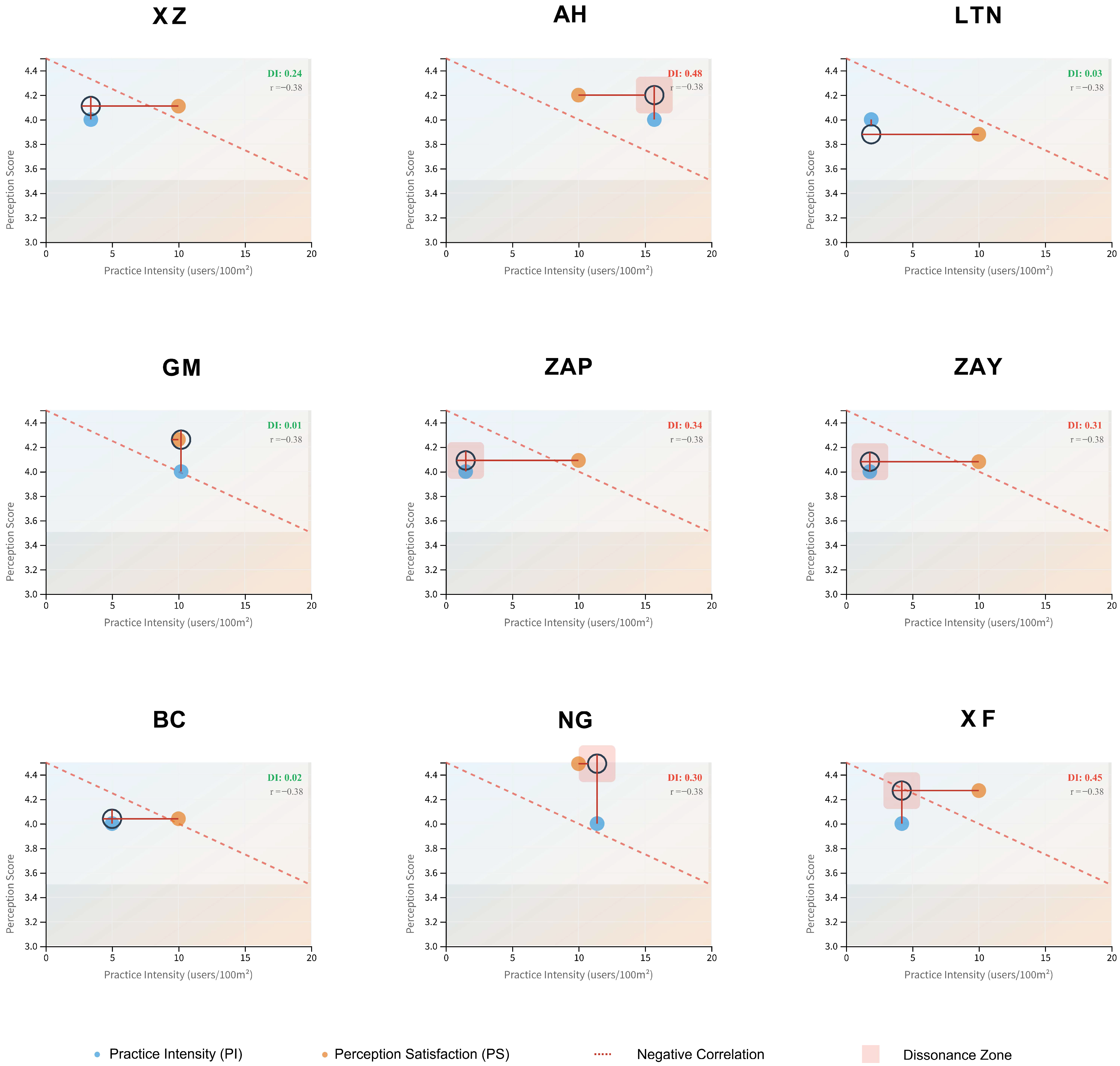
The Practice–Perception Decoupling Paradox reflects a disconnect between older adults’ actual behavior patterns and their subjective evaluations (Figure 7).
In some communities, high levels of usage did not correspond to high satisfaction, and vice versa. For example, Longtan North maintained above-average overall satisfaction despite minimal observed outdoor activity, whereas some high-activity communities did not report commensurately high satisfaction. Comparing the rankings of usage intensity and satisfaction across communities highlights several inconsistencies: New Garden and Anhua Building achieved high satisfaction despite very high crowding (high intensity), while Longtan North and Zuo’an Puyuan reported relatively high satisfaction in spite of low usage levels.
This suggests that the simple relationship of “more people implies more satisfaction” does not hold uniformly; rather, it is mediated by factors such as how activities are organized, opportunities for social interaction, and thresholds of comfort and safety. Visualizing the data with fitted regression lines and confidence bands further illustrates that most communities deviate from a linear trend of higher intensity yielding higher satisfaction. Instead, two types of mismatch zones emerge: at one end, under-activation in spaces with extremely low usage fails to generate satisfaction; at the other, excessive crowding in very high-use spaces dampens satisfaction once comfort and social enjoyment thresholds are exceeded.
Across the three paradox analyses above, we identified specific spatial problem areas that should be prioritized for intervention in these aging communities. Sites with an oversupply of amenities that elders underutilize, as well as those experiencing actual overcrowding yet where seniors report tolerable conditions, emerge as key targets for optimization. Implementing focused micro-renovations in these critical spaces would not only improve the efficiency of resource use but also address the genuine needs of the elderly, thereby enhancing their quality of life. These findings provide an evidence-based foundation and practical guidance for community renewal initiatives in the context of rapid urban aging.

4. Discussion

4.1. Diagnostic Attribution

The analyses above point to underlying spatial and governance mechanisms driving the observed paradoxes. Regarding the supply–practice inversion (functional failure), a key cause lies in legacy neighborhoods spatial form and the misfit with behavioral preferences. In Longtan North and Zuo’an Puyuan, despite strong quantitative supply metrics, the layout and circulation patterns create discontinuities that hinder high-frequency usage. These sites are technically accessible yet fail to facilitate organic gathering, effectively trapping public spaces behind an invisible barrier of being “visible but not truly accessible.” Meanwhile, the excessive usage intensity and peak-time crowding seen in Anhua Building and New Garden stem from aggregation-oriented activity preferences confronted with insufficient space capacity. A combination of high peak-to-off peak ratios and nighttime activity clustering creates a self-reinforcing congestion loop on the practice side. This aligns with international findings that a network of small-scale spaces (e.g., streets, pocket plazas, and “fourth spaces” in front of homes) is essential to support social interaction and physical activity among seniors [109]. Without adequate lingering areas and transitional interfaces, even ample supply cannot translate into effective usage [110]. Field observations underscored specific mismatches in functionality: some communities have plenty of fitness equipment that few older residents actually use (oversupply of unwanted features), while others lack basics like shade and benches, forcing seniors to bring their own seating or to rest standing (undersupply of needed amenities). In sum, the spatial supply systems in these legacy neighborhoods often diverge from actual elderly behavior patterns. The root cause is the mismatch between outdated community planning models and micro-scale daily needs. Many traditional courtyard-style estates lack granular semi-private spaces near residences, while dense alleyway neighborhoods have long gone without supplemental public space to relieve crowding.
The threshold classifications specified in Table 1 (e.g., FFI > 0.30 for severe failure, VQGI > +30 for severe gap) were established through three convergent approaches: (1) Quartile-based empirical distribution for sample-derived thresholds (e.g., AP Index, TCI quartiles reflecting the observed data structure of the nine communities); (2) Literature-anchored benchmarks for validated indices (e.g., CV ≤ 0.3 for spatial equity, Cronbach’s α ≥ 0.70 for scale reliability); (3) Expert consensus via modified Delphi process for novel composite indices (FFI, VQGI, WPI thresholds calibrated through iterative consultations with three senior urban planners and two environmental gerontologists, achieving convergence after two rounds). Sensitivity analysis was conducted by perturbing key thresholds ± 20% (e.g., FFI severe failure threshold varied from 0.24 to 0.36): results indicate that community rankings by paradox severity remain stable (Kendall’s τ > 0.85), and the identification of critical intervention priorities (e.g., Longtan North and Zuo’an Puyuan as high-FFI cases) persists across threshold variations, confirming diagnostic robustness. The weighted aggregation in SQI and WPI employs standardized regression coefficients (β) derived from the perception model (Table 4) as dimension weights, ensuring that indicator importance reflects empirically validated relationships with resident satisfaction rather than arbitrary assignments. Future applications in different urban contexts may require threshold recalibration through local pilot studies while maintaining the core diagnostic framework.
The supply–perception value gap suggests that residents are most sensitive to the concrete, usable, and socially engaging aspects of space, yet the supply side often fails to target these preferences. Consistent with international research, the social performance of public spaces depends on a chain of factors—places to linger, ease of access, and multi-functionality—rather than on sheer capacity alone. Simply expanding facilities does not automatically enhance user experience [111]. What matters instead is aligning spatial offerings with the intensity and nature of activities that people desire [112]. This misalignment between standardized top-down improvements and localized bottom-up needs is not unique to the studied context but mirrors challenges observed in other high-density Asian urban environments undergoing rapid aging. For example, research on historic districts in cities like Seoul indicates that generic barrier-free retrofits often fail to address the nuanced psycho-social needs of older residents if not accompanied by programming that fosters community reintegration [113]. In our case, we see an apparent paradox of “heavy investment, low perceived value”: most sample communities underwent standardized barrier-free hardware upgrades (ramps, railings, etc.), which are relatively uniform and top-down. However, the majority of able-bodied elderly do not noticeably benefit from these improvements in daily life, leading to low appreciation for such features. At the same time, the deeper cause of the multi-dimensional value misalignments is an information disconnect between supply-side decision-making and the true demand-side priorities. legacy neighborhood renovation initiatives often lack effective mechanisms for resident participation and feedback during planning and implementation. As a result, renovation priorities tend to follow technical guidelines or external templates rather than respond to the lived needs and desires of the community’s seniors.
The practice–perception decoupling reflects the complex interplay of objective environment and subjective psychology in aging communities. On one hand, high usage is often partially coerced by immediate spatiotemporal constraints, evidencing a “captive user” phenomenon driven by severe mobility limitations. Our analysis identified distinct drivers for this: the proximity-necessity trade-off, where frail residents utilize substandard micro-spaces (e.g., narrow strips immediately adjacent to odor-emitting waste collection points) solely because they are the only accessible spots within shrinking mobility radii (often < 100 m); and conflict-ridden transit, where essential daily pedestrian routes in linear alleys are fraught with unregulated vehicular parking and delivery scooter conflicts, leading to high-frequency use coupled with acute anxiety and low perceived safety. This pattern of constrained spatial practice resonates strongly with findings from other ultra-high-density Asian metropolises. Studies on aging in place in Hong Kong’s crowded urban districts similarly highlight a forced reliance on interstitial, often suboptimal pocket spaces due to severe mobility restrictions and a scarcity of easily accessible alternatives [114]. On the other hand, and crucial to understanding the aging context, a distinct mechanism of “resigned adaptation” emerged in stationary social nodes. Despite objectively dilapidated conditions—such as utilizing broken, resident-supplied furniture on unpaved, muddy ground—long-term elderly residents expressed a psychological tolerance rooted in deep place attachment and familiarity. In these instances, the desperate need to maintain established social bonds nearby prioritized over physical discomfort, leading residents to subjectively downplay environmental flaws and maintain daily attendance despite high-frequency exposure to substandard settings. Similarly, research on older residents in dense Japanese urban neighborhoods emphasizes the critical role of long-standing social capital in mediating environmental deficiencies, where strong community ties often mitigate the negative perception of physical deterioration during aging processes [115,116]. Thus, high usage in these contexts constitutes a complex spectrum ranging from coerced transit to adapted habitation. Its mechanism resonates with the well-known “well-being paradox” in gerontology [117]: as people age, they become less sensitive to external stimuli and more dependent on familiar environments and social networks for their sense of security and fulfillment. Thus, when the objective environment is suboptimal, older residents actively adjust their routines and expectations to minimize inconvenience, thereby maintaining a level of satisfaction through lowered expectations or reframed perceptions. Conversely, if physical environment upgrades are not accompanied by improvements in social interaction opportunities, seniors may continue to feel lonely or disconnected, limiting any gains in satisfaction—a pattern consistent with the critical role of social engagement for well-being in later life. This practice–perception decoupling implies that the success of aging-in-place environments cannot be evaluated by objective usage data or hardware metrics alone, nor solely by subjective satisfaction surveys. Both behavioral and psychological factors must be jointly considered in assessing and improving elderly care spaces [118,119,120].

4.2. Typology-Based Prescriptions

Our findings indicate that in historic inner-city neighborhoods, these “fixed-pattern” communities experience systemic misalignments among spatial supply, usage practices, and resident perceptions. In particular,
  • Spatially dormant communities (e.g., Longtan North and Zuo’an Puyuan) have abundant space and facilities that remain underutilized. The primary remedy in such cases is to unlock circulation and activate time slots. In terms of space, this involves enhancing the continuity and visibility of pathways (connecting internal courtyards to main routes) and adding inviting nodes such as corner rest spots and continuous seating, thereby creating a “route–node–plane” network that encourages congregation. This approach mirrors successful “micro-regeneration” strategies in aging Japanese suburbs, where underutilized pockets of land or vacant properties (akiya) are repurposed into small-scale community nodes to re-establish severed social connections within mature neighborhoods [121]. In terms of time, key activities should be anchored around peak periods like morning exercise and evening gatherings. Publicizing daily activity schedules and guidelines—supported by light-touch management from community organizers—can help ensure regular programming and usage. These measures turn nominal supply into truly accessible and engaging space by leveraging small-scale interventions to foster social interaction.
  • Space-constrained communities (e.g., Anhua Building and New Garden) suffer from chronic overcrowding and lack of expansion room. Here the focus should be on peak-hour dispersion and flexible capacity. During periods of high use, activities like dance sessions and exercise should be separated into distinct zones (using movable partitions or scheduling) to avoid mutual interference. The necessity of strict temporal management and spatial flexibility resonates with strategies employed in ultra-high-density contexts like Hong Kong. There, extreme spatial scarcity in older districts compels a reliance on rigid time-sharing of limited public spaces and the utilization of multi-functional podium levels to accommodate conflicting age-group activities throughout the day [122]. Supplementary seating and portable benches should be provided in dispersed locations, along with improved lighting and safety measures to support extended evening use. Such steps can relieve pressure on any single spot and better distribute activity loads over space and time.
  • Moderately imbalanced communities (e.g., Banchang, Xingfu, Guangming) exhibit mixed issues of minor oversupply or undersupply. A precision calibration approach is recommended. For instance, Banchang and Xingfu would benefit from targeted additions such as more exercise stations and shaded seating areas in underutilized corners, while Guangming should prioritize completing its network of walking paths and installing a few additional fitness facilities to reduce single-point crowding and improve spatial connectivity.
Across all community types, co-creation and participatory management are suggested as implementation strategies. By engaging resident volunteers and local service providers in the design and upkeep of these micro-upgrades, communities can reduce maintenance burdens and cultivate a sense of ownership, drawing parallels to the established Japanese machizukuri (community-making) model, where fostering strong local participatory efficacy has proven essential for sustaining social infrastructure in aging districts facing bureaucratic rigidity [123], helping ensure that interventions remain effective and well-utilized over the long term.
Synthesizing these typology-based prescriptions within a broader international comparative framework highlights the distinct challenges facing Beijing’s historic neighborhoods. The context here diverges significantly from models seen elsewhere in high-density Asia, such as Singapore’s reliance on strong state-led, comprehensive planning of vertical integrated communities in new towns [124], or Japan’s established Community-based Integrated Care System, which embeds formal services within a mature civil society framework [125]. Instead, the Beijing context is characterized by a “double constraint”: a rigid historic urban morphology that restricts large-scale reconstruction, combined with a transitional governance structure where top-down resource allocation frequently misaligns with bottom-up needs. Consequently, the strategic implications derived from this study prioritize an “urban acupuncture” approach over systemic overhaul. The findings underscore that under such constraints, enhancing the quality of aging in place does not necessitate capital-intensive infrastructure investments. Rather, it requires the development of targeted socio-spatial bridging mechanisms—precise, low-cost physical interventions (e.g., strategic seating, shading, and pathway connections) coupled with soft governance tactics (e.g., temporal management and resident engagement)—to effectively bridge the critical gap between nominal spatial supply and the complex, lived experiences of the elderly population.

5. Conclusions

Within the broader context of sustainable urban development and public health, this study translates the linked space–behavior–experience mechanisms of aging communities into an actionable diagnosis-and-prescription framework using the concept of Spatial Pathology. Theoretically, it expands our understanding of human–environment disharmony in aging neighborhoods, addressing the calls in environmental gerontology for more integrated perspectives, mechanism-based diagnostics, and data-driven tools. Empirically, through a case study in Beijing’s Longtan Subdistrict, we conducted multi-source data collection and model application to quantitatively identify and diagnose the triple-paradox phenomenon in older communities’ outdoor spaces, thereby validating the framework’s effectiveness and practical applicability.
Despite its contributions, this study has several limitations that warrant acknowledgment. First, differences in urban form, governance, and social norms elsewhere could yield different “spatial pathologies,” suggesting that future research should apply and validate this framework in diverse settings. Second, our multi-source data were collected cross-sectionally, capturing a snapshot of behavior and perceptions. This temporal constraint precludes insights into seasonal variations or long-term dynamics. To strengthen causal inference between environmental attributes and elderly activity patterns, longitudinal and quasi-experimental studies are needed [126]. Incorporating follow-up studies or natural experiments (e.g., before-and-after micro-renewal interventions) would help distinguish correlation from causation and evaluate the lasting impacts of spatial interventions on senior wellbeing. Third, although our indicators cover objective space supply and observed practice, there remain intangible or qualitative dimensions (such as psychosocial well-being, place attachment, and sense of security) that are not fully captured by the current metrics.
Equally important to methodological advancements are the ethical and participatory dimensions of applying spatial-behavioral analytics in aging-in-place initiatives. Research on smart cities emphasizes that data initiatives should be developed with user-centric safeguards—for instance, simplifying participation interfaces and clearly communicating the purpose and scope of data use—to enable truly informed consent and foster trust [127]. Beyond data handling ethics, actively involving elderly residents in the research and design process is essential for both moral and practical reasons. International best practices in age-friendly urban development increasingly call for treating older people not merely as data subjects but as co-creators of solutions [128]. Engaging residents through participatory workshops, interviews, and co-design sessions can surface latent knowledge of local needs and ensure that interventions align with seniors’ values and daily routines. In fact, inclusive co-design has been shown to enhance trust in new technologies and assuage privacy concerns, as participants better understand and influence how their information is used [129]. In sum, strengthening ethical data practices and resident engagement mechanisms will ensure that the pursuit of spatial analysis-driven solutions for aging in place remains firmly grounded in respect for individual rights, social inclusion, and the lived realities of the elderly.
Future studies could integrate mixed-method approaches, coupling quantitative spatial analytics with in-depth interviews or ethnographic observations, to enrich the understanding of how older adults experience and adapt to their environments. Additionally, emerging data sources offer opportunities and new challenges. Wearable sensors, mobile geolocation data, and other ICT-based tools can provide fine-grained, real-time evidence on senior mobility and outdoor interactions, potentially strengthening the “evidentiary loop.” However, these technologies must be harnessed judiciously, with attention to privacy and data quality. Looking ahead, researchers have called for more rigorous and expansive study designs—for example, pooling data across multiple cities or countries—to capture broader variability and to test the robustness of findings in varied contexts [130]. By extending the spatial pathology framework through comparative and longitudinal research, and by continuously calibrating our diagnostic benchmarks with new forms of data, future work can enhance the framework’s universality and practical value. Such efforts will not only address current study limitations but also deepen the evidence base for age-friendly urban policy, ultimately guiding more tailored and effective interventions for aging in place in different urban fabrics.

Author Contributions

Conceptualization, L.H.; methodology, L.H. and C.L.; software, L.H.; validation, L.H.; formal analysis, L.H.; investigation, L.H. and B.Z.; resources, L.H.; data curation, L.H.; writing—original draft preparation, L.H. and C.L.; writing—review and editing, L.H.; visualization, L.H.; supervision, L.H.; project administration, L.H., C.L. and B.Z.; funding acquisition, L.H. and B.Z. All authors have read and agreed to the published version of the manuscript.

Funding

This research was sponsored by the Yuxiu Innovation Project of NCUT (Project No. 2024NCUTYXCX206) and the Beijing Social Science Fund Project (Project No. 24SRC021).

Institutional Review Board Statement

The study was conducted in accordance with the Declaration of Helsinki, and the protocol was approved by the Ethics Committee of North China University of Technology (Project identification code: ARCHI2025-03010) on 20 March 2025.

Data Availability Statement

The data presented in this study are openly available in the Zenodo repository. The complete dataset supporting the findings of this article can be accessed via the following permanent Digital Object Identifier (DOI): https://doi.org/10.5281/zenodo.17666962. The citation for this dataset is as follows: Hui, L. (2025). Longtan Subdistrict-9 community geographic information map blocks [Data set]. Zenodo.

Conflicts of Interest

The authors declare no conflicts of interest.

References

  1. Rogers, W.A.; Ramadhani, W.A.; Harris, M.T. Defining aging in place: The intersectionality of space, person, and time. Innov. Aging 2020, 4, igaa036. [Google Scholar] [CrossRef] [PubMed]
  2. Komp-Leukkunen, K.; Sarasma, J. Social sustainability in aging populations: A systematic literature review. Gerontol. 2024, 64, gnad097. [Google Scholar] [CrossRef]
  3. Bigonnesse, C.; Chaudhury, H. The landscape of “aging in place” in gerontology literature: Emergence, theoretical perspectives, and influencing factors. J. Aging Environ. 2020, 34, 233–251. [Google Scholar] [CrossRef]
  4. Qi, J.; Mazumdar, S.; Vasconcelos, A.C. Understanding the relationship between urban public space and social cohesion: A systematic review. Int. J. Community Well-Being 2024, 7, 155–212. [Google Scholar] [CrossRef]
  5. Lawton, M.P.; Nahemow, L. Ecology and the aging process. In The Psychology of Adult Development and Aging; Eisdorfer, C., Lawton, M.P., Eds.; American Psychological Association: Washington, DC, USA, 1973; pp. 619–674. [Google Scholar] [CrossRef]
  6. Wahl, H.W.; Iwarsson, S.; Oswald, F. Aging well and the environment: Toward an integrative model and research agenda for the future. Gerontol. 2012, 52, 306–316. [Google Scholar] [CrossRef]
  7. Pynoos, J.; Nishita, C.; Cicero, C.; Caraviello, R. Aging in place, housing, and the law. Elder Law J. 2008, 16, 77–105. [Google Scholar]
  8. Sixsmith, A.; Sixsmith, J. Ageing in place in the United Kingdom. Ageing Int. 2008, 32, 219–235. [Google Scholar] [CrossRef]
  9. Greenfield, E.A. Using ecological frameworks to advance a field of research, practice, and policy on aging-in-place initiatives. Gerontol. 2012, 52, 1–12. [Google Scholar] [CrossRef]
  10. Li, N.; Miao, X.; Geng, W.; Li, Z.; Li, L. Comprehensive renovation and optimization design of balconies in old residential buildings in Beijing: A study. Energy Build. 2023, 295, 113296. [Google Scholar] [CrossRef]
  11. Fotopoulou, A.; Semprini, G.; Cattani, E.; Righi, A.; Tinti, F. Deep renovation in existing residential buildings through façade additions: A case study in a typical residential building of the 70s. Energy Build. 2018, 166, 258–270. [Google Scholar] [CrossRef]
  12. Baek, C.H.; Park, S.H. Changes in renovation policies in the era of sustainability. Energy Build. 2012, 47, 485–496. [Google Scholar] [CrossRef]
  13. Yang, X.; Liu, S.; Ji, W.; Zhang, Q.; Eftekhari, M.; Shen, Y.; Yang, L.; Han, X. Issues and challenges of implementing comprehensive renovation at aged communities: A case study of residents’ survey. Energy Build. 2021, 249, 111231. [Google Scholar] [CrossRef]
  14. Estabrooks, P.A.; Lee, R.E.; Gyurcsik, N.C. Resources for physical activity participation: Does availability and accessibility differ by neighborhood socioeconomic status? Ann. Behav. Med. 2003, 25, 100–104. [Google Scholar] [CrossRef]
  15. Pearce, J.; Witten, K.; Bartie, P. Neighbourhoods and health: A GIS approach to measuring community resource accessibility. J. Epidemiol. Community Health 2006, 60, 389–395. [Google Scholar] [CrossRef]
  16. Kind, A.J.H.; Buckingham, W.R. Making neighborhood-disadvantage metrics accessible—The Neighborhood Atlas. New Engl. J. Med. 2018, 378, 2456–2458. [Google Scholar] [CrossRef] [PubMed]
  17. Brownson, R.C.; Hoehner, C.M.; Day, K.; Forsyth, A.; Sallis, J.F. Measuring the built environment for physical activity: State of the science. Am. J. Prev. Med. 2009, 36, S99–S123.e12. [Google Scholar] [CrossRef] [PubMed]
  18. Mason, J.D. Street fairs: Social space, social performance. Theatre J. 1996, 48, 301–319. [Google Scholar] [CrossRef]
  19. Jalaladdini, S.; Oktay, D. Urban public spaces and vitality: A socio-spatial analysis in the streets of Cypriot towns. Procedia—Soc. Behav. Sci. 2012, 35, 664–674. [Google Scholar] [CrossRef]
  20. Humphreys, L. Mobile social networks and urban public space. New Media Soc. 2010, 12, 763–778. [Google Scholar] [CrossRef]
  21. Cameron, A.; Lart, R.; Bostock, L.; Coomber, C. Factors that promote and hinder joint and integrated working between health and social care services: A review of research literature. Health Soc. Care Community 2014, 22, 225–233. [Google Scholar] [CrossRef]
  22. Leichsenring, K. Developing integrated health and social care services for older persons in Europe. Int. J. Integr. Care 2004, 4, e10. [Google Scholar] [CrossRef]
  23. National Academies of Sciences, Engineering, and Medicine. Integrating Social Care into the Delivery of Health Care: Moving Upstream to Improve the Nation’s Health; National Academies Press: Washington, DC, USA, 2019. [Google Scholar]
  24. Wu, Z.; Jia, F. Toward a theory of supply chain fields—Understanding the institutional process of supply chain localization. J. Oper. Manag. 2018, 58–59, 27–41. [Google Scholar] [CrossRef]
  25. Amin, A.; Malmberg, A. Competing structural and institutional influences on the geography of production in Europe. Environ. Plan. A 1992, 24, 401–416. [Google Scholar] [CrossRef]
  26. MacLeod, G. Beyond soft institutionalism: Accumulation, regulation, and their geographical fixes. Environ. Plan. A 2001, 33, 1145–1167. [Google Scholar] [CrossRef]
  27. Carmona, M. Contemporary public space, part two: Classification. J. Urban Des. 2010, 15, 157–173. [Google Scholar] [CrossRef]
  28. Mehta, V. Evaluating public space. J. Urban Des. 2014, 19, 53–88. [Google Scholar] [CrossRef]
  29. Forrest, R.; Kearns, A. Social cohesion, social capital and the neighbourhood. Urban Stud. 2001, 38, 2125–2143. [Google Scholar] [CrossRef]
  30. Henwood, B.F.; Katz, M.L.; Gilmer, T.P. Aging in place within permanent supportive housing. Int. J. Geriatr. Psychiatry 2015, 30, 80–87. [Google Scholar] [CrossRef]
  31. Hemphill, J.C., III; Greenberg, S.M.; Anderson, C.S.; Becker, K.; Bendok, B.R.; Cushman, M.; Fung, G.L.; Goldstein, J.N.; Macdonald, R.L.; Mitchell, P.H.; et al. Guidelines for the management of spontaneous intracerebral hemorrhage: A guideline for healthcare professionals from the American Heart Association/American Stroke Association. Stroke 2015, 46, 2032–2060. [Google Scholar] [CrossRef] [PubMed]
  32. Sartelli, M.; Baiocchi, G.L.; Di Saverio, S.; Ferrara, F.; Labricciosa, F.M.; Ansaloni, L.; Coccolini, F.; Vijayan, D.; Abbas, A.; Abongwa, H.K.; et al. Prospective observational study on acute appendicitis worldwide (POSAW). World J. Emerg. Surg. 2018, 13, 19. [Google Scholar] [CrossRef]
  33. Lee, K.L.; Kuo, Y.C.; Ho, Y.S.; Huang, C.C. Triple-negative breast cancer: Current understanding and future therapeutic breakthrough targeting cancer stemness. Cancers 2019, 11, 1334. [Google Scholar] [CrossRef] [PubMed]
  34. Paydar, M.; Kamani-Fard, A.; Etminani-Ghasrodashti, R. Perceived security of women in relation to their path choice toward sustainable neighborhood in Santiago, Chile. Cities 2017, 60, 289–300. [Google Scholar] [CrossRef]
  35. Vanleerberghe, P.; De Witte, N.; Claes, C.; Schalock, R.L.; Verté, D. The quality of life of older people aging in place: A literature review. Qual. Life Res. 2017, 26, 2899–2907. [Google Scholar] [CrossRef]
  36. Cho, H.; Choi, J.; No, W.; Kim, J. Accessibility of welfare facilities for elderly people in Daejeon, South Korea considering public transportation accessibility. Transp. Res. Interdiscip. Perspect. 2021, 12, 100514. [Google Scholar] [CrossRef]
  37. Anderson-Butcher, D.; Ashton, D. Innovative models of collaboration to serve children, youths, families, and communities. Child. Sch. 2004, 26, 39–53. [Google Scholar] [CrossRef]
  38. Mulvale, G.; Moll, S.; Miatello, A.; Robert, G.; Larkin, M.; Palmer, V.J.; Powell, A.; Gable, C.; Girling, M. Codesigning health and other public services with vulnerable and disadvantaged populations: Insights from an international collaboration. Health Expect. 2019, 22, 284–297. [Google Scholar] [CrossRef]
  39. Doorley, S.; Witthoft, S. Make Space: How to Set the Stage for Creative Collaboration; John Wiley & Sons: Hoboken, NJ, USA, 2012. [Google Scholar]
  40. Bardach, E. Getting Agencies to Work Together: The Practice and Theory of Managerial Craftsmanship; Rowman & Littlefield: Lanham, MD, USA, 1998. [Google Scholar]
  41. McGorry, P.D.; Mei, C.; Chanen, A.; Hodges, C.; Alvarez-Jimenez, M.; Killackey, E. Designing and scaling up integrated youth mental health care. World Psychiatry 2022, 21, 61–76. [Google Scholar] [CrossRef]
  42. Caldwell, N.D.; Roehrich, J.K.; George, G. Social value creation and relational coordination in public–private collaborations. J. Manag. Stud. 2017, 54, 906–928. [Google Scholar] [CrossRef]
  43. Florinsky, I.V. Combined analysis of digital terrain models and remotely sensed data in landscape investigations. Prog. Phys. Geogr. 1998, 22, 33–60. [Google Scholar] [CrossRef]
  44. Olatomiwa, L.; Mekhilef, S.; Huda, A.S.N.; Ohunakin, O.S. Economic evaluation of hybrid energy systems for rural electrification in six geo-political zones of Nigeria. Renew. Energy 2015, 83, 435–446. [Google Scholar] [CrossRef]
  45. Carmona, M.; Giordano, V.; Kaufman, S.; Russell, P.; Tiesdell, S. Public Space Design and Social Cohesion: An International Comparison; Routledge: Abingdon, UK, 2019. [Google Scholar]
  46. Loukaitou-Sideris, A.; Ehrenfeucht, R. Sidewalks: Conflict and Negotiation over Public Space; MIT Press: Cambridge, MA, USA, 2011. [Google Scholar]
  47. Low, S.M. On the Plaza: The Politics of Public Space and Culture; University of Texas Press: Austin, TX, USA, 2010. [Google Scholar]
  48. Szanton, S.L.; Leff, B.; Wolff, J.L.; Roberts, L.; Gitlin, L.N. Home-based care program reduces disability and promotes aging in place. Health Aff. 2016, 35, 1558–1563. [Google Scholar] [CrossRef]
  49. Bujnowska-Fedak, M.M.; Grata-Borkowska, U. Use of telemedicine-based care for the aging and elderly: Promises and pitfalls. Smart Homecare Technol. TeleHealth 2015, 3, 91–105. [Google Scholar] [CrossRef]
  50. Sun, Y.; Ng, M.K.; Chao, T.Y.S.; Ong, A.; Chow, C.K. The impact of place attachment on well-being for older people in high-density urban environment: A qualitative study. J. Aging Soc. Policy 2024, 36, 241–261. [Google Scholar] [CrossRef]
  51. Gilleard, C.; Hyde, M.; Higgs, P. The impact of age, place, aging in place, and attachment to place on the well-being of the over 50s in England. Res. Aging 2007, 29, 590–605. [Google Scholar] [CrossRef]
  52. Vada, S.; Prentice, C.; Hsiao, A. The influence of tourism experience and well-being on place attachment. J. Retail. Consum. Serv. 2019, 47, 322–330. [Google Scholar] [CrossRef]
  53. Low, S.M.; Altman, I. Place attachment: A conceptual inquiry. In Place Attachment; Altman, I., Low, S.M., Eds.; Springer: Boston, MA, USA, 1992; pp. 1–12. [Google Scholar]
  54. Kleine, S.S.; Baker, S.M. An integrative review of material possession attachment. Acad. Mark. Sci. Rev. 2004, 1, 1–39. [Google Scholar]
  55. Knobloch, U.; Robertson, K.; Aitken, R. Experience, emotion, and eudaimonia: A consideration of tourist experiences and well-being. J. Travel Res. 2017, 56, 651–662. [Google Scholar] [CrossRef]
  56. Wiles, J.L.; Leibing, A.; Guberman, N.; Reeve, J.; Allen, R.E.S. The meaning of “aging in place” to older people. Gerontol. 2012, 52, 357–366. [Google Scholar] [CrossRef] [PubMed]
  57. Hermalin, A.I. The Well-Being of the Elderly in Asia: A Four-Country Comparative Study; University of Michigan Press: Ann Arbor, MI, USA, 2002. [Google Scholar]
  58. Stock, W.A.; Okun, M.A.; Benin, M. Structure of subjective well-being among the elderly. Psychol. Aging 1986, 1, 91–102. [Google Scholar] [CrossRef]
  59. Garatachea, N.; Molinero, O.; Martínez-García, R.; Jiménez-Jiménez, R.; González-Gallego, J.; Márquez, S. Feelings of well being in elderly people: Relationship to physical activity and physical function. Arch. Gerontol. Geriatr. 2009, 48, 306–312. [Google Scholar] [CrossRef]
  60. Zhou, Y.; Pan, Y. The Construction of Resilience in Aging-Friendly Cities Driven by Land Adaptive Management: An Empirical Analysis of 269 Chinese Cities Based on the Theory of Social Ecosystems. Sustainability 2025, 17, 5208. [Google Scholar] [CrossRef]
  61. Friedmann, J. Reflections on place and place-making in the cities of China. Int. J. Urban Reg. Res. 2007, 31, 257–279. [Google Scholar] [CrossRef]
  62. Peng, Y.; Zhang, Z.; Zhang, R.; Gu, Y.; Yang, J.; Shao, M. Multidimensional evaluation of the process of constructing age-friendly communities among different aged community residents in Beijing, China: Cross-sectional questionnaire study. JMIR Public Health Surveill. 2025, 11, e66248. [Google Scholar] [CrossRef]
  63. Preiser, W.; Vischer, J. (Eds.) Assessing Building Performance; Routledge: Abingdon, UK, 2006. [Google Scholar]
  64. Fine, H.F.; Iranmanesh, R.; Iturralde, D.; Spaide, R.F. Outcomes of 77 consecutive cases of 23-gauge transconjunctival vitrectomy surgery for posterior segment disease. Ophthalmology 2007, 114, 1197–1200.e3. [Google Scholar] [CrossRef] [PubMed]
  65. Formica, S.; Uysal, M. Destination attractiveness based on supply and demand evaluations: An analytical framework. J. Travel Res. 2006, 44, 418–430. [Google Scholar] [CrossRef]
  66. Lightfoot, H.W.; Gebauer, H. Exploring the alignment between service strategy and service innovation. J. Serv. Manag. 2011, 22, 664–683. [Google Scholar] [CrossRef]
  67. Edler, J.; Georghiou, L.; Blind, K.; Uyarra, E. Evaluating the demand side: New challenges for evaluation. Res. Eval. 2012, 21, 33–47. [Google Scholar] [CrossRef]
  68. Underwood, J.C.E.; Cross, S.S. General and Systematic Pathology E-Book; Elsevier Health Sciences: Amsterdam, The Netherlands, 2009. [Google Scholar]
  69. Gilpin, A. Dictionary of Environmental and Sustainable Development; John Wiley & Sons: Hoboken, NJ, USA, 1996. [Google Scholar]
  70. Louis, D.N.; Feldman, M.; Carter, A.B.; Dighe, A.S.; Pfeifer, J.D.; Bry, L.; Almeida, J.S.; Saltz, J.; Braun, J.; Tomaszewski, J.E.; et al. Computational pathology: A path ahead. Arch. Pathol. Lab. Med. 2016, 140, 41–50. [Google Scholar] [CrossRef]
  71. Bhattacharyya, J. Theorizing community development. J. Community Dev. Soc. 2004, 34, 5–34. [Google Scholar] [CrossRef]
  72. Liu, Y.; Li, H.; Li, W.; He, B.; Liu, J.; Ma, Y. Renovation priorities for old residential districts based on resident satisfaction: An application of asymmetric impact-performance analysis in Xi’an, China. PLoS ONE 2021, 16, e0254372. [Google Scholar] [CrossRef]
  73. Tavakol, M.; Dennick, R. Making sense of Cronbach’s alpha. Int. J. Med. Educ. 2011, 2, 53–55. [Google Scholar] [CrossRef] [PubMed]
  74. De Winter, J.C.F.; Gosling, S.D.; Potter, J. Comparing the Pearson and Spearman correlation coefficients across distributions and sample sizes: A tutorial using simulations and empirical data. Psychol. Methods 2016, 21, 273–290. [Google Scholar] [CrossRef]
  75. Ewing, R.; Cervero, R. Travel and the built environment: A meta-analysis. J. Am. Plan. Assoc. 2010, 76, 265–294. [Google Scholar] [CrossRef]
  76. Handy, S.L.; Niemeier, D.A. Measuring accessibility: An exploration of issues and alternatives. Environ. Plan. A 1997, 29, 1175–1194. [Google Scholar] [CrossRef]
  77. Benedikt, M.L. To take hold of space: Isovists and isovist fields. Environ. Plan. B Plan. Des. 1979, 6, 47–65. [Google Scholar] [CrossRef]
  78. Sallis, J.F. An ecological approach to creating active living communities. Annu. Rev. Public Health 2006, 27, 297–322. [Google Scholar] [CrossRef]
  79. European Union; Joint Research Centre; OECD. Handbook on Constructing Composite Indicators: Methodology and User Guide; OECD Publishing: Paris, France, 2008. [Google Scholar]
  80. Hillier, B.; Hanson, J. The Social Logic of Space; Cambridge University Press: Cambridge, UK, 1989. [Google Scholar]
  81. Di Nardo, M.; Clericuzio, M.; Murino, T.; Sepe, C. An economic order quantity stochastic dynamic optimization model in a logistic 4.0 environment. Sustainability 2020, 12, 4075. [Google Scholar] [CrossRef]
  82. Liu, C.; Cao, G. Spatial-temporal coverage optimization in wireless sensor networks. IEEE Trans. Mob. Comput. 2011, 10, 465–478. [Google Scholar] [CrossRef]
  83. McKenzie, T.L.; Cohen, D.A.; Sehgal, A.; Williamson, S.; Golinelli, D. System for Observing Play and Recreation in Communities (SOPARC): Reliability and feasibility measures. J. Phys. Act. Health 2006, 3, S208–S222. [Google Scholar] [CrossRef] [PubMed]
  84. Roess, R.P.; Prassas, E.S. The Highway Capacity Manual: A Conceptual and Research History; Springer: New York, NY, USA, 2014. [Google Scholar]
  85. Simpson, E.H. Measurement of diversity. Nature 1949, 163, 688. [Google Scholar] [CrossRef]
  86. Macbeth, G.; Razumiejczyk, E.; Ledesma, R.D. Cliff’s delta calculator: A non-parametric effect size program for two groups of observations. Univ. Psychol. 2011, 10, 545–555. [Google Scholar] [CrossRef]
  87. Edmondson, D.R. Likert scales: A history. In Proceedings of the Conference on Historical Analysis and Research in Marketing, Long Beach, CA, USA, 28 April–1 May 2005; Volume 12, pp. 127–133. [Google Scholar]
  88. Cronbach, L.J. Coefficient alpha and the internal structure of tests. Psychometrika 1951, 16, 297–334. [Google Scholar] [CrossRef]
  89. Parasuraman, A.; Zeithaml, V.A.; Berry, L.L. SERVQUAL: A multiple-item scale for measuring consumer perceptions of service quality. J. Retail. 1988, 64, 12–40. [Google Scholar]
  90. Kaiser, H.F. An index of factorial simplicity. Psychometrika 1974, 39, 31–36. [Google Scholar] [CrossRef]
  91. Su, R.; Murdock, C.; Rounds, J. Person–environment fit. In APA Handbook of Career Intervention, Volume 1: Foundations; Walsh, W.B., Brown, S.D., Eds.; American Psychological Association: Washington, DC, USA, 2015; pp. 81–98. [Google Scholar] [CrossRef]
  92. Cerny, B.A.; Kaiser, H.F. A study of a measure of sampling adequacy for factor-analytic correlation matrices. Multivar. Behav. Res. 1977, 12, 43–47. [Google Scholar] [CrossRef]
  93. Parasuraman, A.; Berry, L.L.; Zeithaml, V.A. Perceived service quality as a customer-based performance measure: An empirical examination of organizational barriers using an extended service quality model. Hum. Resour. Manag. 1991, 30, 335–364. [Google Scholar] [CrossRef]
  94. Fornell, C.; Larcker, D.F. Evaluating structural equation models with unobservable variables and measurement error. J. Mark. Res. 1981, 18, 39–50. [Google Scholar] [CrossRef]
  95. Cohen, M.X. It’s about time. Front. Hum. Neurosci. 2011, 5, 2. [Google Scholar] [CrossRef]
  96. Fox, J.; Weisberg, S. An R Companion to Applied Regression, 3rd ed.; Sage Publications: Thousand Oaks, CA, USA, 2018. [Google Scholar]
  97. Poppe, C.H.; Anderson, J.D.; Davis, J.C.; Tickle, R.; McClenahan, C.W. Cross sections for the Li-7(p, n) Be-7 reaction between 4.2 and 26 MeV. Phys. Rev. C 1976, 14, 438–456. [Google Scholar] [CrossRef]
  98. Harvey, D. Spaces of Global Capitalism: Towards a Theory of Uneven Geographical Development; Verso: London, UK, 2006. [Google Scholar]
  99. Giannetti, B.F.; Barrella, F.A.; Almeida, C.M.V.B. A combined tool for environmental scientists and decision makers: Ternary diagrams and emergy accounting. J. Clean. Prod. 2006, 14, 201–210. [Google Scholar] [CrossRef]
  100. Nyunt, M.S.Z.; Shuvo, F.K.; Eng, J.Y.; Yap, K.B.; Scherer, S.; Hee, L.M.; Chan, S.P.; Ng, T.P. Objective and subjective measures of neighborhood environment (NE): Relationships with transportation physical activity among older persons. Int. J. Behav. Nutr. Phys. Act. 2015, 12, 108. [Google Scholar] [CrossRef]
  101. Benson, P.L.; Leffert, N.; Scales, P.C.; Blyth, D.A. Beyond the “Village” rhetoric: Creating healthy communities for children and adolescents. Appl. Dev. Sci. 1998, 2, 138–159. [Google Scholar] [CrossRef]
  102. Guo, Y.; Li, S.; Zhang, Y.; Armstrong, B.; Jaakkola, J.J.K.; Tong, S.; Pan, X. Extremely cold and hot temperatures increase the risk of ischaemic heart disease mortality: Epidemiological evidence from China. Heart 2013, 99, 195–203. [Google Scholar] [CrossRef] [PubMed]
  103. Markovic, R.; Frisch, J.; van Treeck, C. Learning short-term past as predictor of window opening-related human behavior in commercial buildings. Energy Build. 2019, 185, 1–11. [Google Scholar] [CrossRef]
  104. Vaidya, O.S.; Kumar, S. Analytic hierarchy process: An overview of applications. Eur. J. Oper. Res. 2006, 169, 1–29. [Google Scholar] [CrossRef]
  105. Sousa-Poza, A.; Sousa-Poza, A.A. Taking another look at the gender/job-satisfaction paradox. Kyklos 2000, 53, 135–152. [Google Scholar] [CrossRef]
  106. Herschbach, P. The “well-being paradox” in quality-of-life research. Psychother. Psychosom. Med. Psychol. 2002, 52, 141–150. [Google Scholar] [CrossRef]
  107. Schilling, O. Development of life satisfaction in old age: Another view on the “paradox”. Soc. Indic. Res. 2006, 75, 241–271. [Google Scholar] [CrossRef]
  108. Yue, S.; Pilon, P.; Cavadias, G. Power of the Mann–Kendall and Spearman’s rho tests for detecting monotonic trends in hydrological series. J. Hydrol. 2002, 259, 254–271. [Google Scholar] [CrossRef]
  109. Zakariya, K.; Harun, N.Z.; Mansor, M. Spatial characteristics of urban square and sociability: A review of the City Square, Melbourne. Procedia—Soc. Behav. Sci. 2014, 153, 678–688. [Google Scholar] [CrossRef]
  110. Vogel, D.; Balakrishnan, R. Interactive public ambient displays: Transitioning from implicit to explicit, public to personal, interaction with multiple users. In Proceedings of the 17th Annual ACM Symposium on User Interface Software and Technology, Santa Fe, NM, USA, 24–27 October 2004; pp. 137–146. [Google Scholar] [CrossRef]
  111. Simpson, P. Street performance and the city: Public space, sociality, and intervening in the everyday. Space Cult. 2011, 14, 415–430. [Google Scholar] [CrossRef]
  112. Joh, C.H.; Arentze, T.; Hofman, F.; Timmermans, H. Activity pattern similarity: A multidimensional sequence alignment method. Transp. Res. Part B Methodol. 2002, 36, 385–403. [Google Scholar] [CrossRef]
  113. Glei, D.A.; Landau, D.A.; Goldman, N.; Chuang, Y.L.; Rodríguez, G.; Weinstein, M. Participating in social activities helps preserve cognitive function: An analysis of a longitudinal, population-based study of the elderly. Int. J. Epidemiol. 2005, 34, 864–871. [Google Scholar] [CrossRef]
  114. Klaine, S.J.; Alvarez, P.J.J.; Batley, G.E.; Fernandes, T.F.; Handy, R.D.; Lyon, D.Y.; Mahendra, S.; McLaughlin, M.J.; Lead, J.R. Nanomaterials in the environment: Behavior, fate, bioavailability, and effects. Environ. Toxicol. Chem. 2008, 27, 1825–1851. [Google Scholar] [CrossRef]
  115. Parker, K. Changing attitudes towards persons with disabilities in Asia. Disabil. Stud. Q. 2001, 21, 105–113. [Google Scholar] [CrossRef]
  116. Phillips, D.R.; Siu, O.; Yeh, A.G.O.; Cheng, K.H. The impacts of dwelling conditions on older persons’ psychological well-being in Hong Kong: The mediating role of residential satisfaction. Soc. Sci. Med. 2005, 60, 2785–2797. [Google Scholar] [CrossRef]
  117. Yasui, E. Community Vulnerability and Capacity in Post-Disaster Recovery: The Cases of Mano and Mikura Neighbourhoods in the Wake of the 1995 Kobe Earthquake. Ph.D. Thesis, The University of British Columbia, Vancouver, BC, Canada, 2007. [Google Scholar] [CrossRef]
  118. Sleimen-Malkoun, R.; Temprado, J.J.; Hong, S.L. Aging induced loss of complexity and dedifferentiation: Consequences for coordination dynamics within and between brain, muscular and behavioral levels. Front. Aging Neurosci. 2014, 6, 140. [Google Scholar] [CrossRef]
  119. Botwinick, J. Aging and Behavior: A Comprehensive Integration of Research Findings, 2nd ed.; Springer: New York, NY, USA, 2013. [Google Scholar]
  120. Ory, M.G.; Cox, D.M. Forging ahead: Linking health and behavior to improve quality of life in older people. Soc. Indic. Res. 1994, 33, 89–120. [Google Scholar] [CrossRef]
  121. Sorensen, A.; Funck, C. Living cities in Japan. In Living Cities in Japan; Sorensen, A., Funck, C., Eds.; Routledge: Abingdon, UK, 2007; pp. 19–54. [Google Scholar]
  122. Zhu, J. Micro-regeneration in Shanghai and the public-isation of space. Habitat Int. 2023, 132, 102741. [Google Scholar] [CrossRef]
  123. Ruefenacht, L.; Acero, J.A. Strategies for Cooling Singapore: A Catalogue of 80+ Measures to Mitigate Urban Heat Island and Improve Outdoor Thermal Comfort; ETH Zurich: Zurich, Switzerland, 2017. [Google Scholar] [CrossRef]
  124. Tamiya, N.; Noguchi, H.; Nishi, A.; Reich, M.R.; Ikegami, N.; Hashimoto, H.; Shibuya, K.; Kawachi, I.; Campbell, J.C. Population ageing and wellbeing: Lessons from Japan’s long-term care insurance policy. Lancet 2011, 378, 1183–1192. [Google Scholar] [CrossRef] [PubMed]
  125. Ye, L. State-led metropolitan governance in China: Making integrated city regions. Cities 2014, 41, 200–208. [Google Scholar] [CrossRef]
  126. Tsutsui, T. Implementation process and challenges for the community-based integrated care system in Japan. Int. J. Integr. Care 2014, 14, e002. [Google Scholar] [CrossRef]
  127. Van Cauwenberg, J.; Nathan, A.; Barnett, A.; Barnett, D.W.; Cerin, E.; The Council on Environment and Physical Activity (CEPA)-Older Adults Working Group. Relationships between neighbourhood physical environmental attributes and older adults’ leisure-time physical activity: A systematic review and meta-analysis. Sports Med. 2018, 48, 1635–1660. [Google Scholar] [CrossRef] [PubMed]
  128. Damodaran, L. User involvement in the systems design process—A practical guide for users. Behav. Inf. Technol. 1996, 15, 363–377. [Google Scholar] [CrossRef]
  129. Mulder, I.; Stappers, P.J. Co-creating in practice: Results and challenges. In Proceedings of the IEEE International Technology Management Conference (ICE), Leiden, The Netherlands, 22–24 June 2009; pp. 1–8. [Google Scholar] [CrossRef]
  130. Miller, A.R. Personal privacy in the computer age: The challenge of a new technology in an information-oriented society. Mich. Law Rev. 1968, 67, 1089. [Google Scholar] [CrossRef]
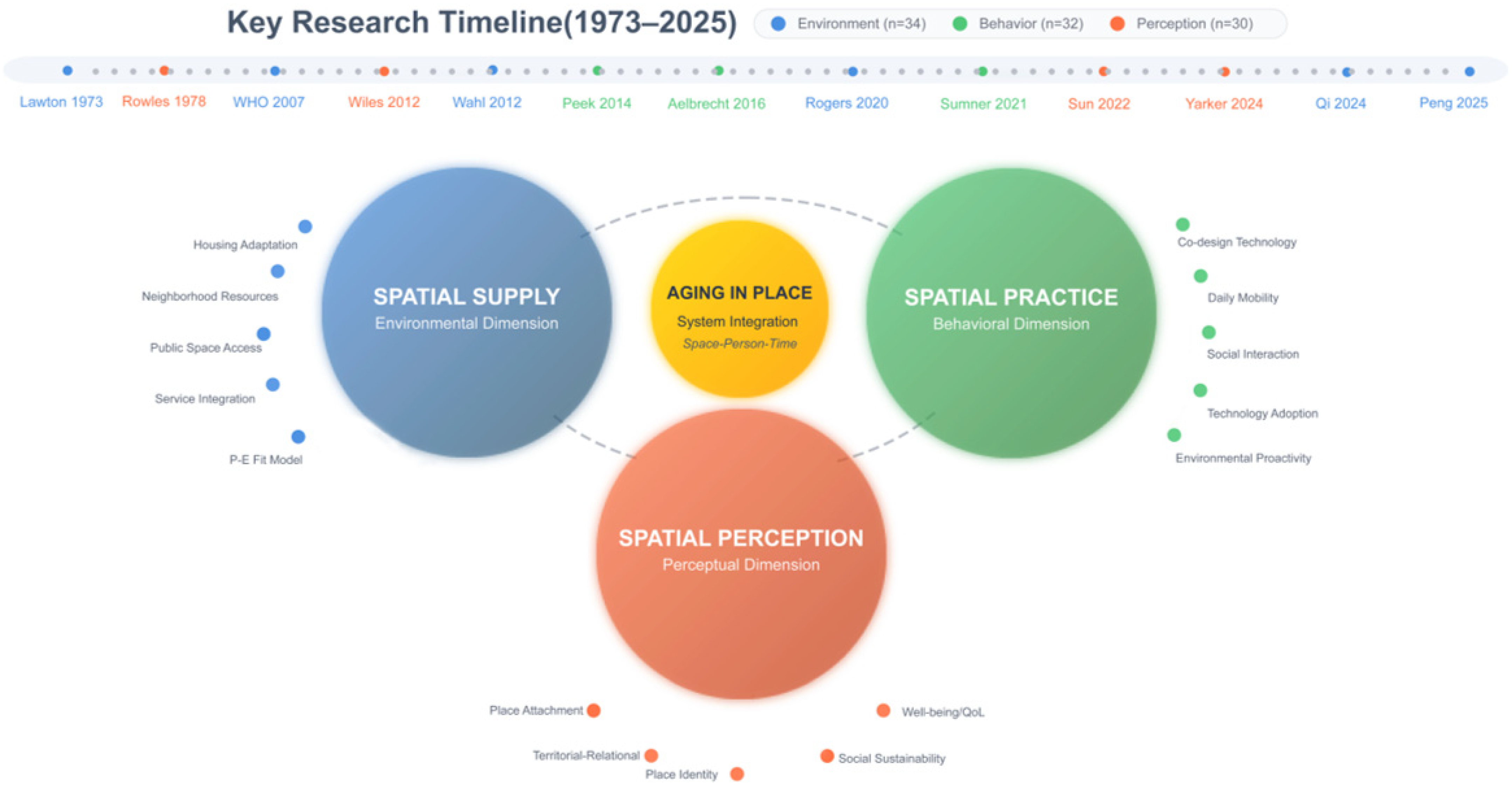
Figure 1. Core viewpoints of the ternary research on Supply-Practice-Perception [1,2,3,4,5,6,7,8,9,10,11,12,13,14,15,16,17,18,19,20,21,22,23,24,25,26,27,28,29,30,31,32,33,34,35,36,37,38,39,40,41,42,43,44,45,46,47,48,49,50,51,52,53,54,55,56,57,58,59,60,61,62,63].
Land 15 00020 g001
Figure 2. Spatial Pathology Theoretical Framework.
Land 15 00020 g002
Figure 3. Location of the study area and spatial distribution of the elderly population. The main map shows the proportion of residents aged ≥ 60 years (%), with warmer colors indicating higher values; community codes denote the nine communities. Data source: Seventh National Population Census of China, 2020.
Land 15 00020 g003
Figure 4. Three-Dimensional Paradox Analysis Matrix for Elderly Community Spaces. Vectors: (a) Paradox I: Supply–Practice Mismatch. X-axis: Normalized Spatial Supply Index (SQI/100, range 0–1); Y-axis: Normalized Practice Intensity (I/Imax, range 0–1). Deviation vectors (red arrows) originate from expected values on the 1:1 equilibrium line and terminate at observed points. Downward arrows indicate underutilization (FFI > 0); upward arrows indicate overutilization (FFI < 0). Arrow length and point size scale with Paradox Index (PISP = |SQInorm − Inorm|). (b) Paradox II: Practice–Perception Decoupling. X-axis: Normalized Practice Intensity; Y-axis: Normalized Perception Score (CS/5, range 0–1). Blue vectors indicate deviations from expected practice–satisfaction correspondence. Downward arrows signify lower-than-expected satisfaction despite high activity; upward arrows indicate satisfaction exceeding behavioral engagement levels. (c) Paradox III: Supply–Perception Misalignment. X-axis: Normalized Supply Index; Y-axis: Normalized Perception Score. Green vectors reveal value–quality gaps where subjective evaluation diverges from objective provision. Communities above the line exhibit “appreciation surplus”; those below show “expectation deficit.”
Land 15 00020 g004
Figure 5. Supply–Practice Disjunction Matrix. This figure presents a 3 × 3 matrix of bivariate density scatterplots, with each subplot representing one community (identified by community code: XZ, AH, LTN, GM, ZAP, ZAY, BC, NG, XF). Within each subplot, 16 scatter points are generated by systematically pairing four supply-side metrics (SQI, Seating Adequacy, Exercise Facility Completeness, and Openness Index) with four practice-side metrics (Activity Intensity, Temporal Concentration Index, Peak-Hour Ratio, and Multi-Visit Rate), all normalized to a 0–1 scale. Red warning triangles flag communities with FFI > 0.2, signifying severe supply-practice disjunction.
Land 15 00020 g005
Figure 6. Subjective–Objective Value Misalignment Heatmap Matrix. A 6 × 6 heatmap per community cross-tabulates the six perception dimensions; diagonal cells visualize the Value–Quality Gap Index (VQGI = normalized perception − objective quality) for each single dimension, and off-diagonal cells average paired VQGI to reveal compound gaps. Cells are shaded by paradox severity and further weighted by the standardized regression coefficients (β) and dimensional weights (W), highlighting high-importance/low-quality “critical” gaps: (a) paradox intensity heatmap matrix; with color encoding the severity and direction of subjective–objective misalignment (red = unmet needs, blue = over-supply); (b) subjective importance heatmap matrix; (c) objective quality heatmap matrix.
Land 15 00020 g006aLand 15 00020 g006b
Figure 7. Practice–Perception Dissonance Matrix. Each panel displays the relationship between practice intensity (users/100 m2) and perception satisfaction scores for individual communities. Blue circles indicate practice intensity values; orange circles represent perception satisfaction scores. Open circles with black borders denote the actual position of each community in the practice-perception space. Dashed red lines show the negative correlation trend (r = −0.38). Shaded red zones highlight communities exhibiting high dissonance (DI > 0.30), where normalized practice and perception values diverge substantially. DI, dissonance index. Community code denote the nine communities.
Land 15 00020 g007
Table 1. Comprehensive Research Methodology and Statistical Analysis Framework for Spatial Pathology Diagnosis.
ComponentIndicatorsFormula & CalculationThresholds
A. THREE BASELINES: Tri-dimensional Data Streams
A1. Spatial Supply
(Built Environment Audit)
Iloca [76,77] ( I l o c a = 1 w 1 T t r a n s i t + w 2 T d a i l y min T max T min T )   W e i g h t e d r e v e r s e t r a v e l t i m e 0 1 ≥0.75 (High)
0.50–0.75 (Medium)
Iopen [78] ( I o p e n = A i s o v i s t ¯ A s i t e ) 1   M e a n i s o v i s t a r e a r a t i o 0 1 ≥0.6 (Open)
0.4–0.6 (Medium)
zk [79] ( z k = n f a c i l i t y / A s i t e min r a t e max r a t e min r a t e )     S t a n d a r d i z e d   p r o v i s i o n   r a t e Q1/Q2/Q3 quartiles
Missing items flagged
Balance [80] ( B a l a n c e = 1 C V z k )     ( C V = σ / μ )   p a t i a l   e q u i t y   m e a s u r e CV ≤ 0.3 (Balanced)
CV > 0.3(Imbalanced)
AP [81] ( A P = n e n t r a n c e s L b o u n d a r y × c o n n e c t i v i t y )   N o r m a l i z e d   p e r m e a b i l i t y   ( 0 100 ) Sample quartiles
SQI [82] ( S Q I = 100 × k w k z k )   C o m p o s i t e   i n d e x   ( 0 100 ) 0–60 (Weak)
60–80 (Medium)
>80 (High)
A2. Spatial Practice
(Systematic Observation)
Temporal Coverage [83] ( C o v e r a g e = n p e r i o d s o b s e r v e d 3 )   M o r n i n g / N o o n / E v e n i n g 0 1 1.0 (Full coverage)
Intensity [84] ( I n t e n s i t y = n u s e r s 100   m 2 hour )     S t a n d a r d i z e d   u s e   d e n s i t y ≥Q3 (High)
Q2–Q3 (Medium)
PHR [85] ( P e a k R a t i o = I p e a k h o u r I d a i l y m e a n )   T e m p o r a l   c o n c e n t r a t i o n >2.5(Significant peak)
1.5–2.5 (Moderate)
TCI [86] ( T C I = 100 × t p t 2 )     S i m p s o n   c o n c e n t r a t i o n 38–46 (Medium)
>46 (Concentrated)
MVR [87] ( M V R = n u s e r s 2 v i s i t s n t o t a l u s e r s × 100 \ % ) ≥50% (High return)
25–50% (Medium)
A3. Spatial Perception
(Survey & Interview)
x ̄ d [88,89] ( x ¯ d = i = 1 n x d i n )   M e a n s a t i s f a c t i o n 1 5 ≥4 (High)
3–4 (Medium)
CS/PI [90] ( C S = d w d P I d )   ( P I = x ¯ / 5 × 100 ) ≥80 (High)
60–80 (Medium)
Scale Quality [91] α , K M O , B a r t l e t t s t e s t     F a c t o r   l o a d i n g s   > 0.4 α ≥ 0.70
KMO ≥ 0.60
Bartlett p < 0.05
B. THREE PARADOXES: Diagnostic Pathways
B1. Supply↔Practice
(SPP)
FFI [92] ( F F I = S Q I 100 I n t e n s i t y m a x I n t e n s i t y )   R a n g e : 1,1 >0.30 (Severe failure)
0.10–0.30 (Moderate)
±0.10 (Matched)
<−0.10 (Overuse)
ELR [93] ( E L R = F F I S Q I / 100 × 100 \ % )     U n u t i l i z e d   s u p p l y   % >60% (High loss)
30–60% (Medium)
ρ [94] ( ρ = 1 6 d i 2 n n 2 1 )   S p e a r m a n s r h o ρ→1 (Consistent)
ρ→0 (Independent)
ρ<0 (Paradox)
B2. Supply↔Perception
(SPeP)
VQGI [94] ( V Q G I j = P e r c e p t i o n j 5 × 100 Q u a l i t y j )     E x p e c t a t i o n   g a p >+30 (Severe gap)
+10 to +30 (Medium)
−10 to +10 (Matched)
<−10 (Oversupply)
WPI [95] ( W P I = j V Q G I j × β j × w j w j )   W e i g h t e d   s e v e r i t y >6.0 (Critical)
3.0–6.0 (Significant)
1.5–3.0 (Moderate)
≤1.5 (Acceptable)
B3. Practice↔Perception
(PPP)
r [96] ( r = x i x ¯ y i y ¯ x i x ¯ 2 y i y ¯ 2 )     P e a r s o n / S p e a r m a n r < 0.3 (Negative)
|r| < 0.3 (Weak)
r > 0.5 (Strong)
e* [97] ( C S = β 0 + β 1 I n t e n s i t y + ε )   ( e i * = e i s 1 h i )   S t u d e n t i z e d   r e s i d u |e*| > 2 (Outlier)
95% CI band
for deviation
B4. Integrated
(Ternary Analysis)
s, pr, pe [98] ( s   +   p r   +   p e = 1 )   ( s = S Q I 100 , p r = I n t e n s i t y m a x , p e = P I 5 ) Center = balanced
Vertices = extreme
Pairwise Paradox Index [99] ( P I x y = x n o r m y n o r m )   x , y s , p r , p e 0(Ideal)1(Extreme)
TPI [100] ( T P I = P I s p 2 + P I s p e 2 + P I p p e 2 )   L 2   n o r m   a g g r e g a t i o n Q1/Q2/Q3 based on sample distribution
Notes: CV = Coefficient of Variation; KMO = Kaiser-Meyer-Olkin test; CI = Confidence Interval; Q1–Q3 = First to third quartiles. Quality thresholds: All indicators undergo systematic quality control with specified acceptance criteria. Missing data handled through mean imputation (noted) or listwise deletion. Software: Spatial analysis in ArcGIS 10.8/QGIS 3.22; Statistical analysis in SPSS 28.0/R 4.3.0; Visualization in Python 3.9 (matplotlib, seaborn).
Table 2. Spatial Supply Baseline: Environmental Quality Assessment across Nine Communities.
CommunityBasic InfrastructureSpatial ConfigurationFacility Provision (%)Composite Indices
Sites aArea
(m2)
Iloca bIopen cSeatingToiletsExerciseAP dSQI e
XZ915,1800.840.917822894.3077.00
AH411500.550.7510001000.3076.90
LTN1296,1501.000.986788328.5073.90
GM514200.580.725001000.1062.00
ZAP844,2801.000.75751388100.0058.30
ZAY412,0200.410.97750751.4051.40
BC533000.710.80800801.0049.60
NG511000.530.796001000.3046.70
XF768300.750.71570861.9043.30
Notes: a Number of designated outdoor activity sites. b Location Convenience Index (0–1), calculated as weighted reverse travel time to transit and daily services. c Openness Index (0–1), mean isovist area ratio measuring visual permeability. d Activity-Place Index (0–100), normalized entrance density × connectivity. e Spatial Quality Index (0–100), composite score aggregating all supply dimensions. Community codes: XZ = Xizhao Temple; AH = Anhua Building; LTN = Longtan North; GM = Guangming; ZAP = Zuo’an Puyuan; ZAY = Zuo’an Yiyuan; BC = Banchang; NG = New Garden; XF = Xingfu. Data source: Field surveys and GIS analysis (October 2025).
Table 3. Spatial Practice Baseline: Activity Patterns and Usage Intensity across Nine Communities.
CommunityUsage VolumeTemporal PatternsActivity Organization (%)
Users aIntensity bMVR cPeak dPHR eTCI fIndividualGroupCollective
XZ5203.442Evening2.848224533
AH18015.738Morning3.252155035
LTN8501.948Evening2.245284230
GM14510.240Evening2.950204832
ZAP6801.552Evening2.042354025
ZAY2201.855Noon1.840383824
BC1655.046Evening2.546304228
NG12511.439Morning3.051184735
XF2854.250Evening2.344324028
Notes: a Daily users (n/day), total observed elderly person-visits averaged across two-week observation period. b Activity Intensity (persons/100 m2·hour), standardized usage density. c Multi-Visit Rate (%), percentage of repeat visitors (≥2 visits). d Peak Period: Morning (7:00–11:00), Noon (11:00–14:00), Evening (14:00–18:00). e Peak Hour Ratio, ratio of busiest hour to daily average; PHR > 2.5 indicates significant temporal concentration. f Time Concentration Index (0–100), Simpson concentration measuring temporal distribution balance. Activity Organization: Individual (solitary), Group (2–4 persons), Collective (≥5 persons); percentages sum to 100%. Data source: SOPARC-based behavioral observation (n = 41,924 recorded instances, October 2025).
Table 4. Spatial Perception Baseline and Model Diagnostics.
Evaluation DimensionCommunity Sample
AHBCGMLTNXZNGXFZAPZAYOverall
(n = 24)(n = 30)(n = 60)(n = 42)(n = 36)(n = 18)(n = 30)(n = 66)(n = 54)
Six-Dimension Satisfaction (Mean ± SD), Variability (CV), and Performance Index (PI) by Community
Space SufficiencyM ± SD3.75 ± 0.503.60 ± 0.553.80 ± 0.633.43 ± 0.533.83 ± 0.414.00 ± 0.003.80 ± 0.453.73 ± 0.473.67 ± 0.503.71 ± 0.49
CV (%)13.3315.2816.5815.4510.7011.8412.613.6213.21
PI0.640.610.650.580.650.680.650.630.620.63
TransportationM ± SD4.00 ± 0.823.80 ± 0.843.90 ± 0.573.71 ± 0.763.67 ± 0.824.33 ± 0.584.00 ± 0.713.82 ± 0.603.78 ± 0.673.85 ± 0.69
CV (%)20.522.1114.6220.4922.3413.417.7515.7117.7217.92
PI0.60.570.590.560.550.650.60.570.570.58
Facilities & EquipmentM ± SD3.50 ± 0.583.40 ± 0.553.60 ± 0.523.29 ± 0.493.50 ± 0.553.67 ± 0.583.60 ± 0.553.45 ± 0.523.44 ± 0.533.48 ± 0.53
CV (%)16.5716.1814.4414.8915.7115.8115.2815.0715.4115.23
PI0.670.650.690.630.670.70.690.660.660.67
AccessibilityM ± SD3.63 ± 0.483.50 ± 0.503.75 ± 0.433.36 ± 0.453.58 ± 0.493.83 ± 0.293.70 ± 0.423.59 ± 0.473.56 ± 0.463.60 ± 0.45
CV (%)13.2214.2911.4713.3913.697.5711.3513.0912.9212.5
PI0.760.740.790.710.750.810.780.760.750.76
Environmental ComfortM ± SD3.75 ± 0.503.60 ± 0.553.80 ± 0.423.43 ± 0.533.67 ± 0.524.00 ± 0.003.80 ± 0.453.64 ± 0.503.67 ± 0.503.68 ± 0.48
CV (%)13.3315.2811.0515.4514.17011.8413.7413.6213.04
PI0.720.690.730.660.70.770.730.70.70.71
Neighborhood LifeM ± SD3.88 ± 0.433.70 ± 0.423.85 ± 0.343.50 ± 0.413.75 ± 0.394.17 ± 0.293.90 ± 0.363.68 ± 0.403.72 ± 0.393.76 ± 0.39
CV (%)11.0811.358.8311.7110.46.969.2310.8710.4810.37
PI0.810.780.810.740.790.880.820.770.780.79
Overall Satisfaction by Community: Perception Index (PI) and Composite Score (CS)
evaluatePI4.24.044.263.884.114.494.274.094.084.14
resultCS4.24.044.263.884.114.494.274.094.084.14
Notes: PI = Performance Index scaled to 0–1. All satisfaction items were measured on 5-point Likert scales (1 = strongly dissatisfied; 5 = strongly satisfied). CV = coefficient of variation. CS (Composite Score) computed as Σ (dimension PI × dimension weight). Performance grading: Excellent ≥ 4.5; Good 4.0–4.5; Fair 3.5–4.0.
Disclaimer/Publisher’s Note: The statements, opinions and data contained in all publications are solely those of the individual author(s) and contributor(s) and not of MDPI and/or the editor(s). MDPI and/or the editor(s) disclaim responsibility for any injury to people or property resulting from any ideas, methods, instructions or products referred to in the content.