Article

The Impact of Land Development Rights Transfer on Urban–Rural Spatial Justice: A Case Study of Chongqing’s Land Quota Trading


1
School of Public Administration and Policy, Renmin University of China, Beijing 100872, China
2
Nicholas School of the Environment, Duke University, Durham, NC 27708, USA
3
Division of Social Sciences, Duke Kunshan University, Suzhou 215316, China
*
Author to whom correspondence should be addressed.
Land 2025, 14(1), 174; https://doi.org/10.3390/land14010174
Submission received: 19 December 2024 / Revised: 13 January 2025 / Accepted: 14 January 2025 / Published: 15 January 2025

Abstract

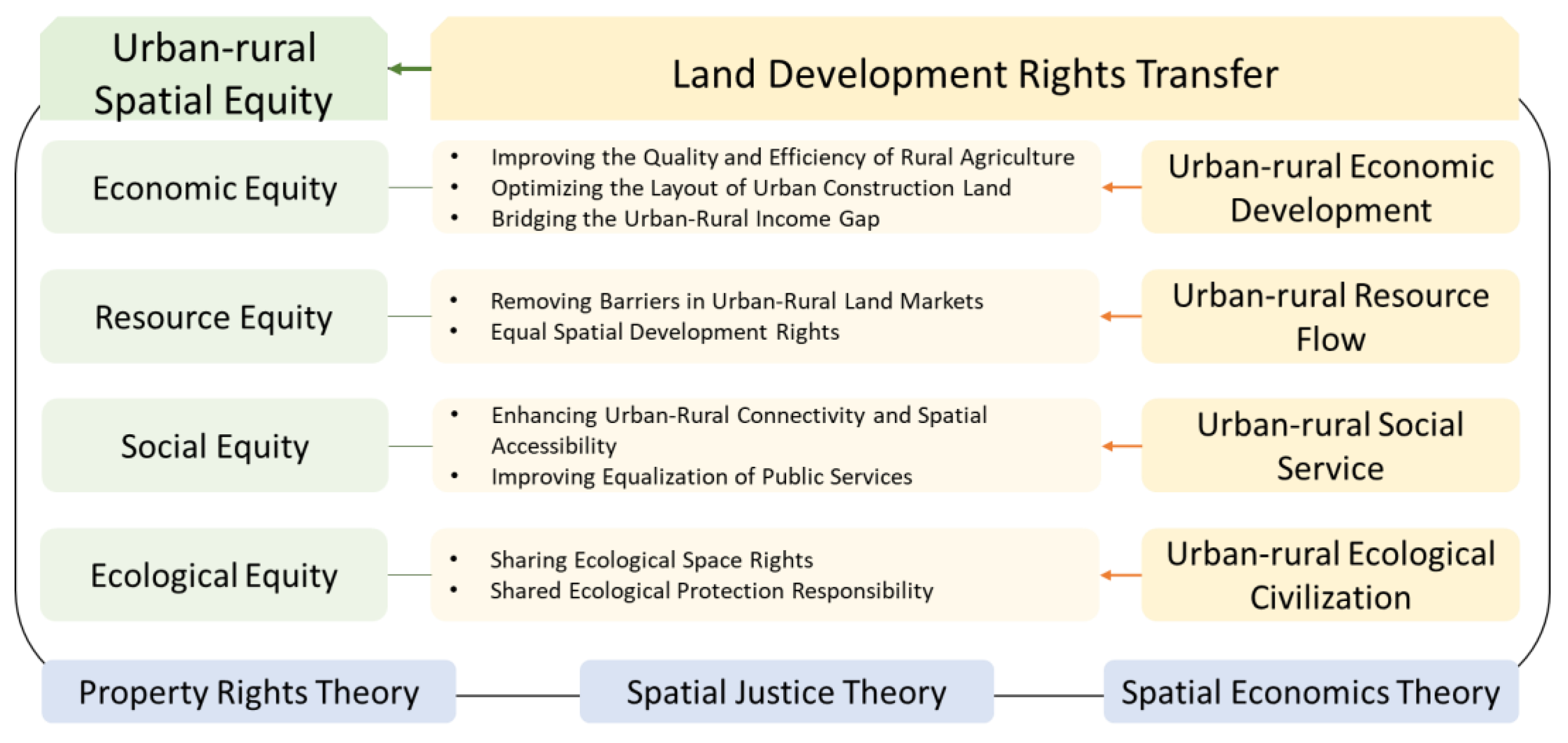
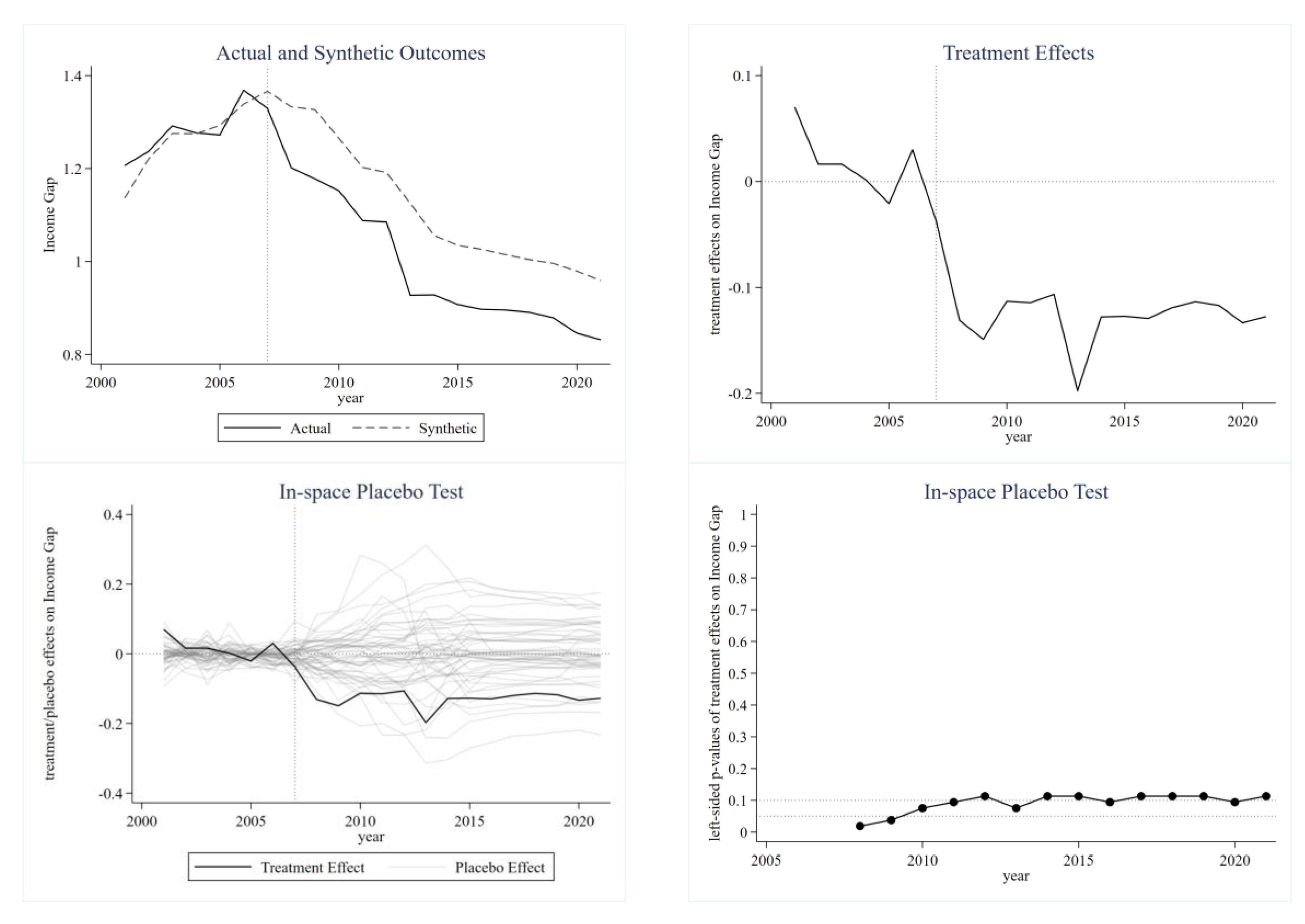
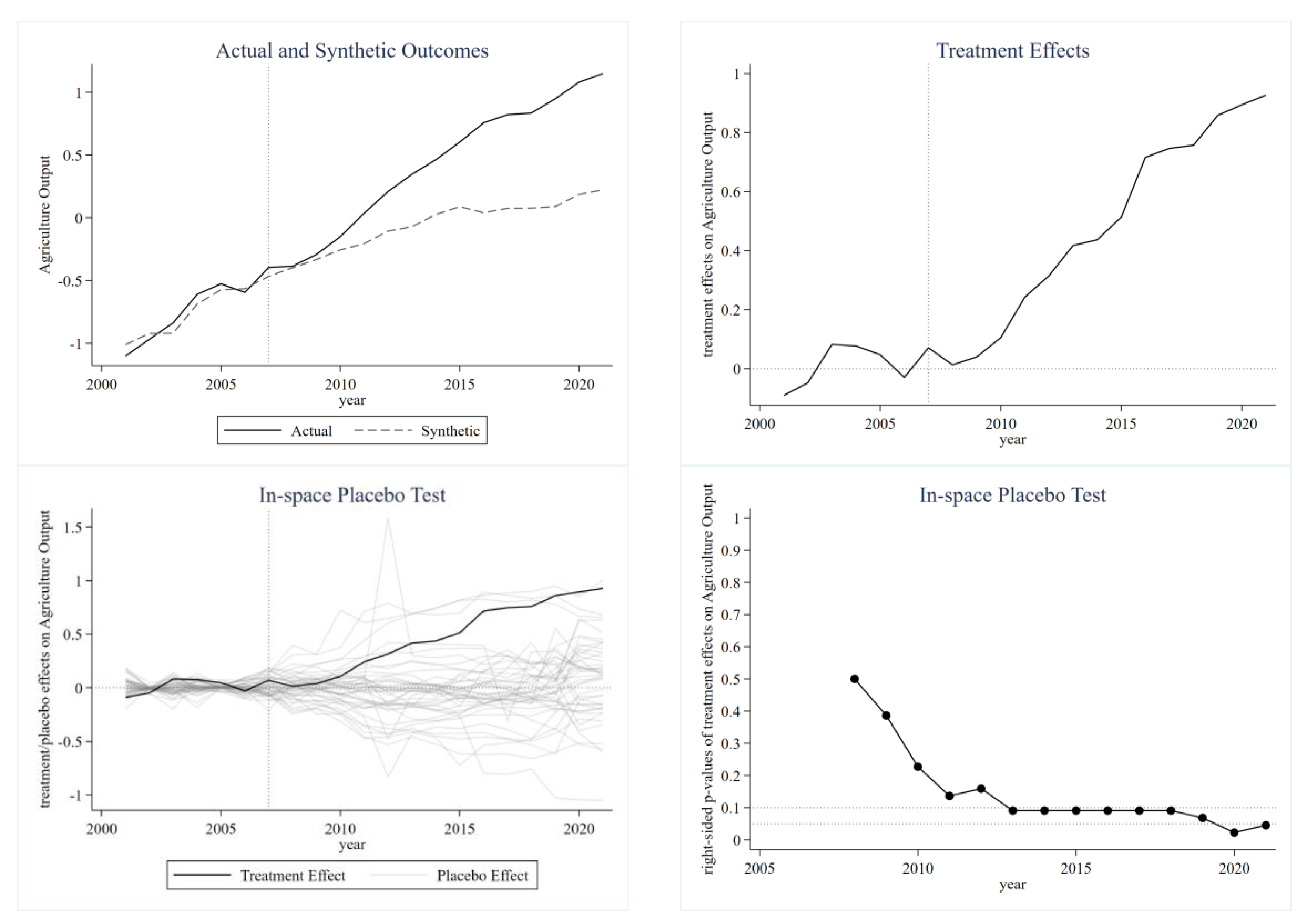
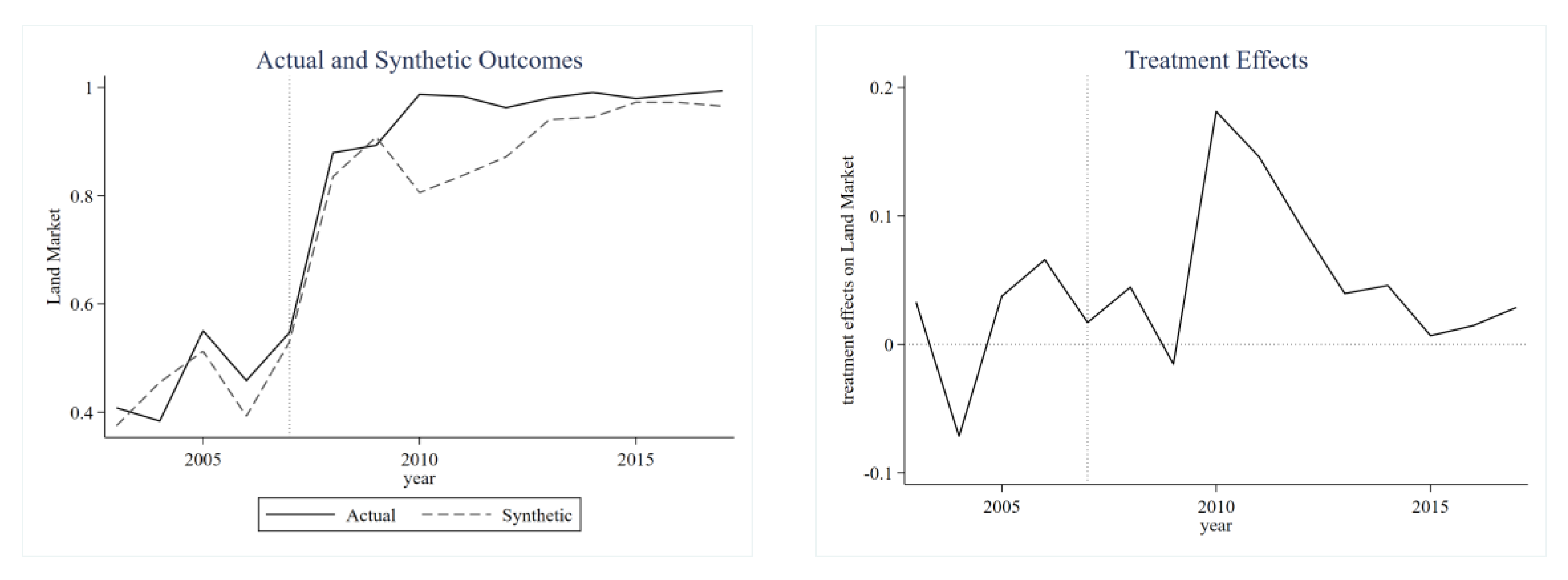
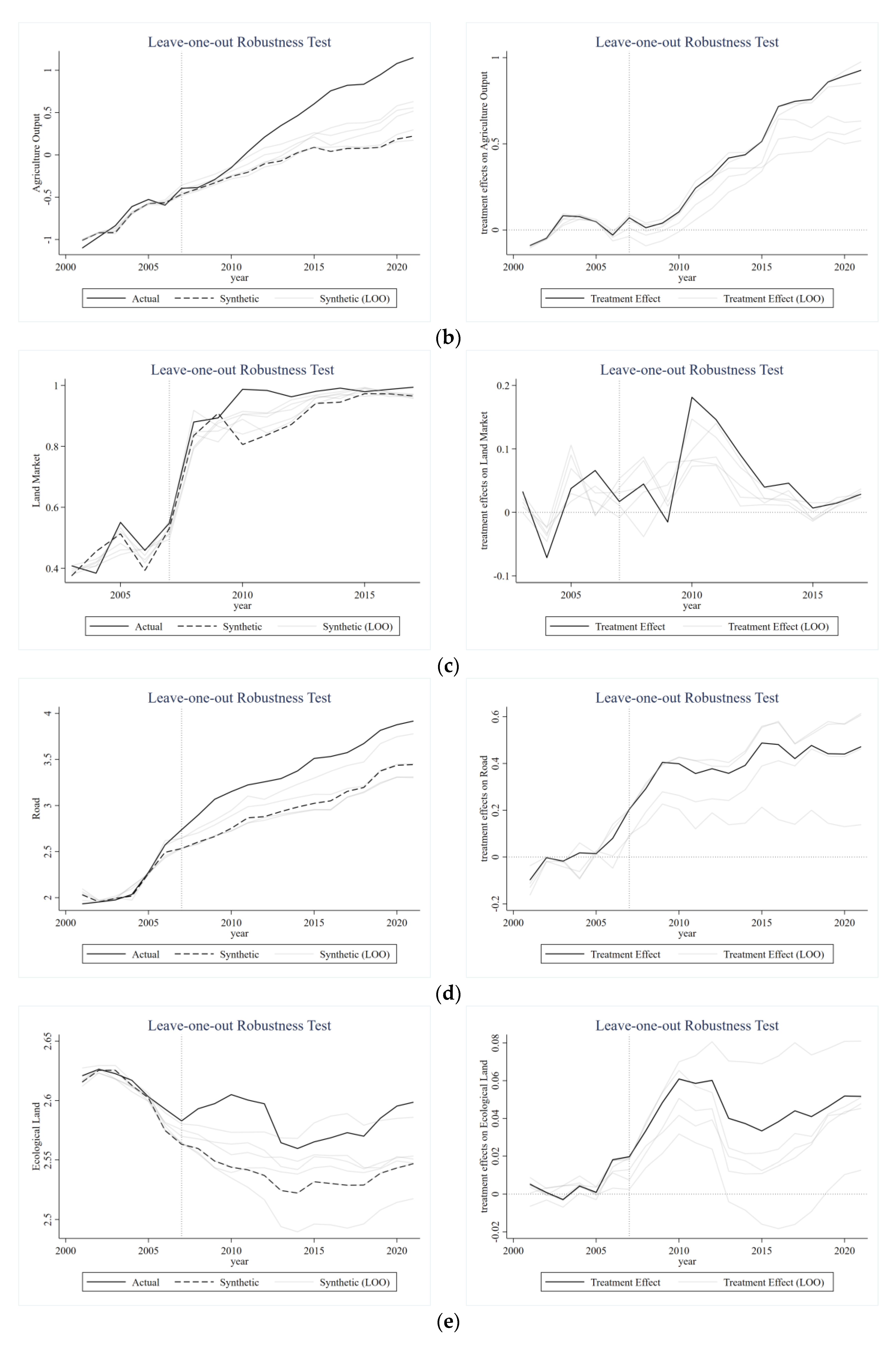
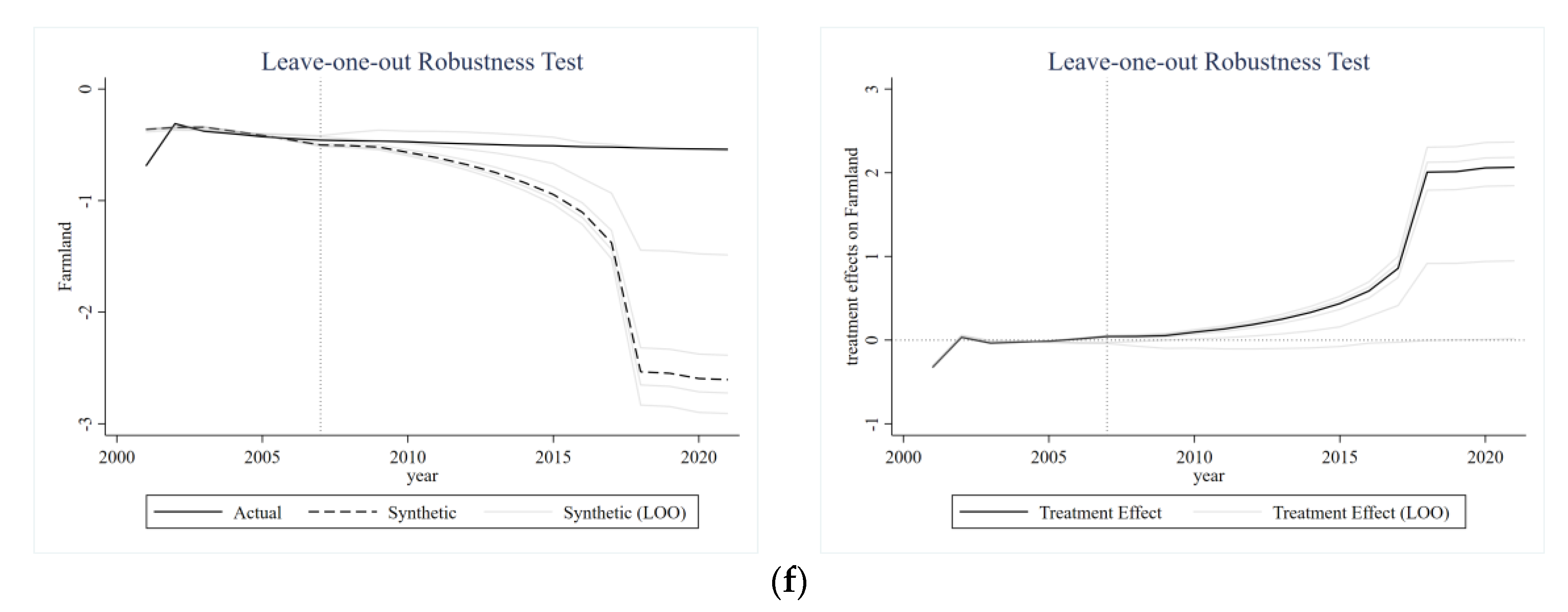
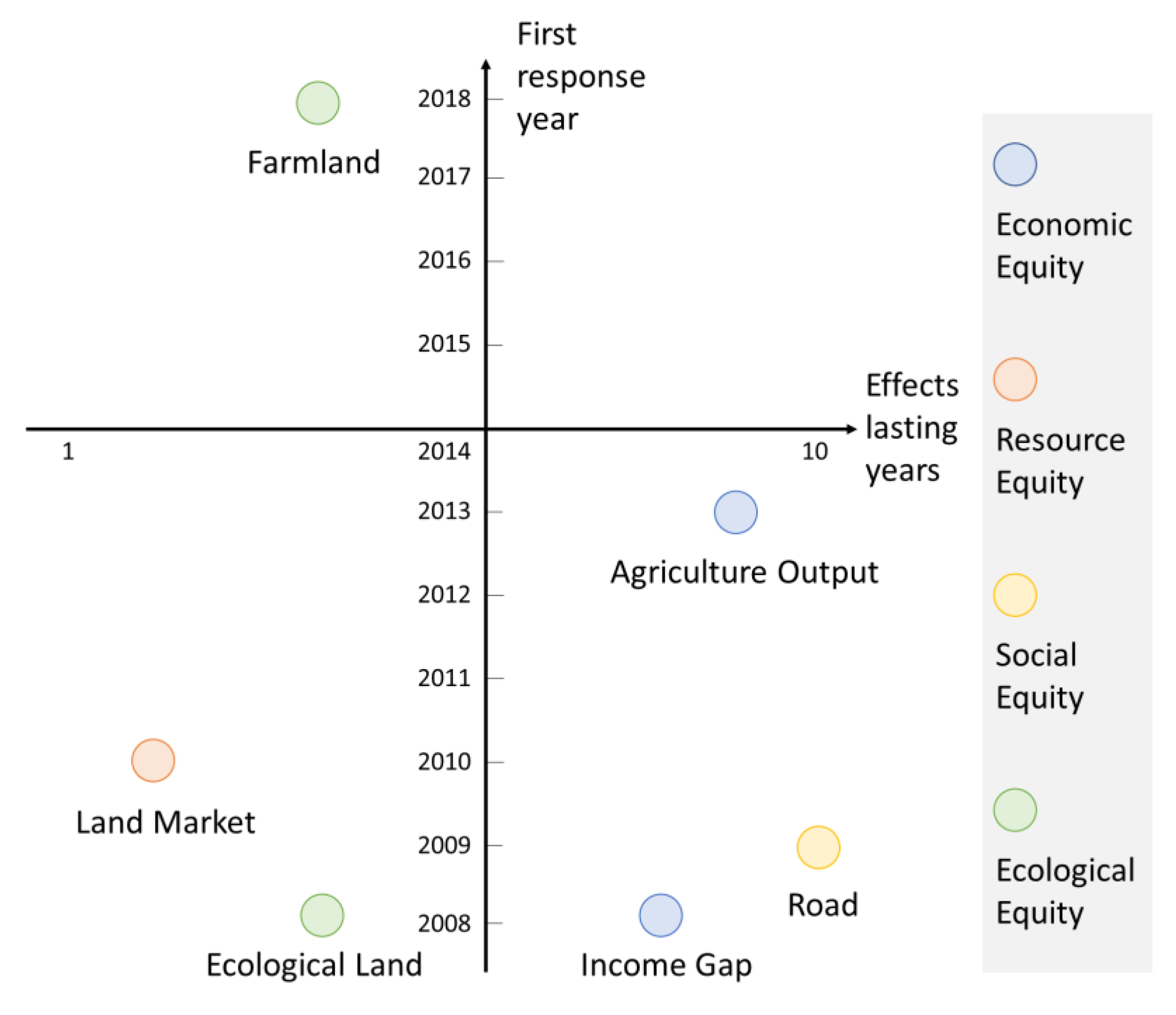
Spatial justice, as a fundamental value in social systems, plays a key role in achieving social justice and improving human well-being. Drawing on theories of spatial justice, property rights, and new institutional economics, this study explores the comprehensive impact of land development rights (LDR) transfer on urban–rural spatial economic, resources, social, and ecological equity from the perspective of urban–rural spatial justice. Using the Chongqing land quota trading pilot as the core case, we apply synthetic control methods to analyze the causal effects of this policy. The results show that LDR transfer promotes urban–rural spatial resources equity in the short term, particularly through the marketization of land transactions. Over the long term, it significantly enhances urban–rural spatial economic and social equity, evidenced by the narrowing of the income gap, the growth of the primary industry, and improved connectivity between urban and rural areas. However, the improvement in ecological equity through LDR transfer lacks sustainability, suggesting the need for stronger ecological protection measures in future policies. By establishing a comprehensive framework for urban–rural spatial justice and using comparative spatial indicators to measure equity, this study advances our understanding of how LDR transfer can promote urban–rural spatial justice and provides valuable insights for future policy refinement and institutional reforms.
Keywords: urban–rural spatial justice; land development rights; synthetic control method; land quota trading urban–rural spatial justice; land development rights; synthetic control method; land quota trading