Article

A Perception and Judgement of Contributing Factors for Allocating Urban Residential Land: A Systematic Review and Statistical Analysis


1
School of Land Science and Technology, China University of Geosciences, 29, Xueyuan Road, Haidian District, Beijing 100083, China
2
Key Laboratory of Land Consolidation and Rehabilitation, Ministry of Natural Resources, Beijing 100083, China
3
Information Center, Ministry of Natural Resources of the China, Beijing 100036, China
4
School of Public Administration and Policy, Renmin University of China, Beijing 100872, China
*
Author to whom correspondence should be addressed.
Land 2023, 12(1), 168; https://doi.org/10.3390/land12010168
Submission received: 3 December 2022 / Revised: 31 December 2022 / Accepted: 3 January 2023 / Published: 4 January 2023

Abstract

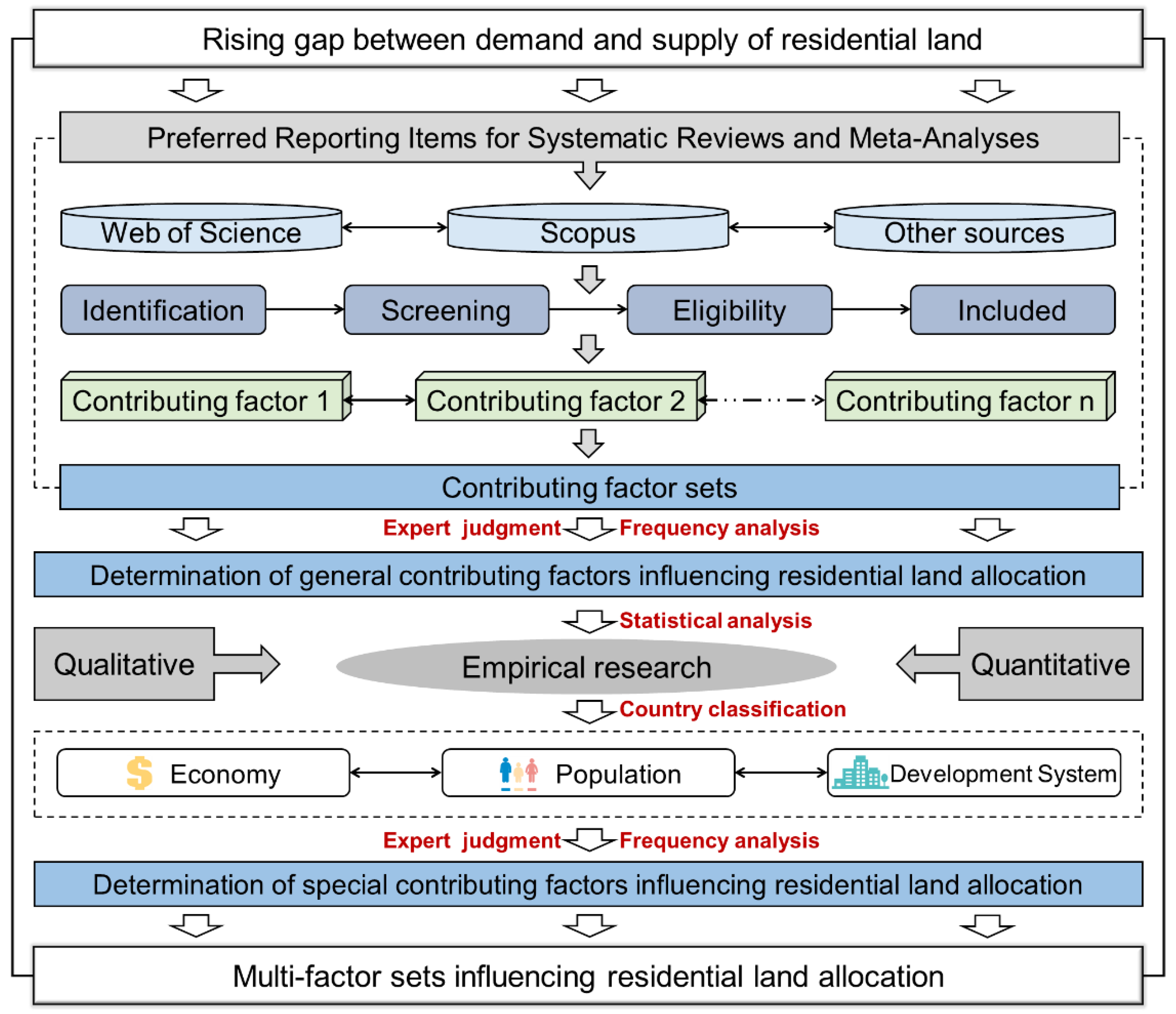
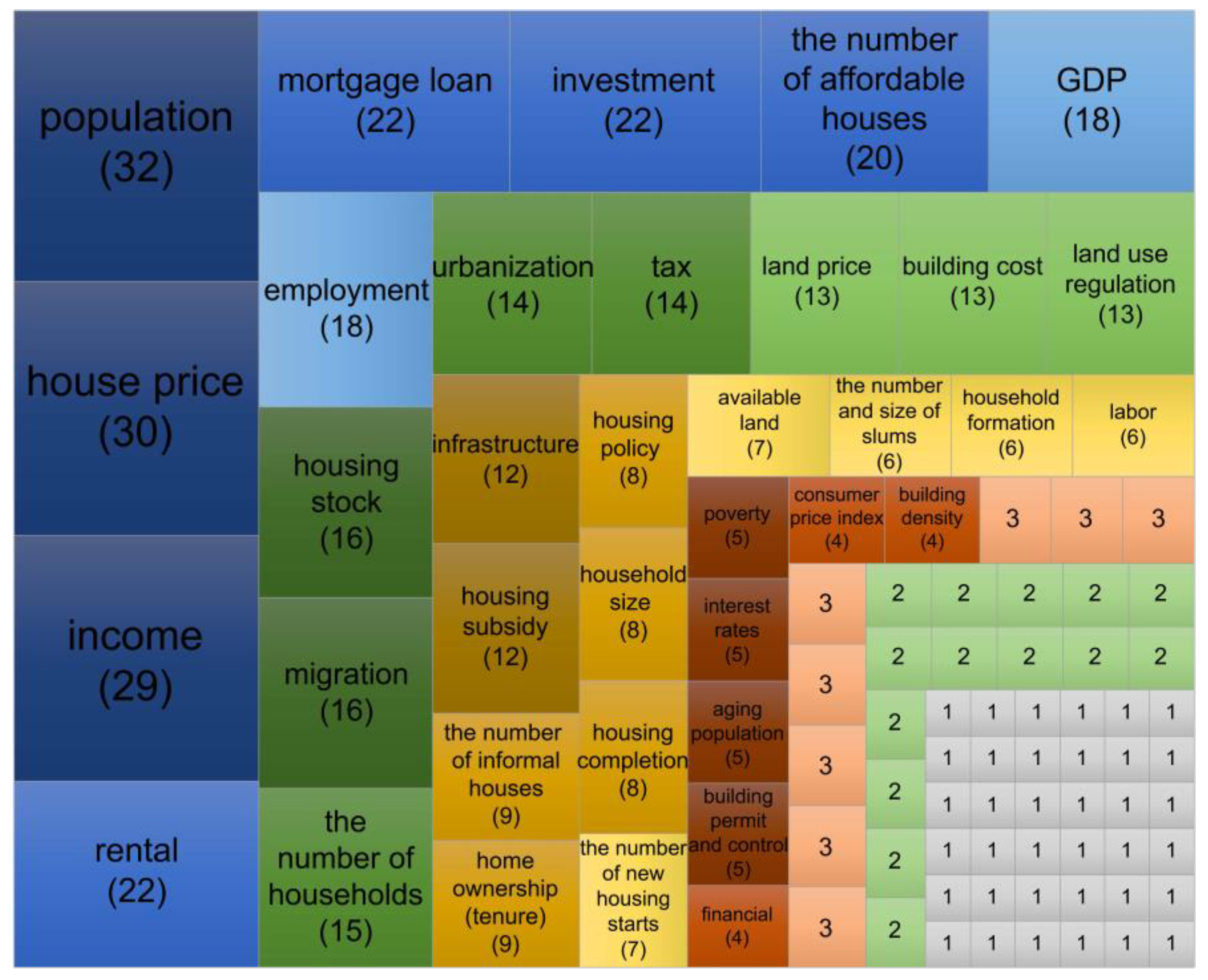
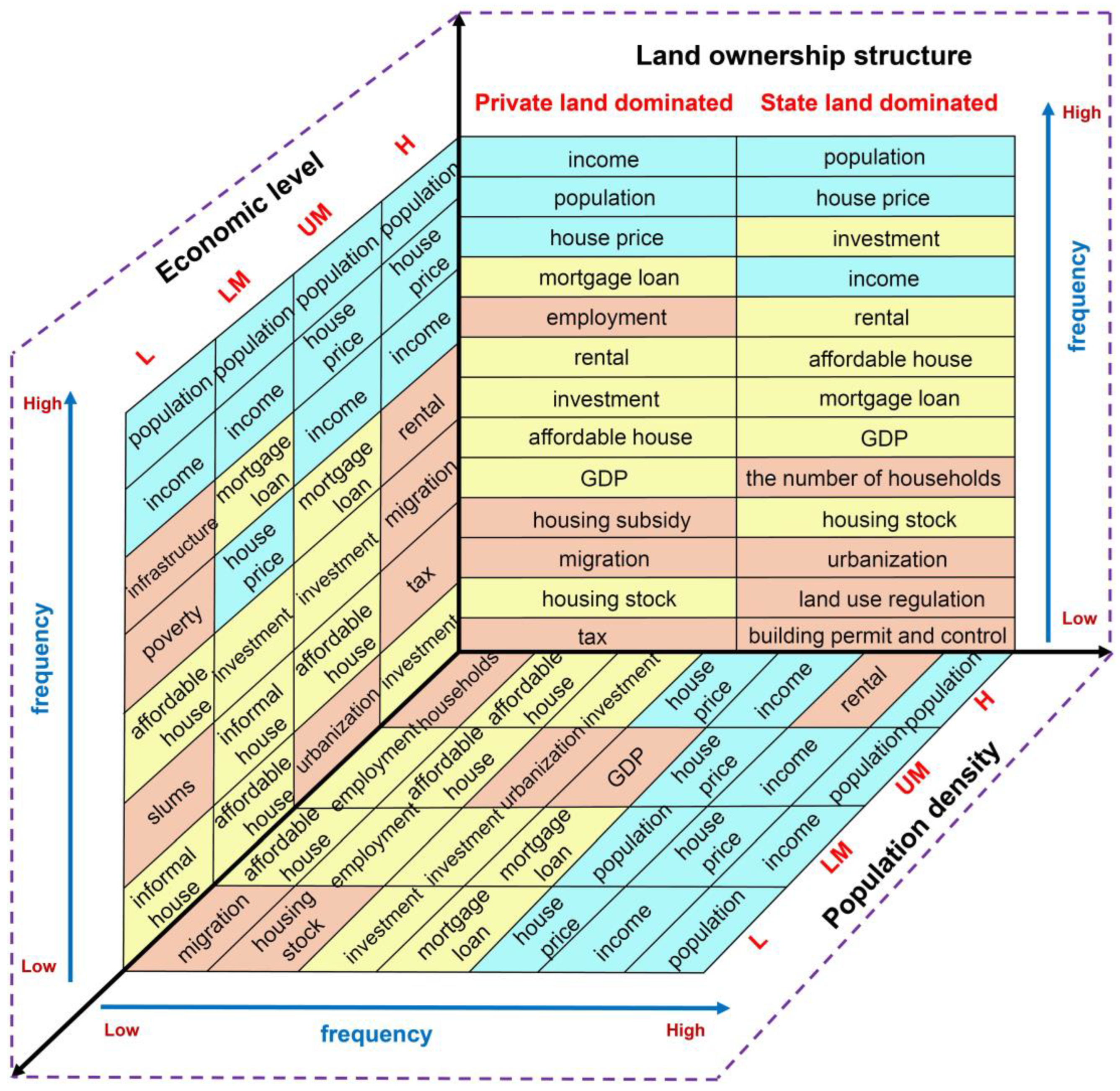
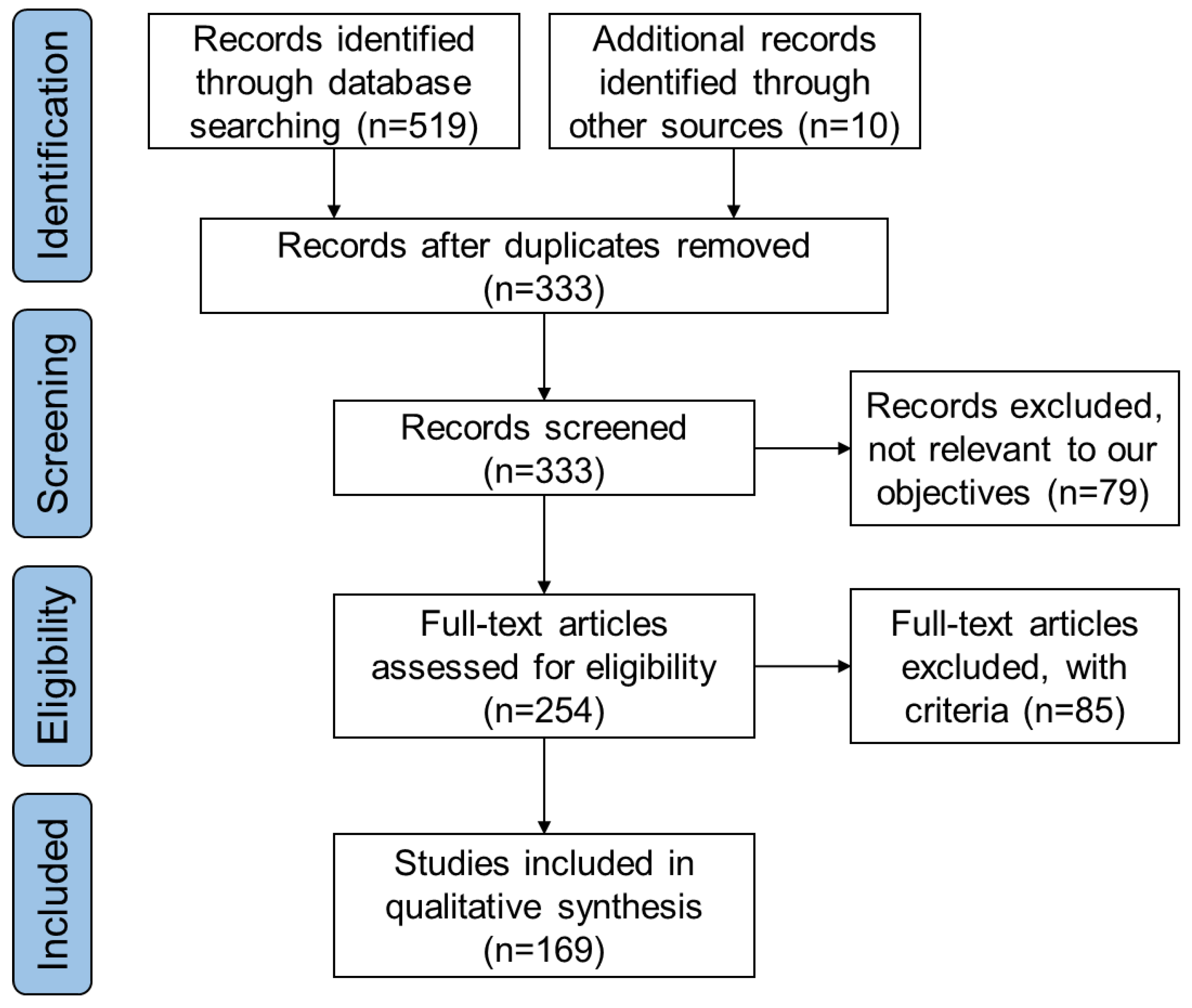
With the intensification of the contradiction between living space and population growth, it is necessary to improve the effectiveness of urban residential land allocation. This study systematically reviews 169 papers following the Preferred Reporting Items for Systematic Reviews and Meta-Analyses (PRISMA) protocol to collect and collate the contributing factors that affecting the supply of and demand for urban residential land for different countries, and a statistical analysis of long-term series data is conducted to further verify the rationality of the contributing factors. Based on systematic literature review and empirical analysis, the contributing factor set is constructed to serve the decision-making of residential land allocation. The main findings indicate that the population, house price, income, rent, mortgage loan, investment, the number of affordable houses, GDP, employment, housing stock and migration are the general contributing factors that significantly affect allocation of urban residential land. A systematic understanding of general contributing factors will help decision-makers more intuitively realize the urgent problems of urban residential land supply. Moreover, there are some specific contributing factors influencing the allocation of urban residential land in different types of countries, and the identification of specific contributing factors provides different perspectives on residential land allocation for the differentiated global development status. The contribution of this study is to assist decision-makers formulate more rational residential land allocation strategies by systematically sorting out the contributing factors influencing residential land allocation.
Keywords: residential land; allocation; contributing factors; meta-analysis residential land; allocation; contributing factors; meta-analysis