Article

Classification of Shrinking Cities in China Based on Self-Organizing Feature Map

School of Land Science and Technology, China University of Geosciences, Beijing 100083, China
*
Author to whom correspondence should be addressed.
Land 2022, 11(9), 1525; https://doi.org/10.3390/land11091525
Submission received: 1 August 2022 / Revised: 3 September 2022 / Accepted: 7 September 2022 / Published: 9 September 2022

Abstract

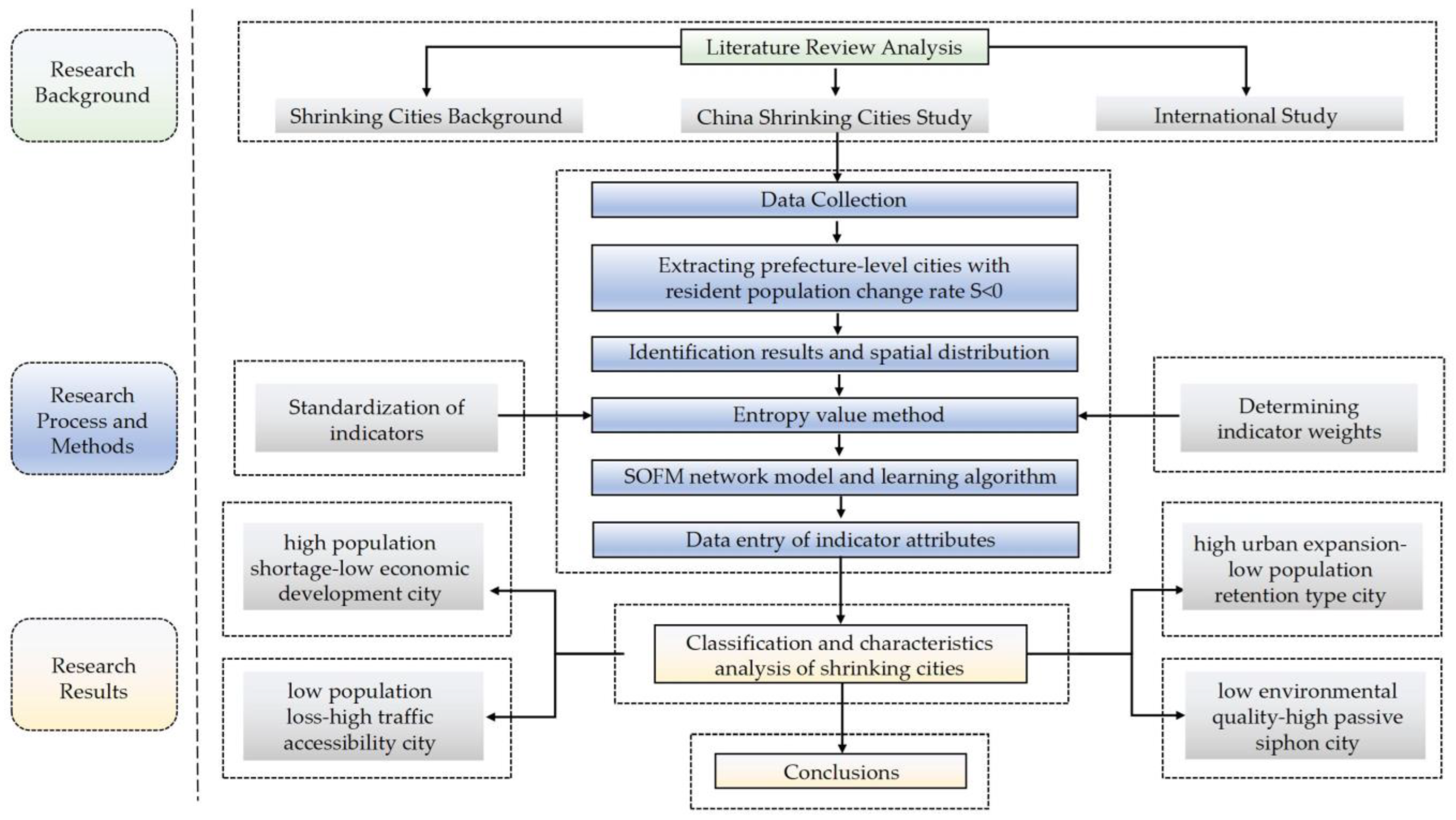
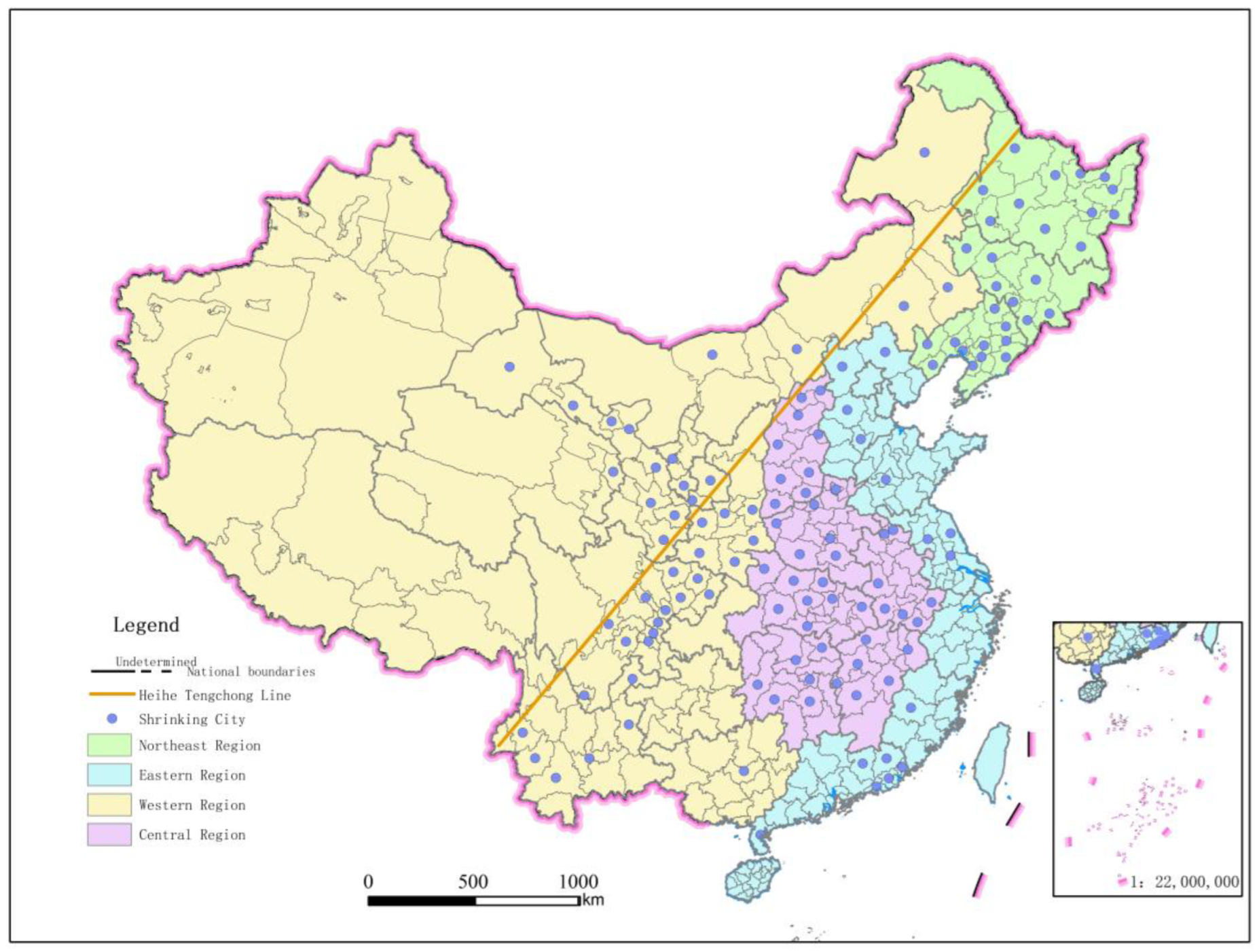
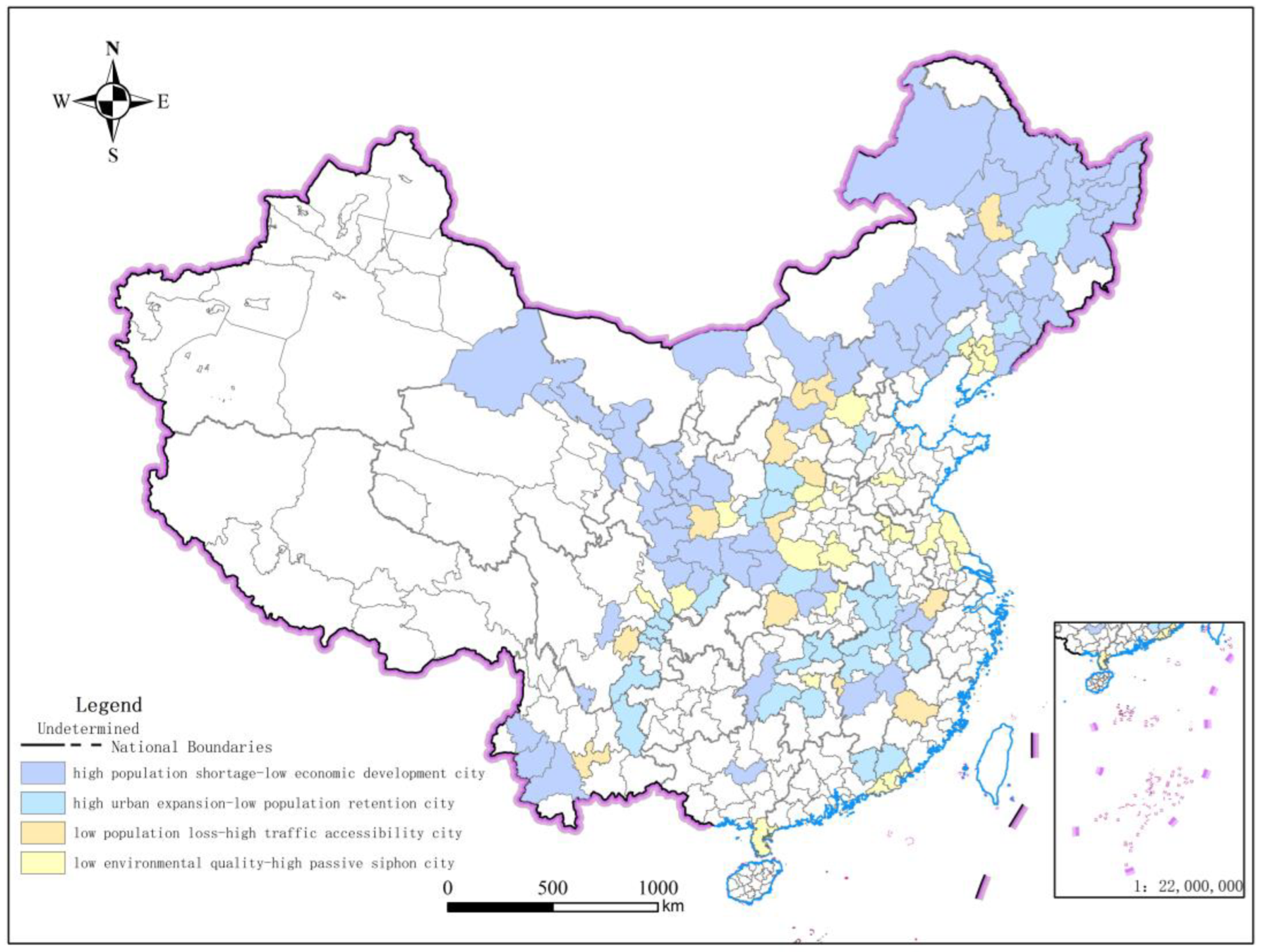
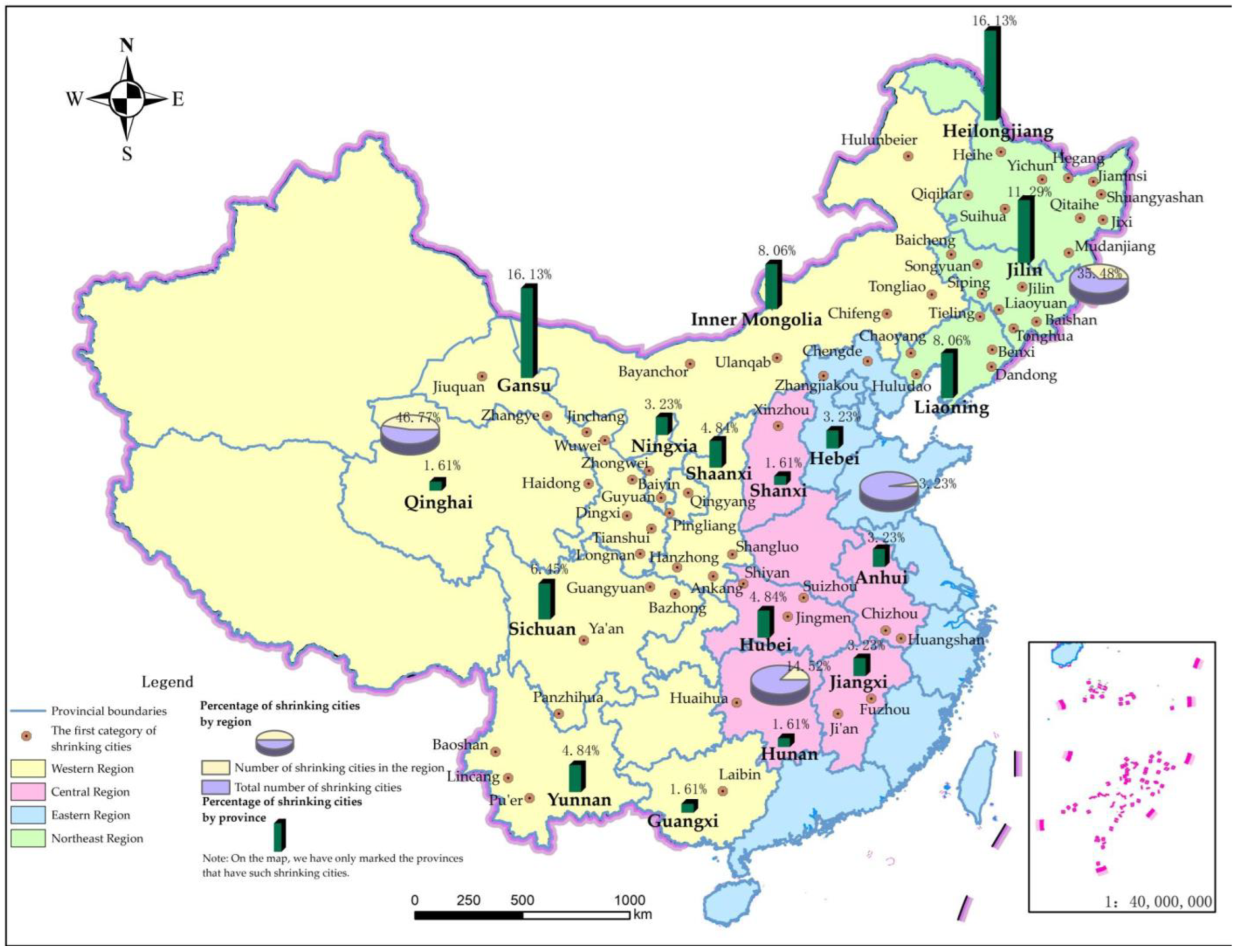
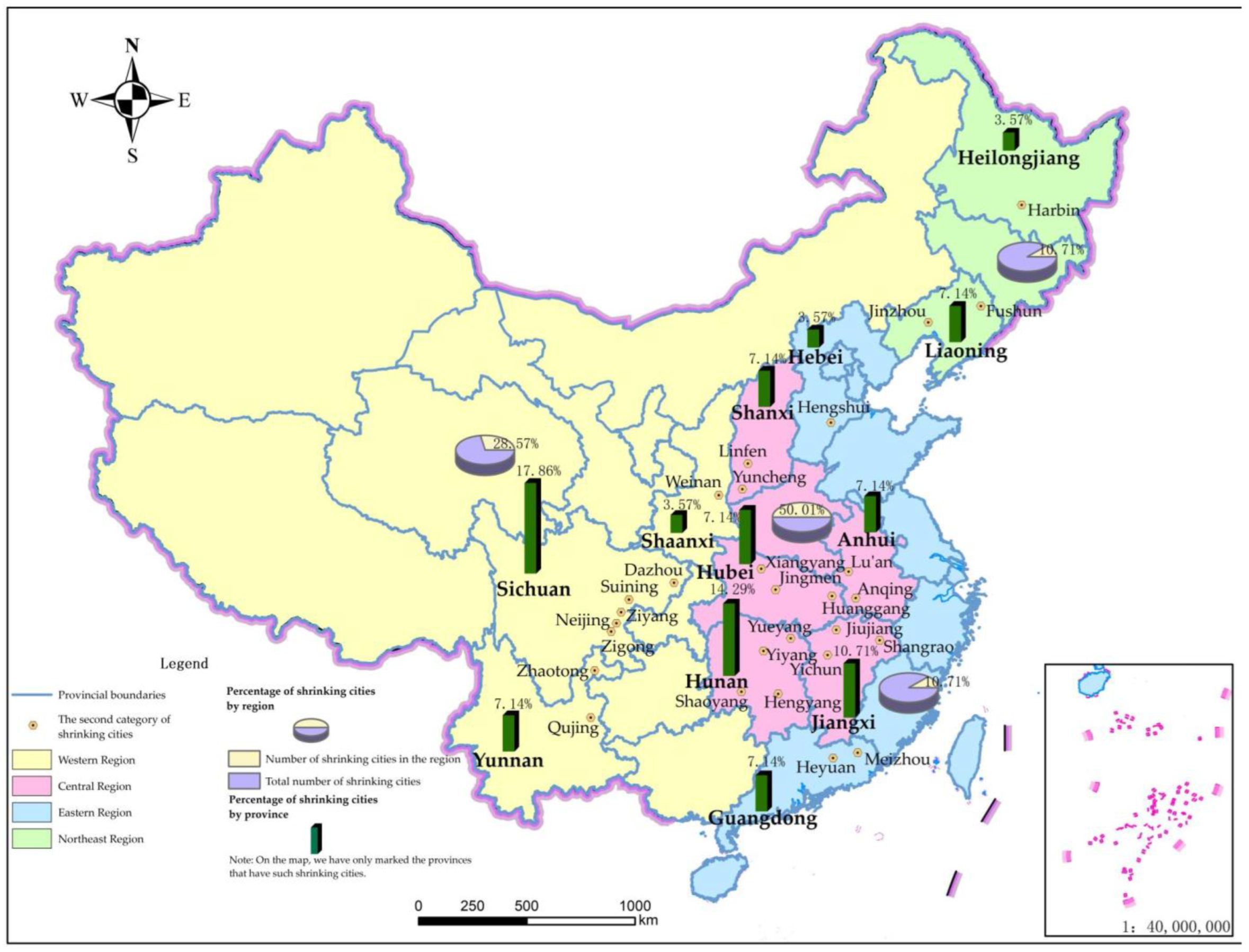
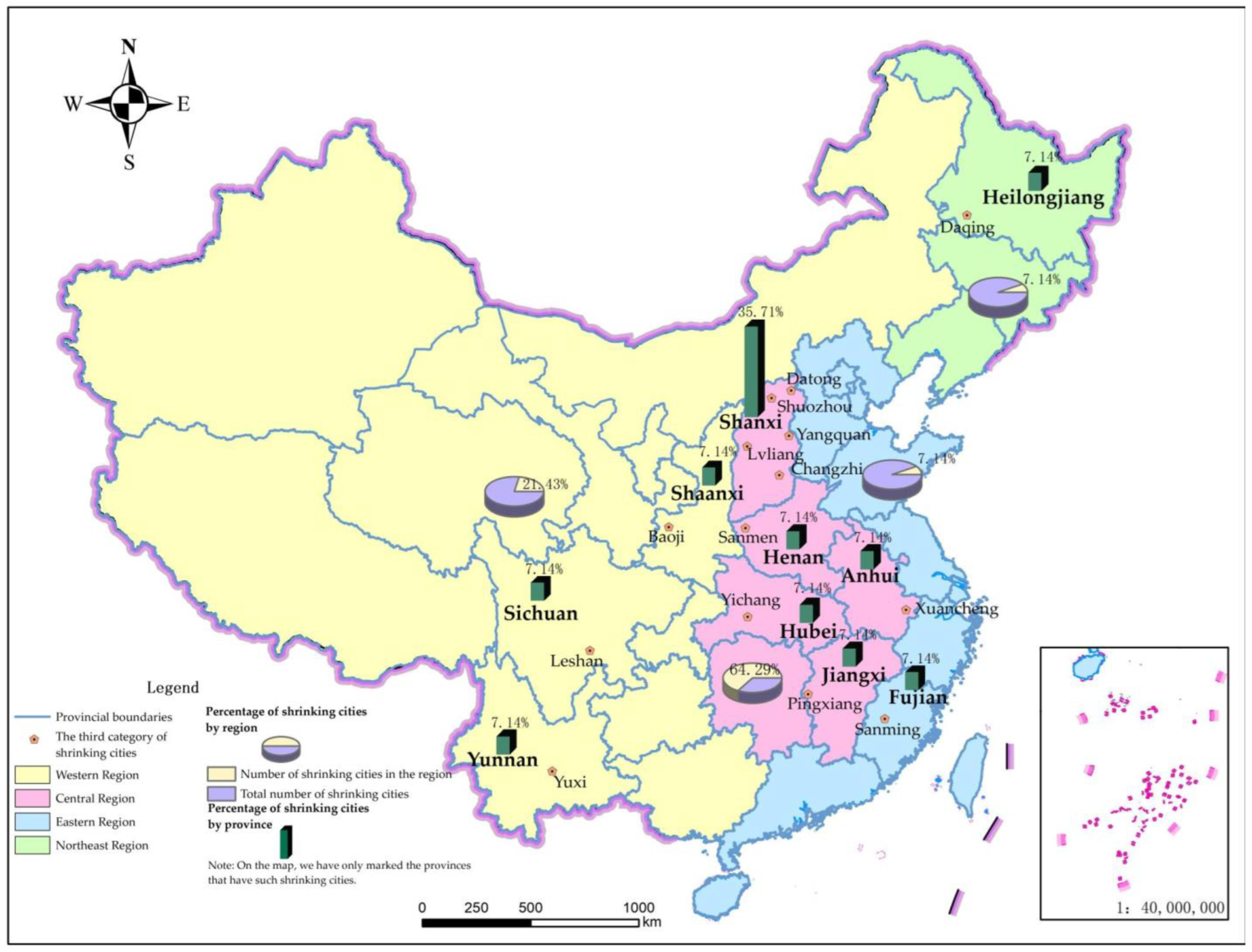
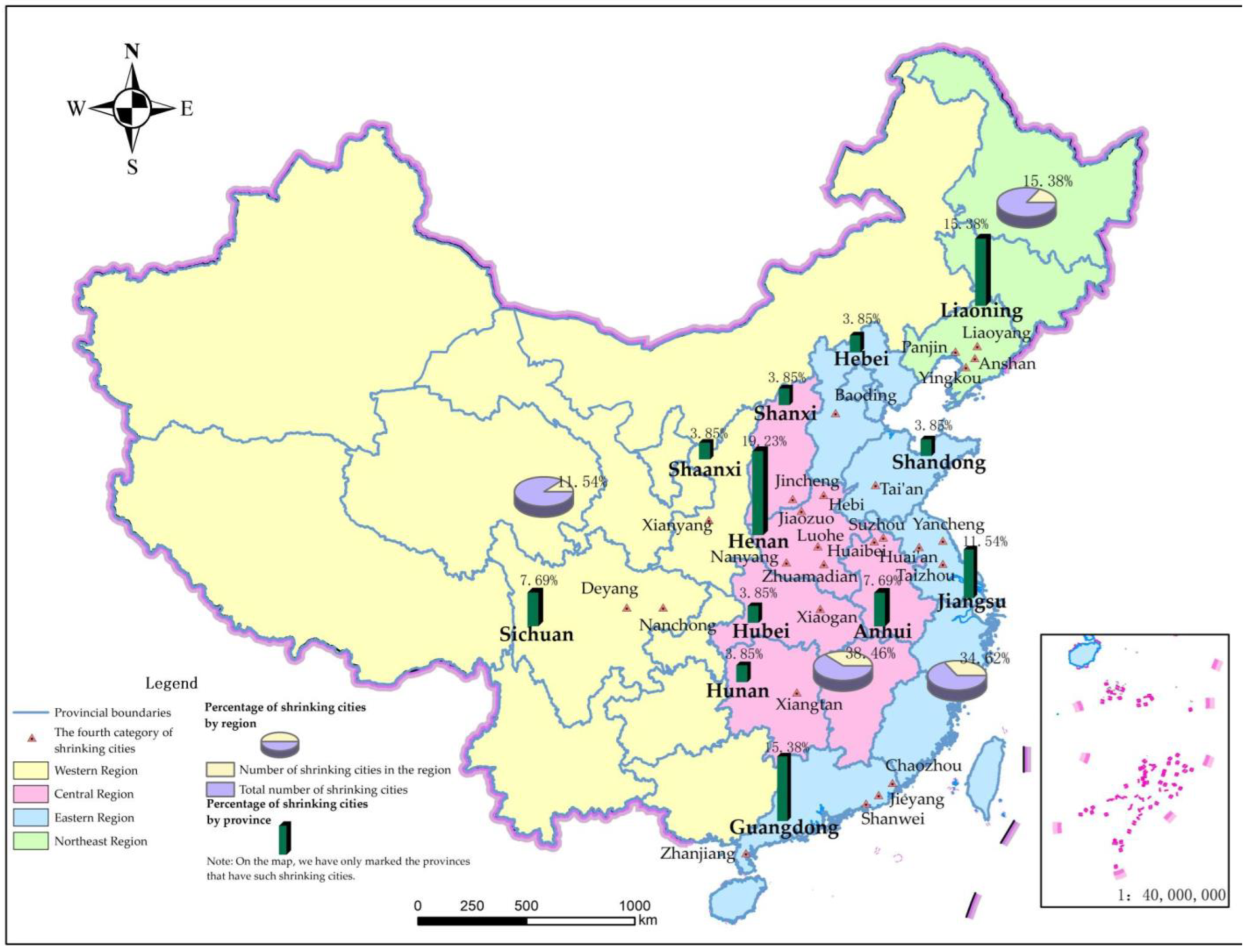
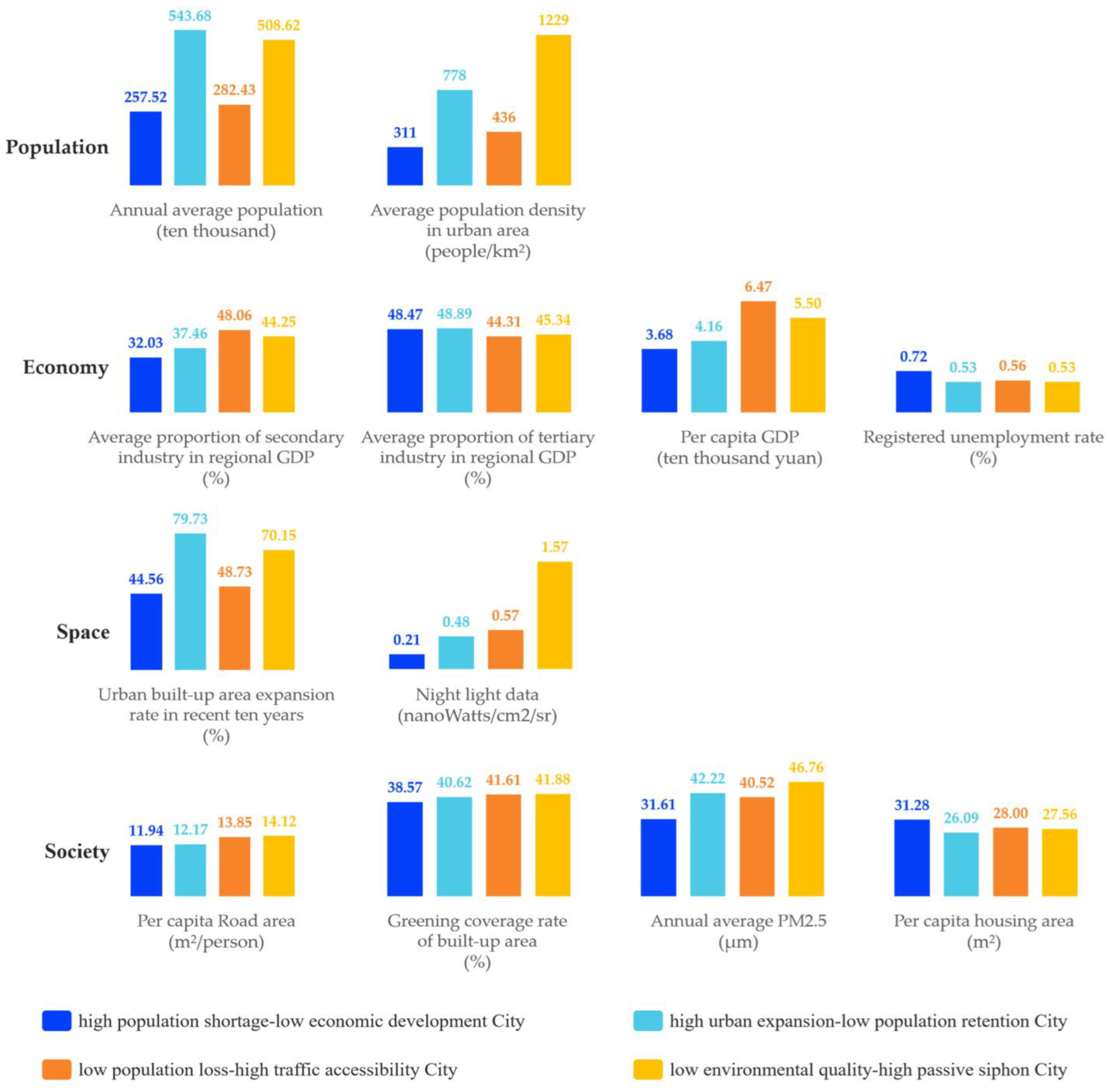
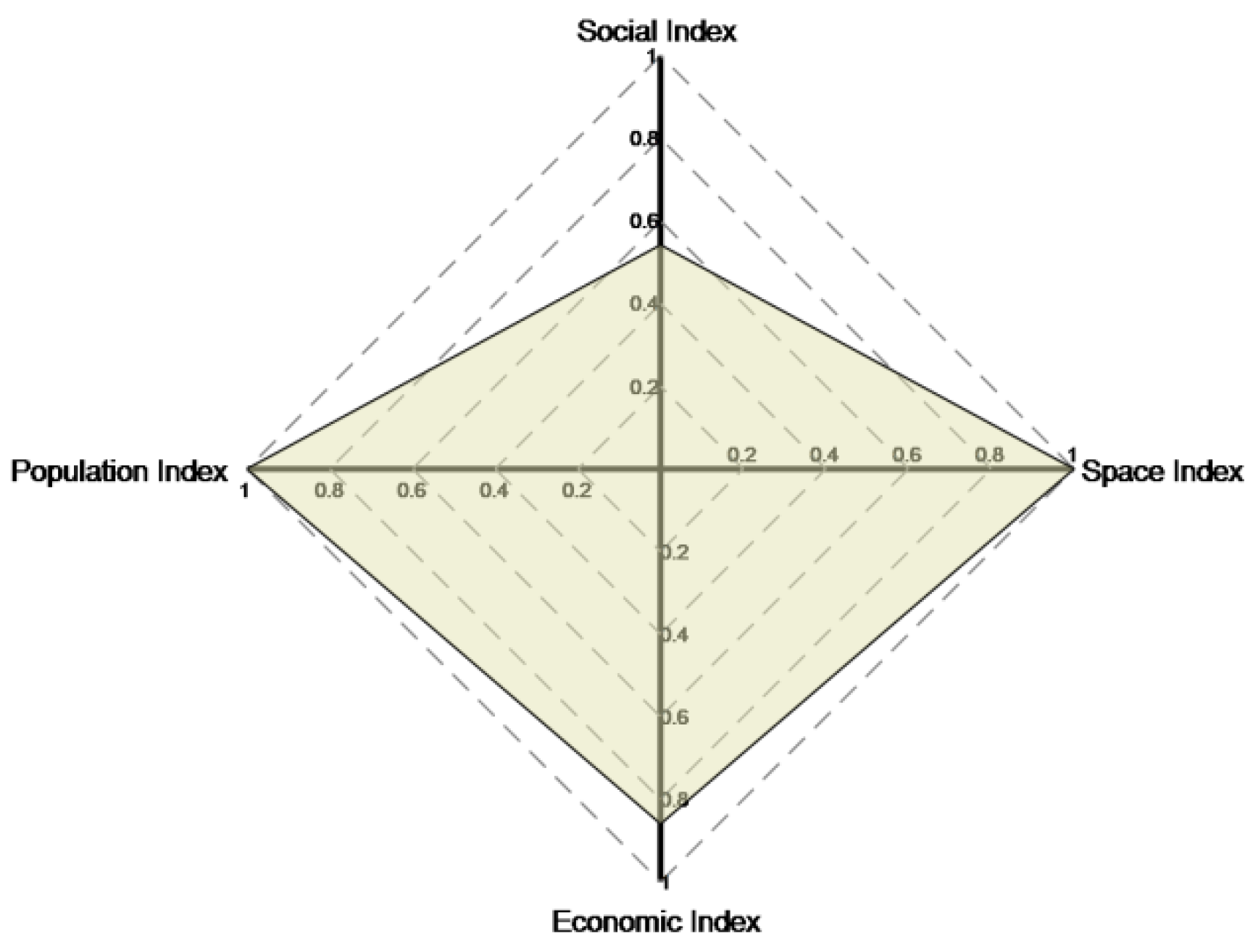
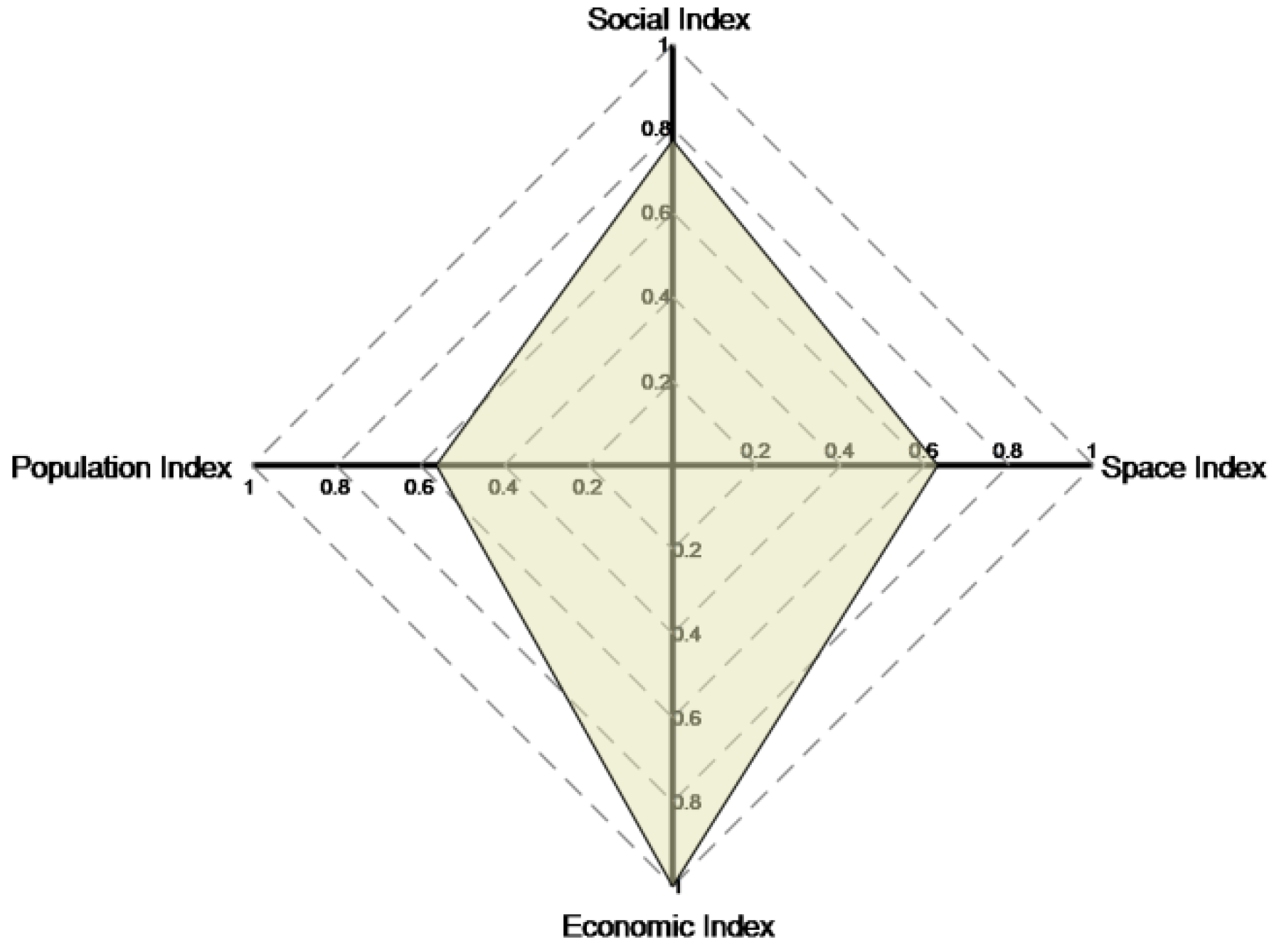
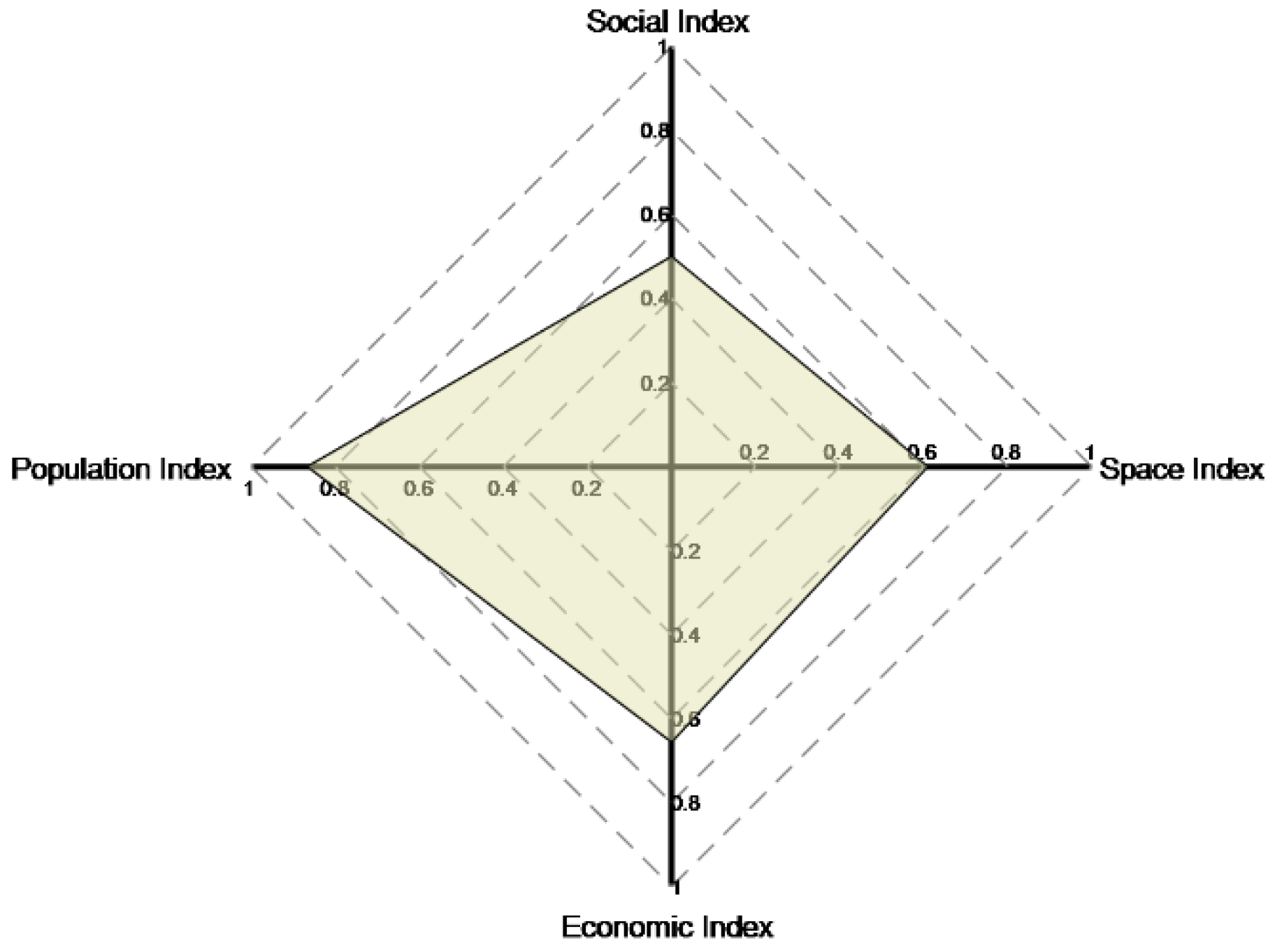
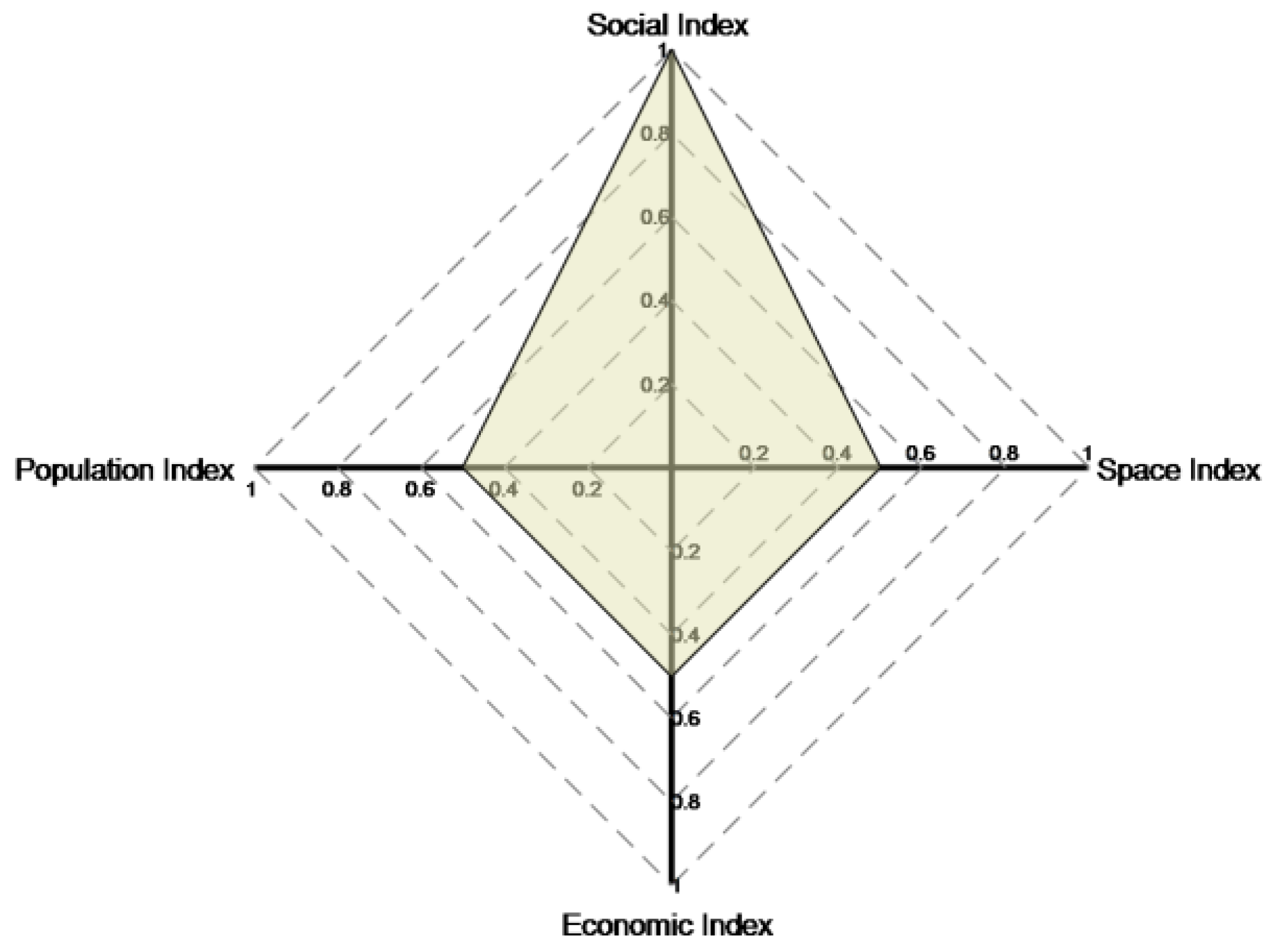
Since the 1980s, China has been experiencing shrinking cities as part of a massive urbanization process. In recent years, the Matthew effect of factor accumulation has led to an increasingly substantial divergence in population concentration and sparseness in China. The pattern of shrinking Chinese cities has become increasingly severe. Accurate classification of shrinking cities is important for formulating policies and achieving the rational development of shrinking cities. In this study, the data of the 6th and 7th population censuses are used to investigate the shrinking Chinese cities, and prefecture-level cities are utilized as the scale of administrative units. The resident population in 130 cities decreased during the last decade. The population, economy, society, and space indicators are selected to cluster the shrinking cities through the self-organizing feature map neural network. Results show that China’s shrinking cities can be divided into four categories: (1) Sixty-two cities are characterized by a high degree of transfer dependence on the economy due to a chronic lack of population. (2) Twenty-eight cities are characterized by high urban expansion but with population loss. (3) Fourteen cities are characterized by obvious transportation and location advantages and with relatively slight population loss. (4) Twenty-six cities have good industrial development prospects but with serious urban pollution and “siphoning” effects from other cities. The shrinking cities are mainly concentrated in the western, central, and northeastern regions of China, which are represented by the old industrial and resource-depleted cities. The shrinking cities in the eastern region are fewer and less severe, which is mainly related to the high population concentration and developed economy in the region. This study provides solutions from different perspectives for four types of shrinking cities and serves as an empirical reference for policymakers and urban planners.
Keywords: SOFM; shrinking city; urban shrinkage classification; population census; China SOFM; shrinking city; urban shrinkage classification; population census; China