Review

What Drives Urban Village Redevelopment in China? A Survey of Literature Based on Web of Science Core Collection Database
1
Department of Construction Management and Real Estate, Shenzhen University, Shenzhen 518052, China
2
Department of Public Administration, Hunan University, Changsha 410082, China
3
Department of Real Estate and Urban Economics, University of Manchester, Manchester M13 9PL, UK
*
Author to whom correspondence should be addressed.
Land 2022, 11(4), 525; https://doi.org/10.3390/land11040525
Submission received: 9 March 2022 / Revised: 28 March 2022 / Accepted: 2 April 2022 / Published: 4 April 2022

Abstract

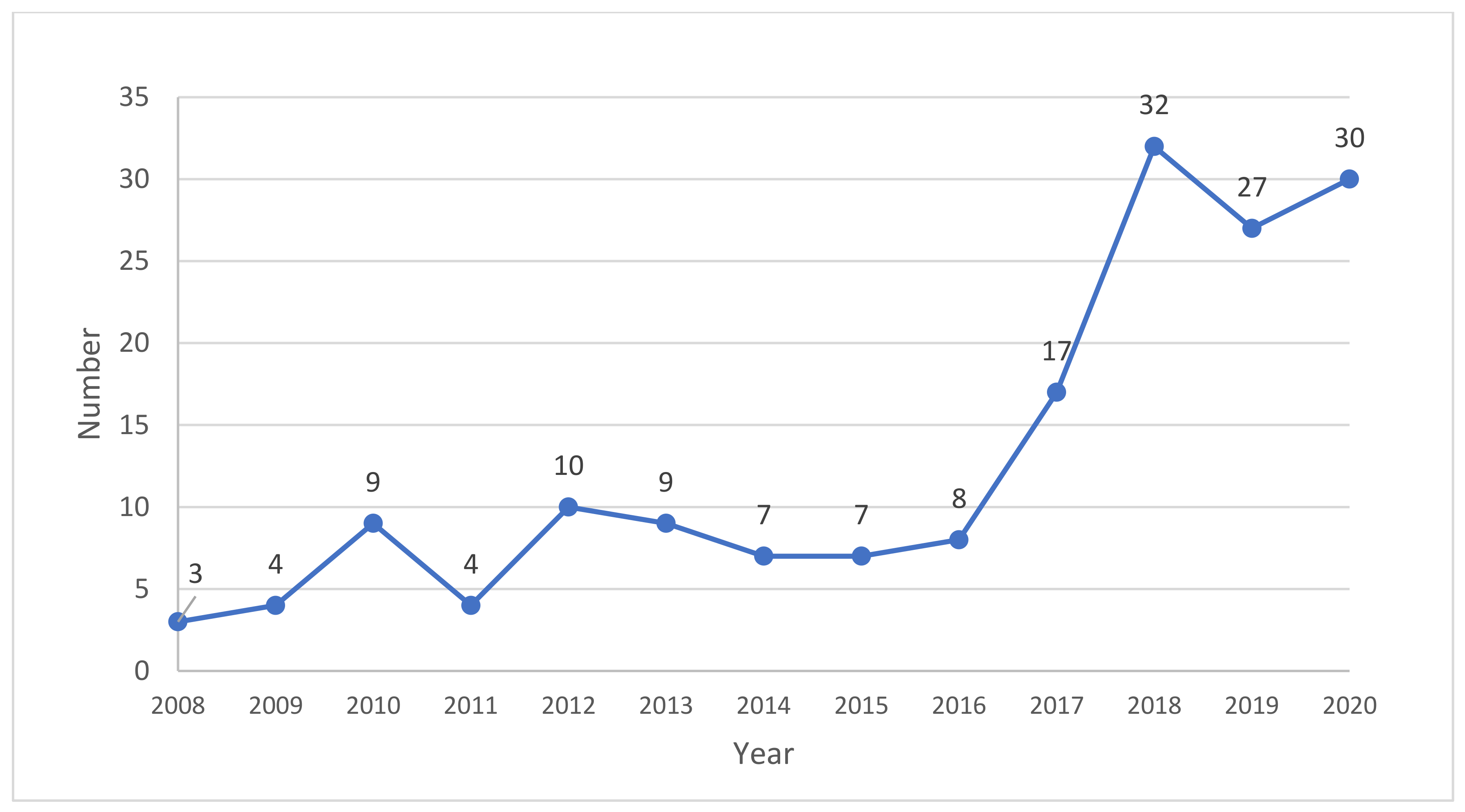
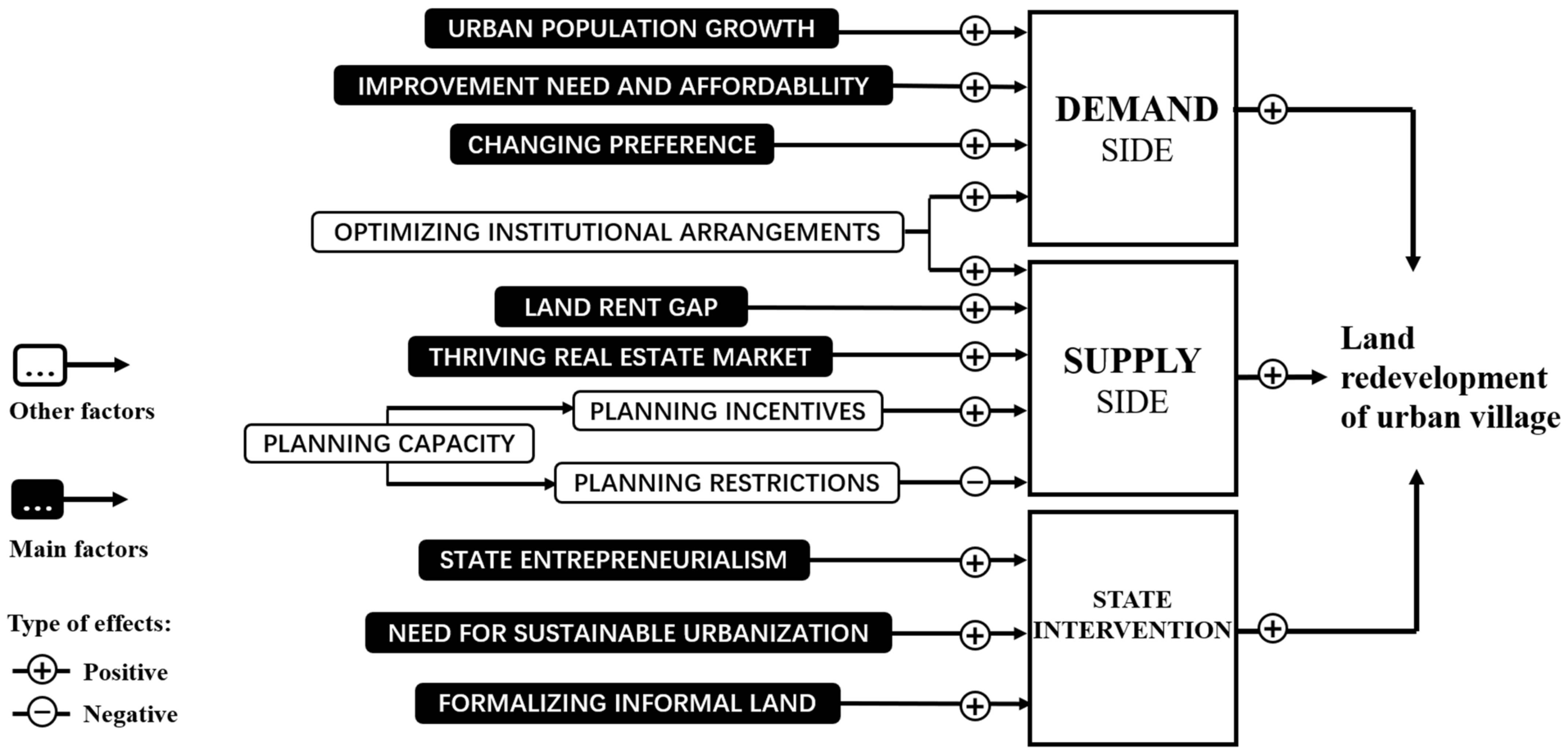
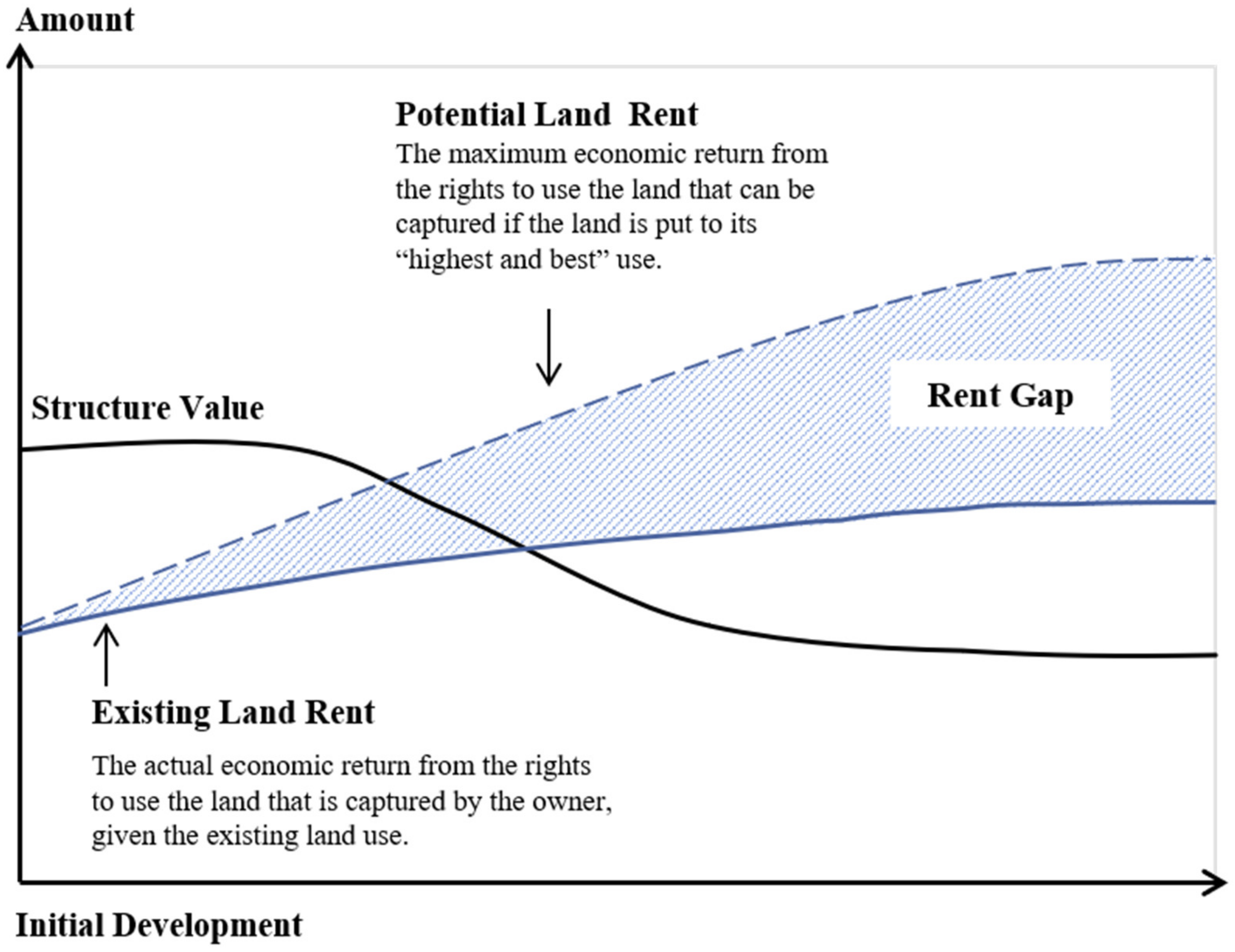
The recent economic advances made by China have now obliged the country to address the need for sustainable urban redevelopment. Unlike other recently developed areas in China, urban villages are in dire need of improvement. Consequently, the redevelopment of urban villages has garnered considerable public and academic interest. However, a comprehensive understanding is lacking on the drivers of urban village redevelopment in China. This study aims to fill this gap through a comprehensive survey of existing literature on redevelopment of urban villages. A total of 167 papers have been retrieved from the Web of Science Core Collection database. A bibliometric analysis and a critical content analysis are conducted on the bases of these papers. We found at least three main processes which have driven urban village redevelopment in China. First, the growth of urban population and their income level has created a strong emerging demand to improve urban living conditions, which has triggered the restructuring of urban villages with sub-standard built environment into high-quality urban spaces. Second, from the production side, the market-oriented land reforms and the developers’ pursuit of land-related investment returns from land rent gap is also a strong driving force for demolition and redevelopment of urban villages. Lastly, the states and local governments have played a critical role in promoting urban village redevelopment and integrating informal urban spaces into formal urban areas. This research concludes with an evaluation of current studies on urban village redevelopment and provides suggestions for further research in the future.
Keywords: urban village redevelopment; driving forces; informal space; literature research urban village redevelopment; driving forces; informal space; literature research