Article

Spatial Change of the Farming–Pastoral Ecotone in Northern China from 1985 to 2021

1
School of Computer and Information Engineering, Xiamen University of Technology, Xiamen 361024, China
2
Institute of Remote Sensing and Digital Earth, Chinese Academy of Sciences, Beijing 100094, China
3
College of Geography and Planning, Nanning Normal University, Nanning 530100, China
*
Author to whom correspondence should be addressed.
Land 2022, 11(12), 2179; https://doi.org/10.3390/land11122179
Submission received: 31 October 2022 / Revised: 23 November 2022 / Accepted: 28 November 2022 / Published: 1 December 2022
(This article belongs to the Section Landscape Ecology)

Abstract

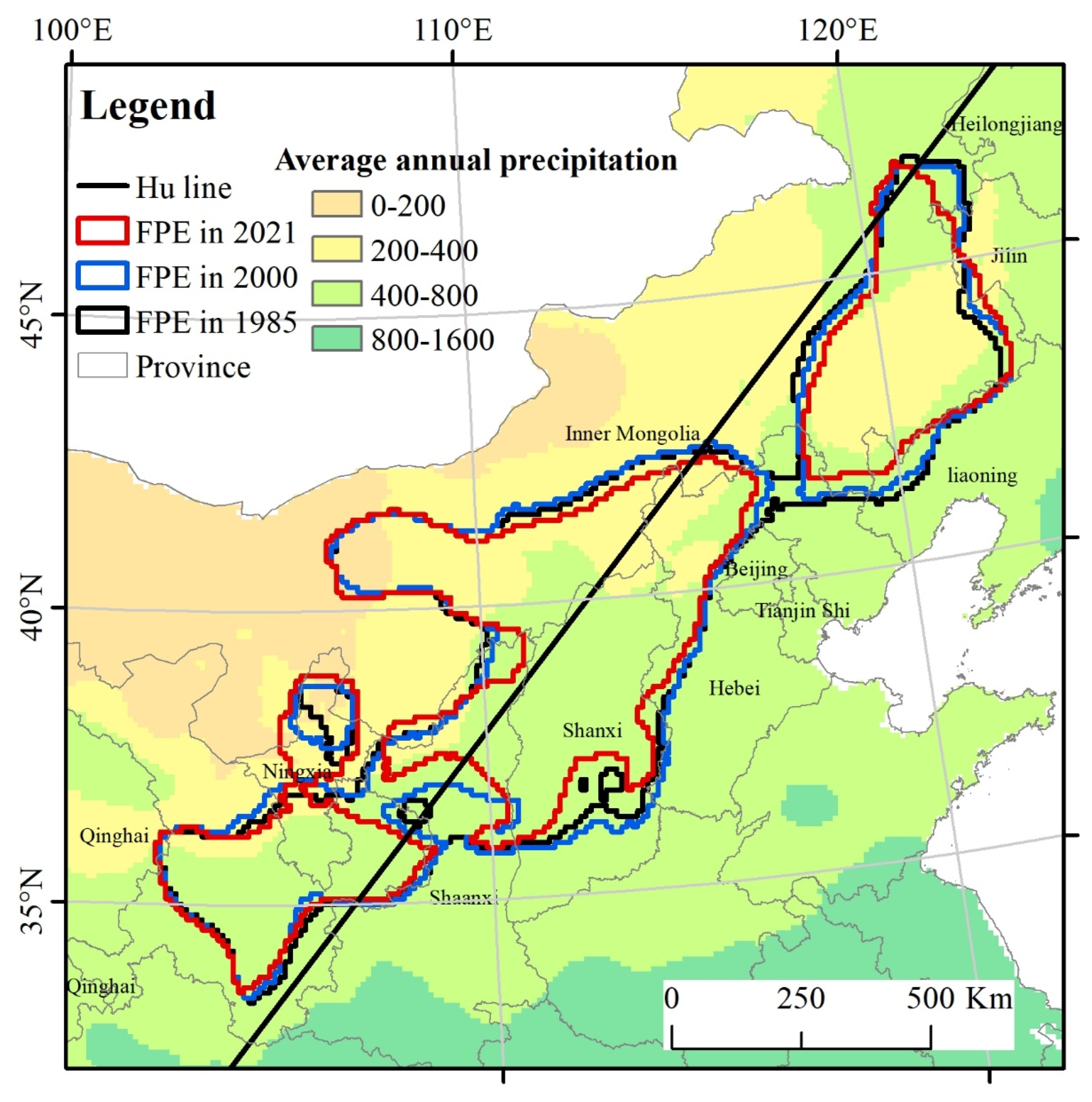
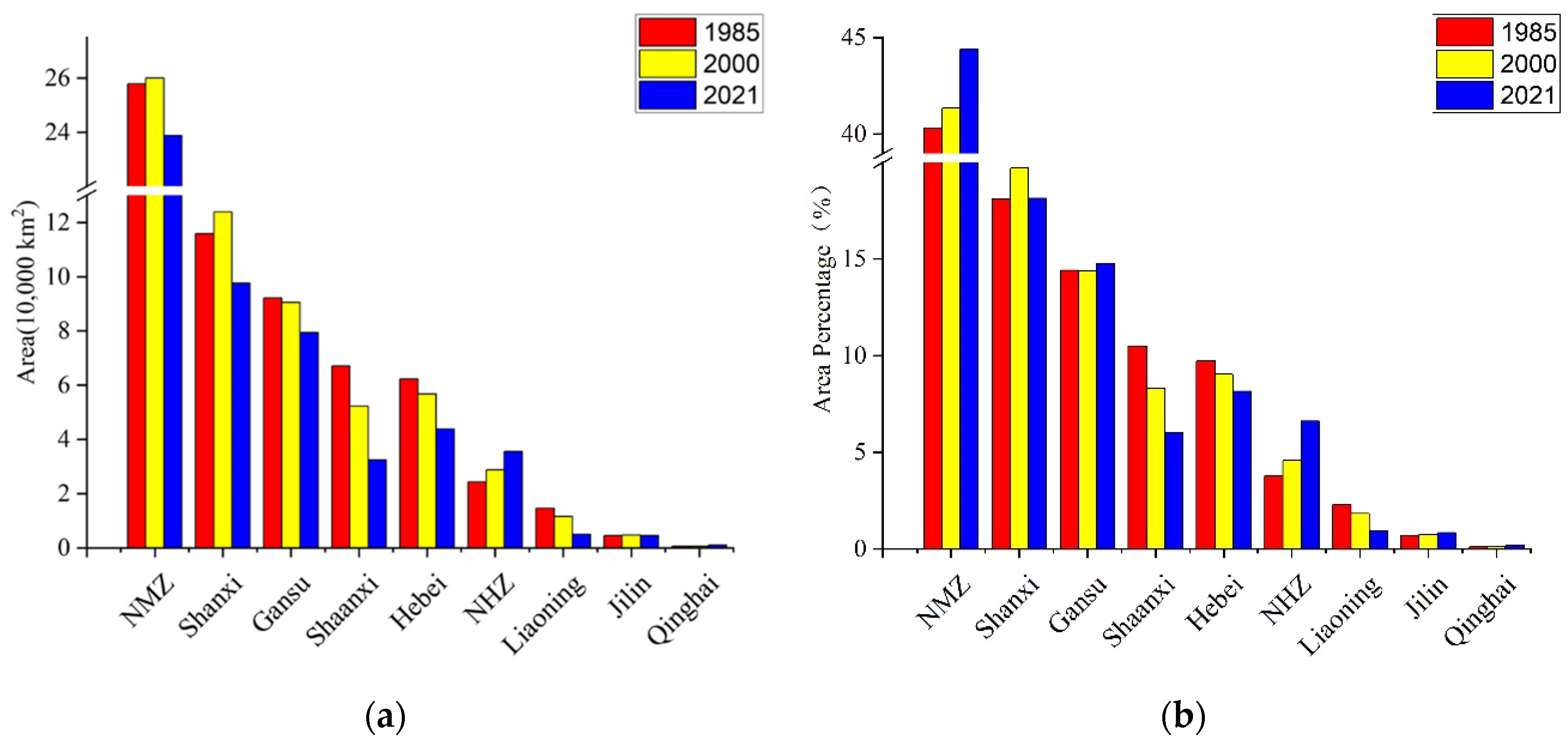
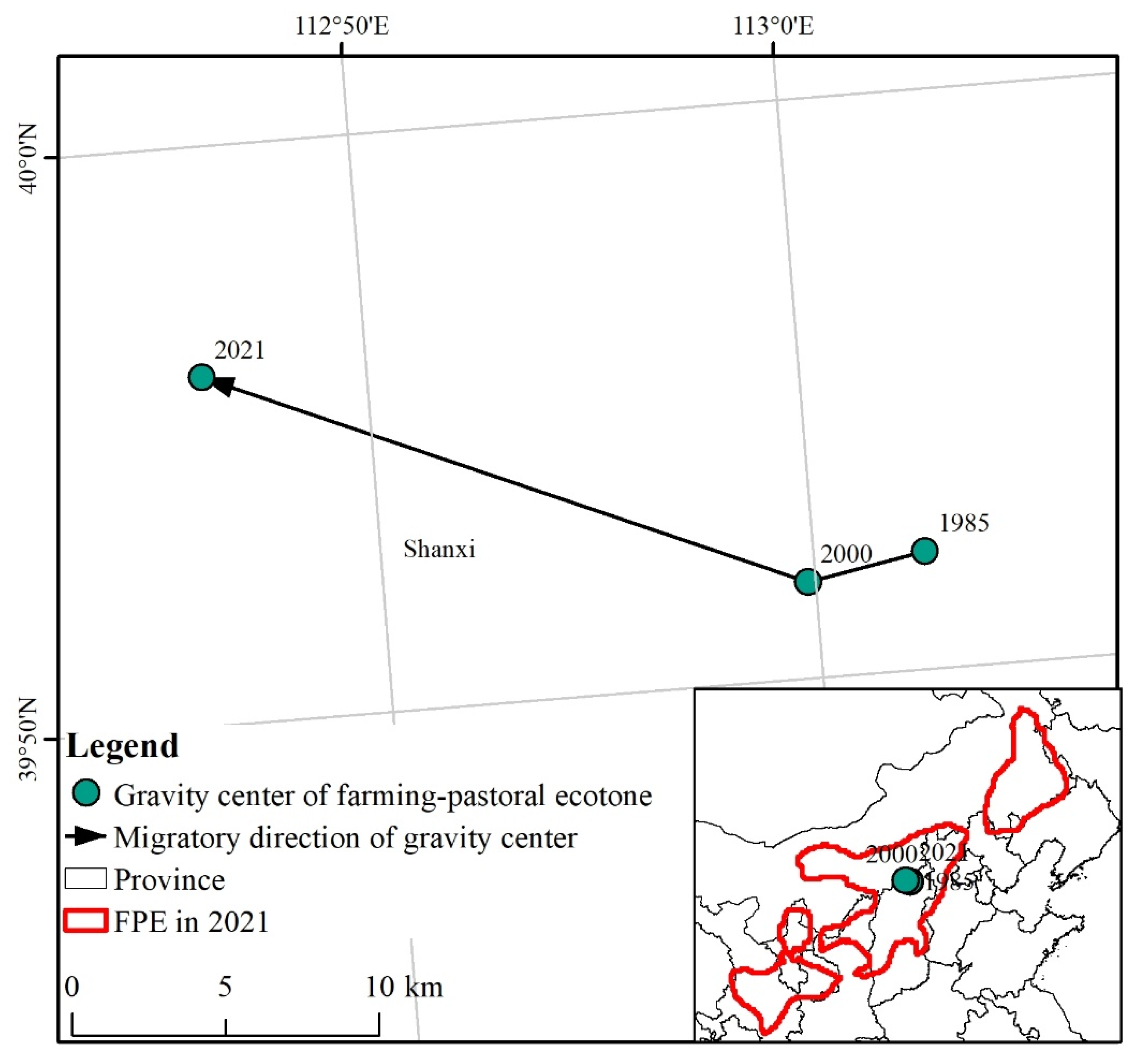
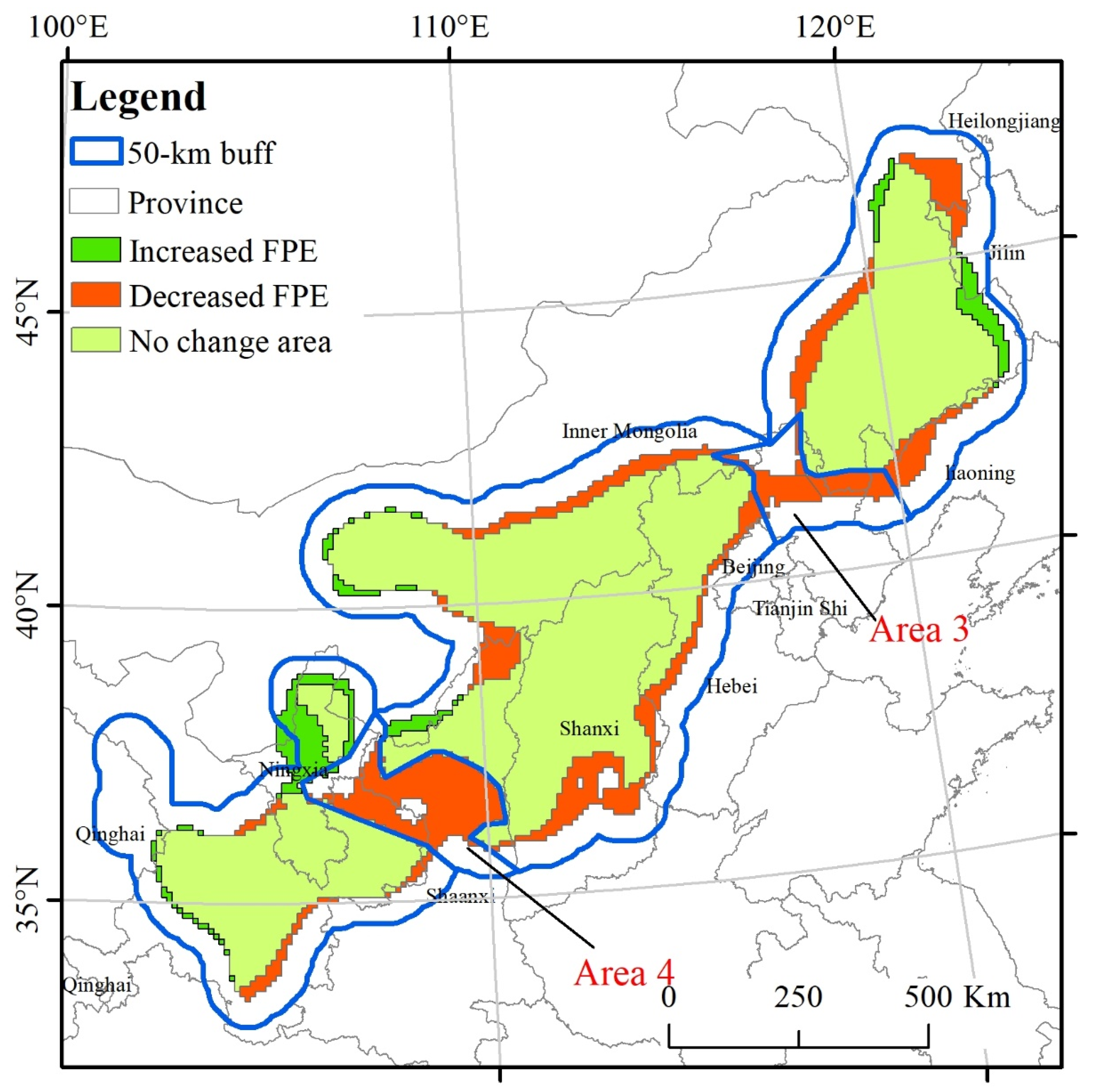
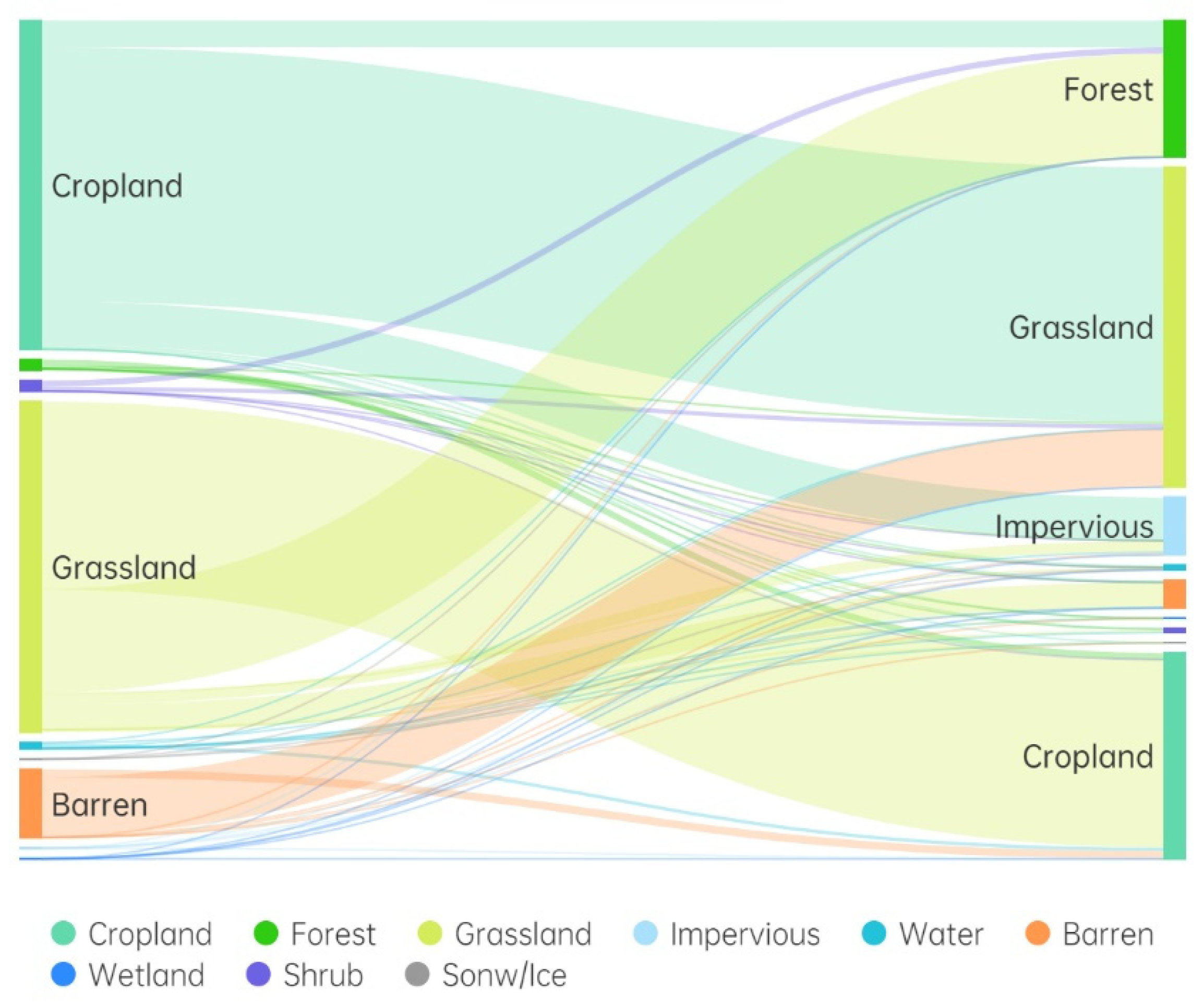
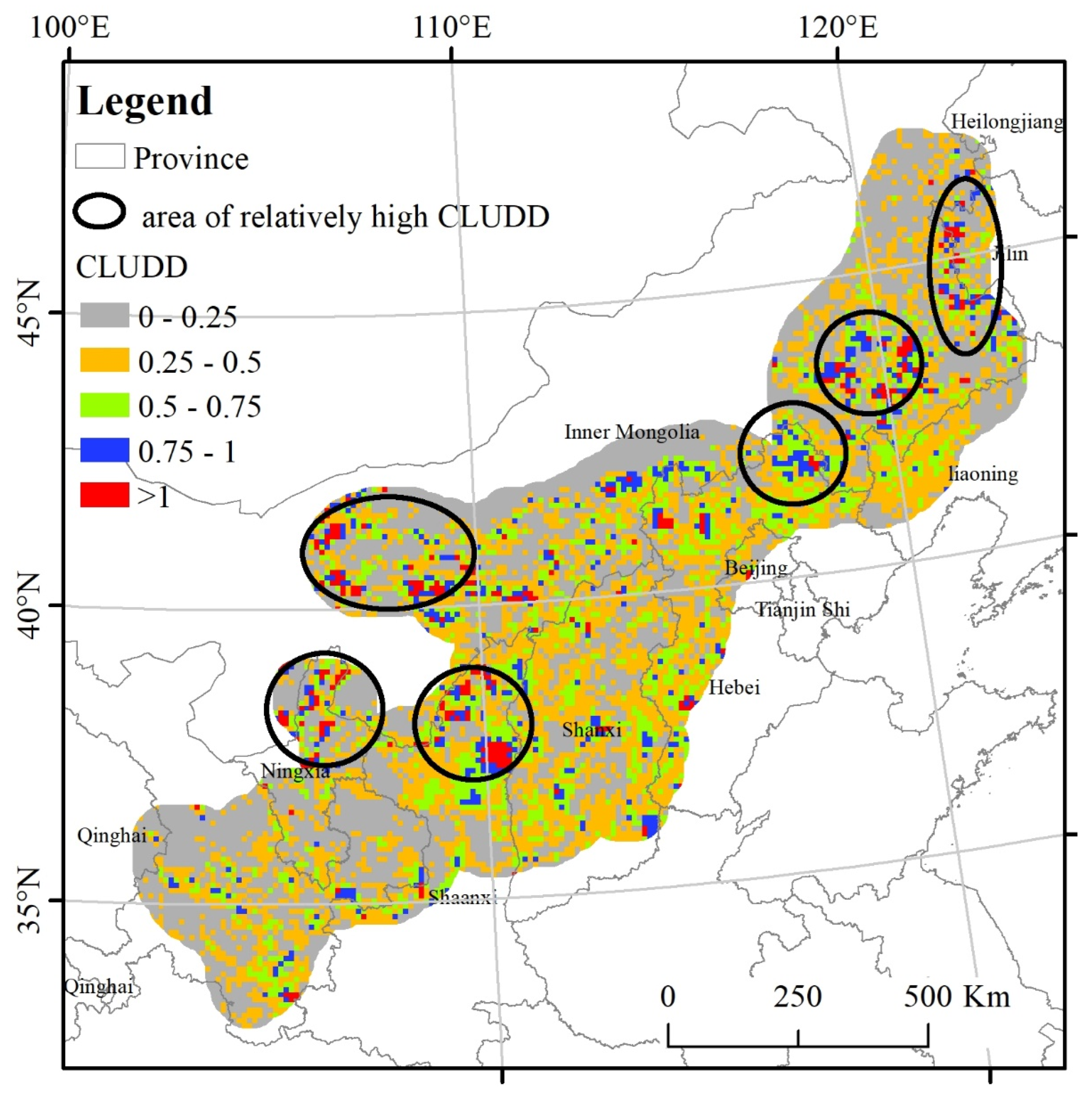
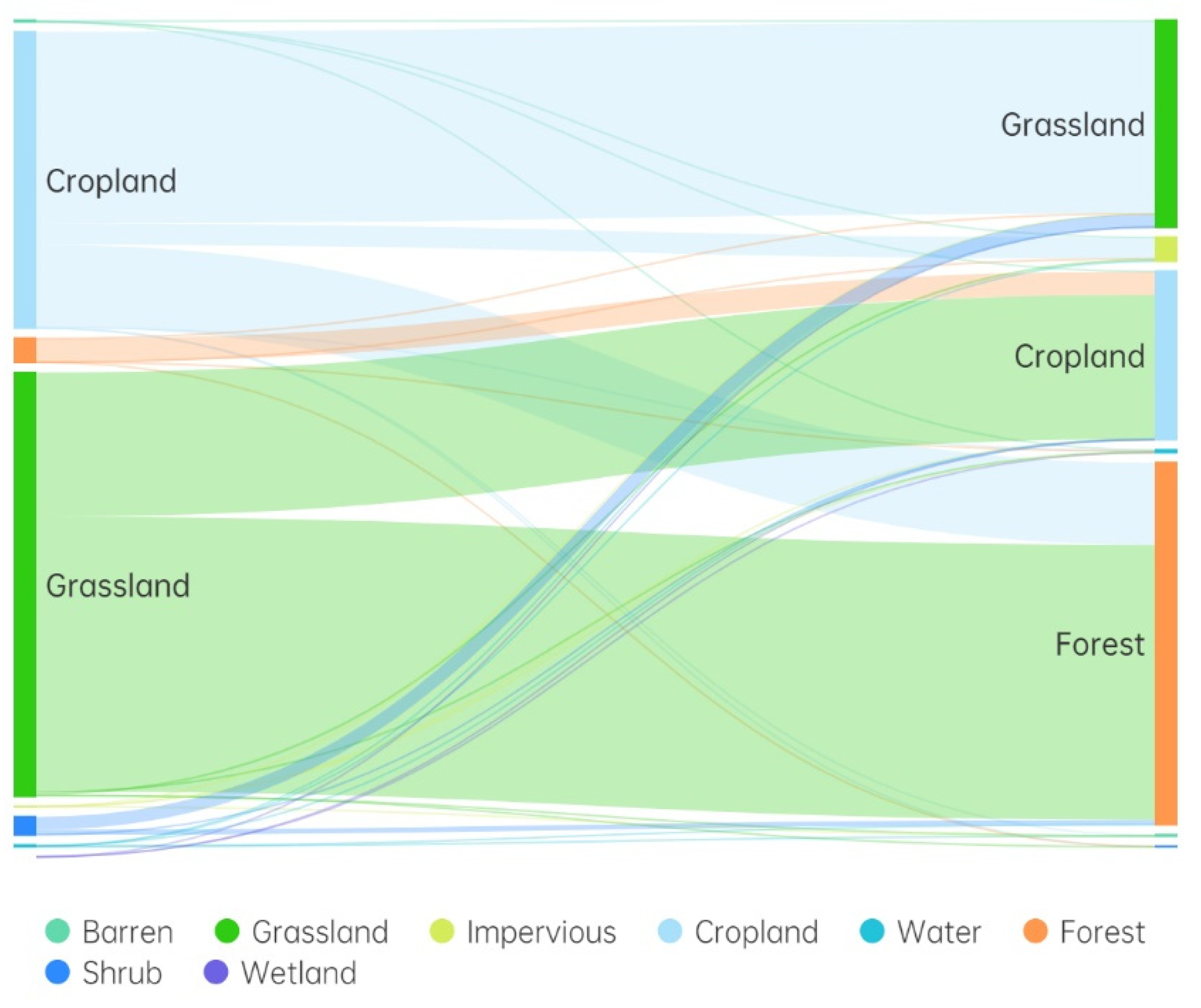
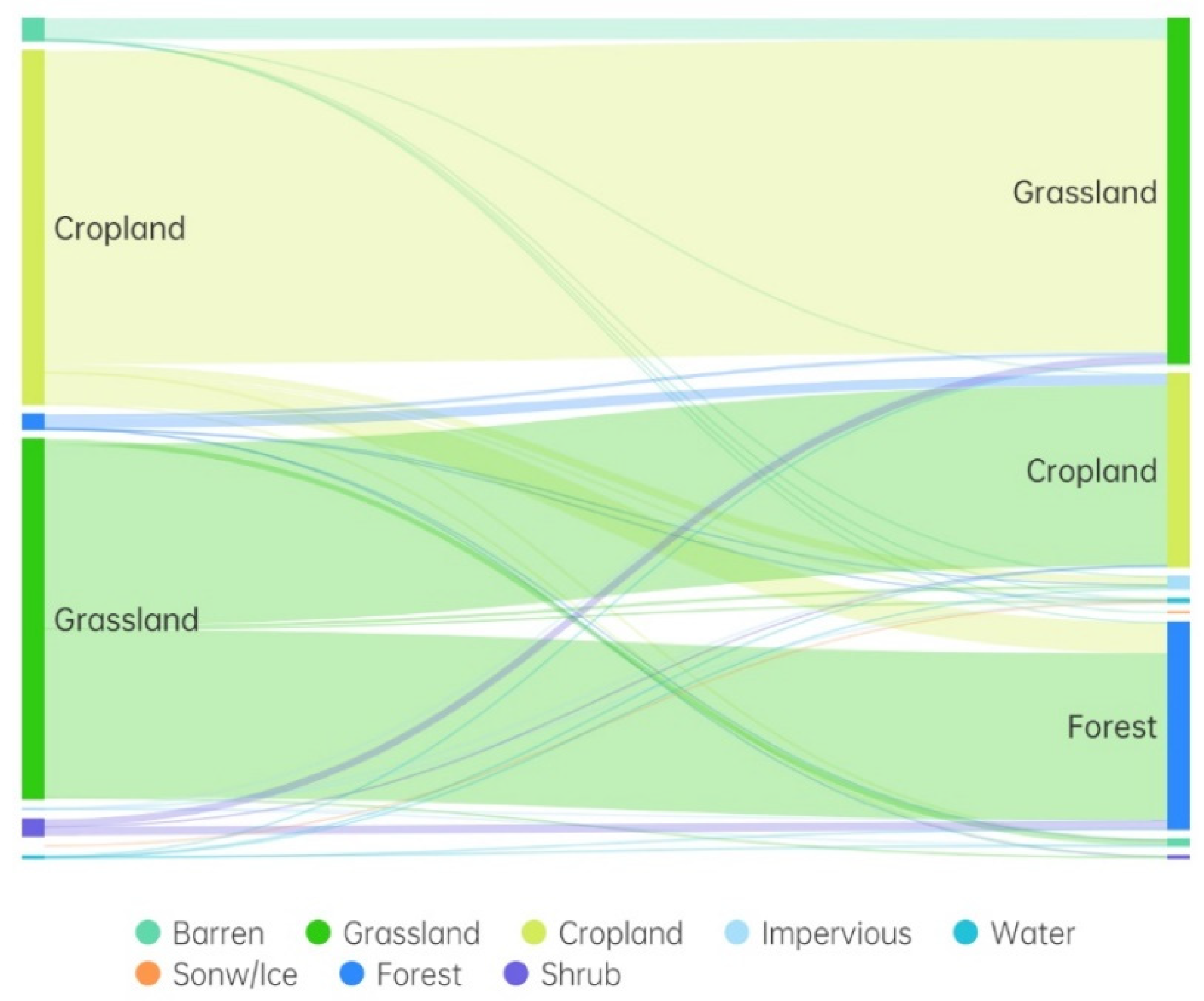
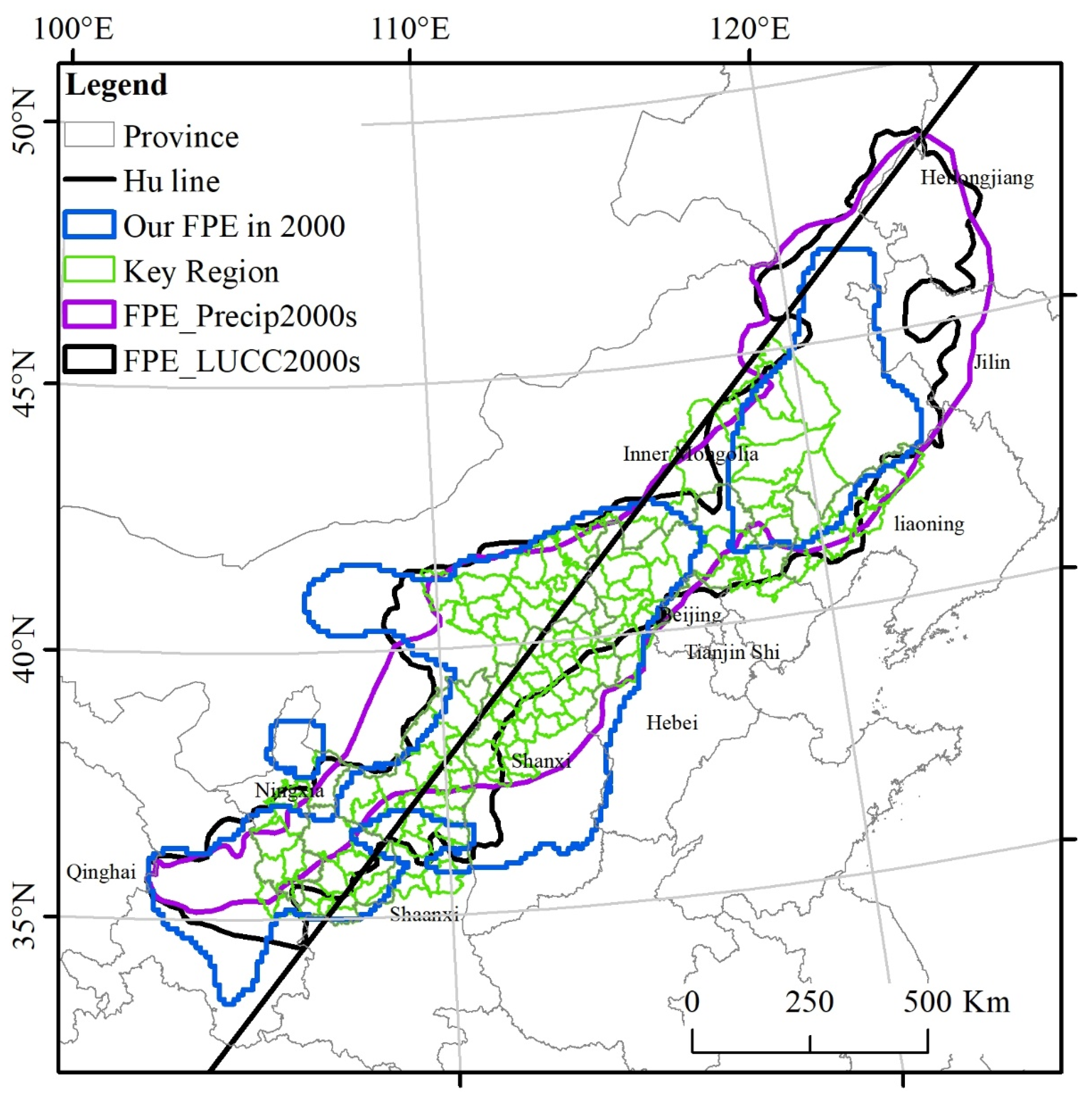
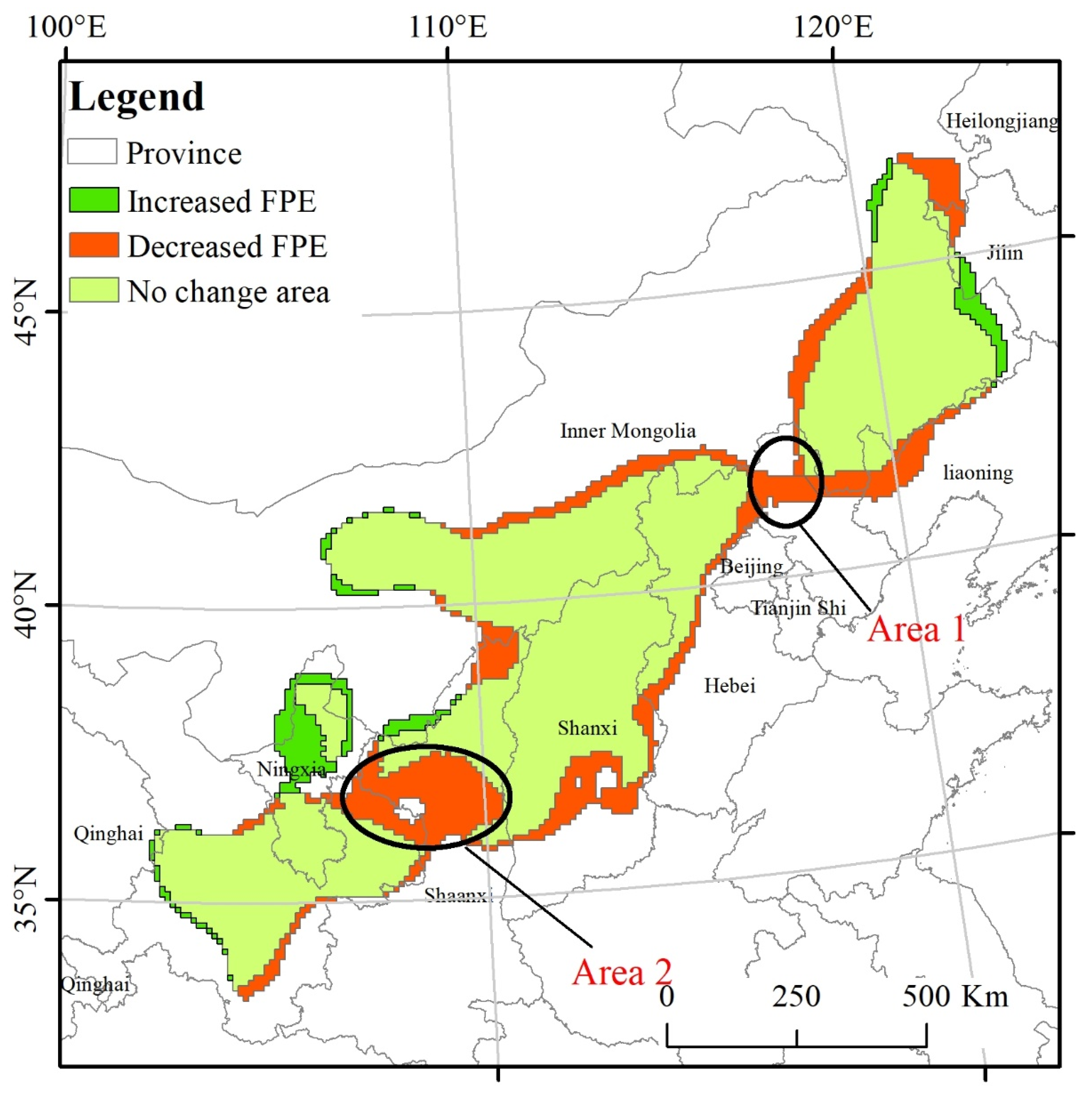
Identifying the spatial changes in farming–pastoral ecotone (FPE) is of utmost importance for the development of strategies for ecological protection in ecologically fragile areas. This study employed spatial autocorrelation and spatial clustering techniques to map FPE at the pixel scale using CLCD data with a spatial resolution of 30 × 30 m in the years 1985, 2000, and 2021, and then analyzed the changes of the FPE in northern China. The results showed that the FPE is mainly located at the border between the Inner Mongolia Autonomous Region and the adjacent provinces, which is along the Hu-line and the 400-mm isohyetal line. The area of the FPE was 63.94 × 10⁴ km2, 62.90 × 10⁴ km2, and 53.81 × 10⁴ km2 in 1985, 2000, and 2021, respectively, accounting for 6.7%, 6.6%, 5.6% of the total land area in China. The FPE boundary moved northwestward during 1985–2021, demonstrating retreating, fragmenting, and shrinking tendencies. The decreased areas and the moving distances of the gravity center are six times and four times greater during 2000–2021 than that during 1985–2000, respectively. Moreover, the discontinuous change in FPE was mainly due to the increase in forest land, especially for the conversion of grassland to forest land. Our findings provide guidance for the construction of ecological civilization and the optimization of ecosystem structure in the farming–pastoral ecotone.
Keywords: the farming–pastoral ecotone; spatial autocorrelation; land use change; de-farming; reafforestation the farming–pastoral ecotone; spatial autocorrelation; land use change; de-farming; reafforestation