Article

Explainable Deep Learning and PHREEQC-Constrained Assessment of Genesis and Health Risks of Deep High-Fluoride Groundwater: A Case Study of Hengshui City, North China Plain

1
Ecological Environment Protection Ministry Soil and Agricultural and Rural Ecological Environment Supervision and Technology Center, Beijing 100012, China
2
School of Water Resources and Environment, China University of Geosciences Beijing, Beijing 100083, China
3
Water Science Research Institute, Beijing Normal University, Beijing 100083, China
4
School of Information Management, Heilongjiang University, Harbin 150080, China
5
School of Computer Science and Technology, Changchun University, Changchun 130022, China
6
College of Disaster Prevention and Mitigation, Langfang 065201, China
*
Author to whom correspondence should be addressed.
These authors contributed equally to this work.
Water 2026, 18(5), 600; https://doi.org/10.3390/w18050600
Submission received: 21 December 2025 / Revised: 21 January 2026 / Accepted: 30 January 2026 / Published: 1 March 2026

Abstract

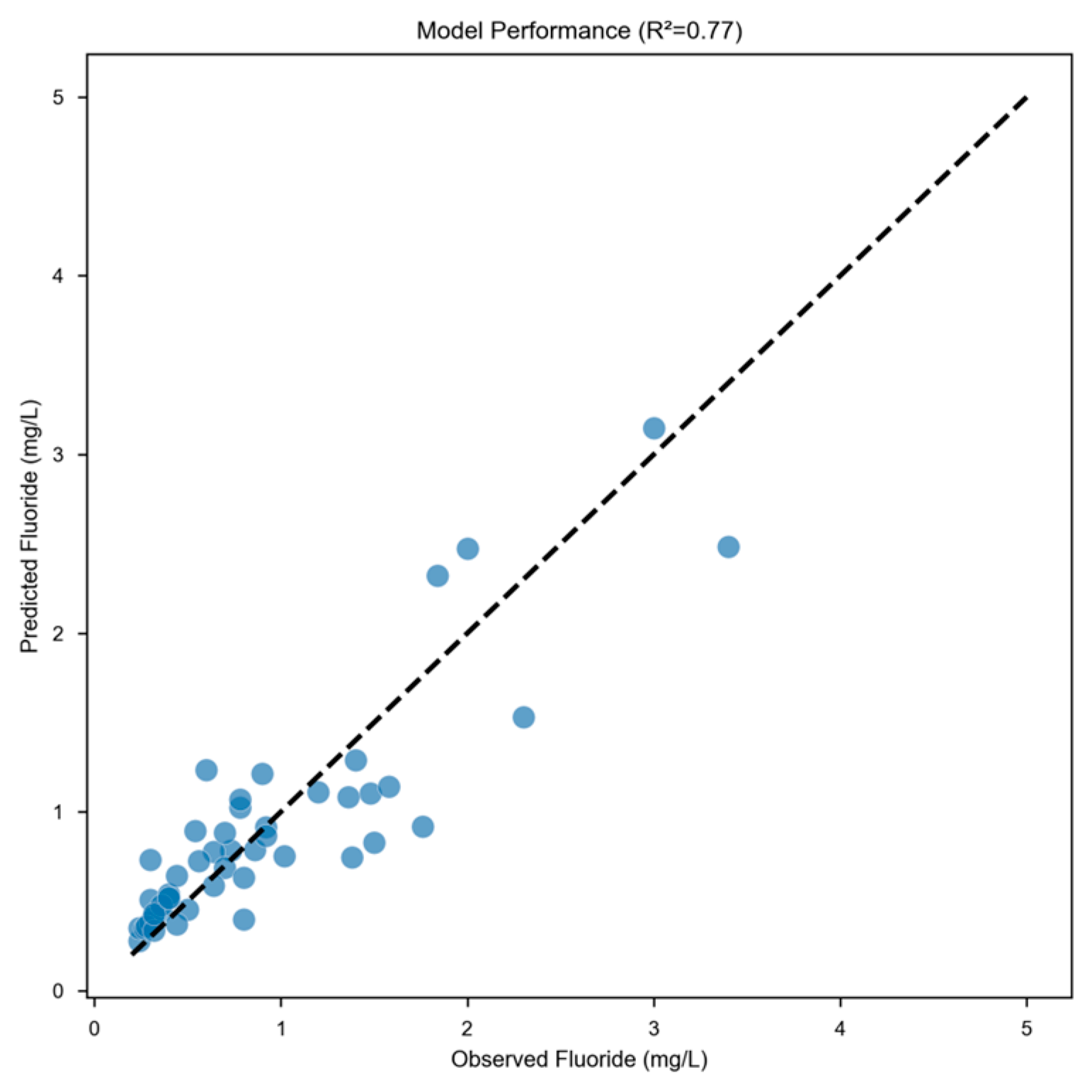
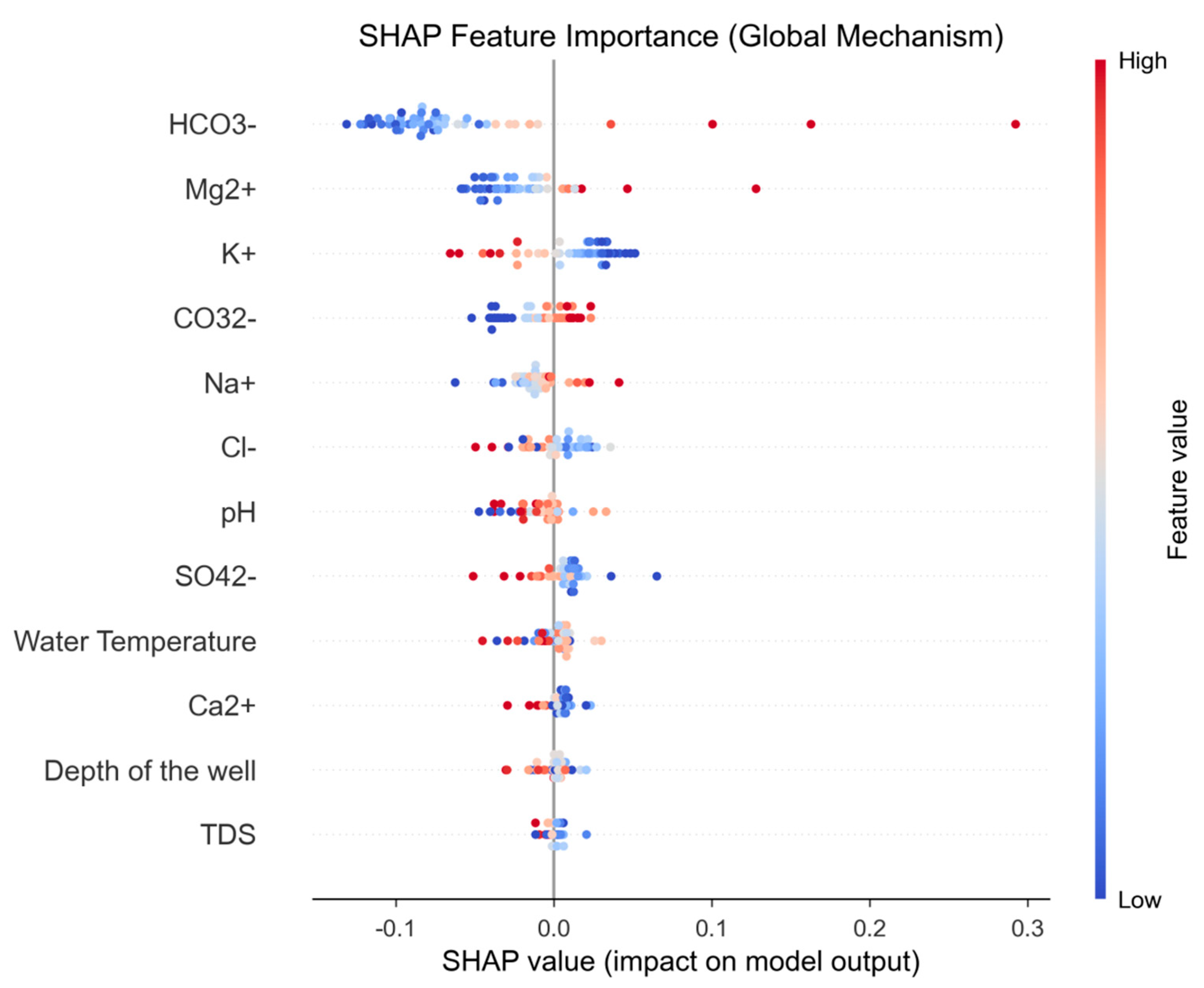
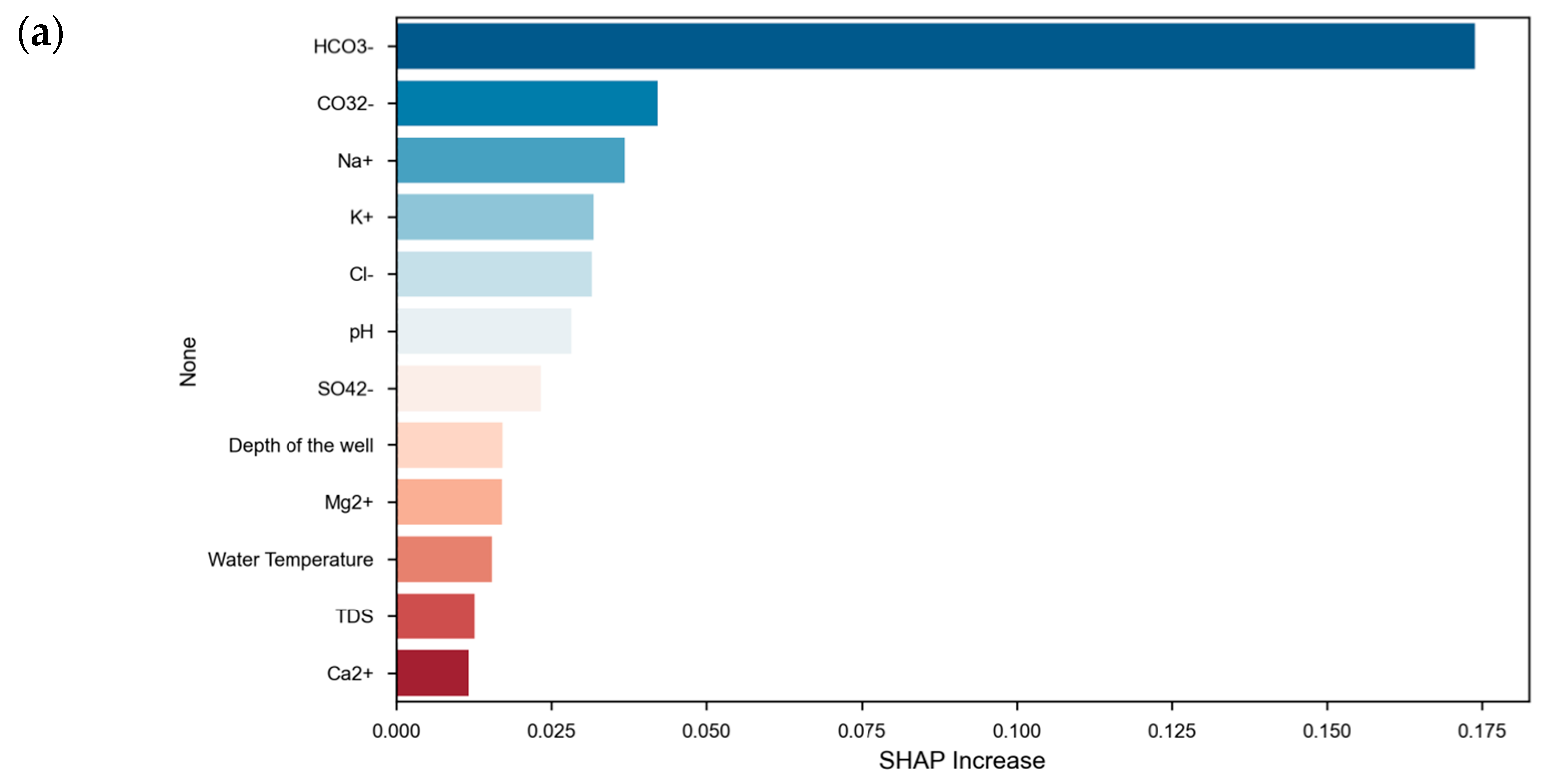
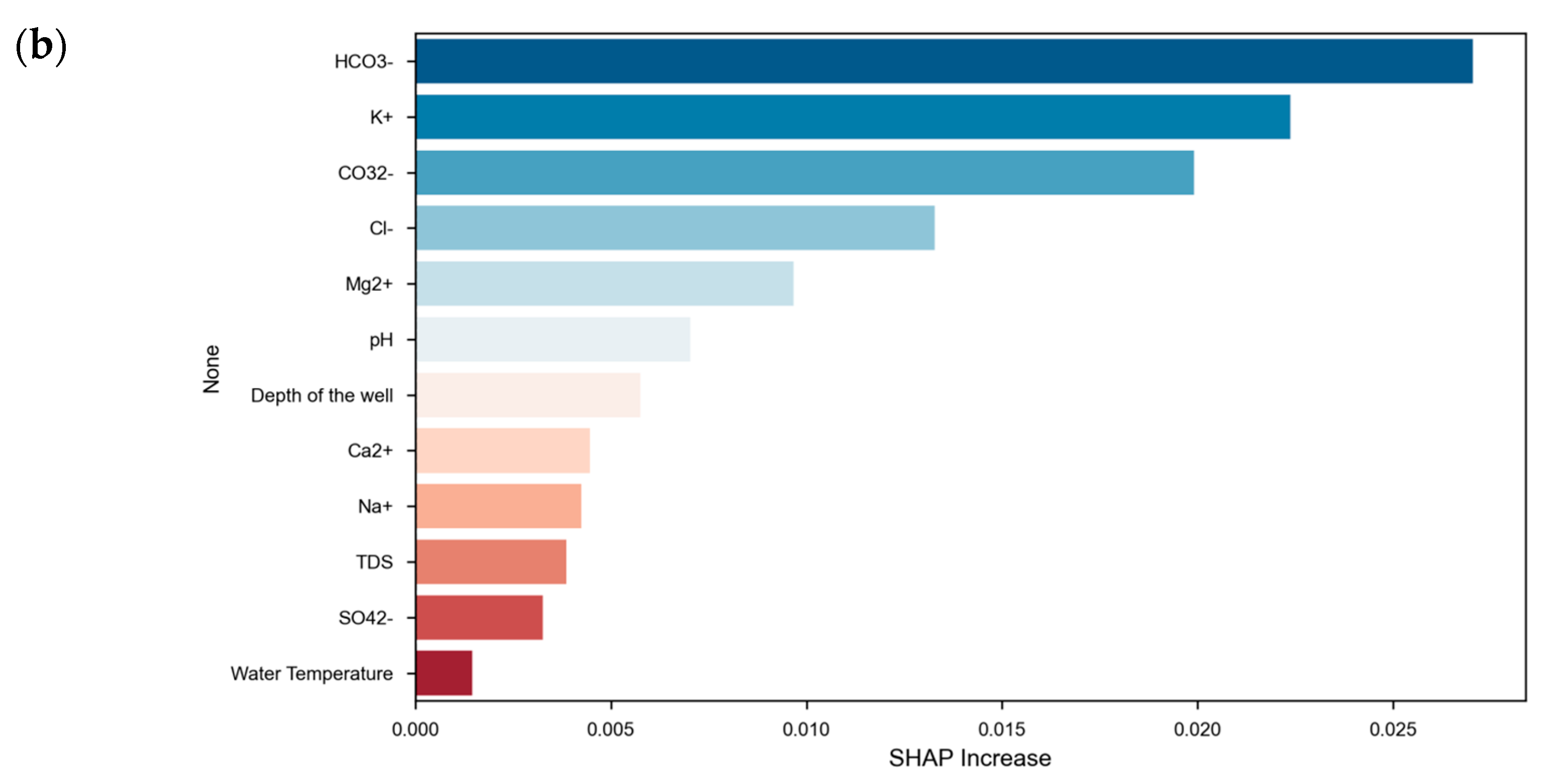
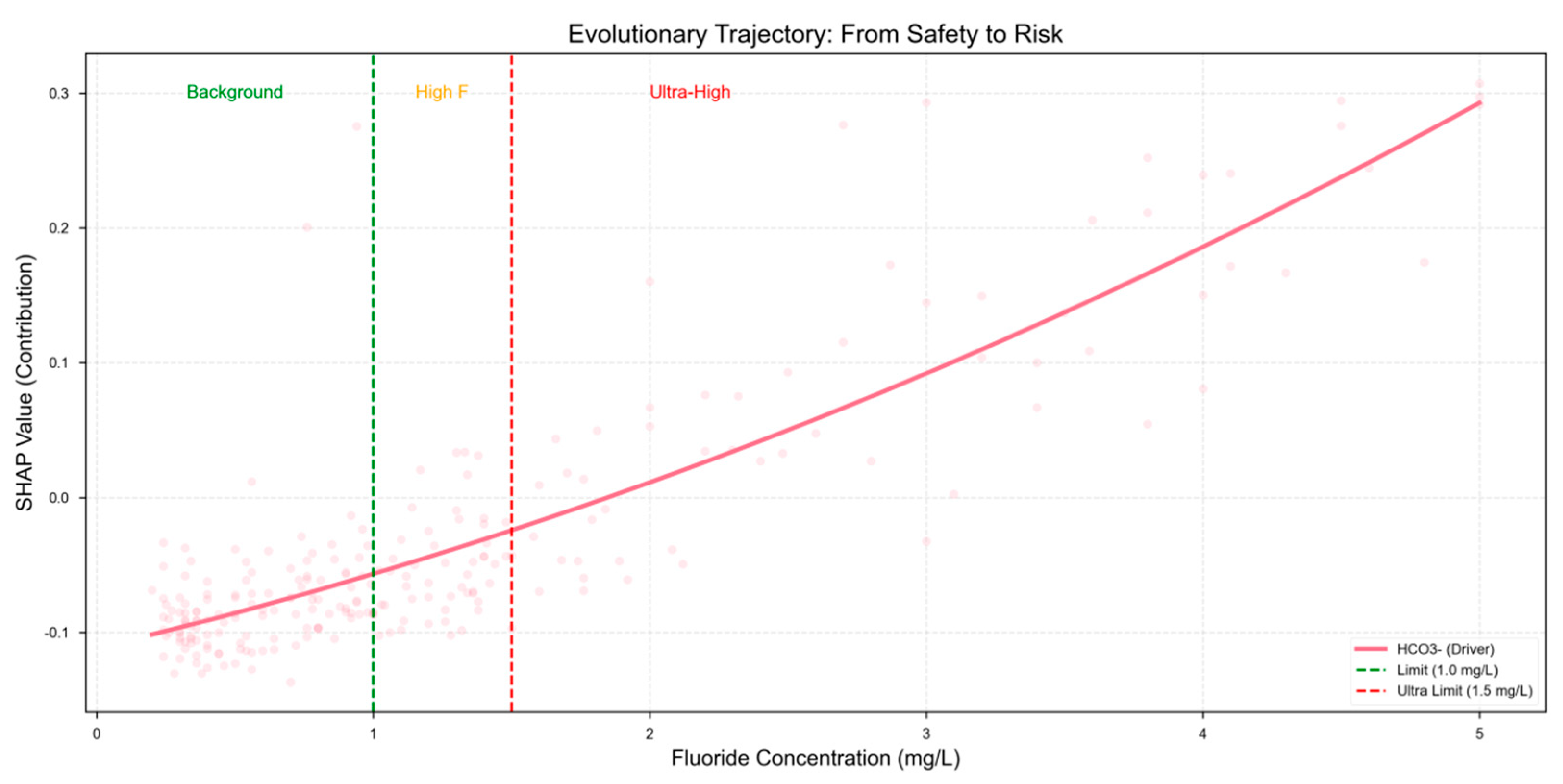
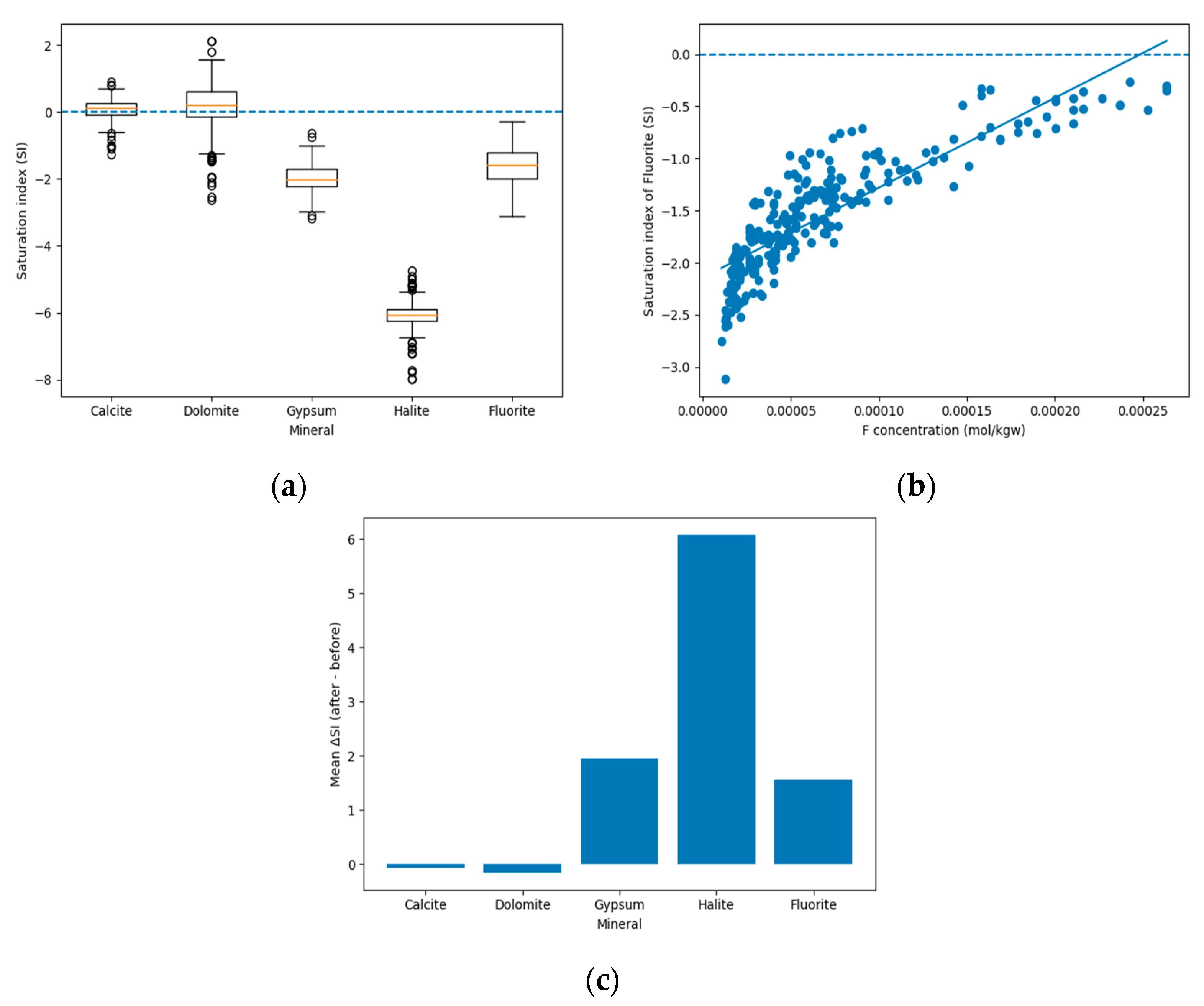
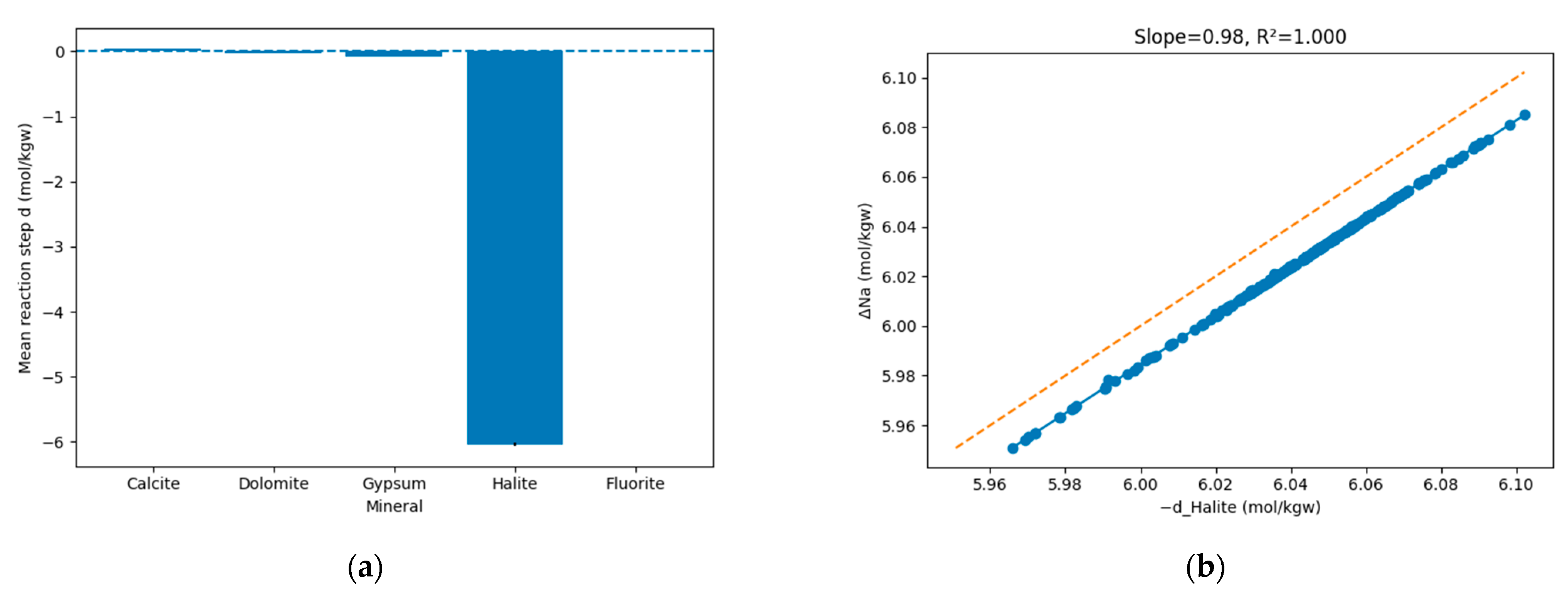
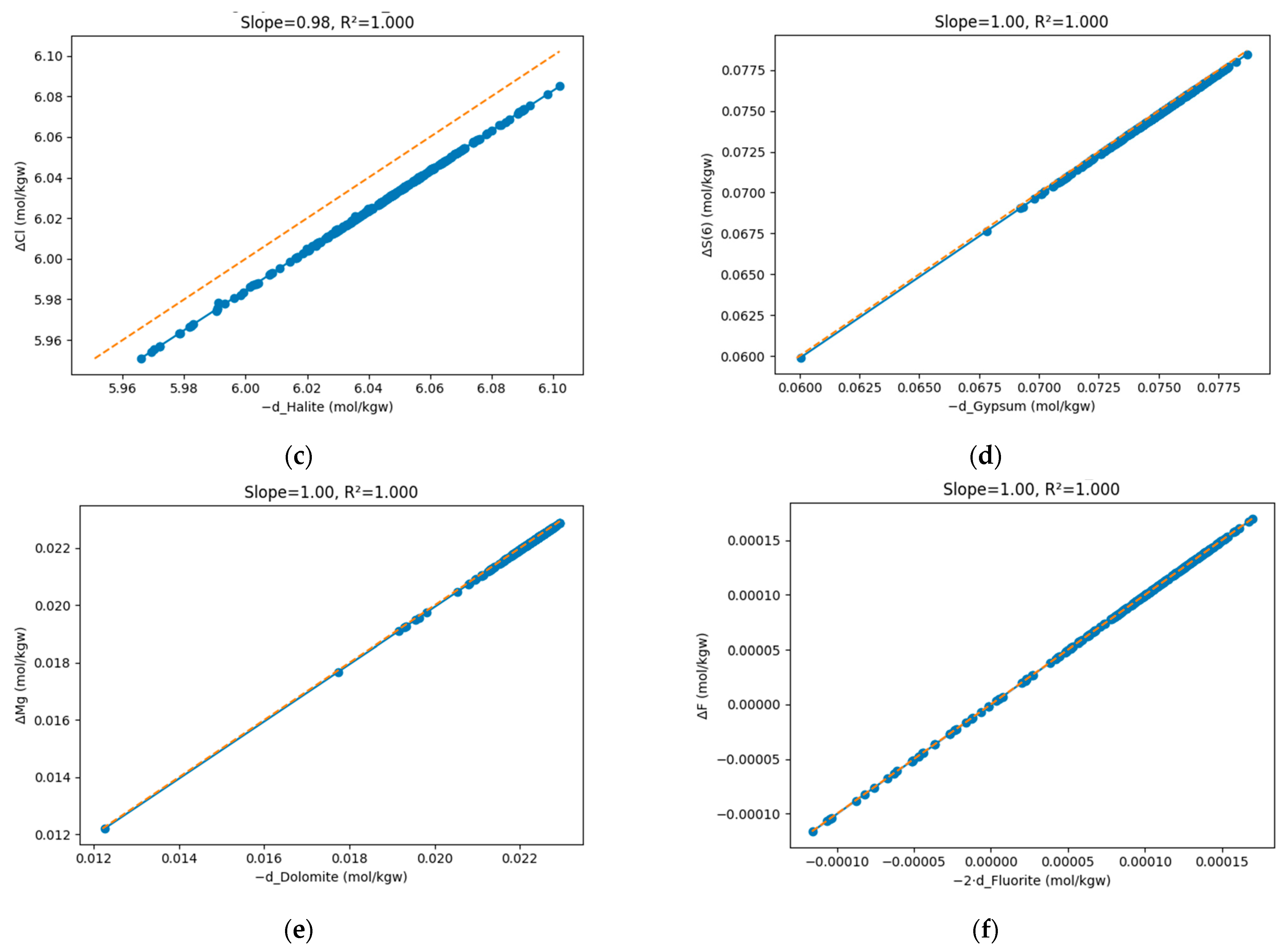
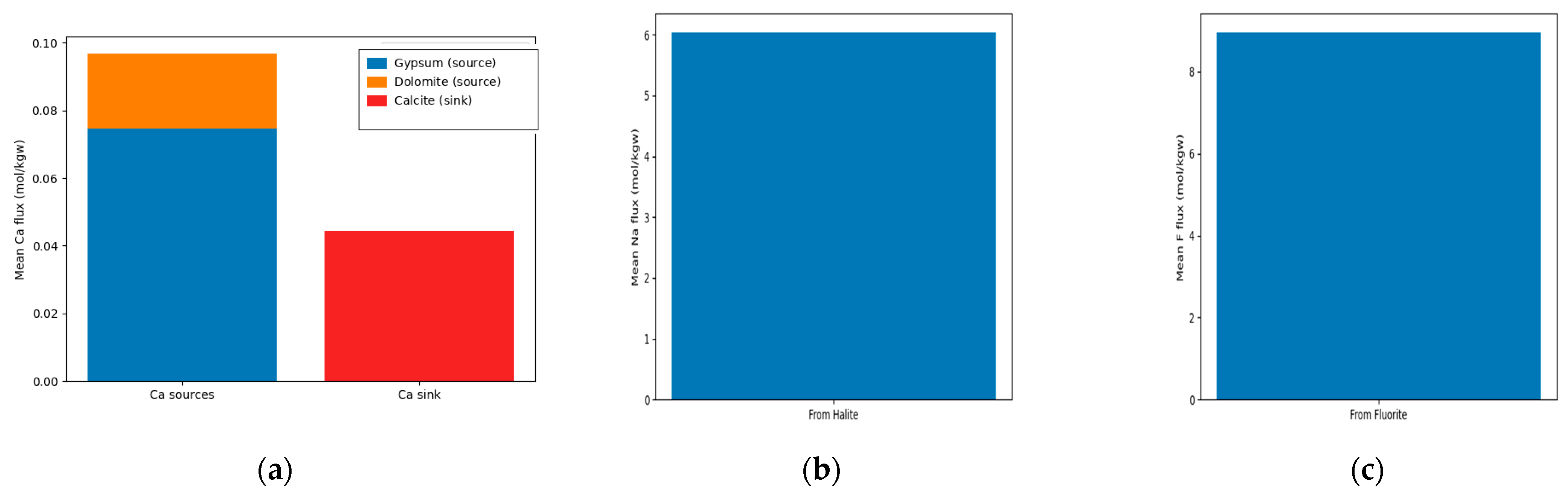
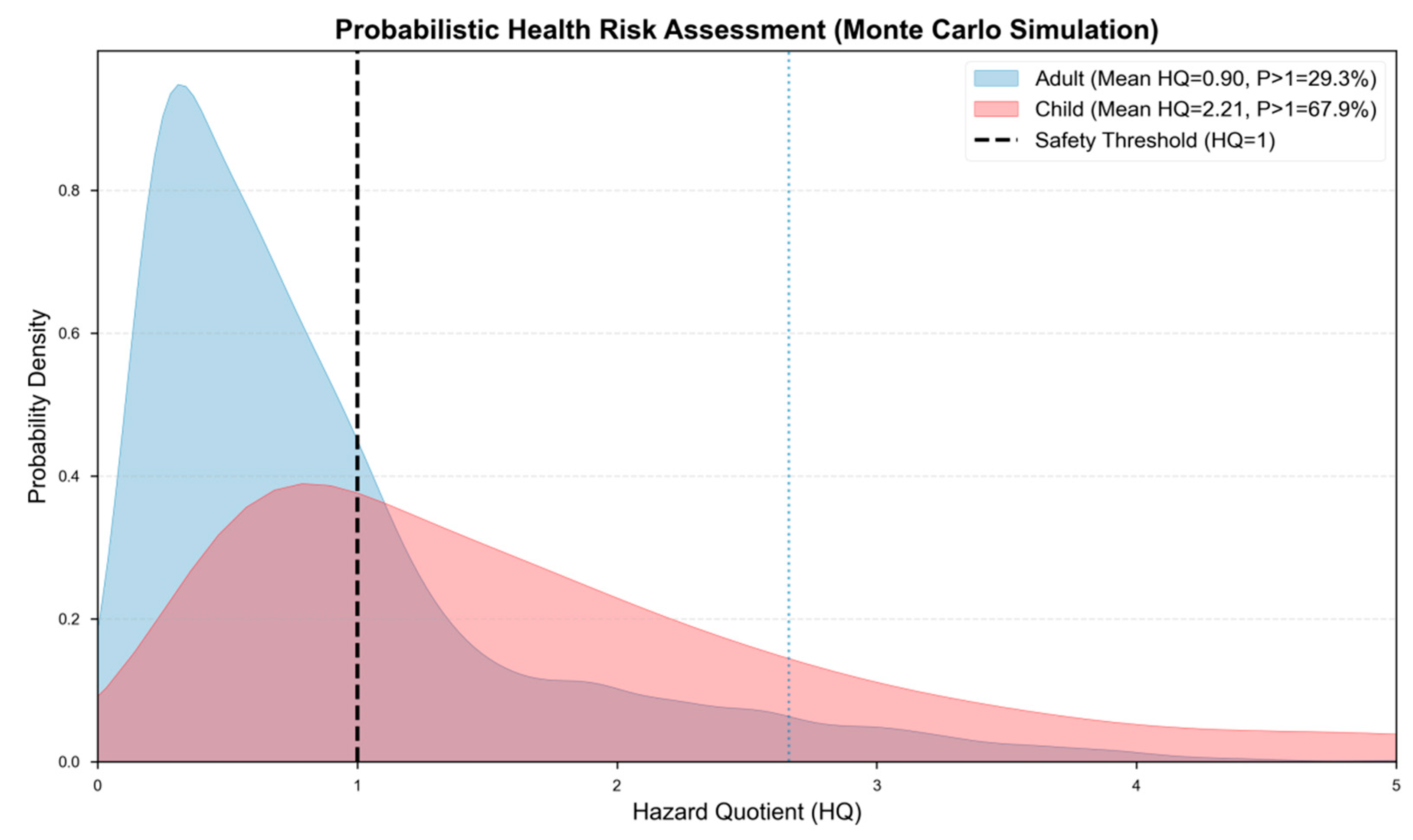
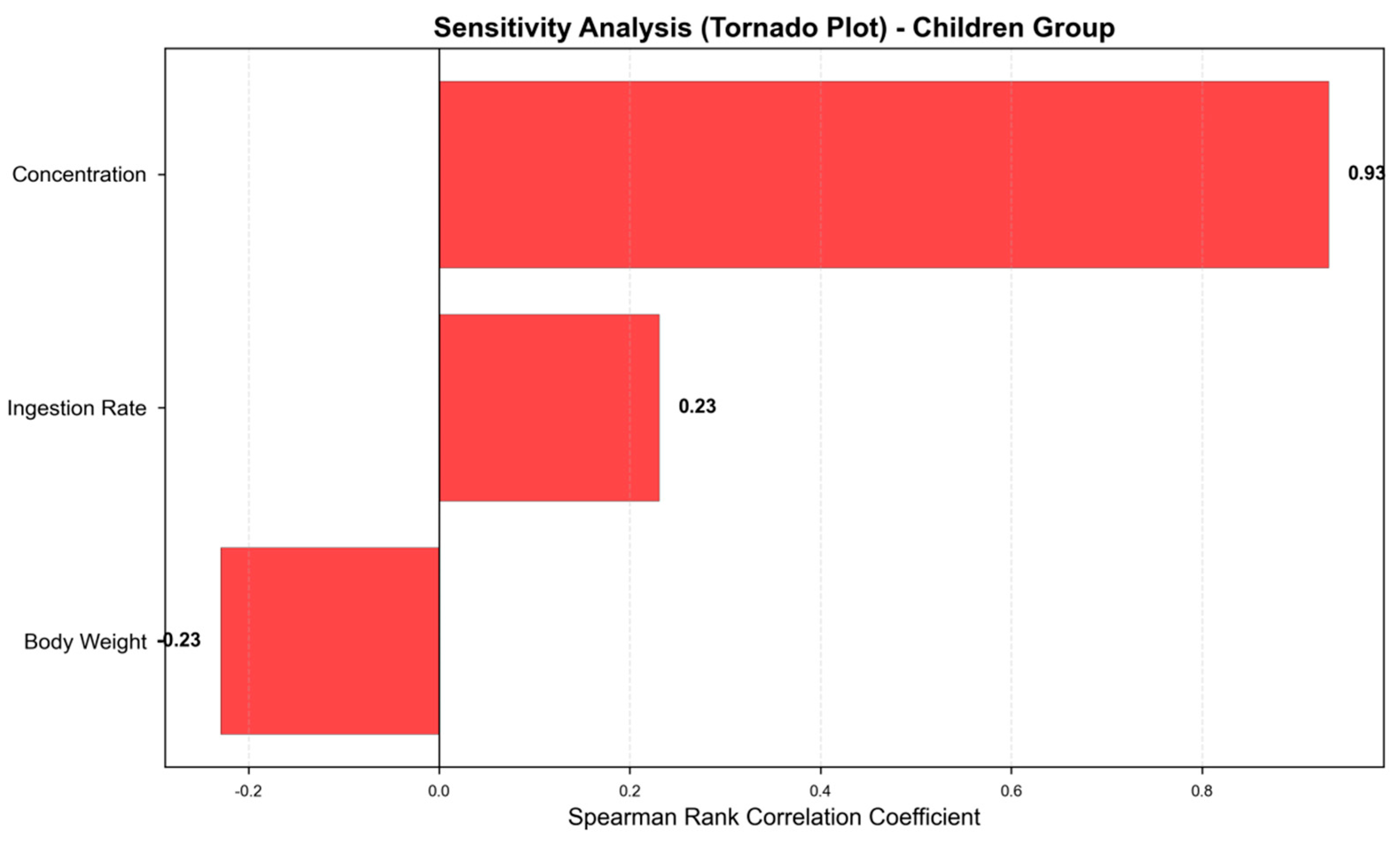
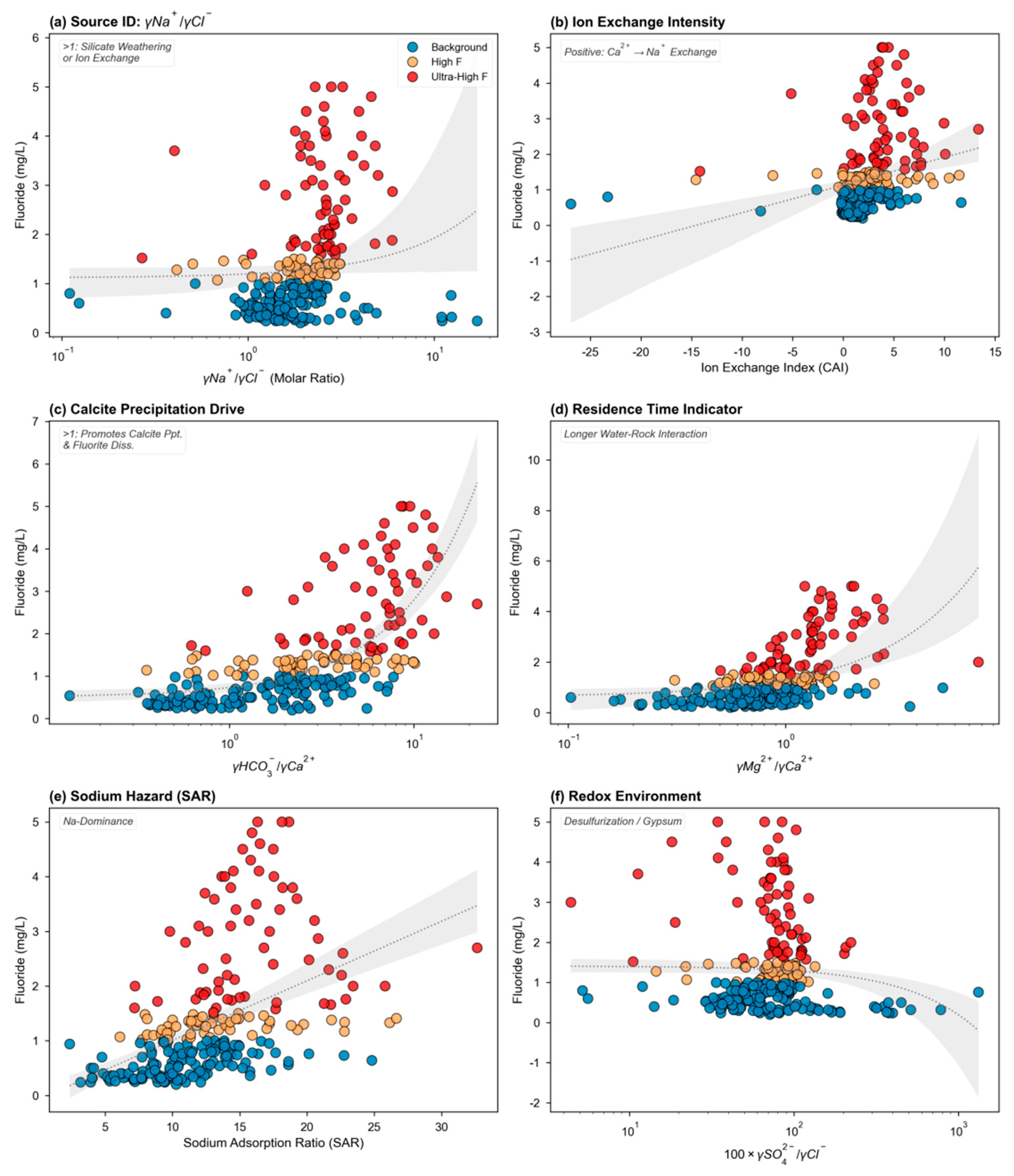
Fluoride (F) contamination in deep groundwater threatens drinking water security, yet its enrichment is commonly governed by coupled nonlinear hydrogeochemical feedbacks that are difficult to resolve with linear diagnostics alone. Here, we integrate an explainable deep learning framework (HydroAttentionNet + SHAP) with thermodynamic and mass-conservative inverse modeling (PHREEQC) to quantitatively link data-driven thresholds to mineral water processes in a multi-aquifer system. Using 258 deep-well samples, we delineate a robust evolution pathway from background to ultra-high-fluoride (Ultra-High F, ≥1.5 mg/L) waters. HydroAttentionNet achieves strong predictive skill (R2 = 0.77) and reveals a clear mechanistic tipping behavior: alkalinity (HCO3/CO32−) is the primary trigger for F activation, while progressive Na+ enrichment and Ca2+ depletion act as amplifiers by suppressing a(Ca2+) and weakening fluorite precipitation capacity. PHREEQC simulations confirm a coupled “salinization–decalcification–fluoridation” loop in which (i) evaporite dissolution elevates ionic strength (salt effect) and supplies Na+ to promote Na–Ca exchange, and (ii) carbonate re-equilibration drives calcite precipitation as an efficient Ca sink, offsetting ~45.8% of Ca2+ inputs; together, these processes maintain fluorite undersaturation and sustain net fluorite dissolution, contributing 56.6% of newly added dissolved F in evolved end-members. Monte Carlo health risk assessment (10,000 iterations) indicates substantial intergenerational inequity: 67.9% of children exceed the non-carcinogenic risk threshold (HQ > 1), compared with 29.3% of adults. Sensitivity analysis identifies source-water fluoride concentration as the dominant driver (Spearman r = 0.93), implying that supply-side interventions (defluoridation, well-screen optimization, and blending with low-F sources) are substantially more effective than behavioral measures.
Keywords: deep groundwater; fluoride enrichment; explainable machine learning; PHREEQC inverse modeling; probabilistic health risk deep groundwater; fluoride enrichment; explainable machine learning; PHREEQC inverse modeling; probabilistic health risk