Systematic Review

How Rainwater Harvesting Bridges the Water–Energy Nexus in Buildings: A Systematic Review

by
Tânia Mara Sebben Oneda
1,* and
Enedir Ghisi
2
1
Department of Civil Engineering, Sate University of Santa Catarina, Joinville 89219-710, Brazil
2
Research Group on Management of Sustainable Environments, Department of Civil Engineering, Federal University of Santa Catarina, Florianópolis 88040-900, Brazil
*
Author to whom correspondence should be addressed.
Water 2026, 18(12), 1495; https://doi.org/10.3390/w18121495
Submission received: 30 April 2026 / Revised: 5 June 2026 / Accepted: 11 June 2026 / Published: 18 June 2026
(This article belongs to the Section Urban Water Management)

Abstract

Human activities and economic development require large amounts of water and energy. The analysis of the nexus between water and energy flows can improve the understanding of the quantitative relationship between the two resources and guide actions and policies to obtain better results with lower risks. This article aimed to analyse and evaluate the use of rainwater in urban environments and its relationship with the water–energy nexus through a literature review. The PRISMA guidelines were used to structure the research, and the RStudio programme was used for the bibliometric analysis. A total of 118 articles published between 2013 and 2023 were identified in the Scopus and Web of Science databases, of which 30 met the eligibility criteria and were included in the review. The risk of bias in the studies included was assessed by two independent reviewers, and disagreements were resolved by consensus. The results were synthesized in a narrative and descriptive way, and organized in a table containing the authors, year, country, and main findings. The studies were grouped according to the theme addressed and the results related to the use of rainwater and the water–energy nexus were compared. The results indicate that the main use of rainwater is for non-drinkable purposes, to reduce the demand for potable water, lessen the pressure on water resources and contribute to environmental sustainability. Climate change can affect rainfall regimes and, consequently, the feasibility of systems. By decentralizing water supply services, the use of rainwater can save drinking water. When assessing energy savings, the use of rainwater is not always the best option, as system configurations and pump specifications are determining factors. Regarding the environmental impacts, all stages of the urban water cycle consume energy for their operation, and the environmental impact is directly related to the energy source used. Policies and regulations focused on rational use, water conservation, demand reduction, and tax incentives for the installation of rainwater harvesting systems, together with awareness campaigns, are necessary for the widespread adoption of rainwater harvesting systems. Finally, there is consensus regarding saving drinking water, but there is still a lack of studies and specifications regarding energy savings. The findings highlight the need for future longitudinal and simulation-based studies to strengthen knowledge of water–energy nexus dynamics in buildings.

1. Introduction

Water and energy are essential resources for the development of human society [1]. Human activities and economic development have exerted increasing pressure on natural resources and environmental systems [2].
Data estimated by the United Nations Educational, Scientific and Cultural Organization (UNESCO) [3] indicate that the global population may reach 10.3 billion by 2080, although estimates vary according to the forecasting approach and reference source adopted. This population growth is expected to increase water demand, due to increased demand for energy, food, and other goods and services that require water for their production and distribution. As water supply and sewage systems are energy-intensive, reducing the demand for potable water could also contribute to decreasing energy consumption and greenhouse gas emissions [4].
In this context, the water–energy nexus emerges as an approach to understand the interdependent relationships between water and energy systems [5,6]. The analysis of water and energy flows can aid in enhancing the understanding of the quantitative relationship between the two resources and guide actions and policies to obtain better results with lower risks [7].
Previous studies have frequently explored the water–energy nexus in combination with other dimensions, particularly the water–energy–food nexus [8,9,10,11,12,13]. However, the integration of rainwater harvesting systems into water–energy nexus analyses in urban buildings remains insufficiently explored. This review aims to provide a focused assessment of the interrelationship between rainwater harvesting, water savings, and energy consumption in urban contexts. Growing pressures on water and energy resources have increased interest in strategies that promote the more efficient and integrated use of these resources. The stages involved in water supply and wastewater services require high energy intensity, meaning that reducing the demand for potable water could also lead to energy savings [1,14].
In developing countries, particularly in Latin America and Brazil, rapid urbanization, increasing water demand, and infrastructure limitations are intensifying the challenges associated with water and energy management. Urban water supply and wastewater systems require considerable energy consumption, making resource efficiency strategies increasingly important. In this context, some studies have evaluated the water and energy nexus in rainwater harvesting systems [15,16,17], and concluded that rainwater harvesting can be an efficient strategy for reducing both water and energy consumption.
Existing studies have mainly focused on drinking water systems, urban infrastructure, policy implementation, and greenhouse gas emissions [16,17,18,19]. This gap highlights the need for a comprehensive overview of current studies investigating the relationship between rainwater harvesting, water consumption, and energy use. Cardoso et al. [20] also highlighted that previous studies have predominantly focused on energy consumption, while comprehensive assessments integrating water-related criteria remain limited.
Recent studies have reinforced the importance of integrated approaches for improving water and energy efficiency in urban environments. Pimentel-Rodrigues and Silva-Afonso [21] compared rainwater harvesting and greywater reuse strategies in buildings and demonstrated their potential to reduce water consumption and improve urban sustainability. Recent investigations have also emphasized the relevance of rainwater harvesting systems for increasing urban resilience and supporting sustainable water management under climate change and rapid urbanization scenarios [22,23]. These findings reinforce the importance of expanding research on the integration of rainwater harvesting systems within water–energy nexus analyses, particularly in urban buildings.
Mariani et al. [24] stated that it is essential for government policies to address both water and energy jointly, reducing the negative impacts caused by each other. Furthermore, they stated that finding sustainable solutions is indispensable to guarantee water and energy supplies for future generations and requires the active participation of society and governmental institutions in this process.
Therefore, this study aims to review and synthesize the existing literature on rainwater harvesting in buildings within a water–energy nexus framework. The study examines the interrelationships between rainwater harvesting, water consumption, and energy use to improve the understanding of their roles in sustainable resource management.

2. Methods

The method is based on a systematic literature review of studies that have investigated the water–energy nexus of drinking water, energy, and harvesting rainwater. The purpose of the systematic literature review is to “synthetize the results obtained from studies on this subject or issue, systematically, orderly, and comprehensively” ([25] p. 9). This systematic review was conducted and reported in accordance with the Preferred Reporting Items for Systematic Reviews and Meta-Analyses guidelines (PRISMA 2020 in Supplementary Materials) [26]. The review protocol was not registered. In the PRISMA guidelines, the study selection process is organized into four main stages: identification, screening, eligibility, and inclusion. In the identification stage, studies are searched in the selected databases and the total number of records retrieved is documented. Next, during the screening stage, duplicate records are removed and the titles and abstracts of the studies are examined based on the preliminary selection criteria. In the eligibility stage, potentially relevant articles are assessed through full-text reading, applying the previously established inclusion and exclusion criteria. Finally, in the inclusion stage, the studies that meet all the methodological criteria of the research are determined and constitute the final set of papers analysed in the systematic review [26,27]. The following sections detail the criteria applied in this systematic review.

2.1. Details of the Systematic Review

According to PRISMA, firstly, the research question must be defined. In this case, the question asked was: have water and energy savings been analysed as a nexus when rainwater is used in buildings? For this, a literature search was conducted of the Scopus and Web of Science databases on 10 March 2024. The search strategy employed combinations of keywords and Boolean operators to identify studies related to the water–energy nexus and rainwater harvesting in buildings. The following search terms were used: “water” AND “energy” AND “nexus” AND “rainwater” AND “rainwater in buildings”. In databases supporting advanced search functions, the query was applied to the title, abstract, and keywords fields (TITLE-ABS-KEY) to ensure a systematic and reproducible search process. Initially, fifty documents were identified in the Scopus database and sixty-eight in the Web of Science database. After collecting the data, forty-four articles were excluded as they were duplicates; seventy-four articles remained for the first analysis. Two reviewers independently screened the titles and abstracts. Disagreements were resolved by discussion. After the initial analysis, three documents were excluded because they were not classified as articles, and seven documents were excluded because they had not been published within the last ten years, since only recently published articles were considered in the analysis (2013–2023). After a full-text assessment, twenty-one articles were excluded because they did not align with the scope of this study. While these studies addressed aspects related to water or energy, they were not focused on buildings. Instead, some articles analysed water use in other contexts, such as agricultural irrigation systems and crop production, which are outside the building-focused perspective adopted in this review. Another thirteen articles were also excluded as they combined the water and energy nexus with other out-of-context elements, such as, for example, water–energy residues or studies that included food production on green roofs, thus analysing water–energy–food nexuses. Thus, the authors obtained thirty articles for the systematic review, which were analysed by the two independent authors.
Based on the articles selected, the authors performed a bibliometric analysis. The analysis was based on contributions from key countries, most-published authors, evolution of the keywords, and other details. The Bibliometrix system was used for evaluation [28] based on RStudio software (version 4.4.1). That tool aids in analysing metadata based in a bibliometric context, as it generates graphs for visualization purposes. A formal risk-of-bias assessment tool was not applied due to the heterogeneity of the included studies. However, study selection and data extraction were conducted independently by the two reviewers to minimize selection bias. The results were synthesized in a narrative and descriptive way, and organized in a table containing the authors, year, country, and main findings. The studies were grouped according to the theme addressed and the results related to the use of rainwater and the water–energy nexus were compared.

2.2. Registration and Protocol

This review protocol was not registered and no protocol was prepared before conducting the study.

2.3. Thematic Discussion

During the bibliometric analysis, clusters were also generated, which are groups of the most common subjects in the articles. The clusters were generated based on Biblioshiny, which is a web interface for the Bibliometrix package. The clusters were used as subjects for guiding what was discussed in the Results Section. In addition to a qualitative analysis, the data extraction included: author, country, water savings, and energy savings. The results were synthesized through a qualitative narrative analysis and bibliometric clustering using RStudio software (version 4.4.1). Due to the methodological heterogeneity among the included studies, a quantitative meta-analysis was not performed.

3. Results and Discussion

3.1. Study Selection

The study selection process is presented in Figure 1. A total of 118 records were initially identified through database searching. After duplicates removal and an eligibility assessment, 30 studies were included in the final review.
Studies were excluded after the full-text assessment according to the predefined eligibility criteria, including lack of relation to the water–energy nexus, absence of rainwater harvesting analysis, duplicate records, and studies outside the defined scope. The individual excluded studies are not listed separately.

3.2. Bibliometric Analysis

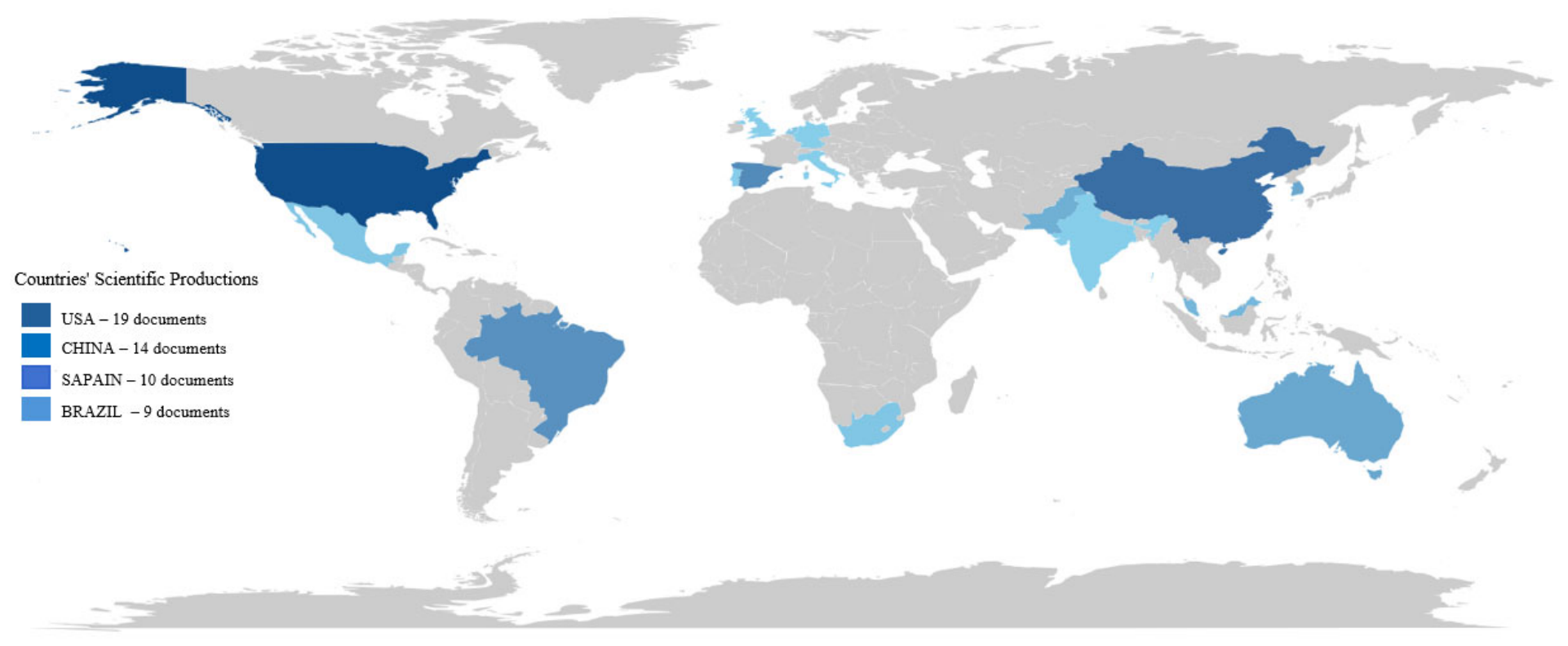
After selecting the articles, the authors verified the geographic distribution of the publications. Figure 2 shows the distribution obtained by means of the Bibliometrix system, generated by RStudio software (version 4.4.1). The darker the blue is, the greater is the number of publications from that country. It can be observed that most of the publications are from the United States, followed by China, Spain, and Brazil. A regional gap can be observed, particularly the limited representation of studies from Africa and South Asia, highlighting the need for further water–energy nexus research in buildings within these regions. It is noticeable that the prominence of some countries (such as China and Brazil) may be related to concerns about water security, urban expansion, and the sustainable use of resources.
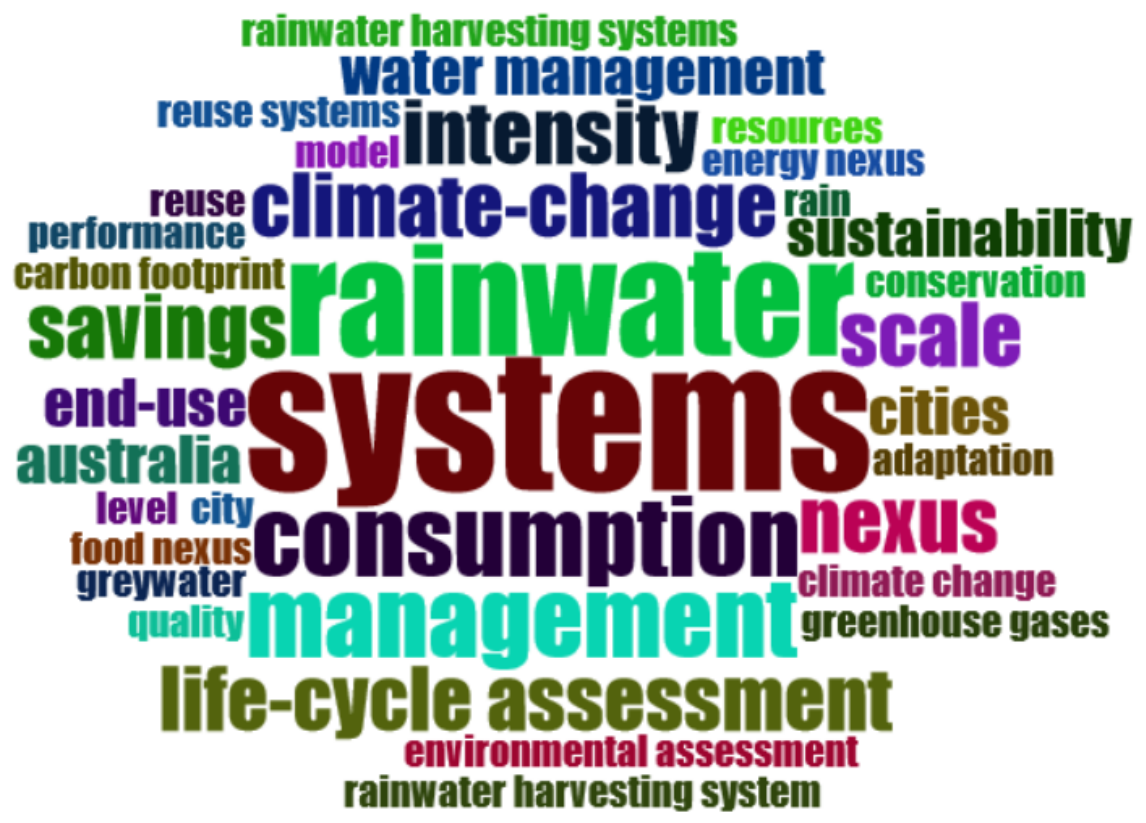
Figure 3 shows the word cloud generated by the articles. A word cloud is a hierarchical list of the most common words in articles. The clouds emphasize the most important words and indicate the most frequently used words in a larger font size. The thirty-five most-cited words were selected. The four most emphasized words are: systems, rainwater, consumption, and management. The next group of equally important words are climate change, life cycle assessment, intensity, and nexus. The limited occurrence of the term ‘nexus’ suggests that the concept is still not well consolidated in the literature, reflecting an incipient approach in the analysed studies.
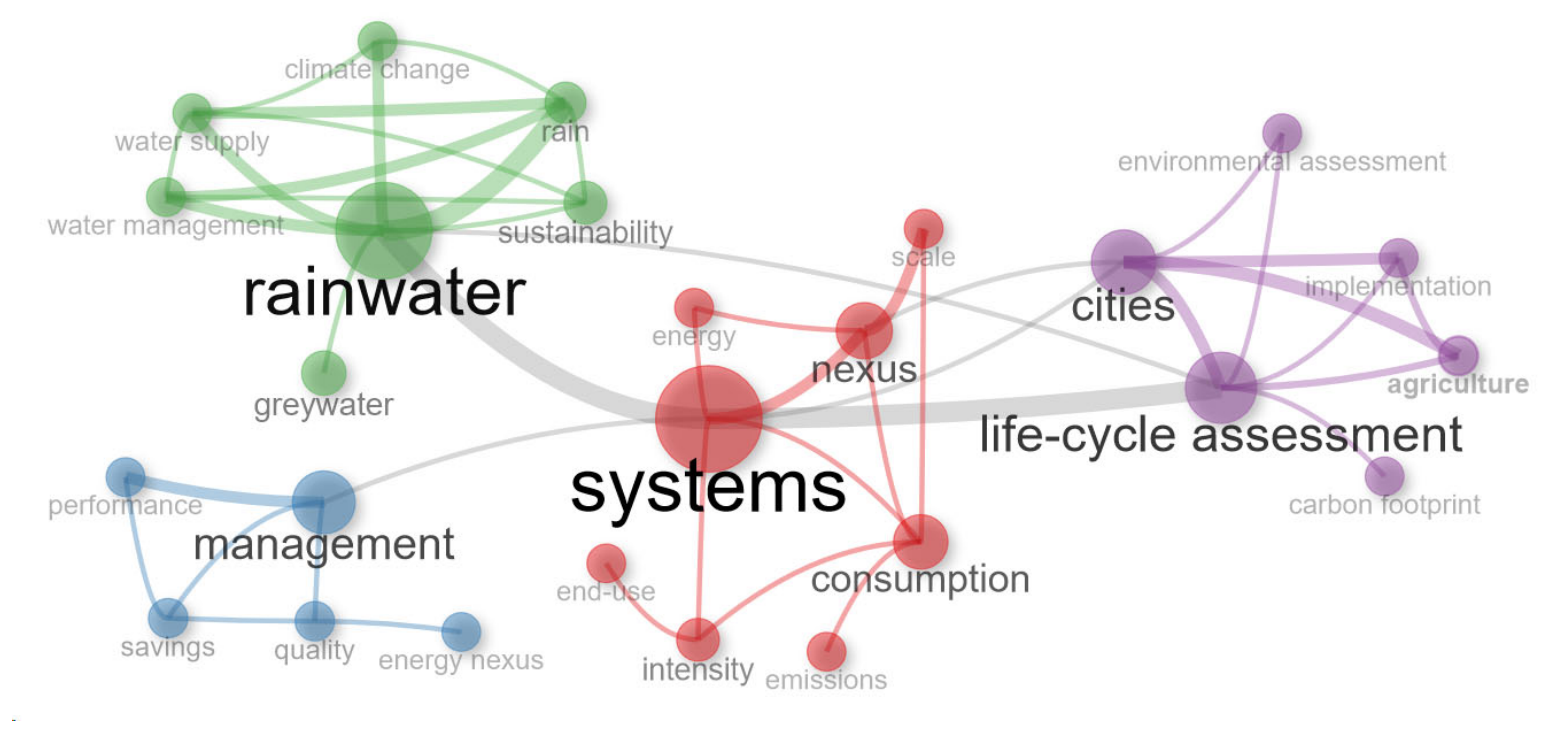
The words corroborate the subjects of interest and, based on them, clusters are generated; that is, the main arrangements of similar subjects included in the articles, as observed in Figure 4.
Four groups of distinct subjects are identified: systems, rainwater, life cycle assessment, and management. In the group related to systems, one notices that they address other subjects, such as consumption, water–energy nexus, intensity, water end use, and others.
The group related to rainwater addresses climate change, sustainability, water management, water supply, rain, and greywater. The group focused on management considers words such as performance, energy nexus, savings, and quality. And the fourth group includes life cycle assessment, cities, implementation, environmental evaluation, among others. The network structure indicates that the research in this field is organized around interconnected thematic clusters addressing sustainability in relation to rainwater harvesting, urban systems, environmental assessment, and resource management. The network highlights a broader and more interdisciplinary approach focused on sustainability and the integrated management of urban resources. These subjects will be addressed in the following sections, maintaining the focus on the issue of the assessment of water–energy savings based on the concept of rainwater harvesting in buildings.

3.3. Rainwater Harvesting Systems

Humankind is intimately dependent on water, and practically all human actions are water-related [29], but not all activities must use drinking water. For instance, for some domestic uses, such as flushing toilets, irrigation, and washing cars or pavement, the water can be supplied from a rainwater harvesting system.
A project for constructing a simple rainwater harvesting system usually includes the following components: the roof is used as a catchment area; the rain gutters and down spouts drain the first millimetres of rainwater to a disposal system; and then the remainder flows into the main storage tank. Filters and appropriate disinfection techniques for treating the stored water can be used.
Rainwater harvesting is an ancient practice that has seen its use decline with the expansion of centralized water supply systems. Centralized systems have improved access to drinking water and reduced waterborne diseases [29,30]. Wolf et al. [31] studied the relationship between diseases (diarrhoea, respiratory infections, helminth infections, and malnutrition) and access to drinking water, hygiene, and sewage. Among the results, 2.5% of global deaths in 2019 could have been avoided if basic sewage ratings had been improved.
Wurthmann [32] performed an assessment of the feasibility of using a rainwater harvesting system implemented in several houses to reduce demand and complement the water supply systems in a highly populated region in southeastern Florida. The region only uses groundwater for their water supply, and due to the forecasted high population growth, there is growing concern about the supply. This has become a relevant research project because of the increased sea levels due to climate change, the changes in precipitation, and the intrusion of salt water into aquifers. The author simulated population growth until 2060 and then forecasted water use. The study considered using non-drinking water only for gardening irrigation, and the study demonstrated that rainwater catchment could meet 54% of the total demand for additional water for new residents if these high-growth forecasts occurred. Thus, the author concluded that the implementation of decentralized systems at the residential level could aid in the formulation of management strategies for water, energy, and other resources that could become critical due to increased population growth and urbanization.
Chiu et al. [33] analysed a project for a rainwater harvesting system for non-drinking water purposes in eight communities in the metropolitan region of Taipei, Taiwan. The project was based on a GIS simulation (Geographic Information System), incorporated precipitation data, utilized a water balance model, and included an analysis of saving water and energy, and economic feasibility of the system. Three scenarios were analysed, and the most economically attractive was the one that combined the benefits of water and energy. In the other scenarios, water and energy were analysed separately, and they did not prove to be feasible, as the Taiwanese government subsidizes water and electricity costs. The water and energy savings in the communities analysed could reach up to 75.8 m3 and 138.6 kWh per family yearly, which would amount to a 21.3% savings in water consumption.
Rainwater harvesting is an extremely ancient system, as it was utilized in remote times, such as in ancient Mesopotamia and India. The water was used for drinking purposes and for public supply [34]. Currently, studies have shown that rainwater harvesting, as a non-drinking water source, can reduce the demand for drinking water and thereby decrease the burden on water resources and increase environmental sustainability. However, the benefits of these systems are influenced not only by their ability to reduce water demand but also by the operational aspects associated with water quality requirements. Different water quality standards are required depending on the end uses. Toilet flushing and irrigation, for example, may only require basic filtration, while for potable uses, the treatment levels are much higher. These treatment requirements involve higher energy consumption and can influence the overall performance of a rainwater harvesting system when analysing the water–energy nexus. Therefore, the relationship among treatment intensity, water quality requirements, and energy demand must be considered when evaluating such systems. The energy consumption associated with water treatment may also vary according to the scale of the system. Household-scale systems generally present lower distribution energy requirements, while community-scale systems may achieve operational efficiencies depending on their infrastructure configuration, treatment processes, and water demand patterns.

3.4. Rainwater Harvesting and Climate Change

Climate change has been identified as an important factor influencing the performance, feasibility, and resilience of rainwater harvesting systems within a water–energy nexus. The reviewed studies indicate that changes in rainfall patterns, increasing hydrological extremes, and growing urban water demand may directly affect both water availability and energy consumption in urban water systems [35,36,37,38,39]. In general, decentralized strategies, such as rainwater harvesting and greywater reuse, are associated with improved water security, reduced potable water demand, and potential reductions in greenhouse gas emissions. However, the magnitude of these benefits varies according to the climatic conditions, infrastructure characteristics, implementation costs, and local demand patterns.
Khalkhali et al. [36] analysed the impacts of climate change and the decentralization of energy and water consumption; their study location was the city of Boston. They considered the usage of rainwater, greywater reuse (considered as decentralized), and centralized water supply and sewage treatment systems. They confirmed that climate changes would contribute to a slight increase in energy usage of centralized systems. They also identified an increasing trend in the energy demands of urban water cycles that is related to climate changes and the adoption of decentralized systems. The magnitude of the increased energy demand depends on the type, scale, and standards of the adopted decentralized system, highlighting the importance of proactive planning of systems to relieve future climatic challenges.
Gianoli and Bhatnagar [37] assessed the impact of climate changes on the water–energy nexus in Cuenca, Ecuador. They considered technologies for saving water and energy, such as rainwater harvesting, solar water heaters, and microturbines (micro-hydroelectric power plants). The results indicated that harvesting rainwater could reduce the water network demand by 22% and the energy demand by 3.6 million kWh yearly. These energy savings were used for calculating the reduction in greenhouse gases and, in the period analysed, it resulted in a reduction of 12.5 million kg of CO2. However, rainwater harvesting was not considered feasible due to the high implementation costs and the fact that it did not reduce the volume of the effluents treated at the sewage treatment station. If the emission of greenhouse gases was considered monetarily, rainwater harvesting would become a feasible solution.
Silva et al. [38] assessed the benefits of and barriers to rainwater harvesting systems through a literature review. Greenhouse gas emissions and climate change mitigation were analysed. They concluded that a rainwater harvesting system could decrease the amount of greenhouse gas emissions in the operating phase, which could positively contribute to decreased climate changes. Another aspect of a rainwater harvesting system is that it can contribute to reducing the impact of climate changes on the water supply, as it is a local source of water and therefore can contribute to water security.
Toosi et al. [35] evaluated the impact of climate changes on the estimates and dependability of the rainwater harvesting system in the city of Mashhad, Iran. The results showed that the rainwater harvesting system could be a viable option as a water supply even while undergoing climate changes, as it could mitigate water scarcity in cities located in arid climatic conditions. The study considered the dependability of the system and pointed out that climate changes could cause a significant impact on socioeconomic factors, such as residential water demand, consumption standards, and payback.
Crisman and Winters [39] assessed water usage and sewage treatment on ten Caribbean islands, considering the forecast of future impacts arising from climate changes and increased population. They concluded that alternative sources of water must be found for the locations studied, as the residing population suffers from unsustainable water resources, and rainwater harvesting is one of the alternatives. The daily per capita use of water by tourists is 3.6 times greater than that by residents. Currently, some locations, such as the Grenadine and Jamaican islands, are already using rainwater, but the development of communitarian systems must be considered as they are more efficient and innovative than domestic systems. They also concluded that national policies must address and incorporate adaptive water management involving the population, tourism, and climate change dynamics.
These results suggest that, while rainwater harvesting systems can contribute to reducing the demand for potable water, improving water security, and decreasing greenhouse gas emissions, their performance depends on climatic conditions, precipitation variability, urban characteristics, and local water demand patterns. Given the evidence of climate change on the planet, the occurrence of extreme hydrological events raises concerns about both water surpluses and shortages. Reductions or changes in seasonal distribution of rain could affect the feasibility and sustainability of rainwater harvesting systems that fundamentally depend on the quantity of rainwater collected from roofs. Otherwise, the incidence of rain could positively contribute to the water supply and increase regional water security.

3.5. Water and Energy Management

The reviewed studies suggest that hybrid approaches combining centralized and decentralized systems may improve urban water resilience and resource efficiency. Rainwater harvesting and greywater reuse have been increasingly investigated as strategies to reduce pressure on centralized infrastructure, improve water security, and potentially decrease energy consumption [40,41,42,43,44,45]. Nevertheless, the effectiveness of these systems depends on local climatic conditions, infrastructure characteristics, operational configurations, and economic feasibility.
Zang et al. [41] evaluated the performance of a decentralized system for water supply at a higher education institution in India. The results indicated that rainwater harvesting and recovered wastewater made up 42% of the infrastructure costs, with a payback of 250 years by reducing operating expenses. When only analysing the scenario of recovering wastewater, the payback was 15 years. The systems analysed provided noteworthy environmental benefits, as there was a 39% reduction in capturing groundwater, a 12% reduction in electricity, and a 23% reduction in operating expenses. They concluded that rainwater harvesting required a high investment cost in infrastructure, and it was impacted by local climate conditions. In this case, governmental policies must provide support to wastewater recovery in low-and-medium-income countries.
Lu et al. [40] studied the decentralization of a water supply system through rainwater harvesting and greywater reuse. The objective of the study was to understand domestic and communitarian preferences regarding decentralized water installations in the cities of Atlanta and Boston, both in the United States. Among the diverse results, they discovered that the adoption of a decentralized system by neighbours and pressure due to water scarcity increased the willingness of families to seek alternative sources and even share a decentralized installation. They concluded that by combining decentralized systems, such as rainwater harvesting with a centralized water infrastructure, a hybrid system could be created that would be more economic, energy efficient and resilient than updating the centralized water infrastructure to the same service level.
Jones and Leibowicz [42] confirmed ways to maximize the benefits of decentralized water and energy distribution systems in a neighbourhood of Austin (Texas, USA). Solar photovoltaic and wind (smaller turbines) energy systems were among the technologies used for decentralizing energy. The technologies employed for decentralizing water in the study were rainwater harvesting and greywater reuse. Individual studies were performed on groups of 32, 320, and 3200 houses. The results indicated that the distributed production of electricity and water increased, and the total costs decreased, when resources and demands were clustered on larger communitarian scales.
Li et al. [43] analysed the decentralization of water supply services in the city of Boston (USA), combined with the concept of water–energy nexus and evaluating the environmental impact. The results indicated that solutions that included rainwater harvesting and greywater reuse saved around 21% of drinking water from storage tanks, but there was only a 1% decrease in carbon emissions from wastewater treatment. A decentralized system is more appropriate for regions suffering from high-energy consumption and greenhouse gas emissions.
Vieira and Ghisi [44] evaluated the potential energy savings from strategic management of water and sewage services in low-cost housing in Florianópolis, Brazil. The potential water and energy savings from greywater reuse and rainwater harvesting was determined in comparison to centralized water and sewage systems. The results indicated that the supply from greywater and rainwater made up 24% and 43% of the total water consumption of residences, respectively. Regarding energy savings, rainwater harvesting consumed more energy (0.86 kWh/m3), followed by centralized systems (0.84 kWh/m3). Greywater reuse was the most efficient energy strategy (0.54 kWh/m3). They concluded that alternative water and sewage services could promote energy savings compared to centralized systems, but only when sewage production was reduced.
The practice of integrating decentralized and centralized systems is attractive, as it offers a strategy for cities to face water stress without abandoning the existing infrastructure or making large investments [45].
Therefore, it is observed from the analysed studies that decentralizing water supply services, by considering rainwater harvesting or greywater reuse, can contribute to improving urban water resilience and reducing pressure on water resources. The same does not happen when energy savings are analysed. When energy savings are assessed, rainwater harvesting is not always the best option as, in some cases, a high initial investment is required for the installation of a system, and in other cases, the energy consumption is higher than that of centralized alternatives due to treatment requirements, pumping demands, and operational configurations. These findings suggest that hybrid approaches should be evaluated according to site-specific conditions, considering the technical, environmental, and economic factors rather than assuming universally positive outcomes.

3.6. Rainwater Harvesting and Environmental Impacts

The environmental implications of the water–energy nexus are strongly associated with energy consumption throughout an urban water cycle and with the characteristics of the adopted water supply strategy. The reviewed studies indicate that rainwater harvesting systems may contribute to reducing greenhouse gas emissions, potable water demand, and environmental impacts, although the results vary according to the system’s configuration, operational requirements, and energy sources [46,47,48,49,50,51].
Choueiri et al. [47] compared energy usage and carbon emissions per cubic meter and per capita from formal and informal water sources for a neighbourhood in Beirut, Lebanon. Rainwater harvesting, water pumped from wells, water distributed by tanker trucks and purchased bottled water were among the informal water sources. The results indicated that informal sources utilized more energy and released increased carbon emissions. They represented 83% of the total energy and 72% of total carbon emissions per person/year. They concluded that while informal sources are necessary to offset the scarcity of water in communities, they result in negative impacts.
As pointed out in the bibliometric analysis, many articles used a life cycle assessment (LCA) to analyse the environmental impact caused by the water–energy nexus. This method is widely used globally for its accuracy and the support of many researchers [48].
Toboso-Chavero et al. [49] utilized an LCA to analyse the technical feasibility and environmental implications for producing foods, energy, and rainwater harvesting on rooftops in the city of Barcelona (Spain). The results indicated that, in the usage phase, the integration of rainwater harvesting and production of foods would avoid relatively negligible CO2 emissions (13.9–18.6 kg of CO2 eq/inhabitant/year), but in the construction phase there would be a low environmental impact. When the use of rainwater harvesting was combined with energy systems (photovoltaic or solar), the results showed that in the use phase it would be possible to avoid an increase in CO2 emissions at a level of 177–196 kg/CO2 eq/inhabitant/year, but it would generate increased emissions in the construction phase.
Kim and Chen [50] prepared an inventory of energy consumption in the urban water cycle in Seoul, South Korea. They considered all the stages involved, from collection, treatment, distribution, and end use. After the energy consumption inventory, they also studied the potential indirect energy savings and reduced carbon emissions from the increased use of rainwater harvesting and greywater reuse. The results indicated that wastewater treatment was the stage that consumed the most energy and advised using renewable sources for energy production and carbon emissions reduction. Reduced water consumption reduced energy consumption, and the estimated energy savings utilizing rainwater harvesting and greywater reuse was 8.5%, but those savings depended on the system (whether centralized or decentralized). The energy savings were confirmed when rainwater harvesting and greywater reuse were considered as decentralized, but when they were studied as centralized, the energy savings were controversial.
Gómez-Monsalve et al. [51] analysed, through an LCA, the environmental performance of the rainwater harvesting system and greywater reuse (called hybrid system) in a residence in Colombia, South America. The authors compared the hybrid system to the centralized system of water supply and sewage treatment. The hybrid system provided enhanced environmental performance compared to the centralized system; it saved 42.5% of drinking water and reduced sewage generation for the treatment plant by 20%. The study confirmed the environmental benefits of the hybrid system.
Valdez et al. [52] compared the greenhouse gas emissions and energy consumption between water supplied by the municipal network and different configurations of a rainwater harvesting system in Mexico City. A life cycle assessment methodology was used for that purpose. The results proved that rainwater harvesting can reduce greenhouse gas emissions and mitigate the risk of flooding, making the city more resilient.
The studies reviewed indicate that the environmental implications of the water–energy nexus are strongly associated with energy consumption patterns throughout the urban water cycle and with the characteristics of the adopted water supply strategy. The environmental performance varies according to system design, operational requirements, implementation scale, and the energy sources supporting water-related processes. When analysing the environmental impact, there is consensus on the use of the life cycle assessment methodology to carry out the research. All stages of the urban water cycle consume energy for their operation, and the environmental impact is directly related to the energy source used. Therefore, evaluating environmental impacts within a water–energy nexus requires an integrated perspective that considers not only water savings, but also energy demand and long-term environmental consequences.

3.7. Water–Energy Nexus and Rainwater Harvesting

The reviewed literature demonstrates a broad consensus regarding the potential of rainwater harvesting systems to reduce potable water consumption in urban buildings. However, the same consensus does not exist regarding energy savings, since the reported results vary considerably according to system configuration, pumping requirements, operational strategies, building characteristics, and local climatic conditions [53,54,55,56,57,58,59,60,61,62,63,64,65]. While several studies have reported positive outcomes related to both water and energy savings, others have identified increased energy consumption associated with pumping systems and decentralized infrastructure.
Zhang et al. [53] analysed rainwater harvesting combined with greywater usage to verify potential water and energy savings in a location where the supply of these resources is unreliable. The simulation was made for a residence in Durban, in Kwa-Zulu Natal Province, South Africa, and the results indicated that the proposed integrated rainwater harvesting and greywater reuse system would be beneficial, related to savings in water and financial savings on energy, with a payback in 4.39 years.
Cureau and Ghisi [54] analysed the energy savings for the water supply and sewage system due to a reduction in drinking water consumption in the Cachoeira River Basin, in Joinville. They considered four different strategies to reduce drinking water consumption: substitute common single-activation flush valves by dual activation, greywater reuse, rainwater harvesting, and a combination of these three strategies. In addition, they analysed four types of buildings: single-family residences, multiple-family residences, commercial, and public. The results indicated that the combination of strategies was the best option for energy savings, ranging from 2136.8 MWh/year for the minimum savings scenario to 8951.5 MWh/year for the maximum savings scenario.
According to Vieira et al. [55], rainwater harvesting requires less energy to supply urban areas compared to other alternative sources of water, such as saltwater and greywater. Siddiqi and Fletcher [56] confirmed that changes in the water supply system (from centralized to decentralized) and intense urbanization in cities generate impacts on energy consumption that are not completely known or planned.
Njepu et al. [57] examined the water–energy nexus in residences utilizing rainwater harvesting and greywater reuse, considering the ideal dimensioning of the storage tank and the gravity-fed distribution system. As a result, they obtained drinking water savings of 20.5% and energy savings of 62.54%.
Park and Kim [58] analysed the water–energy nexus in the city of Seoul (South Korea). They used an inter-regional input–output analysis, and they observed how much Seoul depended on water-related energy from other regions, as they produced only 3.2% of the electricity necessary to supply water to the city and the remainder came from other regions. To offset that, Seoul conserved more than 64 million m3 of water from 2013 to 2017 through rainwater harvesting and wastewater reuse, resulting in a reduction in electricity use of 14,799.36 MWh.
Marteleira and Niza [59] analysed the water–energy nexus, which uses rainwater harvesting, on the campus of “Instituto Superior Técnico” (Higher Education Technical Institute) (IST), in Oeiras, Portugal. They used the RaINvesT tool (Rainwater harvesting INvestment analysis Tool), which is an instrument designed to analyse the feasibility of a rainwater harvesting system, as it helps in dimensioning systems and makes it possible to estimate the energy incorporated by each cubic meter (kWh/m3). They concluded that rainwater harvesting on campus is not a viable business model for a water distribution concessionaire. But, from the client’s perspective, it proved to be an advantageous investment, with a payback period of twelve years.
Vieira and Ghisi [14] evaluated the potential for energy savings in water and sewage services through strategies implemented in low-cost housing in Florianópolis, Brazil. The strategies included the installation of efficient taps, dual-activation flush valves, greywater use in toilets, and rainwater harvesting for washing clothes and flushing toilets. They concluded that rainwater harvesting was the least favourable strategy in terms of energy savings, as consumption increased by 4%. The best energy savings were achieved by combining efficient equipment and using greywater, which resulted in savings of 48%.
Siems and Sahin [60] analysed energy consumption due to rainwater harvesting systems in Queensland, Australia. The results indicated that the performance of the pump led to significant costs differences. In almost half of the houses monitored, it increased the cost of electricity for the owners. The study demonstrated that pump selection and non-potable end uses are considered important to improve cost-effectiveness. That was also reported by Talebpour et al. [61] in a study on pumping systems used for rainwater harvesting in nineteen residences in Queensland, Australia. The choice of the pump and the construction arrangement were the factors impacting energy consumption. Vieira et al. [54] also reported that a rainwater harvesting system may have lower energy performance compared to centralized systems, depending on the local conditions and system configuration.
Malinowski et al. [62] confirmed that there were energy savings based on rainwater harvesting and greywater reuse on local scales (Charlotte, North Carolina) and on a national scale (the United States). On the national scale, they estimated that up to 3.8 billion kWh/year could be potentially saved by using only rainwater harvesting for irrigation alone, and about 14 billion kWh/year could be saved by using both rainwater harvesting and greywater reuse. On the local scale, the water company could save up to 31 million kWh yearly, but the energy savings per household were low, ranging from 1 to 120 kWh of energy per year.
Vieira et al. [55] reviewed the energy intensity data in the literature for rainwater harvesting systems. They found differences between the theoretical and practical studies. In the theoretical studies, 0.20 kwh/m3 was the median energy intensity, which was less than that in the practical studies (1.40 kWh/m3). The authors explained this difference as the result of the theoretical studies may not having considered the energy for starting the pumps and the true energy efficiency of the system. When they compared the results with centralized supply systems, they concluded that the practical studies showed that rainwater harvesting systems tend to utilize three times more energy, although the theoretical studies indicated lower values.
Umapathi et al. [63] evaluated the energy expenses from the rainwater harvesting system for twenty residences located in Southeastern Queensland, Australia. They found a variation of 4.3 kWh/m3 to 211.6 kWh/m3 in the energy consumed to pump the system during the twelve months studied. This difference was attributed to different pumping characteristics and the drinking water supply method when rainwater was insufficient to supply their needs.
Hong et al. [46] evaluated the use of energy in the water sector in a water-stressed city in Korea with several water supply options, including rainwater harvesting. The use of energy was evaluated in all phases of the water cycle in the urban environment. Regarding rainwater harvesting and greywater reuse, it confirmed that the system tends to consume greater amounts of energy, probably due to a lower capacity, yet it varied based on the water end use. For uses of non-drinkable water, such as industrial refrigeration, toilets, cleaning, and gardening, energy consumption could be reduced. They concluded that rainwater harvesting and greywater reuse presented higher energy intensities, requiring optimization of the size and configuration of a system.
Proença et al. [64] studied the potential for electricity savings by reducing drinking water consumption in Florianópolis, Brazil. They analysed different water consumers (public, commercial, and residential) and different consumption reduction strategies, such as dual-activation flush valves, greywater reuse, and rainwater harvesting. They concluded the greatest potential for saving drinking water was in the public sector (60.3%), followed by the commercial (53.3%) and residential (30.0%). The total saved drinking water was 40.2% across the three sectors of the city, by combining the three strategies for reducing consumption proposed in the study. This saved drinking water would reduce electric energy consumption in Florianópolis to 4.4 GWh/year, which represents about 0.5% of the total consumption of the city. This would be enough to supply 1217 houses or apartments in Florianópolis with an average energy consumption of 300 kWh/month.
The local characteristics, including the demand for rainwater and type of construction, can interfere with the feasibility of a rainwater harvesting system. Particularities of the rainwater harvesting project, the drinking water supply project, and the energy expenses of centralized systems in a city will determine whether the performance of rainwater harvesting system is acceptable, both from an environmental and economic point of view [55].
Many articles have shown the saving of drinking water through rainwater harvesting, but not all of them have come to the same conclusion regarding the subject of energy consumption. Meng et al. [65] stated that a rainwater harvesting system is more energy and carbon intensive compared to using drinking water from a tap for irrigation. The higher energy intensity was also pointed out by Siems and Sahin [60], Talebpour et al. [61] and Vieira et al. [55]. On the other hand, the differences in the reported energy savings cannot be attributed solely to system configuration and pump specifications. Other factors may have significantly influenced the results, including local rainfall patterns, building characteristics, water demand profiles, storage tank sizing, operational strategies, and methodological differences among studies. These aspects may have affected both the performance of rainwater harvesting systems and the resulting interactions within the water–energy nexus.

3.8. Synthesis and Analysis of Results

After performing an in-depth analysis of all the related articles, Table 1 synthesizes the articles so one can observe the quantitative results.
After organizing the results, a lack of standardization in the reporting of water and energy savings was observed across the studies. Most studies expressed the results as percentage reductions, whereas others adopted different indicators and units, which may have hindered comparisons and affected the synthesis of evidence from within the reviewed literature. It was also noticeable that not all the studies listed in Table 1 provided explicit values when showing higher or lower energy levels. This omission of energy data can also be considered a gap in the existing research, along with the data on water.
The analysis shows that all the articles reveal savings in drinking water through rainwater harvesting. The savings generated can vary based on the building type (residential, commercial, or public) and the apparatuses and uses when substituting rainwater. Despite the variation in percentages of savings, there is a consensus regarding the fact that rainwater harvesting saves drinking water. Some studies consider both rainwater harvesting and greywater reuse, and the results obtained show the benefits of the two systems together. This ends up hiding and even confounding the results when the focus is only on rainwater harvesting, but emphasises the benefits related to saving drinking water. There is an important observation about rainwater catchments and the number of users. In multifamily apartment buildings, the proportion of roof area per user is less than in single-family residences.
However, one can observe that not all the studies come to the same conclusion when analysing the energy savings. In terms of energy, the configuration of the system and the specifications of the pump are the determining factors. For example, in the Australian studies, rainwater is pumped from a lower storage tank to the end-use location. The Brazilian studies indicate that rainwater is pumped from a lower storage tank to an elevated storage tank and from there it flows, gravity-fed, to the end-use location [55]. The correct pump selection and the end uses of the rainwater are important considerations to optimize cost–benefit analyses. The specifications of all elements of a rainwater harvesting system can provide owners and builders with a basis for enhancing their decision-making regarding a system’s implementation in residences [60]. Otherwise, the composition and specifications of a system may interfere with energy consumption.
Many studies indicate the benefits and savings that can be achieved in a water–energy nexus, but they do not prove to be financially feasible during their useful lifetime [37,41,66]. In many locations, the high cost of the implementation of a rainwater harvesting system and government subsidies for water and electricity fees contribute to their unfeasibility. The subsidy of fees can stimulate and even, in some cases, increase consumption, which exacerbates the situation. Facing the accelerated growth of cities, population growth, increasing demand for water and energy and the imminence of water scarcity intensified by climate change, it is essential that governments provide subsidies to foster the adoption of rainwater harvesting systems to conserve water and the environment in general. Policies, regulations, and incentives focused on rational use, water conservation, and demand reduction are essential for maintaining the minimal conditions to provide sanitation and health to future populations.
Rainwater harvesting provides several advantages, such as protecting the environment and the utilization of some pre-existing structures in buildings (roofing, rain gutters, and pipes) in a project. Other advantages are also considered, such as the availability of water with acceptable quality for diverse purposes, increased water security to supply the needs of population growth and improving the distribution of rainwater discharge into drainage systems. In addition to the items mentioned, it is important to list the reduction in flood risks, the possibility of using it to recharge groundwater, among others [70]. For example, in the study by Ghisi and Freitas [69], the potential for reducing the volume of rainwater run-off into a drainage system is 11.8% compared to the total volume added without a rainwater harvesting system. Meng et al. [65] state that the potential for rainwater harvesting for non-potable use is underestimated and that current stormwater management practices are generally designed for flood control. Therefore, one can notice a potential for mitigating flooding in urban centres through the harvesting and use of rainwater. It is one of the advantages that must not be neglected when studying the feasibility of implementing rainwater harvesting systems, as it is not always considered in research studies.
When compared to centralized drinking water supply and sewage treatment systems, the usage of non-potable water supplied by rainwater harvesting promotes drinking water savings and increases local water security. However, studies indicate that there is not any impact on sewage generation [37]. For the water companies that charge for sewage treatment based on the return coefficient, rainwater harvesting can generate losses. Less water is consumed, but the generated sewer volume for treatment is the same; that is, there is less revenue from the delivery of drinking water with the same costs for the volume of treated sewage.
Finally, it is necessary that there be intense awareness among the world’s population about water conservation for future generations, the issue of the use of fossil fuels for energy generation, and public policy and governance, so that rainwater harvesting is seen as providing a service of interest to society, considering its environmental aspects. Only then will rainwater harvesting be widely employed and applied, demonstrating its multiple benefits and no longer the object of small studies in only some regions.

3.9. Limitations

This review presents some limitations that should be acknowledged. The search was restricted to studies published in English, which may have excluded relevant publications in other languages. In addition, grey literature, such as technical reports, dissertations, and conference papers, was not included in the analysis. The review also focused on studies published between 2013 and 2023, which may have limited the inclusion of earlier relevant research. Furthermore, no meta-analysis was performed due to the heterogeneity of methodologies, study designs, and reported indicators among the selected studies.

4. Conclusions

The objective of this research was to analyse and evaluate rainwater harvesting in buildings and its relation to the water–energy nexus through a literature review. This systematic review was conducted and reported in accordance with the PRISMA 2020 guidelines [26]. RStudio (version 4.4.1) software was used to support the bibliometric analysis and data organization, ensuring transparency and reproducibility throughout the review process. The review protocol was not registered. The results were organized by the subjects that appeared in clusters after performing the bibliometric analysis.
Rainwater harvesting is an old system, and studies currently indicate that the use of rainwater as non-potable water serves to reduce the demand for drinking water, reduces the pressure on water resources and increases environmental sustainability. Climate changes could contribute positively to the incidence of rainfall in some regions and water scarcity in others that could make these systems unviable.
Regarding the environmental impacts of rainwater harvesting systems, there is a consensus regarding the use of the life cycle assessment methodology for analysis. All phases of the urban water cycle consume energy for their operation, and the environmental impacts are directly related to the utilized energy source. When energy savings are analysed, rainwater harvesting is not always the best option, as in some cases the energy consumption is higher than when using other proposed sources. The composition and specifications of a system can interfere a great deal with energy consumption.
In addition to conserving drinking water for other purposes, the use of rainwater can contribute to the prevention of flooding in cities. Through the storage of rainwater in storage tanks in building installations, the peak flow during rainfall can be reduced, contributing to reducing the flow in a city’s drainage system.
Regarding system feasibility, not all studies demonstrate positive outcomes, as local characteristics, such as rainfall availability, water demand patterns, and building characteristics, may significantly influence the performance and feasibility of rainwater harvesting systems. Therefore, broader adoption of these systems requires careful consideration of site-specific conditions and greater understanding of the factors influencing their effectiveness.
Finally, it is concluded that, when considering the water–energy nexus based on rainwater harvesting in buildings, there is a consensus regarding the saving of drinking water, but there is still a lack of studies and specifications regarding energy savings. The energy source utilized, the system configuration, and the pump specifications are still factors that influence the energy use and environmental issues. The findings highlight the need for future longitudinal and simulation-based studies to strengthen knowledge about water–energy nexus dynamics in buildings. A limitation of this study is the use of a restricted number of databases, which may have limited the identification of additional relevant studies. Future studies could incorporate a broader range of databases to enhance the comprehensiveness of the review.

Supplementary Materials

The following supporting information can be downloaded at: https://www.mdpi.com/article/10.3390/w18121495/s1, File S1: PRISMA 2020 Checklist. Reference [71] is cited in the supplementary materials.

Author Contributions

T.M.S.O.: Writing—original draft, Methodology, Investigation, Formal analysis, Data curation, and Conceptualization. E.G.: Writing—review and editing, Supervision, Validation, Visualization, and Formal analysis. All authors have read and agreed to the published version of the manuscript.

Funding

This research received no external funding.

Data Availability Statement

The data used to support the findings of this study are available from the corresponding author upon request.

Conflicts of Interest

The authors declare no conflicts of interest.

References

  1. Wang, X.; Song, J.; Xing, J.; Duan, H.; Wang, X. System nexus consolidates coupling of regional water and energy efficiencies. Energy 2022, 256, 124631. [Google Scholar] [CrossRef]
  2. Ke, J.; Khanna, N.; Zhou, N. Analysis of water–energy nexus and trends in support of the sustainable development goals: A study using longitudinal water–energy use data. J. Clean. Prod. 2022, 371, 133448. [Google Scholar] [CrossRef]
  3. UNESCO. World Population Prospects 2024: Summary of Results. United Nations Department of Economic and Social Affairs, Population Division. 2024. Available online: https://desapublications.un.org/publications/world-population-prospects-2024-summary-results?_gl=1*fstp0x*_ga*MjEyNTUyMTc3Mi4xNzY0Nzc5NjQ2*_ga_TK9BQL5X7Z*czE3NzI3OTg2NjAkbzEkZzAkdDE3NzI3OTg2NjAkajYwJGwwJGgw (accessed on 6 March 2026).
  4. UNESCO. The United Nations World Water Development Report, 2020: Water and Climate Change. UN-Water. Available online: https://unesdoc.unesco.org/ark:/48223/pf0000372985 (accessed on 29 April 2026).
  5. Gou, H.; Ma, C.; Liu, W. Paradigm shift in water-energy nexus: Cognitive reconstruction and methodological innovation from resource dependency to system coupling. Renew. Sustain. Energy Rev. 2025, 229, 116659. [Google Scholar] [CrossRef]
  6. Nakhaei, M.; Akrami, M.; Gheibi, M.; Coronado, P.D.U.; Hajiaghaei-Keshteli, M.; Mahlknecht, J. A novel framework for technical performance evaluation of water distribution networks based on the water-energy nexus con-cept. Energy Convers. Manag. 2022, 273, 116422. [Google Scholar] [CrossRef]
  7. Dai, J.; Wu, S.; Han, G.; Weinberg, J.; Xie, X.; Wu, X.; Song, X.; Jia, B.; Xue, W.; Yang, Q. Water-energy nexus: A review of methods and tools for macro-assessment. Appl. Energy 2018, 210, 393–408. [Google Scholar] [CrossRef]
  8. Carvalho, P.N.; Finger, D.C.; Masi, F.; Cipolletta, G.; Oral, H.V.; Tóth, A.; Regelsberger, M.; Exposito, A. Nature-based solutions addressing the water-energy-food nexus: Review of theoretical concepts and urban case studies. J. Clean. Prod. 2022, 338, 130652. [Google Scholar] [CrossRef]
  9. Yuan, M.-H.; Lo, S.-L. Principles of food-energy-water nexus governance. Renew. Sustain. Energy Rev. 2022, 155, 111937. [Google Scholar] [CrossRef]
  10. Cansino-Loeza, B.; Munguía-López, A.d.C.; Ponce-Ortega, J.M. A water-energy-food security nexus framework based on optimal resource allocation. Environ. Sci. Policy 2022, 133, 1–16. [Google Scholar] [CrossRef]
  11. Li, M.; Fu, Q.; Singh, V.P.; Ji, Y.; Liu, D.; Zhang, C.; Li, T. An optimal modelling approach for managing agricultural water-energy-food nexus under uncertainty. Sci. Total Environ. 2019, 651, 1416–1434. [Google Scholar] [CrossRef] [PubMed]
  12. Rahmani, M.; Jahromi, S.H.M.; Darvishi, H.H. SD-DSS model of sustainable groundwater resources management using the water-food-energy security Nexus in Alborz Province. Ain Shams Eng. J. 2022, 14, 101812. [Google Scholar] [CrossRef]
  13. Zhang, T.; Huang, J.; Xu, Y. Evaluation of the Utilization Efficiency of Water Resources in China Based on ZSG-DEA: A Perspective of Water–Energy–Food Nexus. Int. J. Comput. Intell. Syst. 2022, 15, 56. [Google Scholar] [CrossRef]
  14. Vieira, A.S.; Ghisi, E. Water-energy nexus in low-income houses in Brazil: The influence of integrated on-site water and sewage management strategies on the energy consumption of water and sewerage services. J. Clean. Prod. 2016, 133, 145–162. [Google Scholar] [CrossRef]
  15. Silva, A.C.R.d.S. O nexo Água-Energia No Aproveitamento de Água de Chuva Para Fins não Potáveis em Habitações de Interesse Social: Análise na Região Metropolitana do Vale do Paraíba e Litoral Norte de São Paulo. Ph.D. Thesis, Faculdade de Engenharia, Universidade Estadual Paulista, Guaratinguetá, Brazil, 2022. [Google Scholar]
  16. Arfelli, F.; Ciacci, L.; Vassura, I.; Passarini, F. Nexus analysis and life cycle assessment of regional water supply sys-tems: A case study from Italy. Resour. Conserv. Recycl. 2022, 185, 106446. [Google Scholar] [CrossRef]
  17. González-Zeas, D.; Rosero-López, D.; Muñoz, T.; Osorio, R.; De Bièvre, B.; Dangles, O. Making thirsty cities sustainable: A nexus approach for water provisioning in Quito, Ecuador. J. Environ. Manag. 2022, 320, 115880. [Google Scholar] [CrossRef] [PubMed]
  18. Kheirinejad, S.; Bozorg-Haddad, O.; Singh, V.P.; Loáiciga, H.A. The effect of reducing per capita water and energy uses on renewable water resources in the water, food and energy nexus. Sci. Rep. 2022, 12, 7582. [Google Scholar] [CrossRef] [PubMed]
  19. Molinos-Senante, M.; Maziotis, A.; Sala-Garrido, R.; Mocholi-Arce, M. Under-standing water-energy nexus in drinking water provision: An eco-efficiency assessment of water companies. Water Res. 2022, 225, 119133. [Google Scholar] [CrossRef] [PubMed]
  20. Cardoso, P.; Cabral, M.; Covas, D. A comprehensive review of water-energy nexus assessment methodol-ogies applied to residential buildings. Urban Water J. 2025, 22, 493–506. [Google Scholar] [CrossRef]
  21. Pimentel-Rodrigues, C.; Silva-Afonso, A. Water conservation measures in buildings: A comparative study between rainwater harvesting and greywater use. Front. Environ. Sci. 2025, 13, 1587050. [Google Scholar] [CrossRef]
  22. Alao, J.O.; Eze, S.U.; Onyenweife, G.I.; Ibe, A.A.; Otorkpa, O.J.; Ayejoto, D.A.; Abubakar, F.; Abdulsalami, M.; Abdulmalik, D.O. Enhancing water security through integrated storage mechanisms and rainwater harvesting for sustainable development. Discov. Sustain. 2025, 6, 941. [Google Scholar] [CrossRef]
  23. Pacheco, G.C.R.; Alves, C.d.M.A. A Framework to Evaluate the Performance of Urban Rainwater Harvesting Systems Considering Water and Sanitation Utility Perspectives under Deep Uncertainties. Water Resour. Manag. 2025, 39, 6823–6840. [Google Scholar] [CrossRef]
  24. Mariani, L.; Guarenghi, M.M.; Mito, J.Y.L.; Cavaliero, C.K.N.; Galvão, R.R.D.A. Análise de oportunidades e desafios para o Nexo Água-Energia. Desenvolv. Meio Ambiente 2016, 37, 9–30. [Google Scholar] [CrossRef]
  25. Ercole, F.F.; de Melo, L.S.; Alcoforado, C.L.G.C. Revisão integrativa versus revisão sistemática. REME Rev. Min. Enferm. 2014, 18, 9–11. [Google Scholar] [CrossRef]
  26. Page, M.J.; McKenzie, J.E.; Bossuyt, P.M.; Boutron, I.; Hoffmann, T.C.; Mulrow, C.D.; Shamseer, L.; Tetzlaff, J.M.; Akl, E.A.; Brennan, S.E.; et al. The PRISMA 2020 explanation and elaboration: Updated guidance and exemplars for reporting systematic reviews. BMJ 2021, 372, n160. [Google Scholar] [CrossRef]
  27. Moher, D.; Liberati, A.; Tetzlaff, J.; Altman, D.G.; the PRISMA Group. Preferred reporting items for systematic reviews and meta-analyses: The PRISMA statement. BMJ 2009, 339, b2535. [Google Scholar] [CrossRef] [PubMed]
  28. Aria, M.; Cuccurullo, C. bibliometrix: An R-tool for comprehensive science mapping analysis. J. Informetr. 2017, 11, 959–975. [Google Scholar] [CrossRef]
  29. Fernandes, D.R.M.; Medeiros Neto, V.B.; Mattos, K.M.d.C. Viabilidade econômica do uso da água da chuva: Um estudo de caso da implantação de cisterna na UFRN/RN. In Proceedings of the XXVII Encontro Nacional de Engenharia de Produção, Anais, Foz do Iguaçu, Brasil, 9–11 October 2007. [Google Scholar]
  30. Nunes, S.M. Aspectos éticos quanto ao acesso desigual à água potável. Rev. Bioethikos. Rev. Do Cent. Univ. São Camilo 2009, 3, 110–116. [Google Scholar]
  31. Wolf, J.; Johnston, R.B.; Ambelu, A.; Arnold, B.F.; Bain, R.; Brauer, M.; Brown, J.; A Caruso, B.; Clasen, T.; Colford, J.M.; et al. Burden of disease attributable to unsafe drinking water, sanitation, and hygiene in domestic settings: A global analysis for selected adverse health outcomes. Lancet 2023, 401, 2060–2071. [Google Scholar] [CrossRef] [PubMed]
  32. Wurthmann, K. Assessing storage requirements, water and energy savings, and costs associated with a residential rainwater harvesting system deployed across two counties in Southeast Florida. J. Environ. Manag. 2019, 252, 109673. [Google Scholar] [CrossRef] [PubMed]
  33. Chiu, Y.-R.; Tsai, Y.-L.; Chiang, Y.-C. Designing rainwater harvesting systems cost-effectively in a urban water-energy saving scheme by using a GIS-simulation based design system. Water 2015, 7, 6285–6300. [Google Scholar] [CrossRef]
  34. Pereira, Q.L.; Andrade, P.R.G.S.d. Aproveitamento de águas pluviais para fins não potáveis na Universidade Federal do Recôncavo da Bahia. In Proceedings of the Simpósio Brasileiro de Recursos Hídricos, Bento Gonçalves, Brazil, 17–22 November 2013; Volume 20. [Google Scholar]
  35. Toosi, A.S.; Danesh, S.; Tousi, E.G.; Doulabian, S. Annual and seasonal reliability of urban rainwater harvesting system under climate change. Sustain. Cities Soc. 2020, 63, 102427. [Google Scholar] [CrossRef]
  36. Khalkhali, M.; Dilkina, B.; Mo, W. The role of climate change and decentralization in urban water services: A dynamic energy-water nexus analysis. Water Res. 2021, 207, 117830. [Google Scholar] [CrossRef] [PubMed]
  37. Gianoli, A.; Bhatnagar, R. Managing the Water-Energy Nexus within a Climate Change Context—Lessons from the Experience of Cuenca, Ecuador. Sustainability 2019, 11, 5918. [Google Scholar] [CrossRef]
  38. Silva, A.C.R.; Bimbato, A.M.; Perrella Balestieri, J.A.; Nogueira Vilanova, M.R. Exploring environmental, economic and social aspects of rainwater harvesting systems: A review. Sustain. Cities Soc. 2022, 76, 103475. [Google Scholar] [CrossRef]
  39. Crisman, T.L.; Winters, Z.S. Caribbean small island developing states must incorporate water quality and quantity in adaptive management of the water-energy-food nexus. Front. Environ. Sci. 2023, 11, 1212552. [Google Scholar] [CrossRef]
  40. Lu, Z.; Mo, W.; Dilkina, B.; Gardner, K.; Stang, S.; Huang, J.-C.; Foreman, M.C. Decentralized water collection systems for households and communities: Household preferences in Atlanta and Boston. Water Res. 2019, 167, 115134. [Google Scholar] [CrossRef] [PubMed]
  41. Zang, J.; Kumar, M.; Werner, D. Real-world sustainability analysis of an innovative decentralized water system with rainwater harvesting and wastewater reclamation. J. Environ. Manag. 2021, 280, 111639. [Google Scholar] [CrossRef] [PubMed]
  42. Jones, E.C.; Leibowicz, B.D. Co-optimization and community: Maximizing the benefits of distributed electricity and water technologies. Sustain. Cities Soc. 2021, 64, 102515. [Google Scholar] [CrossRef]
  43. Li, Y.; Khalkhali, M.; Mo, W.; Lu, Z. Modelling spatial diffusion of decentralized water technologies and impacts on the urban water systems. J. Clean. Prod. 2021, 315, 128169. [Google Scholar] [CrossRef]
  44. Vieira, A.S.; Ghisi, E. Water–energy nexus in houses in Brazil: Comparing rainwater and gray water use with a centralized system. Water Supply 2015, 16, 274–283. [Google Scholar] [CrossRef]
  45. Garrido-Baserba, M.; Barnosell, I.; Molinos-Senante, M.; Sedlak, D.L.; Rabaey, K.; Schraa, O.; Verdaguer, M.; Rosso, D.; Poch, M. The third route: A techno-economic evaluation of extreme water and wastewater decentralization. Water Res. 2022, 218, 118408. [Google Scholar] [CrossRef] [PubMed]
  46. Hong, Y.; Park, J.; Ha, Y. Trade-offs between water security and energy use: Lifecycle energy of water supply options in Paju, Korea. J. Clean. Prod. 2023, 423, 138601. [Google Scholar] [CrossRef]
  47. Choueiri, Y.; Lund, J.; London, J.; Spang, E.S. Energy–water nexus of formal and informal water systems in Beirut, Lebanon. Environ. Res. Infrastruct. Sustain. 2022, 2, 035002. [Google Scholar] [CrossRef]
  48. Ahmad, S.; Jia, H.; Chen, Z.; Li, Q.; Xu, C. Water-energy nexus and energy efficiency: A systematic analysis of urban water systems. Renew. Sustain. Energy Rev. 2020, 134, 110381. [Google Scholar] [CrossRef]
  49. Toboso-Chavero, S.; Nadal, A.; Petit-Boix, A.; Pons, O.; Villalba, G.; Gabarrell, X.; Josa, A.; Rieradevall, J. Towards productive cities: Environmental assessment of the food-energy-Water Nexus of the urban roof mosaic. J. Ind. Ecol. 2018, 23, 767–780. [Google Scholar] [CrossRef] [PubMed]
  50. Kim, H.; Chen, W. Changes in energy and carbon intensity in Seoul’s water sector. Sustain. Cities Soc. 2018, 41, 749–759. [Google Scholar] [CrossRef]
  51. Gómez-Monsalve, M.; Domínguez, I.; Yan, X.; Ward, S.; Oviedo-Ocaña, E. Environmental performance of a hybrid rainwater harvesting and greywater reuse system: A case study on a high-water consumption household in Colombia. J. Clean. Prod. 2022, 345, 131125. [Google Scholar] [CrossRef]
  52. Valdez, M.C.; Adler, I.; Barrett, M.; Ochoa, R.; Pérez, A. The water-energy-carbon nexus: Optimising rainwater harvesting in Mexico City. Environ. Process. 2016, 3, 307–323. [Google Scholar] [CrossRef]
  53. Zhang, L.; Njepu, A.; Xia, X. Minimum cost solution to residential energy-water nexus through rainwater harvesting and greywater recycling. J. Clean. Prod. 2021, 298, 126742. [Google Scholar] [CrossRef]
  54. Cureau, R.J.; Ghisi, E. Electricity savings by reducing water consumption in a whole city: A case study in Joinville, Southern Brazil. J. Clean. Prod. 2020, 261, 121194. [Google Scholar] [CrossRef]
  55. Vieira, A.S.; Beal, C.D.; Ghisi, E.; Stewart, R.A. Energy intensity of rainwater harvesting systems: A review. Renew. Sustain. Energy Rev. 2014, 34, 225–242. [Google Scholar] [CrossRef]
  56. Siddiqi, A.; Fletcher, S. Energy intensity of water end-uses. Curr. Sustain. Energy Rep. 2015, 2, 25–31. [Google Scholar] [CrossRef]
  57. Njepu, A.; Zhang, L.; Xia, X. Optimal tank sizing and operation of energy-water supply systems in resi-dences. Energy Procedia 2019, 159, 352–357. [Google Scholar] [CrossRef]
  58. Park, G.; Kim, H. Water conservation and regional equity: An Energy–Water nexus perspective on how Seoul’s efforts relieve energy burdens on electricity-producing areas. J. Clean. Prod. 2021, 305, 127222. [Google Scholar] [CrossRef]
  59. Marteleira, R.; Niza, S. Does rainwater harvesting pay? Water–energy nexus assessment as a tool to achieve sustainability in water management. J. Water Clim. Change 2017, 9, 480–489. [Google Scholar] [CrossRef]
  60. Siems, R.; Sahin, O. Energy intensity of residential rainwater tank systems: Exploring the economic and environmental impacts. J. Clean. Prod. 2016, 113, 251–262. [Google Scholar] [CrossRef]
  61. Talebpour, M.; Sahin, O.; Siems, R.; Stewart, R. Water and energy nexus of residential rainwater tanks at an end use level: Case of Australia. Energy Build. 2014, 80, 195–207. [Google Scholar] [CrossRef]
  62. Malinowski, P.A.; Stillwell, A.S.; Wu, J.S.; Schwarz, P.M. Energy-water nexus: Potential energy savings and implications for sustainable integrated water management in urban areas from rainwater harvesting and gray-water reuse. J. Water Resour. Plan. Manag. 2015, 141, A4015003. [Google Scholar] [CrossRef]
  63. Umapathi, S.; Chong, M.N.; Sharma, A.K. Evaluation of plumbed rainwater tanks in households for sustainable water resource management: A real-time monitoring study. J. Clean. Prod. 2013, 42, 204–214. [Google Scholar] [CrossRef]
  64. Proença, L.C.; Ghisi, E.; Tavares, D.d.F.; Coelho, G.M. Potential for electricity savings by reducing potable water consumption in a city scale. Resour. Conserv. Recycl. 2011, 55, 960–965. [Google Scholar] [CrossRef]
  65. Meng, F.; Yuan, Q.; Bellezoni, R.A.; de Oliveira, J.A.P.; Hu, Y.; Jing, R.; Liu, G.; Yang, Z.; Seto, K.C. The food-water-energy nexus and green roofs in Sao Jose dos Campos, Brazil, and Johannesburg, South Africa. npj Urban Sustain. 2023, 3, 12. [Google Scholar] [CrossRef]
  66. Wanjiru, E.; Xia, X. Sustainable energy-water management for residential houses with optimal integrated grey and rainwater recycling. J. Clean. Prod. 2018, 170, 1151–1166. [Google Scholar] [CrossRef]
  67. Wanjiru, E.M.; Xia, X. Energy-water optimization model incorporating rooftop water harvesting for lawn irri-gation. Appl. Energy 2015, 160, 521–531. [Google Scholar] [CrossRef][Green Version]
  68. Latif, M.H.; Amjad, M.; Tahir, Z.U.R.; Qamar, A.; Asim, M.; Mahmood, W.; Khalid, W.; Rehman, A. Nexus implementation of sustainable development goals (SDGs) for sustainable public sector buildings in Pakistan. J. Build. Eng. 2022, 52, 104415. [Google Scholar] [CrossRef]
  69. Ghisi, E.; Freitas, D.A. Economic Feasibility of Rainwater Harvesting and Greywater Reuse in a Multifamily Building. Water 2024, 16, 1580. [Google Scholar] [CrossRef]
  70. Junior, O.D.C.S. Benefícios do reuso de água pluvial em edificações residenciais. Braz. J. Dev. 2022, 8, 15435–15456. [Google Scholar] [CrossRef]
  71. Page, M.J.; McKenzie, J.E.; Bossuyt, P.M.; Boutron, I.; Hoffmann, T.C.; Mulrow, C.D.; Shamseer, L.; Tetzlaff, J.M.; Akl, E.A.; Brennan, S.E.; et al. The PRISMA 2020 statement: An updated guideline for reporting systematic reviews. BMJ 2021, 372, n71. [Google Scholar] [CrossRef]
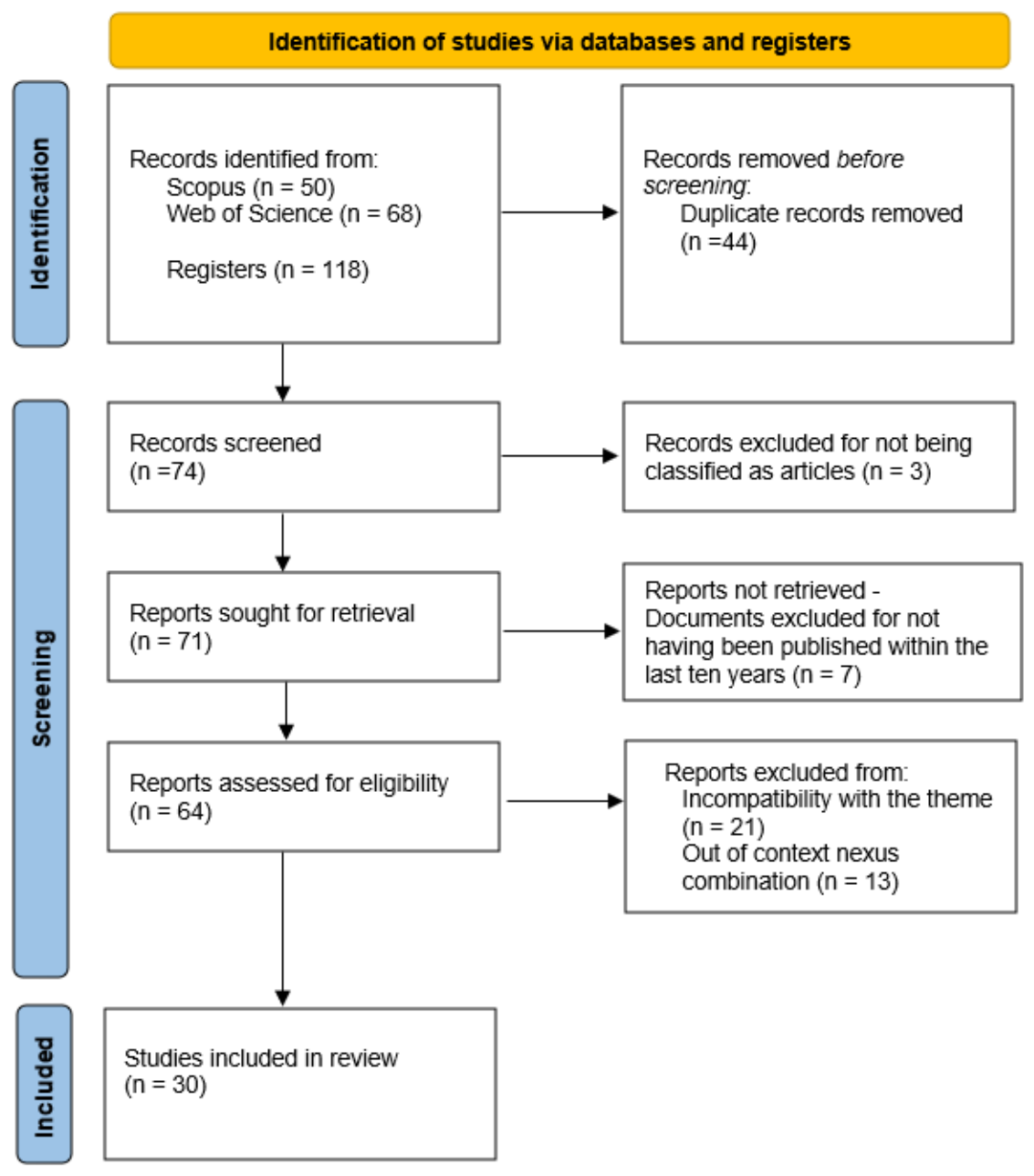
Figure 1. PRISMA flow diagram summarizing the systematic review process.
Water 18 01495 g001
Figure 2. Worldwide distribution of the publications.
Water 18 01495 g002
Figure 3. The word cloud generated from the selected articles.
Water 18 01495 g003
Figure 4. The clusters are generated based on the selected articles.
Water 18 01495 g004
Table 1. Summary of the quantitative results from the water–energy nexus analysis.
AuthorCountryHas Potable Water Consumption Been Reduced Through Rainwater Harvesting?Has Energy Consumption Been Reduced Through Rainwater Harvesting?
Wanjiru and Xia [66] South AfricaThe monthly potential for potable water savings was 23.5% using rainwater and greywater.Using both systems, energy use can be reduced by up to 35.7%.
Wanjiru and Xia [67] South AfricaRainwater harvesting was used for irrigation purposes, resulting in a 23.4% reduction in daily water costs.Savings of 73.8% in daily energy costs.
Njepu et al. [57]South AfricaThe combined use of rainwater and greywater resulted in a 20.5% reduction in potable water consumption.The energy savings were 62.54% using both systems.
Chiu et al. [33]TaiwanAverage annual savings of 21.3% from domestic rainwater harvesting.The annual savings in energy were 21.6% per family by using rainwater harvesting.
Gianoli and Bhatnagar [37]EcuadorNetwork annual water demand reduced an average of 22%. Rainwater harvesting reduced the annual energy demand to 3.6 million kWh.
Gómez-Monsalve et al. [51]ColombiaThe study evaluated rainwater harvesting and greywater reuse systems, with annual potable water savings reaching 42.5%. Rainwater harvesting accounted for 22.8% of these savings.The combined system had better environmental performance and energy savings, and the rainwater harvesting used 9.9 kWh/year of electricity.
Latif et al. [68]PakistanAnnual potable water consumption was reduced by 7%.Regarding the use of rainwater, the authors stated that there would be a reduction in the cost of energy used in pumping, but they did not quantify it.
Umapathi et al. [63]AustraliaThe implementation of rainwater harvesting systems resulted in a 31% reduction in water demand within the distribution network.The energy used to pump water from the rainwater storage tanks ranged from 4.3 kWh/m3 to 211.6 kWh/m3 annually. The article did not state the total percentage of increase or energy intensity savings.
Talebpour et al. [61]AustraliaThe reduction in potable water consumption can reach up to 33.3%.The study analysed the energy consumption of each device and compared the measured values with theoretical consumption. The observed energy consumption was higher than the theoretical estimates; however, the article did not report the overall percentage increase in energy intensity.
Siems and Sahin [60]AustraliaThe system achieved an average annual rainwater productivity of 58.2 m3; however, the article did not report the percentage of potable water savings.The average annual energy intensity of the rainwater harvesting system was 1.33 kWh/m3; however, the article did not report the overall percentage increase or reduction in energy intensity.
Cureau and Ghisi [54]BrazilRainwater harvesting has the potential to reduce potable water consumption between 7.2% and 47.2%.The maximum energy savings generated by rainwater harvesting can reach up to 15.6%.
Silva [15]BrazilThe average potable water saved by harvesting rainwater was 21.1% in houses and 4.6% in apartment buildings. The annual energy savings by using rainwater harvesting were 352.2 MWh.
Vieira and Ghisi [14]BrazilOn average, 43% of potable water supply to analysed residences could be substituted by rainwater. Rainwater harvesting increased the energy expenses by 4% in the analysed residences.
Proença et al. [64]BrazilRainwater harvesting can provide potable water savings of up to 20.1% in public buildings and 7.3% in commercial buildings. Rainwater harvesting was not considered in the residential sector. The results in the article stated that there were savings of 4.4 GWh/year in energy by employing rainwater harvesting, greywater reuse, and dual-activation flush valves.
Zang et al. [41]IndiaThe study evaluated rainwater harvesting and greywater reuse systems, which resulted in annual potable water savings of 39%. Rainwater harvesting accounted for 7% of the annual savings.Reduced energy use by 12% utilizing both systems.
Ghisi and Freitas [69]BrazilThe potential saved potable water by using rainwater harvesting was 6.9%.Energy consumption was approximately 0.56 kWh/m3 for the treatment of water from the rainwater harvesting system.
Disclaimer/Publisher’s Note: The statements, opinions and data contained in all publications are solely those of the individual author(s) and contributor(s) and not of MDPI and/or the editor(s). MDPI and/or the editor(s) disclaim responsibility for any injury to people or property resulting from any ideas, methods, instructions or products referred to in the content.