Article

Effect of Hydraulic Retention Time on Nitrate Removal Through Methane Oxidation Coupled with Denitrification in Membrane Biofilm Reactor After Air Ingress


1
School of Hydraulic and Ocean Engineering, Changsha University of Science & Technology, Changsha 410114, China
2
School of Smart City, Yunnan Water Resources and Hydropower Vocational College, Kunming 650499, China
3
School of Civil Engineering, Wuhan University, Wuhan 430072, China
*
Author to whom correspondence should be addressed.
Water 2026, 18(11), 1317; https://doi.org/10.3390/w18111317
Submission received: 19 April 2026 / Revised: 15 May 2026 / Accepted: 18 May 2026 / Published: 29 May 2026

Abstract

Greenhouse gas generated from wastewater treatment plants has attracted much attention as it has the potential to be recovered and used as an energy source. In this study, a membrane biofilm reactor was designed to simultaneously enhance nitrate removal and reduce methane (CH4) emissions during methane oxidation coupled with the denitrification process. The enrichment of CH4-driven denitrification microbes with a relatively short hydraulic retention time (HRT) and its effects on the stable operation of the reactor were studied within 250 d. With an increasing HRT from 8 to 20 h, a removal rate of up to approximately 0.51 mg/L·h−1 was achieved, which also kept the effluent NO2-N below 0.5 mg/L. Microbial community analysis showed that the diversity and uniformity of microorganism communities decreased with the addition of CH4 as a carbon source, and the microbial structure changed significantly. Compared with that of seed sludge at the phylum level, the relative abundance of Proteobacteria increased significantly, Alphaproteobacteria and Sphingobacteriia continued to become enriched, and the abundance of Methylocystis increased significantly. Neither denitrifying anaerobic methane oxidation (DAMO) archaea nor bacteria were found in the sequencing analysis. Methylocystis was the dominant CH4 oxidizing bacteria, in synergy with the co-occurrence of autotrophic and heterotrophic denitrifying bacteria, which likely join up in nitrogen removal. Unlike the systems described in most methane-driven denitrification studies, our system achieved nitrate removal without detectable DAMO microbes.

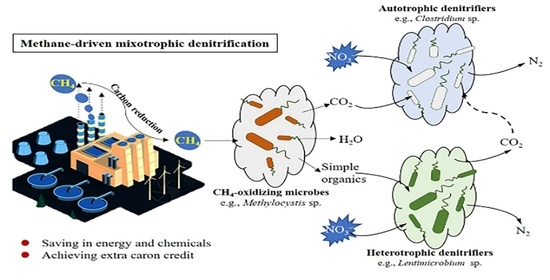
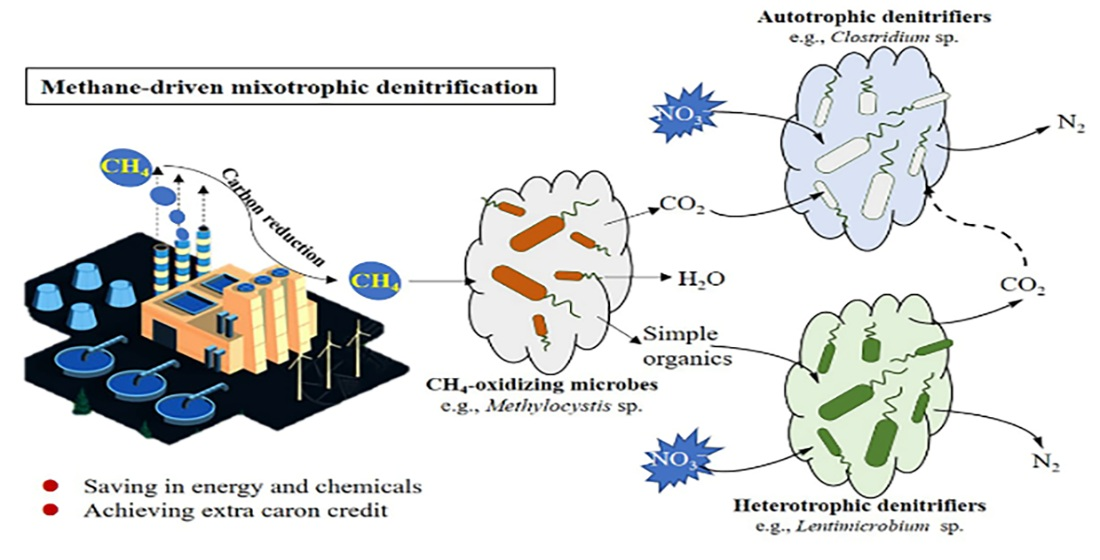
Graphical Abstract

1. Introduction

With the rapid development of industry and agriculture, large amounts of nitrate (NO3-N) are continuously released into water, causing ecological problems and human health risks [1]. NO3-N pollution in groundwater has become increasingly serious and can reach 100 mg/L [2]. At elevated concentrations, nitrate poses a substantial threat to human health and can induce methemoglobinemia and esophageal cancer [3]. To avoid these deleterious effects, China has set a maximum contaminant level of 10 mg/L NO3-N for drinking water. Microbial denitrification as a green and cost-effective NO3-N removal technology has been extensively studied [4,5]. However, conventional heterotrophic denitrification (HD) is still constrained by external carbon source consumption and secondary pollution. Therefore, low-carbon denitrification technologies for water treatment are urgently needed.
Autotrophic denitrification (AD) has been widely regarded as an alternative method for NO3-N removal under low carbon-to-nitrogen ratios or without the addition of organic carbon, because it produces low biomass and sludge yields, as well as lower greenhouse gas (GHG) emissions [6,7,8]. The AD process can use inorganic substances, such as hydrogen and reduced forms of iron and sulfur, as electron donors for NO3-N reduction in batch tests or bioreactor operations. For example, Chen, et al. [9] found that hydrogen-oxidizing bacteria could use H2 as an energy source and exhibited both efficient NO3-N removal and rapid recovery of biomass nitrogen. Tian, et al. [10] applied ferrous sulfate as an electron donor for purely autotrophic Fe(II)-dependent denitrification, and the nitrate removal efficiency reached 81% (0.33 kg-N /m3·d−1) after 90 days of continuous operation. Bai, et al. [11] used toxic divalent manganese as an electron donor for a Mn(II)-driven autotrophic denitrifying process; however, the pure autotrophic denitrification efficiency was only 55.17% (0.054 mg/L·h−1), with greater nitrite accumulation. In addition, the combination of AD and HD processes has been reported to compensate for the limitations of AD or HD alone [12,13].
CH4 is a GHG that contributes substantially to global warming, with a per-ton climate-warming effect more than 20-times higher than that of carbon dioxide [14,15]. For example, CH4 emissions from wastewater treatment plants have attracted considerable attention because CH4 can potentially be recovered and used as an energy source [16]. Recently, researchers have reported CH4 oxidation coupled with denitrification, namely the denitrifying anaerobic CH4 oxidation (DAMO) process, which can use CH4 as an electron donor and NO3-N or nitrite (NO2-N) as an electron acceptor [17,18]. Compared with other electron donors, CH4 is widely available, non-toxic, and inexpensive. In addition, related studies have shown that short-chain fatty acids can be produced during CH4 oxidation [19], implying that heterotrophs and/or autotrophs may be supplied with these intermediates simultaneously. Thus, CH4 oxidation coupled with denitrification may provide a novel approach for low-cost NO3-N removal and could potentially contribute to reducing CH4 emissions.
C H 4 + 4 N O 3 C O 2 + 4 N O 2 + 2 H 2 O
3 C H 4 + 8 N O 2 + 8 H + 3 C O 2 + 4 N 2 + 10 H 2 O
Elucidating the correlation between operational parameters and CH4 oxidation coupled with denitrification can support the design of optimized strategies for enhanced methane utilization and nitrogen removal efficiency [20]. However, CH4-driven denitrifying microorganisms require stringent environmental conditions and grow slowly, making enrichment and practical application difficult [21,22]. Studies on the enrichment of these functional microorganisms and their stable operation in bioreactor configurations remain insufficient. For example, few studies have examined reactivation after influent fluctuations or interruptions in biological reactors. In this work, we selected a relatively low HRT (8 h) for the start-up period (~60 d) to investigate CH4 oxidation coupled with denitrification in a membrane biofilm reactor (MBfR) with a hollow fiber membrane. High-throughput sequencing was used to probe the functional microbial communities during this start-up period. The effect of HRT on nitrogen removal was then further investigated over a long-term period (~190 d) after an approximately 5 min air ingress event that simulated unstable reactor operation. The results provide operational insight for reducing the carbon footprint of wastewater systems and reveal the relationships among CH4 oxidation, AD, HD, and the associated microbial structure.

2. Materials and Methods

2.1. Sludge Culture and Simulated Wastewater

The inoculated sludge (MLSS 8900 mg/L) used in the experiment was collected from Shahu Sewage Treatment Plant, Wuhan, China. The activated sludge was first placed in a 5 L closed container for one month of cultivation and acclimation. The culture medium (20 mg/L NO3-N, 25 mg/L K2HPO4, 20 mg/L KH2PO4, 10 mg/L CaCl2, 2000 mg/L NaHCO3, and 0.5 mL/L trace element solution) was changed daily to enrich the microbial community. The trace element solution consisted of 0.5 g/L ZnSO4·7H2O, 2 g/L CaCl2, 2.5 g/L MnCl2·4H2O, 10 g/L Na2MoO4·4H2O, 0.18 g/L KI, 0.18 g/L CuSO4·5H2O, 0.18 g/L CoCl2·6H2O, and 0.18 g/L FeCl3·6H2O. Nitrogen gas was introduced for 15 min to establish an anaerobic environment, followed by the addition of sufficient CH4. The simulated nitrate wastewater used in the continuous-flow reactor was the same as the culture medium described above. All chemicals used in this study were of analytical grade, and purchased from Sinopharm Chemical Reagent Co Ltd. (Shanghai, China), except for CaCl2, HCl and H3NSO3, which was obtained from Wuhan Chemical Reagent Factory (Shanghai, China).

2.2. Experimental Setup and Operation

The continuous-flow reactor used in this experiment is shown in Figure 1. The MBfR consisted of an external reaction tank and a built-in polyvinylidene fluoride hollow fiber membrane with a pore size of 0.1 μm. The reactor had a height of 300 mm, an inner diameter of 100 mm, a height-to-diameter ratio of 3, and an effective volume of approximately 1.25 L. Influent was continuously fed from a collection container to the reactor using an external precision peristaltic pump. The system was operated at room temperature (20 ± 1 °C) in the dark.
Water flowed continuously through the reactor. After the set HRT, effluent exited through the outlet located at the middle of the upper end of the reactor. Both the inlet and outlet were equipped with valves. CH4 was supplied from a steel cylinder and connected directly to the gas inlet at the lower end of the reactor. The inlet pressure was controlled by a pressure valve on the cylinder, and excess gas was discharged through the upper exhaust port with a liquid seal. The pre-cultured sludge was inoculated into the MBfR at an initial HRT of 8 h.
Regarding oxygen availability, the reactor was designed to operate under anaerobic conditions with no intentional oxygen supply. However, a short air ingress event (approximately 5 min) occurred on day 61, introducing a limited amount of oxygen. After this event, dissolved oxygen was not continuously monitored because of equipment limitations. Nevertheless, the reactor was kept closed, and no further oxygen was supplied. Trace oxygen likely remained in the liquid or was introduced during periodic sampling, creating microaerobic zones, particularly near the membrane surface.

2.3. Chemical and Microbiological Analyses

The NO3-N concentration was measured via ultraviolet spectrophotometry at wavelengths of 220 nm and 275 nm with correction at 275 nm. This UV method is acceptable for the defined synthetic medium used in this study, but it may be limited for real water samples because of organic interference. The NO2-N concentration was measured using N-(1-naphthyl)-ethylenediamine spectrophotometry (Griess method) at 543 nm. The NH4+-N concentration was measured with Nessler reagent spectrophotometry at 420 nm. The seed sludge (W1), the sludge in the biofilm-forming stage (W2), and the sludge during stable reactor operation (W3) were sampled for high-throughput sequencing to explore changes in microbial community structure and diversity from start-up to stable operation of the continuous-flow reactor. High-throughput sequencing was performed by Majorbio Bio-Pharm Technology Co., Ltd. (Shanghai, China), using the Illumina MiSeq platform, and the sequencing data were analyzed using QIIME2 software (version 2021.4). Primers 515F (5′-GTGCCAGCMGCCGCGG-3′) and 907R (5′-CCGTCAATTCMTTTRAGTTT-3′) were used for polymerase chain reaction (PCR) amplification and pyrosequencing [23]. The detection limits for NO3-N, NO2-N, and NH4+-N were 0.01 mg/L, 0.003 mg/L, and 0.02 mg/L, respectively. Quality control was performed by running standard solutions (1.0 mg/L and 5.0 mg/L for each nitrogen species) every 10 samples, with recovery rates ranging from 95% to 105%. All samples were analyzed in duplicate, and the average values are reported.

3. Results and Discussion

3.1. Reactor Operation at Start-Up Phase Before Air Ingress

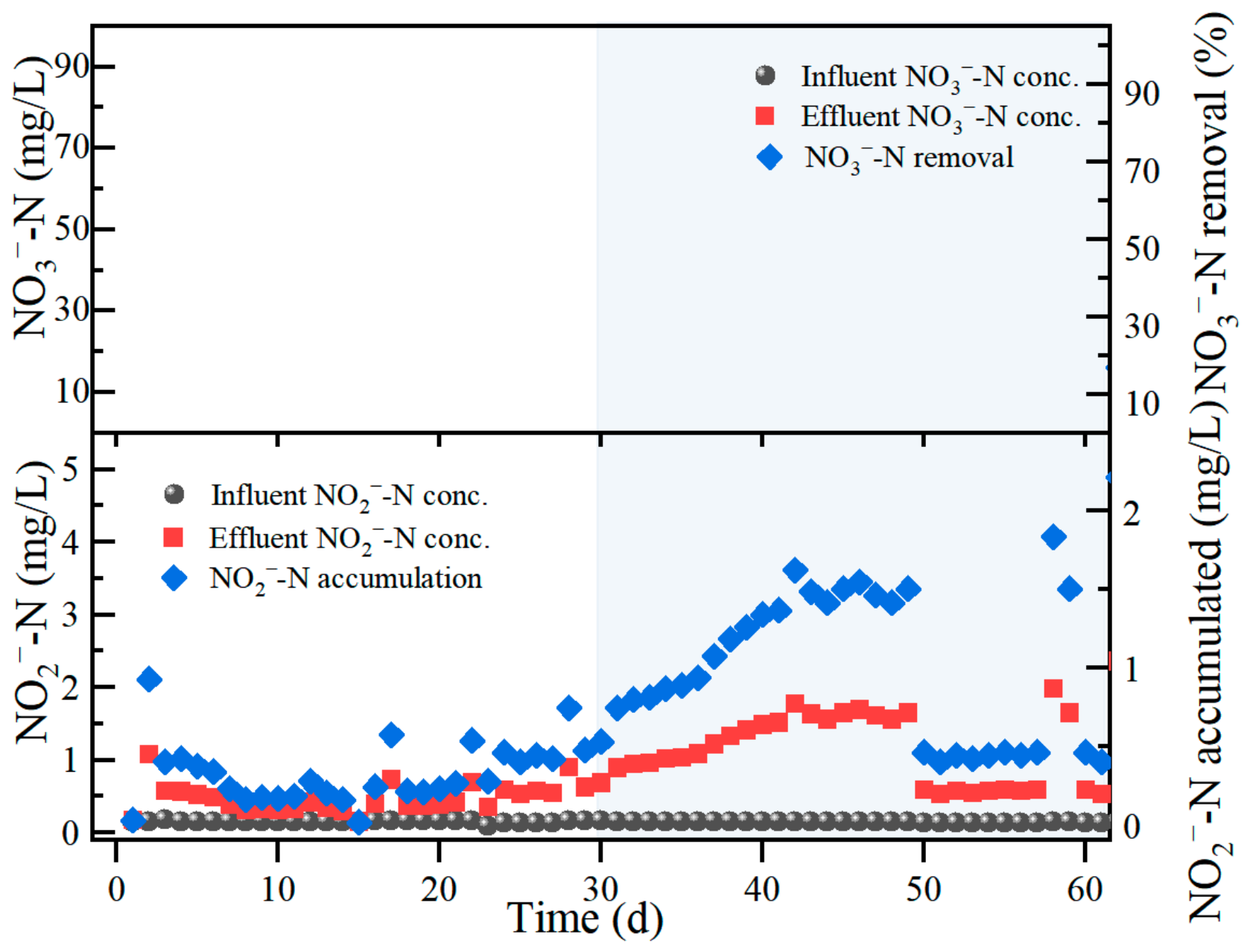
The changes in NO3-N and NO2-N in the influent and effluent during the start-up phase (61 d) are shown in Figure 2. For NO3-N, reactor performance was unstable during the initial start-up stage (0–30 d), and the nitrate removal rate fluctuated substantially, showing an overall downward trend. At approximately 30 d, nitrate reduction performance gradually stabilized, and the average NO3-N removal efficiency was maintained at approximately 31.60%. Meanwhile, a black biofilm was observed on the surface of the hollow fiber membrane, indicating that reactor start-up was largely completed. For NO2-N, the reactor showed good nitrogen removal performance during the initial culture period, with almost no NO2-N accumulation. The effluent NO2-N concentration was generally kept below 0.5 mg/L during the stable period after 61 d.

3.2. Influence of HRT on Denitrification Process After Air Ingress

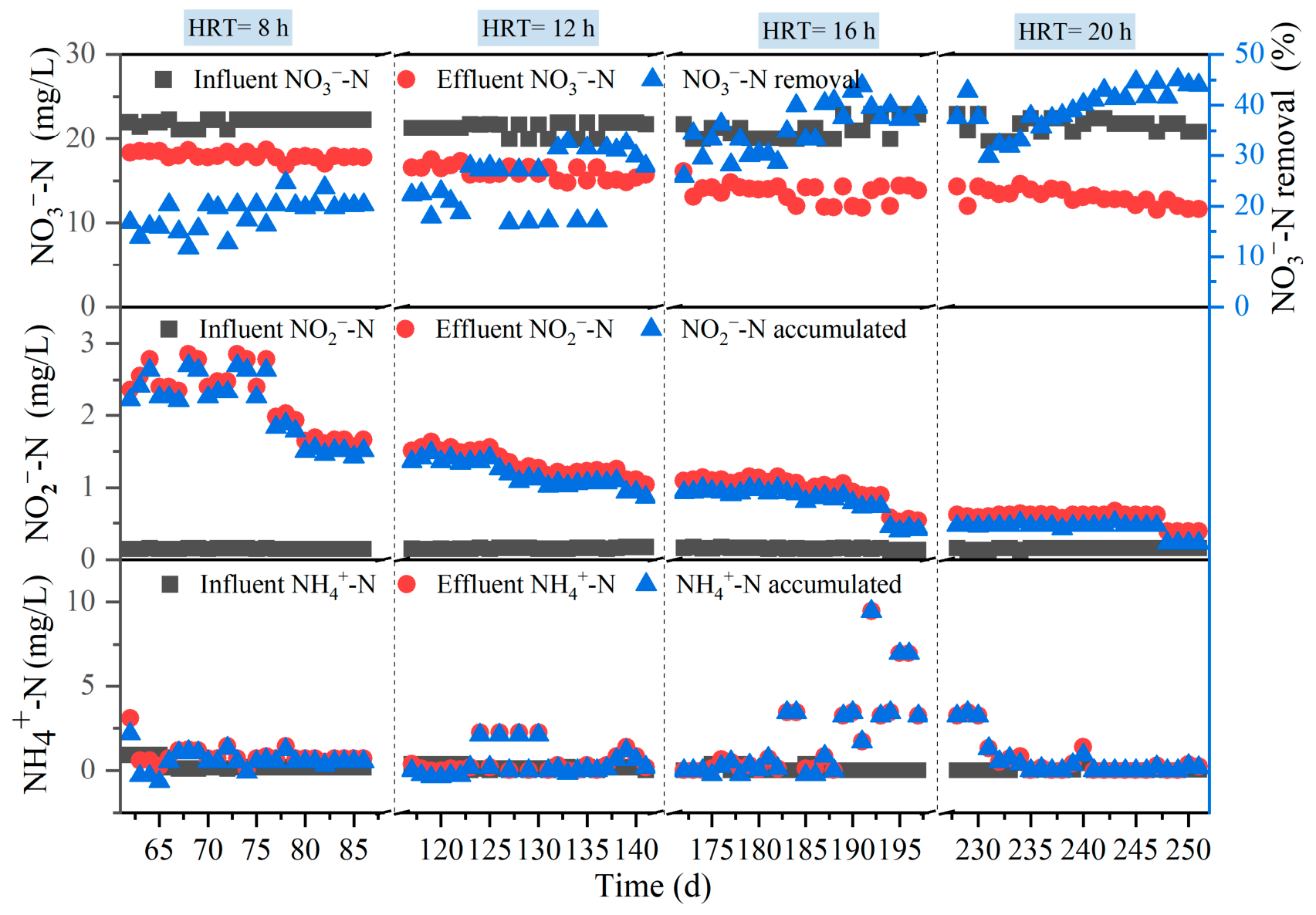
The influent and effluent concentrations of NO3-N and NO2-N under different HRTs (8, 12, 16, and 20 h) are shown in Figure 3. A 30 d stabilization period was allowed at each stage. The reactor was operated for an additional 190 d in total. HRT substantially affected reactor denitrification performance.
Specifically, reactor denitrification efficiency gradually increased to ~40% as HRT was extended from 8 to 20 h, consistent with the results of Lee, et al. [24]. Some NO2-N accumulation occurred in the reactor, but this accumulation decreased with increasing HRT. The lower denitrification efficiencies before and after day 61 can be attributed to destabilization of the microbial interaction network caused by air ingress [25]. In addition, the relatively low values at shorter HRTs can be ascribed to the shorter contact time between substrates and microorganisms. As a result, the denitrification process was incomplete, which was unfavorable for NO3-N removal [26]. Shorter HRT may also lead to detachment or loss of microorganisms from the hollow fiber membrane surface, thereby reducing the abundance of functional bacteria in the system [27] and decreasing reactor denitrification performance. This effect can be alleviated by prolonging HRT. From a kinetic perspective, longer HRT (20 h) favors slow-growing microorganisms by increasing contact time and effective biomass retention. Shorter HRT (8 h) imposes a higher nitrate loading rate and shorter contact time, leading to incomplete denitrification and greater nitrite accumulation (>2.0 mg/L). Thus, the improved nitrate removal with increasing HRT reflects a kinetic shift from substrate limitation toward improved substrate utilization under diffusion-controlled biofilm conditions.
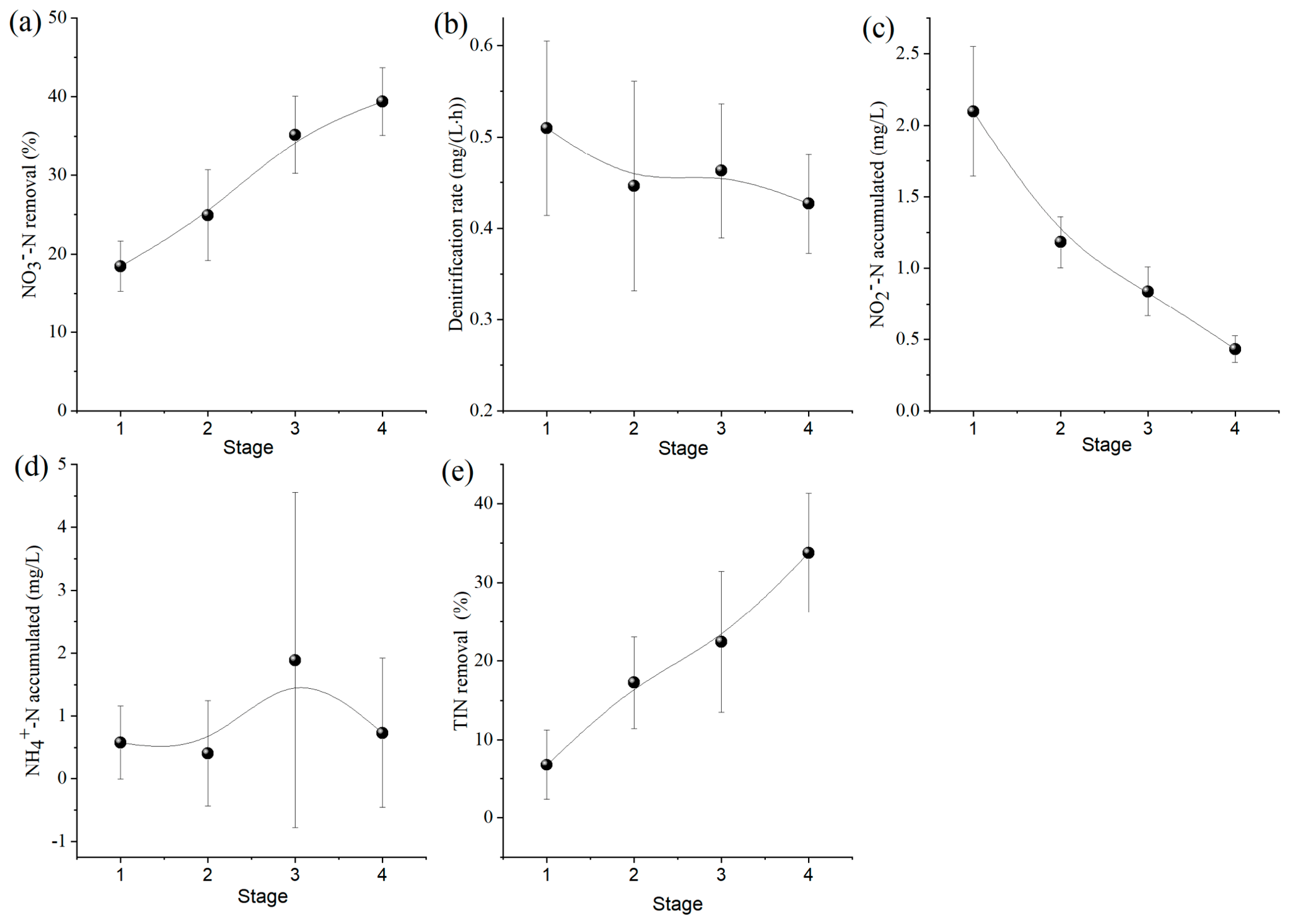
As shown in Figure 4, both the NO3-N removal rate and the TIN removal rate showed a significant and continuous upward trend as HRT increased. The highly consistent increases in these two core denitrification indicators indicate that the overall nitrogen removal capability of the treatment process was continuously enhanced, similar to previous experimental results [28]. The variation in the denitrification rate provides a kinetic explanation for these phenomena. Although the denitrification rate decreased slightly in Stage 2, it reached its maximum value in Stage 1 (~0.51 mg/L·h−1, calculated as (influent NO3-N minus effluent NO3-N) divided by HRT) and remained relatively high in subsequent stages. In addition, accumulation of the intermediate product NO2-N decreased sharply, from more than 2.0 mg/L in Stage 1 to less than 0.5 mg/L in Stage 4. This pattern is important because it indicates that denitrification became increasingly complete as the operation progressed. In the initial stage, a bottleneck likely occurred at the NO2-N reduction step, causing substantial NO2-N accumulation. However, as the system recovered, the ability to further reduce NO2-N to N2 was enhanced, making the overall denitrification chain more complete and efficient. NH4+-N accumulation remained consistently low (below 2.0 mg/L) throughout the process, with only minor fluctuations. This suggests that ammonium production or accumulation was not a primary issue under these process conditions, and its slight fluctuations may have been related to adjustments in the microbial community structure within the system.
Methane has low solubility in water (approximately 1.3 mg/L at 20 °C), which limits its availability for denitrification, especially at short HRT (e.g., 8 h). Longer HRT (20 h) allows more time for methane dissolution, partially explaining the improved nitrate removal observed in this study.
In addition, biofilm diffusion resistance may play an important role in substrate transfer. As biofilm thickness increases during long-term operation, methane and nitrate must diffuse through the biofilm. The low diffusion coefficient of methane and the presence of extracellular polymeric substances can create concentration gradients within the biofilm [29]. Deeper biofilm layers may become substrate-limited, causing incomplete denitrification and nitrite accumulation at shorter HRTs. Longer HRT may alleviate this limitation by providing more time for diffusion and reaction.
To better understand the relationship between HRT and denitrification performance, we applied a Monod-type kinetic framework. The specific denitrification rate (SDNR) is described as follows:
q = q m a x S K s + s
where q is the SDNR, q_max is the maximum specific rate, S is the NO3-N concentration, and KS is the half-saturation constant. Although full kinetic parameter estimation requires further experiments, the observed increase in nitrate removal with increasing HRT suggests that at shorter HRT (8 h), the system operated below saturation (SKS), with the reaction rate limited by substrate availability. As HRT increased to 20 h, the system approached a higher reaction rate, indicating that longer HRT alleviated this limitation.
Mass transfer of methane from the gas phase to the biofilm is a critical step in this system. Methane first dissolves into the liquid phase and then diffuses into the biofilm. Its low solubility in water (approximately 1.3 mg/L at 20 °C) creates a strong driving force for mass transfer, but the actual transfer rate is limited by the gas–liquid interfacial area and boundary-layer resistance. In this MBfR system, the hollow fiber membrane provides a high surface area for gas–liquid transfer, partially mitigating this limitation. However, as previously reported, diffusion becomes the dominant transport mechanism within biofilms of 300–450 μm thickness. The effective diffusion coefficient of methane in a biofilm is typically lower than that in water because of extracellular polymeric substances [30]. This diffusion limitation is more severe at shorter HRTs, where the contact time is insufficient for methane to penetrate the entire biofilm depth, leading to substrate starvation in deeper layers and incomplete denitrification.

3.3. Richness and Diversity of Microbial Communities

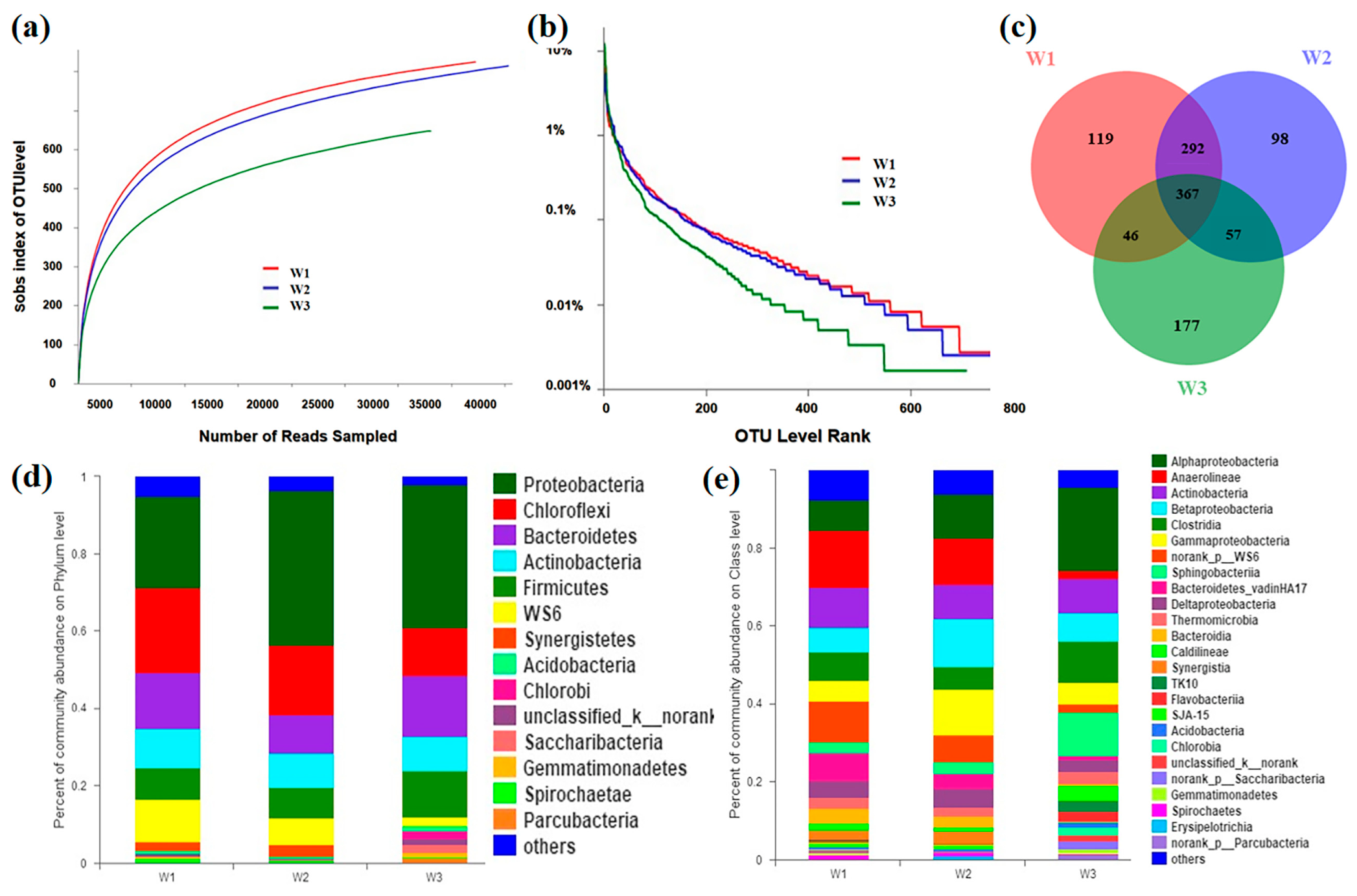
It should be noted that functional classification based solely on 16S rRNA gene sequencing is inherently limited. The following assignments of microbial genera to specific functional groups are based on literature reports and taxonomic inference, not on direct functional gene measurements. Therefore, these assignments should be considered putative. The abundance and diversity of the microbial community were analyzed using alpha diversity indices. A total of 37,101, 40,269, and 32,718 effective sequences were obtained from the three samples (W1, W2, and W3), respectively. The microbial diversity index results for each sample at 97% similarity are shown in Table 1.
Table 1 shows that the coverage values of the three samples were greater than 0.99, indicating that the sequencing depth was sufficient to capture most of the microbial community. The ACE and Chao indices were used to estimate species richness; higher values indicate greater richness and microbial abundance. The two indices showed the same trend. Microbial diversity was ordered as W1 > W2 > W3, and the cultured activated sludge showed lower microbial diversity than W1. The Shannon and Simpson indices represent microbial diversity in the sequenced samples. The Shannon index is positively correlated with biodiversity, whereas the Simpson index is negatively correlated with biodiversity. The descending order of diversity among the three samples was W1, W2, and W3. The Shannoneven and Simpsoneven indices indicate sample evenness. Larger Shannoneven values and smaller Simpsoneven values indicate better microbial evenness. The descending order of evenness among the three samples was W1, W2, and W3, and the cultured activated sludge showed lower microbial evenness than W1. These results suggest that the reactor screened microorganisms during formation of the denitrification system using CH4 as an electron donor. As a result, microbial abundance and diversity within the system decreased.
Figure 5a shows the rarefaction curves of the three samples, which eventually flattened out, indicating that the sequencing depth was sufficient and that the OTU variation trend was consistent with the alpha diversity results. Figure 5b presents the rank–abundance curves. The W1 curve had the widest horizontal range and the gentlest slope, suggesting that the seed sludge (W1) had the highest species abundance and evenness. A total of 1156 OTUs were obtained from the three samples (Figure 5c). The numbers of OTUs unique to W1, W2, and W3 were 119, 98, and 177, accounting for 10.30%, 8.50%, and 15.30% of the total OTUs, respectively. The number of OTUs shared by all three samples was 367, representing 40% to 60% of the total OTUs in each sample. These results indicate that the microbial community composition changed substantially during the start-up process and that environmental selection led to distinct species differences across stages.

3.4. Structural Analysis of the Microbial Community

Phylum-level population distribution
Figure 5d shows that the three sludge samples had high compositional similarity at the phylum level, although the abundances of the main bacterial phyla differed. In W1, Proteobacteria and Chloroflexi had the highest relative abundances, at 23.79% and 21.89%, respectively. The relative abundances of Bacteroidetes, Acidobacteria, Firmicutes, and WS6 were 14.61%, 10.27%, 7.92%, and 10.82%, respectively. After cultivation with CH4, the dominance of Proteobacteria gradually increased. This result is likely because Proteobacteria contain various denitrifying bacteria and methanotrophs, and the cultivation and acclimation conditions favored their growth. This finding is consistent with previous reports [31]. Chloroflexi is a common, complex bacterial phylum that contains aerobic thermophiles, anaerobic phototrophs, and halide- or organic-utilizing anaerobic microorganisms, and it is thought to participate in autotrophic denitrification processes [32]. During sludge acclimation and start-up of the continuous-flow reactor, some bacterial species in this phylum were gradually eliminated because of the anaerobic environment and the absence of external organic carbon sources, resulting in a decrease in the relative abundance of Chloroflexi. During early culture acclimation, the relative abundance of Bacteroidetes decreased from 14.61% in W1 to 10.03% but then increased to 15.79%, indicating that Bacteroidetes can be enriched on hollow fiber membranes. Acidobacteria and Firmicutes showed a degree of competition; their relative abundances were 8.85% and 7.62% in W2 and 8.95% and 11.68% in W3, respectively. During culture and start-up, the relative abundance of WS6 decreased from 10.82% in W1 to 6.87% and then to 2.25%, indicating that the anaerobic and autotrophic environment in the continuous-flow reactor was not conducive to the growth and reproduction of WS6.
The class-level population distribution shows the microbial community composition of the biofilm at the class level in different stages (Figure 5e). Many major species were present in W1 and were evenly distributed. As culture acclimation proceeded, clear changes occurred in the dominant classes. The main microbial classes in the seed sludge were Anaerolineae (14.51%), norank_p__WS6 (10.82%), Actinobacteria (10.27%), Alphaproteobacteria (7.80%), Clostridia (7.31%), Bacteroidetes_vadinHA17 (7.12%), Betaproteobacteria (6.53%), and Gammaproteobacteria (5.10%). In W2, the dominant classes were Betaproteobacteria (12.24%), Anaerolineae (11.97%), Gammaproteobacteria (11.89%), Alphaproteobacteria (11.18%), and Actinobacteria (8.85%). In W3, the dominant classes were Alphaproteobacteria (21.41%), Sphingobacteriia (11.83%), Clostridia (10.70%), and Actinobacteria (8.95%). This suggests that the anaerobic autotrophic denitrification environment with CH4 as the electron donor exerted selective pressure on the microbial community. During reactor start-up and stable operation, the relative abundance of Alphaproteobacteria increased substantially. Taxa such as Chitinophagaceae have been reported to play an important role in anaerobic methane oxidation and denitrification [33]. In contrast, the relative abundance of Actinobacteria decreased sharply, indicating that these microorganisms were not suitable for proliferation in anaerobic and autotrophic membrane bioreactors. The relative abundance of Sphingobacteriia in W3 also increased significantly compared with that in the seed sludge. This class has also been found in systems that synchronously reduce nitrate and bromate with CH4 as an electron donor [34].
Genus-level population distribution
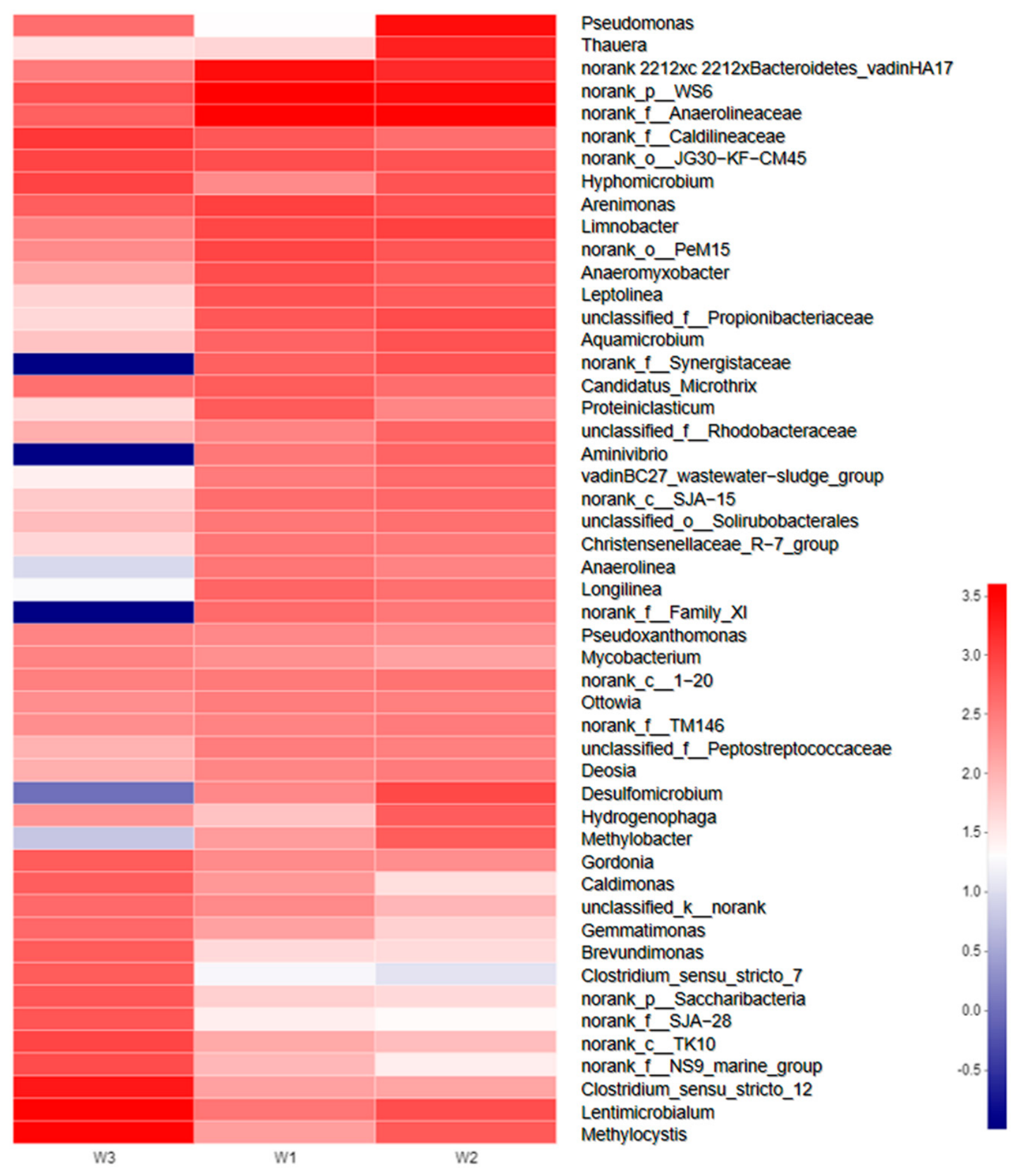
The 50 genera with the highest relative abundance in the three samples were analyzed to evaluate changes in microbial community structure at the genus level (Figure 6). The microbial communities in the three samples differed at the genus level. Specifically, the five genera with the highest relative abundance in W1 were norank_p__WS6 (10.82%), norank_f__Anaerolineaceae (9.72%), norank_c__Bacteroidetes_vadinHA17 (7.12%), Arenimonas (2.70%), and norank_o__PeM15 (2.50%). The five genera with the highest relative abundance in W2 were norank_f__Anaerolineaceae (8.36%), norank_p__WS6 (6.87%), Pseudomonas (6.56%), Thauera (4.65%), and norank_c__Bacteroidetes_vadinHA1 (3.89%). The five genera with the highest relative abundance in W3 were Lentimicrobium (10.34%), Methylocystis (9.88%), Clostridium_sensu_stricto_12 (6.71%), norank_f__Caldilineaceae (3.69%), and Hyphomicrobium (2.90%).
To better analyze microbial population dynamics and clarify the relationship between microorganisms and removal performance, bacterial populations were divided into denitrifying bacteria (autotrophic/heterotrophic denitrifiers), methane-oxidizing bacteria, and co-metabolic bacteria based on previous reports (Table 2). The data indicated no significant difference in the dominant bacterial genera between W2 and W1. In the reactor, however, the microbial community structure changed significantly at the genus level. The abundance of the traditional autotrophic denitrifying group Anaerolineaceae decreased significantly, whereas the abundance of Methylocystis increased markedly. Previous studies have suggested that these microorganisms play an important role in autotrophic denitrification systems with CH4 as an electron donor [35]. The abundance of Hyphomicrobium was low in W1. After anaerobic acclimation with CH4, its abundance also increased in the reactor. Previous studies have shown that Hyphomicrobium can use intermediate substances produced during CH4 oxidation as electron donors for denitrification [36]. In addition, bacterial genera such as norank_o__JG30-KF-CM45, norank_c__1-20, and Gordonia were detected in the sludge samples. Although some studies have shown that these genera can exist in environments with nitrate loads, it remains unclear whether they participate in autotrophic denitrification coupled with anaerobic methane oxidation. Further studies are required to demonstrate this role. As these microorganisms grew and multiplied in the hollow fiber membrane reactor, the denitrification performance of the continuous-flow reactor gradually stabilized.

3.5. Core Functional Genera Responsible for the Denitrification Process and Implications

Microbial characterization showed that the CH4-driven mixotrophic denitrification process occurred in the absence of putative DAMO archaea and bacteria (as shown in Section 3.4). Instead, microbial activity was driven by methane-oxidizing bacteria and a consortium of heterotrophic and autotrophic denitrifying bacteria, which is consistent with previous studies [25].
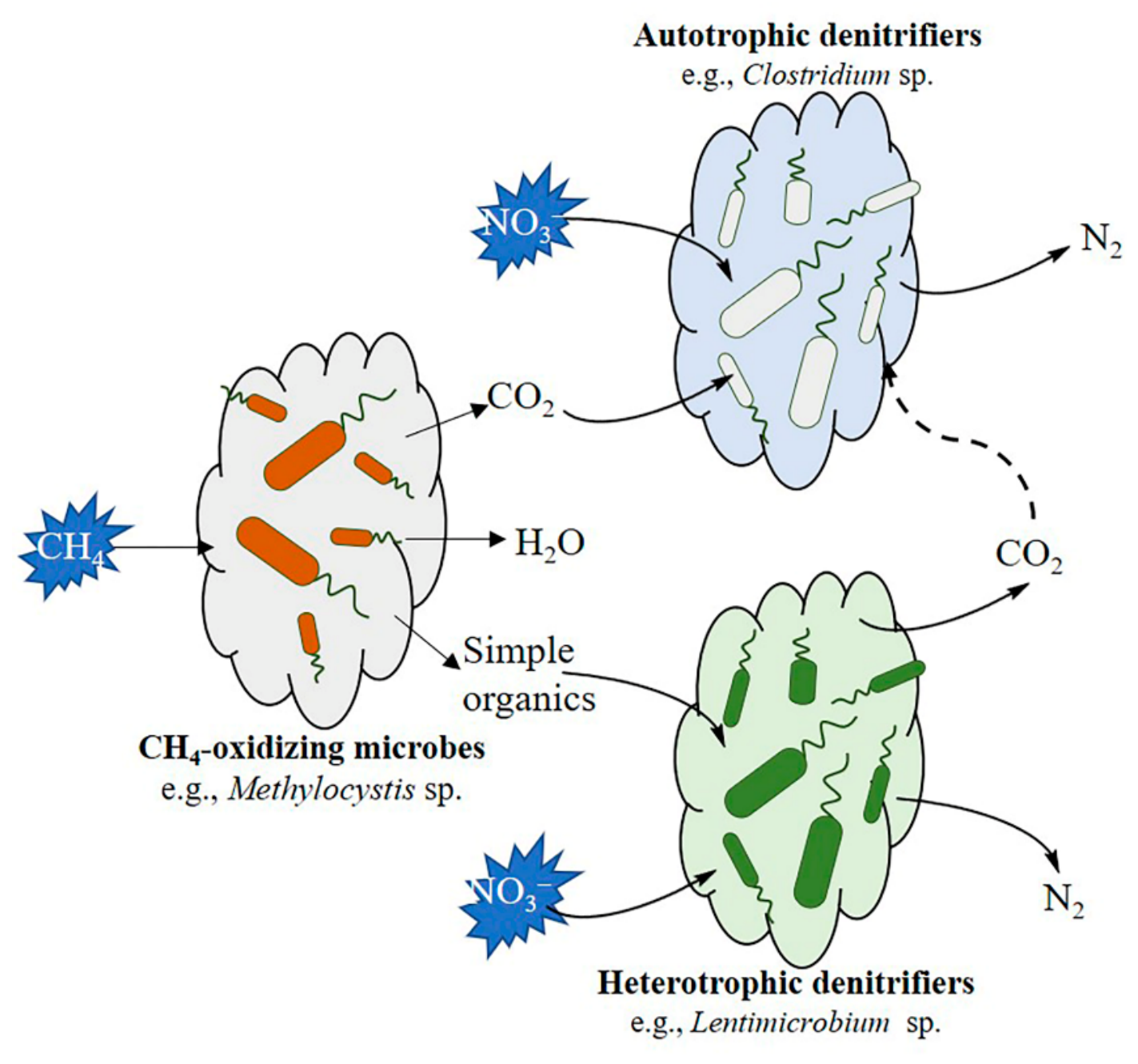
As shown in Figure 7, methane-oxidizing bacteria may be the core functional group that uses CH4 as a carbon source and produces small, readily biodegradable organic molecules. We speculate that CH4-oxidizing bacteria (e.g., Methylocystis) convert CH4 into these small organics, which are then used by heterotrophic and autotrophic denitrifiers (e.g., Hyphomicrobium, Caldilineaceae, Clostridium, and Lentimicrobium) for denitrification. When organic and inorganic electron donors coexist, microorganisms can use different types of electron donors [54]. In addition, some organic substrates supplied to heterotrophic microorganisms may have originated from membrane material degradation. Thus, a coexisting system of methanotrophic bacteria, heterotrophic denitrifiers, and autotrophic denitrifiers was established. For example, Methylocystis (9.88%) is a type II methanotroph that oxidizes CH4 to CO2 while excreting soluble microbial products (e.g., acetate and formate). Hyphomicrobium (2.90%) and Lentimicrobium (10.34%) are heterotrophic denitrifiers that can use these organic intermediates as electron donors. Clostridium (6.71%) may participate in autotrophic denitrification using inorganic carbon [30]. The enrichment of Methylocystis and heterotrophic denitrifiers in W3 coincided with improved nitrate removal (from ~31.6% to 40%) and reduced NO2 accumulation (>2.0 mg/L to <0.5 mg/L) as HRT increased from 8 to 20 h, suggesting that these functional populations directly contributed to enhanced denitrification performance. DO and ORP were not monitored; therefore, microaerobic conditions are inferred rather than directly quantified. The mechanistic interpretation presented here is based primarily on taxonomic identification via 16S rRNA gene sequencing and inference from previous studies. Based on this reasoning, we propose a hypothetical metabolic pathway (illustrated in Figure 7), CH4 → methanol → formaldehyde → formate → CO2 (catalyzed by Methylocystis), with the simultaneous production of organic intermediates consumed by heterotrophic denitrifiers for NO3 reduction to N2. Autotrophic denitrifiers may also participate in the process by using inorganic carbon generated from methane oxidation.
Atmospheric CH4 concentrations have reportedly increased by 150%, and emissions continue to increase by approximately 1% per year, thereby exacerbating climate change [55]. Wastewater has been reported as the fifth-largest source of global anthropogenic CH4 emissions, accounting for approximately 7%–9%. As shown in Table 3, the operation of wastewater treatment plants (WWTPs), including sludge anaerobic digestion, results in the production and emission of CH4 and other gases. China’s nationally reported COD discharge was 25.31 million tons in 2021, indicating a substantial amount of CH4 generation in sewers and considerable energy potential. CH4 production in sewers can be influenced by factors such as nitrate and COD loading [56]. More studies should focus on reducing emissions from specific sewer sections. Based on this study, nitrate removal through anaerobic methane oxidation coupled with denitrification may benefit not only from savings in unit costs, including energy and chemicals used in the denitrification process, but also from additional carbon credits achieved by using internally generated fugitive CH4.

4. Conclusions

Stable CH4-driven denitrification was established in an MBfR. CH4 served as a carbon source that supported NO3-N removal, and the removal rate reached approximately 0.51 mg/L·h−1, while the effluent NO2-N concentration remained below 0.5 mg/L. Microbiological analysis suggested that NO3-N reduction was mediated through synergistic interactions between methane-oxidizing bacteria under microaerobic conditions and heterotrophic and autotrophic denitrifiers. Neither DAMO archaea nor DAMO bacteria were detected in the sequencing analysis. Instead, the observed methane-driven denitrification was carried out by Methylocystis and coexisting denitrifiers under microaerobic conditions. Compared with the seed sludge, functional microorganisms, including Methylocystis, Hyphomicrobium, Caldilineaceae, Clostridium, and Lentimicrobium, were enriched in the system. This work may support GHG capture and utilization, as well as the application of anaerobic methane oxidation coupled with denitrification for energy-efficient nitrogen removal. In this study, the discussion of CH4 emission reduction remains hypothetical. Direct measurements are recommended in future studies to confirm actual CH4 utilization efficiency.

Author Contributions

X.X.: Writing—original draft, funding acquisition. J.W.: Investigation, data curation, methodology. W.Z.: Conceptualization, methodology, writing—review and editing. Y.W.: Writing—original draft. S.L.: Writing—original draft. H.W.: Resources, conceptualization, supervision. All authors have read and agreed to the published version of the manuscript.

Funding

This research was funded by the Hunan Provincial Innovation Foundation for Postgraduates [Grant No. LXBZZ2024211].

Data Availability Statement

Data will be made available on request.

Conflicts of Interest

The authors declare no conflicts of interest.

References

  1. Hou, B.; Peng, S.; Deng, R.; Ren, B.; Song, Y. Biological nutrients removal performance under starvation stress: Efficacy deterioration and recovery. Bioresour. Technol. 2022, 351, 126977. [Google Scholar] [CrossRef] [Scilit] [PubMed]
  2. Li, R.; Guan, M.; Wang, W. Simultaneous arsenite and nitrate removal from simulated groundwater based on pyrrhotite autotrophic denitrification. Water Res. 2021, 189, 116662. [Google Scholar] [CrossRef] [Scilit]
  3. Wang, H.; Feng, C.; Deng, Y. Effect of potassium on nitrate removal from groundwater in agricultural waste-based heterotrophic denitrification system. Sci. Total Environ. 2020, 703, 134830. [Google Scholar] [CrossRef] [Scilit] [PubMed]
  4. Zhang, Q.; Xu, X.; Zhang, R.; Shao, B.; Fan, K.; Zhao, L.; Ji, X.; Ren, N.; Lee, D.J.; Chen, C. The mixed/mixotrophic nitrogen removal for the effective and sustainable treatment of wastewater: From treatment process to microbial mechanism. Water Res. 2022, 226, 119269. [Google Scholar] [CrossRef] [Scilit]
  5. Lan, Z.; Yang, J.; Feng, L.; Yu, H.; Ye, X.; Yang, G.; Gao, H.; Zhou, J. Comparative analysis of denitrification performance, denitrifying community and functional genes to oxytetracycline exposure between single and hybrid biodegradable polymers supported solid-phase denitrification systems. Biodegradation 2020, 31, 289–301. [Google Scholar] [CrossRef] [Scilit] [PubMed]
  6. Chen, D.; Wang, H.; Yang, K.; Ma, F. Performance and microbial communities in a combined bioelectrochemical and sulfur autotrophic denitrification system at low temperature. Chemosphere 2018, 193, 337–342. [Google Scholar] [CrossRef] [Scilit]
  7. Chen, H.; Tang, M.; He, L.; Xiao, X.; Yang, F.; He, Q.; Sun, S.; Gao, Y.; Zhou, L.; Li, Y.; et al. Exploring the impact of fulvic acid on electrochemical hydrogen-driven autotrophic denitrification system: Performance, microbial characteristics and mechanism. Bioresour. Technol. 2024, 412, 131432. [Google Scholar] [CrossRef] [Scilit]
  8. Yao, S.; Liu, L.; Zhang, S.; Tang, X. Nitrate Removal from Groundwater by Heterotrophic and Electro-Autotrophic Denitrification. Water 2022, 14, 1759. [Google Scholar] [CrossRef] [Scilit]
  9. Chen, Y.Z.; Zhang, L.J.; Ding, L.Y.; Zhang, Y.Y.; Wang, X.S.; Qiao, X.J.; Pan, B.Z.; Wang, Z.W.; Xu, N.; Tao, H.C. Sustainable treatment of nitrate-containing wastewater by an autotrophic hydrogen-oxidizing bacterium. Environ. Sci. Ecotechnol. 2022, 9, 100146. [Google Scholar] [CrossRef] [Scilit]
  10. Tian, T.; Zhou, K.; Xuan, L.; Zhang, J.X.; Li, Y.S.; Liu, D.F.; Yu, H.Q. Exclusive microbially driven autotrophic iron-dependent denitrification in a reactor inoculated with activated sludge. Water Res. 2020, 170, 115300. [Google Scholar] [CrossRef] [Scilit]
  11. Bai, Y.; Su, J.; Ali, A.; Chang, Q.; Gao, Z.; Wang, Y.; Liu, Y. Insights into the mechanism of Mn(II)-based autotrophic denitrification: Performance, genomic, and metabonomics. Sci. Total Environ. 2022, 810, 151185. [Google Scholar] [CrossRef] [Scilit]
  12. Li, Y.; Liu, L.; Wang, H. Mixotrophic denitrification for enhancing nitrogen removal of municipal tailwater: Contribution of heterotrophic/sulfur autotrophic denitrification and bacterial community. Sci. Total Environ. 2022, 814, 151940. [Google Scholar] [CrossRef] [Scilit] [PubMed]
  13. Liu, D.; Zhang, L.; Zhu, T.; Wang, Y.; Liang, B.; Kang, F. Biomass-sulfur-based mixotrophic denitrification (BSMD) process for synthetic and real wastewater treatment: Engineering application, applicable scope, and operational strategy. Process Saf. Environ. Prot. 2023, 173, 13–21. [Google Scholar] [CrossRef] [Scilit]
  14. Reay, D.S.; Smith, P.; Christensen, T.R.; James, R.H.; Clark, H. Methane and Global Environmental Change. Annu. Rev. Environ. Resour. 2018, 43, 165–192. [Google Scholar] [CrossRef] [Scilit]
  15. Yang, Z.; Hussain, M.Z.; Marín, P.; Jia, Q.; Wang, N.; Ordóñez, S.; Zhu, Y.; Xia, Y. Enrichment of low concentration methane: An overview of ventilation air methane. J. Mater. Chem. A 2022, 10, 6397–6413. [Google Scholar] [CrossRef] [Scilit]
  16. Ashrafi, O.; Yerushalmi, L.; Haghighat, F. Greenhouse gas emission by wastewater treatment plants of the pulp and paper industry—Modeling and simulation. Int. J. Greenh. Gas Control 2013, 17, 462–472. [Google Scholar] [CrossRef] [Scilit]
  17. Luo, J.H.; Chen, H.; Yuan, Z.; Guo, J. Methane-supported nitrate removal from groundwater in a membrane biofilm reactor. Water Res. 2018, 132, 71–78. [Google Scholar] [CrossRef] [Scilit] [PubMed]
  18. Zhang, W.; Zhao, Y.; Wang, J.; Gao, Y.; Zhou, L.; Sun, S.; Tang, M.; Peng, Y.; Guo, W.; Wang, H. Effect of Nitrate Concentration on Anaerobic Methane Oxidation Coupled to Denitrification in Membrane Biofilm Reactor After Prolonged Storage. Water Air Soil Pollut. 2024, 235, 246. [Google Scholar] [CrossRef] [Scilit]
  19. Guo, X.; Lai, C.-Y.; Hartmann, E.M.; Zhao, H.-P. Heterotrophic denitrification: An overlooked factor that contributes to nitrogen removal in n-DAMO mixed culture. Environ. Res. 2023, 216, 114802. [Google Scholar] [CrossRef] [Scilit]
  20. Wang, Y.; Zhou, S.; Wang, H.; Ye, L.; Qin, J.; Lin, X. Comparison of endogenous metabolism during long-term anaerobic starvation of nitrite/nitrate cultivated denitrifying phosphorus removal sludges. Water Res. 2015, 68, 374–386. [Google Scholar] [CrossRef] [Scilit]
  21. Bhattacharjee, A.S.; Motlagh, A.M.; Jetten, M.S.; Goel, R. Methane dependent denitrification- from ecosystem to laboratory-scale enrichment for engineering applications. Water Res. 2016, 99, 244–252. [Google Scholar] [CrossRef] [Scilit] [PubMed]
  22. Lim, Z.K.; Liu, T.; Zheng, M.; Yuan, Z.; Guo, J.; Hu, S. Versatility of nitrite/nitrate-dependent anaerobic methane oxidation (n-DAMO): First demonstration with real wastewater. Water Res. 2021, 194, 116912. [Google Scholar] [CrossRef] [Scilit]
  23. Wang, Z.; He, S.; Huang, J.; Zhou, W.; Chen, W. Comparison of heterotrophic and autotrophic denitrification processes for nitrate removal from phosphorus-limited surface water. Environ. Pollut. 2018, 238, 562–572. [Google Scholar] [CrossRef] [Scilit]
  24. Lee, H.S.; Tang, Y.; Rittmann, B.E.; Zhao, H.P. Anaerobic oxidation of methane coupled to denitrification: Fundamentals, challenges, and potential. Crit. Rev. Environ. Sci. Technol. 2018, 48, 1067–1093. [Google Scholar] [CrossRef] [Scilit]
  25. Cao, Q.; Li, X.; Xie, Z.; Li, C.; Huang, S.; Zhu, B.; Li, D.; Liu, X. Compartmentation of microbial communities in structure and function for methane oxidation coupled to nitrification–denitrification. Bioresour. Technol. 2021, 341, 125761. [Google Scholar] [CrossRef] [Scilit]
  26. Di Capua, F.; Papirio, S.; Lens, P.N.L.; Esposito, G. Chemolithotrophic denitrification in biofilm reactors. Chem. Eng. J. 2015, 280, 643–657. [Google Scholar] [CrossRef] [Scilit]
  27. Chen, D.; Wei, L.; Zou, Z.; Yang, K.; Wang, H. Bacterial communities in a novel three-dimensional bioelectrochemical denitrification system: The effects of pH. Appl. Microbiol. Biotechnol. 2016, 100, 6805–6813. [Google Scholar] [CrossRef] [Scilit]
  28. Hatamoto, M.; Sato, T.; Nemoto, S.; Yamaguchi, T. Cultivation of denitrifying anaerobic methane-oxidizing microorganisms in a continuous-flow sponge bioreactor. Appl. Microbiol. Biotechnol. 2017, 101, 5881–5888. [Google Scholar] [CrossRef] [Scilit]
  29. Guo, H.; Chen, Y.; Lu, W.; Li, L.; Wang, M. In situ Raman spectroscopic study of diffusion coefficients of methane in liquid water under high pressure and wide temperatures. Fluid Phase Equilib. 2013, 360, 274–278. [Google Scholar] [CrossRef] [Scilit]
  30. Lu, J.-J.; Zhang, H.; Li, W.; Yi, J.-B.; Sun, F.-Y.; Zhao, Y.-W.; Feng, L.; Li, Z.; Dong, W.-Y. Biofilm stratification in counter-diffused membrane biofilm bioreactors (MBfRs) for aerobic methane oxidation coupled to aerobic/anoxic denitrification: Effect of oxygen pressure. Water Res. 2022, 226, 119243. [Google Scholar] [CrossRef] [Scilit] [PubMed]
  31. Yang, W.; Lu, H.; Khanal, S.K.; Zhao, Q.; Meng, L.; Chen, G.-H. Granulation of sulfur-oxidizing bacteria for autotrophic denitrification. Water Res. 2016, 104, 507–519. [Google Scholar] [CrossRef] [Scilit]
  32. Shu, D.; He, Y.; Yue, H.; Wang, Q. Microbial structures and community functions of anaerobic sludge in six full-scale wastewater treatment plants as revealed by 454 high-throughput pyrosequencing. Bioresour. Technol. 2015, 186, 163–172. [Google Scholar] [CrossRef] [Scilit]
  33. Waki, M.; Yasuda, T.; Yokoyama, H.; Hanajima, D.; Ogino, A.; Suzuki, K.; Yamagishi, T.; Suwa, Y.; Tanaka, Y. Nitrogen removal by co-occurring methane oxidation, denitrification, aerobic ammonium oxidation, and anammox. Appl. Microbiol. Biotechnol. 2009, 84, 977–985. [Google Scholar] [CrossRef] [Scilit]
  34. Long, M.; Zhou, C.; Xia, S.; Guadiea, A. Concomitant Cr(VI) reduction and Cr(III) precipitation with nitrate in a methane/oxygen-based membrane biofilm reactor. Chem. Eng. J. 2017, 315, 58–66. [Google Scholar] [CrossRef] [Scilit]
  35. Chen, R.; Luo, Y.-H.; Chen, J.-X.; Zhang, Y.; Wen, L.-L.; Shi, L.-D.; Tang, Y.; Rittmann, B.E.; Zheng, P.; Zhao, H.-P. Evolution of the microbial community of the biofilm in a methane-based membrane biofilm reactor reducing multiple electron acceptors. Environ. Sci. Pollut. Res. 2016, 23, 9540–9548. [Google Scholar] [CrossRef] [Scilit] [PubMed]
  36. Rissanen, A.J.; Ojala, A.; Fred, T.; Toivonen, J.; Tiirola, M. Methylophilaceae and Hyphomicrobium as target taxonomic groups in monitoring the function of methanol-fed denitrification biofilters in municipal wastewater treatment plants. J. Ind. Microbiol. Biotechnol. 2017, 44, 35–47. [Google Scholar] [CrossRef] [Scilit]
  37. Zhu, Q.; Li, X.; Li, G.; Tang, W.; Li, C.; Li, J.; Zhao, C.; Du, C.; Liang, X.; Li, W.; et al. New insights into restoring microbial communities by side-stream supersaturated oxygenation to improve the resilience of rivers affected by combined sewer overflows. Sci. Total Environ. 2021, 782, 146903. [Google Scholar] [CrossRef] [Scilit]
  38. Li, J.; Chen, X.; Yang, Z.; Liu, Z.; Chen, Y.; Wang, Y.E.; Xie, H. Denitrification performance and mechanism of sequencing batch reactor with a novel iron-polyurethane foam composite carrier. Biochem. Eng. J. 2021, 176, 108209. [Google Scholar] [CrossRef] [Scilit]
  39. Cao, J.; Zhang, T.; Wu, Y.; Sun, Y.; Zhang, Y.; Huang, B.; Fu, B.; Yang, E.; Zhang, Q.; Luo, J. Correlations of nitrogen removal and core functional genera in full-scale wastewater treatment plants: Influences of different treatment processes and influent characteristics. Bioresour. Technol. 2020, 297, 122455. [Google Scholar] [CrossRef] [Scilit] [PubMed]
  40. Yuan, L.; Tan, L.; Shen, Z.; Zhou, Y.; He, X.; Chen, X. Enhanced denitrification of dispersed swine wastewater using Ca(OH)2-pretreated rice straw as a solid carbon source. Chemosphere 2022, 305, 135316. [Google Scholar] [CrossRef] [Scilit]
  41. Yang, X.; Tang, Z.; Xiao, L.; Zhang, S.; Jin, J.; Zhang, S. Effect of electric current intensity on performance of polycaprolactone/FeS2-based mixotrophic biofilm–electrode reactor. Bioresour. Technol. 2022, 361, 127757. [Google Scholar] [CrossRef] [Scilit]
  42. Ma, J.; Liu, H.; Dang, H.; Wu, X.; Yan, Y.; Zeng, T.; Li, W.; Chen, Y. Realization of nitrite accumulation in an autotrophic-heterotrophic denitrification system using different S/N/C ratios coupled with ANAMMOX to achieve nitrogen removal. J. Chem. Technol. Biotechnol. 2023, 98, 269–281. [Google Scholar] [CrossRef] [Scilit]
  43. He, Q.; Zhou, J.; Wang, H.; Zhang, J.; Wei, L. Microbial population dynamics during sludge granulation in an A/O/A sequencing batch reactor. Bioresour. Technol. 2016, 214, 1–8. [Google Scholar] [CrossRef] [Scilit]
  44. Xu, B.; Yang, X.; Li, Y.; Yang, K.; Xiong, Y.; Yuan, N. Pyrite-Based Autotrophic Denitrifying Microorganisms Derived from Paddy Soils: Effects of Organic Co-Substrate Addition. Int. J. Environ. Res. Public Health 2022, 19, 11763. [Google Scholar] [CrossRef] [Scilit]
  45. Fan, X.; Li, J.; He, L.; Wang, Y.; Zhou, J.; Zhou, J.; Liu, C. Co-occurrence of autotrophic and heterotrophic denitrification in electrolysis assisted constructed wetland packing with coconut fiber as solid carbon source. Chemosphere 2022, 301, 134762. [Google Scholar] [CrossRef] [Scilit]
  46. Zhang, J.; Fan, C.; Zhao, M.; Wang, Z.; Jiang, S.; Jin, Z.; Bei, K.; Zheng, X.; Wu, S.; Lin, P.; et al. A comprehensive review on mixotrophic denitrification processes for biological nitrogen removal. Chemosphere 2023, 313, 137474. [Google Scholar] [CrossRef] [Scilit] [PubMed]
  47. Peng, T.; Feng, C.; Hu, W.; Chen, N.; He, Q.; Dong, S.; Xu, Y.; Gao, Y.; Li, M. Treatment of nitrate-contaminated groundwater by heterotrophic denitrification coupled with electro-autotrophic denitrifying packed bed reactor. Biochem. Eng. J. 2018, 134, 12–21. [Google Scholar] [CrossRef] [Scilit]
  48. Wang, H.; Sun, Y.; Zhang, L.; Wang, W.; Guan, Y. Enhanced nitrogen removal and mitigation of nitrous oxide emission potential in a lab-scale rain garden with internal water storage. J. Water Process Eng. 2021, 42, 102147. [Google Scholar] [CrossRef] [Scilit]
  49. Dong, K.; Feng, X.; Wang, W.; Chen, Y.; Hu, W.; Li, H.; Wang, D. Simultaneous Partial Nitrification and Denitrification Maintained in Membrane Bioreactor for Nitrogen Removal and Hydrogen Autotrophic Denitrification for Further Treatment. Membranes 2021, 11, 911. [Google Scholar] [CrossRef] [Scilit] [PubMed]
  50. González-Cortés, J.J.; Quijano, G.; Ramírez, M.; Cantero, D. Methane concentration and bacterial communities’ dynamics during the anoxic desulfurization of landfill biogas under diverse nitrate sources and hydraulic residence times. J. Environ. Chem. Eng. 2023, 11, 109285. [Google Scholar] [CrossRef] [Scilit]
  51. Semrau, J.D.; Dispirito, A.A.; Vuilleumier, S. Facultative methanotrophy: False leads, true results, and suggestions for future research. FEMS Microbiol. Lett. 2011, 323, 1–12. [Google Scholar] [CrossRef] [Scilit]
  52. Xu, D.; Xiao, E.; Xu, P.; Zhou, Y.; He, F.; Zhou, Q.; Xu, D.; Wu, Z. Performance and microbial communities of completely autotrophic denitrification in a bioelectrochemically-assisted constructed wetland system for nitrate removal. Bioresour. Technol. 2017, 228, 39–46. [Google Scholar] [CrossRef] [Scilit]
  53. Isaka, K.; Kimura, Y.; Osaka, T.; Tsuneda, S. High-rate denitrification using polyethylene glycol gel carriers entrapping heterotrophic denitrifying bacteria. Water Res. 2012, 46, 4941–4948. [Google Scholar] [CrossRef] [Scilit]
  54. Henry, I.A.; Einbu, A.; Svendsen, H.F.; Bakke, I.; ÿstgaard, K. Inhibition factors in biofilm N removal systems treating wastes generated by amine based CO2 capture. Int. J. Greenh. Gas Control 2016, 45, 200–206. [Google Scholar] [CrossRef] [Scilit]
  55. Schwietzke, S.; Sherwood, O.A.; Bruhwiler, L.M.P.; Miller, J.B.; Etiope, G.; Dlugokencky, E.J.; Michel, S.E.; Arling, V.A.; Vaughn, B.H.; White, J.W.C.; et al. Upward revision of global fossil fuel methane emissions based on isotope database. Nature 2016, 538, 88–91, Correction in Nature 2017, 543, 452.. [Google Scholar] [CrossRef] [Scilit] [PubMed]
  56. Liu, Y.; Ni, B.-J.; Sharma, K.R.; Yuan, Z. Methane emission from sewers. Sci. Total Environ. 2015, 524–525, 40–51. [Google Scholar] [CrossRef] [Scilit]
  57. Zhao, X.; Jin, X.K.; Guo, W.; Zhang, C.; Shan, Y.L.; Du, M.X.; Tillotson, M.R.; Yang, H.; Liao, X.W.; Li, Y.P. China’s Urban Methane Emissions From Municipal Wastewater Treatment Plant. Earth’s Future 2019, 7, 480–490. [Google Scholar] [CrossRef] [Scilit]
  58. Czepiel, P.M.; Crill, P.M.; Harriss, R.C. Methane emissions from municipal wastewater treatment processes. Environ. Sci. Technol. 1993, 27, 2472–2477. [Google Scholar] [CrossRef] [Scilit]
  59. Yver Kwok, C.E.; Müller, D.; Caldow, C.; Lebègue, B.; Mønster, J.G.; Rella, C.W.; Scheutz, C.; Schmidt, M.; Ramonet, M.; Warneke, T.; et al. Methane emission estimates using chamber and tracer release experiments for a municipal waste water treatment plant. Atmos. Meas. Tech. 2015, 8, 2853–2867. [Google Scholar] [CrossRef] [Scilit]
  60. Daelman, M.R.J.; van Voorthuizen, E.M.; van Dongen, U.G.J.M.; Volcke, E.I.P.; van Loosdrecht, M.C.M. Methane emission during municipal wastewater treatment. Water Res. 2012, 46, 3657–3670. [Google Scholar] [CrossRef] [Scilit]
  61. Hwang, K.-L.; Bang, C.-H.; Zoh, K.-D. Characteristics of methane and nitrous oxide emissions from the wastewater treatment plant. Bioresour. Technol. 2016, 214, 881–884. [Google Scholar] [CrossRef] [Scilit]
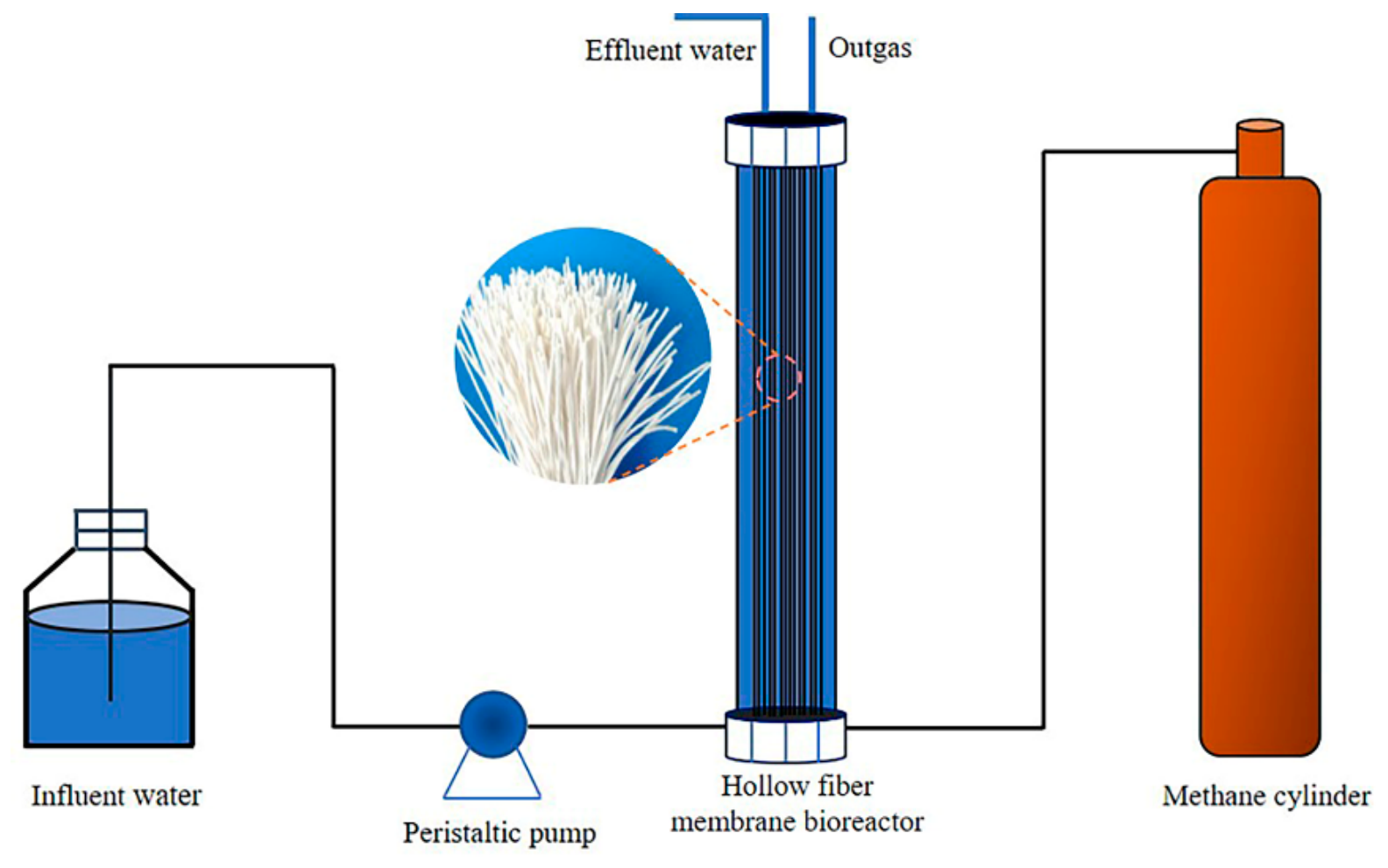
Figure 1. Schematic diagram of the reaction device.
Water 18 01317 g001
Figure 2. Variation in NO3-N and NO2-N in the start-up stage of the reactor.
Water 18 01317 g002
Figure 3. Variation of NO3-N and NO2-N removal with different HRTs.
Water 18 01317 g003
Figure 4. The average effluent characteristics of (a) NO3-N, (b) denitrification rate (c) NO2-N, (d) NH4+-N and (e) TIN under 4 stages corresponding different HRTs.
Water 18 01317 g004
Figure 5. (a) Dilution curve, (b) rank–abundance curve, (c) Venn diagram, and diagram of relative content of microorganisms at (d) phyla and (e) class levels during reactor start-up. Diagram of relative content of microorganisms at class level during reactor start-up.
Water 18 01317 g005
Figure 6. The difference in microbial population dynamics in terms of genus level.
Water 18 01317 g006
Figure 7. Schematic diagram of coexisting system among methanotrophic bacteria, heterotrophic and autotrophic denitrifiers for nitrate reduction.
Water 18 01317 g007
Table 1. Microbial alpha diversity index during start-up in reactor.
SampleReadsOTUsAceChaoShannonSimpsonShannonevenSimpsonevenCoverage
W1371018249359835.160.01530.76800.05030.9965
W2402698149129365.100.01390.76130.07950.9962
W3327186477728134.610.03070.71240.08830.9956
Table 2. The key functional group classification at genus level.
SystemKey Functional GroupsBacteria (Relative
Abundances/%)
Descriptions
W1Heterotrophic denitrifiersnorank_p__WS6 (10.82)It could perform denitrification, as observed in carbon-rich anaerobic environment [37,38].
Heterotrophic denitrifiersnorank_f__Anaerolineaceae (9.72)Previous literature pointed out that Anaerolineaceae sp. played a crucial role in denitrification and benefitted the carbohydrate degradation for nitrogen removal by providing more readily available carbon source for denitrifiers [39].
Heterotrophic denitrifiersnorank_c__Bacteroidetes_vadinHA17 (7.12)Bacteroidetes sp. are typical denitrifiers and known to promote heterotrophic denitrification [40].
Facultative denitrifiersArenimonas (2.70)It could perform both autotrophic and heterotrophic denitrification in mixotrophic medium [41].
Co-metabolism bacterianorank_o__PeM15 (2.50)The genus norank_o_PeM15 might greatly contribute to the metabolism processes of substrate resources in the sludge.
W2Heterotrophic denitrifiersnorank_f__Anaerolineaceae (8.36)As above
Heterotrophic denitrifiersnorank_p__WS6 (6.87)As above
Facultative denitrifiersPseudomonas (6.56)Facultative autotrophic bacterium that is capable of mixotrophic and heterotrophic denitrification, where previous literature found that with the addition of organic co-substrate, Pseudomonas became the dominant genus [42,43,44].
Facultative denitrifiersThauera (4.65)Thauera is dominantly found in partial denitrification systems, known as heterotrophic denitrifiers [45], while another work reported that it can perform both autotrophic and heterotrophic denitrification in mixotrophic medium [46].
Co-metabolism bacterianorank_c__Bacteroidetes_vadinHA17 (3.89)It could contribute to decomposing macromolecular organic to a small molecule, easily utilized by microbes [47].
W3Heterotrophic denitrifiersLentimicrobium (10.34)The genus Lentimicrobium is known as a potential heterotrophic denitrifier [48,49,50].
Methane-oxidizing bacteriaMethylocystis (9.88)Type II Methanotroph [51].
Autotrophic denitrifiersClostridium_sensu_stricto_12 (6.71)Previous literature [52] showed that Clostridium was dominant species acting as key contributor to nitrate reduction in autotrophic denitrifying process.
Heterotrophic denitrifiersnorank_f__Caldilineaceae (3.69)Caldilineaceae sp. are the functional genera closely associated with nitrogen removal [39], which was also reported to be related to lignin and cellulose degradation [45].
Heterotrophic denitrifiersHyphomicrobium (2.90)Hyphomicrobium is commonly identified as complete denitrifier capable of reducing both nitrate and nitrite to N2 especially using methanol as carbon source [48,53].
Notes: The functional assignments in this table are based on literature reports and 16S rRNA gene sequencing. These assignments are putative and should be interpreted with caution, as functional capabilities cannot be directly confirmed by 16S data alone.
Table 3. Normalized CH4 emissions for full-scale studies found in the literature.
Locationkg CH4/(kg COD)influentRef.
229 Chinese cities WWTP, China0.017–0.24[57]
Durnham WWTP, United States0.0016 a[58]
Valence WWTP, France0.0175[59]
Kralingseveer WWTP, Netherlands0.0113[60]
Jungryang WWTP, Seoul,
South Korea
0.004 a[61]
Note: a Expressed as kg CH4/(kg BOD5)influent.
Disclaimer/Publisher’s Note: The statements, opinions and data contained in all publications are solely those of the individual author(s) and contributor(s) and not of MDPI and/or the editor(s). MDPI and/or the editor(s) disclaim responsibility for any injury to people or property resulting from any ideas, methods, instructions or products referred to in the content.