Sustainable Bio-Ammonia Recovery from Livestock Wastewater via Biochar-Immobilized Microbial Ammonification

 , , ,
, , , 
Abstract
1. Introduction
2. Materials and Methods
2.1. Chemicals
2.2. Isolation, Enrichment, and Selection of Appropriate Inoculum Concentration
2.3. Preparation of Biochar Carrier
2.4. Determination of Microbial Growth
2.5. Cell Immobilization Using Biochar
2.6. Determination of Ammonium Nitrogen
2.7. Analysis of Wastewater Quality Parameters
- i.
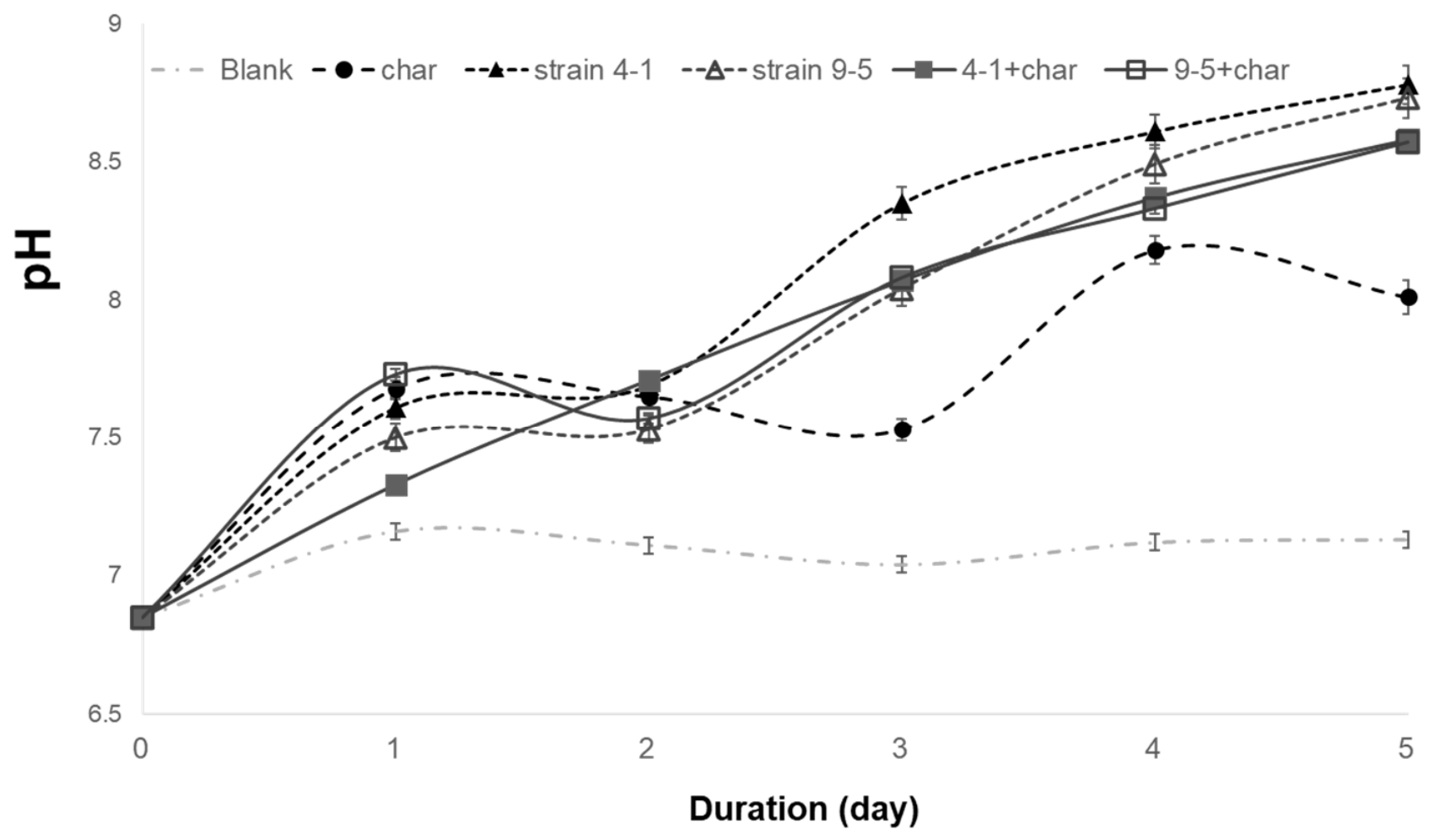
- pH was measured by a benchtop pH meter (SUNTEX Instruments Co., Ltd., New Taipei City, Taiwan).
- ii.
- Electrical conductivity (EC) was measured using a conductivity probe with automatic temperature compensation.
- iii.
- Oxidation–reduction potential (ORP) was measured using a platinum ORP electrode and reference solution.
- iv.
- Total nitrogen (TN) was determined using the HACH Test ‘N Tube 10071 LR Persulfate Digestion Method. In this procedure, 2.0 mL of a well-mixed sample was added to a digestion vial, digested at 105 °C for 30 min, cooled, and analyzed colorimetrically using the DR3900 (Hach Company, Loveland, CO, USA).
- v.
- Nitrate nitrogen (NO3−-N) was determined using the HACH 8039 cadmium reduction method with a HACH DR900 portable colorimeter (Hach Company, Loveland, CO, USA). In this method, nitrate is reduced to nitrite by cadmium, followed by color development and colorimetric measurement according to the manufacturer’s instructions. The nitrate concentration was expressed as mg/L NO3−-N.
- vi.
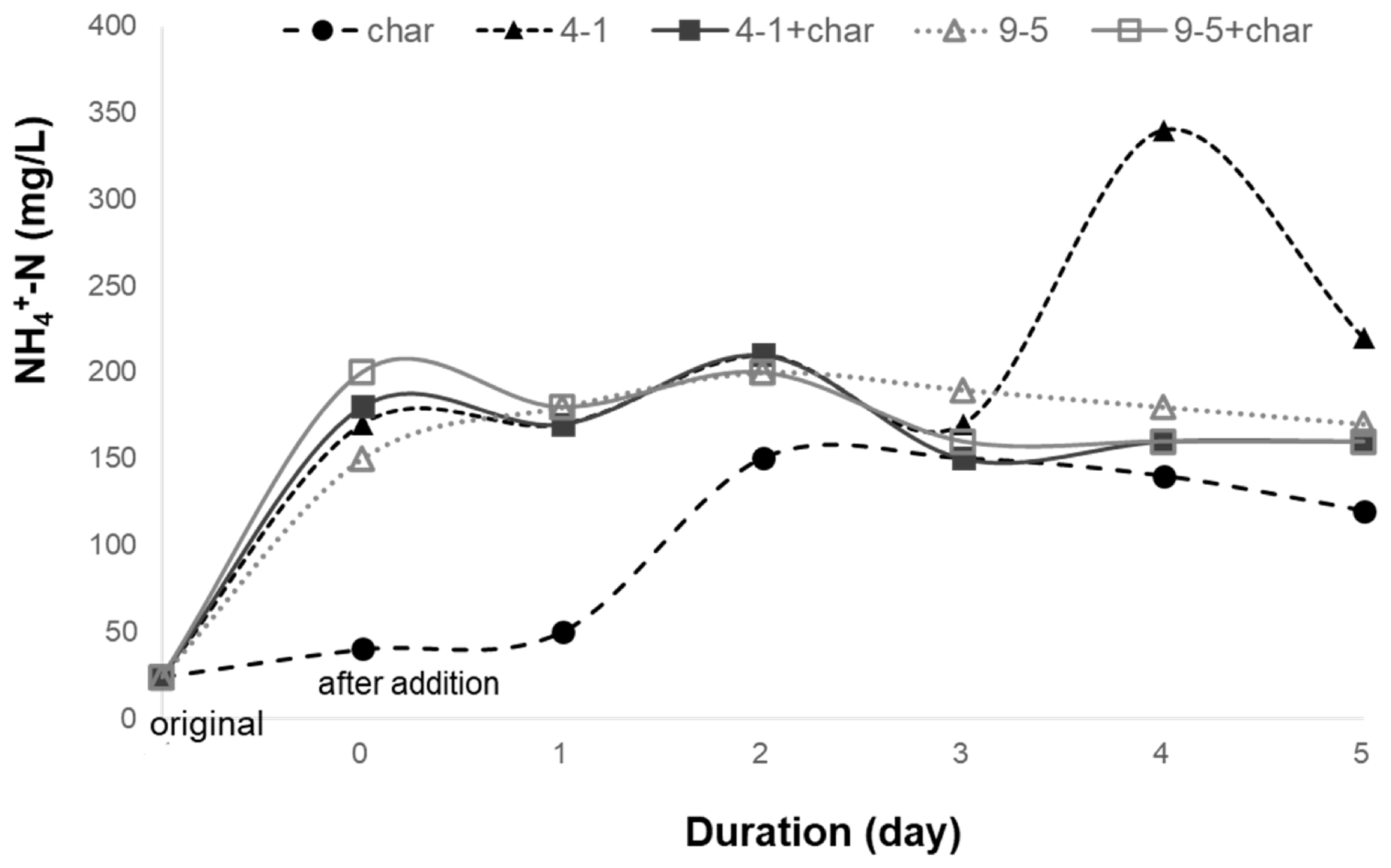
- Ammonium nitrogen (NH4+-N) was determined as described in Section 2.6.
- vii.
- Organic nitrogen (Org-N) was estimated as the difference between total nitrogen and the measured inorganic nitrogen species. Since NO2−-N was assumed to be negligible, Org-N was calculated as follows: Org-N = TN − NH4+-N − NO3−-N.
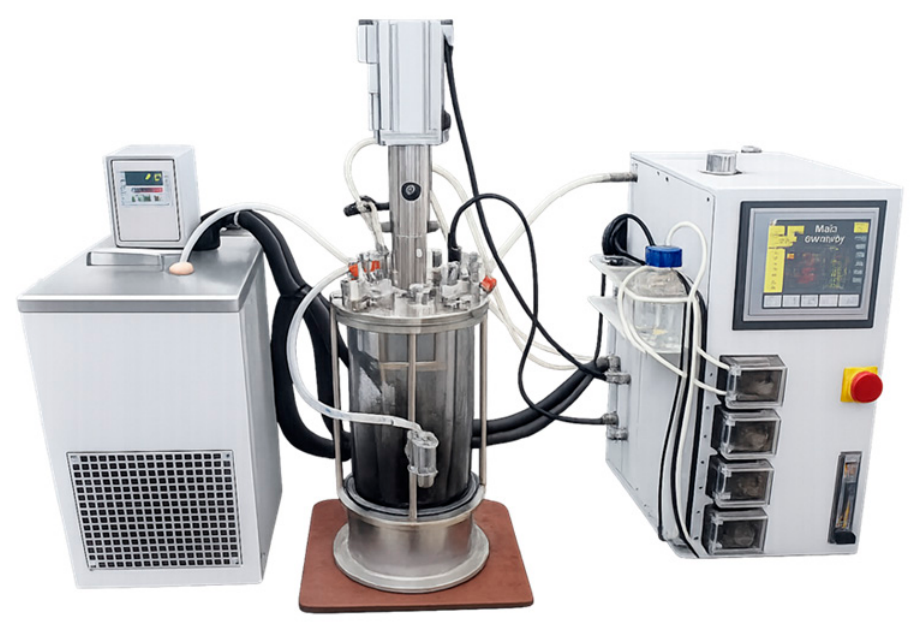
2.8. Reactor Operation for Ammonia Production
3. Results and Discussion
3.1. Characterization of Biochar-Immobilized Strains
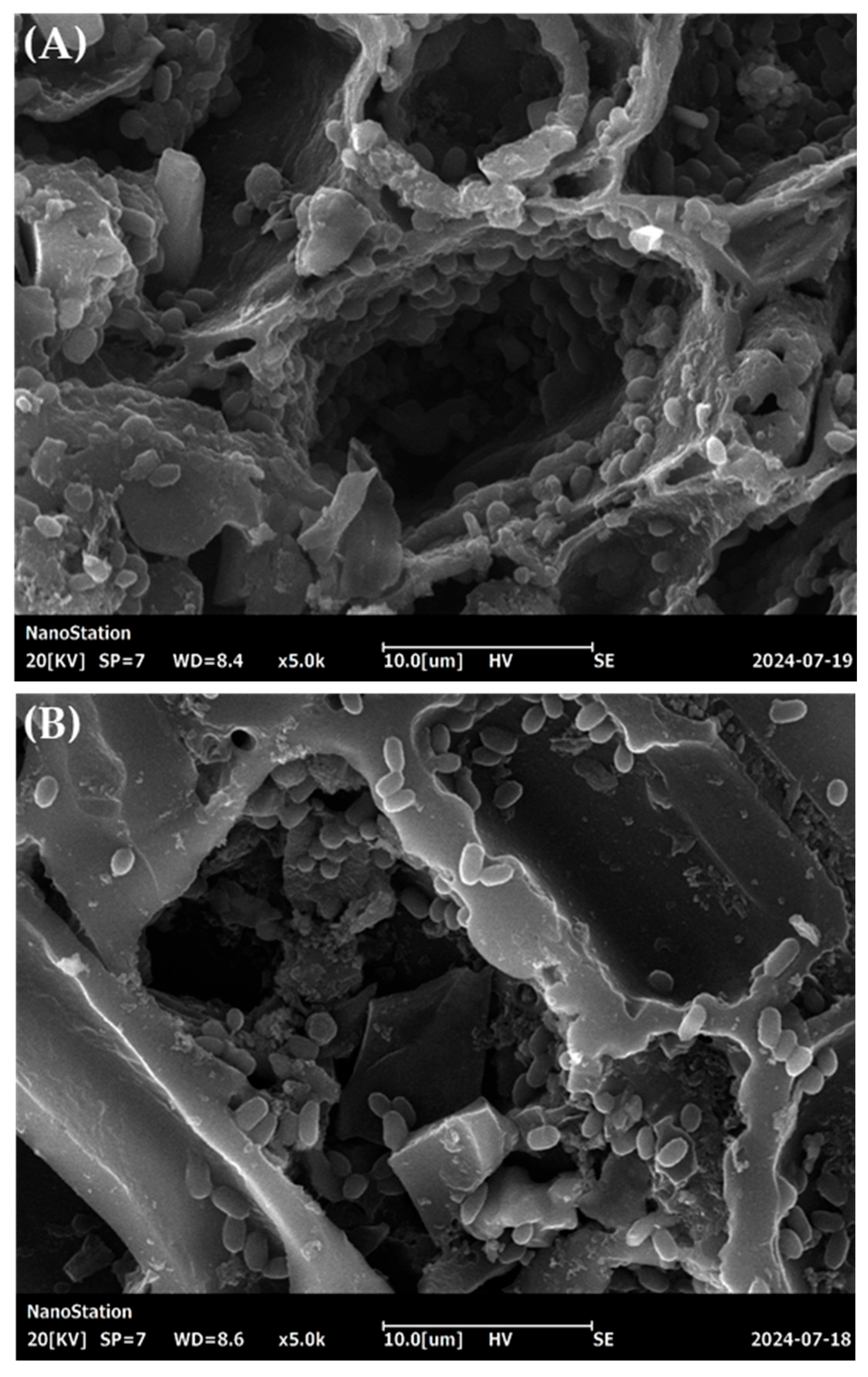
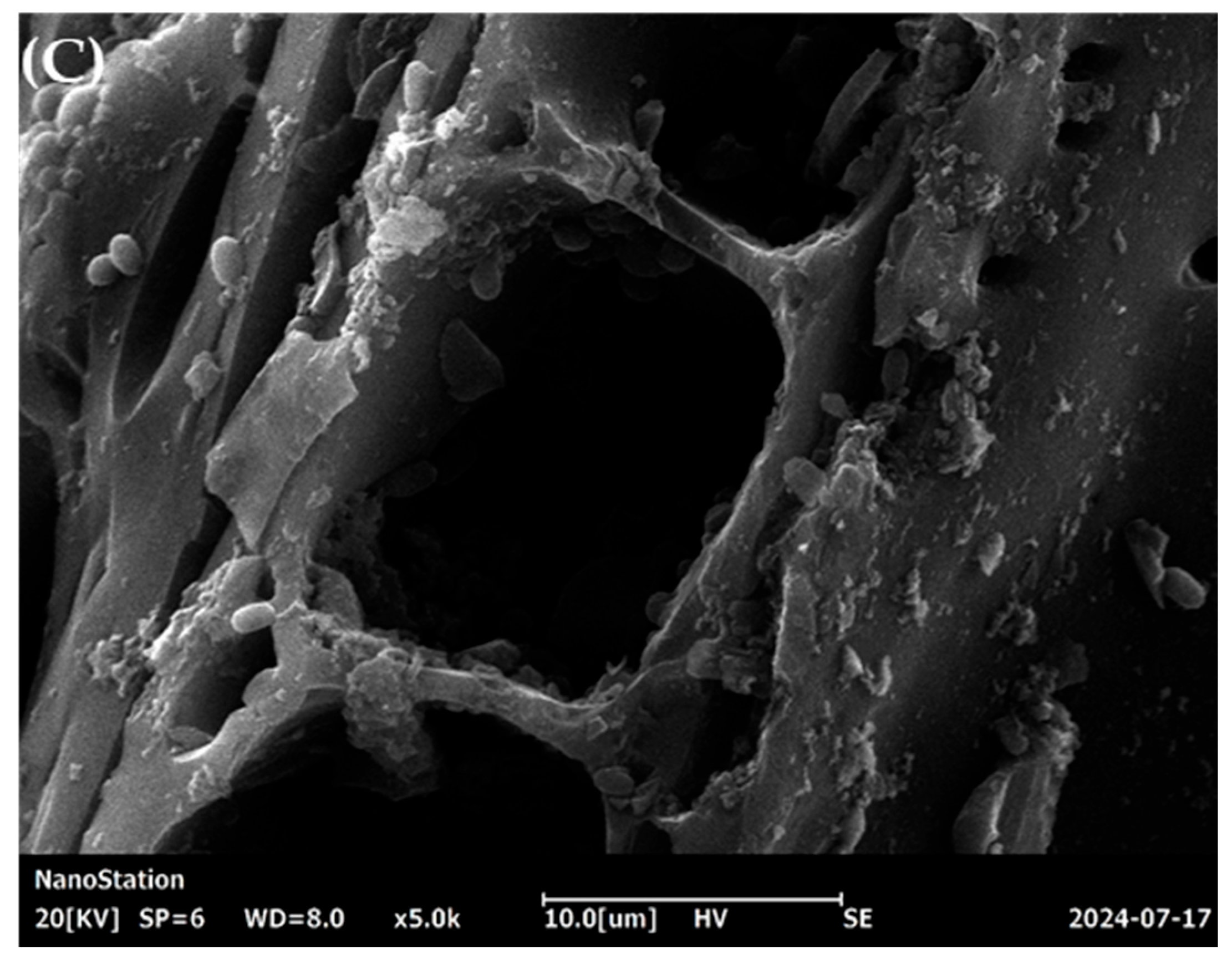
3.1.1. SEM Observation
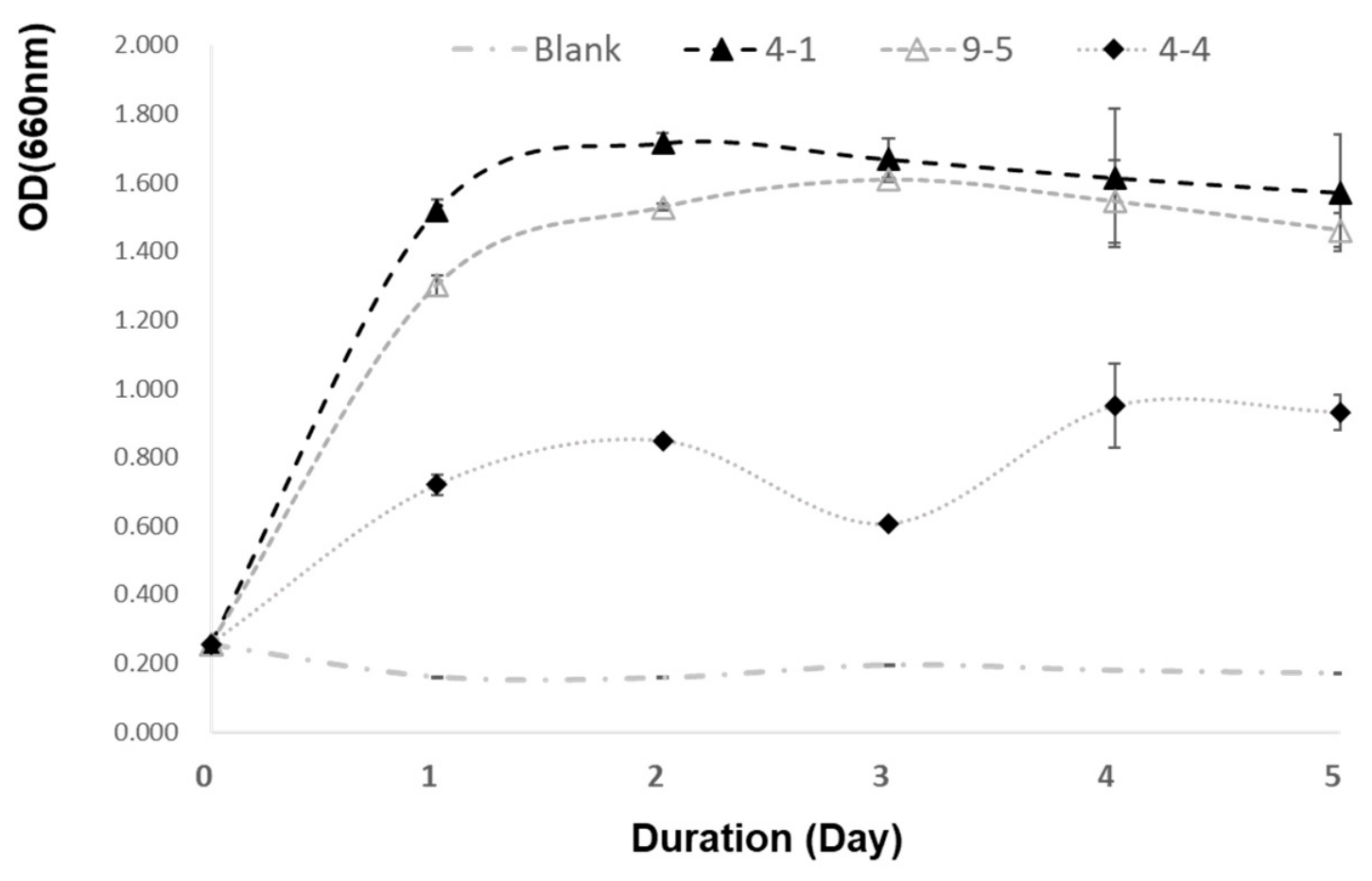
3.1.2. Screening Microbial Growth in NB Medium Without Biochar as a Carrier
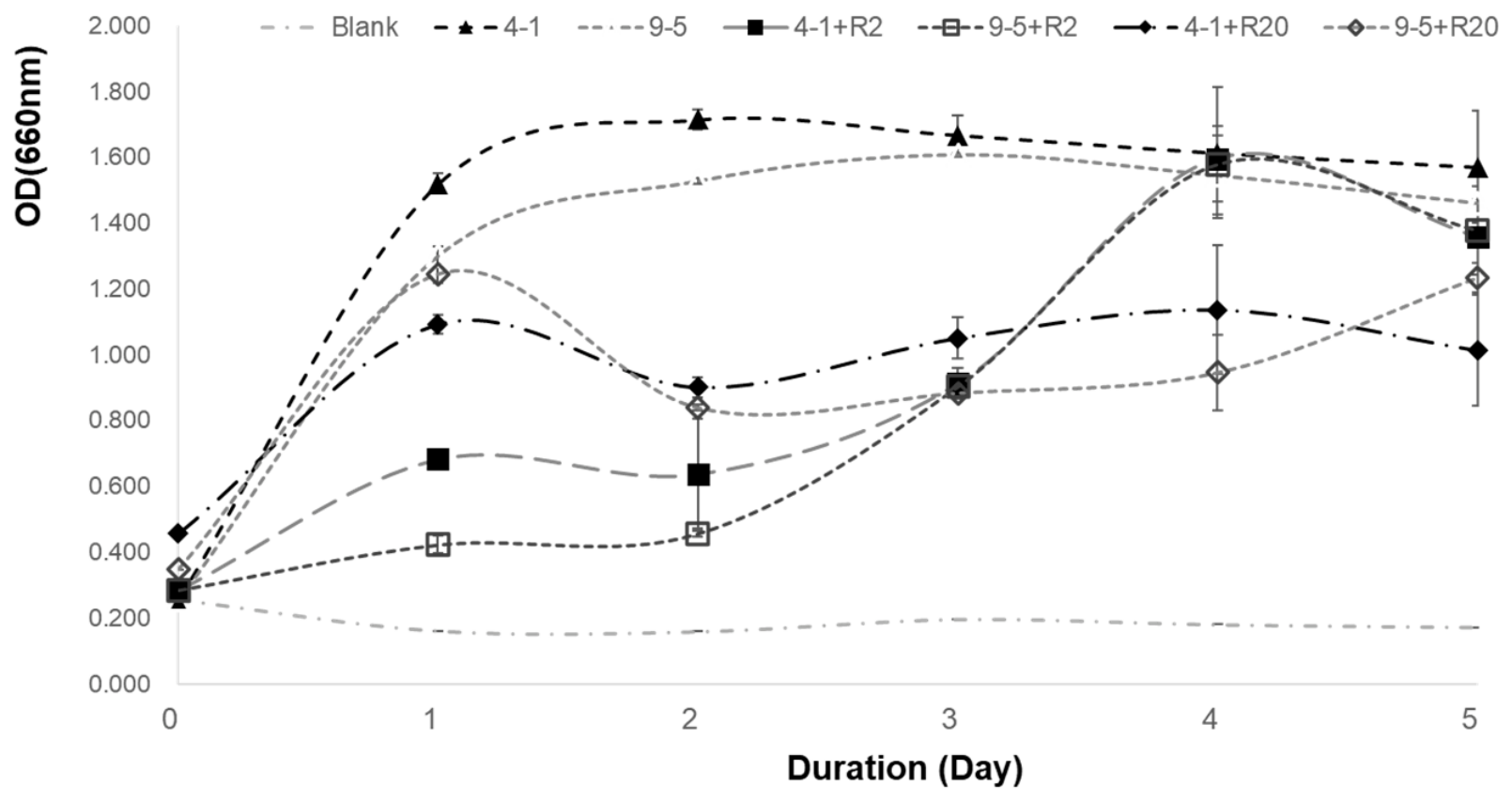
3.1.3. The Effect of Biochar Addition on Microbial Growth
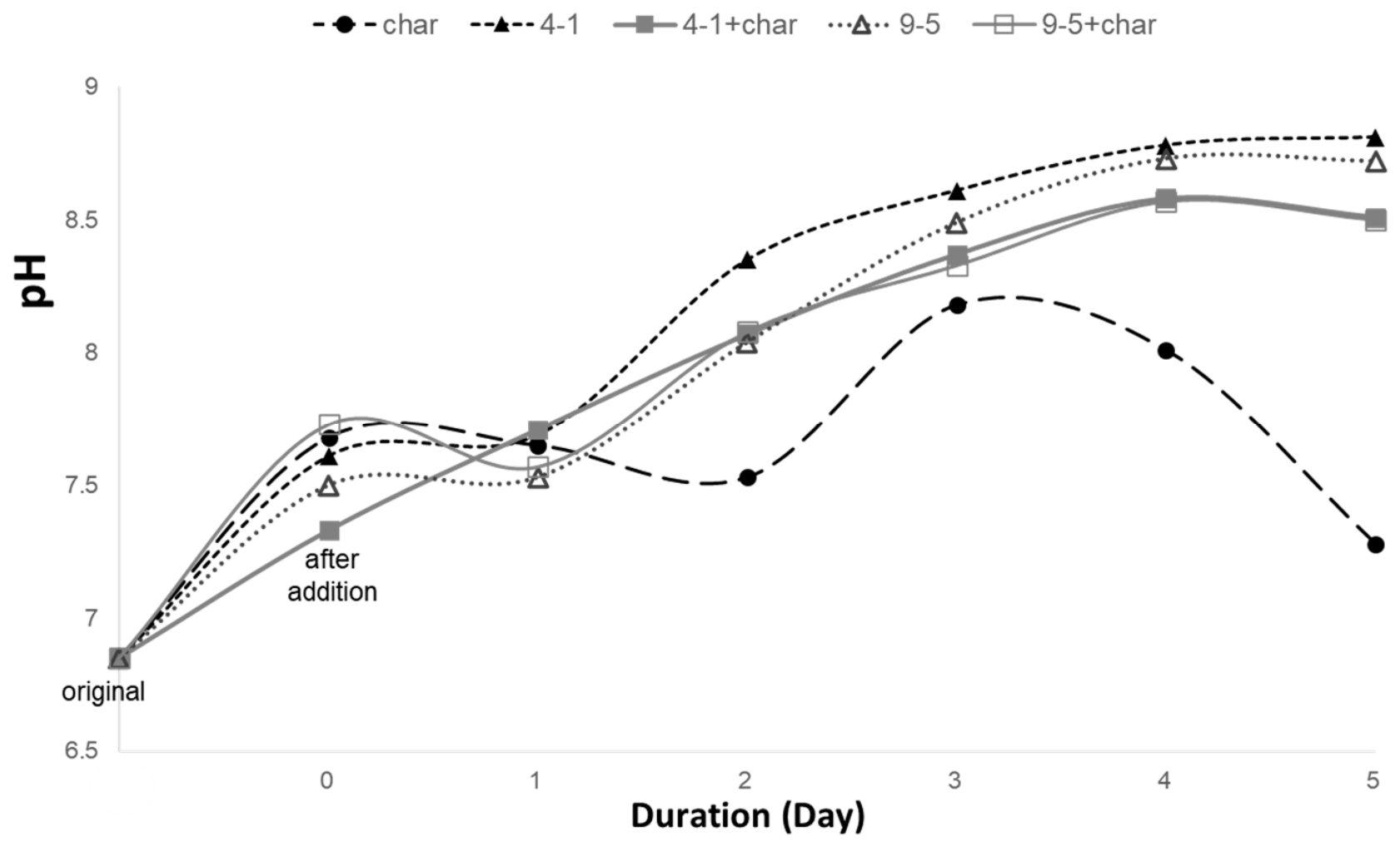
3.2. Effects of Biochar Addition on pH Dynamics and Ammonifying Bacterial Activity
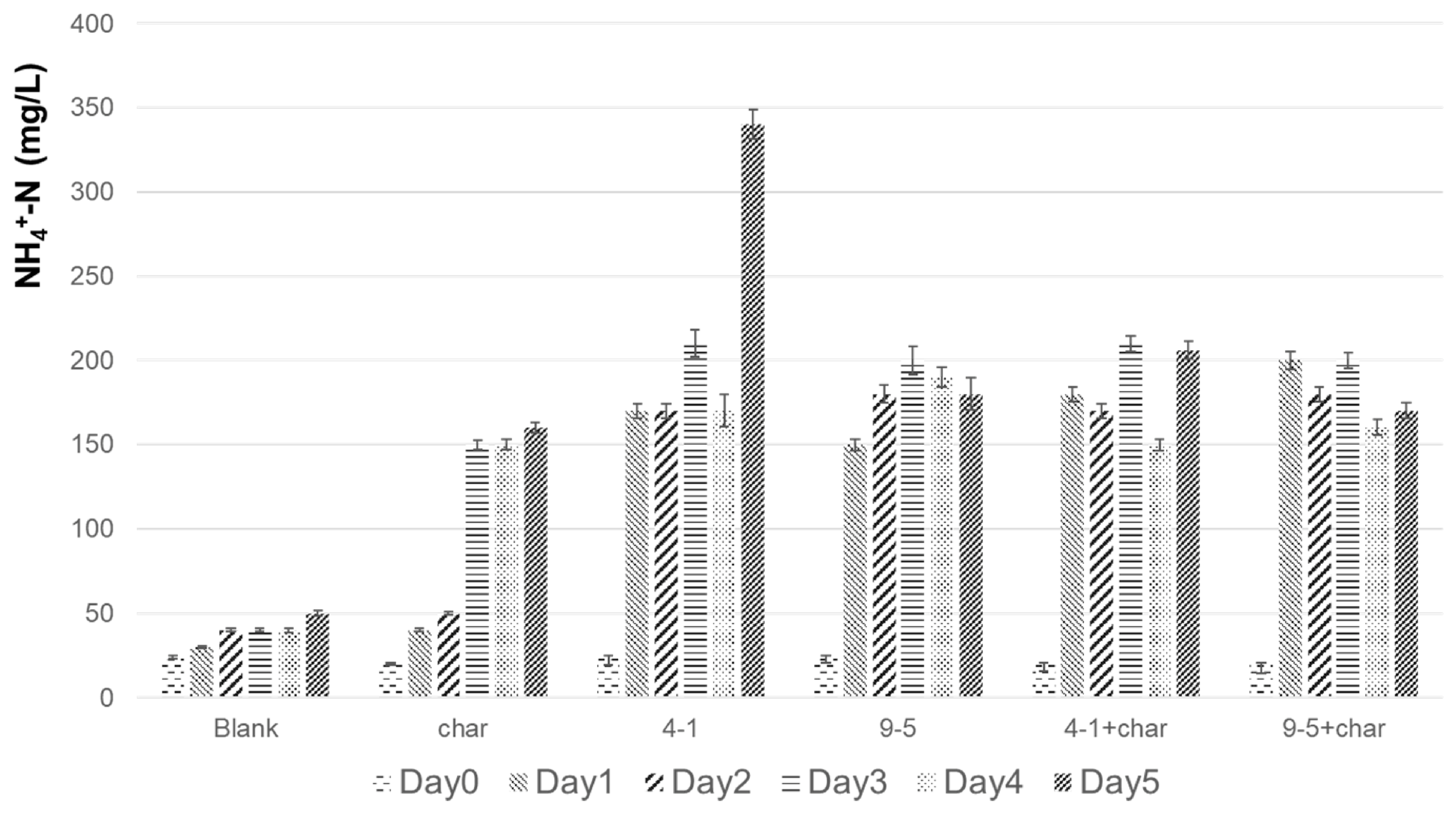
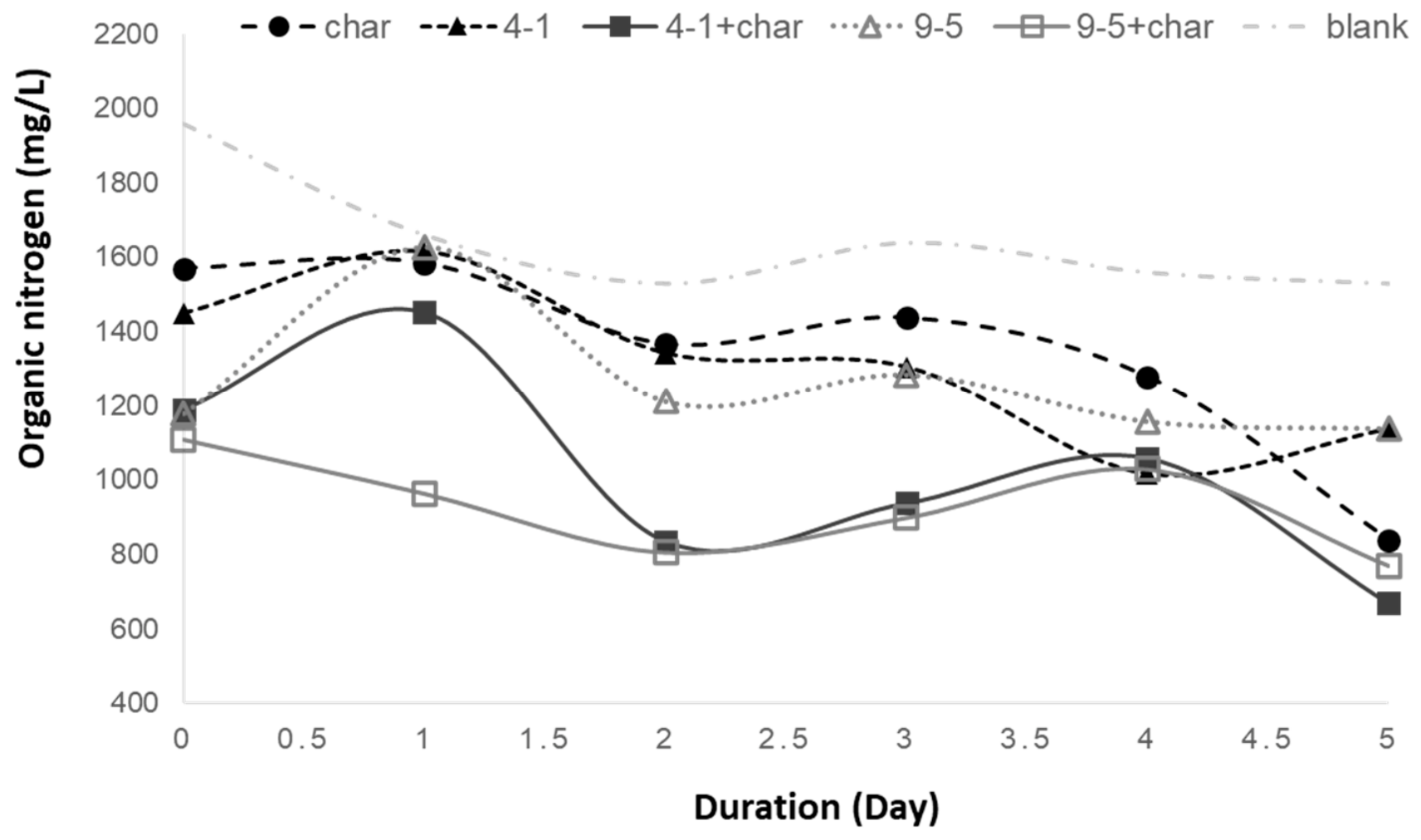
3.3. Bio-Ammonia Generation in Sterilized Swine Wastewater
4. Conclusions
Author Contributions
Funding
Data Availability Statement
Acknowledgments
Conflicts of Interest
References
- Valera-Medina, A.; Xiao, H.; Owen-Jones, M.; David, W.I.F.; Bowen, P.J. Ammonia for Power. Prog. Energy Combust. Sci. 2018, 69, 63–102. [Google Scholar] [CrossRef]
- Wan, Z.; Tao, Y.; Shao, J.; Zhang, Y.; You, H. Ammonia as an Effective Hydrogen Carrier and a Clean Fuel for Solid Oxide Fuel Cells. Energy Convers. Manag. 2021, 228, 113729. [Google Scholar] [CrossRef]
- Wang, Q.; Guo, J.; Chen, P. Recent Progress Towards Mild-Condition Ammonia Synthesis. J. Energy Chem. 2019, 36, 25–36. [Google Scholar] [CrossRef]
- Gu, T.; Huš, M.; Araya, S.S.; Likozar, B.; Gallucci, F.; Liso, V. Thermocatalytic Ammonia Synthesis Beyond Conventional Haber–Bosch: Principles, Advances, Challenges and Opportunities. Prog. Energy Combust. Sci. 2026, 112, 101262. [Google Scholar] [CrossRef]
- Martinez, J.; Dabert, P.; Barrington, S.; Burton, C. Livestock Waste Treatment Systems for Environmental Quality, Food Safety, and Sustainability. Bioresour. Technol. 2009, 100, 5527–5536. [Google Scholar] [CrossRef]
- Wyer, K.E.; Kelleghan, D.B.; Blanes-Vidal, V.; Schauberger, G.; Curran, T.P. Ammonia Emissions from Agriculture and Their Contribution to Fine Particulate Matter: A Review of Implications for Human Health. J. Environ. Manag. 2022, 323, 116285. [Google Scholar] [CrossRef]
- Geisseler, D.; Horwath, W.R.; Joergensen, R.G.; Ludwig, B. Pathways of Nitrogen Utilization by Soil Microorganisms—A Review. Soil Biol. Biochem. 2010, 42, 2058–2067. [Google Scholar] [CrossRef]
- Grzyb, A.; Wolna-Maruwka, A.; Niewiadomska, A. The Significance of Microbial Transformation of Nitrogen Compounds in the Light of Integrated Crop Management. Agronomy 2021, 11, 1415. [Google Scholar] [CrossRef]
- Choi, K.Y.; Wernick, D.G.; Tat, C.A.; Liao, J.C. Consolidated Conversion of Protein Waste into Biofuels and Ammonia Using Bacillus subtilis. Metab. Eng. 2014, 23, 53–61. [Google Scholar] [CrossRef] [PubMed]
- Mikami, Y.; Yoneda, H.; Tatsukami, Y.; Aoki, W.; Ueda, M. Ammonia Production from Amino Acid-Based Biomass-Like Sources by Engineered Escherichia coli. AMB Express 2017, 7, 83. [Google Scholar] [CrossRef]
- Bello, I.; Adeniyi, A.; Mukaila, T.; Monono, E.; Hammed, A. Biological Ammonia Production via Anaerobic Fermentation of Soy Meal Protein. Front. Biosci. (Elite Ed.) 2023, 15, 27. [Google Scholar] [CrossRef] [PubMed]
- Whitehead, T.R.; Cotta, M.A. Isolation and Identification of Hyper-Ammonia Producing Bacteria from Swine Manure Storage Pits. Curr. Microbiol. 2004, 48, 20–26. [Google Scholar] [CrossRef] [PubMed]
- Flythe, M.; Kagan, I. Antimicrobial Effect of Red Clover (Trifolium pratense) Phenolic Extract on the Ruminal Hyper Ammonia-Producing Bacterium, Clostridium sticklandii. Curr. Microbiol. 2010, 61, 125–131. [Google Scholar] [CrossRef]
- Rychlik, J.; Russell, J. Mathematical Estimations of Hyper-Ammonia Producing Ruminal Bacteria and Evidence for Bacterial Antagonism That Decreases Ruminal Ammonia Production. FEMS Microbiol. Ecol. 2000, 32, 121–128. [Google Scholar] [CrossRef]
- Adeniyi, A.; Bello, I.; Mukaila, T.; Monono, E.; Hammed, A. Developing Rumen Mimicry Process for Biological Ammonia Synthesis. Bioprocess Biosyst. Eng. 2023, 46, 1011–1020. [Google Scholar] [CrossRef]
- Bouabidi, Z.B.; El-Naas, M.H.; Zhang, Z. Immobilization of Microbial Cells for the Biotreatment of Wastewater: A Review. Environ. Chem. Lett. 2019, 17, 241–257. [Google Scholar] [CrossRef]
- Hou, L.; Hu, K.; Huang, F.; Pan, Z.; Jia, X.; Liu, W.; Yao, X.; Yang, Z.; Tang, P.; Li, J. Advances in Immobilized Microbial Technology and Its Application to Wastewater Treatment: A Review. Bioresour. Technol. 2024, 413, 131518. [Google Scholar] [CrossRef]
- Li, R.; Wu, Y.; Lou, X.; Li, H.; Cheng, J.; Shen, B.; Qin, L. Porous Biochar Materials for Sustainable Water Treatment: Synthesis, Modification, and Application. Water 2023, 15, 395. [Google Scholar] [CrossRef]
- Olugbenga, O.S.; Adeleye, P.G.; Oladipupo, S.B.; Adeleye, A.T.; John, K.I. Biomass-Derived Biochar in Wastewater Treatment—A Circular Economy Approach. Waste Manag. Bull. 2024, 1, 1–14. [Google Scholar] [CrossRef]
- Jha, S.; Gaur, R.; Shahabuddin, S.; Tyagi, I. Biochar as Sustainable Alternative and Green Adsorbent for the Remediation of Noxious Pollutants: A Comprehensive Review. Toxics 2023, 11, 117. [Google Scholar] [CrossRef]
- Lago, A.; Rocha, V.; Barros, O.; Silva, B.; Tavares, T. Bacterial Biofilm Attachment to Sustainable Carriers as a Clean-Up Strategy for Wastewater Treatment: A Review. J. Water Process Eng. 2024, 63, 105368. [Google Scholar] [CrossRef]
- Mehrotra, T.; Dev, S.; Banerjee, A.; Chatterjee, A.; Singh, R.; Aggarwal, S. Use of Immobilized Bacteria for Environmental Bioremediation: A Review. J. Environ. Chem. Eng. 2021, 9, 105920. [Google Scholar] [CrossRef]
- Martins, S.C.S.; Martins, C.M.; Fiúza, L.M.C.G.; Santaella, S.T. Immobilization of Microbial Cells: A Promising Tool for Treatment of Toxic Pollutants in Industrial Wastewater. Afr. J. Biotechnol. 2013, 12, 4412–4418. [Google Scholar] [CrossRef]
- Vranova, V.; Rejsek, K.; Formanek, P. Proteolytic Activity in Soil: A Review. Appl. Soil Ecol. 2013, 70, 23–32. [Google Scholar] [CrossRef]
- Vymazal, J. Removal of Nutrients in Various Types of Constructed Wetlands. Sci. Total Environ. 2007, 380, 48–65. [Google Scholar] [CrossRef]
- Saeed, T.; Sun, G. A Review on Nitrogen and Organics Removal Mechanisms in Subsurface Flow Constructed Wetlands: Dependency on Environmental Parameters, Operating Conditions and Supporting Media. J. Environ. Manag. 2012, 112, 429–448. [Google Scholar] [CrossRef]
- Wu, X.; Quan, W.; Chen, Q.; Gong, W.; Wang, A. Efficient Adsorption of Nitrogen and Phosphorus in Wastewater by Biochar. Molecules 2024, 29, 1005–1033. [Google Scholar] [CrossRef] [PubMed]
- Gao, R.; Ding, S.; Liu, Z.; Jiang, H.; Liu, G.; Fang, J. Recent Advances and Perspectives of Biochar for Livestock Wastewater: Modification Methods, Applications, and Resource Recovery. J. Environ. Chem. Eng. 2024, 12, 113678. [Google Scholar] [CrossRef]






| Strain Code | 4-1 | 4-4 | 9-5 |
|---|---|---|---|
| Source of isolation | Anaerobic sludge | Anaerobic sludge | Digestate |
| Nearest strain and similarity (%) | Lysinibacillus sp. (KDP-SUK-M5), 100% | Lysinibacillus sphaericus (BL7), 100% | Bacillus nitratireducens (VITMPAJ1), 100% |
| Cultivation period (days) | 5 | 5 | 5 |
| Cultivation temperature (°C) | 30 | 30 | 30 |
| pH | TN (mg/L) | NH4+-N (mg/L) | COD (mg/L) | ORP (mV) | NO3-N (mg/L) | Org-N (mg/L) | Org-N Removal (%) | |
|---|---|---|---|---|---|---|---|---|
| Crude wastewater | 6.85 | 808 | 24 | 3108 | 120 | 22 | 762 | - |
| Treatments | After 5 days | |||||||
| Blank | 7.2 | 1530 | 30 | 4660 | 155 | 1.1 | 1499 | 23.52% |
| Char | 7.28 | 960 | 120 | 3610 | 3 | 1 | 830 | 47.15% |
| Strain 4-1 | 8.81 | 1290 | 220 | 2270 | 15 | 1.7 | 1068.3 | 26.32% |
| 4-1+char | 8.51 | 790 | 160 | 1870 | 39 | 1.3 | 628.7 | 47.17% |
| Strain 9-5 | 8.72 | 1310 | 170 | 3120 | 4 | 1.1 | 1138.9 | 1.69% |
| 9-5+char | 8.5 | 910 | 160 | 2630 | 76 | 1.2 | 748.8 | 32.54% |
Disclaimer/Publisher’s Note: The statements, opinions and data contained in all publications are solely those of the individual author(s) and contributor(s) and not of MDPI and/or the editor(s). MDPI and/or the editor(s) disclaim responsibility for any injury to people or property resulting from any ideas, methods, instructions or products referred to in the content. |
© 2026 by the authors. Licensee MDPI, Basel, Switzerland. This article is an open access article distributed under the terms and conditions of the Creative Commons Attribution (CC BY) license.
Share and Cite
Wang, W.-L.; Liou, R.-M.; Chien, C.-C.; Wu, Z.-Y.; Kuo, Y.-C.; Lee, S.-C. Sustainable Bio-Ammonia Recovery from Livestock Wastewater via Biochar-Immobilized Microbial Ammonification. Water 2026, 18, 1159. https://doi.org/10.3390/w18101159
Wang W-L, Liou R-M, Chien C-C, Wu Z-Y, Kuo Y-C, Lee S-C. Sustainable Bio-Ammonia Recovery from Livestock Wastewater via Biochar-Immobilized Microbial Ammonification. Water. 2026; 18(10):1159. https://doi.org/10.3390/w18101159
Chicago/Turabian StyleWang, Wen-Lin, Rey-May Liou, Chuan-Chi Chien, Zong-Yu Wu, Yung-Chi Kuo, and Shih-Chi Lee. 2026. "Sustainable Bio-Ammonia Recovery from Livestock Wastewater via Biochar-Immobilized Microbial Ammonification" Water 18, no. 10: 1159. https://doi.org/10.3390/w18101159
APA StyleWang, W.-L., Liou, R.-M., Chien, C.-C., Wu, Z.-Y., Kuo, Y.-C., & Lee, S.-C. (2026). Sustainable Bio-Ammonia Recovery from Livestock Wastewater via Biochar-Immobilized Microbial Ammonification. Water, 18(10), 1159. https://doi.org/10.3390/w18101159