Article

Evaluating Environmental Effects of Zero-Discharge Events in a Regulated River in Northern Sweden Using Hydraulic Modelling


by
M. Lovisa Sjöstedt
1,*,
J. Gunnar I. Hellström
1,
Anders G. Andersson
1 and
Jani Ahonen
2
1
Division of Fluid and Experimental Mechanics, Department of Engineering Science and Mathematics, Luleå University of Technology, 971 87 Luleå, Sweden
2
Department of Wildlife, Fish and Environmental Studies, Swedish University of Agricultural Sciences, 901 83 Umeå, Sweden
*
Author to whom correspondence should be addressed.
Water 2026, 18(1), 84; https://doi.org/10.3390/w18010084
Submission received: 26 November 2025 / Revised: 12 December 2025 / Accepted: 22 December 2025 / Published: 29 December 2025
(This article belongs to the Section Hydraulics and Hydrodynamics)

Abstract

Increasing periods of zero-discharge and large fluctuations in discharge are expected in future hydropower operations due to changes in the electricity system, including greater reliance on solar and wind power, as well as increased variability in precipitation driven by climate change. In this study, several types of zero-flow periods were analyzed in a regulated northern river in Sweden. The results highlight different mitigation measures that may be suitable for reducing ecological impacts associated with hydropeaking. The study also evaluates potential improvements that could be achieved by implementing a mean annual low flow instead of zero flow. Overall, the findings demonstrate the value of conducting detailed river-specific analyses to identify effective ecological restoration measures in regulated river systems.

1. Introduction

In response to the growing urgency of climate change, governments across Europe have established ambitious greenhouse gas reduction targets. Sweden aims to achieve net-zero emissions by 2045 [1], Norway has pledged a 50% reduction by 2030 [2], and Finland plans to cut emissions by 39% from 2005 levels by 2030 [3]. At the broader European level, the European Council targets at least a 40% reduction in emissions compared to 1990 levels and aims to have 32% of total energy consumption from renewable sources [4]. A significant share of this renewable energy is derived from hydropower, often in combination with wind and solar power.
Hydropower is an important enabler of renewable energy production in the Nordic region, but river regulation and hydropower operations strongly influence aquatic ecosystems. To address these ecological impacts, it is essential to quantify how zero-flow events affect the availability of suitable habitat for important aquatic species by analyzing how different discharge schedules alter water flow and water levels in regulated river systems. Understanding these relationships is crucial for evaluating the ecological consequences of hydropower operations and for designing effective restoration measures that balance renewable energy production with ecological sustainability.
Hydropower remains a cornerstone of Europe’s energy transition due to its flexibility and storage capacity. It plays a key role in the balance of electricity supply by compensating for the intermittent nature of wind and solar generation. However, the increasing reliance on hydropower as a balancing mechanism is changing operational patterns, leading to more frequent starts and stops and greater fluctuations in water flow and water levels.
Simultaneously, climate projections for northern Europe and North America indicate warmer summers with increased risk of drought and wetter winters characterized by increased rainfall rather than snow [5,6]. In regions like northern Sweden, this shift is expected to reduce the duration of ice cover and cause spring floods to occur up to a month earlier, increasingly driven by rainfall rather than snow melt [7]. These changes in precipitation and temperature will affect the hydrological regime [8,9], with impacts on aquatic ecosystems.
Flow variability is a fundamental driver of the dynamics of river ecosystems [10]. Alterations in hydrology—both due to climate change and modified hydropower operations—will affect species composition, ecological processes, and habitat availability [11]. Erratic precipitation patterns, including both intense rainfall events and prolonged droughts, are projected to become more frequent in future climate scenarios [12], creating further challenges for both ecological integrity and hydropower management [13,14]. Hydropower regulation, particularly hydro-peaking operations, leads to large, unnaturally rapid sub-daily changes in water levels and flows in the regulated river reaches. This increases the risk of desiccation and flooding of the river, negatively affecting riparian organisms within the river and disrupting the dynamics of sediment in the river [15]. In extreme cases, hydro-peaking leads to zero-flow event periods, i.e., when the water releases from hydropower plants completely cease, causing the flow dynamics in the affected river reach to resemble those of a lake [16]. Dissolved oxygen levels, sedimentation, and ice-formation patterns can be severely altered by zero-flow occurrences [17].
In northern Sweden, it is common for such events to affect river reaches downstream of power plants, resulting in the dewatering of essential habitats. Low-flow scenarios significantly increase the risk for aquatic biota, particularly during sensitive life stages. Hydropeaking has substantial environmental and ecological effects, such as increasing the risk of stranding and drift, and it can also negatively affect aquatic fauna and reduce biomass [18]. Studies of hydropeaking have demonstrated reduced fish growth [19], decreased abundance [20], and habitat deterioration [21]. Investigating how different hydropeaking events manifest in a river system can therefore provide important insights into their ecological implications. It has also been shown that hydropeaking-induced drift of macroinvertebrates can have catastrophic consequences [22].
Salmonid eggs deposited in redds can desiccate when exposed to air due to dewatering, leading to high mortality rates [23,24,25]. In regulated rivers, zero-discharge events represent an extreme form of hydropeaking in which flow is temporarily halted, causing the rapid exposure of previously inundated habitats. These events disrupt hydraulic connectivity, reduce or eliminate microhabitats essential for feeding and shelter, and create abrupt thermal and moisture shifts along the shoreline. Grayling embryos rely on constant moisture and oxygen exchange within the redd, making them highly vulnerable to even short periods of dewatering. Some macroinvertebrate eggs have shown 100 percent mortality rates within 2 h of dewatering, while others may have had relatively high survival rates after 8 h of dewatering [26]. Juvenile fish are also susceptible to stranding and habitat loss in these zones [27,28]. Rapid drops in water level expose shoreline areas, creating entrapment zones that juvenile fish—especially those with limited mobility—may be unable to escape [29,30]. European grayling [31] and brown trout (Salmo trutta L.) [25] eggs and fry have low tolerances for rapid water level and velocity fluctuations. Both species are found in these sensitive life stages in the period March-June in Northern Europe.
Hydropeaking is known to cause critical behavioral and physiological processes in both juvenile salmonids [32] and adult European grayling [33]. Frequent fluctuations in flow regimes can interfere with spawning behavior [34] and reduce growth rates due to increased energetic stress [35,36].
Austrian sites with water level down-ramping rates < 0.18 cm/min showed significantly higher grayling biomass than those with down-ramping rates > 0.18 cm/min [33]. While rapid down-ramping rates as high as 3 cm/min resulted in a dramatic reduction in grayling and brown trout larvae and juvenile stocks, modeling showed that the accumulative effect of 25 repeated down-ramping with 0.1–0.2 cm/min caused the near depletion of larvae of both species [37].
Grayling, a key species in northern rivers, is particularly sensitive to variations in temperature and flow, making it especially vulnerable to both climate-induced and operational changes [38].
Together, these changes underscore the urgent need to understand the ecohydraulic consequences of climate change and hydropower regulation.
By analyzing several years of discharge data, a river reach in northern Sweden has been studied with respect to how dry and wet years affect hydrological conditions in an important regulated river. With access to detailed regulation data describing how specific hydropeaking events are managed in the area, it is possible to gain insights into how different discharge regimes may impact the system. Grayling is considered as an important species in the area and has been the subject of previous studies [39,40,41,42], and for which an established population has been documented. Grayling has narrow habitat requirements with respect to water depth and velocity, making it a suitable focal species for this type of study [43,44].
There is a growing demand for hydropower to minimize its ecological impacts, while at the same time fulfilling its role as a key source of flexible regulation capacity. This makes it particularly important to identify which scenarios are most critical and which are less harmful. Such knowledge can provide guidance on how discharge schedules can be designed to avoid excessive ecological impacts while still maintaining efficient hydropower operation, thereby supporting both renewable energy production and improved ecological status in regulated rivers.
This study aims to quantify the impact of zero-flow events on the availability of suitable spawning habitat in the affected river reach. The analysis focuses on several key factors: the frequency and duration; the influence of the downstream dam’s water level; and the extent and duration of dewatered areas and areas lacking ecologically sufficient flow conditions.
To assess the potential for ecological improvement, the study also evaluates how alternative flow scenarios—such as maintaining a minimum discharge at the level of the projected unregulated mean annual low flow (MLQ) 26 m3/s, and turbine minimum flow of 90 m3/s—could enhance habitat availability in the area [45,46]. The relationship between flow conditions and habitat area is examined to estimate the potential ecological gains under modified discharge regimes.
The results are intended to inform ecologically sensitive flow management strategies, support habitat restoration efforts, and guide regulatory adjustments aimed at improving conditions for fish populations in regulated river systems.

2. Materials and Methods

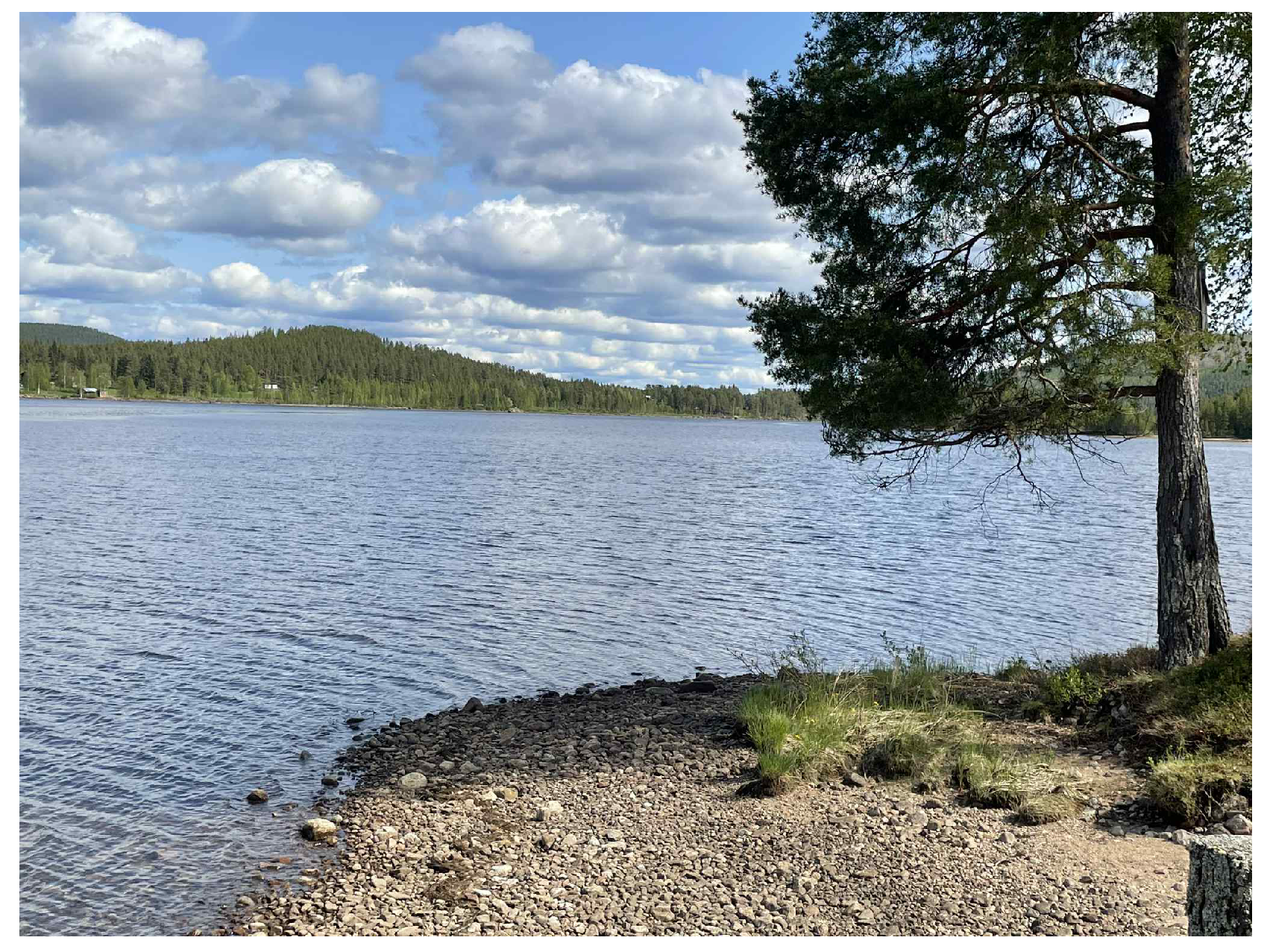
The area is subject to frequent and sometimes rapid changes in water level due to hydropower operations, which periodically expose and inundate the shoreline, resulting in shorelines where it is difficult for plants and animals to establish. The river is wide and alternates between rapids and calmer sections with more stagnant water; see Figure 1.
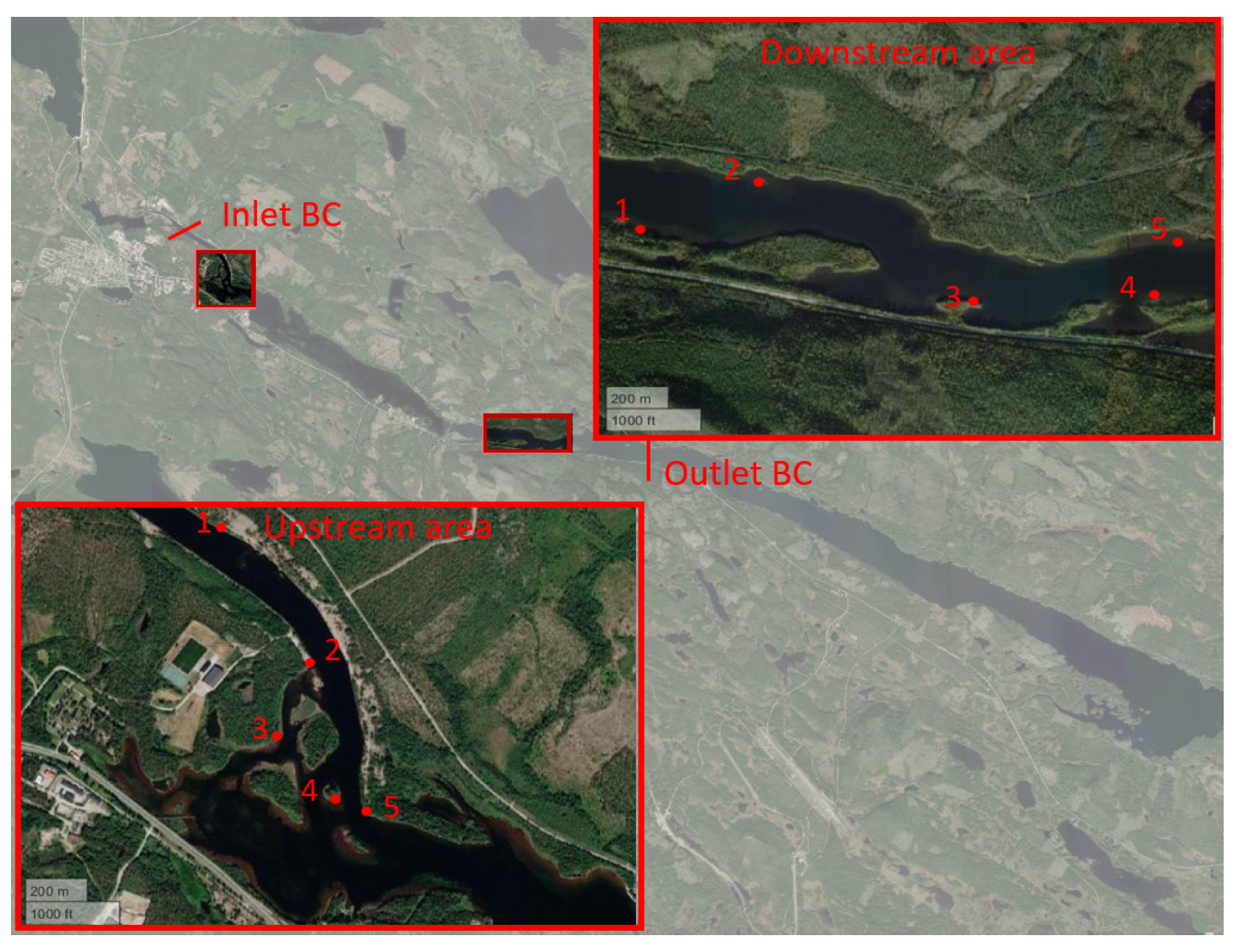
The study area is a large river in northern Sweden that is influenced by a series of closely spaced hydropower plants. As a result, the area is affected both by the discharge from the upstream plant and by the regulation of water levels at the downstream plant. For this reason, it has been divided into two focus areas: the upstream area, which is primarily influenced by the upstream hydropower plant, and the downstream area, which is affected by the water level regulation of the downstream plant. An overview map of the study area is shown in Figure 2.
The area has previously been studied, with most of the focus placed on grayling habitats and pinpointing favourable spawning locations [39]. Earlier investigations were conducted under standard flow conditions to evaluate their influence on these critical habitats [41]. Understanding the river’s behavior during zero-flow events remains limited. As such events are anticipated to occur more frequently due to climate change and more wind and solar power introduced to the elecrtical grid, it is important to explore their potential effects and assess whether the operation of the two hydropower facilities could help reduce negative impacts.

2.1. Hydraulic Modelling

The hydrodynamic model developed in this study covers a 15-km river reach, identified as having the greatest potential for the enhancement of grayling habitat [39].
To build the model, three distinct Digital Elevation Model (DEM) datasets were integrated using ArcGIS software 2024. Elevation data were obtained from Vattenfall AB, while information on terrestrial and floodplain features came from the Swedish mapping authority, Lantmäteriet. All spatial data were referenced using the SWEREF 99TM coordinate system [39].
Using Delft3D FM, a 2D hydraulic model was developed. The model employs a finite-volume approach to compute depth-averaged velocities by solving the Navier–Stokes equations under the Boussinesq and shallow-water assumptions [47]. The model timestep was determined based on calculations from the Courant number, using default assumptions 0.7 , to ensure numerical stability and accurate representation of flow dynamics.
In earlier studies, six pressure loggers were installed to collect water depth data, and a Real-Time Kinematic (RTK) GPS system was used to determine elevation at the locations of the loggers [48]. These measurements were combined to calculate the elevation of the water surface (WSE), which served to validate the model against flow records observed between June and September 2021, for more details see [39].
The domain was discretised using a flexible mesh generated in RGFGRID within Delft3D FM. Rectangular elements were primarily used in the main channel, while triangular elements were applied in the areas peripheral to the main channel [39]. A mesh sensitivity study for this configuration was conducted in an earlier study [40]. A roughness calibration was carried out for the domain, resulting in six different roughness coefficients assigned to different areas. For more details, see [40].
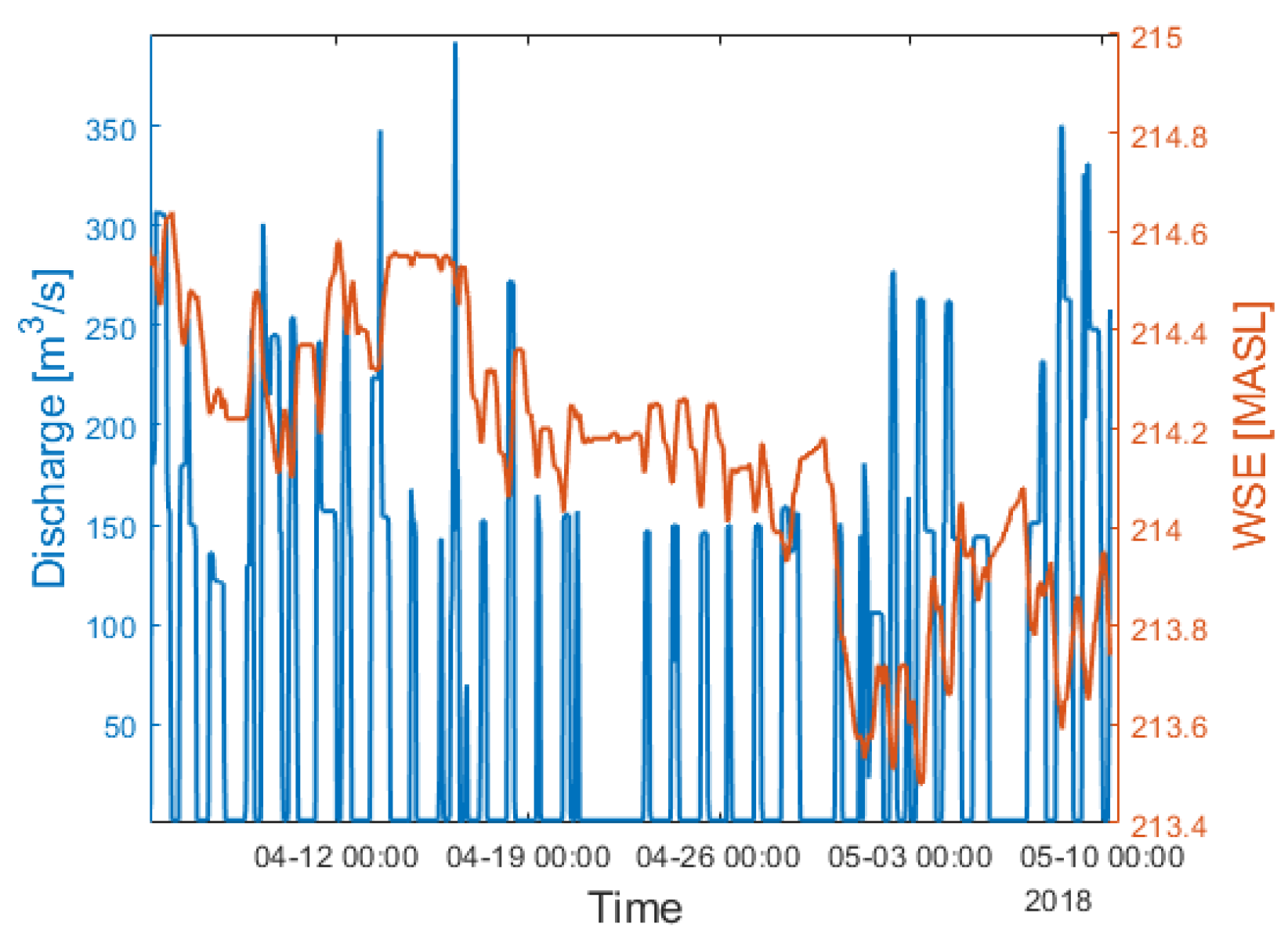
A period before spring flood, during which there have been many and long periods of zero flow, has been simulated to gain an understanding of which periods are most critical for spawning areas and the risk of stranding, the boundary conditions used are seen in Figure 3. The inlet boundary condition was defined using the discharge specified in the upstream flow scheme. The outlet boundary condition was set as the WSE to account for operational changes in downstream discharge regulation. By examining a period that includes a wide range of discharge conditions, including zero-flow events, it was possible to identify critical hydrodynamic situations while also reducing the overall simulation time. Comparable events take place throughout the year, but their magnitude and frequency vary.
It should be noted that the water level is high at the beginning of the period and gradually decreases over time. This provides an opportunity to study how the area is affected both by variations in discharge and by the relationship with water level. The study period includes sharp peaks in discharge down to zero flow, as well as extended periods of zero flow.

2.2. Risk of Stranding and Habitat Calculation

The risk of stranding is an important parameter to consider when implementing measures in regulated rivers, as it has been shown to significantly affect growth and affect larvae, eggs and other individuals with limited swimming ability [23].
The risk of stranding was assessed by evaluating the water level and its temporal variation for each element in the discretized model. By comparing the (WSE) with the bed elevation, either at or near the bed, the stranding risk is defined as the time it takes for an element to reach the bed level during one down-ramping event:
t dry = min { t : W S E i , t z b i + 0.05 m } ,
where z b i is the bed elevation of element i, and the threshold of 0.05 m represents the minimum allowable water level.
Stranding velocities were then calculated using:
V stranding = W S E max ( z b i + 0.05 ) Δ t ,
where W S E max is the maximum water level during the event, and Δ t is the time interval over which the water level drops [40].
Grayling is one of the target species in the river and has a narrow range of habitat preferences, which makes it suitable for study [49]. The potential grayling spawning habitat was identified by locating sections of the river that simultaneously meet the preferred water velocity 0.23 < V < 0.9 m/s and the preferred water depth 0.3 < d e p t h < 0.5 m. The ranges of these preferred conditions are based on findings from previous studies on grayling habitat preferences [31,43,50].

2.3. Analysis of Hourly Flow Data

Hourly data for total flow release at the upstream hydropower plant for the period 2008–2020 were delivered from the operator. The last three years in the dataset were chosen for this case study to maximize the likelihood of describing the current situation in the reservoir. The total annual mean hourly flows for each year were calculated and the years were categorized as dry (2018), normal (2019), and wet (2020) years [16]. The total amount of hours with zero flows, the total amount of zero flow periods and the maximum and mean duration of zero flow periods for each year were calculated. The total amount of zero flow hours during the critical period April-June was also calculated separately, see Table 1.

3. Results

3.1. Analysis of Zero Flow

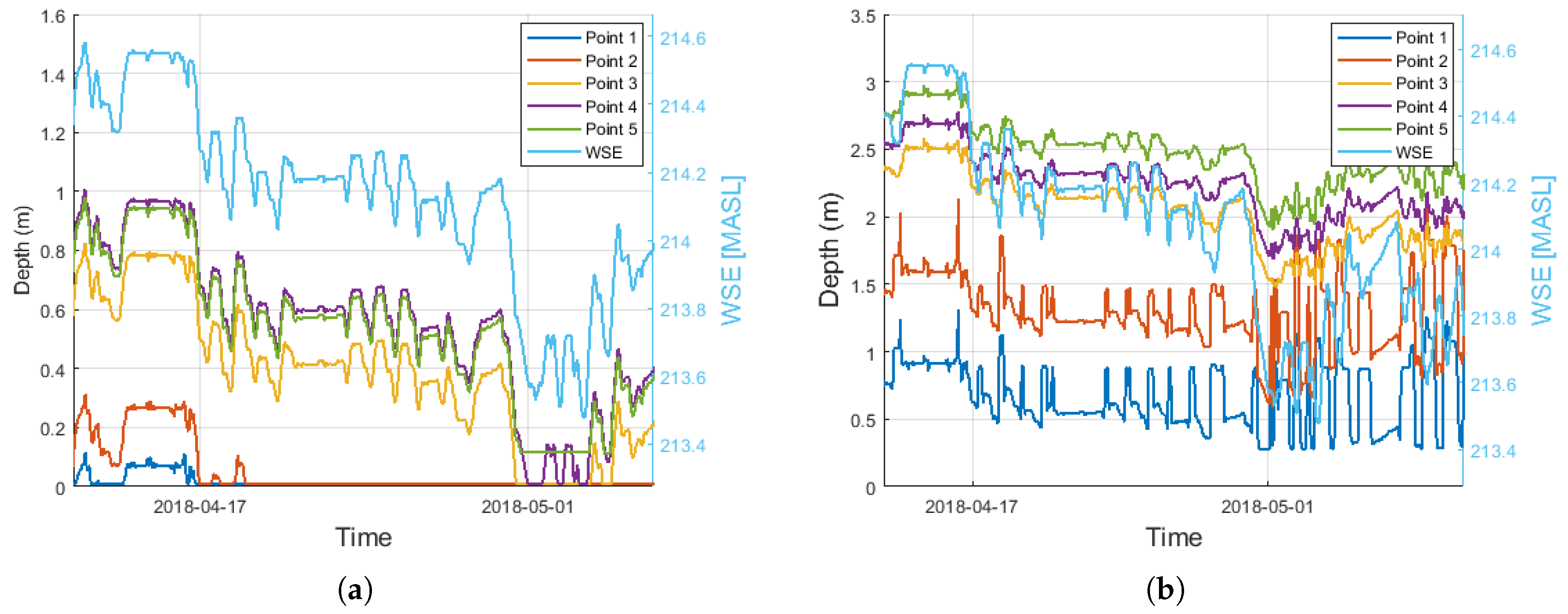
By studying a number of observation points over time in both the upstream and downstream areas, it is possible to identify relationships between discharge and water level. Figure 4a shows that the water level in the downstream area follows the fluctuations in water level from the dam; when the dam is lowered, the water level in the downstream area decreases. Examination of the water level in the upstream area also shows variations similar to those in the dam, as shown in Figure 4b.
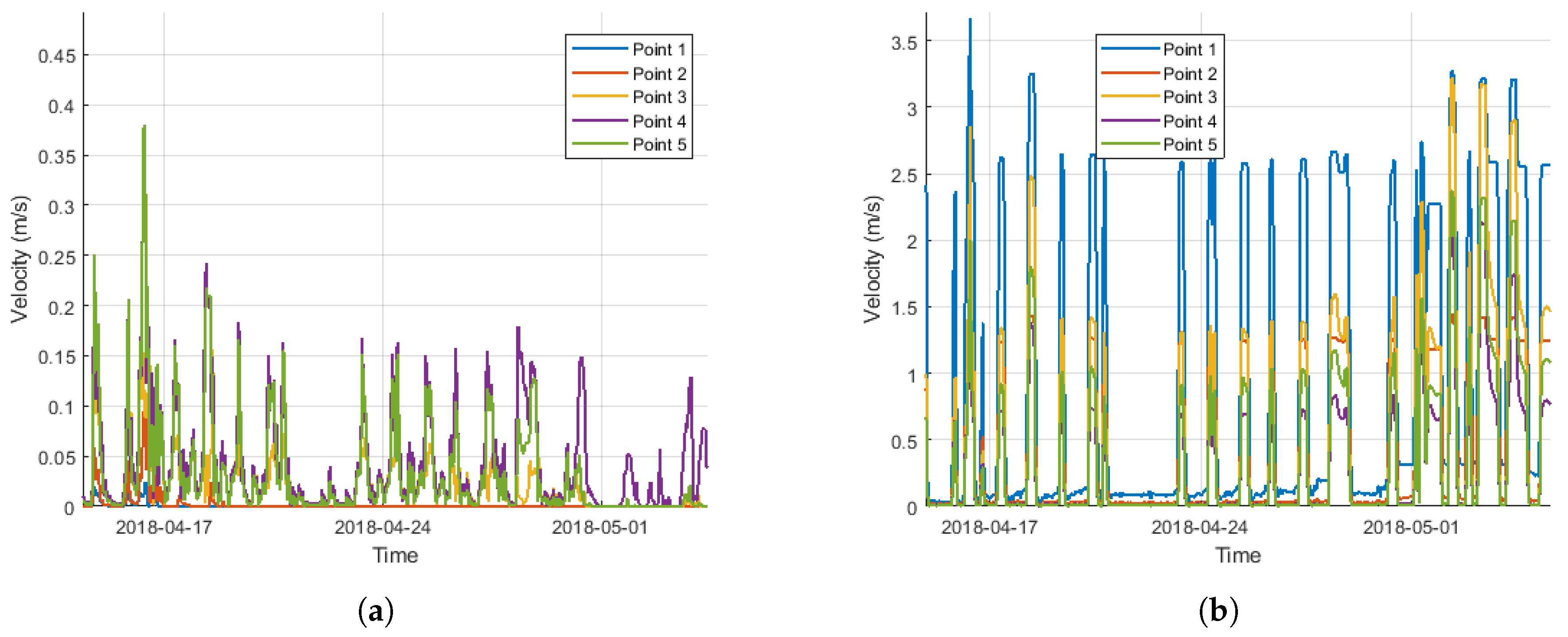
Water velocities in the downstream area, as shown in Figure 5a, are lower than in the flowing upstream area. Variations in water velocity are also smaller in the downstream area. The upstream area is strongly influenced by the discharge schedule, with water velocities ranging from 3.5 m/s to 0 m/s within just a few hours, as shown in Figure 5b.
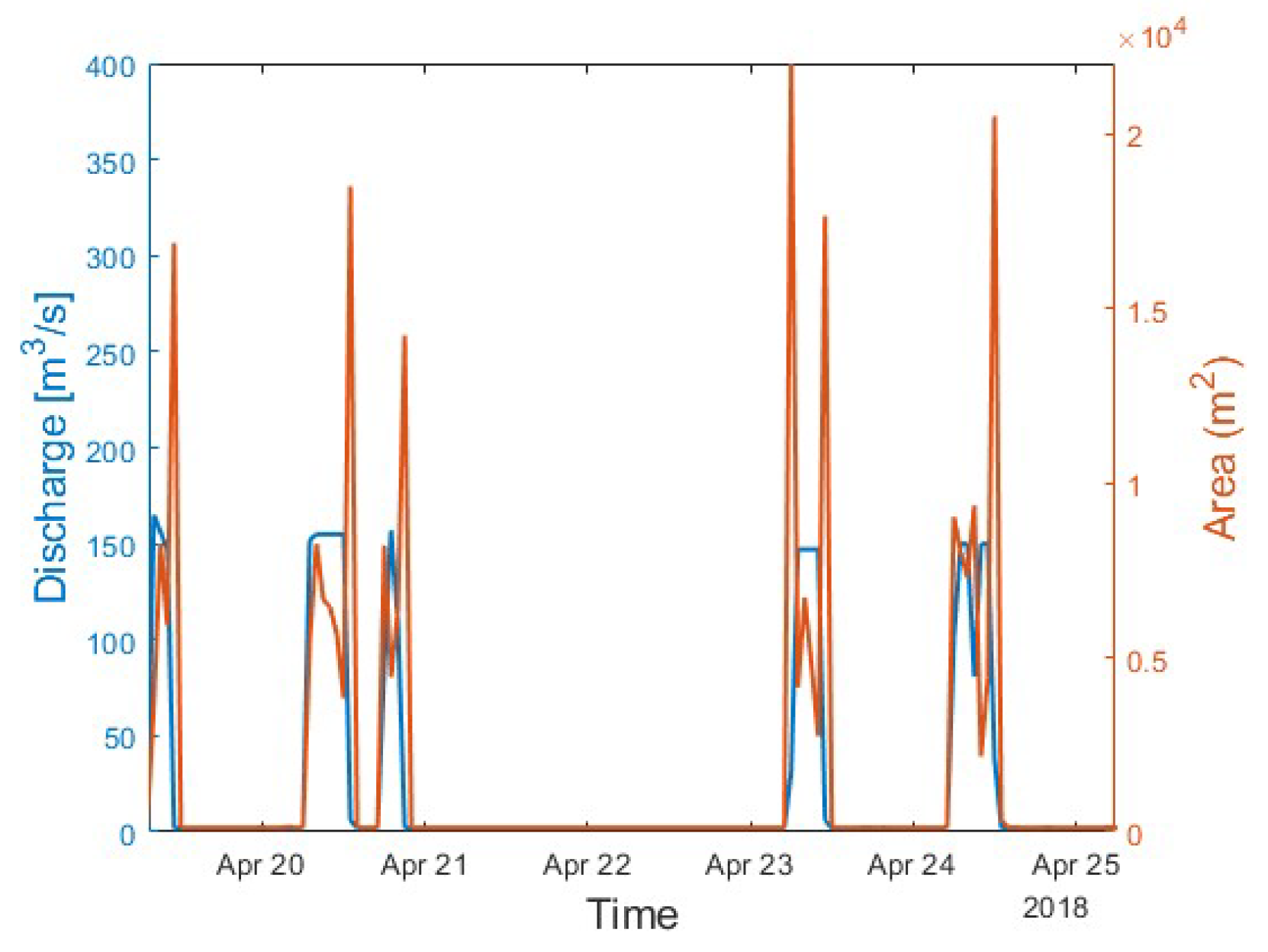
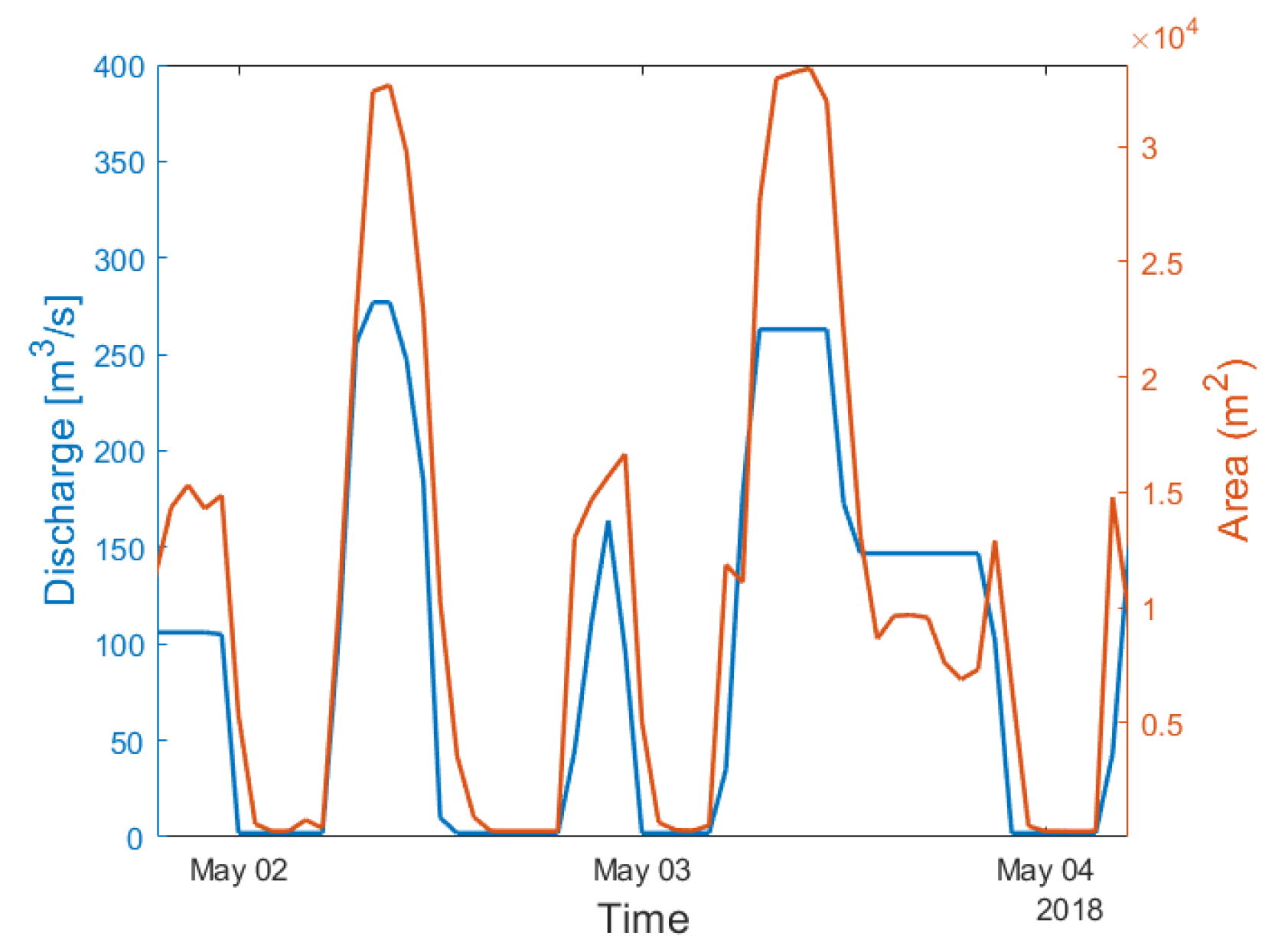
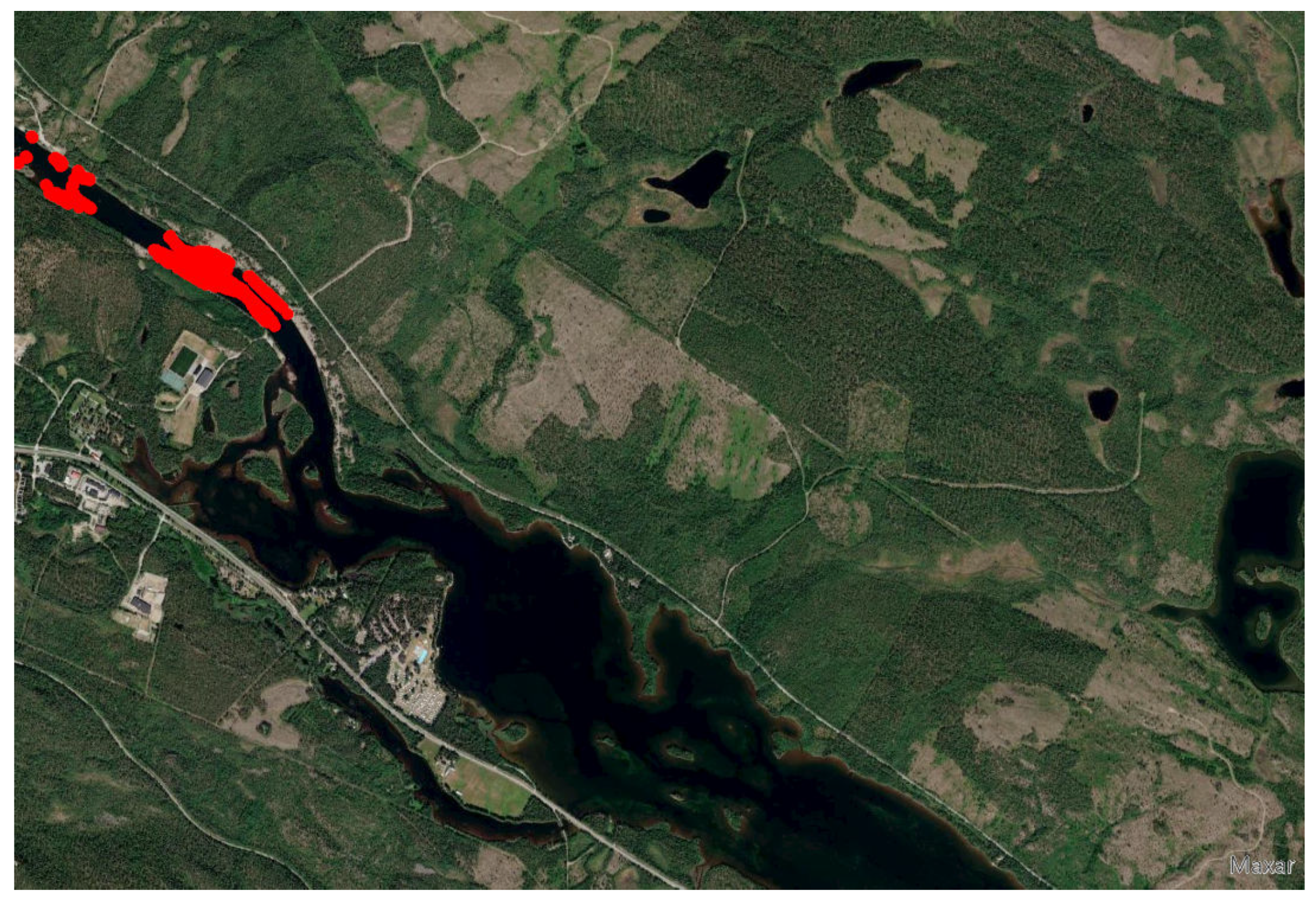
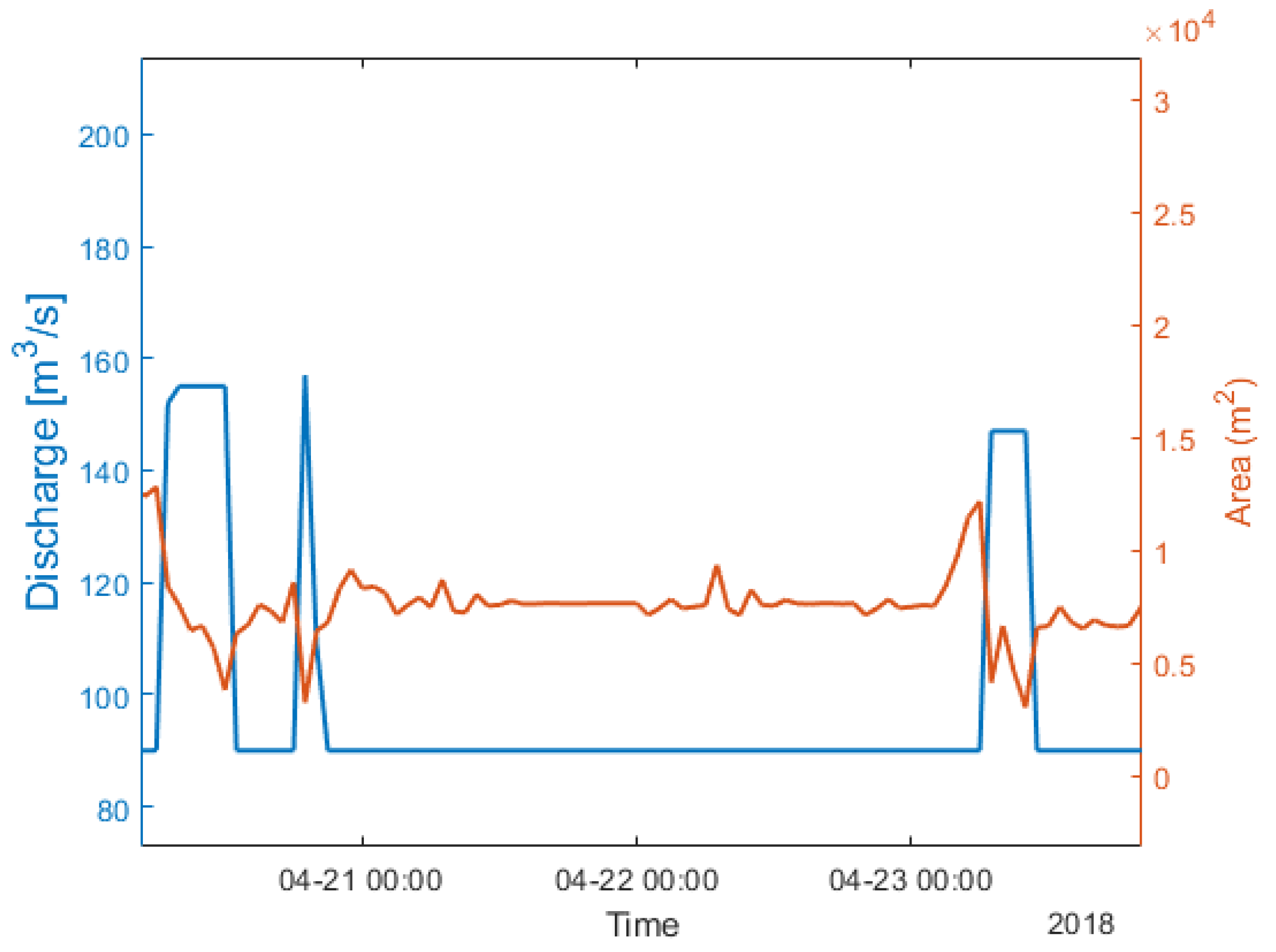
A comparison of discharge and habitat area reveals a relationship between zero-flow events and the absence of available habitat. The relationship is not strictly one-to-one, as downstream water levels also influence flows. Still, a trend can be observed: the habitat area reaches zero during zero-flow events, see Figure 6. During extended periods of zero flow, as shown in Figure 6, the entire area becomes more lake-like, and formerly flowing sections become completely stagnant. Prolonged periods of still water can affect european grayling spawning site selection [51].
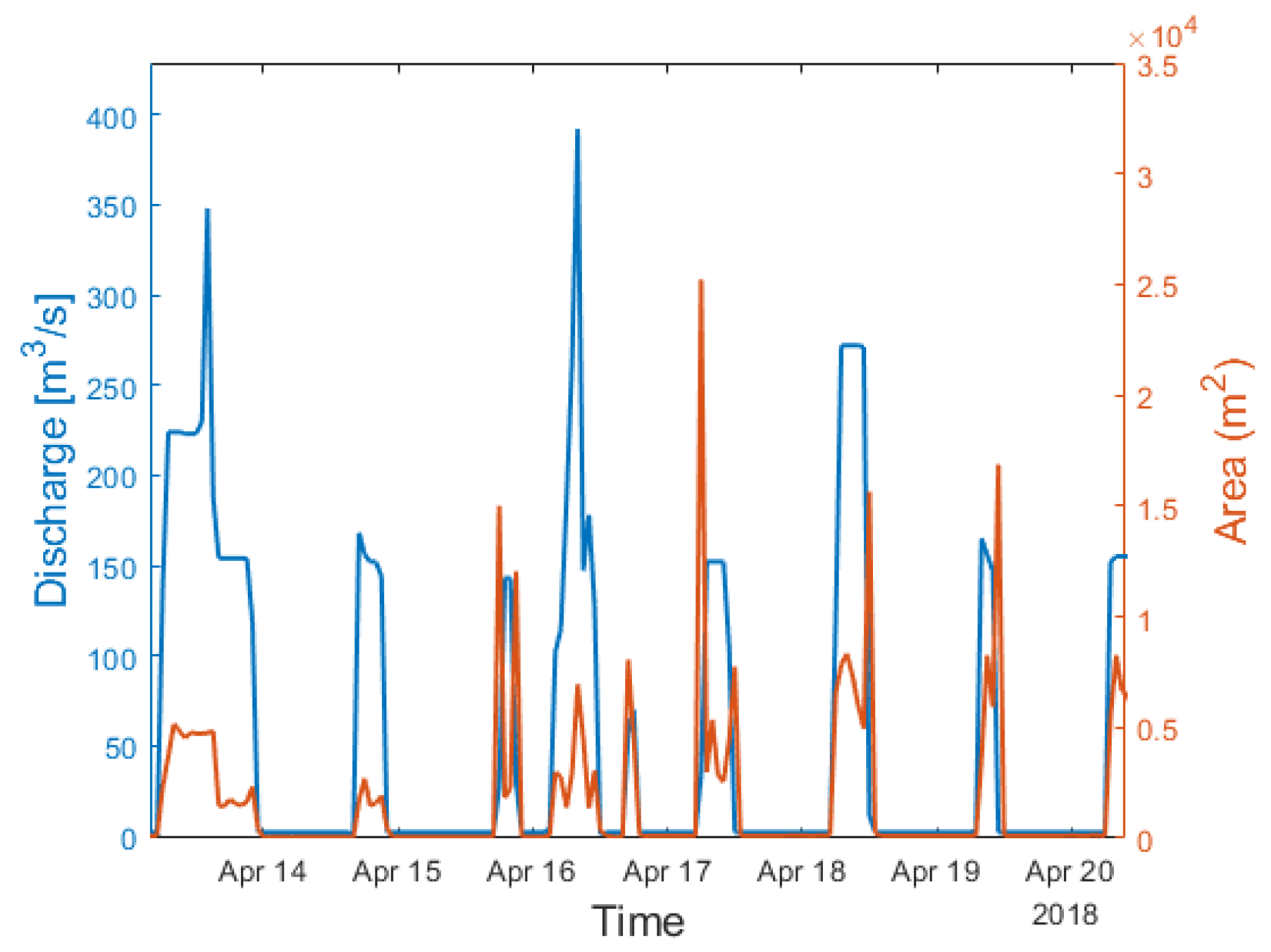
Frequent occurrences of zero-flow events within habitat regimes can disrupt spawning behavior [34] and reduce growth rates due to increased energetic stress [35,36]. When zero-flow events occur in rapid succession, it becomes important to consider the risk of stranding along the shoreline. When water flow drops from high to low over a short period, the water levels in the area decrease accordingly. The potentially suitable habitat area is influenced by the flow variations illustrated in Figure 7.
Since the risk of stranding is another important factor influencing the ecological status of the river, it is crucial to mitigate it. In mid-April, a high flow peak is observed, followed by a zero-flow event (see Figure 7). By calculating the stranding risk for this peak and visualizing the areas most sensitive to it, Figure 8 shows that the highest stranding risk occurs primarily in the upper area, which is strongly influenced by discharge from the upstream hydropower plant. Lower stranding risk is also observed along the shoreline further downstream, but here the drop in water level is less rapid.
By examining the discharge patterns during two different types of down-ramping events in May, it is possible to assess how the risk of stranding is affected. The first event involves an immediate drop from high flow to zero, whereas the other events feature a small plateau at 150 m3/s (see Figure 9).
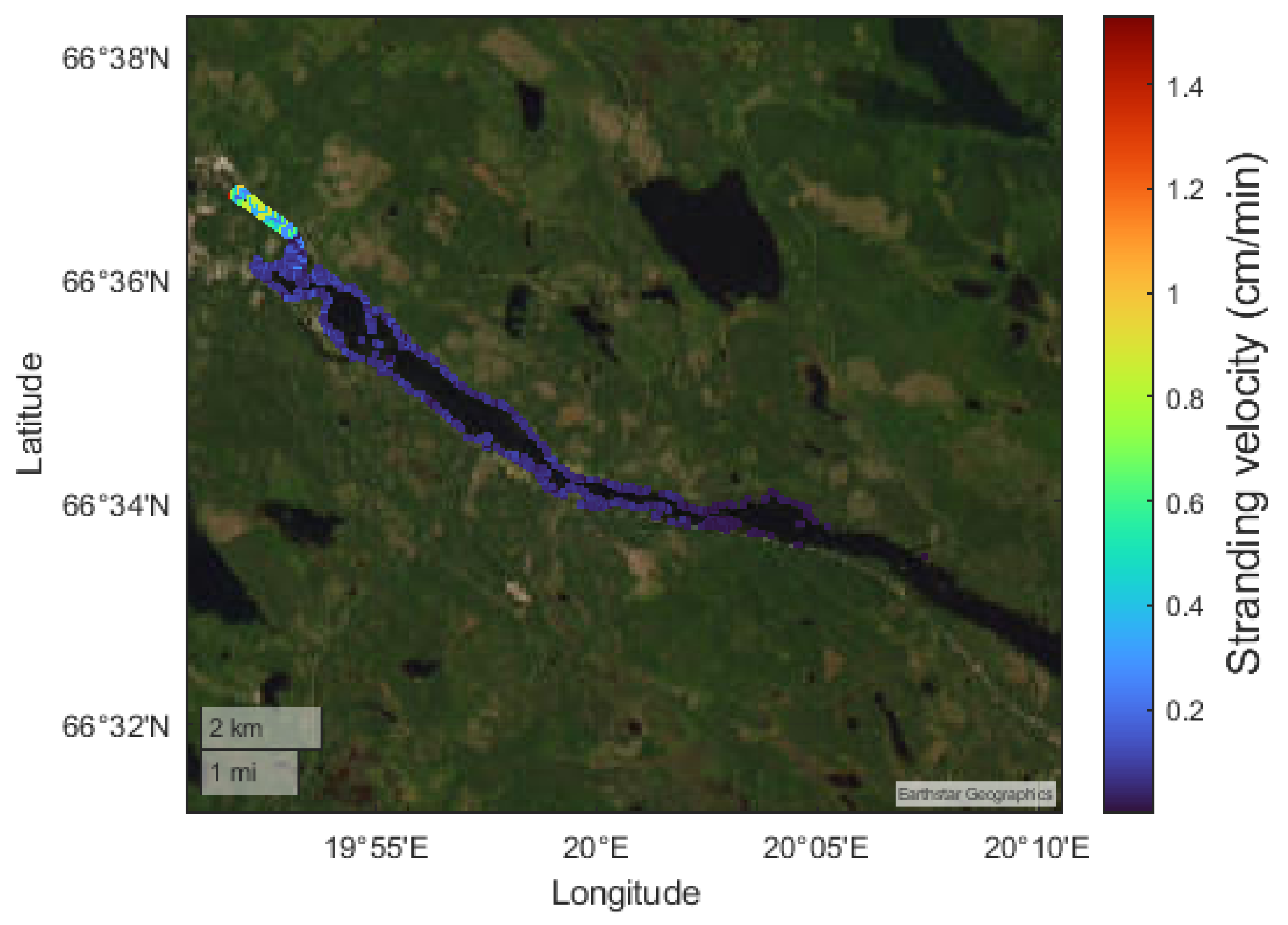
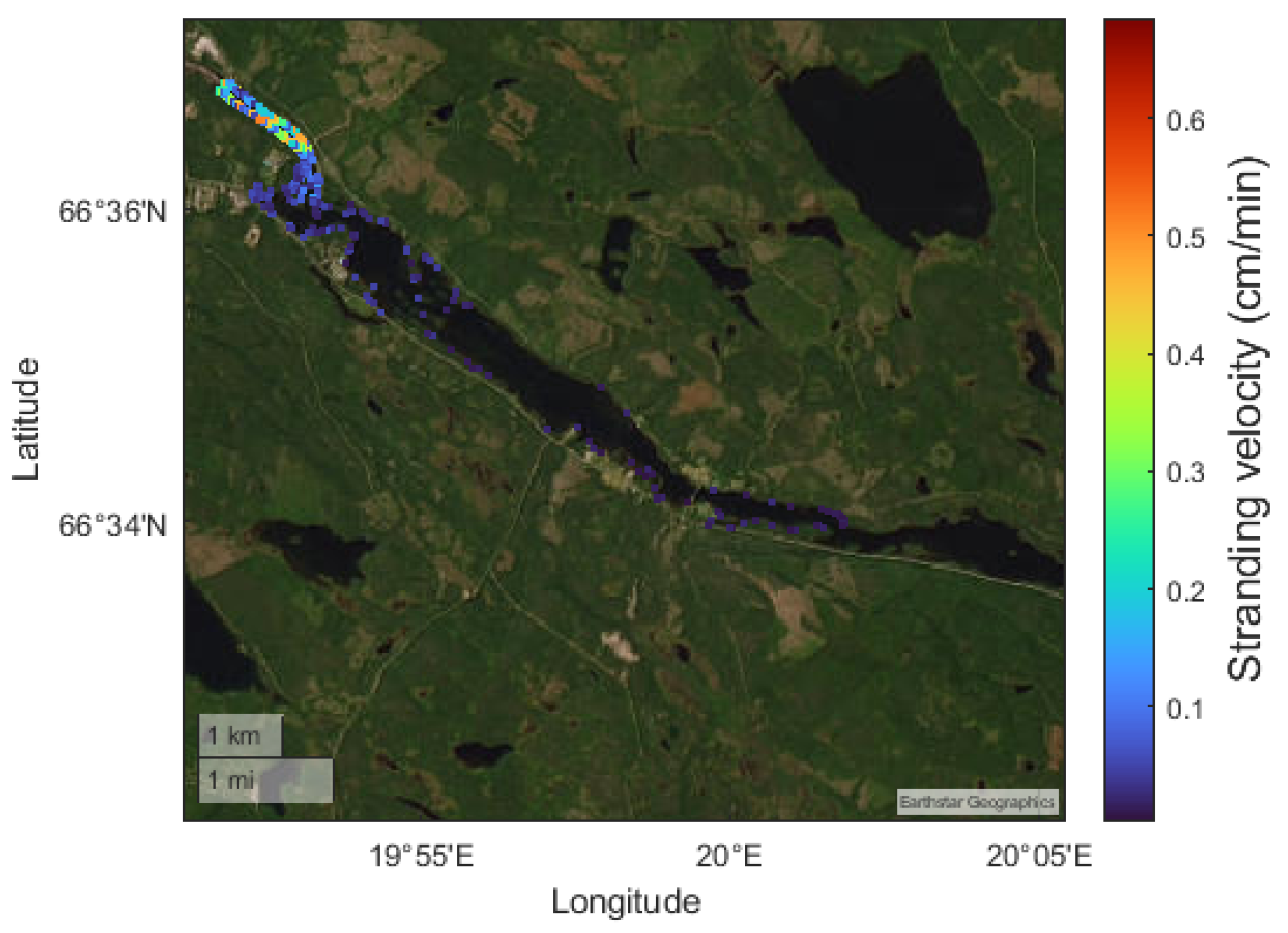
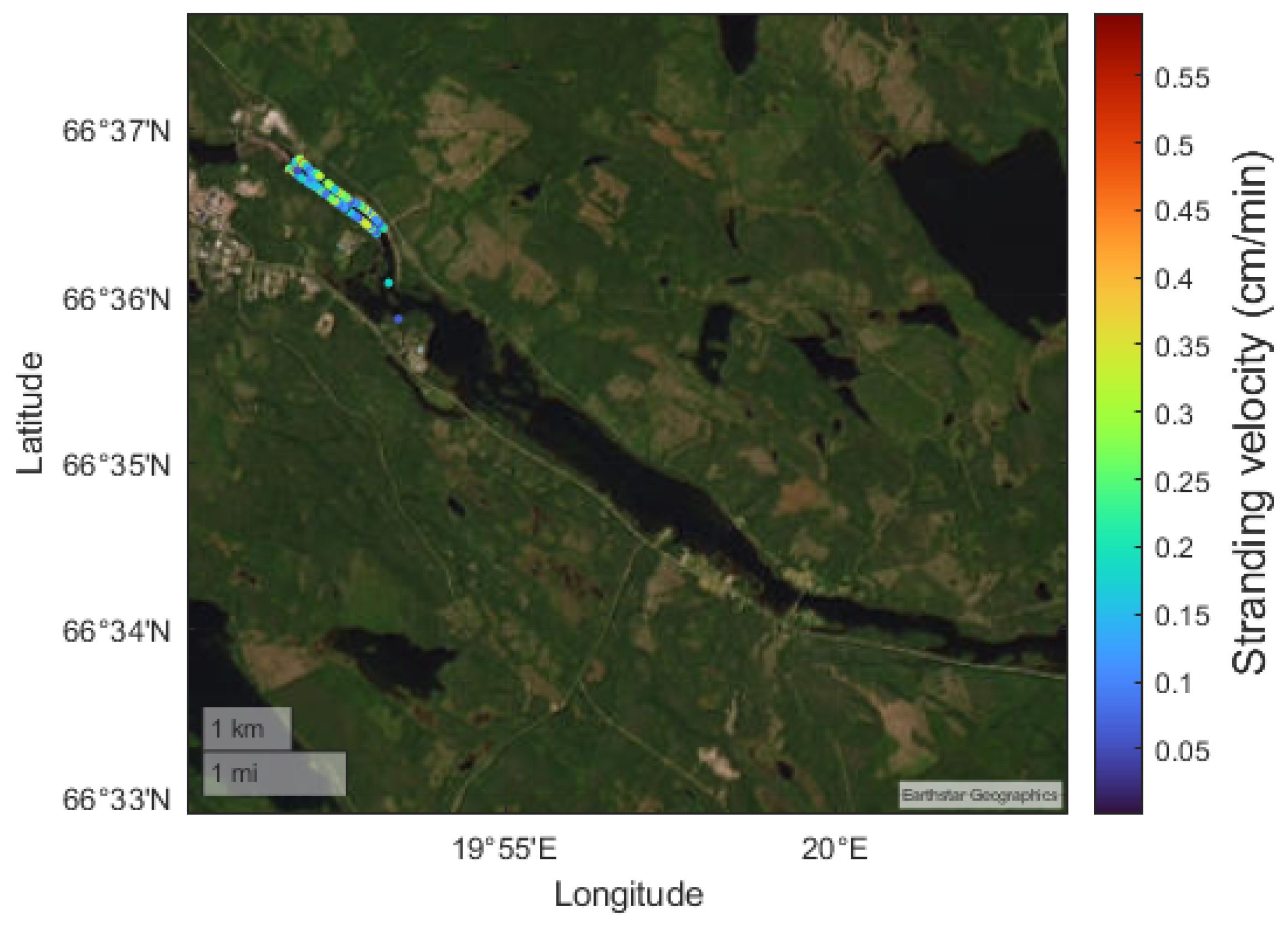
The event without a plateau led to markedly high stranding rates across much of the area (Figure 10), with stranding velocities of 0.2 to 0.5 cm/min in the upstream region. Water-level down-ramping rates below 0.18 cm/min has been shown to be associated with significantly higher grayling biomass compared to rates above 0.18 cm/min [33]. In contrast, rapid down-ramping rates of up to 3 cm/min can result in a dramatic reduction in grayling and brown trout larvae and juvenile populations.
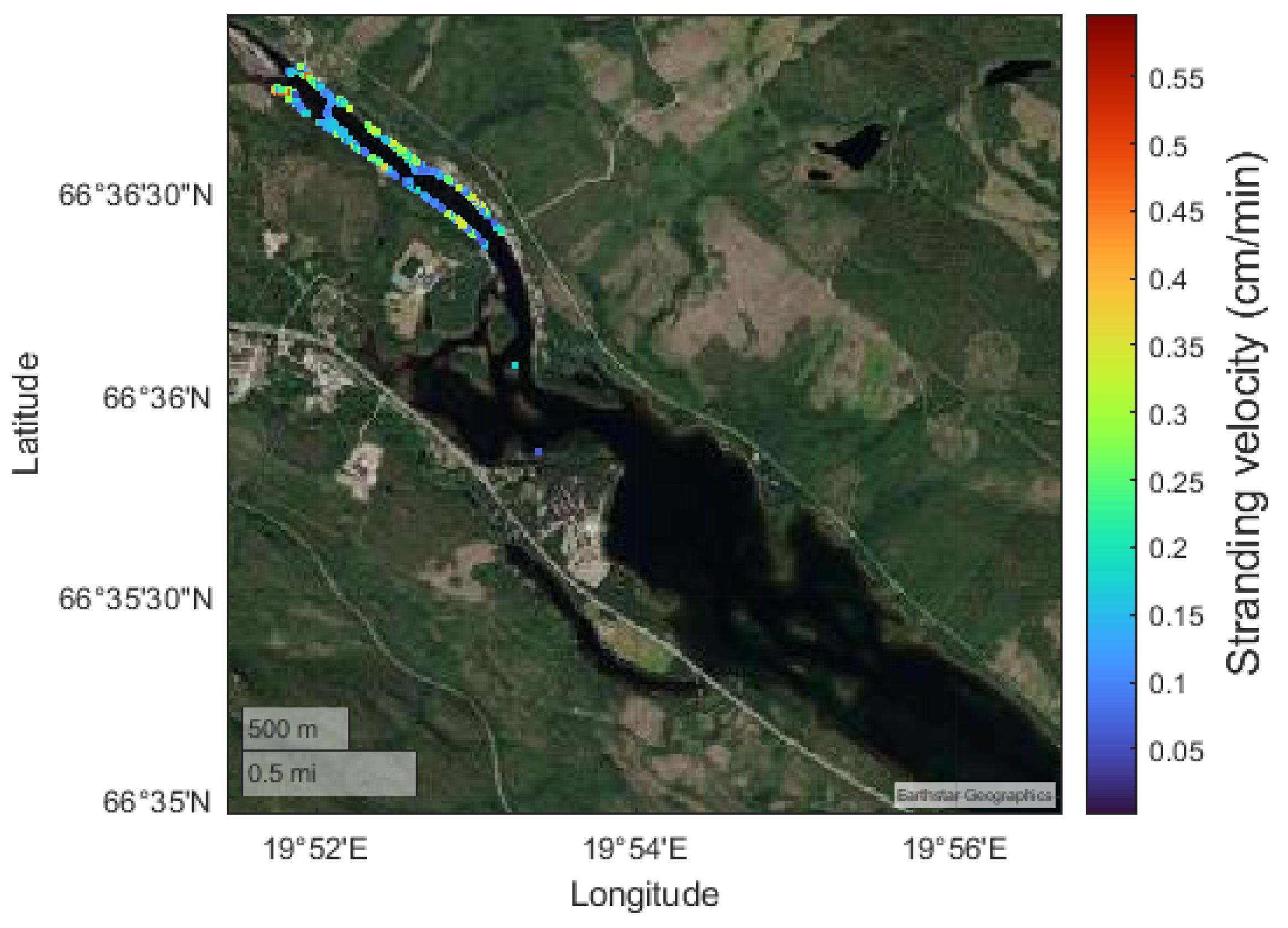
By implementing a gradual reduction in discharge over time, the risk of stranding is significantly reduced and is confined to a smaller area (see Figure 11). The critical stranding risk of more than 0.3 cm/min occurs only in the upper part of the outlet channel, while the rest of the area does not experience any critical decreases in water level when a gradual reduction is applied.

3.2. Analysis of Mean Annual Low Flow

A potential improvement measure in the area would be to reduce the number of zero-flow events and instead maintain a minimum flow. Below, the potential improvements are illustrated for a minimum discharge of MLQ 26 m3/s.
The peak in mid-April, when a sudden high flow occurs, remains critical even if the discharge decreases to a minimum level rather than zero. Such abrupt flow reductions can still lead to rapid water level declines, posing a high risk of stranding and desiccation of spawning habitats, particularly in sensitive upstream areas.
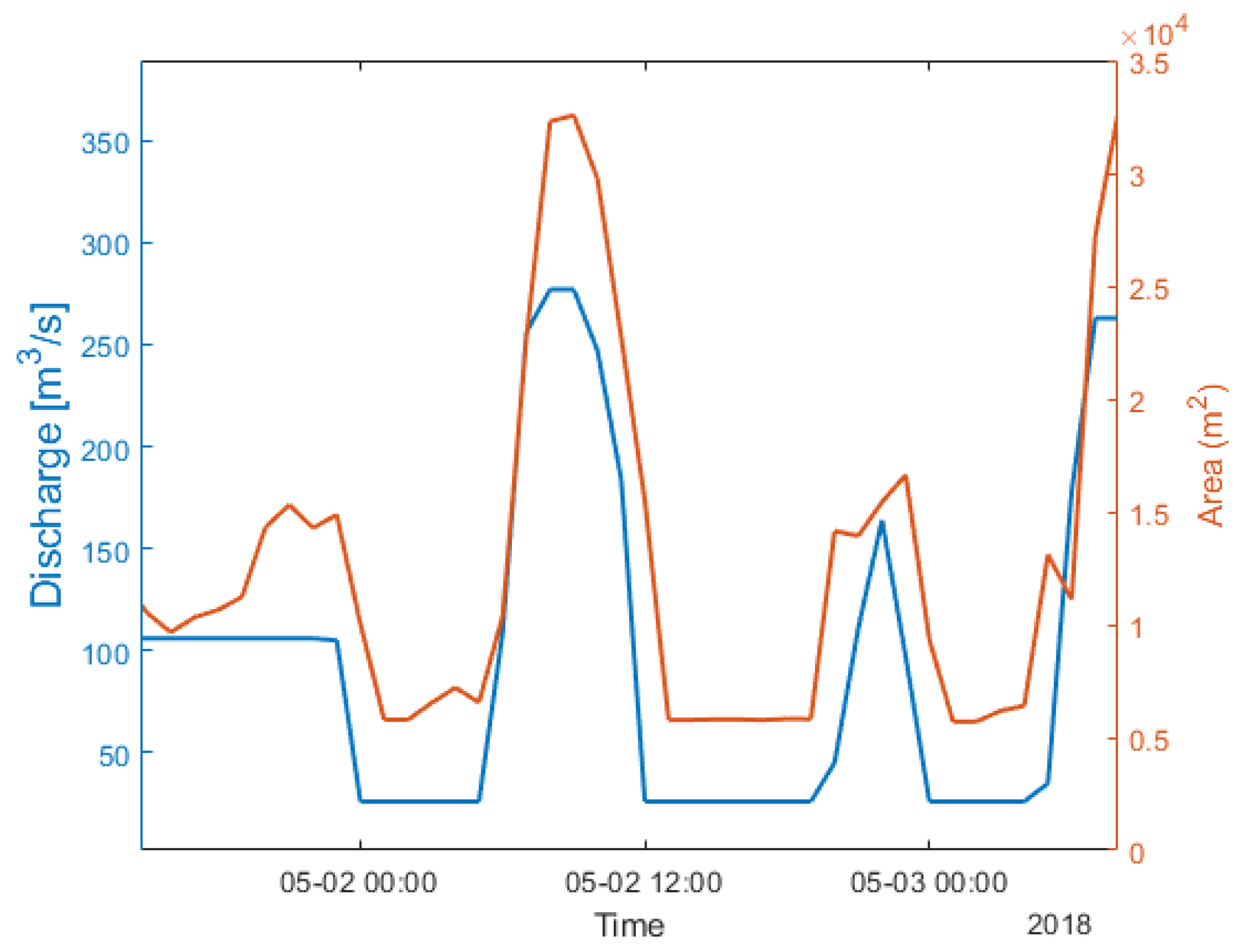
Even in the second scenario, when the dam water level is lower, as in early May, an improvement in habitat area is observed with a minimum flow release as seen in Figure 12.
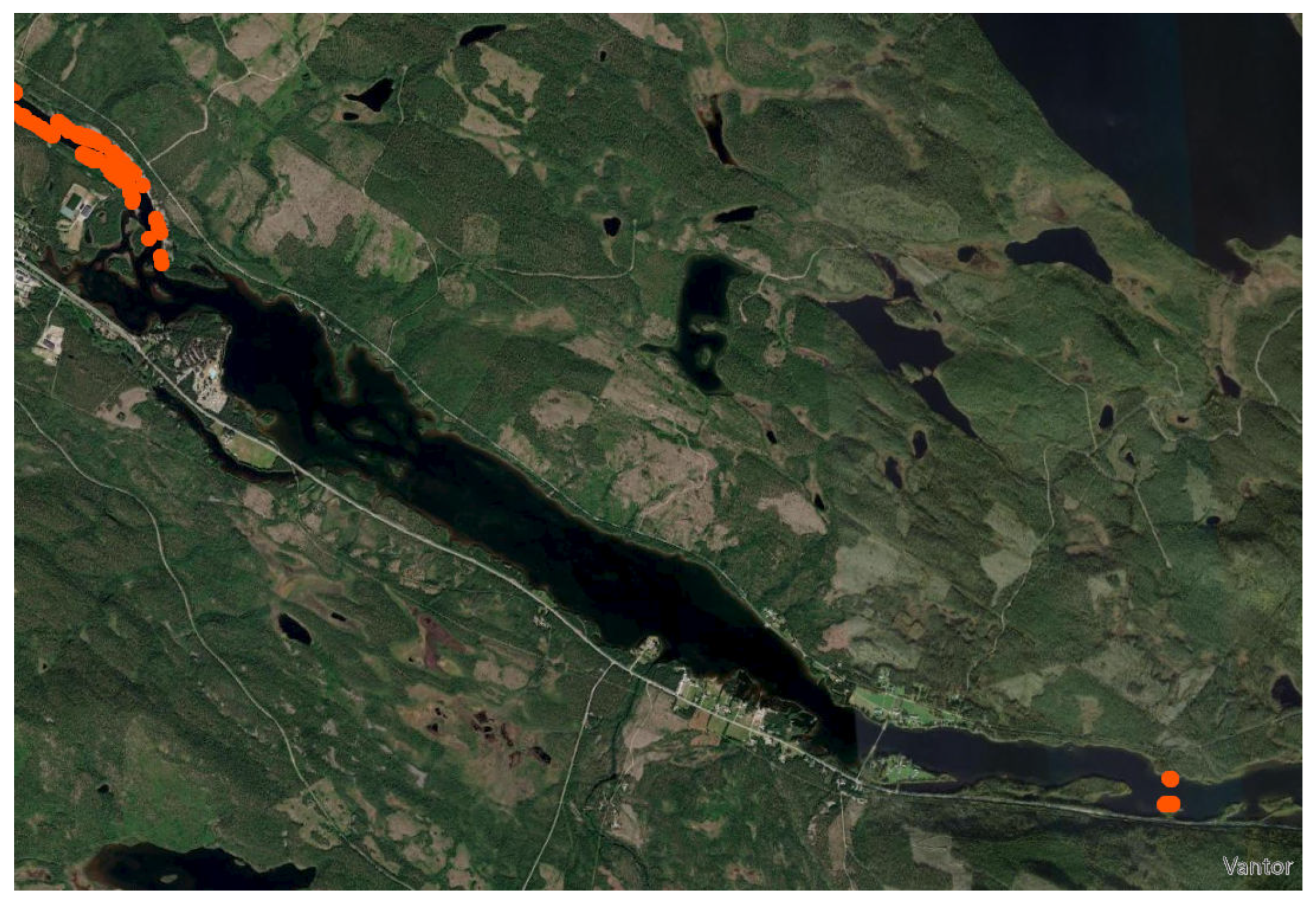
Suitable habitat primarily develops in the upstream section, as hydraulic conditions in the downstream section remain below the thresholds required for grayling habitat suitability, see Figure 13.
Critical conditions persist, particularly in the upstream section, where rapid water level declines can still lead to localised desiccation of spawning habitats. While downstream areas experience lower hydraulic variability and are less affected, some sections remain vulnerable to stranding during sudden flow reductions. These results indicate that a minimum flow alone is insufficient to fully mitigate stranding risk and additional management measures are required.

3.3. Analysis of Turbine Minimum Flow

The suitable spawning areas during MLQ were found to be located in the upper part of the outlet channel and are therefore considered unsuitable. To assess how habitat conditions could improve with the implementation of a minimum discharge of 90 m3/s [46], the lowest discharge at which the turbine can still produce energy, was examined. The suitable spawning areas would increase during extended periods of low flow, as illustrated in Figure 14.
By examining where the suitable spawning areas would be located under these flow conditions, it becomes evident that with this higher minimum discharge there would also be suitable spawning areas in the downstream part of the river (Figure 15), which would further enhance the ecological benefits.
The stranding velocities during the immediate flow reduction would decrease as a result of the higher discharge, see Figure 16, which would also have positive effects on grayling spawning as well as on invertebrates and other organisms in the area.

4. Discussion

The study has shown that large flow peaks, followed by rapid decreases to zero-flow conditions, are particularly critical for fish stranding, Figure 8. Even at low water levels in the downstream reservoir, the stranding risk in the lower section does not appear to be severe, Figure 10; rather, it is the upper section of the river that is most sensitive to stranding events.
There are good opportunities to reduce the risk of stranding in the upper area by implementing a gradual decrease in discharge. By maintaining a flow of around 150 m3/s for a few hours, as in Figure 9, instead of dropping directly to zero, the stranding risk in the area can be almost eliminated; see Figure 11. Based on this, it is possible to adapt the hydropower plant’s flow regime and thereby reduce ecological impacts.
Implementing a minimum flow release of 26 m3/s alone is not sufficient to achieve good ecological status. Despite maintaining a minimum discharge, the risk of stranding remains high in critical areas. Although this may appear to increase the overall area of suitable habitat, it is important to note that these areas are primarily located in the outlet channel, Figure 13, which is strongly influenced by high flows that cause erosion and loss of spawning substrate [42].
However, the results indicate that restoration measures such as the expansion of spawning areas, addition of spawning material, and placement of larger boulders in this section could be beneficial. Several previous studies have shown that suitable spawning habitats are primarily achieved in the upstream channel. Modeling has shown that widening an outlet channel while creating a heterogeneous riverbed morphology can ensure large areas with water velocities and depths matching critical habitat requirements of grayling [16]. Therefore, further investigations are needed to explore how this area could be reconfigured and improved to provide more suitable conditions under varying flow regimes.
By implementing a minimum flow of 90 m3/s during the critical period for macroinvertebrates and graylings to spawn and grow in the river, the ecological status could be improved. With a slightly higher minimum flow, spawning areas would also be restored in the downstream part of the river, which would be beneficial to the grayling population. The risk of stranding would also decrease at this flow level. Reduction in areas that become dewatered would increase survival rates for grayling and aquatic insects. By introducing a discharge that still allows electricity production—for example, at 90 m3/s—the requirement for a minimum flow does not necessarily lead to any economic loss. This assumes that power companies plan their production with consideration of both market prices and biological impacts. By examining which flows still enable energy production for the power companies, the introduction of a minimum flow does not inherently have to result in economic loss due to spilled water.
Extended periods of zero flow have also been shown to have negative consequences, as they lead to prolonged dewatering, which adversely affects macroinvertebrates’ growth. Some studies have reported 100% mortality of macroinvertebrate eggs within 2 h after dewatering [23,24,25], while others have found relatively high survival rates after 8 h of dewatering [26]. Although frequent start-stop cycles in hydro-peaking can also have negative effects [20,21], implementing a smaller flow peak may be advantageous to counteract prolonged drought periods [26].
Hydropeaking and zero-flow events occur to varying degrees in a range of regulated rivers. Ecosystems that depend on flowing water are affected during periods of stagnation. Depending on river bathymetry and cross-sectional geometry, systems differ in their sensitivity to stranding risk. Other parameters influencing ecological outcomes, such as temperature and oxygen availability, were not further examined in this study. Although this study is site-specific, some general conclusions can be drawn regarding the regulation of rivers. The importance of investigating how minimum flows affect habitat areas should be considered in the planning of other river management measures.
Variations in discharge from hydropower plants may also change between seasons due to climate change as well as changing conditions in the electrical grid [5,6]. Long periods of zero discharge and dewatering can have serious consequences if they occur during colder seasons, as the risk of eggs and larvae freezing increases [35]. Dry periods during the summer months can also be critical, as water temperatures may become dangerously high, and a continuous flow is important to maintain adequate oxygen levels and temperature [17]. Our study focuses on exploring the effects of zero-flows during the cold water period April-June and when dissolved oxygen levels are generally high. Zero-flows are likely to affect dissolved oxygen levels negatively [17], and could therefore be a strong limiting factor when water temperatures are high and oxygen levels are already relatively low.
Analysis of several years of flow data has also revealed a relationship between the total discharge through the hydropower plant and the frequency and duration of zero-flow periods; see Table 1. With future changes in precipitation and runoff, it is important to examine the occurrence and timing of these zero-flow periods. This information can provide guidance for the hydropower plant in planning its discharge schedule across different seasons.

5. Conclusions

By analyzing different types of zero-flow and hydropeaking events in a hydraulic model, it has been possible to identify various challenges and potential mitigation measures related to biological impacts. The analysis demonstrates that environmental improvement in hydropower-regulated rivers is a complex issue and that thorough assessments are essential to identify where habitat restoration can be most effectively achieved. The study suggests that introducing an MLQ instead of zero flow may seem like a solution, but upon closer examination, it proves insufficient. To reduce the risk of stranding and dewatering of spawning areas, a higher minimum flow is required. The study showed that implementing a minimum flow of 90 m3/s allows spawning areas to develop in both the upstream and downstream sections of the river, while also reducing the risk of stranding.
A minimum flow can provide a modest increase in available habitat, but this would need to be complemented by morphological restoration measures. Another way to reduce environmental impacts in the area could be to decrease the number of rapid water level drops, thereby lowering the stranding risk for aquatic organisms. Implementing a gradual decrease in discharge could reduce this risk and consequently improve the biological status of the area.

Author Contributions

Conceptualization, M.L.S., A.G.A. and J.G.I.H.; methodology, M.L.S., A.G.A. and J.G.I.H.; software, M.L.S.; formal analysis, M.L.S.; investigation, M.L.S.; resources, A.G.A.; writing—original draft preparation, M.L.S. and J.A.; writing—review and editing, A.G.A., J.G.I.H. and J.A.; visualization, M.L.S.; supervision, A.G.A. and J.G.I.H.; project administration, A.G.A. and J.G.I.H.; funding acquisition, A.G.A. and J.G.I.H. All authors have read and agreed to the published version of the manuscript.

Funding

This work is a part of the Re-Hydro project funded by the EU programme Interreg Aurora (Grant number 20358005).

Data Availability Statement

The data presented in this study are available on request from the corresponding author due to privacy restrictions on data sharing.

Acknowledgments

The authors wish to thank Frida Niemi for providing the model validation data and for her valuable expertise in the modeled area.

Conflicts of Interest

The authors declare that the research was conducted in the absence of any commercial or financial relationships that could be construed as a potential conflict of interest.

Abbreviations

The following abbreviations are used in this manuscript:
MLQMean annual low flow
WSEWater surface elevation
MASLMeter above sea level

References

  1. Regeringen. Regeringens Klimathandlingsplan—Hela väGen Till Nettonoll. Available online: https://www.regeringen.se/rattsliga-dokument/skrivelse/2023/12/skr.-20232459 (accessed on 20 December 2025).
  2. Regjeringen. Norway’s New Climate Target: Emissions to Be Cut by at Least 55%. 2022. Available online: https://www.regjeringen.no/en/whats-new/norways-new-climate-target-emissions-to-be-cut-by-at-least-55-/id2944876/ (accessed on 20 December 2025).
  3. Ympäristöministeriö. First Medium-Term Climate Change Plan Under the Finnish Climate Change Act Completed. 2017. Available online: https://ym.fi/sv/-/planen-vagen-till-en-klimatsmart-vardag-innehaller-metoder-for-minskning-av-utslappen-fram-till-2030?languageId=en_US (accessed on 20 December 2025).
  4. European Commission. The 2030 Climate and Energy Framework. Available online: https://www.consilium.europa.eu/en/policies/climate-change/2030-climate-and-energy-framework/ (accessed on 20 December 2025).
  5. Döll, P.; Schmied, H.M. How is the impact of climate change on river flow regimes related to the impact on mean annual runoff? A global-scale analysis. Environ. Res. Lett. 2012, 7, 014037. [Google Scholar] [CrossRef]
  6. Donnelly, C.; Greuell, W.; Andersson, J.; Gerten, D.; Pisacane, G.; Roudier, P.; Ludwig, F. Impacts of climate change on European hydrology at 1.5, 2 and 3 degrees mean global warming above preindustrial level. Clim. Change 2017, 143, 13–26. [Google Scholar] [CrossRef]
  7. Arheimer, B.; Lindström, G. Climate impact on floods: Changes in high flows in Sweden in the past and the future (1911–2100). Hydrol. Earth Syst. Sci. 2015, 19, 771–784. [Google Scholar] [CrossRef]
  8. Schneider, C.; Laize, C.L.R.; Acreman, M.C.; Floerke, M. How will climate change modify river flow regimes in Europe? Hydrol. Earth Syst. Sci. 2013, 17, 325–339. [Google Scholar] [CrossRef]
  9. Knouft, J.H.; Ficklin, D.L. The Potential Impacts of Climate Change on Biodiversity in Flowing, Freshwater Systems. Annu. Rev. Ecol. Evol. Syst. 2017, 48, 111–133. [Google Scholar] [CrossRef]
  10. Poff, N.L.; Allan, J.D.; Bain, M.B.; Karr, J.R.; Prestegaard, K.L.; Richter, B.D.; Sparks, R.E.; Stromberg, J.C. The natural flow regime: A paradigm for river conservation and restoration. BioScience 1997, 47, 769–784. [Google Scholar] [CrossRef]
  11. Heino, J.; Virkkala, R.; Toivonen, H. Climate change and freshwater biodiversity: Detected patterns, future trends and adaptations in northern regions. Biol. Rev. 2009, 84, 39–54. [Google Scholar] [CrossRef]
  12. Hirabayashi, Y.; Kanae, S.; Emori, S.; Oki, T.; Kimoto, M. Global projections of changing risks of floods and droughts in a changing climate. Hydrol. Sci. J. 2008, 53, 754–772. [Google Scholar] [CrossRef]
  13. Wasti, A.; Ray, P.; Wi, S.; Folch, C.; Ubierna, M. Climate change and the hydropower sector: A global review. Wiley Interdiscip. Rev. Clim. Change 2022, 13, e757. [Google Scholar] [CrossRef]
  14. Uvo, C.B.; Berndtsson, R. North Atlantic Oscillation; a climatic indicator to predict hydropower availability in Scandinavia. Hydrol. Res. 2002, 33, 415–424. [Google Scholar] [CrossRef]
  15. Bruder, A.; Tonolla, D.; Schweizer, S.P.; Vollenweider, S.; Langhans, S.D.; Wüest, A. A conceptual framework for hydropeaking mitigation. Sci. Total Environ. 2016, 568, 1204–1212. [Google Scholar] [CrossRef] [PubMed]
  16. Widén, Å.; Renöfält, B.M.; Degerman, E.; Wisaeus, D.; Jansson, R. Let it flow: Modeling ecological benefits and hydropower production impacts of banning zero-flow events in a large regulated river system. Sci. Total Environ. 2021, 783, 147010. [Google Scholar] [CrossRef]
  17. Renöfält, B.M.; Jansson, R.; Nilsson, C. Effects of hydropower generation and opportunities for environmental flow management in Swedish riverine ecosystems. Freshw. Biol. 2010, 55, 49–67. [Google Scholar] [CrossRef]
  18. Bipa, N.J.; Stradiotti, G.; Righetti, M.; Pisaturo, G.R. Impacts of hydropeaking: A systematic review. Sci. Total Environ. 2024, 912, 169251. [Google Scholar] [CrossRef]
  19. Finch, C.; Pine, W., III; Limburg, K. Do hydropeaking flows alter juvenile fish growth rates? A test with juvenile humpback chub in the Colorado River. River Res. Appl. 2015, 31, 156–164. [Google Scholar] [CrossRef]
  20. Freeman, M.C.; Bowen, Z.H.; Bovee, K.D.; Irwin, E.R. Flow and habitat effects on juvenile fish abundance in natural and altered flow regimes. Ecol. Appl. 2001, 11, 179–190. [Google Scholar] [CrossRef]
  21. Boavida, I.; Harby, A.; Clarke, K.D.; Heggenes, J. Move or stay: Habitat use and movements by Atlantic salmon parr (Salmo salar) during induced rapid flow variations. Hydrobiologia 2017, 785, 261–275. [Google Scholar] [CrossRef]
  22. Bruno, M.C.; Cashman, M.J.; Maiolini, B.; Biffi, S.; Zolezzi, G. Responses of benthic invertebrates to repeated hydropeaking in semi-natural flume simulations. Ecohydrology 2015, 8, 892–902. [Google Scholar] [CrossRef]
  23. Bakken, T.H.; Forseth, T.; Harby, A.; Alfredsen, K.; Arnekleiv, J.V.; Berg, O.K.; Casas-Mulet, R.; Charmasson, J.; Greimel, F.; Halley, D.; et al. Miljøvirkninger av Effektkjøring: Kunnskapsstatus og Råd til Forvaltning og Industri; Norsk Institutt for Naturforskning (NINA): Trondheim, Norway, 2016. [Google Scholar]
  24. Casas-Mulet, R.; Saltveit, S.J.; Alfredsen, K. The survival of Atlantic salmon (Salmo salar) eggs during dewatering in a river subjected to hydropeaking. River Res. Appl. 2015, 31, 433–446. [Google Scholar] [CrossRef]
  25. Skoglund, H.; Vollset, K.W.; Wiers, T.; Barlaup, B.T. Assessing the occurrence of egg stranding for trout and salmon in a regulated river. River Res. Appl. 2023, 39, 768–776. [Google Scholar] [CrossRef]
  26. Miller, S.W. Macroinvertebrate oviposition habitat selectivity and egg-mass desiccation tolerances: Implications for population dynamics in large regulated rivers. Freshw. Sci. 2020, 39, 584–599. [Google Scholar] [CrossRef]
  27. Saltveit, S.; Halleraker, J.; Arnekleiv, J.; Harby, A. Field experiments on stranding in juvenile Atlantic salmon (Salmo salar) and brown trout (Salmo trutta) during rapid flow decreases caused by hydropeaking. Regul. Rivers Res. Manag. Int. J. Devoted River Res. Manag. 2001, 17, 609–622. [Google Scholar] [CrossRef]
  28. Saltveit, S.J.; Brabrand, Å.; Juárez, A.; Stickler, M.; Dønnum, B.O. The impact of hydropeaking on juvenile brown trout (Salmo trutta) in a Norwegian regulated river. Sustainability 2020, 12, 8670. [Google Scholar] [CrossRef]
  29. Halleraker, J.; Saltveit, S.; Harby, A.; Arnekleiv, J.; Fjeldstad, H.P.; Kohler, B. Factors influencing stranding of wild juvenile brown trout (Salmo trutta) during rapid and frequent flow decreases in an artificial stream. River Res. Appl. 2003, 19, 589–603. [Google Scholar] [CrossRef]
  30. Moreira, M.; Hayes, D.S.; Boavida, I.; Schletterer, M.; Schmutz, S.; Pinheiro, A. Ecologically-based criteria for hydropeaking mitigation: A review. Sci. Total Environ. 2019, 657, 1508–1522. [Google Scholar] [CrossRef]
  31. Nykänen, M.; Huusko, A. Size-related changes in habitat selection by larval grayling (Thymallus thymallus L.). Ecol. Freshw. Fish 2003, 12, 127–133. [Google Scholar] [CrossRef]
  32. Kalleberg, H. Observations in a stream tank of territoriality and competition in juvenile salmon and trout (Salmo salar L. and S. trutta L.). Rep. Inst. Freshw. Res. Drottningholm 1958, 39, 55–98. [Google Scholar]
  33. Hayes, D.S.; Lautsch, E.; Günther, U.; Greimel, F.; Zeiringer, B.; Höller, N.; Schmutz, S. Response of European grayling, Thymallus thymallus, to multiple stressors in hydropeaking rivers. J. Environ. Manag. 2021, 292, 112737. [Google Scholar] [CrossRef] [PubMed]
  34. Vollset, K.; Skoglund, H.; Wiers, T.; Barlaup, B. Effects of hydropeaking on the spawning behaviour of Atlantic salmon Salmo salar and brown trout Salmo trutta. J. Fish Biol. 2016, 88, 2236–2250. [Google Scholar] [CrossRef] [PubMed]
  35. Flodmark, L.; Vøllestad, L.; Forseth, T. Performance of juvenile brown trout exposed to fluctuating water level and temperature. J. Fish Biol. 2004, 65, 460–470. [Google Scholar] [CrossRef]
  36. Puffer, M.; Berg, O.K.; Einum, S.; Saltveit, S.J.; Forseth, T. Energetic Consequences of Stranding of Juvenile Atlantic Salmon (Salmo salar L.); Scientific Research Publishing: Wuhan, China, 2017. [Google Scholar]
  37. Hayes, D.S.; Bätz, N.; Tonolla, D.; Merl, K.; Auer, S.; Gorla, L.; Weber, C.; Naudascher, R.; Silva, L.G.M.; Schmutz, S.; et al. Why hydropeaking frequency matters: Effects of recurring stranding on fish. J. Ecohydraulics 2024, 10, 302–318. [Google Scholar] [CrossRef]
  38. Charles, S.; Mallet, J.p.; Persat, H. Population dynamics of grayling: Modelling temperature and discharge effects. Math. Model. Nat. Phenom. 2006, 1, 31–48. [Google Scholar] [CrossRef]
  39. Niemi, F.M.; Andersson, A.G.; Hellström, J.G.I. An ecohydraulic approach for 2D hydraulic modelling of a regulated river reach. In Proceedings of the 8th IAHR Europe Congress, Lisbon, Portugal, 4–7 June 2024. [Google Scholar]
  40. Niemi, F.M.; Andersson, A.G.; Hellström, J.G.I.; Hajiesmaeili, M.; Aldvén, D. Investigating Steady-State Interpolation and Transient Hydraulic Modelling to Evaluate European Grayling Habitat in a Hydropeaking River. Water 2025, 17, 1083. [Google Scholar] [CrossRef]
  41. Niemi, F. Modelling Dynamic Flow Conditions for Fish Habitats in Regulated Rivers. Master’s Thesis, Luleå University of Technology, Luleå, Sweden, 2025. [Google Scholar]
  42. Sjöstedt, M.L.; Hellström, J.G.I.; Andersson, A.G.; Ahonen, J. Hydraulic Modeling of Extreme Flow Events in a Boreal Regulated River to Assess Impact on Grayling Habitat. Water 2025, 17, 2230. [Google Scholar] [CrossRef]
  43. Gönczi, A.P. A study of physical parameters at the spawning sites of the european grayling (Thymallus thymallus L.). Regul. Rivers Res. Manag. 1989, 3, 221–224. [Google Scholar] [CrossRef]
  44. M, N.; Huusko, A. Transferability of habitat preference criteria for larval European grayling (Thymallus thymallus). Can. J. Fish. Aquat. Sci. 2004, 61, 185–192. [Google Scholar] [CrossRef]
  45. Swedish Meteorological Hydrological Institute (SMHI). Hydrological Observations. 2024. Available online: https://www.smhi.se/data/hitta-data-for-en-plats/ladda-ner-observationer-fran-sjoar-och-vattendrag (accessed on 1 November 2024).
  46. Brodin M, O.P.; Stridsman, S. Pilotprojekt Luleälven 2015–2017; Länsstyrelsen Norrbotten: Luleå, Sweden, 2019. [Google Scholar]
  47. Deltares. D-Flow Flexible Mesh, User Manual; Deltares: Delft, The Netherlands, 2024. [Google Scholar]
  48. Andersson, A.G.; H, L. Hydraulic modelling of a regulated river reach on different scales to evaluate its inherent environment conditions. In Proceedings of the 3th IAHR World Congress, Granada, Spain, 19–24 June 2022. [Google Scholar]
  49. Vehanen, T.; Huusko, A.; Yrjänä, T.; Lahti, M.; Mäki-Petäys, A. Habitat preference by grayling (Thymallus thymallus) in an artificially modified, hydropeaking riverbed: A contribution to understand the effectiveness of habitat enhancement measures. J. Appl. Ichthyol. 2003, 19, 15–20. [Google Scholar] [CrossRef]
  50. Nykänen, M.; Huusko, A.; Mäki-petäys, A. Seasonal changes in the habitat use and movements of adult European grayling in a large subarctic river. J. Fish Biol. 2001, 58, 506–519. [Google Scholar] [CrossRef]
  51. Nykänen, M.; Huusko, A. Suitability criteria for spawning habitat of riverine European grayling (Thymallus thymallus). J. Fish Biol. 2002, 60, 1351–1364. [Google Scholar] [CrossRef]
Figure 1. Part of the riverbank where the water level varies.
Water 18 00084 g001
Figure 2. Study area with upstream and downstream habitat areas and observation points numbered 1–5 for further study.
Water 18 00084 g002
Figure 3. Discharge and outlet WSE above sea level for the boundary condition.
Water 18 00084 g003
Figure 4. (a) Water depth at five observation points in the downstream area. (b) Water depth at five observation points in the upstream area.
Water 18 00084 g004
Figure 5. (a) Velocity at five observation points in the downstream area. (b) Velocity at five observation points in the upstream area.
Water 18 00084 g005
Figure 6. Suitable spawning area compared with discharge at a longer time of zero-flow.
Water 18 00084 g006
Figure 7. Suitable spawning area compared with discharge during a large flow amplitude.
Water 18 00084 g007
Figure 8. Stranding risk during a zero-flow event with large flow amplitude.
Water 18 00084 g008
Figure 9. Down ramping events during immediate and stepwise flow decrease.
Water 18 00084 g009
Figure 10. Stranding risk during a zero-flow event with an immediate drop in discharge.
Water 18 00084 g010
Figure 11. Stranding risk during a zero-flow event with stepwise flow decrease.
Water 18 00084 g011
Figure 12. Suitable spawning area compared with discharge.
Water 18 00084 g012
Figure 13. Suitable spawning area during MLQ discharge.
Water 18 00084 g013
Figure 14. Suitable spawning area during turbine minimum discharge.
Water 18 00084 g014
Figure 15. Suitable spawning area during 90 m3/s discharge.
Water 18 00084 g015
Figure 16. Stranding risk during a zero-flow event with an immediate drop with turbine minimum flow.
Water 18 00084 g016
Table 1. Flow statistics per year for the years 2018 (dry), 2019 (normal) and 2020 (wet year) based on hourly mean flows from the upstream hydropower plant. The table shows total annual zero flow hours, zero flow periods, maximum and mean zero flow period durations, and total zero flows during April–June.
YearTotal Annual FlowTotal Zero-Flow HoursZero-Flow PeriodsMax. Zero-Flow Period (h)Mean Zero-Flow Period (h)Zero-Flow Hours Apr–Jun
20181,488,3452717307638.9723
20191,508,9782305275568.4446
20201,675,4201195141608.5356
Disclaimer/Publisher’s Note: The statements, opinions and data contained in all publications are solely those of the individual author(s) and contributor(s) and not of MDPI and/or the editor(s). MDPI and/or the editor(s) disclaim responsibility for any injury to people or property resulting from any ideas, methods, instructions or products referred to in the content.