1. Introduction
Loess is predominantly distributed in the regions of Shaanxi, Shanxi, Gansu, western Henan, southern Ningxia, eastern Qinghai, and some parts of Xinjiang and northeast China [
1]. As a typical special soil, natural loess is primarily composed of silt-sized particles and exhibits macropores visible to the naked eye. Its skeletal structure typically exhibits interlocked or flocculated cementation, with clay particles and soluble salts serving as the main cementing agents. These characteristics confer upon loess high water sensitivity and susceptibility to dynamic actions, manifested as pronounced collapsibility, seismic collapsibility, and liquefaction potential, resulting in poor engineering properties [
2,
3,
4,
5,
6,
7]. To address these characteristics, loess is commonly compacted in engineering practice for use as foundation soils or subgrades, thereby enhancing its bearing capacity [
8]. However, even after compaction, loess still contains a large number of pores, and the problem of weak particle bonding, which leads to poor soil framework load-bearing capacity, remains unresolved. This results in secondary collapsibility and susceptibility to deformation and damage under strong seismic actions [
9]. Based on compaction, the use of cement, lime, silicates, and novel nanomaterials to modify loess has been proven to effectively eliminate its collapsibility, seismic collapsibility, and liquefaction potential [
10,
11,
12,
13]. However, the extensive use of traditional improvement materials can easily cause environmental pollution and resource waste, making it difficult to meet the demands of the “Dual Carbon” strategy. Moreover, silicates and nanomaterials are relatively expensive, which limits their widespread application in engineering projects in loess regions.
The fragile ecological environment in loess regions poses significant challenges to ecological restoration, making green construction an essential pathway for implementing the ecological protection strategy of the Yellow River Basin and fostering socio-economic development in these areas. Compared to traditional subgrade soil improvement materials such as cement and lime, fly ash, sourced from thermal power plant waste, has inherent and hydrated adhesiveness properties. Moreover, the lignin that is sourced from paper industry by-products has chelating properties, and the fibers in it have a reinforcing effect on the soil. Thus, the fly ash and the lignin can serve as substitutes for traditional subgrade soil improvement materials. In addition, the fly ash and lignin also enable the effective utilization of industrial waste and offer good ecological benefits. Significant research efforts, both domestically and internationally, have focused on the mechanical properties and engineering applications of fly ash and lignin-modified loess. Studies have analyzed the variations in dynamic and static mechanical parameters of these treated soils, proposed optimal mix ratios for mitigating collapsibility, seismic collapsibility, and liquefaction potential, elucidated the reinforcement mechanisms, and explored engineering application methods [
14,
15,
16,
17,
18,
19,
20].
The loess distribution areas in China are primarily located in arid-semiarid regions and seasonal frozen soil. Rainfall in these regions is concentrated in summer and autumn, while the soil is mostly frozen in winter; thus, complex environmental conditions (e.g., dry-wet cycles and freeze-thaw cycles) exert a significant influence on the service performance of engineering structures. For both undisturbed and compacted loess, freeze-thaw cycles and dry-wet cycles significantly influence the physical properties of loess, such as particle size, density, moisture distribution, and structure, and also affect its deformation characteristics, shear strength, dynamic shear modulus, damping ratio, and dynamic strength [
21,
22,
23,
24,
25,
26,
27,
28,
29,
30,
31]. However, there are few studies on the influence of laws and mechanisms of dry-wet cycles, freeze-thaw cycles, and their combined effects on the mechanical properties of loess modified with fly ash and lignin. Existing studies have mainly focus on the influence of complex environmental conditions on the dynamic and static mechanical properties of compacted loess, the influence of freeze-thaw cycles on the static mechanical properties, dynamic modulus, and damping ratio of loess modified by lignin fibers, the analysis of the influence mechanism of the physical parameter changes in modified soil caused by freeze-thaw cycles on mechanical properties, and the dynamic strength characteristics of loess modified by fly ash under dry-wet cycle conditions. Yet, studies on the dynamic properties of fly ash–lignin-modified loess under complex environmental conditions are scarce.
Under actual natural conditions, the effects of dry-wet cycles and freeze-thaw cycles on the service performance of loess subgrade exhibit coupling characteristics. To investigate the dynamic properties of fly ash–lignin-modified loess under the combined action of dry-wet/freeze-thaw cycles and clarify the influence mechanism of such combined action on the dynamic properties of the modified loess, this study first conducted indoor simulations of the dry-wet/freeze-thaw combined action. It then obtained fly ash–lignin-modified loess specimens simulating the influence of different dry-wet/freeze-thaw cycle numbers. Subsequently, dynamic triaxial tests were carried out to study the long-term deformation characteristics of the modified loess under the combined action, explore the microstructural evolution characteristics of the modified loess under dry-wet/freeze-thaw action, and derive the deterioration mechanism of its mechanical properties.
2. Materials and Methods
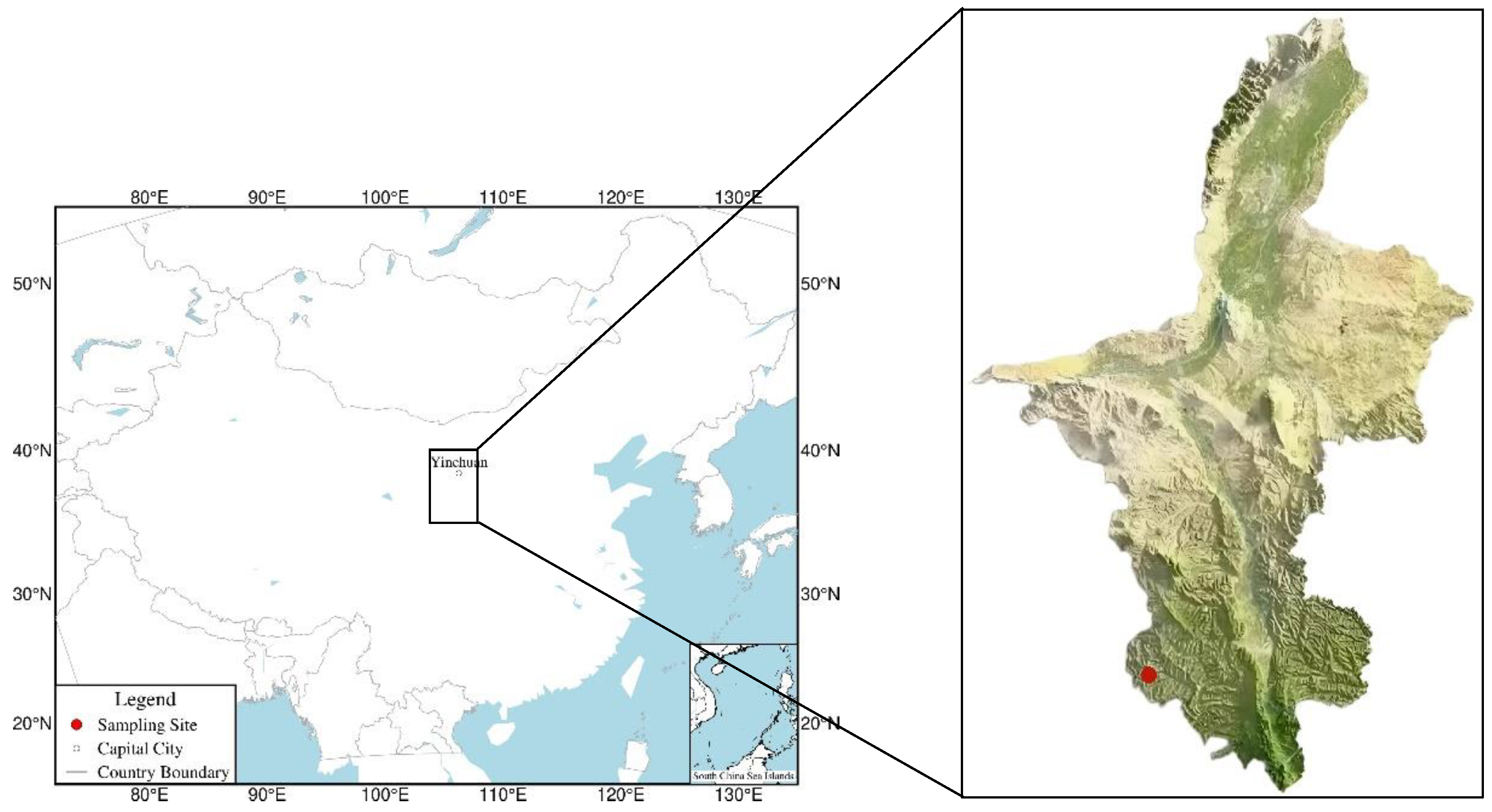
The loess samples used in the tests were collected from a loess site of an expressway project in Xiji County, Ningxia Province, in western China. The geographical location of the sampling point is presented in
Figure 1. The sampling point is situated in the loess ridge–hill region on the western side of the Liupan Mountains. The thickness of the loess layer is approximately 50–70 m, and the underlying stratum is weathered mudstone. The prepared samples are Malan loess, with their main physical parameters listed in
Table 1. The collected soil samples were air-dried, crushed, and sieved through a 2 mm sieve in the laboratory, and then reserved as soil material for improvement.
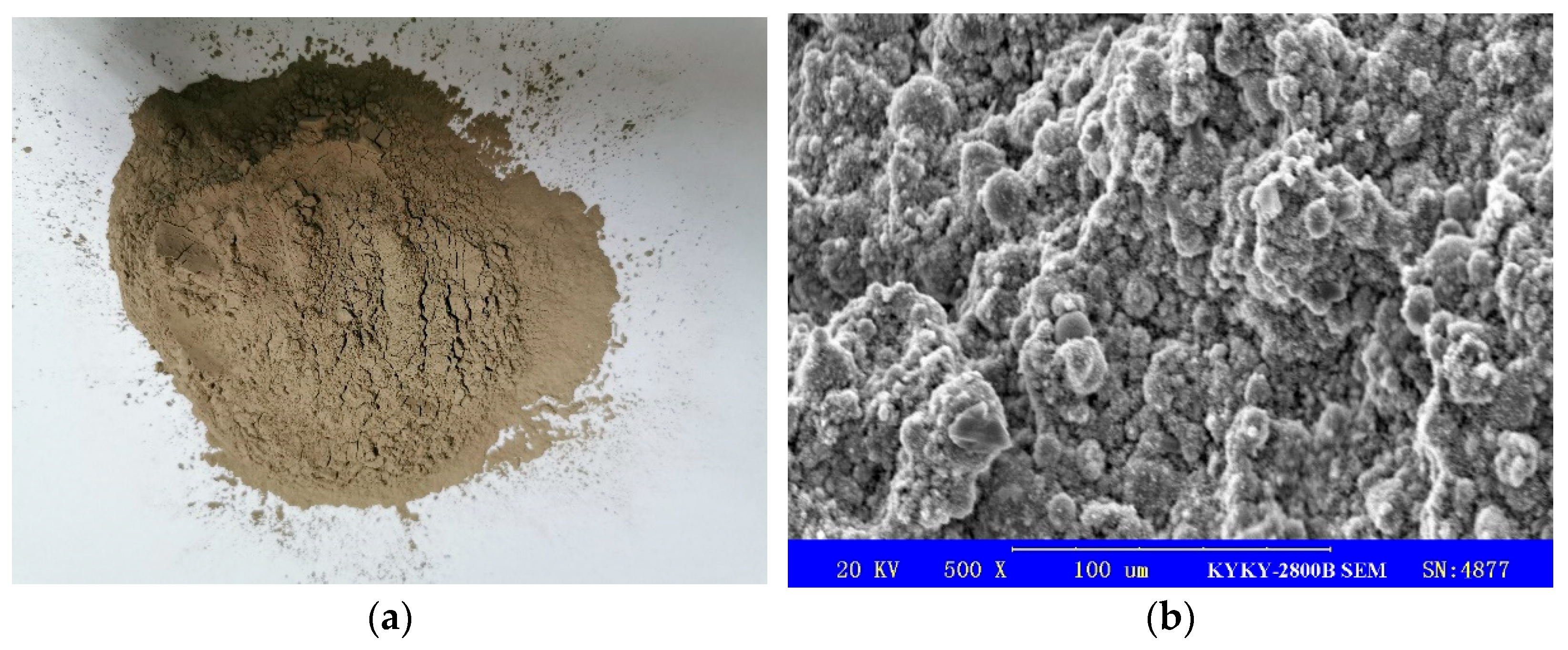
The fly ash used in the tests was obtained from the dry-discharged ash of a thermal power plant in Lanzhou city, China, and it is classified as Class II fly ash. Its properties and microstructure are shown in
Figure 2. The main components of the fly ash include SiO
2, Al
2O
3, MgO, Fe
2O
3, and CaO, with a loss on ignition of 4.93.
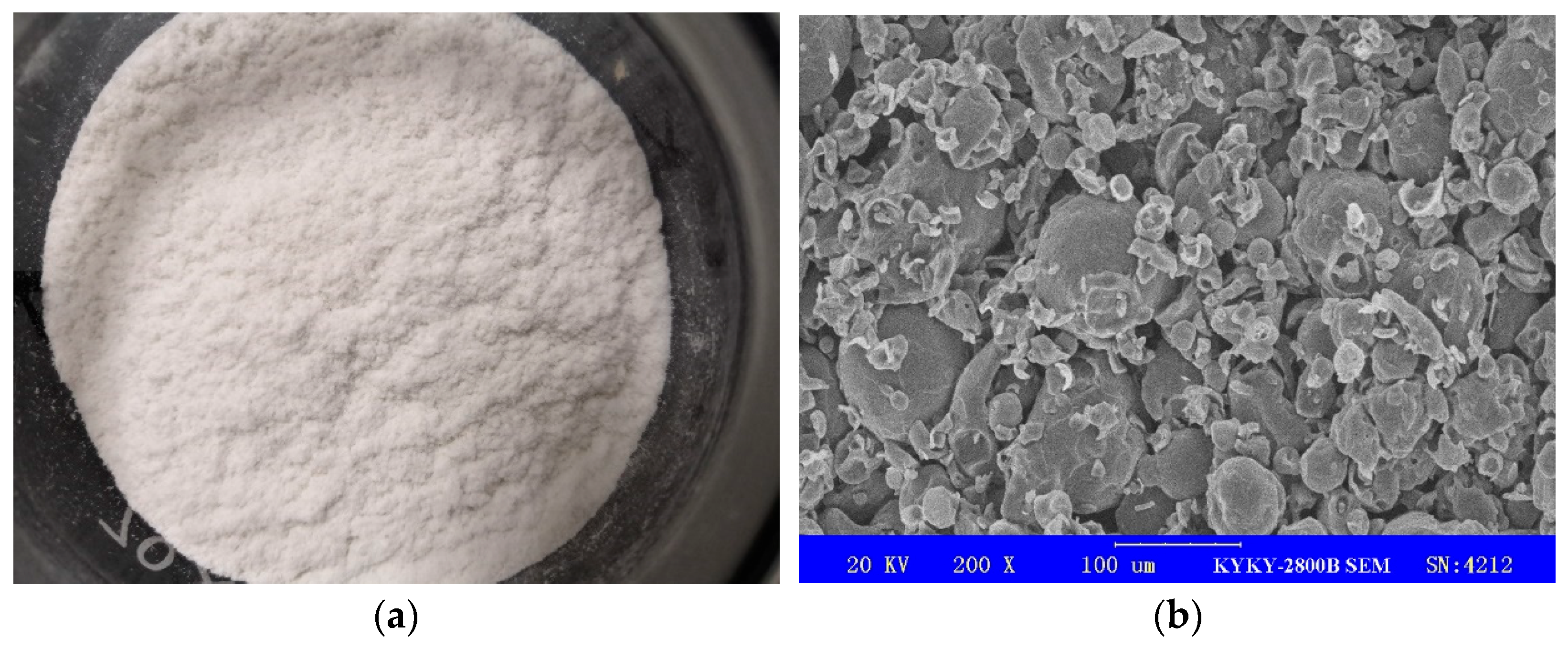
The lignin used in the tests was extracted from the papermaking waste liquid of a paper mill in Hebei Province, China. It is in the form of grayish-white granules, containing some floccules, and has an aromatic odor with no toxicity. The properties and microstructure of the lignin are presented in
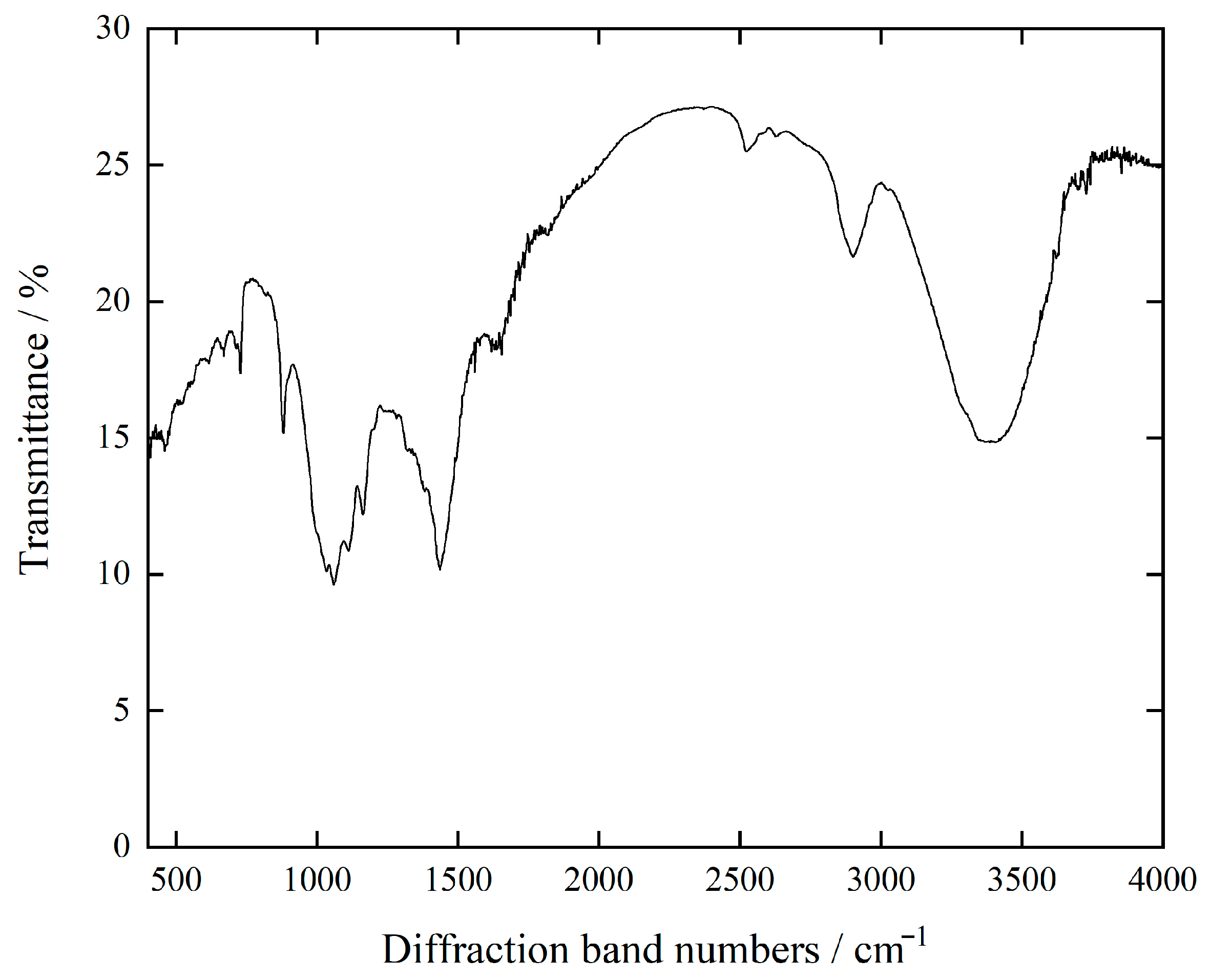
Figure 3. According to the FTIR (Fourier Transform Infrared Spectroscopy) test results shown in
Figure 4, the lignin mainly contains active functional groups, including alcoholic hydroxyl groups, alkanes, primary alcohols, benzene ring C=C bonds, and secondary alcohols.
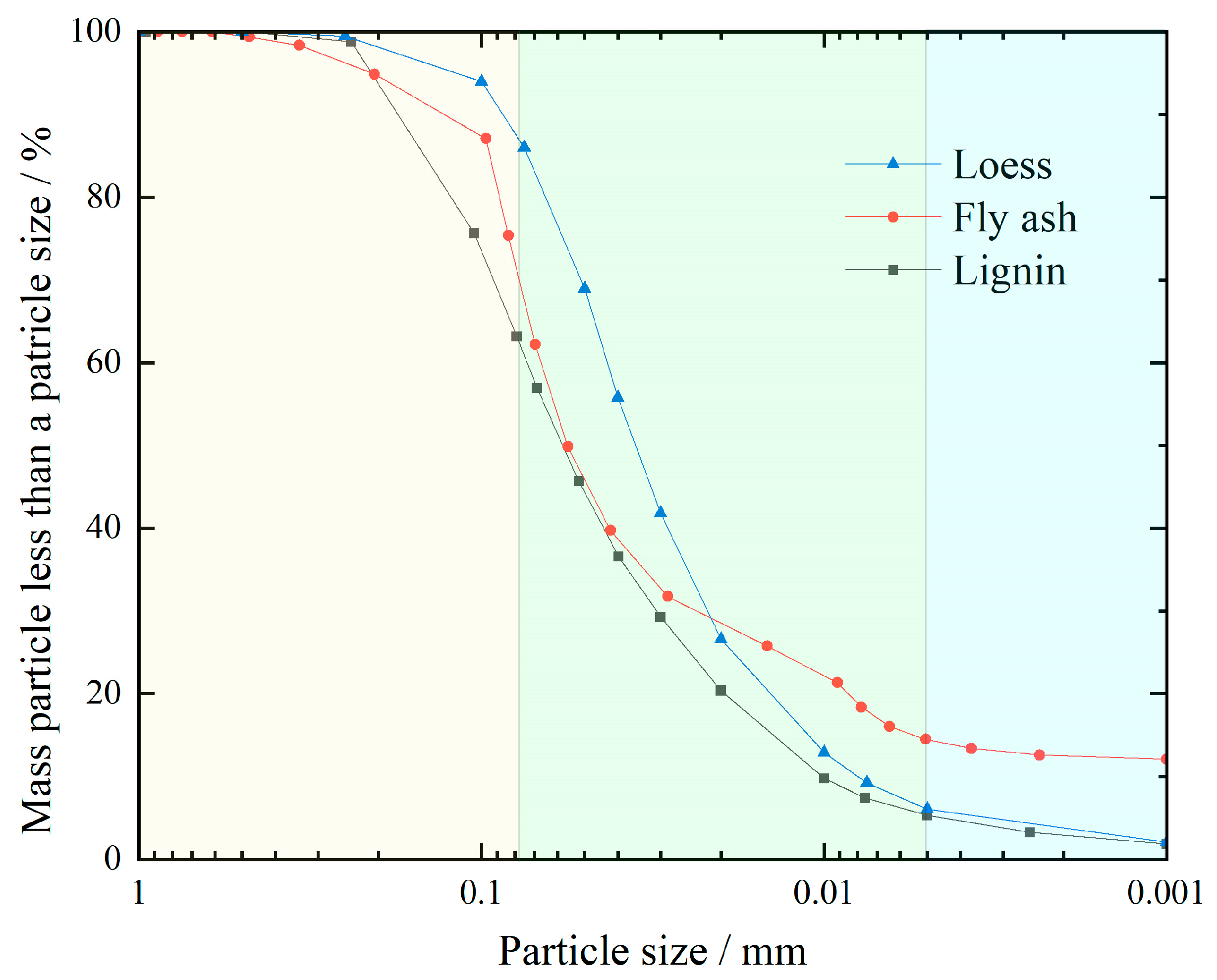
The particle-size distribution of loess, fly ash, and lignin is shown in
Figure 5. As indicated in
Figure 5, the particle composition of loess, fly ash, and lignin is dominated by silt particles, with fly ash having the highest clay content.
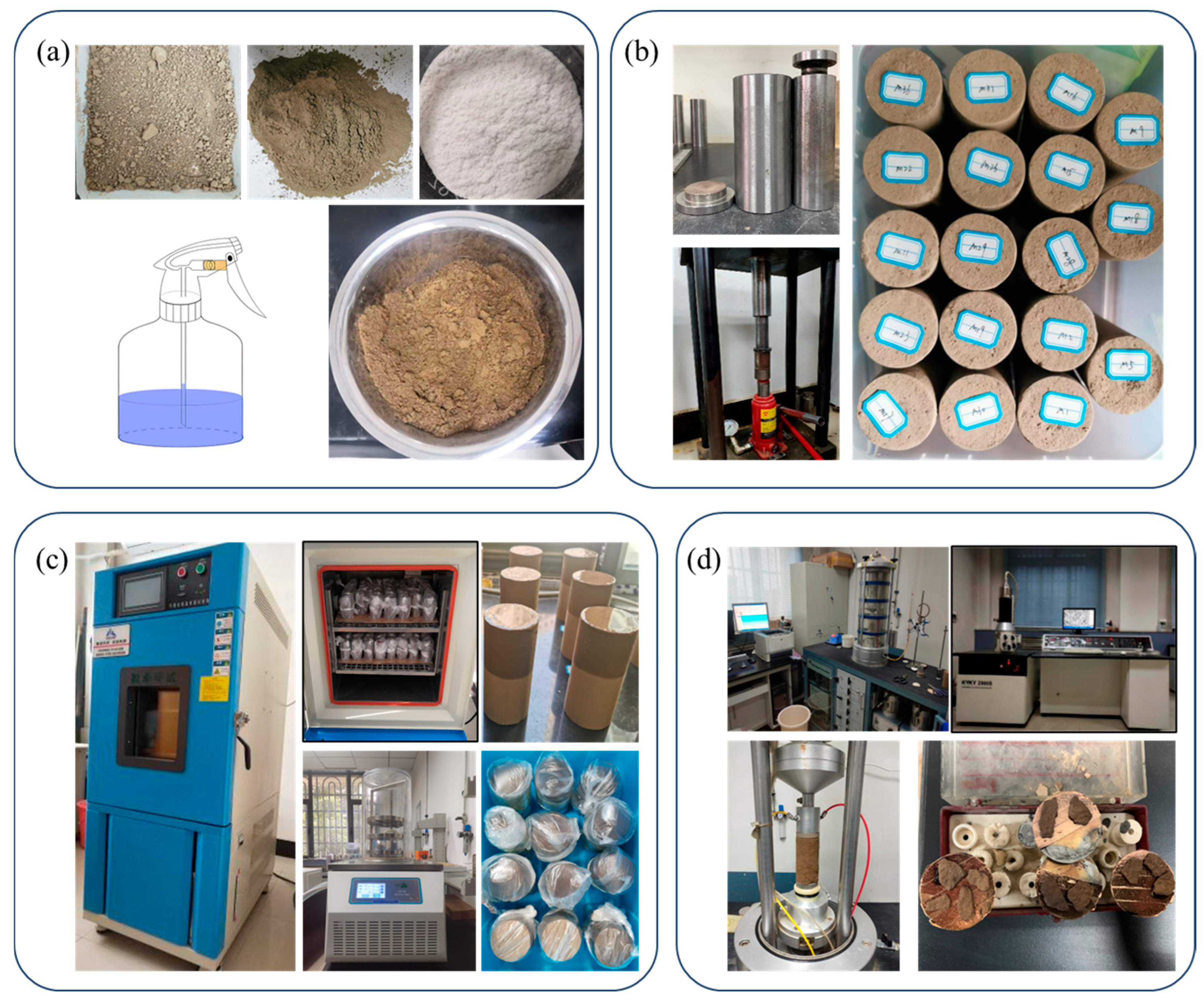
The test procedure is illustrated in
Figure 6. First, according to the designed mix ratio of loess material, fly ash, and lignin (the mass ratio is 73:25:2) [
32], the prepared loess material, fly ash, and lignin were mixed and dry-blended. The dry-blended mixture was subjected to multiple sieving and repeated mixing to ensure uniform distribution of fly ash and lignin in the mixed soil material. Next, the mass of water to be added was calculated based on the optimum moisture content of 14.6%. Pure water was added to the mixture, which was then thoroughly mixed and repeatedly sieved. Subsequently, the mixture was sealed in a plastic bag for 24 h to ensure uniform moisture distribution in the soil material. The mixture with uniform moisture was placed into a metal mold, and a double-ended static compaction device was used to compact the mixed soil material into cylindrical specimens with a dimension of Φ50 mm × 100 mm, with a compaction coefficient of a = 0.93. The compacted specimens were demolded, wrapped in plastic wrap, and placed in a sealed box for curing for 24 h. To ensure the comparability of test results, the height difference between specimens was controlled to be no more than 0.03 mm.
The cured specimens were taken out for dry-wet and freeze-thaw cycle tests. The test equipment used for dry-wet/freeze-thaw cycle tests was the LK-120 programmable high–low temperature environmental test chamber, which can perform air-drying, freezing, and thawing of the specimens. Considering the coupled dry-wet/freeze-thaw state in nature, the dry-wet/freeze-thaw coupling tests were conducted following
Table 2. First, the water film transfer method was adopted to wet the specimens (W) by uniformly dripping water on their surfaces, adjusting their moisture content (ω) to 20%. The specimens were then wrapped in a plastic wrap and cured under sealed conditions for 24 h to ensure uniform moisture distribution inside. The specimens were frozen (F) at −20 °C (the extreme temperature in Xiji County in 2025 is −24.2 °C) for 12 h and thawed (T) at 20 °C for 12 h. The LK-120 programmable high–low temperature environmental test chamber was used for air-drying the specimen. During air-drying, the specimens were weighed multiple times to ensure that their moisture content (ω) after drying was less than 1%. The dried specimens were then sealed in plastic wrap and placed in a sealed box for 24 h of curing to ensure uniform moisture distribution in the specimens. It should be noted that after the final freeze-thaw/dry-wet cycle, the specimens were air-dried to a moisture content (ω) of 10% and then left to stand under sealed conditions for 24 h for subsequent use.
A KYKY-2800B scanning electron microscope (SEM) was employed to perform microstructural tests on the specimens from each group. Before the test, specimens subjected to different dry-wet and freeze-thaw cycles were manually split to obtain flat, fresh fracture surfaces for SEM observation. For the selected specimens, small discs with a diameter of approximately 10 mm and a thickness of no more than 2 mm were prepared using a knife and sandpaper, ensuring that the fracture surfaces remained undamaged. Loose dust on the specimen surface was gently blown off using a rubber bulb, and the specimen was then fixed to the sample holder with conductive tape. A thin gold layer was sputtered onto the specimen surface using an ion sputtering instrument. The gold-coated specimens were placed on the SEM sample stage, pushed into the sample chamber, and the chamber was then evacuated. Under vacuum, the magnification was set to 500× to observe the microstructural characteristics of the specimens.
The WF-12440 dynamic triaxial–torsional shear testing system was utilized to perform the dynamic triaxial tests. The testing method was based on the Chinese code
Standard for Soil Test Methods (GB/T 50123-2019) [
33]. Before the test, the unsaturated specimens were wrapped with latex membranes and fixed on the sample stage of the dynamic triaxial testing machine. The two ends of the latex membrane were tightly bound to the sample stage to ensure that the moisture content of the specimen remained unchanged during the test. The pressure chamber was then covered and filled with water, and confining pressure was applied to the chamber via a gas-to-water conversion device. Anisotropic consolidation was adopted in the test, with an axial pressure of 120 kPa and a lateral pressure coefficient of 0.59 (using the lateral pressure coefficient of the modified loess without dry-wet and freeze-thaw cycles to ensure the comparability of experimental results). The specimens were subjected to drained consolidation; after consolidation stabilization, the drainage valve was closed. A constant-amplitude sinusoidal load with an amplitude of 50 kPa and a frequency of 1 Hz was applied to the specimens for cyclic shearing. The samples are undrained during cyclic shearing. The test was terminated when the number of cyclic shearing vibrations reached 10,000.
3. Results
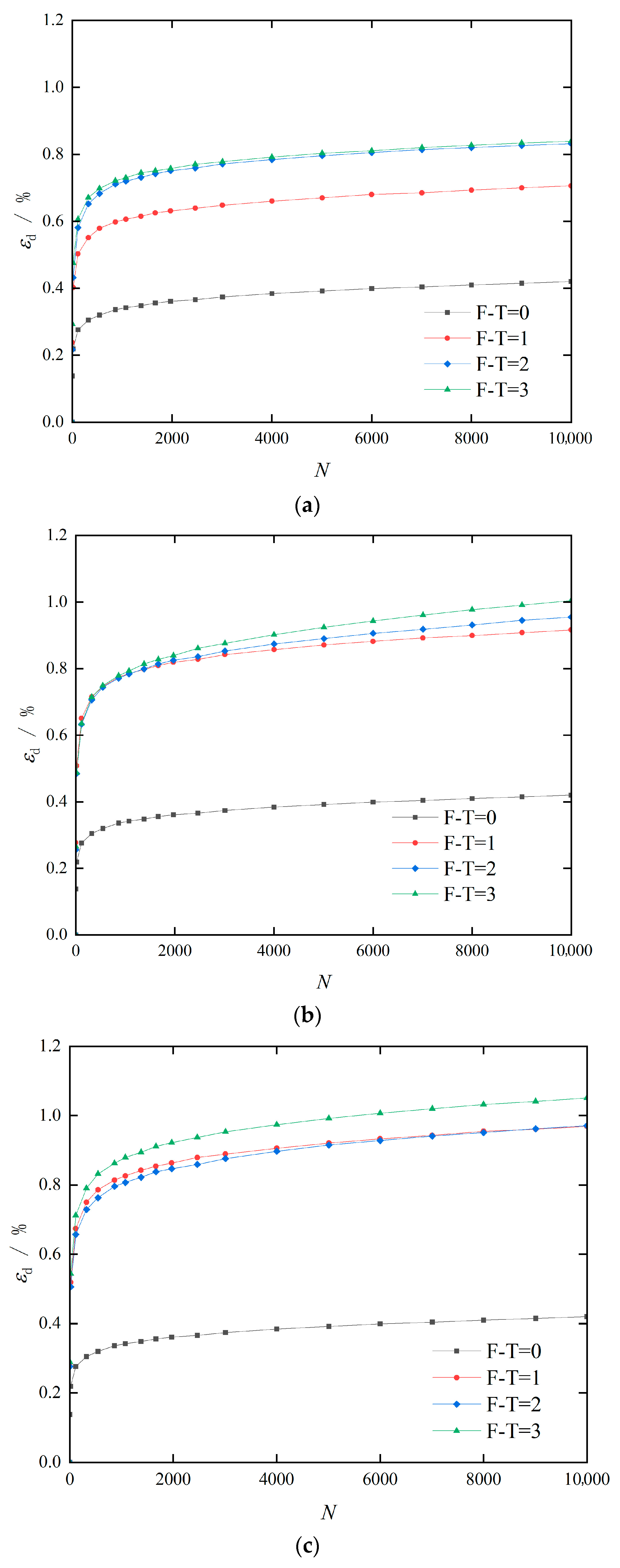
Based on the dynamic triaxial test results of fly ash–lignin-modified loess under different dry-wet and freeze-thaw cycles, the cumulative plastic deformation vs. number of cycles curves were plotted, as illustrated in
Figure 7. Specifically,
Figure 7a–c present the cumulative plastic deformation curves of the modified loess after experiencing different freeze-thaw cycles following 1, 2, and 3 dry-wet cycles, respectively.
Figure 7 reveals that under various dry-wet and freeze-thaw conditions, the cumulative plastic deformation of the modified loess increases with the number of cyclic shear cycles. Notably, the deformation increases rapidly at the initial stage of cyclic shearing and then gradually decelerates in subsequent stages. The relationship between cumulative plastic deformation and the number of cyclic shearing can be described by Equation (1).
where the cumulative plastic deformation increases logarithmically with the number of cyclic shearing. In Equation (1),
εd represents the cumulative plastic deformation,
N denotes the number of cyclic shearing, and
a,
b are experimental parameters, which refer to the initial cumulative plastic deformation and the growth level of the cumulative plastic deformation, respectively. The fitting parameters and correlation coefficients of the cumulative plastic deformation curves are shown in
Table 3.
As shown in
Figure 7a, under one dry-wet cycle, the cumulative plastic deformation of the modified loess increased with the number of freeze-thaw cycles at identical cyclic shearing counts. This increase is particularly pronounced when the number of freeze-thaw cycles is one under one dry-wet cycle. Under one dry-wet cycle and two freeze-thaw cycles, the cumulative plastic deformation continues to increase, but the growth rate decreases compared to the previous stage. Under one dry-wet cycle and three freeze-thaw cycles, the deformation becomes comparable to that observed under one dry-wet cycle and two freeze-thaw cycles. Notably, all specimens under one dry-wet cycle exhibit consistent growth rates of cumulative plastic deformation with the increase in cyclic shear cycles. As shown in
Figure 7b, under two dry-wet cycles, the cumulative plastic deformation of all modified loess specimens increases significantly compared to those under one dry-wet cycle at the same number of cyclic shear cycles. With the increase in freeze-thaw cycles, specimens show similar deformation at the initial stage of cyclic shearing. However, as cyclic shearing progresses, specimens with more freeze-thaw cycles exhibit larger cumulative plastic deformation. This indicates that under two dry-wet cycles, the number of freeze-thaw cycles significantly affects the growth rate of cumulative plastic deformation. As shown in
Figure 7c, after three dry-wet cycles, the cumulative plastic deformation of modified loess continues to increase under all freeze-thaw cycles, but the amplitude of increase decreases compared to that under two dry-wet cycles. Under three dry-wet cycles, specimens with one and two freeze-thaw cycles show similar deformation, whereas those with three freeze-thaw cycles exhibit a slight increase in cumulative plastic deformation at the same number of cyclic shear cycles.
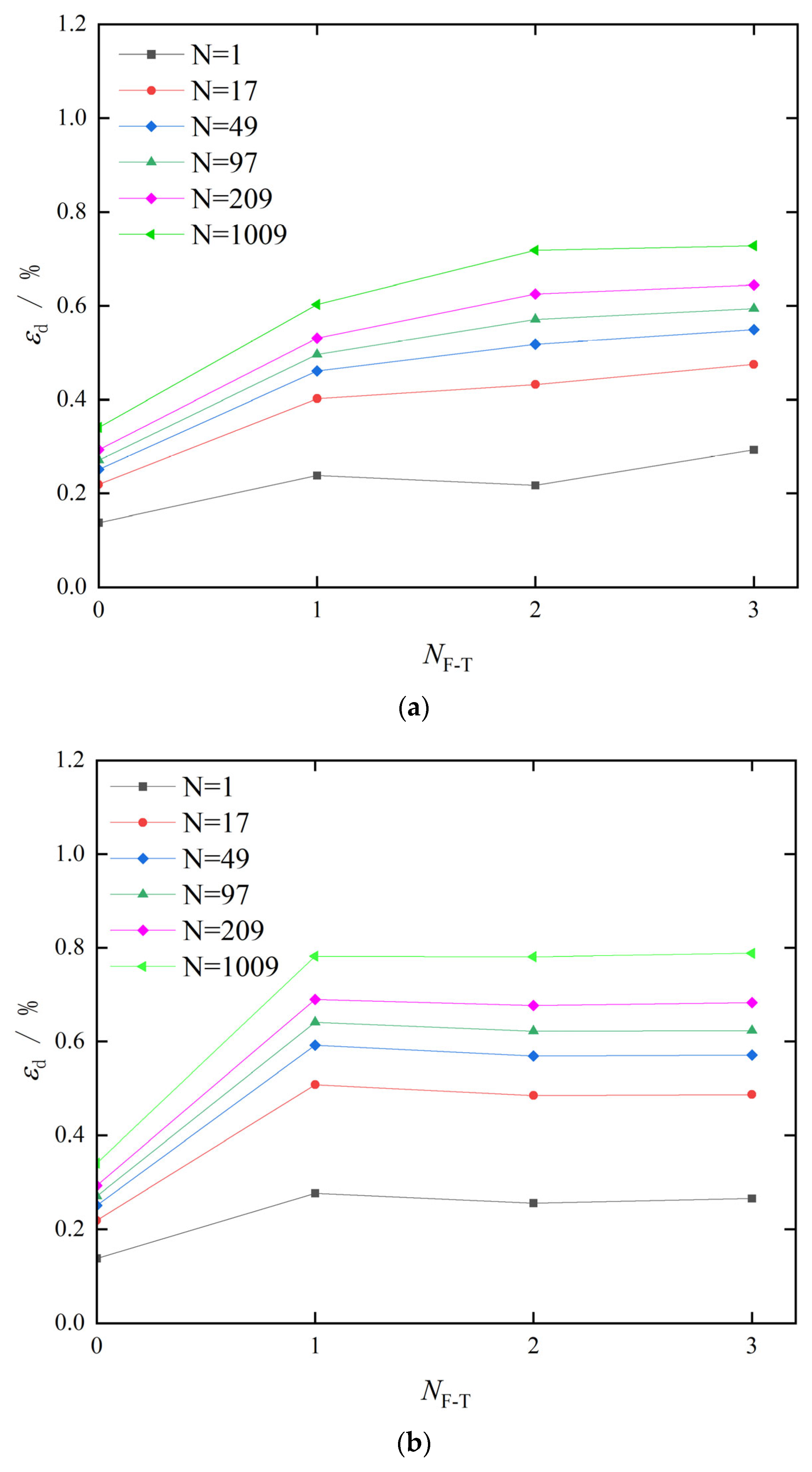
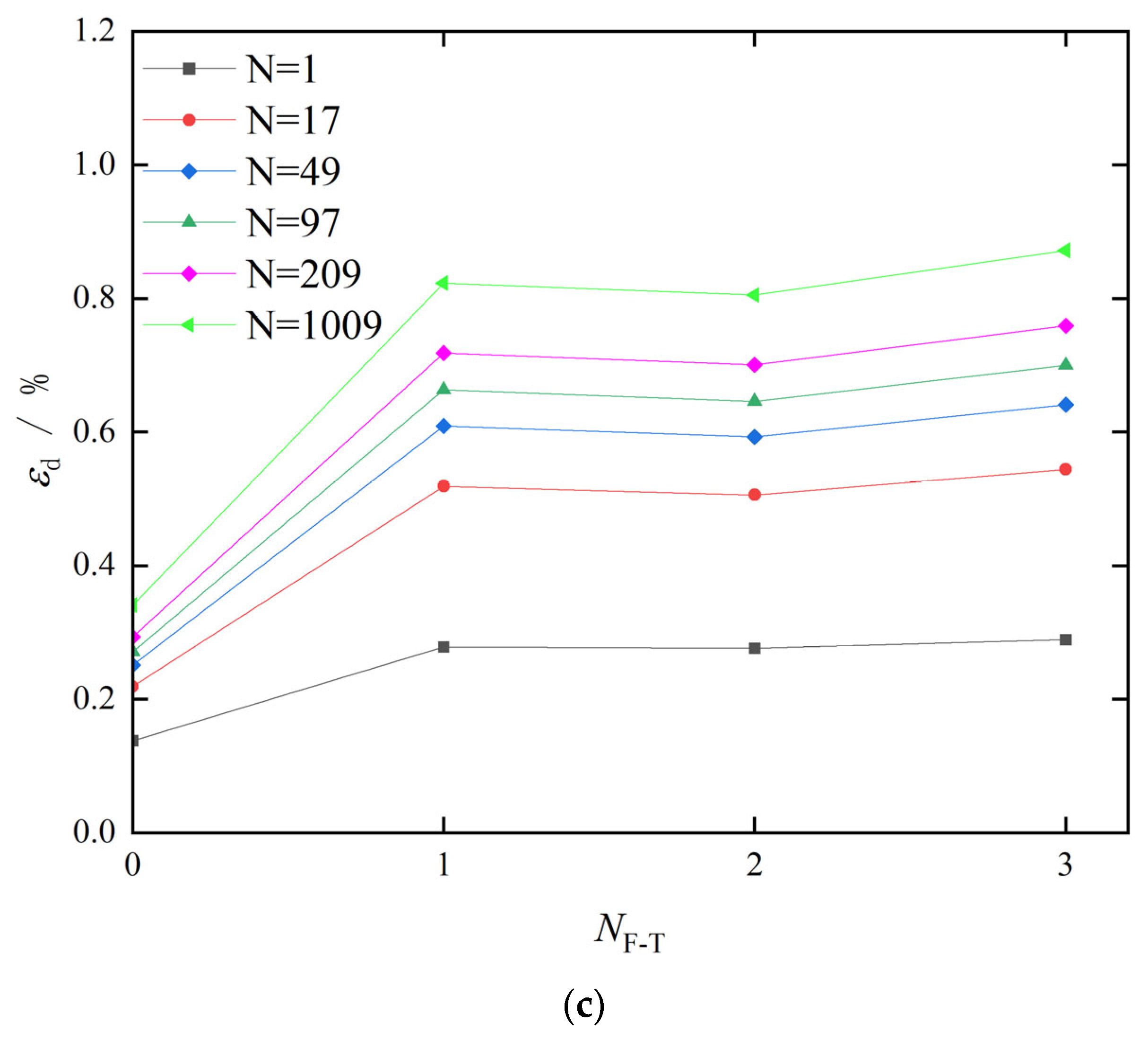
To further analyze the influence of dry-wet and freeze-thaw cycles on the cumulative plastic deformation of fly ash–lignin-modified loess, considering that cumulative plastic deformation primarily occurs during the initial shearing phase, cumulative plastic deformation values at specific cyclic shearing counts (
N = 1, 17, 49, 97, 209, and 1009) were collected. These data were used to plot curves illustrating the relationship between the number of freeze-thaw cycles and cumulative plastic deformation under different dry-wet cycles, as shown in
Figure 8. Specifically,
Figure 8a shows the relationship under one dry-wet cycle,
Figure 8b under two dry-wet cycles, and
Figure 8c under three dry-wet cycles. As shown in
Figure 8a, under one dry-wet cycle, the cumulative plastic deformation of modified loess generally increases with an increase in the number of freeze-thaw cycles, but its growth rate gradually decelerates. Notably, with the increase in cyclic shear cycles (N), the cumulative plastic deformation converges for specimens with two and three freeze-thaw cycles. As indicated by
Figure 8b, under two dry-wet cycles, the cumulative plastic deformation initially increases with additional freeze-thaw cycles at all cyclic shearing counts (N), but stabilizes after the first freeze-thaw cycle. Notably, compared with
Figure 8a, specimens exhibit greater cumulative plastic deformation under the same dry-wet/freeze-thaw cycles and cyclic shear cycles. As shown in
Figure 8c, after three times of dry-wet cycles, the variation pattern of cumulative plastic deformation with freeze-thaw cycles mirrors that observed under two dry-wet cycles. However, at all cyclic shear cycles (N) and freeze-thaw cycles, the cumulative plastic deformation values are slightly higher than those under two dry-wet cycles.
The cumulative plastic strain rate is defined as the ratio of the difference in cumulative plastic strain between cyclic shearing count
N and
N +
m to the cycle difference
m [
34]. This strain rate evolution can serve as a criterion for evaluating plastic deformation behavior.
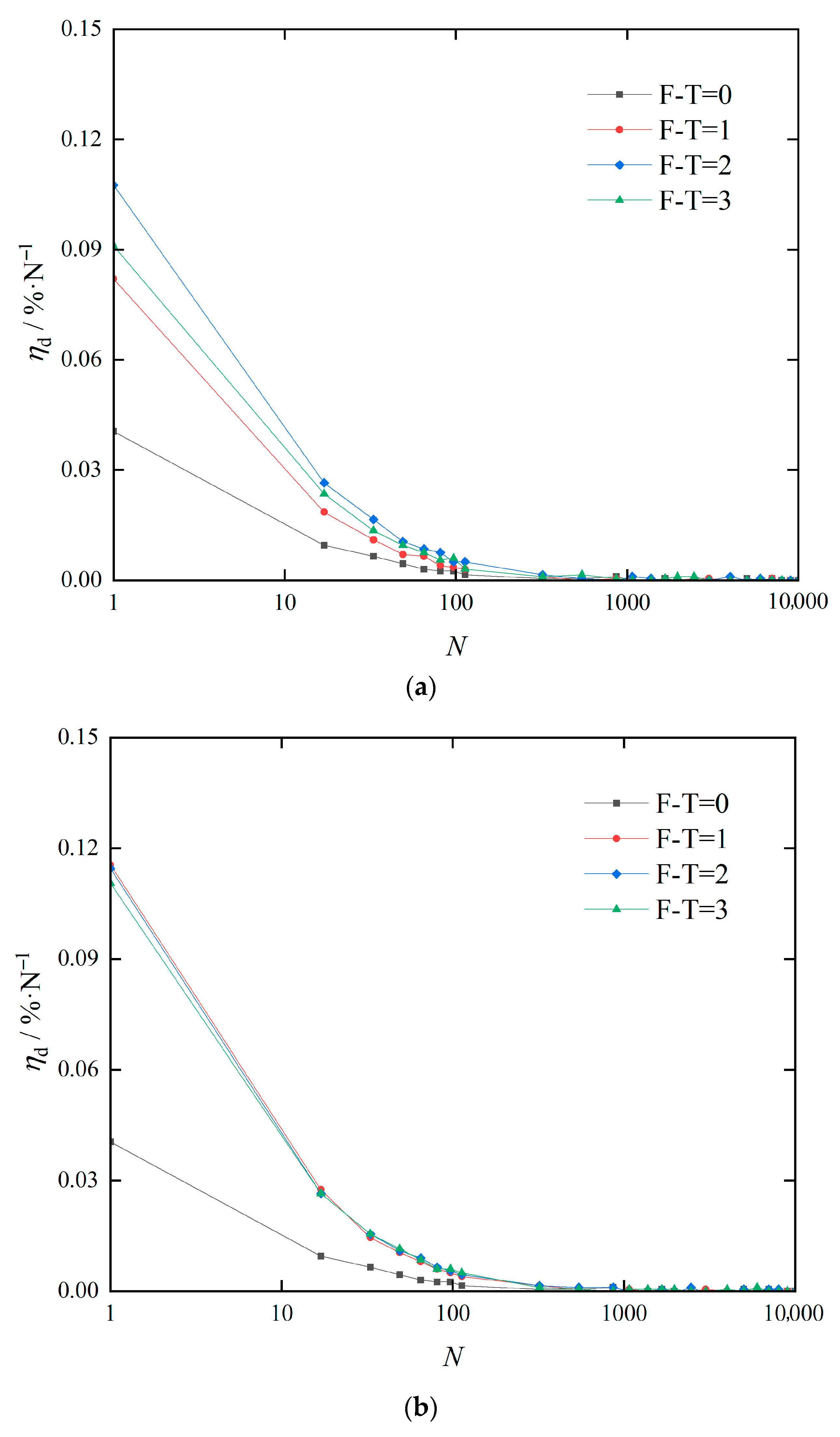
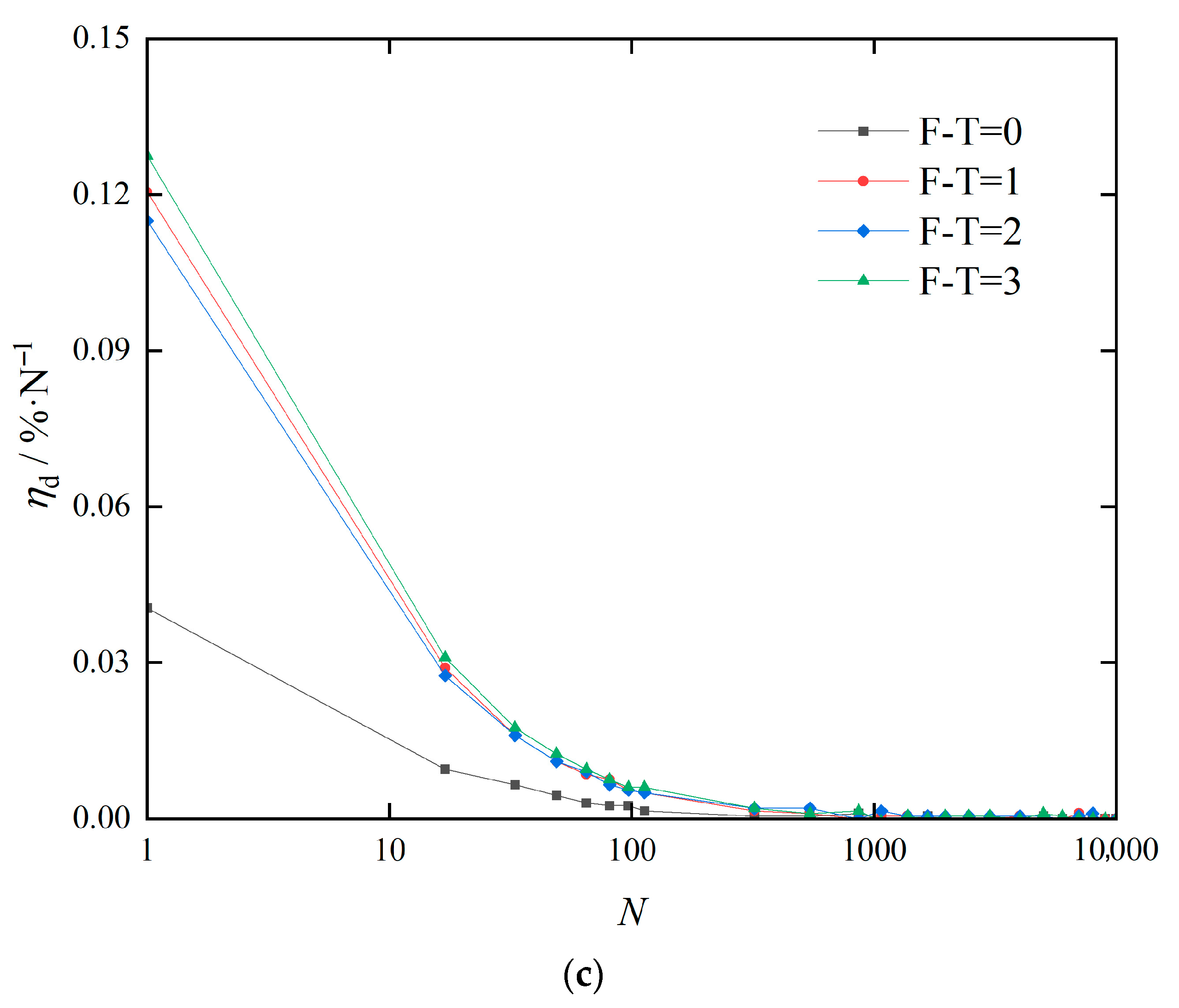
Figure 9 illustrates the variation in cumulative plastic strain rate with cyclic shearing count for fly ash–lignin-modified loess under coupled dry-wet and freeze-thaw cycles. The relationship is governed by Equation (2).
where
ηd denotes the cumulative plastic strain rate,
N represents the cyclic shearing count, and
α,
β are experimental parameters, which refer to the initial cumulative plastic strain rate and the decrease level in the initial cumulative plastic strain rate. The fitting parameters and correlation coefficients of the cumulative plastic strain rate curves are shown in
Table 4.
As shown in
Figure 9a, under one dry-wet cycle, the cumulative plastic strain rate of modified loess decreases with increasing freeze-thaw cycles. Furthermore, the rate of change in the strain rate decreases significantly with the increase in cyclic shear cycles (N). Distinct variations in strain rates among specimens subjected to different freeze-thaw cycles are evident when
N ≤ 100. However, as
N increases beyond this threshold, strain rates progressively converge across all freeze-thaw stages.
Figure 9b demonstrates that after two dry-wet cycles, specimens exposed to any freeze-thaw cycles exhibit substantially elevated strain rates compared to freeze-thaw-free specimens. Notably, minimal differences exist between specimens undergoing one, two, or three freeze-thaw cycles. Critically, when contrasted with
Figure 9a, all specimens under two dry-wet cycles display significantly higher strain rates than those under single dry-wet cycle conditions. As shown in
Figure 9c, after three dry-wet cycles, the evolution of strain rates with cyclic shearing counts paralleled the pattern observed in
Figure 9b. Nevertheless, the strain rates were consistently modestly higher compared to those of specimens subjected to two dry-wet cycles.
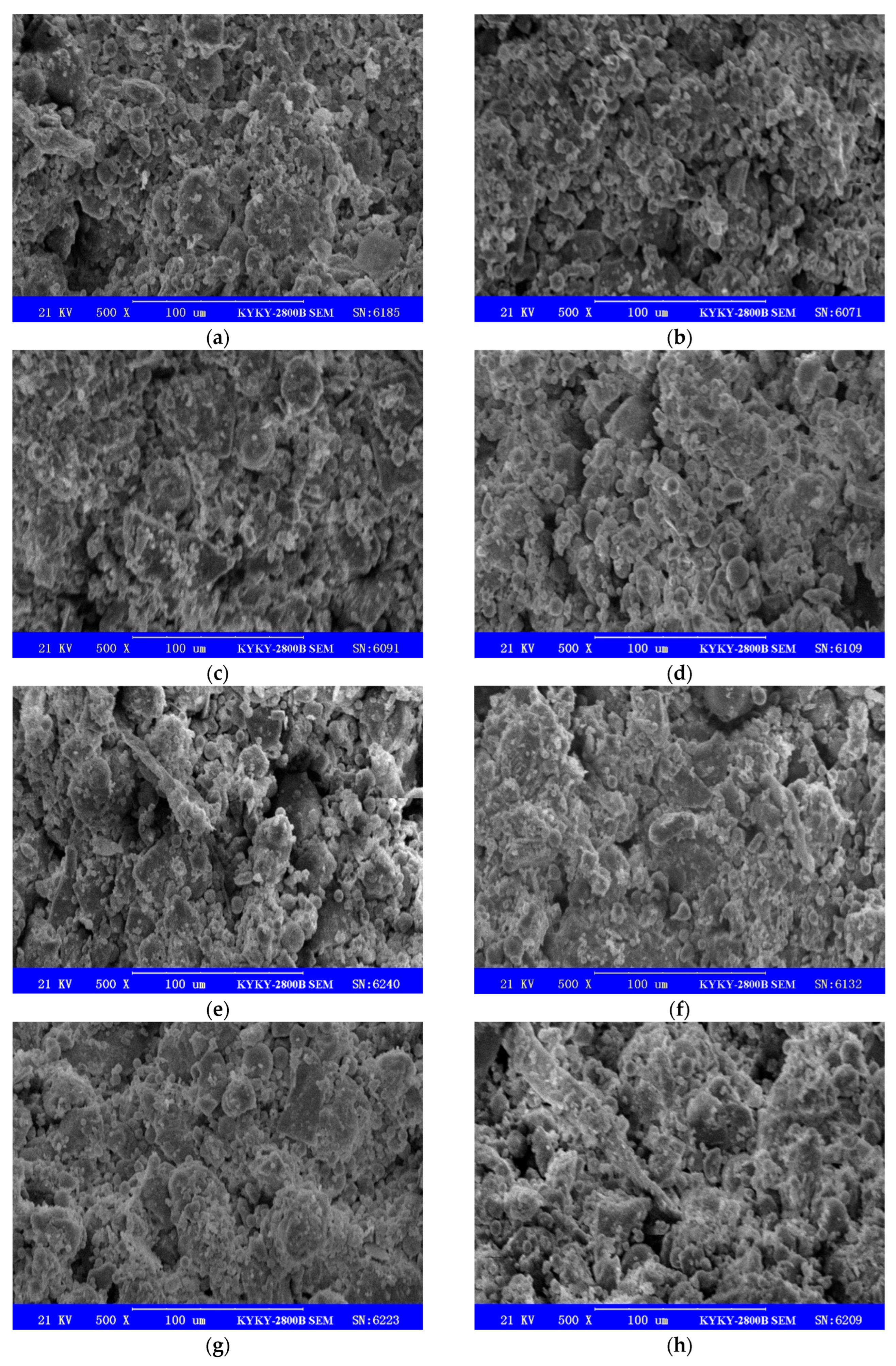
Figure 10 shows the microstructure of fly ash–lignin-modified loess under different dry-wet and freeze-thaw cycles. As shown in
Figure 10a, the microstructure of the uncycled modified loess is relatively dense, though some large pores still exist. Loess particles exhibit indistinct boundaries, wrapped by spherical fly ash particles and flocculent lignin particles, forming a flocculent structure [
35]. Although numerous pores exist, they are not interconnected, and microcracks are poorly developed. As shown in
Figure 10b–d, after one dry-wet cycle, the number of voids in the modified loess increases significantly, and the boundaries of some loess particles become clear. Some pores in the modified loess become interconnected, and several microcracks of different lengths emerge. As the number of freeze-thaw cycles increases, the structure of the modified loess gradually becomes loose, the boundaries of loess particles become clearer, and the length and width of microcracks both increase. As can be seen from
Figure 10e–g, after two dry-wet cycles, the microstructure of the modified loess becomes looser, with a significant increase in the content of medium and large pores. Particles remain predominantly cemented in a flocculent structure, and both the number and width of fractures have increased. As the number of freeze-thaw cycles increases, the variation in pore area of the modified soil is insignificant, but pore distribution gradually becomes more uniform. As shown in
Figure 10h–j, after three dry-wet cycles, the looseness of the microstructure of the modified loess further increases, with a significant increase in the number of large pores, medium pores, and microcracks. The distribution of pores in the modified soil tends to be more uniform, but the boundaries of particles become blurred. As the number of freeze-thaw cycles increases, the proportion of pores does not change significantly, but the content of small pores and micropores increases, and the width of microcracks further expands.
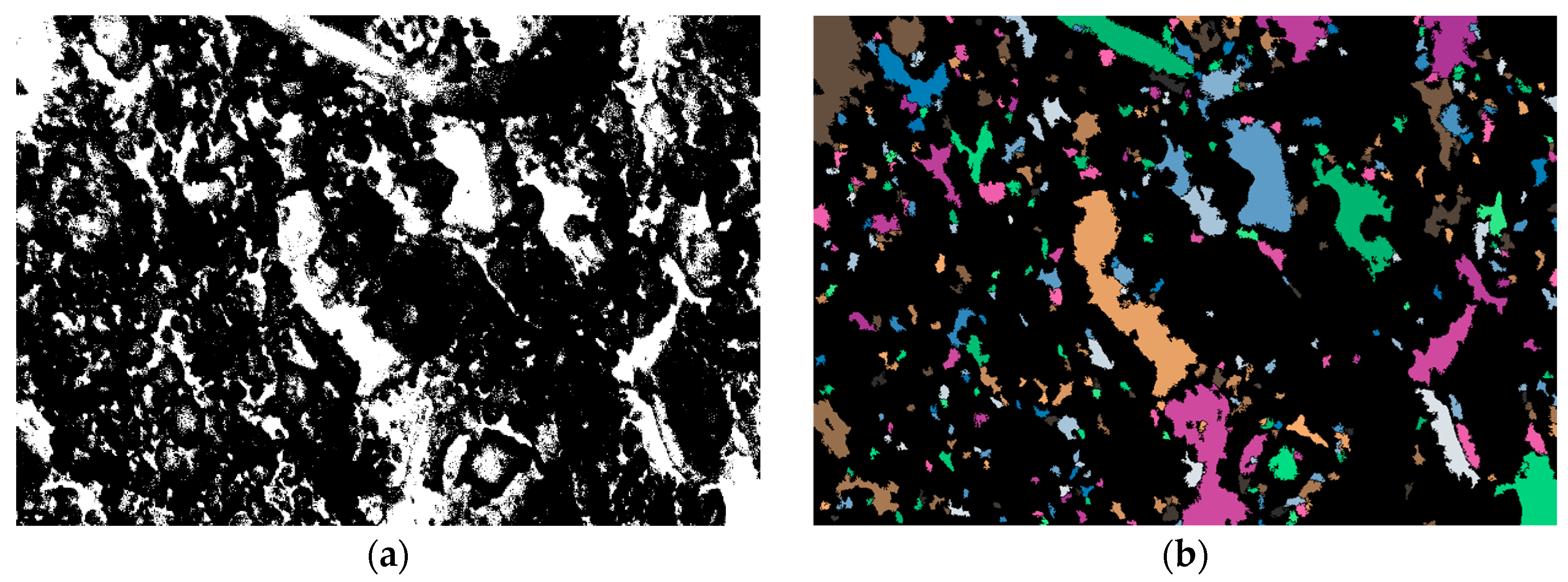
To further analyze the influence of dry-wet and freeze-thaw cycles on the structural properties of the fly ash–lignin-modified loess, the pore-particle analysis and identification image processing system (PCAS) was used to process the microstructure images and obtain the microstructure images and obtain the microstructure characteristic parameters [
36,
37]. The SEM images were imported into the PCAS software (v2324) and subjected to binarization (
Figure 11a). To ensure that the binarized image accurately represented the SEM image, the gray threshold of the image needed to be adjusted, and to ensure the principle of contrast, the gray threshold was set to a fixed value. After adjusting the brightness and contrast to a consistent level, the gray threshold value was determined by averaging the results of multiple selections. After obtaining the binarized image, the image underwent further vectorization processing (
Figure 11b) to extract quantitative microstructural pore parameters.
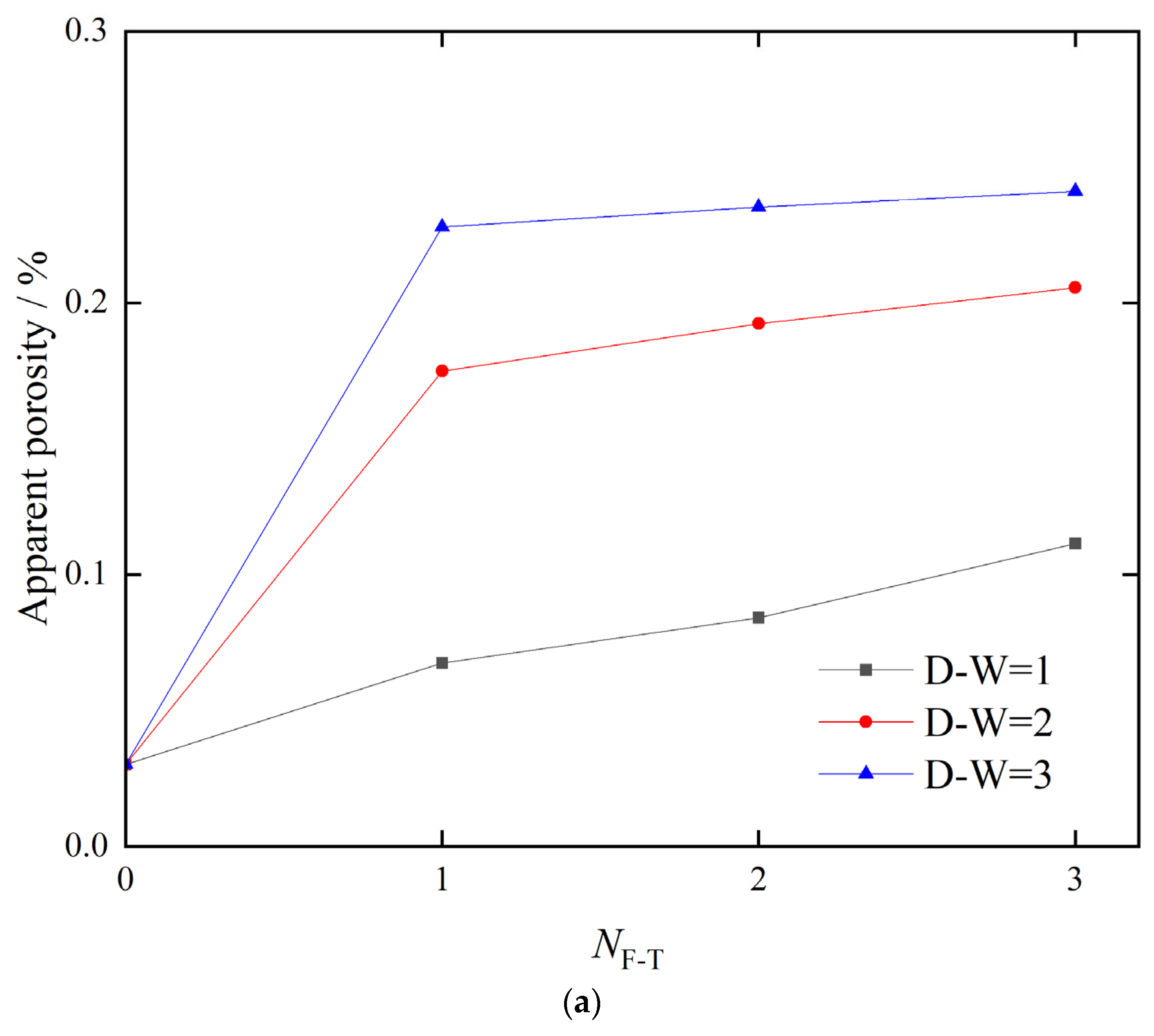
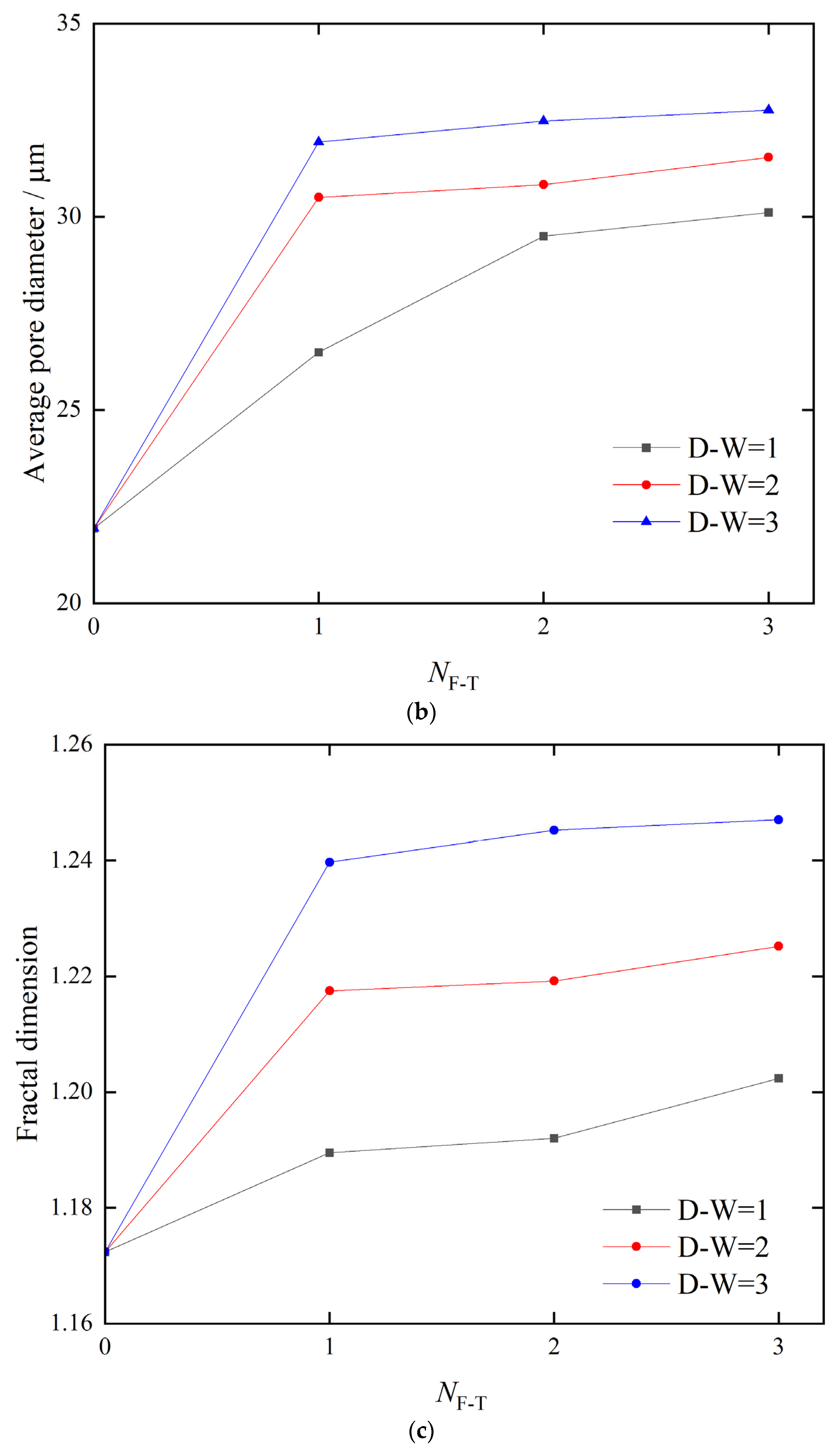
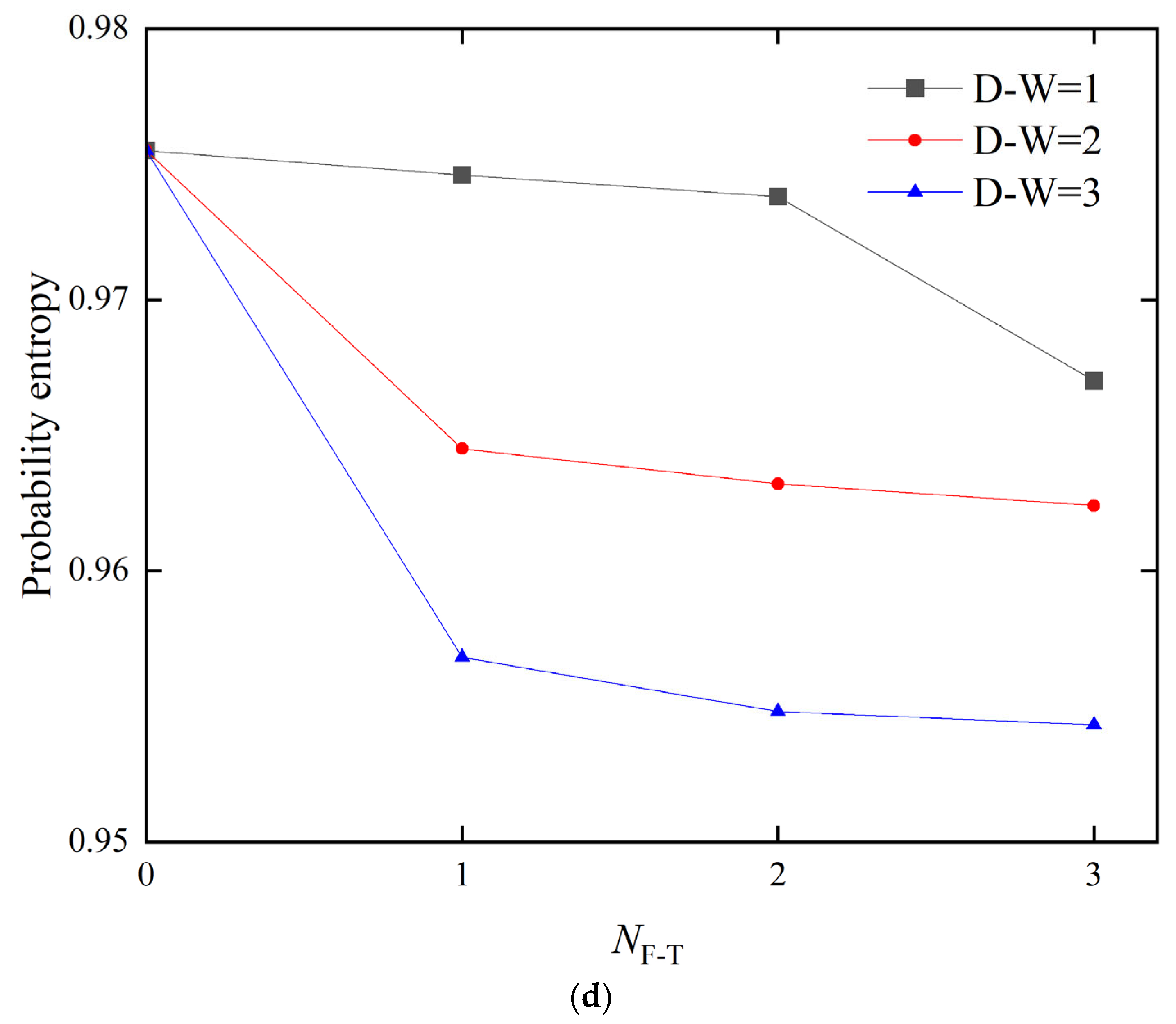
Figure 12 shows the microstructure characteristic parameters of fly ash–lignin-modified loess under different dry-wet and freeze-thaw cycles, as obtained using the PCAS software (v2324).
Figure 12a presents the apparent porosity, defined as the ratio of pore area to the total image area.
Figure 12b shows the average pore diameter.
Figure 12c presents the fractal dimension, which quantitatively describes the complexity of the pores.
Figure 12d shows the probability entropy, which quantifies the degree of ordering in pore arrangement. As seen from
Figure 12a, the apparent porosity of the modified loess increases continuously with the increasing number of both dry-wet and freeze-thaw cycles. When the dry-wet cycle was applied once, the apparent porosity increased approximately linearly with increasing number of freeze-thaw cycles. When two dry-wet cycles were applied, the apparent porosity increased significantly after one freeze-thaw cycle. As the number of freeze-thaw cycles continued to increase, the rate of increase in apparent porosity became slower. When three dry-wet cycles were applied, the variation trend of apparent porosity with the number of freeze-thaw cycles was consistent with that observed under two dry-wet cycles. However, beyond one freeze-thaw cycle, the increase in apparent porosity was more gradual. The apparent porosity increased significantly with the increasing number of dry-wet cycles. However, the rate of this increase gradually decreased with further increases in the number of dry-wet cycles. As shown in
Figure 12b, the average pore diameter of the modified loess increased with the increasing number of dry-wet and freeze-thaw cycles, exhibiting a trend similar to that of the apparent porosity. When one dry-wet cycle was applied and fewer than two freeze-thaw cycles were applied, the average pore diameter increased linearly with the increasing number of freeze-thaw cycles. However, when three freeze-thaw cycles were applied, the average pore diameter increased at a slower rate compared to that observed after two freeze-thaw cycles. When two or three dry-wet cycles were applied, the increase in average pore diameter occurred mainly during the first freeze-thaw cycle. During subsequent freeze-thaw cycles, the average pore diameter of the modified loess increased only marginally. Dry-wet cycling had a significant impact on the average pore diameter. As the number of dry-wet cycles increased, the average pore diameter increased, and the magnitude of this increase remained relatively consistent across the applied dry-wet cycles. As shown in
Figure 12c, the pore fractal dimension of the modified loess increased with increasing number of dry-wet and freeze-thaw cycles. With an increasing number of dry-wet cycles, the pore fractal dimension of the modified loess increased significantly, indicating that dry-wet cycling led to increased complexity of the pore morphology. After one freeze-thaw cycle was applied, the pore fractal dimension of the modified loess increased significantly for each number of applied dry-wet cycles. However, when more than one freeze-thaw cycle was applied, the pore fractal dimension of the modified loess increased only gradually for each number of applied dry-wet cycles. As shown in
Figure 12d, the probability entropy of the modified loess decreased with the increasing number of dry-wet and freeze-thaw cycles. Dry-wet cycling had a significant impact on the probability entropy. As the number of dry-wet cycles increased, the probability entropy decreased significantly, indicating enhanced ordering of pore arrangement within the modified loess. Freeze-thaw cycling also influenced the probability entropy. When one dry-wet cycle was applied, the probability entropy increased slowly initially, followed by a rapid increase, with increasing number of freeze-thaw cycles. When two or three dry-wet cycles were applied, the probability entropy decreases slowly with the increase in freeze-thaw cycles, and the change trend is approximately linear. Overall, looking at the variation trends of the microstructural parameters with the number of dry-wet and freeze-thaw cycles shown in
Figure 12, the dry-wet cycles have a more significant impact on the microstructure parameters of the modified loess than the freeze-thaw cycles.
4. Discussion
Loess has a large-pore structure. Its particles are predominantly cemented by soluble salts, or the interstitial spaces between larger particles are filled by smaller clay particles to form aggregates [
4]. When subjected to external loads such as surcharge, earthquakes, and traffic, as well as water, the structure of loess is unstable and prone to residual deformation, leading to inferior engineering properties [
2,
3]. The incorporation of fly ash and lignin into loess for modification enhances the structural stability and strength of the modified loess [
12,
13,
15,
16]. This is because both fly ash and lignin particles fill the inter-particle voids within the loess, resulting in a more compact structure of the modified loess. At the same time, the hydration of fly ash and the cementitious substances formed by ion exchange between fly ash, lignin, and loess, as well as the chelation of lignin, can effectively bond the loess particles and enhance the water stability of the modified soil. Additionally, the fibers present in lignin act as reinforcement, effectively enhancing the load-bearing capacity and structural stability of the modified loess [
17,
20].
Both dry-wet cycles and freeze-thaw cycles exert significant effects on the mechanical properties of loess [
21,
25]. Dry-wet cycles cause the leaching of soluble salts in loess, expansion of microcracks, and structural alterations in loess, resulting in reduced strength [
21,
22]. Freeze-thaw cycles, conversely, induce structural changes and increase permeability in loess, thereby diminishing its stability [
25,
26,
27]. Although the modification of loess with materials such as fly ash and lignin enhances the strength of the modified loess, dry-wet and freeze-thaw cycles still alter its physical and mechanical properties, thereby compromising its long-term engineering performance [
31]. As shown in
Figure 7 and
Figure 8, the coupling effect of dry-wet and freeze-thaw cycles leads to an increase in the cumulative plastic deformation of fly ash–lignin-modified loess, with a more significant increase observed when the modified loess samples undergo one dry-wet cycle and one freeze-thaw cycle. The cumulative plastic deformation occurs predominantly during the initial stage of cyclic shearing, and its rate of increase gradually decreases with the increasing number of shearing cycles. The primary reason for the effect of dry-wet and freeze-thaw cycles on the cumulative plastic deformation of the modified loess is the alteration of the soil’s physical properties and structural characteristics. As illustrated in
Figure 10 and
Figure 12, the structure of the fly ash–lignin-modified loess becomes looser following dry-wet and freeze-thaw cycles, accompanied by an increase in apparent void ratio and average pore diameter, resulting in deterioration of its mechanical properties [
38]. Notably, the influence of dry-wet cycles on the structural properties of the modified loess is more significant. Microcracks form within the modified loess subsequent to dry-wet cycles. The interconnection of pores, orderly arrangement, and propagation of microcracks result in a reduction in the structural strength of the modified loess and a poorer resistance to deformation. On the other hand, during the dry-wet cycles, the leaching of soluble salts in loess by water, as well as the increased permeability of the soil due to the formation of microcracks, which promotes the precipitation of soluble salts, weakens the cementation between the particles of the modified loess and causes the partial disintegration of the flocculent structure formed by the improvement, further weakening the structural strength of the modified loess [
4,
22]. Under dynamic loading, the cumulative plastic deformation of the modified loess deteriorated by dry-wet cycles increases significantly, accompanied by an increase in the cumulative plastic strain rate, as shown in
Figure 9. Under the subsequent action of freeze-thaw cycles, the pores within the soil and the microcracks induced by prior dry-wet cycles undergo further propagation due to ice lens formation and the associated frost heave pressure. This results in a further increase in the apparent void ratio and average pore diameter of the modified loess, as well as an enhanced degree of ordering in the pore arrangement [
22,
39,
40].
As demonstrated in
Figure 7,
Figure 8 and
Figure 9, the influence of dry-wet and freeze-thaw cycles on the cumulative plastic deformation of the fly ash–lignin-modified loess is more pronounced following one dry-wet cycle. According to
Figure 10, after one dry-wet cycle, the proportion of pores within the fly ash–lignin-modified loess increases significantly, with interconnected pores forming. As shown in
Figure 12a,b, during subsequent freeze-thaw cycles following one dry-wet cycle, both the apparent void ratio and the average pore diameter of the fly ash–lignin-modified loess exhibit a continuous increase. This indicates that significant deterioration in the structural strength of the fly ash–lignin-modified loess occurs during the first dry-wet cycle and the subsequent freeze-thaw cycles, leading to a more substantial increase in its cumulative plastic deformation. After two dry-wet cycles, the change in cumulative plastic deformation of the modified loess is relatively smaller than that after one dry-wet cycle. This is attributed to the partial precipitation of soluble salts and other cementitious substances within the modified loess, which subsequently reach a quasi-stable state. Consequently, the structural strength of the soil achieves a new state of equilibrium. Additionally, freeze-thaw cycles induce partial fragmentation of particles within the modified loess. The resulting finely dispersed particles contribute to structural stabilization by filling pores and enhancing particle interlocking [
40].
In this study, all freeze-thaw cycles were conducted on the fly ash–lignin-modified loess specimens at a water content of 20% following the wetting process. This approach was adopted because the influence of freeze-thaw cycles on the physical and mechanical properties of soil is considerably more pronounced under high water content conditions [
41,
42]. The underlying mechanism through which freeze-thaw cycles alter the structure of compacted loess involves the formation and subsequent thawing of ice lenses during freezing. This process increases the void ratio, disrupts inter-particle bonds, and consequently deteriorates the soil strength [
43,
44]. Furthermore, freeze-thaw cycles can induce soil particle fragmentation within the soil [
40], generating finer particles that alter the particle-size distribution. The freezing temperature is also an important factor influencing the dynamic behavior of the modified loess. Conversely, when the water content is low, the impact of freeze-thaw cycles on the mechanical properties of loess is significantly reduced due to diminished ice lens growth.
The results of this study are based on laboratory tests. In the laboratory, the preparation of loess samples improved by fly ash–lignin was realized, including the mixing of materials, the compaction of samples, and curing, and the process of dry-wet and freeze-thaw cycles was simulated. The results can provide help for engineers in considering the dynamic deformation of fly ash–lignin-modified loess subgrade under dry-wet and freeze-thaw cycles. However, when the research results are applied in engineering, the mixing of materials on site, the compaction, and curing according to the specified degree of compaction are also very important, and this process has been considered in our previous studies. But due to the difficulty in controlling the dry-wet and freeze-thaw cycles in the natural environment, on-site tests were not considered in this paper. In future research, this issue will be considered through model tests.




 ,
,