Article

Characteristics of Dry and Wet Changes and Future Trends in the Tarim River Basin Based on the Standardized Precipitation Evapotranspiration Index

1
State Key Laboratory of Desert and Oasis Ecology, Key Laboratory of Ecological Safety and Sustainable Development in Arid Lands, Xinjiang Institute of Ecology and Geography, Chinese Academy of Sciences, Urumqi 830011, China
2
University of Chinese Academy of Sciences, Beijing 100049, China
*
Authors to whom correspondence should be addressed.
Water 2024, 16(6), 880; https://doi.org/10.3390/w16060880
Submission received: 5 February 2024 / Revised: 5 March 2024 / Accepted: 14 March 2024 / Published: 19 March 2024
(This article belongs to the Special Issue Water Management in Arid and Semi-arid Regions)

Abstract

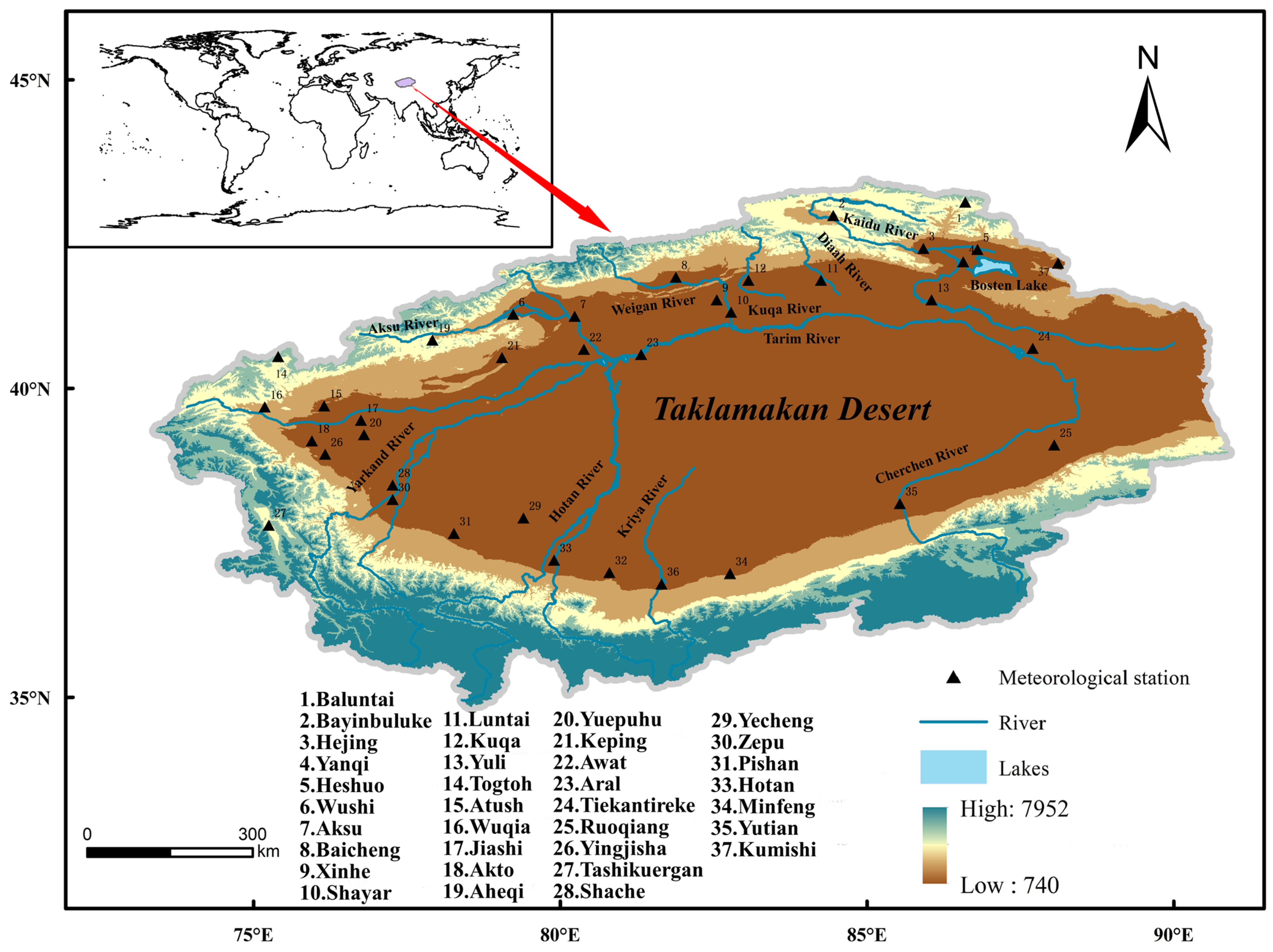
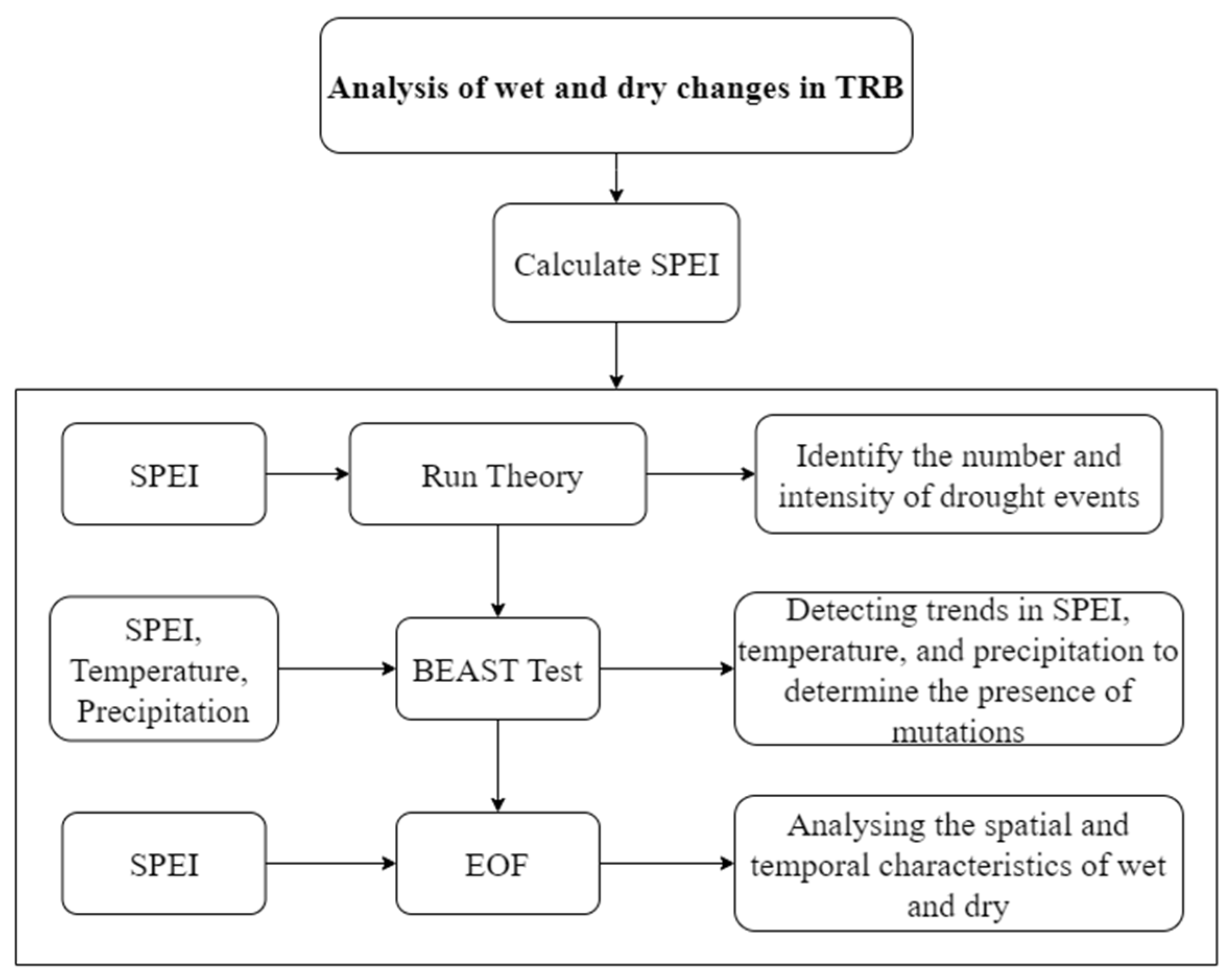
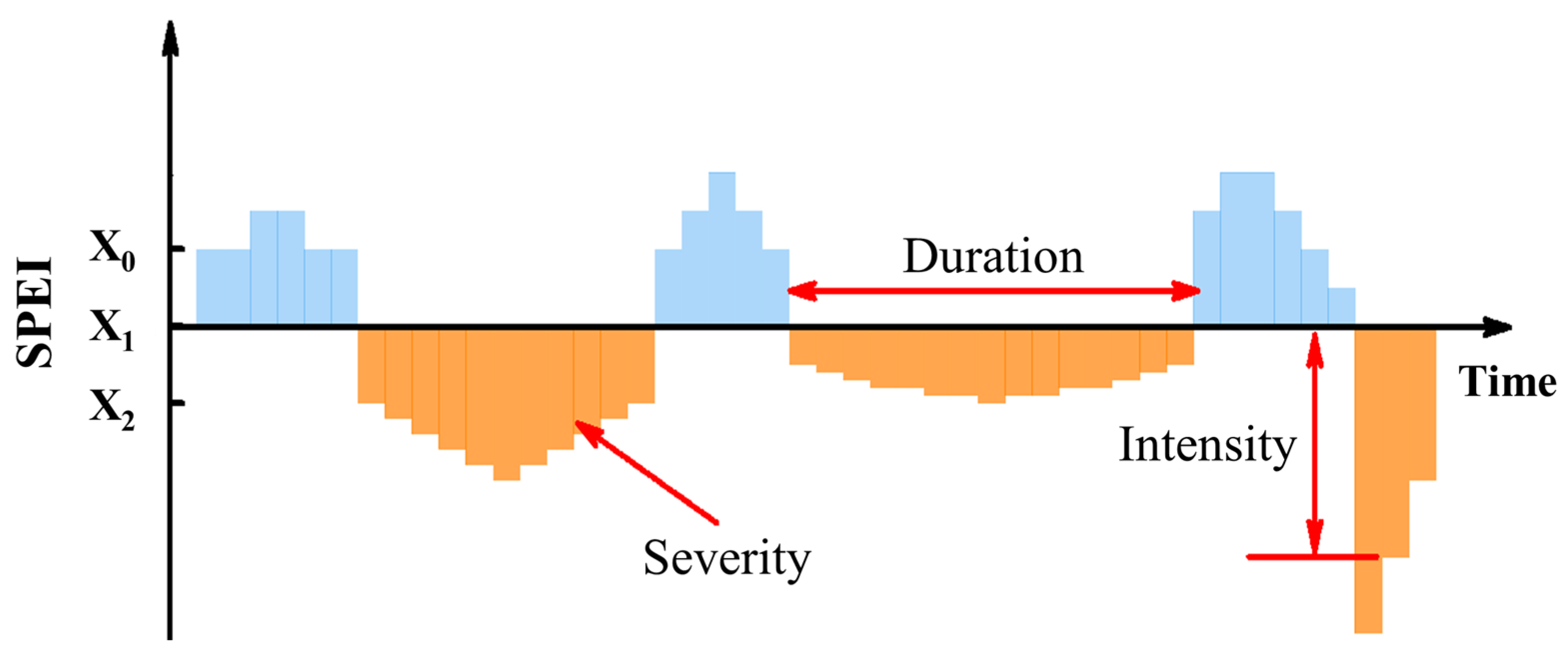
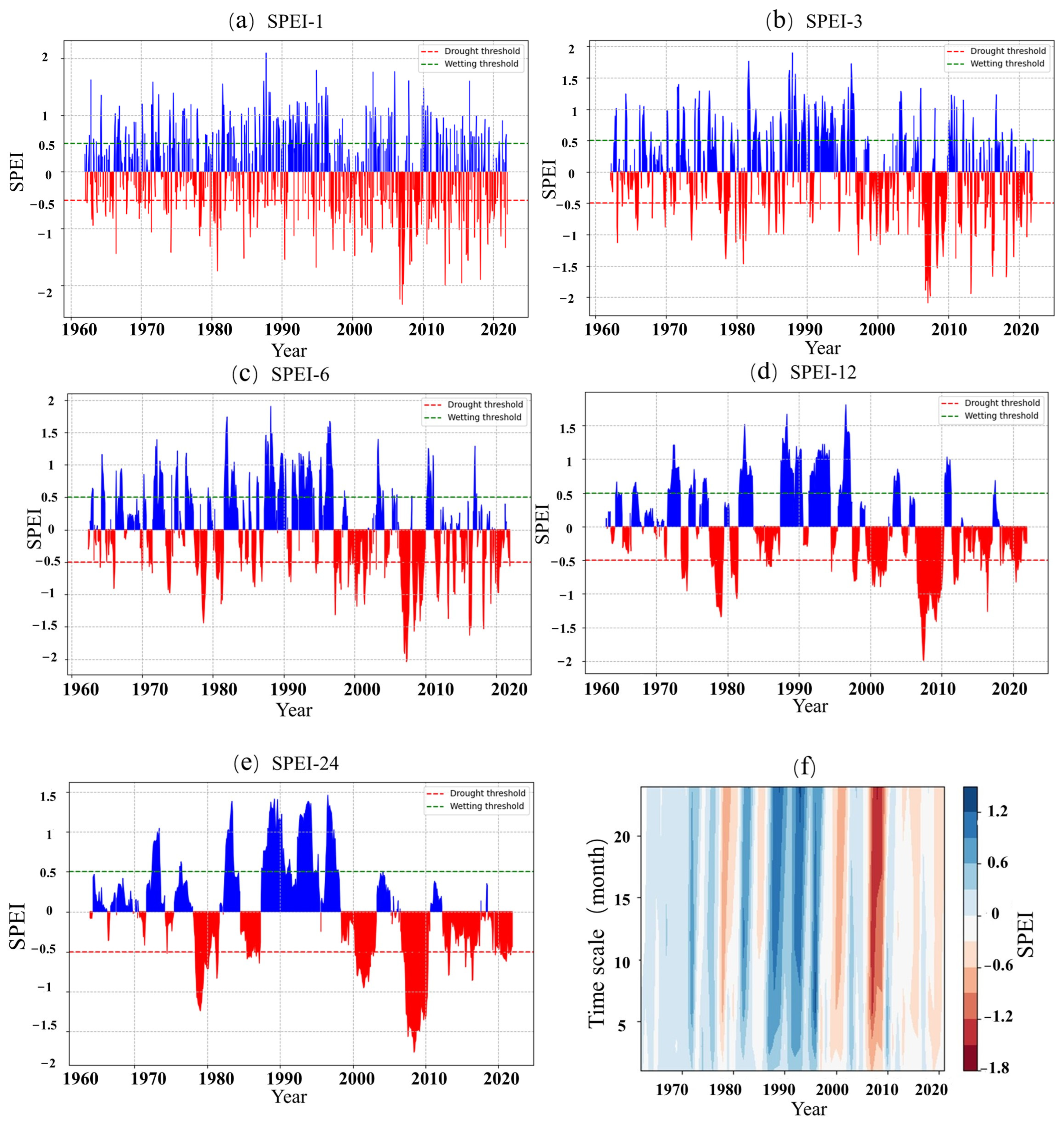
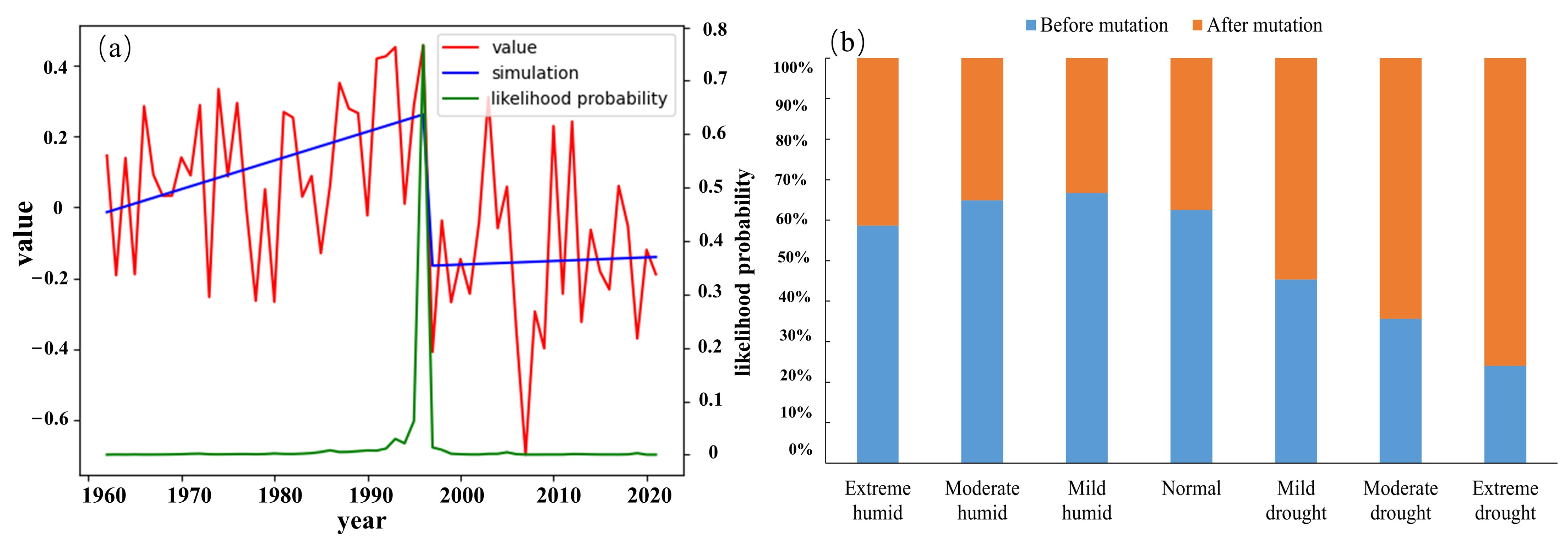
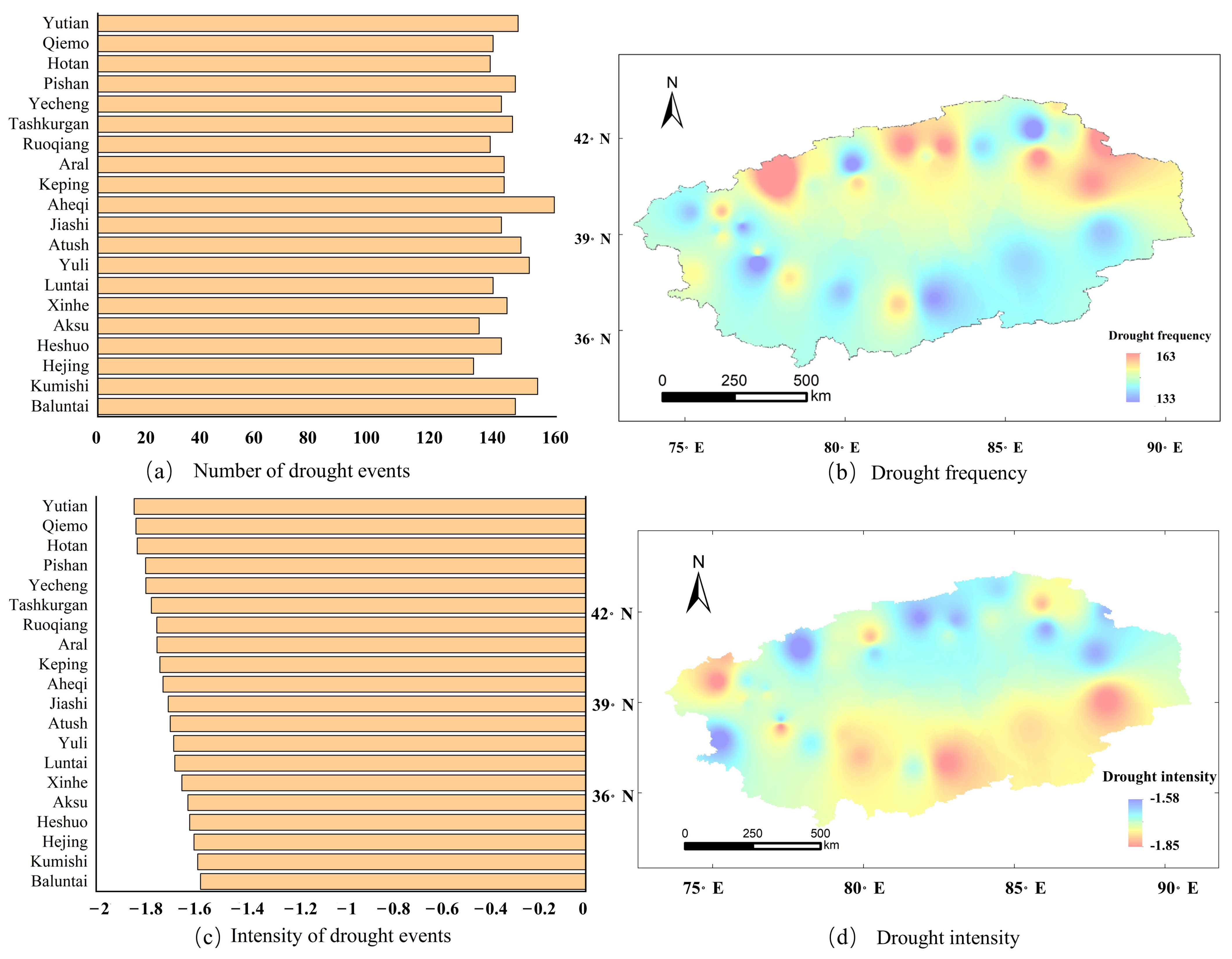
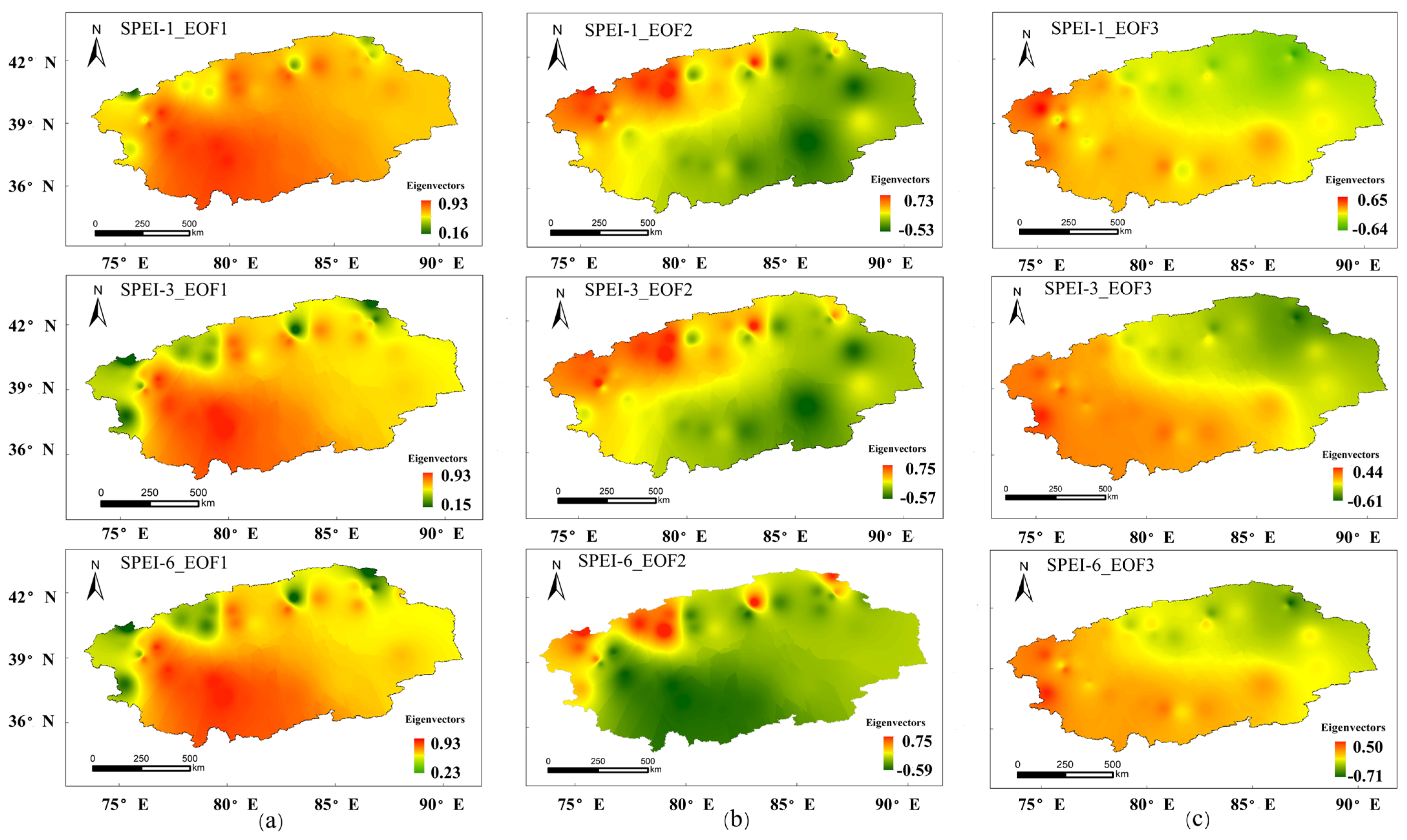
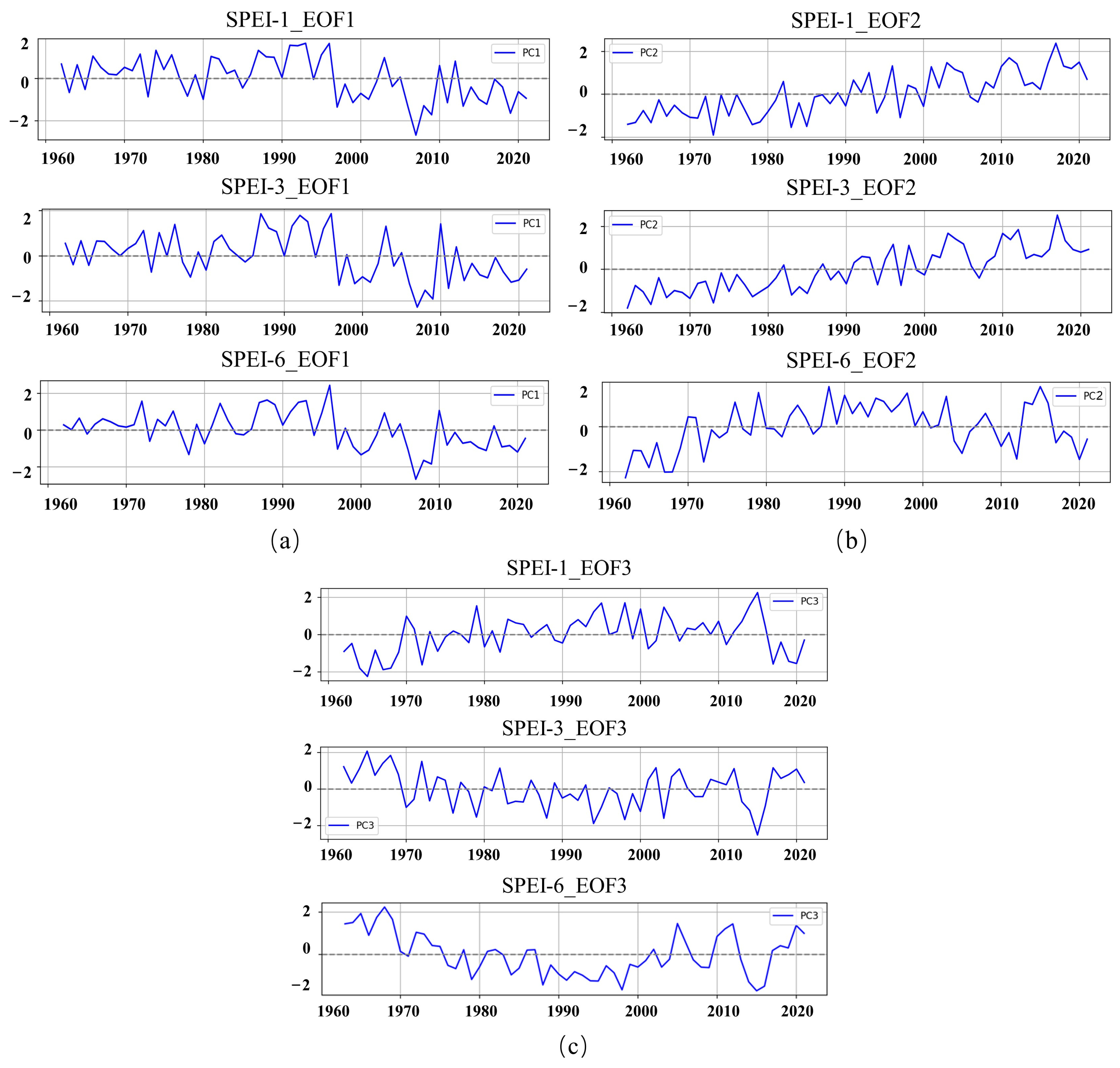
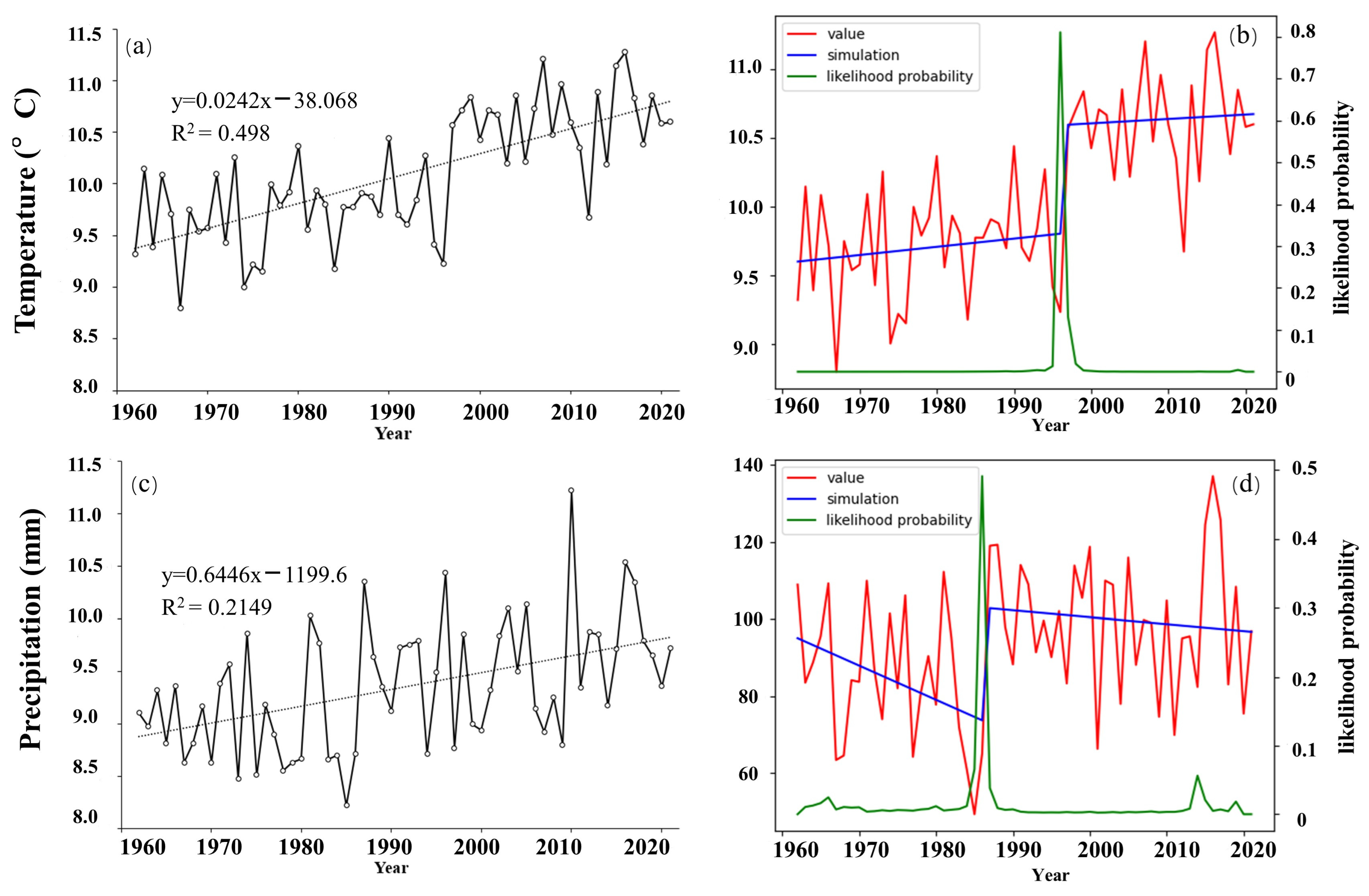
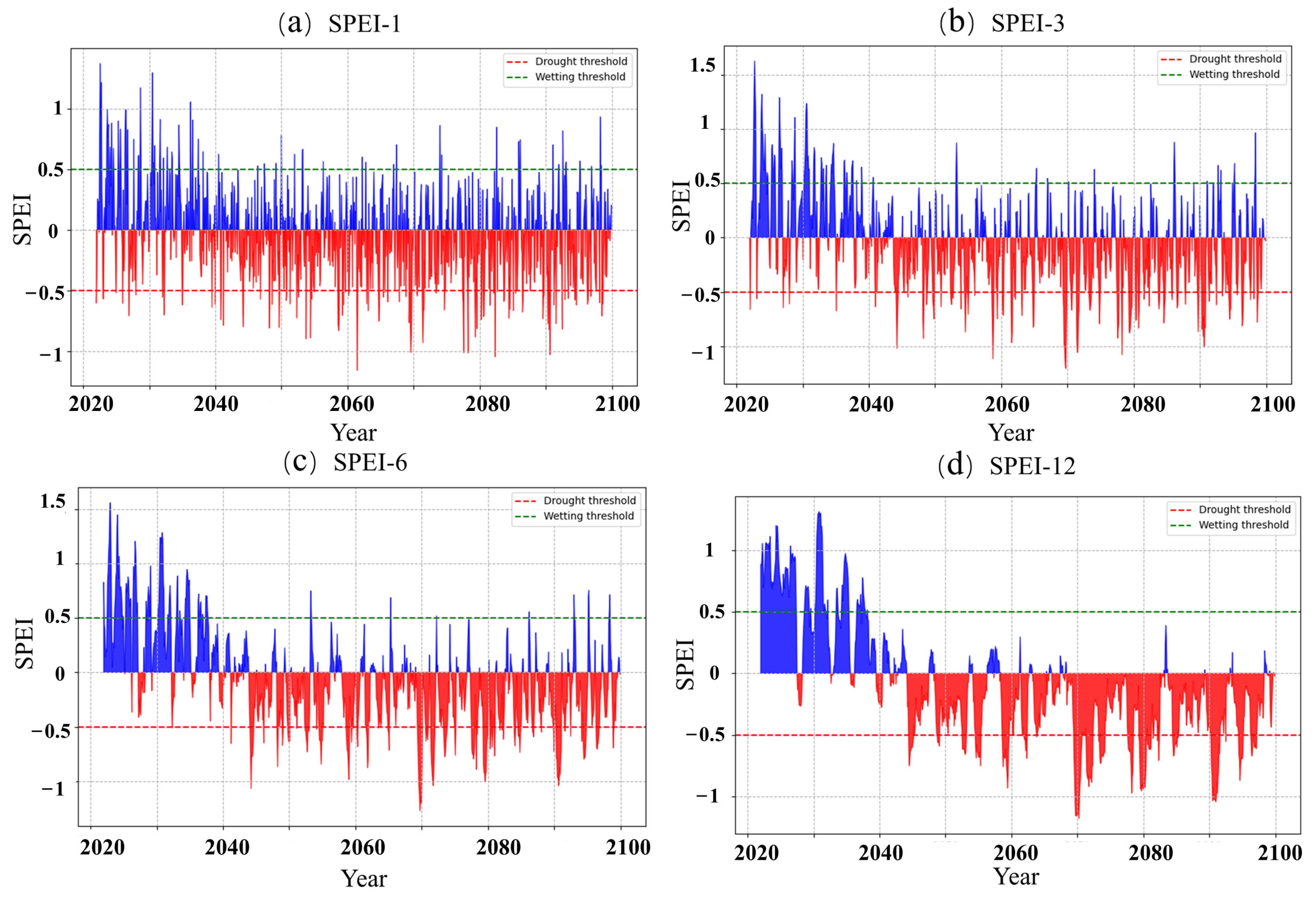
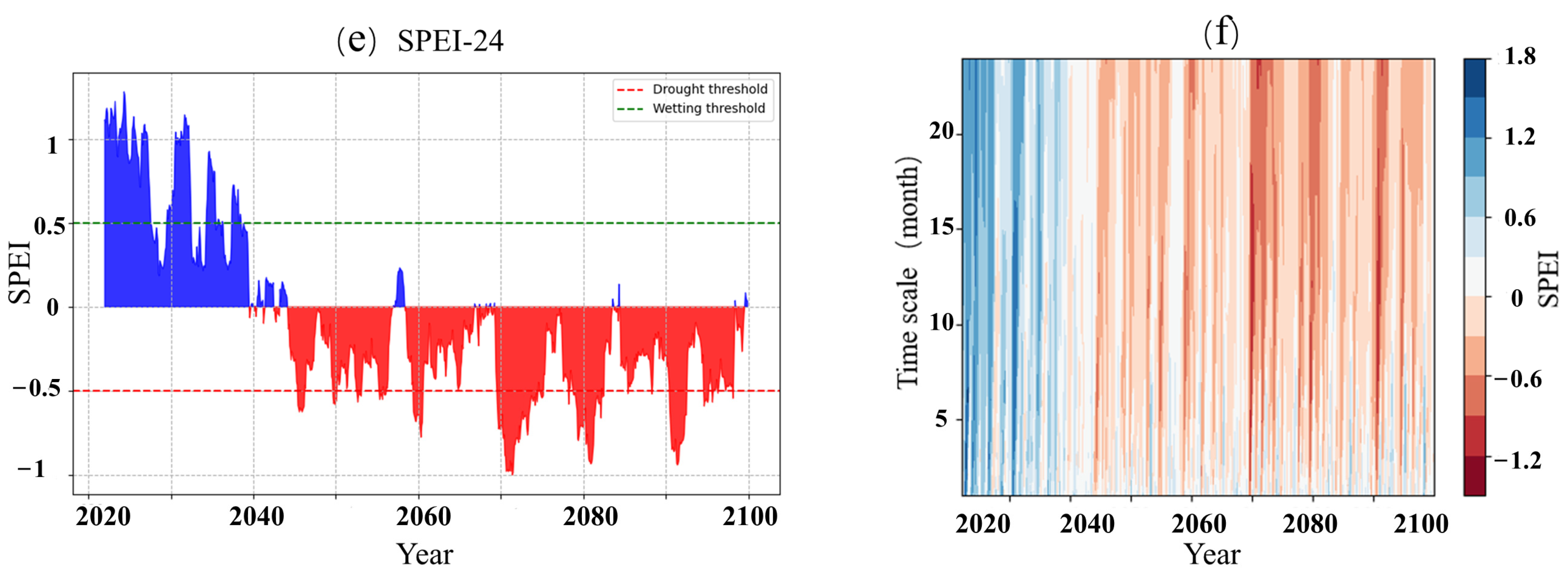
Global changes in drought and wetness and their future trends in arid regions have recently become a major focus of research attention. The Tarim River Basin (TRB) in Xinjiang, China, is among the most climate-sensitive regions in the world. This study uses data from the past 60 years (1962–2021) to analyze the spatial and temporal features of drought and wetness conditions in the TRB, calculating the Standardized Precipitation Evapotranspiration Index (SPEI). Trend detection for SPEI is performed using the BEAST mutation test, identification of drought events using the theory of operations, and spatial and temporal analyses of dry and wet changes using Empirical Orthogonal Function (EOF) decomposition. Additionally, the CMIP6 dataset is used to estimate future changes. The study results indicate the following: (1) From 1962 to 1998, the TRB exhibited a “warm and wet” trend that suddenly shifted from “wet-to-dry” in 1998 and subsequently transitioned to a pronounced “warm and dry” trend. (2) After the “wet-to-dry” shift, the frequency of drought events noticeably increased. The northern section of the basin witnessed more frequent drought events, albeit with lower severity, while the southern part had fewer occurrences but with higher severity. The spatial distribution of drought event frequency and severity is inconsistent. (3) The EOF decomposition results for SPEI-variable fields at 1-, 3-, and 6-month time scales show that the cumulative variance contribution rate of the first three principal spatial modal feature vectors exceeds 70%. The spatial distribution of the modes includes a consistent pattern across the entire basin, a north–south opposite pattern, and an east–west opposite pattern. (4) The future trend of drought in the TRB is expected to intensify, manifesting a spatial pattern characterized by dryness in the middle of the basin and wetness around the periphery. These research findings can provide support for decisions addressing regional drought risks.
Keywords: drought and wetness changes; standardized precipitation evapotranspiration index (SPEI); spatial modalities; causal analysis; future trends; Tarim River Basin drought and wetness changes; standardized precipitation evapotranspiration index (SPEI); spatial modalities; causal analysis; future trends; Tarim River Basin