Article

Assessing Flood Risks in Coastal Plain Cities of Zhejiang Province, Southeastern China

1
School of Hydraulic Engineering, Zhejiang University of Water Resources and Electric Power, Hangzhou 310018, China
2
International Science and Technology Cooperation Base for Utilization and Sustainable Development of Water Resources, Zhejiang University of Water Resources and Electric Power, Hangzhou 310018, China
3
Tonglu County Jiangnan Irrigation District Project Management Office, Hangzhou 311500, China
4
Zhejiang Water Conservancy Development Planning Research Center, Hangzhou 310012, China
*
Author to whom correspondence should be addressed.
Water 2024, 16(22), 3208; https://doi.org/10.3390/w16223208
Submission received: 4 October 2024 / Revised: 7 November 2024 / Accepted: 7 November 2024 / Published: 8 November 2024

Abstract

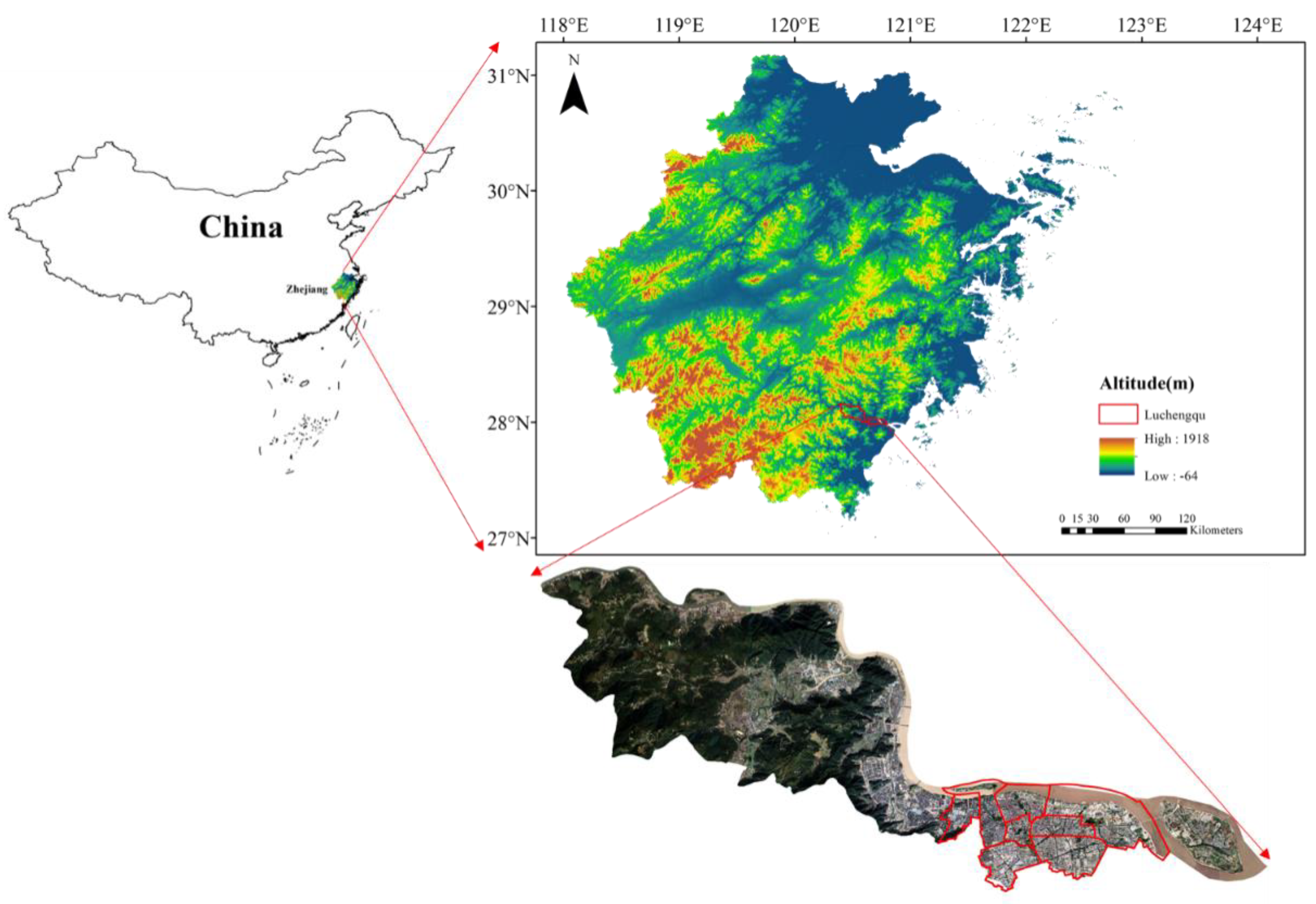
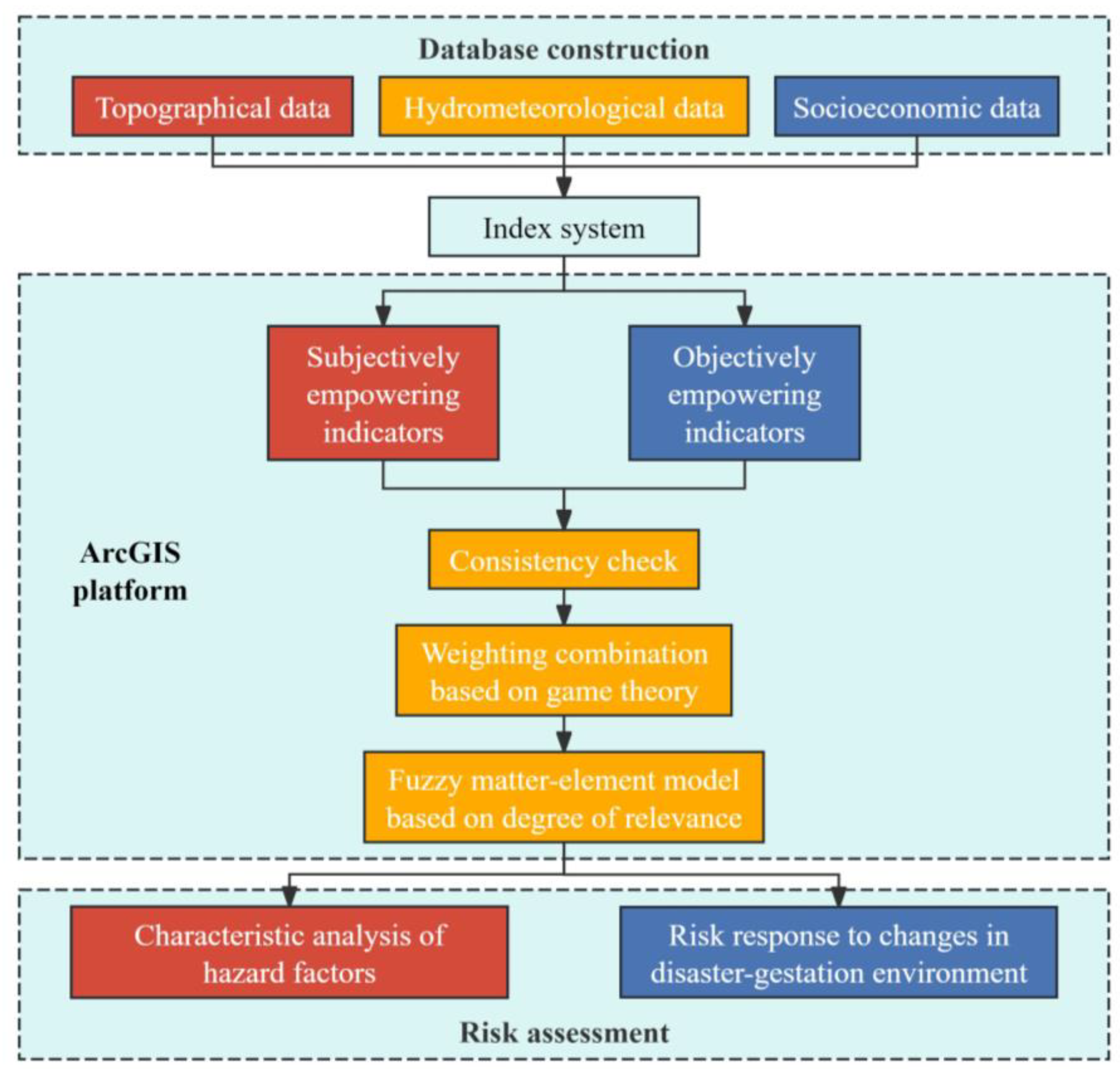
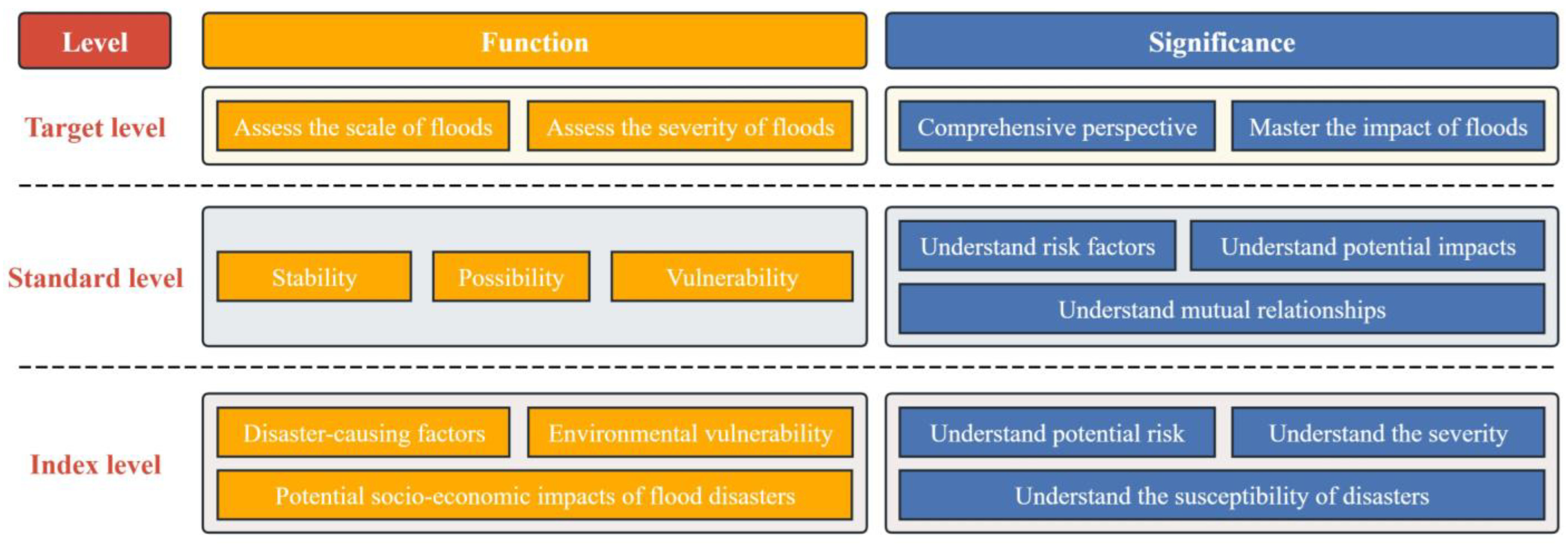
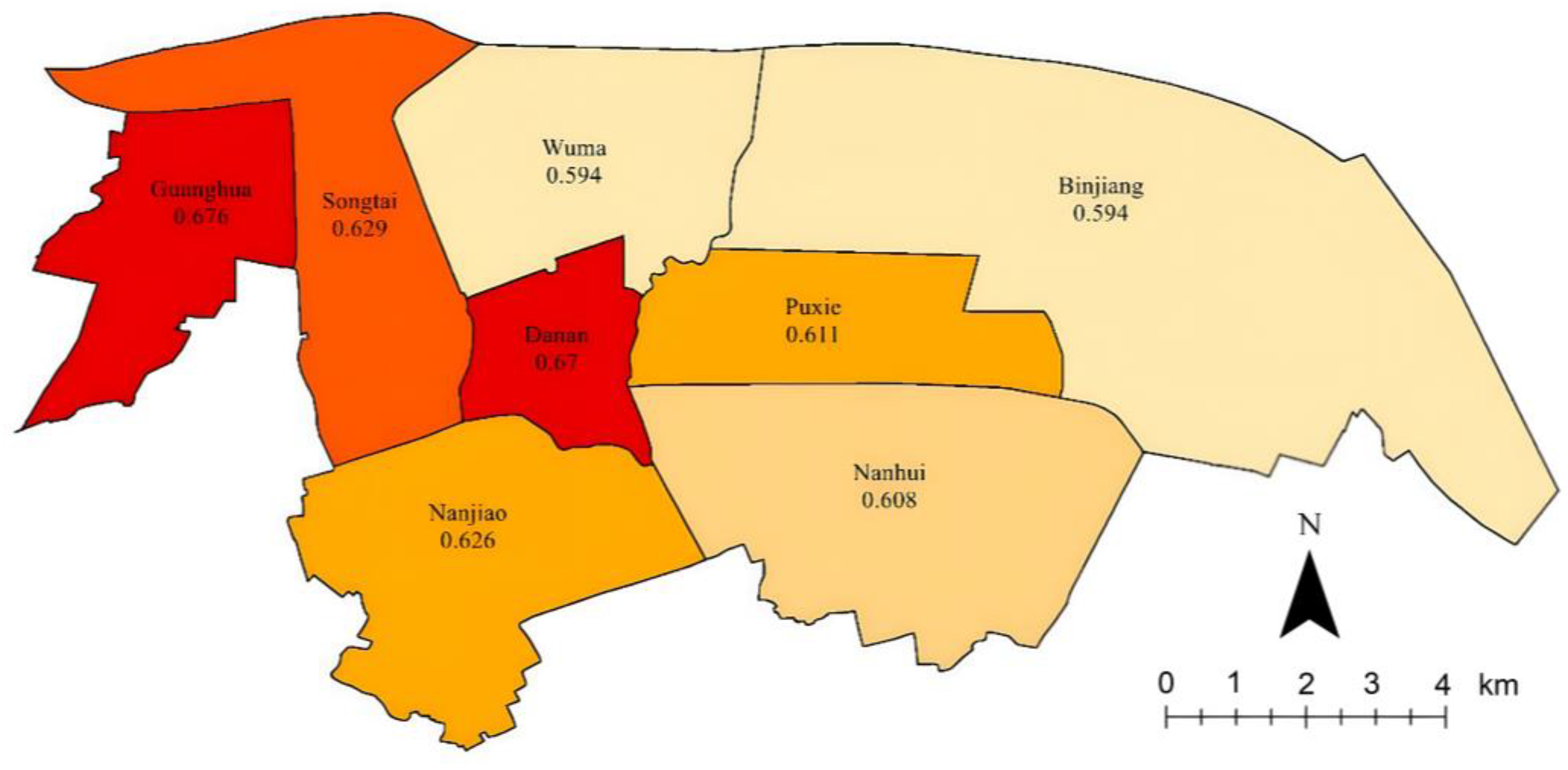
Constructing a precise and effective evaluation index system is crucial to flood disaster prevention and management in coastal areas. This study takes Lucheng District, Wenzhou City, Zhejiang Province, southeastern China, as a case study and constructs an evaluation index system comprising three criterion levels: disaster-causing factors, disaster-gestation environments, and disaster-bearing bodies. The weights of each evaluation index are determined by combining the Analytic Hierarchy Process (AHP) and the entropy method. The fuzzy matter-element model is utilized to assess the flood disaster risk in Lucheng District quantitatively. By calculating the correlation degree of each evaluation index, the comprehensive index of flood disaster risk for each street area is obtained, and the flood disaster risk of each street area is classified according to the risk level classification criteria. Furthermore, the distribution of flood disaster risks in Lucheng District under different daily precipitation conditions is analyzed. The results indicate that: (1) the study area falls into the medium-risk category, with relatively low flood risks; (2) varying precipitation conditions will affect the flood resilience of each street in Lucheng District, Wenzhou City. The flood disaster evaluation index system and calculation framework constructed in this study provide significant guidance for flood risk assessment in coastal plain cities.
Keywords: coastal plain cities; flood disasters; risk assessment; index system; fuzzy matter-element model coastal plain cities; flood disasters; risk assessment; index system; fuzzy matter-element model