Article

Geochemical Response of Surface Environment to Mining of Sn-Pb-Zn Sulfide Deposits: A Case Study of Dachang Tin Polymetallic Deposit in Guangxi


1
School of Earth Sciences and Resources, China University of Geosciences, Beijing 100083, China
2
School of Science, China University of Geosciences, Beijing 100083, China
3
Key Laboratory of Ecological Geochemistry, Ministry of Natural Resources, National Research Center for Geoanalysis, Beijing 100037, China
4
Nanjing Institute of Environmental Sciences, Ministry of Ecology and Environment, Nanjing 210042, China
*
Author to whom correspondence should be addressed.
Water 2023, 15(8), 1550; https://doi.org/10.3390/w15081550
Submission received: 6 March 2023 / Revised: 31 March 2023 / Accepted: 13 April 2023 / Published: 14 April 2023
(This article belongs to the Special Issue Mine and Water)

Abstract

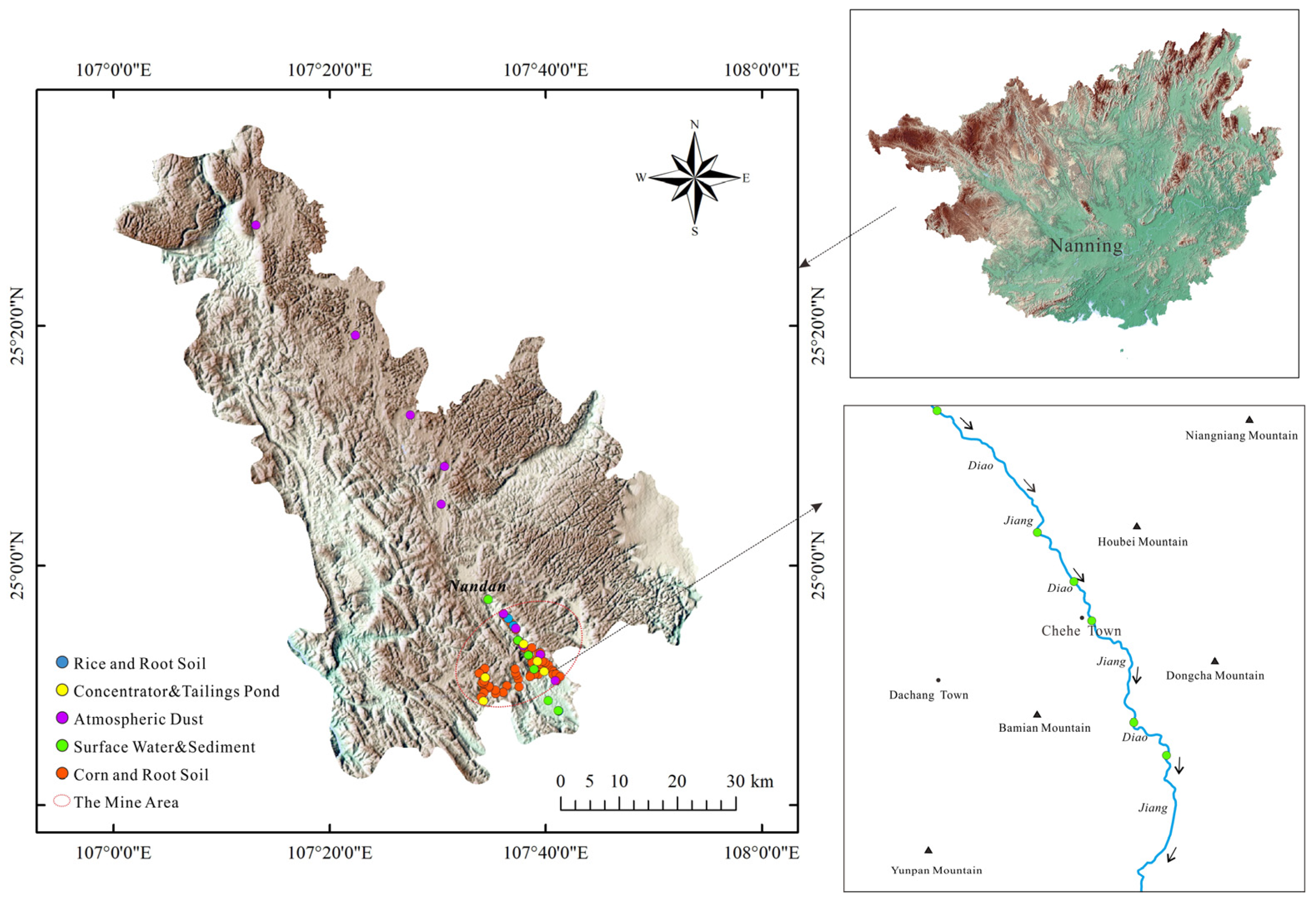
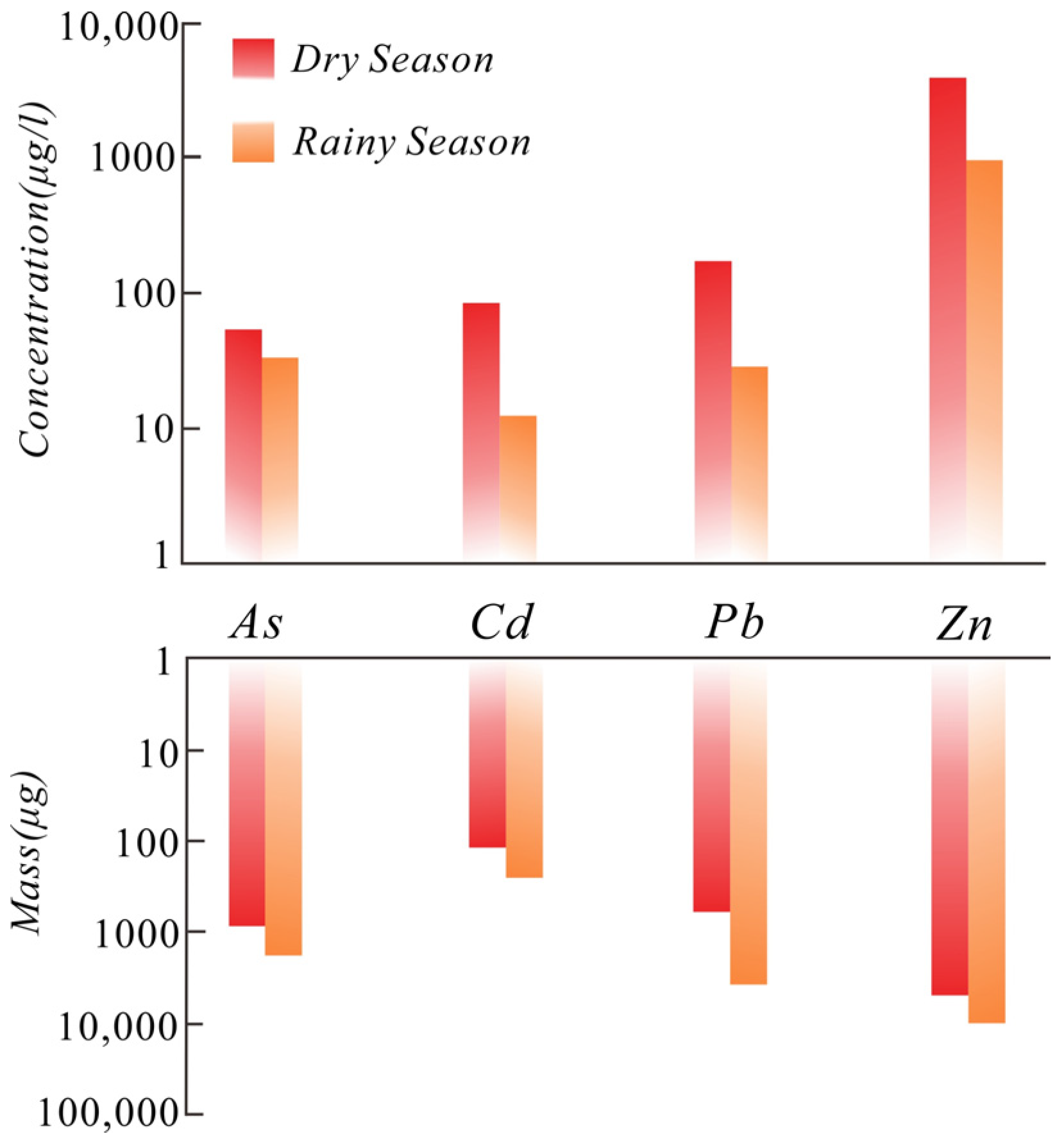
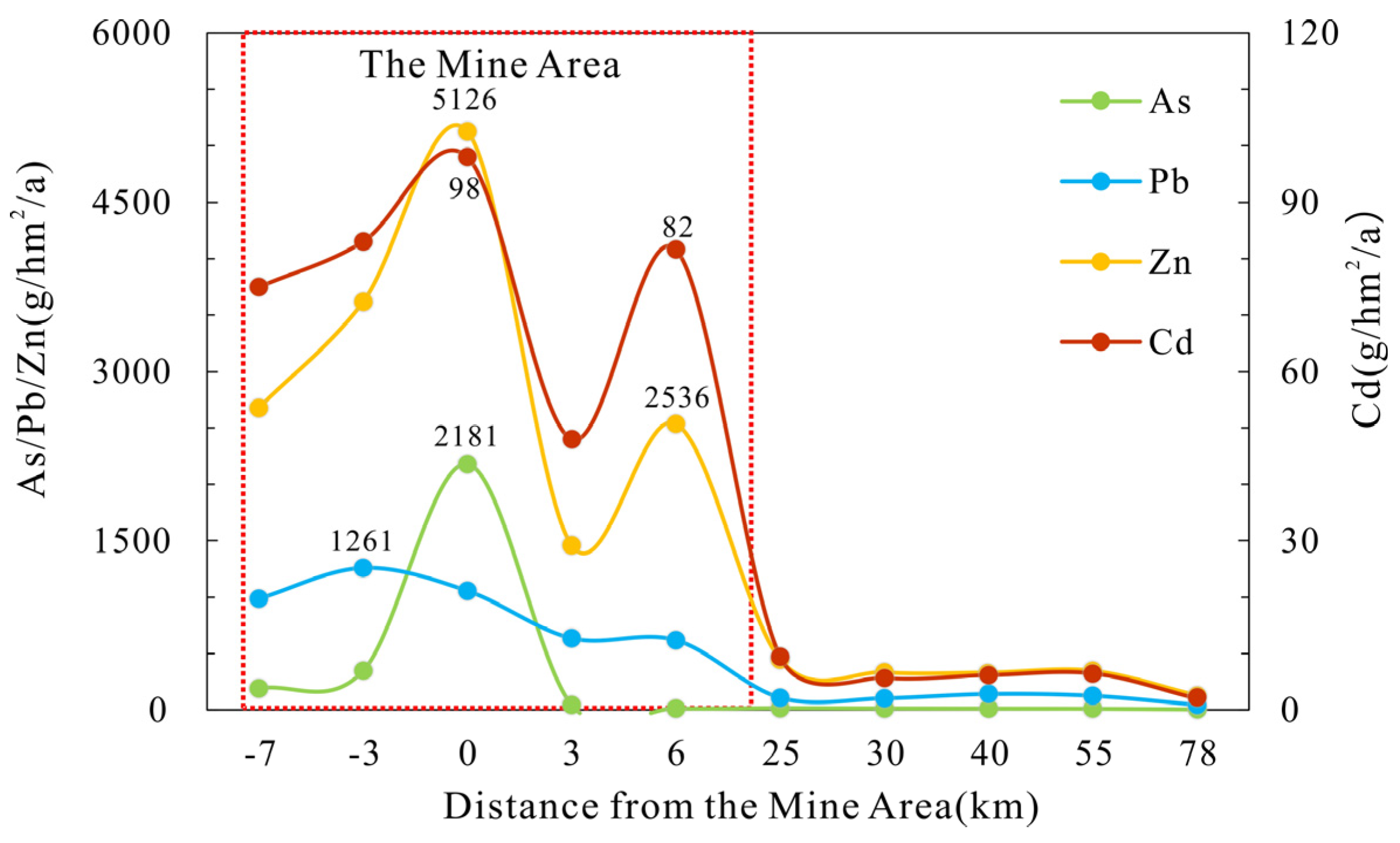
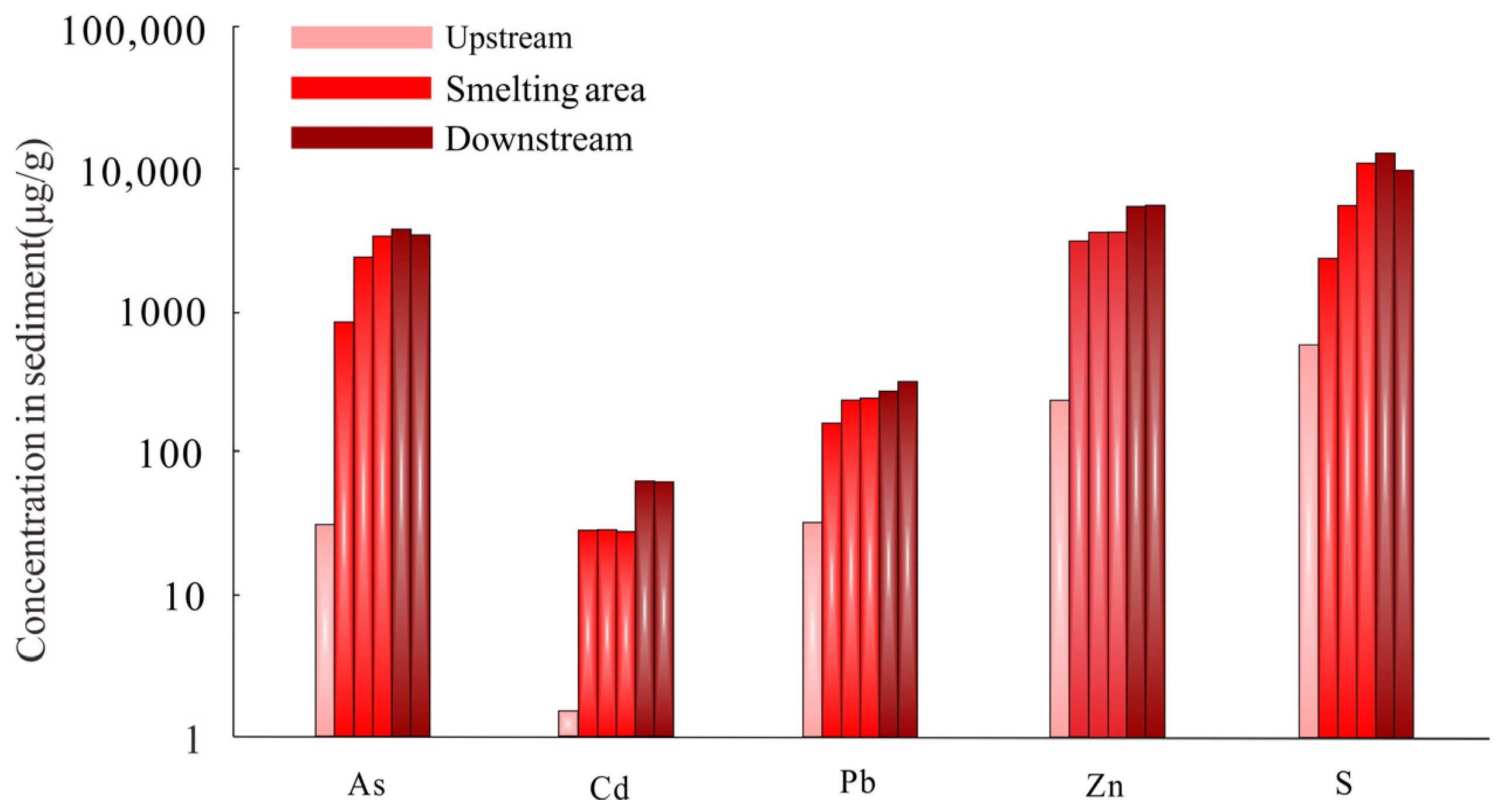
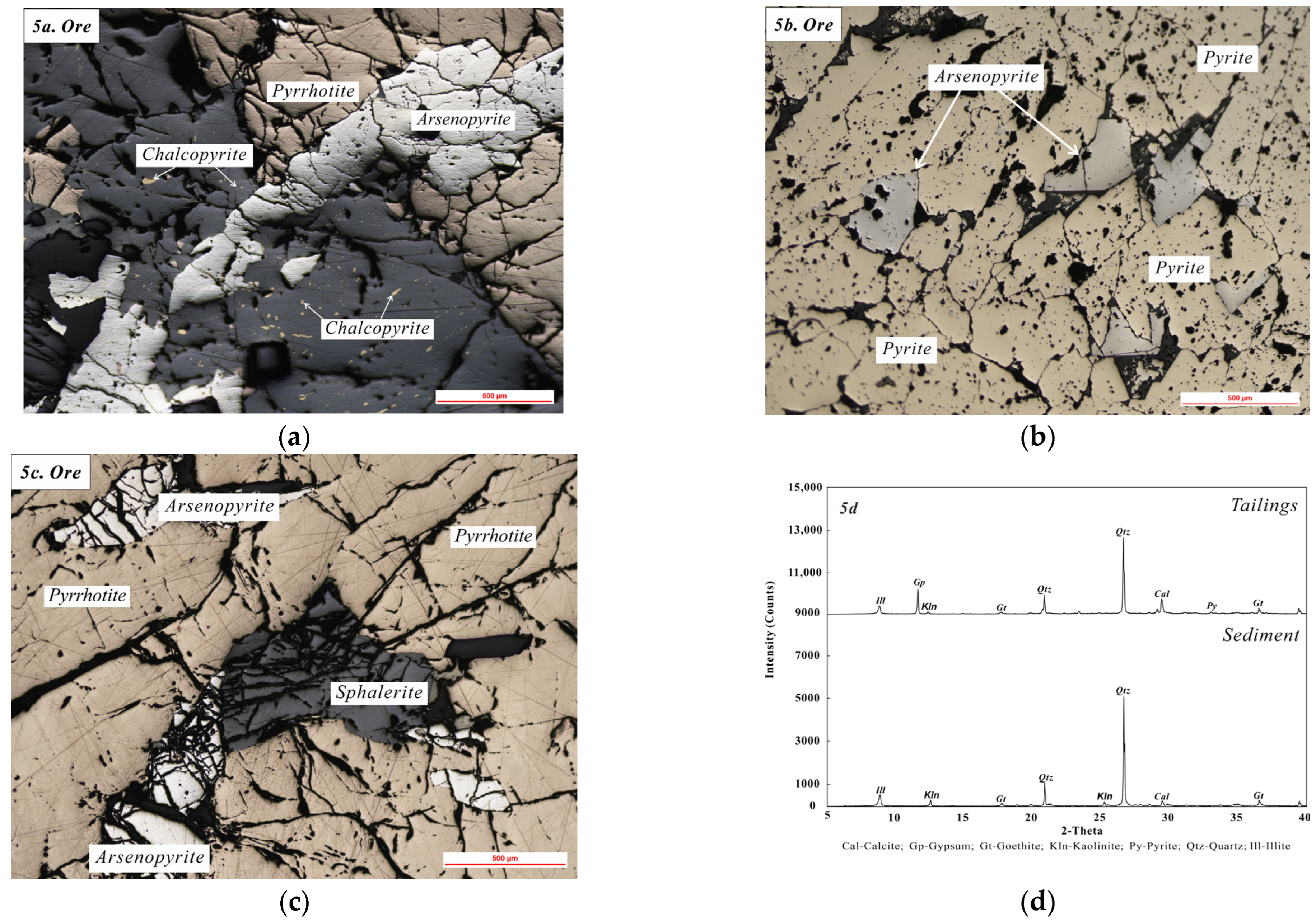
The rational development of mineral resources provides necessary materials for economic development, but environmental pollution caused by mining activities is an inevitable consequence. Here, we present a case study of Chehe Town in Guangxi, an area with integrated metals mining and smelting. The geochemical distribution, migration, and transformation behaviors of Cd and other heavy metals were studied in detail by systematically collecting surface media such as atmospheric dust, surface water and stream sediments, ores, tailings, mine drainage, soil, and crops in and around the mining area. We used these data to explore the geochemical response of the surface environment to mining and smelting of metal sulfide deposits. The annual flux of Cd and other heavy metals near the mining and smelting sites was high. Due to the topography, heavy metals in the atmosphere are mainly transported via vertical deposition, influencing areas downwind for 25 km. The mine drainage exceeded As and Zn standards but had little impact on the surface water. The surface water quality was good, without acidification. Risks due to ore were much higher than that for tailings. Heavy metals buffered by surrounding carbonate rocks and secondary minerals mainly migrated as solid particles, resulting in the contamination of stream sediment by heavy metals. In mountainous areas, rivers are mainly affected by topography, flowing fast and dominated by downcutting, which caused heavy metal pollution in the sediment have a limited effect on the soil near the river. Heavy metal concentrations in the cultivated soil were greatly influenced by external input such as substantial atmospheric dust. However, only Cd accumulated in the crops, with very high concentrations in rice, but safe and edible levels in corn. Thus, in the mining area, the most sensitive to heavy metals was the atmospheric environment. High concentrations of heavy metals beyond the ore district are mainly concentrated in the sediment, with distant impacts. Therefore, it is necessary to monitor and control risks associated with sediment transport, conduct treatment, and adjust crop planting. The soil, river, and agriculture respond differently to mining activities, but the risk is low and can be managed as needed.
Keywords: sulfide deposit; surface environment; heavy metals; migration; transformation; Chehe Town; Guangxi sulfide deposit; surface environment; heavy metals; migration; transformation; Chehe Town; Guangxi