Article

Assessment of Phosphorus Input from Urban Areas in the Passaúna River and Reservoir
1
Department of Aquatic Environmental Engineering, Institute for Water and River Basin Management, Karlsruhe Institute of Technology, 76131 Karlsruhe, Germany
2
Department of Hydraulics and Sanitation, Federal University of Paraná, Curitiba 80050-540, Brazil
3
Department of Research and Innovation, Water and Sanitation Company of Paraná SANEPAR, Curitiba 80215-900, Brazil
*
Author to whom correspondence should be addressed.
Water 2022, 14(5), 809; https://doi.org/10.3390/w14050809
Submission received: 3 February 2022 / Revised: 24 February 2022 / Accepted: 2 March 2022 / Published: 4 March 2022
(This article belongs to the Special Issue Monitoring, Modelling and Management of Water Quality II)

Abstract

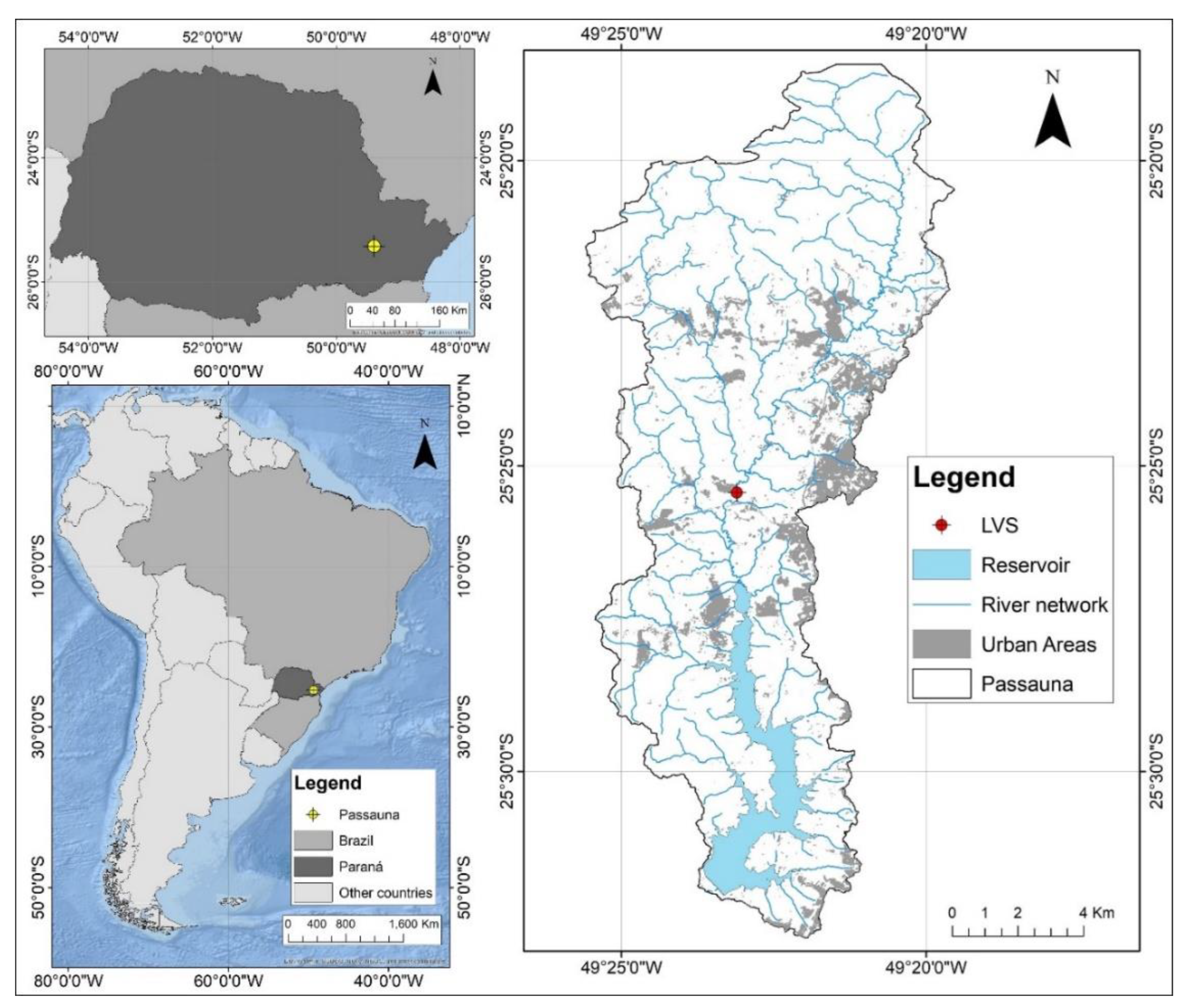
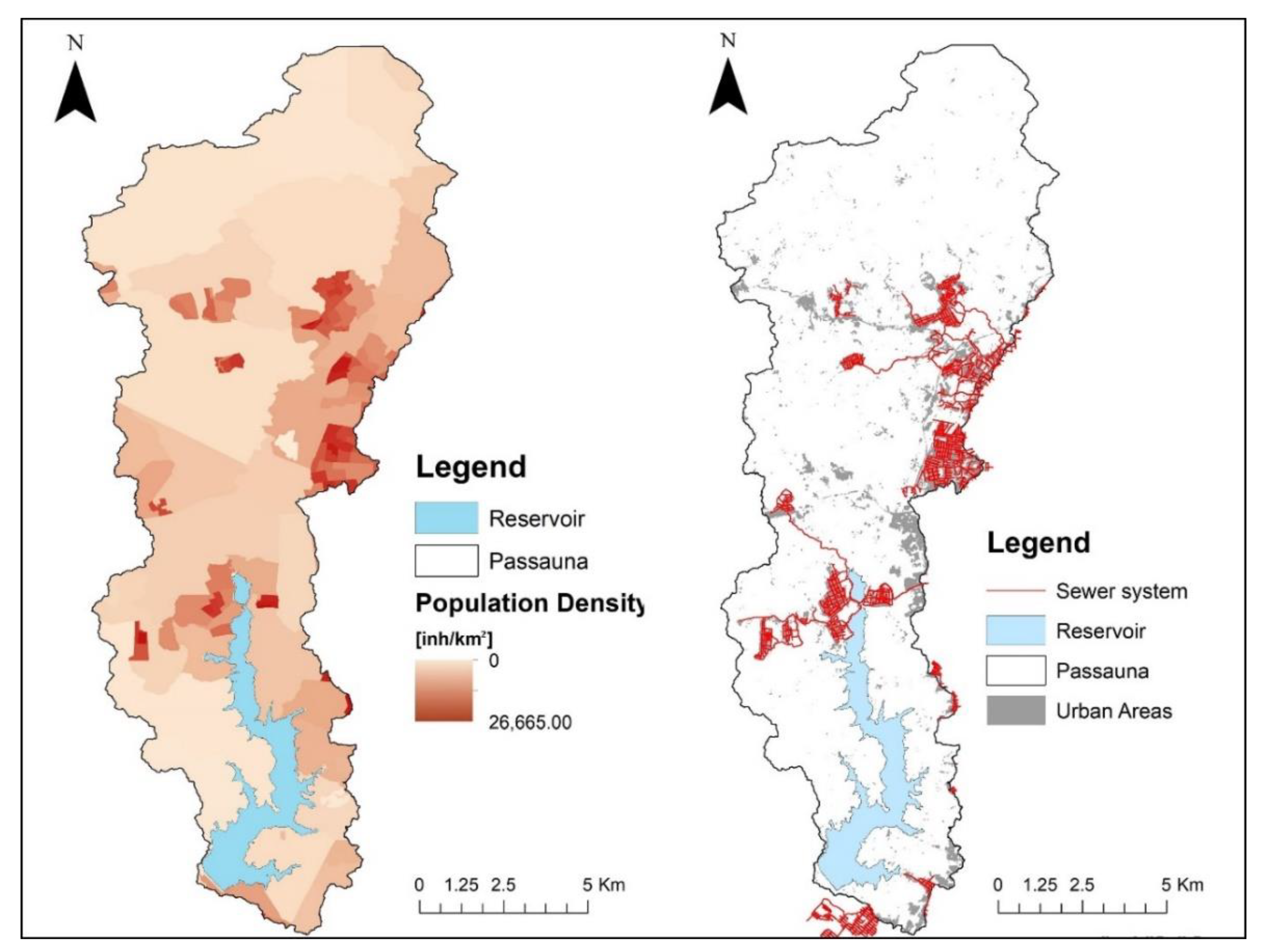
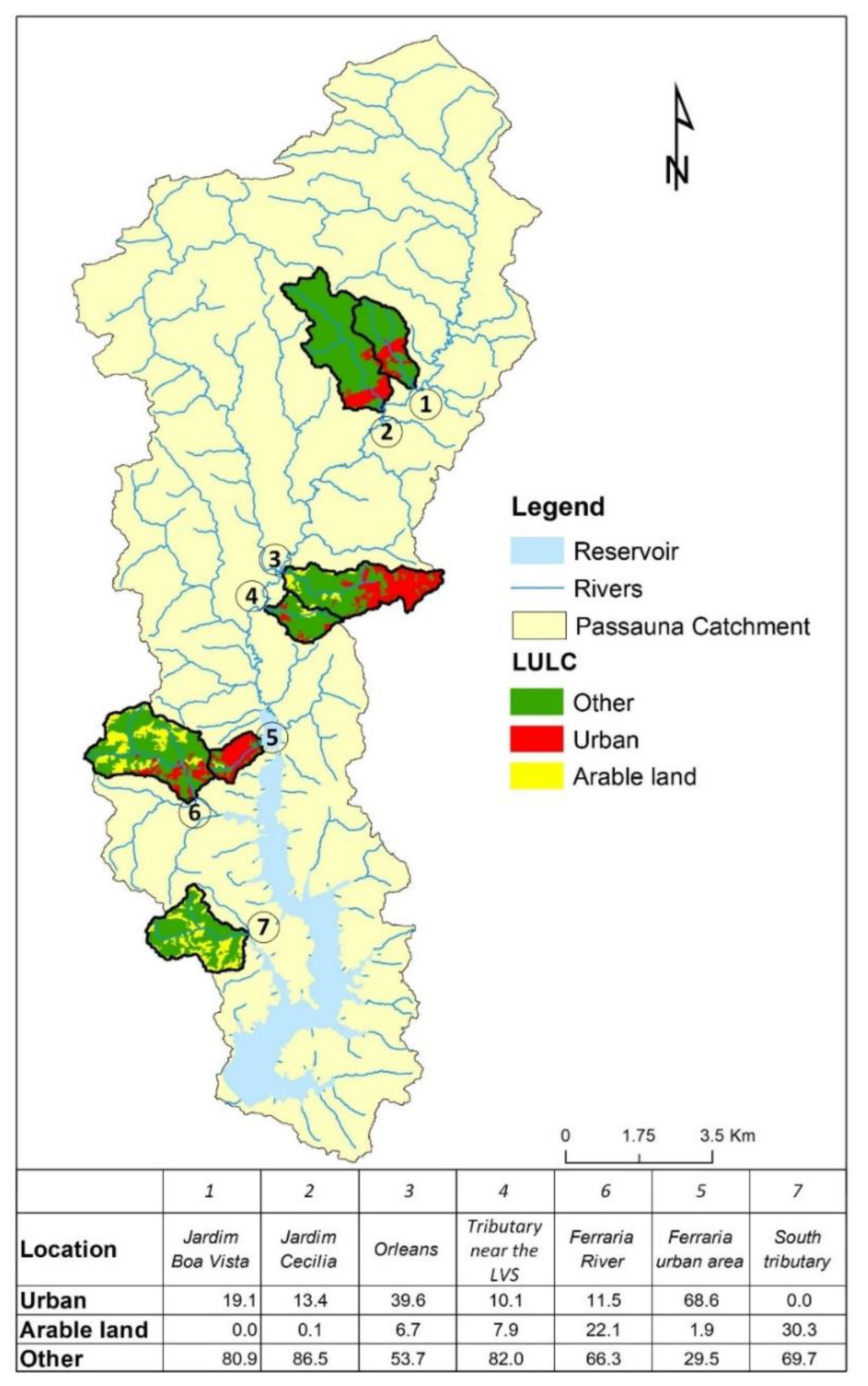
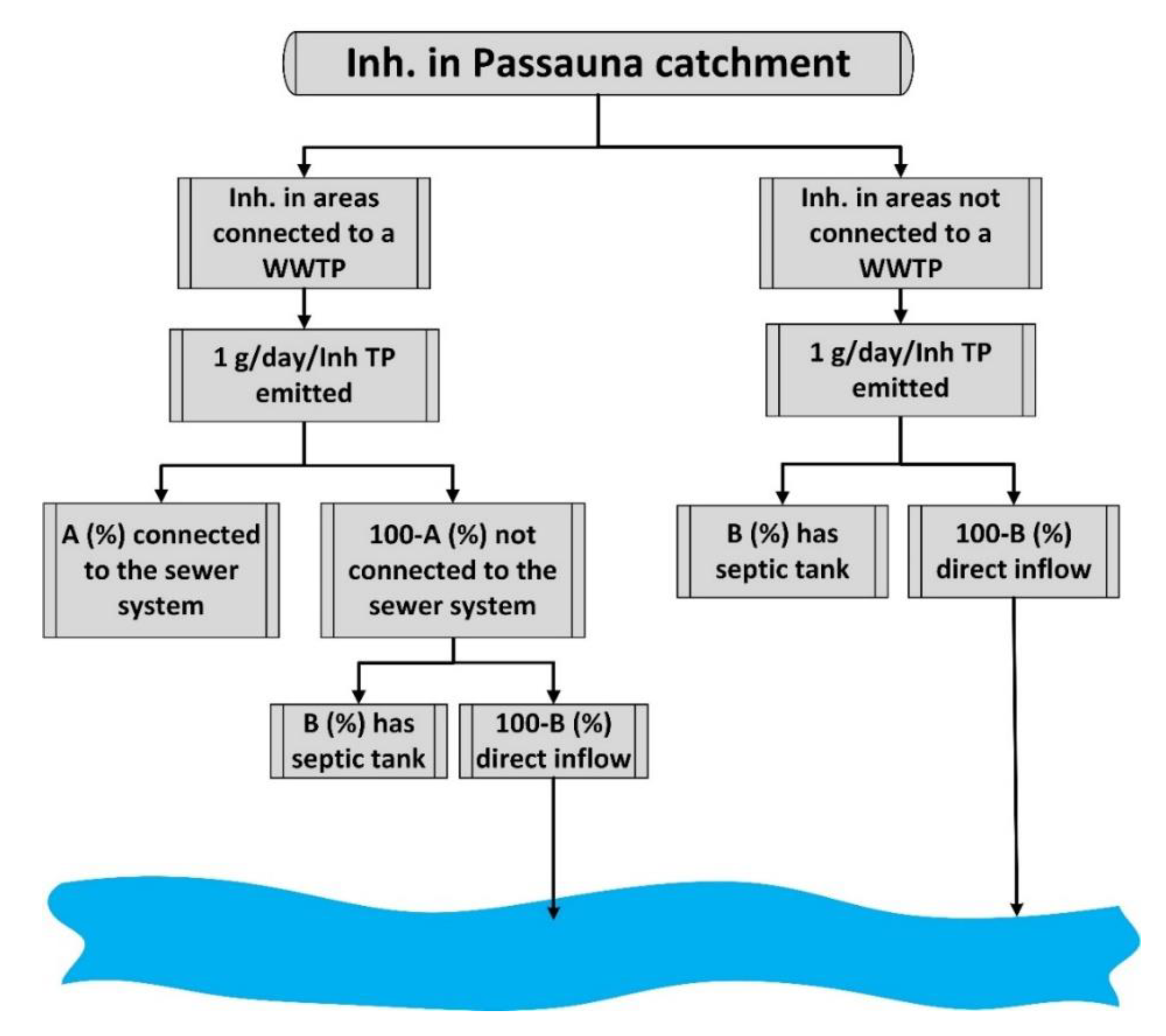
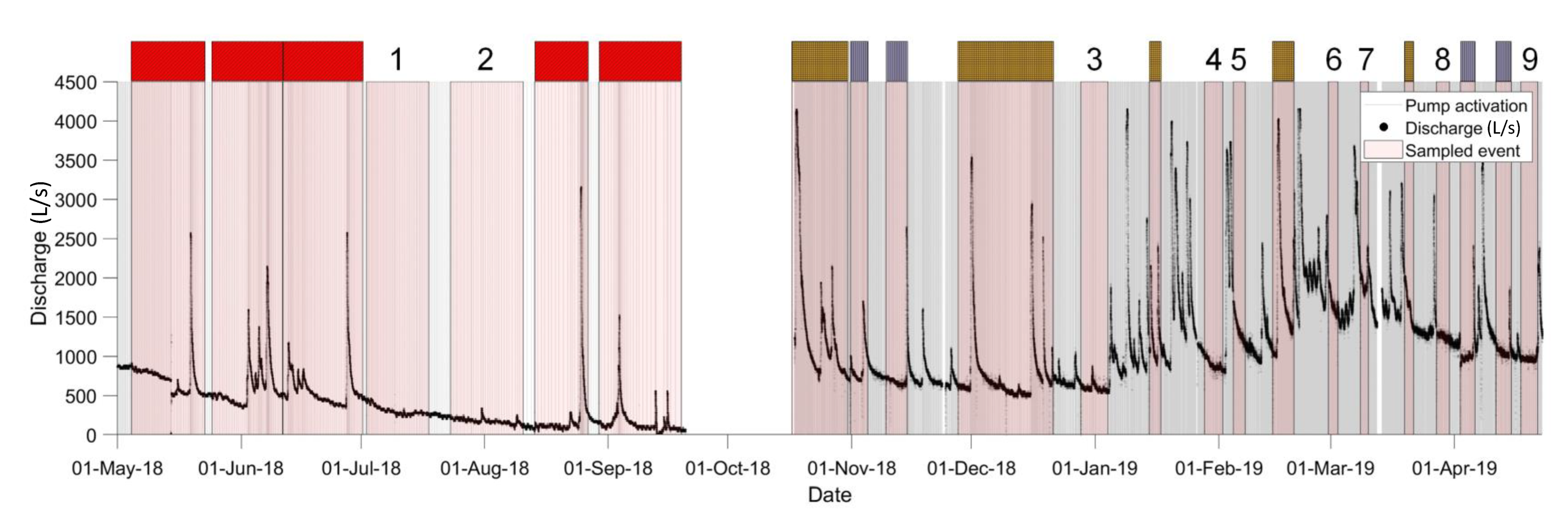
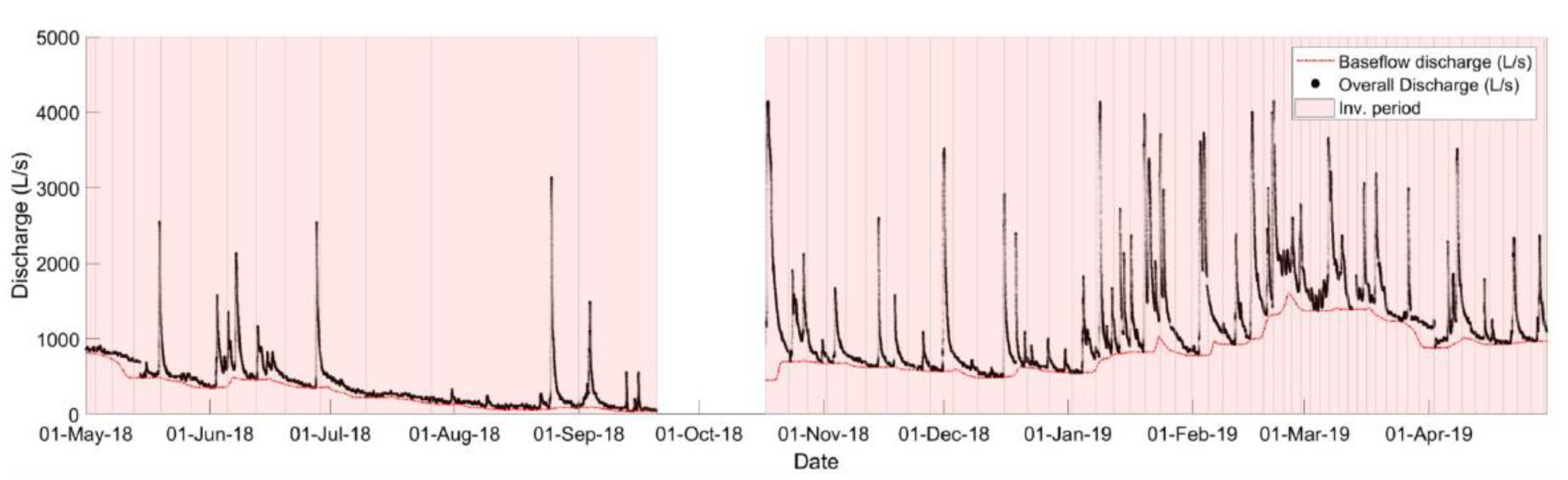
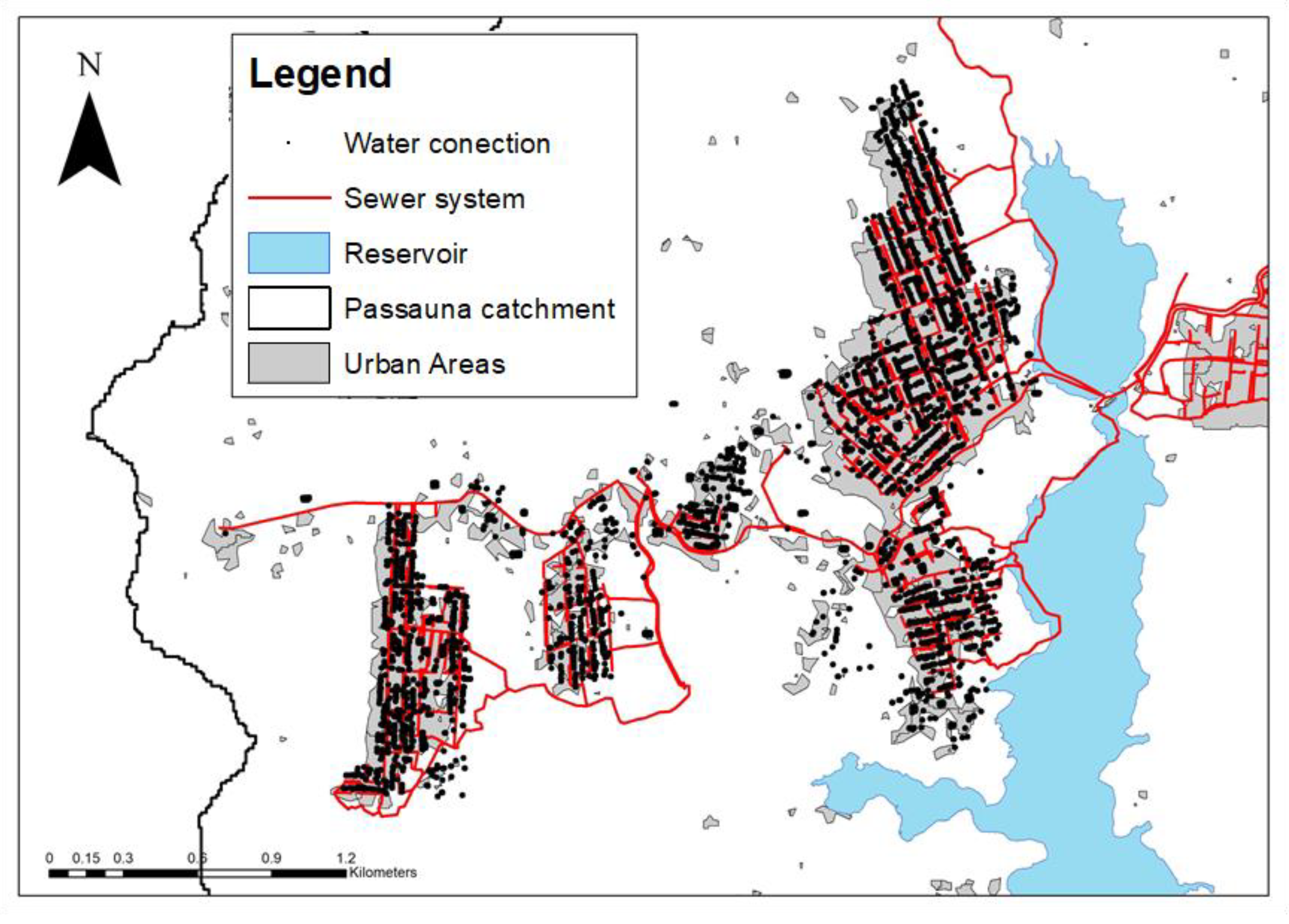
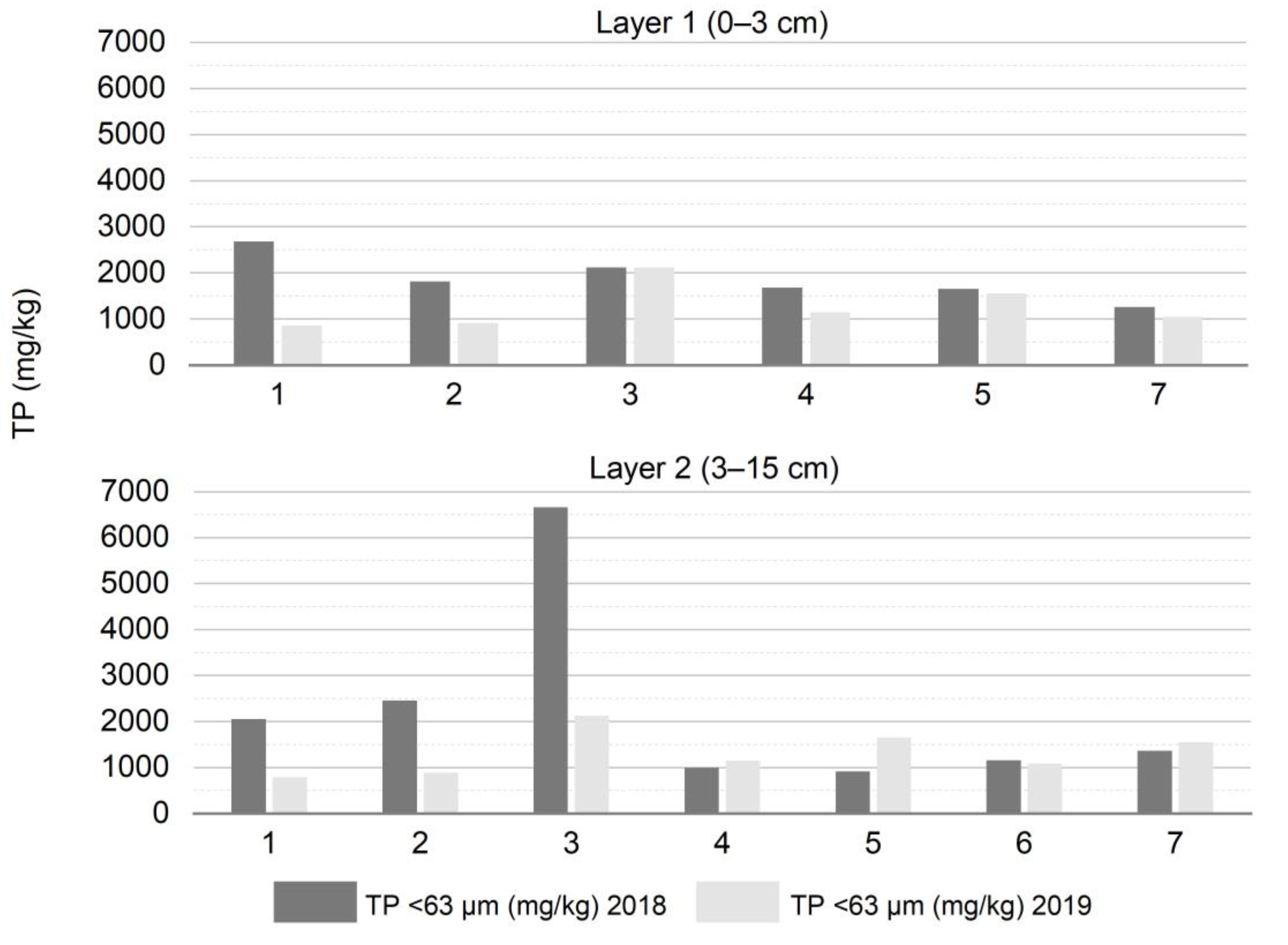
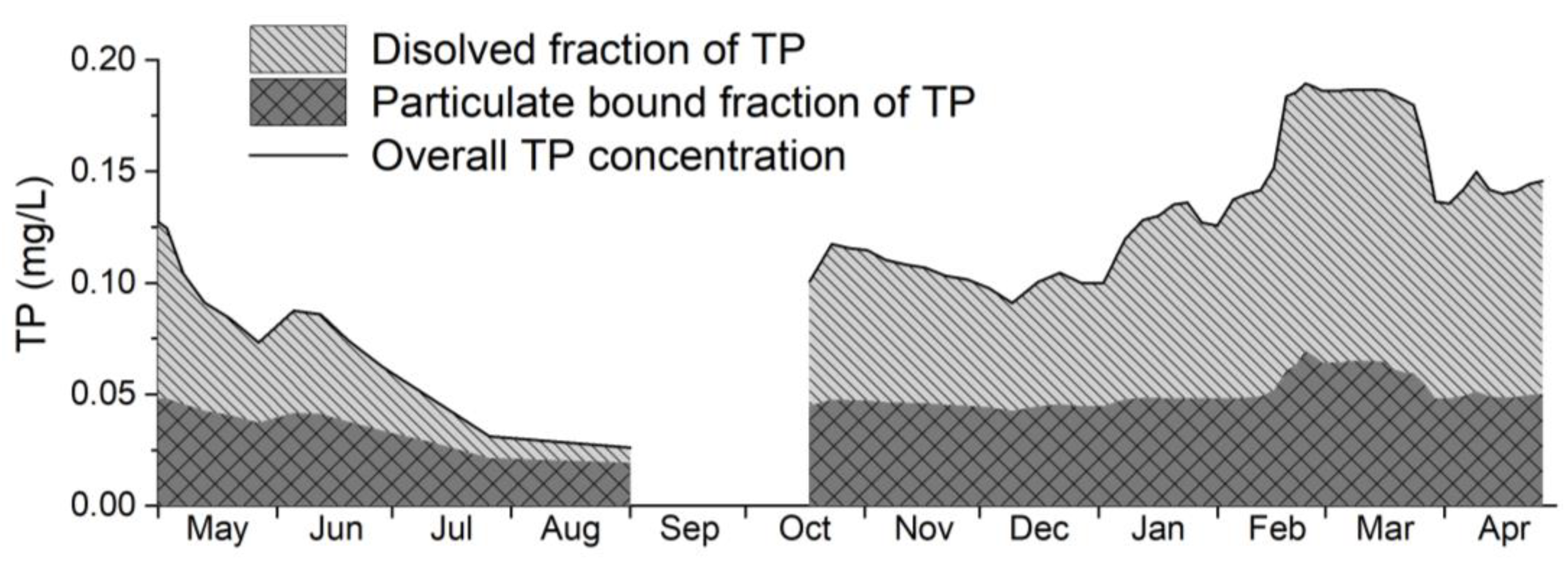
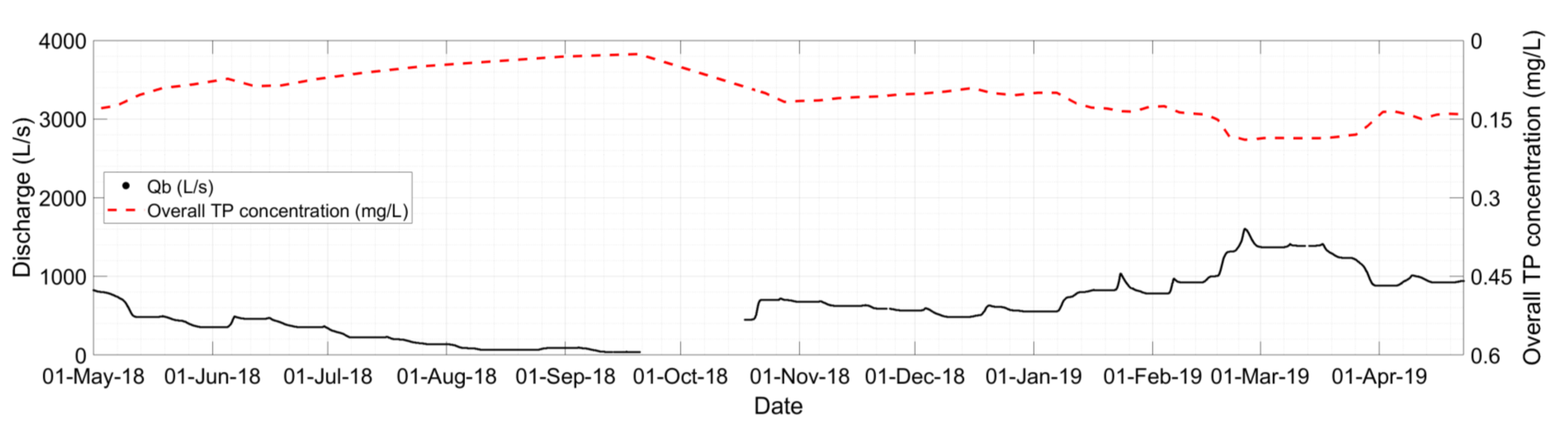
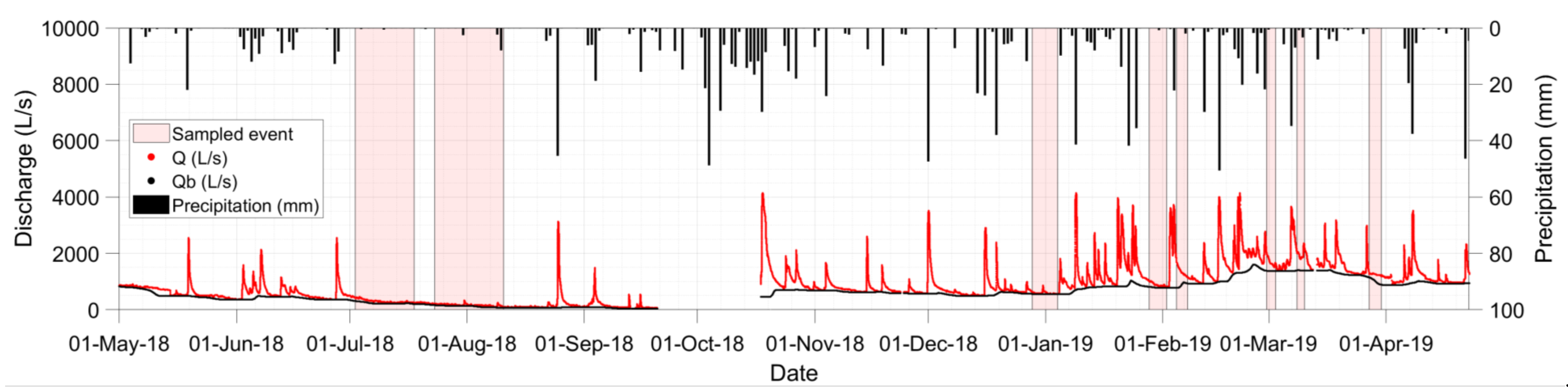
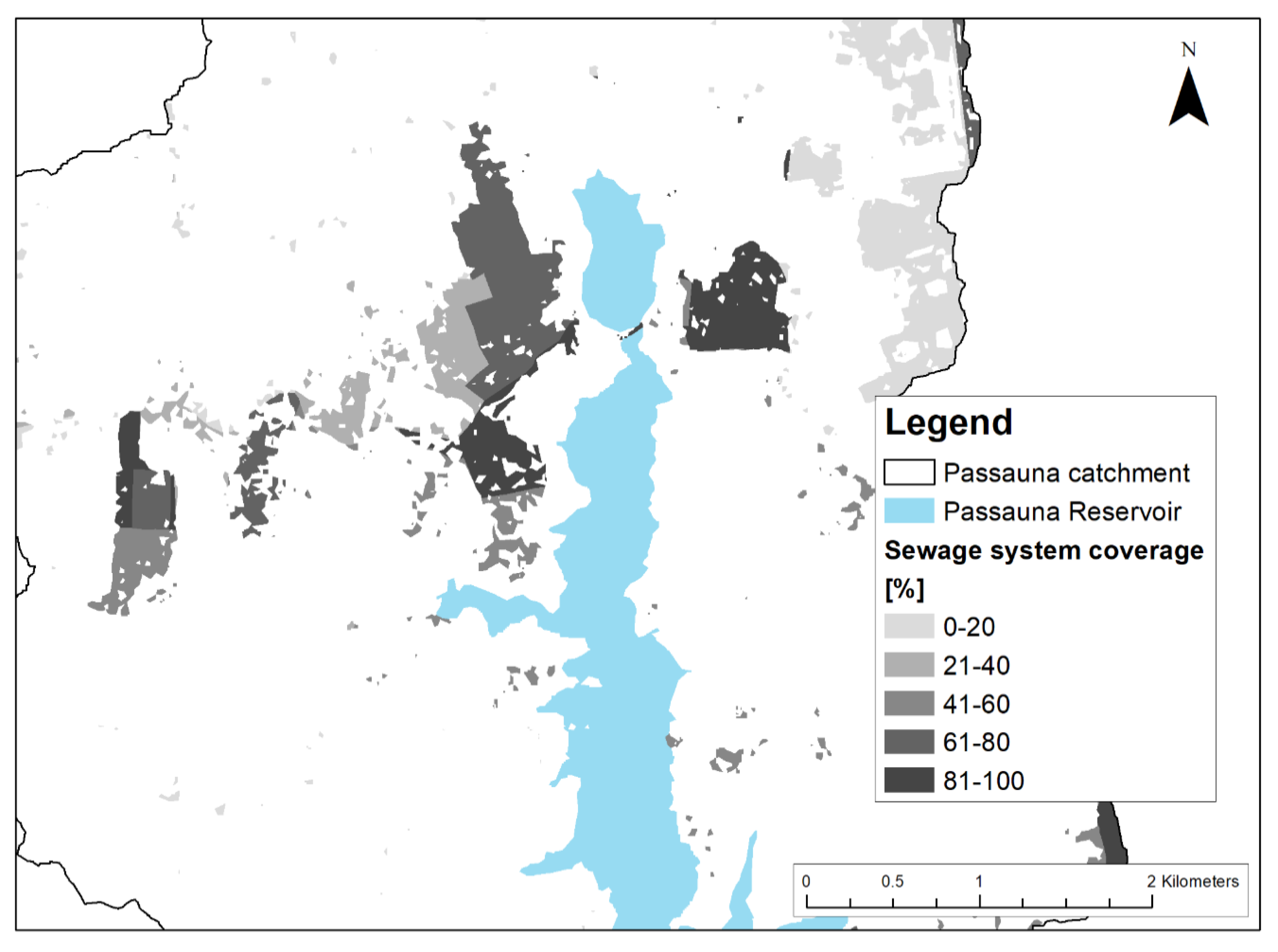
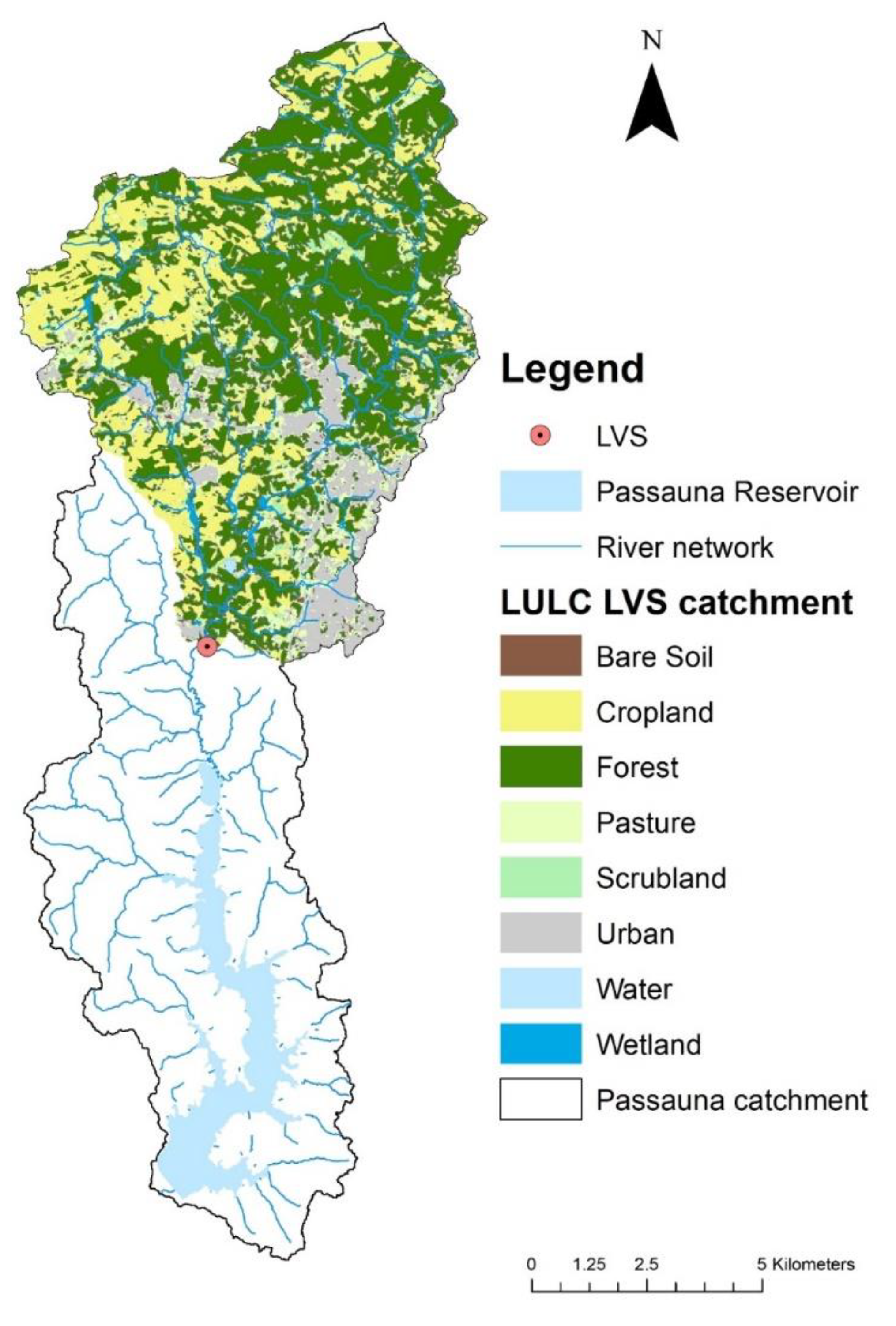
Elevated phosphorus loads play an important role in the deterioration of water quality and can subsequently pose a threat to the aquatic organisms in a river or a standing water body. The accurate assessment of total phosphorus (TP) fluxes from a catchment is of high importance to the well-being of the entire river ecosystem. In this study, we assessed the yearly input of TP from the urban areas of the Passaúna catchment in southern Brazil. The catchment drains into the eponymous reservoir, which provides drinking water for more than 800,000 inhabitants of the Curitiba Metropolitan region. The protection of the water quality in the river as well as in the reservoir is of paramount importance, yet high phosphorous inputs have been detected. For adequate protection, the catchment emissions need to be accurately assessed. Initially, the TP concentration in the river sediment was determined in order to assess the relationship between the TP export of the urban areas and the TP stock of the river. It was found that in areas with a higher share of urban land cover and especially in areas with a lack of sewage treatment, the TP concentration in the sediment reached up to 6700 mg/kg. The assessment of the overall TP input from urban areas was based on a regionalized emission-modeling approach, combined with data from long-term water quality monitoring of the river. The monitoring station established upstream of the Passaúna Reservoir inflow provided an initial assessment and the necessary output for the validation and calibration of the model. From the drainage basin of the monitoring station, an overall TP input of 2501 kg/a (0.31 kg/(ha a)) was measured between 1 May 2018 and 1 May 2019 (3508 kg TP/a or 0.23 kg/(ha a) when extrapolating the overall catchment of the Passaúna Reservoir). The monitoring data indicated that the TP input increases during the wet months of the year. The sediment stock of the river also plays an important role in the interannual budget of TP. During the timespan of one year, many deposition–resuspension events happen. The resuspended material is included in the baseflow and hinders the differentiation between urban and nonurban input. After calibration, the model was able to predict the yearly input of TP from the urban areas of the Passaúna catchment. In addition, the share of inhabitants who are not connected to the sewer system was assessed. Overall, the combination of monitoring and modeling in this study offers a valuable overview of the TP dynamics of the system, while the model ensures reproducibility with high accuracy at the same time.
Keywords: phosphorus; emission modelling; long-term monitoring; river; catchment phosphorus; emission modelling; long-term monitoring; river; catchment