Article

Hydroelastic Waves in a Frozen Channel with Non-Uniform Thickness of Ice
by
Konstantin Shishmarev
1,*,
Kristina Zavyalova
1,
Evgeniy Batyaev
2 and
Tatyana Khabakhpasheva
2
1
Department of Differential Equations, Altai State University, 656049 Barnaul, Russia
2
Lavrentyev Institute of Hydrodynamics SB RAS, 630090 Novosibirsk, Russia
*
Author to whom correspondence should be addressed.
Water 2022, 14(3), 281; https://doi.org/10.3390/w14030281
Submission received: 5 December 2021 / Revised: 31 December 2021 / Accepted: 13 January 2022 / Published: 18 January 2022

Abstract

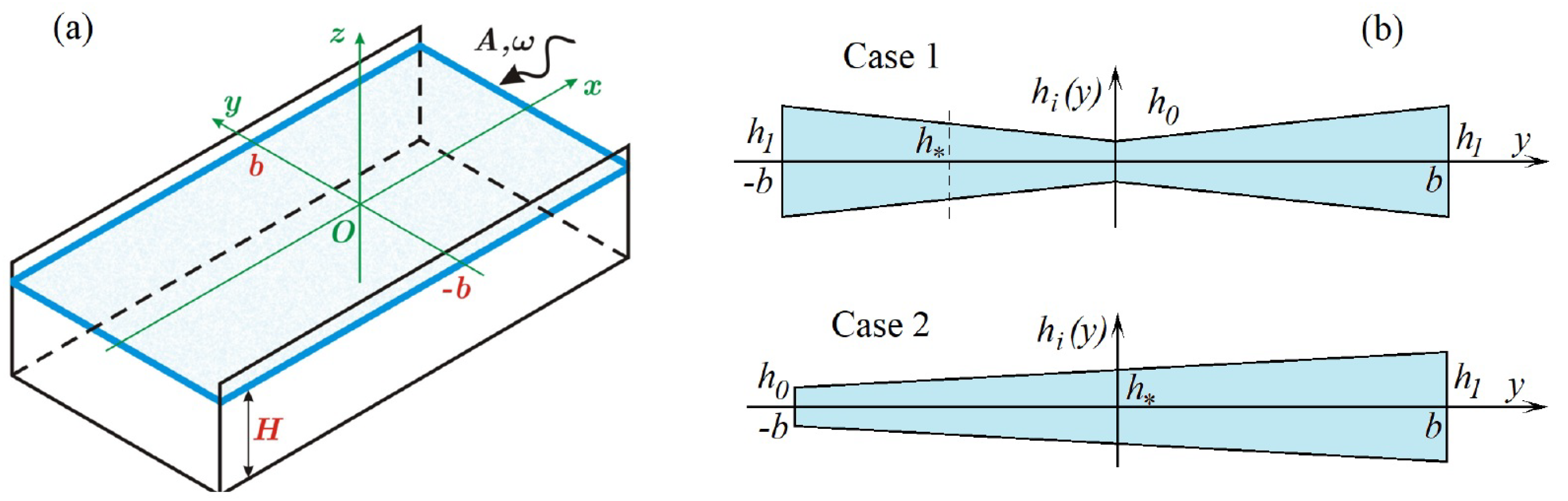
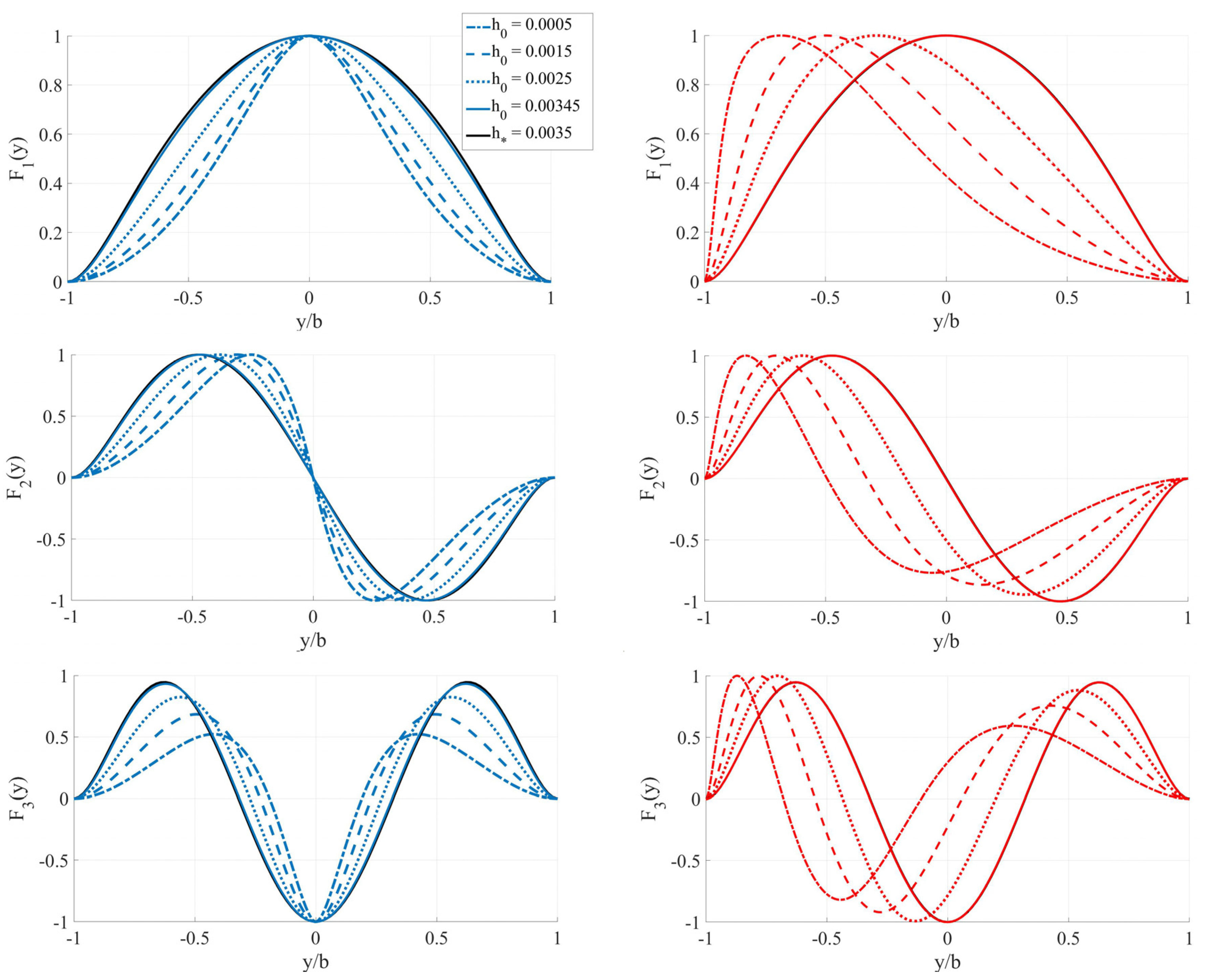
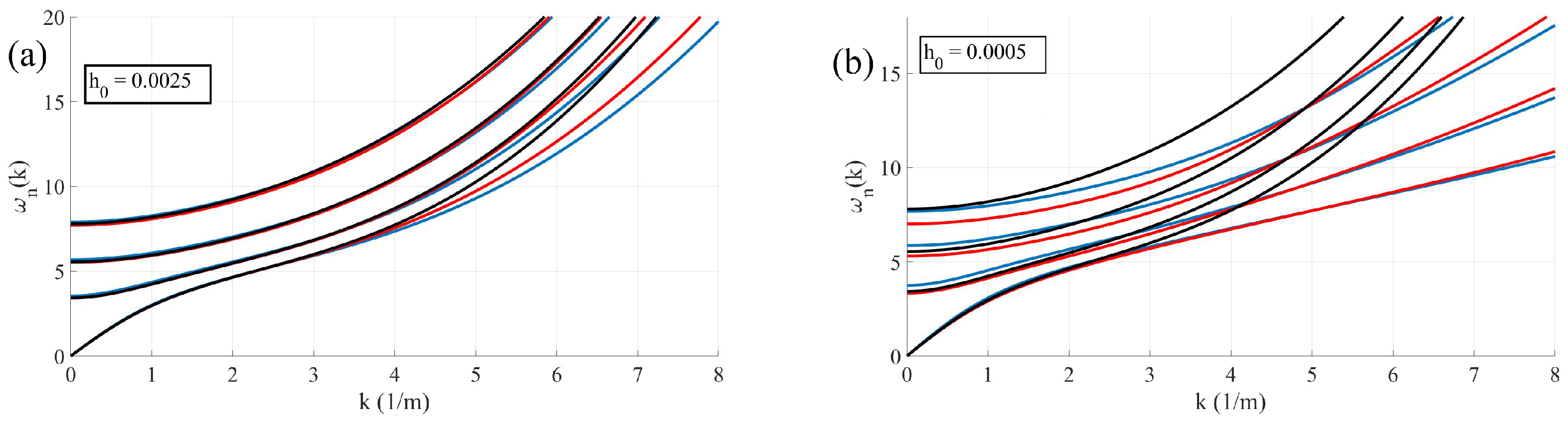
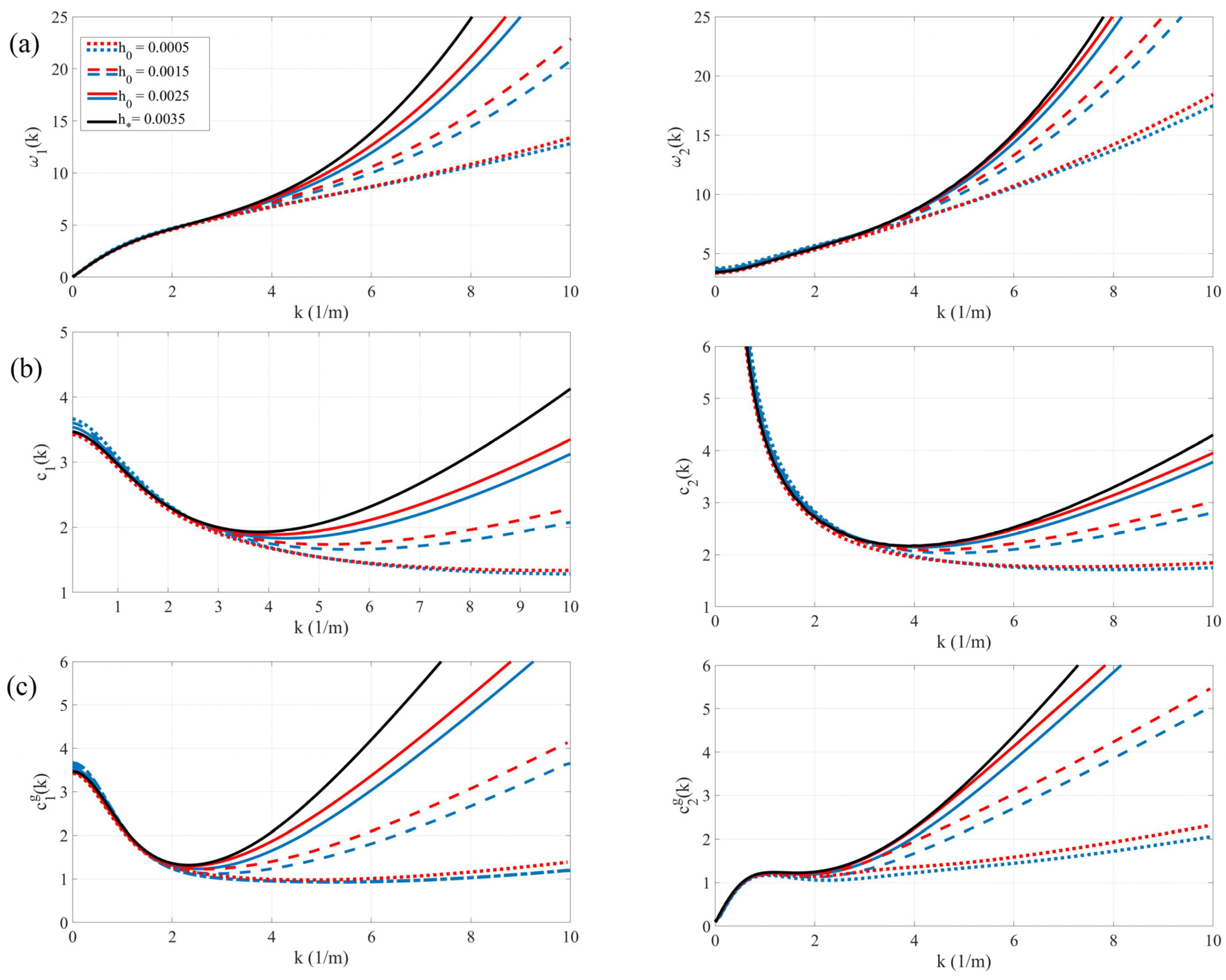
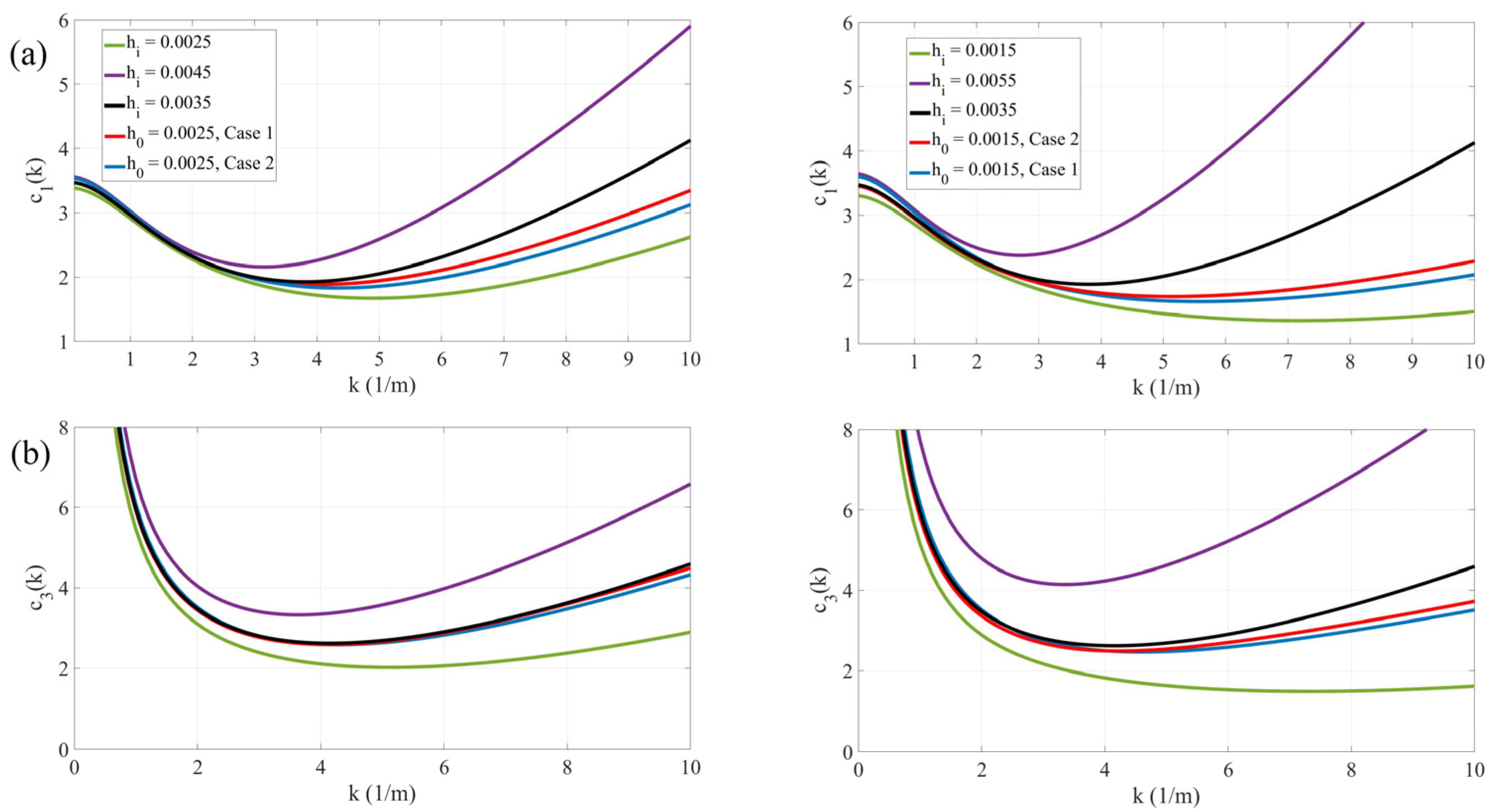
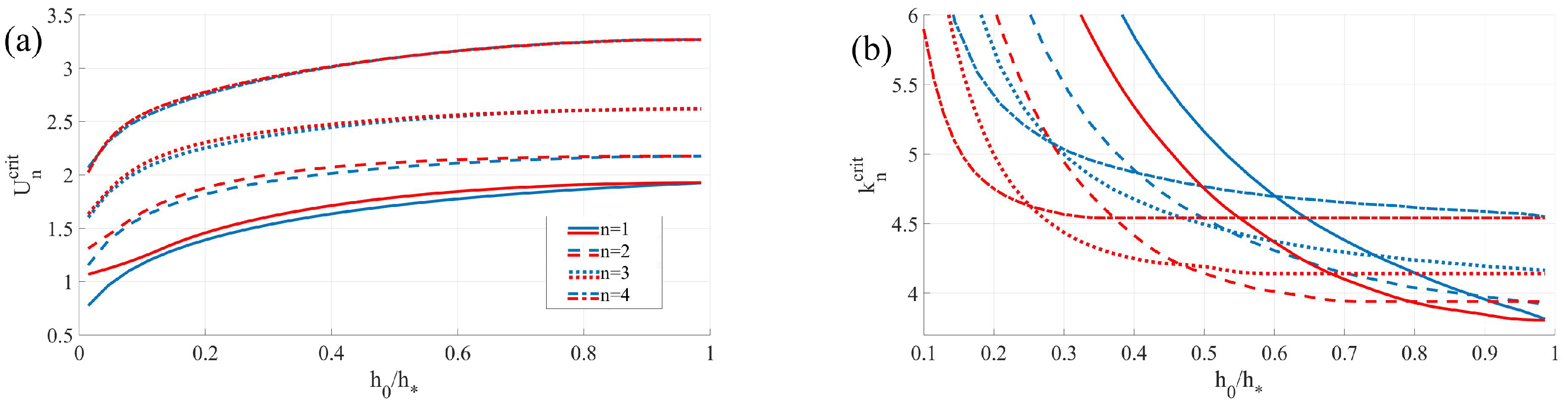
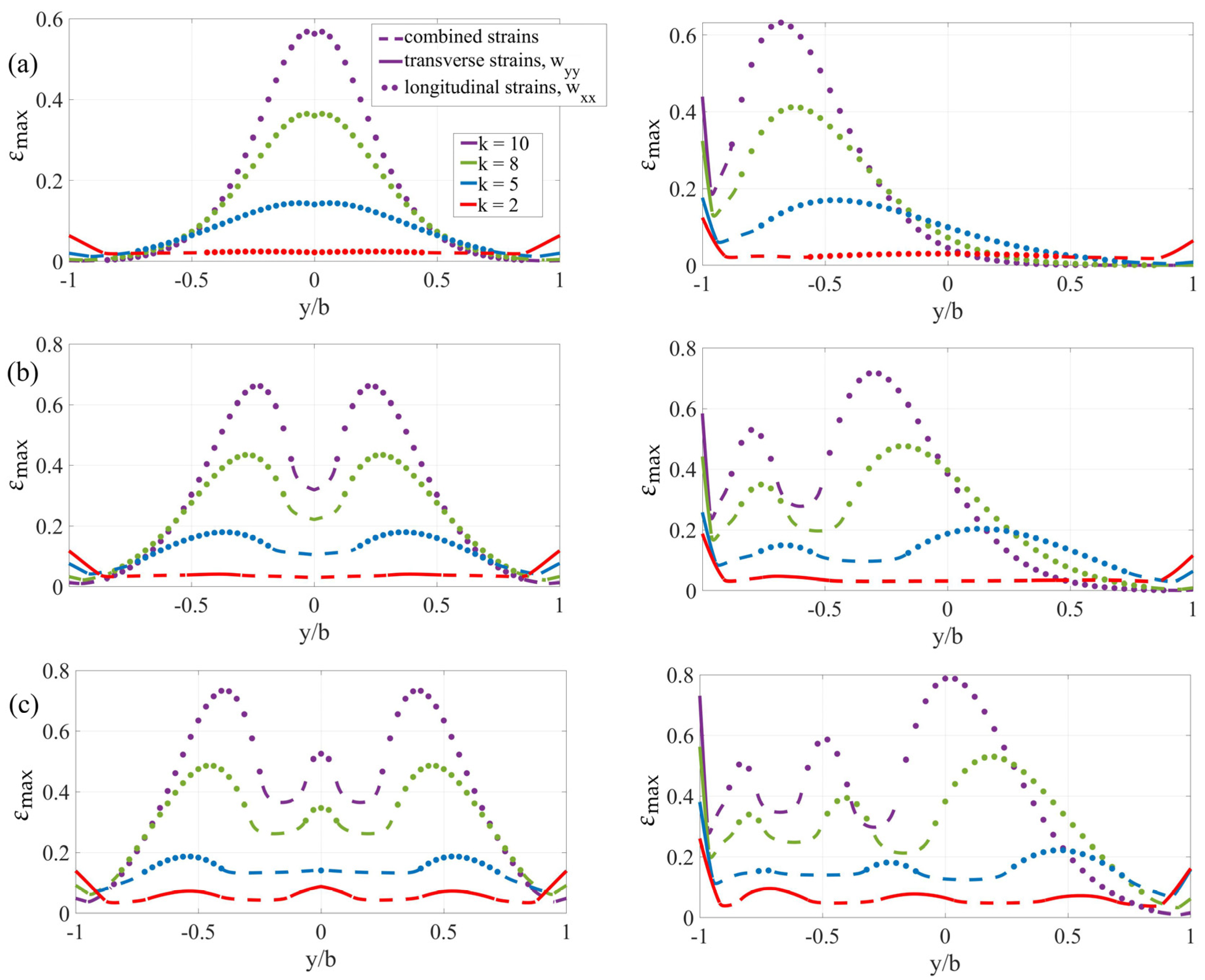
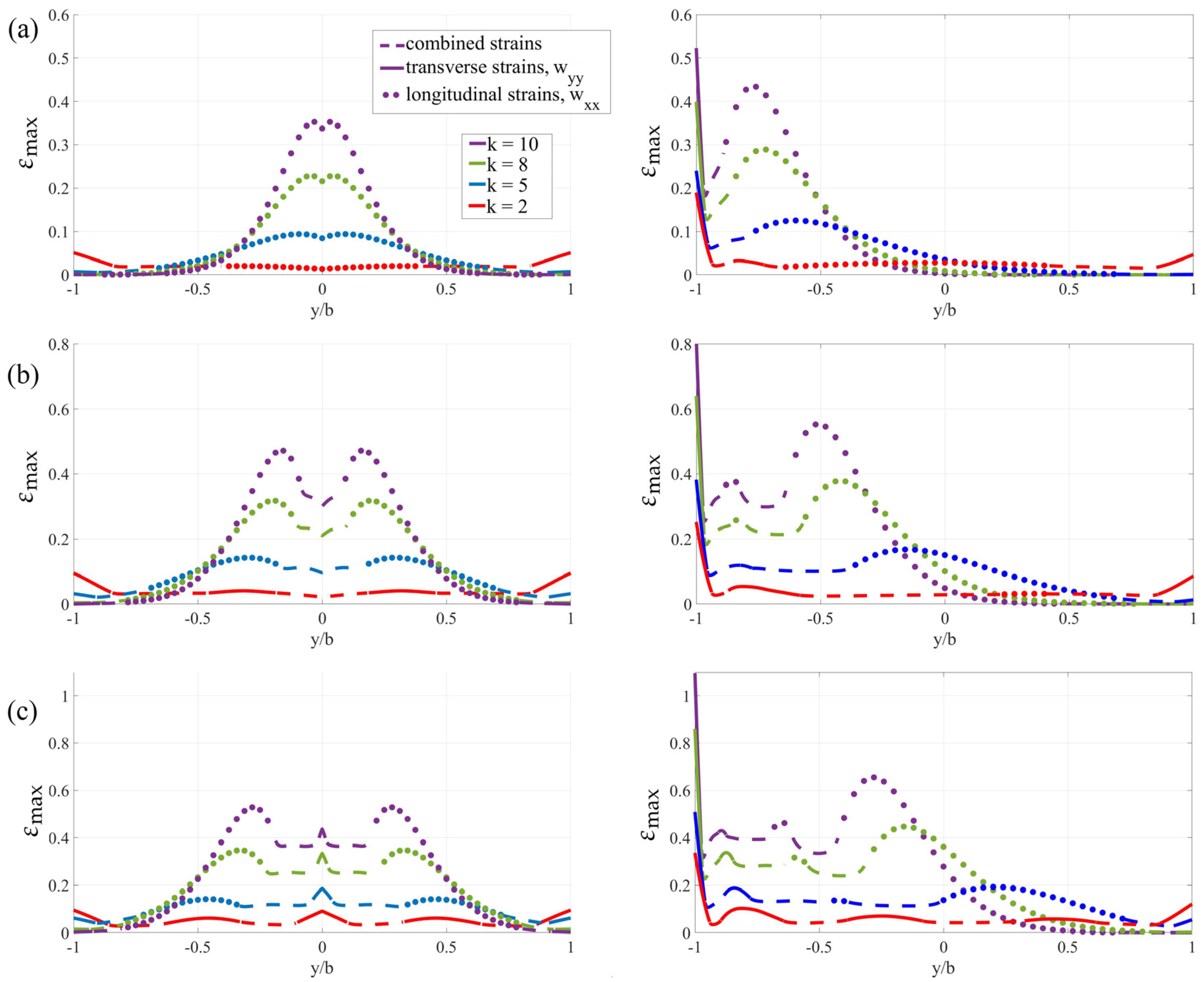
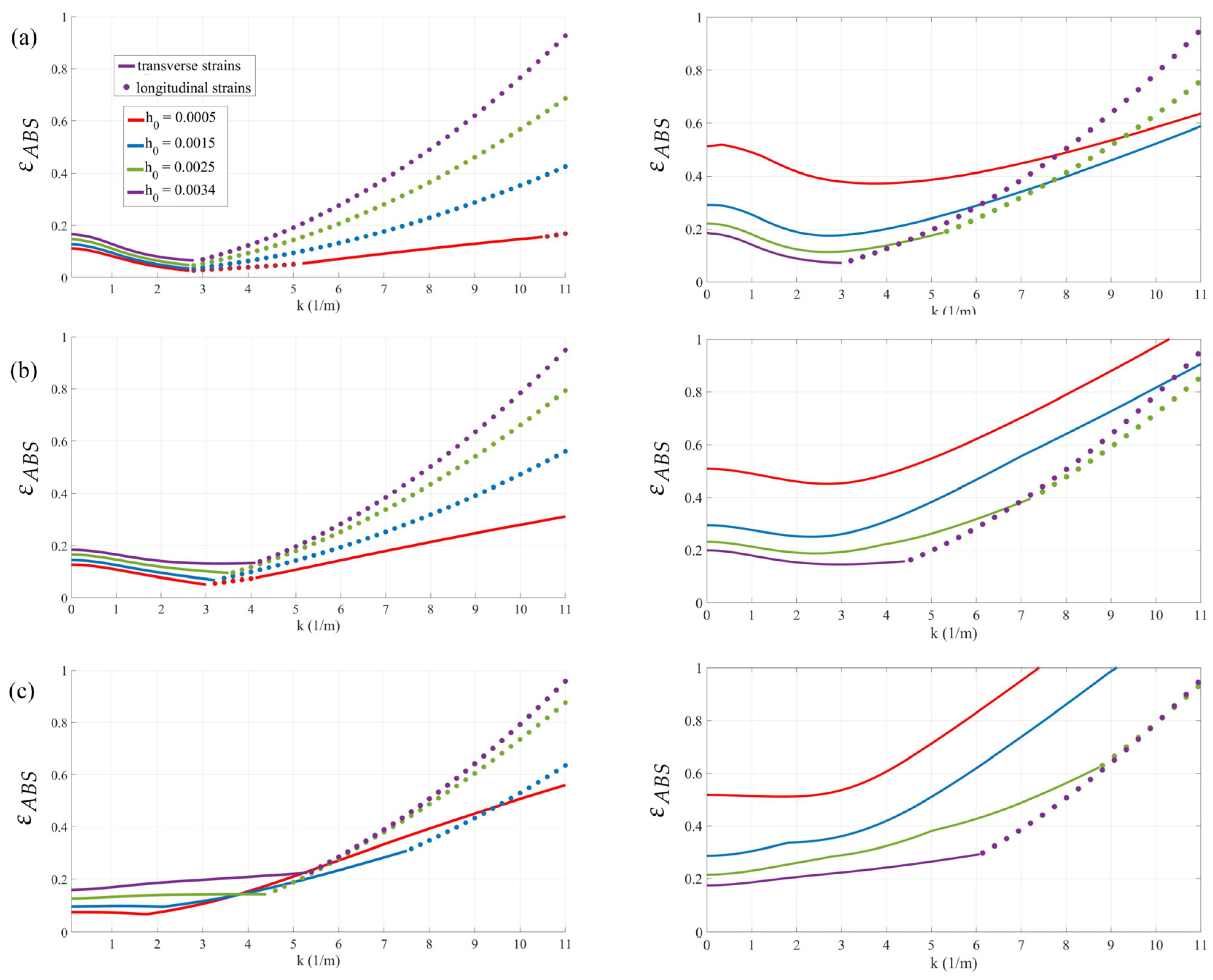
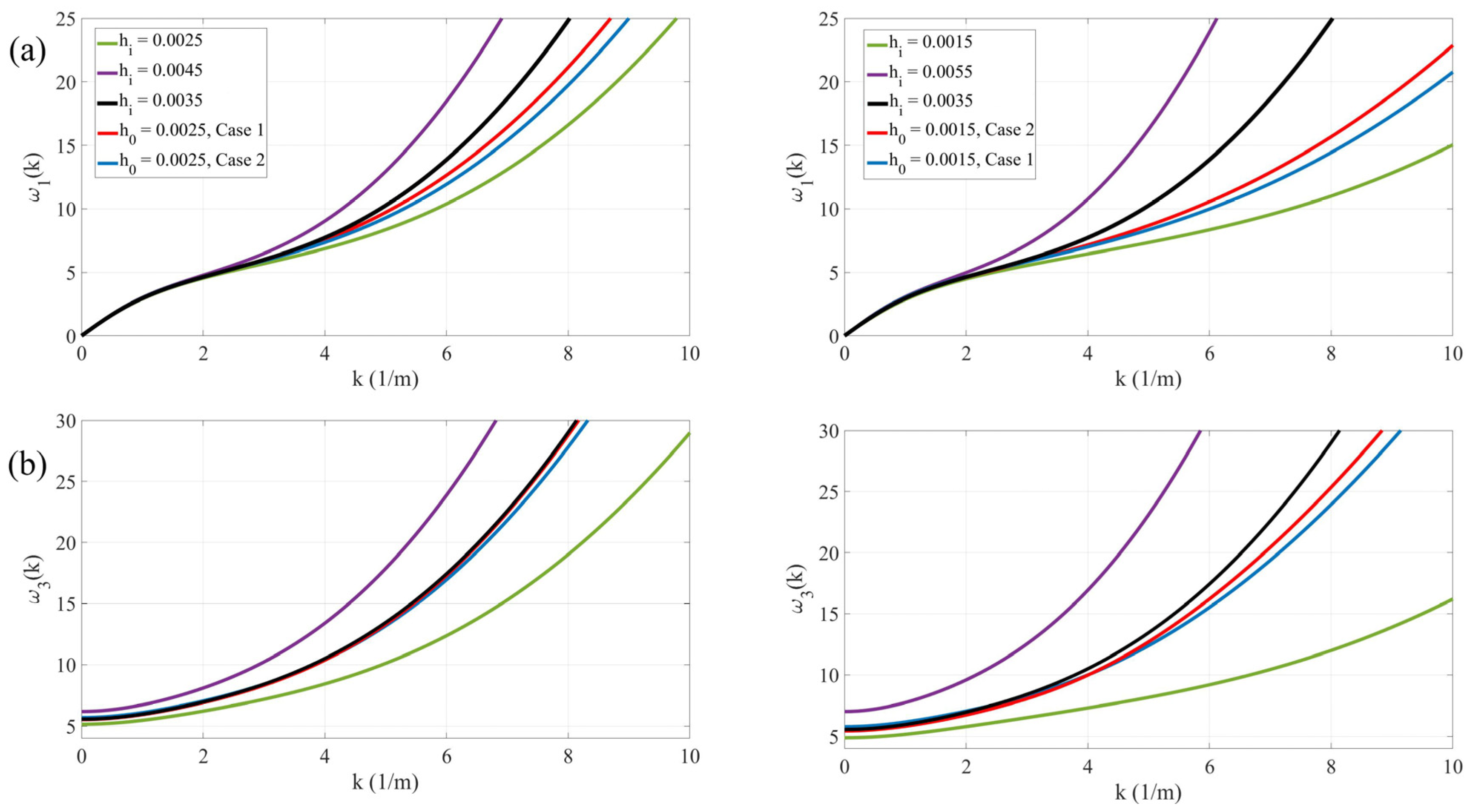
The periodic flexural-gravity waves propagating along a frozen channel are investigated. The channel has a rectangular cross section. The fluid in the channel is inviscid, incompressible and covered with ice. The ice is modeled by a thin elastic plate whose thickness varies linearly. Two cases have been considered: the ice thickness varies symmetrically across the channel, being the smallest at the center of the channel and the largest at the channel walls; the ice thickness varies from the smallest value at the one wall to the largest value at another wall. The periodic 2D problem is reduced to the problem of the wave profiles across the channel. The solution of the last problem is obtained by the normal mode method of an elastic beam with linear thickness. The behavior of flexural-gravity waves depending on the inclination parameter of the ice thickness has been studied and the results have been compared with those for a constant-thickness plate. Dispersion relations, profiles of flexural-gravity waves across the channel and distributions of strain in the ice cover have been determined. In the asymmetric case, it is shown that for long waves, the most probable plate failure corresponds to transverse strains at the thin edge of the plate, which can lead to detachment of the ice from the corresponding bank. For short waves, the longitudinal stresses within the plate, localized closer to the thick edge, become maximum. This can lead to cracking of the plate in transverse direction. In the symmetric case, the maximum strains are achieved inside the plate—close to the center, but not necessarily in the midpoint.
Keywords: flexural-gravity waves; channel; ice cover; non-uniform thickness of ice; elastic plate; dispersion relations; critical speed flexural-gravity waves; channel; ice cover; non-uniform thickness of ice; elastic plate; dispersion relations; critical speed