Article

Analysis and Application of MST Radar Turbulence Data in Qinzhou, Guangxi, China

1
School of Electronic Information, Wuhan University, Wuhan 430072, China
2
School of Earth and Space Science and Technology, Wuhan University, Wuhan 430072, China
3
School of Artificial Intelligence, Guilin University of Electronic Technology, Guilin 541004, China
*
Author to whom correspondence should be addressed.
Atmosphere 2026, 17(3), 233; https://doi.org/10.3390/atmos17030233
Submission received: 29 December 2025 / Revised: 12 February 2026 / Accepted: 14 February 2026 / Published: 25 February 2026
(This article belongs to the Section Atmospheric Techniques, Instruments, and Modeling)

Abstract

Atmospheric turbulence refers to the random and irregular airflow in the three-dimensional Earth’s atmosphere, and the atmospheric refractive index structure constant C n 2 is often used to quantitatively express the intensity of atmospheric turbulence. In this study, we first analyze the atmospheric wind field profiles and C n 2 profiles measured by the Mesosphere–Stratosphere–Troposphere (MST) radar station in Qinzhou, Guangxi, which was established under the National Meridian Project. The results are compared with the calculation results from the NCEP dataset, confirming the stability and reliability of the data from the Qinzhou, Guangxi MST radar station. Furthermore, we statistically analyzed its diurnal variation characteristics on 4 October 2024, and monthly seasonal distribution characteristics from August 2024 to July 2025. The results show that the diurnal variation of the atmospheric refractive index structure constant is stronger during the day than at night, and stronger in spring and autumn than in summer and winter, which is consistent with the expected results. Finally, we separately analyzed the capture of the intensely turbulent typhoon “Capricorn” on 7 September 2024, by the MST radar-measured wind field, atmospheric refractive index structure constant, and surface meteorological stations. Linear fitting was performed on the horizontal wind vertical shear perturbations and atmospheric refractive index structure constant perturbations caused by the turbulence event, with a coefficient of determination R 2 = 0.70128 . This result suggests that, during severe typhoon events, vertical wind shear serves as the primary driving mechanism for the enhancement of atmospheric optical turbulence.

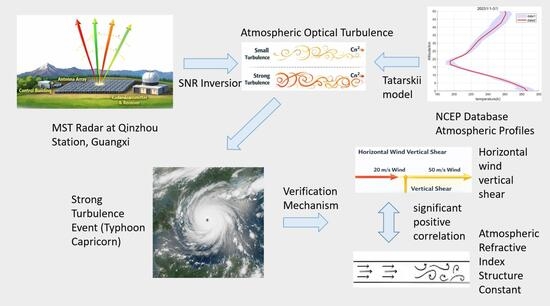
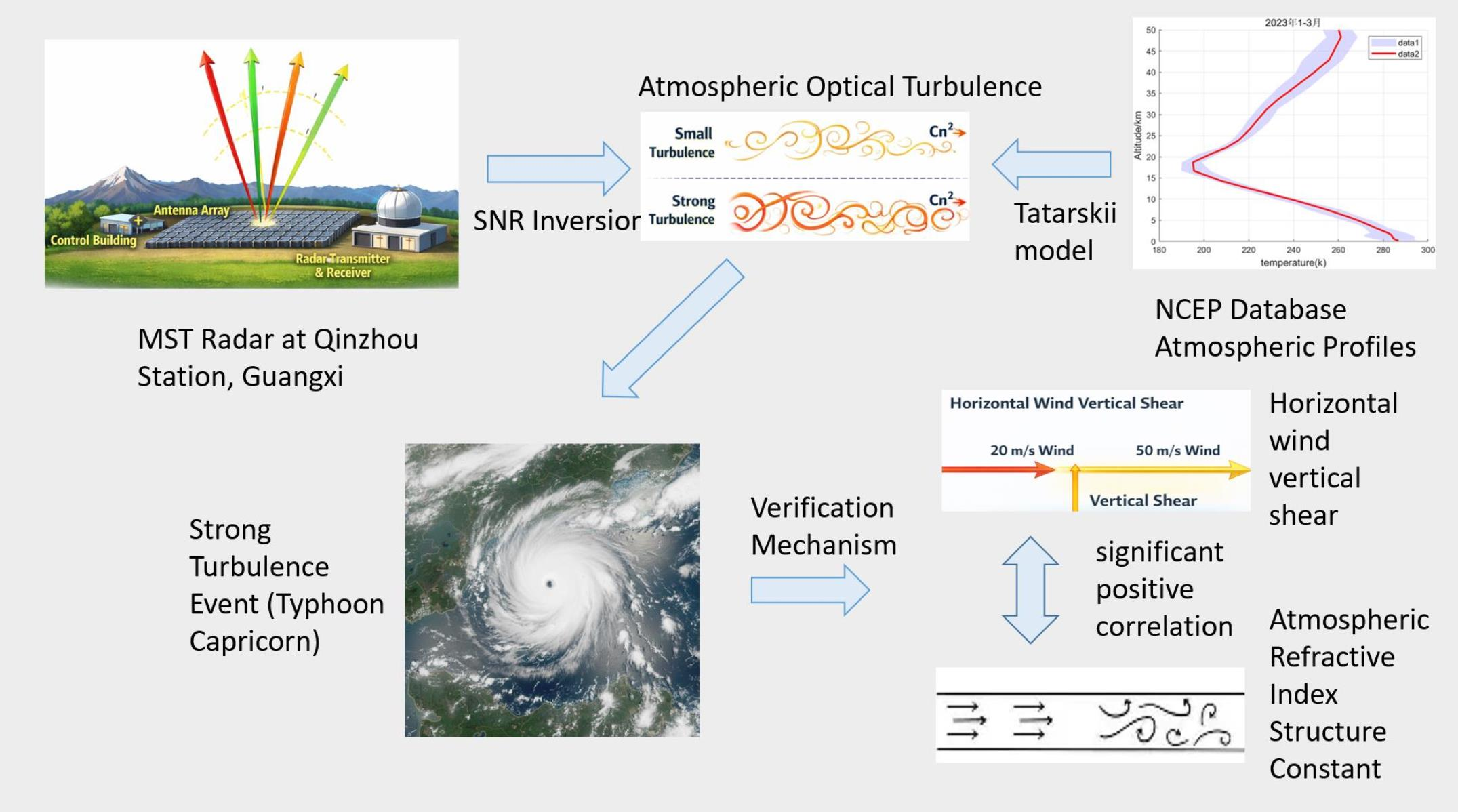
Graphical Abstract

1. Introduction

Atmospheric turbulence is defined as irregular three-dimensional airflow in the atmosphere, typically occurring over time scales ranging from 1 s to 1 h [1]. The primary drivers of atmospheric turbulence include the atmospheric temperature difference effect induced by solar radiation, the wind shear effect generated by the stretching and displacement of air currents over the Earth’s surface, and thermal convection arising from the outward radiation of thermal energy by the Earth’s surface following heat absorption [2]. Atmospheric turbulence exhibits distinct spatiotemporal variability, and numerous scholars worldwide have investigated the spatiotemporal variations in atmospheric turbulence intensity. Lü et al. conducted a statistical analysis of the occurrence frequency and spatiotemporal patterns of turbulence across China, revealing that the high-value regions of turbulence occurrence frequency in the southernmost part of China correspond to autumn (September–November) and spring (March–May). In the upper troposphere, the horizontal distribution of turbulence occurrence frequency displays more pronounced seasonal variations, whereas the turbulence occurrence frequency in the lower troposphere and the stratospheric bottom exhibits negligible seasonal dependence [3]. Utilizing the NCEP reanalysis dataset, Yu et al. analyzed turbulence intensity under average conditions over the Antarctic surface, the near-surface layer of London (UK), and selected regions in southern India. Their findings indicated relatively stable atmospheric motion over the Antarctic surface, moderate turbulence (with values ranging from 1   ×   10 16 to 1   ×   10 14 ) in the near-surface layer of London, UK, and significantly enhanced surface turbulence intensity with prominent atmospheric turbulence in selected regions of southern India [4].
The atmospheric refractive index structure constant C n 2 serves as a critical physical parameter for the quantitative characterization of atmospheric turbulence intensity. Extensive research has been conducted by scholars globally to develop effective detection methodologies for C n 2 . Woodman pioneered the application of MST (Mesosphere–Stratosphere–Troposphere) radar in wind field and turbulence detection by analyzing observational data from the Jicamarca Radar in Peru to investigate stratospheric and mesospheric wind fields and turbulence [5]. Coulman estimated the vertical profile of C n 2 using standard meteorological sounding data and turbulence outer scale parameters [6]. Masciadri et al. simulated the three-dimensional spatial distribution of upper-atmospheric turbulence profiles by integrating a non-hydrostatic meteorological model and a numerical terrain model [7]. Zhang et al. employed wind profiler radar to estimate the vertical profile and temporal variation characteristics of the turbulence dissipation rate [8], and further derived C n 2 from the turbulence dissipation rate measured by wind profiler radar, quantifying the effects of pressure gradient and temperature gradient variations on C n 2 [9]. Ruan et al. proposed an estimation method for the microwave-band C n 2 based on turbulence theory [10].
The Qinzhou Field Scientific Observation and Research Station, located in Guangxi Zhuang Autonomous Region, China, is constructed by Wuhan University as part of the second phase of the Meridian Project. As a key component of the national major scientific and technological infrastructure during the “13th Five-Year Plan” period, this station is designed to address the urgent demands of cutting-edge space science exploration, support the sustainable development of the national economy and society, and safeguard national space security. The Qinzhou MST radar, developed under the second phase of the Meridian Project, was officially commissioned on 2 August 2024, providing crucial data support for advancing the understanding of atmospheric physical processes, climate change mechanisms, and space environment variation laws.
In the present study, the stability and reliability of C n 2 data measured by the Qinzhou MST radar are validated through comparison with the NCEP reanalysis dataset. Based on one year of continuous observational data, the diurnal and seasonal variation patterns of atmospheric turbulence over the station are systematically analyzed. Furthermore, the correlation between the MST radar-measured wind field and C n 2 during the landfall of Super Typhoon “Capricorn” on 7 September 2024, is investigated. The results suggest that horizontal wind vertical shear acts as the primary driving mechanism for the enhancement of atmospheric optical turbulence intensity during intense atmospheric activities dominated by severe typhoon weather systems.

2. Data Introduction

The Qinzhou MST (i.e., Mesosphere–Stratosphere–Troposphere) radar, located in Guangxi Zhuang Autonomous Region, China, is a dual-frequency phased array radar operating in the very high frequency (VHF) band. Its primary function is to observe the three-dimensional atmospheric structure across the troposphere, stratosphere, and mesosphere above the radar deployment site. Refractive index inhomogeneities are pervasive in the neutral atmosphere, and these inhomogeneities advect with atmospheric motion. Typically, the Qinzhou MST radar operates in a five-beam scanning configuration: during a single detection cycle, the radar sequentially transmits electromagnetic pulses toward five distinct beam directions and receives the backscattered signals corresponding to each pulse [11]. Backscattered signals are primarily generated by the inhomogeneous distribution of atmospheric refractive index within the radar beam volume, which manifests as random fluctuations induced by turbulent motion. Consequently, the MST radar serves as a robust tool for detecting atmospheric turbulent motion [12].
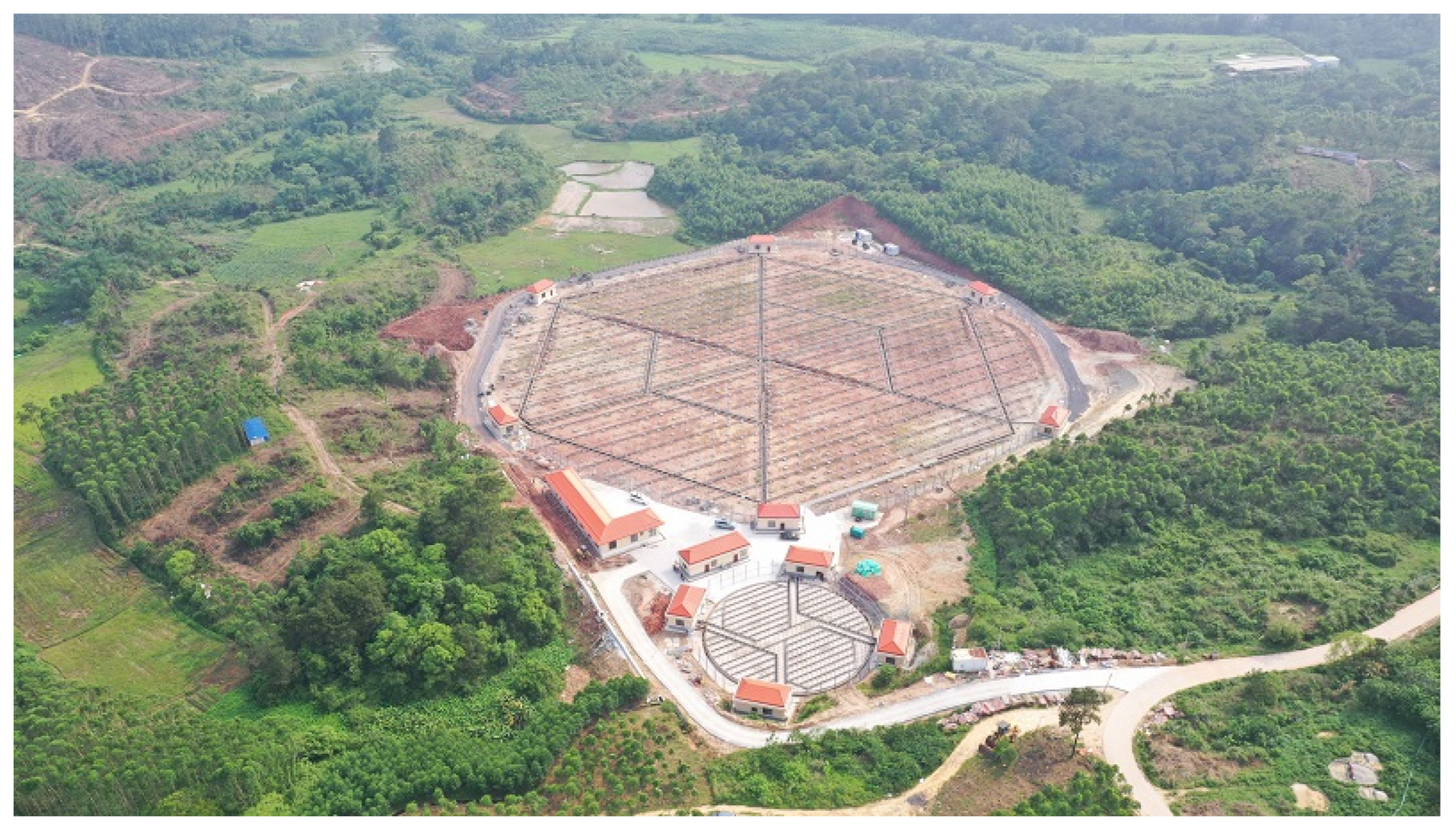
As illustrated in Figure 1, the Qinzhou MST radar system comprises two independent phased array subsystems: Phased Array System A (operating frequency: 50 MHz) and Phased Array System B (operating frequency: switchable between 160 MHz and 200 MHz) [13]. Each subsystem (A and B) is equipped with a dedicated antenna array (Array A and Array B, respectively), as well as supporting subsystems including a final-stage transceiver, digital transceiver, array monitoring, power supply, frequency source, signal processing, and radar control unit. During routine operations, Arrays A and B operate alternately, with Array A conducting scans for 10 min followed by Array B for 5 min. Considering the differences in operating frequency characteristics and data quality between the two arrays, the present study focuses on data acquired from Array A (transmitting at 50 MHz) for subsequent processing and analysis.
The Qinzhou MST radar operates in two distinct modes: the Stratosphere-Troposphere (ST) mode and the Mesosphere (M) mode. Specifically, the ST mode employs a narrower pulse width and higher range resolution for tropospheric and stratospheric detection, covering a height range of 2–25 km with a vertical resolution of ≤150 m. In contrast, the M mode utilizes a wider pulse width and lower range resolution to target mesospheric observations, spanning 2–90 km with a vertical resolution of ≤1200 m [13]. Both operating modes generate output products including horizontal wind speed, vertical air velocity, and the atmospheric refractive index structure constant ( C n 2 ) for discrete altitude layers. Given the extremely thin atmosphere above 25 km and the absence of significant turbulent motions in this region, the present study focuses on turbulence variations within the troposphere and lower stratosphere (2–25 km), thus selecting data acquired in ST mode for subsequent analysis.
Following data processing, the Qinzhou MST radar produces Level-2 products, which consist of atmospheric wind field profiles and C n 2 profiles over the station at various temporal intervals under both ST and M modes for Arrays A and B. The primary data source for this study is the ST-mode C n 2 products from Array A of the Qinzhou MST radar, covering the period from August 2024 to July 2025. To validate the turbulence data measured by the Qinzhou MST radar, the National Centers for Environmental Prediction (NCEP) reanalysis dataset was used to calculate C n 2 for the corresponding period. The NCEP provides global numerical weather prediction (NWP) analysis datasets, updated every 6 h at Greenwich Mean Time (GMT) 00:00, 06:00, 12:00, and 18:00. These reanalysis data are real-time accessible via the Global Data Assimilation System (GDAS). For this study, the NCEP dataset with a spatial resolution of 0 . 25 × 0 . 25 was adopted. Atmospheric data corresponding to the vicinity of the Qinzhou station (108.6° E, 22.1° N) were extracted through inverse distance weighting (IDW) interpolation of the gridded spatial data. Subsequently, atmospheric parameters were parameterized to compute atmospheric turbulence, specifically the spatiotemporal distribution of the C n 2 profile.

3. Theoretical Analysis

3.1. MST Data Calculation

In the data processing workflow of the Qinzhou MST radar, Level-1 scientific data are first derived via the spectral moment estimation method. These Level-1 data primarily include signal-to-noise ratio (SNR) and velocity spectrum width information across the five scanning beam directions. Subsequently, the atmospheric refractive index structure constant ( C n 2 ) is computed using the Level-1 scientific data, yielding three-dimensional C n 2 datasets above the observation station. Based on the operational parameters of the MST radar and the derived Level-1 scientific data, C n 2 can be quantified using the following formula [11]:
C n 2 ( dB · m 2 / 3 ) = K T 0 B N F 5.4 × 10 5 λ 5 / 3 P t ( h / 2 ) G 1 G 2 L 1 L 2 R 2 · S N R ( dB )
where, R is the distance, S N R is the signal-to-noise ratio, K is the Boltzmann constant, T 0 is the absolute temperature, B is the noise bandwidth, N F is the noise figure, λ is the radar operating wavelength, P t is the radar transmission power, h is the pulse illumination depth, G 1 is the transmission gain of the MST radar antenna, G 2 is the reception gain of the MST radar antenna, L 1 is the transmission loss, and L 2 is the reception loss. The unit of the atmospheric refractive index structure constant C n 2 in the Level-2 scientific data of the Qinzhou, Guangxi MST radar is dB · m 2 / 3 . Using the unit conversion relationship: C n 2 ( m 2 / 3 ) = 10 ( C n 2 ( dB · m 2 / 3 ) ) / 10 , it is converted to the generalized atmospheric refractive index structure constant unit m 2 / 3 .
The Level-2 wind field data of the MST radar mainly include horizontal wind speed, azimuth angle, and vertical wind speed, from which the zonal wind speed and meridional wind speed can be calculated as follows:
u = | V | sin ( θ )
v = | V | cos ( θ )
where, | V | is the horizontal wind speed, θ is the horizontal wind direction (with the direction blowing from the north as 0 ° / 360 ° ), u is the zonal wind (positive for westerly wind), and v is the meridional wind (positive for northerly wind). S represents the vertical shear of horizontal wind, which can be expressed as [14]:
S = u h 2 + v h 2 1 / 2

3.2. Calculation of NCEP Atmospheric Refractive Index Structure Constant

C n 2 (unit: m 2 / 3 ) is a basic parameter for measuring atmospheric turbulence intensity, representing the statistical characteristics of atmospheric refractive index changes caused by atmospheric turbulence on spatial and temporal scales. Tatarskii proved that C n 2 is closely related to temperature, pressure, and wind speed [15,16], with the expression as follows:
C n 2 = 2.8 L 0 4 / 3 M 2
where, L 0 is the outer turbulence scale, and M is the potential refractive index gradient. Therefore, the atmospheric refractive index constant is mainly related to the outer turbulence scale and the potential refractive index gradient. Substituting the Ciddor atmospheric refractive index expression into the potential refractive index gradient [17], it can be expressed as [18]:
M = n g p h = 79 × 10 6 P ( h ) T 2 ( h ) · θ ( h ) h
where, T is the absolute temperature (in Kelvin), P is the pressure (in hPa), h is the altitude (in m), and θ is the potential temperature. C n 2 can be calculated using only the NCEP meteorological dataset. To obtain the meteorological dataset for a selected time, the NCEP dataset is interpolated. The C n 2 at a specific location can be estimated using the interpolated meteorological dataset and the Tatarskii formula. According to Equation (5), the expression is:
C n 2 = 2.8 L 0 4 / 3 79 × 10 6 P ( h ) T 2 ( h ) · θ ( h ) h 2
The potential temperature θ can be calculated by the following formula:
θ ( h ) = T ( h ) 1000 P ( h ) 0.286
The outer turbulence scale L 0 refers to the maximum scale of the inertial subrange in the Kolmogorov turbulence statistical theory, which can be calculated by the HMNSP99 model [19]. Its expressions in the troposphere and stratosphere are respectively:
L 0 4 / 3 = 0 . 1 4 / 3 × 10 ( 0.362 + 16.728 × S 192.347 · d T / d h ) , troposphere
L 0 4 / 3 = 0 . 1 4 / 3 × 10 ( 0.757 + 13.819 × S 57.784 · d T / d h ) , stratosphere
Considering the atmospheric temperature profile above the Qinzhou, Guangxi station, the tropopause height is estimated using the temperature gradient change in the specific calculation process. In the above formulas, S represents the vertical shear of horizontal wind, and u and v represent the northward component (zonal wind) and eastward component (meridional wind) of the wind speed (unit: m/s), respectively.

4. Data Processing and Result Analysis

4.1. Comparative Verification of MST Measured Data and NCEP Calculation Results

MST radar observations from the Qinzhou (Guangxi) station cover the period from 00:00 China Standard Time (CST) on 1 August 2024, to 23:55 CST on 31 July 2025. The NCEP reanalysis dataset provides complete temporal coverage corresponding to the station’s observation duration. Inverse distance weighting (IDW) interpolation is widely adopted in atmospheric data assimilation processes. To obtain the vertical atmospheric profile of NCEP data at the station’s geographic coordinates (108.6° E, 22.1° N), horizontal IDW interpolation was performed on the gridded NCEP dataset. The key atmospheric parameters extracted from the interpolated profile include geopotential height, temperature, zonal wind, and meridional wind. In the vertical direction, Lagrangian interpolation was applied between adjacent isobaric surfaces to generate vertically uniformly spaced atmospheric profile data. This preprocessing step ensures consistent vertical resolution across the profile, facilitating the subsequent calculation of the atmospheric refractive index structure constant ( C n 2 ).
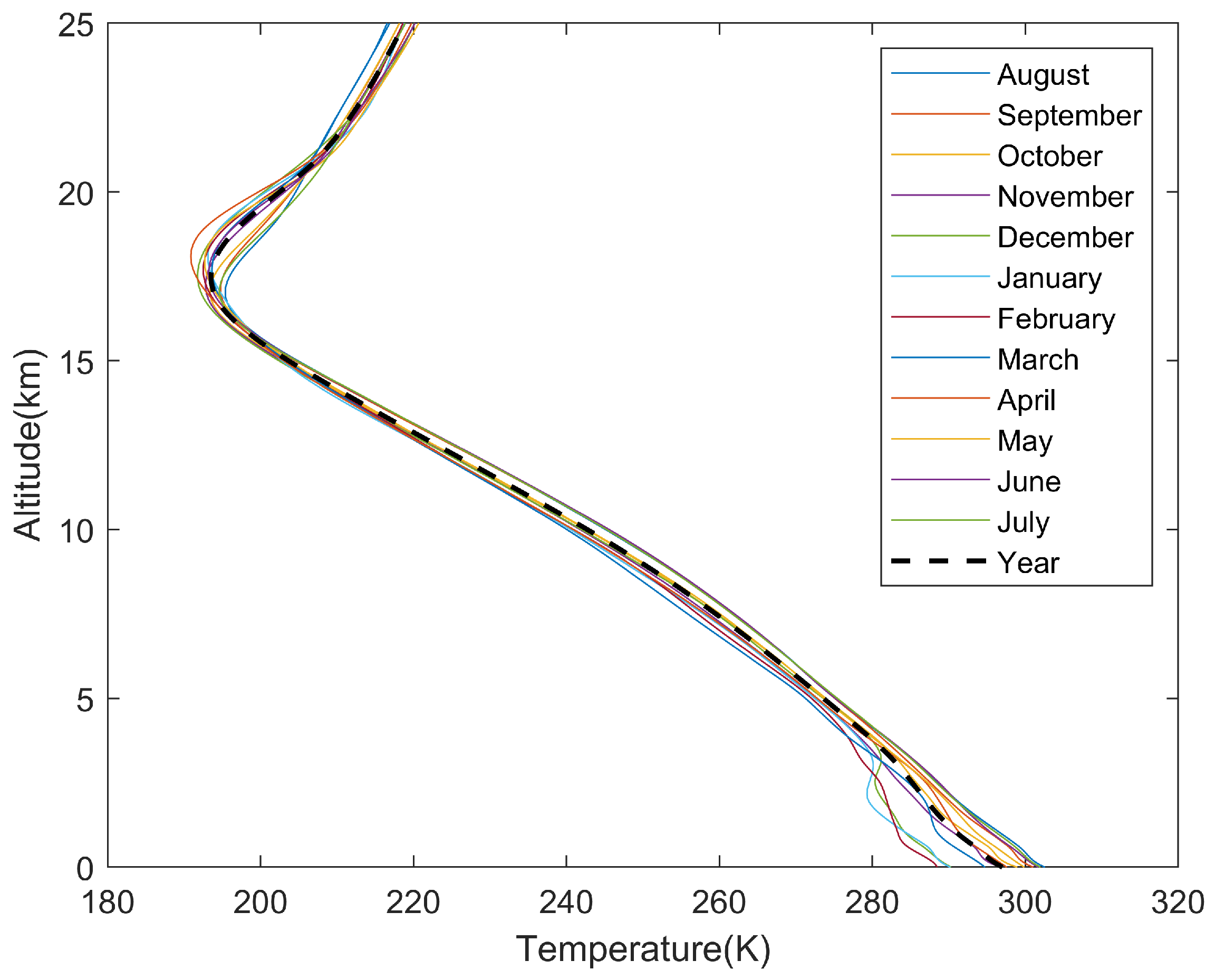
To compute the atmospheric refractive index structure constant ( C n 2 ) from the NCEP reanalysis dataset, the turbulence outer scale ( L 0 ) must first be determined. This requires estimating the tropopause height above the Qinzhou station across different seasons, following the HMNSP99 model [19]. Given the potential seasonal dependence of tropopause height, a detailed analysis was conducted for the tropopause height at the station’s geographic coordinates (108.6° E, 22.1° N). Temperature profiles over the station from August 2024 to July 2025 are presented in Figure 2. The tropopause height was estimated using the temperature gradient method, defined as the altitude where the temperature gradient transitions from negative to positive. As illustrated in Figure 2, the tropopause height exhibited minimal variability throughout the observation period, with a maximum of approximately 18.5 km, a minimum of 17 km, and a mean value of ~17.5 km. Consequently, a constant tropopause height of 17.5 km was adopted for subsequent calculations. The turbulence outer scale ( L 0 ) for different time periods was computed by substituting this tropopause height into Equation (8), and the derived L 0 values were then inserted into Equation (6) to generate C n 2 profiles from the NCEP dataset across the observation period.
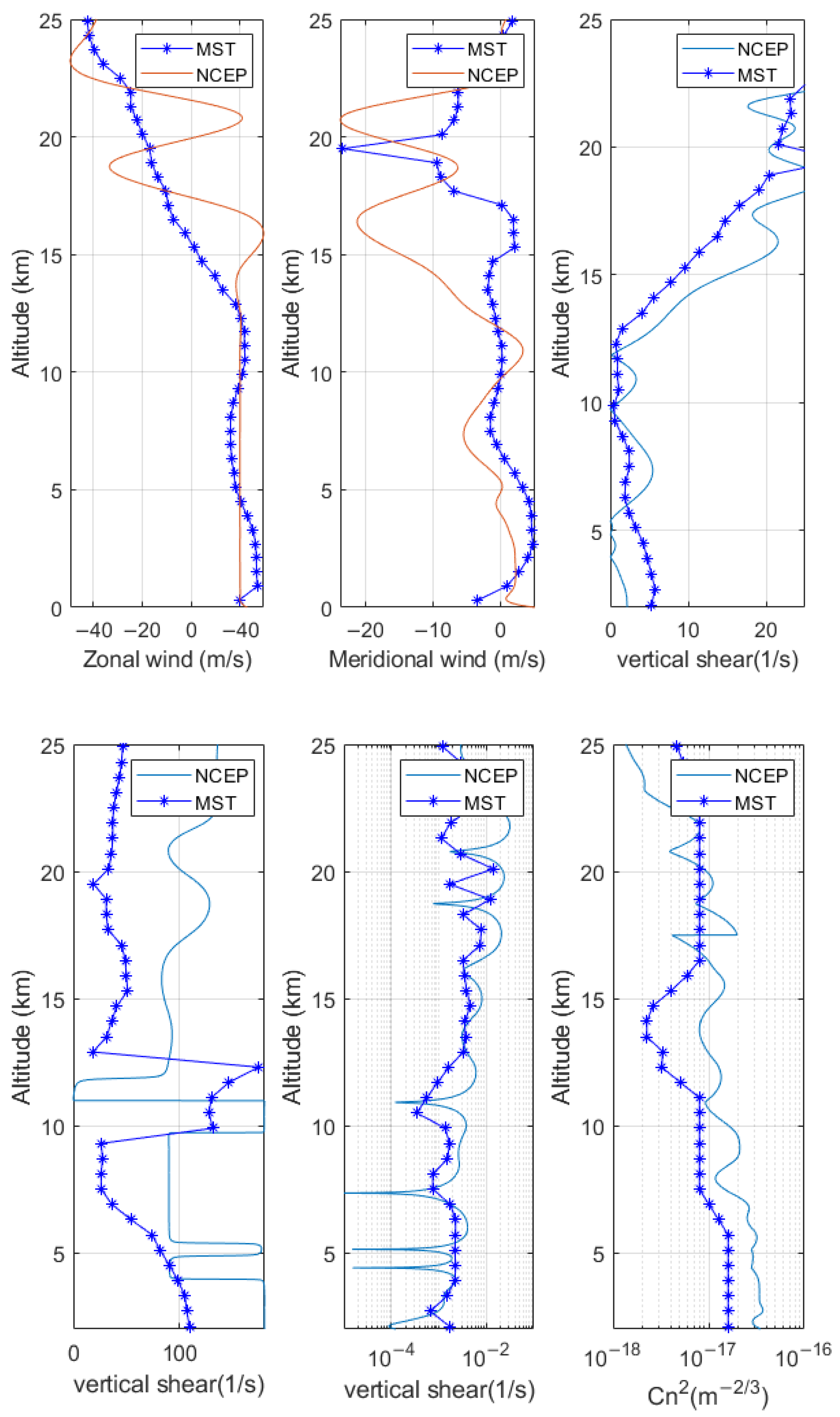
To validate the MST radar measurements, a comparative analysis was performed between NCEP-derived and radar-measured parameters at 00:00 China Standard Time (CST) on 5 August 2024. The compared parameters include the meridional wind field, zonal wind field, calculated horizontal wind vertical shear, and C n 2 , with the results presented in Figure 3 below:
As illustrated in Figure 3, the Qinzhou MST radar observations exhibit good agreement with the NCEP reanalysis data regarding the meridional wind field, zonal wind field, horizontal wind speed and direction, as well as the derived vertical profiles of the atmospheric refractive index structure constant ( C n 2 ). Given that the NCEP reanalysis dataset incorporates the synergistic assimilation of multiple satellite datasets and radiosonde observations, it can be concluded that the wind field and turbulence data measured by the Qinzhou MST radar possess high accuracy, enabling the reliable characterization of the in situ atmospheric state.
Nevertheless, notable discrepancies in meridional and zonal wind velocities between the NCEP data and MST radar measurements are observed in the atmospheric region above 10 km. A plausible explanation for this inconsistency is that the NCEP atmospheric profile data primarily rely on the assimilation of satellite-retrieved wind fields and global radiosonde observations. The assimilation process often faces challenges in capturing fine-scale variations in upper atmospheric wind fields, particularly in regions with sparse observational coverage. Furthermore, the absence of a radiosonde station in the Qinzhou (Guangxi) area likely exacerbates the inaccuracy of NCEP data at higher altitudes over the study region. In contrast, the MST radar directly measures the radial velocity of atmospheric scatterers along the radar beam direction based on the Doppler effect, yielding relatively high precision in the middle and upper troposphere. Consequently, the zonal and meridional wind data derived from the NCEP reanalysis may contain larger uncertainties compared to the MST radar observations.
Differences in wind direction between the MST radar measurements and NCEP reanalysis data are also identified. On one hand, this may arise from the amplification of directional errors when wind direction is derived from small discrepancies in wind speed. On the other hand, the MST radar retrieves wind speed and direction by analyzing atmospheric backscattered signals from five distinct zenith angles. Minor horizontal inhomogeneities in the radar-detected profiles across different zenith angles could introduce additional uncertainties into the wind direction retrieval algorithm, potentially contributing to the observed discrepancies.

4.2. Temporal Variation Analysis of Turbulence over Qinzhou, Guangxi

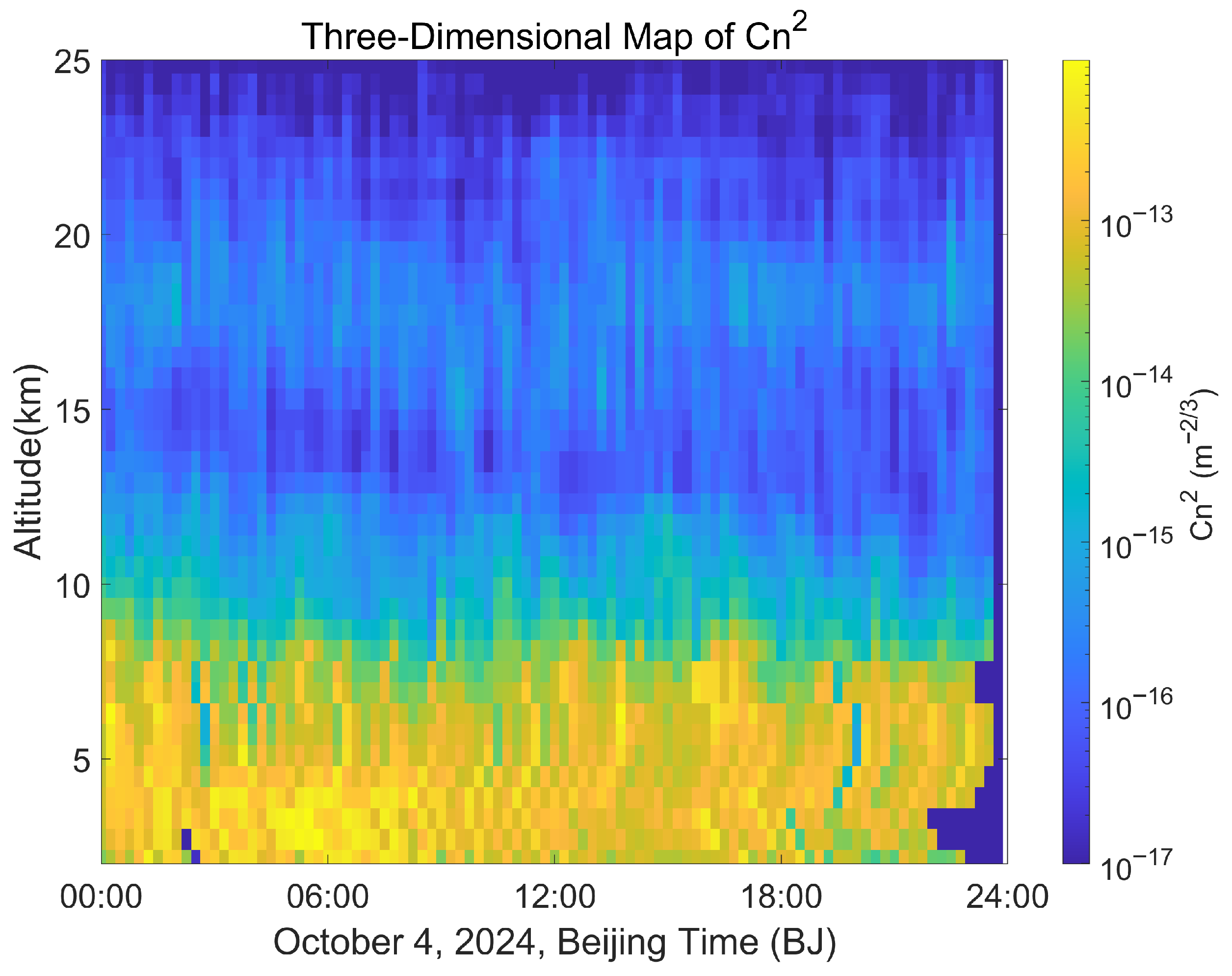
The Qinzhou MST radar station offers the advantages of high temporal resolution and continuous, stable monitoring of the three-dimensional atmospheric state above the observation site. To investigate the diurnal variation characteristics of atmospheric turbulence, the hourly distribution of C n 2 over Qinzhou on 4 October 2024, was analyzed, with the results presented in Figure 4.
This specific date was selected because the Qinzhou region was influenced by southward-moving cold air from northern China during this period, which induced increased rainfall and the formation of local turbulence. As illustrated in Figure 4, persistent turbulence was observed in the lower troposphere (below 5 km above sea level), where the C n 2 values maintained an order of magnitude of 10 14 10 13 . Additionally, diurnal variations in solar radiation and temperature significantly modulated the turbulence intensity: C n 2 exhibited a distinct increasing trend around 06:00 CST (local time) and decreased substantially from the afternoon to the evening. Overall, the turbulence intensity (characterized by C n 2 ) was higher during daytime than nighttime, reflecting a typical diurnal variation pattern driven by solar heating.
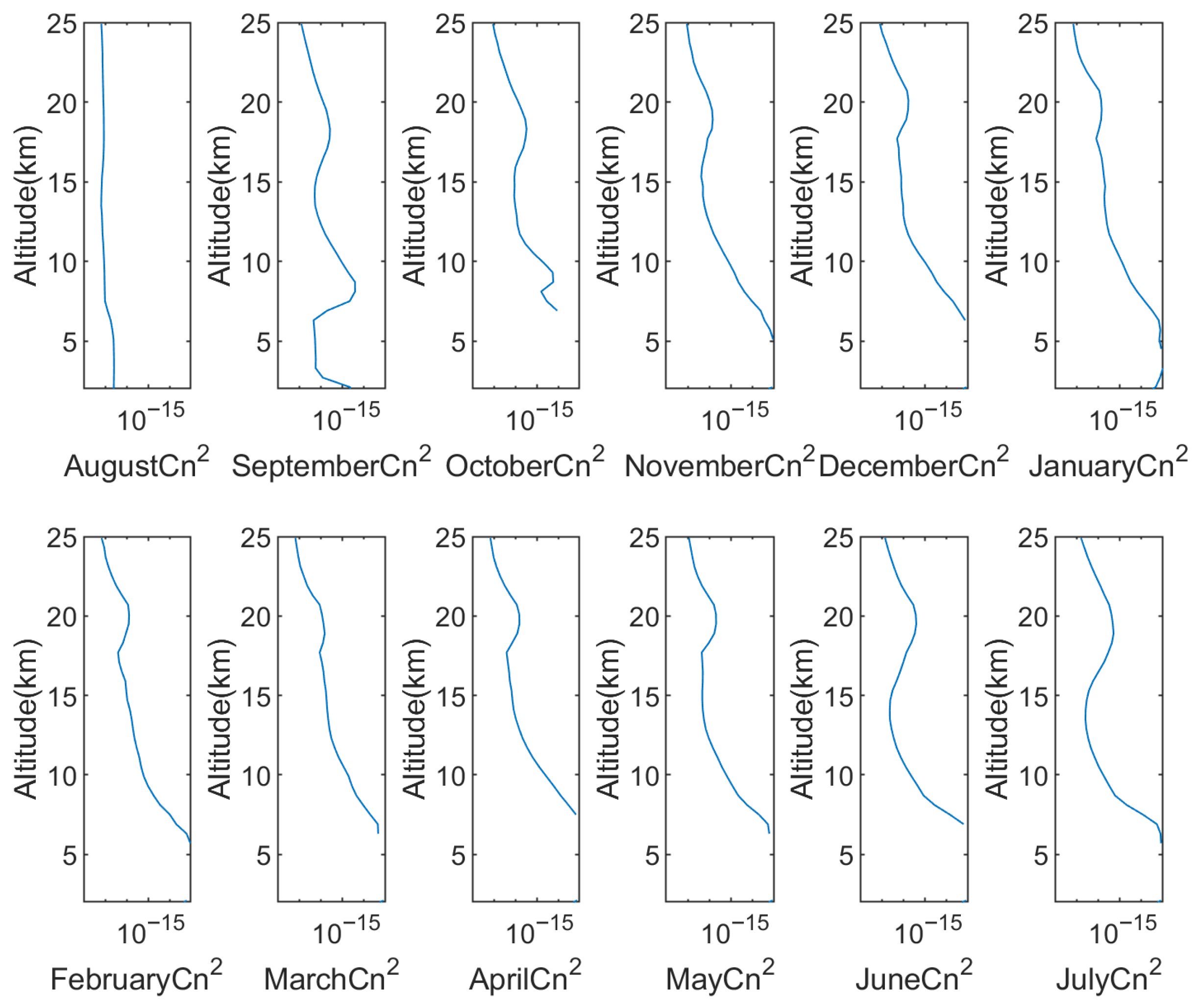
To further verify the reliability of the Qinzhou MST radar in detecting atmospheric refractive index structure constant and fully exploit its high temporal resolution advantage, the seasonal variation of C n 2 was systematically analyzed. Figure 5 presents the monthly average C n 2 profiles for different seasons, derived from the Qinzhou MST radar measurements.
As presented in Figure 5, the Qinzhou station (Guangxi Zhuang Autonomous Region) is located at geographic coordinates of 108.66° E, 22.10° N, falling within the low-latitude region. Turbulence in low-latitude areas is less subject to seasonal modulation, with its variability primarily driven by intense solar radiation and water vapor transport. Notably, strong turbulence events in this region frequently occur during the rainy season and in association with severe convective weather phenomena, such as thunderstorms and precipitation activities. Furthermore, the troposphere in low-latitude regions extends to a higher altitude, enabling turbulence activities to span a broad vertical range.
From the seasonal variation profiles in Figure 5, it can be observed that the turbulence intensity over the study area is relatively weak during August–September. In contrast, frequent thunderstorms and precipitation events are induced by the interaction of cold and warm air masses during October–November and March–April. Correspondingly, the atmospheric refractive index structure constant ( C n 2 ) profiles measured by the Qinzhou MST radar reach a turbulence intensity of the 10 13 order of magnitude during these periods, indicating enhanced atmospheric turbulence associated with synoptic-scale and convective-scale activities.

4.3. Analysis of Severe Turbulence Events in Qinzhou, Guangxi

At 16:20 on 6 September 2024, Typhoon “Capricorn” made landfall in Wenchang, Hainan, at the super typhoon level. In the early morning of 7 September “Capricorn” moved into the Beibu Gulf sea area at the strong typhoon level, and made landfall again along the coast from Fangchenggang, Guangxi to northern Vietnam at the typhoon or strong typhoon level in the afternoon of 7 July. “Capricorn” stayed in the Beibu Gulf sea area for about 15–18 h [20]. As a super-turbulent event, “Capricorn” will have a significant impact on the turbulence and wind field above Qinzhou. We will analyze the severe turbulence event in the Qinzhou area by combining MST radar data and the Qinzhou surface meteorological station 59,632.
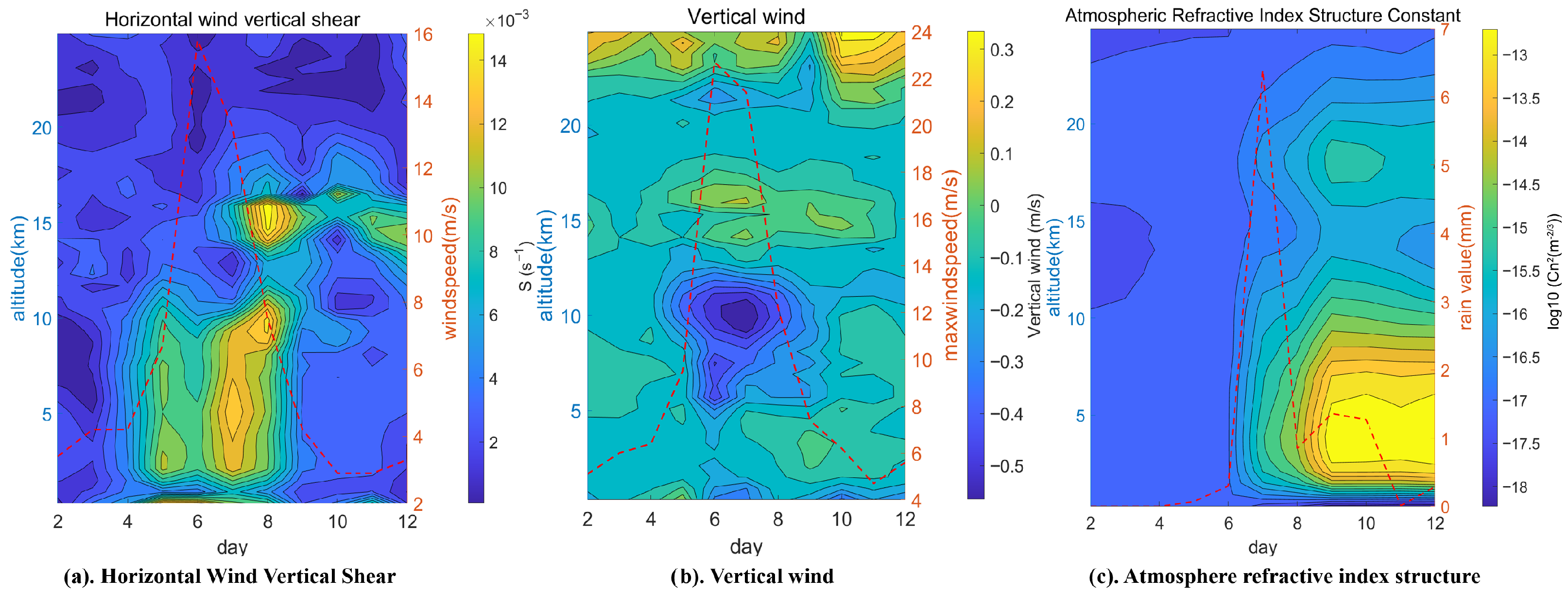
First, the wind field data are analyzed. The vertical wind measured by the MST radar, atmospheric refractive index structure constant, calculated horizontal wind vertical shear, and the in situ wind field and precipitation measured by the Qinzhou surface meteorological station 59,632 from 2 September to 12 September 2024, are analyzed, as shown in Figure 6.
Figure 6 presents the temporal variation profiles of the vertical shear of horizontal wind, vertical wind, and atmospheric refractive index structure parameter ( C n 2 ) over Qinzhou, along with in situ surface wind field and precipitation data recorded by Qinzhou Surface Meteorological Station during the period of 2–12 September 2024. From 6 to 9 September, under the influence of Typhoon “Capricorn”, the vertical shear of horizontal wind in the lower atmospheric layer (approximately 2–8 km above sea level) increased significantly. Notably, its profile (Figure 6a) exhibits a certain degree of correspondence with the enhanced region of vertical wind speed (Figure 6b) during the same period, indicating that strong convection and intense circulation induced by the typhoon triggered drastic variations in the lower atmospheric wind field. Meanwhile, the precipitation amount (Figure 6c; red dashed line, right ordinate) reached a peak during this period, and the surface wind speed (Figure 6b; red dashed line, right ordinate) increased synchronously—these observations further confirm the direct impact of Typhoon “Capricorn” on the study area.
As a core parameter for quantifying atmospheric turbulence intensity, the atmospheric refractive index structure parameter ( C n 2 ; Figure 6c; color contours) showed a substantial increase in the lower to middle-upper atmospheric layers (approximately 2–10 km above sea level) during the typhoon impact period (6–9 September). The maximum value of C n 2 reached the order of 10 13 10 12 m 2 / 3 , which reflects that typhoon circulation served as the primary driving force for atmospheric turbulence during this period. To obtain a more detailed understanding of atmospheric disturbances on the day of the typhoon’s passage, high-time-resolution turbulence data observed by Qinzhou Surface Meteorological Station (Station ID: 59632) on 7 September are further analyzed.
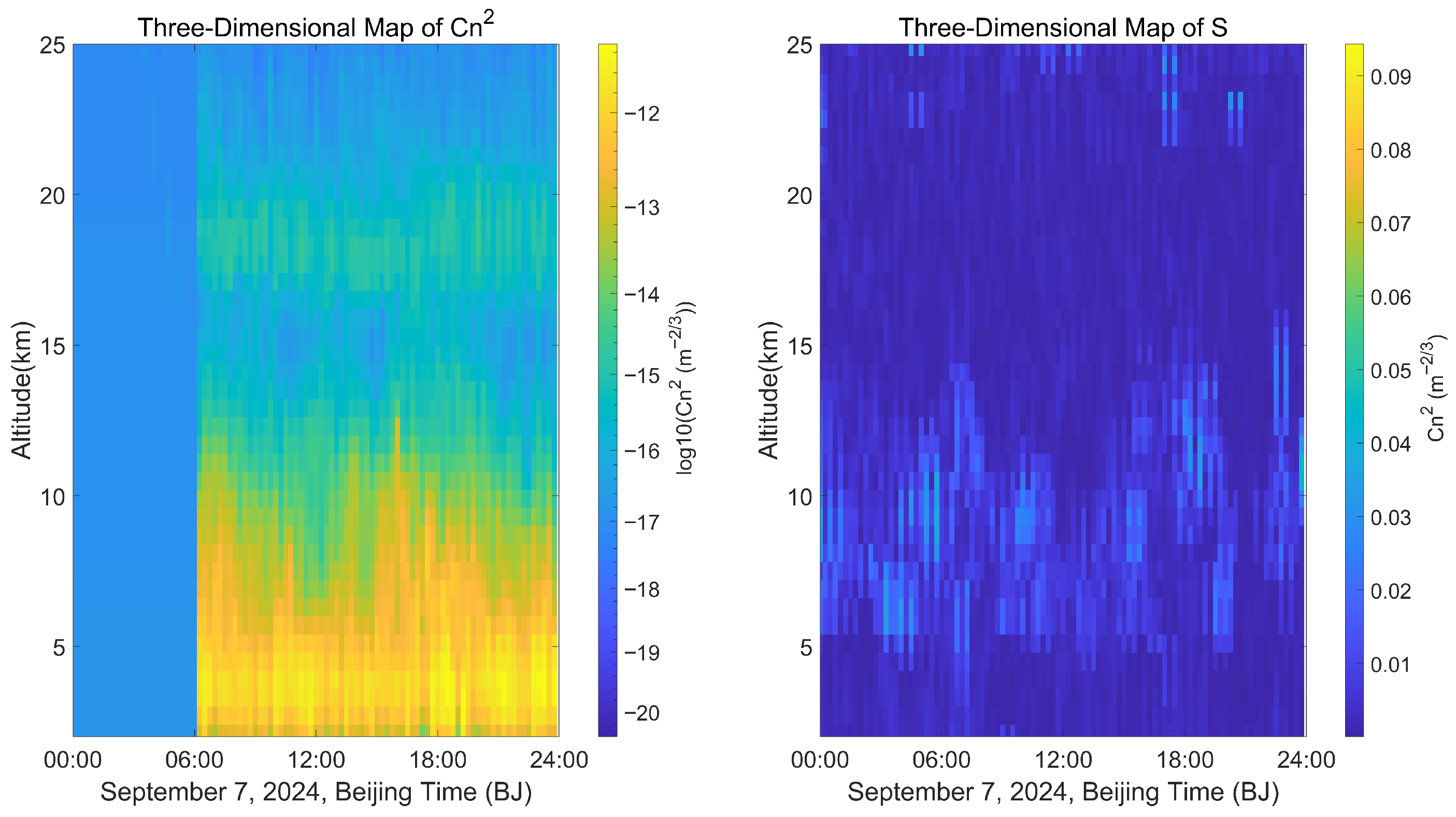
Figure 7 illustrates the high-time-resolution atmospheric turbulence observations obtained from Qinzhou Surface Meteorological Station during the passage of Typhoon “Capricorn” on 7 September 2024. Throughout the entire day of 7 September, the atmospheric refractive index structure parameter ( C n 2 ; left panel of Figure 7) maintained a high level in the lower atmospheric layer (2–14 km above sea level), with turbulence intensity peaking during the daytime period (approximately 07:00–20:00 local time). Correspondingly, the vertical shear of horizontal wind (S; right panel of Figure 7) also exhibited a significant enhancement in the same altitude range and time window, and its temporal variation trend showed distinct synchronization and a positive correlation with that of C n 2 . This observation indicates that the vertical shear of horizontal wind, as a key mechanism for turbulence generation, exerted a dominant control on turbulence development in the lower atmosphere under the influence of Typhoon “Capricorn”. Therefore, based on this extreme typhoon event, the present study investigates and discusses the quantitative correlation between the atmospheric refractive index structure constant ( C n 2 ) and the vertical shear of horizontal wind (S).
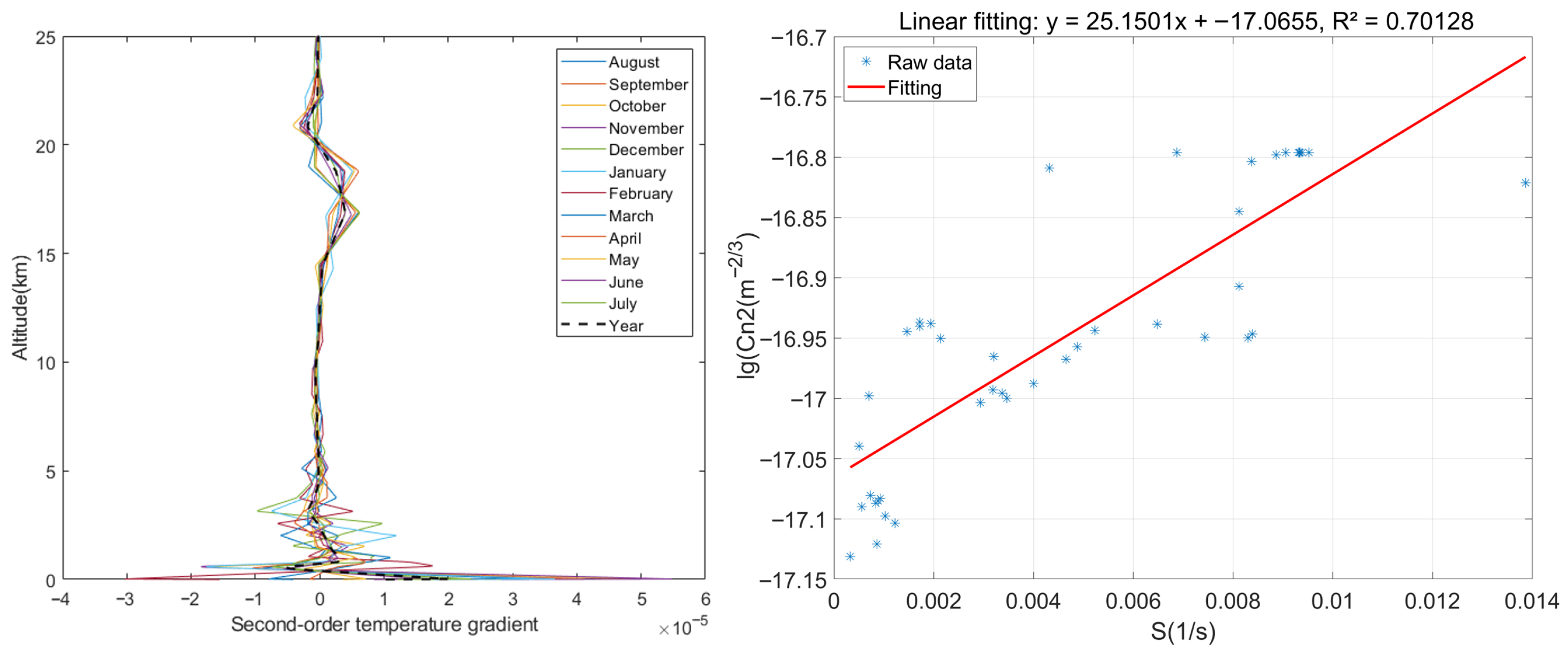
Figure 8 (left panel) presents the monthly and annual mean profiles of the second-order temperature gradient spanning from August 2024 to July 2025. To eliminate the potential influence of the temperature gradient on the atmospheric refractive-index structure constant ( C n 2 ), we analyzed the vertical distribution of the second-order temperature gradient over Qinzhou, Guangxi Zhuang Autonomous Region, China, utilizing National Centers for Environmental Prediction (NCEP) reanalysis data. As illustrated in the figure, within the altitude range of 7–14 km above sea level, the second-order temperature gradient remains relatively stable with minimal fluctuations. Therefore, based on this 7–14 km altitude layer (where the temperature gradient effect is negligible), the present study investigates the correlation between C n 2 and the vertical shear of horizontal wind (S).
Figure 8 (right panel) depicts the linear fitting relationship between the logarithm of the atmospheric refractive index structure constant ( lg ( C n 2 ) ) and the vertical shear of horizontal wind (S) on 6 September 2024—a key period during Typhoon “Capricorn”—which enables quantitative analysis of the coupling degree between turbulence intensity and wind shear during the typhoon event. The fitting results reveal a statistically significant positive linear correlation between lg ( C n 2 ) and S, with the fitting equation expressed as: lg ( C n 2 ) = 25.1501 x 17.0655 , where x denotes the vertical shear of horizontal wind (S) with a unit of s 1 , and the coefficient of determination for the fitting is R 2 = 0.70128 . This result indicates that during the development stage of Typhoon “Capricorn”, the vertical shear of horizontal wind (S) serves as a decisive factor regulating the atmospheric refractive index structure constant ( C n 2 ). Furthermore, in intense atmospheric dynamic processes dominated by severe typhoon systems, the vertical shear of horizontal wind constitutes one of the most critical driving mechanisms responsible for the enhancement of C n 2 —i.e., the intensification of optical turbulence.
A comprehensive synthesis of the aforementioned analyses demonstrates that the passage of Super Typhoon “Capricorn” induced significant wind field disturbances and enhanced vertical wind shear over Qinzhou. This enhanced vertical shear of horizontal wind represents the primary dynamic driver underlying the substantial intensification of atmospheric turbulence intensity ( C n 2 ) in the lower to middle altitude layer (7–14 km above sea level), with a strong linear positive correlation identified between these two parameters.


5. Conclusions and Prospects

In the present study, the National Centers for Environmental Prediction (NCEP) reanalysis dataset, combined with Tatarskii’s atmospheric turbulence model, was primarily utilized to retrieve atmospheric parameters for deriving the vertical profile of the atmospheric refractive index structure constant ( C n 2 ). Meanwhile, the atmospheric wind field and C n 2 profile observed by the Mesosphere–Stratosphere–Troposphere (MST) radar at Qinzhou, Guangxi Zhuang Autonomous Region, China, were processed and analyzed. The MST radar-derived results were compared with the calculations from the NCEP dataset, confirming the favorable reliability of the observational data from the Qinzhou MST radar station. Additionally, the diurnal and seasonal variations of atmospheric turbulence over the station were systematically investigated: the diurnal variation characteristics were statistically analyzed for 4 October 2024, while the monthly and seasonal distribution characteristics were examined over the period from August 2024 to July 2025. The diurnal variation results indicate that the intensity of C n 2 is stronger during daytime than nighttime, and the seasonal variation characteristics reveal that C n 2 is more intense in spring and autumn compared to summer and winter—consistent with the a priori expectations. Finally, the capture of Super Typhoon “Capricorn” (on 7 September 2024) by the MST radar (wind field and C n 2 ) and surface meteorological stations was analyzed in detail. Simultaneously, the perturbations of horizontal wind vertical shear (S) and C n 2 induced by this extreme turbulent event were statistically evaluated, leading to the conclusion that horizontal wind vertical shear serves as the primary driving mechanism responsible for the enhancement of atmospheric optical turbulence intensity.
In future research, we will focus on investigating the propagation of laser beams through turbulent atmospheres. Turbulent atmospheric environments contain a large number of eddies with diverse scales and inhomogeneous distributions, which can be analogized to optical lenses of varying sizes and spatial arrangements. Temporal and spatial variations in turbulent velocity and temperature fields induce corresponding changes in the refractive index of these “turbulent lenses”, thereby degrading the coherence of the propagating laser field, causing random fluctuations in the laser wavefront, and ultimately impacting atmospheric laser propagation. In satellite-borne laser ranging or free-space optical communication systems, such impacts are primarily manifested as laser spot distortion and laser beam wander. Laser spot distortion arises from the perturbation of the laser phase distribution by atmospheric turbulence during propagation, while laser beam wander is attributed to the random deflection of the beam propagation direction induced by turbulent eddies with scales larger than the beam diameter. In subsequent studies, we will integrate observational data from the Qinzhou station with multiple heterogeneous data sources to quantitatively analyze the impacts of different turbulence conditions on laser transmission characteristics.
Based on the detection principle of MST radar and atmospheric turbulence theory, this study compared and validated the C n 2 values calculated from the NCEP reanalysis dataset against in situ MST radar measurements. Furthermore, the diurnal and seasonal variations of atmospheric background turbulence were comprehensively analyzed, and the relationship between C n 2 and horizontal wind vertical shear was discussed by incorporating observed wind field information. This work enhances the analytical capacity and application potential of MST radar in the field of atmospheric turbulence detection, thereby holding important practical significance for related engineering and scientific research.

Author Contributions

Conceptualization, S.L., K.Z., W.L., G.C., W.G. & Y.Q.; Methodology, S.L. & K.Z.; Software, S.L. & K.Z.; Formal analysis, S.L.; Investigation, K.Z.; Resources, S.L.; Data curation, S.L. & G.C.; Writing—original draft, S.L. & K.Z.; Writing—review & editing, All authors; Visualization, S.L. & K.Z.; Supervision, W.L.; Project administration, W.L. & W.G.; Funding acquisition, W.L. & Y.Q. All authors have read and agreed to the published version of the manuscript.

Funding

This research received no external funding.

Institutional Review Board Statement

Not applicable.

Informed Consent Statement

Not applicable.

Data Availability Statement

The original contributions presented in the study are included in the article, further inquiries can be directed to the corresponding author.

Acknowledgments

We acknowledge the use of data from the Chinese Meridian Project.

Conflicts of Interest

The authors declare no conflicts of interest.

References

  1. Rao, R.Z. Strehl Ratio and Sharpness of Collimated Laser Beams in Turbulent Atmosphere. Chin. J. Lasers 2005, 32, 53–58. [Google Scholar]
  2. Xiong, Z. Simulation and Experimental Research on the Influence of Atmospheric Turbulence in Satellite-Ground Optical Communication. Master’s Thesis, Wuhan University, Wuhan, China, 2014. [Google Scholar]
  3. Lv, Y.M. Spatiotemporal Distribution and Influencing Factors of Turbulence in the Free Atmosphere over China. Doctoral Thesis, Chinese Academy of Meteorological Sciences, Beijing, China, 2021. [Google Scholar]
  4. Yu, W.; Zhou, H.; Ma, Y.; Zhang, Q.; Li, S.; Wang, H.; Yang, J. Atmospheric Turbulence Induced Radiometric Distortion of Spaceborne Lidars. IEEE Trans. Geosci. Remote Sens. 2025, 63, 5701612. [Google Scholar] [CrossRef]
  5. Woodman, R.F.; Guillen, A. Radar observations of winds and turbulence in the stratosphere and mesosphere. J. Atmos. Sci. 1974, 31, 493–505. [Google Scholar] [CrossRef]
  6. Coulman, C.; Vernin, J.; Coqueugniot, Y.; Caccia, J.L. Outer Scale of Turbulence Appropriate to Modeling Refractive-Index Structure Profiles. Appl. Opt. 1988, 27, 155–160. [Google Scholar] [CrossRef] [PubMed]
  7. Masciadri, E.; Vernin, J.; Bougeault, P. 3D Mapping of Optical Turbulence Using an Atmospheric Numerical Model—II. First Results at Cerro Paranal. Astron. Astrophys. Suppl. Ser. 1999, 137, 203–216. [Google Scholar] [CrossRef]
  8. Zhang, C.Y.; Weng, N.Q. Measurement and Characteristics of Clear Air Turbulence Dissipation Rate in the Troposphere by Wind Profiler Radar. High Power Laser Part. Beams 2010, 22, 2244–2248. [Google Scholar]
  9. Zhang, C.Y.; Weng, N.Q.; Gao, H.; Yao, Y.C.; Sun, G.; Liu, Q.; Xiao, L.M. Research and Theoretical Simulation of Optical Band Refractive Index Structure Constant Method Based on Wind Profiler Radar. Acta Opt. Sin. 2013, 33, 33–38. [Google Scholar]
  10. Ruan, Z.; He, P.; Ge, R. Determination of Refractive Index Structure Constant with Wind Profile Radar Data. Chin. J. Atmos. Sci. 2008, 32, 133–140. [Google Scholar]
  11. Qing, H.Y. Research on MST Radar Application Technology. Doctoral Thesis, Wuhan University, Wuhan, China, 2016. [Google Scholar]
  12. Chen, Z.; Tian, Y.; Lü, D. Turbulence parameters in the troposphere—lower stratosphere observed by Beijing MST radar. Remote Sens. 2022, 14, 947. [Google Scholar] [CrossRef]
  13. Chen, G.; He, Z.; Zhang, S.; Fuller, B.; Gong, W.; Yang, G.; Zhang, W. Design of the New MST Radar in Chinese Meridian Project. IEEE J. Sel. Top. Appl. Earth Obs. Remote Sens. 2021, 14, 2689–2698. [Google Scholar] [CrossRef]
  14. Borvarán, D.; Peña, A.; Gandoin, R. Characterization of offshore vertical wind shear conditions in Southern New England. Wind Energy 2021, 24, 465–480. [Google Scholar] [CrossRef]
  15. Tatarskii, V.I. The Effects of the Turbulent Atmosphere on Wave Propagation. In Monographs on Physics; Israel Program for Scientific Translations: Jerusalem, Israel, 1971; pp. 1–286. [Google Scholar]
  16. Tatarskii, V.I.; Zavorotnyi, V.U. Wave propagation in random media with fluctuating turbulent parameters. J. Opt. Soc. Am. A 1985, 2, 2069–2076. [Google Scholar] [CrossRef]
  17. Ciddor, P.E. Refractive Index of Air: New Equations for the Visible and Near Infrared. Appl. Opt. 1996, 35, 1566–1573. [Google Scholar] [CrossRef] [PubMed]
  18. Jiang, P.; Yuan, J.; Wu, K.; Wang, L.; Xia, H. Turbulence detection in the atmospheric boundary layer using coherent Doppler wind lidar and microwave radiometer. Remote Sens. 2022, 14, 2951. [Google Scholar] [CrossRef]
  19. Wu, S.; Wu, X.; Su, C.; Yang, Q.; Xu, J.; Luo, T.; Huang, C.; Qing, C. Reliable Model to Estimate the Profile of the Refractive Index Structure Parameter ( C n 2 ) and Integrated Astroclimatic Parameters in the Atmosphere. Opt. Express 2021, 29, 12454–12470. [Google Scholar] [CrossRef] [PubMed]
  20. Li, C.; Wang, N.; Li, X. Remote Sensing-Based Assessment of Vegetation Damage and Recovery from Super Typhoon Capricorn in Hainan Island. Chin. J. Plant Ecol. 2025. [Google Scholar]
Figure 1. MST Radar Diagram of Qinzhou Station, Guangxi.
Atmosphere 17 00233 g001
Figure 2. Monthly And Year Mean Temperature Profiles Over the Observation Station by NCEP data, August 2024–July 2025.
Atmosphere 17 00233 g002
Figure 3. Comparison of MST Radar Measurements at Qinzhou, Guangxi, China, at 00:00 on 5 August 2024, with the NCEP Database’s Zonal Wind Field, Meridional Wind Field, Horizontal wind Field and direction, Calculated Horizontal Wind Shear, and Atmospheric Refractive Index Structure Constant.
Atmosphere 17 00233 g003
Figure 4. Three-Dimensional Map of Atmospheric Refractive Index Structure Constants Derived from MST Radar Measurements at Qinzhou, Guangxi, on 4 October 2024.
Atmosphere 17 00233 g004
Figure 5. Monthly Average Profiles from the MST Radar at Qinzhou, Guangxi, Measured During Different Months from August 2024 to July 2025.
Atmosphere 17 00233 g005
Figure 6. (a) Horizontal Wind Vertical Shear Calculated by MST Radar, (b) Measured Vertical Wind, (c) Atmospheric Refractive Index Structure Constant, and Their Relationships with In Situ Wind Field and Precipitation Data from the Qinzhou Surface Meteorological Station (59,632) (as shown by the red dashed line), 2–12 September 2024.
Atmosphere 17 00233 g006
Figure 7. MST Radar-Measured Atmospheric Refractive Index Structure Constants and Calculated Horizontal Wind Vertical Shear Time-Varying Patterns on 7 September 2024.
Atmosphere 17 00233 g007
Figure 8. (Left) Monthly and annual mean profiles of the second-order temperature gradient from August 2024 to July 2025. (Right) Fit relationship Between Atmospheric Refractive Index Structure Constants and Horizontal Wind Shear on 6 September 2024.
Atmosphere 17 00233 g008
Disclaimer/Publisher’s Note: The statements, opinions and data contained in all publications are solely those of the individual author(s) and contributor(s) and not of MDPI and/or the editor(s). MDPI and/or the editor(s) disclaim responsibility for any injury to people or property resulting from any ideas, methods, instructions or products referred to in the content.