Article

Impacts of Extreme Weather Event in Southeast Brazilian Mangrove Forest

1
Environmental Research Institute, São Paulo 04015-011, Brazil
2
Department of Fishery Resources and Aquaculture, Sao Paulo State University, Registro 01140-070, Brazil
3
Geography Institute, Jataí Federal University, Jataí 75801-615, Brazil
4
Department of Geography, University of São Paulo, São Paulo 05508-010, Brazil
*
Author to whom correspondence should be addressed.
Atmosphere 2023, 14(8), 1195; https://doi.org/10.3390/atmos14081195
Submission received: 2 June 2023 / Revised: 6 July 2023 / Accepted: 21 July 2023 / Published: 25 July 2023
(This article belongs to the Special Issue Forests and Climate Interactions)

Abstract

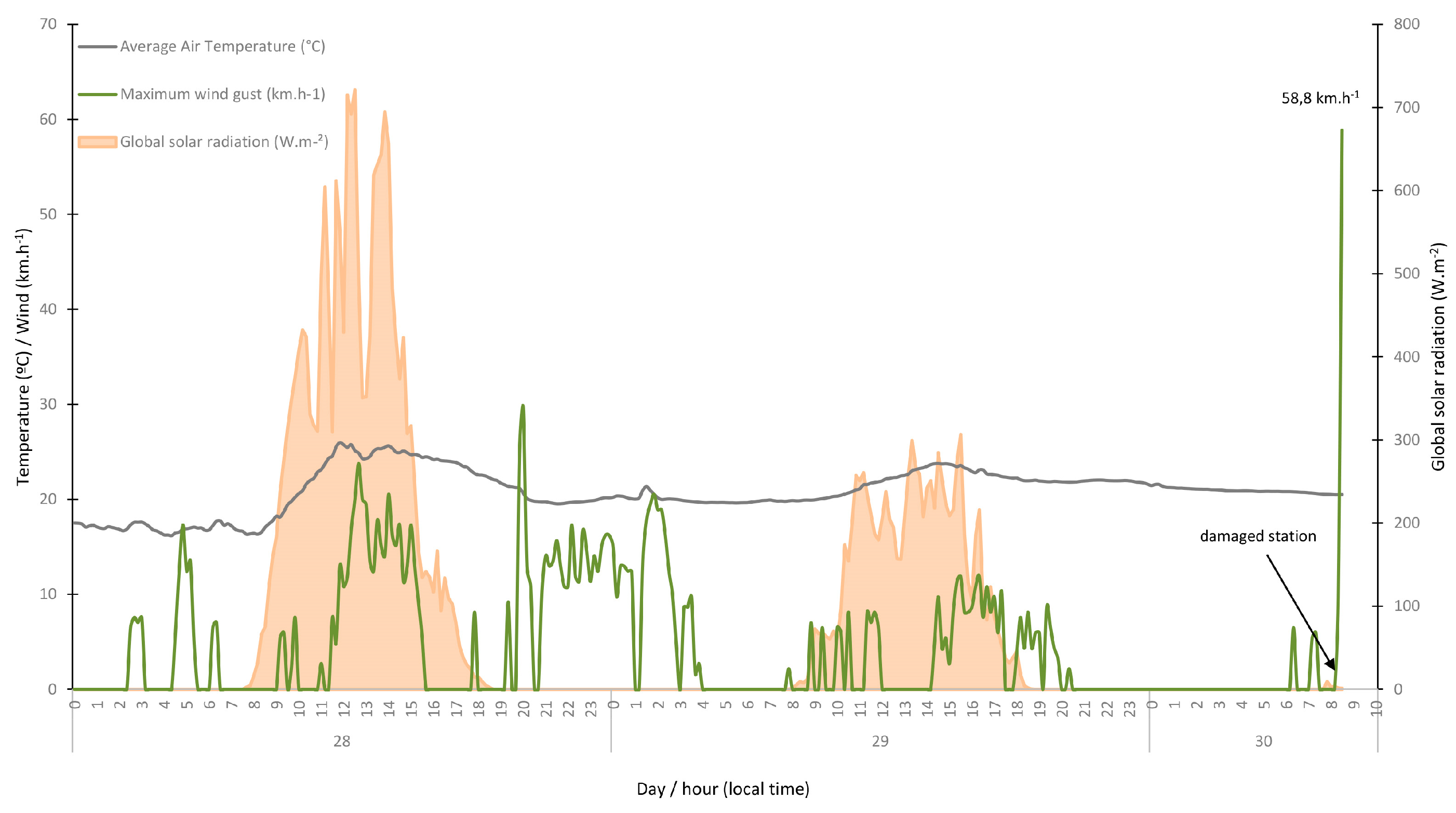
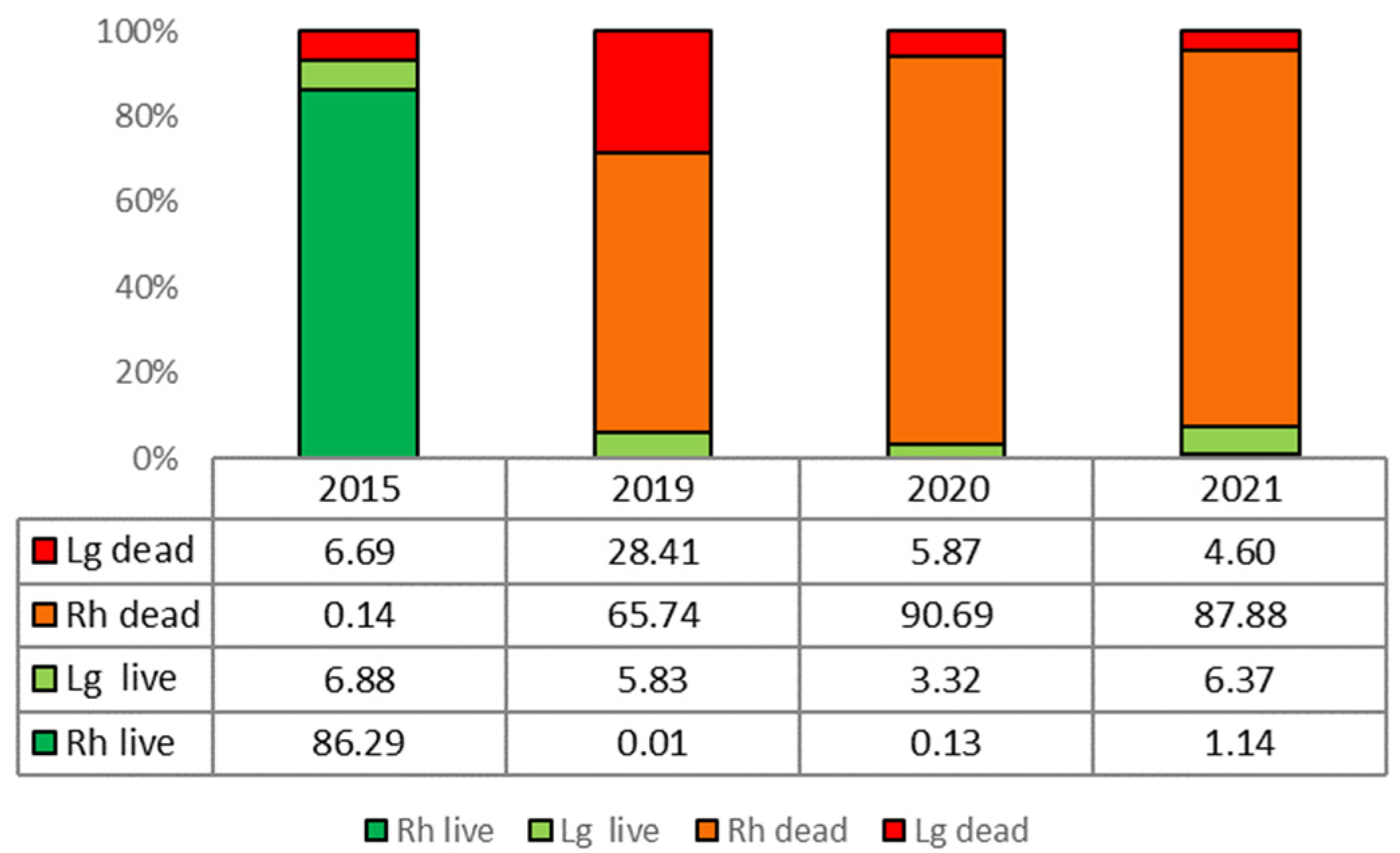
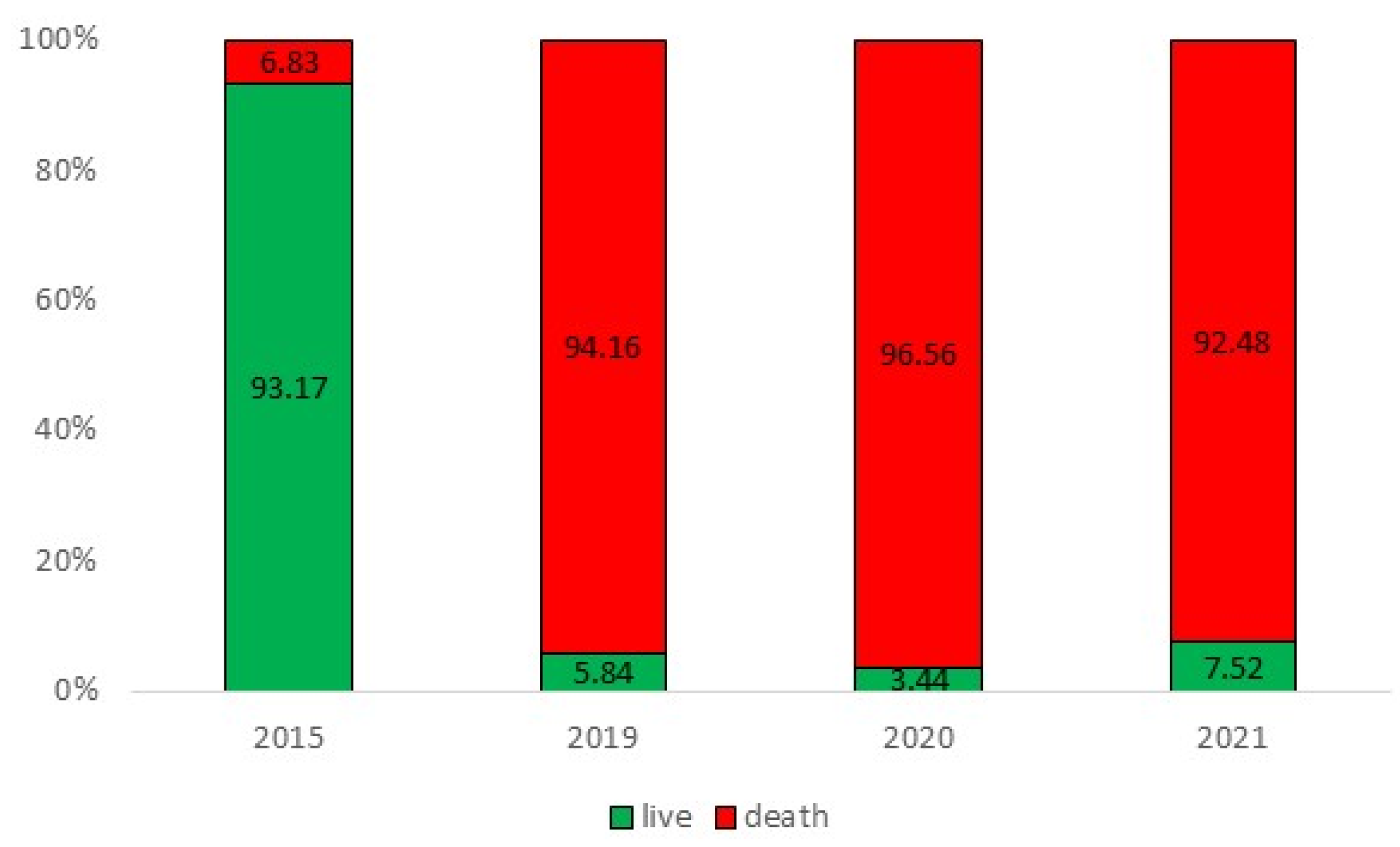
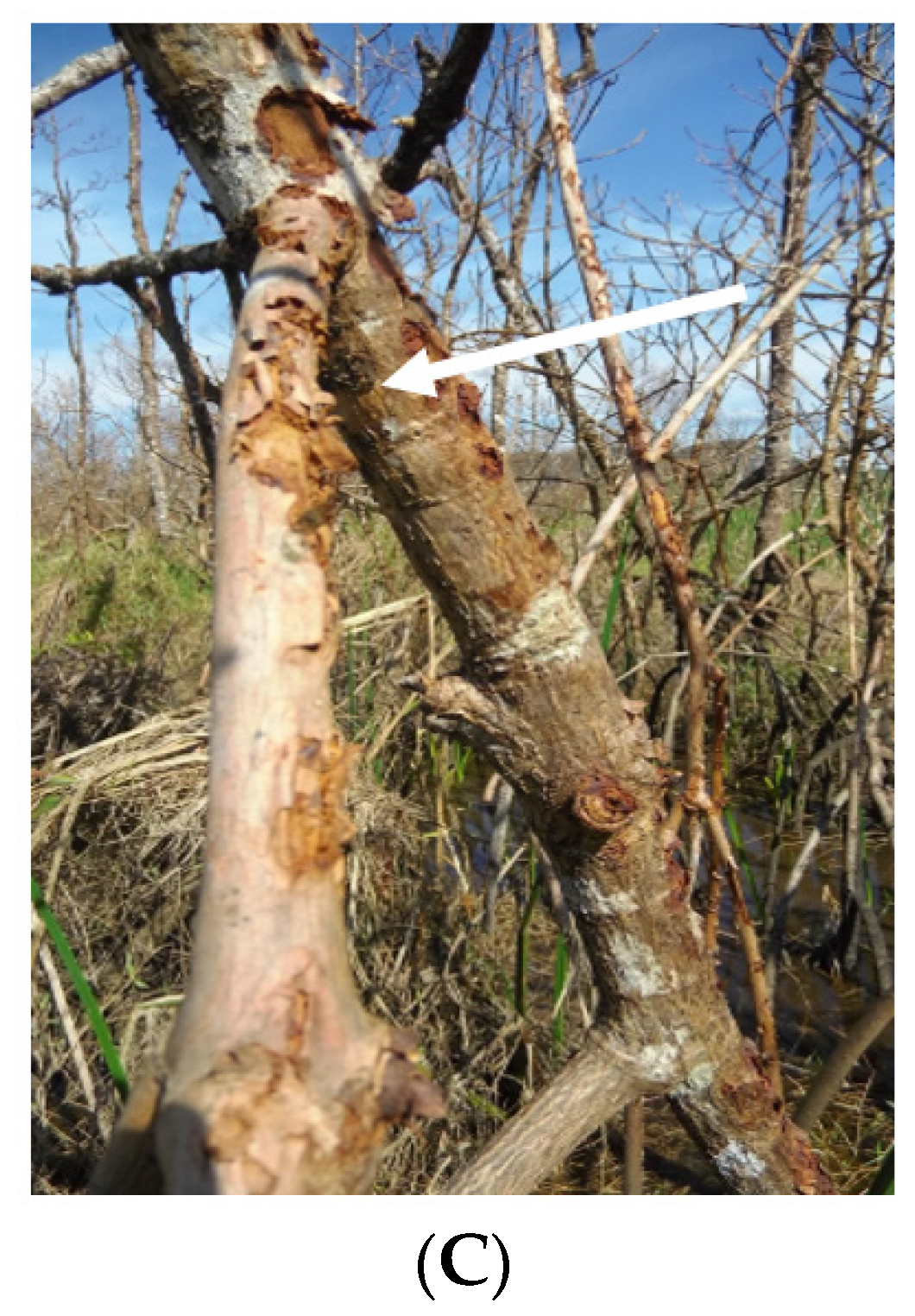
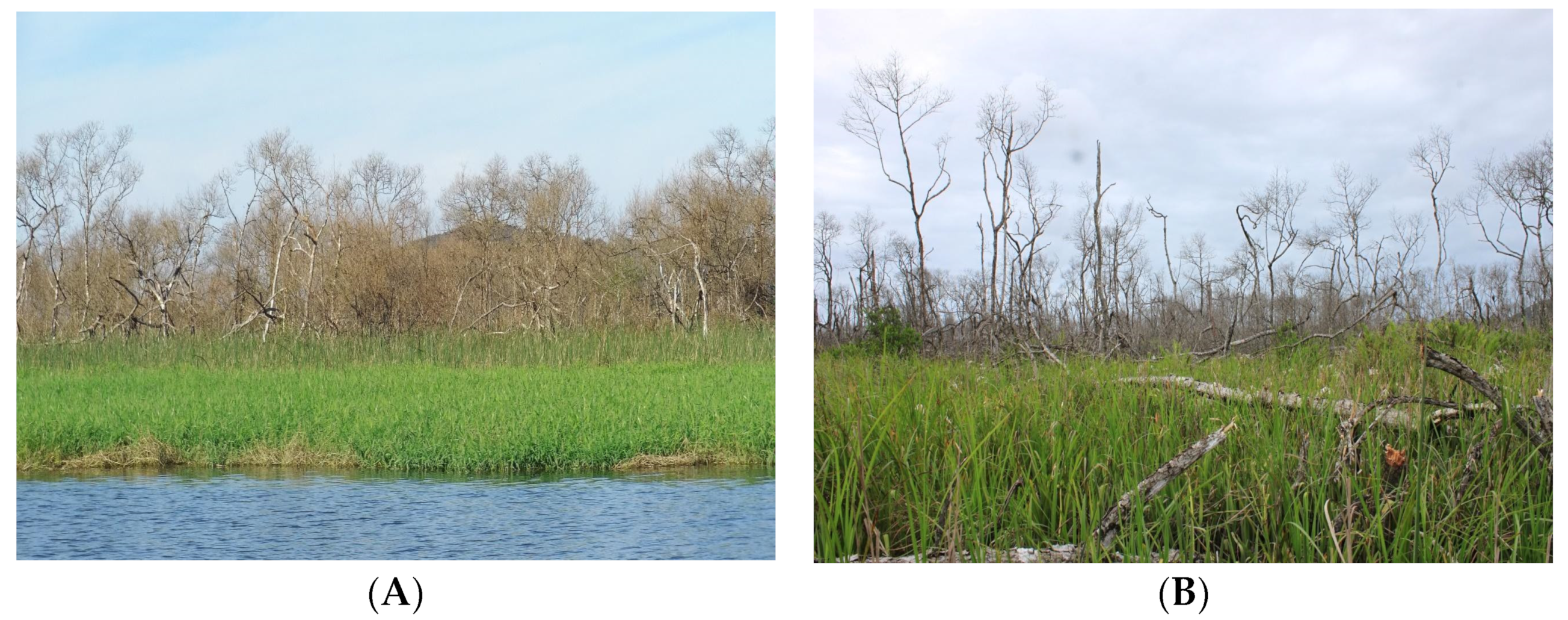
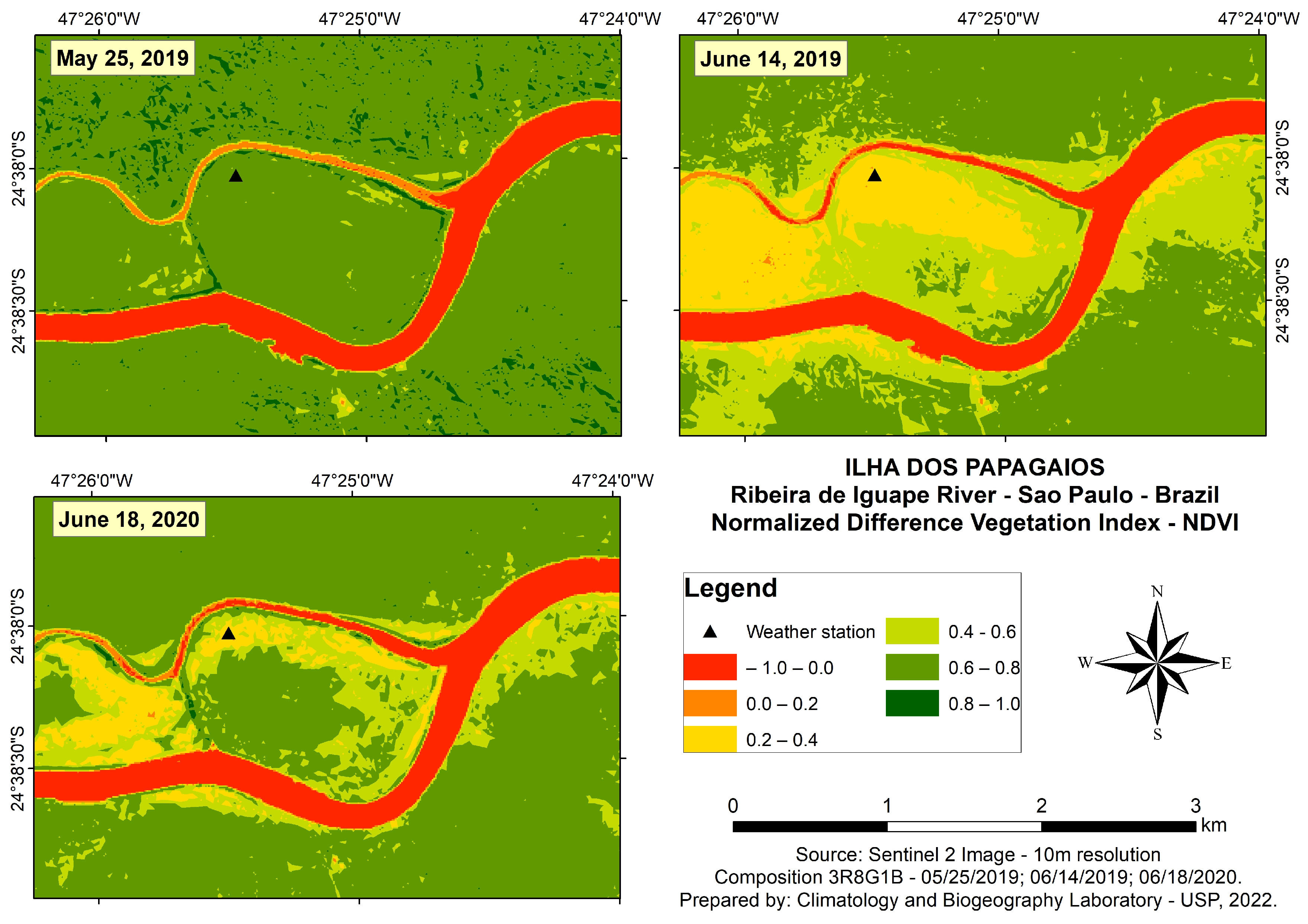
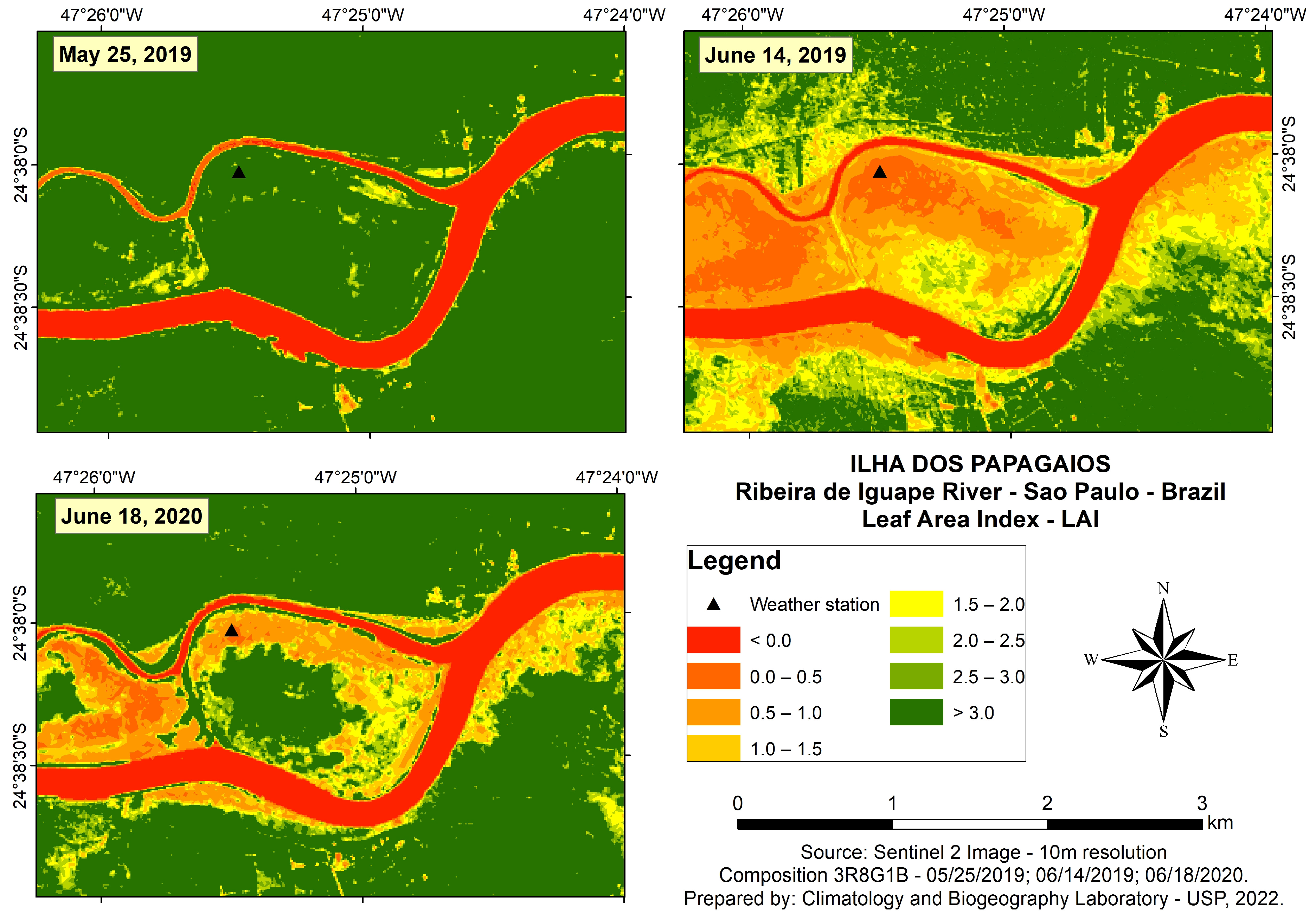
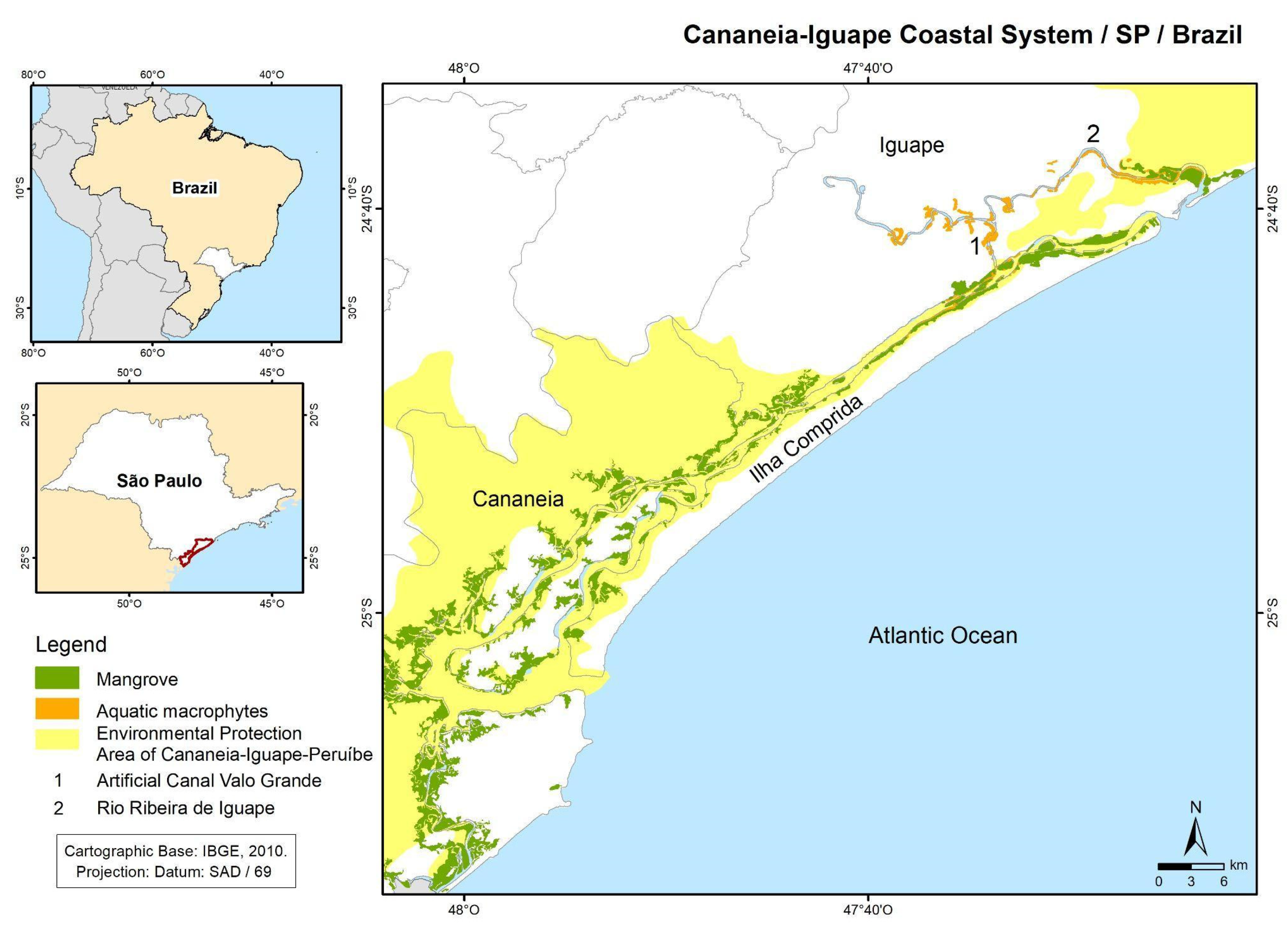
Climate oscillations are becoming more extreme, and mangroves may be more susceptible to changes in physical conditions that can lead to mass diebacks. The current study analysed the impacts of an extreme weather event in the Cananéia-Iguape Coastal System, southeast Brazilian mangroves and the condition of the area over three years. We used a multiproxy approach, including analyses of climatic attributes, structural vegetation, and vegetation indices. Damage caused by a strong storm and hail damage had a severe impact on mangrove areas. A meteorological station installed in the mangrove since 2008 recorded a maximum wind gust of 58 km·h−1 on 30 May 2019. On the Beaufort scale, this speed is classified as strong wind. After the extreme weather event, there were catastrophic impacts on the mangrove, with more than 90% dead trunks. Vegetation indices were reduced, indicating intense changes. The NDVI of the mangroves was reduced from 0.72 to 0.35. The LAI confirmed this premise, with a reduction from 4.25 to 0.63. After three years, natural recovery had not occurred. Extreme weather events have continued to occur along coasts, drastically altering the landscape. Mangroves have been affected by these events, and depending on the state of health of the forests, may have difficulties in recovery.
Keywords: climate effects; monitoring; hail; remote sensing; vegetation indices; permanent plot; vegetation structure climate effects; monitoring; hail; remote sensing; vegetation indices; permanent plot; vegetation structure