
Article

Definition of Urban Built Environment Climate Adaptive Design Actions Aided by Environmental Data-Driven Design Processes


by
Eduardo Bassolino
Dipartimento di Architettura(DiARC), University of Naples Federico II, 80138 Napoli, Italy
Atmosphere 2022, 13(11), 1835; https://doi.org/10.3390/atmos13111835
Submission received: 12 October 2022 / Revised: 25 October 2022 / Accepted: 2 November 2022 / Published: 4 November 2022
(This article belongs to the Special Issue Urban Climate Mitigation Techniques and Technologies)

Abstract

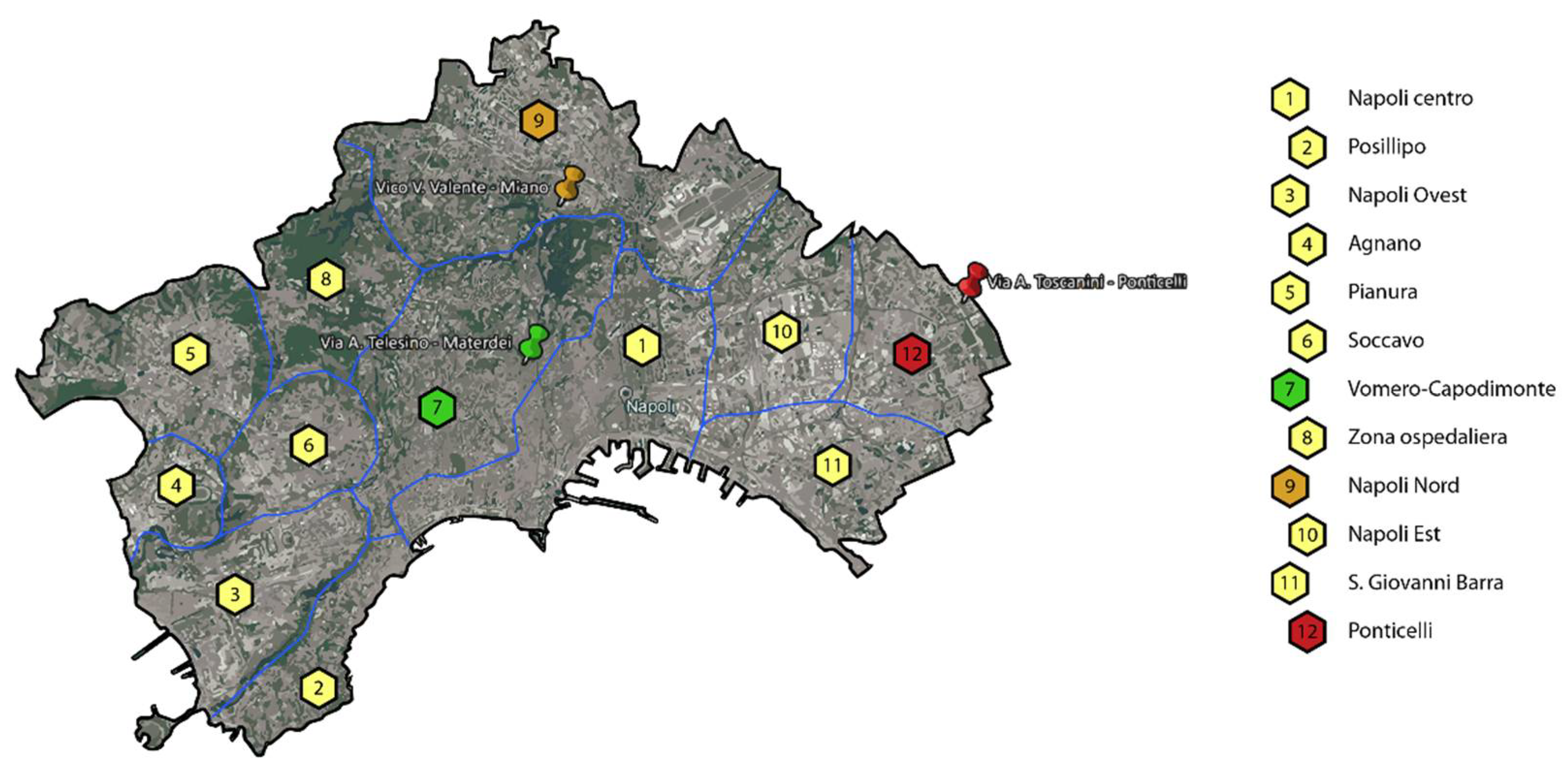
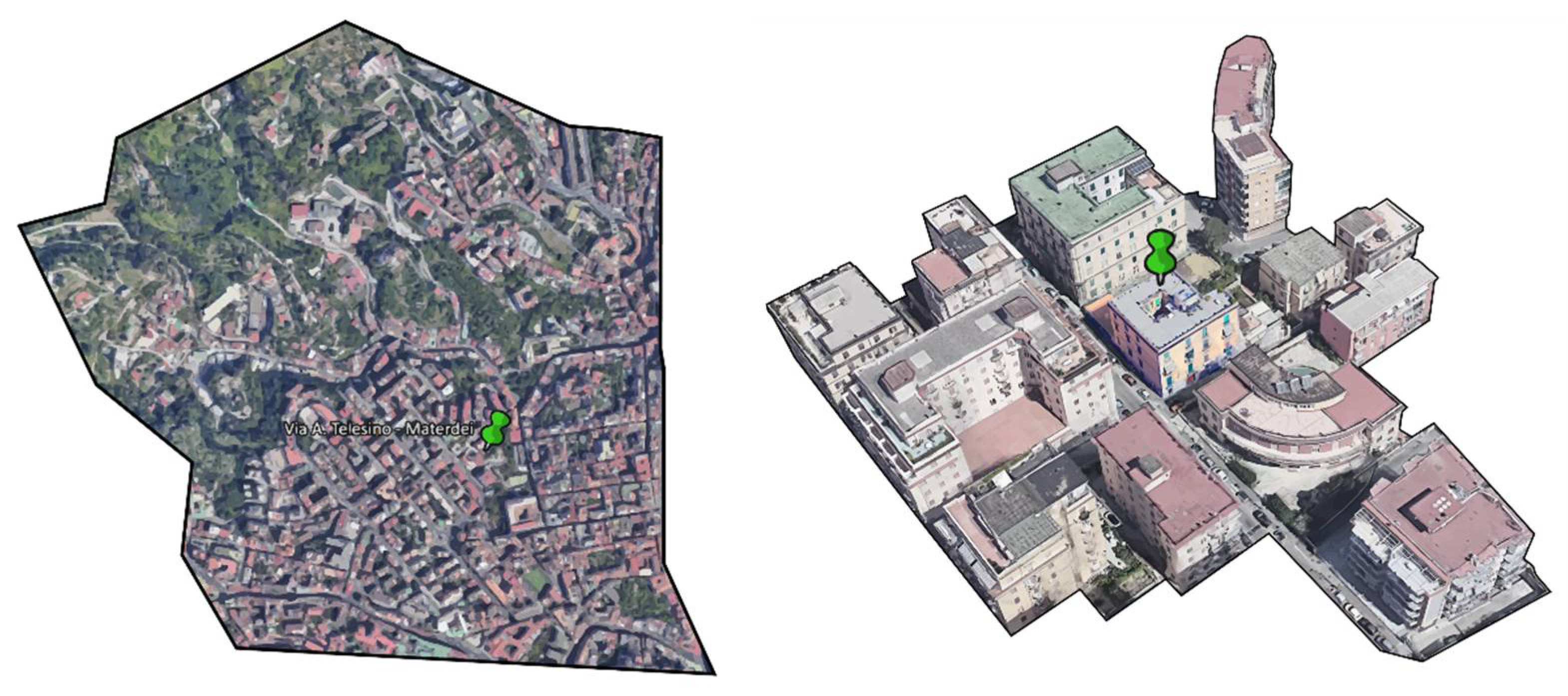
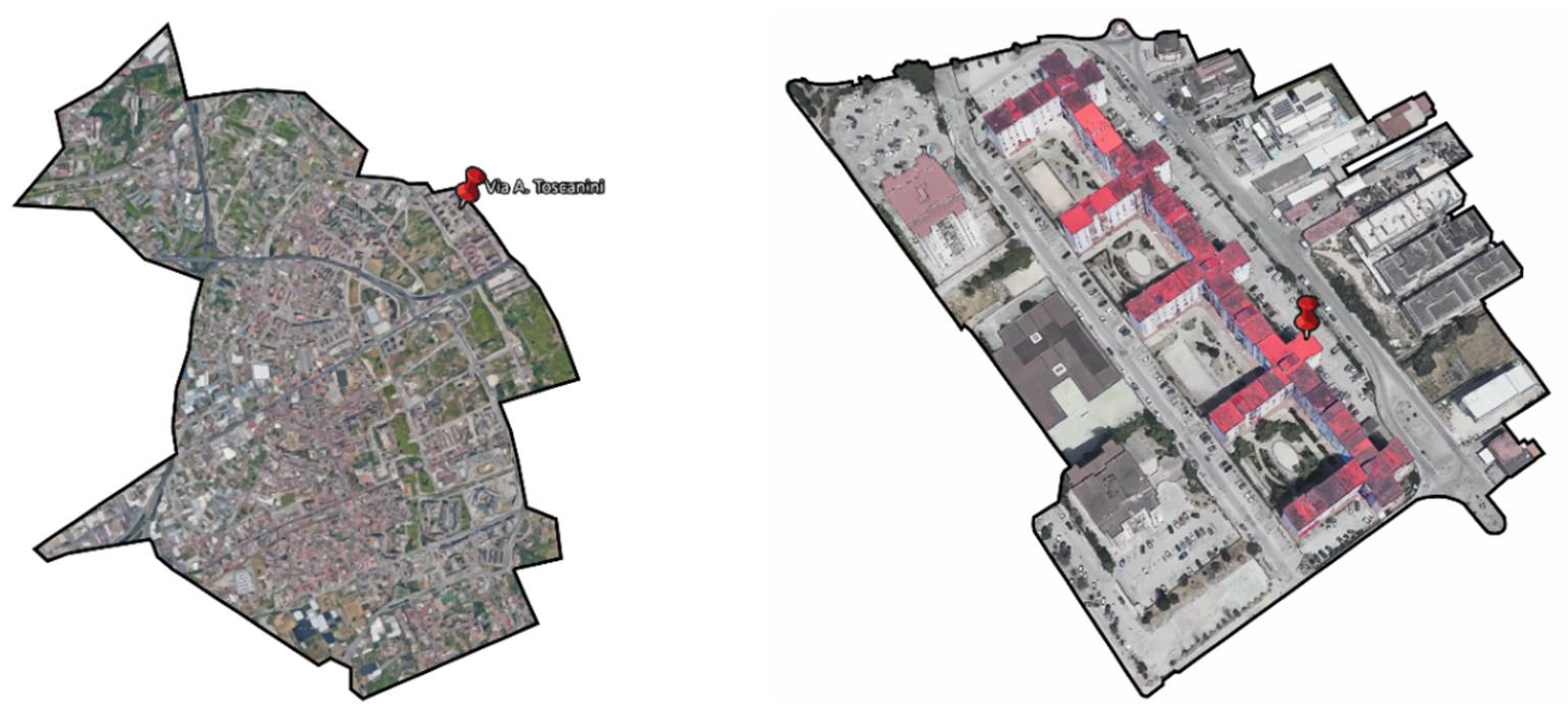
Environmental and technological design for climate adaptation in the urban built environment can no longer be separated from the generation, collection, or use of data (big data). ICT tools (Information and Communication Technologies), for the modelling and simulation of the built urban environment are identified as measuring devices and provide knowledge on the impacts of climate change in design practice based on an environmentally data-driven approach. This study aims to define a framework for the evaluation of environmental health and comfort parameters applicable to simulation tools, with a specific focus on thermal and environmental exchanges between indoor and outdoor spaces, to define those factors that affect the perception of user’s well-being in thermal stress conditions (e.g., heatwaves), both indoor and outdoor. Through the definition of two study cases in the city of Naples, Italy, special attention was paid to investigating the interaction between outdoor and indoor performance when urban temperatures rise. A comparison between a daily survey for occupants and simulations was conducted to confirm the validity of the data obtainable from the perceived thermal sensations. The obtained results show that the designed framework can reliably simulate real outdoor and indoor conditions according to comfort indices such as the predicted mean vote and adaptive comfort model. The methodological framework developed can guarantee the interoperability of data to simulate indoor and outdoor environments responding to real conditions and determine a favourable condition for the development of urban redevelopment interventions through the application of climate adaptive design strategies.
Keywords: climate-adaptive design; data exchange; environmental data-driven design; ICT; KET’s low tech climate-adaptive design; data exchange; environmental data-driven design; ICT; KET’s low tech