Bacterial Profile, Molecular Serotyping, and Key Genetic Determinants for Adhesion, Immune Evasion, and Tissue Spread Among Bulgarian Children with Acute Otitis Media



Abstract
1. Introduction
2. Materials and Methods
2.1. Study Design
2.2. Specimen Collection
2.3. Identification of the Bacterial Strains
2.4. DNA Extraction and PCR Detection
2.5. Serotyping
2.6. Detection of Genetic Determinants for Adhesion, Destruction, and Tissue Spread Among Bacterial Isolates from Children with AOM
2.7. Statistical Analysis
3. Results
3.1. Studied Population
- CO-OR kindergarten/brothers–sisters =1.91
- CO-OR kindergarten/smoking = 4.98
- CO-OR brothers–sisters/smoking = 1.06
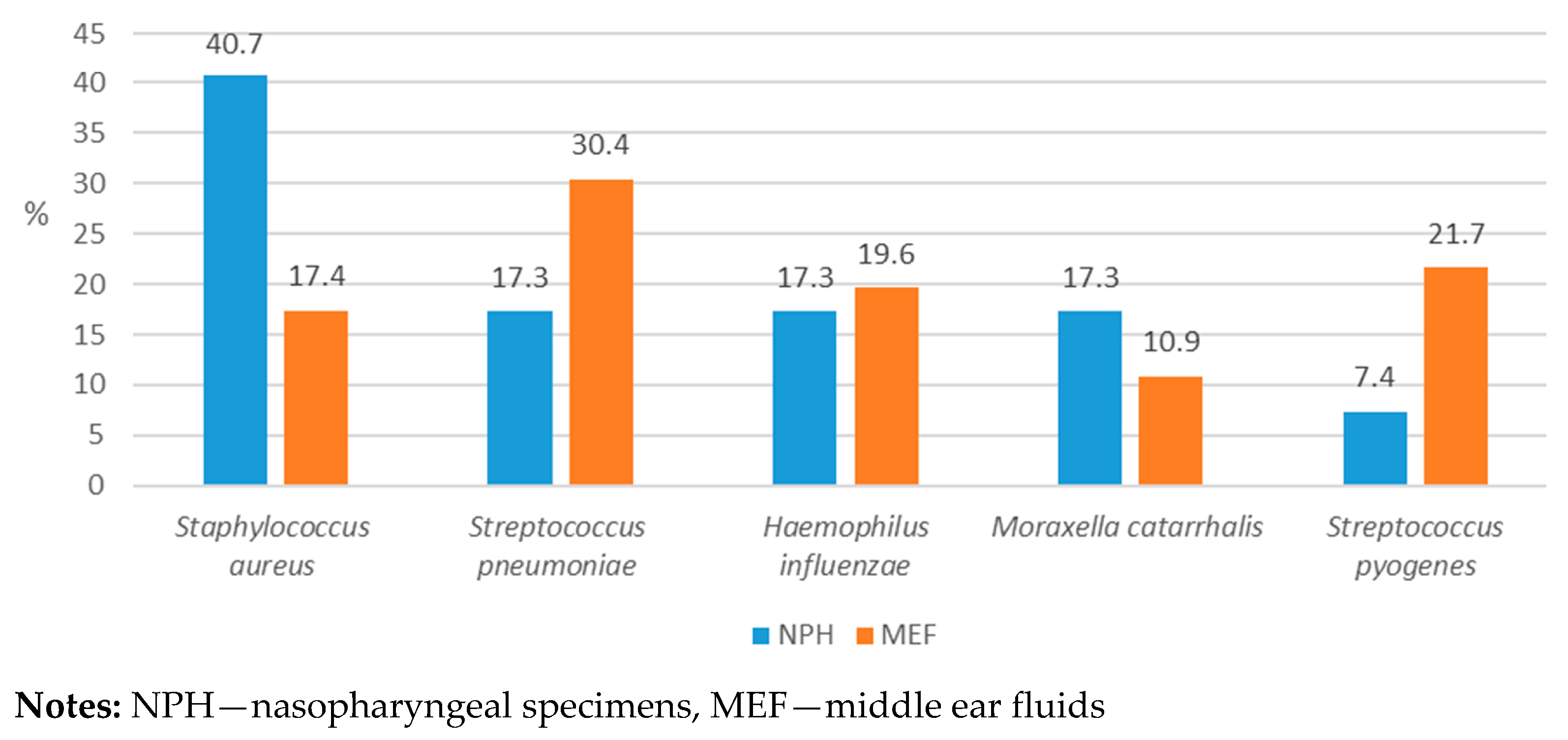
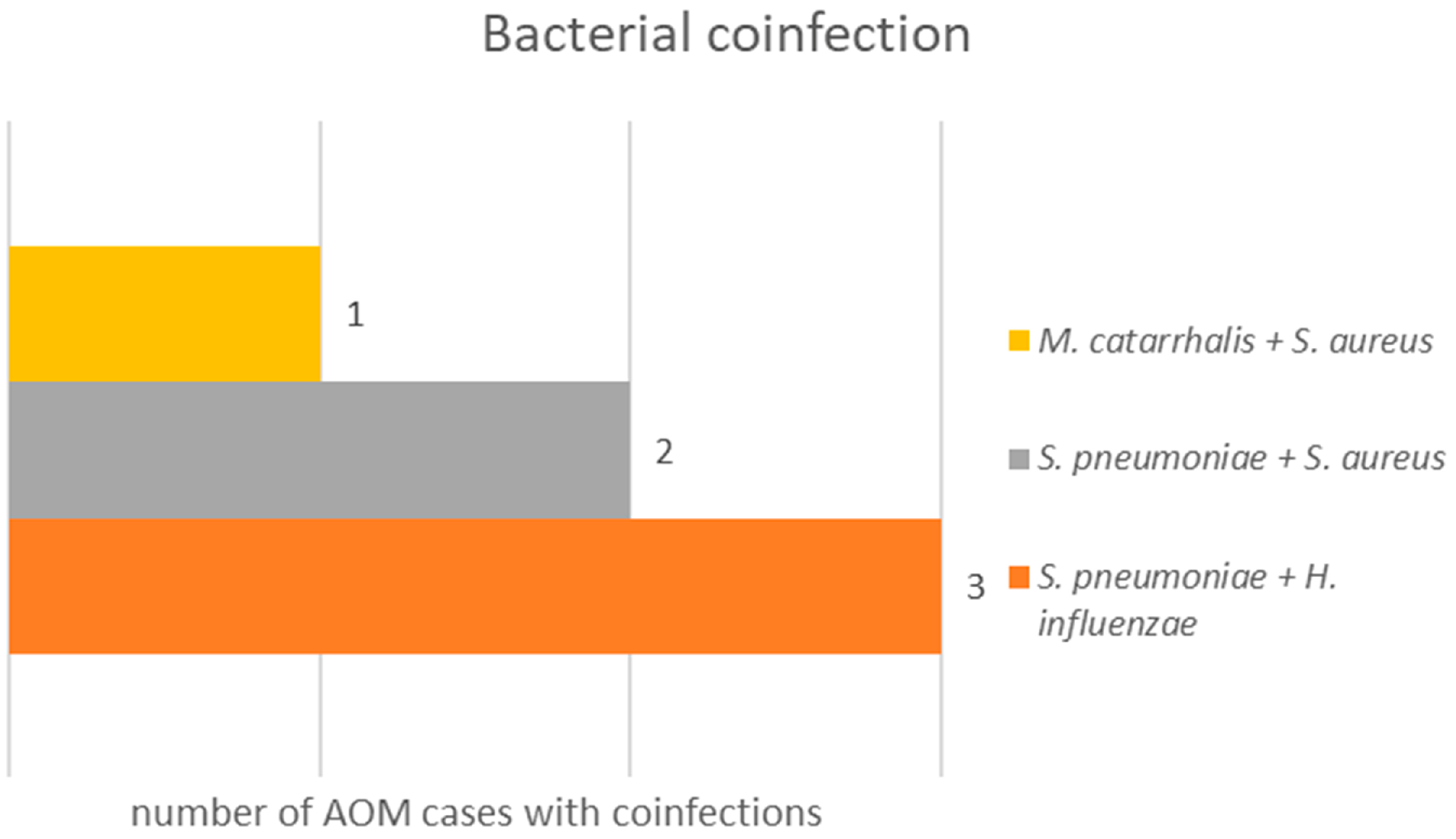
3.2. Bacterial Investigation
3.3. Molecular Serotyping
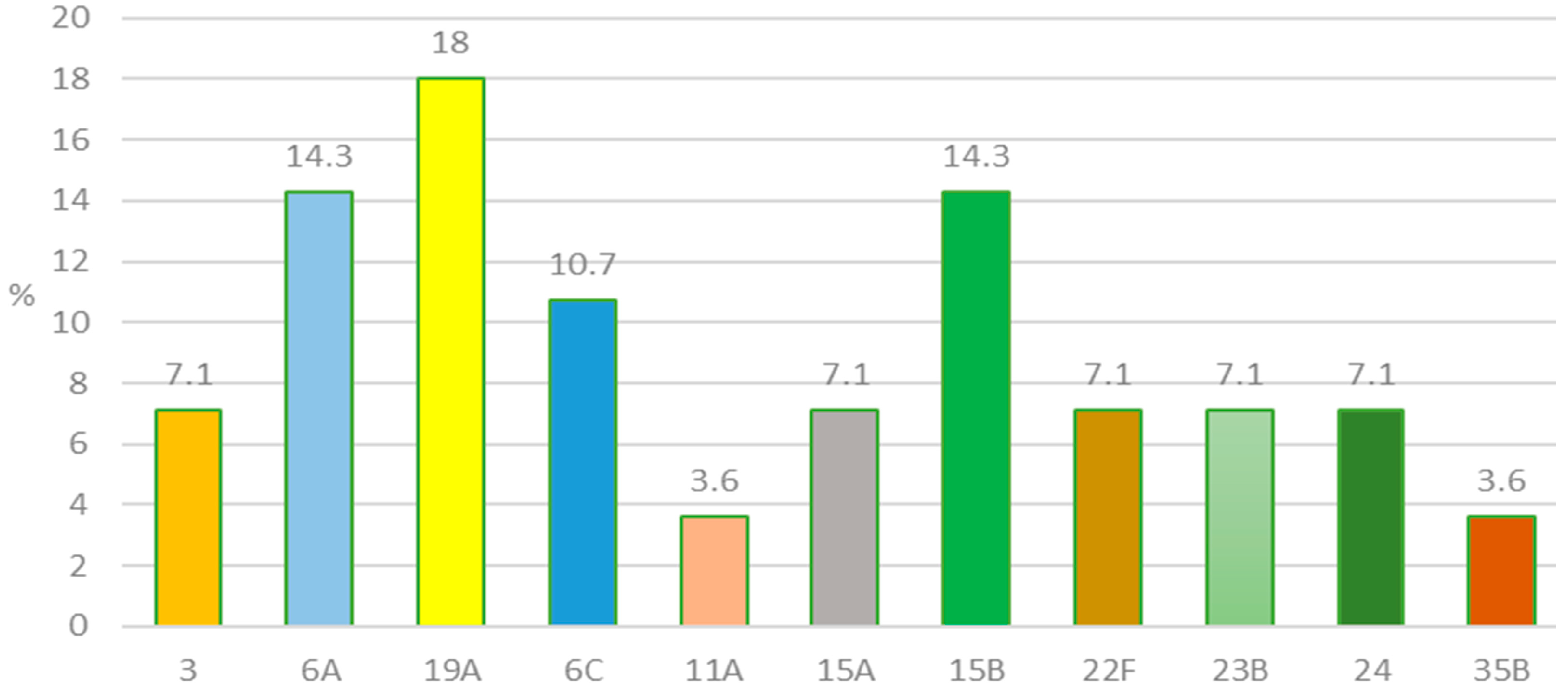
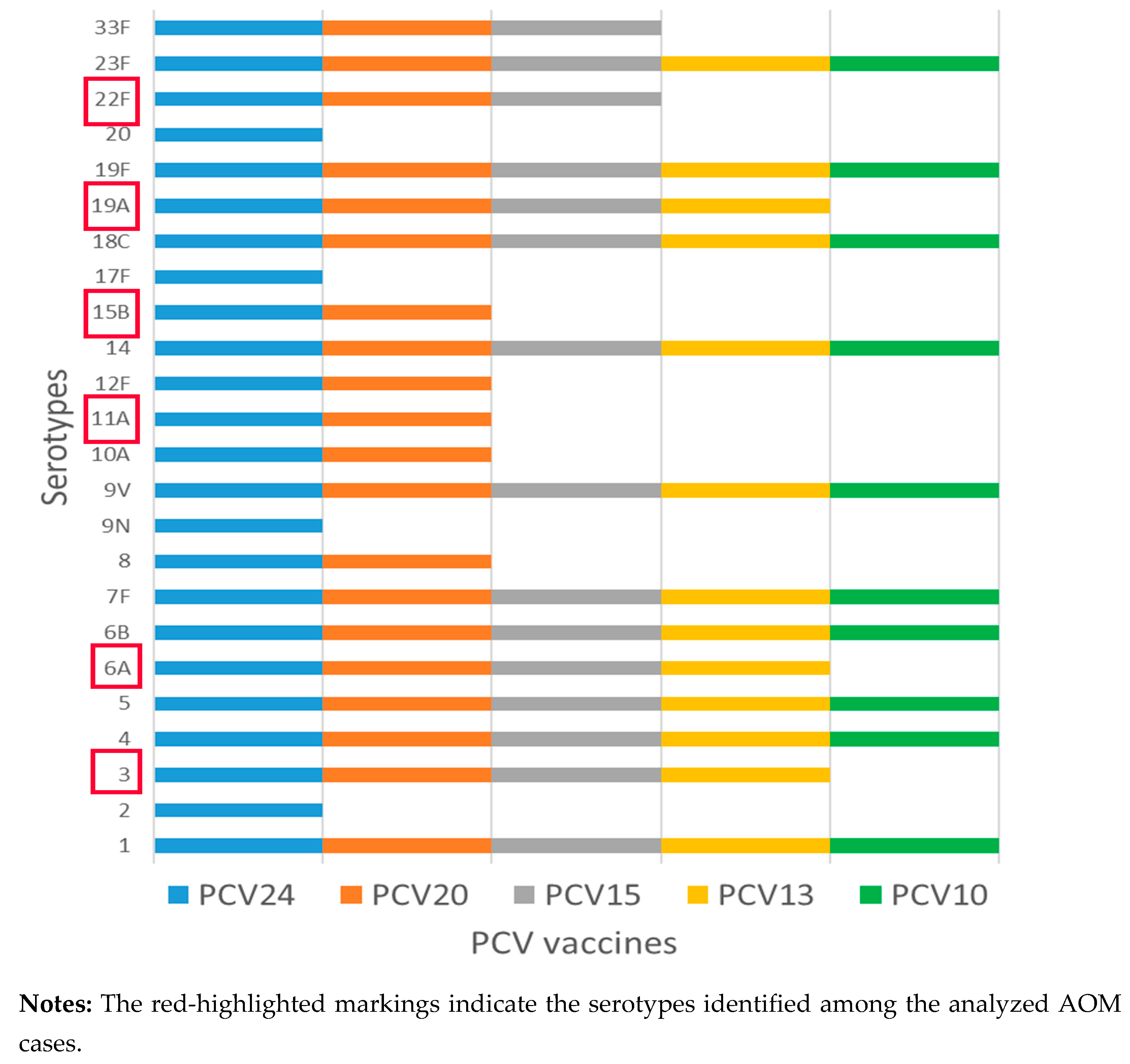
3.3.1. Serotyping of S. pneumoniae
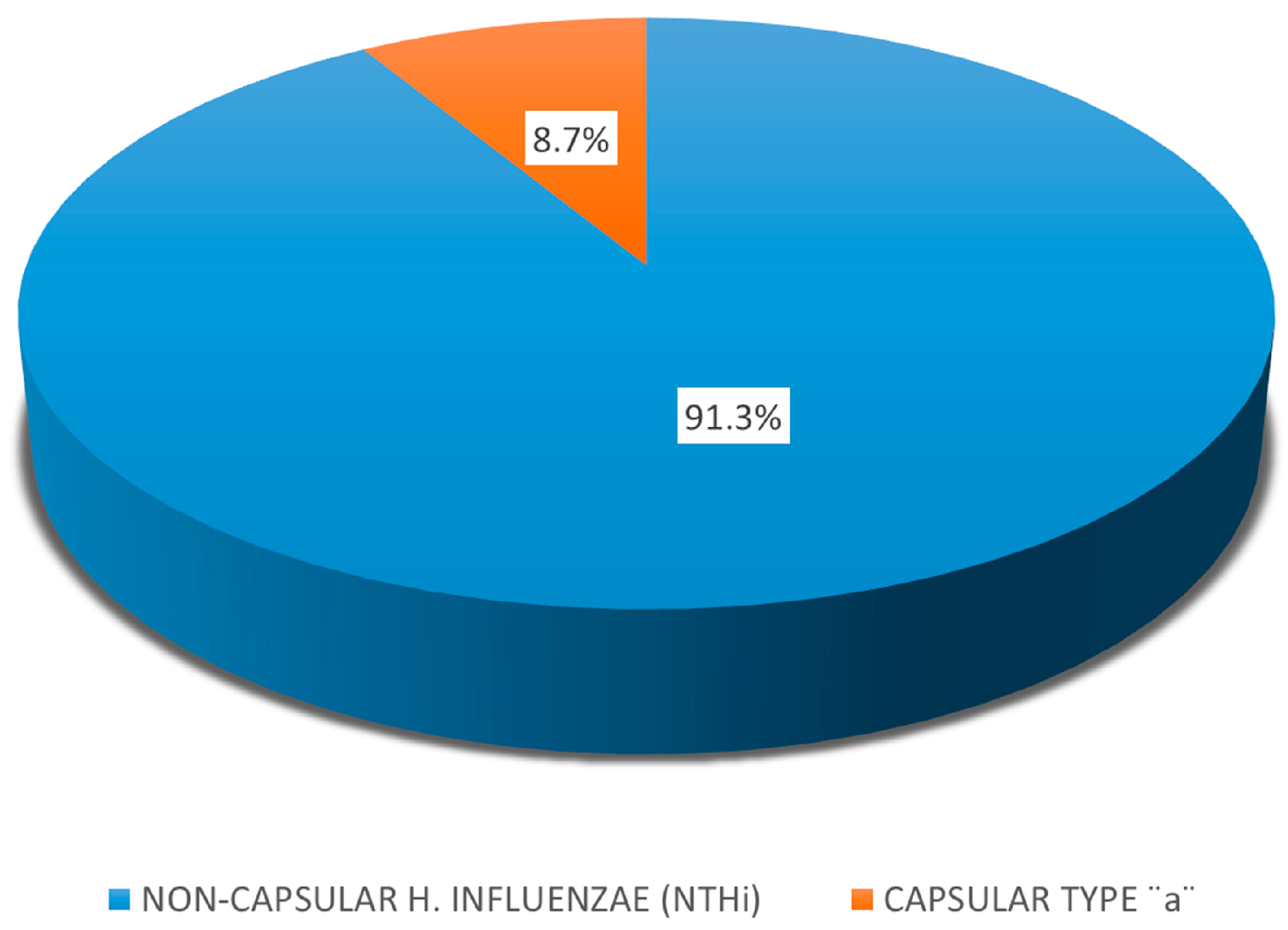
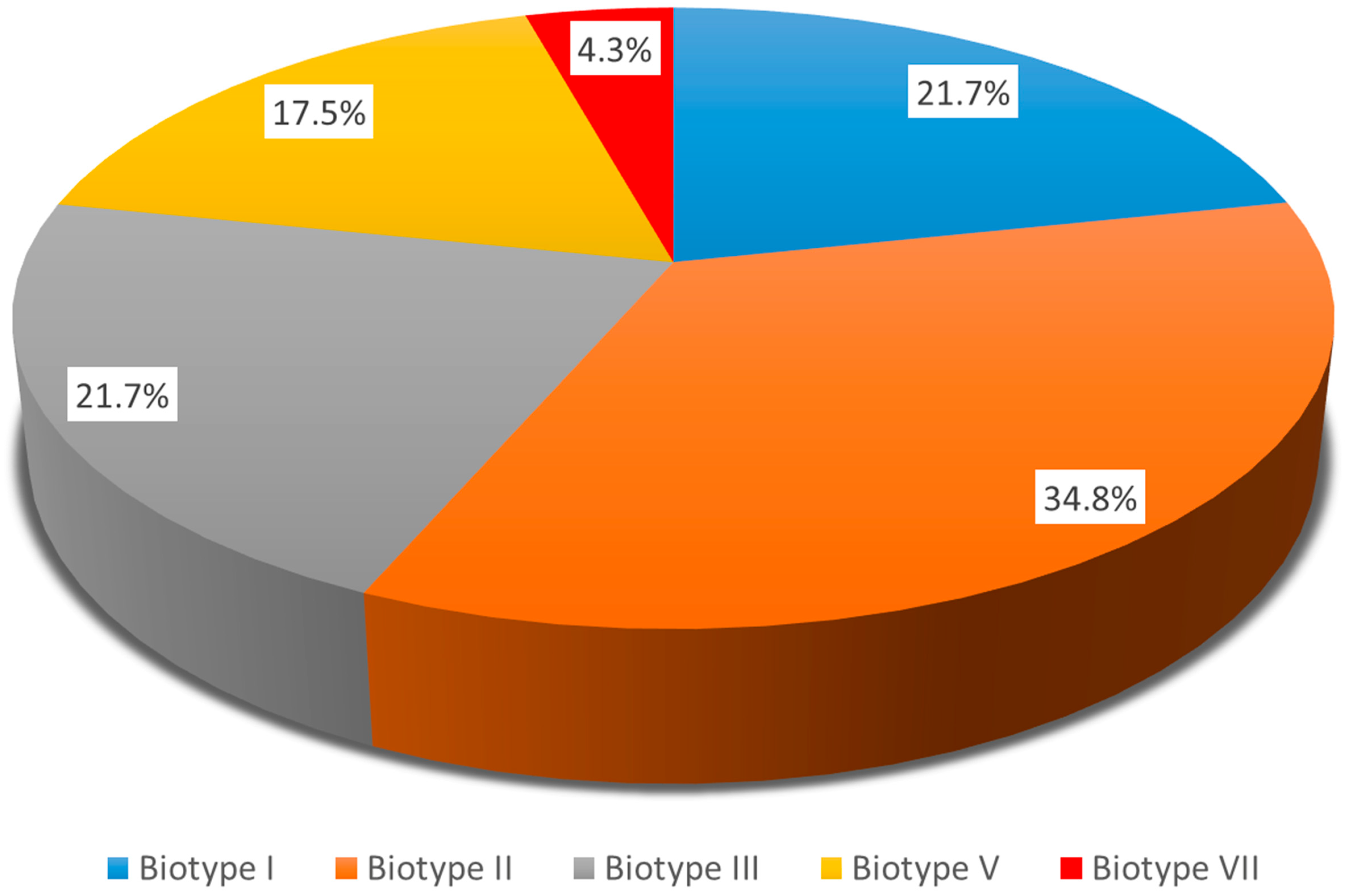
3.3.2. Serotyping and Biotyping of H. influenzae
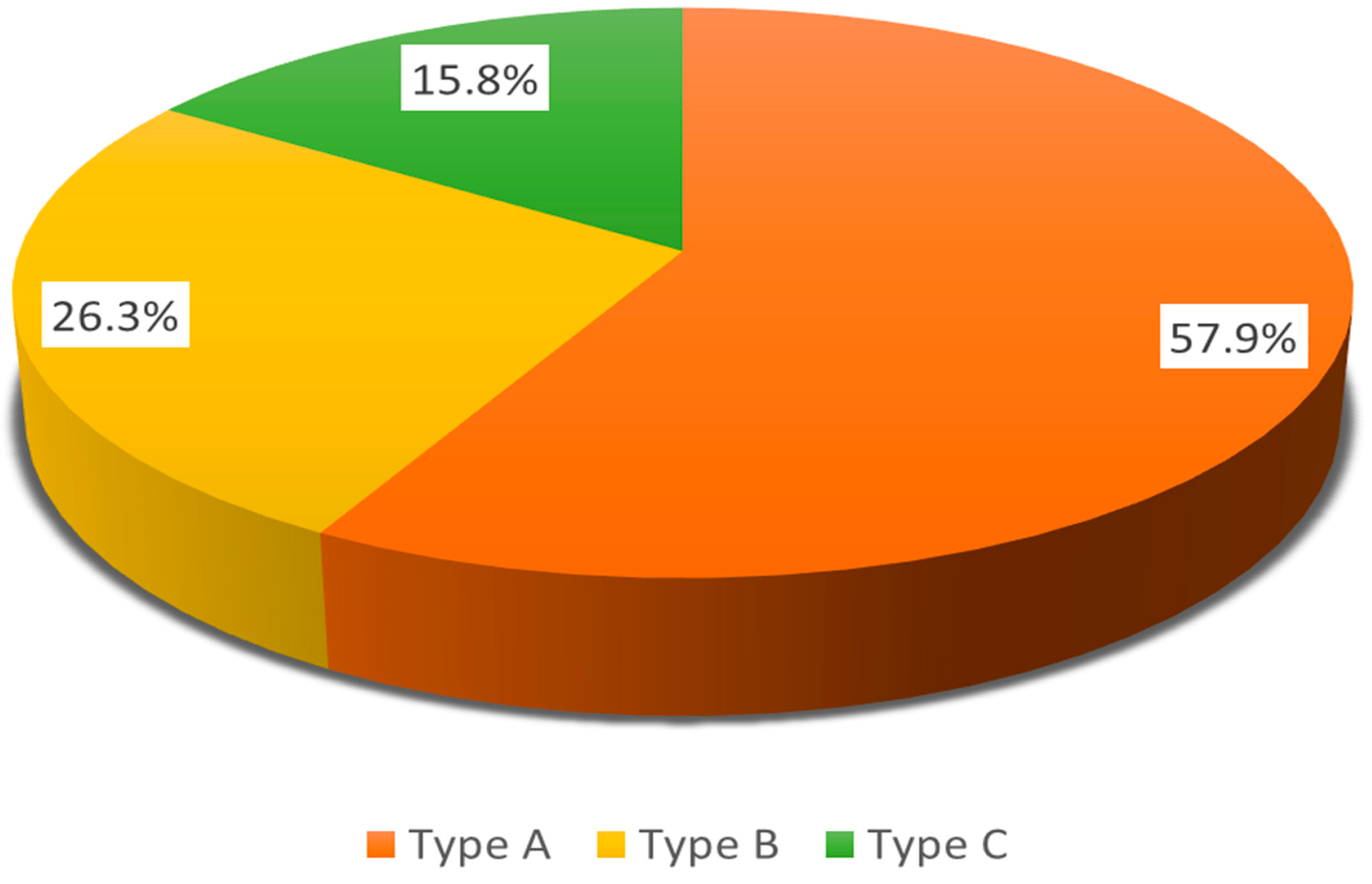
3.3.3. Serotyping of M. catarrhalis
3.4. Detection of Virulence Factors Associated with Adhesion, Immune Evasion, and Tissue Spread Among the Studied Bacterial Population from Children with OM
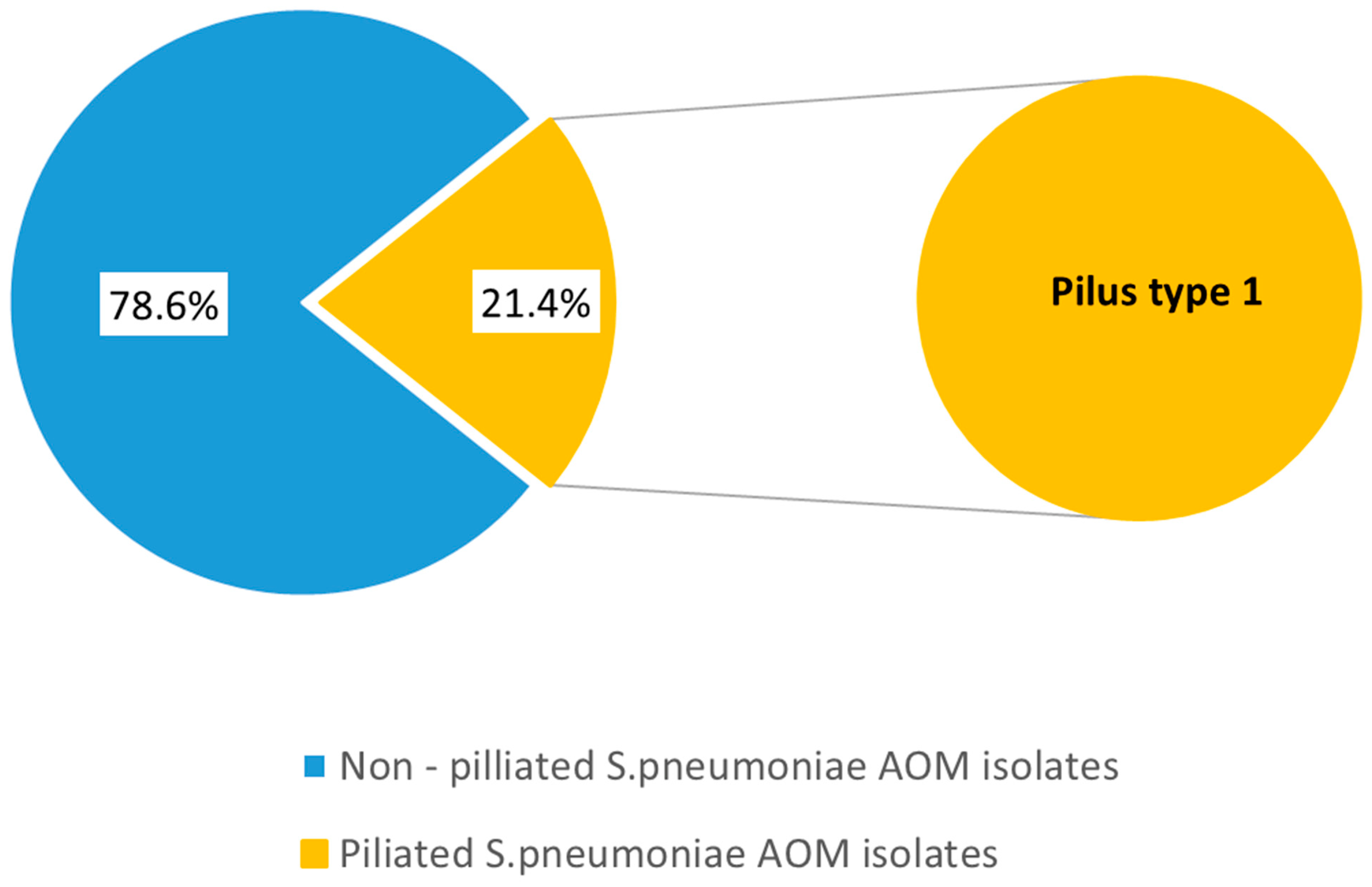
3.4.1. Presence of Pili in S. pneumoniae
3.4.2. PCR Detection of Fimbriated H. influenzae Isolates
3.4.3. Detection of Streptodornases C and D, Promoting Invasion, Among S. pyogenes Strains
3.4.4. Detection of OMP CD and OMP E Surface-Exposed Outer Membrane Adhesins Among M. catarrhalis
3.4.5. Detection of the cna Gene in S. aureus
4. Discussion
5. Conclusions
Author Contributions
Funding
Institutional Review Board Statement
Informed Consent Statement
Data Availability Statement
Conflicts of Interest
References
- Dermawan, A.; Ropii, B.; Lasminingrum, L.; Hasansulama, W.; Setiabudiawan, B. Determinants of acute otitis media in children: A case-control study in West Java, Indonesia. Medicina 2025, 61, 197. [Google Scholar] [CrossRef]
- Sillanpää, S.; Oikarinen, S.; Sipilä, M.; Kramna, L.; Rautiainen, M.; Huhtala, H.; Aittoniemi, J.; Laranne, J.; Hyöty, H.; Cinek, O. Moraxella catarrhalis might be more common than expected in acute otitis media in young finnish children. J. Clin. Microbiol. 2016, 54, 2373–2379. [Google Scholar] [CrossRef]
- Imöhl, M.; Perniciaro, S.; Busse, A.; van der Linden, M. Bacterial spectrum of spontaneously ruptured otitis media in a 7-Year, longitudinal, multicenter, epidemiological cross-sectional study in Germany. Front. Med. 2021, 8, 675225. [Google Scholar] [CrossRef]
- Gattinara, C.G.; Bergamini, M.; Simeone, G.; Reggiani, L.; Doria, M.; Ghiglioni, D.G.; Terminiello, A.; Cosentino, F.; Cursi, L.; Donà, D.; et al. Antibiotic treatment of acute and recurrent otitis media in children: An Italian intersociety Consensus. Ital. J. Pediatr. 2025, 51, 50. [Google Scholar] [CrossRef]
- Kong, K.; Coates, H.L. Natural history, definitions, risk factors and burden of otitis media. Med. J. Aust. 2009, 191, S39–S43. [Google Scholar] [CrossRef]
- Schilder, A.G.; Chonmaitree, T.; Cripps, A.W.; Rosenfeld, R.M.; Casselbrant, M.L.; Haggard, M.P.; Venekamp, R.P. Otitis media. Nat. Rev. Dis. Primers 2016, 2, 16063. [Google Scholar] [CrossRef] [PubMed]
- Folino, F.; Bosi, P.; Torretta, S.; Gaffuri, M.; Marchisio, P. Recurrent acute otitis media environmental risk factors: A literature review from the microbiota point of view. Appl. Microbiol. 2022, 2, 594–613. [Google Scholar] [CrossRef]
- Kirkeby, S.; Friis, M.; Mikkelsen, H.B.; Cayé-Thomasen, P. Bacterial adherence in otitis media: Determination of N-acetylgalactosamine (GalNAc) residues in the submucosal glands and surface epithelium of the normal and diseased Eustachian tube. Microb. Pathog. 2011, 51, 48–57. [Google Scholar] [CrossRef]
- van den Broek, M.F.L.; De Boeck, I.; Kiekens, F.; Boudewyns, A.; Vanderveken, O.M.; Lebeer, S. Translating recent microbiome insights in otitis media into probiotic strategies. Clin. Microbiol. Rev. 2019, 32, e00010-18. [Google Scholar] [CrossRef] [PubMed]
- Massa, H.M.; Spann, K.M.; Cripps, A.W. Innate immunity in the middle ear mucosa. Front. Cell. Infect. Microbiol. 2021, 11, 764772. [Google Scholar] [CrossRef]
- Zahid, A.; Wilson, J.C.; Grice, I.D.; Peak, I.R. Otitis media: Recent advances in otitis media vaccine development and model systems. Front. Microbiol. 2024, 15, 1345027. [Google Scholar] [CrossRef]
- Juhn, S.K.; Jung, M.K.; Hoffman, M.D.; Drew, B.R.; Preciado, D.A.; Sausen, N.J.; Jung, T.T.; Kim, B.H.; Park, S.Y.; Lin, J.; et al. The role of inflammatory mediators in the pathogenesis of otitis media and sequelae. Clin. Exp. Otorhinolaryngol. 2008, 1, 117–138. [Google Scholar] [CrossRef]
- Muhtarova, A.A.; Boyanov, V.S.; Alexandrova, A.S.; Gergova, R.T. Molecular characterization of Streptococcus pyogenes isolates recovered from hospitalized patients during the years 2023–2024. Microorganisms 2025, 13, 2148. [Google Scholar] [CrossRef]
- Mitov, I.G.; Gergova, R.T.; Ouzounova-Raykova, V.V. Distribution of genes encoding virulence factors ompB2, ompCD, ompE, β-lactamase and serotype in pathogenic and colonizing strains of Moraxella catarrhalis. Arch. Med. Res. 2010, 41, 530–535. [Google Scholar] [CrossRef]
- Gergova, R.; Muhtarova, A.; Mitov, I.; Setchanova, L.; Mihova, K.; Kaneva, R.; Markovska, R. Relation between emm types and virulence gene profiles among Bulgarian Streptococcus pyogenes clinical isolates. Infect. Dis. 2019, 51, 668–675. [Google Scholar] [CrossRef]
- Khan, R.M.A.; Anwar, S.; Pirzada, Z.A. Streptococcus pyogenes strains associated with invasive and non-invasive infections present possible links with emm types and superantigens. Iran J. Basic. Med. Sci. 2020, 23, 133–139. [Google Scholar] [CrossRef]
- Ness, S.; Hilleringmann, M. Streptococcus pneumoniae type 1 pilus—A multifunctional tool for optimized host interaction. Front. Microbiol. 2021, 12, 615924. [Google Scholar] [CrossRef] [PubMed]
- Alexandrova, A.S.; Pencheva, D.R.; Setchanova, L.P.; Gergova, R.T. Association of pili with widespread multidrug-resistant genetic lineages of non-invasive pediatric Streptococcus pneumoniae isolates. Acta Microbiol. Immunol. Hung. 2022, 69, 177–184. [Google Scholar] [CrossRef]
- Miao, C.; Cui, Y.; Yan, Z.; Jiang, Y. Pilus of Streptococcus pneumoniae: Structure, function and vaccine potential. Front. Cell. Infect. Microbiol. 2023, 13, 1270848. [Google Scholar] [CrossRef] [PubMed]
- Paterson, G.K.; Mitchell, T.J. The role of Streptococcus pneumoniae sortase A in colonisation and pathogenesis. Microbes Infect. 2006, 8, 145–153. [Google Scholar] [CrossRef] [PubMed]
- Chen, S.-N.; Wang, Y.-J.; Li, M.-J.; Xing, Y.-Q.; Guo, M.-Y.; Yan, J.; Sun, A.-H. Type I and II pili mediate Streptococcus pneumoniae invasion into human blood-brain barrier-derived cells through extracellular matrix protein receptors and different endocytosis pathways. Int. Immunopharmacol. 2025, 160, 114918. [Google Scholar] [CrossRef] [PubMed]
- Geluk, F.; Eijk, P.P.; van Ham, S.M.; Jansen, H.M.; van Alphen, L. The fimbria gene cluster of nonencapsulated Haemophilus influenzae. Infect. Immun. 1998, 66, 406–417. [Google Scholar] [CrossRef]
- Häuser, S.; Wegele, C.; Stump-Guthier, C.; Borkowski, J.; Weiss, C.; Rohde, M.; Ishikawa, H.; Schroten, H.; Schwerk, C.; Adam, R. Capsule and fimbriae modulate the invasion of Haemophilus influenzae in a human blood-cerebrospinal fluid barrier model. Int. J. Med. Microbiol. 2018, 308, 829–839. [Google Scholar] [CrossRef]
- Anderson, T.; Jiang, H.; Cheallaigh, A.N.; Bengtsson, D.; Oscarson, S.; Cairns, C.; St Michael, F.; Cox, A.; Kuttel, M.M. Formation and immunological evaluation of Moraxella catarrhalis glycoconjugates based on synthetic oligosaccharides. Carbohydr. Polym. 2024, 332, 121928. [Google Scholar] [CrossRef]
- Chen, M.; Wang, W.; Tu, L.; Zheng, Y.; Pan, H.; Wang, G.; Chen, Y.; Zhang, X.; Zhu, L.; Chen, J.; et al. An emm5 group A streptococcal outbreak among workers in a factory manufacturing telephone accessories. Front. Microbiol. 2017, 8, 1156. [Google Scholar] [CrossRef]
- Gergova, R.; Boyanov, V.; Muhtarova, A.; Alexandrova, A. A Review of the impact of streptococcal infections and antimicrobial resistance on human health. Antibiotics 2024, 13, 360. [Google Scholar] [CrossRef] [PubMed]
- Madani, A.; Garakani, K.; Mofrad, M.R.K. Molecular mechanics of Staphylococcus aureus adhesin, CNA, and the inhibition of bacterial adhesion by stretching collagen. PLoS ONE 2017, 12, e0179601. [Google Scholar] [CrossRef] [PubMed]
- Foster, T.J. The MSCRAMM family of cell-wall-anchored surface proteins of gram-positive cocci. Trends Microbiol. 2019, 27, 927–941. [Google Scholar] [CrossRef]
- van Belkum, A.; Tassios, P.T.; Dijkshoorn, L.; Haeggman, S.; Cookson, B.; Fry, N.K.; Fussing, V.; Green, J.; Feil, E.; Gerner-Smidt, P.; et al. Guidelines for the validation and application of typing methods for use in bacterial epidemiology. Clin. Microbiol. Infect. 2007, 13, 1–46. [Google Scholar] [CrossRef]
- Ramadan, A. A Bacterial typing methods from past to present: A comprehensive overview. Gene Rep. 2022, 29, 101675. [Google Scholar] [CrossRef]
- Harper, J.J.; Tilse, M.H. Biotypes of Haemophilus influenzae that are associated with noninvasive infections. J. Clin. Microbiol. 1991, 11, 2539–2542. [Google Scholar] [CrossRef]
- Gergova, R.T.; Tsitou, V.M.S.; Mitov, I.G. Molecular-genetic method for fast direct detection of Staphylococcus Aureus and methicillin resistance in blood cultures and punctures. Folia Med. 2019, 61, 559–565. [Google Scholar] [CrossRef]
- Gergova, R.; Muhtarova, A.; Petrova, G.; Gergov, S.; Dikova, M. Comparison of cultural, immunological and new PCR techniques for detection of Streptococcus pyogenes. Comptes Rendus Acad. Bulg. Sci. 2018, 71, 1410–1418. [Google Scholar] [CrossRef]
- Jin, P.; Xiao, M.; Kong, F.; Oftadeh, S.; Zhou, F.; Liu, C.; Gilbert, G.L. Simple, accurate, serotype-specific PCR assay to differentiate Streptococcus pneumoniae serotypes 6A, 6B, and 6C. J. Clin. Microbiol. 2009, 47, 2470–2474. [Google Scholar] [CrossRef] [PubMed]
- Davis, G.S.; Sandstedt, S.A.; Patel, M.; Marrs, C.F.; Gilsdorf, J.R. Use of bexB to detect the capsule locus in Haemophilus influenzae. J. Clin. Microbiol. 2011, 7, 2594–2601. [Google Scholar] [CrossRef]
- Falla, T.J.; Crook, D.; Brophy, L.; Maskell, D.; Kroll, J.S.; Moxon, E.R. PCR for capsular typing of Haemophilus influenzae. J. Clin. Microbiol. 1994, 32, 2382–2386. [Google Scholar] [CrossRef]
- Gergova, R.T.; Iankov, I.D.; Haralambieva, I.H.; Mitov, I.G. Bactericidal monoclonal antibody against Moraxella catarrhalis lipooligosaccharide cross-reacts with Haemophilus spp. Curr. Microbiol. 2007, 54, 85–90. [Google Scholar] [CrossRef]
- Aguiar, S.; Serrano, I.; Pinto, F.; Melo-Christino, J.; Ramirez, M. The presence of the pilus locus is a clonal property among pneumococcal invasive isolates. BMC Microbiol. 2008, 28, 41. [Google Scholar] [CrossRef]
- Bagnoli, F.; Moschioni, M.; Donati, C.; Dimitrovska, V.; Ferlenghi, I.; Facciotti, C.; Muzzi, A.; Giusti, F.; Emolo, C.; Sinisi, A.; et al. A second pilus type in Streptococcus pneumoniae is prevalent in emerging serotypes and mediates adhesion to host cells. J. Bacteriol. 2008, 190, 5480–5492. [Google Scholar] [CrossRef] [PubMed]
- Montanaro, L.; Arciola, C.R.; Borsetti, E.; Brigotti, M.; Baldassarri, L. A polymerase chain reaction (PCR) method for the identification of collagen adhesin gene (CNA) in Staphylococcus-induced prosthesis infections. New Microbiol. 1998, 21, 359–363. [Google Scholar]
- Pereira, D.R.R.; Pereira, M.R.; Pereira, M.B.R.; Costa, S.S.; Mott, M.P.; Cantarelli, V. Otopathogens in the middle ear and nasopharynx of children with recurrent acute otitis media. Int. J. Pediatr. Otorhinolaryngol. 2023, 169, 111552. [Google Scholar] [CrossRef] [PubMed]
- Paton, J.C.; Trappetti, C. Streptococcus pneumoniae capsular polysaccharide. Microbiol. Spectr. 2019, 7. [Google Scholar] [CrossRef] [PubMed]
- Ganaie, F.A.; Saad, J.S.; Lo, S.W.; McGee, L.; van Tonder, A.J.; Hawkins, P.A.; Calix, J.J.; Bentley, S.D.; Nahm, M.H. Novel pneumococcal capsule type 33E results from the inactivation of glycosyltransferase WciE in vaccine type 33F. J. Biol. Chem. 2023, 299, 105085. [Google Scholar] [CrossRef]
- Alexandrova, A.S.; Boyanov, V.S.; Mihova, K.Y.; Hristova, P.M.; Hitkova, H.Y.; Marteva-Proevska, Y.; Gergova, R.T. Population genetic structure of invasive and non-invasive Streptococcus pneumoniae isolates after fifteen years of routine PCV10 vaccination in Bulgaria. Int. J. Mol. Sci. 2025, 26, 9028. [Google Scholar] [CrossRef]
- Ekinci, E.; Van Heirstraeten, L.; Willen, L.; Desmet, S.; Wouters, I.; Vermeulen, H.; Lammens, C.; Goossens, H.; Van Damme, P.; Verhaegen, J.; et al. Serotype 19A and 6C account for one-third of pneumococcal carriage among Belgian day-care children four years after a shift to a lower-valent PCV. J. Pediatr. Infect. Dis. Soc. 2023, 12, 36–42. [Google Scholar] [CrossRef]
- Chen, C.H.; Chen, C.L.; Su, L.H.; Chen, C.J.; Tsai, M.H.; Chiu, C.H. The microbiological characteristics and diagnosis of Streptococcus pneumoniae infection in the conjugate vaccine era. Hum. Vaccin. Immunother. 2025, 21, 2497611. [Google Scholar] [CrossRef]
- Izurieta, P.; AbdelGhany, M.; Borys, D. Serotype distribution of invasive and non-invasive pneumococcal disease in children ≤5 years of age following the introduction of 10- and 13-valent pneumococcal conjugate vaccines in infant national immunization programs: A systematic literature review. Front. Public Health 2025, 13, 1544359. [Google Scholar] [CrossRef]
- Bano, S.; Hassan, N.; Rafiq, M.; Hassan, F.; Rehman, M.; Iqbal, N.; Ali, H.; Hasan, F.; Kang, Y.-Q. Biofilms as battlefield armor for bacteria against antibiotics: Challenges and combating strategies. Microorganisms 2023, 11, 2595. [Google Scholar] [CrossRef]
- Zafer, M.M.; Mohamed, G.A.; Ibrahim, S.R.M.; Ghosh, S.; Bornman, C.; Elfaky, M.A. Biofilm-mediated infections by multidrug-resistant microbes: A comprehensive exploration and forward perspectives. Arch. Microbiol. 2024, 206, 101. [Google Scholar] [CrossRef]
- Quesada, M.G.; Peterson, M.E.; Bennett, J.C.; Hayford, K.; Zeger, S.L.; Yang, Y.; Hetrich, M.K.; Feikin, D.R.; Cohen, A.L.; von Gottberg, A.; et al. Serotype distribution of remaining invasive pneumococcal disease after extensive use of ten-valent and 13-valent pneumococcal conjugate vaccines (the PSERENADE project): A global surveillance analysis. Lancet Infect. Dis. 2025, 25, 445–456. [Google Scholar] [CrossRef] [PubMed]
- Weiser, J.N.; Ferreira, D.M.; Paton, J.C. Streptococcus pneumoniae: Transmission, colonization and invasion. Nat. Rev. Microbiol. 2018, 16, 355–367. [Google Scholar] [CrossRef]
- Slack, M.P.E.; Cripps, A.W.; Grimwood, K.; Mackenzie, G.A.; Ulanova, M. Invasive Haemophilus influenzae infections after 3 decades of Hib protein conjugate vaccine use. Clin. Microbiol. Rev. 2021, 34, e0002821. [Google Scholar] [CrossRef] [PubMed]
- Huska, B.; Ulanova, M. Inflammatory responses to non-typeable Haemophilus influenzae clinical isolates from invasive and non-invasive infections. Pathogens 2025, 14, 210. [Google Scholar] [CrossRef]
- Sadeghi-Aval, P.; Tsang, R.S.; Jamieson, F.B.; Ulanova, M. Emergence of non-serotype b encapsulated Haemophilus influenzae as a cause of pediatric meningitis in northwestern Ontario. Can. J. Infect. Dis. Med. Microbiol. 2013, 24, 13–16. [Google Scholar] [CrossRef]
- Reilly, A.S.; McElligott, M.; Mac Dermott Casement, C.; Drew, R.J. Haemophilus influenzae type f in the post-Haemophilus influenzae type b vaccination era: A systematic review. J. Med. Microbiol. 2022, 71, 001606. [Google Scholar] [CrossRef]
- Revai, K.; Mamidi, D.; Chonmaitree, T. Association of nasopharyngeal bacterial colonization during upper respiratory tract infection and the development of acute otitis media. Clin. Infect. Dis. 2008, 46, e34–e37. [Google Scholar] [CrossRef]
- Danne, C.; Dramsi, S. Pili of gram-positive bacteria: Roles in host colonization. Res. Microbiol. 2012, 163, 645–658. [Google Scholar] [CrossRef] [PubMed]
- Barocchi, M.A.; Ries, J.; Zogaj, X.; Hemsley, C.; Albiger, B.; Kanth, A.; Dahlberg, S.; Fernebro, J.; Moschioni, M.; Masignani, V.; et al. A pneumococcal pilus influences virulence and host inflammatory responses. Proc. Natl. Acad. Sci. USA 2006, 103, 2857–2862. [Google Scholar] [CrossRef]
- Nelson, A.L.; Ries, J.; Bagnoli, F.; Dahlberg, S.; Fälker, S.; Rounioja, S.; Tschöp, J.; Morfeldt, E.; Ferlenghi, I.; Hilleringmann, M.; et al. RrgA is a pilus-associated adhesin in Streptococcus pneumoniae. Mol. Microbiol. 2007, 66, 329–340. [Google Scholar] [CrossRef]
- Xiao, J.; Su, L.; Huang, S.; Liu, L.; Ali, K.; Chen, Z. Epidemic trends and biofilm formation mechanisms of Haemophilus influenzae: Insights into clinical implications and prevention strategies. Infect. Drug. Resist. 2023, 16, 5359–5373. [Google Scholar] [CrossRef] [PubMed]
- Alexandrova, A.S.; Boyanov, V.S.; Mihova, K.Y.; Gergova, R.T. Phylogenetic Lineages and Diseases Associated with Moraxella catarrhalis Isolates Recovered from Bulgarian Patients. Int. J. Mol. Sci. 2024, 25, 9769. [Google Scholar] [CrossRef]
- Bernstein, J.M.; Reddy, M. Bacteria-mucin interaction in the upper aerodigestive tract shows striking heterogeneity: Implications in otitis media, rhinosinusitis, and pneumonia. Otolaryngol. Head Neck Surg. 2000, 122, 514–520. [Google Scholar] [CrossRef] [PubMed]
- Murphy, T.F.; Brauer, A.L.; Yuskiw, N.; Hiltke, T.J. Antigenic structure of outer membrane protein E of Moraxella catarrhalis and construction and characterization of mutants. Infect. Immun. 2000, 68, 6250–6256. [Google Scholar] [CrossRef] [PubMed]
- Akgul, G.; Erturk, A.; Turkoz, M.; Turan, T.; Ichinose, A.; Nagatake, T.; Ahmed, K. Role of lipooligosaccharide in the attachment of Moraxella catarrhalis to human pharyngeal epithelial cells. Microbiol. Immunol. 2005, 49, 931–935. [Google Scholar] [CrossRef]
- Zhao, N.; Ren, H.; Deng, J.; Du, Y.; Li, Q.; Zhou, P.; Zhou, H.; Jiang, X.; Qin, T. Genotypic and Phenotypic Characteristics of Moraxella catarrhalis from Patients and Healthy Asymptomatic Participants among Preschool Children. Pathogens 2022, 11, 984. [Google Scholar] [CrossRef]
- Holm, M.M.; Vanlerberg, S.L.; Foley, I.M.; Sledjeski, D.D.; Lafontaine, E.R. The Moraxella catarrhalis porin-like outer membrane protein CD is an adhesin for human lung cells. Infect. Immun. 2004, 72, 1906–1913. [Google Scholar] [CrossRef]
- Gonzalez-Reyes, M.; Ramos-Tapia, I.; Ugalde, J.A. A global perspective on the genomics of Moraxella catarrhalis. Microb. Genom. 2025, 11, 001488. [Google Scholar] [CrossRef]
- de Vries, S.P.W.; Bootsma, H.J.; Hays, J.P.; Hermans, P.W.M. Molecular aspects of Moraxella catarrhalis pathogenesis. Microbiol. Mol. Biol. Rev. 2009, 73, 389–406. [Google Scholar] [CrossRef] [PubMed]
- Castro, S.A.; Dorfmueller, H.C. A brief review on Group A Streptococcus pathogenesis and vaccine development. R. Soc. Open Sci. 2021, 8, 201991. [Google Scholar] [CrossRef]
- Thacharodi, A.; Hassan, S.; Vithlani, A.; Ahmed, T.; Kavish, S.; Geli Blacknell, N.M.; Alqahtani, A.; Pugazhendhi, A. The burden of group A Streptococcus (GAS) infections: The challenge continues in the twenty-first century. iScience 2024, 28, 111677. [Google Scholar] [CrossRef]
- Hasegawa, T.; Minami, M.; Okamoto, A.; Tatsuno, I.; Isaka, M.; Ohta, M. Characterization of a virulence-associated and cell-wall-located DNase of Streptococcus pyogenes. Microbiology 2010, 156, 184–190. [Google Scholar] [CrossRef] [PubMed]
- Remmington, A.; Turner, C.E. The DNases of pathogenic Lancefield streptococci. Microbiology 2018, 164, 242–250. [Google Scholar] [CrossRef] [PubMed]
- Aziz, R.K.; Ismail, S.A.; Park, H.W.; Kotb, M. Post-proteomic identification of a novel phage-encoded streptodornase, Sda1, in invasive M1T1 Streptococcus pyogenes. Mol. Microbiol. 2004, 54, 184–197. [Google Scholar] [CrossRef] [PubMed]



| Sex (n, %) | Age (n) | Sample Collection (n) |
|---|---|---|
| Male (n = 73, 60.3%) | 0–2 (n = 7) 3–6 (n = 48) 7–14 (n = 18) | Nasopharyngeal sample (n = 48) |
| Middle ear fluid (n = 25): Tympanocentesis (6); Spontaneous perforation (19) | ||
| Female (n = 48, 39.6%) | 0–2 (n = 2) 3–6 (n = 34) 7–14 (n = 12) | Nasopharyngeal sample (n = 31) |
| Middle ear fluid (n = 17): Tympanocentesis (5); Spontaneous perforation (10) | ||
| Total (100%) | n = 121 | Nasopharyngeal samples = 79; Middle ear fluids= 42 |
| Factors Associated with AOM * | Age of the Patient | Total n (%) | p-Value ** 0–6 y/7–14 y | ||
|---|---|---|---|---|---|
| 0–2 Years n (%) | 3–6 Years n (%) | 7–14 Years n (%) | |||
| First episode of AOM | 9 (100) | 76 (92.6) | 27 (90.0) | 112 (92.5) | 0.688 |
| Attendance in kindergarten/school | 0 (0) | 78 (95.1) | 30 (100) | 108 (89.2) | - |
| Brothers/sisters | 4 (44.4) | 21 (25.6) | 19 (63.3) | 44 (36.3) | 0.0008 |
| Allergic rhinitis | 0 (0%) | 12 (14.6) | 13 (43.3) | 25 (20.6) | 0.001 |
| Parental cigarette smoking | 5 (55.5) | 46 (56.1) | 24 (80.0) | 76 (61.9) | 0.029 |
| Total n of AOM cases | 9 | 82 | 30 | 121 (100%) | |
| Bacterial Agent | Gene | Product | Function | Total n (%) of Genes | Distribution Among Specimens | p-Value 3 and 95% CI 4 (NPH/MEF) | |
|---|---|---|---|---|---|---|---|
| NPH 1 | MEF 2 | ||||||
| S. pneumoniae n = 28 | rlrA | Pili Type I | Adhesion and colonization | 6 (21.4) | 2 (7.1) | 4 (14.3) | 0.392 [−0.862, 0.342] |
| H. influenzae n = 23 | hifA | Fimbriae | Adhesion and colonization | 8 (34.8) | 3 (13.0) | 5 (21.8) | 0.275 [−0.697, 0.177] |
| S. pyogenes n = 16 | sdc | DNase C | Destruction, immune evasion, tissue spread | 10 (62.5) | 2 (12.5) | 8 (50.0) | 0.015 [−0.467, −0.053] |
| sdaD | DNase D | Destruction, immune evasion, tissue spread | 9 (56.2) | 2 (12.5) | 7 (43.7) | 0.033 [−0.499, −0.021] | |
| S. aureus n = 41 | cna | Collagen adhesin protein | adherence, immune evasion | 12(29.2) | 4 (9.7) | 8 (19.5) | 0.109 [−0.578, 0.058] |
| M. catarrhalis n = 19 | ompCD | Outer membrane protein CD | Porin activity, immune evasion, adhesion | 14 (73.6) | 14 (100) | 0 (0) | - |
| ompE | Outer membrane protein E | surface-exposed adhesin, immune evasion | 16 (84.2) | 16 (100) | 0 (0) | - | |
Disclaimer/Publisher’s Note: The statements, opinions and data contained in all publications are solely those of the individual author(s) and contributor(s) and not of MDPI and/or the editor(s). MDPI and/or the editor(s) disclaim responsibility for any injury to people or property resulting from any ideas, methods, instructions or products referred to in the content. |
© 2025 by the authors. Licensee MDPI, Basel, Switzerland. This article is an open access article distributed under the terms and conditions of the Creative Commons Attribution (CC BY) license (https://creativecommons.org/licenses/by/4.0/).
Share and Cite
Alexandrova, A.S.; Boyanov, V.S.; Gergova, R.T. Bacterial Profile, Molecular Serotyping, and Key Genetic Determinants for Adhesion, Immune Evasion, and Tissue Spread Among Bulgarian Children with Acute Otitis Media. Genes 2025, 16, 1512. https://doi.org/10.3390/genes16121512
Alexandrova AS, Boyanov VS, Gergova RT. Bacterial Profile, Molecular Serotyping, and Key Genetic Determinants for Adhesion, Immune Evasion, and Tissue Spread Among Bulgarian Children with Acute Otitis Media. Genes. 2025; 16(12):1512. https://doi.org/10.3390/genes16121512
Chicago/Turabian StyleAlexandrova, Alexandra S., Vasil S. Boyanov, and Raina T. Gergova. 2025. "Bacterial Profile, Molecular Serotyping, and Key Genetic Determinants for Adhesion, Immune Evasion, and Tissue Spread Among Bulgarian Children with Acute Otitis Media" Genes 16, no. 12: 1512. https://doi.org/10.3390/genes16121512
APA StyleAlexandrova, A. S., Boyanov, V. S., & Gergova, R. T. (2025). Bacterial Profile, Molecular Serotyping, and Key Genetic Determinants for Adhesion, Immune Evasion, and Tissue Spread Among Bulgarian Children with Acute Otitis Media. Genes, 16(12), 1512. https://doi.org/10.3390/genes16121512