Article

Estrogenic Prenylated Flavonoids in Sophora flavescens
Faculty of Life Science, Kyushu Sangyo University, Fukuoka 813-8503, Japan
*
Author to whom correspondence should be addressed.
These authors contributed equally to this work.
Genes 2024, 15(2), 204; https://doi.org/10.3390/genes15020204
Submission received: 1 December 2023 / Revised: 29 January 2024 / Accepted: 31 January 2024 / Published: 4 February 2024
(This article belongs to the Section Plant Genetics and Genomics)

Abstract

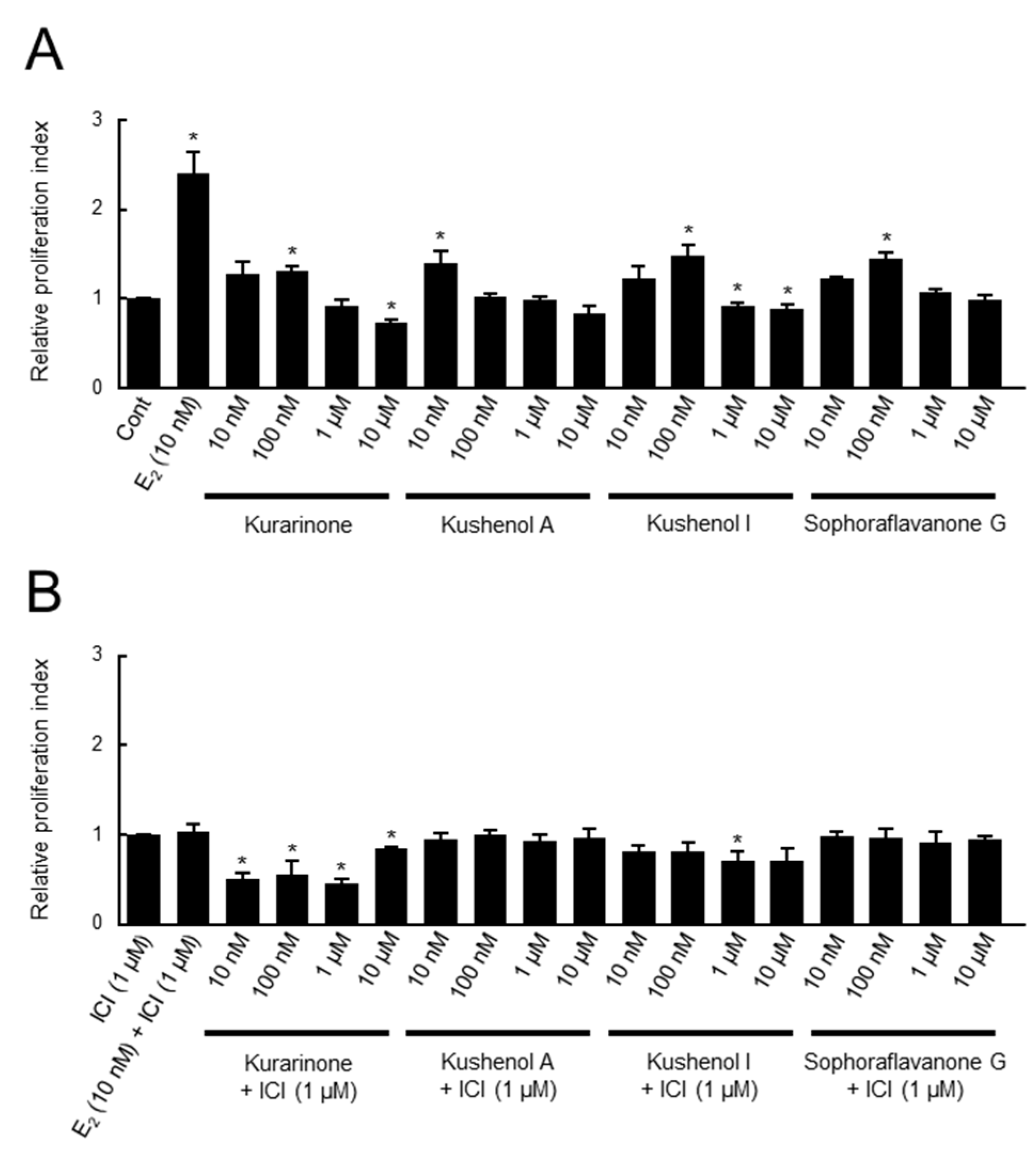
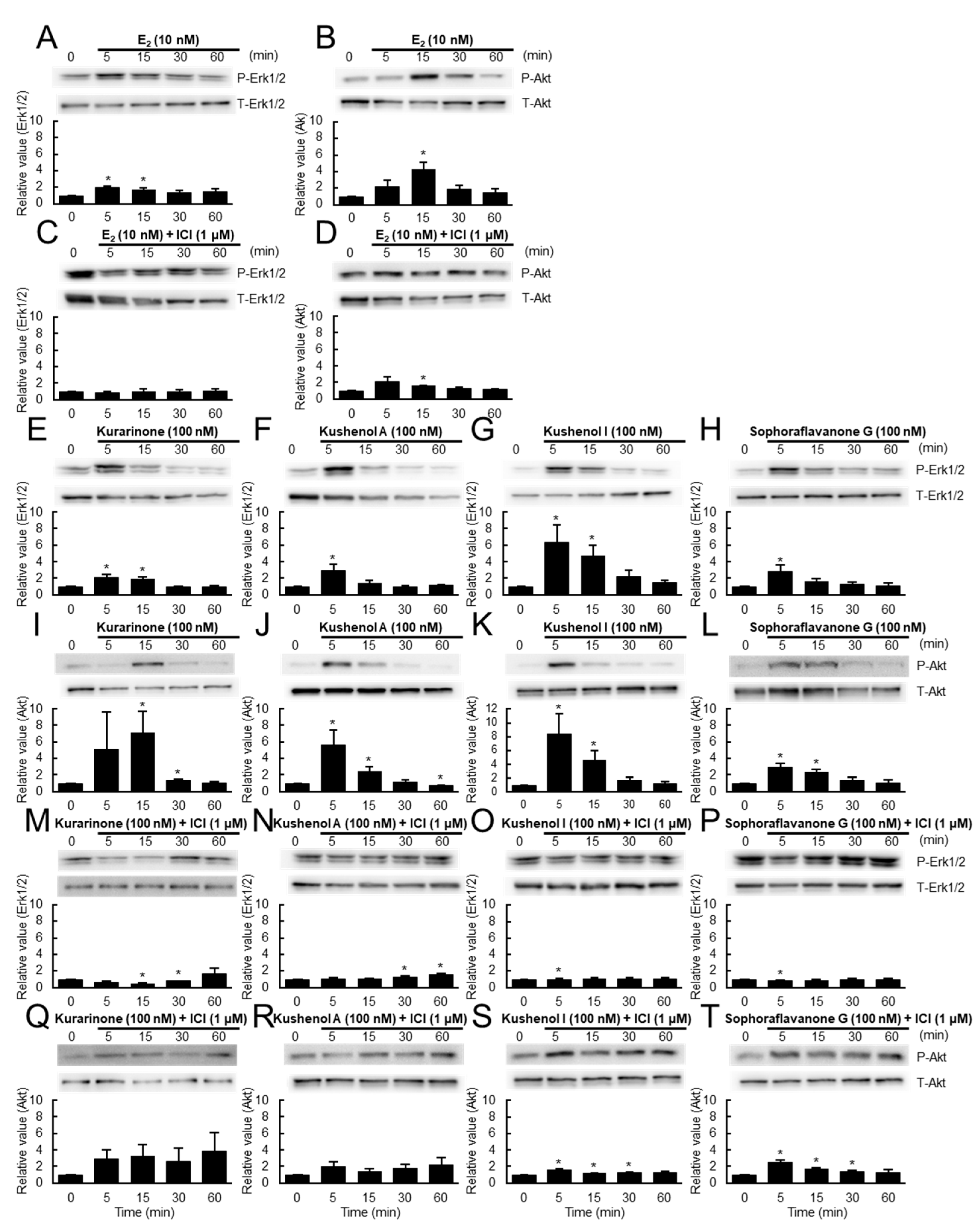
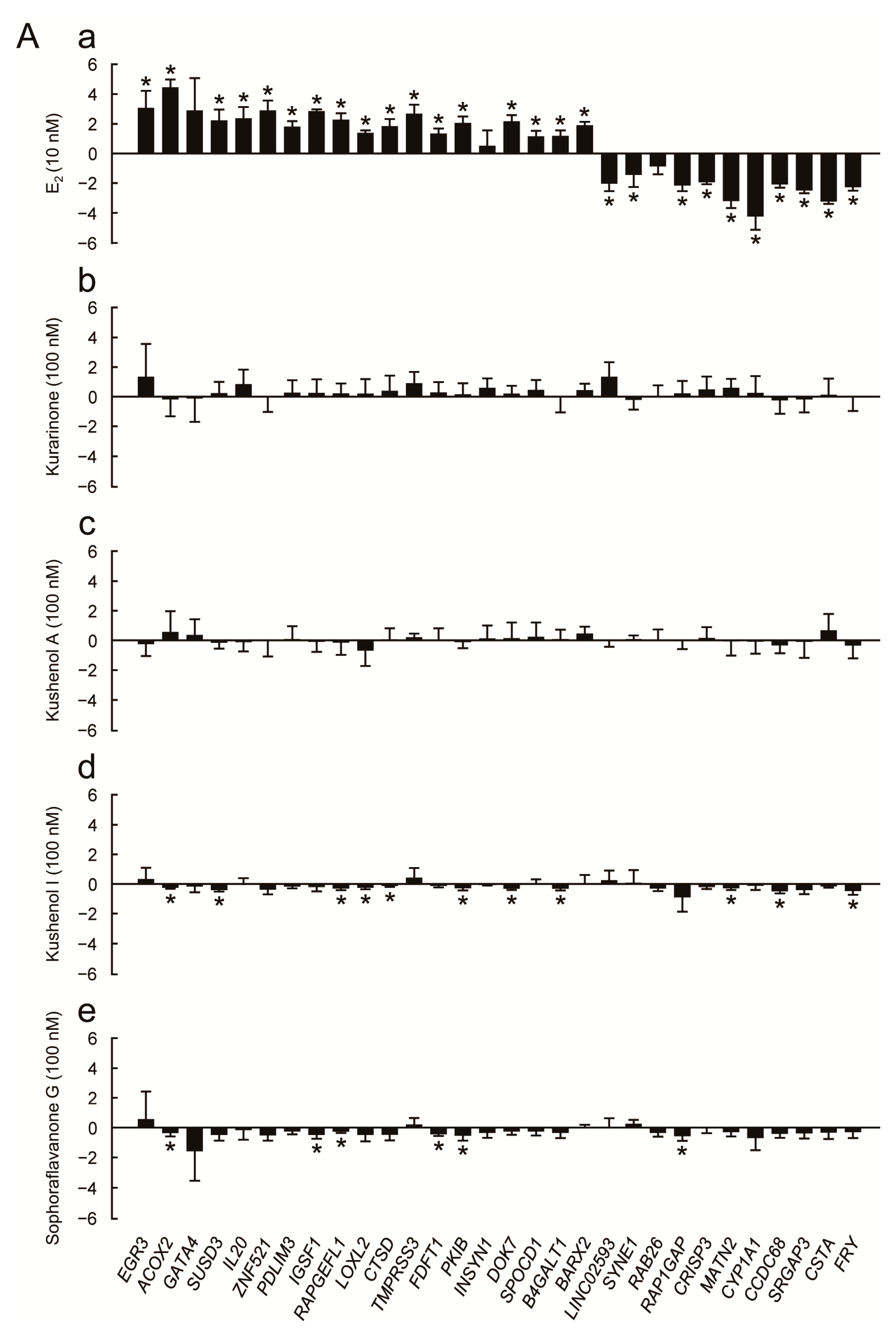
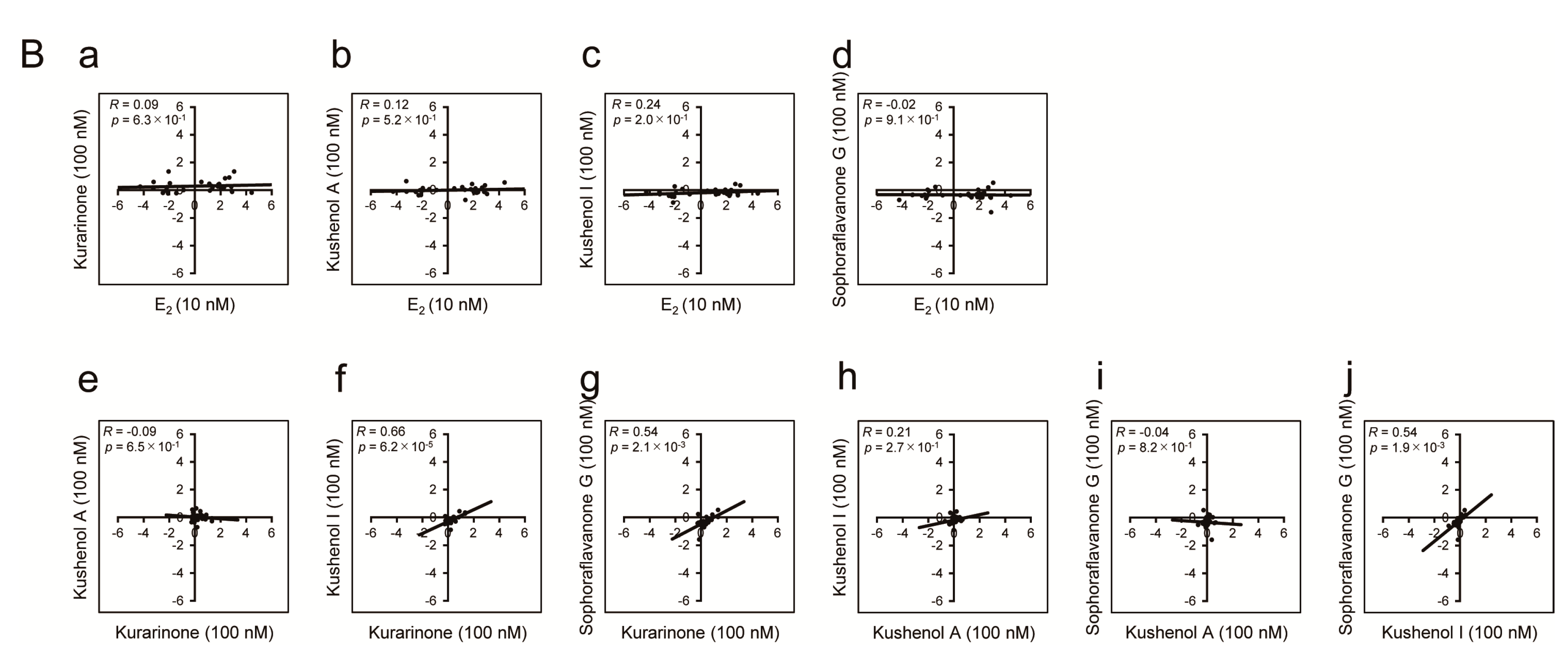
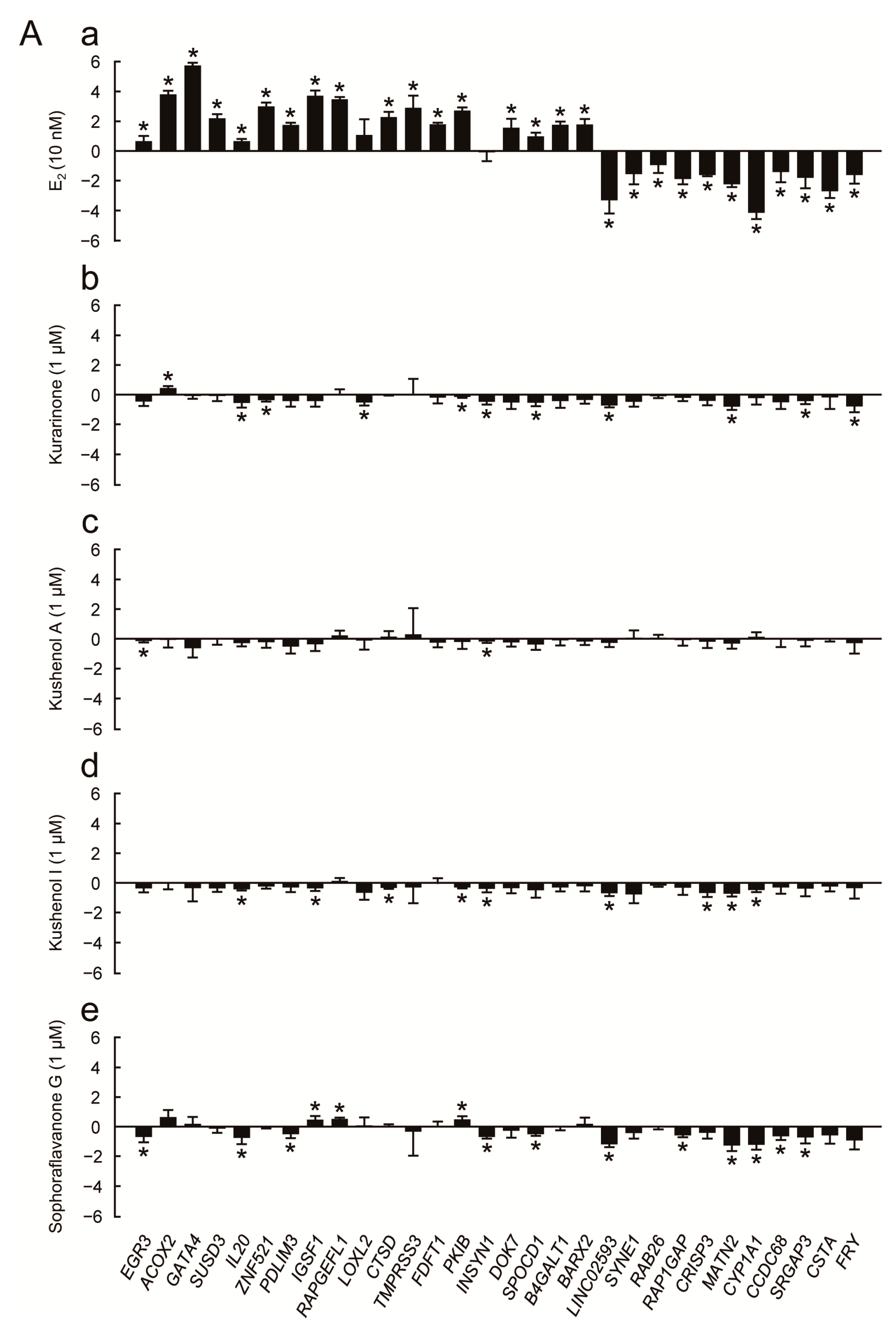
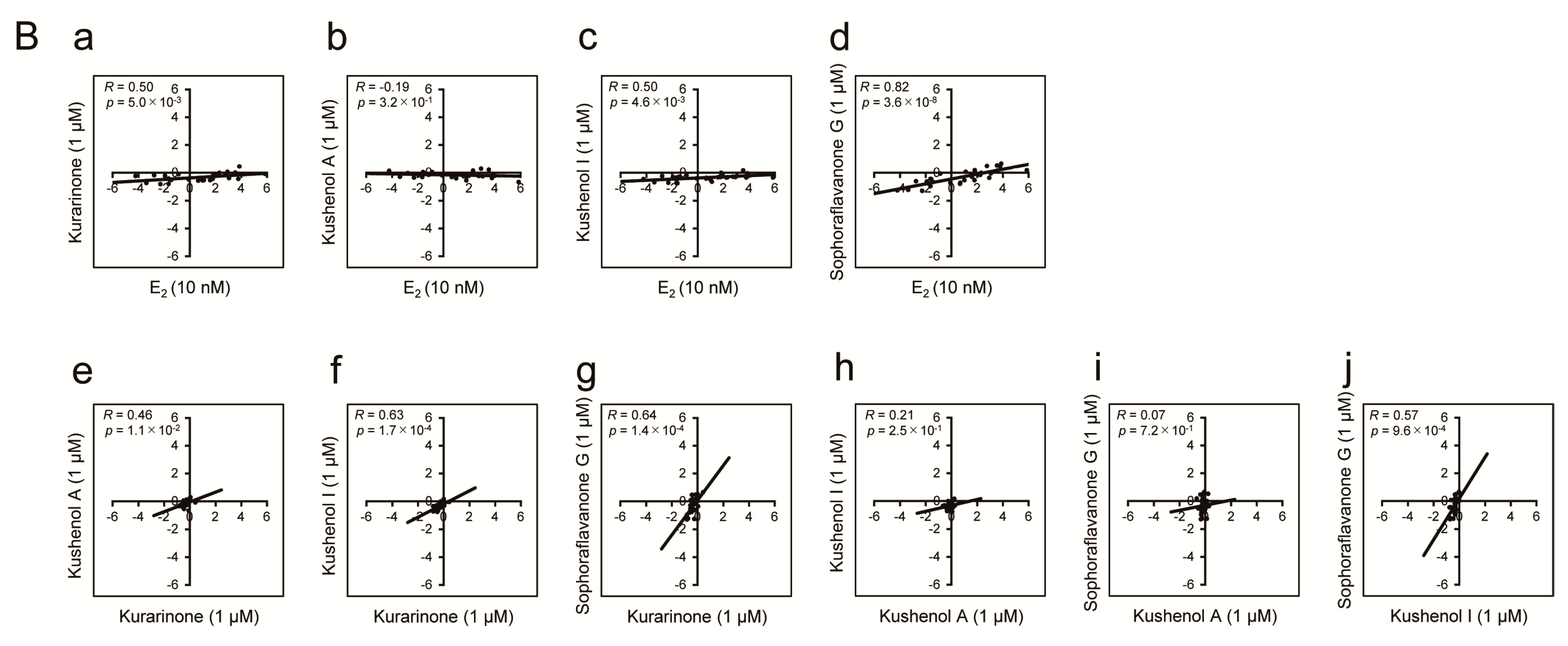
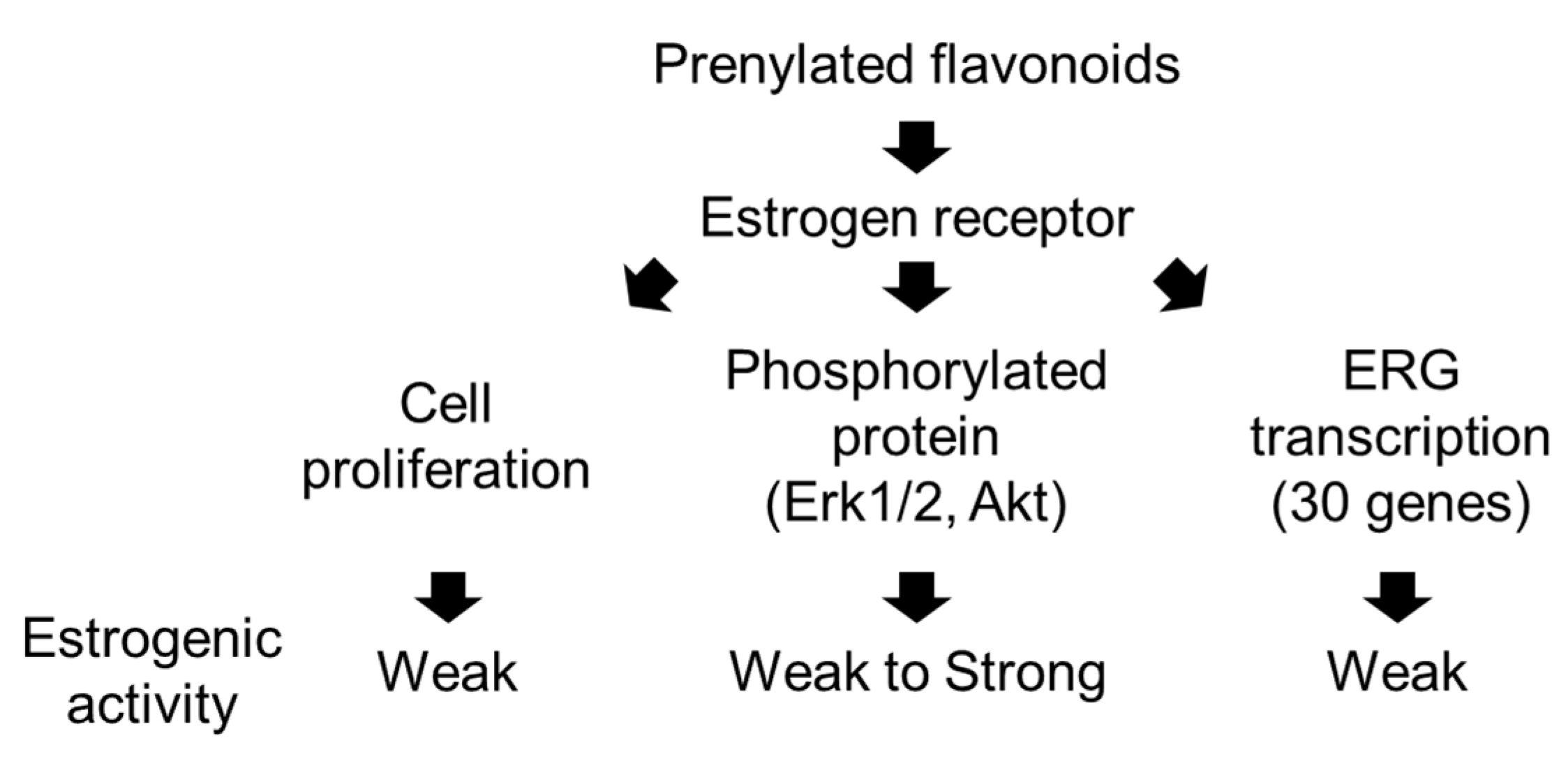
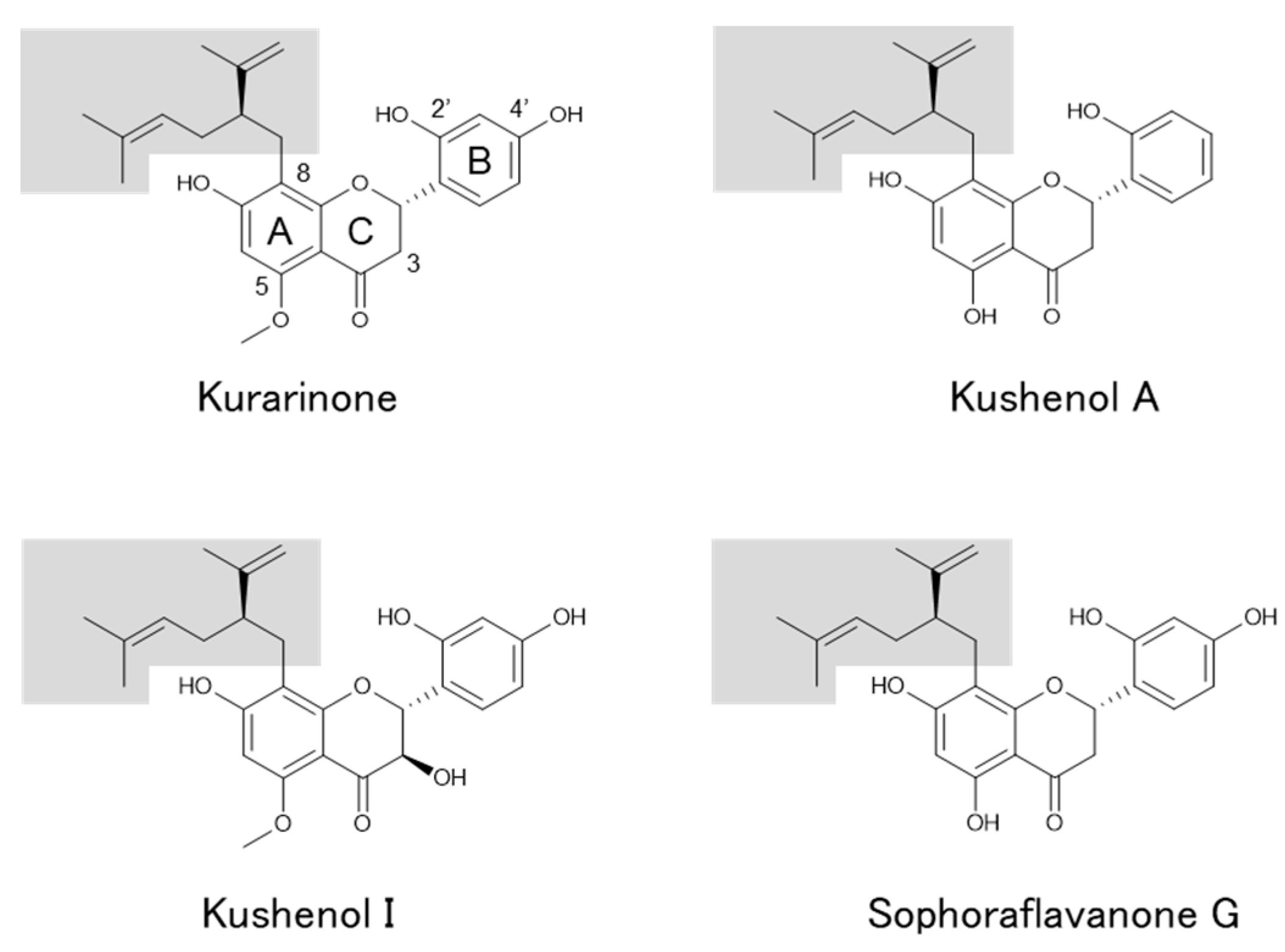
Sophora flavescens is a medicinal herb distributed widely in Japan and it has been used to treat various diseases and symptoms. To explore its pharmacological use, we examined the estrogenic activity of four prenylated flavonoids, namely kurarinone, kushenols A and I, and sophoraflavanone G, which are characterized by the lavandulyl group at position 8 of ring A, but have variations in the hydroxyl group at positions 3 (ring C), 5 (ring A) and 4’ (ring B). These prenylated flavonoids were examined via cell proliferation assays using sulforhodamine B, Western blotting, and RT-PCR, corresponding to cell, protein, and transcription assays, respectively, based on estrogen action mechanisms. All the assays employed here found weak but clear estrogenic activities for the prenylated flavonoids examined. Furthermore, the activities were inhibited by an estrogen receptor antagonist, suggesting that the activities were likely being mediated by the estrogen receptors. However, there were differences in the activity, attributable to the hydroxyl group at position 4’, which is absent in kushenol A. While the estrogenic activity of kurarinone and sophoraflavanone G has been reported before, to the best of our knowledge, there are no such reports on kushenols A and I. Therefore, this study represents the first report of their estrogenic activity.
Keywords: estrogenic activity; prenylated flavonoid; cell signaling pathway; estrogen response; gene expression estrogenic activity; prenylated flavonoid; cell signaling pathway; estrogen response; gene expression