Dysregulated Repair in Aging and Disease: Extracellular Vesicles as an Emerging Protective Strategy

 , ,
, ,  ,
,  , , ,
, , ,  and
and
Abstract
1. Introduction
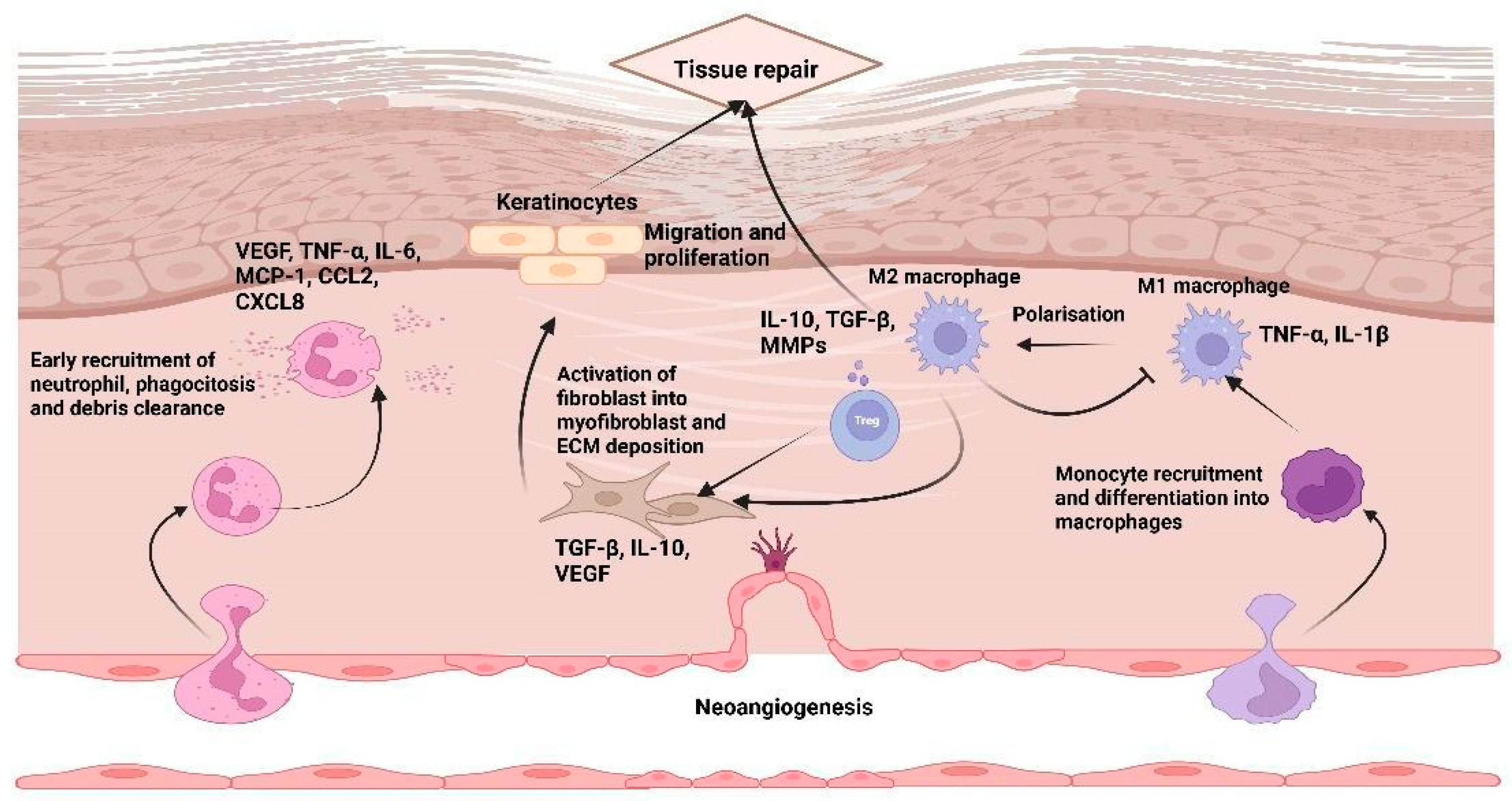
2. Orchestrating Cutaneous Wound Regeneration, Repair, and Healing: The Pivotal Role of Innate Immune Cells
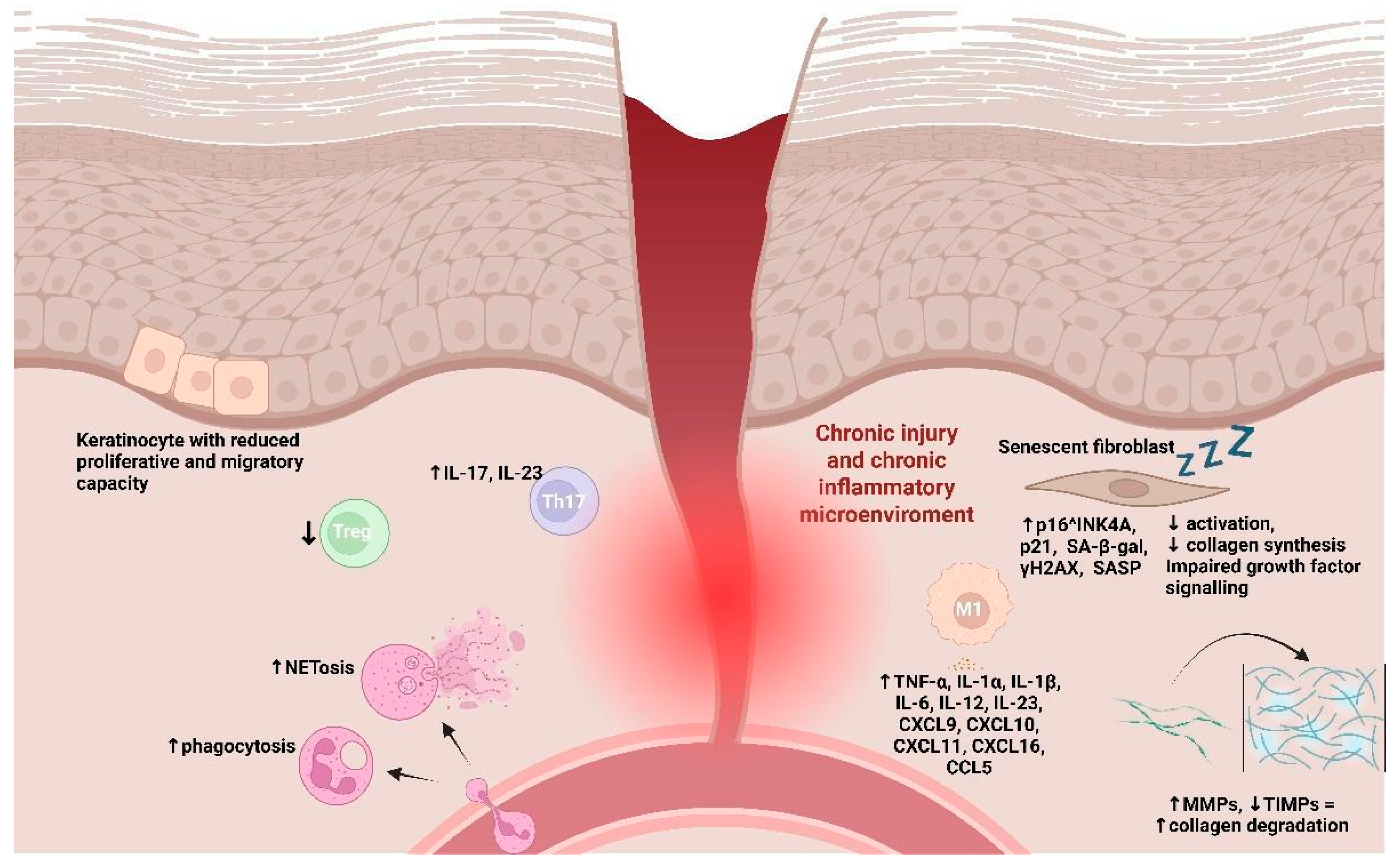
3. Dysregulated Tissue Repair in Aging: Immunosenescence as One Culprit
3.1. Ulcerations: A Paradigm of Immune Dysregulation in Aging
3.2. Dysregulated Fibrosis in Aging: “Fibroaging” as a Hallmark
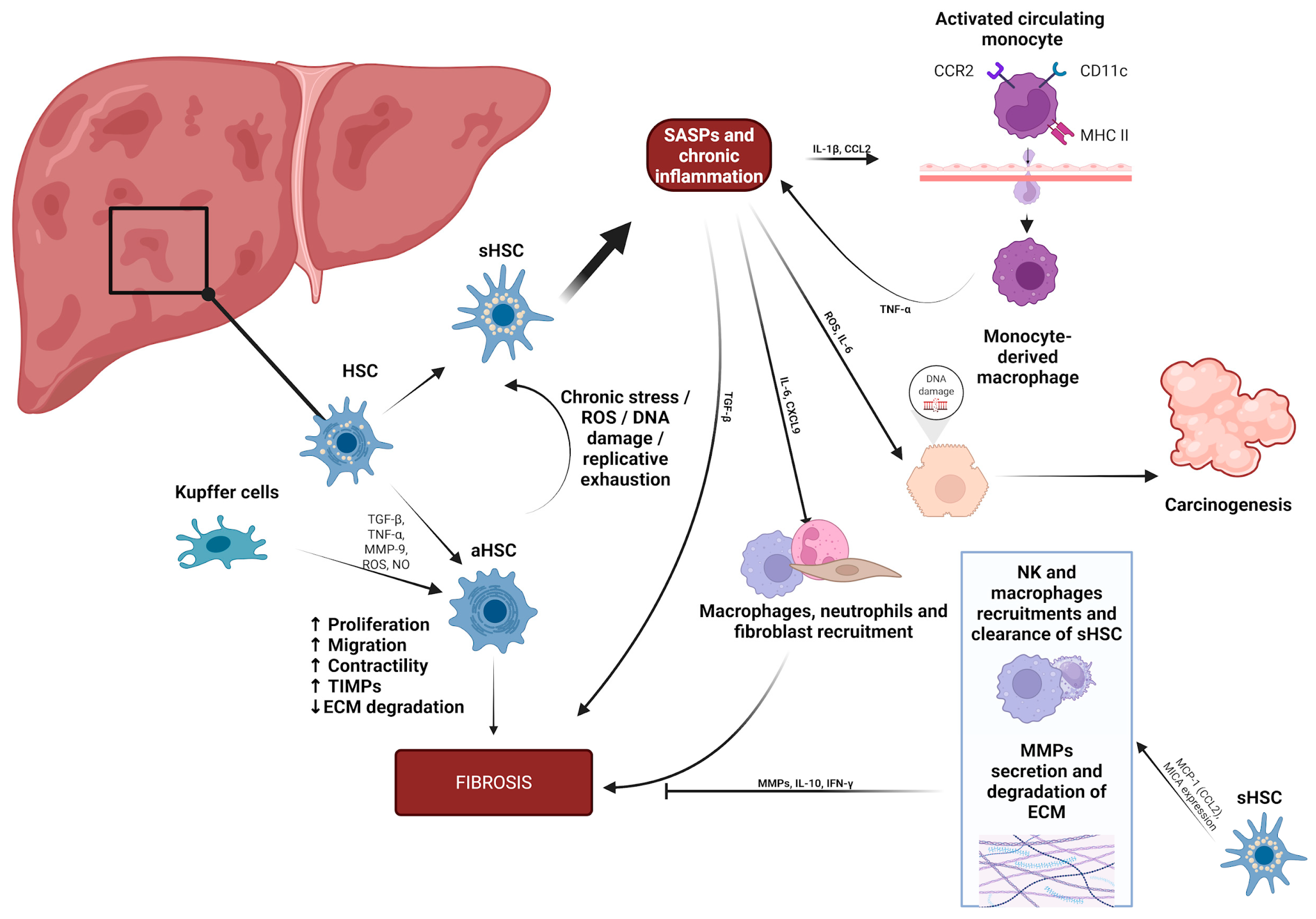
The Emblematic Example of Liver Fibrosis as a Chronic Wound Repair Result

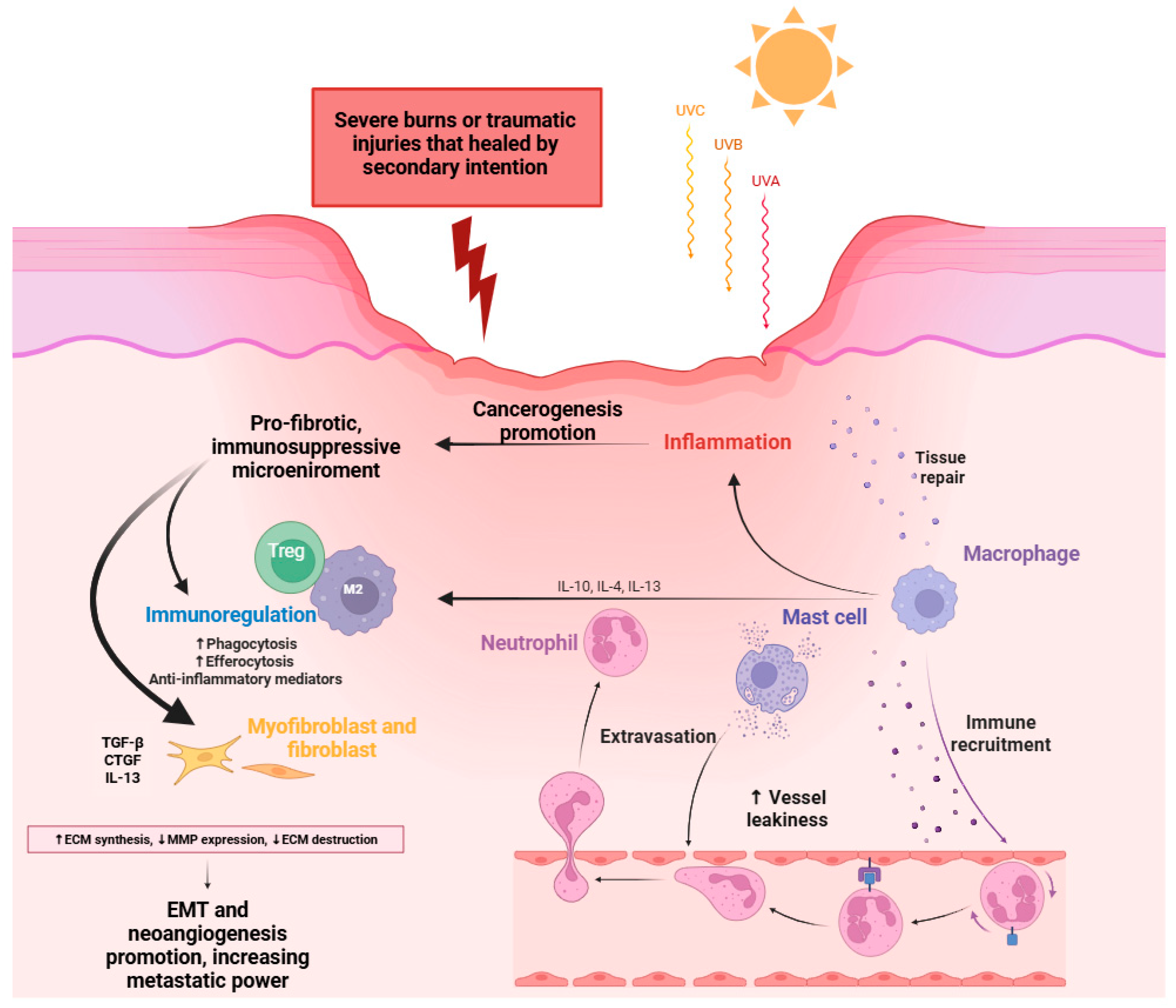
3.3. Dysregulated Repair–Fibrosis Transition in Aging: The Wound Healing–Fibrosis–Cancer (WHFC) Triad
3.3.1. Marjolin’s Ulcer as Example of WHFC
3.3.2. Melanoma as Example of Non-Healing Wound-Derived Cancer
4. Investigating PDEVs and MDEVs as Emerging Strategy to Restore Age-Related Dysfunctions in Tissue Repair
4.1. PDEVs

| Source | Size and Charge | Application for Aging-Related Tissue-Repair Dysfunction | Reference |
|---|---|---|---|
| Panax ginseng (Root) | Size: 344.8 nm Charge: −25.4 mV | Facilitates anti-senescence effects in human skin cells; reduces senescence-associated-β-Gal levels and senescence markers such as p53, p21, and p16 | [98] |
| Phellinus linteus (Mushroom) | Size: <500 nm Charge: Negative | Inhibits UV-induced skin aging and cellular senescence in HaCaT cells through cross-kingdom regulation | [99] |
| Malus domestica (Apple) | Size: ~110.5 nm Charge: Negative | Reinforces the skin barrier and provides anti-aging activity in fruit calli and human dermal fibroblasts | [100] |
| Aloe vera (Peels/Gel) | Size: 90–110 nm Charge: Negative | Mitigates skin photoaging by activating the Nrf2/ARE pathway to alleviate UV-induced oxidative stress | [66] |
| Olea europaea (Leaves) | Size: <500 nm Charge: Negative | Protects against UVB-induced damage, reduces skin wrinkles, and increases collagen and elastin fibres | [87] |
4.2. MDEVs
5. Future Perspectives and Conclusions
Author Contributions
Funding
Institutional Review Board Statement
Informed Consent Statement
Data Availability Statement
Conflicts of Interest
Abbreviations
| ECM | extracellular matrix |
| EVs | extracellular vesicles |
| PDEVs | plant-derived extracellular vesicles |
| MDEVs | mammalian-derived extracellular vesicles |
| GP | glycoprotein |
| PEVs | platelet-derived extracellular vesicles |
| ROS | reactive oxygen species |
| NETs | neutrophil extracellular traps |
| TNF | tumour necrosis factor |
| IL | interleukin |
| NO | nitric oxide |
| Th | T helper cells |
| TGF | transforming growth factor |
| VEGF | vascular endothelial growth factor |
| Tregs | regulatory T cells |
| IFN | interferon |
| PDGF | platelet-derived growth factor |
| FGF | fibroblast growth factor |
| KGF | keratinocyte growth factor |
| MMPs | metalloproteases |
| SASP | senescence-associated secretory phenotype |
| NF-κB | nuclear factor kappa-light-chain-enhancer of activated B cells |
| mTOR | mammalian target of rapamycin |
| VLUs | venous leg ulcers |
| DFUs | diabetic foot ulcers |
| SCC | squamous cell carcinoma |
| TβR2 | TGF-β type II receptor |
| TβR1 | TGF-β type I receptor |
| HSCs | hepatic stellate cells |
| NK | natural killer cells |
| NKT | NK T cells |
| WHFC | wound healing–fibrosis–cancer |
| MU | Marjolin’s ulcer |
| BCC | basal cell carcinoma |
| EMT | epithelial–mesenchymal transition |
| MVBs | multivesicular bodies |
| Nrf2 | nuclear factor erythroid 2-related factor 2 |
| ARE | antioxidant responsive element |
| ESCRT | Endosomal Sorting Complex Required for Transport |
| MSC-EVs | mesenchymal stem cell-derived EVs |
| miRNA | microRNA |
| siRNA | small interfering RNA |
| TET | tetraspanin |
| SEC | size-exclusion chromatography |
| TLR | toll-like receptor |
References
- Peña, O.A.; Martin, P. Cellular and molecular mechanisms of skin wound healing. Nat. Rev. Mol. Cell Biol. 2024, 25, 599–616. [Google Scholar] [CrossRef]
- O’Reilly, S.; Markiewicz, E.; Idowu, O.C. Aging, senescence, and cutaneous wound healing-a complex relationship. Front. Immunol. 2024, 15, 1429716. [Google Scholar] [CrossRef] [PubMed]
- Martin, P.; Pardo-Pastor, C.; Jenkins, R.G.; Rosenblatt, J. Imperfect wound healing sets the stage for chronic diseases. Science 2024, 386, eadp2974. [Google Scholar] [CrossRef] [PubMed]
- Cioce, A.; Cavani, A.; Cattani, C.; Scopelliti, F. Role of the Skin Immune System in Wound Healing. Cells 2024, 13, 624. [Google Scholar] [CrossRef] [PubMed]
- Pająk, J.; Nowicka, D.; Szepietowski, J.C. Inflammaging and Immunosenescence as Part of Skin Aging—A Narrative Review. Int. J. Mol. Sci. 2023, 24, 7784. [Google Scholar] [CrossRef]
- Xu, Z.; Xu, Y.; Zhang, K.; Liu, Y.; Liang, Q.; Thakur, A.; Liu, W.; Yan, Y. Plant-derived extracellular vesicles (PDEVs) in nanomedicine for human disease and therapeutic modalities. J. Nanobiotechnol. 2023, 21, 114. [Google Scholar] [CrossRef]
- Wu, P.; Wu, W.; Zhang, S.; Han, J.; Liu, C.; Yu, H.; Chen, X.; Chen, X. Therapeutic potential and pharmacological significance of extracellular vesicles derived from traditional medicinal plants. Front. Pharmacol. 2023, 14, 1272241. [Google Scholar] [CrossRef]
- Wu, P.; Zhang, B.; Ocansey, D.K.W.; Xu, W.; Qian, H. Extracellular vesicles: A bright star of nanomedicine. Biomaterials 2021, 269, 120467. [Google Scholar] [CrossRef]
- Sgonc, R.; Gruber, J. Age-Related Aspects of Cutaneous Wound Healing: A Mini-Review. Gerontology 2012, 59, 159–164. [Google Scholar] [CrossRef]
- Goldman, J.A.; Poss, K.D. Gene regulatory programmes of tissue regeneration. Nat. Rev. Genet. 2020, 21, 511–525. [Google Scholar] [CrossRef]
- Poss, K.D.; Tanaka, E.M. Hallmarks of regeneration. Cell Stem Cell 2024, 31, 1244–1261. [Google Scholar] [CrossRef]
- López-Otín, C.; Blasco, M.A.; Partridge, L.; Serrano, M.; Kroemer, G. Hallmarks of aging: An expanding universe. Cell 2023, 186, 243–278. [Google Scholar] [CrossRef] [PubMed]
- Gurtner, G.C.; Werner, S.; Barrandon, Y.; Longaker, M.T. Wound repair and regeneration. Nature 2008, 453, 314–321. [Google Scholar] [CrossRef] [PubMed]
- Maggiore, G.; Zhu, H. Relationships Between Regeneration, Wound Healing, and Cancer. Annu. Rev. Cancer Biol. 2024, 8, 177–197. [Google Scholar] [CrossRef]
- Zhu, Z.; Zhou, S.; Li, S.; Gong, S.; Zhang, Q. Neutrophil extracellular traps in wound healing. Trends Pharmacol. Sci. 2024, 45, 1033–1045. [Google Scholar] [CrossRef]
- Jakovija, A.; Chtanova, T. Skin immunity in wound healing and cancer. Front. Immunol. 2023, 14, 1060258. [Google Scholar] [CrossRef]
- Knoedler, S.; Knoedler, L.; Kauke-Navarro, M.; Rinkevich, Y.; Hundeshagen, G.; Harhaus, L.; Kneser, U.; Pomahac, B.; Orgill, D.P.; Panayi, A.C. Regulatory T cells in skin regeneration and wound healing. Mil. Med. Res. 2023, 10, 49. [Google Scholar] [CrossRef] [PubMed]
- Kerris, E.W.J.; Hoptay, C.; Calderon, T.; Freishtat, R.J. Platelets and Platelet Extracellular Vesicles in Hemostasis and Sepsis. J. Investig. Med. 2020, 68, 813–820. [Google Scholar] [CrossRef]
- Bo, Y.; Zhao, F. Platelets as central hubs of inflammation. Front. Immunol. 2025, 16, 1683553. [Google Scholar] [CrossRef]
- Ukaegbu, K.; Allen, E.; Svoboda, K.K.H. Reactive Oxygen Species and Antioxidants in Wound Healing: Mechanisms and Therapeutic Potential. Int. Wound J. 2025, 22, e70330. [Google Scholar] [CrossRef]
- Peiseler, M.; Kubes, P. More friend than foe: The emerging role of neutrophils in tissue repair. J. Clin. Investig. 2019, 129, 2629–2639. [Google Scholar] [CrossRef] [PubMed]
- Liu, Y.; Xiang, C.; Que, Z.; Li, C.; Wang, W.; Yin, L.; Chu, C.; Zhou, Y. Neutrophil heterogeneity and aging: Implications for COVID-19 and wound healing. Front. Immunol. 2023, 14, 1201651. [Google Scholar] [CrossRef]
- Das, A.; Sinha, M.; Datta, S.; Abas, M.; Chaffee, S.; Sen, C.K.; Roy, S. Monocyte and macrophage plasticity in tissue repair and regeneration. Am. J. Pathol. 2015, 185, 2596–2606. [Google Scholar] [CrossRef]
- Guo, S.; DiPietro, L.A. Factors Affecting Wound Healing. J. Dent. Res. 2010, 89, 219–229. [Google Scholar] [CrossRef]
- Xiao, T.; Yan, Z.; Xiao, S.; Xia, Y. Proinflammatory cytokines regulate epidermal stem cells in wound epithelialization. Stem Cell Res. Ther. 2020, 11, 232. [Google Scholar] [CrossRef]
- Amiri, N.; Golin, A.P.; Jalili, R.B.; Ghahary, A. Roles of cutaneous cell-cell communication in wound healing outcome: An emphasis on keratinocyte-fibroblast crosstalk. Exp. Dermatol. 2022, 31, 475–484. [Google Scholar] [CrossRef] [PubMed]
- Ding, X.; Kakanj, P.; Leptin, M.; Eming, S.A. Regulation of the Wound Healing Response during Aging. J. Investig. Dermatol. 2021, 141, 1063–1070. [Google Scholar] [CrossRef] [PubMed]
- Franceschi, C.; Bonafè, M.; Valensin, S.; Olivieri, F.; De Luca, M.; Ottaviani, E.; De Benedictis, G. Inflamm-aging: An evolutionary perspective on immunosenescence. Ann. N. Y. Acad. Sci. 2000, 908, 244–254. [Google Scholar] [CrossRef]
- Aiello, A.; Farzaneh, F.; Candore, G.; Caruso, C.; Davinelli, S.; Gambino, C.M.; Ligotti, M.E.; Zareian, N.; Accardi, G. Immunosenescence and Its Hallmarks: How to Oppose Aging Strategically? A Review of Potential Options for Therapeutic Intervention. Front. Immunol. 2019, 10, 2247. [Google Scholar] [CrossRef]
- Blair, M.J.; Jones, J.D.; Woessner, A.E.; Quinn, K.P. Skin Structure–Function Relationships and the Wound Healing Response to Intrinsic Aging. Adv. Wound Care 2019, 9, 127–143. [Google Scholar] [CrossRef]
- Alqahtani, S.; Alqahtani, T.; Venkatesan, K.; Sivadasan, D.; Ahmed, R.; Sirag, N.; Elfadil, H.; Abdullah Mohamed, H.; Haseena, T.A.; Elsayed Ahmed, R.; et al. SASP Modulation for Cellular Rejuvenation and Tissue Homeostasis: Therapeutic Strategies and Molecular Insights. Cells 2025, 14, 608. [Google Scholar] [CrossRef] [PubMed]
- Sindrilaru, A.; Peters, T.; Wieschalka, S.; Baican, C.; Baican, A.; Peter, H.; Hainzl, A.; Schatz, S.; Qi, Y.; Schlecht, A.; et al. An unrestrained proinflammatory M1 macrophage population induced by iron impairs wound healing in humans and mice. J. Clin. Investig. 2011, 121, 985–997. [Google Scholar] [CrossRef]
- Salminen, A. AMPK signaling inhibits the differentiation of myofibroblasts: Impact on age-related tissue fibrosis and degeneration. Biogerontology 2024, 25, 83–106. [Google Scholar] [CrossRef] [PubMed]
- Mayrovitz, H.N.; Wong, S.; Mancuso, C. Venous, Arterial, and Neuropathic Leg Ulcers with Emphasis on the Geriatric Population. Cureus 2023, 15, e38123. [Google Scholar] [CrossRef]
- Nicholas, G.; Henry, Z. The prevalence and incidence of chronic wounds: A literature review. Wound Pract. Res. 2014, 22, 4–12, 14–19. [Google Scholar]
- Yang, L.; Rong, G.C.; Wu, Q.N. Diabetic foot ulcer: Challenges and future. World J. Diabetes 2022, 13, 1014–1034. [Google Scholar] [CrossRef]
- Gong, H.-P.; Ren, Y.; Swe, T.H.; Li, Z.-Y.; Zha, P.-P.; Chen, D.-W.; Ran, X.-W.; Wang, C. Age-related variations in clinical characteristics of patients with diabetic foot ulcers. J. Diabetes Investig. 2026, 17, 96–102. [Google Scholar] [CrossRef]
- Itoh, S.; Yokota, S.; Yotsu, R.R.; Tanaka, S.; Abe, K.; Kodama, K.; Nakagawa, R.; Nabetani, Y.; Kobayashi, K.; Murata, T.; et al. Factors associated with pressure ulcers among middle-old and oldest-old inpatients in an acute care hospital. Sci. Rep. 2025, 15, 23538. [Google Scholar] [CrossRef]
- Holl, J.; Kowalewski, C.; Zimek, Z.; Fiedor, P.; Kaminski, A.; Oldak, T.; Moniuszko, M.; Eljaszewicz, A. Chronic Diabetic Wounds and Their Treatment with Skin Substitutes. Cells 2021, 10, 655. [Google Scholar] [CrossRef]
- Qiang, L.; Yang, S.; Cui, Y.H.; He, Y.Y. Keratinocyte autophagy enables the activation of keratinocytes and fibroblastsand facilitates wound healing. Autophagy 2021, 17, 2128–2143. [Google Scholar] [CrossRef] [PubMed]
- Gao, F.L.; Jin, R.; Zhang, L.; Zhang, Y.G. The contribution of melanocytes to pathological scar formation during wound healing. Int. J. Clin. Exp. Med. 2013, 6, 609–613. [Google Scholar]
- Victorelli, S.; Lagnado, A.; Halim, J.; Moore, W.; Talbot, D.; Barrett, K.; Chapman, J.; Birch, J.; Ogrodnik, M.; Meves, A.; et al. Senescent human melanocytes drive skin ageing via paracrine telomere dysfunction. EMBO J. 2019, 38, e101982. [Google Scholar] [CrossRef]
- Rybinski, B.; Franco-Barraza, J.; Cukierman, E. The wound healing, chronic fibrosis, and cancer progression triad. Physiol. Genom. 2014, 46, 223–244. [Google Scholar] [CrossRef] [PubMed]
- Selman, M.; Pardo, A. Fibroageing: An ageing pathological feature driven by dysregulated extracellular matrix-cell mechanobiology. Ageing Res. Rev. 2021, 70, 101393. [Google Scholar] [CrossRef]
- Lacina, L.; Kolář, M.; Pfeiferová, L.; Gál, P.; Smetana, K. Wound healing: Insights into autoimmunity, ageing, and cancer ecosystems through inflammation and IL-6 modulation. Front. Immunol. 2024, 15, 1403570. [Google Scholar] [CrossRef] [PubMed]
- Blažić, T.M.; Brajac, I. Defective induction of senescence during wound healing is a possible mechanism of keloid formation. Med. Hypotheses 2006, 66, 649–652. [Google Scholar] [CrossRef]
- Zhang, M.; Serna-Salas, S.; Damba, T.; Borghesan, M.; Demaria, M.; Moshage, H. Hepatic stellate cell senescence in liver fibrosis: Characteristics, mechanisms and perspectives. Mech. Ageing Dev. 2021, 199, 111572. [Google Scholar] [CrossRef] [PubMed]
- Tan, H.; Huang, W.; Luo, H.; Min, W.; Zhang, X.; Sun, X.; Lin, E.; Hong, X.; Yang, P.; Zhou, L.; et al. Klotho-derived peptide 1 ameliorates hepatic fibrosis induced by αKlotho deficiency and liver injury. Int. J. Biol. Sci. 2026, 22, 1425–1439. [Google Scholar] [CrossRef] [PubMed]
- Ezhilarasan, D.; Sokal, E.; Najimi, M. Hepatic fibrosis: It is time to go with hepatic stellate cell-specific therapeutic targets. Hepatobiliary Pancreat. Dis. Int. 2018, 17, 192–197. [Google Scholar] [CrossRef]
- Lujambio, A.; Akkari, L.; Simon, J.; Grace, D.; Tschaharganeh, D.F.; Bolden, J.E.; Zhao, Z.; Thapar, V.; Joyce, J.A.; Krizhanovsky, V.; et al. Non-Cell-Autonomous Tumor Suppression by p53. Cell 2013, 153, 449–460. [Google Scholar] [CrossRef]
- Jin, H.; Jia, Y.; Yao, Z.; Huang, J.; Hao, M.; Yao, S.; Lian, N.; Zhang, F.; Zhang, C.; Chen, X.; et al. Hepatic stellate cell interferes with NK cell regulation of fibrogenesis via curcumin induced senescence of hepatic stellate cell. Cell. Signal. 2017, 33, 79–85. [Google Scholar] [CrossRef]
- Han, Z.; She, Y.; Wu, D.; Zhang, N.; Liu, Z.; Wang, Z.; Zhou, X.; Li, S. Senescent hepatic stellate cells drive inflammation and disease progression in MASH (Review). Exp. Ther. Med. 2026, 31, 95. [Google Scholar] [CrossRef] [PubMed]
- Day, D.L.; Chakari, W.; Matzen, S.H. Malignant transformation of a non-healing traumatic wound on the lower extremity: A case report. Int. J. Surg. Case Rep. 2018, 53, 468–470. [Google Scholar] [CrossRef] [PubMed]
- Meng, X.; Riordan, N.H. Cancer is a functional repair tissue. Med. Hypotheses 2006, 66, 486–490. [Google Scholar] [CrossRef] [PubMed]
- Levra Levron, C.; Elettrico, L.; Duval, C.; Piacenti, G.; Proserpio, V.; Donati, G. Bridging tissue repair and epithelial carcinogenesis: Epigenetic memory and field cancerization. Cell Death Differ. 2025, 32, 78–89. [Google Scholar] [CrossRef]
- Guan, Y.; Wang, G.; Fails, D.; Nagarajan, P.; Ge, Y. Unraveling cancer lineage drivers in squamous cell carcinomas. Pharmacol. Ther. 2020, 206, 107448. [Google Scholar] [CrossRef]
- Salvatore, M.M.; Liu, Y.; Peng, B.; Hsu, H.Y.; Saqi, A.; Tsai, W.Y.; Leu, C.S.; Jambawalikar, S. Comparison of lung cancer occurring in fibrotic versus non-fibrotic lung on chest CT. J. Transl. Med. 2024, 22, 67. [Google Scholar] [CrossRef]
- Kowal-Vern, A.; Criswell, B.K. Burn scar neoplasms: A literature review and statistical analysis. Burns 2005, 31, 403–413. [Google Scholar] [CrossRef]
- Yu, N.; Long, X.; Lujan-Hernandez, J.R.; Hassan, K.Z.; Bai, M.; Wang, Y.; Wang, X.; Zhao, R. Marjolin’s ulcer: A preventable malignancy arising from scars. World J. Surg. Oncol. 2013, 11, 313. [Google Scholar] [CrossRef]
- Knecht-Gurwin, K.; Stefaniak, A.A.; Chlebicka, I.; Szepietowski, J.C. Basal Cell Carcinoma: Comprehensive Review with Emphasis on Scar Tissue Manifestation and Post-Vaccination Incidence. Biomedicines 2024, 12, 1769. [Google Scholar] [CrossRef]
- Cantwell, P.; Brooks, A. Multiple melanoma in a burns scar. BMJ Case Rep. 2018, 11, e227295. [Google Scholar] [CrossRef]
- Deyell, M.; Garris, C.S.; Laughney, A.M. Cancer metastasis as a non-healing wound. Br. J. Cancer 2021, 124, 1491–1502. [Google Scholar] [CrossRef]
- Zhao, P.; Sui, B.D.; Liu, N.; Lv, Y.J.; Zheng, C.X.; Lu, Y.B.; Huang, W.T.; Zhou, C.H.; Chen, J.; Pang, D.L.; et al. Anti-aging pharmacology in cutaneous wound healing: Effects of metformin, resveratrol, and rapamycin by local application. Aging Cell 2017, 16, 1083–1093. [Google Scholar] [CrossRef]
- Shvedova, M.; Samdavid Thanapaul, R.J.R.; Thompson, E.L.; Niedernhofer, L.J.; Roh, D.S. Cellular Senescence in Aging, Tissue Repair, and Regeneration. Plast. Reconstr. Surg. 2022, 150, 4S–11S. [Google Scholar] [CrossRef] [PubMed]
- El Assaad, N.; Chebly, A.; Salame, R.; Achkar, R.; Bou Atme, N.; Akouch, K.; Rafoul, P.; Hanna, C.; Abou Zeid, S.; Ghosn, M.; et al. Anti-aging based on stem cell therapy: A scoping review. World J. Exp. Med. 2024, 14, 97233. [Google Scholar] [CrossRef] [PubMed]
- Sun, Z.; Zheng, Y.; Wang, T.; Zhang, J.; Li, J.; Wu, Z.; Zhang, F.; Gao, T.; Yu, L.; Xu, X.; et al. Aloe Vera Gel and Rind-Derived Nanoparticles Mitigate Skin Photoaging via Activation of Nrf2/ARE Pathway. Int. J. Nanomed. 2025, 20, 4051–4067. [Google Scholar] [CrossRef] [PubMed]
- Sall, I.M.; Flaviu, T.A. Plant and mammalian-derived extracellular vesicles: A new therapeutic approach for the future. Front. Bioeng. Biotechnol. 2023, 11, 1215650. [Google Scholar] [CrossRef] [PubMed]
- Mrozowska, M.; Górnicki, T.; Olbromski, M.; Partyńska, A.I.; Dzięgiel, P.; Rusak, A. New insights into the role of tetraspanin 6, 7, and 8 in physiology and pathology. Cancer Med. 2024, 13, e7390. [Google Scholar] [CrossRef]
- Doyle, L.M.; Wang, M.Z. Overview of Extracellular Vesicles, Their Origin, Composition, Purpose, and Methods for Exosome Isolation and Analysis. Cells 2019, 8, 727. [Google Scholar] [CrossRef]
- Zhang, Y.; Dou, Y.; Liu, Y.; Di, M.; Bian, H.; Sun, X.; Yang, Q. Advances in Therapeutic Applications of Extracellular Vesicles. Int. J. Nanomed. 2023, 18, 3285–3307. [Google Scholar] [CrossRef]
- Lian, M.Q.; Chng, W.H.; Liang, J.; Yeo, H.Q.; Lee, C.K.; Belaid, M.; Tollemeto, M.; Wacker, M.G.; Czarny, B.; Pastorin, G. Plant-derived extracellular vesicles: Recent advancements and current challenges on their use for biomedical applications. J. Extracell. Vesicles 2022, 11, e12283. [Google Scholar] [CrossRef] [PubMed]
- Gaspar, R.S.; Ferreira, P.M.; Mitchell, J.L.; Pula, G.; Gibbins, J.M. Platelet-derived extracellular vesicles express NADPH oxidase-1 (Nox-1), generate superoxide and modulate platelet function. Free Radic. Biol. Med. 2021, 165, 395–400. [Google Scholar] [CrossRef]
- Silachev, D.N.; Goryunov, K.V.; Shpilyuk, M.A.; Beznoschenko, O.S.; Morozova, N.Y.; Kraevaya, E.E.; Popkov, V.A.; Pevzner, I.B.; Zorova, L.D.; Evtushenko, E.A.; et al. Effect of MSCs and MSC-Derived Extracellular Vesicles on Human Blood Coagulation. Cells 2019, 8, 258. [Google Scholar] [CrossRef]
- Fiedler, T.; Rabe, M.; Mundkowski, R.G.; Oehmcke-Hecht, S.; Peters, K. Adipose-derived mesenchymal stem cells release microvesicles with procoagulant activity. Int. J. Biochem. Cell Biol. 2018, 100, 49–53. [Google Scholar] [CrossRef]
- Yin, L.; Yan, L.; Yu, Q.; Wang, J.; Liu, C.; Wang, L.; Zheng, L. Characterization of the MicroRNA Profile of Ginger Exosome-like Nanoparticles and Their Anti-Inflammatory Effects in Intestinal Caco-2 Cells. J. Agric. Food Chem. 2022, 70, 4725–4734. [Google Scholar] [CrossRef]
- Sundaram, K.; Mu, J.; Kumar, A.; Behera, J.; Lei, C.; Sriwastva, M.K.; Xu, F.; Dryden, G.W.; Zhang, L.; Chen, S.; et al. Garlic exosome-like nanoparticles reverse high-fat diet induced obesity via the gut/brain axis. Theranostics 2022, 12, 1220–1246. [Google Scholar] [CrossRef]
- Liu, B.; Li, X.; Yu, H.; Shi, X.; Zhou, Y.; Alvarez, S.; Naldrett, M.J.; Kachman, S.D.; Ro, S.H.; Sun, X.; et al. Therapeutic potential of garlic chive-derived vesicle-like nanoparticles in NLRP3 inflammasome-mediated inflammatory diseases. Theranostics 2021, 11, 9311–9330. [Google Scholar] [CrossRef]
- Kim, H.; Wang, S.Y.; Kwak, G.; Yang, Y.; Kwon, I.C.; Kim, S.H. Exosome-Guided Phenotypic Switch of M1 to M2 Macrophages for Cutaneous Wound Healing. Adv. Sci. 2019, 6, 1900513. [Google Scholar] [CrossRef] [PubMed]
- Tan, M.; Liu, Y.; Xu, Y.; Yan, G.; Zhou, N.; Chen, H.; Jiang, Z.; Peng, L. Plant-Derived Exosomes as Novel Nanotherapeutics Contrive Glycolysis Reprogramming-Mediated Angiogenesis for Diabetic Ulcer Healing. Biomater. Res. 2024, 28, 0035. [Google Scholar] [CrossRef] [PubMed]
- Savcı, Y.; Kırbaş, O.K.; Bozkurt, B.T.; Abdik, E.A.; Taşlı, P.N.; Şahin, F.; Abdik, H. Grapefruit-derived extracellular vesicles as a promising cell-free therapeutic tool for wound healing. Food Funct. 2021, 12, 5144–5156. [Google Scholar] [CrossRef]
- He, C.; Wang, K.; Xia, J.; Qian, D.; Guo, J.; Zhong, L.; Tang, D.; Chen, X.; Peng, W.; Chen, Y.; et al. Natural exosomes-like nanoparticles in mung bean sprouts possesses anti-diabetic effects via activation of PI3K/Akt/GLUT4/GSK-3β signaling pathway. J. Nanobiotechnol. 2023, 21, 349. [Google Scholar] [CrossRef]
- Cai, H.; Huang, L.Y.; Hong, R.; Song, J.X.; Guo, X.J.; Zhou, W.; Hu, Z.L.; Wang, W.; Wang, Y.L.; Shen, J.G.; et al. Momordica charantia Exosome-like Nanoparticles Exert Neuroprotective Effects Against Ischemic Brain Injury via Inhibiting Matrix Metalloproteinase 9 and Activating the AKT/GSK3β Signaling Pathway. Front. Pharmacol. 2022, 13, 908830. [Google Scholar] [CrossRef] [PubMed]
- Narauskaitė, D.; Vydmantaitė, G.; Rusteikaitė, J.; Sampath, R.; Rudaitytė, A.; Stašytė, G.; Aparicio Calvente, M.I.; Jekabsone, A. Extracellular Vesicles in Skin Wound Healing. Pharmaceuticals 2021, 14, 811. [Google Scholar] [CrossRef] [PubMed]
- Xiong, Y.; Lin, Z.; Bu, P.; Yu, T.; Endo, Y.; Zhou, W.; Sun, Y.; Cao, F.; Dai, G.; Hu, Y.; et al. A Whole-Course-Repair System Based on Neurogenesis-Angiogenesis Crosstalk and Macrophage Reprogramming Promotes Diabetic Wound Healing. Adv. Mater. 2023, 35, e2212300. [Google Scholar] [CrossRef] [PubMed]
- Kim, D.K.; Rhee, W.J. Antioxidative Effects of Carrot-Derived Nanovesicles in Cardiomyoblast and Neuroblastoma Cells. Pharmaceutics 2021, 13, 1203. [Google Scholar] [CrossRef]
- Hwang, J.H.; Park, Y.S.; Kim, H.S.; Kim, D.H.; Lee, S.H.; Lee, C.H.; Lee, S.H.; Kim, J.E.; Lee, S.; Kim, H.M.; et al. Yam-derived exosome-like nanovesicles stimulate osteoblast formation and prevent osteoporosis in mice. J. Control Release 2023, 355, 184–198. [Google Scholar] [CrossRef]
- Zheng, Y.; Wang, T.; Zhang, J.; Wei, S.; Wu, Z.; Li, J.; Shi, B.; Sun, Z.; Xu, W.; Zhu, J. Plant-Derived Nanovesicles: A Promising Frontier in Tissue Repair and Antiaging. J. Agric. Food Chem. 2025, 73, 13159–13177. [Google Scholar] [CrossRef]
- Li, Z.; Wang, H.; Yin, H.; Bennett, C.; Zhang, H.G.; Guo, P. Arrowtail RNA for Ligand Display on Ginger Exosome-like Nanovesicles to Systemic Deliver siRNA for Cancer Suppression. Sci. Rep. 2018, 8, 14644. [Google Scholar] [CrossRef]
- Zhuang, X.; Teng, Y.; Samykutty, A.; Mu, J.; Deng, Z.; Zhang, L.; Cao, P.; Rong, Y.; Yan, J.; Miller, D.; et al. Grapefruit-derived Nanovectors Delivering Therapeutic miR17 Through an Intranasal Route Inhibit Brain Tumor Progression. Mol. Ther. 2016, 24, 96–105. [Google Scholar] [CrossRef]
- Badimon, L.; Padro, T.; Arderiu, G.; Vilahur, G.; Borrell-Pages, M.; Suades, R. Extracellular vesicles in atherothrombosis: From biomarkers and precision medicine to therapeutic targets. Immunol. Rev. 2022, 312, 6–19. [Google Scholar] [CrossRef]
- Zhao, B.; Lin, H.; Jiang, X.; Li, W.; Gao, Y.; Li, M.; Yu, Y.; Chen, N.; Gao, J. Exosome-like nanoparticles derived from fruits, vegetables, and herbs: Innovative strategies of therapeutic and drug delivery. Theranostics 2024, 14, 4598–4621. [Google Scholar] [CrossRef]
- Alzahrani, F.A.; Khan, M.I.; Kameli, N.; Alsahafi, E.; Riza, Y.M. Plant-Derived Extracellular Vesicles and Their Exciting Potential as the Future of Next-Generation Drug Delivery. Biomolecules 2023, 13, 839. [Google Scholar] [CrossRef]
- Xu, F.; Mu, J.; Teng, Y.; Zhang, X.; Sundaram, K.; Sriwastva, M.K.; Kumar, A.; Lei, C.; Zhang, L.; Liu, Q.M.; et al. Restoring Oat Nanoparticles Mediated Brain Memory Function of Mice Fed Alcohol by Sorting Inflammatory Dectin-1 Complex into Microglial Exosomes. Small 2022, 18, e2105385. [Google Scholar] [CrossRef]
- Wang, X.-Y.; Jia, Q.-N.; Li, J.; Zheng, H.-Y. Organoids as Tools for Investigating Skin Aging: Mechanisms, Applications, and Insights. Biomolecules 2024, 14, 1436. [Google Scholar] [CrossRef]
- Yıldırım, M.; Ünsal, N.; Kabataş, B.; Eren, O.; Şahin, F. Effect of Solanum lycopersicum and Citrus limon-Derived Exosome-like Vesicles on Chondrogenic Differentiation of Adipose-Derived Stem Cells. Appl. Biochem. Biotechnol. 2024, 196, 203–219. [Google Scholar] [CrossRef] [PubMed]
- Eom, J.-Y.; Choi, S.-H.; Kim, H.-J.; Kim, D.-H.; Bae, J.-H.; Kwon, G.-S.; Lee, D.-H.; Hwang, J.-H.; Kim, D.-K.; Baek, M.-C.; et al. Hemp-Derived Nanovesicles Protect Leaky Gut and Liver Injury in Dextran Sodium Sulfate-Induced Colitis. Int. J. Mol. Sci. 2022, 23, 9955. [Google Scholar] [CrossRef]
- Ju, S.; Mu, J.; Dokland, T.; Zhuang, X.; Wang, Q.; Jiang, H.; Xiang, X.; Deng, Z.B.; Wang, B.; Zhang, L.; et al. Grape exosome-like nanoparticles induce intestinal stem cells and protect mice from DSS-induced colitis. Mol. Ther. 2013, 21, 1345–1357. [Google Scholar] [CrossRef]
- Cho, W.C.S. Extracellular Vesicles: Biology and Potentials in Cancer Therapeutics. Int. J. Mol. Sci. 2021, 22, 9586. [Google Scholar] [CrossRef]
- Han, C.; Qin, G. Reporter Systems for Assessments of Extracellular Vesicle Transfer. Front. Cardiovasc. Med. 2022, 9, 922420. [Google Scholar] [CrossRef] [PubMed]
- Trentini, M.; Zanolla, I.; Zanotti, F.; Tiengo, E.; Licastro, D.; Dal Monego, S.; Lovatti, L.; Zavan, B. Apple Derived Exosomes Improve Collagen Type I Production and Decrease MMPs during Aging of the Skin through Downregulation of the NF-κB Pathway as Mode of Action. Cells 2022, 11, 3950. [Google Scholar] [CrossRef] [PubMed]
- Dai, Z.; Zhao, T.; Song, N.; Pan, K.; Yang, Y.; Zhu, X.; Chen, P.; Zhang, J.; Xia, C. Platelets and platelet extracellular vesicles in drug delivery therapy: A review of the current status and future prospects. Front. Pharmacol. 2022, 13, 1026386. [Google Scholar] [CrossRef]
- Oh, M.; Lee, J.; Kim, Y.J.; Rhee, W.J.; Park, J.H. Exosomes Derived from Human Induced Pluripotent Stem Cells Ameliorate the Aging of Skin Fibroblasts. Int. J. Mol. Sci. 2018, 19, 1715. [Google Scholar] [CrossRef] [PubMed]
- Kürtösi, B.; Kazsoki, A.; Zelkó, R. A Systematic Review on Plant-Derived Extracellular Vesicles as Drug Delivery Systems. Int. J. Mol. Sci. 2024, 25, 7559. [Google Scholar] [CrossRef] [PubMed]
- Tetta, C.; Camussi, G. Challenges and Opportunities in Translating Extracellular Vesicles into Clinical Applications. Stem Cells Dev. 2025, 34, 187–188. [Google Scholar] [CrossRef]
- Rajendran, R.L.; Mahajan, A.A.; Muthu, S.; Rajappan Chandra, S.K.; Gangadaran, P.; Ahn, B.C. Global Research Trends in Extracellular Vesicle-Based Therapy for Regenerative Medicine: A Bibliometric Analysis (2014–2024). Bioengineering 2026, 13, 247. [Google Scholar] [CrossRef]


| EV Type | Size Range | Cellular Origin and Biogenesis | Key Mechanisms and Markers | Reference |
|---|---|---|---|---|
| Exosomes | 30–150 nm | Endosomal pathway; maturation of MVBs and fusion with plasma membrane | ESCRT-dependent or ceramide-mediated; enriched in CD9, CD63, and CD81 | [69,70,71] |
| Microvesicles | 50–1000 nm | Direct outward budding or “shedding” from the plasma membrane | Cytoskeletal rearrangement and membrane protrusion | [70,71] |
| Apoptotic bodies | 1000–5000 nm | Plasma membrane fragmentation during apoptosis | Membrane blebbing; encapsulates nuclear fragments and organelles | [71] |
| Phase or Repair Process | Vesicle Type | Mechanism/ Biological Effect | References |
|---|---|---|---|
| Hemostasis | PEVs; MSC-EVs | Modulation of platelet function via superoxide generation; procoagulant activity in adipose-derived MSCs | [72,73,74] |
| Inflammation | Ginger, garlic, and garlic EVs; exosomes | Promotion of M1 to M2 macrophage phenotypic switch; inhibition of the NLRP3 inflammatory effects | [75,76,77,78] |
| Proliferation phase | PDEVs (aloe, grapefruit, mung bean); MSC-EVs | Glycolysis reprogramming to stimulate angiogenesis; activation of signaling pathways (AKT/GSK3β, PI3K/Akt/GLUT4). | [79,80,81,82] |
| Remodeling phase | Cargo-specific EVs (micro-RNA (miRNAs)) | Regulation of fibroblast activation and collagen production via miR-21, miR-146a, and miR-126; ECM remodeling | [83] |
| Chronic wounds (e.g., diabetic ulcers) | PDEVs and hybrid repair systems | Restoration of neurogenesis–angiogenesis crosstalk; promotion of macrophage reprogramming to close non-healing wounds | [36,79,84] |
| Fibrosis (liver and skin) | Therapeutic EVs; senescent HSCs | Targeting senescent HSCs to reduce excessive fibrin/collagen deposition; modulation of fibrogenesis | [47,49,51] |
| Aging and inflammaging | Plant-derived nanovesicles (aloe vera, carrot, yam) | Mitigation of photoaging via nuclear factor erythroid 2-related factor 2 (Nrf2)/antioxidant responsive element (ARE) pathway; antioxidant effects; protection of intestinal and skin barriers | [66,85,86,87] |
| Malignant transformation (cancer) | Tumor-derived and PDEVs | Use of nanovectors (e.g., ginger or grapefruit) for systemic drug/small interfering RNA (siRNA) delivery; cancer viewed as a “wound that does not heal” | [59,62,88,89] |
| Source | EV Size and Charge | Application in Aging-Related Tissue-Repair Dysfunction | Reference |
|---|---|---|---|
| PEVs | 30–100 nm; 100 nm–1 μm | Mediate intercellular signaling through their cargo of growth factors, miRNAs, and cytokines; stimulate cell proliferation, migration, and extracellular matrix production | [72,101] |
| MSCs | Size: 40–120 nm Charge: Negative | Protect against oxidative stress-induced skin injury and stimulate tissue regeneration | [94] |
| Induced Pluripotent Stem Cells | Size: 40–120 nm Charge: Negative | Exosomes that improve the aging process of human skin fibroblasts | [102] |
Disclaimer/Publisher’s Note: The statements, opinions and data contained in all publications are solely those of the individual author(s) and contributor(s) and not of MDPI and/or the editor(s). MDPI and/or the editor(s) disclaim responsibility for any injury to people or property resulting from any ideas, methods, instructions or products referred to in the content. |
© 2026 by the authors. Licensee MDPI, Basel, Switzerland. This article is an open access article distributed under the terms and conditions of the Creative Commons Attribution (CC BY) license.
Share and Cite
Calabrò, A.; Accardi, G.; Batista-Duharte, A.; Ligotti, M.E.; Pera, A.; Puleo, C.; Soresi, M.; Candore, G.; Aiello, A. Dysregulated Repair in Aging and Disease: Extracellular Vesicles as an Emerging Protective Strategy. Cells 2026, 15, 662. https://doi.org/10.3390/cells15080662
Calabrò A, Accardi G, Batista-Duharte A, Ligotti ME, Pera A, Puleo C, Soresi M, Candore G, Aiello A. Dysregulated Repair in Aging and Disease: Extracellular Vesicles as an Emerging Protective Strategy. Cells. 2026; 15(8):662. https://doi.org/10.3390/cells15080662
Chicago/Turabian StyleCalabrò, Anna, Giulia Accardi, Alexander Batista-Duharte, Mattia Emanuela Ligotti, Alejandra Pera, Chiara Puleo, Maurizio Soresi, Giuseppina Candore, and Anna Aiello. 2026. "Dysregulated Repair in Aging and Disease: Extracellular Vesicles as an Emerging Protective Strategy" Cells 15, no. 8: 662. https://doi.org/10.3390/cells15080662
APA StyleCalabrò, A., Accardi, G., Batista-Duharte, A., Ligotti, M. E., Pera, A., Puleo, C., Soresi, M., Candore, G., & Aiello, A. (2026). Dysregulated Repair in Aging and Disease: Extracellular Vesicles as an Emerging Protective Strategy. Cells, 15(8), 662. https://doi.org/10.3390/cells15080662