Article

Human Liver Organoids as an Experimental Tool to Investigate Lipocalin-2 in Hepatic Inflammation


by
Katharina S. Hardt
1,
Robert F. Pohlberger
2,
Diandra T. Keller
1,
Eva M. Buhl
3,
Florian W. R. Vondran
2,
Anjali A. Roeth
2,
Ralf Weiskirchen
1,* and
Sarah K. Schröder-Lange
1,*
1
Institute of Molecular Pathobiochemistry, Experimental Gene Therapy and Clinical Chemistry (IFMPEGKC), RWTH University Hospital Aachen, D-52074 Aachen, Germany
2
Clinic for General, Visceral, Pediatric and Transplant Surgery, RWTH University Hospital Aachen, D-52074 Aachen, Germany
3
Electron Microscopy Facility, Institute of Pathology, RWTH University Hospital Aachen, D-52074 Aachen, Germany
*
Authors to whom correspondence should be addressed.
Cells 2026, 15(3), 216; https://doi.org/10.3390/cells15030216
Submission received: 20 December 2025 / Revised: 15 January 2026 / Accepted: 21 January 2026 / Published: 23 January 2026
(This article belongs to the Special Issue Organoids as an Experimental Tool)

Abstract

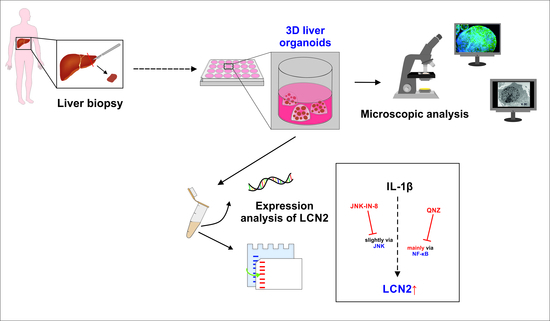
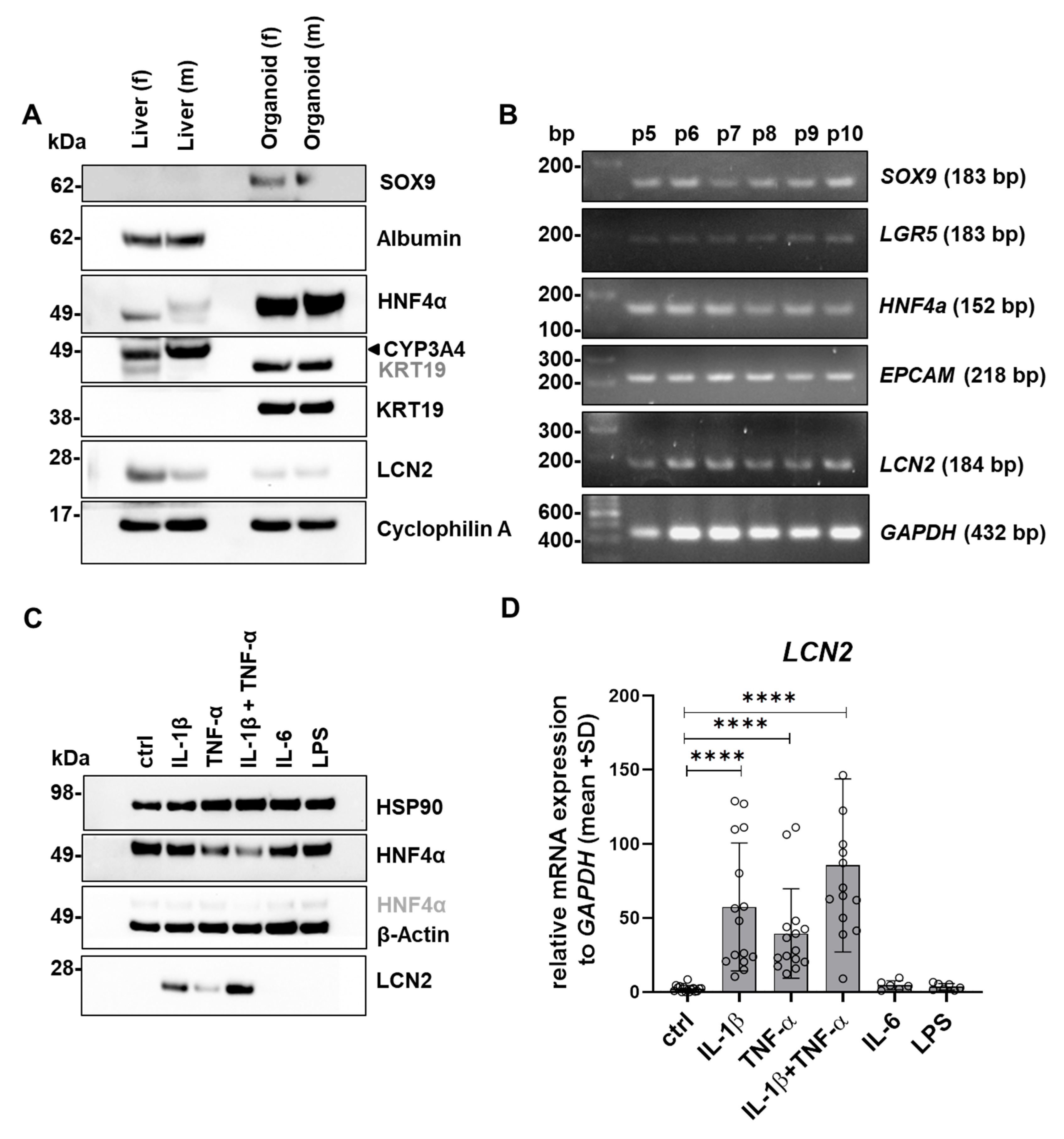
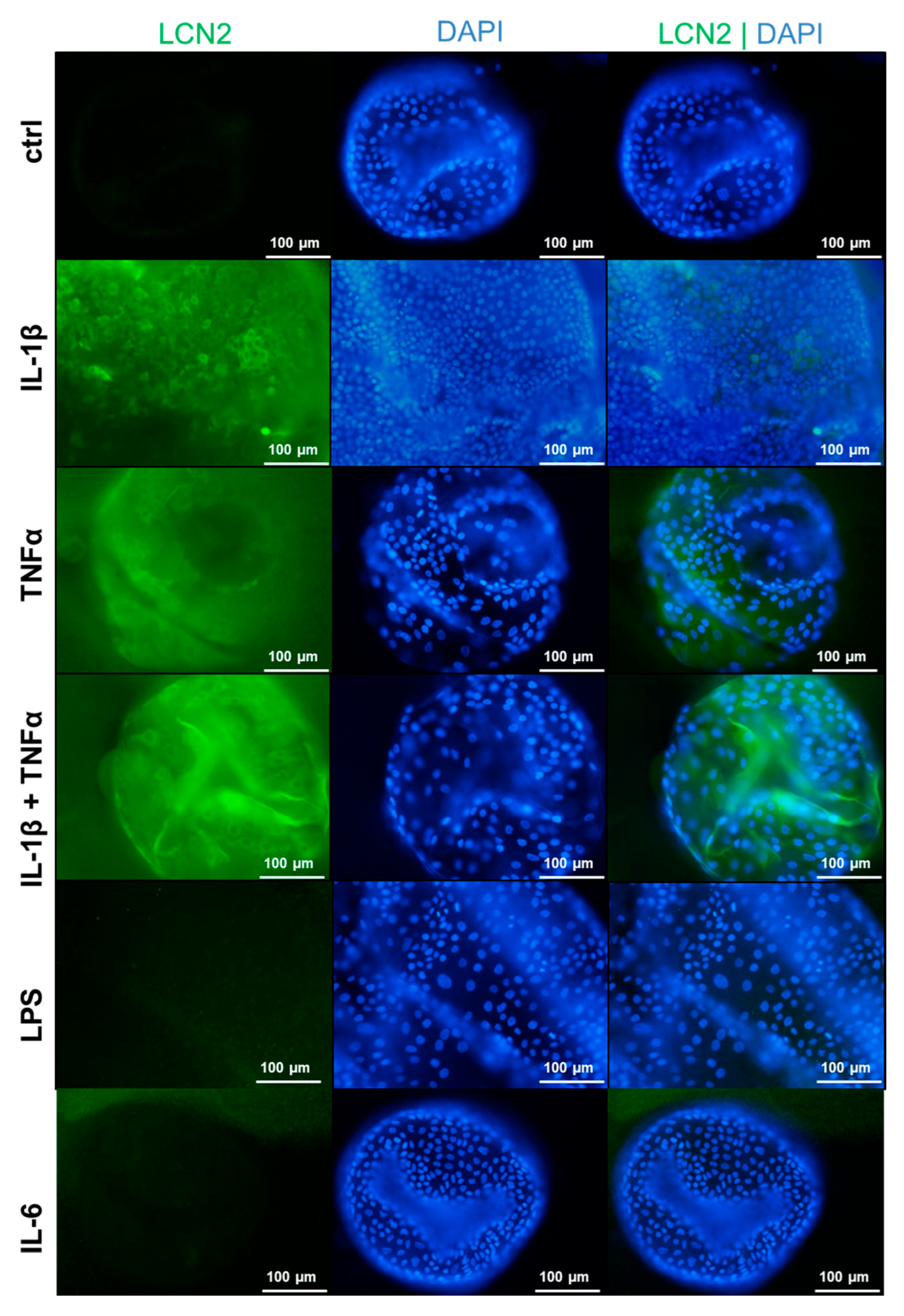
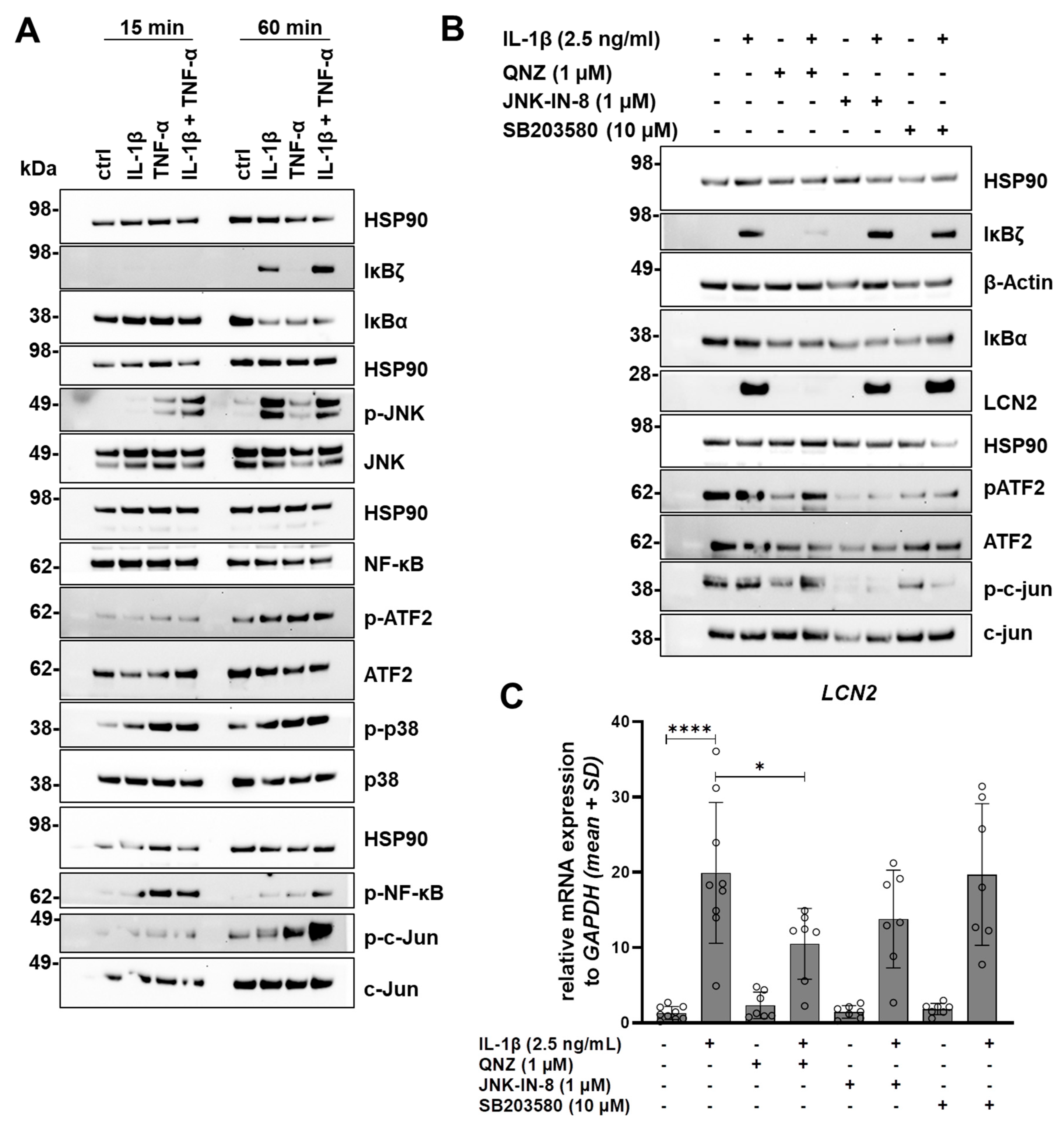
The 25 kDa glycoprotein lipocalin-2 (LCN2) is widely expressed and has diverse functions, ranging from physiological to pathophysiological processes. In the liver, LCN2 is primarily associated with inflammatory processes and is considered a potential biomarker in metabolic disorders. However, a significant challenge is the absence of a suitable human in vitro model for studying LCN2 and its associated signaling pathways. Therefore, we have successfully generated patient-derived liver organoids of both male and female origin, providing a novel in vitro model for LCN2 research. Our data show that the self-renewing organoids mimic essential architectural features of hepatocytes, as demonstrated by electron microscopy and F-actin staining. Consistent with the expression profile observed in liver tissue, the isolated 3D organoids exhibit minimal endogenous LCN2 levels. Next, the LCN2 expression was studied at the protein and mRNA levels under inflammatory conditions by treating the organoids with various cytokines and lipopolysaccharides (LPS). Our results show that LCN2 expression is significantly upregulated by IL-1β and TNF-α in an NF-κB-dependent manner, but remains unchanged with IL-6 or LPS. In conclusion, we have established human patient-derived liver organoids as a valuable model for investigating LCN2 signaling mechanisms. This study lays the foundation for future research on the role of LCN2 in liver pathologies, aiding in disease progression understanding and facilitating patient-specific treatment predictions.
Keywords: Lipocalin-2 (LCN2); patient-derived organoid; liver; inflammation; in vitro model; liver disease Lipocalin-2 (LCN2); patient-derived organoid; liver; inflammation; in vitro model; liver disease
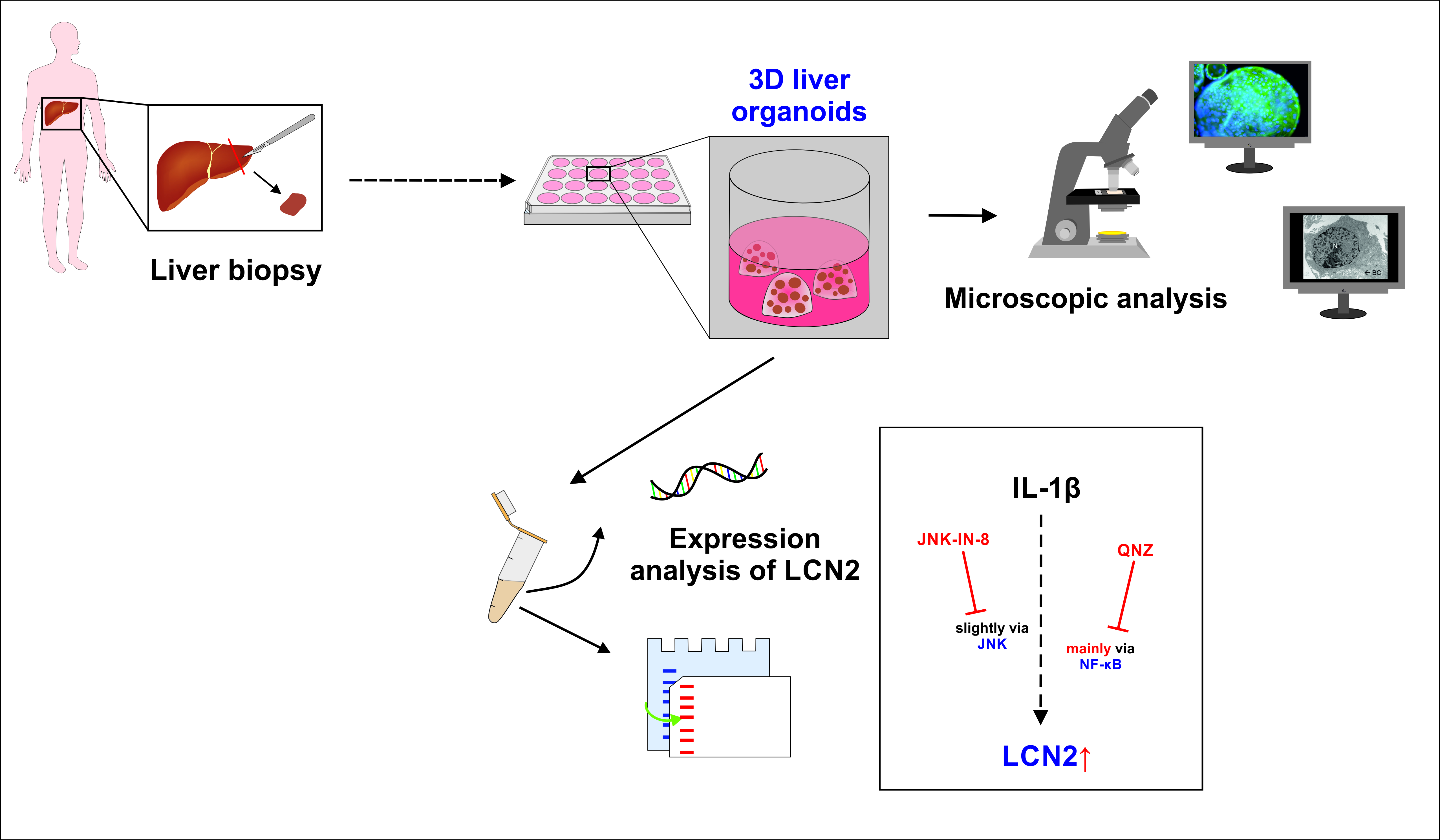
Graphical Abstract