


Small Molecule Cocktail DLC79 Suppresses Gliomagenesis by Activating Ascl1 and Remodeling Transcriptome
 and Qingsong Wang 1,4,5,*
Round 1
Reviewer 1 Report
Comments and Suggestions for AuthorsMao and colleagues present an interesting extension of their prior work regarding the pharmacological reprogramming of astrocytes to neuron-like cells to the major primary intracranial malignant tumour in adults, glioblastoma. Through a "phenotype-driven" screening of small molecule inhibitors active across several developmental and cancer-signalling pathways, they have identified DLC79, a combination of 5 small-molecule inhibitors. Together, these agents activate the expression of the bHLH transcription factor Ascl1 (formerly called Mash1), suppress gliomagenesis in vitro, and remodel the transcriptome. This is accurately reflected in the title of the submitted manuscript.
However, despite the author's acknowledgement of the major limitations of this study, there are several major, specific and minor concerns to be addressed:
A. Major Concerns
- Abstract - The xenograft model (line 38) is inaccurately presented and therefore potentially misleading to the neuro-oncology community. The model is subcutaneous rather than orthotopic (intracranial). Furthermore, the transplanted glioblastoma cells were pre-treated with the DLC79 cocktail rather than administrated via oral gavage or intraperitoneally. Hence the presentation of the xenograft model in the abstract requires revision. Furthermore, the conclusion needs to reflect the preliminary in vitro nature of the results to date. "Oncogenicity" (line 41) has been reduced in one fairly non-representative glioblastoma cell in vitro. Although preconditioning of cancer cells is a useful preclinical experiment to establish a foundation for future studies, preconditioning is not an applicable approach in the clinic.
- Results - Although the single cell RNA sequencing studies are very interesting, without the concurrent use of ATACseq (which can validate open/closed/poised/etc chromatin conformations at the whole genome level), the conclusions about transcriptional reprogramming are not fully supported. This needs to be acknowledged in a revised limitations section of the Discussion.
- Figure 8, Line 371. Although pretreatment appears to reduce the subcutaneous tumour volume, tumorigenicity has definitely not been "suppressed". Use another word, such as "reduced" or "decreased".
- Discussion - (a) Although the exclusion of drugs/compounds assays were key to demonstrating efficacy in vitro, it is highly likely that due to non-overlapping toxicities and/or inability to cross the blood brain barrier at sufficient concentrations using the maximally tolerated dose, that the cocktail's composition will require substantive modification as these pre-clinical studies advance in the laboratory towards the clinic. Can the authors please comment on which drug(s) will likely be essential for in vivo administration in animal models and eventually human patients in clinical trials? (b) Limitations and Future Directions, Lines 419-421: As written, this sentence is quite problematic. First, U87-MG is p53 wild-type. Hence, any comments about p53 are speculative at best. Second, cell cycle studies were not properly performed but could easily be done and at low cost using flow cytometry/FACS. In fact, this analysis could quantify aspects of cell cycle arrest and the sub-G1 peak can be used to estimate apoptosis, which was not otherwise studied and should be done through straightforward, quick and relatively inexpensive studies in vitro.
- Table S1 - A new Table should be generated for the main manuscript listing only the five drugs included in the DLC79 cocktail. These drugs can also be left in Table S1 for completeness.
B. Specific Concerns
1. Materials and Methods
-Whereas U251 MG is p53 mutant and invasive, U87 MG is p53 wild-type and non-invasive in orthotopic (intracranial) xenografts in NOD/SCID mice. Both cell lines are useful to initiate studies for glioblastoma biology and preclinical research but insufficient to support the conclusions made by the authors.
-How were the doses of each drug/compound used in the cocktail determined?
2. Results
-For Section 3.5, the cell culture timelines are confusing as presented. Upfront, please state that there were both short-term (up to Day 6) and longer-term/extended experiments in vitro. Were experiments ever carried further beyond Day 24?
-Figure S1C, Line 305: The statement "likely constrained by the glioma microenvironment" cannot be supported by the data presented in this manuscript. Please delete this statement.
3. Discussion, Line 397: The extended culture conditions were not fully explained in either the Materials and Methods or Results sections (see above commentary).
C. Minor Concerns
- Introduction: Lines 60-62: As written, this is an incomplete sentence.
- Materials and Methods: Line 79: Change "were" to "was". Line 98: Change "were" to "was". Line 120: Rewrite as: "numbers of colonies were counted..".
- Results: Line 160: Replace "shown" with "show". Line 289: Rewrite as: "These results, consistent with the protein expression patterns, underscore...". Line 319: Replace "and" with "with". Line 339: Replace "invasion" with "invading".
Overall, the quality of English Language use is fine. However, there are several instances where changes should be made. These are specifically outlined in the section of the appended review labelled as "C. Minor Concerns".
Author Response
Comments 1: Abstract - The xenograft model (line 38) is inaccurately presented and therefore potentially misleading to the neuro-oncology community. The model is subcutaneous rather than orthotopic (intracranial). Furthermore, the transplanted glioblastoma cells were pre-treated with the DLC79 cocktail rather than administrated via oral gavage or intraperitoneally. Hence the presentation of the xenograft model in the abstract requires revision. Furthermore, the conclusion needs to reflect the preliminary in vitro nature of the results to date. "Oncogenicity" (line 41) has been reduced in one fairly non-representative glioblastoma cell in vitro. Although preconditioning of cancer cells is a useful preclinical experiment to establish a foundation for future studies, preconditioning is not an applicable approach in the clinic.
Response 1: Thank you for this critical and constructive feedback. We agree that the description of the in vivo experiment in the abstract could be more precise. We have revised the abstract to accurately reflect the experimental design. The text now specifies that the study employed a subcutaneous xenograft model using pre-treated cells to assess the persistent effect of DLC79 on tumorigenic potential, rather than modeling direct therapeutic administration. We have also toned down the concluding statement to better reflect the proof-of-concept nature of this study and the need for future in vivo therapeutic efficacy testing. And updated text in the manuscript.
Abstract, Lines 42-46 (Revised): "In a subcutaneous xenograft model, brief pre-treatment with DLC79 significantly attenuated the tumorigenic potential of glioma cells, reducing tumor bioluminescence by 56% and tumor mass by 47%. Our study establishes pharmacological reprogramming as a promising anti-glioma strategy in vitro, leveraging neuronal conversion to reduce oncogenic properties and offering a novel therapeutic paradigm complementary to conventional regimens."
Comments 2: Results - Although the single cell RNA sequencing studies are very interesting, without the concurrent use of ATACseq (which can validate open/closed/poised/etc chromatin conformations at the whole genome level), the conclusions about transcriptional reprogramming are not fully supported. This needs to be acknowledged in a revised limitations section of the Discussion.
Response 2: We agree with the reviewer's insightful point. While our scRNA-seq data reveals a clear shift in transcriptional identity, the absence of epigenomic data (e.g., ATAC-seq) limits our ability to fully characterize the chromatin remodeling dynamics underlying this shift. We have added a statement to the Limitations section acknowledging this and identifying it as an important direction for future research.
Discussion, Section 4.2, Lines 466-470 (Added): "Fourth, while single-cell transcriptomics revealed a neuronal reprogramming trajectory, the study did not include epigenomic analyses (e.g., ATAC-seq) to directly assess chromatin accessibility changes. Future work integrating multi-omics approaches will provide a more comprehensive understanding of the epigenetic remodeling driven by DLC79."
Comments 3: Figure 8, Line 371. Although pretreatment appears to reduce the subcutaneous tumour volume, tumorigenicity has definitely not been "suppressed". Use another word, such as "reduced" or "decreased".
Response 3: Thank you for this precise suggestion. We agree that "suppressed" may imply complete ablation, which is not supported by our data showing a significant reduction but not elimination. We have changed the term to "attenuated" or "reduced" as appropriate throughout the text, including the figure legend and results section.
Results, Section 3.8 title and text, Line 405,Line413 (Revised): "3.8. DLC79 Treatment Attenuates Tumor Growth in vivo" and "...DLC79 preconditioning effectively attenuates the tumorigenic potential..."
Figure 8 legend, Line 418, (Revised): "DLC79 pretreatment decreased tumorigenicity of glioma cells in vivo."
Comments 4: Discussion - (a) Although the exclusion of drugs/compounds assays were key to demonstrating efficacy in vitro, it is highly likely that due to non-overlapping toxicities and/or inability to cross the blood brain barrier at sufficient concentrations using the maximally tolerated dose, that the cocktail's composition will require substantive modification as these pre-clinical studies advance in the laboratory towards the clinic. Can the authors please comment on which drug(s) will likely be essential for in vivo administration in animal models and eventually human patients in clinical trials? (b) Limitations and Future Directions, Lines 419-421: As written, this sentence is quite problematic. First, U87-MG is p53 wild-type. Hence, any comments about p53 are speculative at best. Second, cell cycle studies were not properly performed but could easily be done and at low cost using flow cytometry/FACS. In fact, this analysis could quantify aspects of cell cycle arrest and the sub-G1 peak can be used to estimate apoptosis, which was not otherwise studied and should be done through straightforward, quick and relatively inexpensive studies in vitro.
Response 4:
(a) We thank the reviewer for raising this crucial translational consideration. Based on our component exclusion assays (Figure 2), LDN193189 (BMP inhibitor) and I-BET762 (BET inhibitor) appear to be the most critical components for inducing the neuronal reprogramming phenotype, as their omission nearly abolished DCX+ cell generation. DAPT (Notch inhibitor) and CHIR99021 (Wnt activator) also contributed significantly to the efficiency. Isx9 was retained for its neuro-inductive properties despite not increasing DCX+ cell counts in the context of the full cocktail. We acknowledge that pharmacokinetics, BBB penetration, and toxicity profiles will necessitate reformulation for in vivo therapeutic application. Future studies will focus on optimizing delivery (e.g., via nanocarriers or local delivery systems) and potentially simplifying the cocktail by identifying the minimal core components required for efficacy in orthotopic models, which will be essential for clinical translation.
Discussion, Section 4.2, Lines 500-503 (Added): "Future studies aimed at in vivo therapeutic application will need to address BBB penetration and potential systemic toxicity. Reformulation (e.g., using nanocarriers) and identification of the minimal effective component combination, potentially centered on LDN193189 and I-BET762, will be critical next steps."
(b) We agree with both points raised by the reviewer.
- Regarding p53: The statement was speculative. We have removed the reference to p53 mutation from that sentence. The revised text focuses on the observed phenotypic modulation without inferring a specific genetic mechanism.
- Addition of cell cycle and apoptosis analysis as requested:We agree that flow cytometry/FACS analysis is essential to quantify cell cycle arrest and apoptosis. Following the reviewer's explicit suggestion, we have performed these experiments.
We conducted Annexin V/PI staining to quantify apoptosis and propidium iodide staining for cell cycle analysis on Day 2 of DLC79 treatment in U251 cells. The new results (now presented in the revised manuscript as Supplementary Figure S4) are as follows:
Discussion, Section 4.2, Lines 463-465 (Revised): "Third, the observation of incomplete tumor ablation suggests that a subpopulation of cells may exhibit intrinsic resistance, or that the drug-induced suppression of the oncogenic phenotype is not fully sustained in vivo.”
Section 4.2, Lines 470-479 (Revised) “The initial interpretation of DLC79's mechanism was limited by the lack of direct analysis of cell cycle and apoptosis. To address this, we performed the recommended flow cytometry analyses. The results confirm that DLC79 treatment induces significant apoptosis (increased Sub-G1 and Annexin V+ populations) in treated cells (Figure. S4). This demonstrates that the suppression of malignancy involves not only phenotypic modulation but also the direct induction of cell death in a subset of the population. Future studies should investigate the molecular pathways linking the activated neurogenic program (e.g., ASCL1 induction) to these cell fate decisions across glioma models with different genetic backgrounds.”

Figure S4: Changes in apoptosis and cell cycle on Day 2 of DLC79 treatment in U251 cells.
(A) The Annexin V/PI staining to quantify apoptosis, results showing that DLC79 treatment significantly increased the early apoptosis rate to 31.2%, compared to 12.8% in the DMSO control group.
(B) DLC79 treatment induced a marked increase in the Sub-G1 population in DLC79 17.5%, while 7.42% in control.
Comments 5: Table S1 - A new Table should be generated for the main manuscript listing only the five drugs included in the DLC79 cocktail. These drugs can also be left in Table S1 for completeness.
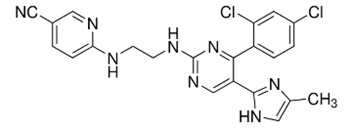
Response 5: We agree that a dedicated table for the final DLC79 cocktail in the main manuscript would improve clarity for readers. We have created a new Table 2 for the main manuscript listing the five components of DLC79, their targets, chemical structure, functions, and final concentrations used. The original Table S1 listing all screened compounds remains in the supplementary materials for completeness.
A new Table 2 has been added to the main manuscript in Section 3.1, Line 231:
Table 2. Targets, chemical structure, functions, and final concentrations of the DLC79 small-molecule cocktail.
|
Component |
Chemical Structure |
Target/Pathway |
Final Concentration |
|
DAPT |
 |
γ-secretase / Notch inhibitor |
5 μM |
|
LDN193189 |
 |
BMP receptor inhibitor |
1 μM |
|
CHIR99021 |
 |
GSK-3β inhibitor / Wnt activator |
1.5 μM |
|
I-BET762 |
 |
BET bromodomain inhibitor |
1 μM |
|
Isx9 |
 |
Neurogenic small molecule |
5 μM |
Comments 6:
Materials and Methods
-Whereas U251 MG is p53 mutant and invasive, U87 MG is p53 wild-type and non-invasive in orthotopic (intracranial) xenografts in NOD/SCID mice. Both cell lines are useful to initiate studies for glioblastoma biology and preclinical research but insufficient to support the conclusions made by the authors.
Response 6:
-We acknowledge the reviewer's point regarding the limitations of using established cell lines. We have tempered our conclusions in the Discussion to reflect this and explicitly state the need for validation in more representative models, such as patient-derived cells or orthotopic models, as a key future direction.
Discussion, Section 4.2, Lines 459-463 (Revised): "Second, this work serves as a proof-of-concept study to establish the initial efficacy and potential mechanism of DLC79. The use of established cell lines, rather than patient-derived cells or orthotopic models, limits the generalizability of our findings, and validation in more representative and clinically relevant models is warranted."
Comments 7:
Materials and Methods
-How were the doses of each drug/compound used in the cocktail determined?
Response 7:
- The concentrations for individual drugs in the cocktail were selected based on two primary criteria: 1) Concentrations previously reported in the literature to be effective and non-toxic for modulating their respective targets in neural cell fate conversion or related contexts (as referenced in our prior work and others, e.g., Yin et al., 2019, Stem Cell Reports); and 2) Empirical optimization during our phenotype-driven screening process described in Section 3.1. We performed systematic titration and combination testing (as implied in Figure 1D-G) to identify concentrations that yielded the optimal reprogramming efficiency (DCX+ cells) while minimizing cytotoxicity. We have clarified this point in the Materials and Methods section.
Materials and Methods, Section 2.1, Lines 98-101 (Added): "The concentrations of individual small molecules in the DLC79 cocktail were selected based on previously reported effective doses in neural reprogramming studies and further optimized empirically during the screening process to maximize reprogramming efficiency while maintaining cell viability."
Comments 8:
Results
-For Section 3.5, the cell culture timelines are confusing as presented. Upfront, please state that there were both short-term (up to Day 6) and longer-term/extended experiments in vitro. Were experiments ever carried further beyond Day 24?
Response 8:
-Thank you for highlighting this lack of clarity. We have restructured the description in Section 3.5 to clearly state the different experimental timelines upfront. Experiments were carried out to Day 40 for gene expression analysis (RT-qPCR for maturation markers), as mentioned in the last paragraph of Section 3.5 and shown in Figure S1C. We have made this explicit.
Results, Section 3.5, Lines 321-322 (Revised): "We assessed neuronal reprogramming over short-term (Days 2, 4, 6) and extended (up to Day 40) culture periods..."
Comments 9:
Results
-Figure S1C, Line 305: The statement "likely constrained by the glioma microenvironment" cannot be supported by the data presented in this manuscript. Please delete this statement.
Response 9:
-We agree. This statement was speculative and not directly supported by our in vitro data. We have deleted it.
Results, Section 3.5, Lines 346-347 (Revised): " NEUN was undetectable in both groups, indicating incomplete neuronal maturation under these culture conditions."
Comments 10: Discussion, Line 397: The extended culture conditions were not fully explained in either the Materials and Methods or Results sections (see above commentary).
Response 10: We apologize for this omission. We have now added a description of the extended culture protocol to the Materials and Methods section (Section 2.1).
Materials and Methods, Section 2.1, Lines 102-104 (Added): "For extended culture experiments (up to 40 days), after the initial 6-day induction with DLC79 or DMSO, cells were maintained in the differentiation medium with medium changes every 3-4 days."
Comments 11: Minor Concerns
- Introduction: Lines 60-62: As written, this is an incomplete sentence.
Response: Thank you. The sentence has been completed and revised for clarity.
Introduction, Lines 65-68 (Revised): "This concept builds upon studies demonstrating that forced expression of neural transcription factors (TFs), such Ascl1, Neurog2, NeuroD1, and NeuroD4, can induce glioma cell differentiation and suppress proliferation [9-13]."
- Materials and Methods: Line 79: Change "were" to "was". Line 98: Change "were" to "was". Line 120: Rewrite as: "numbers of colonies were counted..".
Response: Corrected. The line numbers are in revised version.
Line 85: "...medium was replaced..."
Line 115: " The total RNA of U251 cells was isolated..."
Line 158: "...The numbers of colonies were counted..."
- Results: Line 160: Replace "shown" with "show". Line 289: Rewrite as: "These results, consistent with the protein expression patterns, underscore...". Line 319: Replace "and" with "with". Line 339: Replace "invasion" with "invading".
Response : Corrected. The line numbers are in revised version.
Line 200: "...the results show that I-BET151..."
Line 331: "These results, consistent with the protein expression patterns, underscore the upregulation..."
Line 361: "... factor Neurog2 (Figure 6B), with higher expression on day 6..."
Line 383: "...the total number of invading cells was reduced..."
Reviewer 2 Report
Comments and Suggestions for AuthorsThe manuscript "Small Molecule Cocktail DLC79 Suppresses Gliomagenesis by Activating Ascl1 and Remodeling Transcriptome" represents an original article on innovative treatment possibilities for glioblastoma. Authors propose that certain molecules can induce differentiation of glioblastoma cells into neuron-like cells, decreasing the capability for proliferation and invasive growth. This hypothesis have been evaluated in cell cultures and animal models. The presented findings definitely can be useful for researchers, planning subsequent studies on glioblastoma; therefore, the new data should be made available to the global scientific community.
Considering the dismal prognosis of glioblastoma, the topic undoubtedly is timely and important. The contents of the manuscript correspond to the scope of the journal “Cells” and section “Advances in Glioblastoma: From Biology to Therapeutics”. Up-to-dated technologies have been implemented for this research. The manuscript is detailed and richly illustrated. The level of English language is high, just few minor misprints and structure of few sentences (e.g., lines 60 – 62; 107 – 108; 224 – 226) should be corrected.
There are several recommendations in order to improve the manuscript:
1) The essence of the article is the fact that certain molecules can induce maturation along with phenotype switch (from glial to neuronal) in glioma cells; this effect is achieved via chemical reactions, as stated in Conclusions. Therefore it would be reasonable to identify at least the chemical class of these molecules, e.g., nucleotides, oligopeptides etc. It the authors do not wish to disclose the exact structure of these molecules, this must be explicitly stated in the article, and the reason should be disclosed. I would kindly remind the authors that all scientific articles must (!) be detailed to a degree that allows other researchers to repeat the described experiments and to check the results. Any article not corresponding to the said principle should be considered non-scientific and thus rejected.
2) Please, spell out all (!) abbreviations upon the first use.
3) For immunofluorescence, please, provide data on the used primary antibodies, including at least the full list of primary antibodies, as well as the following data on each primary antibody: manufacturer, clonality, clone (for monoclonal antibodies), species of origin and dilution. Which secondary antibody was used?
4) Please, indicate the manufacturer of GraphPad prism software.
5) In the Results, subsection 3.1, authors note conversion efficiency, expressed in percentage (%). Please, explain in details, how this percentage has been detected? What was the best reached conversion efficiency? How does it fit with the tumour growth reduction by 56% (line 405)?
6) How do you explain the rapid recovery of Ki-67 expression levels? How does it fit with the tumour growth reduction by 56% (line 405)?
7) In a printed version of the manuscript, most of immunofluorescence images look almost simply black. Please, consider replacing current images with better ones.
8) Describing the animal experiments, authors have noted that the tested small molecules did not induce systemic toxicity. Please, specify, it the tested small molecules were administered to the animals? If yes, what was the regularity and dosage?
Finally, I would like to thank the authors for their contribution. It was a pleasure and a true honour to review this manuscript.
Comments on the Quality of English LanguageFew minor misprints and structure of few sentences (e.g., lines 60 – 62; 107 – 108; 224 – 226) should be corrected.
Author Response
Comments 1: The essence of the article is the fact that certain molecules can induce maturation along with phenotype switch (from glial to neuronal) in glioma cells; this effect is achieved via chemical reactions, as stated in Conclusions. Therefore it would be reasonable to identify at least the chemical class of these molecules, e.g., nucleotides, oligopeptides etc. It the authors do not wish to disclose the exact structure of these molecules, this must be explicitly stated in the article, and the reason should be disclosed. I would kindly remind the authors that all scientific articles must (!) be detailed to a degree that allows other researchers to repeat the described experiments and to check the results. Any article not corresponding to the said principle should be considered non-scientific and thus rejected.
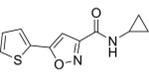
Response 1: We thank the reviewer for this important point regarding reproducibility. All small molecules used in the DLC79 cocktail are commercially available compounds with published chemical structures and known primary targets. We agree that providing this information is essential. In the revised Materials and Methods section (subsection 2.1), we will explicitly list each component of DLC79 with its full chemical name, common abbreviation, primary known target/pathway, and supplier/catalog number where applicable.
Results, Section 3.1, Line 231 (Added):
Table 2. Targets, chemical structure, functions, and final concentrations of the DLC79 small-molecule cocktail.
|
Component |
Chemical Structure |
Target/Pathway |
Final Concentration |
|
DAPT |
 |
γ-secretase / Notch inhibitor |
5 μM |
|
LDN193189 |
 |
BMP receptor inhibitor |
1 μM |
|
CHIR99021 |
 |
GSK-3β inhibitor / Wnt activator |
1.5 μM |
|
I-BET762 |
 |
BET bromodomain inhibitor |
1 μM |
|
Isx9 |
 |
Neurogenic small molecule |
5 μM |
Comments 2: Please, spell out all (!) abbreviations upon the first use.
Response 2: We agree and apologize for any oversight. We will meticulously review the entire manuscript to ensure that every abbreviation is defined upon its first use in the main text, figure legends, and table footnotes. A dedicated Abbreviations list is already provided at the end of the manuscript, but we will ensure consistency in the text.
Comments 3: For immunofluorescence, please, provide data on the used primary antibodies, including at least the full list of primary antibodies, as well as the following data on each primary antibody: manufacturer, clonality, clone (for monoclonal antibodies), species of origin and dilution. Which secondary antibody was used?
Response 3: This is a valid request for methodological transparency. We will expand the Materials and Methods section (subsection 2.2, Immunofluorescence staining and imaging) to include a detailed table in Table S1 listing all the antibodies used in this study. For each primary antibody, the table will specify: antigen (e.g., DCX, MAP2), host species, clonality (monoclonal/polyclonal), manufacturer, catalog number, and the dilution used in our experiments. We will also specify the details of the secondary antibodies used (e.g., anti-mouse IgG Alexa Fluor 488, anti-rabbit IgG Alexa Fluor 555, including manufacturer and dilution).
Materials and Methods, Section 2.2, Line 106-111 (Revised):” Cells were fixed in 4% Paraformaldehyde (PFA, LEAGENE, Beijing, China) for 15 min, permeabilized with 0.2% Triton X-100, blocked 3% bovine serum albumin (BSA) in phosphate-buffered saline (PBS), and incubated with primary antibodies at 4°C overnight. After washing three times with 0.2% PBS containing Tween 20 (PBS-T), cells were incubated with fluorescence-conjugated secondary antibodies for 1 h at room temperature in the dark. The details of all the antibodies were list in the Table S1.”
Table S1. The list of all the antibodies.
|
Antigen |
Host species |
Clonality |
Manufacturers |
Catalog number |
Dilution |
|
GFAP |
Rat |
Polyclonal |
Invitrogen |
13-0300 |
1:1000 |
|
DCX |
Rabbit |
Polyclonal |
Abcam |
Ab18723 |
1:2000 |
|
Tuj1 |
Mouse |
Monoclonal |
Sigma |
T8660 |
1:1000 |
|
MAP2 |
Chicken |
Polyclonal |
Abcam |
Ab5392 |
1:2000 |
|
GABA |
Rabbit |
Polyclonal |
Sigma |
A2052 |
1:1000 |
|
Mash1/Ascl1 |
Rabbit |
Monoclonal |
Abcam |
ab211327 |
1:1000 |
|
Neurog2 |
Rabbit |
Polyclonal |
Invitrogen |
PA5-78556 |
1:1000 |
|
NeuroD1 |
Rabbit |
Monoclonal |
Abcam |
ab205300 |
1:1000 |
|
vGlut1 |
Rabbit |
Polyclonal |
SYSY |
135302 |
1:1000 |
|
Ki67 |
Rat |
Monoclonal |
Invitrogen |
14-5698-82 |
1:1000 |
|
SOX2 |
Rabbit |
Polyclonal |
Millipore |
Ab5603 |
1:1000 |
|
SOX9 |
Rabbit |
Polyclonal |
Millipore |
Ab5535 |
1:1000 |
|
S100B |
Mouse |
Monoclonal |
Sigma |
S2532 |
1:1000 |
|
NeuN |
Rabbit |
Monoclonal |
Millipore |
ABN78 |
1:1000 |
|
Alexa Fluor 488 |
Donkey anti mouse |
Polyclonal |
Invitrogen |
A21202 |
1:1000 |
|
Alexa Fluor 488 |
Goat anti chicken |
Polyclonal |
Invitrogen |
A11039 |
1:1000 |
|
Alexa Fluor 555 |
Donkey anti rabbit |
Polyclonal |
Invitrogen |
A31572 |
1:1000 |
|
Alexa Fluor 546 |
Goat anti chicken |
Polyclonal |
Invitrogen |
A11040 |
1:1000 |
|
Alexa Fluor 647 |
Donkey anti mouse |
Polyclonal |
Invitrogen |
A31571 |
1:1000 |
|
Alexa Fluor 647 |
Goat anti rat |
Polyclonal |
Invitrogen |
A21247 |
1:1000 |
Comments 4: Please, indicate the manufacturer of GraphPad prism software.
Response 4: We will add the manufacturer information. The revised text in the Materials and Methods (Sections 2.4 and 2.11), Lines 131-132; Lines 183-184 state: "GraphPad Prism software (version 8.2.1, GraphPad Software, San Diego, CA, USA)."
Comments 5: In the Results, subsection 3.1, authors note conversion efficiency, expressed in percentage (%). Please, explain in details, how this percentage has been detected? What was the best reached conversion efficiency? How does it fit with the tumour growth reduction by 56% (line 405)?
Response 5: We thank the reviewer for prompting this clarification.
- Quantification Method: In the revised Results (section 3.1) and Materials and Methods (subsection 2.2), we will provide a clearer description. The conversion efficiency (% DCX-positive cells) was quantified by manually counting DCX-immunopositive cells and total DAPI-labeled nuclei from multiple randomly selected fields (≥20 fields per condition across N≥3 independent replicates) under a fluorescence microscope. The percentage was calculated as (Number of DCX⁺ cells / Total number of DAPI⁺ cells) × 100%.
Materials and Methods, Section 2.2, Lines 114-118 (Added): " Reprogramming efficiency, expressed as the percentage of DCX-positive (DCX⁺) cells, was quantified by manual counting of DCX-immunopositive cells and total DAPI-labeled nuclei from at least 20 randomly selected fields per condition across N≥3 independent replicates. The percentage was calculated as (Number of DCX⁺ cells / Total number of DAPI⁺ cells) × 100%."
- Best Efficiency: The highest conversion efficiency observed was approximately 9.09% for DCX⁺ cells after 6 days of DLC79 treatment (Figure 3C). We will state this explicitly.
Results, Section 3.3, Lines 263-264 (Revised):" DLC79 treatment for 6 days achieved a peak conversion efficiency of approximately 9.09% for DCX⁺ neuron-like cells. "
- Relation to In Vivo Tumor Suppression: The 56% reduction in tumor bioluminescence (line 405, in vivo effect) and the ~9% neuronal conversion rate (in vitro effect) are not directly proportional metrics. The in vivo tumor suppression likely results from a combination of direct effects on the implanted, pre-treated cell population (including the converted neuron-like cells which lose proliferative capacity) and broader, DLC79-induced changes in the entire cell population. As shown in our functional assays (Figure 7), DLC79 treatment significantly inhibited proliferation, migration, invasion, and clonogenicity even in cells that may not have fully converted to a DCX⁺ neuronal phenotype. Therefore, the potent in vivo anti-tumor effect reflects a composite outcome of neuronal conversion in a subset of cells and a general suppression of oncogenic behaviors across the population.
Discussion, Section 4.2, Lines 492-497: "This also explained that the in vitro neuronal conversion efficiency of DLC79 reached ~9%, the observed 56% reduction in in vivo tumor growth is likely a composite effect. This includes the direct loss of proliferative capacity in the converted neuron-like subset, coupled with a broader DLC79-induced suppression of oncogenic behaviors (proliferation, migration, etc.) across the treated cell population, as demonstrated by our functional assays."
Comments 6: How do you explain the rapid recovery of Ki-67 expression levels? How does it fit with the tumour growth reduction by 56% (line 405)?
Response 6: This is an insightful observation. The transient suppression of Ki-67 (MKI67 gene) at day 2, followed by a return to near-control levels by day 6 (Figure 6D), could be attributed to several non-exclusive mechanisms:
- Cellular Heterogeneity and Adaptation: The glioma cell population is heterogeneous. DLC79 may initially induce a cell cycle arrest or slowdown in most cells (reflected in the early Ki-67 drop and strong proliferation inhibition in CCK-8 assays). Over time, a subpopulation may adapt or the arrest may not be permanent in all cells, leading to a partial recovery of Ki-67 expression, especially in cells not committed to the neuronal lineage.
- Contact Inhibition in Culture: As neuron-like cells differentiate and extend processes, and as the culture becomes confluent, contact inhibition might influence proliferation dynamics in the remaining non-neuronal cells.
- Distinct Mechanisms for In Vivo Effect: Crucially, the in vivo tumor growth reduction (56%) assessed tumorigenicity of cells pre-treated with DLC79 for 6 days before This pretreatment likely induces persistent transcriptional and epigenetic changes (as shown by scRNA-seq) that compromise long-term tumor-initiating capacity, even if Ki-67 levels in culture recovered somewhat by day 6. The in vivo readout measures the functional consequence of this pretreatment on tumor formation, which is a more stringent and therapeutically relevant endpoint than a snapshot of Ki-67 levels in culture.
We added a sentence in the Results, Section 3.6, Lines 364-366: "Notably, MKI67 expression showed a transient suppression at day 2 followed by a recovery towards baseline by day 6, suggesting a dynamic or heterogeneous response to the reprogramming cue. "
One paragraph added in the Discussion, Section 4.2, Lines 480-492 to acknowledge and discuss this point. "Furthermore, the observed transient suppression of the proliferation marker Ki-67 (MKI67) in vitro, which recovered partially by day 6 (Fig. 6D), may appear contradictory to the sustained 56% reduction in tumor growth in vivo. This can be reconciled by considering several non-exclusive mechanisms. First, the initial potent arrest likely reflects the direct anti-proliferative effect of the cocktail, captured by the CCK-8 assay (Fig. 7D). The subsequent recovery may stem from cellular heterogeneity, where a subpopulation adapts or resists full cell-cycle exit, and from contact inhibition in confluent cultures. Crucially, the in vivo tumorigenicity assay measured the functional outcome of a 6-day pretreatment. This pretreatment establishes a persistent reprogrammed transcriptional state (Fig. 4) that compromises long-term tumor-initiating capacity, independent of the instantaneous Ki-67 level at the implantation timepoint. Thus, the in vivo efficacy reflects a stable impairment of oncogenic potential induced by the reprogramming event, rather than a mere continuation of the acute cytostatic state observed in vitro."
Comments 7: In a printed version of the manuscript, most of immunofluorescence images look almost simply black. Please, consider replacing current images with better ones.
Response 7: We apologize for the suboptimal image contrast in the printed/PDF version. We re-export all immunofluorescence images from the original high-resolution files with optimized brightness/contrast settings to ensure all cellular details and fluorescent signals (DCX, MAP2, Tuj1, etc.) are clearly visible in both the main figures and supplementary figures.
Comments 8: Describing the animal experiments, authors have noted that the tested small molecules did not induce systemic toxicity. Please, specify, it the tested small molecules were administered to the animals? If yes, what was the regularity and dosage?
Response 8: Thank you for raising this important point regarding the in vivo experiment. We acknowledge that our initial description may have been unclear. You are correct to seek clarification, and we confirm that in the presented subcutaneous tumor model, the DLC79 cocktail was not administered to the animals. The protocol involved in vitro pretreatment of glioma cells prior to implantation, not direct drug delivery in vivo. The statement about the absence of systemic toxicity refers to the observation that the pretreated cells did not cause any overt adverse effects after transplantation. We revised the manuscript to explicitly eliminate this potential ambiguity.
Results, Section 3.8, Lines 406-408: "To evaluate the persistent, cell-intrinsic effect of DLC79 pretreatment on tumor-initiating capacity, we subcutaneously implanted U87-Luci cells that had been preconditioned in vitro with DLC79 or DMSO for 6 days into nude mice. "
Results, Section 3.8, Lines 412-416: "These results indicate that brief preconditioning with DLC79 effectively attenuates the tumorigenic potential of glioblastoma cells in vivo. Furthermore, the pretreated cells were not overtly toxic, as evidenced by the absence of significant body weight loss or systemic illness in mice compared to controls. "
Round 2
Reviewer 1 Report
Comments and Suggestions for AuthorsThe authors have responded to the concerns raised during the initial peer review and made key revisions to the manuscript. Moreover, they performed flow cytometry comparing untreated and treated cells, demonstrating increased apoptosis in the malignant glioma cell line treated with the DLC79 small molecule inhibitor cocktail (new supplementary figure S4).
However, just a few minor revisions remain with respect to the impact of DLC79 in vitro so as not to overstate the conclusions of the current study:
- Results, Section 3.7, Line 378: Revise the word "suppresses"; one suitable word replacement would be "attenuates", but "reduces" or "decreases" would also be acceptable. Add "in vitro" to the end of the Section Header.
- Figure 7, Line 398: Revise the word "suppresses"; one suitable word replacement would be "attenuates", but "reduces" or "decreases" would also be acceptable. Add "in vitro" to the end of the Figure title.
- Discussion, Section 4.1 Strengths, Line 452: Replace the word "suppression" in line with other revisions made elsewhere.
- Supplementary Figure S3 title: Replace the word "abrogates". Please refer to preceding comments.
Author Response
We thank the reviewer for their positive assessment of our revisions and for providing specific, actionable suggestions to improve the clarity and precision of our language. We have implemented all the suggested changes to ensure our conclusions are accurately stated and not overstated. The changes are as follows:
- Results, Section 3.7, Line 378: The section header has been revised from "3.7. DLC79 Suppresses Malignant Phenotypes of Glioma Cells" to "3.7. DLC79 Reduces Malignant Phenotypes of Glioma Cells in Vitro."
- Figure 7, Line 398: The figure title has been revised from "Figure 7. DLC79 suppresses malignant phenotypes of glioma cells." to "Figure 7. DLC79 reduces malignant phenotypes of glioma cells in vitro."
- Discussion, Section 4.1 Strengths, Line 452: The sentence fragment " Notably, the treatment with DLC79 reduced in vivo tumor growth by 56%, indicating suppression of tumorigenicity through pharmacological reprogramming." has been revised to " Notably, DLC79 treatment reduced in vivo tumor growth by 56%, indicating a reduction in tumorigenicity through pharmacological reprogramming. "
- Supplementary Figure S3 title: The title has been changed from "DLC79 abrogates malignant features of U87-Luci cells" to "DLC79 reduces malignant features of U87-Luci cells in vitro."
We agree that "attenuates," "reduces," or "decreases" more precisely describe the partial modulation observed in our in vitro assays compared to more absolute terms like "suppresses" or "abrogates." We opted for "reduces" for consistency across the revisions. Thank you for this careful and helpful guidance.
Reviewer 2 Report
Comments and Suggestions for AuthorsThank you for the corrections!
Comments on the Quality of English LanguageFew minor misprints and structure of few sentences (e.g., lines 60 – 62; 107 – 108; 224 – 226) should be corrected.
Author Response
Comments on the Quality of English LanguageFew minor misprints and structure of few sentences (e.g., lines 60 – 62; 107 – 108; 224 – 226) should be corrected.
Response:
We confirm that all the minor typographical errors and the indicated sentence structures (lines 60–62, 107–108, 224–226) were carefully corrected in the last round of revision.
