Review

E3 Ubiquitin Ligases in Neurodevelopmental Disorders

1
School of Exercise and Health, Shanghai University of Sport, Shanghai 200438, China
2
Institute of Sport Science, Beijing 100061, China
3
Graduate School of Health and Sports Science, Juntendo University, Inzai 270-1695, Japan
4
School of Physical Education and Sports, Sichuan Normal University, Chengdu 610066, China
5
School of Physical Education and Sports Rehabilitation, Jinzhou Medical University, Jinzhou 121001, China
6
Aiyoudong Children and Youth Sports Health Research Institute, Weifang 261041, China
*
Author to whom correspondence should be addressed.
Cells 2026, 15(18), 1703; https://doi.org/10.3390/cells15181703 (registering DOI)
Submission received: 16 August 2026 / Revised: 10 September 2026 / Accepted: 15 September 2026 / Published: 19 September 2026

Abstract

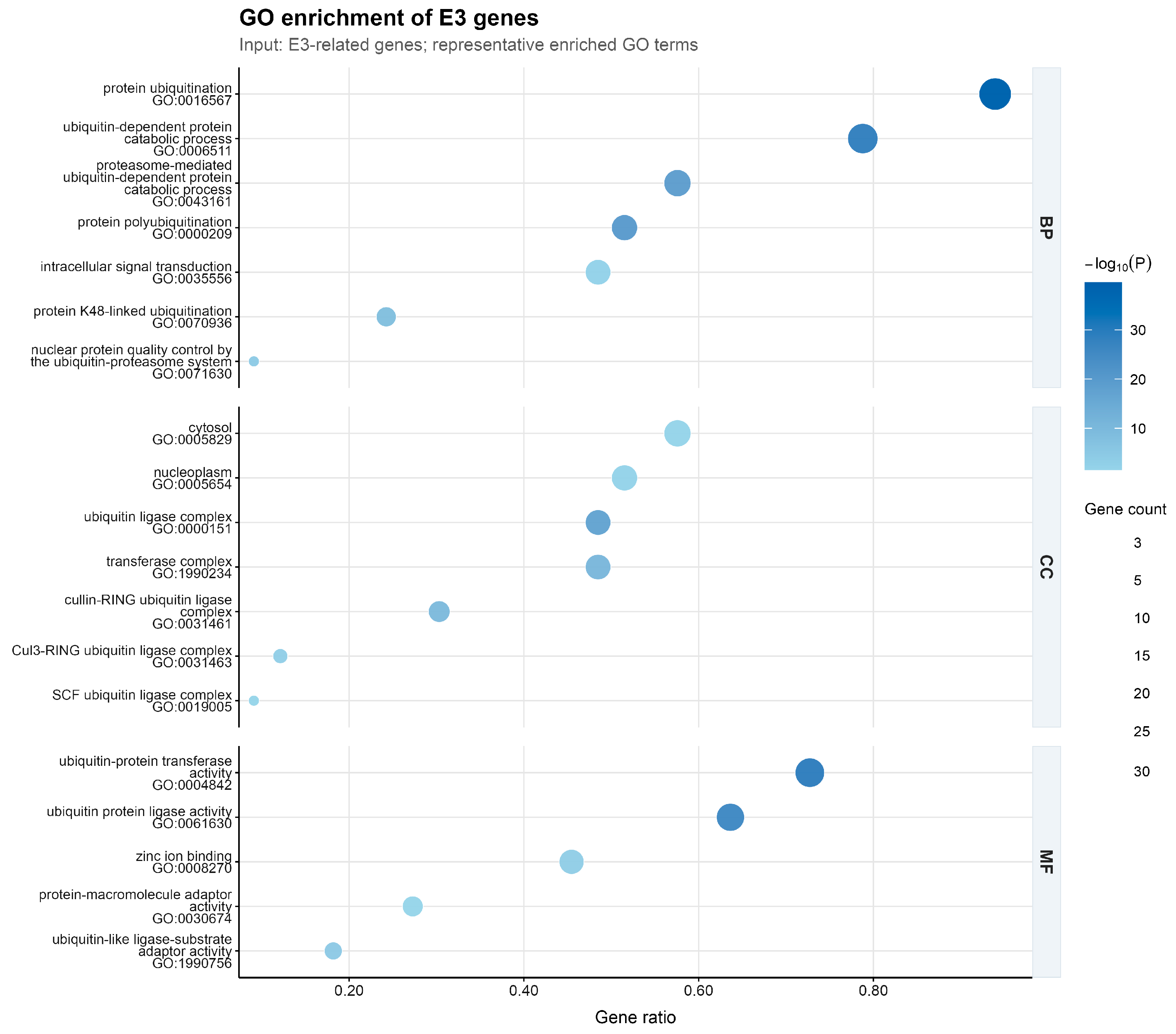
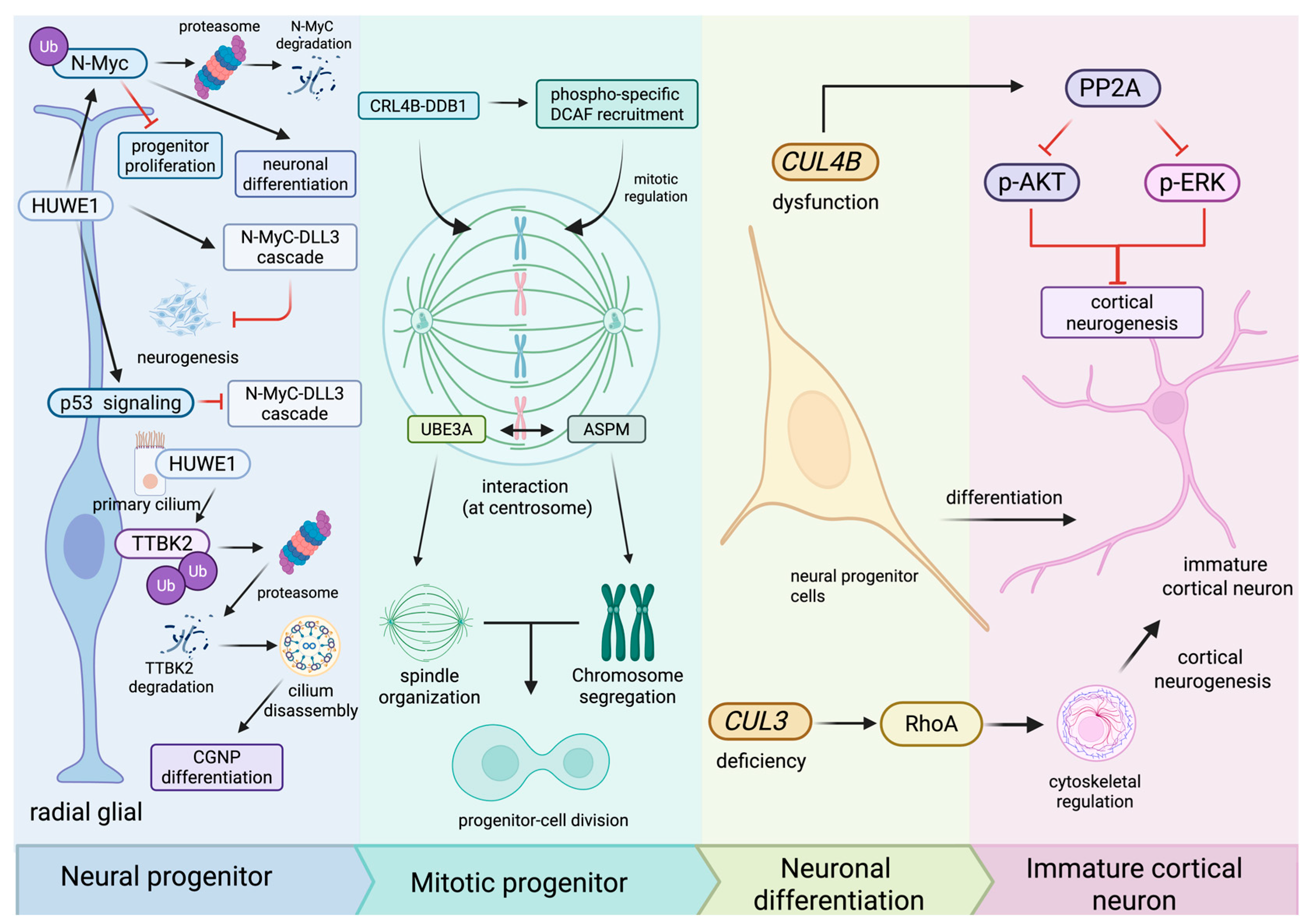
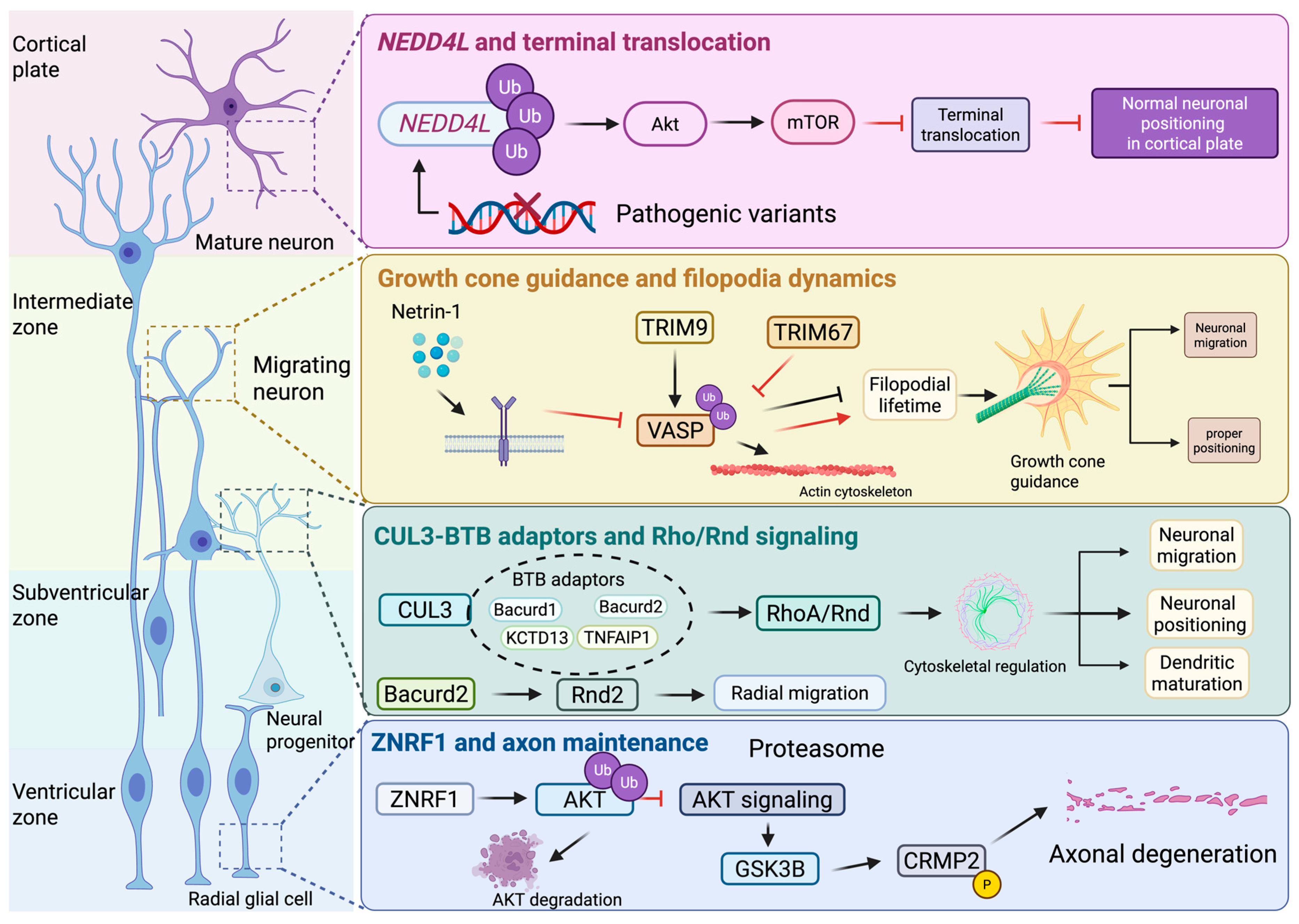
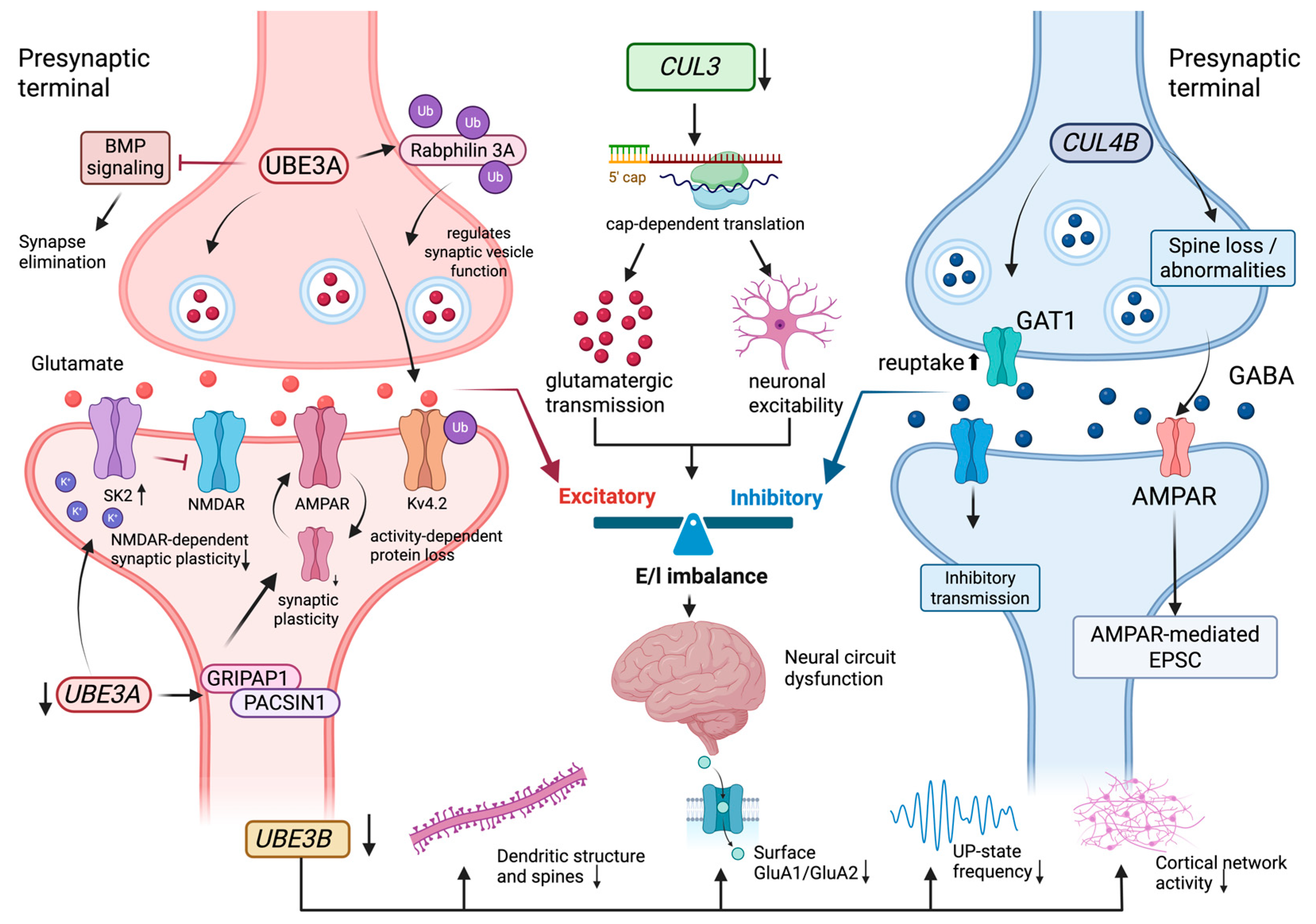
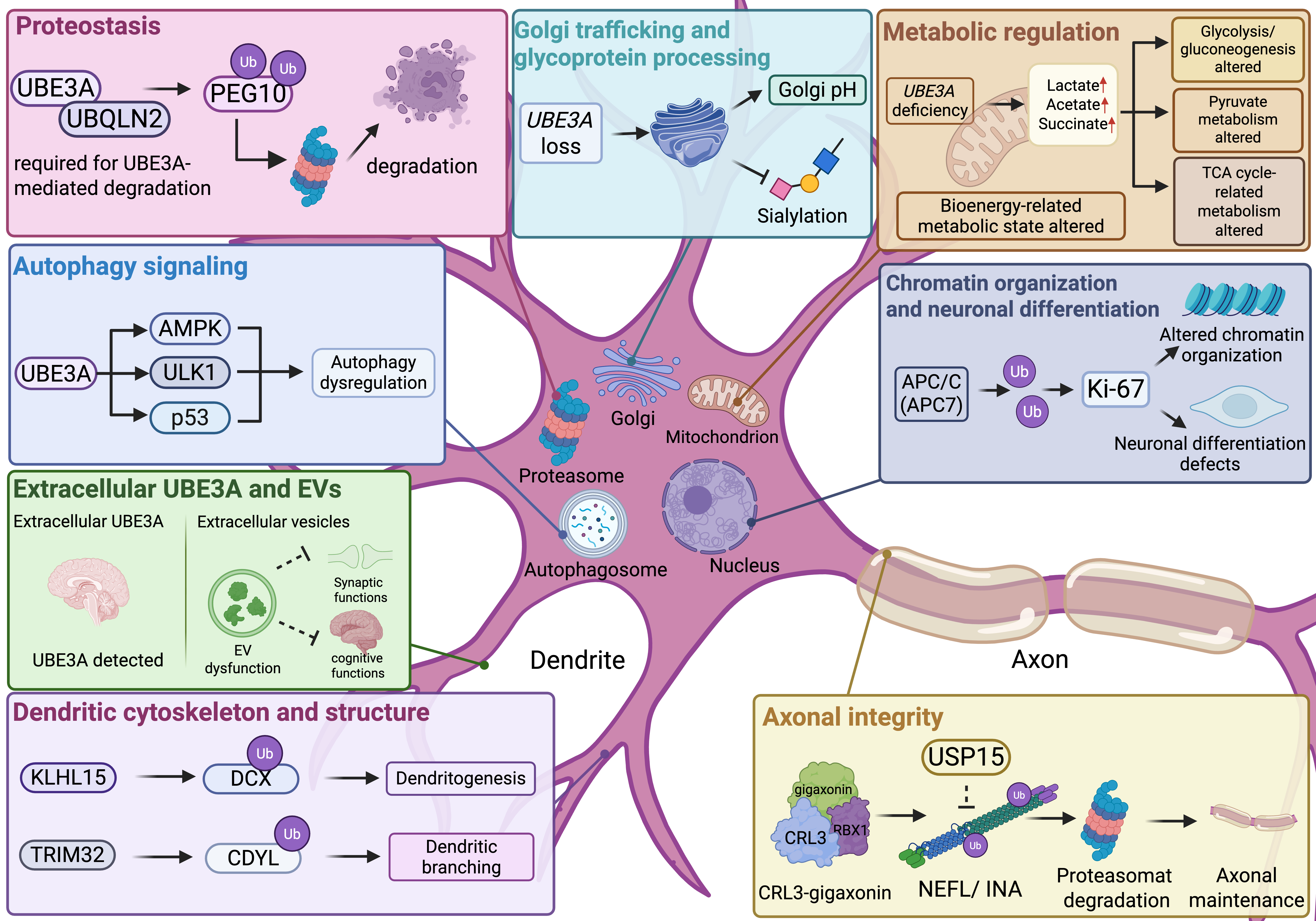
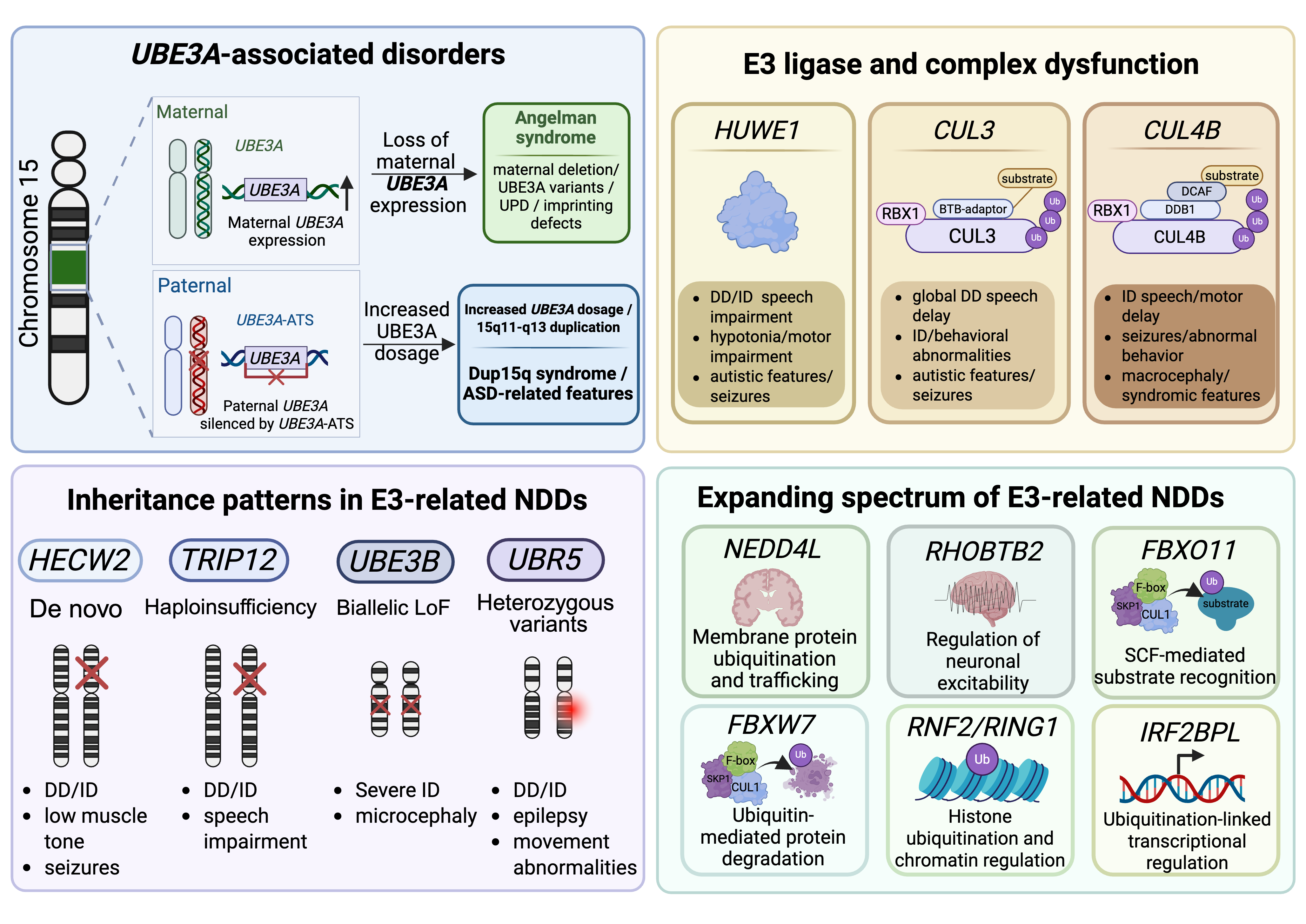
Neurodevelopmental disorders (NDDs) comprise a heterogeneous group of conditions that may present with developmental delay, intellectual disability, language impairment, epilepsy, autism-like features, motor abnormalities, or syndromic manifestations. Ubiquitination is an essential post-translational mechanism that regulates protein stability, localization, trafficking, and signaling. Because E3 ubiquitin ligases determine substrate specificity in this process, abnormalities in E3 ligases or E3-associated complexes can selectively affect proteins required for brain development and neuronal function. This review summarizes genetic and functional evidence linking E3 ubiquitin ligases, E3-complex components, substrate-recognition factors, and related ubiquitination regulators to NDDs. Gene Ontology enrichment analysis and mechanistic studies suggest that these genes converge on several major biological themes, including early neurodevelopment, neuronal migration, synaptic and circuit maturation, proteostasis, metabolism, and intracellular trafficking. However, the strength and translational relevance of the available evidence vary across genes. UBE3A-related Angelman syndrome currently provides the clearest example of mechanism-guided therapeutic development through UBE3A restoration and paternal allele reactivation. In contrast, many non-UBE3A mechanisms remain at the stage of pathway analysis, preclinical modulation, or candidate substrate validation. Future studies should clarify variant-specific functional effects, define direct disease-relevant substrates, and establish reproducible readouts that can support mechanism-based therapeutic development.
Keywords: neurodevelopmental disorders; E3 ubiquitin ligases; ubiquitination; protein homeostasis; neurogenesis; synaptic development neurodevelopmental disorders; E3 ubiquitin ligases; ubiquitination; protein homeostasis; neurogenesis; synaptic development