Review

The Myokine Adaptome in Health and Disease: Exercise-Induced Cellular Signaling, Muscle–Organ Crosstalk, and Therapeutic Plasticity


by
Dan Cristian Mănescu
1,
Camelia Daniela Plastoi
2,*,
Ancuța Pîrvan
3,*,
Rodica Dîrnu
2,
Elena Ancuța Floroiu
4 and
Andreea Popescu
2
1
Department of Physical Education and Sports, Bucharest University of Economic Sciences, 010374 Bucharest, Romania
2
Sport and Health Department, Faculty of Medical and Behavioral Sciences, Constantin Brâncusi University of Târgu-Jiu, 210135 Targu-Jiu, Romania
3
Department of Physical Education and Sports, Faculty of Humanities, Valahia University of Târgoviste, 130105 Targoviste, Romania
4
Doctoral School in Sport Science and Physical Education, Pitești University Center, National University of Science and Technology Politehnica Bucharest, 110040 Pitesti, Romania
*
Authors to whom correspondence should be addressed.
Cells 2026, 15(14), 1236; https://doi.org/10.3390/cells15141236
Submission received: 11 June 2026 / Revised: 29 June 2026 / Accepted: 8 July 2026 / Published: 9 July 2026
(This article belongs to the Special Issue Myokines in Health and Diseases)

Abstract

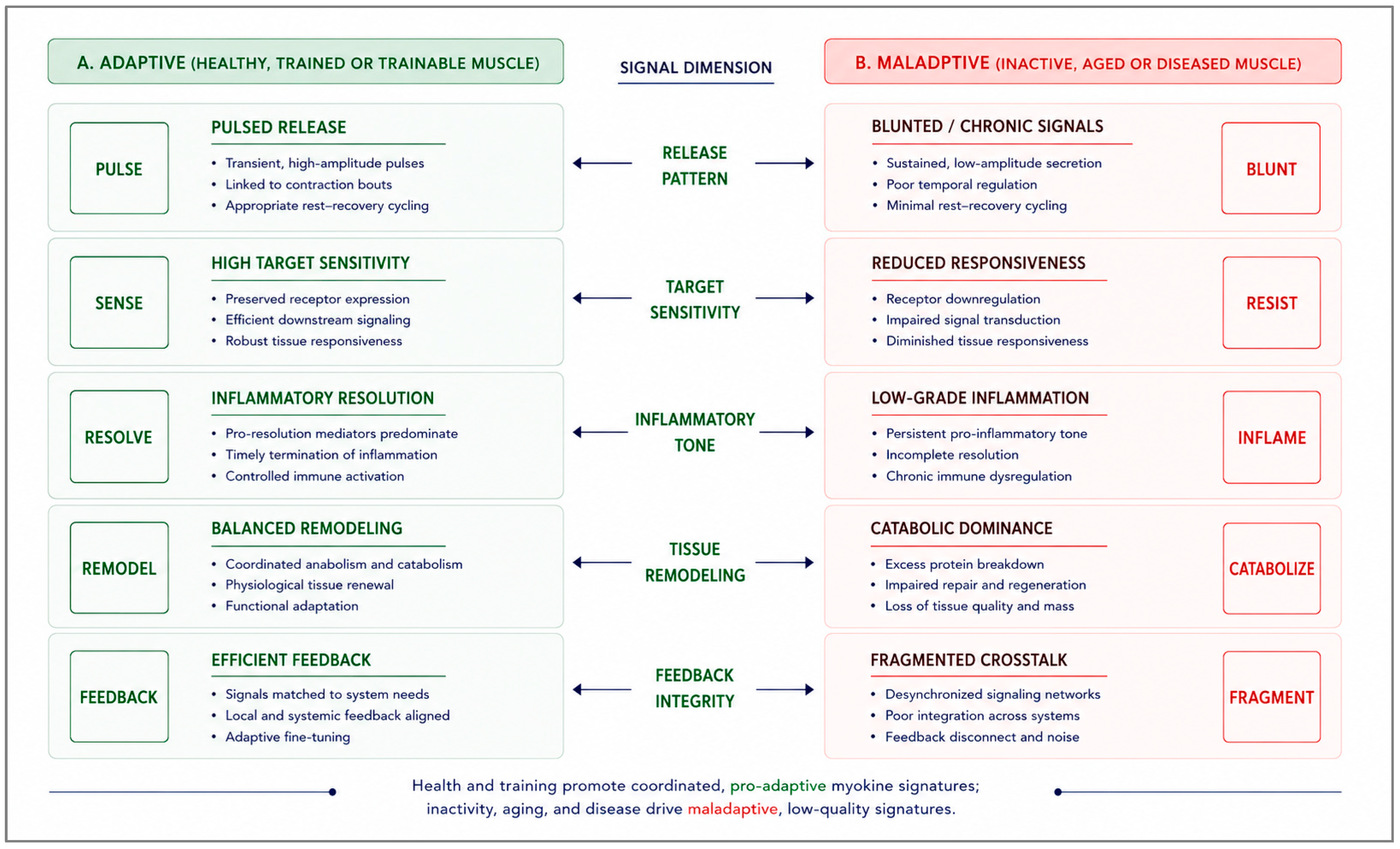
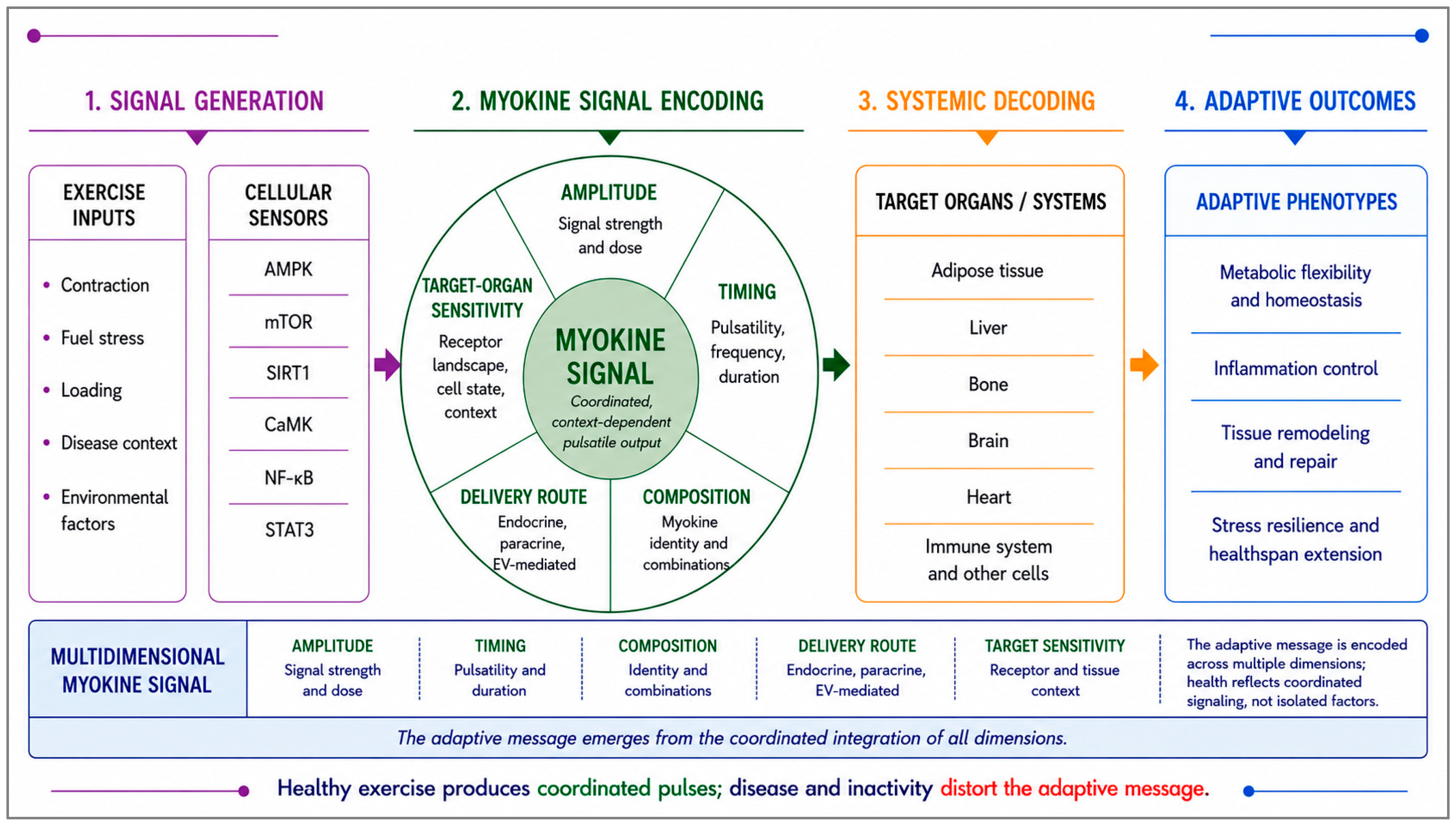
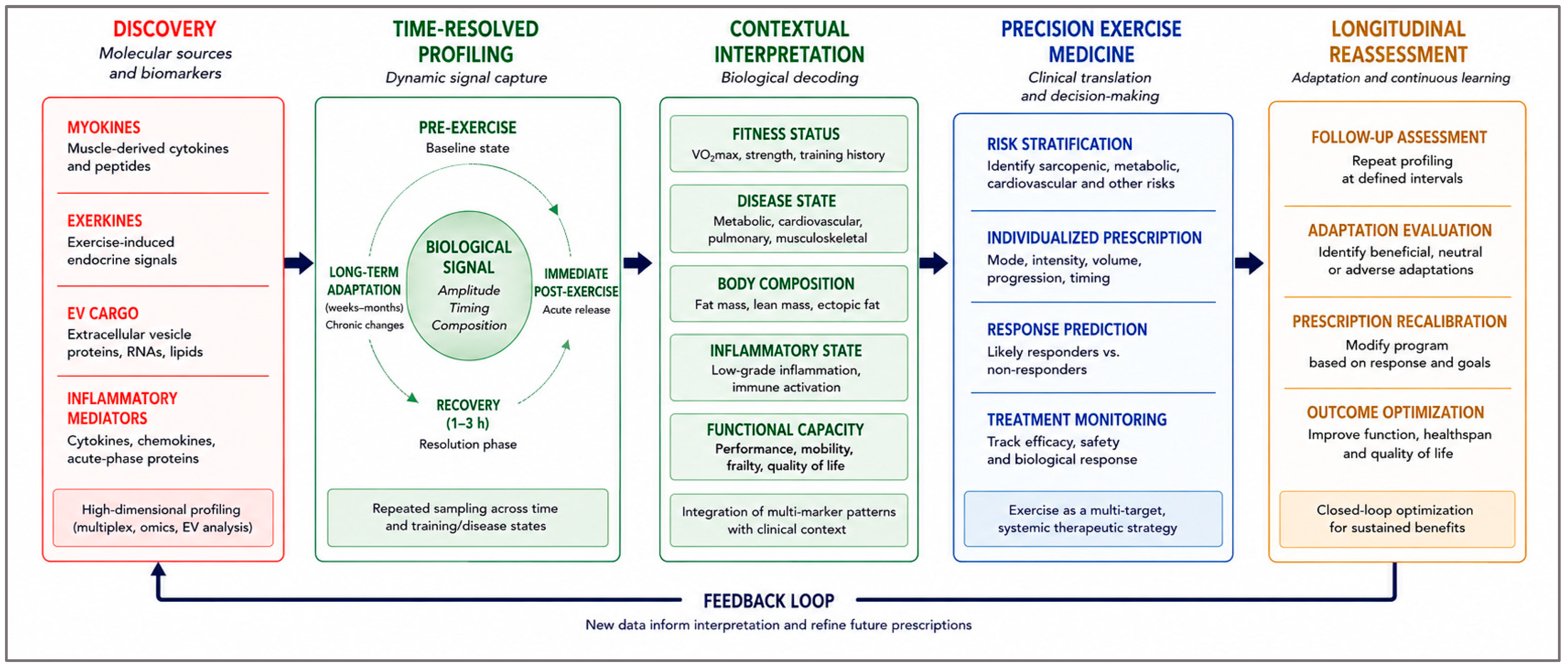
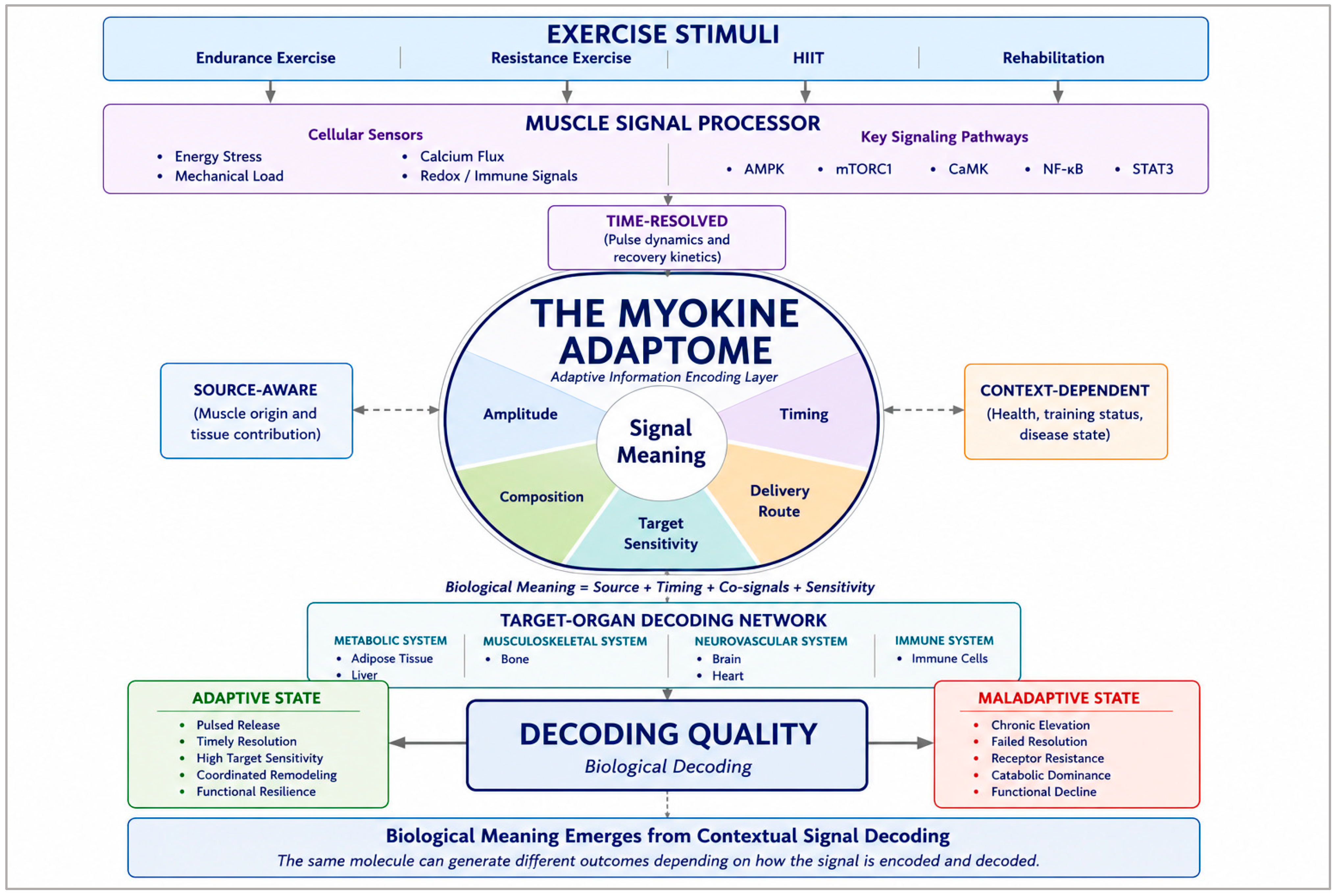
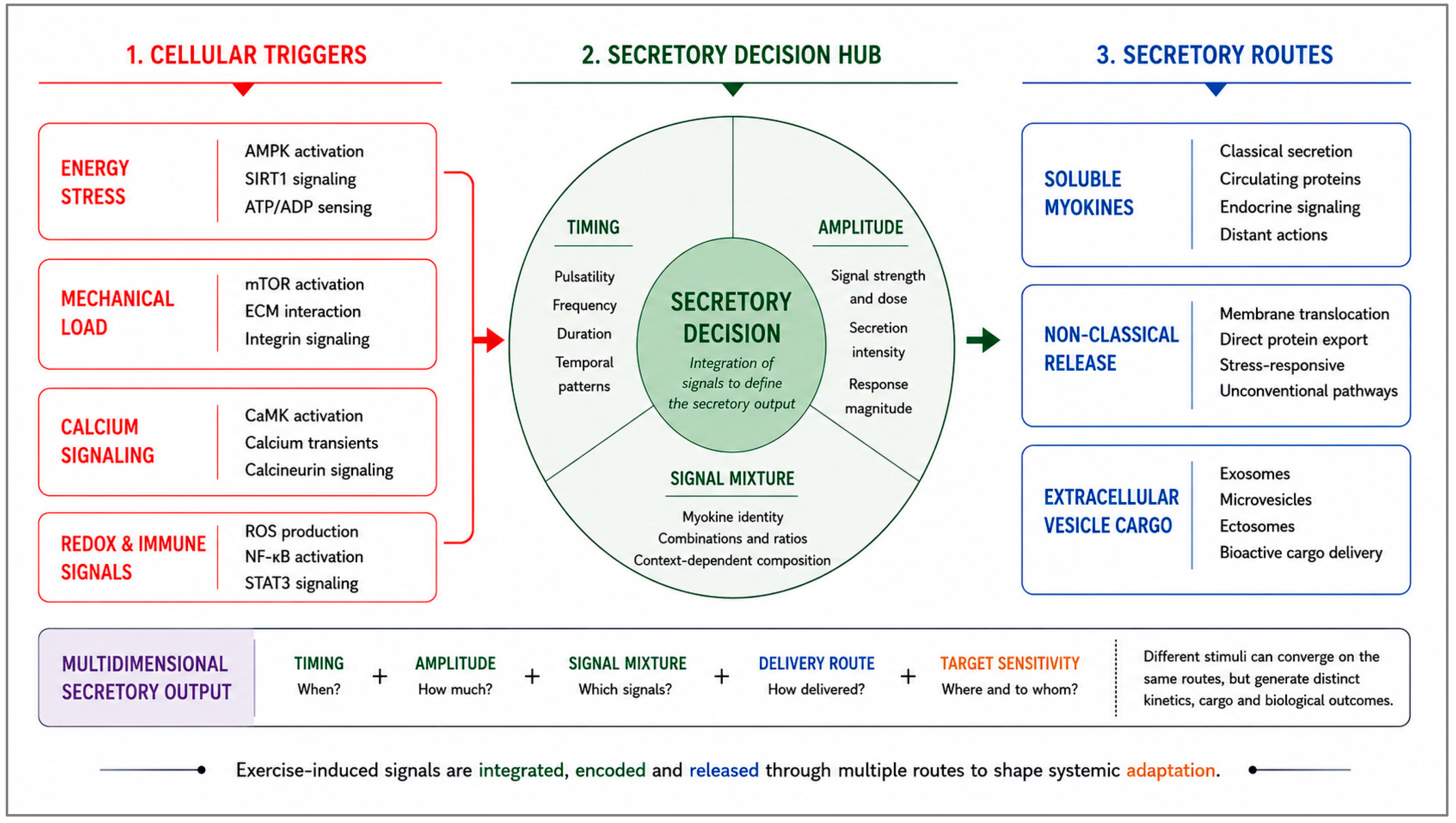
Skeletal muscle is increasingly recognized as a dynamic secretory organ capable of translating contractile, metabolic, mechanical and inflammatory stimuli into systemic biological signals. Among these signals, myokines and myokine-associated exerkines mediate communication between skeletal muscle and distant organs, influencing glucose and lipid metabolism, immune regulation, bone remodeling, neuroplasticity, vascular function and tissue regeneration. Representative mediators considered include IL-6, IL-15, myostatin, follistatin, decorin, FNDC5/irisin, FGF21, myonectin/CTRP15, BDNF, cathepsin B, SPARC, apelin and extracellular-vesicle cargo. However, current evidence remains fragmented across individual molecules, exercise modalities, sampling windows, assay platforms and disease contexts. This narrative mechanistic review proposes the concept of the “myokine adaptome” as an integrated, context-dependent signaling network through which skeletal muscle contributes to systemic homeostasis in health and disease. We synthesize evidence on cellular triggers of myokine release, including AMPK-PGC-1α signaling, mTORC1-dependent mechanical sensing, calcium flux, redox signaling, inflammatory pathways and extracellular-vesicle-mediated communication. We further examine how exercise modality, aging, obesity, type 2 diabetes, sarcopenia, osteoporosis, cardiovascular disease, COPD, cancer/cachexia and chronic inflammation reshape myokine production and target-organ responsiveness. The central argument is that myokine biology should be interpreted not as a catalog of isolated mediators, but as a dynamic adaptive code defined by signal amplitude, temporal pattern, molecular composition, delivery route and recipient-tissue sensitivity. Its novelty is operational rather than nominal: it requires source confidence, temporal kinetics, co-signal context, delivery route and functional decoding to be evaluated together. This framework may improve biomarker design, disease-specific exercise prescription and therapeutic strategies aimed at restoring adaptive muscle–organ communication. The framework is further strengthened by testable predictions concerning adaptive pulsatility, modality-specific signatures, source attribution, recovery quality, disease-specific decoding and the superiority of multi-marker panels over single-molecule readouts.
Keywords: myokines; skeletal muscle; exercise; muscle–organ crosstalk; exerkines; extracellular vesicles; AMPK; mTORC1; inflammation; sarcop chronic disease; exercise medicine myokines; skeletal muscle; exercise; muscle–organ crosstalk; exerkines; extracellular vesicles; AMPK; mTORC1; inflammation; sarcop chronic disease; exercise medicine