


Highlights
What are the main findings?
- Aortic wall failure in HTAD arises from interacting processes involving ECM structure, TGFβ signaling, and smooth muscle function.
- Disease progression reflects the combined effects of mechanical stress, endothelial responses, and immune cell involvement.
What are the implications of the main findings?
- Even with shared biological mechanisms, the timing and presentation of aortic events differ across genes, supporting gene-specific risk assessment.
- Linking mechanobiology with genetic information may improve clinical decision-making and the development of targeted therapies in aortic disease.
Abstract
Heritable thoracic aortic diseases (HTAD) are inherited conditions that increase the risk of thoracic aortic aneurysms, dissections, and premature aortic rupture. Advances in human genetics and experimental models have transformed our understanding of these disorders from a phenotype-based classification system to a mechanism-based view involving extracellular matrix (ECM) architecture, transforming growth factor-β (TGFβ) signaling, and vascular smooth muscle cell contractility. Marfan syndrome, Loeys–Dietz syndrome, and nonsyndromic HTAD demonstrate how genetic mutations can disrupt the components that stabilize the aortic wall. These pathogenic mechanisms influence matrix organization, intracellular signaling, and the contractile machinery within the mechanically stressed proximal aorta. In this review, we summarize current mechanistic insights into the major forms of HTAD and discuss how new molecular and cellular concepts could influence surveillance, genetic counseling, and genotype-guided therapeutic strategies.
1. Introduction
Heritable thoracic aortic diseases (HTAD) are a group of genetic disorders that increase the risk of thoracic aortic aneurysms, dissections, and sudden aortic death. In contrast to abdominal aortic aneurysms, which are primarily degenerative and influenced by environmental risk factors, thoracic aortic disease is more often driven by inherited defects affecting the aortic wall. These conditions were historically classified based on syndromic appearance and family history. However, they are now recognized as disorders of aortic wall homeostasis, involving extracellular matrix (ECM) structure, transforming growth factor-β (TGFβ) signaling, and vascular smooth muscle cell (SMC) contractility (Figure 1). While other hereditary vasculopathies, such as vascular Ehlers–Danlos syndrome (vEDS), can also predispose to arterial rupture and dissection, vEDS more commonly affects medium- and small-sized arteries as part of a systemic vascular fragility disorder. In contrast, this review focuses on disorders characterized by predominant aortic root and proximal thoracic aorta involvement, where elastic fiber architecture, developmental smooth muscle heterogeneity, and high pulsatile biomechanical stress converge to create regional vulnerability. Emerging evidence also suggests that mitochondrial dysfunction may be another convergent mechanism contributing to aortic wall instability [1].
Figure 1.
Conceptual overview of pathogenic mechanisms in HTAD; heritable thoracic aortic diseases (HTAD) arise from genetic defects that affect the extracellular matrix (ECM) architecture (e.g., FBN1), TGFβ signaling pathways (e.g., TGFBR1/2, SMAD2/3), smooth muscle cell (SMC) contractile machinery (e.g., ACTA2, MYH11, MYLK, PRKG1), and ECM cross-linking (e.g., LOX). These disturbances disrupt aortic wall homeostasis through interconnected biological mechanisms involving ECM organization, signaling dysregulation, and impaired contractile function. The proximal thoracic aorta is particularly susceptible to these disturbances due to its exposure to high mechanical stress and complex developmental architecture, which compromises its structural stability and can lead to thoracic aortic aneurysm and dissection. Created in BioRender. Norifumi Takeda. (2026). https://app.biorender.com/illustrations/6a0ad934c1ede558cd4f5e15?slideId=df52ad65-8a17-40c7-8dc8-baf4b7524ff5 (accessed on 16 April 2026).
Studies of Marfan syndrome have demonstrated that disruption of fibrillin-1 links microfibrillar architectural defects to altered TGFβ signaling and remodeling of the aortic wall. Loeys–Dietz syndrome (LDS) further expanded this concept by showing that mutations within the TGFβ signaling pathway itself can produce severe aortopathy. In nonsyndromic HTAD (nsHTAD), most causative genes affect the smooth muscle contractile apparatus, indicating that impaired force generation represents another mechanism of aortic wall failure [2,3,4]. Collectively, these mechanisms can be broadly categorized into dysregulated TGFβ signaling and impaired smooth muscle contractility (Table 1 and Table 2).
Table 1.
Syndromic TGFβ-pathway aortopathies.
Table 2.
Nonsyndromic HTAD associated with smooth muscle dysfunction and ECM abnormalities.
Clinical and mechanistic features summarized from previously published studies and reviews [2,3,4,5,6]. Despite their genetic diversity, HTADs share common pathological features that compromise the structural and mechanical integrity of the thoracic aorta. Most forms predominantly affect the aortic root and proximal ascending aorta. This vascular segment is exposed to high biomechanical stress because of its large radius and direct coupling to left ventricular ejection, as predicted by Laplace’s law [3]. The proximal aorta also possesses distinctive anatomical and developmental features, including complex flow patterns and heterogeneous populations of SMCs derived from the cardiac neural crest (CNC) and the second heart field (SHF) [8,9], which may further influence the regional vulnerability of the proximal aorta in HTAD.
In this review, we discuss the mechanisms underlying Marfan syndrome, LDS, and nsHTAD, with particular emphasis on the interplay among ECM architecture, TGFβ signaling, and smooth muscle contractility within the mechanically stressed proximal thoracic aorta. We also highlight how shared pathogenic processes can result in distinct clinical phenotypes and differences in the timing and mode of aortic events across genetic backgrounds [10].
2. Marfan Syndrome: From Microfibrils to Mechanobiology
Marfan syndrome is caused by pathogenic variants in the FBN1 gene, which encodes fibrillin-1, a principal structural component of extracellular microfibrils. Early mechanistic interpretations emphasized the resulting mechanical fragility due to disrupted elastic fiber architecture [11]. Microfibrils were primarily considered to be structural scaffolds that are necessary for elastogenesis and tensile resilience, and their disruption was thought to directly weaken the aortic wall.
This structural paradigm was further refined when fibrillin-1 was shown to regulate the sequestration and activation of latent TGFβ complexes by interacting with latent TGFβ-binding proteins (LTBPs) [12]. Therefore, microfibrils perform architectural functions and act as extracellular reservoirs that spatially restrict TGFβ signaling. In Fbn1-mutant mice, enhanced TGFβ signaling was associated with progressive medial degeneration and aneurysm formation [13]. This led to the influential TGFβ excess hypothesis, which reframed Marfan syndrome as a disorder of dysregulated cytokine signaling. Subsequent studies have shown that both the canonical SMAD2/3 pathways and non-canonical signaling cascades contribute to disease progression. Activation of ERK was identified as a critical mediator of aneurysm development that operates independently of SMAD signaling [14]. These findings established that TGFβ signaling in Marfan syndrome is multifaceted and stage-dependent, involving parallel intracellular pathways with distinct biological consequences (Figure 2).
Figure 2.
Mechanistic cascade linking FBN1 mutations to aortic root aneurysm in Marfan syndrome; pathogenic variants in the FBN1 gene disrupt microfibrillar architecture, resulting in elastic fiber instability and increased bioavailability of TGFβ. These changes alter aortic wall mechanics and activate mechanosensitive signaling pathways. A network of interacting cascades, including TGFβ–SMAD signaling, angiotensin II (AngII)-dependent ERK activation with associated oxidative stress, and integrin-mediated FAK–RhoA/ROCK–YAP/TAZ pathways, promotes phenotypic modulation of SMCs and ECM remodeling. These processes progressively weaken the proximal aortic wall and drive aortic root aneurysmal formation. ROS indicates reactive oxygen species; and MMP, matrix metalloproteinase. Created in BioRender. Norifumi Takeda. (2026). https://app.biorender.com/illustrations/6a0ad9bd26fca518c48e0d07?slideId=830cb269-e270-4f24-8a19-126b593cbd60 (accessed on 16 April 2026).
Recent studies show that pathogenic FBN1 variants alter the mechanical properties of the ECM [15,16]. Changes in matrix compliance and microfibrillar organization affect how cells transmit force, influencing integrin engagement and downstream FAK signaling. These changes also intersect with the RhoA/ROCK and YAP/TAZ pathways [17,18,19,20]. In this context, abnormal mechanical stress modulates and amplifies cytokine signaling rather than replacing it, linking extracellular architecture to intracellular signal diversification. Recent studies also suggest that ECM remodeling itself can actively amplify mechanotransductive signaling. Specifically, increased fibronectin deposition in the medial layer enhances integrin α5-dependent signaling, promoting inflammatory activation and SMC phenotypic modulation in Marfan aortopathy [21]. The fibronectin–integrin axis therefore represents an additional mechanism by which ECM remodeling can lead to changes in intracellular signaling during aneurysm progression.
Accordingly, the conceptual understanding of Marfan syndrome has evolved from a model based solely on structural defects, to a signaling-centered paradigm, and finally to an integrated perspective. The interaction between ECM architecture, TGFβ regulation, and mechanotransduction influences cellular fate within the aortic wall [22,23,24].
2.1. FBN1 Genotype and Variant-Specific Mechanisms in Marfan Syndrome
The FBN1 gene is located on chromosome 15q21.1 and encodes fibrillin-1, a large ECM glycoprotein composed of multiple calcium-binding epidermal growth factor-like (cbEGF) domains and TGFβ binding protein-like (TB) motifs [25]. These domains form an elongated protein that can assemble into extracellular microfibrillar networks, providing structural support to elastic tissues. Microfibrils also participate in elastogenesis and regulate extracellular signaling by interacting with latent TGFβ complexes [26,27].
More than 4000 pathogenic FBN1 variants have been identified in patients with Marfan syndrome [28]. These variants include missense, truncating, splice-site, and small insertion or deletion mutations, as well as larger deletions that affect the entire gene or a significant portion of it [29]. Since fibrillin-1 is a large, multidomain protein involved in complex extracellular assembly processes, different classes of variants can disrupt its biology through distinct molecular mechanisms. This leads to significant heterogeneity in microfibril architecture and downstream cellular responses. Two mechanisms have been proposed to explain these variant-specific effects: haploinsufficiency and the dominant-negative disruption of microfibrils. Haploinsufficiency is typically caused by variants that introduce premature termination codons (PTCs). In most cases, transcripts harboring PTCs are recognized by the nonsense-mediated mRNA decay (NMD) surveillance pathway and undergo degradation [30]. This mechanism is sometimes referred to as functional haploinsufficiency because fibrillin-1 production is reduced through degradation of mutant transcripts. In addition, true haploinsufficiency resulting from complete deletion or lack of expression of one FBN1 allele has also been shown to be sufficient to cause Marfan syndrome [31,32]. Decreased fibrillin-1 availability in this scenario leads to reduced microfibrillar density within the ECM. In contrast, dominant-negative variants, which are often missense mutations affecting cysteine residues within cbEGF domains, can allow mutant fibrillin-1 proteins to be incorporated into assembling microfibrils. This disrupts the structure and stability of microfibrils.
Clinical cohort studies suggest that these variant classes may influence disease severity differently. Several analyses indicate that haploinsufficient variants are associated with faster aortic dilation and earlier aortic events than dominant-negative variants [33,34] (Table 1). One possible explanation is that reduced microfibril abundance compromises the mechanical buffering capacity of the aortic wall, thereby increasing susceptibility to hemodynamic stress. However, genotype–phenotype correlations in Marfan syndrome are not absolute. Even among family members with identical FBN1 variants, the rate of aortic enlargement and the timing of complications can differ significantly. These observations suggest that additional modifiers, including genetic background, environmental influences, and biomechanical factors, likely contribute to the ultimate clinical trajectory.
Experimental models have also provided insights into genotype-dependent mechanisms, although important limitations exist. Much of the mechanistic work on Marfan aortopathy relies on two widely used mouse models. The first is the Fbn1mgR/mgR hypomorphic mouse model [35], which expresses markedly reduced levels of fibrillin-1. The second is the Fbn1C1041G/+ knock-in mice [36,37], which represents a missense FBN1 variant that affects microfibril assembly. The hypomorphic Fbn1mgR/mgR mice exhibit rapid and severe aortic disease progression, which is consistent with the idea that reduced levels of fibrillin-1 can severely destabilize the mechanics of the aortic wall. However, the limited number of models is an important experimental constraint, considering the extensive diversity of human FBN1 variants and the wide spectrum of clinical phenotypes observed in patients.
The genotype–phenotype relationships associated with Marfan syndrome extend beyond the aorta and affect multiple organ systems, where microfibrils play a role in maintaining the integrity of connective tissue [38,39]. Certain FBN1 variants have been associated with severe, early-onset presentations, such as neonatal Marfan syndrome, in which pathogenic variants frequently cluster within the so-called neonatal region spanning exons 25–33 [40]. For ocular manifestations, clustering of variants associated with ectopia lentis has been reported within the N-terminal region of FBN1, particularly involving cysteine substitutions in exons 1–15 and the broader exon 1–20 region [41]. Skeletal manifestations also exhibit genotype-associated variability. The progression of scoliosis, a major clinical management issue during adolescence, differs according to FBN1 variant classes [42]. Cardiac valvular disease is another example of genotype-dependent disease expression. Mitral valve prolapse and regurgitation are common cardiovascular conditions that require surgical intervention for some patients. Recent genotype-stratified analyses have shown that the molecular class and genomic location of FBN1 variants influence the timing and risk of mitral valve surgery [43]. Specifically, in-frame variants within DNCD regions spanning exons 26–37 and 44–50 were associated with a markedly higher cumulative incidence of mitral valve surgery than other in-frame variants or premature termination codon variants. Notably, these DNCD variants were associated with earlier onset of mitral valve disease, frequently during childhood or adolescence, whereas individuals with truncating variants exhibited a delayed risk profile that increased later in adulthood.
Overall, the FBN1 genotype influences organ-specific patterns of disease susceptibility, affecting not only aortic pathology, but also valvular and systemic manifestations. Although genotype alone cannot fully predict individual outcomes and the mechanisms underlying these genotype–phenotype relationships are unclear, genetic information remains an essential component of lifelong clinical surveillance for Marfan syndrome. Looking to the future, a deeper understanding of genotype-specific mechanisms could inform the development of precision medicine approaches. Since FBN1 variants affect the structure of the ECM, the regulation of TGFβ, and mechanotransduction pathways, it is possible that different variant classes may respond differently to pharmacological interventions targeting these pathways. Interindividual genetic variability may also influence therapeutic responsiveness. Such genotype-specific therapeutic strategies are still being investigated, but combining molecular genetics with mechanistic insight could improve risk stratification and the management of patients with Marfan syndrome. From a clinical perspective, these genotype–phenotype correlations already inform discussions about surgical decision-making, because haploinsufficient variants have been associated with faster aortic growth and earlier aortic events than dominant-negative variants. In selected patients, this may justify closer surveillance and consideration of prophylactic surgery toward the lower end of current guideline thresholds. In large cohort studies, FBN1 variant class has been linked to differences in the timing of aortic complications as well as extra-aortic interventions, highlighting the importance of integrating molecular diagnosis into individualized risk assessment and counseling for Marfan syndrome [28,33,38,43].
2.2. TGFβ Signaling as a Central but Context-Dependent Mechanism in Marfan Syndrome
Recognition of the fact that fibrillin-1 regulates the sequestration and activation of latent TGFβ complexes established that dysregulated TGFβ signaling is a central mechanism of Marfan syndrome [13,36,44]. Initially, canonical signaling through SMAD2/3 phosphorylation was considered the primary pathogenic pathway. This idea was supported by the observation of increased nuclear SMAD2 phosphorylation observed in aneurysmal aortic tissue and by the attenuation of aortic dilation in murine models following pharmacological modulation of TGFβ signaling. These findings reinforced the concept that excessive TGFβ activity functions as a primary driver of the disease.
However, subsequent work has significantly refined this concept. Temporal analyses in Fbn1-mutant mice revealed that TGFβ signaling is not uniformly harmful, but rather exhibits stage-dependent effects. For example, suppressing TGFβ signaling during the early stages of postnatal development can worsen aortic pathology [45,46], suggesting that basal TGFβ activity participates in adaptive or compensatory remodeling during this period. In contrast, sustained or dysregulated signaling later in disease progression contributes to progressive medial degeneration [47]. These observations challenge the linear “more TGFβ equals worse disease” paradigm, suggesting that disease progression likely reflects a context-dependent imbalance in pathway activation.
Crucially, it became evident that TGFβ receptor engagement activates not only canonical SMAD2/3 signaling, but also non-canonical cascades [14]. Sustained activation of ERK was identified as a critical mediator of aneurysm development that can drive pathological remodeling independently of SMAD phosphorylation. In Fbn1C1041G/+ mice, the pharmacological inhibition of ERK signaling reduced aortic root dilation despite persistent SMAD2 activation. This finding suggests that the MAPK pathway has an autonomous pathogenic potential and expands the mechanistic landscape beyond SMAD-centered signaling. Mechanistically, ERK activation in Marfan aortopathy is closely linked to angiotensin II (AngII) signaling through the AT1 receptor (AT1R) [13,14,48]. Enhanced AT1R stimulation promotes ERK phosphorylation, increases matrix metalloproteinase (MMP) expression, and amplifies SMC phenotypic modulation. Losartan, an AngII type 1 receptor blocker (ARB), has been shown to reduce ERK activation and prevent aortic dilation in Fbn1C1041G/+ mice, positioning the renin–angiotensin system as a functional bridge between ECM disruption and intracellular stress signaling. Notably, the protective effect of losartan in murine models depends on AngII type 2 receptor (AT2R) signaling; genetic deletion of At2r abolishes losartan’s ability to suppress ERK activation and aneurysm progression [14]. Recent work further suggests that ARBs exert protective effects not only through competitive inhibition of AngII–AT1R signaling but also via inverse agonism at the AT1R, which suppresses basal receptor activity and modulates downstream ERK signaling and endothelial adaptive responses [49]. However, emerging evidence indicates that suppression of aneurysm growth does not necessarily normalize the mechanical integrity of the aortic wall. For instance, losartan treatment reduced aneurysm formation in Fbn1mgR/mgR mice, but did not improve aortic rupture force, indicating persistent biomechanical vulnerability despite attenuated aortic dilation [15].
In addition to ERK, other non-canonical pathways, including p38 MAPK and JNK, influence apoptosis, inflammatory gene expression, and ECM remodeling programs in vascular SMCs [45,50]. PI3K/Akt signaling has also been reported to intersect with TGFβ receptor activation in various cellular contexts [51,52]. Overall, these data demonstrate that TGFβ receptor signaling in Marfan syndrome operates as an interconnected network of intracellular cascades, the relative contributions of which vary according to developmental stage, biomechanical stress, and cellular context.
These observations provided the rationale for evaluating ARBs as a disease-modifying therapy. Although trial results have shown variability, ARBs have demonstrated at least non-inferiority to β-blockade in limiting aortic root enlargement in several cohorts, supporting the translational relevance of AngII–ERK modulation [53,54,55]. Pharmacogenetic factors may partly contribute to variability in treatment response. Since losartan requires CYP2C9-dependent conversion to the active metabolite E-3174, patients carrying reduced-function CYP2C9 alleles may exhibit altered therapeutic responsiveness, potentially warranting consideration of pharmacogenetic information in treatment individualization [56]. However, incomplete disease suppression indicates that targeting a single signaling axis is unlikely to fully normalize the complex, context-dependent signaling environment present in Marfan aortopathy.
2.3. Endothelial Cell Responses Under Abnormal Mechanical and Oxidative Stress
ECs are uniquely positioned at the luminal interface to sense the altered shear stress and cyclic strain generated by disrupted aortic biomechanics. In Marfan syndrome, pathogenic FBN1 variants disrupt microfibrillar architecture and elastic recoil. These changes modify pulse wave propagation and the distribution of regional shear stress along the aortic wall [35,57]. Although TGFβ dysregulation is central to the disease’s pathobiology, these hemodynamic changes introduce an additional layer of signaling complexity operating at the endothelial surface.
ECs are highly mechanosensitive. Under physiological laminar flow conditions, transcription factors such as KLF2 and KLF4 promote nitric oxide (NO) production and anti-inflammatory homeostasis [58]. In contrast, disturbed flow and increased cyclic stretch enhance the activation of NADPH oxidase and the generation of mitochondrial reactive oxygen species [59]. In Fbn1C1041G/+ mice, increased oxidative stress within the aortic wall has been documented, with contributions from the NADPH oxidase and xanthine oxidoreductase pathways [20,60]. Oxidative stress directly intersects with TGFβ signaling, and reactive oxygen species can activate latent TGFβ complexes and enhance SMAD and ERK pathway activity downstream [61]. Conversely, TGFβ signaling induces pro-oxidant enzymes such as NADPH oxidase 4 (NOX4), thereby reinforcing the interaction between cytokine signaling and oxidative stress [62]. These pathways interact closely rather than acting independently.
In this context, endothelial dysfunction encompasses more than just reduced NO bioavailability. ECs that are mechanically and oxidatively stressed secrete paracrine mediators that influence medial remodeling. These mediators include [63] (i) CTGF (CCN2), a downstream effector of TGFβ signaling that promotes ECM remodeling, (ii) PDGF-B, which enhances SMC migration and phenotypic modulation, (iii) endothelin-1 [64], which contributes to vasoconstriction and medial stress amplification, and (iv) IL-6 and MCP-1 (CCL2), which facilitate inflammatory cell recruitment and secondary matrix degradation. Through these mediators, ECs translate altered mechanical and cytokine cues into coordinated SMC and inflammatory responses.
Recent single-cell RNA sequencing studies have further demonstrated that the aortic endothelium is transcriptionally heterogeneous [65,66]. Different endothelial subpopulations exhibit varying levels of mechanosensitive genes, inflammatory programs, and TGFβ-responsive signatures in Marfan aortopathy. Subpopulations characterized by transcriptional profiles associated with oxidative stress appear to increase during aneurysmal formation or dissection. This suggests that disease evolution may preferentially involve specific endothelial states rather than a simple, uniform endothelial dysfunction.
Collectively, these findings support a model in which ECs actively integrate TGFβ signaling, mechanical stress, and oxidative pathways. Rather than serving as passive barriers, ECs contribute to medial remodeling by activating oxidative stress-dependent signaling and paracrine mechanisms that interact with canonical and non-canonical TGFβ cascades. Although endothelial responses have traditionally been considered to modulate disease progression, recent experimental evidence indicates that endothelial dysfunction may also contribute to the initiation of aortic wall failure. In a newly developed Fbn1G234D/G234D mutant model, impaired endothelial mechanosensing and intimal macrophage accumulation occurred prior to the formation of intimomedial tears under conditions of reduced TGFβ signaling, highlighting the potential initiating role of endothelial–immune interactions [67].
2.4. Smooth Muscle Cell Heterogeneity and Signal Integration
Although endothelial signaling integrates luminal mechanical and cytokine cues, the medial SMC layer remains the primary structural determinant of aortic wall integrity in Marfan syndrome. Medial degeneration has been described as “cystic medial degeneration” or medial necrosis. It is characterized by SMC loss, elastic fiber fragmentation, and accumulation of proteoglycan-rich ECM [68]. Within this pathological context, SMCs were largely viewed as passive victims of ECM disorganization and structural weakening. However, accumulating experimental and human data now indicate that SMCs actively interpret and amplify matrix-derived and cytokine-mediated signals, thereby contributing directly to aneurysmal progression.
TGFβ signaling exerts central regulatory control over SMC phenotype. Canonical SMAD2/3 activation is essential for regulating the expression of contractile genes (e.g., ACTA2, MYH11, and TAGLN) and ECM components (e.g., COL1A1 and ELN) [69,70]. Increased nuclear SMAD2 phosphorylation has been consistently observed in medial SMCs in Fbn1C1041G/+ mice [13]. Non-canonical pathways, including ERK [45], p38 MAPK [50] and JNK [45], and PI3K/Akt [71,72], also intersect with TGFβ receptor activation and modulate proliferation, apoptosis, metabolic adaptation, and inflammatory gene expression. These cascades function as an integrated signaling network rather than a linear axis. They produce diverse cellular outputs depending on mechanical and oxidative conditions. However, as noted above, TGFβ signaling is stage-dependent and context-sensitive.
SMCs are intrinsically mechanosensitive. Integrin-mediated adhesion complexes and FAK signaling translate ECM stiffness and tensile load into intracellular responses. Then, RhoA/ROCK signaling regulates actin polymerization and the stability of the contractile apparatus. Meanwhile, YAP/TAZ transcriptional coactivators respond to cytoskeletal tension and mechanical strain [17,18,19,20]. Altered matrix compliance and progressive dilation in Marfan aortopathy disrupt circumferential stress distribution, leading to dysregulated cytoskeletal tension. Reduced expression of contractile markers (ACTA2 and MYH11) and increased expression of synthetic markers (COL1A1 and FN1) reflect a shift toward a modulated phenotype [21,73,74]. This shift represents a continuum of transcriptional states influenced by mechanical load, TGFβ signaling, and intracellular stress responses, rather than a binary switch.
Oxidative stress also modulates SMC fate. Increased ROS production has been documented in Marfan models, including vascular SMCs, and is associated with enhanced ERK activation and MMP-dependent ECM degradation [75,76,77]. NOX4 expression is markedly increased in vascular SMCs, resulting in redox stress that targets contractile cytoskeletal proteins, promoting elastic fiber fragmentation, aortic root dilation, and endothelial dysfunction. Genetic deletion of Nox4 improves these medial abnormalities in Fbn1C1041G/+ mice [78]. Oxidative stress is also associated with increased MMP2 and MMP9 activity, which promotes elastic fiber fragmentation and medial weakening [79]. Thus, oxidative pathways interact with canonical and non-canonical TGFβ cascades to amplify structural deterioration.
Another line of research has examined the role of proteoglycan-rich ECM remodeling in disease progression. Versican, a large chondroitin sulfate proteoglycan enriched in regions of medial degeneration, modulates SMC signaling. Recent experimental studies have demonstrated that versican accumulation activates Akt-dependent pathways and induces Nos2-related NO signaling. This promotes inflammatory activation and ECM remodeling within the aortic wall [72]. These observations suggest that proteoglycan accumulation, long considered a histopathological hallmark of medial degeneration, may actually function as an active driver of cellular stress responses rather than merely being a secondary structural change [80].
Single-cell transcriptomic studies have fundamentally altered our understanding of the role of SMCs in Marfan aortopathy [21,65]. Rather than being a uniform contractile population, medial SMCs exist along multiple transcriptional trajectories. Recent studies using lineage tracing and single-cell transcriptomic approaches have demonstrated that vascular SMCs exhibit substantial phenotypic plasticity during aneurysmal formation. They transition from contractile states towards matrix-remodeling, inflammatory or stress-responsive phenotypes. This suggests that SMC heterogeneity is a dynamic spectrum of cellular states rather than a binary contractile–synthetic switch [81]. A disease-associated cluster of phenotypically modulated SMCs (“modSMCs”) was identified in Fbn1C1041G/+ mice and human Marfan aortic root tissue. These cells exhibit (i) downregulation of contractile genes (ACTA2, MYH11, TAGLN), (ii) upregulation of matrix-remodeling genes (COL1A1, FN1, VCAN, LUM, DCN), (iii) increased expression of KLF4, consistent with KLF4-dependent modulation programs described in atherosclerosis [82], and (iv) enrichment of stress- and injury-response signatures.
In the dissecting Fbn1mgR/mgR model, two discrete aortic cell subpopulations (SMC3 and EC4) were identified and combined into a disease-specific state, “MFSmod.” SMC3 is enriched in ECM- and NO signaling-related genes, and the MFSmod state is specifically associated with dissecting thoracic aortic aneurysm in mouse modeling Marfan syndrome and an increased risk of aortic dissection in patients with Marfan syndrome [83]. Trajectory analyses predict directional transitions between contractile SMCs and the modulated SMC3/EC4 states in the dissecting Fbn1mgR/mgR model, indicating a distinct, dynamically regulated cell population exclusively associated with dissecting thoracic aortic aneurysm. The emergence of these modulated populations in response to losartan treatment suggests that SMC state plasticity remains pharmacologically modifiable.
2.5. Inflammatory Cell Involvement and Immune Amplification
Beyond endothelial and SMC–intrinsic signaling, inflammatory cells have emerged as active modulators in Marfan aortopathy. Histological analyses have long demonstrated the accumulation of macrophages within aneurysmal tissue [84]. Notably, infiltration of inflammatory cells is often more prevalent in the adventitia, suggesting that inflammation in the outer aortic wall may contribute to medial remodeling.
In both human Marfan specimens and murine models, macrophages are also enriched in the adventitia [85,86]. This spatial distribution may be mechanistically relevant because adventitial immune activation can affect medial SMCs through cytokine diffusion, matrix-remodeling enzymes, and vasa vasorum-associated signaling. A recent study demonstrated that modulating TGFβ signaling in the myeloid lineage significantly alters aneurysm progression in Fbn1C1041G/+ mice [85]. The study found that altering TGFβ receptor signaling in myeloid cells influenced SMC proliferation and vascular remodeling. These results suggest that immune cells actively shape the local signaling environment in response to matrix damage. This finding supports the idea that the adventitia functions as an active immunological niche rather than a passive structural layer in aortic aneurysm disease [87,88].
Mechanistically, macrophages can activate latent TGFβ complexes through integrin-dependent mechanisms, such as αvβ8-mediated activation [89]. TGFβ signaling, meanwhile, regulates macrophage polarization and cytokine production, promoting an M2-like phenotype with altered pro- and anti-inflammatory cytokine profiles [90]. In aortic tissue predisposed to dysregulated TGFβ availability due to FBN1 mutations, immune cell-dependent modulation may further skew the local TGFβ signaling balance. Oxidative stress enhances inflammatory activation through NF-κB-dependent transcriptional programs. Macrophage-derived reactive oxygen species and proteases, such as MMP9, contribute to elastin degradation and ECM destabilization within the aneurysmal aortic wall [77]. Oxidative stress can potentiate TGFβ signaling by inducing TGFβ expression and promoting the activation of latent TGFβ complexes, thereby creating a feed-forward interaction among immune activation, cytokine signaling, and structural weakening [91,92].
Recent single-cell analyses have revealed substantial heterogeneity within infiltrating immune populations in aortic aneurysms [93,94,95]. Distinct macrophage subsets enriched for chemokine signaling, matrix-degrading enzymes, or angiogenic mediators have been identified in aneurysmal tissue. Histological and imaging studies further indicate that immune infiltrates often concentrate in the adventitia and peri-medial regions. This suggests that the diversity of immune cells may influence the spatial pattern and tempo of aortic wall remodeling.
Collectively, inflammatory cells in Marfan syndrome appear to act as signal amplifiers and modulators within a vascular wall environment that is already primed by mechanical stress and dysregulated TGFβ signaling. The abundance of adventitial macrophages highlights the fact that disease progression cannot be conceptualized as solely luminal or medial pathology. Rather, remodeling reflects dynamic, bidirectional communication across the endothelial, medial, and adventitial compartments. Thus, the adventitia can function as an active immunological niche in aortic disease, promoting inflammatory responses within the vascular wall.
2.6. Integrated Mechanisms of Marfan Aortopathy
Heritable aortopathies result from the failure of a mechanically specialized vascular segment rather than from general arterial weakness. The proximal thoracic aorta is exposed to unique pulsatile loading, complex flow patterns, and developmental heterogeneity of SMC lineages. In this environment, alterations in ECM architecture, TGFβ signaling, smooth muscle contractility, oxidative stress, and immune modulation interact to destabilize aortic wall homeostasis. This helps explain the proximal aorta’s regional vulnerability and the heterogeneous clinical progression observed in HTAD (Figure 1 and Figure 2).
3. Loeys–Dietz Syndrome: Receptor Mutations and the TGFβ Signaling Paradox
3.1. Clinical Characteristics and Phenotypic Spectrum
LDS is an HTAD characterized by aggressive arterial aneurysm formation and a broad spectrum of systemic connective tissue manifestations [96,97]. Originally, LDS was clinically defined by a triad consisting of arterial tortuosity, hypertelorism, and a bifid uvula or cleft palate. These features distinguish LDS from other heritable aortopathies [98,99,100]. However, the phenotypic spectrum of LDS is remarkably heterogeneous. Some patients exhibit craniofacial and skeletal manifestations resembling those observed in Marfan syndrome, whereas others present with relatively subtle systemic findings and a nearly normal body habitus, despite having significant vascular disease.
3.2. Genetic Basis and Genotype–Phenotype Correlations
Genetic studies have established LDS as a disorder involving dysregulated TGFβ signaling, which is caused by pathogenic variants affecting multiple levels of the TGFβ signaling cascade. These variants include receptor genes, such as TGFBR1 and TGFBR2 [98,99], intracellular mediators, such as SMAD3 [101,102] and SMAD2 [103], and the ligands TGFB2 [46,104] and TGFB3 [105,106,107]. Variants in SMAD3 were initially identified in patients with aneurysm-osteoarthritis syndrome, which is characterized by thoracic aortic aneurysm accompanied by early-onset osteoarthritis and arterial tortuosity, suggesting the pleiotropic consequences of disrupted canonical TGFβ signaling [101]. More recently, variants in PMEPA1, a negative regulator of TGFβ signaling that modulates SMAD-dependent transcriptional feedback, have been identified as an additional genetic cause of LDS-like aortopathy [108]. Notably, genotype-specific differences in vascular severity have been observed within LDS. Variants in TGFBR1, TGFBR2, and SMAD3 are frequently associated with earlier and more aggressive arterial manifestations compared with other LDS-associated genes [109,110], indicating the importance of pathway position and signaling context in determining vascular phenotype (Table 1).
More detailed clinical analyses have revealed significant differences even between the two receptor genes. For example, sex-related differences in vascular severity seem to depend on the affected gene. Patients with TGFBR1 variants exhibit significant sex-based differences; males experience aortic events earlier and more frequently. In contrast, such sex differences are largely absent among individuals with TGFBR2 variants [109]. However, TGFBR2 risk is not uniform. Current guidelines recognize smaller body size, particularly in women, as well as extra-aortic features, family history of dissection, and rapid aortic growth (≥0.3 cm/year) as high-risk features [5]. Additionally, several systemic features have been identified as clinical predictors of vascular risk in LDS. Genotype-stratified analyses have associated the presence of hypertelorism, pronounced arterial tortuosity, and translucent skin with an increased likelihood of aortic events [109].
3.3. Systemic Arteriopathy and Vascular Phenotype
Arterial tortuosity is a characteristic vascular feature of LDS that likely reflects alterations in vascular wall development driven by dysregulated TGFβ signaling [111]. TGFβ pathways play a key role in vascular morphogenesis, SMC differentiation, and ECM organization during arterial development [112,113]. Disruption to these processes can result in progressive arterial elongation in response to pulsatile hemodynamic forces, producing the characteristic tortuous vascular phenotype observed in LDS [100,114,115].
Consistent with this mechanism, vascular involvement in LDS extends well beyond the proximal aorta. Aneurysms and dissections frequently occur throughout the arterial tree, including the carotid, vertebral, subclavian, mesenteric, and intracranial arteries. Head and neck vessels, in particular, often demonstrate marked tortuosity and aneurysmal remodeling. The prominent involvement of the head and neck arteries may reflect the fact that neural crest-derived vascular structures depend on tightly regulated TGFβ signaling during embryonic vascular development [111]. Furthermore, the degree of arterial tortuosity has been suggested as an indicator of LDS disease severity and vascular fragility [109], reflecting systemic disturbance to the vascular wall structure.
Another important clinical feature of LDS is that aortic dissections tend to occur at smaller aortic diameters than those seen in other heritable aortopathies. Clinical observations suggest that fatal aortic events can occur even when the aortic root is only moderately enlarged. Consequently, the threshold for structural failure may be reached at smaller vessel diameters. These observations have important clinical implications and have led to recommendations for more careful, longitudinal surveillance and earlier surgical intervention for patients with LDS than for those with other forms of HTAD.
3.4. TGFβ Signaling Dysregulation and the Paradox of Receptor Mutation
The molecular pathogenesis of LDS presents a distinctive paradox in vascular biology [116]. LDS is caused by heterozygous mutations in genes that encode components of the TGFβ signaling pathway, most notably the TGFBR1 and TGFBR2 receptors. In principle, these variants would be expected to reduce receptor-mediated signaling. However, affected aortic tissues consistently demonstrate increased downstream signaling activity, including enhanced phosphorylation of SMAD2 and activation of MAPK pathways, particularly ERK [99,100,114]. This apparent contradiction, often referred to as the “TGFβ paradox,” remains one of the defining conceptual features of LDS pathobiology [117,118,119]. Importantly, this paradox does not imply that receptor mutations directly increase kinase activity. Rather, many LDS-associated variants appear to impair or qualitatively alter canonical receptor-mediated signaling, while promoting context-dependent hyperactivation of the kinase in vivo. Experimental evidence indicates that impaired receptor function can disrupt negative feedback regulation, alter ligand availability, and increase susceptibility to secondary signaling inputs, including AngII-dependent ERK activation. Consequently, the net effect within the aortic wall is the paradoxical activation of downstream signaling, despite the presence of mutations that are predicted to reduce receptor function. Furthermore, the magnitude and direction of these signaling abnormalities are highly context-dependent, varying with cell lineage, biomechanical environment, and disease stage. Together, these findings suggest that LDS is not merely a disorder of reduced TGFβ signaling but rather a disease of dysregulated signaling homeostasis. Studies of LDS patient tissue and experimental models therefore suggest that receptor variants impair canonical receptor signaling while promoting the dysregulated activation of downstream signaling pathways (Figure 3).
Figure 3.
Paradoxical activation of TGFβ signaling in Loeys–Dietz syndrome; in normal aortic tissue, TGFβ receptor signaling is tightly regulated to maintain SMC and ECM homeostasis. In Loeys–Dietz syndrome (LDS), pathogenic variants affecting TGFβ receptors or related pathway components are predicted to impair canonical signaling. However, in vivo observations demonstrate enhanced downstream signaling, including increased SMAD2 phosphorylation and ERK activation. This paradoxical imbalance in signaling drives SMC and ECM dysregulation, resulting in arterial tortuosity, aneurysm formation, and dissection. Created in BioRender. Norifumi Takeda. (2026). https://app.biorender.com/illustrations/6a0ad9fba5fb99e48accd41b?slideId=5d7187a3-4f4c-4593-b0c9-fa292dd2c094 (accessed on 16 April 2026).
Studies have provided insight into the underlying mechanisms of this paradox by demonstrating that AngII signaling through the AT1R can amplify TGFβ pathway activity in LDS. Experimental work in LDS knock-in mouse models has shown that AngII-dependent stimulation of downstream pathways, including ERK, can promote aneurysmal formation despite impaired receptor function. This establishes a link between neurohormonal signaling and dysregulated TGFβ signaling networks [114], and suggests that LDS is not merely a disorder of reduced receptor activity, but rather a disease involving context-dependent signaling imbalance. Mutations affecting TGFβ receptors can disrupt feedback regulation, resulting in the excessive activation of downstream signaling pathways within the aortic wall.
Further support for the importance of regulatory control within the TGFβ pathway comes from the recent identification of PMEPA1 as a genetic cause of LDS-like aortopathy [108]. PMEPA1 encodes a TGFβ-inducible negative regulator of SMAD signaling that functions as part of a feedback mechanism that limits pathway activation [120]. Therefore, pathogenic variants in PMEPA1 are predicted to impair this feedback control, permitting excessive downstream signaling despite structurally intact TGFβ receptors. While this mechanism is specific to PMEPA1-associated aortopathy, it demonstrates how the disruption of TGFβ signaling homeostasis, rather than the mere loss of receptor function, can result in vascular phenotypes resembling LDS.
The SMC lineage appears to play a critical role in determining the regional susceptibility to aneurysmal formation in LDS [121,122,123]. In the proximal thoracic aorta, medial SMCs originate from two distinct embryonic sources: CNC and SHF. Experimental lineage-specific disruption of TGFβ receptor signaling demonstrated that these populations respond differently to altered TGFβ signaling. Deletion of Tgfbr2 in SHF-derived SMCs resulted in pronounced medial degeneration, elastin fragmentation, and progressive dilation of the proximal aorta. In contrast, disruption of signaling in CNC-derived cells produced substantially milder vascular changes. SHF-derived SMCs also exhibit enhanced sensitivity to AngII-dependent signaling, which converges on ERK and related pathways associated with vascular remodeling [121]. Because SHF-derived cells are enriched in the proximal ascending aorta and the aortic root, this lineage-specific hypersensitivity to AngII signaling may contribute to the regional vulnerability of the proximal aorta and may also help explain the paradoxical increase in downstream signaling activity observed in LDS despite receptor mutations. Therefore, these observations indicate that the vascular consequences of altered TGFβ signaling are strongly influenced by developmental cell lineage and local signaling context rather than by receptor dysfunction alone. This is consistent with the concept of regional vulnerability within the aorta in which developmental origin, local biomechanical forces, and signaling networks interact to determine site-specific susceptibility to aneurysm formation.
Collectively, these observations indicate that LDS represents a prototypical signaling-driven aortopathy in which disruption of the TGFβ pathway perturbs vascular development, SMC homeostasis, and the biomechanical integrity of the arterial wall.
4. Nonsyndromic Heritable Thoracic Aortic Disease
nsHTAD is a condition that encompasses familial thoracic aortic aneurysm and dissection occurring in the absence of the systemic features typical of syndromic connective tissue disorders, such as Marfan syndrome or LDS [4,25,124]. Many affected individuals appear clinically unremarkable or have only mild, nonspecific physical findings that are insufficient to suggest a defined genetic syndrome. Nevertheless, familial clustering of thoracic aortic aneurysms and dissections is common. Approximately 20% of patients with thoracic aortic disease report a positive family history, supporting the substantial inherited contribution to disease susceptibility.
Despite major advances in genomic technologies, the genetic architecture of nsHTAD remains incompletely defined. Even among families with a strong history of disease, established causative genes, including ACTA2, MYH11, MYLK, PRKG1, and LOX, explain only a minority of cases, and pathogenic or likely pathogenic variants are typically identified in only 10–20% of nsHTAD patients. The diagnostic yield varies across cohorts and testing strategies. This limited diagnostic yield highlights the significant genetic heterogeneity of nsHTAD and suggests the involvement of additional rare variants, such as structural and regulatory changes, as well as oligogenic or polygenic contributions, along with other unrecognized mechanisms.
Genome-wide association studies (GWAS) have identified several common variants associated with aortic diameter and susceptibility to thoracic aortic disease. However, these loci generally have modest effect sizes and low penetrance; therefore, they are considered susceptibility modifiers rather than primary determinants of aortic pathology [4]. The strong familial aggregation observed in many nsHTAD families contrasts with the relatively small proportion of cases explained by known high-impact variants and common risk alleles. This suggests substantial “missing heritability,” likely reflecting undiscovered rare variants and complex polygenic risk.
Clinically, nsHTAD is a challenging subset of thoracic aortic disease. The absence of distinctive syndromic features, the limited diagnostic value of current genetic testing, and the highly variable natural history of the disease complicate risk stratification and family counseling [125]. Some individuals exhibit progressive aneurysmal enlargement before dissection, while others experience life-threatening aortic events despite only modest increases in aortic diameter [4,124]. In this context, genetic testing can substantially influence surveillance strategies, surgical decision-making, and cascade screening for relatives. Therefore, careful pre-test counseling and shared decision-making are essential before initiating a genetic evaluation [125,126]. Current practice involves the use of multigene panels including ACTA2, MYH11, MYLK, PRKG1 and LOX to evaluate patients with suspected nsHTAD. Positive findings in these genes can refine both longitudinal surveillance and the timing of prophylactic aortic surgery. As pathogenic variants in several smooth muscle contractile genes are linked to dissections at relatively modest aortic diameters, panel-based genetic diagnosis can inform the adoption of lower surgical thresholds and more rigorous perioperative control of blood pressure and heart rate in affected individuals and at-risk relatives, even when the aorta is only mildly enlarged. Furthermore, identifying a causative variant enables cascade testing, helping to distinguish between relatives who require lifelong imaging follow-up and perioperative risk mitigation, and those who can be reassured. This improves the allocation of surveillance resources in families with nsHTAD [125,126].
4.1. Smooth Muscle Contractile Genes and Mechanical Homeostasis in nsHTAD
The genes currently implicated in nsHTAD predominantly affect the contractile machinery of vascular SMCs or closely related pathways that support the mechanical integrity of the aortic wall [4,25,124]. ACTA2, which encodes smooth muscle α-actin, is a well-established genetic cause of HTAD among genetically resolved cases. Other genes, such as MYH11, MYLK, PRKG1, and LOX, have also been implicated in nsHTAD, highlighting additional aspects of SMC contraction, signaling, and ECM cross-linking. From a mechanobiological perspective, these genes can be grouped according to their roles in force generation, force regulation, and load transmission within the aortic wall (Figure 1 and Figure 4).
Figure 4.
Impaired smooth muscle contractility and mechanical failure in nsHTAD; in normal aortic SMCs, the interaction between actin and myosin, as well as the regulation of this interaction by MLCK and PKG-I, maintains contractile function and appropriate control of wall tension. In nonsyndromic HTAD (nsHTAD), however, pathogenic variants in genes that encode components of the contractile apparatus (ACTA2, MYH11, MYLK, and PRKG1) impair force generation and reduce smooth muscle contractility. This diminishes the aortic wall’s ability to withstand mechanical stress, promoting stress-induced mechanical failure. Consequently, affected aortas become mechanically vulnerable and prone to aneurysm formation and dissection, which often occurs at relatively smaller diameters. Created in BioRender. Norifumi Takeda. (2026). https://app.biorender.com/illustrations/6a0ada3dd259c53aac662bc8?slideId=8806a5a9-7265-4bdf-aacf-656e1c2fe3fa (accessed on 16 April 2026).
4.2. ACTA2 and Systemic Smooth Muscle Vasculopathy
ACTA2, which encodes smooth muscle α-actin, is strongly associated with nsHTAD. It accounts for approximately 15–25% of families in which a pathogenic variant is detected. Mutations in this gene impair the structure and function of the actin cytoskeleton within vascular SMCs, disrupting the generation and transmission of contractile force required to maintain aortic wall tension under pulsatile hemodynamic stress [127,128].
The vascular phenotype associated with ACTA2 mutations extends beyond the thoracic aorta. It is increasingly recognized as a form of systemic smooth muscle vasculopathy [129]. Individuals with this condition may experience various vascular manifestations, such as early-onset ischemic stroke, occlusive cerebrovascular disease resembling Moyamoya arteriopathy, premature coronary artery disease, and peripheral arterial abnormalities. In addition, ocular findings such as iris flocculi and congenital mydriasis can serve as important clinical markers of ACTA2-associated disease [130,131]. Certain variants, particularly substitutions affecting Arg179, cause multisystem smooth muscle dysfunction syndrome (SMDS). This syndrome is characterized by congenital mydriasis, patent ductus arteriosus, pulmonary arterial hypertension, aortic and other arterial aneurysms, cerebrovascular arteriopathy, intestinal hypoperistalsis and malrotation, and hypotonic bladder. These symptoms highlight the systemic consequences of impaired smooth muscle contractile function [132,133,134]. Histopathological studies and clinical series demonstrate abnormal SMC morphology and medial layer disorganization across multiple vascular beds. These findings support the concept that ACTA2 mutations impair smooth muscle function throughout the arterial system rather than producing a disease restricted to the aorta.
Another clinically important feature of ACTA2-associated aortopathy is that aortic dissection may occur at smaller aortic diameters than other forms of thoracic aortic aneurysm [135]. Consequently, prophylactic aortic root or ascending aortic replacement is generally recommended at lower diameter thresholds than for sporadic aortic aneurysms (Table 2). For ACTA2-associated aortopathy, this threshold is typically in the mid-4 cm range, particularly when there are additional high-risk features, such as a family history of early dissection or rapid aortic enlargement. For context, current practice guidelines typically recommend prophylactic surgery at approximately 5.0 cm for Marfan syndrome (or 4.5 cm if there are additional risk factors) and at around 4.0–4.5 cm for LDS. This underscores the need for gene-specific risk stratification in HTAD [5,6].
Experimental and translational studies have begun to clarify the cellular consequences of ACTA2 dysfunction. The loss or mutation of smooth muscle α-actin disrupts the assembly of actin filaments. This leads to altered cytoskeletal tension, impaired cell-matrix mechanosensing, and changes in focal adhesion and integrin signaling in vascular SMCs [136,137,138]. These alterations affect signaling pathways involved in mechanotransduction, including RhoA–ROCK signaling and actin-dependent transcriptional regulation through myocardin and serum response factor (SRF) [139,140]. These factors are central regulators of smooth muscle contractile gene expression and aortic SMC stiffness. Impaired actin dynamics are thought to promote modulation of the vascular SMC phenotype, shifting it from a contractile to a synthetic state. This synthetic state is characterized by altered ECM production, inflammation, and reduced mechanical stability of the arterial wall. Thus, ACTA2-associated aortopathy links cytoskeletal dysfunction to abnormal smooth muscle mechanobiology and aortic wall instability.
4.3. MYH11 and Smooth Muscle Contractile Failure
Pathogenic variants in MYH11, which encodes the smooth muscle myosin heavy chain, are an established cause of nsHTAD. MYH11 is a motor component of the actin–myosin contractile apparatus in vascular SMCs, and it is crucial for generating contractile force and maintaining arterial wall tension. Pathogenic MYH11 variants were first identified in families with thoracic aortic aneurysms and dissections, often accompanied by patent ductus arteriosus [141]. These findings underscore the critical role of smooth muscle contractility in vascular development and postnatal arterial integrity.
MYH11-associated aortopathy encompasses progressive thoracic aortic aneurysms that subsequently dissect [142] as well as acute dissections arising from mildly or apparently non-dilated aortas [143] (Table 2). This suggests that MYH11 dysfunction can predispose the aortic wall to rupture even in the absence of significant aneurysmal formation. Functional and histological studies demonstrate that pathogenic MYH11 variants impair actin–myosin interactions and smooth muscle force generation. These impairments lead to medial structural abnormalities, disorganized elastic lamellae, and reduced mechanical stability of the aortic wall [144]. A knock-in mouse model carrying the Myh11 K1256del pathogenic variant develops aortic dissections and intramural hematomas after AngII infusion, despite only modest aortic enlargement [145,146]. These findings support the idea that additional biomechanical stressors, such as uncontrolled hypertension or abrupt increases in afterload, can cause aortic complications when the smooth muscle contractile apparatus is compromised. Furthermore, since the actin–myosin cytoskeleton is mechanically coupled to the ECM through integrin-based focal adhesions, MYH11 dysfunction may also disrupt integrin signaling and FAK activation [147,148].
4.4. MYLK and PRKG1: Dysregulation of Smooth Muscle Contractile Signaling
Variants in genes that regulate smooth muscle contractile signaling are another important cause of nsHTAD. Pathogenic variants in MYLK and PRKG1, which encode myosin light chain kinase (MLCK) and cGMP-dependent protein kinase I (PKG-I), respectively, highlight the critical role of intracellular signaling pathways in regulating actin–myosin contraction in vascular SMCs.
MYLK phosphorylates the regulatory light chain of myosin (MLC20), which is a critical step in the activation of actin–myosin cross-bridge cycling and smooth muscle contraction. Pathogenic MYLK variants were first identified in families with thoracic aortic dissection [149]. Affected individuals in these families frequently experienced acute dissections at relatively small aortic diameters, sometimes without aneurysmal dilation preceding them [150,151] (Table 2). Functional analyses have shown that MYLK mutations impair MLCK kinase activity [149,151]. This results in reduced phosphorylation of myosin light chains and diminished smooth muscle contractility. Together, defective activation of the actin–myosin contractile apparatus compromises the ability of the aortic wall to withstand pulsatile hemodynamic forces.
Experimental evidence further supports this concept. In murine models with reduced MYLK activity, vascular SMCs exhibit impaired contractile responses and altered cytoskeletal organization [152]. This leads to decreased mechanical resilience of the arterial wall under stress conditions. These observations reinforce the notion that defects in regulatory components of the contractile machinery, similar to structural mutations in ACTA2 or MYH11, can predispose the aorta to biomechanical failure.
A distinct, yet mechanistically related, form of nsHTAD is caused by a recurrent gain-of-function mutation in PRKG1. The most common variant is the c.530G>A, p.(Arg177Gln) mutation [153]. PRKG1 encodes PKG-I, a key mediator of NO–cGMP signaling that promotes smooth muscle relaxation by inhibiting actin–myosin contraction. The p.(Arg177Gln) alteration disrupts the high-affinity cGMP-binding site, constitutively activating PKG-I and decreasing the phosphorylation of the myosin regulatory light chain. This results in reduced contractile tone in vascular SMCs. Individuals with this mutation often present with early-onset thoracic aortic dissections at relatively modest aortic diameters, sometimes without significant aneurysm enlargement [153,154] (Table 2). Functional studies have demonstrated that the p.(Arg177Gln) variant results in ligand-independent activation of PKG-I and sustained phosphorylation of downstream PKG substrates [155]. These findings support a model in which excessive relaxation signaling and cytoskeletal dysregulation weaken the mechanical stability of the aortic wall. The recurrent p.(Arg177Gln) variant is the best-characterized cause of PRKG1-associated aortopathy. However, additional likely pathogenic missense mutations, such as p.(Gly370Ser) [156] and the recently described activating variant p.(Val219Ile) [157], expand the mutational and phenotypic spectrum of PRKG1-associated aortopathy.
Together, MYLK- and PRKG1-aortopathies demonstrate that disruption to contractile regulatory signaling alone, without defects to the structural components of the cytoskeleton, is sufficient to cause thoracic aortic disease. An important clinical feature of multiple mutations affecting the smooth muscle contractile apparatus is aortic dissection occurring at relatively modest aortic diameters. Prophylactic aortic surgery is often considered for smaller aortic diameters, especially in patients with a family history of early dissection.
4.5. LOX: Extracellular Matrix Cross-Linking and Aortic Wall Integrity
Variants in the LOX gene, which encodes lysyl oxidase, are a distinct genetic cause of nsHTAD that differs from mutations affecting the smooth muscle contractile apparatus in terms of mechanism. LOX encodes a copper-dependent enzyme that catalyzes the oxidative deamination of lysine residues in collagen and elastin. This process creates covalent cross-links that are essential for arterial tensile strength and elasticity [158]. LOX variants were first identified through exome sequencing in nsHTAD cohorts [159], and these conditions are characterized by fragmented elastic lamellae, disorganized ECM, and fusiform enlargement of the root or ascending aorta. While variants in ACTA2, MYH11, MYLK, and PRKG1 primarily impair smooth muscle contractile function, LOX mutations weaken the extracellular structural scaffold that supports vascular SMCs and distributes mechanical stress within the arterial wall. LOX is expressed in connective tissues throughout the body. However, the dominant clinical manifestation is thoracic aortopathy, where pulsatile hemodynamic stress is greatest (Table 2).
Further support for the role of LOX in maintaining vascular stability comes from animal models. Knock-in mice that are heterozygous for human LOX mutations (LoxM292R/+) exhibit aortic tortuosity, fragmentation of elastic lamellae, abnormal ECM architecture, and progressive dilation of the thoracic aorta [160]. While they exhibit only subtle elastic lamellar abnormalities at baseline, they develop marked ascending aortic dilation, wall thickening, and elastin fragmentation when exposed to AngII-induced hypertension. These results suggest that a partial reduction in LOX activity is sufficient to maintain near-normal aortic architecture under physiological loads; however, it renders the aortic wall highly susceptible to increased hemodynamic stress. This emphasizes the dose-dependent requirement of LOX for vascular resilience. LOX-associated aortopathy is a notable example of how changes in matrix cross-linking can compromise vascular stability, predisposing the aorta to aneurysm formation and dissection.
5. Conclusions
HTAD is now recognized to be a disorder of aortic wall biology, rather than an isolated inherited aneurysm syndrome. Genetic studies and experimental models indicate that various mutations weaken the aortic wall by interfering with processes that influence ECM organization, TGFβ signaling, smooth muscle contractility, and biomechanical stress. Marfan syndrome, for example, is a disease driven by abnormalities in microfibrillar architecture and matrix-dependent signaling. LDS demonstrates how perturbation of TGFβ signaling can alter vascular development and stress responses. In nsHTAD, mutations affecting the smooth muscle contractile system show that impaired force generation alone can compromise aortic integrity. The current evidence suggests that the proximal thoracic aorta is a uniquely vulnerable vascular segment where developmental lineage, ECM organization, and pulsatile biomechanical stress converge. Understanding how genetic variants disrupt this integrated system may be essential for developing more precise surveillance and therapy strategies for heritable aortic disease.
Future integration of genomic variation, quantitative imaging and deep clinical phenotyping using advances in machine learning and representation learning may further improve risk prediction and disease stratification. Incorporating longitudinal data and latent disease features could allow for a more precise, personalized evaluation of aortic vulnerability that goes beyond single-variant models. In addition, emerging biomechanical approaches, including finite element analysis and hemodynamic assessment using 4D flow MRI, may provide complementary information regarding regional wall stress, flow disturbance, and vascular stiffness. Studies in Marfan syndrome have already shown that 4D flow MRI-derived alterations in wall shear stress and flow patterns can be detected even before overt aortic dilatation and may relate to subsequent regional enlargement of the proximal and descending thoracic aorta [161,162]. These approaches may help identify biomechanically vulnerable regions of the aorta that are not fully captured by aortic diameter alone. Integration of genetic, imaging, and biomechanical data could therefore improve individualized risk assessment and refine the timing of surveillance and prophylactic intervention in HTAD.
Author Contributions
Conceptualization, N.T. and I.K.; literature review and reference validation, N.T.; writing—original draft preparation, N.T.; writing—review and substantive editing, H.Y., T.F., H.A.-S., R.I. and I.K.; critical revision of scientific content and manuscript structure, H.Y., T.F., H.A.-S., R.I. and I.K.; supervision and overall project guidance, I.K. All authors have read and agreed to the published version of the manuscript.
Funding
This research was supported by AMED under Grant Numbers JP24ek0109755h and JP25tm0424702s (to N.T.), JP24ek0109766h (to N.T. and H.Y.), the Japan Foundation for Applied Enzymology (to H.Y.), the Gout and Uric Acid Foundation of Japan (to H.Y.), the Okinaka Memorial Institute for Medical Research (to H.Y.), the Japan Heart Foundation (to H.Y.), the Ichiro Kanehara Foundation (to H.Y.) and the Fugaku Trust for Medical Research (to H.Y.).
Institutional Review Board Statement
Not applicable.
Informed Consent Statement
Not applicable.
Data Availability Statement
No new data were created or analyzed in this study. Data sharing is not applicable to this article.
Acknowledgments
We would like to thank DeepL Translator (DeepL SE, Cologne, Germany) for assistance with English translation and editing, and BioRender.com for facilitating the creation of the figures.
Conflicts of Interest
The authors declare no conflicts of interest.
Abbreviations
The following abbreviations are used in this manuscript:
| HTAD | Heritable thoracic aortic diseases |
| nsHTAD | Nonsyndromic Heritable thoracic aortic diseases |
| LDS | Loeys–Dietz syndrome |
| ECM | Extracellular matrix |
| TGFβ | Transforming growth factor-β |
| SMC | Smooth muscle cell |
| vEDS | vascular Ehlers–Danlos syndrome |
| CNC | Cardiac neural crest |
| SHF | Second heart field |
| AngII | Angiotensin II |
| MMP | Matrix metalloproteinase |
| ARB | AngII type 1 receptor blocker |
| AT1R | AngII type 1 receptor |
| AT2R | AngII type 2 receptor |
| NO | Nitric oxide |
| NOX4 | NADPH oxidase 4 |
| GWAS | Genome-wide association study |
| MLCK | Myosin light chain kinase |
| PKG-I | cGMP-dependent protein kinase I |
| AOS | Aneurysm-osteoarthritis syndrome |
| PDA | Patent ductus arteriosus |
References
- Marcos-Rios, D.; Rochano-Ortiz, A.; San Sebastian-Jaraba, I.; Fernandez-Gomez, M.J.; Mendez-Barbero, N.; Oller, J. Mitochondrial Dysfunction: A New Hallmark in Hereditable Thoracic Aortic Aneurysm Development. Cells 2025, 14, 618. [Google Scholar] [CrossRef] [Scilit] [PubMed]
- Takeda, N.; Hara, H.; Fujiwara, T.; Kanaya, T.; Maemura, S.; Komuro, I. TGF-beta Signaling-Related Genes and Thoracic Aortic Aneurysms and Dissections. Int. J. Mol. Sci. 2018, 19, 2125. [Google Scholar] [CrossRef] [Scilit]
- Fletcher, A.J.; Syed, M.B.J.; Aitman, T.J.; Newby, D.E.; Walker, N.L. Inherited Thoracic Aortic Disease: New Insights and Translational Targets. Circulation 2020, 141, 1570–1587. [Google Scholar] [CrossRef] [Scilit]
- Chou, E.; Pirruccello, J.P.; Ellinor, P.T.; Lindsay, M.E. Genetics and mechanisms of thoracic aortic disease. Nat. Rev. Cardiol. 2023, 20, 168–180. [Google Scholar] [CrossRef] [Scilit]
- Writing Committee, M.; Isselbacher, E.M.; Preventza, O.; Hamilton Black, J., 3rd; Augoustides, J.G.; Beck, A.W.; Bolen, M.A.; Braverman, A.C.; Bray, B.E.; Brown-Zimmerman, M.M.; et al. 2022 ACC/AHA guideline for the diagnosis and management of aortic disease: A report of the American Heart Association/American College of Cardiology Joint Committee on Clinical Practice Guidelines. J. Thorac. Cardiovasc. Surg. 2023, 166, e182–e331. [Google Scholar] [CrossRef] [Scilit]
- Mazzolai, L.; Teixido-Tura, G.; Lanzi, S.; Boc, V.; Bossone, E.; Brodmann, M.; Bura-Riviere, A.; De Backer, J.; Deglise, S.; Della Corte, A.; et al. 2024 ESC Guidelines for the management of peripheral arterial and aortic diseases. Eur. Heart J. 2024, 45, 3538–3700. [Google Scholar] [CrossRef] [Scilit]
- MacCarrick, G.; Afifi, R.O.; Allen, R.; Almpani, K.; Black, J.H., 3rd; Boyce, A.M.; Braverman, A.C.; Cameron, D.E.; Caplan, J.; Cervi, E.; et al. Loeys-Dietz Syndrome: 2026 updated care management primer. Genet. Med. 2026. Published online ahead of print. [Google Scholar] [CrossRef] [Scilit]
- Sawada, H.; Rateri, D.L.; Moorleghen, J.J.; Majesky, M.W.; Daugherty, A. Smooth Muscle Cells Derived From Second Heart Field and Cardiac Neural Crest Reside in Spatially Distinct Domains in the Media of the Ascending Aorta-Brief Report. Arterioscler. Thromb. Vasc. Biol. 2017, 37, 1722–1726. [Google Scholar] [CrossRef] [Scilit]
- Rombouts, K.B.; van Merrienboer, T.A.R.; Ket, J.C.F.; Bogunovic, N.; van der Velden, J.; Yeung, K.K. The role of vascular smooth muscle cells in the development of aortic aneurysms and dissections. Eur. J. Clin. Investig. 2022, 52, e13697. [Google Scholar] [CrossRef] [Scilit] [PubMed]
- Regalado, E.S.; Morris, S.A.; Braverman, A.C.; Hostetler, E.M.; De Backer, J.; Li, R.; Pyeritz, R.E.; Yetman, A.T.; Cervi, E.; Shalhub, S.; et al. Comparative Risks of Initial Aortic Events Associated With Genetic Thoracic Aortic Disease. J. Am. Coll. Cardiol. 2022, 80, 857–869. [Google Scholar] [CrossRef] [Scilit] [PubMed]
- Pereira, L.; Andrikopoulos, K.; Tian, J.; Lee, S.Y.; Keene, D.R.; Ono, R.; Reinhardt, D.P.; Sakai, L.Y.; Biery, N.J.; Bunton, T.; et al. Targetting of the gene encoding fibrillin-1 recapitulates the vascular aspect of Marfan syndrome. Nat. Genet. 1997, 17, 218–222. [Google Scholar] [CrossRef] [Scilit]
- Isogai, Z.; Ono, R.N.; Ushiro, S.; Keene, D.R.; Chen, Y.; Mazzieri, R.; Charbonneau, N.L.; Reinhardt, D.P.; Rifkin, D.B.; Sakai, L.Y. Latent transforming growth factor beta-binding protein 1 interacts with fibrillin and is a microfibril-associated protein. J. Biol. Chem. 2003, 278, 2750–2757. [Google Scholar] [CrossRef] [Scilit] [PubMed]
- Habashi, J.P.; Judge, D.P.; Holm, T.M.; Cohn, R.D.; Loeys, B.L.; Cooper, T.K.; Myers, L.; Klein, E.C.; Liu, G.; Calvi, C.; et al. Losartan, an AT1 antagonist, prevents aortic aneurysm in a mouse model of Marfan syndrome. Science 2006, 312, 117–121. [Google Scholar] [CrossRef] [Scilit]
- Habashi, J.P.; Doyle, J.J.; Holm, T.M.; Aziz, H.; Schoenhoff, F.; Bedja, D.; Chen, Y.; Modiri, A.N.; Judge, D.P.; Dietz, H.C. Angiotensin II type 2 receptor signaling attenuates aortic aneurysm in mice through ERK antagonism. Science 2011, 332, 361–365. [Google Scholar] [CrossRef] [Scilit]
- Dubacher, N.; Sugiyama, K.; Smith, J.D.; Nussbaumer, V.; Csonka, M.; Ferenczi, S.; Kovacs, K.J.; Caspar, S.M.; Lamberti, L.; Meienberg, J.; et al. Novel Insights into the Aortic Mechanical Properties of Mice Modeling Hereditary Aortic Diseases. Thromb. Haemost. 2025, 125, 142–152. [Google Scholar] [CrossRef] [Scilit] [PubMed]
- de Waard, V. Sensitivity to Aortic Rupture in Hereditary Aortic Diseases. Thromb. Haemost. 2025, 125, 153–154. [Google Scholar] [CrossRef] [Scilit]
- Lee, S.S.; Knott, V.; Jovanovic, J.; Harlos, K.; Grimes, J.M.; Choulier, L.; Mardon, H.J.; Stuart, D.I.; Handford, P.A. Structure of the integrin binding fragment from fibrillin-1 gives new insights into microfibril organization. Structure 2004, 12, 717–729. [Google Scholar] [CrossRef] [Scilit] [PubMed]
- Scott, K.E.; Fraley, S.I.; Rangamani, P. A spatial model of YAP/TAZ signaling reveals how stiffness, dimensionality, and shape contribute to emergent outcomes. Proc. Natl. Acad. Sci. USA 2021, 118, e2021571118. [Google Scholar] [CrossRef] [Scilit]
- Jafarinia, H.; Khalilimeybodi, A.; Barrasa-Fano, J.; Fraley, S.I.; Rangamani, P.; Carlier, A. Insights gained from computational modeling of YAP/TAZ signaling for cellular mechanotransduction. npj Syst. Biol. Appl. 2024, 10, 90. [Google Scholar] [CrossRef] [Scilit]
- Yagi, H.; Akazawa, H.; Liu, Q.; Yamamoto, K.; Nawata, K.; Saga-Kamo, A.; Umei, M.; Kadowaki, H.; Matsuoka, R.; Shindo, A.; et al. XOR-Derived ROS in Tie2-Lineage Cells Including Endothelial Cells Promotes Aortic Aneurysm Progression in Marfan Syndrome. Arterioscler. Thromb. Vasc. Biol. 2025, 45, e63–e77. [Google Scholar] [CrossRef] [Scilit] [PubMed]
- Pedroza, A.J.; Tashima, Y.; Shad, R.; Cheng, P.; Wirka, R.; Churovich, S.; Nakamura, K.; Yokoyama, N.; Cui, J.Z.; Iosef, C.; et al. Single-Cell Transcriptomic Profiling of Vascular Smooth Muscle Cell Phenotype Modulation in Marfan Syndrome Aortic Aneurysm. Arterioscler. Thromb. Vasc. Biol. 2020, 40, 2195–2211. [Google Scholar] [CrossRef] [Scilit]
- Milewicz, D.M.; Prakash, S.K.; Ramirez, F. Therapeutics Targeting Drivers of Thoracic Aortic Aneurysms and Acute Aortic Dissections: Insights from Predisposing Genes and Mouse Models. Annu. Rev. Med. 2017, 68, 51–67. [Google Scholar] [CrossRef] [Scilit] [PubMed]
- Ramirez, F.; Caescu, C.; Wondimu, E.; Galatioto, J. Marfan syndrome; A connective tissue disease at the crossroads of mechanotransduction, TGFbeta signaling and cell stemness. Matrix Biol. 2018, 71–72, 82–89. [Google Scholar] [CrossRef] [Scilit] [PubMed]
- Pinard, A.; Jones, G.T.; Milewicz, D.M. Genetics of Thoracic and Abdominal Aortic Diseases. Circ. Res. 2019, 124, 588–606. [Google Scholar] [CrossRef] [Scilit]
- Takeda, N.; Komuro, I. Genetic basis of hereditary thoracic aortic aneurysms and dissections. J. Cardiol. 2019, 74, 136–143. [Google Scholar] [CrossRef] [Scilit]
- Smallridge, R.S.; Whiteman, P.; Werner, J.M.; Campbell, I.D.; Handford, P.A.; Downing, A.K. Solution structure and dynamics of a calcium binding epidermal growth factor-like domain pair from the neonatal region of human fibrillin-1. J. Biol. Chem. 2003, 278, 12199–12206. [Google Scholar] [CrossRef] [Scilit]
- Haller, S.J.; Roitberg, A.E.; Dudley, A.T. Steered molecular dynamic simulations reveal Marfan syndrome mutations disrupt fibrillin-1 cbEGF domain mechanosensitive calcium binding. Sci. Rep. 2020, 10, 16844. [Google Scholar] [CrossRef] [Scilit]
- Faivre, L.; Collod-Beroud, G.; Loeys, B.L.; Child, A.; Binquet, C.; Gautier, E.; Callewaert, B.; Arbustini, E.; Mayer, K.; Arslan-Kirchner, M.; et al. Effect of mutation type and location on clinical outcome in 1,013 probands with Marfan syndrome or related phenotypes and FBN1 mutations: An international study. Am. J. Hum. Genet. 2007, 81, 454–466. [Google Scholar] [CrossRef] [Scilit]
- Buki, G.; Szalai, R.; Pinter, A.; Hadzsiev, K.; Melegh, B.; Rauch, T.; Bene, J. Correlation between large FBN1 deletions and severe cardiovascular phenotype in Marfan syndrome: Analysis of two novel cases and analytical review of the literature. Mol. Genet. Genom. Med. 2023, 11, e2166. [Google Scholar] [CrossRef] [Scilit]
- Hug, N.; Longman, D.; Caceres, J.F. Mechanism and regulation of the nonsense-mediated decay pathway. Nucleic Acids Res. 2016, 44, 1483–1495. [Google Scholar] [CrossRef] [Scilit] [PubMed]
- Matyas, G.; Alonso, S.; Patrignani, A.; Marti, M.; Arnold, E.; Magyar, I.; Henggeler, C.; Carrel, T.; Steinmann, B.; Berger, W. Large genomic fibrillin-1 (FBN1) gene deletions provide evidence for true haploinsufficiency in Marfan syndrome. Hum. Genet. 2007, 122, 23–32. [Google Scholar] [CrossRef] [Scilit] [PubMed]
- Hilhorst-Hofstee, Y.; Hamel, B.C.; Verheij, J.B.; Rijlaarsdam, M.E.; Mancini, G.M.; Cobben, J.M.; Giroth, C.; Ruivenkamp, C.A.; Hansson, K.B.; Timmermans, J.; et al. The clinical spectrum of complete FBN1 allele deletions. Eur. J. Hum. Genet. 2011, 19, 247–252. [Google Scholar] [CrossRef] [Scilit]
- Takeda, N.; Inuzuka, R.; Maemura, S.; Morita, H.; Nawata, K.; Fujita, D.; Taniguchi, Y.; Yamauchi, H.; Yagi, H.; Kato, M.; et al. Impact of Pathogenic FBN1 Variant Types on the Progression of Aortic Disease in Patients With Marfan Syndrome. Circ. Genom. Precis. Med. 2018, 11, e002058. [Google Scholar] [CrossRef] [Scilit]
- Korukonda, S.; Byers, P.H.; Kovuri, P.; Dhanekula, A.S.; Wilcox, K.T.; DeRoo, S. Genotype-aortic phenotype correlations in Marfan syndrome: A systematic review and meta-analysis of Fibrillin-1 variants. Heart 2025. Published online ahead of print. [Google Scholar] [CrossRef] [Scilit] [PubMed]
- Pereira, L.; Lee, S.Y.; Gayraud, B.; Andrikopoulos, K.; Shapiro, S.D.; Bunton, T.; Biery, N.J.; Dietz, H.C.; Sakai, L.Y.; Ramirez, F. Pathogenetic sequence for aneurysm revealed in mice underexpressing fibrillin-1. Proc. Natl. Acad. Sci. USA 1999, 96, 3819–3823. [Google Scholar] [CrossRef] [Scilit]
- Ng, C.M.; Cheng, A.; Myers, L.A.; Martinez-Murillo, F.; Jie, C.; Bedja, D.; Gabrielson, K.L.; Hausladen, J.M.; Mecham, R.P.; Judge, D.P.; et al. TGF-beta-dependent pathogenesis of mitral valve prolapse in a mouse model of Marfan syndrome. J. Clin. Investig. 2004, 114, 1586–1592. [Google Scholar] [CrossRef] [Scilit]
- Judge, D.P.; Biery, N.J.; Keene, D.R.; Geubtner, J.; Myers, L.; Huso, D.L.; Sakai, L.Y.; Dietz, H.C. Evidence for a critical contribution of haploinsufficiency in the complex pathogenesis of Marfan syndrome. J. Clin. Investig. 2004, 114, 172–181. [Google Scholar] [CrossRef] [Scilit]
- Arnaud, P.; Milleron, O.; Hanna, N.; Ropers, J.; Ould Ouali, N.; Affoune, A.; Langeois, M.; Eliahou, L.; Arnoult, F.; Renard, P.; et al. Clinical relevance of genotype-phenotype correlations beyond vascular events in a cohort study of 1500 Marfan syndrome patients with FBN1 pathogenic variants. Genet. Med. 2021, 23, 1296–1304. [Google Scholar] [CrossRef] [Scilit] [PubMed]
- Xu, Z.; Li, Z.; Xiang, L.; Chen, T.; Lu, W.; Guo, C.; Chen, J.; Kang, B.; Liu, Z.; Xiang, D.; et al. Phenotypic Diversity of Marfan Syndrome. JACC Adv. 2025, 4, 102051. [Google Scholar] [CrossRef] [Scilit] [PubMed]
- Hennekam, R.C. Severe infantile Marfan syndrome versus neonatal Marfan syndrome. Am. J. Med. Genet. A 2005, 139, 1. [Google Scholar] [CrossRef] [Scilit]
- Comeglio, P.; Evans, A.L.; Brice, G.; Cooling, R.J.; Child, A.H. Identification of FBN1 gene mutations in patients with ectopia lentis and marfanoid habitus. Br. J. Ophthalmol. 2002, 86, 1359–1362. [Google Scholar] [CrossRef] [Scilit]
- Taniguchi, Y.; Takeda, N.; Inuzuka, R.; Matsubayashi, Y.; Kato, S.; Doi, T.; Yagi, H.; Yamauchi, H.; Ando, M.; Oshima, Y.; et al. Impact of pathogenic FBN1 variant types on the development of severe scoliosis in patients with Marfan syndrome. J. Med. Genet. 2023, 60, 74–80. [Google Scholar] [CrossRef] [Scilit] [PubMed]
- Kawashima, Y.; Takeda, N.; Omori, A.; Nogimori, Y.; Shiraga, K.; Masuda, H.; Yagi, H.; Taniguchi, Y.; Yamauchi, H.; Ono, M.; et al. Genotype-Guided Risk Stratification of Mitral Valve Surgery in Marfan Syndrome. J. Am. Coll. Cardiol. 2026. Published online ahead of print. [Google Scholar] [CrossRef] [Scilit]
- Neptune, E.R.; Frischmeyer, P.A.; Arking, D.E.; Myers, L.; Bunton, T.E.; Gayraud, B.; Ramirez, F.; Sakai, L.Y.; Dietz, H.C. Dysregulation of TGF-beta activation contributes to pathogenesis in Marfan syndrome. Nat. Genet. 2003, 33, 407–411. [Google Scholar] [CrossRef] [Scilit]
- Holm, T.M.; Habashi, J.P.; Doyle, J.J.; Bedja, D.; Chen, Y.; van Erp, C.; Lindsay, M.E.; Kim, D.; Schoenhoff, F.; Cohn, R.D.; et al. Noncanonical TGFbeta signaling contributes to aortic aneurysm progression in Marfan syndrome mice. Science 2011, 332, 358–361. [Google Scholar] [CrossRef] [Scilit] [PubMed]
- Lindsay, M.E.; Schepers, D.; Bolar, N.A.; Doyle, J.J.; Gallo, E.; Fert-Bober, J.; Kempers, M.J.; Fishman, E.K.; Chen, Y.; Myers, L.; et al. Loss-of-function mutations in TGFB2 cause a syndromic presentation of thoracic aortic aneurysm. Nat. Genet. 2012, 44, 922–927. [Google Scholar] [CrossRef] [Scilit]
- Cook, J.R.; Clayton, N.P.; Carta, L.; Galatioto, J.; Chiu, E.; Smaldone, S.; Nelson, C.A.; Cheng, S.H.; Wentworth, B.M.; Ramirez, F. Dimorphic effects of transforming growth factor-beta signaling during aortic aneurysm progression in mice suggest a combinatorial therapy for Marfan syndrome. Arterioscler. Thromb. Vasc. Biol. 2015, 35, 911–917. [Google Scholar] [CrossRef] [Scilit]
- Cavanaugh, N.B.; Qian, L.; Westergaard, N.M.; Kutschke, W.J.; Born, E.J.; Turek, J.W. A Novel Murine Model of Marfan Syndrome Accelerates Aortopathy and Cardiomyopathy. Ann. Thorac. Surg. 2017, 104, 657–665. [Google Scholar] [CrossRef] [Scilit]
- Yagi, H.; Akazawa, H.; Liu, Q.; Ito, S.M.; Umei, M.; Kadowaki, H.; Matsuoka, R.; Shindo, A.; Okamura, S.; Ueda, T.; et al. Inverse Agonist Activity of Angiotensin II Receptor Blocker Is Crucial for Prevention of Progressive Aortic Dilatation in Marfan Syndrome. Arterioscler. Thromb. Vasc. Biol. 2026, 46, 132–144. [Google Scholar] [CrossRef] [Scilit] [PubMed]
- Carta, L.; Smaldone, S.; Zilberberg, L.; Loch, D.; Dietz, H.C.; Rifkin, D.B.; Ramirez, F. p38 MAPK is an early determinant of promiscuous Smad2/3 signaling in the aortas of fibrillin-1 (Fbn1)-null mice. J. Biol. Chem. 2009, 284, 5630–5636. [Google Scholar] [CrossRef] [Scilit]
- Guo, X.; Wang, X.F. Signaling cross-talk between TGF-beta/BMP and other pathways. Cell Res. 2009, 19, 71–88. [Google Scholar] [CrossRef] [Scilit]
- Suwanabol, P.A.; Seedial, S.M.; Zhang, F.; Shi, X.; Si, Y.; Liu, B.; Kent, K.C. TGF-beta and Smad3 modulate PI3K/Akt signaling pathway in vascular smooth muscle cells. Am. J. Physiol. Heart Circ. Physiol. 2012, 302, H2211–H2219. [Google Scholar] [CrossRef] [Scilit]
- Brooke, B.S.; Habashi, J.P.; Judge, D.P.; Patel, N.; Loeys, B.; Dietz, H.C., 3rd. Angiotensin II blockade and aortic-root dilation in Marfan’s syndrome. N. Engl. J. Med. 2008, 358, 2787–2795. [Google Scholar] [CrossRef] [Scilit]
- Mullen, M.; Jin, X.Y.; Child, A.; Stuart, A.G.; Dodd, M.; Aragon-Martin, J.A.; Gaze, D.; Kiotsekoglou, A.; Yuan, L.; Hu, J.; et al. Irbesartan in Marfan syndrome (AIMS): A double-blind, placebo-controlled randomised trial. Lancet 2019, 394, 2263–2270. [Google Scholar] [CrossRef] [Scilit] [PubMed]
- Pitcher, A.; Spata, E.; Emberson, J.; Davies, K.; Halls, H.; Holland, L.; Wilson, K.; Reith, C.; Child, A.H.; Clayton, T.; et al. Angiotensin receptor blockers and beta blockers in Marfan syndrome: An individual patient data meta-analysis of randomised trials. Lancet 2022, 400, 822–831. [Google Scholar] [CrossRef] [Scilit]
- Caspar, S.M.; Schneider, T.; Meienberg, J.; Matyas, G. Added Value of Clinical Sequencing: WGS-Based Profiling of Pharmacogenes. Int. J. Mol. Sci. 2020, 21, 2308. [Google Scholar] [CrossRef] [Scilit] [PubMed]
- Humphrey, J.D.; Dufresne, E.R.; Schwartz, M.A. Mechanotransduction and extracellular matrix homeostasis. Nat. Rev. Mol. Cell Biol. 2014, 15, 802–812. [Google Scholar] [CrossRef] [Scilit] [PubMed]
- Sweet, D.R.; Padmanabhan, R.; Liao, X.; Dashora, H.R.; Tang, X.; Nayak, L.; Jain, R.; De Val, S.; Vinayachandran, V.; Jain, M.K. Kruppel-Like Factors Orchestrate Endothelial Gene Expression Through Redundant and Non-Redundant Enhancer Networks. J. Am. Heart Assoc. 2023, 12, e024303. [Google Scholar] [CrossRef] [Scilit]
- Heo, K.S.; Fujiwara, K.; Abe, J. Disturbed-flow-mediated vascular reactive oxygen species induce endothelial dysfunction. Circ. J. 2011, 75, 2722–2730. [Google Scholar] [CrossRef] [Scilit]
- Sellers, S.L.; Milad, N.; Chan, R.; Mielnik, M.; Jermilova, U.; Huang, P.L.; de Crom, R.; Hirota, J.A.; Hogg, J.C.; Sandor, G.G.; et al. Inhibition of Marfan Syndrome Aortic Root Dilation by Losartan: Role of Angiotensin II Receptor Type 1-Independent Activation of Endothelial Function. Am. J. Pathol. 2018, 188, 574–585. [Google Scholar] [CrossRef] [Scilit]
- Richter, K.; Konzack, A.; Pihlajaniemi, T.; Heljasvaara, R.; Kietzmann, T. Redox-fibrosis: Impact of TGFbeta1 on ROS generators, mediators and functional consequences. Redox Biol. 2015, 6, 344–352. [Google Scholar] [CrossRef] [Scilit]
- Yan, F.; Wang, Y.; Wu, X.; Peshavariya, H.M.; Dusting, G.J.; Zhang, M.; Jiang, F. Nox4 and redox signaling mediate TGF-beta-induced endothelial cell apoptosis and phenotypic switch. Cell Death Dis. 2014, 5, e1010. [Google Scholar] [CrossRef] [Scilit] [PubMed]
- Dong, C.X.; Malecki, C.; Robertson, E.; Hambly, B.; Jeremy, R. Molecular Mechanisms in Genetic Aortopathy-Signaling Pathways and Potential Interventions. Int. J. Mol. Sci. 2023, 24, 1795. [Google Scholar] [CrossRef] [Scilit]
- Suen, R.S.; Rampersad, S.N.; Stewart, D.J.; Courtman, D.W. Differential roles of endothelin-1 in angiotensin II-induced atherosclerosis and aortic aneurysms in apolipoprotein E-null mice. Am. J. Pathol. 2011, 179, 1549–1559. [Google Scholar] [CrossRef] [Scilit] [PubMed]
- Dawson, A.; Li, Y.; Li, Y.; Ren, P.; Vasquez, H.G.; Zhang, C.; Rebello, K.R.; Ageedi, W.; Azares, A.R.; Mattar, A.B.; et al. Single-Cell Analysis of Aneurysmal Aortic Tissue in Patients with Marfan Syndrome Reveals Dysfunctional TGF-beta Signaling. Genes 2021, 13, 95. [Google Scholar] [CrossRef] [Scilit]
- Zhang, L.; Qiu, Z.; Zheng, H.; Yang, X.; Ye, J.; He, J.; Li, Y.; Chen, L. Single Cell RNA Sequencing Reveals the Pathogenesis of Aortic Dissection Caused by Hypertension and Marfan Syndrome. Front. Cell Dev. Biol. 2022, 10, 880320. [Google Scholar] [CrossRef] [Scilit]
- Kimura, K.; Motoyama, E.; Kanki, S.; Asano, K.; Sips, P.; Sheikh, M.A.A.; Clarin, M.; Raja, E.; Takeda, M.; Ishii, R.; et al. Novel Aortic Dissection Model Links Endothelial Dysfunction and Immune Infiltration. Circ. Res. 2025, 137, 26–42. [Google Scholar] [CrossRef] [Scilit] [PubMed]
- Segura, A.M.; Luna, R.E.; Horiba, K.; Stetler-Stevenson, W.G.; McAllister, H.A., Jr.; Willerson, J.T.; Ferrans, V.J. Immunohistochemistry of matrix metalloproteinases and their inhibitors in thoracic aortic aneurysms and aortic valves of patients with Marfan’s syndrome. Circulation 1998, 98, II331–II337; discussion II337–II338. [Google Scholar]
- Hu, B.; Wu, Z.; Phan, S.H. Smad3 mediates transforming growth factor-beta-induced alpha-smooth muscle actin expression. Am. J. Respir. Cell Mol. Biol. 2003, 29, 397–404. [Google Scholar] [CrossRef] [Scilit] [PubMed]
- Fakatava, N.; Mitarai, H.; Yuda, A.; Haraguchi, A.; Wada, H.; Hasegawa, D.; Maeda, H.; Wada, N. Actin alpha 2, smooth muscle, a transforming growth factor-beta1-induced factor, regulates collagen production in human periodontal ligament cells via Smad2/3 pathway. J. Dent. Sci. 2023, 18, 567–576. [Google Scholar] [CrossRef] [Scilit]
- Chung, A.W.; Au Yeung, K.; Cortes, S.F.; Sandor, G.G.; Judge, D.P.; Dietz, H.C.; van Breemen, C. Endothelial dysfunction and compromised eNOS/Akt signaling in the thoracic aorta during the progression of Marfan syndrome. Br. J. Pharmacol. 2007, 150, 1075–1083. [Google Scholar] [CrossRef] [Scilit]
- Ruiz-Rodriguez, M.J.; Oller, J.; Martinez-Martinez, S.; Alarcon-Ruiz, I.; Toral, M.; Sun, Y.; Colmenar, A.; Mendez-Olivares, M.J.; Lopez-Maderuelo, D.; Kern, C.B.; et al. Versican accumulation drives Nos2 induction and aortic disease in Marfan syndrome via Akt activation. EMBO Mol. Med. 2024, 16, 132–157. [Google Scholar] [CrossRef] [Scilit] [PubMed]
- Tarraf, S.A.; de Souza, R.B.; Herrick, A.; Pereira, L.V.; Bellini, C. The Fbn1 gene variant governs passive ascending aortic mechanics in the mgDelta(lpn) mouse model of Marfan syndrome when superimposed to perlecan haploinsufficiency. Front. Cardiovasc. Med. 2024, 11, 1319164. [Google Scholar] [CrossRef] [Scilit] [PubMed]
- Liu, M.Y.; Wang, M.; Liu, J.; Sun, A.Q.; He, C.S.; Cong, X.; Kong, W.; Li, W. Hemodynamic disturbance and mTORC1 activation: Unveiling the biomechanical pathogenesis of thoracic aortic aneurysms in Marfan syndrome. J. Pharm. Anal. 2025, 15, 101120. [Google Scholar] [CrossRef] [Scilit]
- Xiong, W.; Meisinger, T.; Knispel, R.; Worth, J.M.; Baxter, B.T. MMP-2 regulates Erk1/2 phosphorylation and aortic dilatation in Marfan syndrome. Circ. Res. 2012, 110, e92–e101. [Google Scholar] [CrossRef] [Scilit]
- Kalyanaraman, H.; Casteel, D.E.; Cabriales, J.A.; Tat, J.; Zhuang, S.; Chan, A.; Dretchen, K.L.; Boss, G.R.; Pilz, R.B. The Antioxidant/Nitric Oxide-Quenching Agent Cobinamide Prevents Aortic Disease in a Mouse Model of Marfan Syndrome. JACC Basic Transl. Sci. 2024, 9, 46–62. [Google Scholar] [CrossRef] [Scilit] [PubMed]
- Emrich, F.; Penov, K.; Arakawa, M.; Dhablania, N.; Burdon, G.; Pedroza, A.J.; Koyano, T.K.; Kim, Y.M.; Raaz, U.; Connolly, A.J.; et al. Anatomically specific reactive oxygen species production participates in Marfan syndrome aneurysm formation. J. Cell. Mol. Med. 2019, 23, 7000–7009. [Google Scholar] [CrossRef] [Scilit]
- Jimenez-Altayo, F.; Meirelles, T.; Crosas-Molist, E.; Sorolla, M.A.; Del Blanco, D.G.; Lopez-Luque, J.; Mas-Stachurska, A.; Siegert, A.M.; Bonorino, F.; Barbera, L.; et al. Redox stress in Marfan syndrome: Dissecting the role of the NADPH oxidase NOX4 in aortic aneurysm. Free Radic. Biol. Med. 2018, 118, 44–58. [Google Scholar] [CrossRef] [Scilit]
- Chung, A.W.; Au Yeung, K.; Sandor, G.G.; Judge, D.P.; Dietz, H.C.; van Breemen, C. Loss of elastic fiber integrity and reduction of vascular smooth muscle contraction resulting from the upregulated activities of matrix metalloproteinase-2 and -9 in the thoracic aortic aneurysm in Marfan syndrome. Circ. Res. 2007, 101, 512–522. [Google Scholar] [CrossRef] [Scilit]
- Shen, Y.H.; Lu, H.S.; LeMaire, S.A.; Daugherty, A. Unfolding the Story of Proteoglycan Accumulation in Thoracic Aortic Aneurysm and Dissection. Arterioscler. Thromb. Vasc. Biol. 2019, 39, 1899–1901. [Google Scholar] [CrossRef] [Scilit]
- Hu, Y.; Cai, Z.; He, B. Smooth Muscle Heterogeneity and Plasticity in Health and Aortic Aneurysmal Disease. Int. J. Mol. Sci. 2023, 24, 11701. [Google Scholar] [CrossRef] [Scilit]
- Shankman, L.S.; Gomez, D.; Cherepanova, O.A.; Salmon, M.; Alencar, G.F.; Haskins, R.M.; Swiatlowska, P.; Newman, A.A.; Greene, E.S.; Straub, A.C.; et al. KLF4-dependent phenotypic modulation of smooth muscle cells has a key role in atherosclerotic plaque pathogenesis. Nat. Med. 2015, 21, 628–637. [Google Scholar] [CrossRef] [Scilit] [PubMed]
- Sun, Y.; Asano, K.; Sedes, L.; Cantalupo, A.; Hansen, J.; Iyengar, R.; Walsh, M.J.; Ramirez, F. Dissecting aortic aneurysm in Marfan syndrome is associated with losartan-sensitive transcriptomic modulation of aortic cells. JCI Insight 2023, 8, e168793. [Google Scholar] [CrossRef] [Scilit]
- He, R.; Guo, D.C.; Sun, W.; Papke, C.L.; Duraisamy, S.; Estrera, A.L.; Safi, H.J.; Ahn, C.; Buja, L.M.; Arnett, F.C.; et al. Characterization of the inflammatory cells in ascending thoracic aortic aneurysms in patients with Marfan syndrome, familial thoracic aortic aneurysms, and sporadic aneurysms. J. Thorac. Cardiovasc. Surg. 2008, 136, 922–929e1. [Google Scholar] [CrossRef] [Scilit]
- Hara, H.; Maemura, S.; Fujiwara, T.; Takeda, N.; Ishii, S.; Yagi, H.; Suzuki, T.; Harada, M.; Toko, H.; Kanaya, T.; et al. Inhibition of transforming growth factor-beta signaling in myeloid cells ameliorates aortic aneurysmal formation in Marfan syndrome. PLoS ONE 2020, 15, e0239908. [Google Scholar] [CrossRef] [Scilit] [PubMed]
- Sowa, H.; Yagi, H.; Ueda, K.; Hashimoto, M.; Karasaki, K.; Liu, Q.; Kurozumi, A.; Adachi, Y.; Yanase, T.; Okamura, S.; et al. Perivascular inflammation in the progression of aortic aneurysms in Marfan syndrome. JCI Insight 2025, 10, e184329. [Google Scholar] [CrossRef] [Scilit] [PubMed]
- Zhang, Z.B.; Ruan, C.C.; Lin, J.R.; Xu, L.; Chen, X.H.; Du, Y.N.; Fu, M.X.; Kong, L.R.; Zhu, D.L.; Gao, P.J. Perivascular Adipose Tissue-Derived PDGF-D Contributes to Aortic Aneurysm Formation During Obesity. Diabetes 2018, 67, 1549–1560. [Google Scholar] [CrossRef] [Scilit]
- Mackay, C.D.A.; Jadli, A.S.; Fedak, P.W.M.; Patel, V.B. Adventitial Fibroblasts in Aortic Aneurysm: Unraveling Pathogenic Contributions to Vascular Disease. Diagnostics 2022, 12, 871. [Google Scholar] [CrossRef] [Scilit] [PubMed]
- Kelly, A.; Gunaltay, S.; McEntee, C.P.; Shuttleworth, E.E.; Smedley, C.; Houston, S.A.; Fenton, T.M.; Levison, S.; Mann, E.R.; Travis, M.A. Human monocytes and macrophages regulate immune tolerance via integrin alphavbeta8-mediated TGFbeta activation. J. Exp. Med. 2018, 215, 2725–2736. [Google Scholar] [CrossRef] [Scilit]
- Zhang, F.; Wang, H.; Wang, X.; Jiang, G.; Liu, H.; Zhang, G.; Wang, H.; Fang, R.; Bu, X.; Cai, S.; et al. TGF-beta induces M2-like macrophage polarization via SNAIL-mediated suppression of a pro-inflammatory phenotype. Oncotarget 2016, 7, 52294–52306. [Google Scholar] [CrossRef] [Scilit]
- Liu, R.M.; Desai, L.P. Reciprocal regulation of TGF-beta and reactive oxygen species: A perverse cycle for fibrosis. Redox Biol. 2015, 6, 565–577. [Google Scholar] [CrossRef] [Scilit]
- Krstic, J.; Trivanovic, D.; Mojsilovic, S.; Santibanez, J.F. Transforming Growth Factor-Beta and Oxidative Stress Interplay: Implications in Tumorigenesis and Cancer Progression. Oxid. Med. Cell. Longev. 2015, 2015, 654594. [Google Scholar] [CrossRef] [Scilit]
- Zhang, B.; Zeng, K.; Guan, R.C.; Jiang, H.Q.; Qiang, Y.J.; Zhang, Q.; Yang, M.; Deng, B.P.; Yang, Y.Q. Single-Cell RNA-Seq Analysis Reveals Macrophages Are Involved in the Pathogenesis of Human Sporadic Acute Type A Aortic Dissection. Biomolecules 2023, 13, 399. [Google Scholar] [CrossRef] [Scilit]
- Bontekoe, J.; Liu, B. Single-cell RNA sequencing provides novel insights to pathologic pathways in abdominal aortic aneurysm. Front. Cardiovasc. Med. 2023, 10, 1172080. [Google Scholar] [CrossRef] [Scilit]
- Yuan, Z.; Shu, L.; Fu, J.; Yang, P.; Wang, Y.; Sun, J.; Zheng, M.; Liu, Z.; Yang, J.; Song, J.; et al. Single-Cell RNA Sequencing Deconstructs the Distribution of Immune Cells Within Abdominal Aortic Aneurysms in Mice. Arterioscler. Thromb. Vasc. Biol. 2024, 44, 1986–2003. [Google Scholar] [CrossRef] [Scilit]
- MacCarrick, G.; Black, J.H., 3rd; Bowdin, S.; El-Hamamsy, I.; Frischmeyer-Guerrerio, P.A.; Guerrerio, A.L.; Sponseller, P.D.; Loeys, B.; Dietz, H.C., 3rd. Loeys-Dietz syndrome: A primer for diagnosis and management. Genet. Med. 2014, 16, 576–587. [Google Scholar] [CrossRef] [Scilit]
- Gouda, P.; Kay, R.; Habib, M.; Aziz, A.; Aziza, E.; Welsh, R. Clinical features and complications of Loeys-Dietz syndrome: A systematic review. Int. J. Cardiol. 2022, 362, 158–167. [Google Scholar] [CrossRef] [Scilit]
- Mizuguchi, T.; Collod-Beroud, G.; Akiyama, T.; Abifadel, M.; Harada, N.; Morisaki, T.; Allard, D.; Varret, M.; Claustres, M.; Morisaki, H.; et al. Heterozygous TGFBR2 mutations in Marfan syndrome. Nat. Genet. 2004, 36, 855–860. [Google Scholar] [CrossRef] [Scilit]
- Loeys, B.L.; Chen, J.; Neptune, E.R.; Judge, D.P.; Podowski, M.; Holm, T.; Meyers, J.; Leitch, C.C.; Katsanis, N.; Sharifi, N.; et al. A syndrome of altered cardiovascular, craniofacial, neurocognitive and skeletal development caused by mutations in TGFBR1 or TGFBR2. Nat. Genet. 2005, 37, 275–281. [Google Scholar] [CrossRef] [Scilit]
- Loeys, B.L.; Schwarze, U.; Holm, T.; Callewaert, B.L.; Thomas, G.H.; Pannu, H.; De Backer, J.F.; Oswald, G.L.; Symoens, S.; Manouvrier, S.; et al. Aneurysm syndromes caused by mutations in the TGF-beta receptor. N. Engl. J. Med. 2006, 355, 788–798. [Google Scholar] [CrossRef] [Scilit]
- van de Laar, I.M.; Oldenburg, R.A.; Pals, G.; Roos-Hesselink, J.W.; de Graaf, B.M.; Verhagen, J.M.; Hoedemaekers, Y.M.; Willemsen, R.; Severijnen, L.A.; Venselaar, H.; et al. Mutations in SMAD3 cause a syndromic form of aortic aneurysms and dissections with early-onset osteoarthritis. Nat. Genet. 2011, 43, 121–126. [Google Scholar] [CrossRef] [Scilit] [PubMed]
- Regalado, E.S.; Guo, D.C.; Villamizar, C.; Avidan, N.; Gilchrist, D.; McGillivray, B.; Clarke, L.; Bernier, F.; Santos-Cortez, R.L.; Leal, S.M.; et al. Exome sequencing identifies SMAD3 mutations as a cause of familial thoracic aortic aneurysm and dissection with intracranial and other arterial aneurysms. Circ. Res. 2011, 109, 680–686. [Google Scholar] [CrossRef] [Scilit] [PubMed]
- Micha, D.; Guo, D.C.; Hilhorst-Hofstee, Y.; van Kooten, F.; Atmaja, D.; Overwater, E.; Cayami, F.K.; Regalado, E.S.; van Uffelen, R.; Venselaar, H.; et al. SMAD2 Mutations Are Associated with Arterial Aneurysms and Dissections. Hum. Mutat. 2015, 36, 1145–1149. [Google Scholar] [CrossRef] [Scilit]
- Boileau, C.; Guo, D.C.; Hanna, N.; Regalado, E.S.; Detaint, D.; Gong, L.; Varret, M.; Prakash, S.K.; Li, A.H.; d’Indy, H.; et al. TGFB2 mutations cause familial thoracic aortic aneurysms and dissections associated with mild systemic features of Marfan syndrome. Nat. Genet. 2012, 44, 916–921. [Google Scholar] [CrossRef] [Scilit]
- Rienhoff, H.Y., Jr.; Yeo, C.Y.; Morissette, R.; Khrebtukova, I.; Melnick, J.; Luo, S.; Leng, N.; Kim, Y.J.; Schroth, G.; Westwick, J.; et al. A mutation in TGFB3 associated with a syndrome of low muscle mass, growth retardation, distal arthrogryposis and clinical features overlapping with Marfan and Loeys-Dietz syndrome. Am. J. Med. Genet. A 2013, 161A, 2040–2046. [Google Scholar] [CrossRef] [Scilit]
- Matyas, G.; Naef, P.; Tollens, M.; Oexle, K. De novo mutation of the latency-associated peptide domain of TGFB3 in a patient with overgrowth and Loeys-Dietz syndrome features. Am. J. Med. Genet. A 2014, 164A, 2141–2143. [Google Scholar] [CrossRef] [Scilit]
- Bertoli-Avella, A.M.; Gillis, E.; Morisaki, H.; Verhagen, J.M.A.; de Graaf, B.M.; van de Beek, G.; Gallo, E.; Kruithof, B.P.T.; Venselaar, H.; Myers, L.A.; et al. Mutations in a TGF-beta ligand, TGFB3, cause syndromic aortic aneurysms and dissections. J. Am. Coll. Cardiol. 2015, 65, 1324–1336. [Google Scholar] [CrossRef] [Scilit]
- Greene, D.; Genomics England Research, C.; Pirri, D.; Frudd, K.; Sackey, E.; Al-Owain, M.; Giese, A.P.J.; Ramzan, K.; Riaz, S.; Yamanaka, I.; et al. Genetic association analysis of 77,539 genomes reveals rare disease etiologies. Nat. Med. 2023, 29, 679–688. [Google Scholar] [CrossRef] [Scilit]
- Jondeau, G.; Ropers, J.; Regalado, E.; Braverman, A.; Evangelista, A.; Teixedo, G.; De Backer, J.; Muino-Mosquera, L.; Naudion, S.; Zordan, C.; et al. International Registry of Patients Carrying TGFBR1 or TGFBR2 Mutations: Results of the MAC (Montalcino Aortic Consortium). Circ. Cardiovasc. Genet. 2016, 9, 548–558. [Google Scholar] [CrossRef] [Scilit]
- Hostetler, E.M.; Regalado, E.S.; Guo, D.C.; Hanna, N.; Arnaud, P.; Muino-Mosquera, L.; Callewaert, B.L.; Lee, K.; Leal, S.M.; Wallace, S.E.; et al. SMAD3 pathogenic variants: Risk for thoracic aortic disease and associated complications from the Montalcino Aortic Consortium. J. Med. Genet. 2019, 56, 252–260. [Google Scholar] [CrossRef] [Scilit] [PubMed]
- Pezzini, A.; Del Zotto, E.; Giossi, A.; Volonghi, I.; Costa, P.; Padovani, A. Transforming growth factor beta signaling perturbation in the Loeys-Dietz syndrome. Curr. Med. Chem. 2012, 19, 454–460. [Google Scholar] [CrossRef] [Scilit] [PubMed]
- Jaffe, M.; Sesti, C.; Washington, I.M.; Du, L.; Dronadula, N.; Chin, M.T.; Stolz, D.B.; Davis, E.C.; Dichek, D.A. Transforming growth factor-beta signaling in myogenic cells regulates vascular morphogenesis, differentiation, and matrix synthesis. Arterioscler. Thromb. Vasc. Biol. 2012, 32, e1–e11. [Google Scholar] [CrossRef] [Scilit]
- Boezio, G.L.; Bensimon-Brito, A.; Piesker, J.; Guenther, S.; Helker, C.S.; Stainier, D.Y. Endothelial TGF-beta signaling instructs smooth muscle cell development in the cardiac outflow tract. eLife 2020, 9, e57603. [Google Scholar] [CrossRef] [Scilit]
- Gallo, E.M.; Loch, D.C.; Habashi, J.P.; Calderon, J.F.; Chen, Y.; Bedja, D.; van Erp, C.; Gerber, E.E.; Parker, S.J.; Sauls, K.; et al. Angiotensin II-dependent TGF-beta signaling contributes to Loeys-Dietz syndrome vascular pathogenesis. J. Clin. Investig. 2014, 124, 448–460. [Google Scholar] [CrossRef] [Scilit]
- Brunet-Garcia, L.; Prabaharan, P.; Bruyndonckx, L.; Field, E.; D’Arco, F.; Capelli, C.; Cervi, E. Arterial tortuosity in pediatric Loeys-Dietz syndrome patients. Am. J. Med. Genet. A 2024, 194, e63465. [Google Scholar] [CrossRef] [Scilit]
- Akhurst, R.J. The paradoxical TGF-beta vasculopathies. Nat. Genet. 2012, 44, 838–839. [Google Scholar] [CrossRef] [Scilit] [PubMed]
- Horbelt, D.; Guo, G.; Robinson, P.N.; Knaus, P. Quantitative analysis of TGFBR2 mutations in Marfan-syndrome-related disorders suggests a correlation between phenotypic severity and Smad signaling activity. J. Cell Sci. 2010, 123, 4340–4350. [Google Scholar] [CrossRef] [Scilit]
- Cardoso, S.; Robertson, S.P.; Daniel, P.B. TGFBR1 mutations associated with Loeys-Dietz syndrome are inactivating. J. Recept. Signal Transduct. Res. 2012, 32, 150–155. [Google Scholar] [CrossRef] [Scilit]
- Hara, H.; Takeda, N.; Fujiwara, T.; Yagi, H.; Maemura, S.; Kanaya, T.; Nawata, K.; Morita, H.; Komuro, I. Activation of TGF-beta signaling in an aortic aneurysm in a patient with Loeys-Dietz syndrome caused by a novel loss-of-function variant of TGFBR1. Hum. Genome Var. 2019, 6, 6. [Google Scholar] [CrossRef] [Scilit] [PubMed]
- Singha, P.K.; Pandeswara, S.; Geng, H.; Lan, R.; Venkatachalam, M.A.; Saikumar, P. TGF-beta induced TMEPAI/PMEPA1 inhibits canonical Smad signaling through R-Smad sequestration and promotes non-canonical PI3K/Akt signaling by reducing PTEN in triple negative breast cancer. Genes Cancer 2014, 5, 320–336. [Google Scholar] [CrossRef] [Scilit]
- MacFarlane, E.G.; Parker, S.J.; Shin, J.Y.; Kang, B.E.; Ziegler, S.G.; Creamer, T.J.; Bagirzadeh, R.; Bedja, D.; Chen, Y.; Calderon, J.F.; et al. Lineage-specific events underlie aortic root aneurysm pathogenesis in Loeys-Dietz syndrome. J. Clin. Investig. 2019, 129, 659–675. [Google Scholar] [CrossRef] [Scilit] [PubMed]
- Sawada, H.; Katsumata, Y.; Higashi, H.; Zhang, C.; Li, Y.; Morgan, S.; Lee, L.H.; Singh, S.A.; Chen, J.Z.; Franklin, M.K.; et al. Second Heart Field-Derived Cells Contribute to Angiotensin II-Mediated Ascending Aortopathies. Circulation 2022, 145, 987–1001. [Google Scholar] [CrossRef] [Scilit] [PubMed]
- Bramel, E.E.; Bagirzadeh, R.; Saqib, M.; Creamer, T.J.; Espinoza Camejo, W.A.; Roker, L.A.; Pardo Habashi, J.; Dietz, H.C.; Gallo MacFarlane, E. Distinct Contribution of Global and Regional Angiotensin II Type 1a Receptor Inactivation to Amelioration of Aortopathy in Tgfbr1 (M318R/+) Mice. Front. Cardiovasc. Med. 2022, 9, 936142. [Google Scholar] [CrossRef] [Scilit] [PubMed]
- Levy, L.E.; Zak, M.; Glotzbach, J.P. Current understanding of the genetics of thoracic aortic disease. Vessel. Plus 2024, 8, 4. [Google Scholar] [CrossRef] [Scilit]
- Monda, E.; Lioncino, M.; Verrillo, F.; Rubino, M.; Caiazza, M.; Mauriello, A.; Guarnaccia, N.; Fusco, A.; Cirillo, A.; Covino, S.; et al. The Role of Genetic Testing in Patients with Heritable Thoracic Aortic Diseases. Diagnostics 2023, 13, 772. [Google Scholar] [CrossRef] [Scilit]
- Norton, E.L.; Yang, B. The impact of genetic factors and testing on operative indications and extent of surgery for aortopathy. JTCVS Open 2021, 6, 15–23. [Google Scholar] [CrossRef] [Scilit]
- Hoffjan, S.; Waldmuller, S.; Blankenfeldt, W.; Kotting, J.; Gehle, P.; Binner, P.; Epplen, J.T.; Scheffold, T. Three novel mutations in the ACTA2 gene in German patients with thoracic aortic aneurysms and dissections. Eur. J. Hum. Genet. 2011, 19, 520–524. [Google Scholar] [CrossRef] [Scilit]
- Cheng, J.; Zhou, X.; Jiang, X.; Sun, T. Deletion of ACTA2 in mice promotes angiotensin II induced pathogenesis of thoracic aortic aneurysms and dissections. J. Thorac. Dis. 2018, 10, 4733–4740. [Google Scholar] [CrossRef] [Scilit] [PubMed]
- Kaw, A.; Kaw, K.; Hostetler, E.M.; Beleza-Meireles, A.; Smith-Collins, A.; Armstrong, C.; Scurr, I.; Cotts, T.; Aatre, R.; Bamshad, M.J.; et al. Expanding ACTA2 genotypes with corresponding phenotypes overlapping with smooth muscle dysfunction syndrome. Am. J. Med. Genet. A 2022, 188, 2389–2396. [Google Scholar] [CrossRef] [Scilit]
- Chamney, S.; McGimpsey, S.; McConnell, V.; Willoughby, C.E. Iris Flocculi as an ocular marker of ACTA2 mutation in familial thoracic aortic aneurysms and dissections. Ophthalmic Genet. 2015, 36, 86–88. [Google Scholar] [CrossRef] [Scilit]
- Taubenslag, K.J.; Scanga, H.L.; Huey, J.; Lee, J.; Medsinge, A.; Sylvester, C.L.; Cheng, K.P.; Nischal, K.K. Iris anomalies and the incidence of ACTA2 mutation. Br. J. Ophthalmol. 2019, 103, 499–503. [Google Scholar] [CrossRef] [Scilit] [PubMed]
- Milewicz, D.M.; Ostergaard, J.R.; Ala-Kokko, L.M.; Khan, N.; Grange, D.K.; Mendoza-Londono, R.; Bradley, T.J.; Olney, A.H.; Ades, L.; Maher, J.F.; et al. De novo ACTA2 mutation causes a novel syndrome of multisystemic smooth muscle dysfunction. Am. J. Med. Genet. A 2010, 152A, 2437–2443. [Google Scholar] [CrossRef] [Scilit]
- Richer, J.; Milewicz, D.M.; Gow, R.; de Nanassy, J.; Maharajh, G.; Miller, E.; Oppenheimer, L.; Weiler, G.; O’Connor, M. R179H mutation in ACTA2 expanding the phenotype to include prune-belly sequence and skin manifestations. Am. J. Med. Genet. A 2012, 158A, 664–668. [Google Scholar] [CrossRef] [Scilit]
- Regalado, E.S.; Mellor-Crummey, L.; De Backer, J.; Braverman, A.C.; Ades, L.; Benedict, S.; Bradley, T.J.; Brickner, M.E.; Chatfield, K.C.; Child, A.; et al. Clinical history and management recommendations of the smooth muscle dysfunction syndrome due to ACTA2 arginine 179 alterations. Genet. Med. 2018, 20, 1206–1215. [Google Scholar] [CrossRef] [Scilit]
- Regalado, E.S.; Guo, D.C.; Prakash, S.; Bensend, T.A.; Flynn, K.; Estrera, A.; Safi, H.; Liang, D.; Hyland, J.; Child, A.; et al. Aortic Disease Presentation and Outcome Associated With ACTA2 Mutations. Circ. Cardiovasc. Genet. 2015, 8, 457–464. [Google Scholar] [CrossRef] [Scilit] [PubMed]
- Massett, M.P.; Bywaters, B.C.; Gibbs, H.C.; Trzeciakowski, J.P.; Padgham, S.; Chen, J.; Rivera, G.; Yeh, A.T.; Milewicz, D.M.; Trache, A. Loss of smooth muscle alpha-actin effects on mechanosensing and cell-matrix adhesions. Exp. Biol. Med. 2020, 245, 374–384. [Google Scholar] [CrossRef] [Scilit]
- Chakraborty, A.; Li, Y.; Zhang, C.; Li, Y.; Rebello, K.R.; Li, S.; Xu, S.; Vasquez, H.G.; Zhang, L.; Luo, W.; et al. Epigenetic Induction of Smooth Muscle Cell Phenotypic Alterations in Aortic Aneurysms and Dissections. Circulation 2023, 148, 959–977. [Google Scholar] [CrossRef] [Scilit]
- Humphrey, J.D.; Schwartz, M.A. Altered Integrin Signaling in Thoracic Aortopathy. Arterioscler. Thromb. Vasc. Biol. 2023, 43, 1154–1156. [Google Scholar] [CrossRef] [Scilit]
- Zhou, N.; Lee, J.J.; Stoll, S.; Ma, B.; Wiener, R.; Wang, C.; Costa, K.D.; Qiu, H. Inhibition of SRF/myocardin reduces aortic stiffness by targeting vascular smooth muscle cell stiffening in hypertension. Cardiovasc. Res. 2017, 113, 171–182. [Google Scholar] [CrossRef] [Scilit] [PubMed]
- Zhou, N.; Lee, J.J.; Stoll, S.; Ma, B.; Costa, K.D.; Qiu, H. Rho Kinase Regulates Aortic Vascular Smooth Muscle Cell Stiffness Via Actin/SRF/Myocardin in Hypertension. Cell. Physiol. Biochem. 2017, 44, 701–715. [Google Scholar] [CrossRef] [Scilit]
- Zhu, L.; Vranckx, R.; Khau Van Kien, P.; Lalande, A.; Boisset, N.; Mathieu, F.; Wegman, M.; Glancy, L.; Gasc, J.M.; Brunotte, F.; et al. Mutations in myosin heavy chain 11 cause a syndrome associating thoracic aortic aneurysm/aortic dissection and patent ductus arteriosus. Nat. Genet. 2006, 38, 343–349. [Google Scholar] [CrossRef] [Scilit]
- Takeda, N.; Morita, H.; Fujita, D.; Inuzuka, R.; Taniguchi, Y.; Nawata, K.; Komuro, I. A deleterious MYH11 mutation causing familial thoracic aortic dissection. Hum. Genome Var. 2015, 2, 15028. [Google Scholar] [CrossRef] [Scilit]
- Imai, Y.; Morita, H.; Takeda, N.; Miya, F.; Hyodo, H.; Fujita, D.; Tajima, T.; Tsunoda, T.; Nagai, R.; Kubo, M.; et al. A deletion mutation in myosin heavy chain 11 causing familial thoracic aortic dissection in two Japanese pedigrees. Int. J. Cardiol. 2015, 195, 290–292. [Google Scholar] [CrossRef] [Scilit] [PubMed]
- Pannu, H.; Tran-Fadulu, V.; Papke, C.L.; Scherer, S.; Liu, Y.; Presley, C.; Guo, D.; Estrera, A.L.; Safi, H.J.; Brasier, A.R.; et al. MYH11 mutations result in a distinct vascular pathology driven by insulin-like growth factor 1 and angiotensin II. Hum. Mol. Genet. 2007, 16, 2453–2462. [Google Scholar] [CrossRef] [Scilit]
- Negishi, K.; Aizawa, K.; Shindo, T.; Suzuki, T.; Sakurai, T.; Saito, Y.; Miyakawa, T.; Tanokura, M.; Kataoka, Y.; Maeda, M.; et al. An Myh11 single lysine deletion causes aortic dissection by reducing aortic structural integrity and contractility. Sci. Rep. 2022, 12, 8844. [Google Scholar] [CrossRef] [Scilit] [PubMed]
- Tomida, S.; Ishima, T.; Sawaki, D.; Imai, Y.; Nagai, R.; Aizawa, K. Multi-Omics of Familial Thoracic Aortic Aneurysm and Dissection: Calcium Transport Impairment Predisposes Aortas to Dissection. Int. J. Mol. Sci. 2023, 24, 15213. [Google Scholar] [CrossRef] [Scilit]
- Ye, G.J.; Nesmith, A.P.; Parker, K.K. The role of mechanotransduction on vascular smooth muscle myocytes’ [corrected] cytoskeleton and contractile function. Anat. Rec. 2014, 297, 1758–1769, Erratum in Anat. Rec. 2015, 298, 637. [Google Scholar] [CrossRef] [Scilit]
- Milewicz, D.M.; Trybus, K.M.; Guo, D.C.; Sweeney, H.L.; Regalado, E.; Kamm, K.; Stull, J.T. Altered Smooth Muscle Cell Force Generation as a Driver of Thoracic Aortic Aneurysms and Dissections. Arterioscler. Thromb. Vasc. Biol. 2017, 37, 26–34. [Google Scholar] [CrossRef] [Scilit]
- Wang, L.; Guo, D.C.; Cao, J.; Gong, L.; Kamm, K.E.; Regalado, E.; Li, L.; Shete, S.; He, W.Q.; Zhu, M.S.; et al. Mutations in myosin light chain kinase cause familial aortic dissections. Am. J. Hum. Genet. 2010, 87, 701–707. [Google Scholar] [CrossRef] [Scilit]
- Hannuksela, M.; Stattin, E.L.; Klar, J.; Ameur, A.; Johansson, B.; Sorensen, K.; Carlberg, B. A novel variant in MYLK causes thoracic aortic dissections: Genotypic and phenotypic description. BMC Med. Genet. 2016, 17, 61. [Google Scholar] [CrossRef] [Scilit] [PubMed]
- Wallace, S.E.; Regalado, E.S.; Gong, L.; Janda, A.L.; Guo, D.C.; Russo, C.F.; Kulmacz, R.J.; Hanna, N.; Jondeau, G.; Boileau, C.; et al. MYLK pathogenic variants aortic disease presentation, pregnancy risk, and characterization of pathogenic missense variants. Genet. Med. 2019, 21, 144–151. [Google Scholar] [CrossRef] [Scilit]
- Gao, N.; Huang, J.; He, W.; Zhu, M.; Kamm, K.E.; Stull, J.T. Signaling through myosin light chain kinase in smooth muscles. J. Biol. Chem. 2013, 288, 7596–7605. [Google Scholar] [CrossRef] [Scilit]
- Guo, D.C.; Regalado, E.; Casteel, D.E.; Santos-Cortez, R.L.; Gong, L.; Kim, J.J.; Dyack, S.; Horne, S.G.; Chang, G.; Jondeau, G.; et al. Recurrent gain-of-function mutation in PRKG1 causes thoracic aortic aneurysms and acute aortic dissections. Am. J. Hum. Genet. 2013, 93, 398–404. [Google Scholar] [CrossRef] [Scilit]
- Shalhub, S.; Regalado, E.S.; Guo, D.C.; Milewicz, D.M.; Montalcino Aortic, C. The natural history of type B aortic dissection in patients with PRKG1 mutation c.530G>A (p.Arg177Gln). J. Vasc. Surg. 2019, 70, 718–723. [Google Scholar] [CrossRef] [Scilit]
- Schwaerzer, G.K.; Kalyanaraman, H.; Casteel, D.E.; Dalton, N.D.; Gu, Y.; Lee, S.; Zhuang, S.; Wahwah, N.; Schilling, J.M.; Patel, H.H.; et al. Aortic pathology from protein kinase G activation is prevented by an antioxidant vitamin B(12) analog. Nat. Commun. 2019, 10, 3533. [Google Scholar] [CrossRef] [Scilit] [PubMed]
- Zhang, W.; Han, Q.; Liu, Z.; Zhou, W.; Cao, Q.; Zhou, W. Exome sequencing reveals a de novo PRKG1 mutation in a sporadic patient with aortic dissection. BMC Med. Genet. 2018, 19, 218. [Google Scholar] [CrossRef] [Scilit]
- Jost, M.E.; Schweizer, M.; Henning, P.; Gorzelanny, C.; Lehners, M.; Ellinger, B.; Boix-Campos, J.; Kux, J.M.; Singh, S.; Fachinger, A.; et al. Activating PRKG1 Variant Enhances Smooth Muscle Cell Deformability to Cause Aortopathy. JACC Basic Transl. Sci. 2026, 11, 101452. [Google Scholar] [CrossRef] [Scilit]
- Kagan, H.M.; Li, W. Lysyl oxidase: Properties, specificity, and biological roles inside and outside of the cell. J. Cell. Biochem. 2003, 88, 660–672. [Google Scholar] [CrossRef] [Scilit] [PubMed]
- Guo, D.C.; Regalado, E.S.; Gong, L.; Duan, X.; Santos-Cortez, R.L.; Arnaud, P.; Ren, Z.; Cai, B.; Hostetler, E.M.; Moran, R.; et al. LOX Mutations Predispose to Thoracic Aortic Aneurysms and Dissections. Circ. Res. 2016, 118, 928–934. [Google Scholar] [CrossRef] [Scilit] [PubMed]
- Lee, V.S.; Halabi, C.M.; Broekelmann, T.J.; Trackman, P.C.; Stitziel, N.O.; Mecham, R.P. Intracellular retention of mutant lysyl oxidase leads to aortic dilation in response to increased hemodynamic stress. JCI Insight 2019, 5, e127748. [Google Scholar] [CrossRef] [Scilit]
- Geiger, J.; Arnold, R.; Herzer, L.; Hirtler, D.; Stankovic, Z.; Russe, M.; Langer, M.; Markl, M. Aortic wall shear stress in Marfan syndrome. Magn. Reson. Med. 2013, 70, 1137–1144. [Google Scholar] [CrossRef] [Scilit] [PubMed]
- Guala, A.; Teixido-Tura, G.; Dux-Santoy, L.; Granato, C.; Ruiz-Munoz, A.; Valente, F.; Galian-Gay, L.; Gutierrez, L.; Gonzalez-Alujas, T.; Johnson, K.M.; et al. Decreased rotational flow and circumferential wall shear stress as early markers of descending aorta dilation in Marfan syndrome: A 4D flow CMR study. J. Cardiovasc. Magn. Reson. 2019, 21, 63. [Google Scholar] [CrossRef] [Scilit]
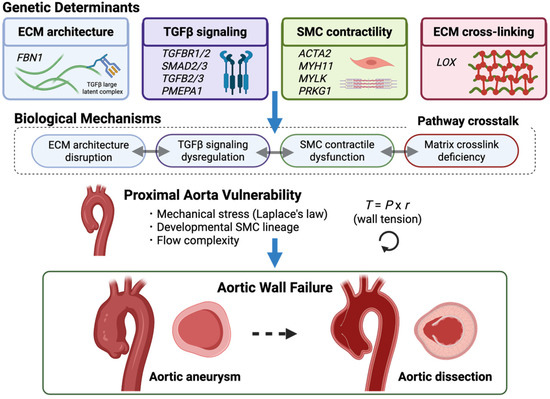
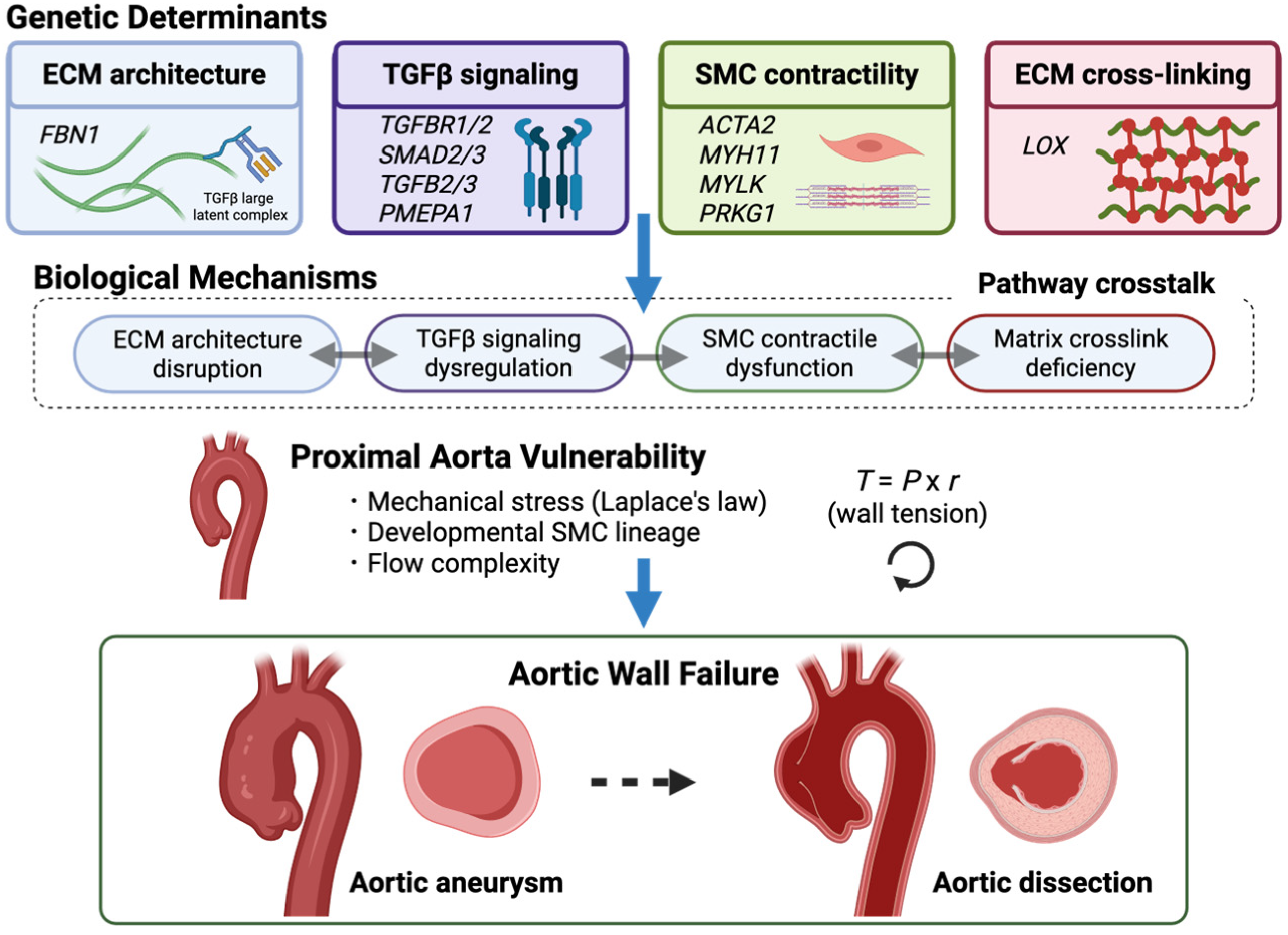
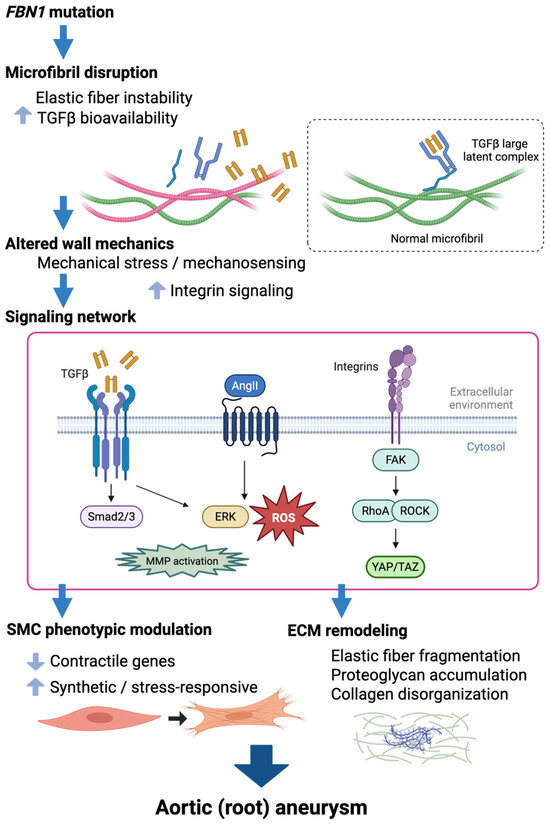
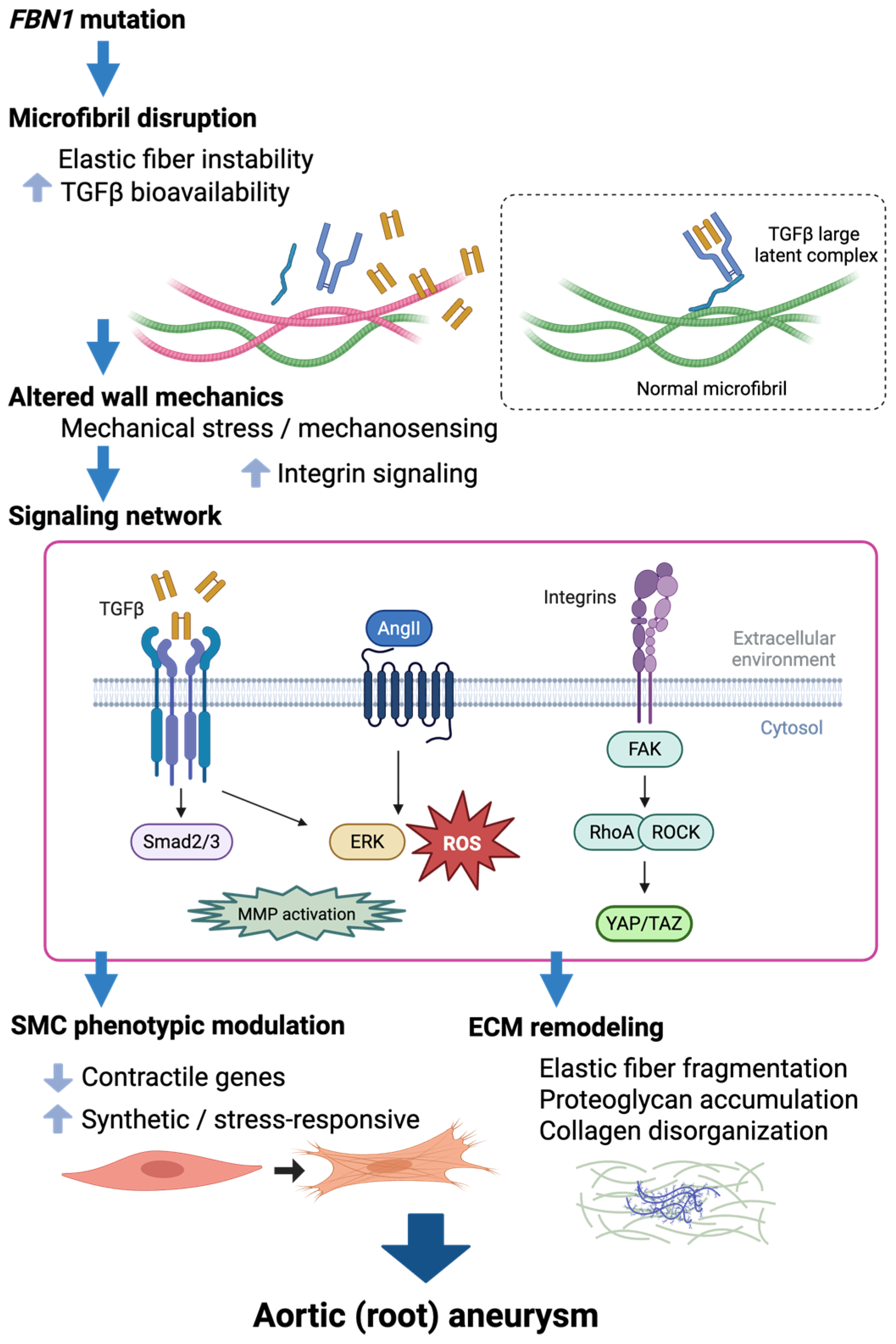
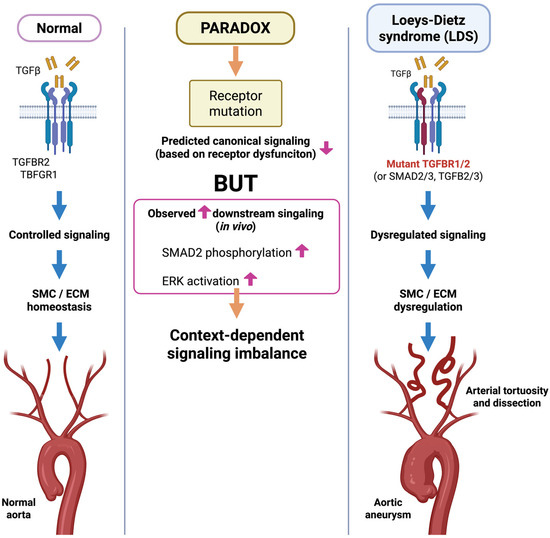
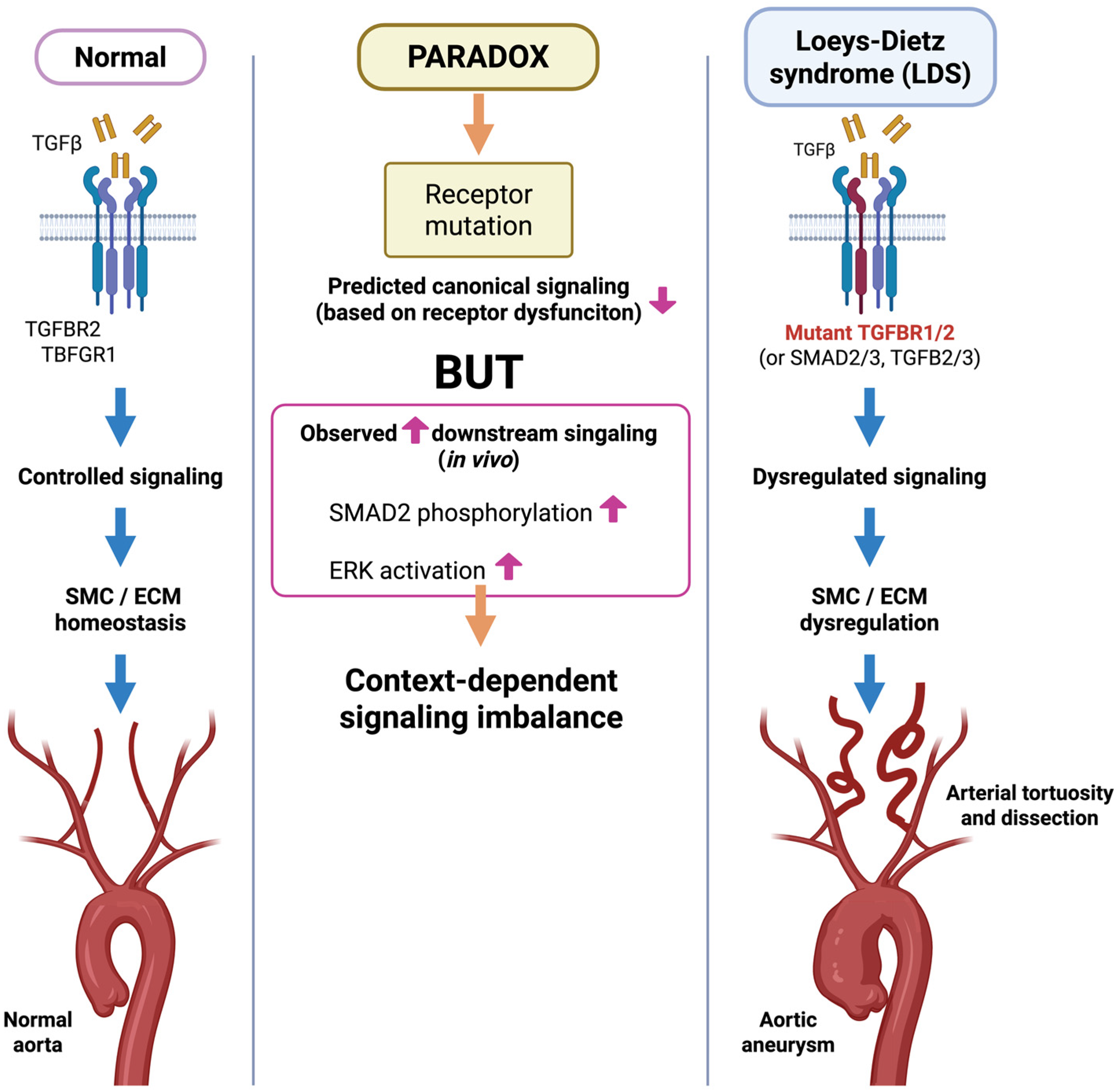
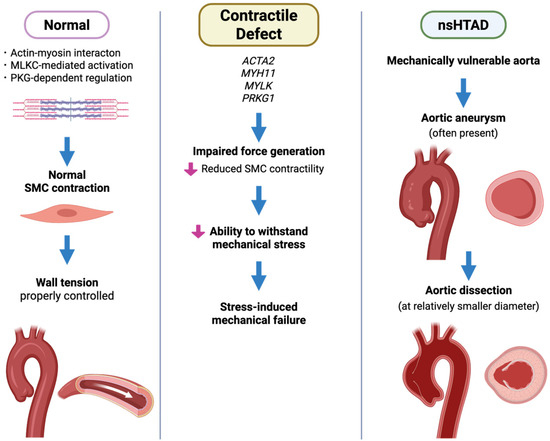
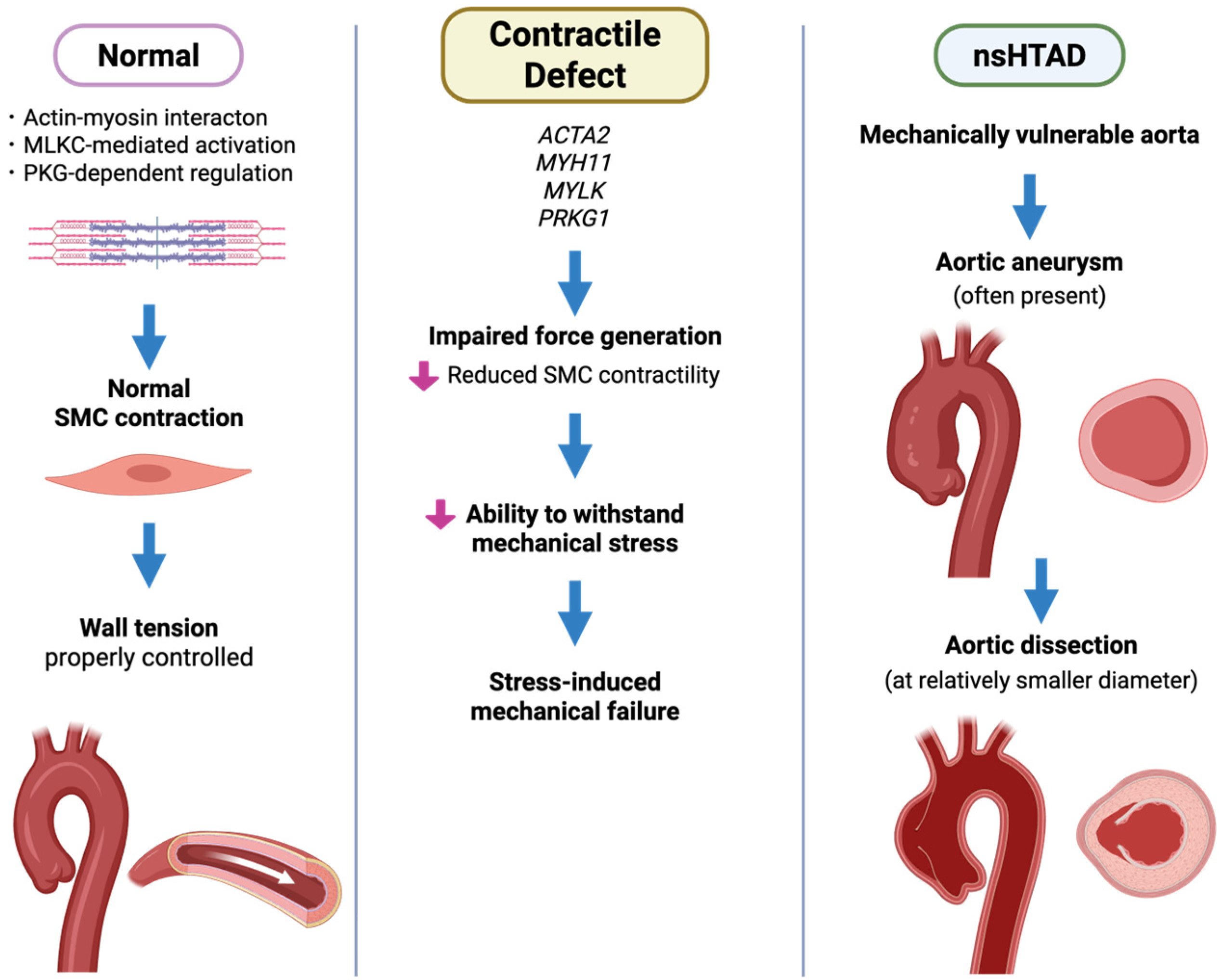

Disclaimer/Publisher’s Note: The statements, opinions and data contained in all publications are solely those of the individual author(s) and contributor(s) and not of MDPI and/or the editor(s). MDPI and/or the editor(s) disclaim responsibility for any injury to people or property resulting from any ideas, methods, instructions or products referred to in the content. |
© 2026 by the authors. Licensee MDPI, Basel, Switzerland. This article is an open access article distributed under the terms and conditions of the Creative Commons Attribution (CC BY) license.