Overcoming Biological Barriers and Drug Resistance Through Next-Generation Nanotherapeutic Delivery in Gastric Cancer

 ,
, 
 , , , and
Abstract
1. Introduction
2. Molecular Pathogenesis of Gastric Cancer
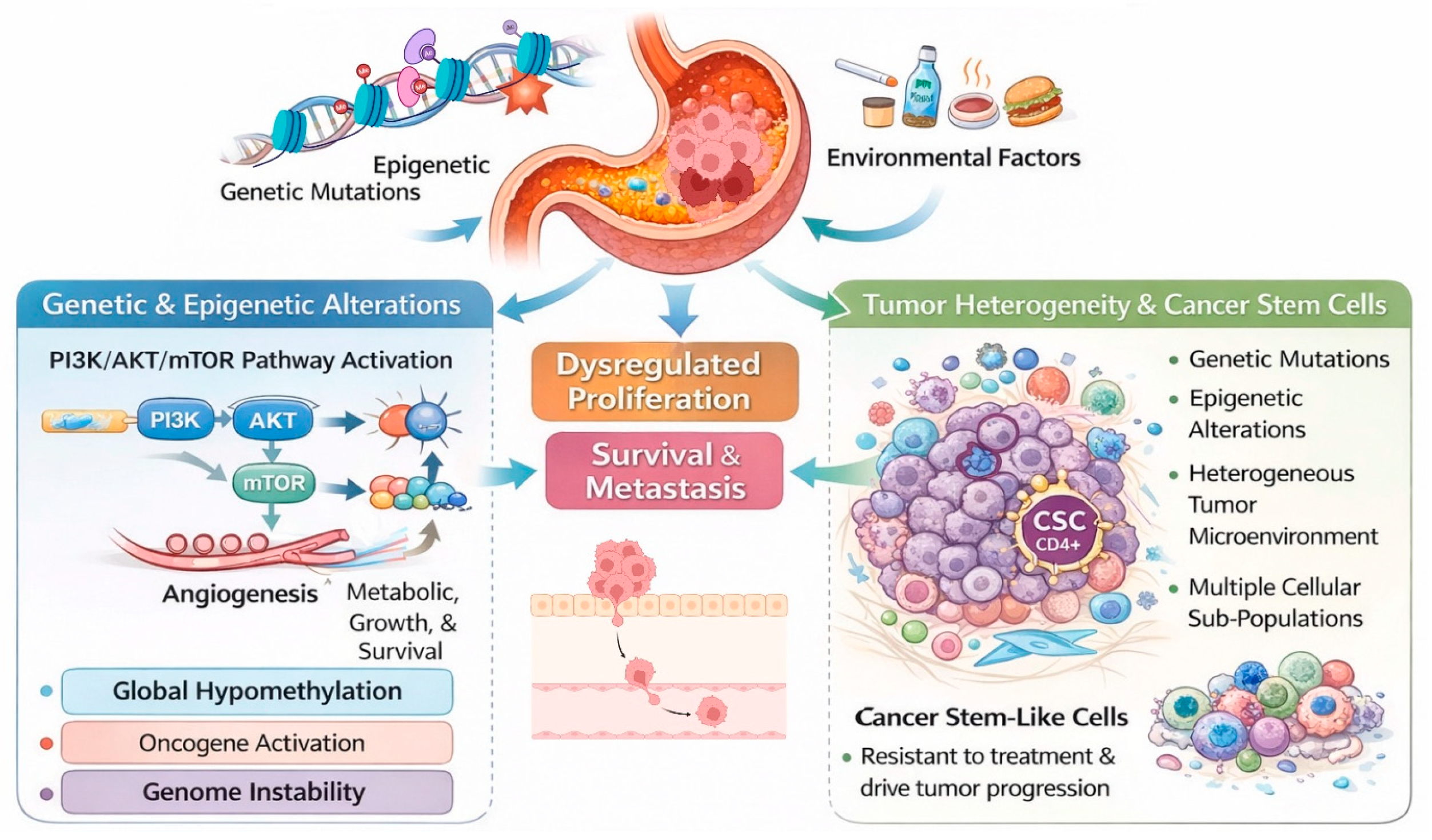
2.1. Genetic and Epigenetic Alterations
2.2. Tumor Heterogeneity and Cancer Stem Cells
2.3. Linking Molecular Pathways to Nanotherapeutic Targeting Strategies in Gastric Cancer
3. Biological Barriers in Gastric Cancer Therapy
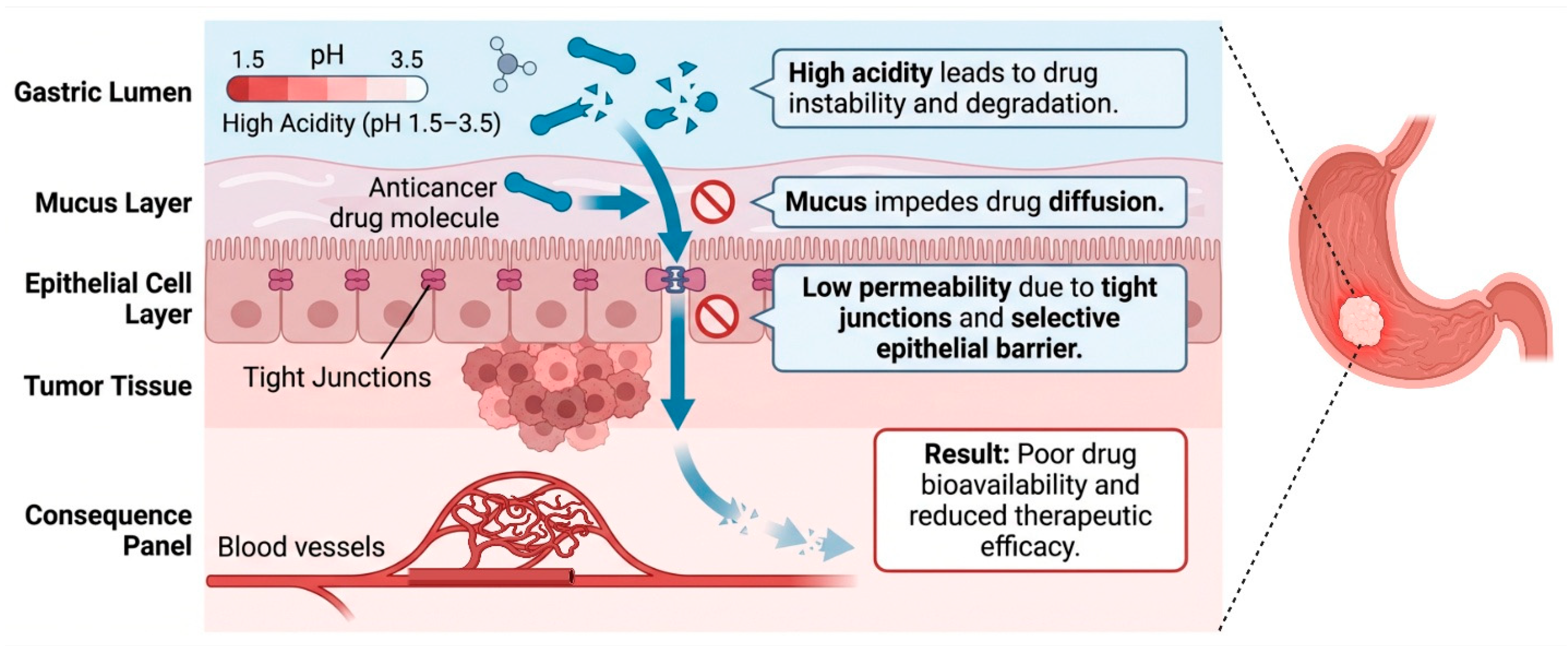
3.1. Gastric Mucosal Barrier and pH Constraints
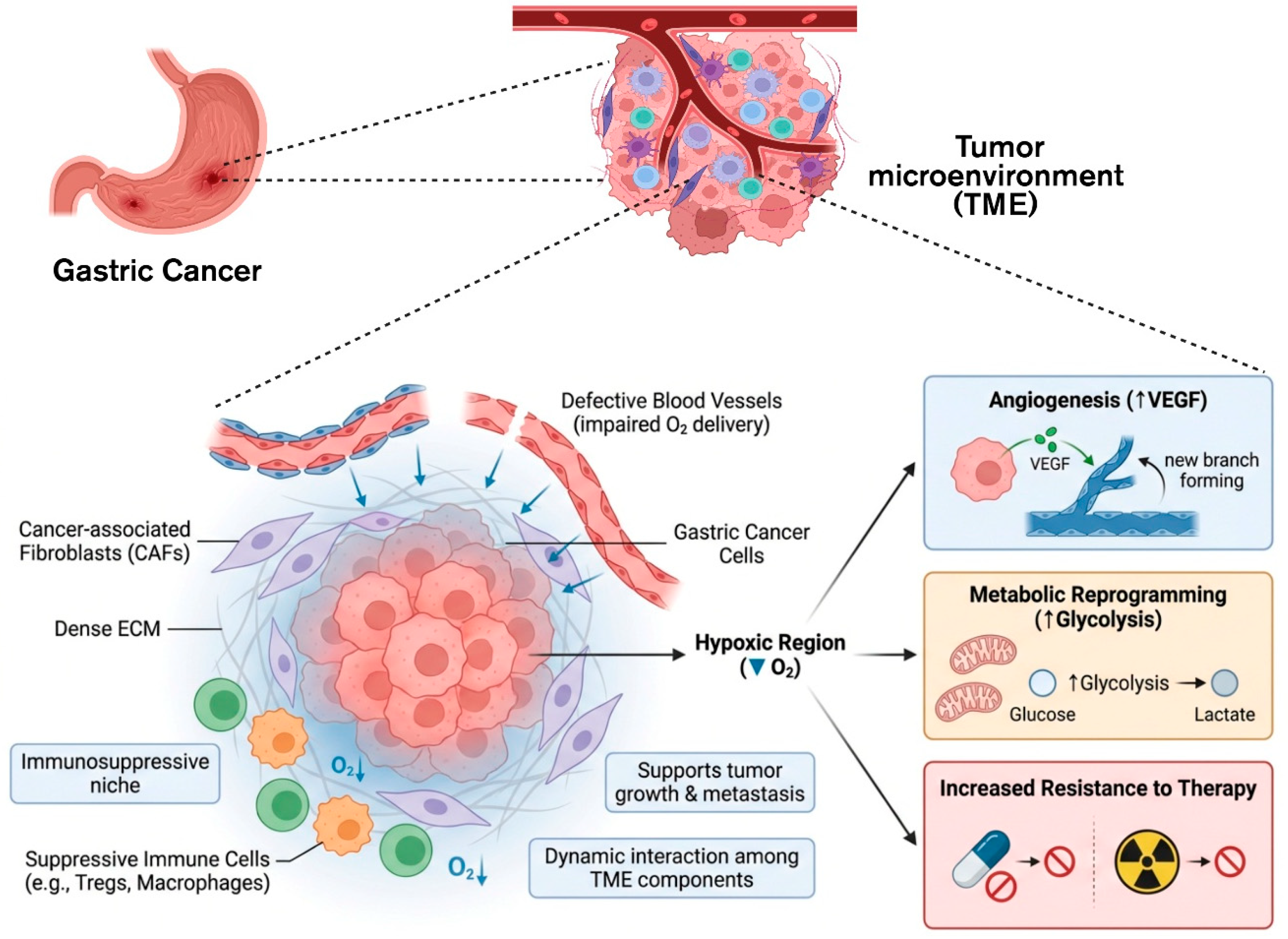
3.2. Tumor Microenvironment (TME)
3.3. Extracellular Matrix (ECM) and Drug Penetration
3.4. Abnormal Tumor Vasculature
3.5. Barriers to Clinical Translation
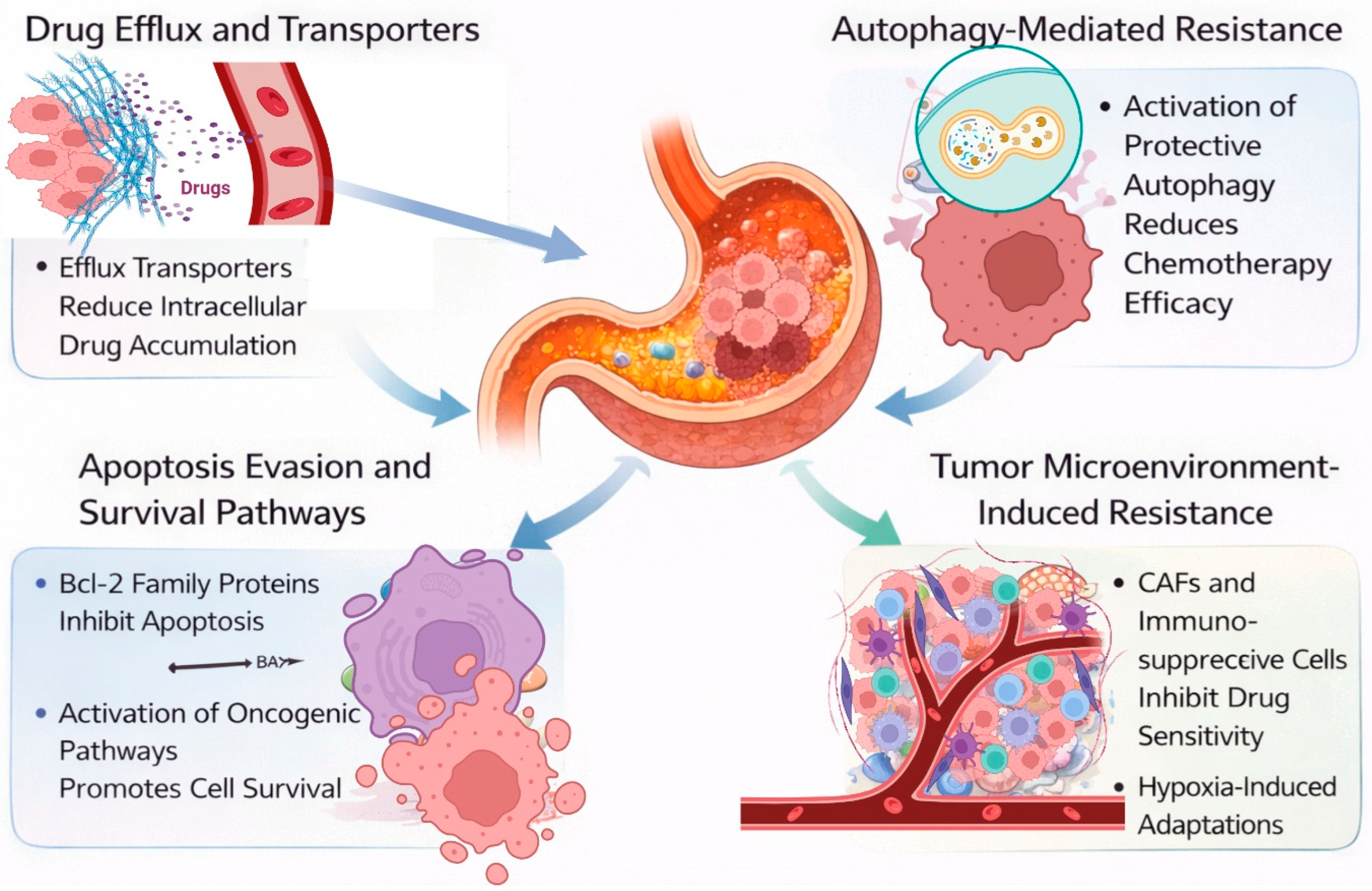
4. Mechanisms of Drug Resistance in Gastric Cancer
4.1. Drug Efflux and Transporters
4.2. Autophagy-Mediated Resistance
4.3. Apoptosis Evasion and Survival Pathways
4.4. Tumor Microenvironment-Induced Resistance
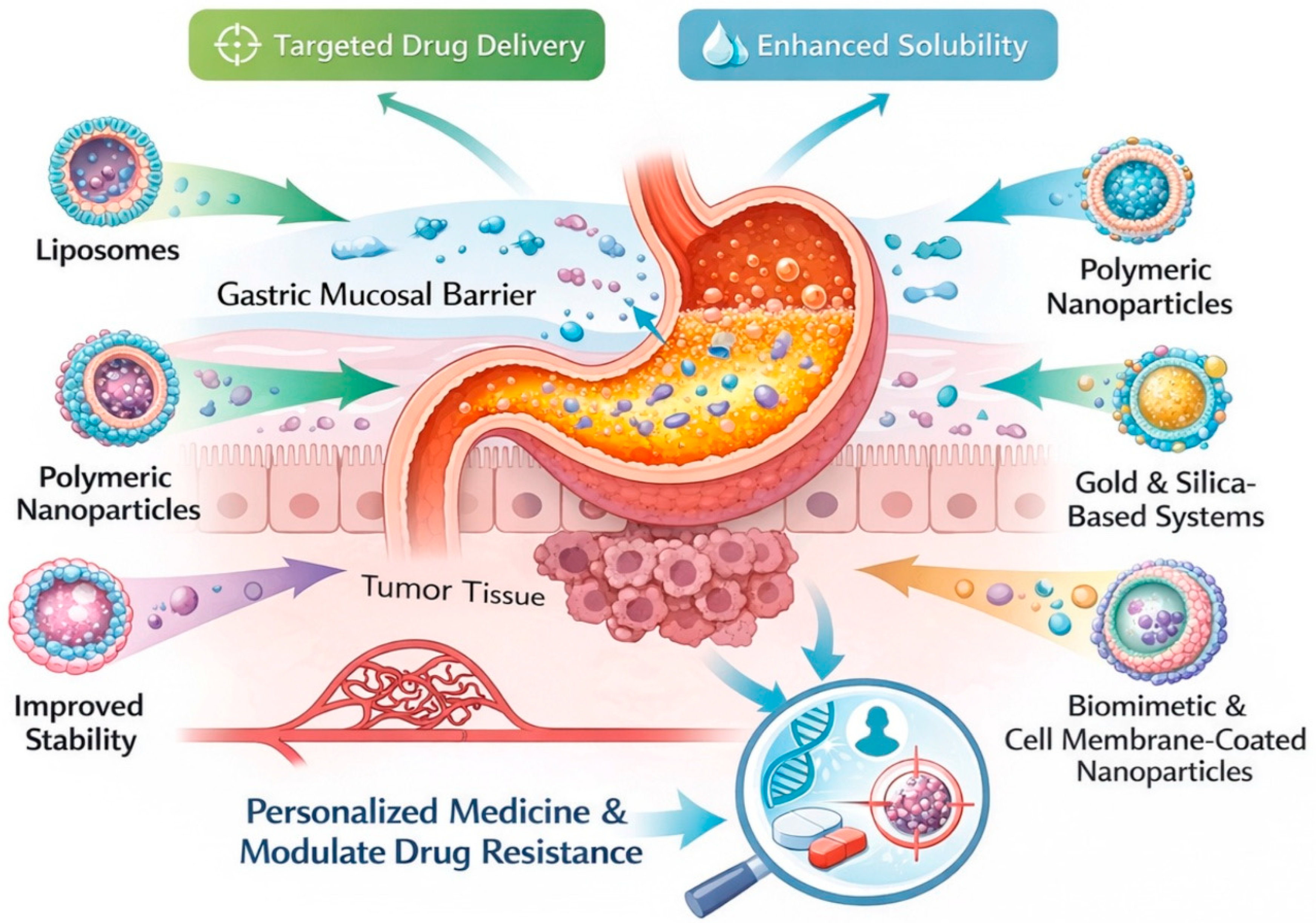
5. Next-Generation Nanotherapeutic Delivery Systems
5.1. Liposomes and Polymeric Nanoparticles
5.2. Dendrimers and Micelles
5.3. Inorganic Nanoparticles
5.4. Biomimetic and Cell Membrane-Coated Nanoparticles
6. Smart and Stimuli-Responsive Nanotherapeutics
6.1. pH-Responsive Systems
6.2. Redox-Responsive Nanocarriers
6.3. Enzyme-Responsive Platforms
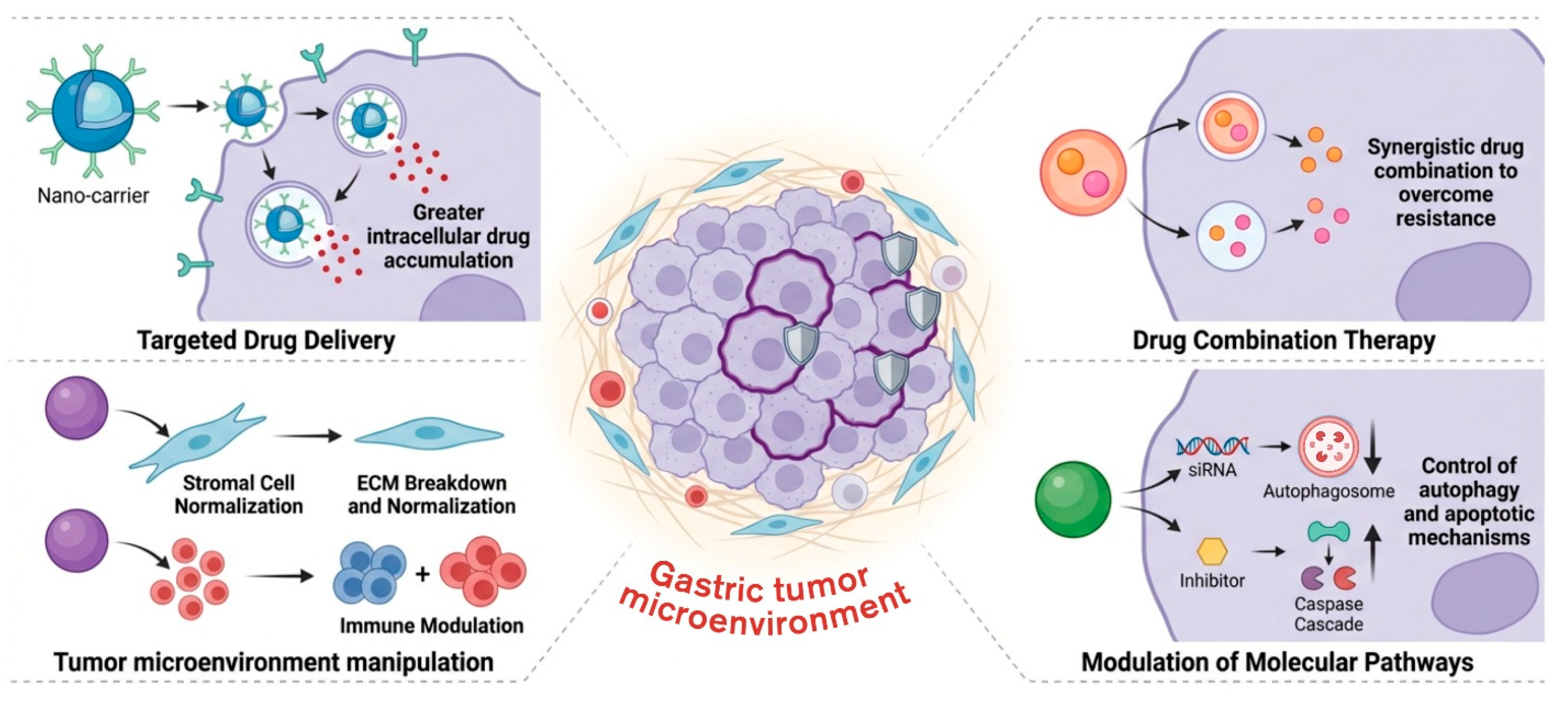
7. Nanotherapeutic Strategies to Overcome Drug Resistance
7.1. Co-Delivery Systems
7.2. Targeting Autophagy and Apoptosis
7.3. Modulation of Tumor Microenvironment
8. Translational and Preclinical Perspectives of Nanotherapeutics in Gastric Cancer
9. Translational and Clinical Perspectives
9.1. Preclinical and Clinical Progress
9.2. Safety, Toxicity, and Regulatory Challenges
10. Key Translational Gaps and Conceptual Framework for Future Research
11. Conclusions
Author Contributions
Funding
Institutional Review Board Statement
Informed Consent Statement
Data Availability Statement
Conflicts of Interest
References
- Shin, W.S.; Xie, F.; Chen, B.; Yu, P.; Yu, J.; To, K.F.; Kang, W. Updated Epidemiology of Gastric Cancer in Asia: Decreased Incidence but Still a Big Challenge. Cancers 2023, 15, 2639. [Google Scholar] [CrossRef] [PubMed]
- Bai, R.; Chen, N.; Liang, T.; Li, L.; Lv, Z.; Lv, X.; Cui, J. Novel Frontiers of Treatment for Advanced Gastric or Gastroesophageal Junction Cancer (GC/GEJC): Will Immunotherapy Be a Future Direction? Front. Oncol. 2020, 10, 912. [Google Scholar] [CrossRef]
- Li, S.; Wu, T.; Wu, J.; Chen, W.; Zhang, D. Recognizing the biological barriers and pathophysiological characteristics of the gastrointestinal tract for the design and application of nanotherapeutics. Drug Deliv. 2024, 31, 2415580. [Google Scholar] [CrossRef]
- Ni, Y.; Zhou, X.; Yang, J.; Shi, H.; Li, H.; Zhao, X.; Ma, X. The Role of Tumor-Stroma Interactions in Drug Resistance Within Tumor Microenvironment. Front. Cell Dev. Biol. 2021, 9, 637675. [Google Scholar] [CrossRef]
- Morgos, D.T.; Stefani, C.; Miricescu, D.; Greabu, M.; Stanciu, S.; Nica, S.; Stanescu, S., II; Balan, D.G.; Balcangiu-Stroescu, A.E.; Coculescu, E.C.; et al. Targeting PI3K/AKT/mTOR and MAPK Signaling Pathways in Gastric Cancer. Int. J. Mol. Sci. 2024, 25, 1848. [Google Scholar] [CrossRef]
- Asl, F.D.; Mousazadeh, M.; Taji, S.; Bahmani, A.; Khashayar, P.; Azimzadeh, M.; Mostafavi, E. Nano drug-delivery systems for management of AIDS: Liposomes, dendrimers, gold and silver nanoparticles. Nanomedicine 2023, 18, 279–302. [Google Scholar] [CrossRef]
- He, J.; Xue, W.; Li, Y. Tumor Microenvironment-Responsive Nanomedicine: Monitoring and Modulating the Tumor Microenvironment for Precision Cancer Therapy. Int. J. Nanomed. 2026, 21, 560983. [Google Scholar] [CrossRef]
- Merghany, R.M.; Osman, S.M.; Reda, B.; Ezzat, S.M. Plant-derived modulators of programmed cell death pathways in cancer: Molecular mechanisms and therapeutic potential. Adv. Tradit. Med. 2026, 1–27. [Google Scholar] [CrossRef]
- Canman, C.E.; Chen, C.Y.; Lee, M.H.; Kastan, M.B. DNA damage responses: P53 induction, cell cycle perturbations, and apoptosis. Cold Spring Harb. Symp. Quant. Biol. 1994, 59, 277–286. [Google Scholar] [CrossRef]
- Meric-Bernstam, F.; Johnson, A.M.; Dumbrava, E.E.I.; Raghav, K.; Balaji, K.; Bhatt, M.; Murthy, R.K.; Rodon, J.; Piha-Paul, S.A. Advances in HER2-Targeted Therapy: Novel Agents and Opportunities Beyond Breast and Gastric Cancer. Clin. Cancer Res. 2019, 25, 2033–2041. [Google Scholar] [CrossRef]
- Kim, M.-W.; Lee, S.-E.; Park, S.E.; Cheon, C.; Ko, S.-G. JI-CJ001 Enhances Paclitaxel Sensitivity in Gastric Cancer Cell Lines through Inhibition of HER2/mTOR Signaling and Induction of Autophagy. Anticancer. Res. 2026, 46, 1993–2006. [Google Scholar] [CrossRef]
- Yang, L.; Liu, Y.N.; Gu, Y.; Guo, Q. Deltonin enhances gastric carcinoma cell apoptosis and chemosensitivity to cisplatin via inhibiting PI3K/AKT/mTOR and MAPK signaling. World J. Gastrointest. Oncol. 2023, 15, 1739–1755. [Google Scholar] [CrossRef]
- Wu, C.; Zhuang, Y.; Jiang, S.; Liu, S.; Zhou, J.; Wu, J.; Teng, Y.; Xia, B.; Wang, R.; Zou, X. Interaction between Wnt/β-catenin pathway and microRNAs regulates epithelial-mesenchymal transition in gastric cancer (Review). Int. J. Oncol. 2016, 48, 2236–2246. [Google Scholar] [CrossRef]
- Kwak, M.S.; Cha, J.M.; Kim, C.W.; Won, K.Y.; Hwang, C.-I. Integrative multi-omics deciphers the potential mechanism and microbial biomarkers for lymph node metastasis in colorectal cancer. Sci. Rep. 2025, 15, 38611. [Google Scholar] [CrossRef]
- Smith, Z.D.; Hetzel, S.; Meissner, A. DNA methylation in mammalian development and disease. Nat. Rev. Genet. 2025, 26, 7–30. [Google Scholar] [CrossRef]
- Bai, L.; Yan, X.; Wang, Z.; Zhang, Z. The Dual Role of DNA Hypermethylation and Hypomethylation in Colorectal and Gastric Tumorigenesis: Mechanisms and Non-Invasive Biomarker. Front. Biosci. (Landmark Ed.) 2026, 31, 46159. [Google Scholar] [CrossRef]
- Zaib, S.; Rana, N.; Khan, I. Histone Modifications and their Role in Epigenetics of Cancer. Curr. Med. Chem. 2022, 29, 2399–2411. [Google Scholar] [CrossRef]
- Park, H.; Yu, S.; Koo, T. Gene editing in cancer therapy: Overcoming drug resistance and enhancing precision medicine. Cancer Gene Ther. 2025, 32, 1293–1302. [Google Scholar] [CrossRef]
- Alsina, M.; Arrazubi, V.; Diez, M.; Tabernero, J. Current developments in gastric cancer: From molecular profiling to treatment strategy. Nat. Rev. Gastroenterol. Hepatol. 2023, 20, 155–170. [Google Scholar] [CrossRef]
- Thakur, S.; Haider, S.; Natrajan, R. Implications of tumour heterogeneity on cancer evolution and therapy resistance: Lessons from breast cancer. J. Pathol. 2023, 260, 621–636. [Google Scholar] [CrossRef]
- Yang, Y.; Meng, W.J.; Wang, Z.Q. The origin of gastric cancer stem cells and their effects on gastric cancer: Novel therapeutic targets for gastric cancer. Front. Oncol. 2022, 12, 960539. [Google Scholar] [CrossRef]
- Zhou, H.M.; Zhang, J.G.; Zhang, X.; Li, Q. Targeting cancer stem cells for reversing therapy resistance: Mechanism, signaling, and prospective agents. Signal Transduct. Target. Ther. 2021, 6, 62. [Google Scholar] [CrossRef]
- Najafi, M.; Farhood, B.; Mortezaee, K.; Kharazinejad, E.; Majidpoor, J.; Ahadi, R. Hypoxia in solid tumors: A key promoter of cancer stem cell (CSC) resistance. J. Cancer Res. Clin. Oncol. 2020, 146, 19–31. [Google Scholar] [CrossRef]
- Fatima, F.; Chourasiya, N.K.; Mishra, M.; Kori, S.; Pathak, S.; Das, R.; Kashaw, V.; Iyer, A.K.; Kashaw, S.K. Curcumin and its derivatives targeting multiple signaling pathways to elicit anticancer activity: A comprehensive perspective. Curr. Med. Chem. 2024, 31, 3668–3714. [Google Scholar] [CrossRef] [PubMed]
- Rahman, M.A.; Jalouli, M.; Bhajan, S.K.; Al-Zharani, M.; Harrath, A.H. A Comprehensive Review of Nanoparticle-Based Drug Delivery for Modulating PI3K/AKT/mTOR-Mediated Autophagy in Cancer. Int. J. Mol. Sci. 2025, 26, 1868. [Google Scholar] [CrossRef] [PubMed]
- Saha, T.; Lukong, K.E. Breast cancer stem-like cells in drug resistance: A review of mechanisms and novel therapeutic strategies to overcome drug resistance. Front. Oncol. 2022, 12, 856974. [Google Scholar] [CrossRef] [PubMed]
- Cao, J.; Bhatnagar, S.; Wang, J.; Qi, X.; Prabha, S.; Panyam, J. Cancer stem cells and strategies for targeted drug delivery. Drug Deliv. Transl. Res. 2021, 11, 1779–1805. [Google Scholar] [CrossRef]
- Rahman, M.A.; Hwang, H.; Nah, S.-Y.; Rhim, H. Gintonin stimulates autophagic flux in primary cortical astrocytes. J. Ginseng Res. 2020, 44, 67–78. [Google Scholar] [CrossRef]
- Rahman, M.A.; Bishayee, K.; Habib, K.; Sadra, A.; Huh, S.-O. 18α-Glycyrrhetinic acid lethality for neuroblastoma cells via de-regulating the Beclin-1/Bcl-2 complex and inducing apoptosis. Biochem. Pharmacol. 2016, 117, 97–112. [Google Scholar] [CrossRef]
- Rahman, M.A.; Jalouli, M.; Yadab, M.K.; Al-Zharani, M. Progress in drug delivery systems based on nanoparticles for improved glioblastoma therapy: Addressing challenges and investigating opportunities. Cancers 2025, 17, 701. [Google Scholar] [CrossRef]
- Jia, X.; He, Y.; Li, L.; Xu, D. Pharmacological targeting of gastric mucosal barrier with traditional Chinese medications for repairing gastric mucosal injury. Front. Pharmacol. 2023, 14, 1091530. [Google Scholar] [CrossRef] [PubMed]
- Moens, F.; Larsson, A.; De Blaiser, A.; Vandevijver, G.; Spreafico, F.; Nicolas, J.M.; Lacombe, L.; Segregur, D.; Flanagan, T.; Berben, P. Contribution of the Dynamic Intestinal Absorption Model (Diamod) to the Development of a Patient-Centric Drug Formulation. Mol. Pharm. 2023, 20, 6197–6212. [Google Scholar] [CrossRef]
- Nie, W.; Zhang, X.; Kang, P.; Lan, J.; Li, Z.; Gu, D.; Zhou, R.; Ding, Y.; Zhang, T. Exploring the influence of polysaccharide on gastrointestinal stability, drug release and formation mechanism of nanoparticles in Zhimu and Huangbai herb pair decoction. Sci. Rep. 2025, 15, 8293. [Google Scholar] [CrossRef]
- Xu, M.; Tian, S.; Wang, J.; Gan, S.; Zhang, Z.; Weng, L. Application of Nanodrug Delivery Systems in Enhancing Treatment of Gastritis and Gastric Cancer: A Systematic Evaluation of Targeted Therapy. Pharmaceutics 2025, 17, 683. [Google Scholar] [CrossRef]
- Yang, Y.; Meng, W.J.; Wang, Z.Q. Cancer Stem Cells and the Tumor Microenvironment in Gastric Cancer. Front. Oncol. 2021, 11, 803974. [Google Scholar] [CrossRef]
- Wang, L.; Zhang, L.; Zhang, Z.; Wu, P.; Zhang, Y.; Chen, X. Advances in targeting tumor microenvironment for immunotherapy. Front. Immunol. 2024, 15, 1472772. [Google Scholar] [CrossRef] [PubMed]
- Schito, L.; Semenza, G.L. Hypoxia-Inducible Factors: Master Regulators of Cancer Progression. Trends Cancer 2016, 2, 758–770. [Google Scholar] [CrossRef] [PubMed]
- Liu, Y.; Li, C.; Lu, Y.; Liu, C.; Yang, W. Tumor microenvironment-mediated immune tolerance in development and treatment of gastric cancer. Front. Immunol. 2022, 13, 1016817. [Google Scholar] [CrossRef] [PubMed]
- Zhang, M.; Zhang, B. Extracellular matrix stiffness: Mechanisms in tumor progression and therapeutic potential in cancer. Exp. Hematol. Oncol. 2025, 14, 54. [Google Scholar] [CrossRef]
- Huang, T.; Song, C.; Zheng, L.; Xia, L.; Li, Y.; Zhou, Y. The roles of extracellular vesicles in gastric cancer development, microenvironment, anti-cancer drug resistance, and therapy. Mol. Cancer 2019, 18, 62. [Google Scholar] [CrossRef]
- Dzobo, K.; Dandara, C. The Extracellular Matrix: Its Composition, Function, Remodeling, and Role in Tumorigenesis. Biomimetics 2023, 8, 146. [Google Scholar] [CrossRef]
- Lester, B.R.; McCarthy, J.B. Tumor cell adhesion to the extracellular matrix and signal transduction mechanisms implicated in tumor cell motility, invasion and metastasis. Cancer Metastasis Rev. 1992, 11, 31–44. [Google Scholar] [CrossRef]
- Yuan, Z.; Li, Y.; Zhang, S.; Wang, X.; Dou, H.; Yu, X.; Zhang, Z.; Yang, S.; Xiao, M. Extracellular matrix remodeling in tumor progression and immune escape: From mechanisms to treatments. Mol. Cancer 2023, 22, 48. [Google Scholar] [CrossRef]
- Giubelan, A.; Stancu, M.I.; Honţaru, S.O.; Mălăescu, G.D.; Badea-Voiculescu, O.; Firoiu, C.; Mogoantă, S. Tumor angiogenesis in gastric cancer. Rom. J. Morphol. Embryol. 2023, 64, 311–318. [Google Scholar] [CrossRef]
- Subhan, M.A.; Yalamarty, S.S.K.; Filipczak, N.; Parveen, F.; Torchilin, V.P. Recent Advances in Tumor Targeting via EPR Effect for Cancer Treatment. J. Pers. Med. 2021, 11, 571. [Google Scholar] [CrossRef]
- Wiig, H.; Swartz, M.A. Interstitial fluid and lymph formation and transport: Physiological regulation and roles in inflammation and cancer. Physiol. Rev. 2012, 92, 1005–1060. [Google Scholar] [CrossRef]
- de Souza Cardoso Delfino, C.; de Paula Pereira, M.C.; dos Santos Oliveira, M.; de Carvalho Favareto, I.; Valladão, V.S.; de Oliveira Mota, M.; Costa, M.V.B.; Sousa-Batista, A.J.; Balbino, T.A. Scaling nanopharmaceutical production for personalized medicine: Challenges and strategies. J. Nanoparticle Res. 2025, 27, 108. [Google Scholar] [CrossRef]
- Csóka, I.; Ismail, R.; Jójárt-Laczkovich, O.; Pallagi, E. Regulatory considerations, challenges and risk-based approach in nanomedicine development. Curr. Med. Chem. 2021, 28, 7461–7476. [Google Scholar] [CrossRef]
- Ji, N.; Li, H.; Zhang, Y.; Li, Y.; Wang, P.; Chen, X.; Liu, Y.N.; Wang, J.Q.; Yang, Y.; Chen, Z.S.; et al. Lansoprazole (LPZ) reverses multidrug resistance (MDR) in cancer through impeding ATP-binding cassette (ABC) transporter-mediated chemotherapeutic drug efflux and lysosomal sequestration. Drug Resist. Updat. 2024, 76, 101100. [Google Scholar] [CrossRef] [PubMed]
- Rahman, M.A.; Rakib-Uz-Zaman, S.M.; Chakraborti, S.; Bhajan, S.K.; Gupta, R.D.; Jalouli, M.; Parvez, M.A.K.; Shaikh, M.H.; Hoque Apu, E.; Harrath, A.H.; et al. Advancements in Utilizing Natural Compounds for Modulating Autophagy in Liver Cancer: Molecular Mechanisms and Therapeutic Targets. Cells 2024, 13, 1186. [Google Scholar] [CrossRef] [PubMed]
- Rahman, M.A.; Jalouli, M.; Al-Zharani, M.; Hoque Apu, E.; Harrath, A.H. Mechanistic Insights into Autophagy-Dependent Cell Death (ADCD): A Novel Avenue for Cancer Therapy. Cells 2025, 14, 1072. [Google Scholar] [CrossRef]
- Guo, X.L.; Hu, F.; Wang, H.; Fang, J.M.; Zhu, Z.; Wei, L.; Xu, Q. Inhibition of autophagy in hepatocarcinoma cells promotes chemotherapeutic agent-induced apoptosis during nutrient deprivation. Oncol. Rep. 2018, 39, 773–783. [Google Scholar] [CrossRef] [PubMed]
- Harrath, A.H.; Rahman, M.A.; Bhajan, S.K.; Bishwas, A.K.; Rahman, M.D.H.; Alwasel, S.; Jalouli, M.; Kang, S.; Park, M.N.; Kim, B. Autophagy and Female Fertility: Mechanisms, Clinical Implications, and Emerging Therapies. Cells 2024, 13, 1354. [Google Scholar] [CrossRef]
- Rahman, M.A.; Cho, Y.; Nam, G.; Rhim, H. Antioxidant compound, oxyresveratrol, inhibits APP production through the AMPK/ULK1/mTOR-mediated autophagy pathway in mouse cortical astrocytes. Antioxidants 2021, 10, 408. [Google Scholar] [CrossRef]
- Yu, F.; Ma, R.; Liu, C.; Zhang, L.; Feng, K.; Wang, M.; Yin, D. SQSTM1/p62 Promotes Cell Growth and Triggers Autophagy in Papillary Thyroid Cancer by Regulating the AKT/AMPK/mTOR Signaling Pathway. Front. Oncol. 2021, 11, 638701. [Google Scholar] [CrossRef]
- Jalouli, M.; Harrath, A.H.; Al-Zharani, M.; Rahman, M.A. Autophagy Modulation in Cancer Immunotherapy, Emerging Molecular Targets and Drug Selection Strategies. Int. J. Mol. Sci. 2026, 27, 2183. [Google Scholar] [CrossRef]
- Spirina, L.V.; Avgustinovich, A.V.; Afanas’ev, S.G.; Cheremisina, O.V.; Volkov, M.Y.; Choynzonov, E.L.; Gorbunov, A.K.; Usynin, E.A. Molecular Mechanism of Resistance to Chemotherapy in Gastric Cancers, the Role of Autophagy. Curr. Drug Targets 2020, 21, 713–721. [Google Scholar] [CrossRef] [PubMed]
- Rahman, M.A.; Ahmed, K.R.; Haque, F.; Park, M.N.; Kim, B. Recent advances in cellular signaling interplay between redox metabolism and autophagy modulation in cancer: An overview of molecular mechanisms and therapeutic interventions. Antioxidants 2023, 12, 428. [Google Scholar] [CrossRef] [PubMed]
- Babaei, F.; Abdzadeh, S.; Bakhshandeh, N.; Derakhshandeh, Z.; Dehghan-Nayeri, M.J.; Sarafraz Ardakani, M.R.; Babaei, E.; Mahdavi, M. Molecular mechanisms of apoptosis induction in KG1a leukemia cells by the Ginkgo biloba extract (EGb). Adv. Tradit. Med. 2025, 25, 639–651. [Google Scholar] [CrossRef]
- Rahman, A.; Hong, J.; Huh, S. Antiproliferative properties of Saussurea lappa Clarke root extract in SH-SY5Y neuroblastoma cells via intrinsic apoptotic pathway. Anim. Cells Syst. 2015, 19, 119–126. [Google Scholar] [CrossRef]
- Abusaliya, A.; Jeong, S.H.; Bhosale, P.B.; Kim, H.H.; Park, M.Y.; Kim, E.; Won, C.K.; Park, K.I.; Heo, J.D.; Kim, H.W.; et al. Mechanistic Action of Cell Cycle Arrest and Intrinsic Apoptosis via Inhibiting Akt/mTOR and Activation of p38-MAPK Signaling Pathways in Hep3B Liver Cancer Cells by Prunetrin-A Flavonoid with Therapeutic Potential. Nutrients 2023, 15, 3407. [Google Scholar] [CrossRef]
- Kwon, Y.H.; Bishayee, K.; Rahman, A.; Hong, J.S.; Lim, S.-S.; Huh, S.-O. Morus alba accumulates reactive oxygen species to initiate apoptosis via FOXO-caspase 3-dependent pathway in neuroblastoma cells. Mol. Cells 2015, 38, 630–637. [Google Scholar] [CrossRef]
- Sokolova, O.; Naumann, M. NF-κB Signaling in Gastric Cancer. Toxins 2017, 9, 119. [Google Scholar] [CrossRef]
- Kim, H.J.; Hawke, N.; Baldwin, A.S. NF-kappaB and IKK as therapeutic targets in cancer. Cell Death Differ. 2006, 13, 738–747. [Google Scholar] [CrossRef]
- Chen, Z.; Han, F.; Du, Y.; Shi, H.; Zhou, W. Hypoxic microenvironment in cancer: Molecular mechanisms and therapeutic interventions. Signal Transduct. Target. Ther. 2023, 8, 70. [Google Scholar] [CrossRef] [PubMed]
- Rahman, M.A.; Jalouli, M.; Bhajan, S.K.; Al-Zharani, M.; Harrath, A.H. The Role of Hypoxia-Inducible Factor-1α (HIF-1α) in the Progression of Ovarian Cancer: Perspectives on Female Infertility. Cells 2025, 14, 437. [Google Scholar] [CrossRef]
- Anfray, C.; Ummarino, A.; Andón, F.T.; Allavena, P. Current Strategies to Target Tumor-Associated-Macrophages to Improve Anti-Tumor Immune Responses. Cells 2019, 9, 437. [Google Scholar] [CrossRef]
- Barroso, T.; Melo-Alvim, C.; Ribeiro, L.A.; Casimiro, S.; Costa, L. Targeting Inhibitor of Apoptosis Proteins to Overcome Chemotherapy Resistance—A Marriage between Targeted Therapy and Cytotoxic Chemotherapy. Int. J. Mol. Sci. 2023, 24, 13385. [Google Scholar] [CrossRef]
- Nejati, K.; Rastegar, M.; Fathi, F.; Dadashpour, M.; Arabzadeh, A. Nanoparticle-based drug delivery systems to overcome gastric cancer drug resistance. J. Drug Deliv. Sci. Technol. 2022, 70, 103231. [Google Scholar] [CrossRef]
- Das, M.; Huang, L. Liposomal nanostructures for drug delivery in gastrointestinal cancers. J. Pharmacol. Exp. Ther. 2019, 370, 647–656. [Google Scholar] [CrossRef] [PubMed]
- Kumar, K.; Rani, V.; Mishra, M.; Chawla, R. New paradigm in combination therapy of siRNA with chemotherapeutic drugs for effective cancer therapy. Curr. Res. Pharmacol. Drug Discov. 2022, 3, 100103. [Google Scholar] [CrossRef]
- Cortes, J.; Saura, C. Nanoparticle albumin-bound (nab™)-paclitaxel: Improving efficacy and tolerability by targeted drug delivery in metastatic breast cancer. Eur. J. Cancer Suppl. 2010, 8, 1–10. [Google Scholar] [CrossRef]
- Lipka, B.; Lipka, M.; Rycerski, M.; Toroń, M.; Wołoszyn, A.; Tokarczyk, W.; Mordarski, J. Current landscape of photosensitizers in photodynamic therapy: Challenges and future perspectives-a literature review. Wiadomości Lek. 2026, 2026, 408–416. [Google Scholar]
- Harrath, A.H.; Jalouli, M.; Al-Zharani, M.; Rahman, M.A. Recent Update Targeting Autophagy-Apoptosis Crosstalk Using Bioactive Natural Products for Ovarian Cancer Treatment. Biomedicines 2026, 14, 212. [Google Scholar] [CrossRef]
- Sahajwalla, C. New Drug Development: Regulatory Paradigms for Clinical Pharmacology and Biopharmaceutics; CRC Press: Boca Raton, FL, USA, 2004. [Google Scholar]
- Silverman, L.; Barenholz, Y. In vitro experiments showing enhanced release of doxorubicin from Doxil® in the presence of ammonia may explain drug release at tumor site. Nanomed. Nanotechnol. Biol. Med. 2015, 11, 1841–1850. [Google Scholar] [CrossRef]
- Danhier, F.; Danhier, P.; De Saedeleer, C.J.; Fruytier, A.-C.; Schleich, N.; des Rieux, A.; Sonveaux, P.; Gallez, B.; Préat, V. Paclitaxel-loaded micelles enhance transvascular permeability and retention of nanomedicines in tumors. Int. J. Pharm. 2015, 479, 399–407. [Google Scholar] [CrossRef]
- Oe, Y.; Christie, R.J.; Naito, M.; Low, S.A.; Fukushima, S.; Toh, K.; Miura, Y.; Matsumoto, Y.; Nishiyama, N.; Miyata, K. Actively-targeted polyion complex micelles stabilized by cholesterol and disulfide cross-linking for systemic delivery of siRNA to solid tumors. Biomaterials 2014, 35, 7887–7895. [Google Scholar] [CrossRef] [PubMed]
- Dreaden, E.C.; Alkilany, A.M.; Huang, X.; Murphy, C.J.; El-Sayed, M.A. The golden age: Gold nanoparticles for biomedicine. Chem. Soc. Rev. 2012, 41, 2740–2779. [Google Scholar]
- Paris, J.L.; Baeza, A.; Vallet-Regí, M. Overcoming the stability, toxicity, and biodegradation challenges of tumor stimuli-responsive inorganic nanoparticles for delivery of cancer therapeutics. Expert Opin. Drug Deliv. 2019, 16, 1095–1112. [Google Scholar] [CrossRef] [PubMed]
- Fang, R.H.; Kroll, A.V.; Gao, W.; Zhang, L. Cell membrane coating nanotechnology. Adv. Mater. 2018, 30, 1706759. [Google Scholar] [CrossRef]
- Gradishar, W.J.; Krasnojon, D.; Cheporov, S.; Makhson, A.N.; Manikhas, G.M.; Clawson, A.; Bhar, P. Significantly longer progression-free survival with nab-paclitaxel compared with docetaxel as first-line therapy for metastatic breast cancer. J. Clin. Oncol. 2009, 27, 3611–3619. [Google Scholar] [PubMed]
- Setia, A.; Sahu, R.K.; Ray, S.; Widyowati, R.; Ekasari, W.; Saraf, S. Advances in hybrid vesicular-based drug delivery systems: Improved biocompatibility, targeting, therapeutic efficacy and pharmacokinetics of anticancer drugs. Curr. Drug Metab. 2022, 23, 757–780. [Google Scholar] [CrossRef] [PubMed]
- Munir, M.U. Nanomedicine penetration to tumor: Challenges, and advanced strategies to tackle this issue. Cancers 2022, 14, 2904. [Google Scholar] [CrossRef]
- Thakor, A.S. The third pillar of precision medicine—Precision delivery. Medcomm 2025, 6, e70200. [Google Scholar] [CrossRef]
- Basak, S. Engineering Glutathione Peroxidase-Loaded Polymeric Nanogels Through a Grafting-To Route for Enhanced Enzyme Stability and Activity. Polymers 2025, 17, 3180. [Google Scholar] [CrossRef] [PubMed]



| Nanoplatform | Key Features | Advantages | Limitations | Targeting Strategy | Translational Potential | Relevance to Gastric Cancer |
|---|---|---|---|---|---|---|
| Liposomes | Phospholipid vesicles encapsulating hydrophilic and hydrophobic drugs | High biocompatibility, improved solubility and stability, reduced toxicity, PEGylation enhances circulation time | Limited tumor penetration, drug leakage, dependence on EPR effect | Passive (EPR), PEGylation, ligand modification | High (clinical use available) | Effective for improving pharmacokinetics and reducing systemic toxicity |
| Polymeric Nanoparticles (PLGA, chitosan) | Biodegradable polymer-based carriers with controlled release properties | Sustained drug release, high stability, tunable design, stimuli-responsive delivery | Scale-up challenges, batch variability, possible polymer toxicity | Passive + Active (ligands, antibodies) | Moderate–High (some clinical translation) | Suitable for overcoming acidic TME and enabling targeted delivery |
| Dendrimers | Highly branched, tree-like macromolecules with multiple functional groups | Precise drug conjugation, high loading capacity, multifunctional (targeting + imaging) | Complex synthesis, potential cytotoxicity, clearance issues | Active targeting via surface functionalization | Low–Moderate (mostly preclinical) | Useful for gene delivery and combination therapy |
| Polymeric Micelles | Self-assembled amphiphilic structures with hydrophobic core | Ideal for poorly soluble drugs, improved stability in circulation, controlled release | Instability upon dilution, premature drug release | Passive targeting, stimuli-responsive | Moderate (limited clinical use) | Enhances delivery of hydrophobic chemotherapeutics |
| Inorganic Nanoparticles (Gold, Silica) | Metal or silica-based nanostructures with tunable physicochemical properties | High surface area, imaging capability (theranostics), photothermal effects | Long-term toxicity, poor biodegradability, clearance concerns | Active + Stimuli-responsive | Low (preclinical stage) | Useful for combination therapies (e.g., photothermal + chemotherapy) |
| Biomimetic/Cell Membrane-Coated Nanoparticles | Nanoparticles coated with cell-derived membranes (RBCs, cancer cells, immune cells) | Immune evasion, prolonged circulation, homotypic targeting, enhanced tumor interaction | Complex fabrication, reproducibility issues, scalability challenges | Biomimetic targeting (natural ligands) | Emerging (early preclinical) | Promising for TME modulation and overcoming immune-related barriers |
| Nanoplatform | Payload | Targeting Strategy | Development Stage | Key Limitations | Ref. |
|---|---|---|---|---|---|
| Liposomes (e.g., Liposomal Doxorubicin) | Doxorubicin | Passive (EPR), PEGylation | Clinical | Limited tumor penetration, EPR variability | [76] |
| Polymeric Nanoparticles (PLGA, chitosan) | Paclitaxel, Cisplatin | Passive + Active (ligands) | Preclinical/Clinical | Scale-up challenges, batch variability | [77] |
| Micelles | Hydrophobic drugs (e.g., docetaxel) | Passive targeting | Clinical/Preclinical | Stability issues in circulation | [78] |
| Dendrimers | Drugs, siRNA | Active targeting (surface functionalization) | Preclinical | Toxicity concerns, complex synthesis | [79] |
| Inorganic Nanoparticles (Gold, Silica) | Drugs, photothermal agents | Active + Stimuli-responsive | Preclinical | Long-term toxicity, clearance issues | [80] |
| Biomimetic Nanoparticles | Drugs, nucleic acids | Cell membrane-mediated targeting | Preclinical | Manufacturing complexity, reproducibility | [81] |
| Nab-paclitaxel | Paclitaxel | Albumin-mediated targeting | Clinical | Cost, limited targeting specificity | [82] |
Disclaimer/Publisher’s Note: The statements, opinions and data contained in all publications are solely those of the individual author(s) and contributor(s) and not of MDPI and/or the editor(s). MDPI and/or the editor(s) disclaim responsibility for any injury to people or property resulting from any ideas, methods, instructions or products referred to in the content. |
© 2026 by the authors. Licensee MDPI, Basel, Switzerland. This article is an open access article distributed under the terms and conditions of the Creative Commons Attribution (CC BY) license.
Share and Cite
Rahman, M.A.; Jalouli, M.; Harrath, A.H.; Choi, J.; Choi, M.; Kim, H.J.; Park, S.; Shim, B.-S.; Rani, A.; Kim, B. Overcoming Biological Barriers and Drug Resistance Through Next-Generation Nanotherapeutic Delivery in Gastric Cancer. Cells 2026, 15, 850. https://doi.org/10.3390/cells15100850
Rahman MA, Jalouli M, Harrath AH, Choi J, Choi M, Kim HJ, Park S, Shim B-S, Rani A, Kim B. Overcoming Biological Barriers and Drug Resistance Through Next-Generation Nanotherapeutic Delivery in Gastric Cancer. Cells. 2026; 15(10):850. https://doi.org/10.3390/cells15100850
Chicago/Turabian StyleRahman, Md Ataur, Maroua Jalouli, Abdel Halim Harrath, Jinwon Choi, Min Choi, Hyo Jeong Kim, Sohyun Park, Bum-Sang Shim, Amama Rani, and Bonglee Kim. 2026. "Overcoming Biological Barriers and Drug Resistance Through Next-Generation Nanotherapeutic Delivery in Gastric Cancer" Cells 15, no. 10: 850. https://doi.org/10.3390/cells15100850
APA StyleRahman, M. A., Jalouli, M., Harrath, A. H., Choi, J., Choi, M., Kim, H. J., Park, S., Shim, B.-S., Rani, A., & Kim, B. (2026). Overcoming Biological Barriers and Drug Resistance Through Next-Generation Nanotherapeutic Delivery in Gastric Cancer. Cells, 15(10), 850. https://doi.org/10.3390/cells15100850