Article

Therapeutic Hypothermia after Cardiac Arrest Attenuates Hindlimb Paralysis and Damage of Spinal Motor Neurons and Astrocytes through Modulating Nrf2/HO-1 Signaling Pathway in Rats


1
Department of Physical Therapy, College of Health Science, Youngsan University, Yangsan, Gyeongnam 50510, Republic of Korea
2
Department of Biomedical Science and Research Institute for Bioscience and Biotechnology, Hallym University, Chuncheon, Gangwon 24252, Republic of Korea
3
Department of Biochemistry and Molecular Biology, Research Institute of Oral Sciences, College of Dentistry, Kangnung-Wonju National University, Gangneung, Gangwon 25457, Republic of Korea
4
Department of Emergency Medicine, School of Medicine, Kangwon National University, Chuncheon, Gangwon 24289, Republic of Korea
5
Department of Neurobiology, School of Medicine, Kangwon National University, Chuncheon, Gangwon 24341, Republic of Korea
6
Bio-Safety Research Institute, College of Veterinary Medicine, Chonbuk National University, Iksan, Chonbuk 54596, Republic of Korea
7
Department of Anatomy, College of Korean Medicine, Dongguk University, Gyeongju, Gyeongbuk 38066, Republic of Korea
8
Department of Surgery, Kangwon National University Hospital, School of Medicine, Kangwon National University, Chuncheon, Gangwon 24289, Republic of Korea
9
Department of Pharmacy, College of Pharmacy, Dankook University, Cheonan, Chungnam 31116, Republic of Korea
*
Authors to whom correspondence should be addressed.
These authors contributed equally to this work.
Cells 2023, 12(3), 414; https://doi.org/10.3390/cells12030414
Submission received: 7 December 2022 / Revised: 24 January 2023 / Accepted: 25 January 2023 / Published: 26 January 2023

Abstract

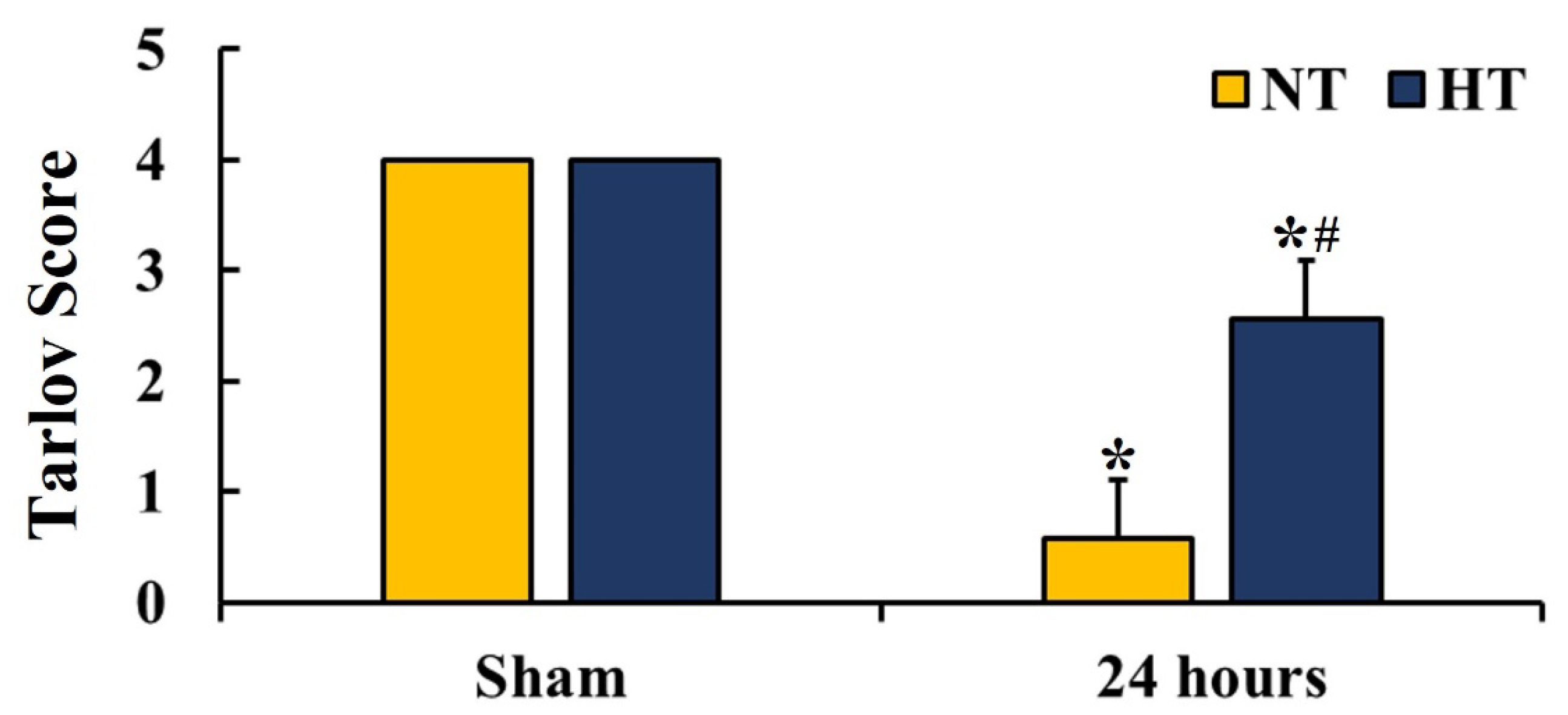
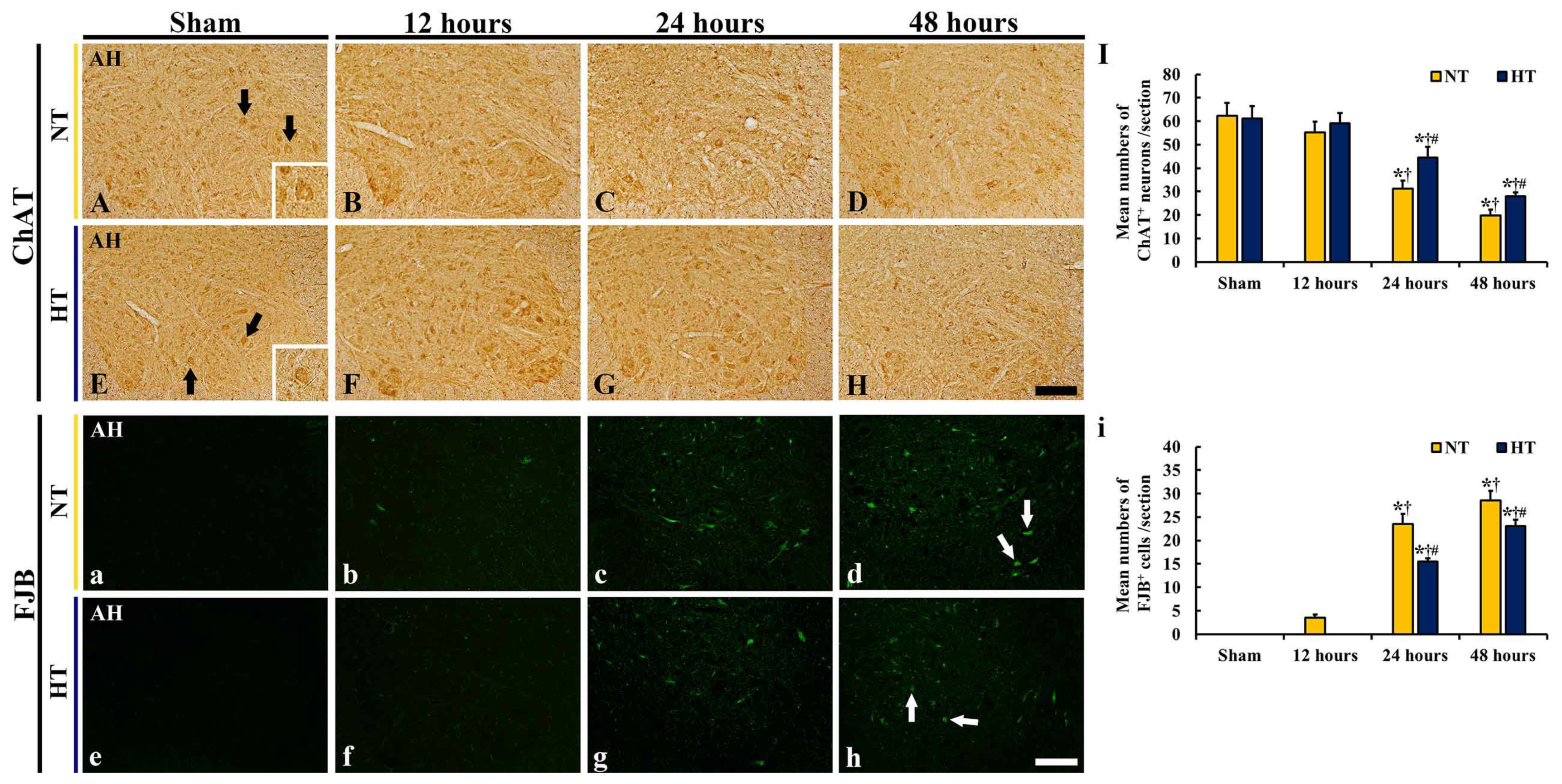
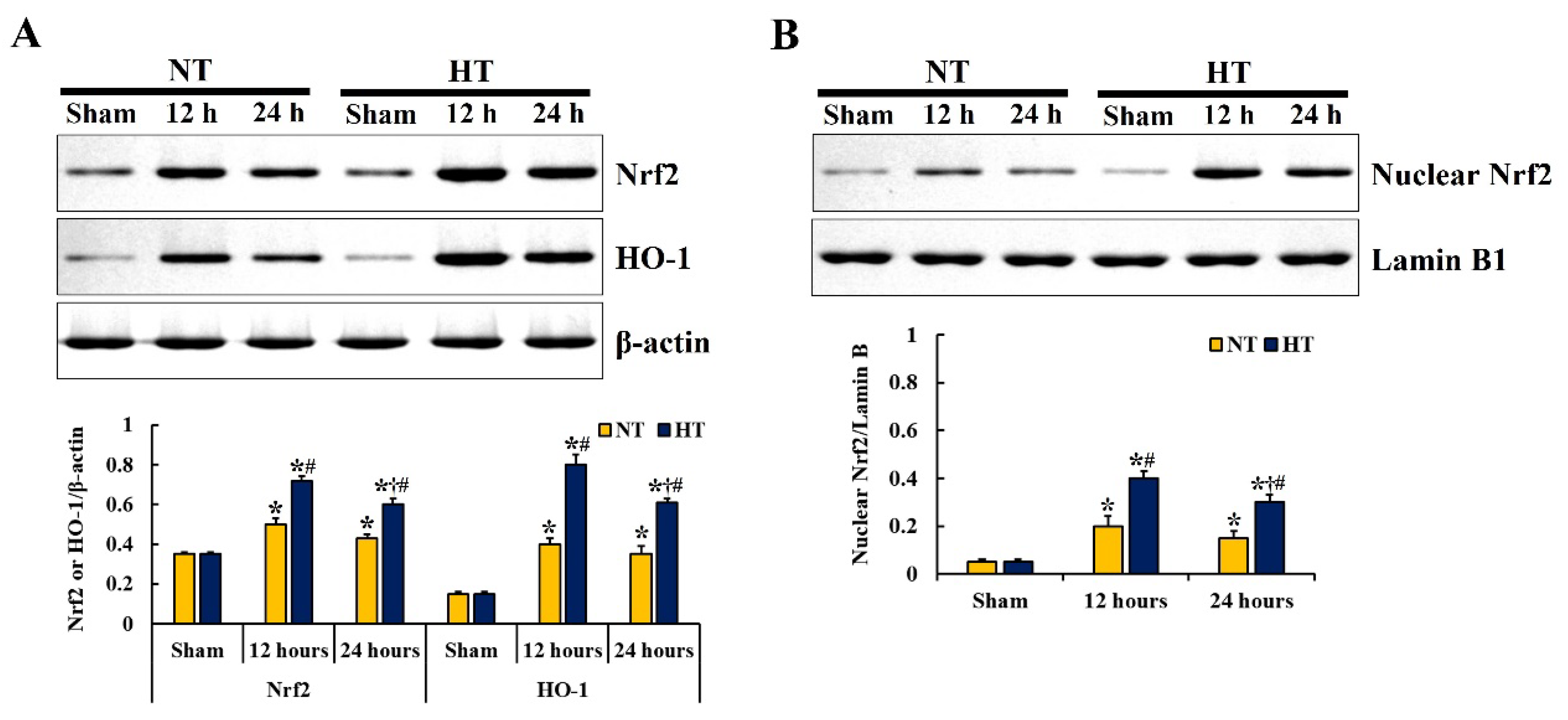
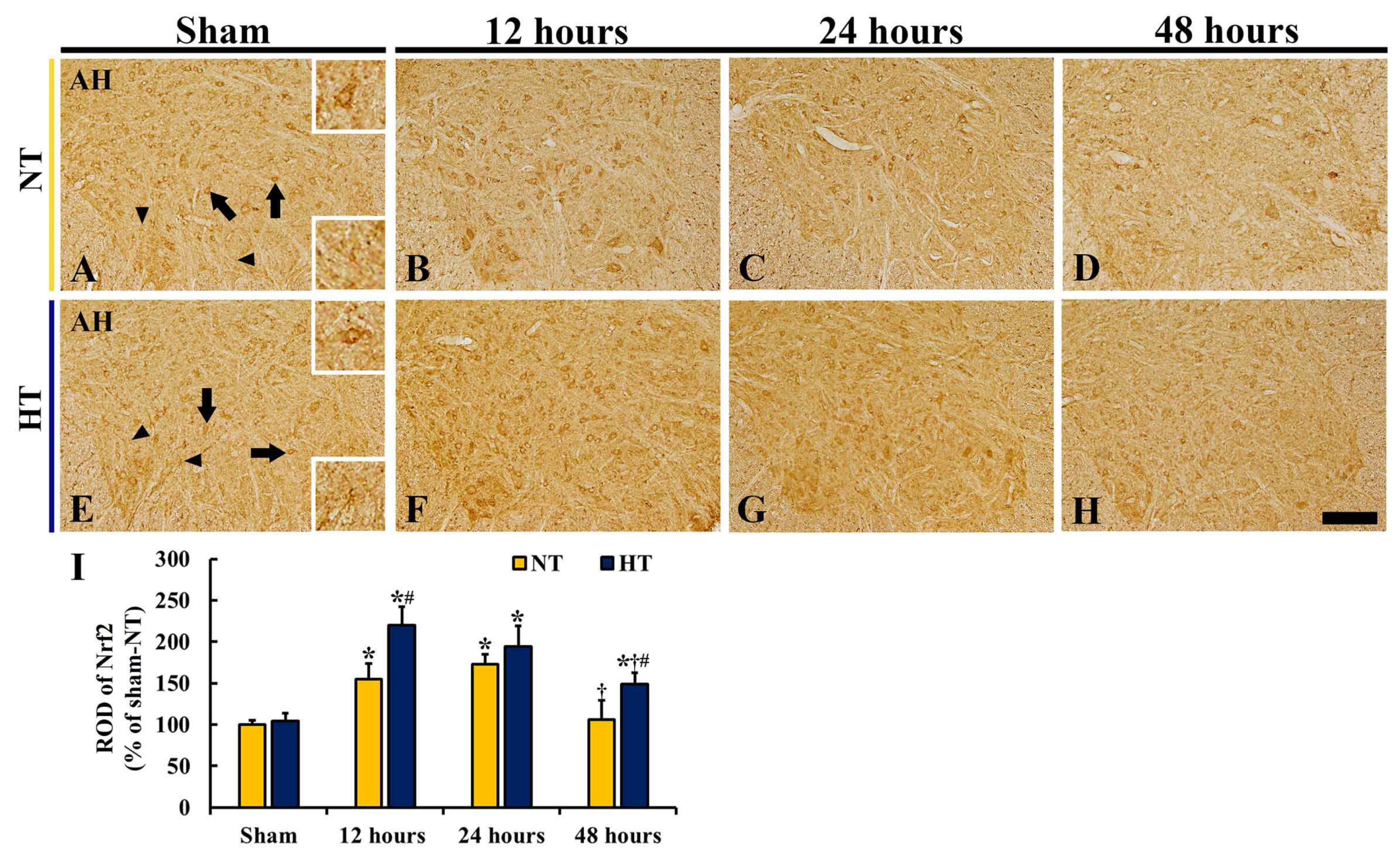
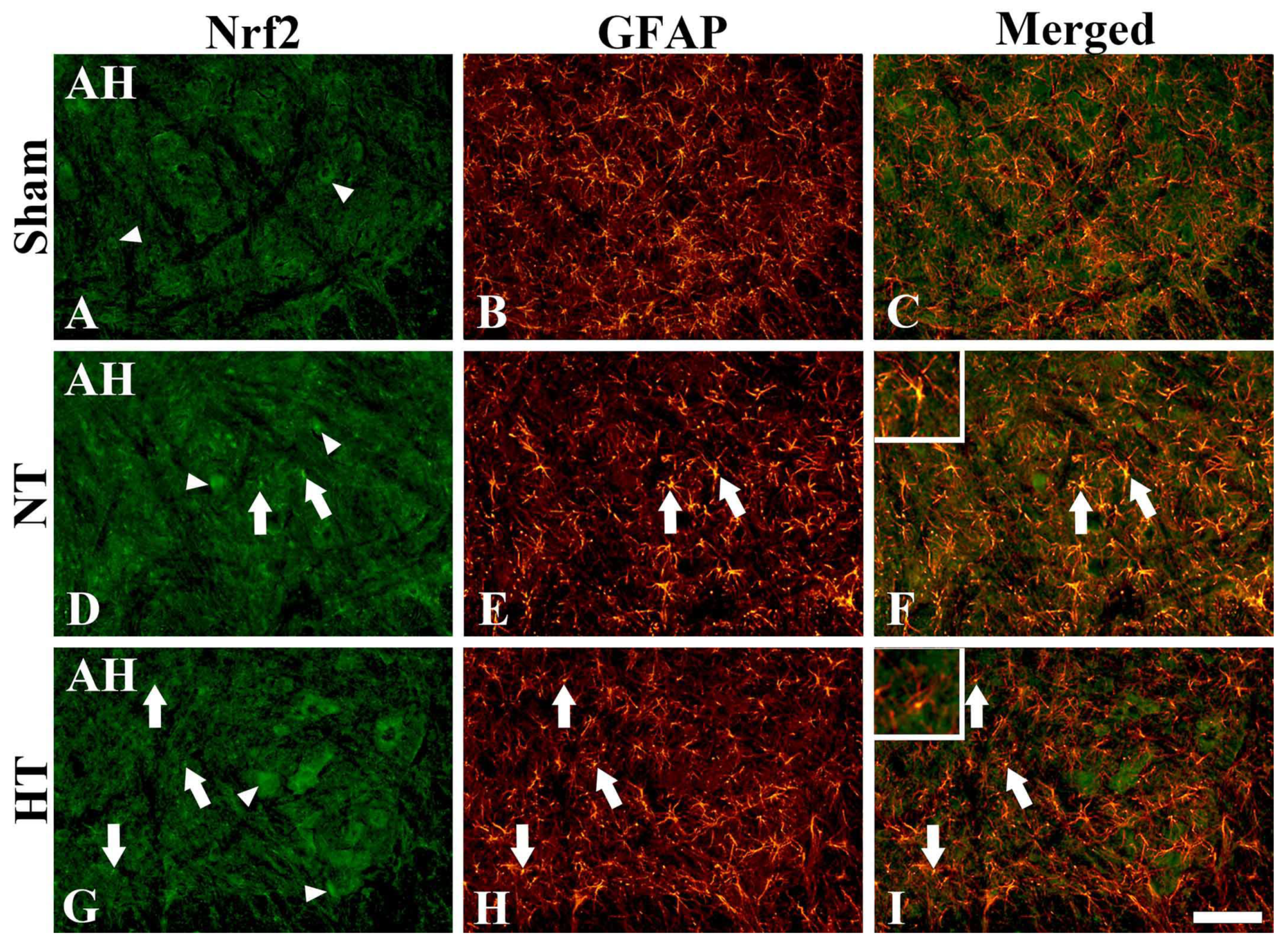
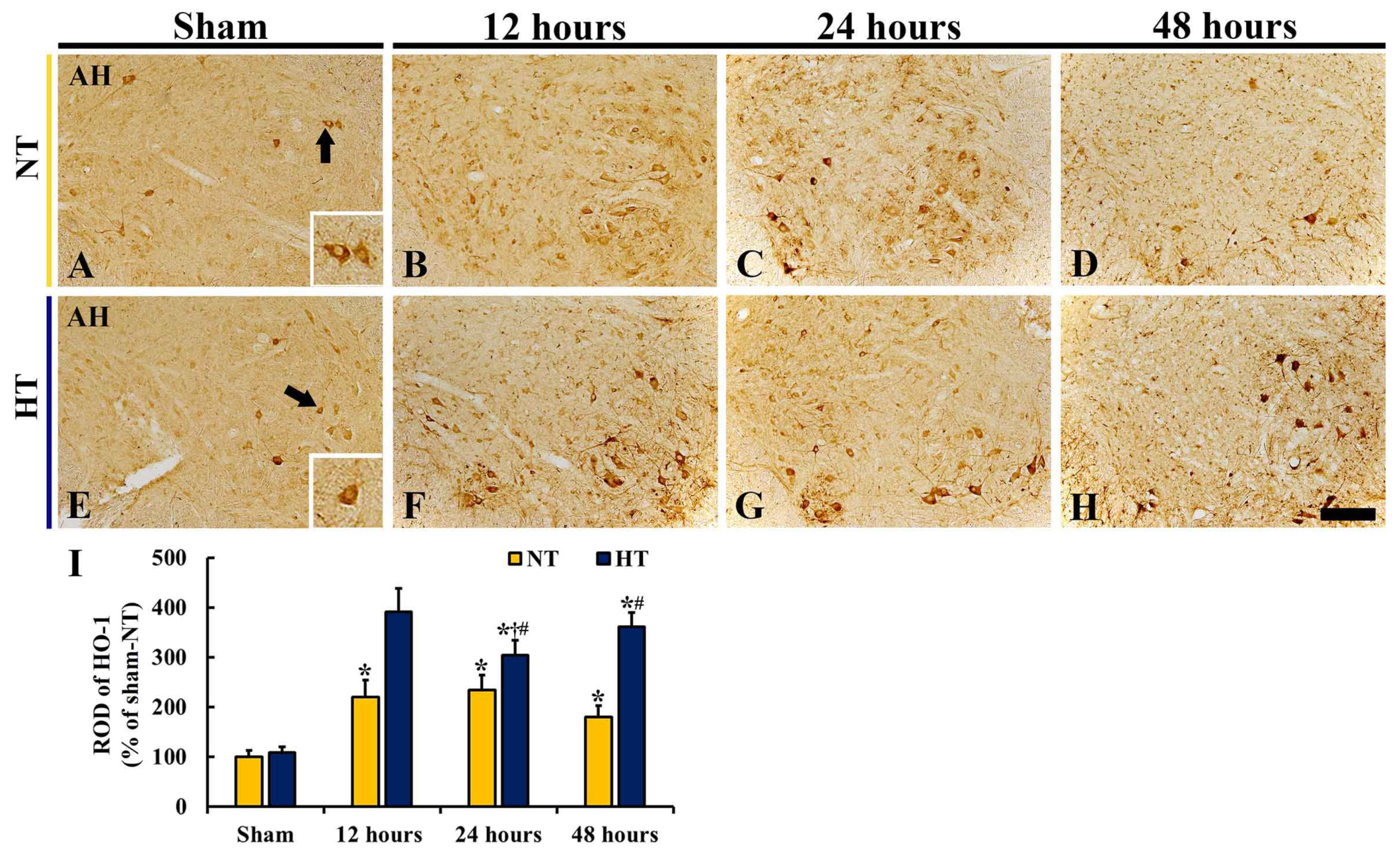
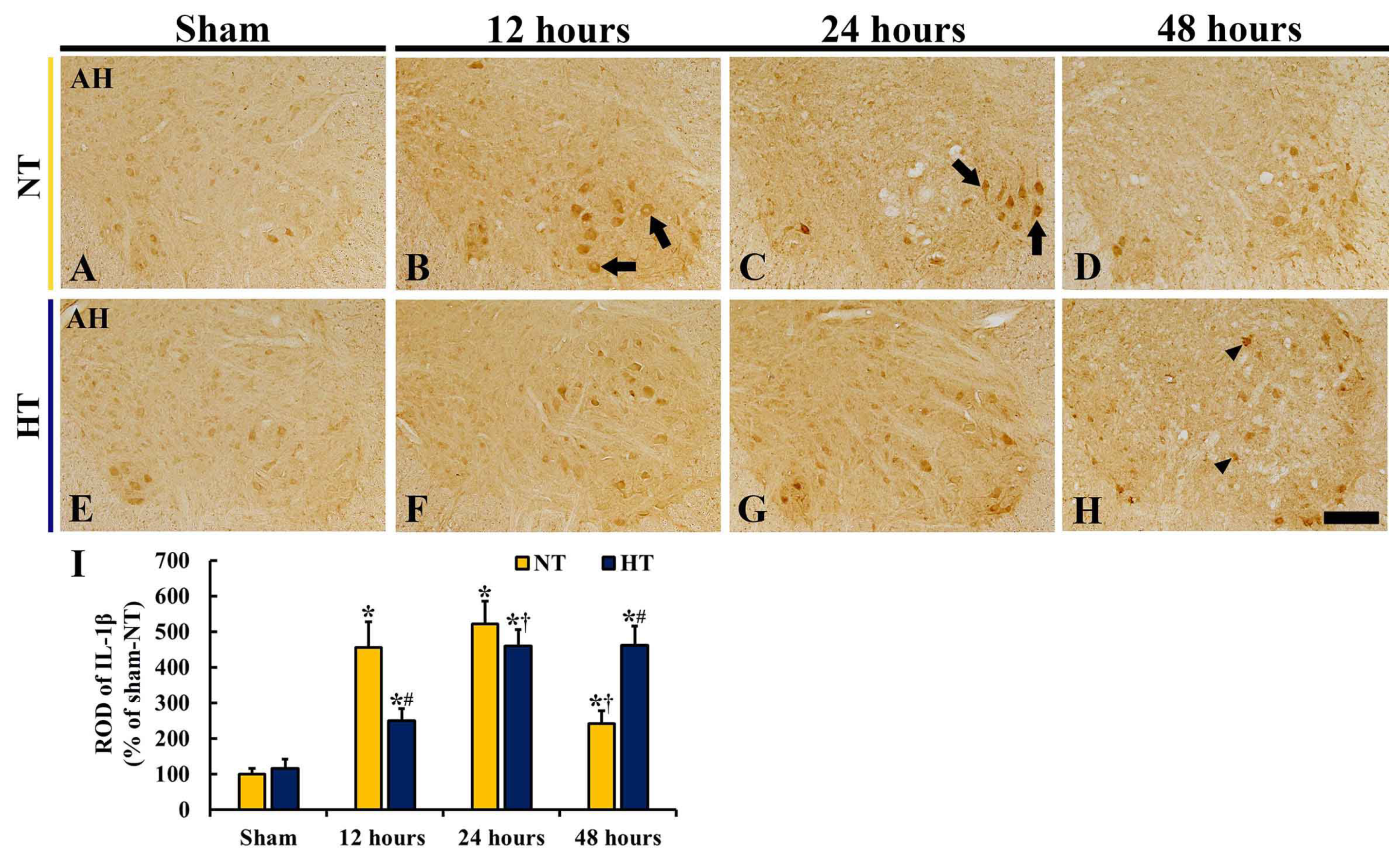
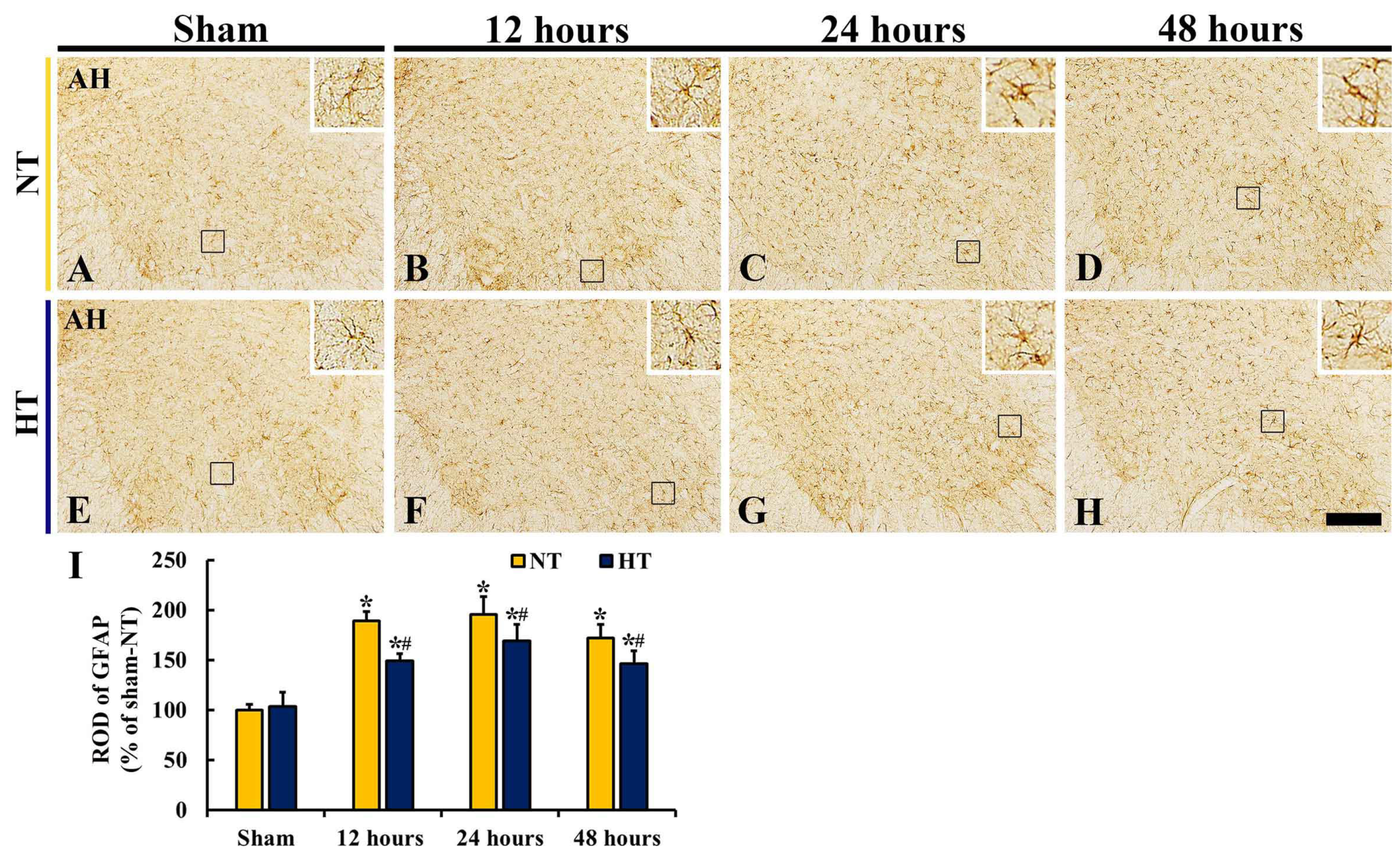
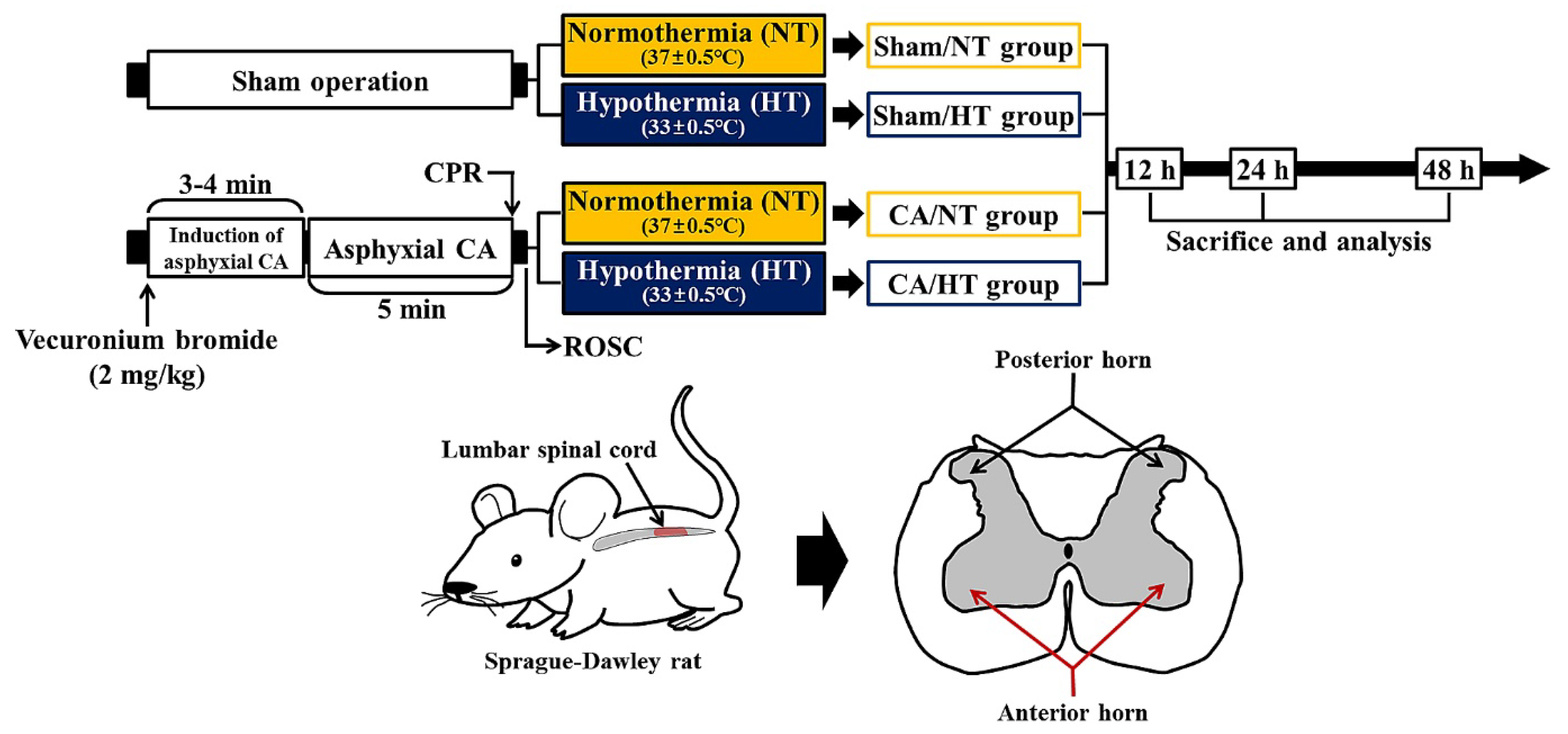
Cardiac arrest (CA) and return of spontaneous circulation (ROSC), a global ischemia and reperfusion event, lead to neuronal damage and/or death in the spinal cord as well as the brain. Hypothermic therapy is reported to protect neurons from damage and improve hindlimb paralysis after resuscitation in a rat model of CA induced by asphyxia. In this study, we investigated roles of nuclear factor erythroid 2-related factor 2 (Nrf2) and heme oxygenase-1 (HO-1) in the lumbar spinal cord protected by therapeutic hypothermia in a rat model of asphyxial CA. Male Sprague-Dawley rats were subjected to seven minutes of asphyxial CA (induced by injection of 2 mg/kg vecuronium bromide) and hypothermia (four hours of cooling, 33 ± 0.5 °C). Survival rate, hindlimb motor function, histopathology, western blotting, and immunohistochemistry were examined at 12, 24, and 48 h after CA/ROSC. The rats of the CA/ROSC and hypothermia-treated groups had an increased survival rate and showed an attenuated hindlimb paralysis and a mild damage/death of motor neurons located in the anterior horn of the lumbar spinal cord compared with those of the CA/ROSC and normothermia-treated groups. In the CA/ROSC and hypothermia-treated groups, expressions of cytoplasmic and nuclear Nrf2 and HO-1 were significantly higher in the anterior horn compared with those of the CA/ROSC and normothermia-treated groups, showing that cytoplasmic and nuclear Nrf2 was expressed in both motor neurons and astrocytes. Moreover, in the CA/ROSC and hypothermia-treated group, interleukin-1β (IL-1β, a pro-inflammatory cytokine) expressed in the motor neurons was significantly reduced, and astrocyte damage was apparently attenuated compared with those found in the CA/ROSC and normothermia group. Taken together, our results indicate that hypothermic therapy after CA/ROSC attenuates CA-induced hindlimb paralysis by protecting motor neurons in the lumbar spinal cord via activating the Nrf2/HO-1 signaling pathway and attenuating pro-inflammation and astrocyte damage (reactive astrogliosis).
Keywords: asphyxia; body temperature; neuroinflammation; neuroprotection; reactive gliosis; return of spontaneous circulation; spinal gray matter asphyxia; body temperature; neuroinflammation; neuroprotection; reactive gliosis; return of spontaneous circulation; spinal gray matter