Article

A Possible Modulator of Vitiligo Metabolic Impairment: Rethinking a PPARγ Agonist

1
Cutaneous Physiopathology and Integrated Center of Metabolomics Research, San Gallicano Dermatological Institute, IRCCS, 00144 Rome, Italy
2
Clinical Pathology Unit, Department of Research, Advanced Diagnostics, and Technological Innovation, Translational Research Area, IRCCS Regina Elena National Cancer Institute, 00144 Rome, Italy
3
Plastic and Regenerative Surgery, San Gallicano Dermatological Institute, IRCCS, 00144 Rome, Italy
4
Phototherapy Unit, San Gallicano Dermatological Institute, IRCCS, 00144 Rome, Italy
*
Authors to whom correspondence should be addressed.
Cells 2022, 11(22), 3583; https://doi.org/10.3390/cells11223583
Submission received: 7 October 2022 / Revised: 4 November 2022 / Accepted: 7 November 2022 / Published: 12 November 2022
(This article belongs to the Special Issue The Role of PPARs in Disease II)

Abstract

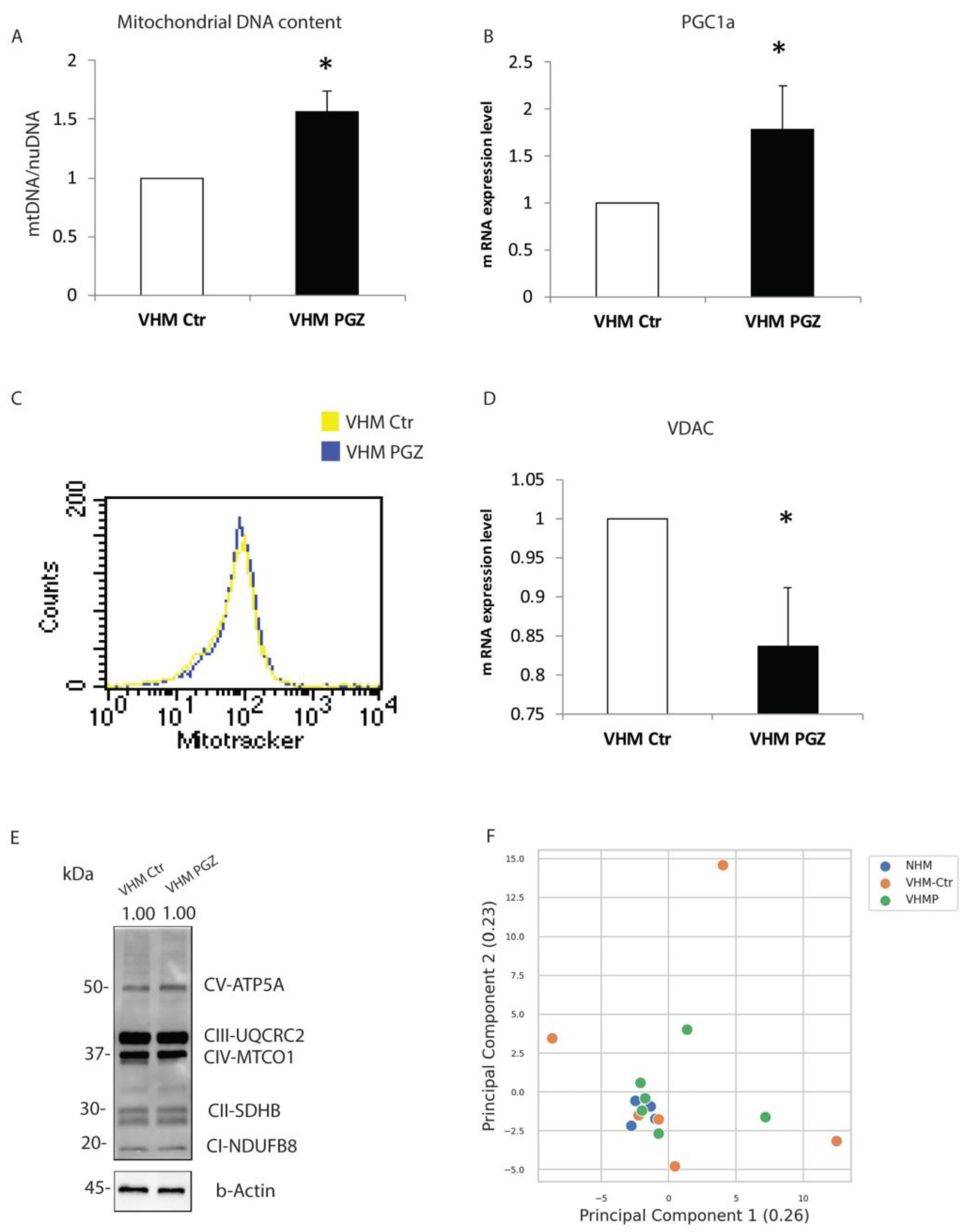
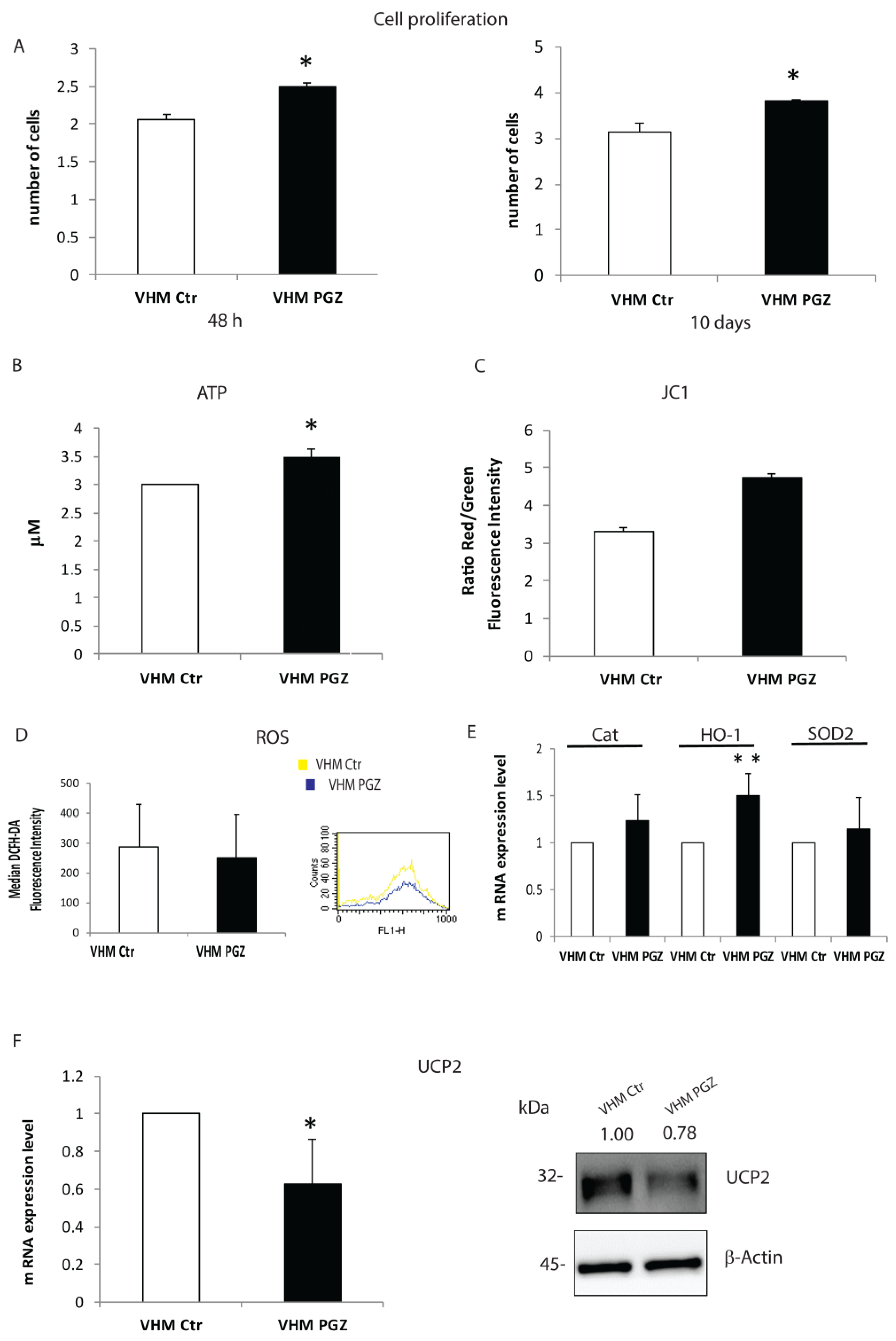
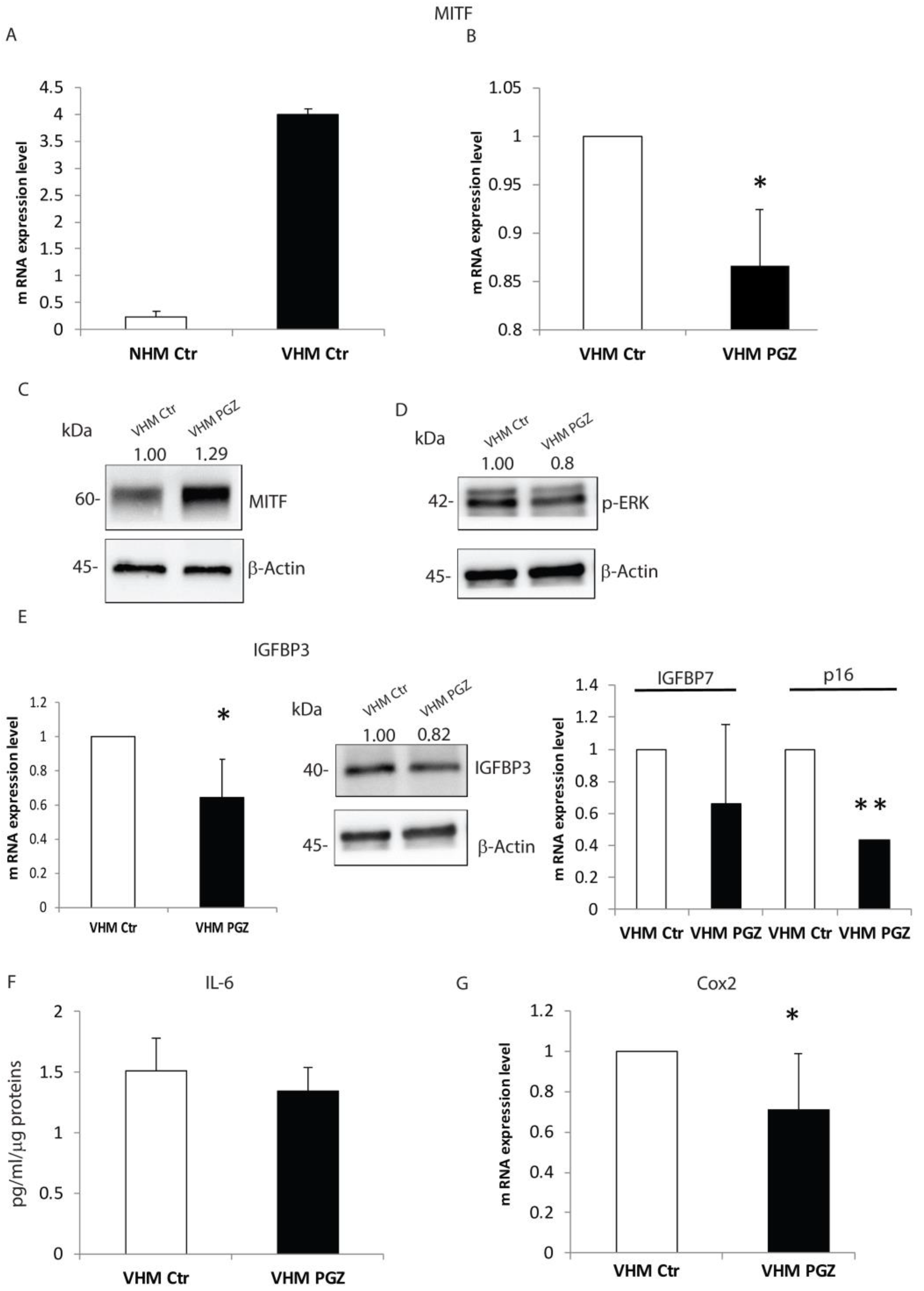
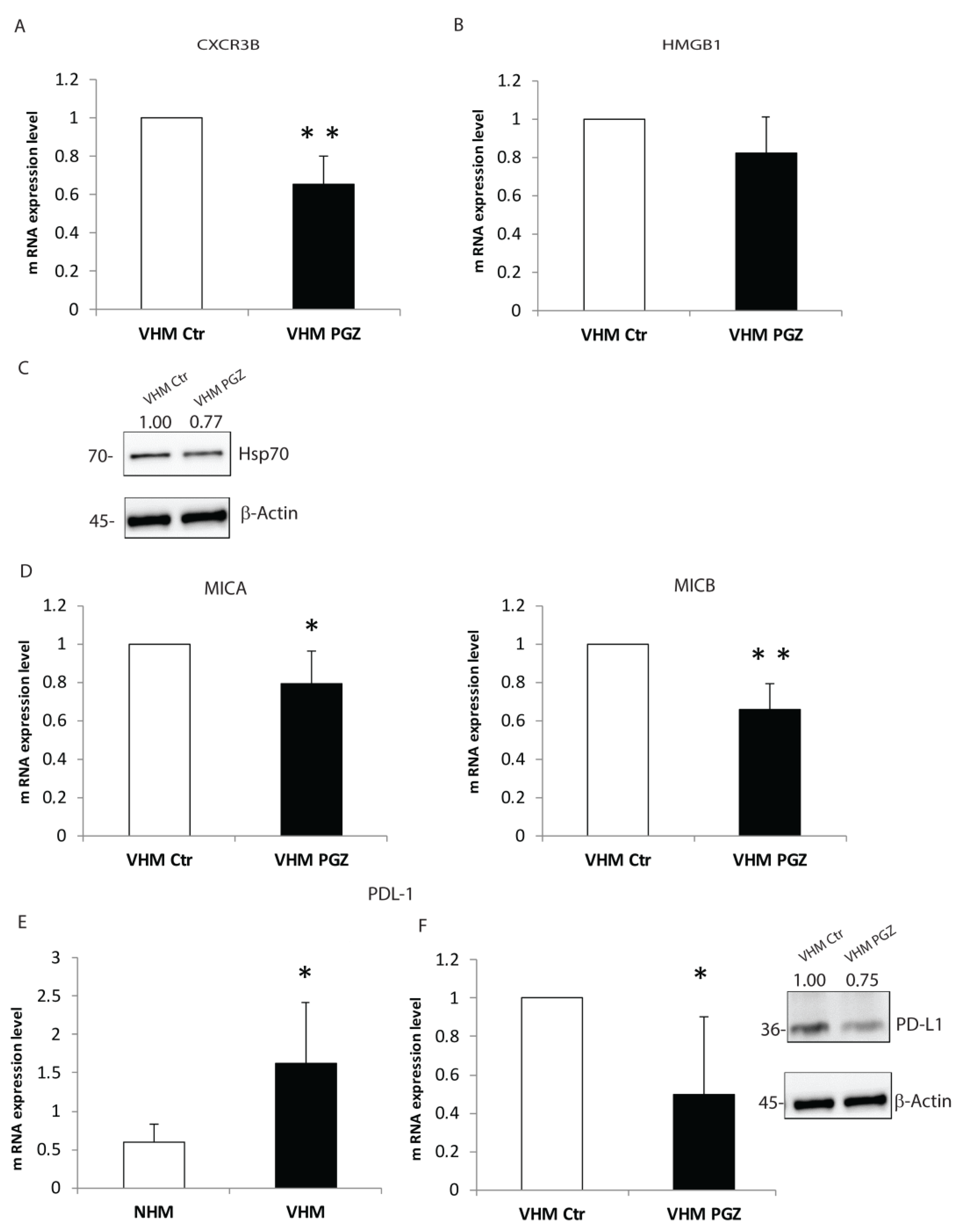
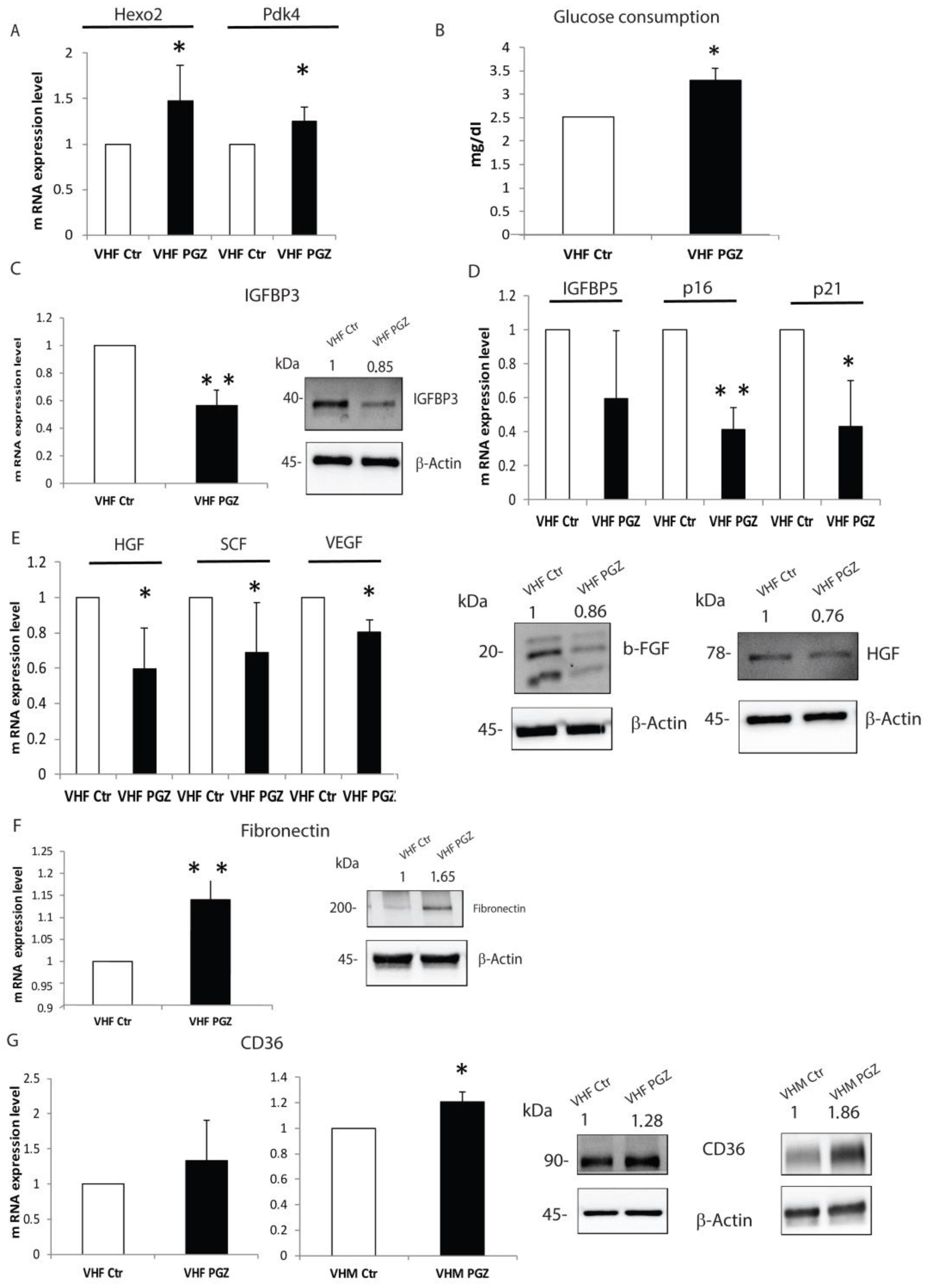
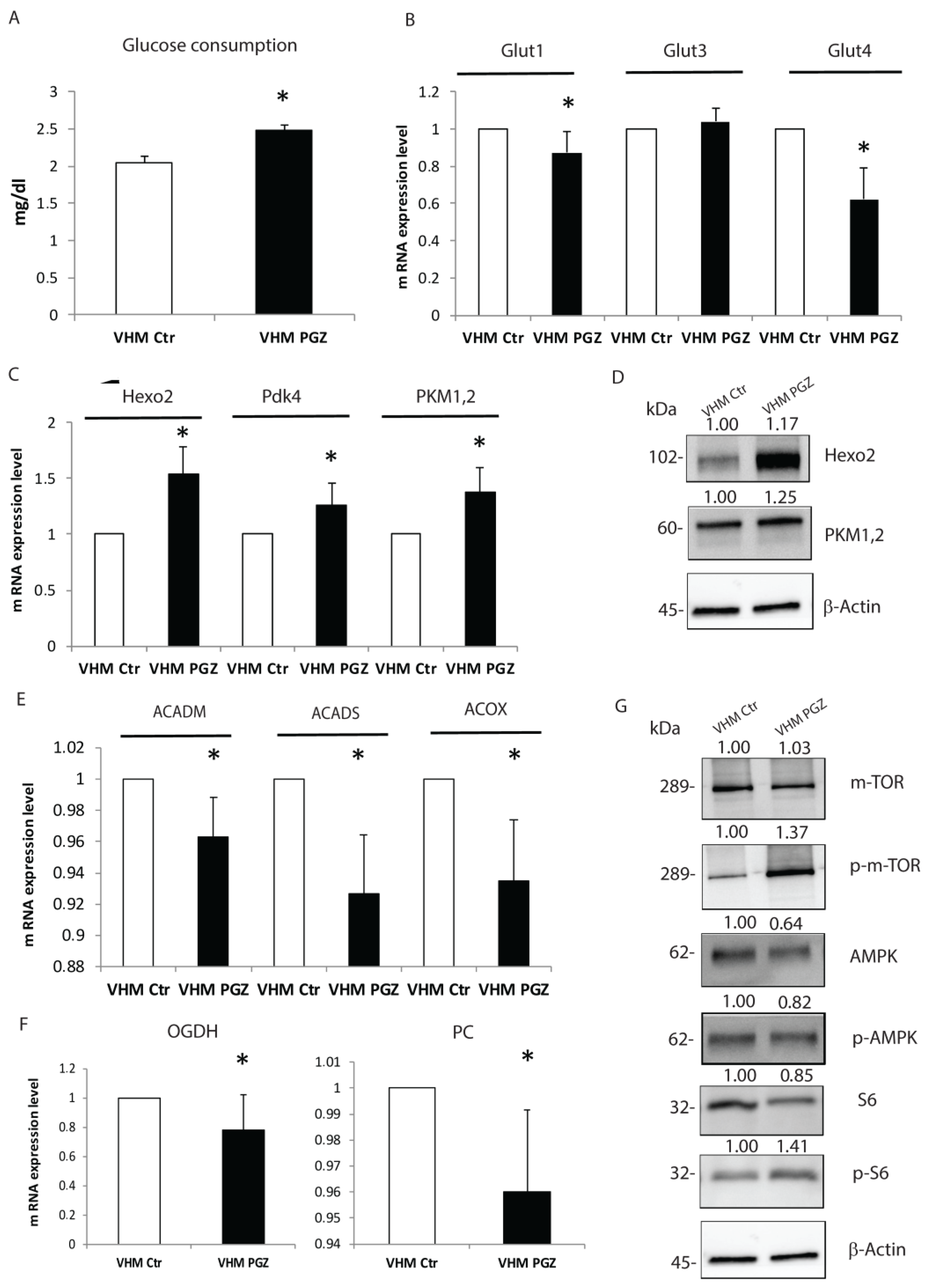
Vitiligo is a complex disease wherein derangements in multiple pathways determine the loss of functional melanocytes. Since its pathogenesis is not yet completely understood, vitiligo lacks a definitive safe and efficacious treatment. At present, different therapies are available; however, each modality has its baggage of disadvantages and side effects. Recently we have described several metabolic abnormalities in cells from pigmented skin of vitiligo patients, including alterations of glucose metabolism. Therefore, we conducted a study to evaluate the effect of Pioglitazone (PGZ), a Peroxisome proliferator-activated receptor-γ (PPARγ) agonist, on cells from pigmented vitiligo skin. We treated vitiligo melanocytes and fibroblasts with low doses of PGZ and evaluated the effects on mitochondrial alterations, previously reported by our and other groups. Treatment with PGZ significantly increased mRNA and protein levels of several anaerobic glycolytic enzymes, without increasing glucose consumption. The PGZ administration fully restored the metabolic network, replacing mitochondrial membrane potential and mitochondrial DNA (mtDNA) copy number. These effects, together with a significant increase in ATP content and a decrease in reactive oxygen species (ROS) production, provide strong evidence of an overall improvement of mitochondria bioenergetics in vitiligo cells. Moreover, the expression of HMGB1, Hsp70, defined as a part of DAMPs, and PD-L1 were significantly reduced. In addition, PGZ likely reverts premature senescence phenotype. In summary, the results outline a novel mode of action of Pioglitazone, which may turn out to be relevant to the development of effective new vitiligo therapeutic strategies.
Keywords: vitiligo; PPARγ; pioglitazone; melanocytes; fibroblasts; cellular metabolism; glucose metabolism; metabolic impairment vitiligo; PPARγ; pioglitazone; melanocytes; fibroblasts; cellular metabolism; glucose metabolism; metabolic impairment