Article

Cynanchum atratum Alleviates Non-Alcoholic Fatty Liver by Balancing Lipogenesis and Fatty Acid Oxidation in a High-Fat, High-Fructose Diet Mice Model


1
Institute of Bioscience & Integrative Medicine, Daejeon University, 75, Daedeok-daero 176, Seo-gu, Daejeon 35235, Korea
2
Liver and Immunology Research Center, Daejeon Korean Medicine Hospital, 75, Daedeok-daero 176, Seo-gu, Daejeon 35235, Korea
3
Department of Diagnostics, College of Korean Medicine, Dongguk University, Dongguk-Ro 32, Goyang 10326, Korea
4
Institute of Korean Medicine, Dongguk University, Dongguk-Ro 32, Goyang 10326, Korea
*
Authors to whom correspondence should be addressed.
Cells 2022, 11(1), 23; https://doi.org/10.3390/cells11010023
Submission received: 11 November 2021 / Revised: 14 December 2021 / Accepted: 21 December 2021 / Published: 22 December 2021
(This article belongs to the Section Intracellular and Plasma Membranes)

Abstract

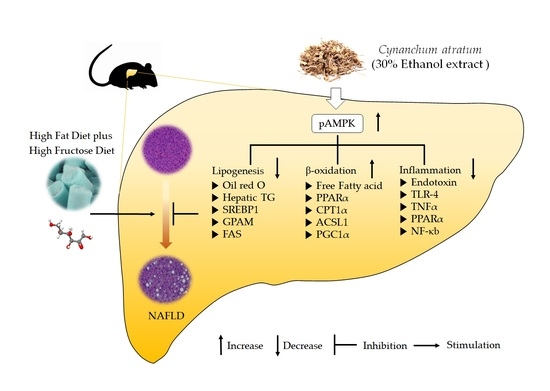
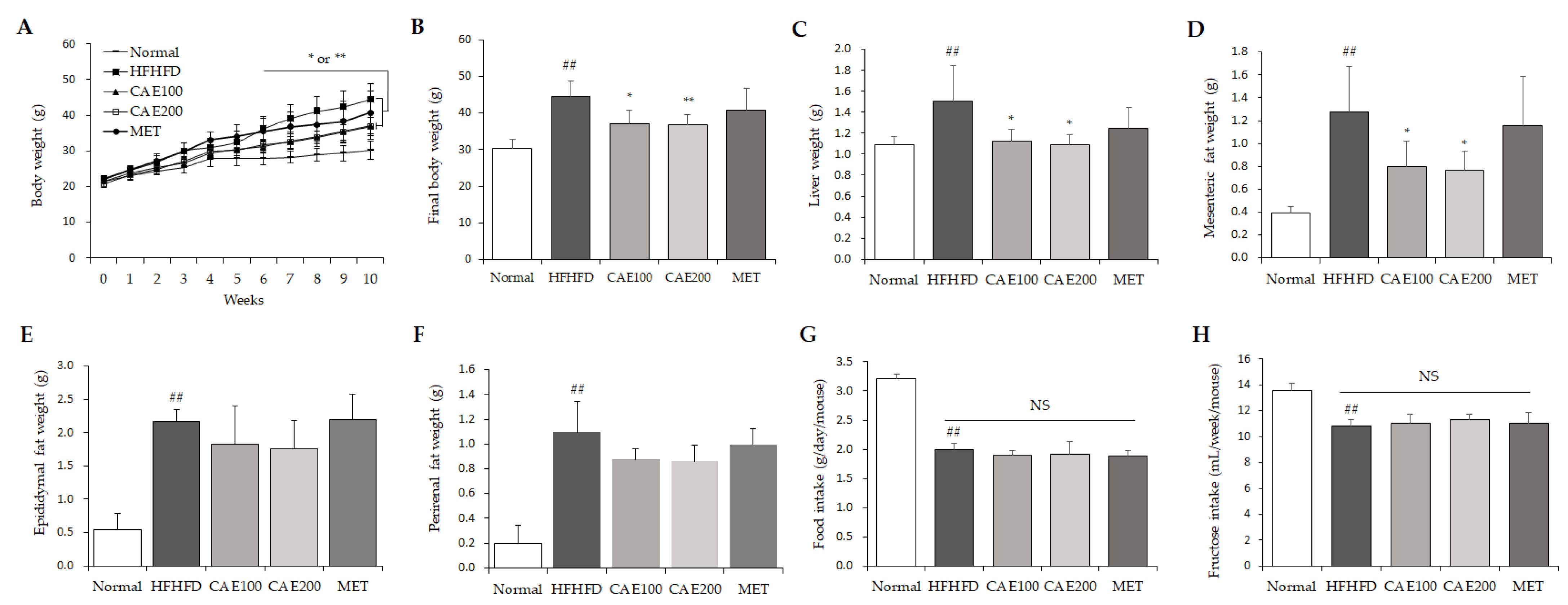
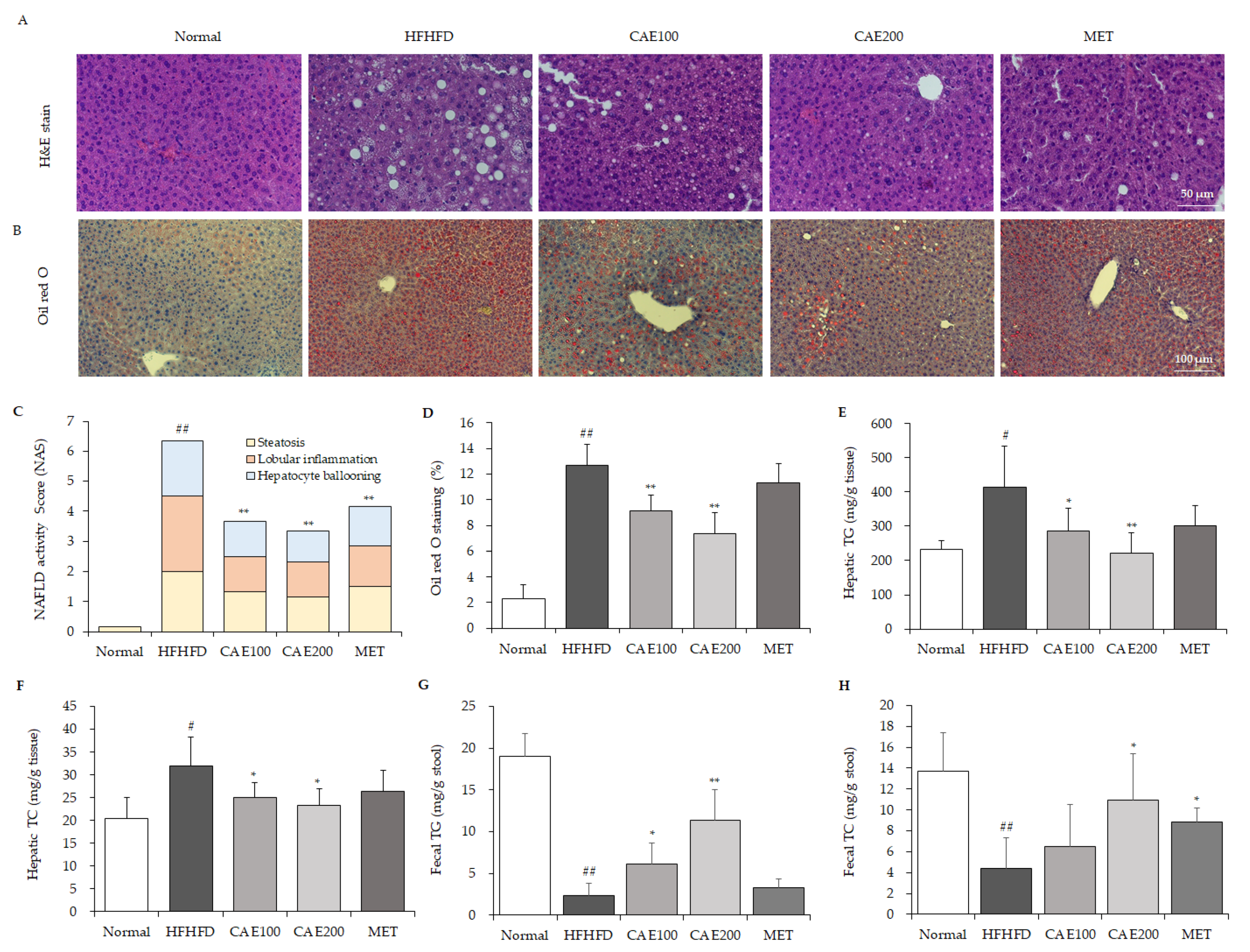
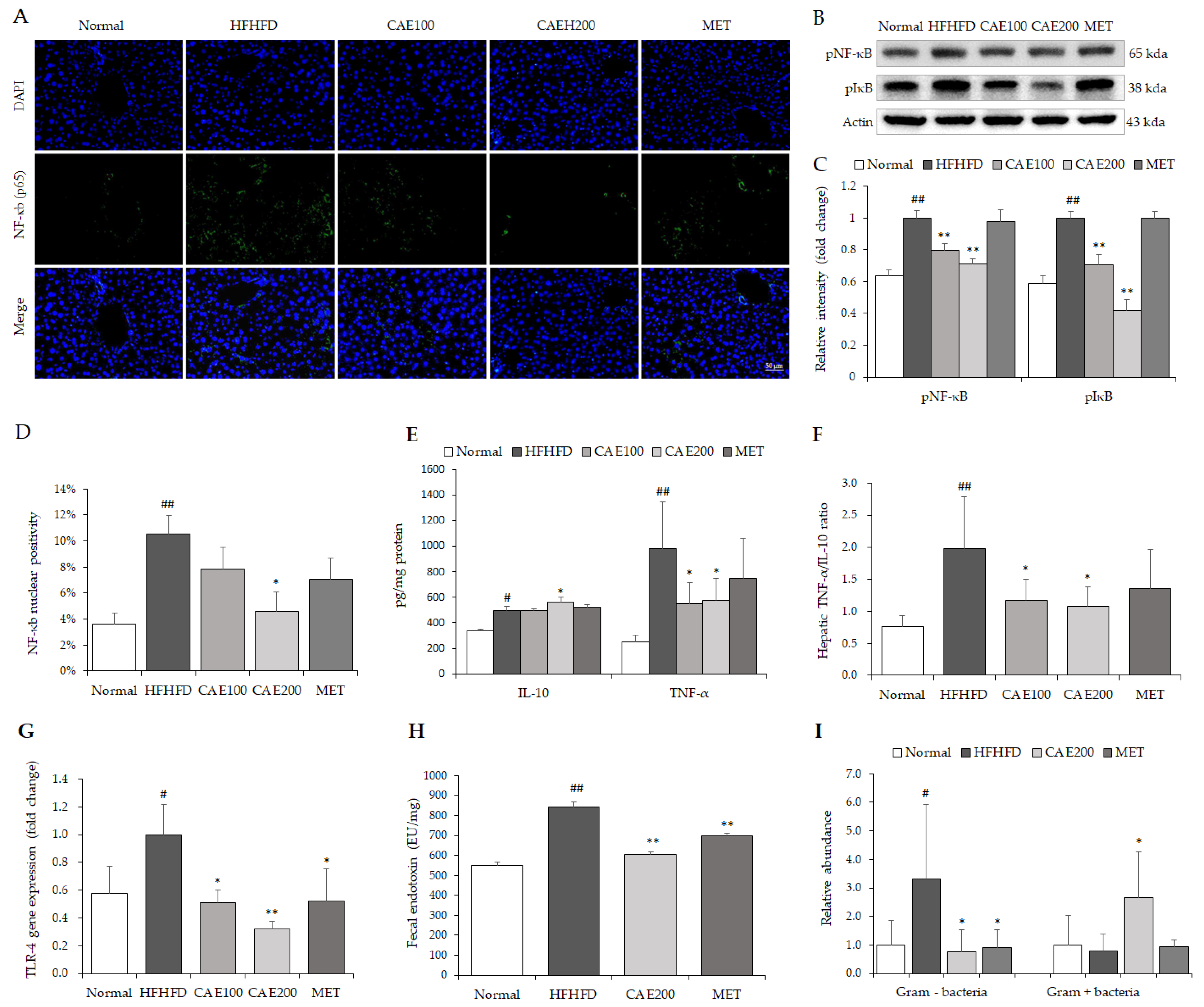
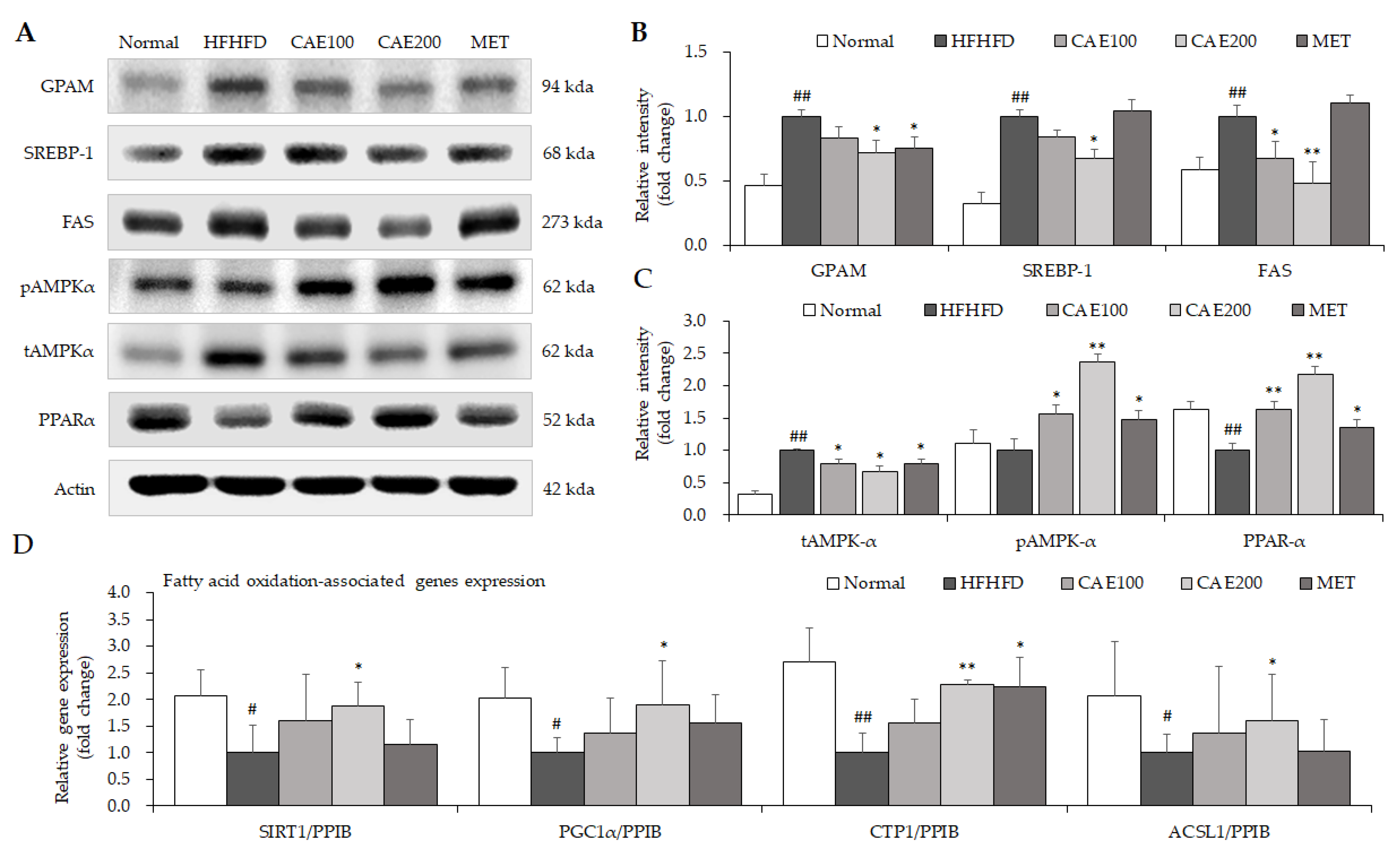
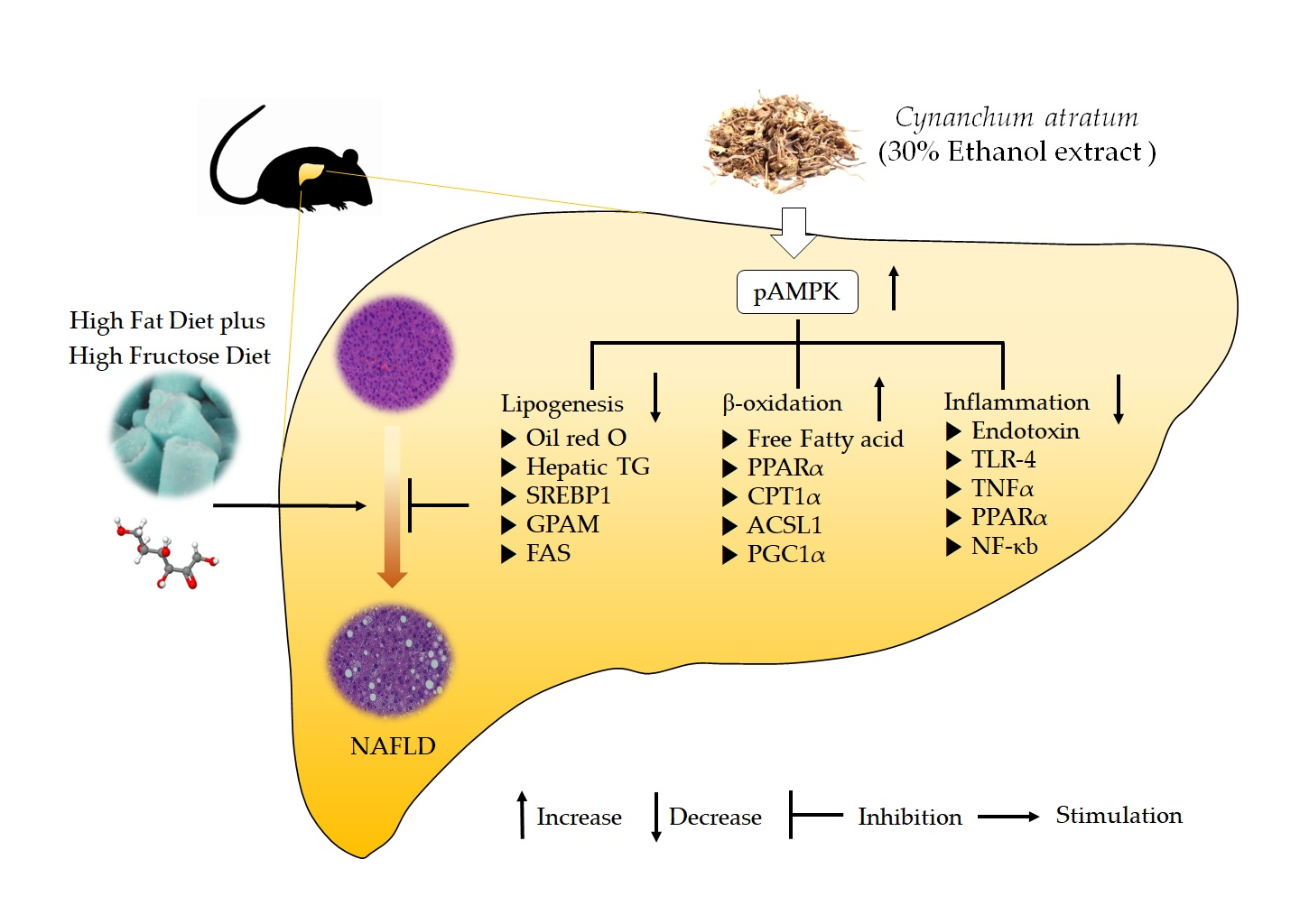
Cynanchum atratum, a medicinal herb, is traditionally used as an antidote, diuretic, and antipyretic in eastern Asia. The current study aimed to investigate the anti-fatty liver capacity of the ethanol extract of Cynanchum atratum (CAE) using a 10-week high-fat, high-fructose diet mouse model. A six-week treatment of CAE (from the fifth week) significantly attenuated the weights of the body, liver, and mesenteric fat without a change in diet intake. CAE also considerably restored the alterations of serum aminotransferases and free fatty acid, fasting blood glucose, serum and hepatic triglyceride, and total cholesterol, as well as platelet and leukocyte counts. Meanwhile, CAE ameliorated hepatic injury and lipid accumulation, as evidenced by histopathological and immunofluorescence observations. Additionally, CAE significantly lowered the elevation of hepatic TNF-α, the TNF-α/IL-10 ratio, fecal endotoxins, and the abundance of Gram-negative bacteria. Hepatic lipogenesis and β-oxidation-related proteins and gene expression, including PPAR-α, SREBP-1, SIRT1, FAS, CTP1, etc., were normalized markedly by CAE. In particular, the AMPK, a central regulator of energy metabolism, was phosphorylated by CAE at an even higher rate than metformin. Overall, CAE exerts anti-hepatic steatosis effects by reducing lipogenesis and enhancing fatty acid oxidation. Consequently, Cynanchum atratum is expected to be a promising candidate for treating chronic metabolic diseases.
Keywords: herbal medicine; NAFLD; high-fat diet; high-fructose diet; AMPK; free fatty acid herbal medicine; NAFLD; high-fat diet; high-fructose diet; AMPK; free fatty acid
Graphical Abstract