Article

Function and Biomarkers of the Blood-Brain Barrier in a Neonatal Germinal Matrix Haemorrhage Model

1
Institute of Neuroscience and Physiology, Sahlgrenska Academy, University of Gothenburg, Medicinaregatan 11, 413 90 Gothenburg, Sweden
2
Institute of Clinical Sciences, Sahlgrenska Academy, University of Gothenburg, 413 90 Gothenburg, Sweden
*
Author to whom correspondence should be addressed.
Cells 2021, 10(7), 1677; https://doi.org/10.3390/cells10071677
Submission received: 3 June 2021 / Revised: 23 June 2021 / Accepted: 29 June 2021 / Published: 2 July 2021
(This article belongs to the Special Issue Mechanisms of Cell Death in Neonatal Brain Injury)

Abstract

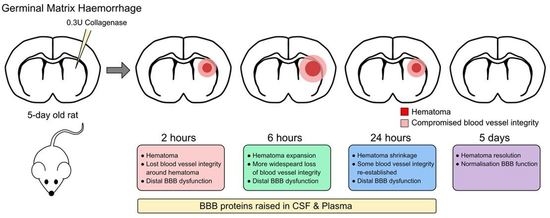
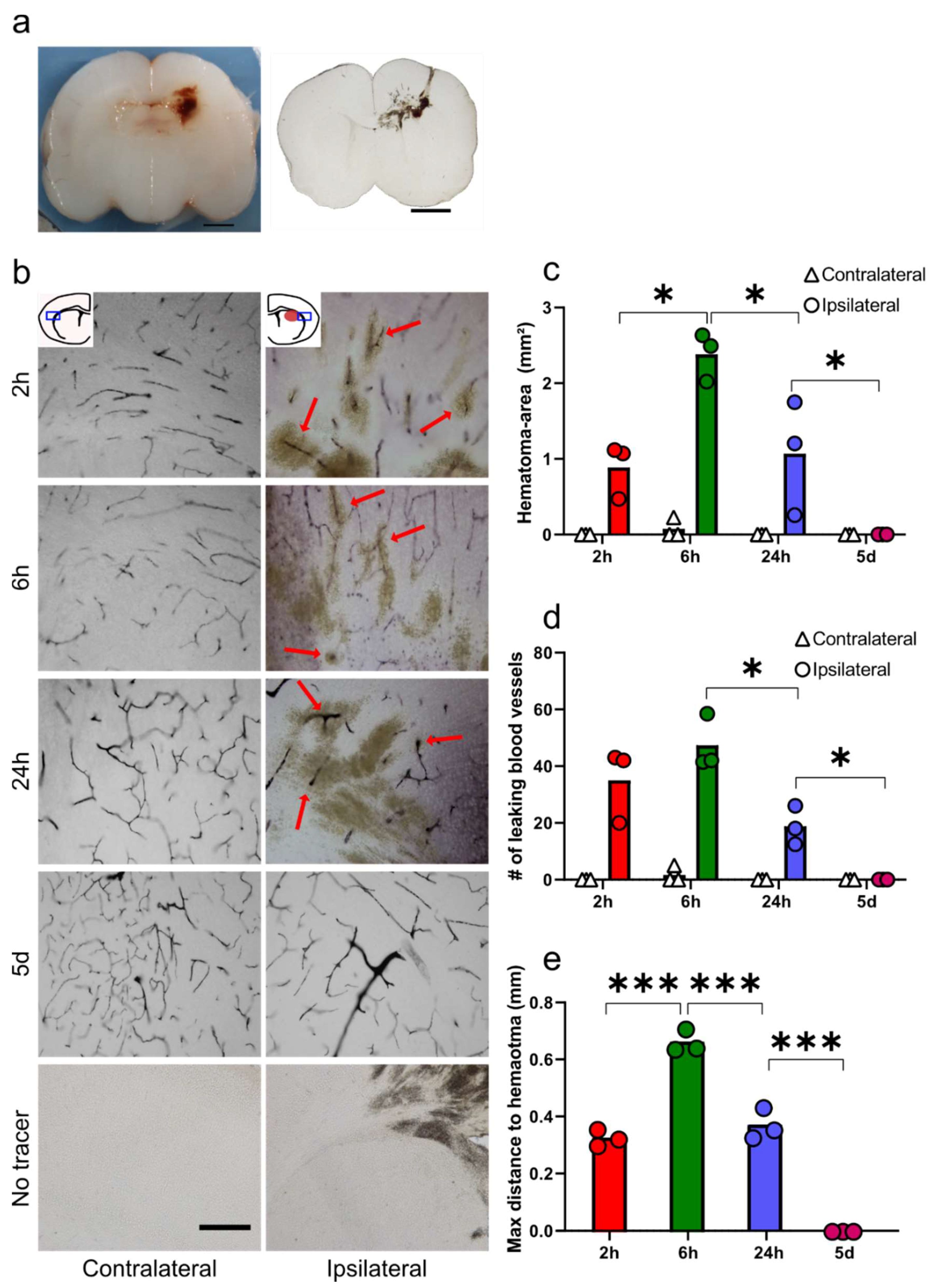
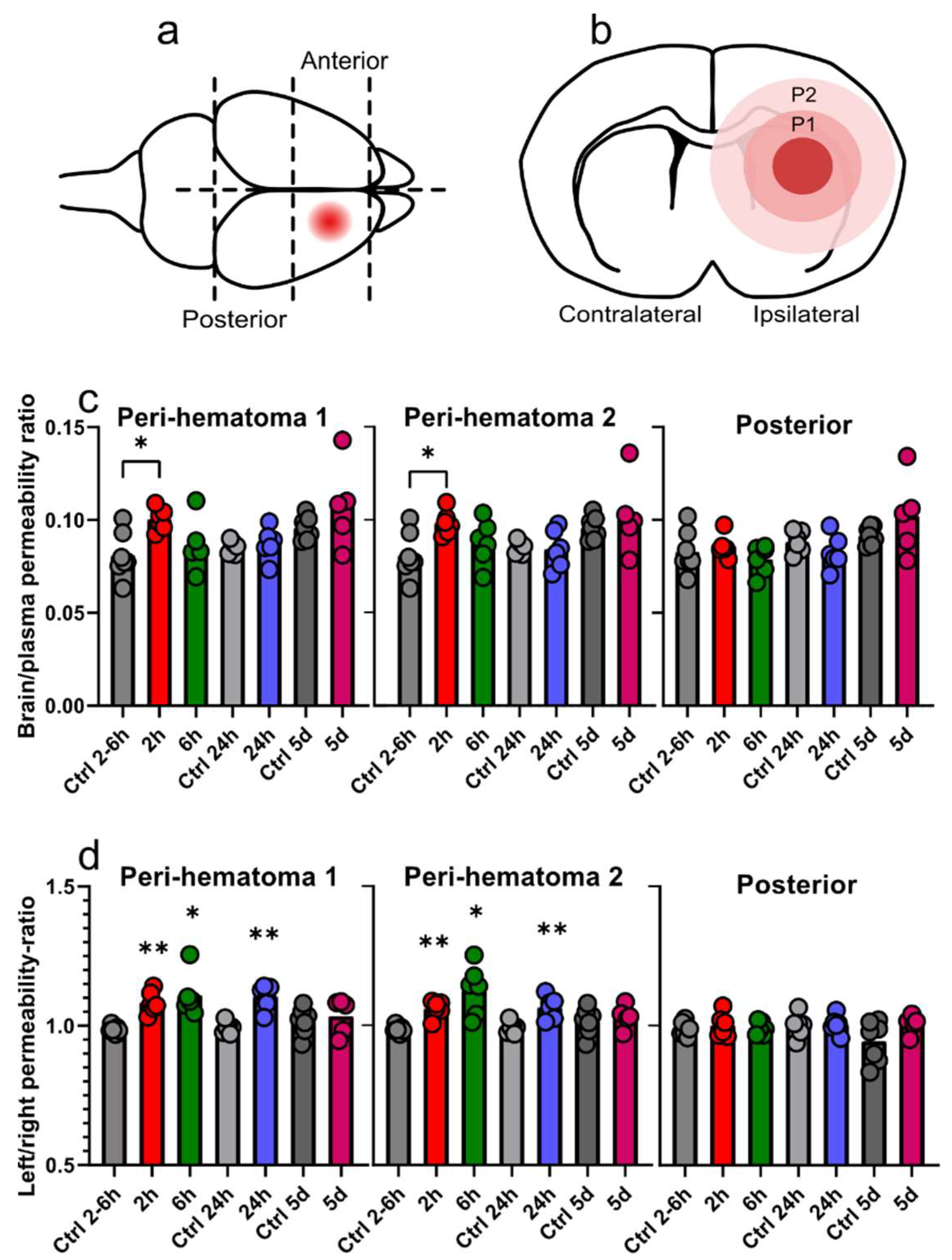
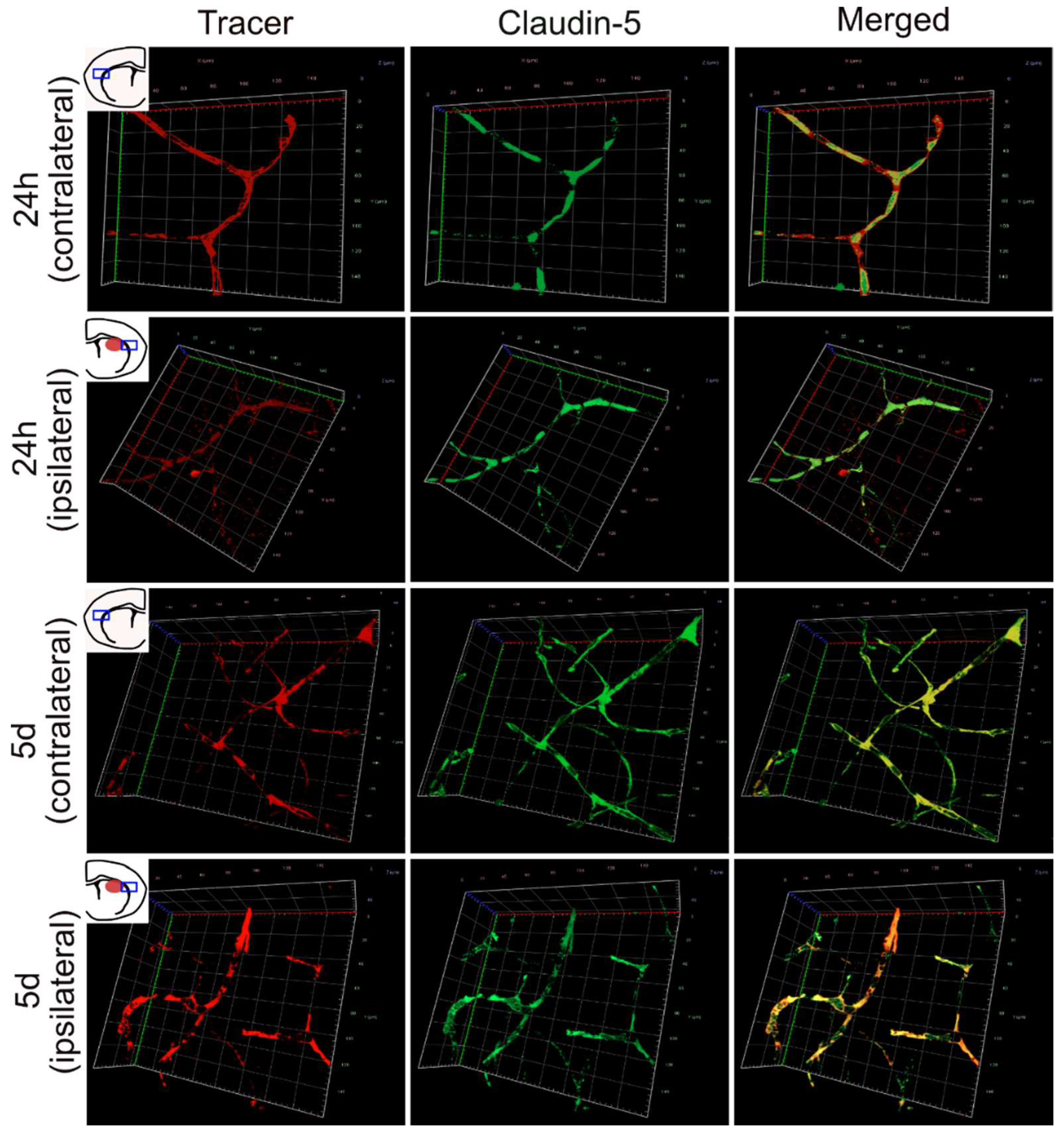
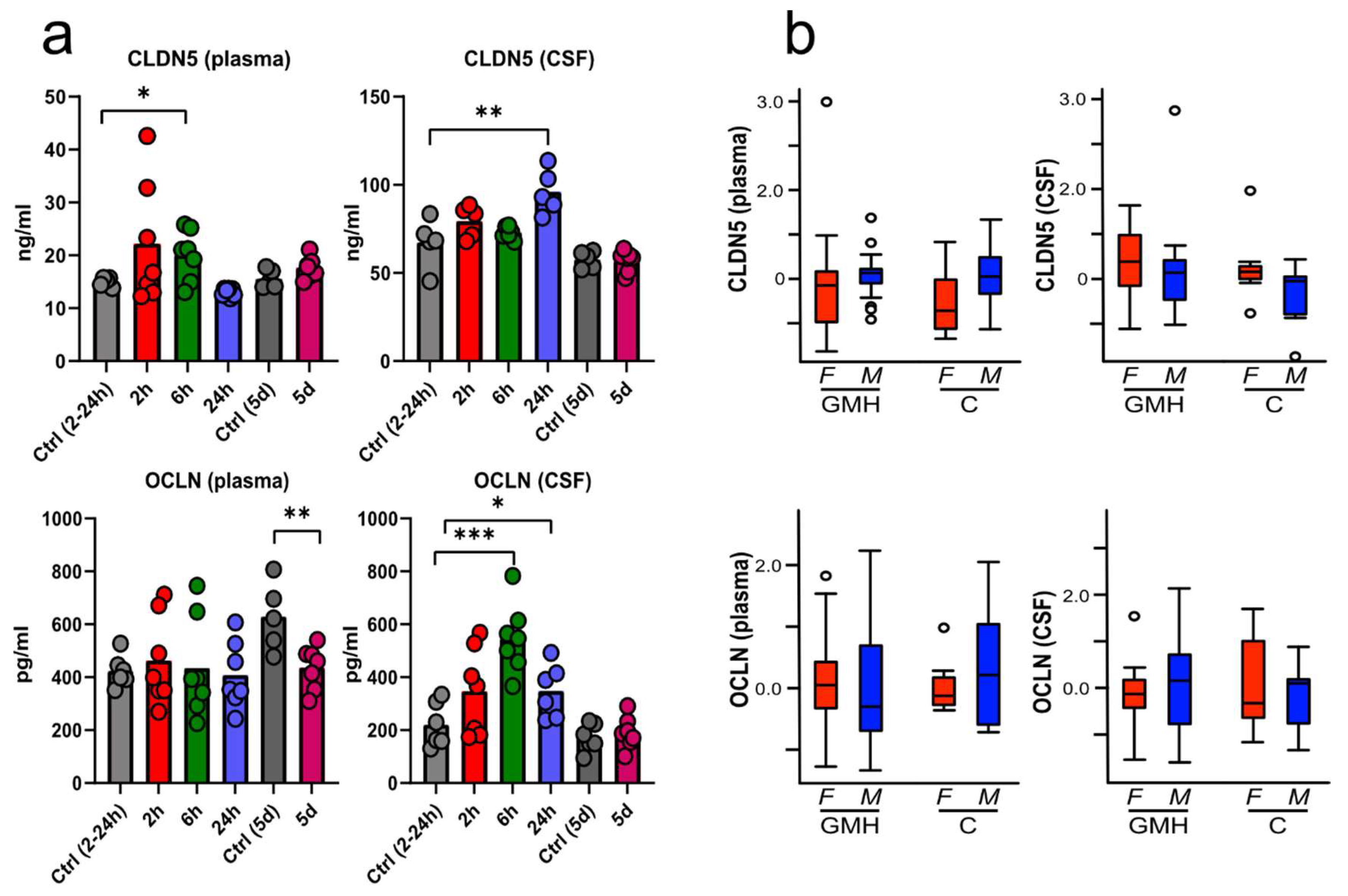
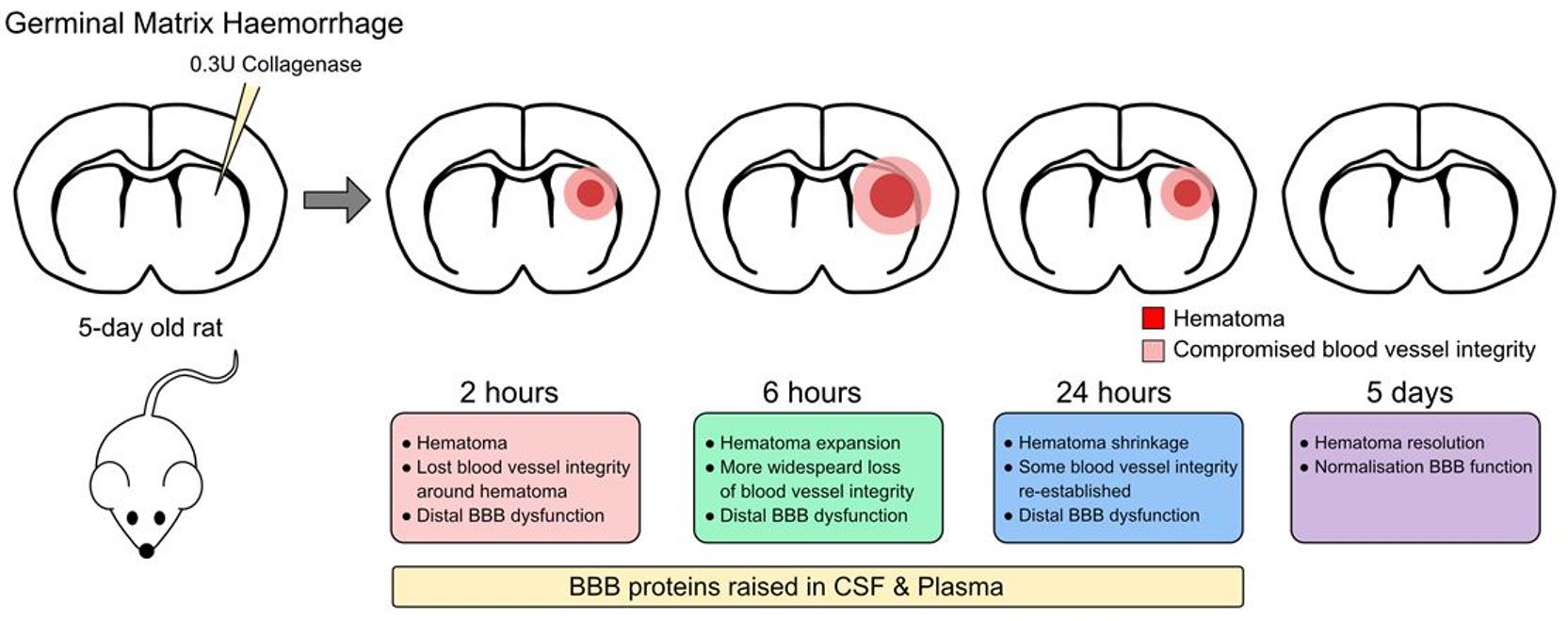
Germinal matrix haemorrhage (GMH), caused by rupturing blood vessels in the germinal matrix, is a prevalent driver of preterm brain injuries and death. Our group recently developed a model simulating GMH using intrastriatal injections of collagenase in 5-day-old rats, which corresponds to the brain development of human preterm infants. This study aimed to define changes to the blood-brain barrier (BBB) and to evaluate BBB proteins as biomarkers in this GMH model. Regional BBB functions were investigated using blood to brain 14C-sucrose uptake as well as using biotinylated BBB tracers. Blood plasma and cerebrospinal fluids were collected at various times after GMH and analysed with ELISA for OCLN and CLDN5. The immunoreactivity of BBB proteins was assessed in brain sections. Tracer experiments showed that GMH produced a defined region surrounding the hematoma where many vessels lost their integrity. This region expanded for at least 6 h following GMH, thereafter resolution of both hematoma and re-establishment of BBB function occurred. The sucrose experiment indicated that regions somewhat more distant to the hematoma also exhibited BBB dysfunction; however, BBB function was normalised within 5 days of GMH. This shows that GMH leads to a temporal dysfunction in the BBB that may be important in pathological processes as well as in connection to therapeutic interventions. We detected an increase of tight-junction proteins in both CSF and plasma after GMH making them potential biomarkers for GMH.
Keywords: germinal matrix haemorrhage; blood-brain barrier; neonatal brain; tight-junctions; preterm germinal matrix haemorrhage; blood-brain barrier; neonatal brain; tight-junctions; preterm
Graphical Abstract