Article

Crop Organ Segmentation and Disease Identification Based on Weakly Supervised Deep Neural Network

College of Electronics and Information Engineering, Tongji University, Cao’an Road, NO.4800, Shanghai 201804, China
*
Author to whom correspondence should be addressed.
Agronomy 2019, 9(11), 737; https://doi.org/10.3390/agronomy9110737

Submission received: 4 August 2019 / Revised: 29 October 2019 / Accepted: 8 November 2019 / Published: 10 November 2019

Abstract

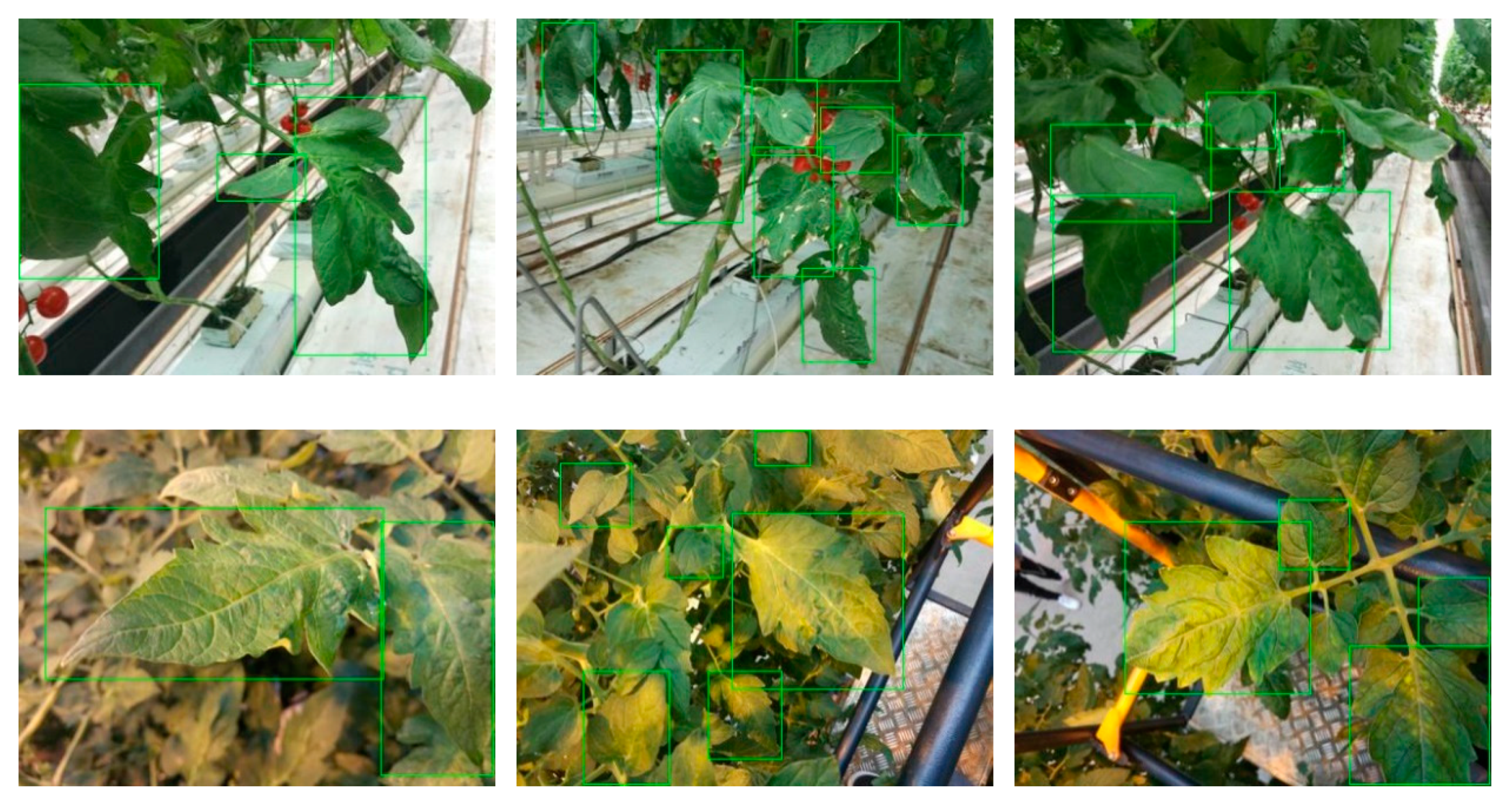
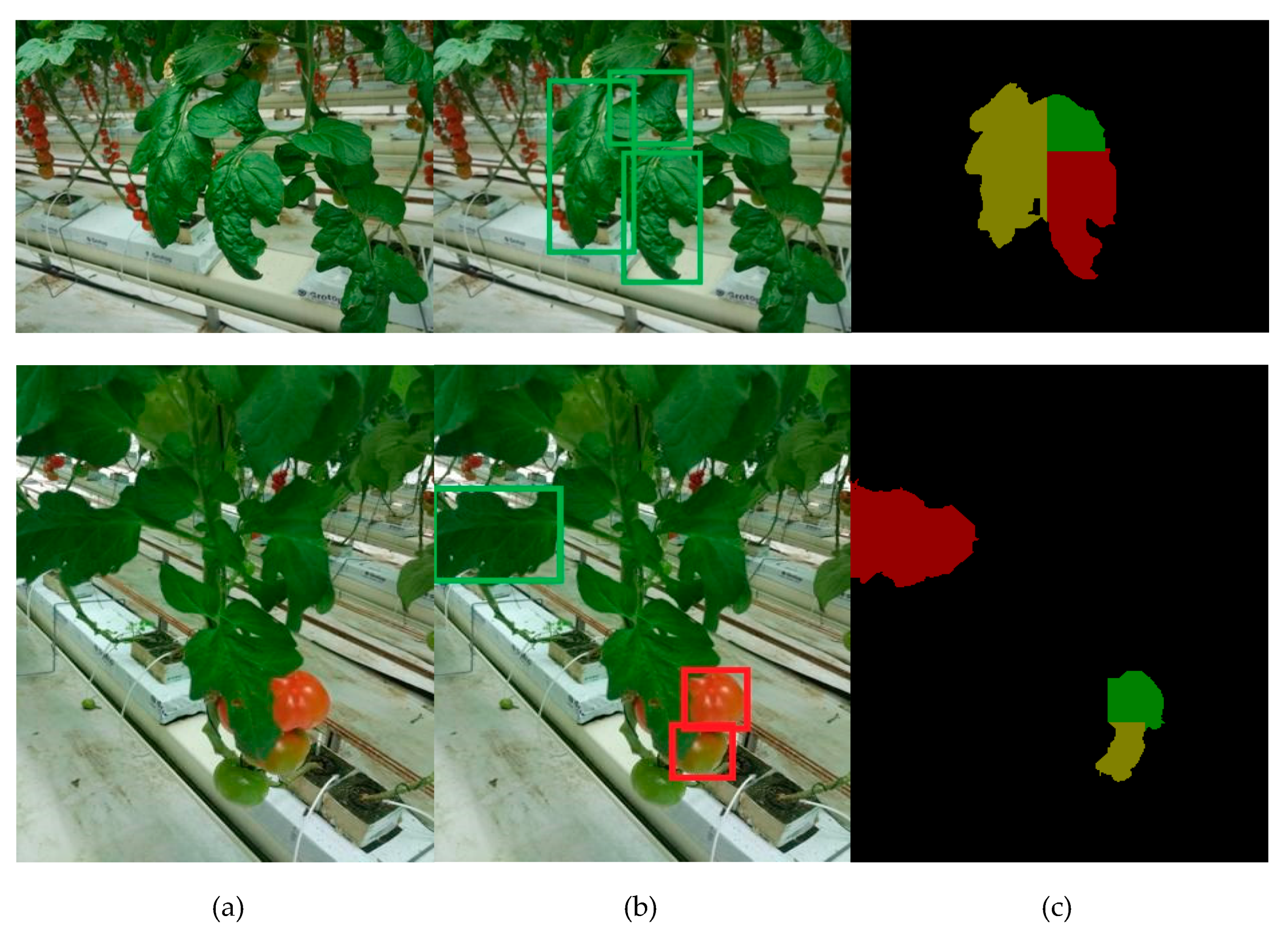
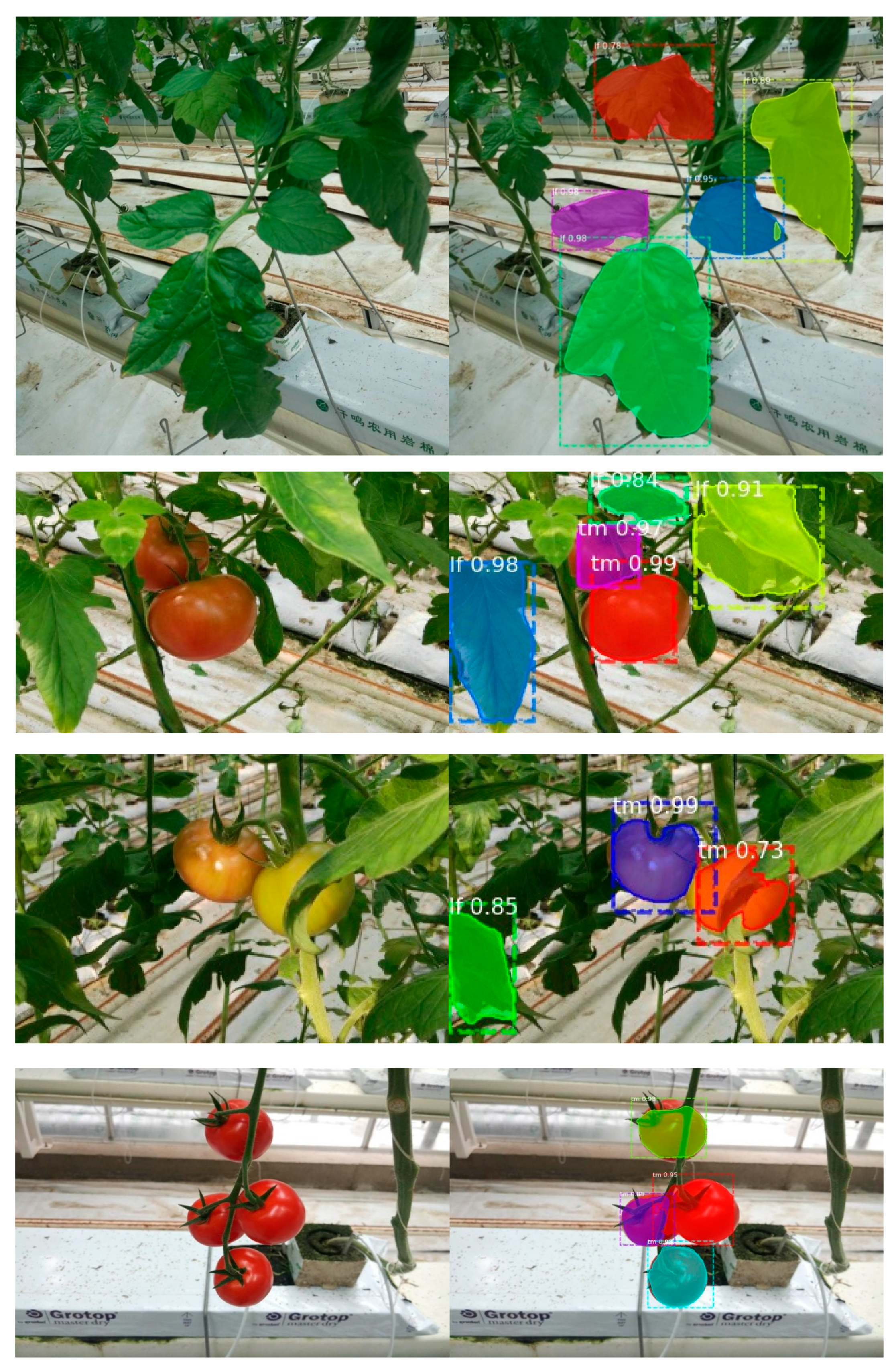
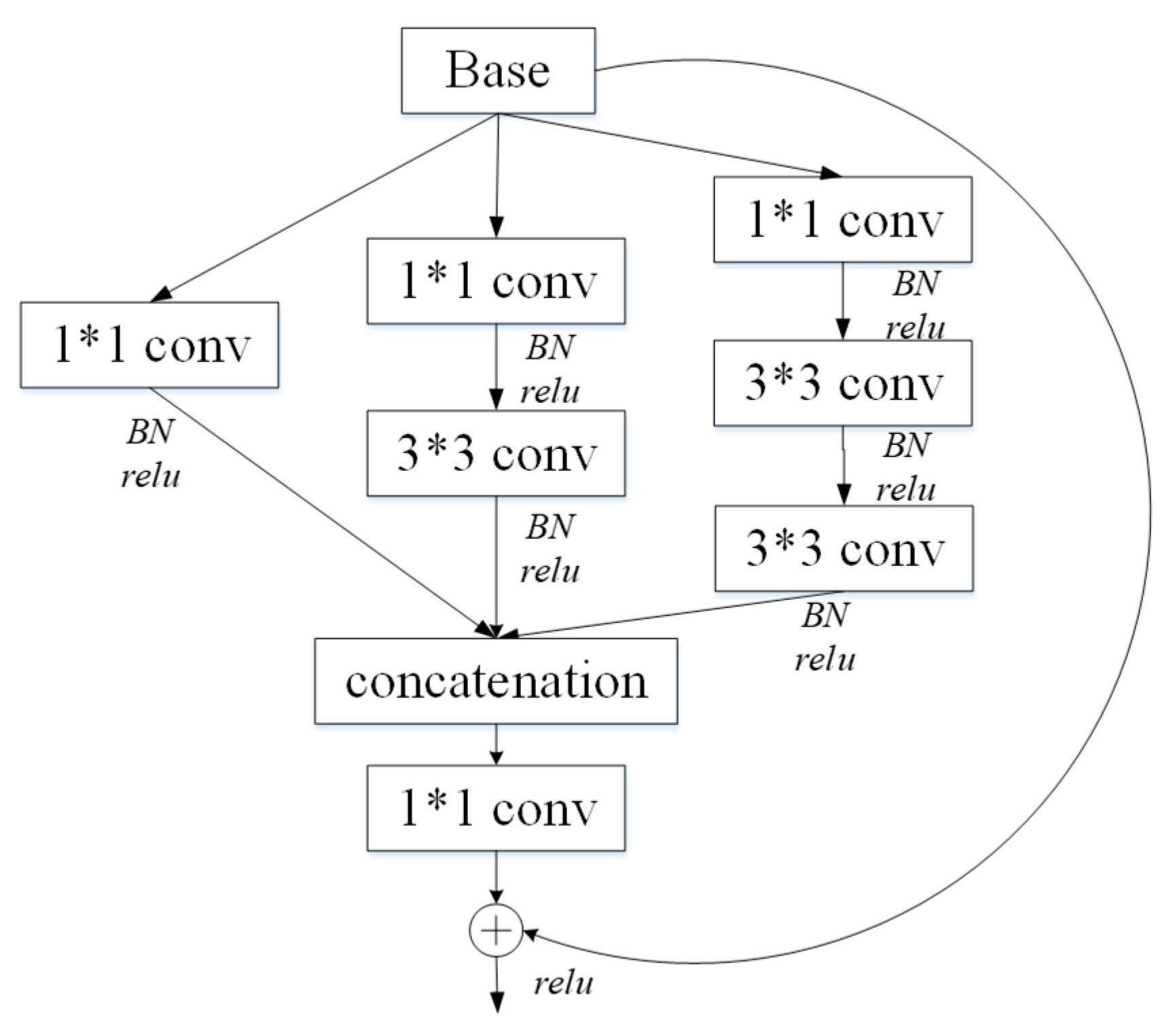
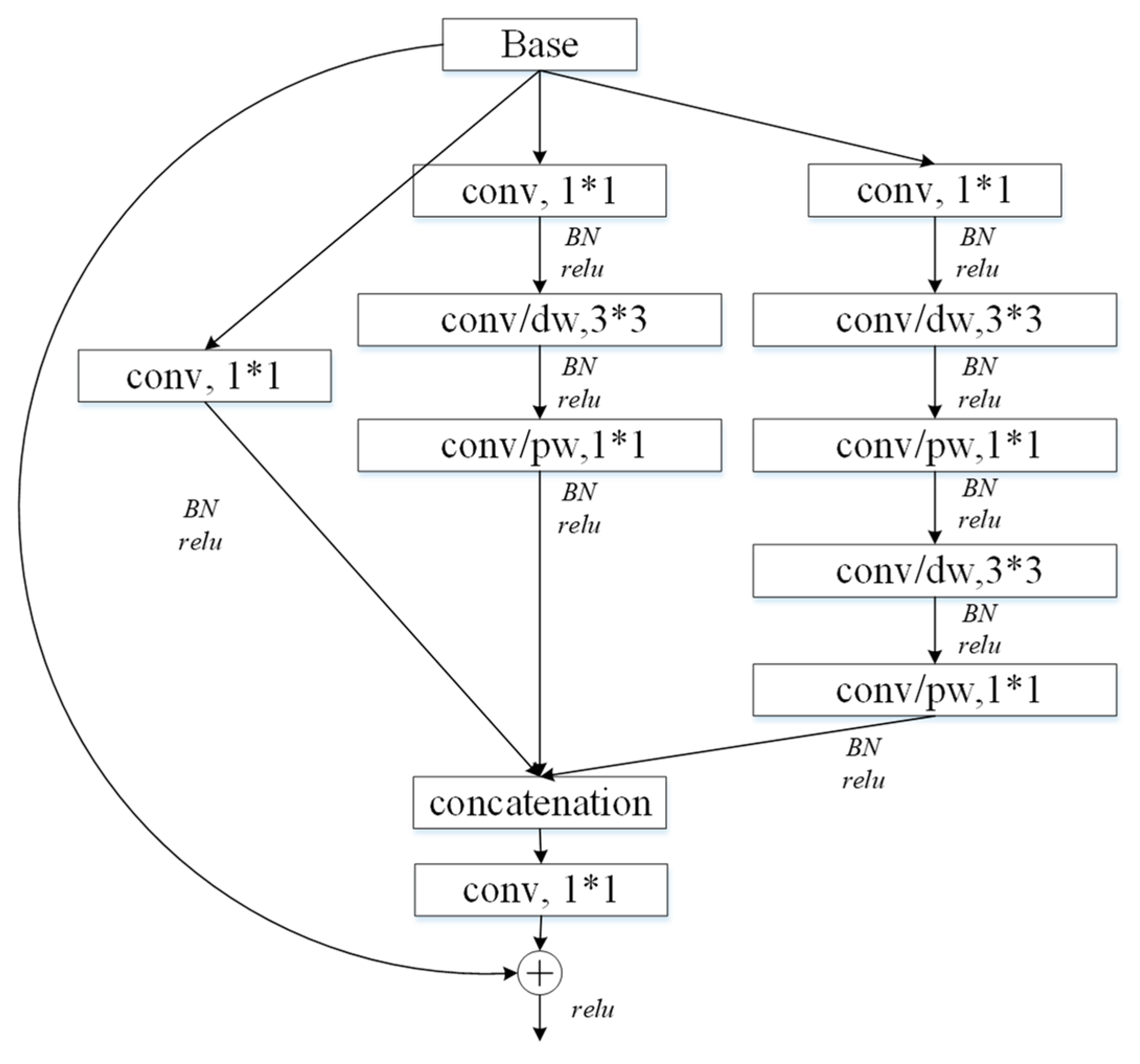
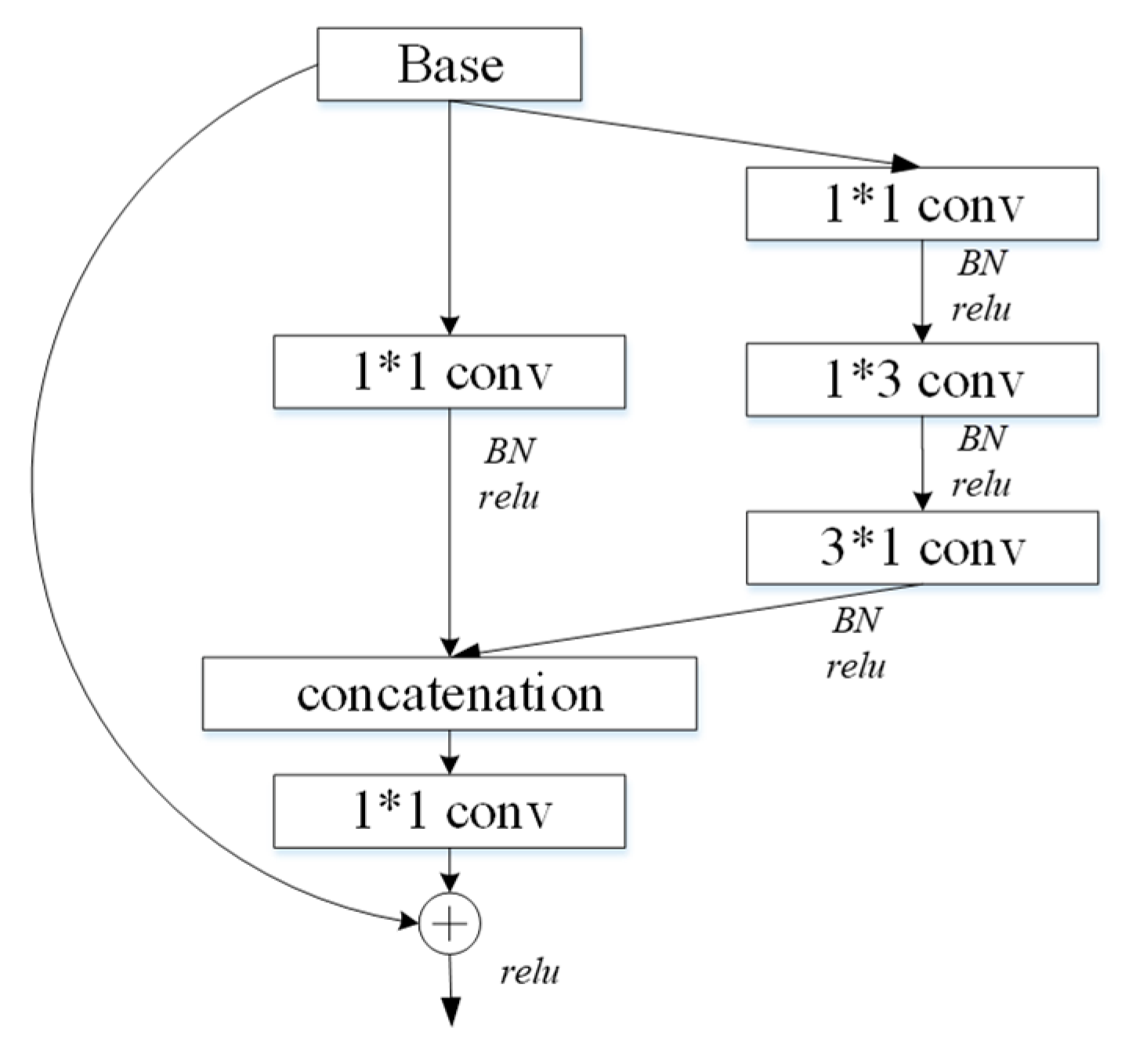
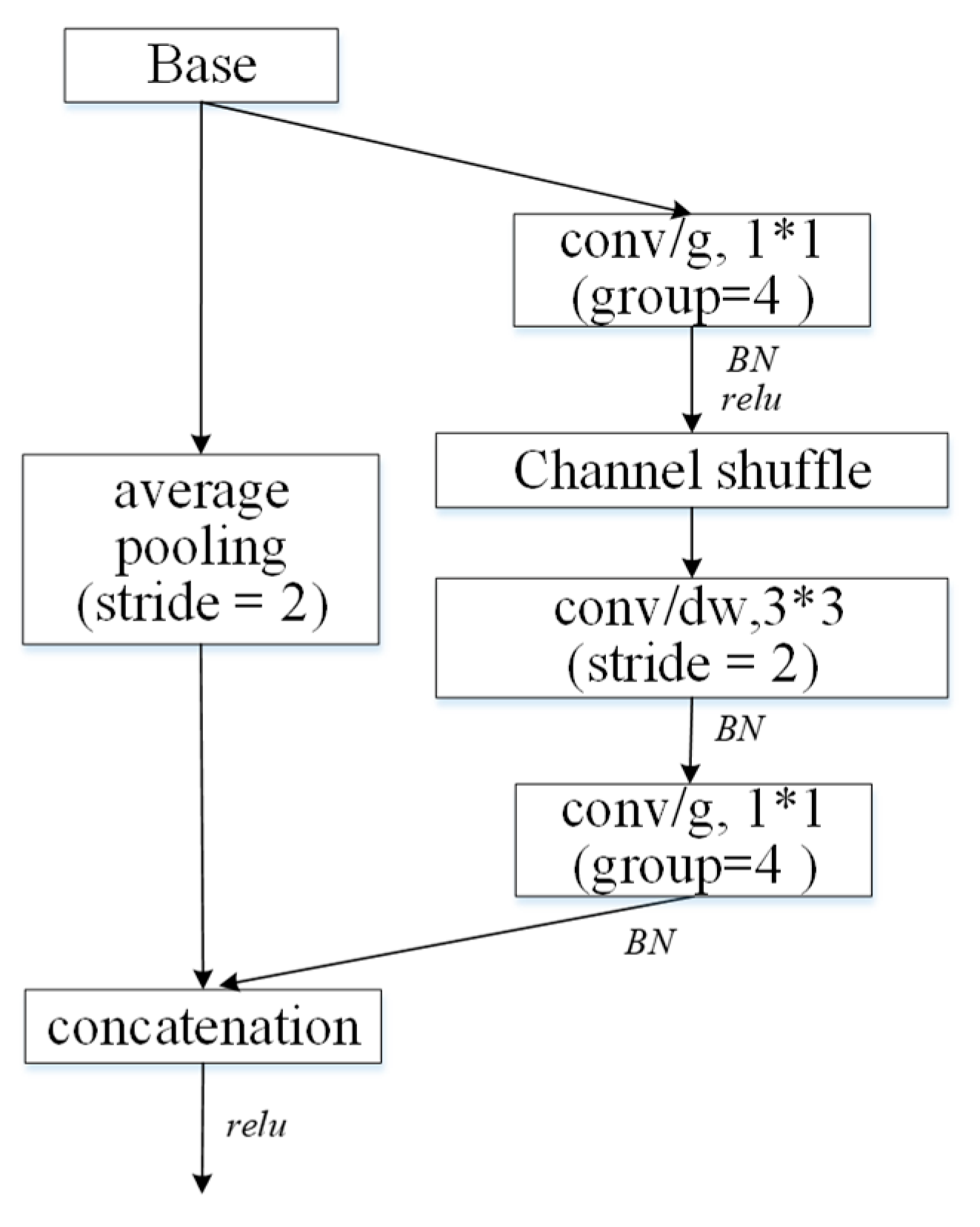
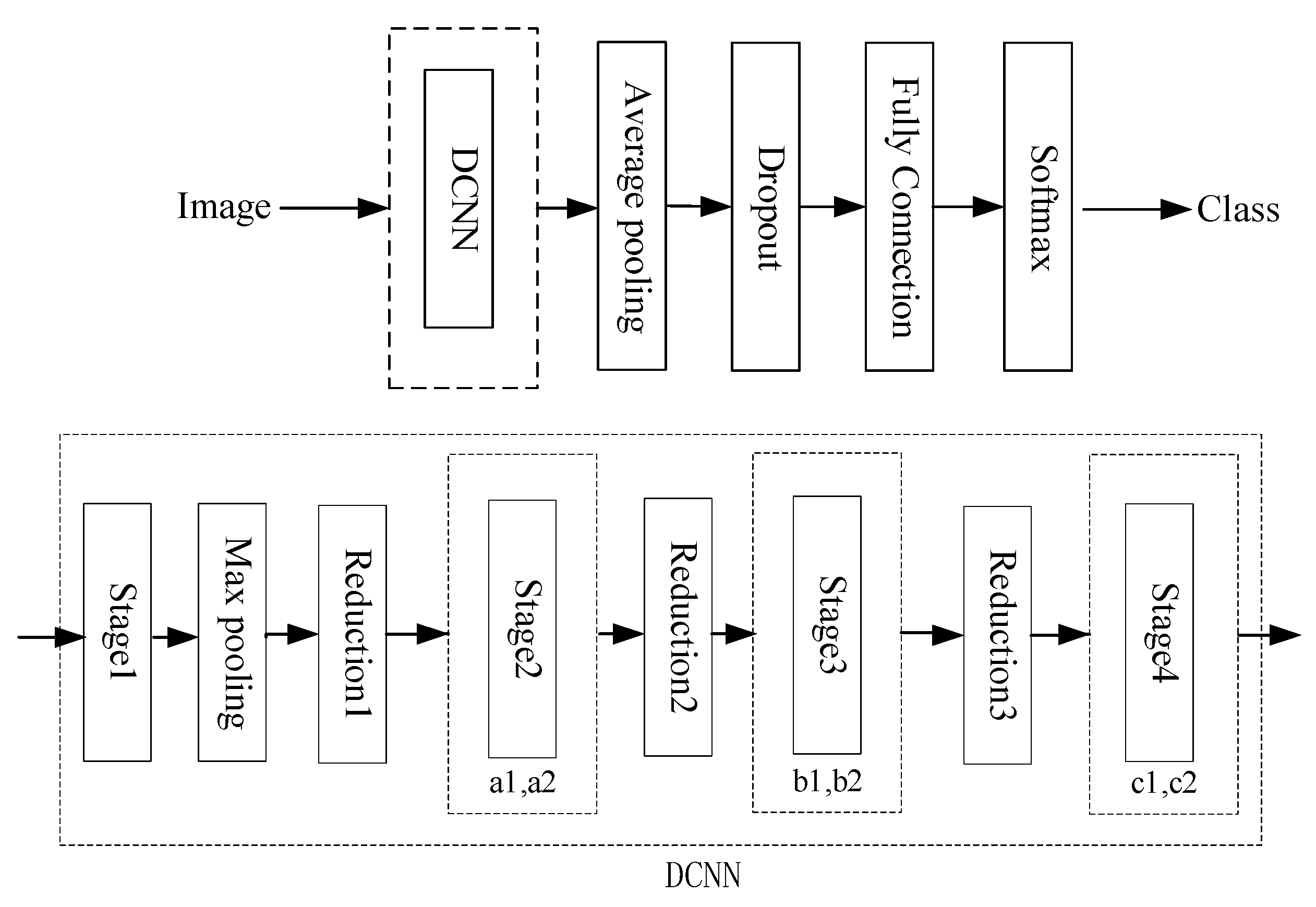
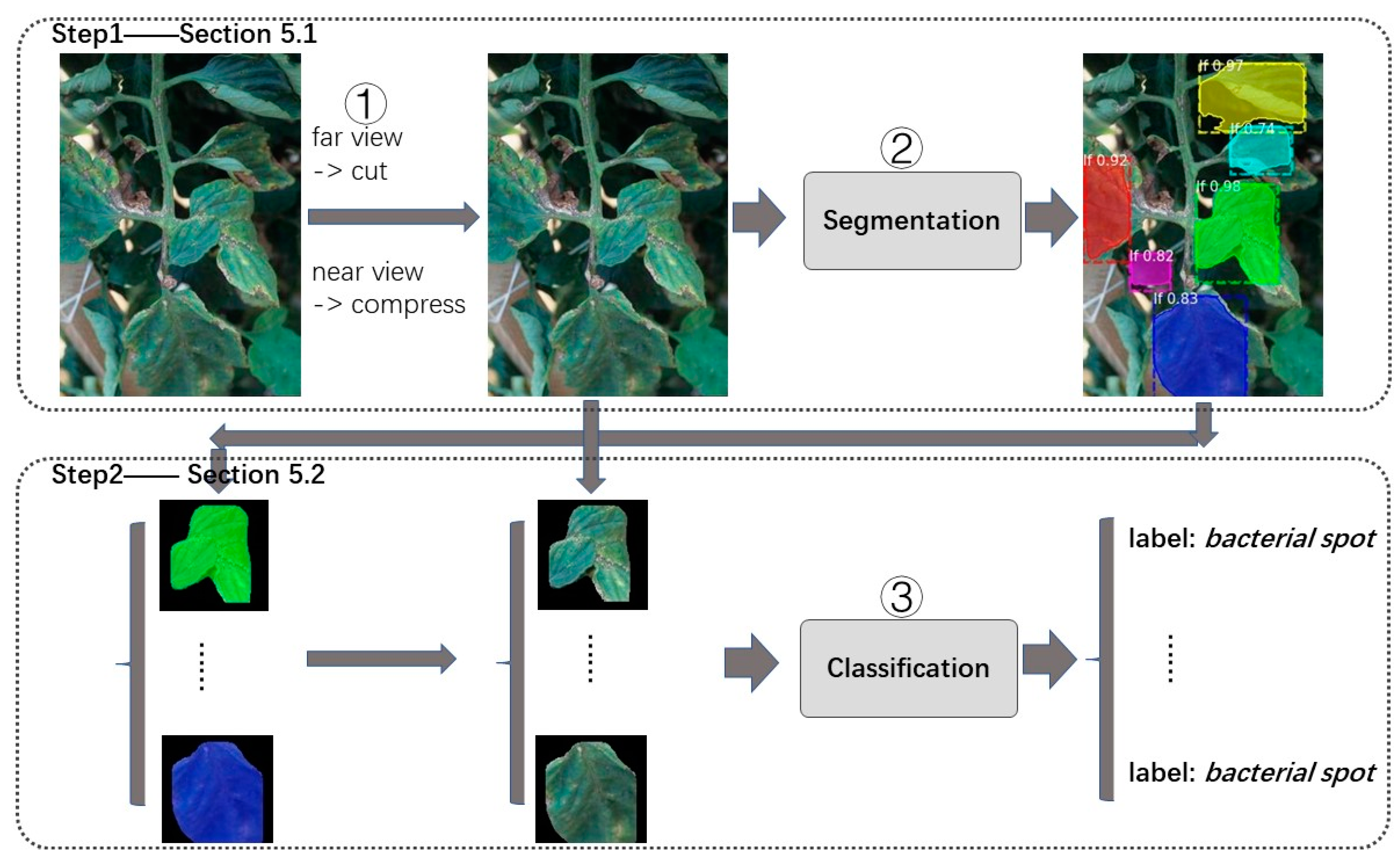
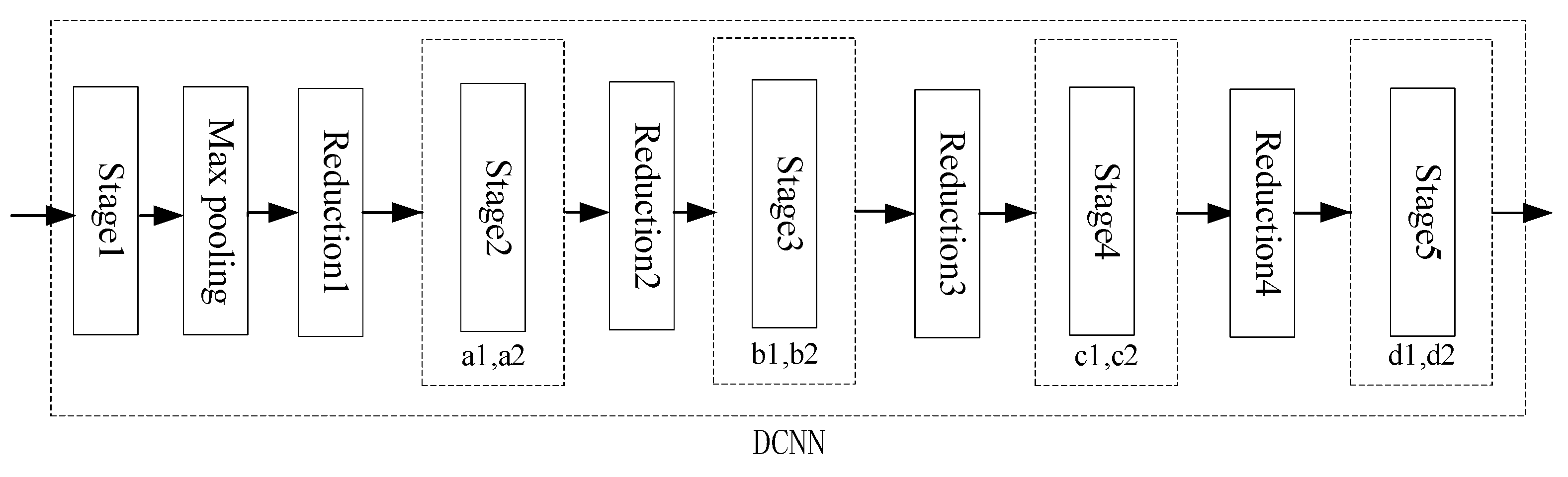
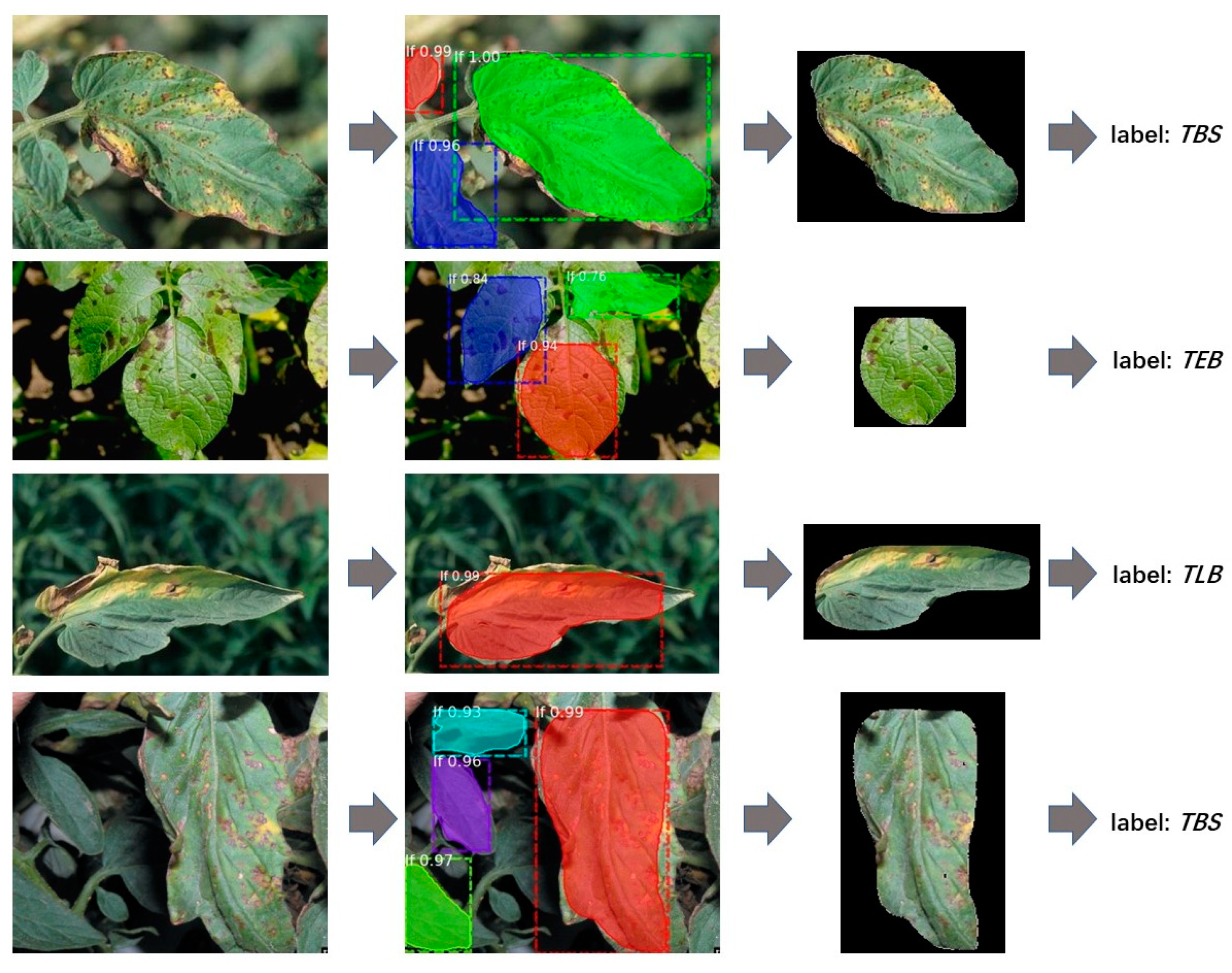
Object segmentation and classification using the deep convolutional neural network (DCNN) has been widely researched in recent years. On the one hand, DCNN requires large data training sets and precise labeling, which bring about great difficulties in practical application. On the other hand, it consumes a large amount of computing resources, so it is difficult to apply it to low-cost terminal equipment. This paper proposes a method of crop organ segmentation and disease recognition that is based on weakly supervised DCNN and lightweight model. While considering the actual situation in the greenhouse, we adopt a two-step strategy to reduce the interference of complex background. Firstly, we use generic instance segmentation architecture—Mask R-CNN to realize the instance segmentation of tomato organs based on weakly supervised learning, and then the disease recognition of tomato leaves is realized by depth separable multi-scale convolution. Instance segmentation algorithms usually require accurate pixel-level supervised labels, which are difficult to collect, so we propose a weakly supervised instance segmentation assignment to solve this problem. The lightweight model uses multi-scale convolution to expand the network width, which makes the extracted features richer, and depth separable convolution is adopted to reduce model parameters. The experimental results showed that our method reached higher recognition accuracy when compared with other methods, at the same time occupied less memory space, which can realize the real-time recognition of tomato diseases on low-performance terminals, and can be applied to the recognition of crop diseases in other similar application scenarios.
Keywords: weakly supervised; leaf; instance segmentation; disease recognition weakly supervised; leaf; instance segmentation; disease recognition