Article

Study on the Mechanism of Pyrimoxsulam Resistance in Highland Barley

1
College of Agriculture and Animal Husbandry, Qinghai University, Xining 810016, China
2
College of Agriculture and Forestry Sciences, Qinghai University, Xining 810016, China
*
Author to whom correspondence should be addressed.
Agronomy 2026, 16(8), 819; https://doi.org/10.3390/agronomy16080819
Submission received: 5 March 2026 / Revised: 7 April 2026 / Accepted: 13 April 2026 / Published: 16 April 2026
(This article belongs to the Section Weed Science and Weed Management)

Abstract

Highland barley (Hordeum vulgare var. nudum), a member of the genus Hordeum in the family Poaceae, represents a unique cultivated crop adapted to the Qinghai–Tibet Plateau. Weed infestation has long posed a serious threat to the yield and quality of highland barley, and the lack of effective weed management strategies has become a major constraint in its production. Pyroxsulam is an acetolactate synthase (ALS)-inhibiting herbicide widely used for weed control in highland barley fields. This study investigated the molecular mechanisms underlying the response of highland barley to pyroxsulam by integrating physiological, biochemical, and transcriptomic analyses. ALS activity assays showed that the resistant variety ‘Qing0306’ exhibited a significant increase in relative ALS activity within 1–4 days after pyroxsulam treatment. qRT-PCR analysis revealed a rapid induction of HvnALS expression, which was significantly higher in ‘Qing0306’ than in ‘Qing0160’ on the first day after treatment (p < 0.01), indicating that resistance is primarily associated with target-enzyme overexpression rather than target-site mutations. Moreover, transgenic Arabidopsis lines overexpressing HvnP450 and HvnGSTs displayed enhanced tolerance to pyroxsulam, as evidenced by an increased root length and fresh weight compared with wild-type plants. This study provides mechanistic insights that support the genetic improvement of pyroxsulam-resistant highland barley.

1. Introduction

Due to its high nutritional value and strong environmental adaptability, hulless barley (Hordeum vulgare L. var. nudum) serves as the primary food source for local residents [1]. It holds a significant place in agricultural history and has become the fourth most widely cultivated cereal crop globally, following wheat (Triticum aestivum L.), rice (Oryza sativa L.), and maize (Zea mays L.) [2]. As the only extensively cultivated staple crop on the Qinghai–Tibet Plateau, hulless barley cultivation not only meets the daily dietary needs of local populations but also serves as a cornerstone of the agricultural economy in alpine regions [3].
However, weed infestation in hulless barley fields has become a particularly prominent issue in recent years [4]. The proliferation of weeds competes with hulless barley for limited nutrients, water, and light, severely affecting normal growth and yield. Various weed species infest these fields, primarily categorized into broadleaf and grassy weeds. To effectively control weed infestations, chemical herbicides are widely used in agricultural production. Among these, acetolactate synthase (ALS) inhibitors have become a crucial option for chemical weed control in crops such as rice and wheat due to their high efficacy and strong selectivity [5].
Pyroxsulam, a typical ALS-inhibiting herbicide, effectively controls malignant grassy weeds like wild oats and broadleaf weeds such as catchweed bedstraw (Galium aparine) [6]. Its mechanism of action involves the targeted inhibition of ALS in plants, blocking the biosynthetic pathway of branched-chain amino acids (valine, leucine, and isoleucine). The loss of this key enzyme activity directly hinders plant protein synthesis, affects cell division, and ultimately leads to weed death [7]. However, recent studies have found that pyroxsulam application can cause phytotoxicity in some hulless barley varieties [8]. Concurrently, the prolonged use of herbicides in a single target site has induced the evolution of weed resistance [9,10].
In addition to TSR, NTSR also plays a crucial role in herbicide detoxification, primarily mediated by metabolic enzyme systems. Cytochrome P450 monooxygenases (P450s) are membrane-bound proteins located in the endoplasmic reticulum. They play vital roles in the synthesis of hormones and lipids, as well as in the metabolism of both endogenous and exogenous substances [11,12]. Numerous studies have confirmed that P450 genes contribute to herbicide detoxification. They metabolize herbicide molecules in planta into less toxic or more readily conjugated products through aryl hydroxylation, N-demethylation, O-demethylation, or alkyl hydroxylation [13]. For example, P450 monooxygenases metabolize 4-hydroxyphenylpyruvate dioxygenase (HPPD) inhibitors in rice and maize.
Beyond P450s, glutathione-S-transferases (GSTs) constitute another important class of metabolic enzymes involved in NTSR. Plant GSTs possess diverse functions, including oxidative stress tolerance, transport of toxic secondary products, and cell signaling during stress responses [14]. This conjugation can occur directly on the active herbicide or after initial modification by other enzymes, such as P450s [15].
To investigate the mechanisms underlying pyroxsulam resistance in hulless barley, this study focuses on candidate resistance genes, including target-site and non-target-site genes, aiming to explore the relationship between their sequence polymorphisms, expression regulation, and resistance development. First, gene cloning and bioinformatics analysis will be employed to compare the nucleotide sequence characteristics and protein physicochemical properties of the HvnALS gene between resistant and susceptible varieties. Subsequently, quantitative real-time PCR (qRT-PCR) will be used to dynamically monitor the expression level changes in this gene in resistant and susceptible varieties at different time points following pyroxsulam treatment. Through these investigations, this study aims to elucidate the potential roles of target-site and non-target-site factors in herbicide resistance in hulless barley, providing a theoretical basis for understanding its underlying molecular mechanisms.

2. Materials and Methods

2.1. Materials

Two highland barley (Hordeum vulgare var. nudum) cultivars were used in this study: the pyroxsulam-resistant cultivar ‘Qing0306’ (R) and the pyroxsulam-sensitive cultivar ‘Qing0160’ (S). Both cultivars were provided by the Qinghai Subcenter of the National Crop Germplasm Resources. Pyroxsulam (7.5% water-dispersible granules) (Dow AgroSciences, Beijing, China).

2.2. Experimental Design

The pyroxsulam-resistant cultivar ‘Qing0306’ (R) and the sensitive cultivar ‘Qing0160’ (S) were selected based on previous resistance screening. Seeds were grown under controlled greenhouse conditions with a light/dark photoperiod of 14.5 h/9.5 h and a temperature range of 15–20 °C. When seedlings reached the two-leaf, one-heart stage, plants were treated with pyroxsulam at the recommended field application rate of 12.5 g per 666.7 m2 via foliar spraying.

2.3. Ultrastructure Observation of Barley Mesophyll Cells

2.3.1. Electron Microscopy Sample Preparation

Water-treated plants served as the control. Leaf samples were collected at 1 and 6 days after pyroxsulam treatment. Leaves were excised and cut into small segments (approximately 1 mm × 1 mm). For treated samples, tissues were collected from the junction between healthy and injured areas. All sample preparation steps were conducted at a low temperature (0–4 °C).

2.3.2. Sample Cleaning

Leaf samples were collected at 0, 1, and 6 days after treatment. The excised leaf segments were rinsed by immersion in 0.1 mol L−1 phosphate buffer (pH 7.2). The buffer solution was replaced four to five times to ensure complete removal of impurities.

2.3.3. Glutaraldehyde Fixation

Samples were fixed in glutaraldehyde at 4 °C. The glutaraldehyde fixation solution was prepared using phosphate buffer.
After fixation for 3 h, the fixative was removed, and the samples were rinsed with 0.1 mol L−1 phosphate buffer (pH 7.2) for 2 h. Following washing, the tissue blocks were dehydrated using a graded ethanol series to remove free water. The buffer was gradually replaced with ethanol as the dehydrating agent. Samples were sequentially dehydrated in 30%, 50%, 70%, 80%, 90%, and 100% ethanol, with each step lasting 15–30 min. After dehydration, the samples were transferred to a 1:1 (v/v) mixture of ethanol and isoamyl acetate for 15 min with gentle agitation. This step was then repeated using 100% isoamyl acetate [16].

2.3.4. Sample Drying

Samples were dried using a critical point dryer with CO2 as the transitional fluid.

2.3.5. Ion Sputtering for Coating

After critical point drying, samples were coated with a conductive metal layer using an ion sputter coater (Hitachi, Tokyo, Japan). Gold was used as the coating material to enhance surface conductivity and signal quality during scanning electron microscopy observation. The coating thickness was adjusted according to the operating conditions of the microscope.

2.3.6. Scanning Electron Microscope Observation

The prepared samples were examined using a scanning electron microscope (Hitachi, Tokyo, Japan) to observe ultrastructural changes in barley leaf tissues induced by pyroxsulam treatment.

2.4. ALS Activity Determination

Leaf samples were collected at 1, 2, 3, 4, 5, 6, and 7 days after pyroxsulam treatment, immediately frozen in liquid nitrogen, and stored at −80 °C until analysis. Acetolactate synthase (ALS) activity was determined using a commercial enzyme-linked immunosorbent assay (Vazyme, Nanjing, China) kit based on a double-antibody sandwich method. Briefly, purified ALS capture antibodies were pre-coated onto microplates, followed by the addition of ALS extracts from leaf samples. After incubation with horseradish peroxidase (HRP)-conjugated detection antibodies, immune complexes were formed. Plates were washed thoroughly, and the chromogenic substrate 3,3′,5,5′-tetramethylbenzidine (TMB) was added. The enzymatic reaction was terminated with a stop solution, and absorbance was measured at 450 nm using a microplate reader(BMG LABTECH, Ortenberg, Germany). ALS activity was calculated based on a standard curve generated from known ALS concentrations.

2.5. Phenotypic Identification

Phenotypic data were recorded, and samples were collected at 0 days (before treatment), 1 day (1 d), and 6 days (6 d) after treatment. For both barley cultivars, leaf samples were collected using sterile surgical scissors, immediately frozen in pre-chilled liquid nitrogen, and transferred into labeled cryovials. All samples were subsequently stored in an ultra-low-temperature freezer at −80 °C until further analysis. Each treatment consisted of six biological replicates. The number of damaged plants and the severity of injury were recorded, and the phytotoxicity rate was calculated accordingly. Damage severity was classified into five grades, as shown in Table 1. The phytotoxicity rate was calculated using the following formula:
Phytotoxicity Rate = (∑ Damage Levels)/Total Number of Plants × 100%

2.6. Cloning of the Target HvnALS Gene

After pyroxsulam treatment of the barley cultivars Qing 0306 (R, resistant) and Qing 0160 (S, sensitive), total RNA was extracted from leaf tissues using TransZol Up reagent (Vazyme, Nanjing, China). RNA concentration and purity were determined, and RNA integrity was evaluated by 1.2% agarose gel electrophoresis. First-strand cDNA was synthesized using a cDNA synthesis kit (Bioray Biotech Co., Ltd., Beijing, China) and stored at −20 °C for subsequent experiments. Based on transcriptome sequencing results, differentially expressed HvnALS genes were identified, and gene-specific primers spanning the full-length coding region were designed (Table 1). PCR amplification was performed in a 20 μL reaction volume under the following conditions: initial denaturation at 98 °C for 10 s, annealing at 55 °C for 15 s, extension at 72 °C for 60 s, for a total of 35 cycles. The amplified target fragment was purified using a commercial DNA purification kit (Tiangen Biotech Co., Ltd., Beijing, China). The purified PCR product (4 μL) was ligated into the pEASY®-Blunt Zero cloning vector (Fullshijin Biotech, Beijing, China) and subsequently transformed into Escherichia coli Trans-T1 competent cells via heat-shock transformation. After incubation in LB liquid medium at 37 °C with shaking (200 rpm) for 1 h, 100 μL of the bacterial suspension was plated onto LB agar containing kanamycin (100 μg/mL) and incubated overnight at 37 °C. Ten representative single colonies were randomly selected and cultured in 5 mL LB liquid medium supplemented with kanamycin (100 μg/mL) at 37 °C with shaking (200 rpm) for 16 h. Positive clones were preliminarily screened and subsequently subjected to sequencing analysis.

2.7. Bioinformatics Analysis of HvnALS

Online bioinformatics tools were used to predict the signal peptide, transmembrane domains, and physicochemical properties of the HvnALS-encoded protein (Table 2). ALS protein sequences homologous to HvnALS from seven grass species were retrieved, and multiple sequence alignment and sequence identity analyses were conducted using MEGA X (Version 12.1.1) software. A phylogenetic tree was subsequently constructed based on the aligned amino acid sequences to investigate the evolutionary relationships between HvnALS and its homologs.

2.8. Expression Level Analysis of HvnALS Gene

Gene-specific primers for qRT-PCR were designed and synthesized (Table 3). cDNA synthesized from leaf tissues of Qing 0306 (R, resistant) and Qing 0160 (S, sensitive) treated with pyroxsulam for 0, 1, and 6 days was used as the template, with HvACTIN serving as the internal reference gene. Quantitative real-time PCR was performed in a 20 μL reaction volume under the following cycling conditions: pre-denaturation at 95 °C for 2 min, followed by 40 cycles of denaturation at 95 °C for 5 s and annealing/extension at 60 °C for 32 s. Relative gene expression levels were calculated using the 2−ΔΔCt method. Each treatment included three independent biological replicates, and each biological replicate consisted of three technical replicates.

2.9. Cloning and Bioinformatics Analysis of Non-Target HvnP450 and HvnGSTs Genes

Based on transcriptome sequencing results, genes that were significantly upregulated in response to herbicide stress were selected, including a cytochrome P450 gene (CYP450) and gene-D1007_59076 (GSTs59076), which were designated HvnP450 and HvnGSTs, respectively. Full-length primers for HvnP450 and HvnGSTs were designed based on their sequences (Table 4), and PCR amplification was subsequently performed according to the procedures described in Section 2.6 and Section 2.7.

2.10. Transgenic Arabidopsis for Gene Function Validation

2.10.1. Vector Construction

Homologous arm sequences were introduced into the upstream and downstream primers of HvnP450 and HvnGSTs. Specifically, the upstream primers were modified by adding the homologous arm sequence AgAACACgggggACgAgCTC, while the downstream primers contained the homologous arm sequence ACCATggTgTCgACTCTAgA. The successfully cloned gene fragments were recombined into the pCAMBIA2300-GFP vector following double digestion with SacI and XbaI. The resulting constructs were subsequently introduced into Agrobacterium tumefaciens strain GV3101 competent cells for further experiments.

2.10.2. Arabidopsis Transformation

Arabidopsis thaliana ecotype Columbia-0 (Col-0) was selected as the model plant. Plants were grown to the flowering stage and genetically transformed using the floral dip method. After seed collection, T1 transgenic seeds were screened on MS medium containing 50 mg/L kanamycin. This process was repeated, and all transgenic lines were purified to the T3 generation for subsequent physiological phenotype analyses. For each transgene, at least 10 independent homozygous lines were obtained (Figure 1).

2.10.3. Effect of Pyroxsulam on Arabidopsis Seed Germination

Seeds from T3 homozygous overexpression lines and wild-type plants were sown separately on 1/2 MS medium supplemented with 10 μM or 15 μM pyroxsulam. After 10 days of growth, root length was measured, and representative photographs were taken for documentation.

3. Results

3.1. ALS Activity Assay Results

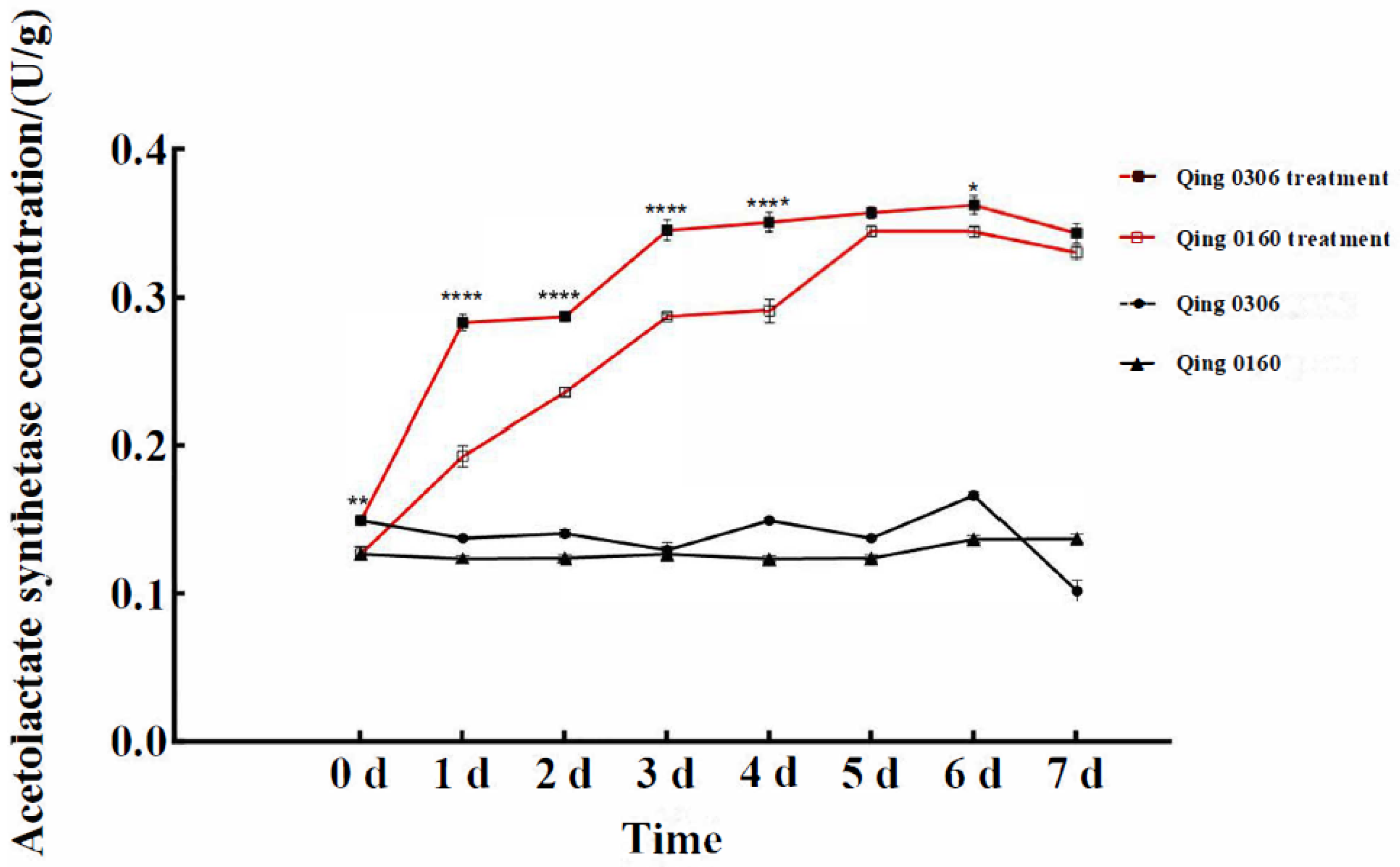
ALS activity responded differently to pyroxsulam stress among barley varieties (Figure 2). In the resistant cultivar ‘Qing 0306’ (R), ALS relative activity increased during the early stages of treatment, showing a significant increase at 1 day post-treatment compared with the control, followed by a decline at 7 days post-treatment. In contrast, ALS activity in the sensitive cultivar ‘Qing 0160’ (S) initially increased and then gradually decreased over time. At 5 days post-treatment, ALS activity in the sensitive cultivar did not differ significantly from that of the resistant cultivar; however, a marked reduction was observed at 6 days post-treatment.

3.2. Response of Barley to Stress

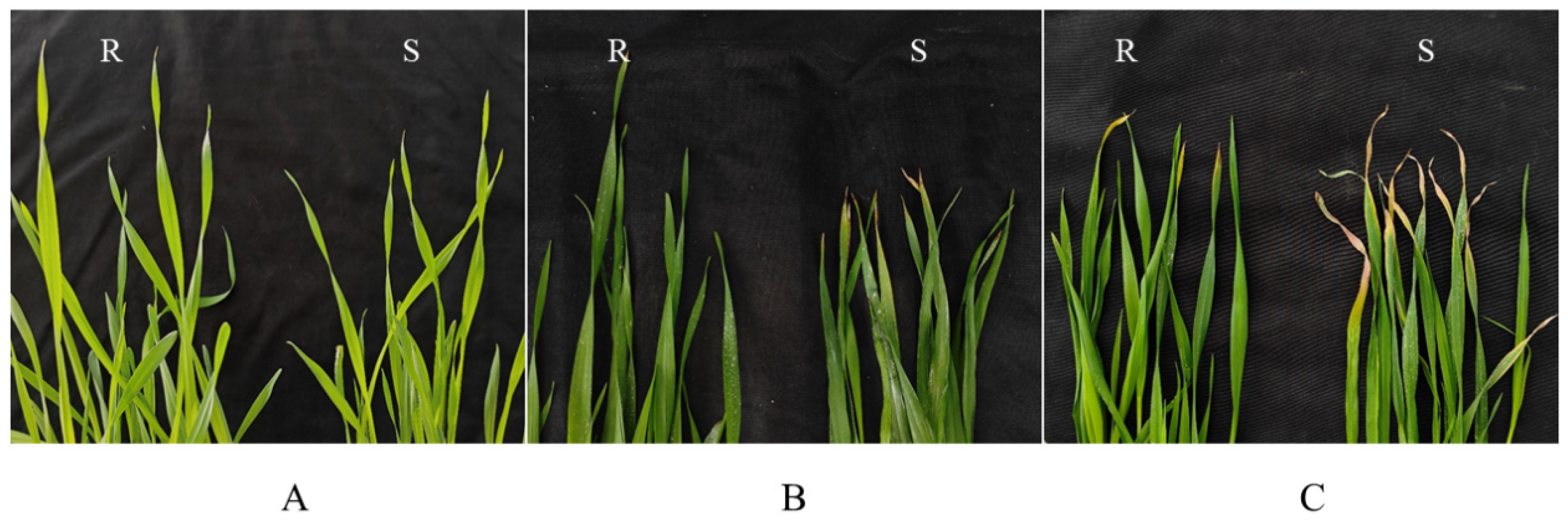
One day after treatment, the leaf tips of the sensitive barley (S) exhibited chlorosis, and some leaf tips showed signs of wilting. In contrast, no obvious phenotypic differences were observed between the resistant barley (R) and the control group. Six days after treatment, sensitive barley plants displayed severe chlorosis, wilting, and drooping, whereas resistant barley showed only partial yellowing at the leaf tips (Figure 3).
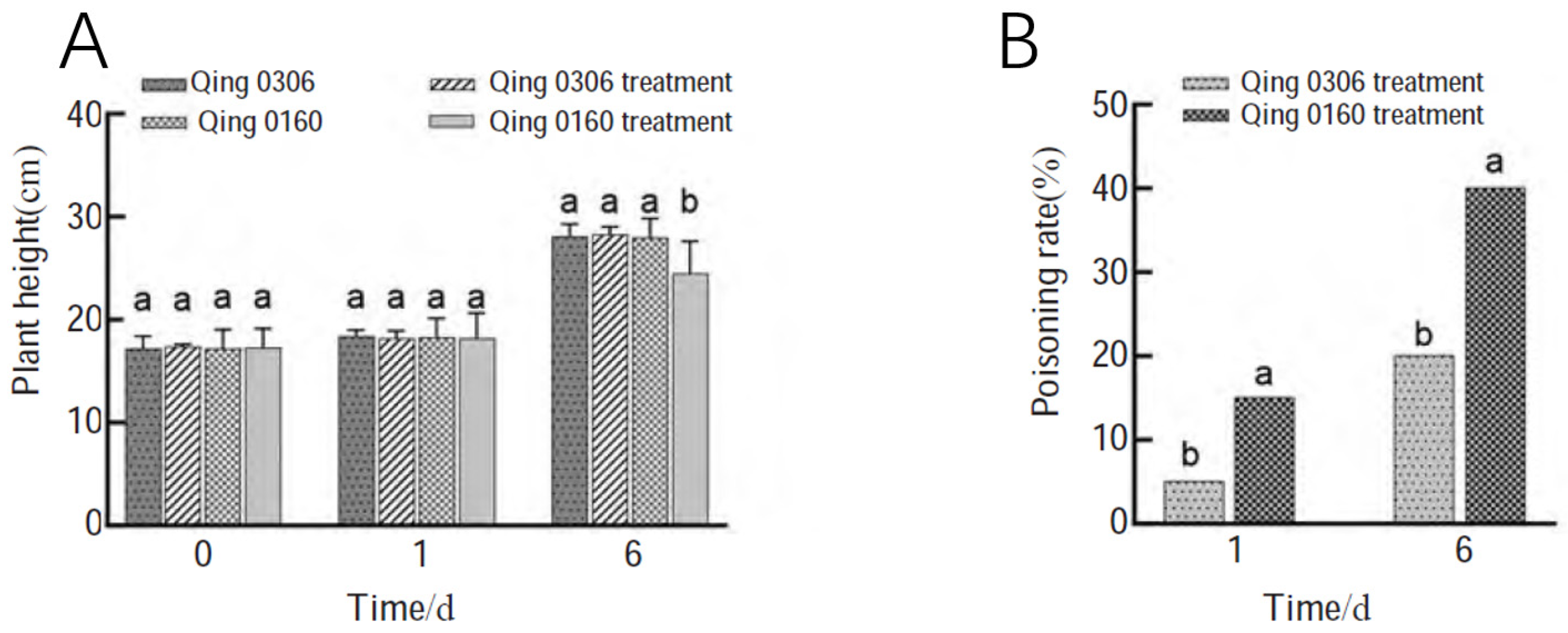
Analysis of variance revealed that, at 6 days after treatment, plant height in the sensitive barley treatment group (S) was significantly lower than that in the resistant barley treatment group (R) and the sensitive barley control group (S CK). Furthermore, at both 1 and 6 days post-treatment, the phytotoxicity rate of sensitive barley (S) was significantly higher than that of resistant barley (R) (Figure 4).

3.3. Ultrastructural Observation of Barley Under Stress

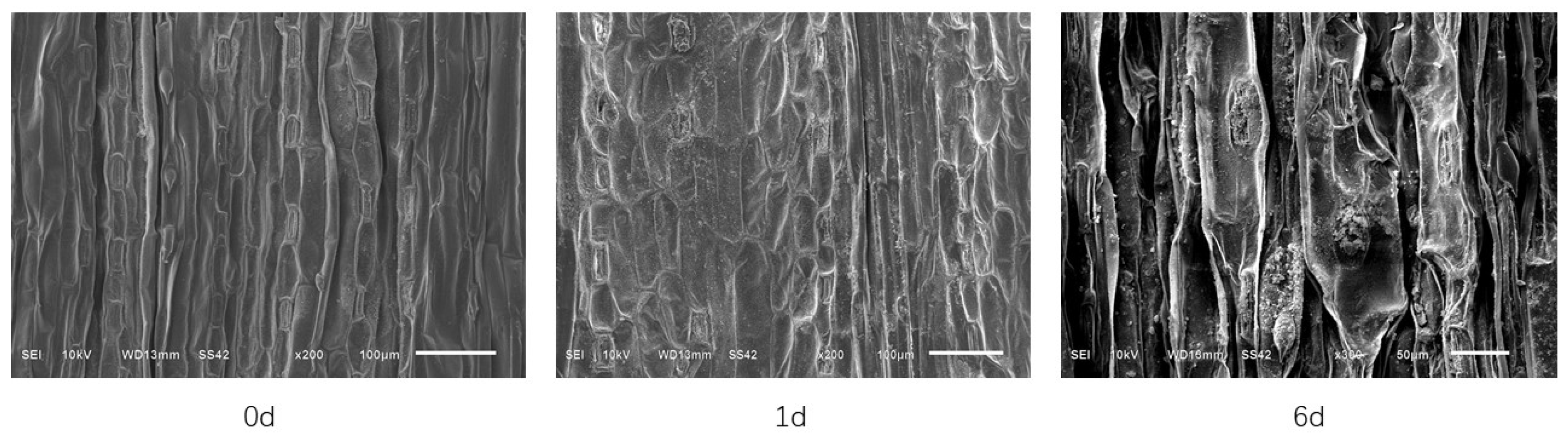
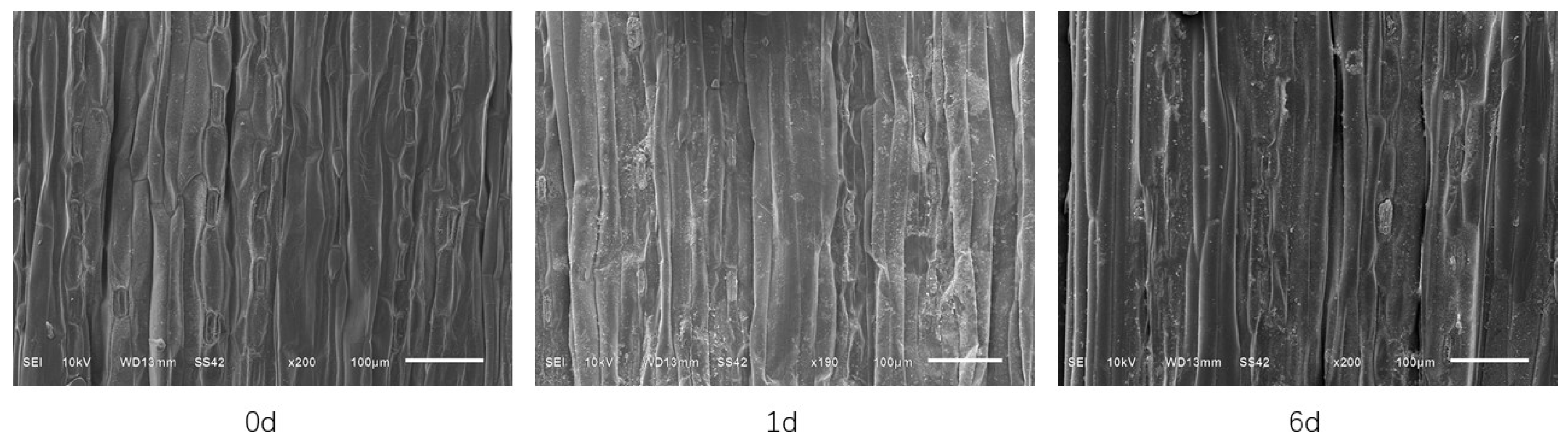
As shown in Figure 5 and Figure 6, pyroxsulam stress significantly affected the ultrastructure of barley leaves. Healthy barley leaves not treated with pyroxsulam (0 d) exhibited normal cellular ultrastructure and well-organized tissue architecture. Following pyroxsulam application, darkening was observed around the stomata, accompanied by the accumulation of abundant electron-dense materials. With prolonged exposure, the growth and development of affected barley leaves became abnormal, ultimately leading to visible injury symptoms. Compared with resistant barley, metabolic processes in the leaf tissues of sensitive barley were severely disrupted, and affected cells gradually underwent cell death. Ultrastructural observations further revealed extensive damage to the mesophyll tissues of sensitive barley leaves.

3.4. Cloning and Sequence Analysis of the HvnALS Gene

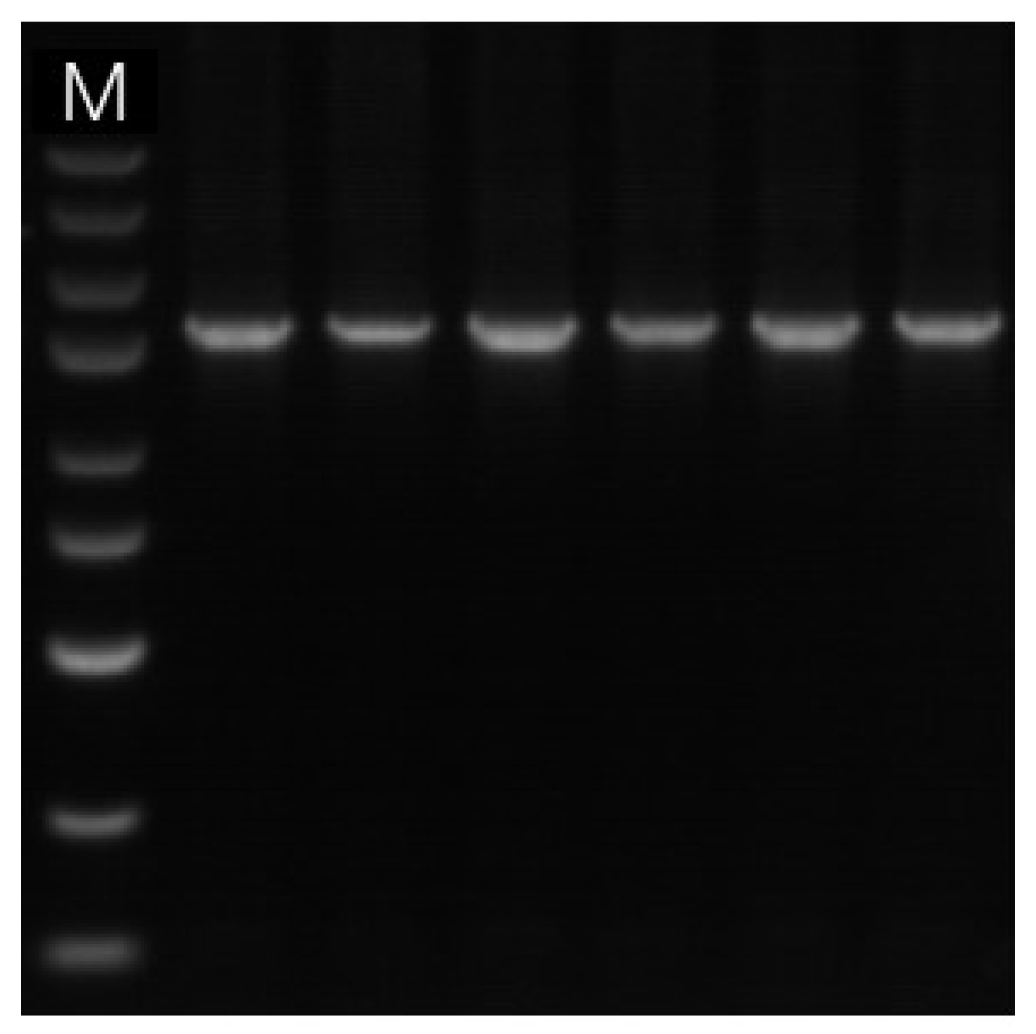
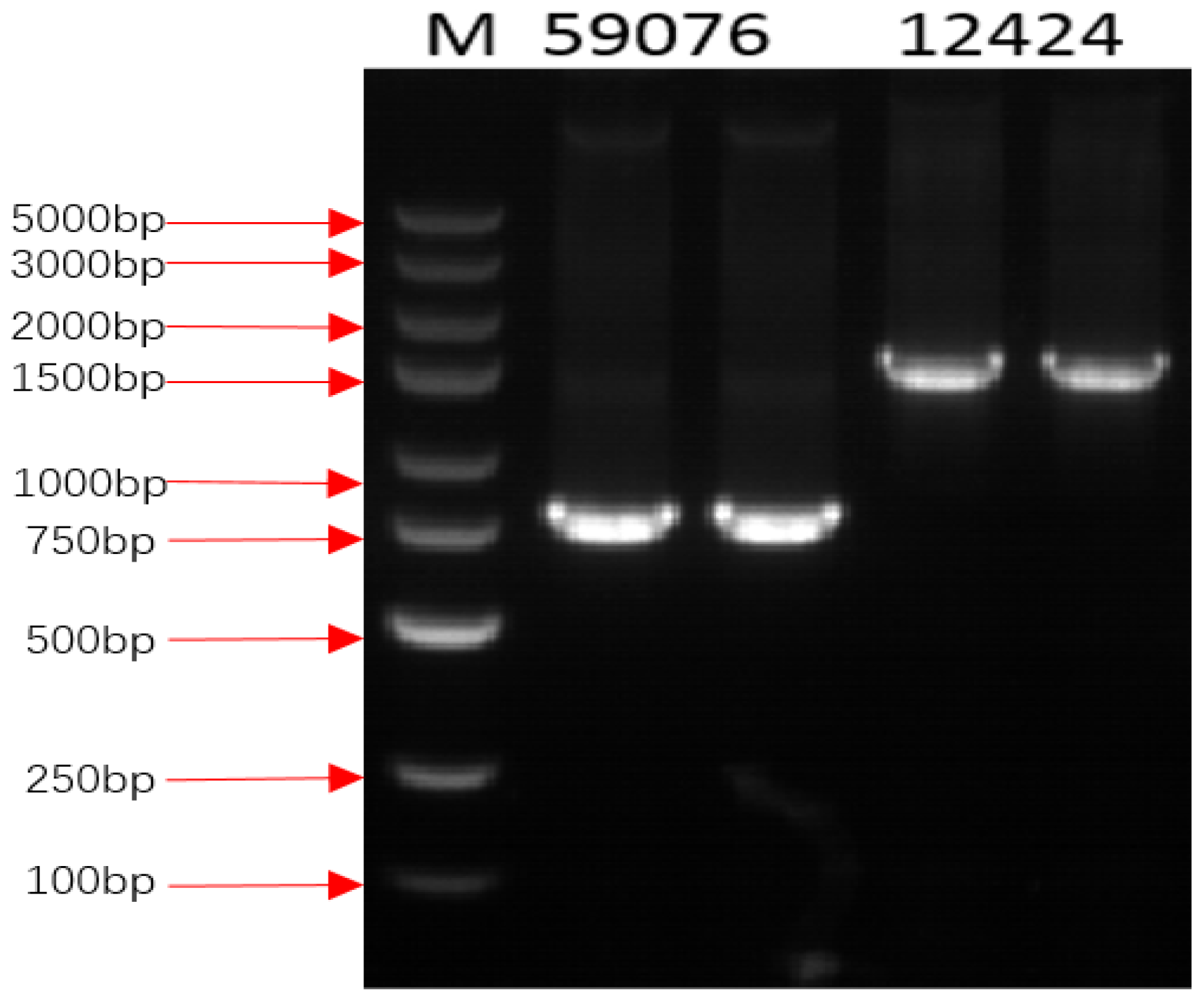
Agarose gel electrophoresis showed that the PCR amplification produced a single target band of approximately 1900 bp (Figure 7). Sequencing confirmed that the open reading frame (ORF) of the HvnALS gene was 1941 bp in length, encoding a protein of 646 amino acids. Sequence alignment analysis demonstrated that both the nucleotide sequences and the deduced amino acid sequences of ‘Qing 0306’ and ‘Qing 0160’ were 100% identical.
Physicochemical analysis indicated that HvnALS has a molecular formula of C3103H4922N854O899S24 and a relative molecular mass of 69,345.84 kDa. The instability index was 40.49, classifying HvnALS as an unstable protein. The aliphatic index was 92.32, and the theoretical isoelectric point was 6.58, indicating that HvnALS is an acidic, hydrophilic protein. No transmembrane domains or signal peptides were predicted.
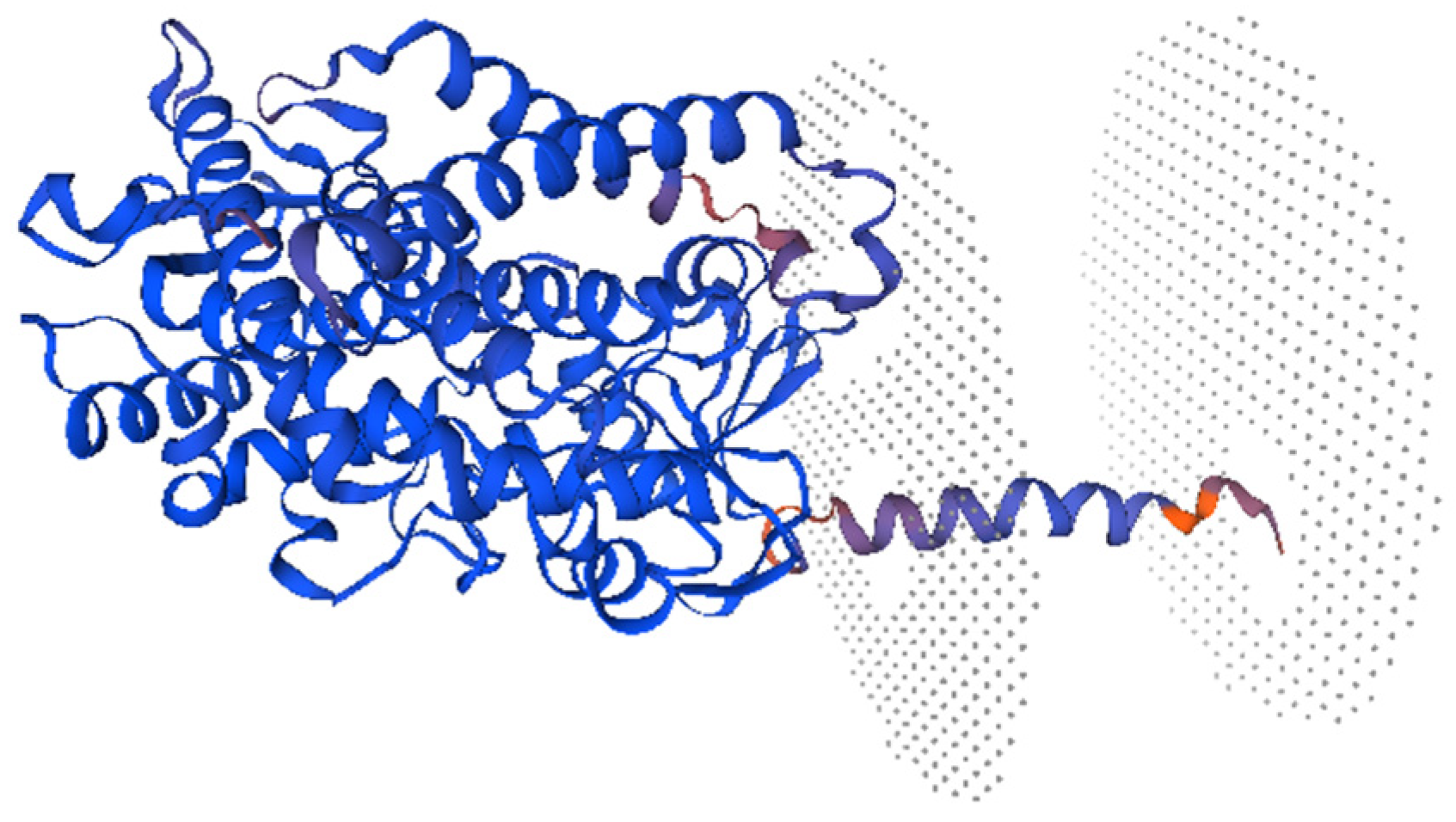
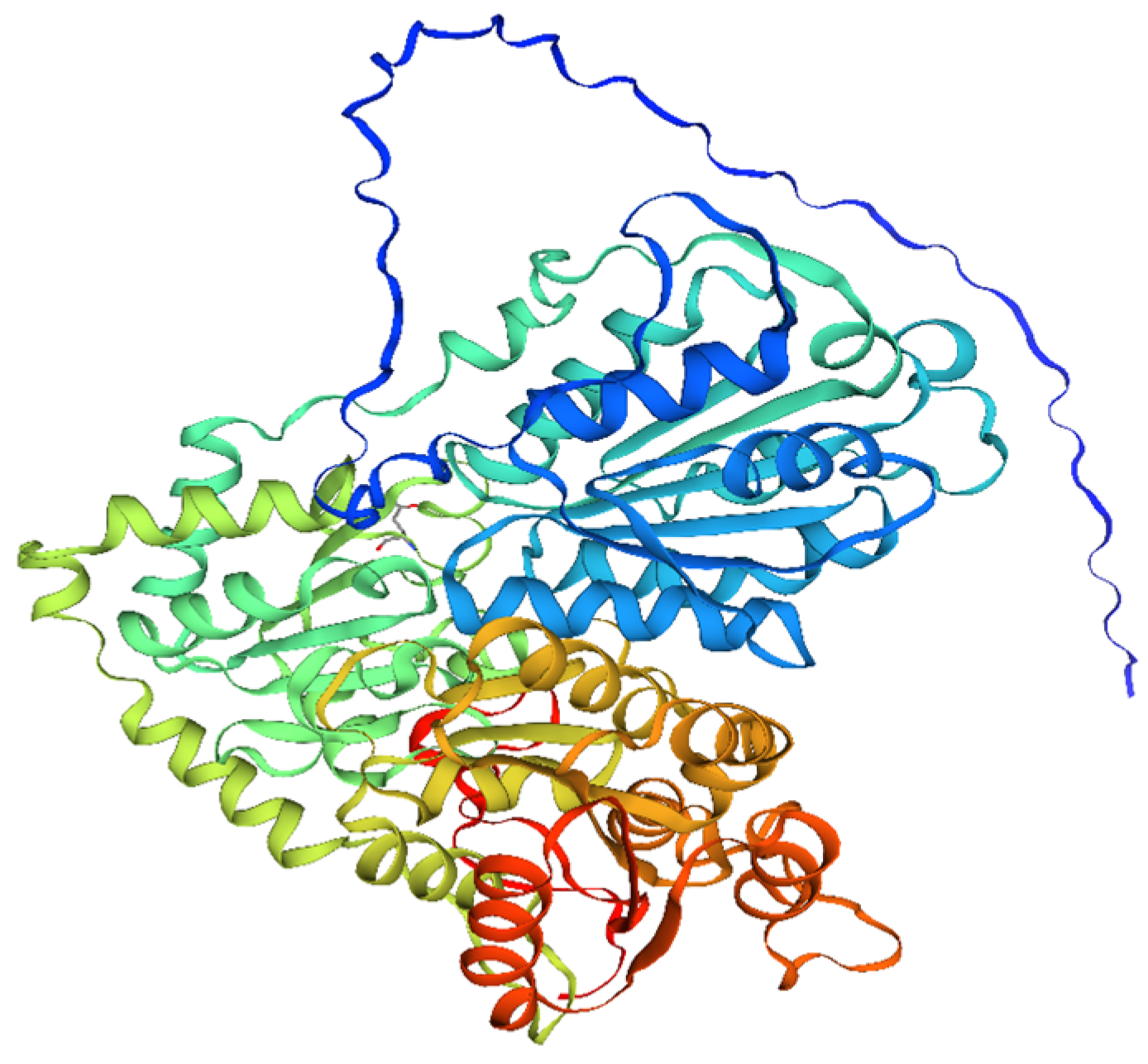
Secondary structure prediction (Figure 8) revealed that random coils accounted for the largest proportion (41.33%), followed by α-helices (33.44%), extended strands (18.27%), and β-turns (6.97%). Tertiary structure modeling (Figure 9) showed a sequence identity of 97.83% with 100% target sequence coverage, and a global model quality estimation (GMQE) value of 0.91, indicating high reliability and structural quality.

3.5. Homologous Comparison and Phylogenetic Analysis of HvnALS Protein

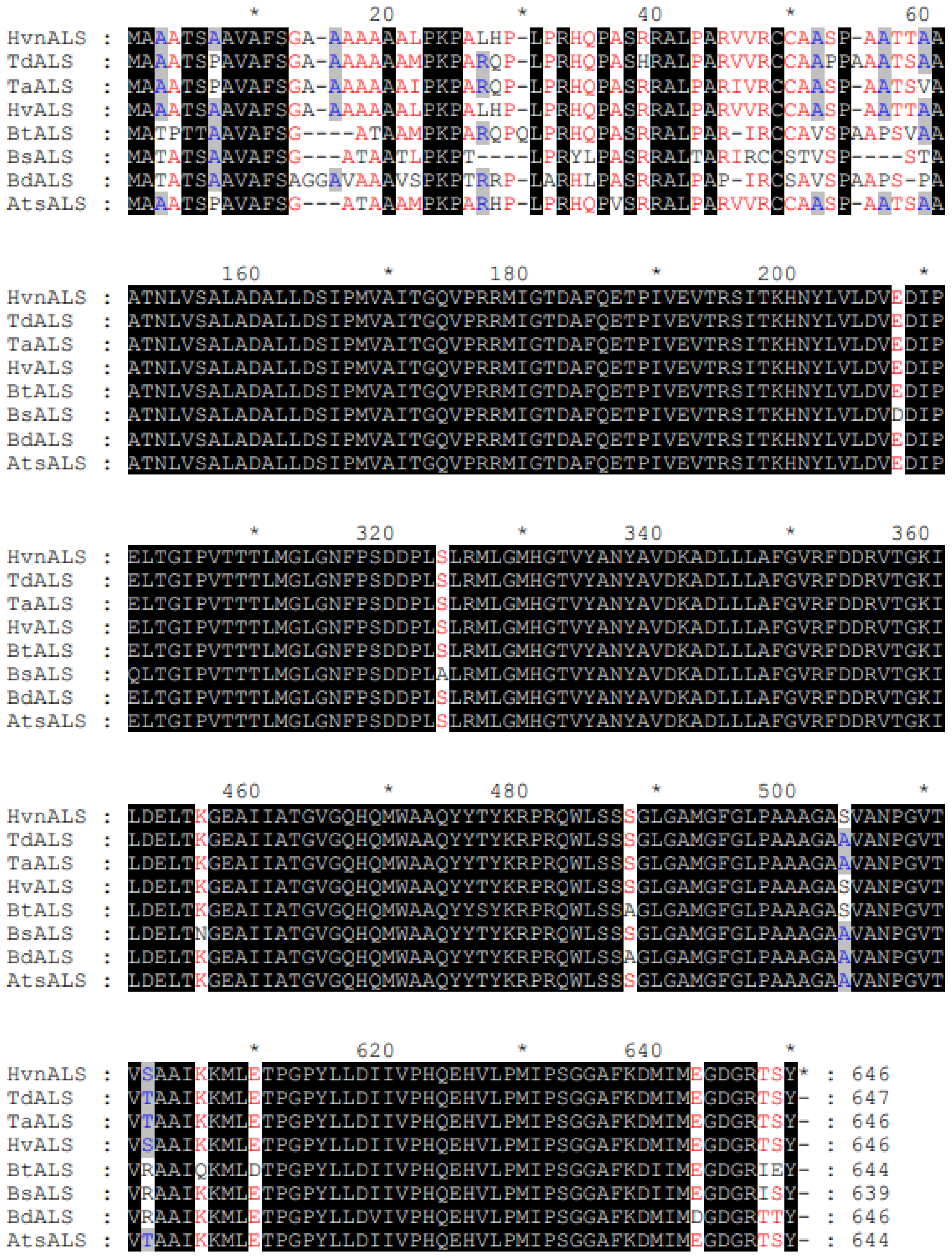
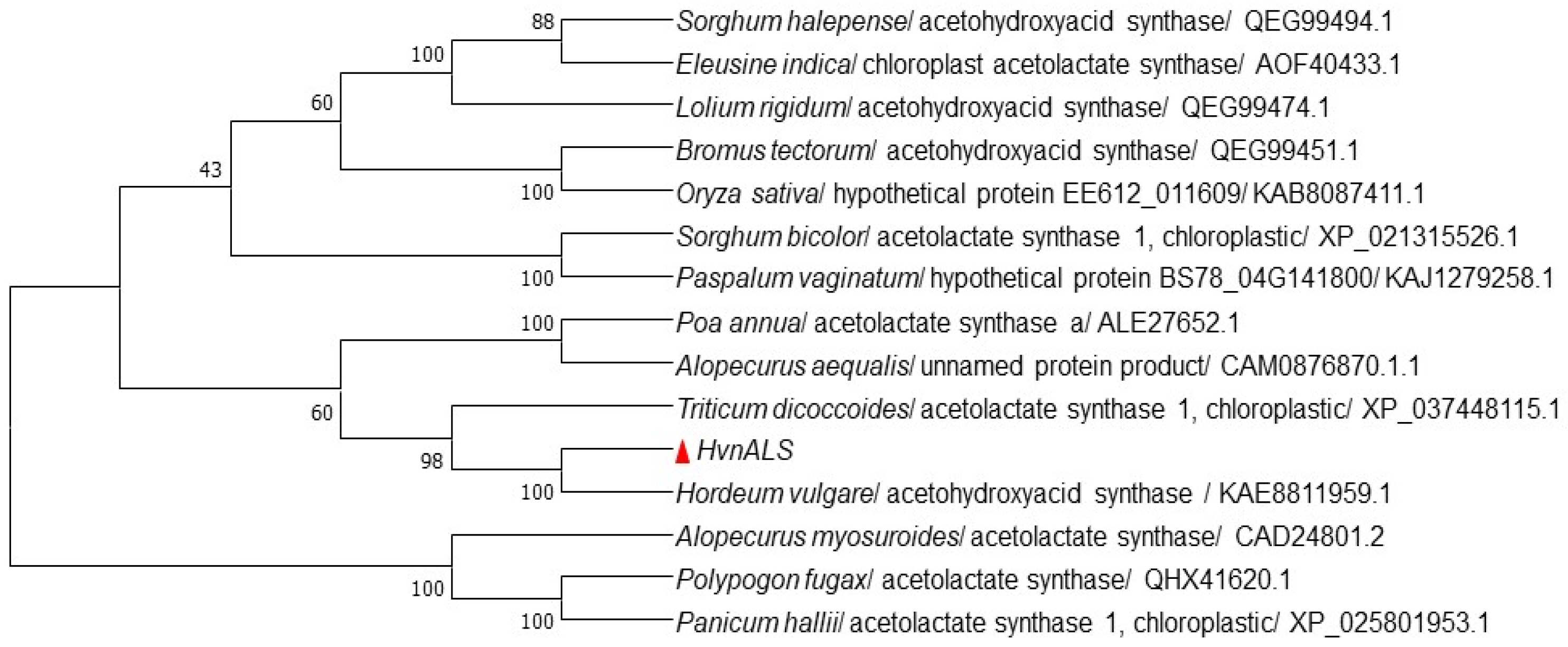
Multiple sequence alignment of the HvnALS protein was performed using homologous ALS proteins from seven representative grass species (Figure 10), including barley (Hordeum vulgare) and wheat (Triticum aestivum). The amino acid sequence similarities between HvnALS and ALS proteins from wheat, barley, goatgrass (Aegilops tauschii), wild emmer wheat (Triticum dicoccoides), cheatgrass (Bromus tectorum), Brachypodium distachyon, and Beckmannia syzigachne were 97.83%, 99.85%, 97.68%, 97.53%, 93.66%, 92.74%, and 92.27%, respectively. Fifteen ALS family genes closely related to HvnALS were retrieved from the reference genomes of wheat, Alopecurus aequalis Sobol, and Eleusine indica, and a phylogenetic tree was constructed based on their encoded amino acid sequences. The results indicated that HvnALS protein clustered most closely with barley HvALS, suggesting a close evolutionary relationship and potentially similar biological functions (Figure 11).

3.6. Expression of HvnALS Under Pyroxsulam Stress

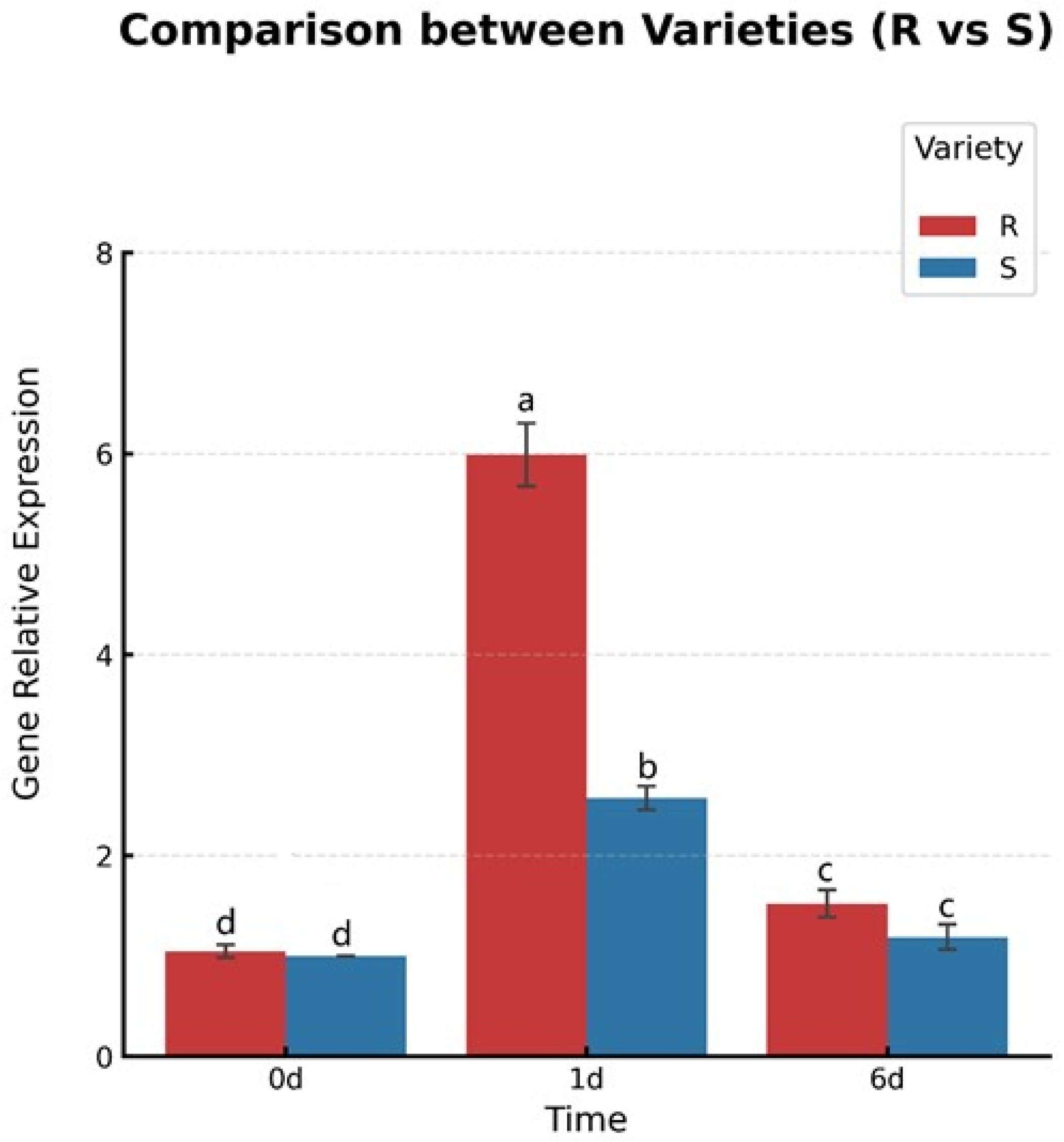
The results (Figure 12) showed that under pyroxsulam stress, HvnALS expression levels in both ‘Qing 0306’ and ‘Qing 0160’ were significantly increased at 1 day post-treatment. In the resistant barley variety, HvnALS expression was rapidly upregulated and reached a peak level that was significantly higher than that observed in the sensitive variety (p < 0.01). By 6 days post-treatment, HvnALS expression levels declined, and no significant differences were detected between the resistant and sensitive varieties.

3.7. Cloning and Sequence Analysis of the HvnP450 Gene

Sequencing results (Figure 13) showed that the open reading frame (ORF) of the HvnP450 gene was 2106 bp in length, encoding 514 amino acids, whereas the ORF of the HvnGSTs gene was 1498 bp, encoding 243 amino acids. Sequence alignment analysis revealed that both the nucleotide sequences and the corresponding amino acid sequences of ‘Qing 0306’ and ‘Qing 0160’ were 100% identical. Comparison with previously reported functional amino acid residues of GSTs revealed no amino acid substitutions in either ‘Qing 0306’ (R) or ‘Qing 0160’ (S). Conserved domain analysis using the NCBI online tool indicated that the HvnP450 protein contains a typical CYP98 family domain.
Physicochemical property analysis indicated that the HvnP450 protein consists of 514 amino acids with a molecular formula of C2618H4160N732O734S23 and a predicted molecular mass of 58.37 kDa. The instability index was 35.81, below the threshold value of 40, indicating that the protein is stable. The aliphatic index was 94.44, and the theoretical isoelectric point (pI) was 8.45, suggesting that the protein is hydrophilic, contains a transmembrane region, and lacks a signal peptide.
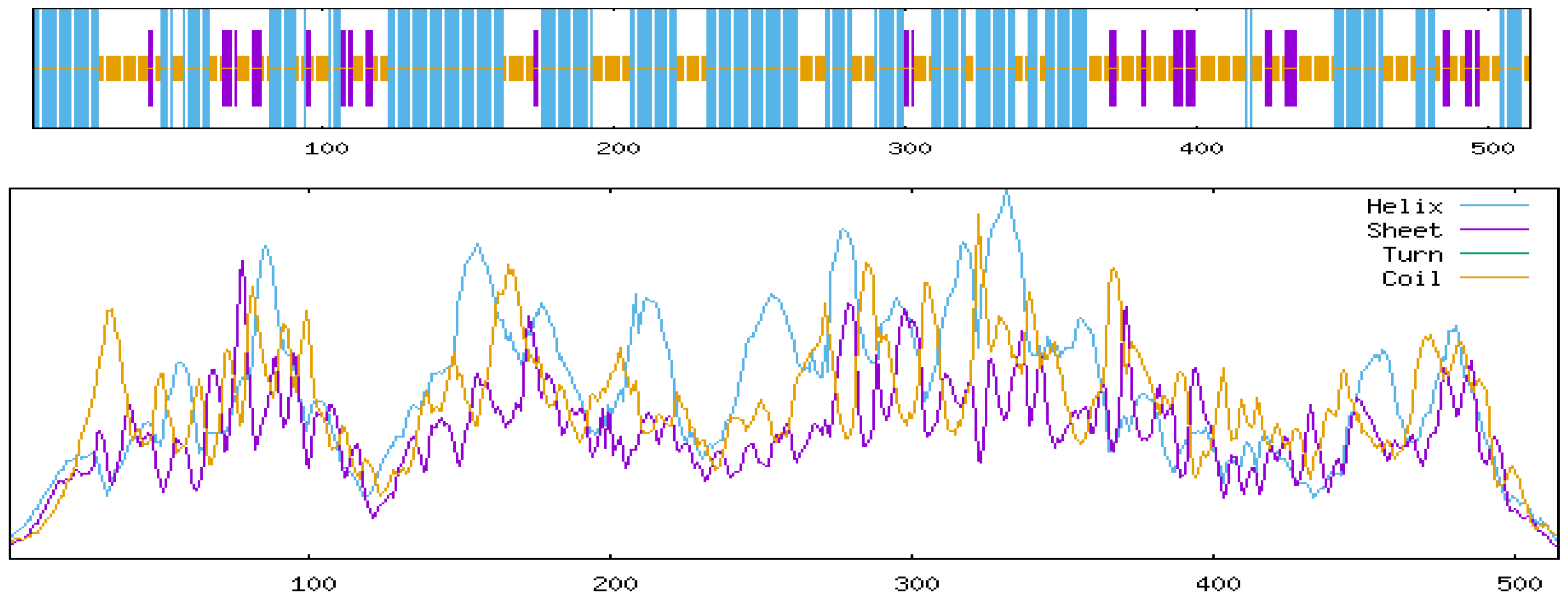
Secondary structure prediction (Figure 14) showed that α-helices were the predominant structural element of HvnP450 (49.81%), followed by random coils (39.69%) and extended strands (10.51%). Tertiary structure modeling (Figure 15) yielded a sequence identity of 88.21% and a target sequence coverage of 99%. The global model quality estimation (GMQE) value was 0.92, indicating a reliable and high-quality structural model.
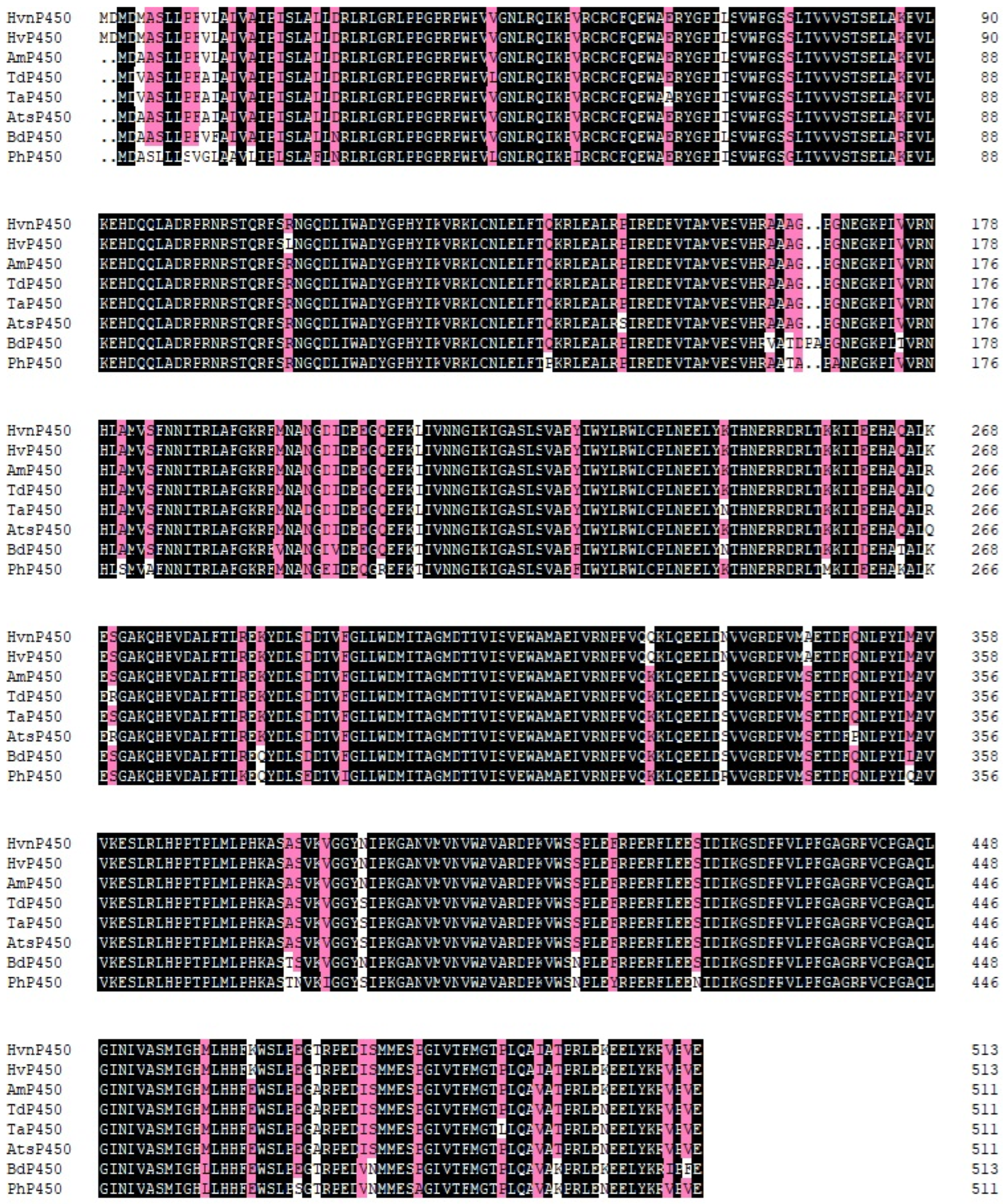
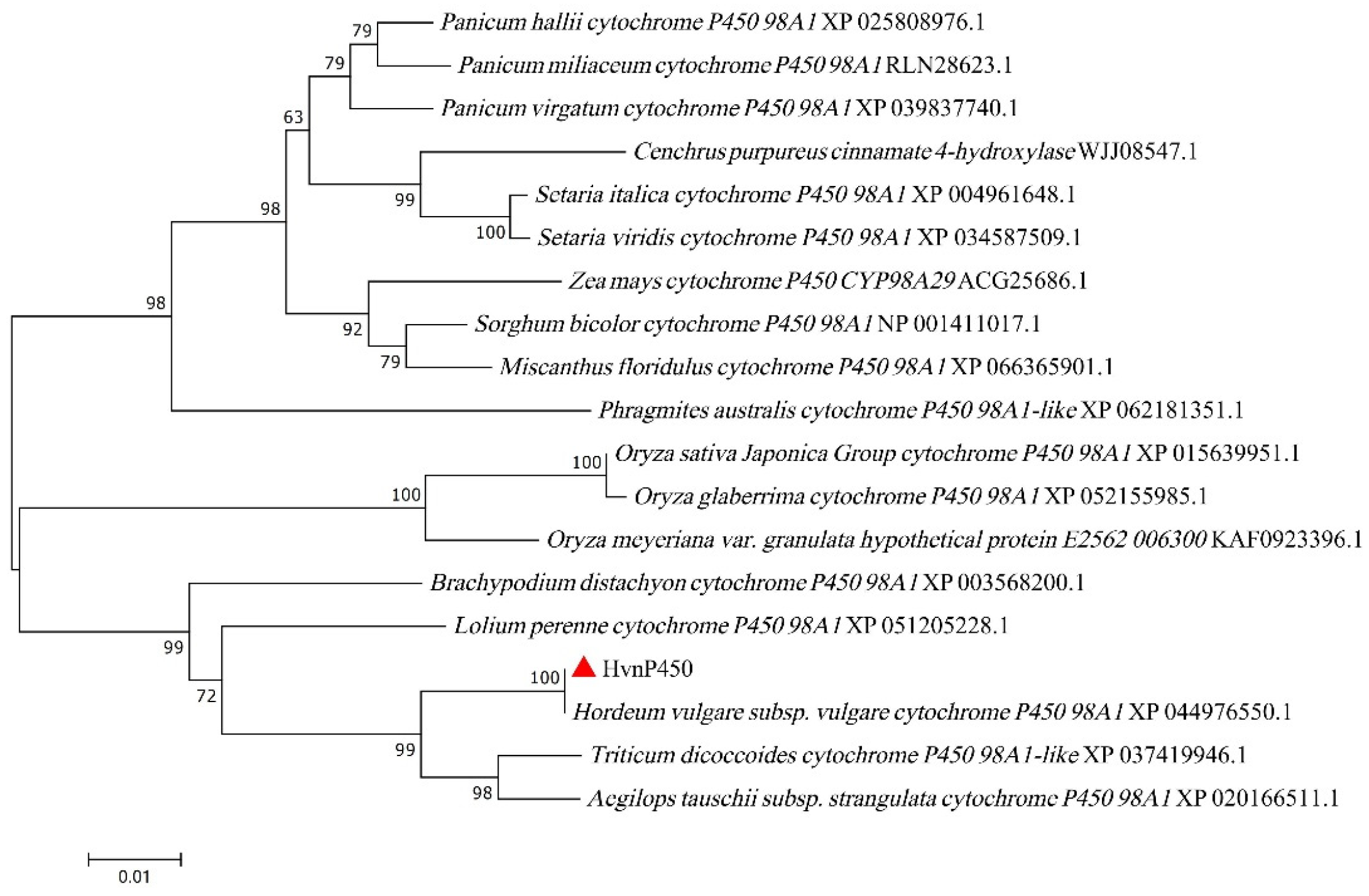
Multiple sequence alignment of the HvnP450 protein was performed using representative grass species (Figure 16), including barley (Hordeum vulgare), wheat (Triticum aestivum), goatgrass (Aegilops tauschii), wild emmer wheat (Triticum dicoccoides), and Brachypodium distachyon, with sequence identities of 99.81%, 96.68%, 96.68%, 96.68%, and 93.58%, respectively. Fifteen homologous genes closely related to HvnP450 were retrieved from the reference genomes of wheat, Alopecurus aequalis Sobol, and other species. Phylogenetic analysis showed that barley HvP450 protein clustered most closely with HvnP450, suggesting that these proteins likely share similar biological functions (Figure 17).

3.8. Sequence Analysis of the HvnGSTs Gene

Conserved domain prediction of the HvnGSTs amino acid sequence was performed using the NCBI online tool, revealing that the HvnGSTs protein contains a typical GST_C_Lambda domain. Physicochemical analysis indicated that the HvnGSTs protein consists of 243 amino acids with a molecular formula of C1242H1913N311O356S5 and a predicted molecular mass of 27.06 kDa. The instability index was 42.65, exceeding the threshold value of 40, suggesting that the protein is unstable. The aliphatic index was 87.98, and the theoretical isoelectric point (pI) was 5.35, indicating that the protein is acidic and hydrophilic and lacks both transmembrane domains and signal peptides.
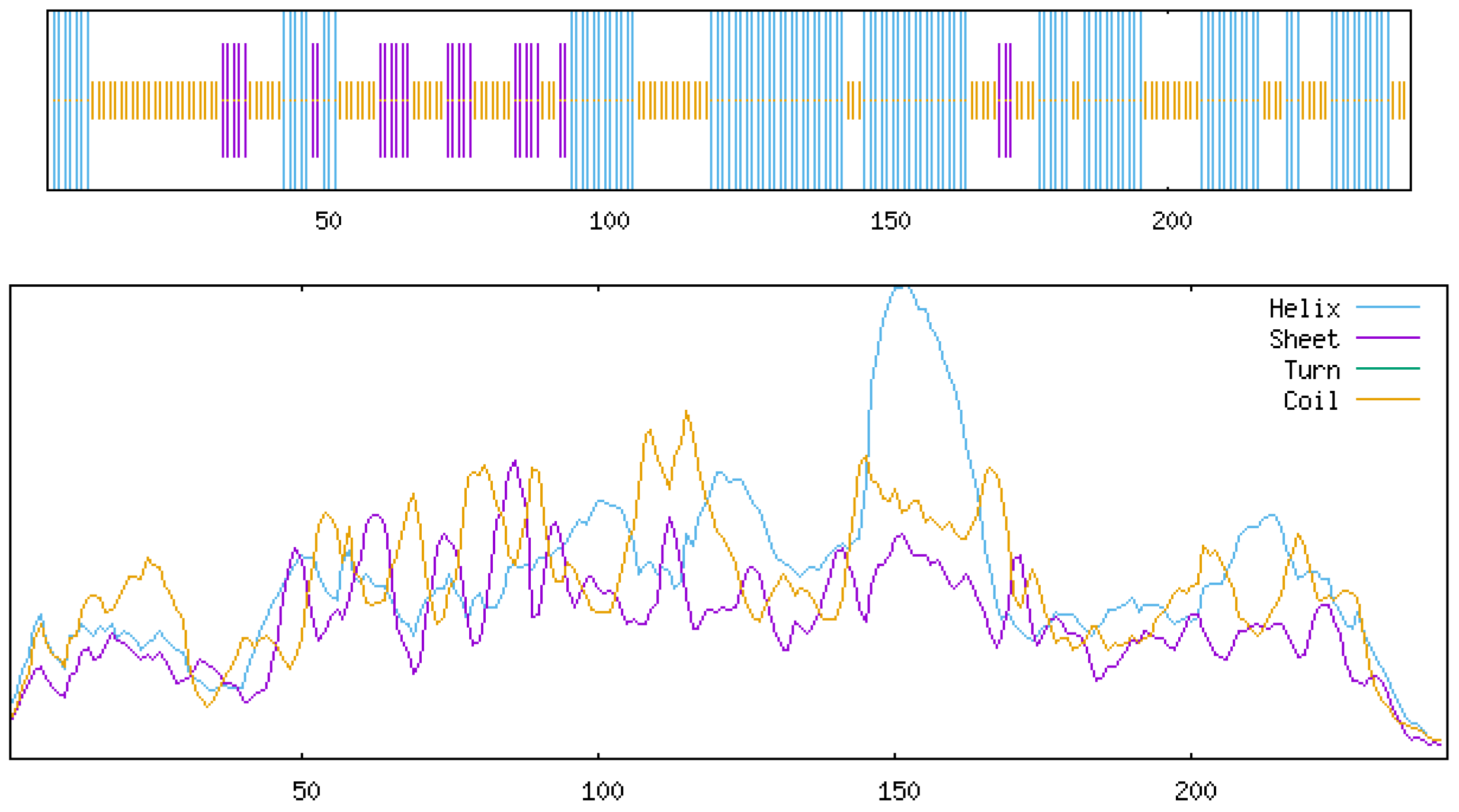
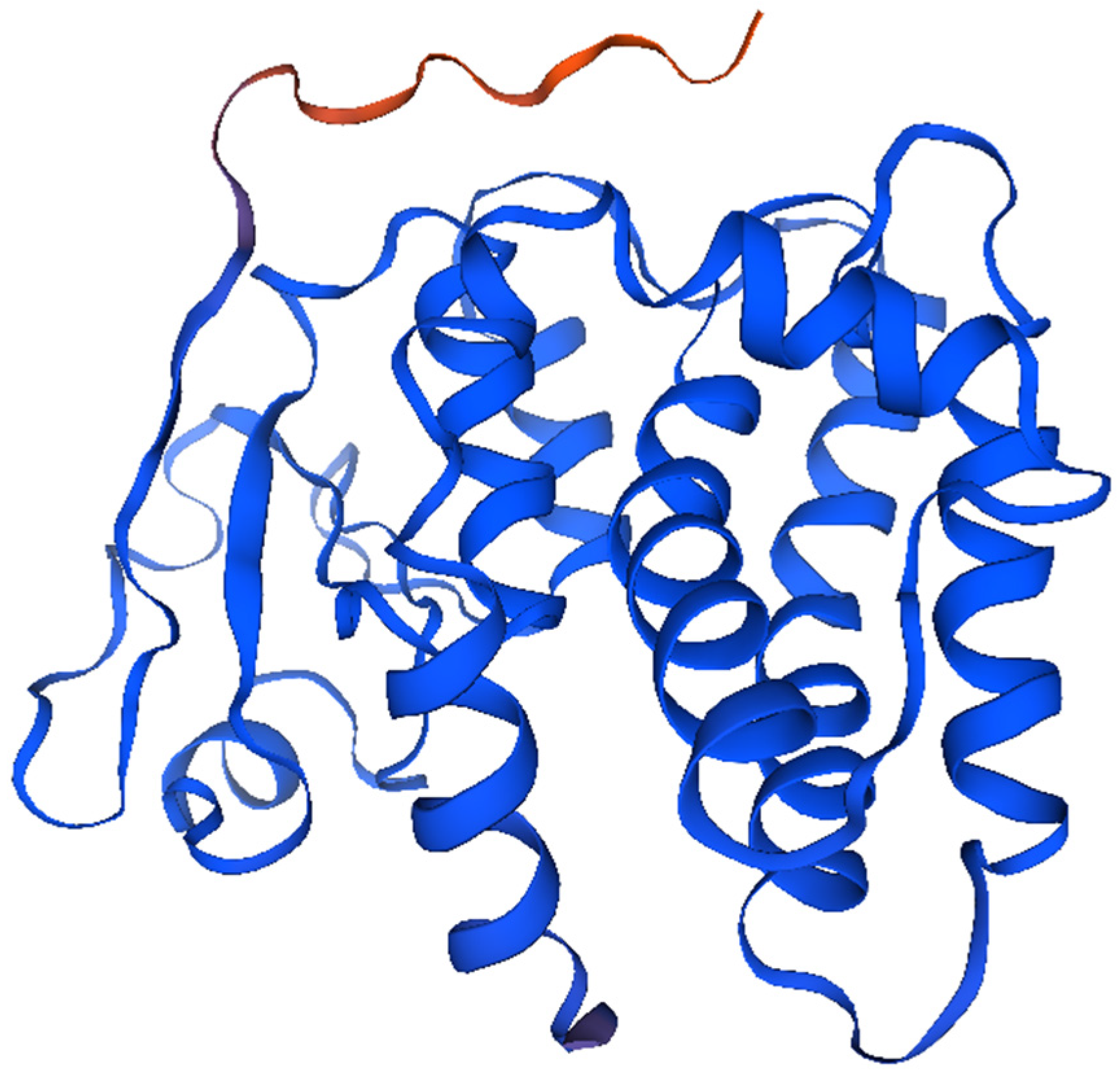
Secondary structure prediction (Figure 18) revealed that α-helices were the predominant structural element of HvnGSTs (46.91%), followed by random coils (41.56%) and extended strands (11.52%). Tertiary structure modeling (Figure 19) yielded a sequence identity of 79.34% with 100% target sequence coverage. The global model quality estimation (GMQE) value was 0.95, indicating a reliable and high-quality structural model.
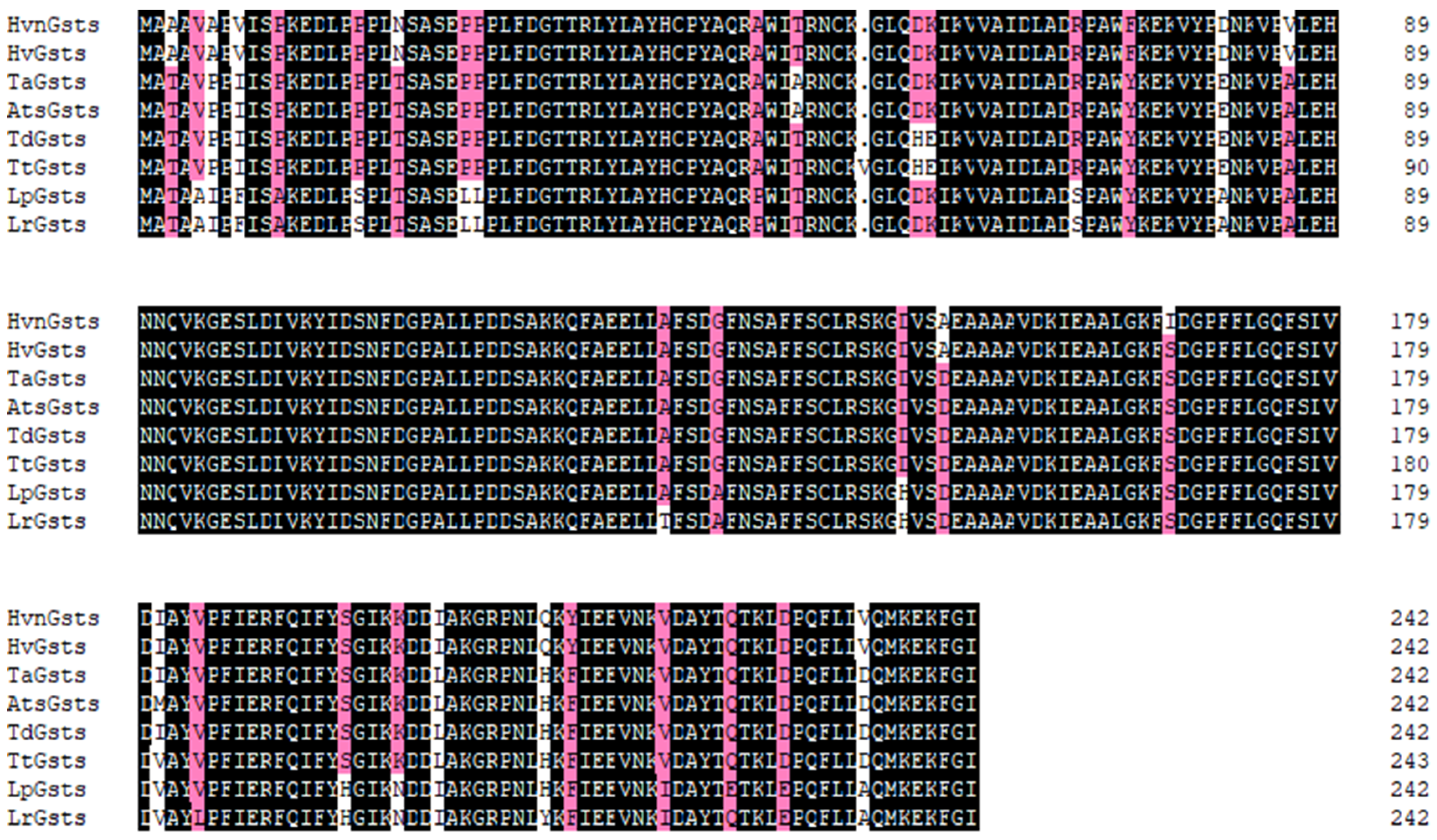
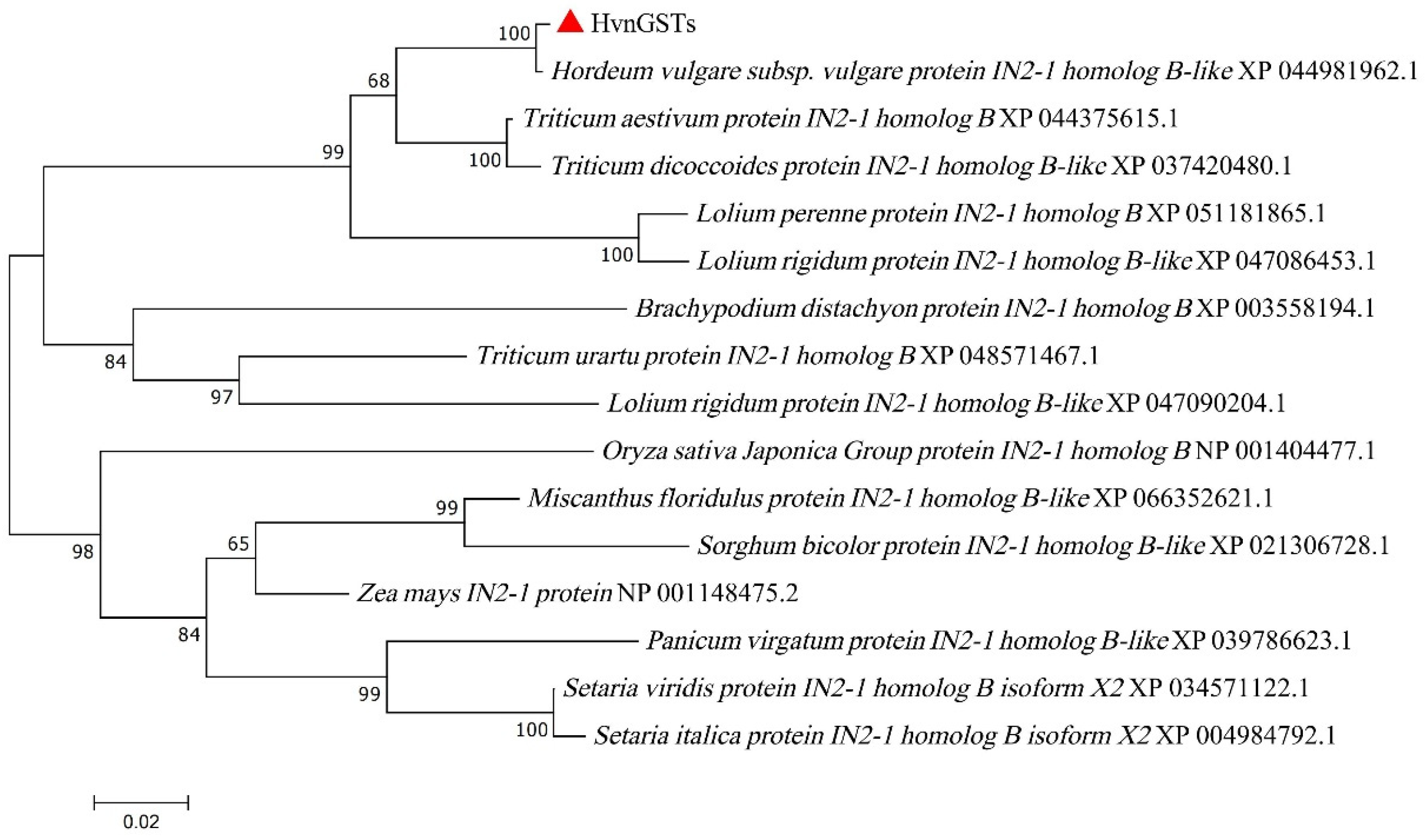
Multiple sequence alignment of the HvnGSTs protein was performed using representative grass species (Figure 20), including barley (Hordeum vulgare), wheat (Triticum aestivum), goatgrass (Aegilops tauschii), wild emmer wheat (Triticum dicoccoides), cheatgrass (Bromus tectorum), Brachypodium distachyon, and Beckmannia syzigachne, with sequence identities of 99.85%, 97.83%, 97.68%, 97.53%, 93.66%, 92.74%, and 92.27%, respectively. Fifteen homologous genes closely related to HvnGSTs were retrieved from the reference genomes of wheat, Alopecurus aequalis Sobol, Eleusine indica, and other species. Phylogenetic analysis showed that barley HvGSTs protein clustered most closely with HvnGSTs, suggesting that these proteins likely share similar biological functions (Figure 21).

3.9. Resistance Identification of Overexpressed HvnP450 and HvnGSTs in Arabidopsis to Pyroxsulam

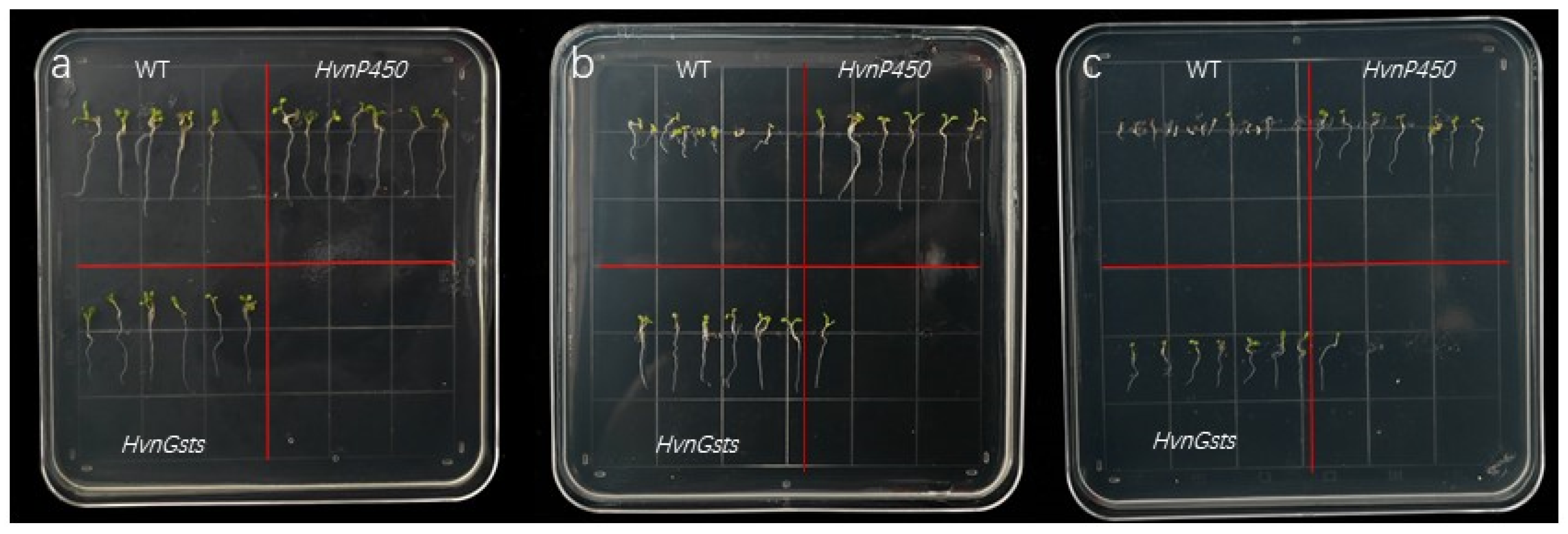
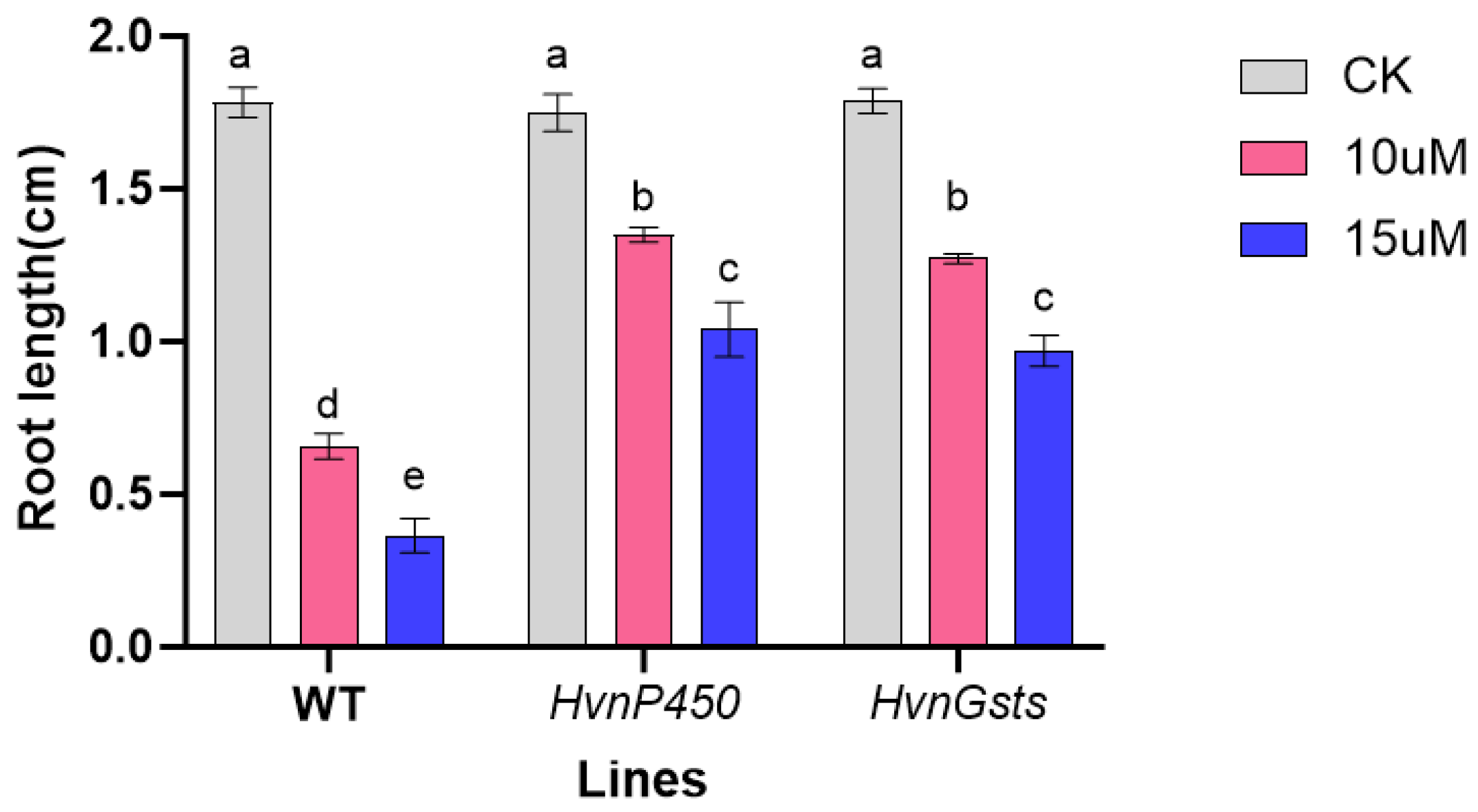
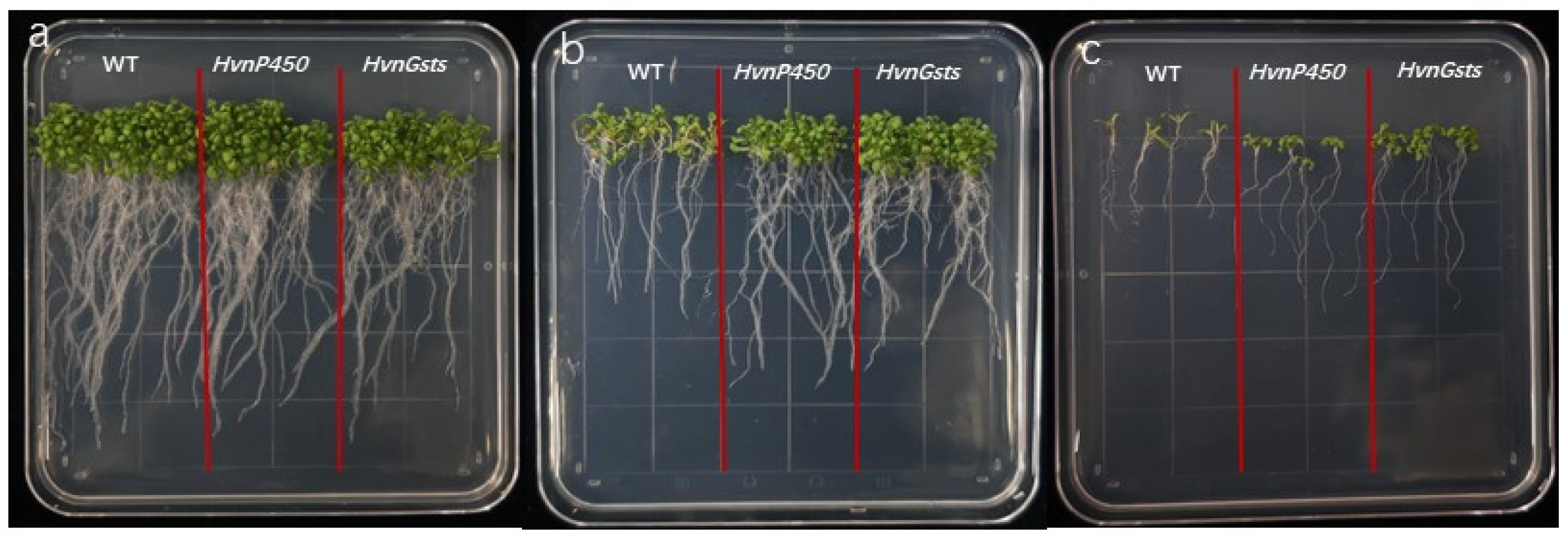
Seeds of transgenic Arabidopsis overexpressing HvnP450 or HvnGSTs and wild-type plants were sown on 1/2 MS medium supplemented with different concentrations of pyroxsulam (0, 10, and 15 μM) and grown for 10 days. Phenotypic differences were recorded, and primary root length was measured. On pyroxsulam-containing media, wild-type Arabidopsis exhibited severe growth inhibition, whereas transgenic lines overexpressing HvnP450 and HvnGSTs showed only moderate growth suppression and remained viable with relatively normal growth. The most pronounced growth inhibition was observed at 15 μM pyroxsulam (Figure 22c), followed by 10 μM pyroxsulam (Figure 22b).
Quantitative analysis of root length revealed that, on 10 μM pyroxsulam medium, wild-type plants had significantly shorter roots than both transgenic overexpression lines. At 15 μM pyroxsulam no significant difference in root length was detected between the two overexpression lines; however, both exhibited significantly longer roots than wild-type plants. These results indicate that overexpression of HvnP450 and HvnGSTs enhances Arabidopsis tolerance to pyroxsulam during early seedling development (Figure 23).
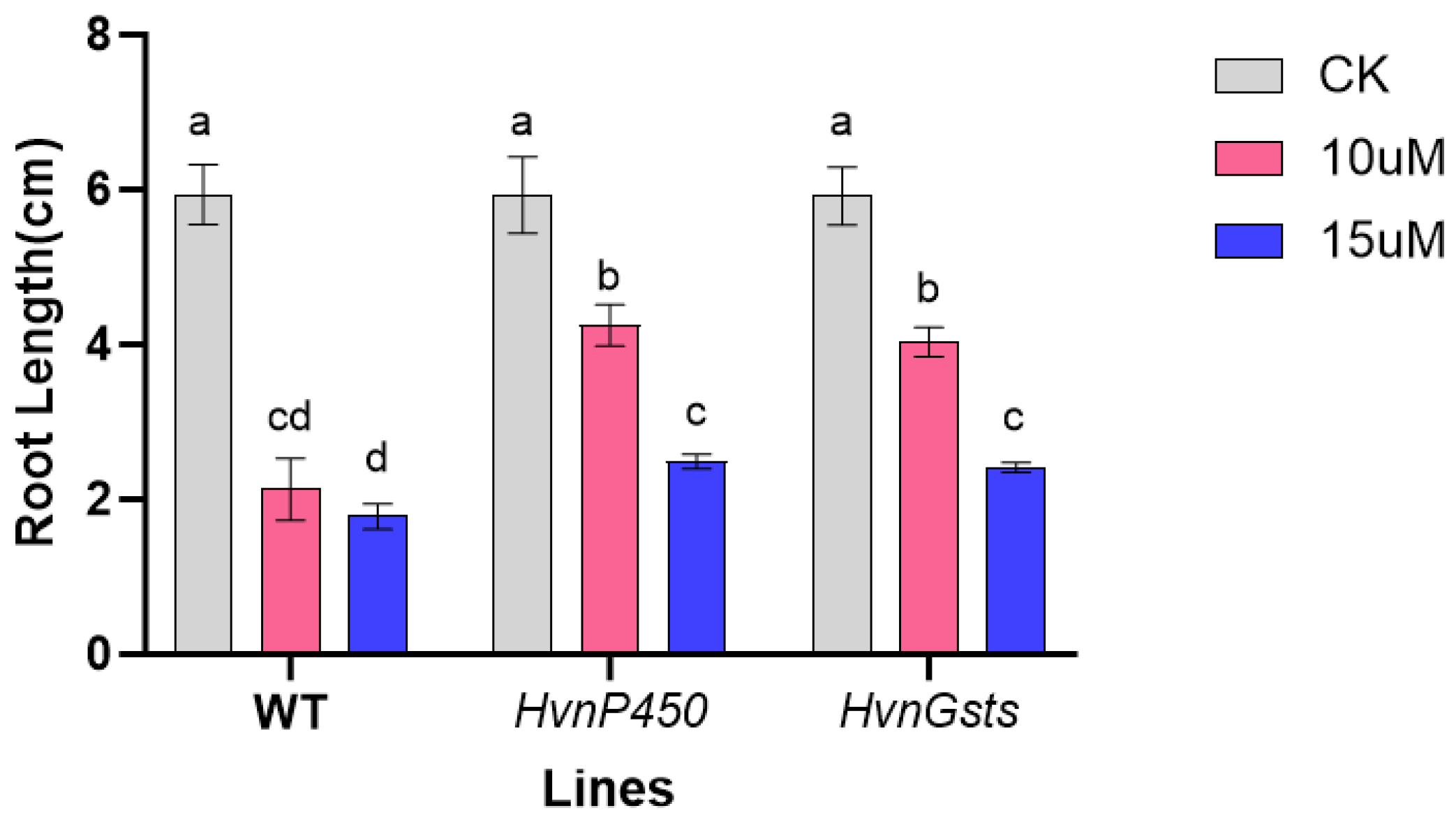
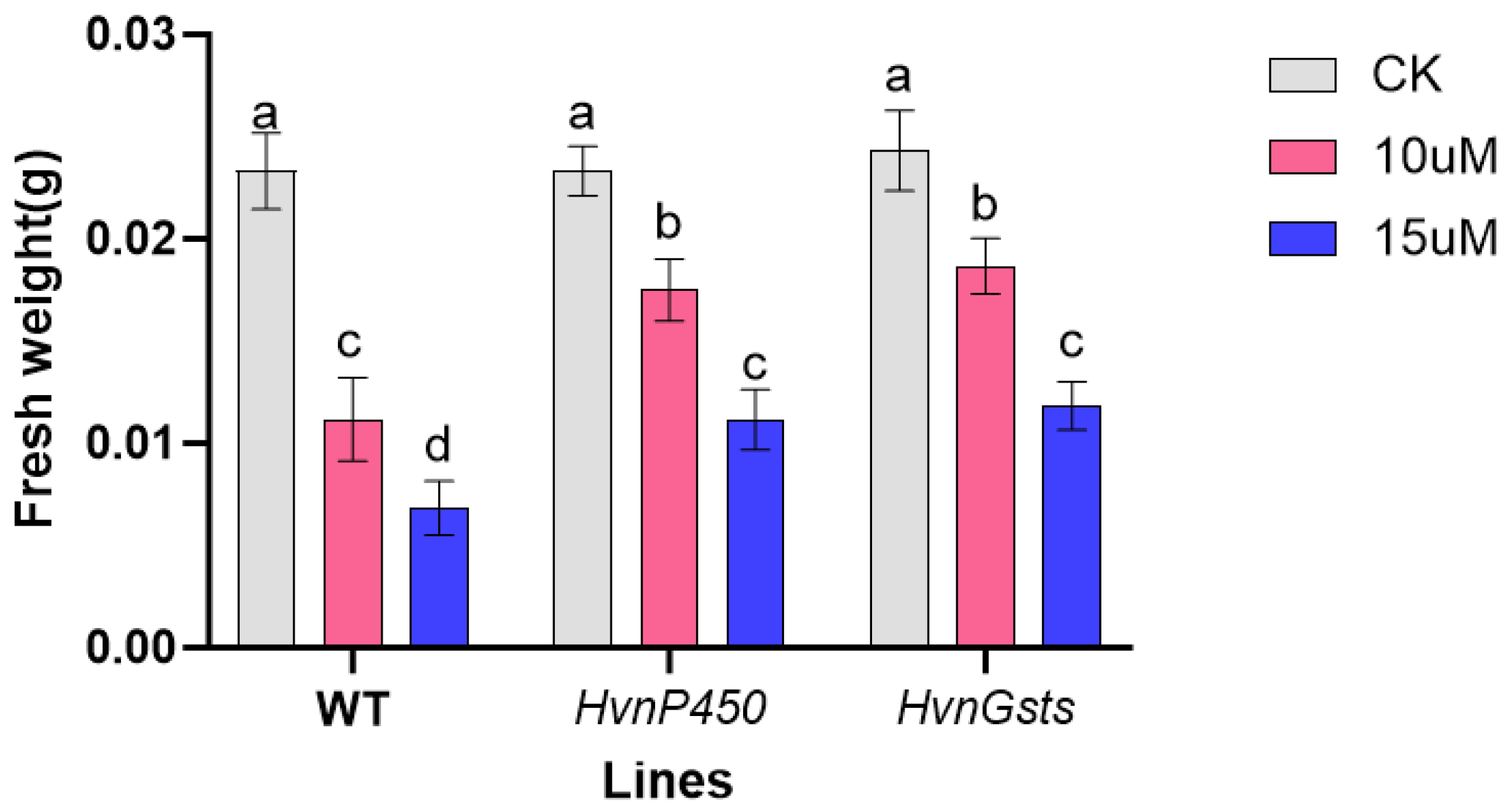
After 10 days of growth on 1/2 MS medium (Figure 24), seedlings were transferred to fresh 1/2 MS medium supplemented with pyroxsulam (10 and 15 μM), and root length was subsequently measured. Under herbicide-free conditions, no significant differences in root length or fresh weight were observed among the different lines, with root lengths ranging from 5.63 to 6.39 cm. Exposure to 10 μM and 15 μM pyroxsulam significantly inhibited Arabidopsis root fresh weight. However, under both pyroxsulam concentrations, the overexpression lines exhibited significantly greater root length and fresh weight compared with wild-type plants (Figure 25).

4. Discussion

Previous studies have demonstrated that herbicides with a single mode of action can rapidly select for resistant weed populations when applied frequently and repeatedly [6]. For instance, resistance to acetolactate synthase (ALS)-inhibiting herbicides has been reported after as few as ten consecutive applications [17]. One of the primary molecular mechanisms underlying herbicide resistance in weeds is mutation of the target gene [10]. In the case of ALS inhibitors, resistance typically arises from amino acid substitutions at key functional sites of the ALS enzyme; to date, eight such mutation sites have been identified. These substitutions alter the three-dimensional conformation of the enzyme, thereby reducing or preventing effective herbicide binding to the target protein and ultimately impairing inhibition of ALS activity [18]. Based on the amino acid numbering of Arabidopsis ALS, the critical residues include Ala122, Pro197, Ala205, Asp376, Arg377, Trp574, Ser653, and Gly654 [10]. In the present study, no amino acid substitutions were detected at these conserved sites in the HvnALS gene, indicating that target-site mutation is not responsible for pyroxsulam resistance in barley. Notably, target-site mutations have also been shown to play a dominant role in resistance to ACCase-inhibiting herbicides [19], underscoring the importance of this mechanism in the evolution of herbicide resistance across multiple modes of action [10]. Comparison with previously reported functional amino acid residues of ALS revealed no amino acid substitutions in either ‘Qing 0306’ (R) or ‘Qing 0160’ (S). These results indicate that the resistance of ‘Qing 0306’ to pyroxsulam is not associated with mutations at the ALS target-site gene locus.
In addition to target-site mutations, regulation of gene expression has emerged as an important mechanism contributing to target-site resistance. Numerous studies have shown that upregulation of target genes can substantially reduce herbicide efficacy [20]. This mechanism has been validated in multiple weed species. For example, resistance of Bromus sterilis to pyroxsulam has been closely associated with elevated ALS gene expression [21]. Ning et al. [22] reported ALS overexpression in Alopecurus aequalis populations resistant to methylsulfuron. Similarly, resistance levels as high as 620-fold to florasulam were observed in the Echinochloa AHTC-01 population, primarily due to excessive ALS gene expression. Importantly, target gene overexpression is not restricted to ALS inhibitors; glyphosate resistance mediated by EPSPS gene overexpression has been documented in Setaria viridis and Eleusine indica [23,24]. In the present study, HvnALS expression in both resistant and sensitive barley varieties increased significantly one day after pyroxsulam treatment, suggesting an active transcriptional response to herbicide stress. However, six days after treatment, HvnALS expression in the sensitive variety returned to baseline levels, whereas expression in the resistant variety remained elevated, indicating a potential contribution of sustained ALS expression to resistance.
Early studies in model plant species have demonstrated that plants can reorganize gene expression patterns through epigenetic mechanisms in response to abiotic stress [25,26]. Markus et al. (2017) proposed that epigenetic variation may facilitate rapid adaptation of weeds to herbicide stress by enabling gene duplication and differential expression of target genes [27]. Further investigations are required to elucidate the precise role of elevated ALS expression in pyroxsulam resistance. At present, gene function validation approaches include overexpression, RNA interference and antisense technologies, insertional mutagenesis, site-directed mutagenesis, gene knockout, gene trapping, and artificial chromosome transfer [28]. Among these, transgenic overexpression and RNA interference in model plants have been widely and successfully applied in herbicide resistance research [29].
Arabidopsis thaliana is particularly well suited for functional genomics studies due to its short life cycle, self-pollination, compact size, and high seed productivity [30]. Arabidopsis was selected in this study because of its simple genome structure, high sensitivity to pyroxsulam, and well-established genetic transformation system, which enables rapid generation of homozygous transgenic lines and significantly shortens the research cycle.
In this study, Arabidopsis was employed to investigate the functional roles of candidate metabolic resistance genes derived from barley. One cytochrome P450 gene (HvnP450) and one glutathione S-transferase gene (HvnGSTs) were selected, and transgenic Arabidopsis lines overexpressing each gene were successfully generated. Phenotypic resistance assays demonstrated that multiple independent transgenic lines exhibited significantly enhanced tolerance to pyroxsulam during the germination stage compared with wild-type plants. These results strongly suggest that HvnP450 and HvnGSTs play important roles in the metabolic resistance of barley to pyroxsulam.

5. Conclusions

In this study, the HvnALS gene was cloned from different barley varieties, and bioinformatics analyses demonstrated that the HvnALS protein is most closely related to the HvALS protein from barley. The relative expression levels of the HvnALS gene in different barley varieties exhibited a transient increase followed by a decline under pyroxsulam stress. One day after treatment, HvnALS expression in the resistant variety ‘Qing0306 (R)’ reached a peak that was significantly higher than that in the sensitive variety ‘Qing0160 (S)’, whereas no significant difference was observed between the two varieties after 6 days. These results suggest that elevated ALS gene expression may contribute to enhanced pyroxsulam resistance in barley, and differential ALS expression may represent one of the underlying mechanisms driving resistance evolution. Using barley genomic DNA as a template, the HvnP450 and HvnGSTs genes were cloned and introduced into Arabidopsis via Agrobacterium-mediated floral dip transformation. Preliminary functional validation demonstrated that overexpression of HvnP450 and HvnGSTs in Arabidopsis significantly enhanced plant tolerance to pyroxsulam during germination. This study provides resistant donor parents for barley breeding and offers experimental evidence that target-site resistance and metabolic resistance may synergistically contribute to resistance within the same variety. It also serves as a starting point for further dissection of the polygenic network regulation underlying this phenomenon. Future research should focus on the elucidation of molecular regulatory mechanisms, as well as the exploration of genetic resources and their application in breeding.

Author Contributions

Conceptualization, H.W. and Y.-Z.Q.; Methodology, Y.-Z.Q.; Software, Y.-Z.Q.; Validation, Y.-Z.Q. and H.W.; Formal Analysis, Y.-Z.Q.; Investigation, Y.-Z.Q.; Resources, H.W.; Data Curation, Y.-Z.Q.; Writing—Original Draft Preparation, Y.-Z.Q.; Writing—Review and Editing, H.W.; Visualization, Y.-Z.Q.; Supervision, H.W.; Project Administration, H.W.; Funding Acquisition, H.W. All authors have read and agreed to the published version of the manuscript.

Funding

This research was funded by the Qinghai Province Key R&D and Transformation Project “Integration and Demonstration of Green Prevention and Control Technology System for Hulless Barley Pests,” grant number 2023-NK-154, and the Qinghai Province “Kunlun Talents·High-end Innovation and Entrepreneurship Talents” project.

Data Availability Statement

The original contributions presented in this study are included in the article. Further inquiries can be directed to the corresponding author.

Conflicts of Interest

The authors declare no conflicts of interest. The funders had no role in the design of the study; in the collection, analyses, or interpretation of data; in the writing of the manuscript; or in the decision to publish the results.

References

  1. Ma, Z.C. Preparation of activated carbon from highland barley (qingke) straw and its adsorption characteristics for Cu2+ in aqueous solutions. Gansu J. Sci. 2024, 36, 58–62. [Google Scholar] [CrossRef]
  2. Guo, T.; Horvath, C.; Chen, L.; Chen, J.; Zheng, B. Understanding the nutrient composition and nutritional functions of highland barley (Qingke): A review. Trends Food Sci. Technol. 2020, 103, 109–117. [Google Scholar] [CrossRef]
  3. Yan, D.; Luo, Z.H.; Hu, Y.L.; Wang, J.; Si, R.; Ren, P.; Yao, L.; Li, B.; Ma, Z.; Meng, Y.; et al. Effects of different herbicides on wild oat (Avena fatua L.) control in highland barley (qingke) fields and their impacts on barley growth. Biotechnol. Bull. 2017, 33, 166–171. [Google Scholar] [CrossRef]
  4. Lonhienne, T.; Cheng, Y.; Garcia, M.D.; Hu, S.H.; Low, Y.S.; Schenk, G.; Williams, C.M.; Guddat, L.W. Structural basis of resistance to herbicides that target acetohydroxyacid synthase. Nat. Commun. 2022, 13, 3368. [Google Scholar] [CrossRef]
  5. Luo, S.Q.; Cao x Liu, L.; Bo, H.; Bo, Z.; Jin, C.; Li, Z. Synergistic efficacy of pyroxsulam and florasulam in weed control in winter wheat fields and their impacts on wheat (Triticum aestivum L.) yield. J. Weed Sci. 2022, 40, 69–76. [Google Scholar] [CrossRef]
  6. Norsworthy, J.K.; Ward, S.M.; Shaw, D.R.; Llewellyn, R.S.; Nichols, R.L.; Webster, T.M.; Bradley, K.W.; Frisvold, G.; Powles, S.B.; Burgos, N.R.; et al. Reducing the Risks of Herbicide Resistance: Best Management Practices and Recommendations. Weed Sci. 2012, 60, 31–62. [Google Scholar] [CrossRef]
  7. Geng, Y.; Dong, X.; Wang, C.; Liu, C.; Wei, H.; Wang, L.; Xu, J.; Chen, D.; Yuan, L. Pyroxsulam Boosts Wheat Tolerance to Bixlozone: Effects and Mechanisms. Plants 2026, 15, 658. [Google Scholar] [CrossRef] [PubMed]
  8. Buddenhagen, C.E.; Ngow, Z. Pyroxsulam resistance in ripgut brome (Bromus diandrus) in New Zealand. N. Z. J. Agric. Res. 2025, 68, 1645–1652. [Google Scholar] [CrossRef]
  9. Gaines, T.A.; Duke, S.O.; Morran, S.; Rigon, C.A.G.; Tranel, P.J.; Küpper, A.; Dayan, F.E. Mechanisms of evolved herbicide resistance. J. Biol. Chem. 2020, 295, 10307–10330. [Google Scholar] [CrossRef]
  10. Powles, S.B.; Yu, Q. Evolution in Action: Plants Resistant to Herbicides. Annu. Rev. Plant Biol. 2010, 61, 317–347. [Google Scholar] [CrossRef]
  11. Werck-Reichhart, D.; Hehn, A.; Didierjean, L. Cytochromes P450 for engineering herbicide tolerance. Trends Plant Sci. 2000, 5, 116–123. [Google Scholar] [CrossRef]
  12. Hansen, C.C.; Nelson, D.R.; Møller, B.L.; Werck-Reichhart, D. Plant cytochrome P450 plasticity and evolution. Mol. Plant 2021, 14, 1244–1265. [Google Scholar] [CrossRef] [PubMed]
  13. Délye, C. Unravelling the genetic bases of non-target-site-based resistance (NTSR) to herbicides: A major challenge for weed science in the forthcoming decade. Pest Manag. Sci. 2012, 69, 176–187. [Google Scholar] [CrossRef] [PubMed]
  14. Cummins, I.; Dixon, D.P.; Freitag-Pohl, S.; Skipsey, M.; Edwards, R. Multiple roles for plant glutathione transferases in xenobiotic detoxification. Drug Metab. Rev. 2011, 43, 266–280. [Google Scholar] [CrossRef] [PubMed]
  15. Liu, J.; Li, Y.; Xu, X.; Wu, Y.; Liu, Y.; Li, J.; Du, G.; Chen, J.; Lv, X.; Liu, L. Multiplexed engineering of cytochrome P450 enzymes for promoting terpenoid synthesis in Saccharomyces cerevisiae cell factories: A review. Biotechnol. Adv. 2025, 81, 108560. [Google Scholar] [CrossRef]
  16. Foster, R.C.; Rovira, A.D. Ultrastructure of wheat rhizosphere. New Phytol. 1976, 76, 343–352. [Google Scholar] [CrossRef]
  17. Beckie, H.J.; Tardif, F.J. Herbicide cross resistance in weeds. Crop Prot. 2012, 35, 15–28. [Google Scholar] [CrossRef]
  18. Shi, Y.; Wu, Z.; Cheng, R.; Zhang, L.; Guo, X.; Li, X.; Bi, Y. The Trp-574-Leu mutations together with enhanced metabolism contribute to cross-resistance to ALS inhibiting herbicides in Fimbristylis littoralis. Pestic. Biochem. Physiol. 2025, 210, 106385. [Google Scholar] [CrossRef]
  19. Wen, M.Q. Resistance Assessment and Biochemical Mechanisms of Chinese Sprangletop (Leptochloa chinensis) to Cyhalofop-Butyl in Direct-Seeded Rice Fields of Hunan Province. Master’s Thesis, Hunan Agricultural University, Changsha, China, 2017. Available online: https://kns.cnki.net/kcms2/article/abstract?v=8Znygsi0fdYlX1w2wSYOWipRe9HRBKlzNlx6SJXI7sDQ7NmtzR4BSIqQpXlDOZMkwYEEO76hAXYb8qFKPEkgBNZ0D97x0x5luNg-n4_ngU8zJsmSMvzJQ_WFEvQgAY4wFSPNzlrQeq0cYhrtntwZ3t9VPpJ7P82aG7U6rFNZZfOeaWkLOpHslw==&uniplatform=NZKPT&language=CHS (accessed on 15 January 2025).
  20. Tranel, P.J. Herbicide-resistance mechanisms: Gene amplification is not just for glyphosate. Pest Manag. Sci. 2017, 73, 2225–2226. [Google Scholar] [CrossRef]
  21. Sen, M.K.; Hamouzová, K.; Mikulka, J.; Bharati, R.; Košnarová, P.; Hamouz, P.; Roy, A.; Soukup, J. Enhanced metabolism and target gene overexpression confer resistance against acetolactate synthase-inhibiting herbicides in Bromus sterilis. Pest Manag. Sci. 2020, 77, 2122–2128. [Google Scholar] [CrossRef]
  22. Zhao, N.; Yan, Y.; Wang, H.; Bai, S.; Wang, Q.; Liu, W.; Wang, J. Acetolactate synthase overexpression in mesosulfuron-methyl-resistant shortawn foxtail (Alopecurus aequalis Sobol.): Reference gene selection and herbicide target gene expression analysis. J. Agric. Food Chem. 2018, 66, 9624–9634. [Google Scholar] [CrossRef]
  23. Mei, Y.; Xu, Y.; Wang, S.; Qiu, L.; Zheng, M. Investigation of glyphosate resistance levels and target-site based resistance (TSR) mechanisms in Conyza canadensis (L.) from apple orchards around areas of Bohai seas and Loess Plateau in China. Pestic. Biochem. Physiol. 2018, 146, 7–12. [Google Scholar] [CrossRef]
  24. Li, J.; Mei, Y.; Zhang, L.; Hao, L.; Zheng, M. The Resistance Levels and Target-Site Based Resistance Mechanisms to Glyphosate in Eleusine indica from China. Agronomy 2022, 12, 2780. [Google Scholar] [CrossRef]
  25. Chang, Y.; Zhu, C.; Jiang, J.; Zhang, H.; Zhu, J.; Duan, C. Epigenetic regulation in plant abiotic stress responses. J. Integr. Plant Biol. 2020, 62, 563–580. [Google Scholar] [CrossRef] [PubMed]
  26. Kim, J.-M.; Sasaki, T.; Ueda, M.; Sako, K.; Seki, M. Chromatin changes in response to drought, salinity, heat, and cold stresses in plants. Front. Plant Sci. 2015, 6, 114. [Google Scholar] [CrossRef] [PubMed]
  27. Markus, C.; Pecinka, A.; Karan, R.; Barney, J.N.; Merotto, A. Epigenetic regulation—Contribution to herbicide resistance in weeds? Pest Manag. Sci. 2017, 74, 275–281. [Google Scholar] [CrossRef] [PubMed]
  28. Yang, S.; Zhou, X.; Chen, Z.; Gu, J.; Liao, J.; Chen, H. Overview of Technologies for Validating Plant Gene Functions. J. Anhui Agric. Sci. 2017, 45, 136–140. [Google Scholar] [CrossRef]
  29. Patterson, E.L.; Saski, C.; Küpper, A.; Beffa, R.; Gaines, T.A. Omics Potential in Herbicide-Resistant Weed Management. Plants 2019, 8, 607. [Google Scholar] [CrossRef]
  30. Koornneef, M.; Meinke, D. The development of Arabidopsis as a model plant. Plant J. 2010, 61, 909–921. [Google Scholar] [CrossRef]
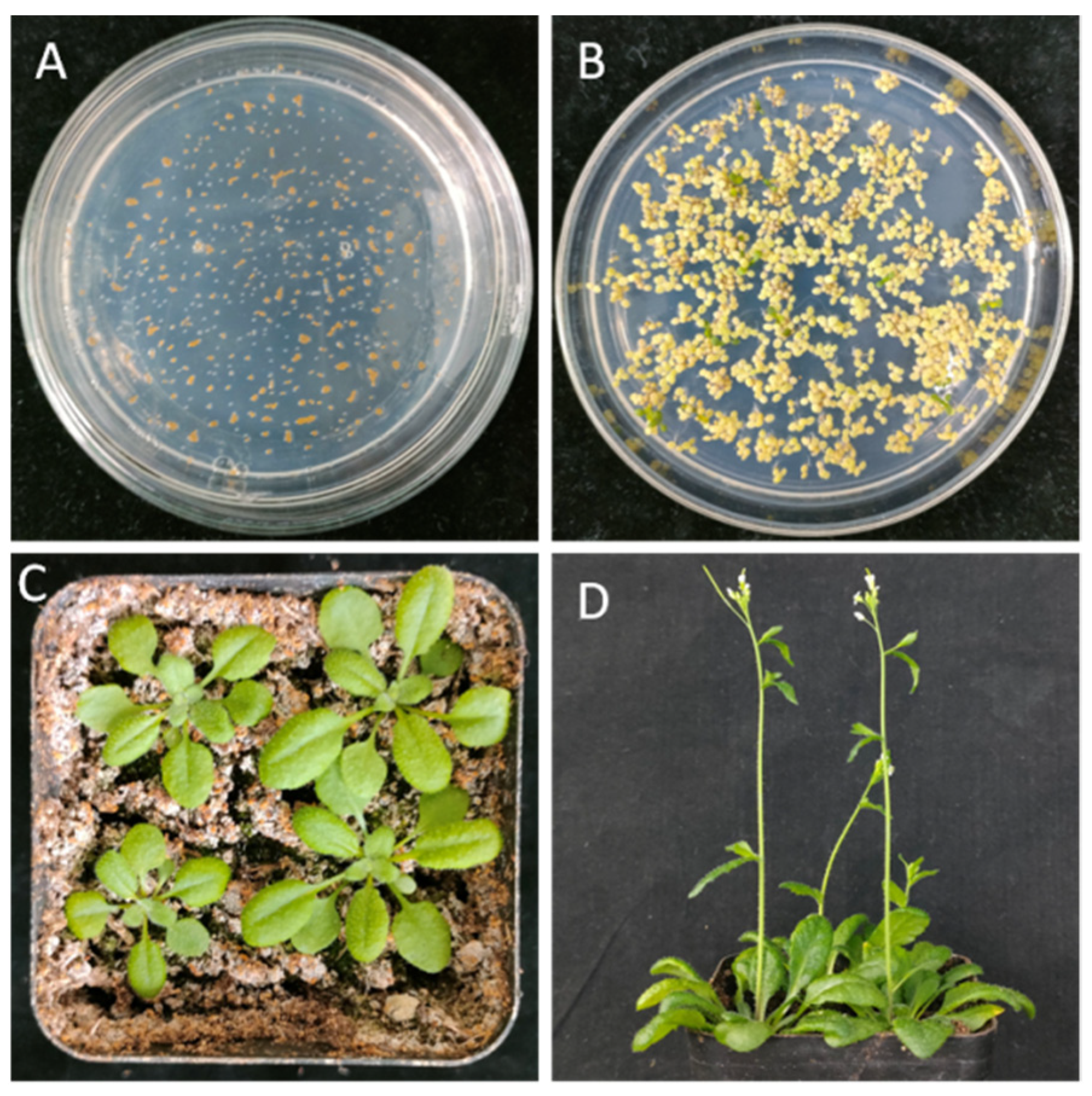
Figure 1. Screening for transgenic Arabidopsis expressing resistance to kanamycin. (A). Screening of T0 generation for T1 seeds using kanamycin. (B). Selection of positive seedlings. (C). Transplanting of positive seedlings. (D). Identification of positive seedlings and seed harvesting.
Agronomy 16 00819 g001
Figure 2. Effect of pyroxsulam on ALS activity in different barley varieties. Compare with CK, **, ****: Extremely significant difference (p < 0.01); *: Significant difference (p < 0.05).
Agronomy 16 00819 g002
Figure 3. Response of sensitive and herbicide-resistant hulless barley to pyroxsulam. (A) Before treatment; (B) 1 day post-treatment; (C) 6 days post-treatment.
Agronomy 16 00819 g003
Figure 4. Phenotypic characterization of resistant and sensitive barley after amisulpride stress. (A) Plant height; (B) phytotoxicity incidence. Groups marked with the same letter are not significantly different (p ≥ 0.05), while groups marked with different letters are significantly different (p < 0.05).
Agronomy 16 00819 g004
Figure 5. Ultrastructural observation of sensitive barley responding to pyroxsulam stress.
Agronomy 16 00819 g005
Figure 6. Ultrastructural observation of resistant barley responding to pyroxsulam stress.
Agronomy 16 00819 g006
Figure 7. Electrophoresis diagram of target gene cloning. Lane M is the molecular weight marker, used to indicate the molecular weight corresponding to each band.
Agronomy 16 00819 g007
Figure 8. Protein secondary structure.
Agronomy 16 00819 g008
Figure 9. Protein tertiary structure.
Agronomy 16 00819 g009
Figure 10. Comparison of the consistency of barley ALS with other plant proteins and major structural domains in the grass family. * indicates an interval of 10.
Agronomy 16 00819 g010
Figure 11. System evolutionary tree. The red triangle in the figure represents the HvnALS gene.
Agronomy 16 00819 g011
Figure 12. Relative expression level of the ALS gene in hulless barley leaves before and after pyroxsulam treatment. Groups marked with the same letter are not significantly different (p ≥ 0.05), while groups marked with different letters are significantly different (p < 0.05).
Agronomy 16 00819 g012
Figure 13. Electrophoresis diagram of target gene cloning.
Agronomy 16 00819 g013
Figure 14. Secondary structure of the HvnP450 protein.
Agronomy 16 00819 g014
Figure 15. Tertiary structure of the HvnP450 protein.
Agronomy 16 00819 g015
Figure 16. Sequence alignment of the HvnP450 protein from highland barley with its homologous proteins from other Poaceae plants.
Agronomy 16 00819 g016
Figure 17. Phylogenetic tree of HvnP450. The red triangle in the figure represents the HvnP450 gene.
Agronomy 16 00819 g017
Figure 18. Secondary structure of the HvnGSTs protein.
Agronomy 16 00819 g018
Figure 19. Tertiary structure of the HvnGSTs protein.
Agronomy 16 00819 g019
Figure 20. Sequence alignment of the HvnGSTs protein from highland barley.
Agronomy 16 00819 g020
Figure 21. Phylogenetic tree of HvnGSTs. The red triangle in the figure represents the HvnGSTs gene.
Agronomy 16 00819 g021
Figure 22. Sensitivity of WT and transgenic Arabidopsis to pyroxsulam. (Note: (a), 1/2 MS medium; (b), 10 μM pyroxsulam + 1/2 MS medium; (c), 15 μM pyroxsulam + 1/2 MS medium).
Agronomy 16 00819 g022
Figure 23. Effect of pyroxsulam on the root length of overexpressing Arabidopsis at the germination stage. Groups marked with the same letter are not significantly different (p ≥ 0.05), while groups marked with different letters are significantly different (p < 0.05).
Agronomy 16 00819 g023
Figure 24. Effect of pyroxsulam on root length and fresh weight of overexpressing Arabidopsis seedlings. (Note: (a), 1/2 MS medium; (b), 10 μM pyroxsulam + 1/2 MS medium; (c), 15 μM pyroxsulam + 1/2 MS medium).
Agronomy 16 00819 g024
Figure 25. Effect of pyroxsulam on the root length of overexpressing Arabidopsis seedlings. Groups marked with the same letter are not significantly different (p ≥ 0.05), while groups marked with different letters are significantly different (p < 0.05).
Agronomy 16 00819 g025aAgronomy 16 00819 g025b
Table 1. Classification criteria for injury severity.
Levels of DamageDescription of Symptoms
1No effect on barley seedlings.
2Lightly affected, only individual leaves are affected, not affecting normal growth.
3Moderate damage, most of the leaves are affected, but can grow normally after seedling restoration.
4Severe damage, yellowing of leaves, stopping of plant growth.
5Death of highland barley seedlings
Table 2. Bioinformatics analysis of websites.
PurposeWeb Address
Identifying Open Reading Frameshttps://www.ncbi.nlm.nih.gov/orffinder (accessed on 4 September 2025)
Conserved Domain Predictionhttps://www.ncbi.nlm.nih.gov/ (accessed on 4 September 2025)
Calculation of Protein Physicochemical Propertieshttps://web.expasy.org/protparam/ (accessed on 4 September 2025)
Signal Peptide Predictionhttp://www.detaibio.com/tools/signal-peptide.html (accessed on 4 September 2025)
Transmembrane Domain Predictionhttp://www.cbs.dtu.dk/services/TMHMM-2.0/ (accessed on 4 September 2025)
Protein Secondary Structure Predictionhttp://npsa-pbil.ibcp.fr/cgi-bin/npsa_automat.pl?page=npsa_sopma.html (accessed on 4 September 2025)
Protein Tertiary Structure Predictionwww.swissmodel.expasy.org (accessed on 4 September 2025)
Table 3. Primer information.
GenePrimer SequencePrimer Applications
Forward PrimerReverse Primer
HvnALSATGGCCGCAGCCACCTTTAATACGAGGTCCTGCCATCACCGene cloning
HvnALSTCCCAGTGAAGGTGATGATATTGTTCTGGGTTGCCAAGGTATGqRT-PCR
HvACTINCTATTCAGGCCGTGCTTTCCCCAGCGAGATCCAAACGAAGReference Gene
Table 4. Primer information.
GenePrimer Sequence
HvnP450F: AGAACACGGGGGACGAGCTCATGGACATGGACATGGCGTC
R: ACCATGGTGTCGACTCTAGAGATCTCAACCGGGACCCTCTTG
HvnGSTsF: AGAACACGGGGGACGAGCTCATGGCAGCCGCTGTTGCGC
F: ACCATGGTGTCGACTCTAGAAGCAATGCCAAACTTCTCCTTCATTTG
Disclaimer/Publisher’s Note: The statements, opinions and data contained in all publications are solely those of the individual author(s) and contributor(s) and not of MDPI and/or the editor(s). MDPI and/or the editor(s) disclaim responsibility for any injury to people or property resulting from any ideas, methods, instructions or products referred to in the content.