Article

Biosynthesis of Silver Nanoparticles in Prunella vulgaris L. Extracts and Evaluation of the Bioactivity of Nanoformulations with Importance in Plant Protection

by
Constanța Bucăloiu
1,
Liliana Cristina Soare
1,*,
Radu Claudiu Fierăscu
2,3,4,
Irina Fierăscu
2,5,
Sorin Marius Avramescu
6,
Camelia Ungureanu
7,
Ionica Deliu
1,
Alina Păunescu
1,
Nicoleta Anca Șuțan
1,
Oana Alexandra Luțu
1,
Carmen Mihaela Topală
1,
Aurelian Denis Negrea
8,
Sorin Georgian Moga
8 and
Georgiana Cîrstea
8
1
Department of Natural Sciences, Pitesti University Centre, National University of Science and Technology Politehnica Bucharest, 1st Targu din Vale Str., 110040 Pitesti, Romania
2
National Institute for Research & Development in Chemistry and Petrochemistry–ICECHIM Bucharest, 202 Splaiul Independentei, 060021 Bucharest, Romania
3
Faculty of Chemical Engineering and Biotechnology, National University of Science and Technology Politehnica Bucharest, 1-7 Gheorghe Polizu St., 011061 Bucharest, Romania
4
Academy of Romanian Scientists, 3 Ilfov, 050044 Bucharest, Romania
5
Faculty of Horticulture, University of Agronomic Sciences and Veterinary Medicine of Bucharest, 59 Marasti Blvd., 011464 Bucharest, Romania
6
Faculty of Animal Productions Engineering and Management, University of Agronomic Sciences and Veterinary Medicine of Bucharest, 011464 Bucharest, Romania
7
Department of General Chemistry, Faculty of Chemical Engineering and Biotechnology, National University of Science and Technology Politehnica Bucharest, 313 Splaiul Independentei, Sector 6, 060042 Bucharest, Romania
8
Regional Research and Development Center for Innovative Materials, Processes and Products for the Automotive Industry (CRC&D-Auto), Pitesti University Center, National University of Science and Technology Politehnica Bucharest, 1st Targu din Vale Str., 110040 Pitesti, Romania
*
Author to whom correspondence should be addressed.
Agronomy 2026, 16(5), 566; https://doi.org/10.3390/agronomy16050566
Submission received: 16 January 2026 / Revised: 27 February 2026 / Accepted: 2 March 2026 / Published: 4 March 2026

Abstract

The evaluation of local natural resources and their sustainable use as alternatives for allopathic medicines or phytosanitary treatments based on chemical syntheses, is a priority of research worldwide. The aim of this research was to obtain Prunella vulgaris L. extracts through modern, ecofriendly methods, to evaluate their ability to biosynthesize silver nanoparticles (AgNPs), as well as the physicochemical characterization of AgNPs to determine the polyphenol content, antioxidant and antimicrobial activity as well as phytotoxicity of the resulting nanoformulations, through in vitro tests. Microscopic analysis of the extracts showed the spherical shape of AgNPs, especially in the biosynthesized samples from the microwave extracts. The sizes of the nanoparticles ranged between 8.64 and 13.84 nm. Microwave-assisted extraction favored the procurement of crude extracts from P. vulgaris herba with a high content of polyphenols (77.98 mg GAE/g dw−1) and a correlated antioxidant activity. Rosmarinic acid was identified in all analyzed samples (61.8287–1.0031 mg/L). The extracts obtained using microwaves, in which the nanoparticles were also biosynthesized using microwaves, had the best antifungal activity against Fusarium oxysporum MUCL 791. The combination of antifungal properties with those of seedling growth stimulation are of major importance in plant culture, with the early stages of their life cycle requiring constant attention.

1. Introduction

The evaluation of local natural resources and their sustainable use as alternatives to allopathic medicines or phytosanitary treatments based on chemical syntheses is a priority of research worldwide. There is an increasing number of studies that either validate the traditional use of plants through advanced research methods or search for new, local resources for the current demands of society.
Wild basil, Prunella vulgaris L., a species belonging to a plant family (Lamiaceae) with numerous well-known and used medicinal species (mint, sage, thyme, etc.), has a wide distribution worldwide, being frequently found in Romania [1].
The species mentioned in the European [2] and Chinese Pharmacopoeia [3] contains numerous classes of bioactive compounds, such as mono- and sesquiterpenoids, phenolic acids, flavonoids, polysaccharides, pentacyclic triterpenes, higher fatty acids, vitamins, nitrogen-containing compounds, tannins, etc. [4,5]. In the synthetic research carried out by Zholdasbayev et al. [5], 83 compounds extracted from different parts of the plant were presented and identified by current methods (HPLC, UPLC-ESI-MS, HPLC-UV/M, HPLC, CG-MS).
The chemical composition of plants varies depending on numerous endogenous and exogenous factors, including the characteristics of the soil in which the plant grew, the part of the plant used, the ontogenetic stage, etc. [5,6]. Thus, investigating local resources in terms of their composition of bioactive compounds can bring new, valuable data for scientific research, including for emerging applications. Along with the above-mentioned factors, the extraction method and solvents also influence the qualitative and quantitative composition of the extracts obtained. Microwave-assisted extraction (MAE) and ultrasound-assisted extraction (UAE) are sustainable extraction methods through which active compounds are obtained from plant raw materials, with reduced environmental impact, by reducing energy consumption and avoiding the use of toxic solvents. The literature mentions the extraction of P. vulgaris extracts using US, maceration, infusion, stirring, reflux, supercritical fluid extraction, and deep eutectic solvent extraction [4,5]. MAE does not seem to have been used, to date, as an extraction method for P. vulgaris.
Its complex chemical composition gives this plant varied biological activities, with research indicating antitumor, antiviral, antibacterial, antioxidant, anti-inflammatory and immunoregulation, hypotensive, hypoglycemic and hypolipidemic, and hepatoprotective activities, etc. [5,7,8].
Particular attention was paid to the antifungal effects manifested by some isolated compounds (polyacetylenic acids, volatile compounds) from P. vulgaris with importance in combating important plant pathogens such as Alternaria solani, Aspergillus niger, Candida albicans, Cryptococcus neoformans, Fusarium oxysporum, Magnaporthe oryzae, Penicillium digitatum, Phytophthora capsici, P. infestans, Rhizoctonia solani, Sclerotinia sclerotiorum, etc. [9,10,11,12]. Limiting the use of pesticides obtained through chemical synthesis requires research aimed at finding ecofriendly alternatives, including in silico methods that predict molecular interactions [12].
The complex chemical composition of wild basil extracts may mediate the biosynthesis or green synthesis of nanoparticles. Several studies have been directed towards the biosynthesis of nanoparticles in P. vulgaris extracts in the last decade, referring to silver oxide nanoparticles (AgONPs) [13], gold nanoparticles (AuNPs) [14], platinum nanoparticles (PtNPs) [15] and cooper-oxide nanoparticles (CuONPs) [16]. Wild basil extracts constitute an efficient reducing agent for the green synthesis of nanoparticles, with the extracts with NPs acquiring new pharmacological properties with biomedical, food science or environmental monitoring applications [13,14,15,16].
The aim of this study was to obtain crude extracts of P. vulgaris by modern, ecofriendly methods to evaluate the capacity of the extracts to mediate the biosynthesis of AgNPs, followed by the physicochemical characterization of the AgNPs and the determination of the total polyphenol content, antioxidant and antimicrobial activity, and phytotoxicity of the resulting nanoformulations, through in vitro tests, in view of possible applications in phytosanitary protection.

2. Materials and Methods

2.1. Obtaining P. vulgaris Crude Extracts

The plant material was collected from Doicești (Dâmbovița county), Romania. The aerial part of the plant, dried at room temperature, was ground in a Retsch GM 200 laboratory mill (Retsch GmbH, Haan, Germany) for 5 min, in pulses, at 2000 RPM. The extraction of secondary metabolites from the resulting plant material was performed by two advanced, non-conventional methods, respectively MAE and UAE. For both methods, a binary solvent system represented by pharmaceutical ethyl alcohol:distilled water (50/50 v:v) and a plant:solvent ratio of 1:30 was used.
For MAE, the plant material was hydrated in solvent for 1 h. Pre-hydration of the plant material, or soaking, plays an essential role in MAE because it prepares the sample for more efficient extraction. The mixture was subjected to microwave irradiation for 5, 10 and 20 min, at a maximum power ranging from 310 W to 500 W. The final temperature range of the samples was between 68 and 89 °C.
To ensure a more efficient and gentle extraction that maintained the integrity of the active compounds and optimized the yield, a power ramp was applied, i.e., starting the process with a lower power and gradually increasing the microwave intensity. In the case of extracts obtained at 310 W, the ramp was 250 W (2, 4, 8 min), and in the case of those irradiated at 500 W, the ramp was 350 W (2, 4, 8 min) (Table 1).
For the UAE, the ultrasonic system UP200St, 100 W, operated at an amplitude of 60% and 80% (Table 2) together with a DLAB MS-H280-Pro magnetic stirrer (DLAB Scientific Co., Ltd., Beijing, China) was used.
The crude extracts obtained were subjected to vacuum filtration through Pall Flex Membrane Filters QRY:100; MM: 47 filter paper (Pall Corporation, Port Washington, NY, USA), in a Rocker filtration system model: VF6 (Rocker Scientific Co., Ltd., New Taipei, Taiwan). Until analysis of the total polyphenol content and antioxidant activity, the samples were kept in a refrigeration system, in glass vials, at a temperature of −20 °C.

2.2. High-Performance Liquid Chromatography (HPLC) Characterization of Prunella vulgaris L. Crude Extracts

HPLC analysis was performed using an L-3000 HPLC system (Rigol Technologies Inc., Beijing, China) with a diode-array detector (HPLC-DAD), and a Kinetex EVO C18, 150 × 4.6 mm, 5 µm particle size, Kinetex EVO C18 column (Phenomenex, Torrance, CA, USA) was used to separate the compounds contained in the extracts. A two solvent system was employed as mobile phase in gradient mode (A—0.1% trifluoroacetic acid (TFA) in water and B—0.1% TFA in acetonitrile). The gradient program was from 2 to 100% of solvent B for 60 min at 35 °C with a 0.6 mL/min elution flow rate. In accordance with the literature, the analysis was carried out at five distinct wavelengths (255, 280, 325, and 355 nm). The injection volume was 10 µL. The natural compound standards (phenolic acids and flavonoids) were prepared to have a concentration of 1000 µg/mL. The concentrations utilized for calibration curves ranged from 0.4 to 400 µg/mL. At each retention time, the identification and quantification of the compound was accomplished by comparison with the standard chromatograms.

2.3. Biosynthesis of AgNPs Using Prunella vulgaris L. Extracts

For the biosynthesis of AgNPs, P. vulgaris extracts with the highest polyphenol content (PV_U_2; PV_M_6)—determined using the Folin–Ciocalteu assay—were used [17], given the importance of these compounds in the reduction of silver ions and stabilization of the resulting nanoparticles [18,19,20].
In the biogenic synthesis process of AgNPs using secondary metabolites present in wild basil extracts, a 1mM silver nitrate solution was used as a precursor, with the extract:precursor ratio being 1:1.
The biosynthesis of AgNPs was carried out by 3 methods (Table 3):
classically, by mixing the selected extracts (ES) with the silver nitrate solution (P) in a ratio of 1:1 (ES+P), followed by magnetic stirring at 500 RPM for 30 min, at room temperature, in the dark (25 °C) [21];
by microwave, where ES+P was subjected to the action of electromagnetic waves for 30 s, at a power of 300 W, in the Milestone NEOS GR system (Brøndby, Denmark);
via ultrasound, where ES+P was ultrasonically treated using the UP200St ultrasound system (Hielscher Ultrasonics GmbH, Teltow, Germany) at the following parameters: 50% amplitude, with pulsed delivery of ultrasonic energy for 5 min of effective exposure, followed by a 5 min break, and then resumed for another 5 min of acoustic cavitation.
The obtained nanoformulations were characterized from a physicochemical point of view by UV-Vis spectroscopy, Fourier transformation infrared (FTIR) spectroscopy, X-ray diffraction (XRD) and bright-field scanning transmission electron (BFSTEM)–energy dispersive X-ray spectroscopy (EDS) microscopy.

2.4. UV-Vis Analysis

The formation of AgNPs was investigated by UV-Vis spectroscopy, using a T70+ spectrophotometer (PG Instruments, Leicestershire, UK), in the range of 350–600 nm.

2.5. FTIR

Spectra with attenuated total reflectance (ATR) were acquired using a JASCO 6700 FTIR spectrometer (Tokyo, Japan) equipped with a Pike Technologies ATR accessory with diamond crystals and controlled with Spectra Manager II software (JASCO, Tokyo, Japan). For each sample, three spectra were recorded at 4 cm−1 resolution, with 32 scans per spectrum, over the range of 4000–400 cm−1.

2.6. X-Ray Diffraction (XRD) Analysis

The X-ray diffraction (XRD) patterns were recorded using a Rigaku Ultima IV diffractometer (Tokyo, Japan). The measurement parameters were set as follows: a scanning range of 30–70° (2θ), a step size of 0.05°, and a scanning speed of 2°/min. Qualitative phase analysis was performed using the PDXL2 software (version 2.9.2.0) package integrated with the ICDD PDF5+ 2025 database.

2.7. BFSTEM-EDS Analysis of Prunella vulgaris L. Extracts with AgNPs

The examination and characterization of the AgNP mixtures were performed by bright-field scanning transmission electron microscopy (BF-STEM) and energy dispersive X-ray spectroscopy (EDS) on a Hitachi SU8230 scanning electron microscope (Hitachi High-Tech Corporation, Tokyo, Japan). These methods were applied to determine the dimensional, morphological and distributional characteristics of the nanoparticles, as well as to analyze their elemental chemical composition. Prior to analysis, P. vulgaris L. extracts with AgNPs (Table 3) were homogenized for 2 min using a VialTweeter to improve dispersion. A drop of each sample was deposited onto a 200 mesh carbon-film copper grid. The grids were subsequently dried in a desiccator for 24 h to allow solvent evaporation before microscopic examination.

2.8. Analysis of the AgNPs Size Distribution

The particle size distribution analysis was determined by processing the BF-STEM micrographs using ImageJ software (version 1.54g, National Institutes of Health, USA).

2.9. Determination of Total Polyphenol Content (TPC) of Prunella vulgaris L. Extracts with AgNPs

The total content of phenols, expressed as % gallic acid equivalents [G.A.E. dry weight (d.w.)−1], was established with the Singleton and Rossi method [22], optimized according to the requirements of the international standard SR EN ISO/CEI 17025:2005 [23].

2.10. Determination of the Antioxidant Activity of Prunella vulgaris L. Extracts with AgNPs

The antioxidant activity of the AgNP-containing extracts synthesized by the three processes was evaluated using the methodology proposed by Shimamura et al. [24], with specific adjustments. The 2,2-diphenyl-1-picrylhydrazyl (DPPH) reagent, used for both the control sample and all experimental variants, was prepared as follows: 3.2 mg of 2,2-diphenyl-1-picrylhydrazyl was dissolved in a 100 mL container, to which 50 mL of ethanol with a purity of 99.2% was added. The mixture was subjected to ultrasonic treatment, then the final volume was adjusted to 100 mL with the same solvent. The DPPH solution was freshly prepared and stored at ambient temperature, protected from light, for a maximum of 24 h. Trolox, a synthetic analog of vitamin E, was used as the reference antioxidant standard for the calibration and expression of results.

2.11. Evaluation of the Antifungal Activity of Prunella vulgaris L. Extracts with AgNPs

To evaluate the antifungal activity of the tested samples, PDA (potato dextrose agar) culture medium was used. In each Petri plate, 1 mL of fungal suspension containing F. oxysporum was distributed uniformly over the entire surface, using a sterile Drigalski spatula. After absorption of the inoculum, circular wells with a diameter of 6 mm were made in the agar, using a sterile perforator. A total of 50 µL of the tested sample was added to each well, in triplicate for each variant. The plates were incubated at 25–28 °C for 5–7 days, after which the diameter of the inhibition zones was measured, the values being expressed in millimeters. To verify the statistical significance of the differences between the samples, a one-way ANOVA analysis was applied. The test results were complemented with post hoc Tukey HSD analysis to identify significant differences between pairs of samples.

2.12. Evaluation of the Antibacterial Activity of Prunella vulgaris L. Extracts with AgNPs

The evaluation of antibacterial activity was carried out following the Kirby–Bauer protocol against the following microorganisms, according to the Clinical and Laboratory Standards Institute (CLSI) guidelines [25]: Escherichia coli ATCC 25922, Staphylococcus aureus ATCC 25923 and Bacillus subtilis ATCC 6633. The microorganisms suspended in nutrient broth, at a density of 0.5 Mc Farland units, were seeded in Petri dishes on Mueller–Hinton agar. A hydroalcoholic mixture obtained from distilled water and 96% ethanol (1:1) was used as a negative control (M), and the antibiotic Gentamicin (20 μg/disk) (A) was used as a positive control. The tested extracts and controls (20 μL) were impregnated on sterile paper disks (6 mm diameter). The tested extracts were impregnated on sterile paper disks (6 mm diameter) onto which 20 μL of sample was pipetted. The Petri dishes on which the aforementioned microorganisms were cultivated and on which the test samples and the control samples were distributed were incubated at 37 °C for 24 h. Subsequently, the zone of inhibition produced by the tested samples was measured, with the results interpreted statistically.
The minimum inhibitory concentration (MIC) was evaluated for four extract samples using the serial dilution method in a liquid medium (according to the CLSI standard, adapted broth dilution method). Briefly, 100 μL of standardized bacterial suspension were seeded in 1000 μL of Mueller–Hinton broth containing a serial two-fold dilution of extracts [26]. Tubes were incubated for 18–24 h at 37 °C. A positive control (bacterial suspension in Mueller–Hinton broth) and negative control (sterile Mueller–Hinton broth) were included. Bacterial growth was assessed visually: a clear culture medium meant an absence of bacterial development, whereas turbidity indicated bacterial development. The arithmetic mean between the highest concentration of extract that allowed bacterial growth and the lowest concentration of extract where growth was inhibited was recorded as the MIC of that extract.
The minimum bactericidal concentration (MBC) was determined for the PV_U_2_AgNPs_MAE sample against S. aureus, due to the pathogenic potential of this bacterium. Aliquots from tubes showing no visible growth in the MIC assay were streaked onto Mueller–Hinton agar plates and incubated overnight at 37 °C. Colony growth indicated a bacteriostatic effect, whereas the absence of colonies indicated a bactericidal effect. The MBC was defined as the lowest concentration that prevented colony formation.
Statistical analyses were performed in SPSS version 27.0.1. Descriptive statistics (mean, standard deviation, median, minimum–maximum, and 95% confidence intervals) were computed using the Explore procedure. Distributional characteristics were assessed analytically using Shapiro–Wilk tests. A two-way ANOVA (UNIANOVA, Type III sums of squares) was specified with bacterial strain and treatment type as fixed factors, followed by Tukey’s HSD post hoc tests (α = 0.05). However, due to the structure of the dataset and the presence of several zero-variance groups, inferential statistics were effectively estimable only for B. subtilis. For E. coli and S. aureus, results are presented descriptively. Levene’s test was used to evaluate the homogeneity of variances, considering mean-, median-, and trimmed-mean-based statistics.

2.13. Phytotoxicity Evaluation of Prunella vulgaris L. Extracts with AgNPs

The phytotoxicity of the extracts was evaluated using the Triticum test, following the previously established methodology [27], with some modifications. Triticum aestivum L. caryopses (Trivale variety, provided from the Agricultural Research and Development Station Pitești, Argeș county, Albota, Romania) were hydrated in distilled water for 30 min and subsequently immersed for one hour in the test solutions. They were germinated in Petri dishes (Borosilicate Glass 90 mm × 15 mm, Novarli, Benešov, Czech Republic) on filter paper (Whatman, O 90 mm, Cole-Parmer, Vernon Hills, IL, USA), periodically hydrated with distilled water and maintained at room temperature (25 ± 2 °C), with a 16/8 h photoperiod [21].
The measurement of root and stem length was performed 10 days after the initiation of the experiment. The fresh weight (fw) of the seedlings was determined by weighing on a balance (RADWAG WTC 600) (Radom, Poland).

3. Results

3.1. The Content of Phenolic Compounds of the Crude Extracts

In the crude extracts analyzed by HPLC, 16 compounds from the polyphenols category (phenolic acids and flavonoids) were identified (Table 4). From a qualitative point of view, the sample with the most compounds was PV_M6, followed by samples PV_U4, PV_M2, and PV_U2. The samples with the fewest compounds were PV_M3 (1 compound) and PV_U9 (4 compounds). All samples contained rosmarinic acid (61.8287–1.0031 mg/L).

3.2. UV-Vis Spectroscopy of Prunella vulgaris L. Extracts with AgNPs

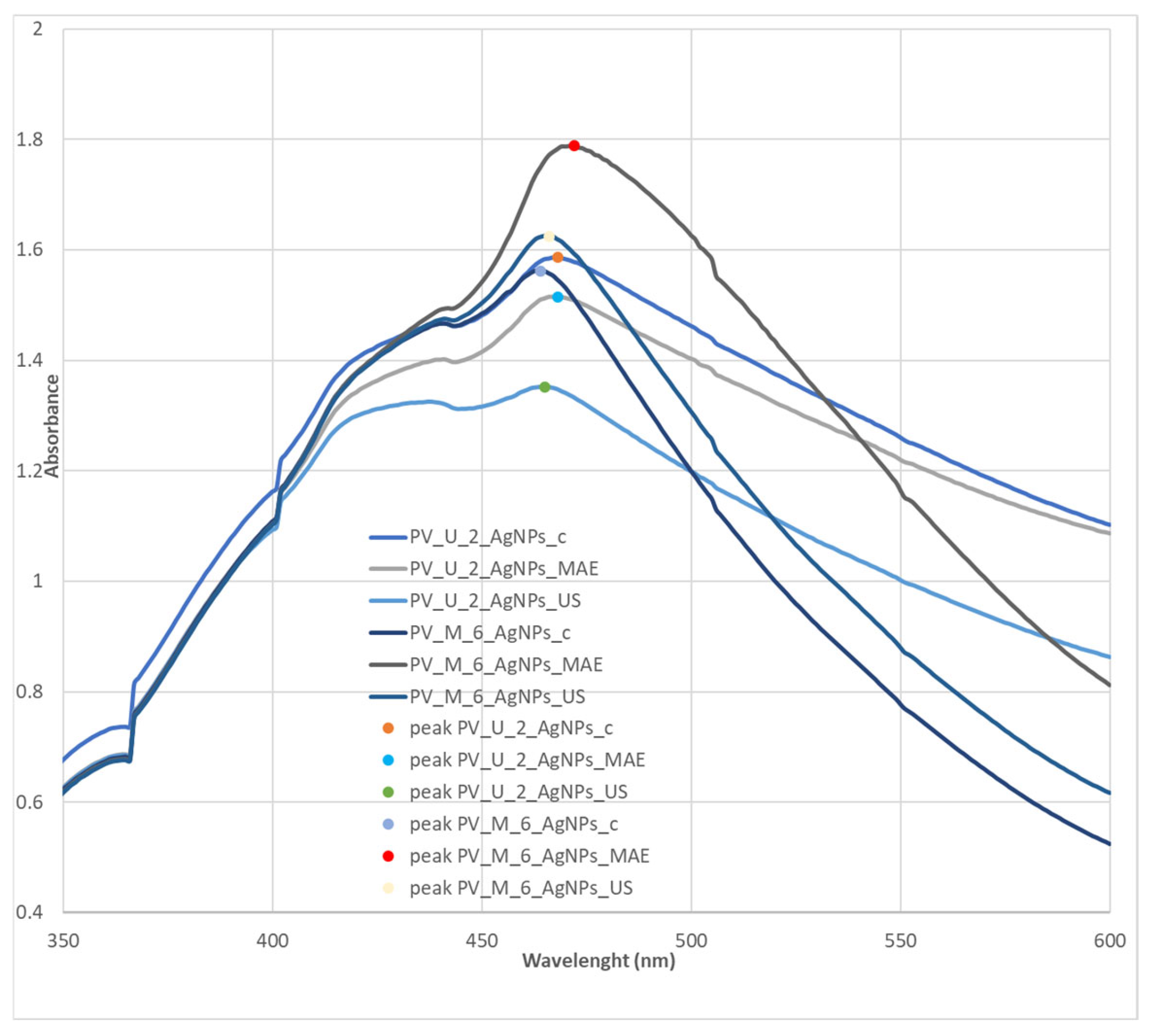
UV–Visible spectra of the sample showed surface plasmon resonance between 464 and 472 nm: PV_U_2_AgNPs_c—468 nm, PV_U_2_AgNPs_MAE—468 nm, PV_U_2_AgNPs_US—465 nm, PV_M_6_AgNPs_c—464 nm, PV_M_6_AgNPs_MAE—472 nm, and PV_M_6_AgNPs_US—466 nm (Figure 1).

3.3. FTIR Analysis

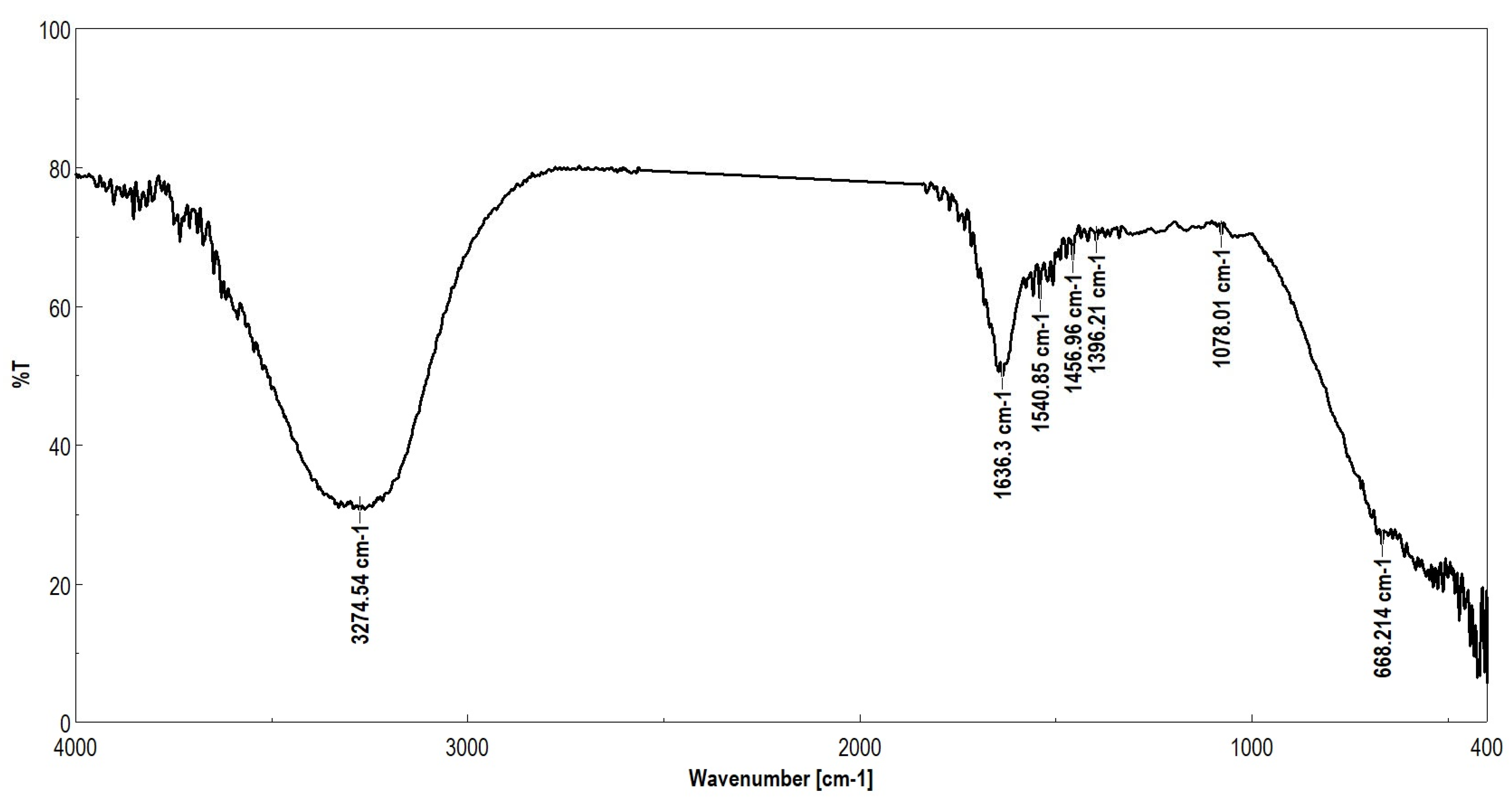
The FTIR spectra of the samples show characteristic absorption bands corresponding to functional groups of the bioactive compounds originating from plant extracts involved in the synthesis of AgNPs, including O–H and N–H stretching vibrations in the 3200–3500 cm−1 region (polyphenols, alcohols, proteins), C–H stretching bands at 2920–2850 cm−1 (aliphatic organic chains), and bands around 1650–1600 cm−1 attributed to C=O and C=C vibrations of amide groups, flavonoids, and aromatic compounds. Additional bands observed at 1540–1500 cm−1 (amide II), 1400–1380 cm−1 (C–N and COO vibrations), and 1100–1020 cm−1 (C–O stretching) indicate the presence of proteins, polysaccharides, and phenolic compounds acting as stabilizing (capping) agents on the surface of AgNPs. In Figure 2 and Table 5, the ATR-FTIR spectrum and attribution for P. vulgaris extracts with AgNPs are presented. For the other samples, the spectra are presented in the Supplementary Materials (Figures S1–S5).

3.4. XRD Analysis

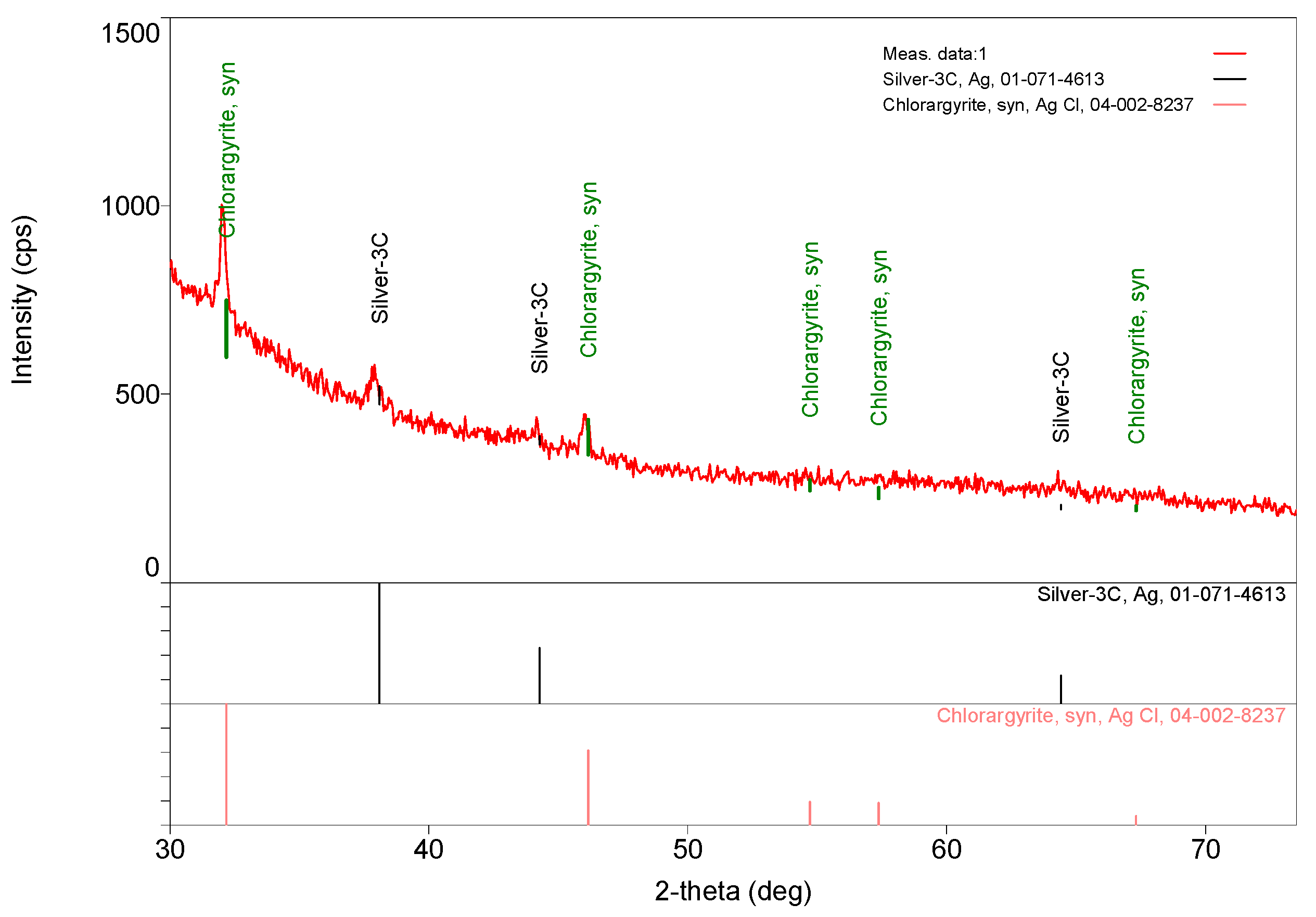
The diffractogram indicates the presence of polycrystalline phases corresponding to metallic Ag and AgCl. A representative XRD pattern of the nanoparticle sample can be analyzed in Figure 3.
Figure 3 illustrates a representative X-ray diffraction (XRD) pattern of the synthesized nanoparticle samples alongside the corresponding phase identification results. The diffractogram exhibits distinct reflections indexed to metallic silver (Ag, ICDD card no. 01-071-4613) and silver chloride (AgCl, ICDD card no. 04-002-8237). Both crystalline phases crystallize in a face-centered cubic (FCC) lattice configuration, belonging to the Fm 3 ¯ m space group (no. 225).

3.5. Total Polyphenol Content (TPC) and Antioxidant Activity of Prunella vulgaris L. Extracts with AgNPs

The spectrophotometric determination of TPC indicates content ranging between 26.52 and 32.04 mg GAE/g dw−1 (Table 6) for the PV_U_2_AgNP extracts, with the sample obtained using MAE (PV_U_2_AgNPs_MAE) having the richest content in TPC. The results also correlate with the antioxidant activity of these samples (Table 7), for which the highest inhibition ratio was determined for the PV_U_2_AgNPs_MAE sample. Similar results were obtained for the phytosynthesized samples from PV_M6, with the variant obtained using MAE having the highest polyphenol content (77.98 mg GAE/g dw−1); however, the best antioxidant activity was recorded for the sample in which biosynthesis was performed classically (Table 6).

3.6. BFSTEM-EDS Analysis of Prunella vulgaris L. Extracts with AgNPs

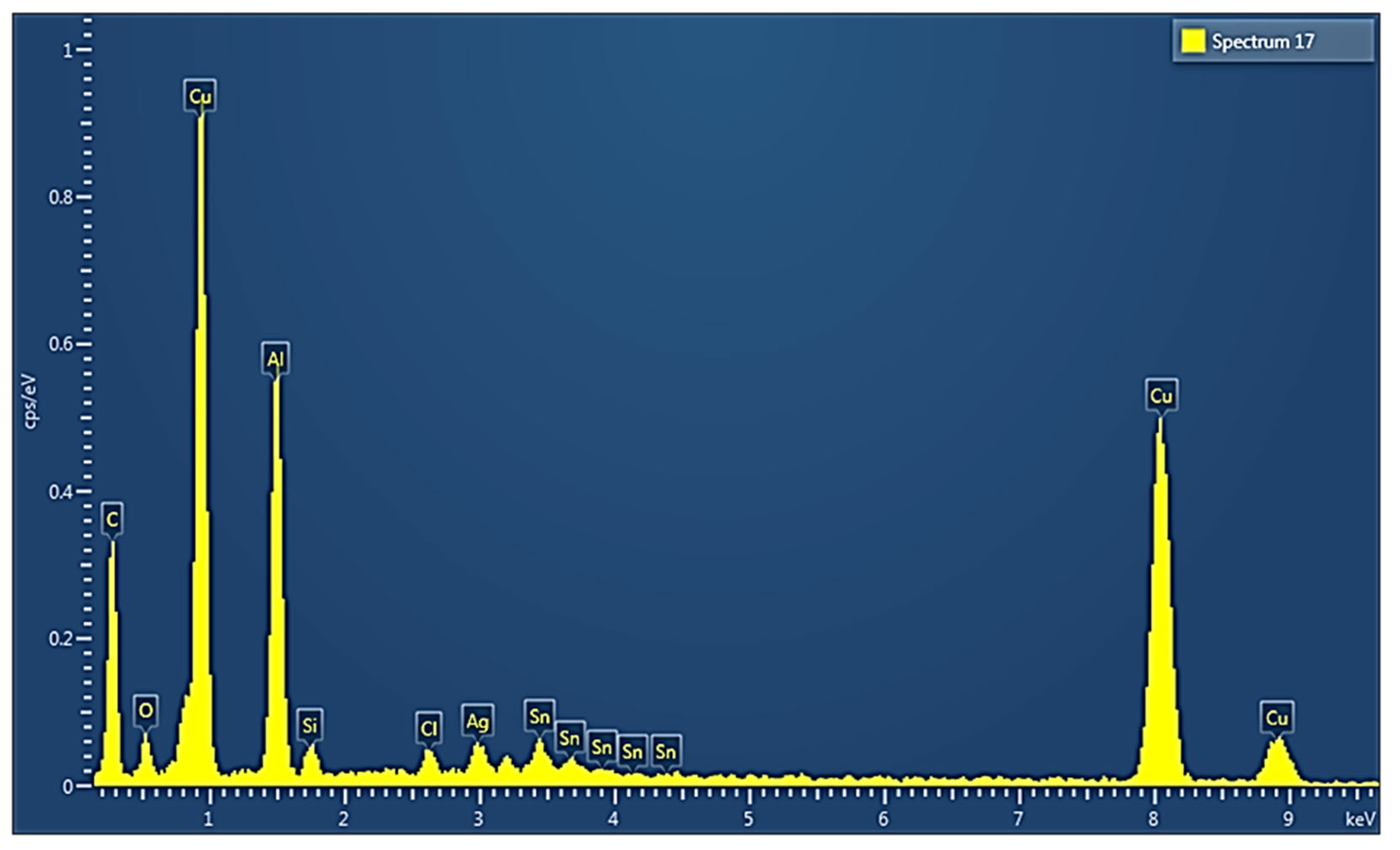
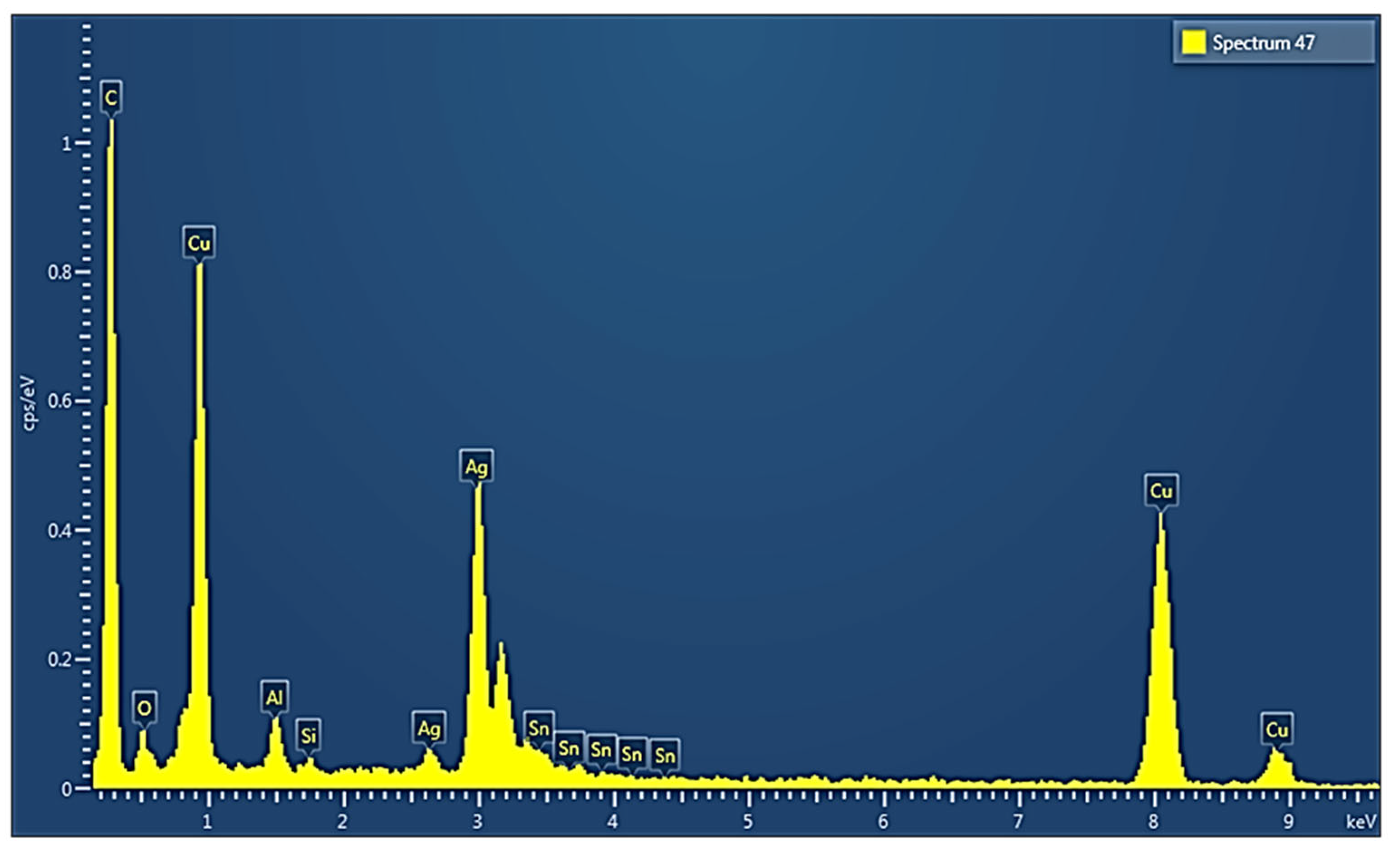
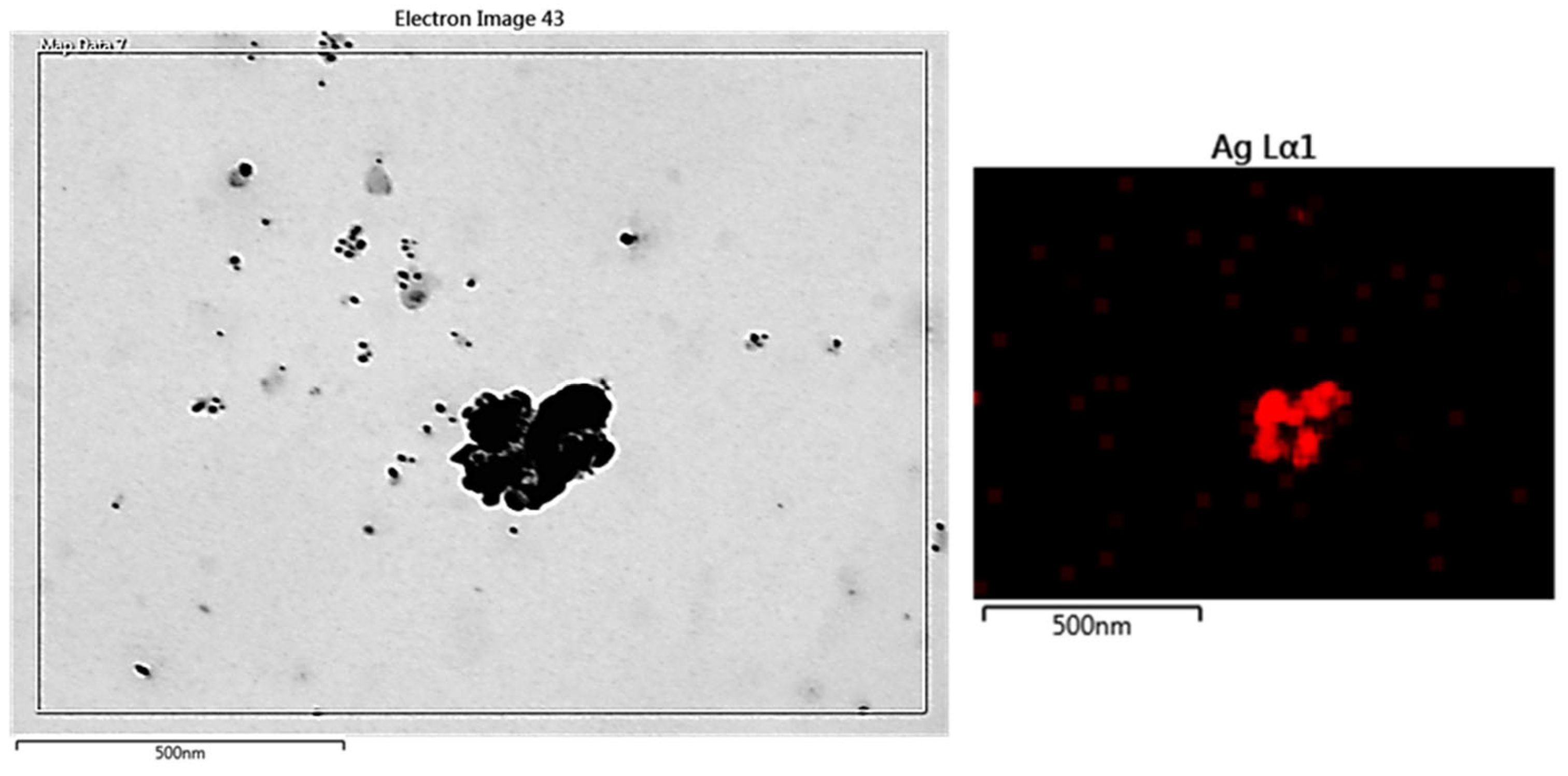
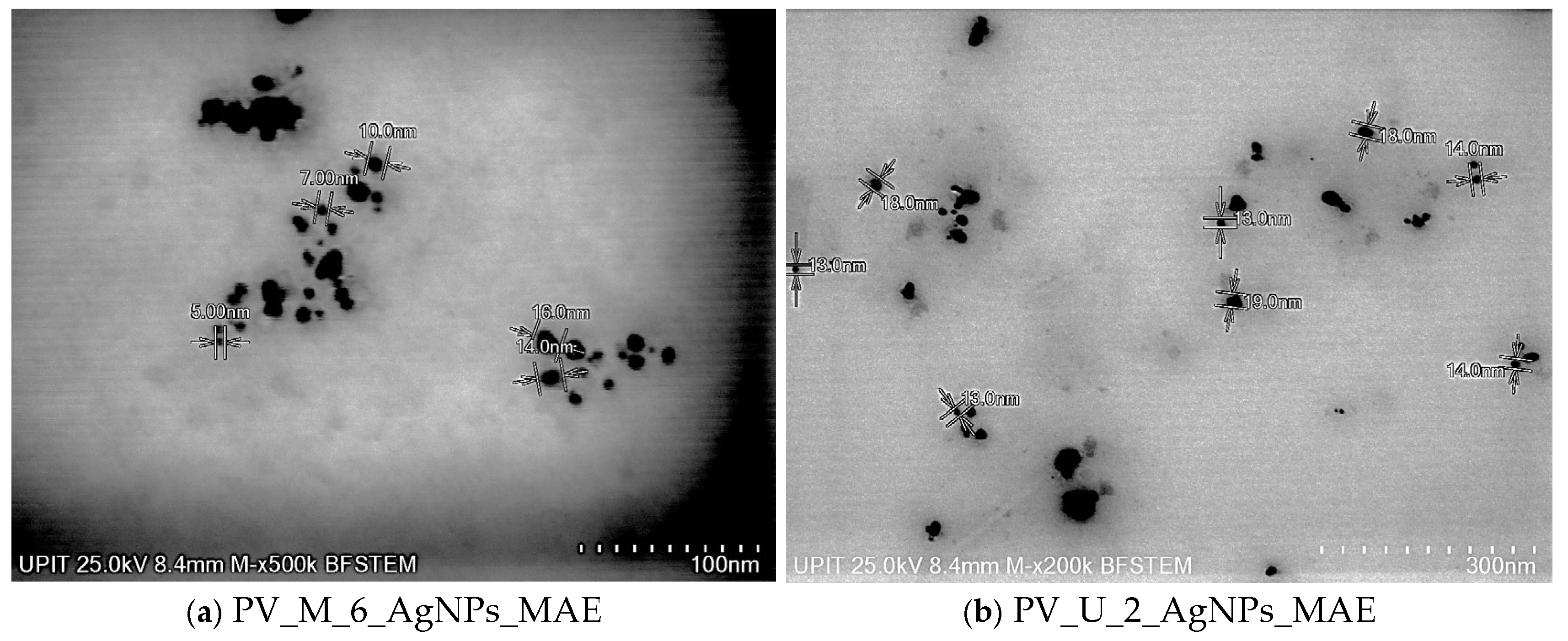
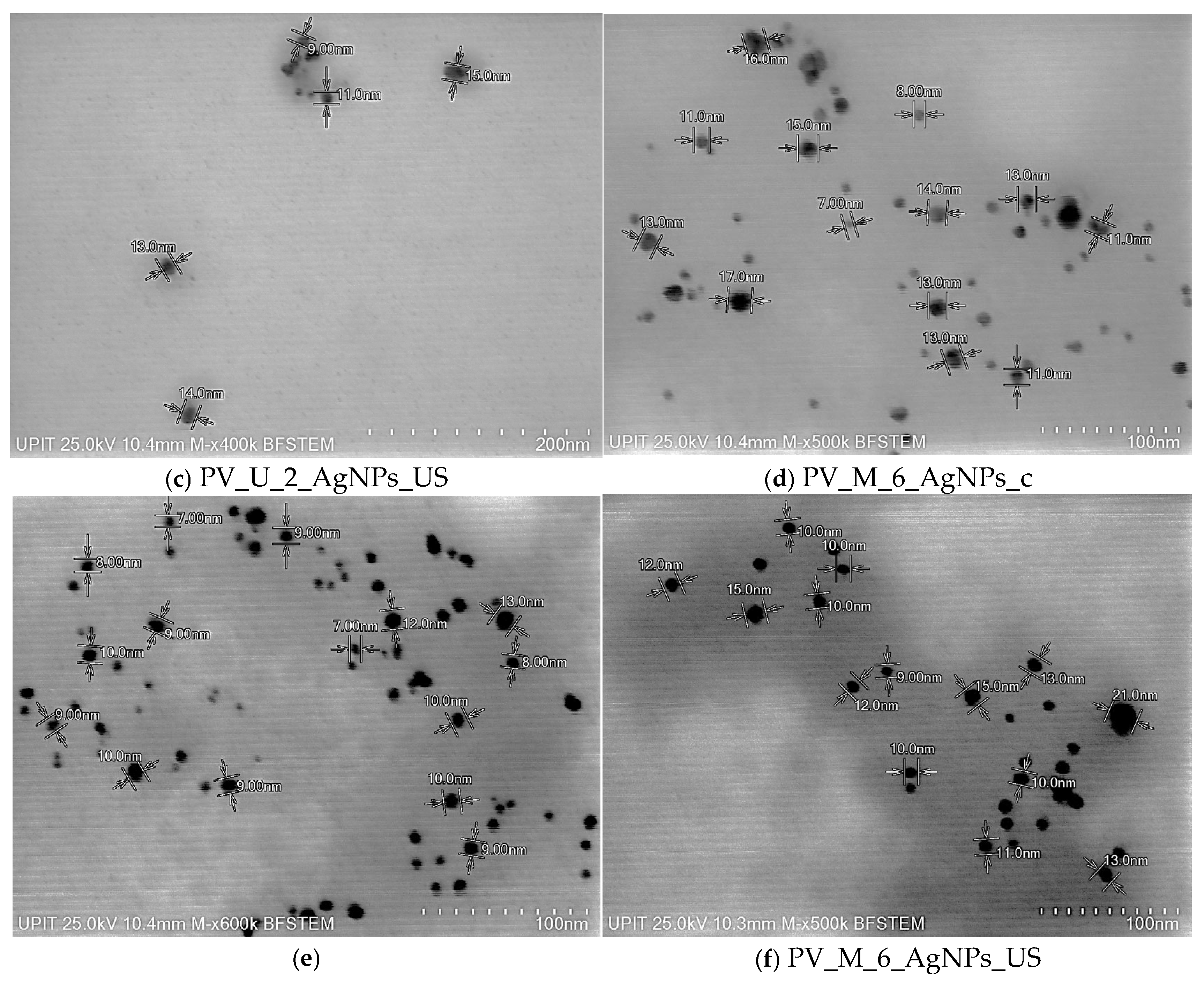
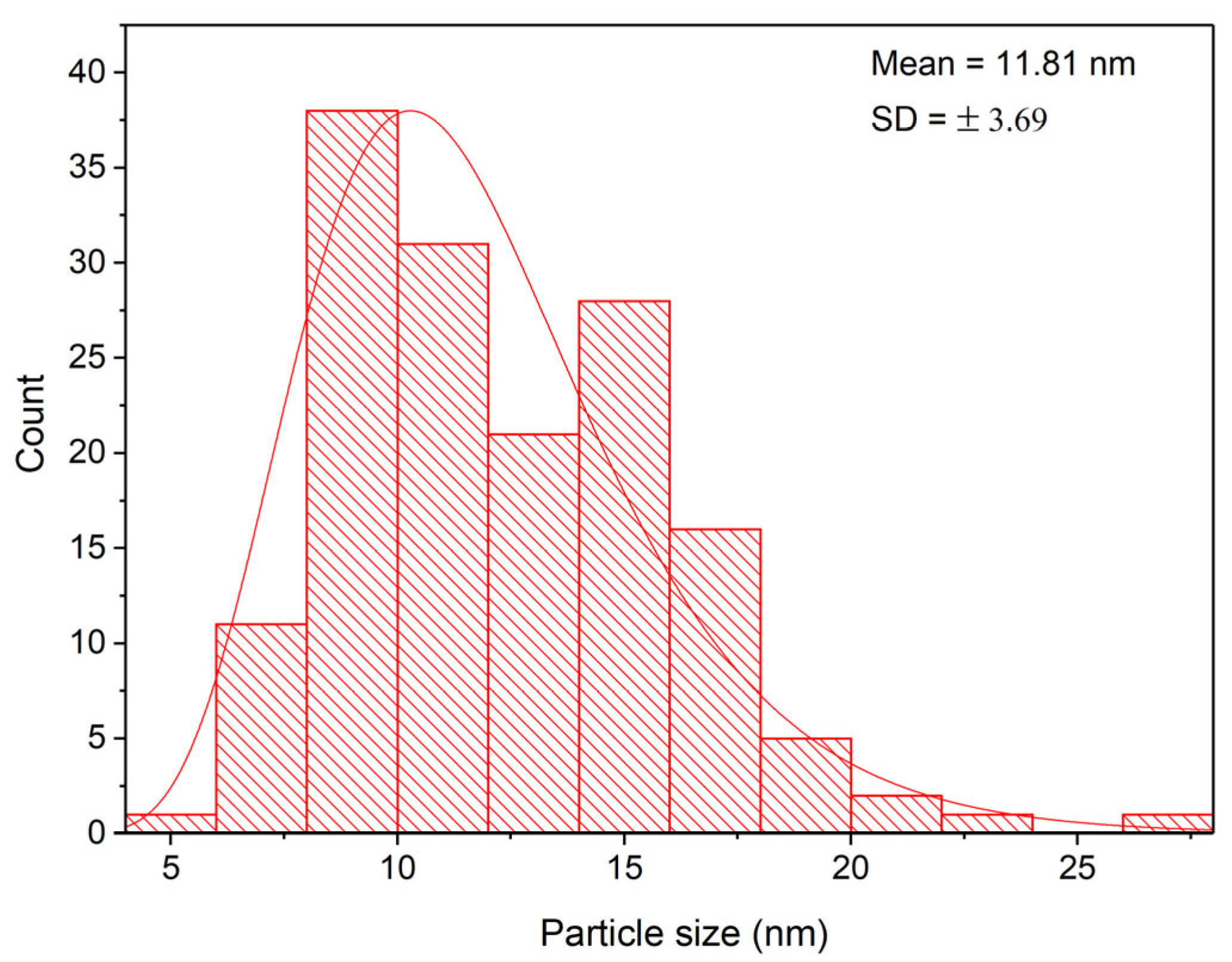
EDS spectra revealed the presence of characteristic chemical elements (C, O), in addition to those added according to the presented working methods (Ag from AgNO3 solution, Cu and C from the grid) (Figure 4 and Figure 5). EDS mapping revealed the presence and distribution of chemical elements within the investigated areas (Figure 6). STEM analysis of the extracts showed the spherical shape of AgNPs, especially in the biosynthesized samples from the microwave extracts. The nanoparticle sizes were between 8.64 and 13.84 nm (Figure 7).

3.7. Analysis of the AgNPs Size Distribution

As illustrated in the particle size distribution histograms (Figure 8 and Figures S6–S10), the AgNPs exhibited a well-defined morphology with mean diameters ranging from 8.64 to 13.84 nm. These values, extracted from the log-normal distribution fitting of the experimental BF-STEM data, indicate a narrow size distribution and reflect precise control over the nucleation and growth kinetic parameters during the synthesis process.

3.8. Antifungal Activity of Nanostructured Extracts Obtained from Prunella vulgaris L., Against Fusarium oxysporum MUCL 791

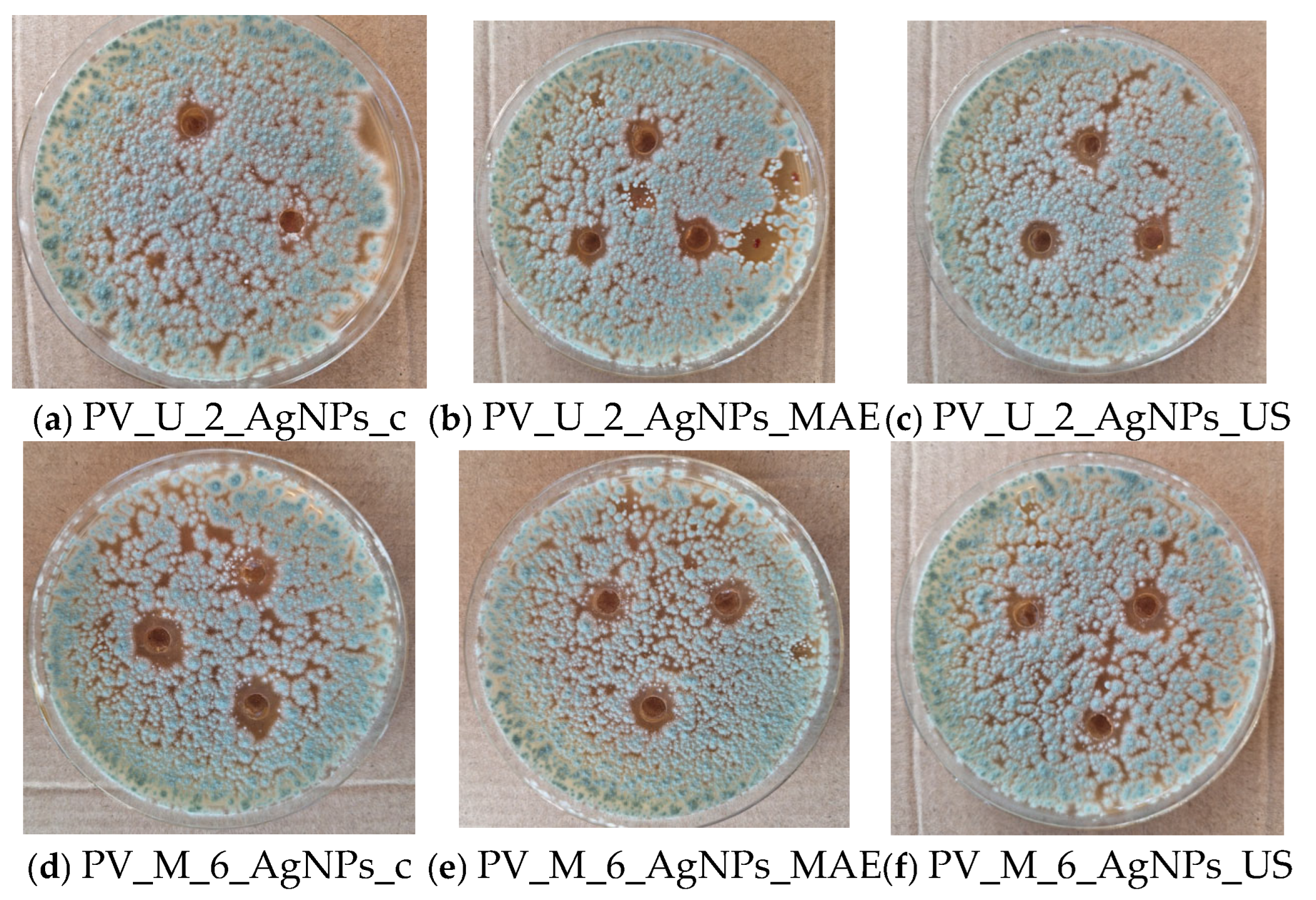
At the beginning of the culture, Fusarium develops a whitish aerial mycelium, which can sometimes appear yellowish or greenish depending on the environment, light and layer thickness. The typical pink (or salmon red, sometimes purple) color comes from secondary pigments (e.g., fusarin) and appears later, usually after 3–5 days. The Fusarium spp. cultures obtained in this experiment had a greenish-white mycelium (Figure 9). The results indicate that the antifungal activity of the tested extracts increased in the order PV_U_2_AgNPs_MAE ˂ PV_M_6_AgNPs_US ˂ PV_M_6_AgNPs_c ˂ PV_U_2_AgNPs_US ˂ PV_M_6_AgNPs_MAE (Table 8). Some representative images of the antifungal effect induced by the tested extracts can be seen in Figure 9. Under the tested conditions, the crude plant extracts alone (without AgNPs) did not produce measurable inhibition zones against the investigated strains, suggesting that the inhibitory effects observed for the AgNP-containing formulations were primarily associated with the AgNPs rather than the extract matrix alone (Figure S11 in Supplementary Materials).

3.9. Antimicrobial Activity of Nanostructured Extracts Obtained from Prunella vulgaris L.

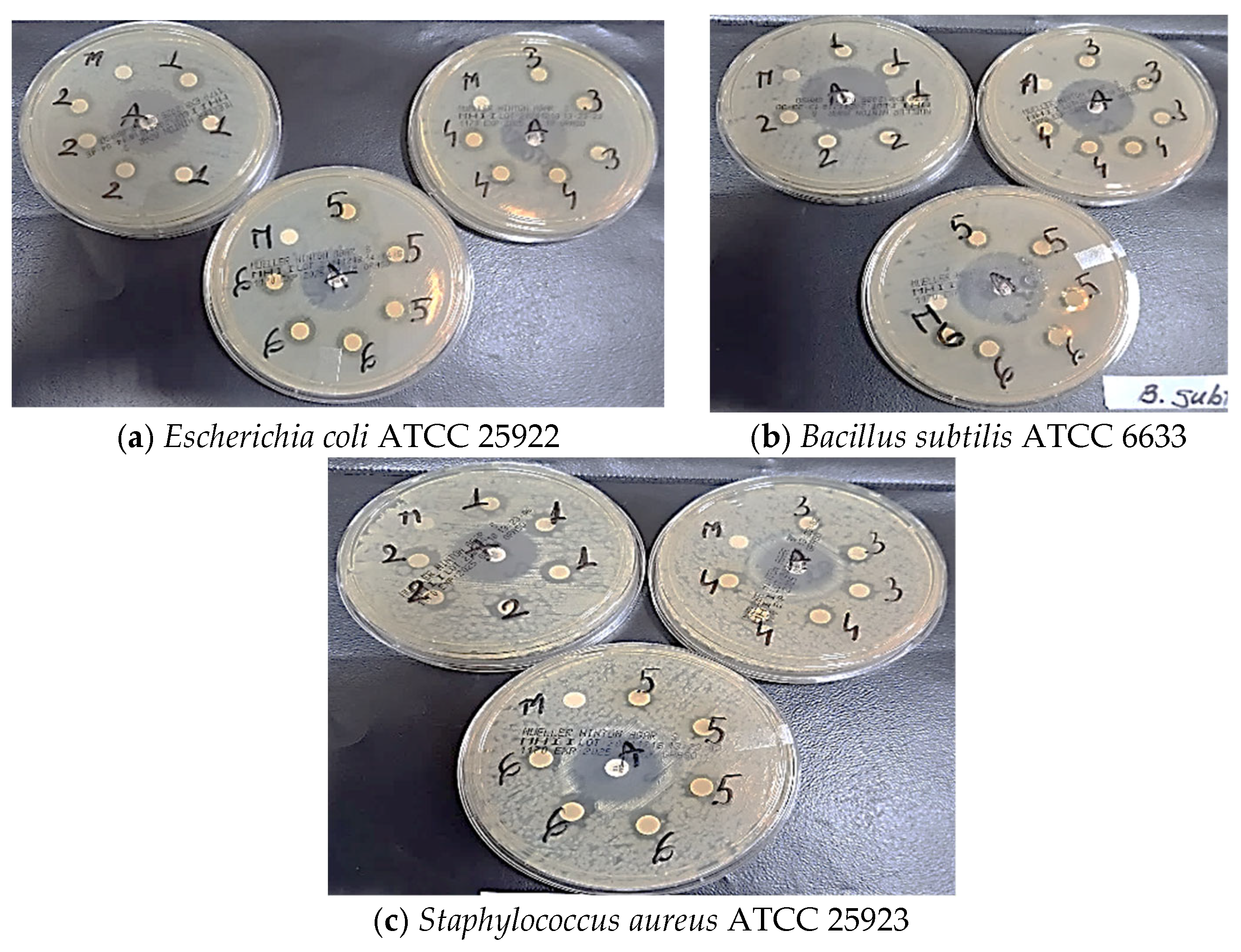
Table 9 summarizes the inhibition zone diameters for all three bacterial strains. The antibiotic control consistently produced the highest activity against bacterial strains, whereas nanoparticle-based formulations generally yielded inhibition zones clustered between 8 and 11 mm (Figure 10). The extracts without AgNPs were tested as well, but the diameters of inhibition zones did not exceed 9 mm in the case of S. aureus (Table S1, Figure S12). The best results were obtained for the S. aureus strain (Figure 10c), with the recorded value being 11 mm (for the PV_U_2_AgNPs_MAE sample), and for B. subtilis (Figure 10b), with a uniform inhibition zone (maximum diameter was 10.66 mm for PV_M_6_AgNPs_c and 10.5 mm for PV_U_2_AgNPs_US and PV_M_6_AgNPs_US, respectively). The maximum inhibition zone was measured for the S. aureus strain, which was 11 mm, a value obtained from the PV_U_2_AgNPs_MAE sample.
For several treatment groups, variance was zero due to identical replicate values, making formal normality testing either impossible or uninformative. Where testable, Shapiro–Wilk results indicated deviations from normality (p < 0.001). Levene’s test based on group means and trimmed means was significant (p < 0.001), indicating heterogeneity of variances. In contrast, the median-based Levene’s test was not significant (p > 0.56), suggesting that variance heterogeneity was primarily driven by strong between-treatment mean separation rather than dispersion within groups. For B. subtilis, ANOVA revealed a highly significant treatment effect (F = 1940.7, p < 0.001), with treatment type explaining nearly all observed variabilities (R2 = 0.999). Post hoc Tukey HSD comparisons showed that the antibiotic control formed a distinct homogeneous subset, differing significantly from all nanoparticle-based treatments (p < 0.001). Among AgNP formulations, PV_M_6_AgNPs_classic exhibited significantly higher inhibition than several ultrasound-derived formulations, although the absolute differences were small (1–2 mm).
The minimum inhibitory concentration (MIC) was determined only for variants that had an antimicrobial effect: PV_U_2_AgNPs_MAE against S. aureus and three variants against B. subtilis—PV_M_6_AgNPs_c, PV_U_2_AgNPs_US, and PV_M_6_AgNPs_US (Figure S13). Extract dilutions were binary, starting from tube 10 to tube 1 (1/2 in tube 10 until 1/1024 in tube 1).
The minimum inhibitory concentration (MIC) of the PV_U_2_AgNPs_MAE sample was 1/85 from the raw extract for the S. aureus strain; the same value was determined for PV_M_6_AgNPs_c and PV_M_6_AgNPs_US against B. subtilis, while the MIC of the PV_U_2_AgNPs_US sample against B. subtilis was 1/172. Thus, although the disk diffusion test exhibited similar values for the inhibition zone diameters, the last two extracts had different MICs against Bacillus subtilis.
The minimum bactericidal concentration (MBC) of the PV_U_2_AgNPs_MAE sample was almost 1/11 from the raw extract (Figure S14). Thus, we observed a large difference between MIC and MBC.

3.10. Effects Induced by Nanostructured Extracts of Prunella vulgaris L. on the Growth and Fresh Weight of Triticum aestivum L. Seedlings

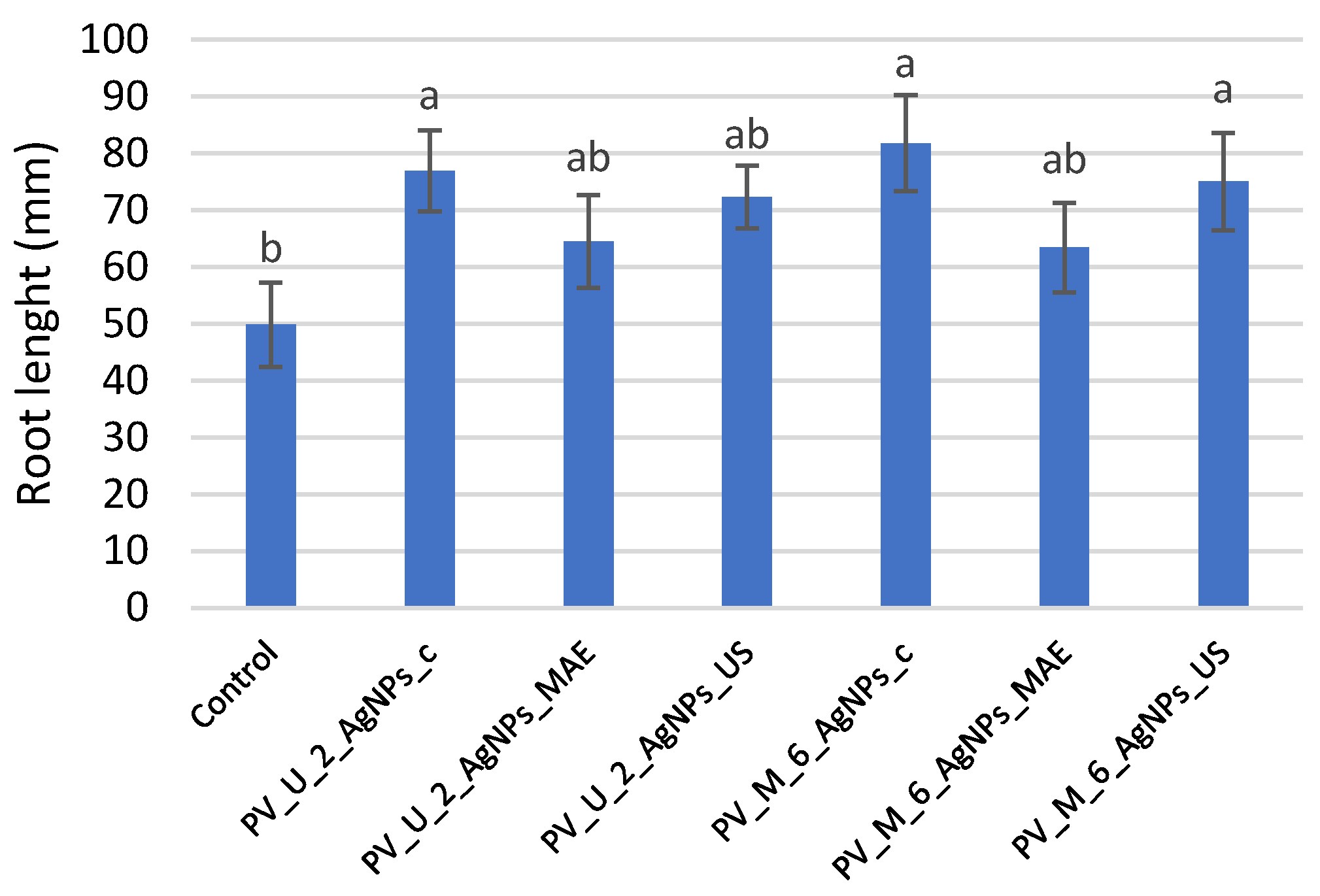
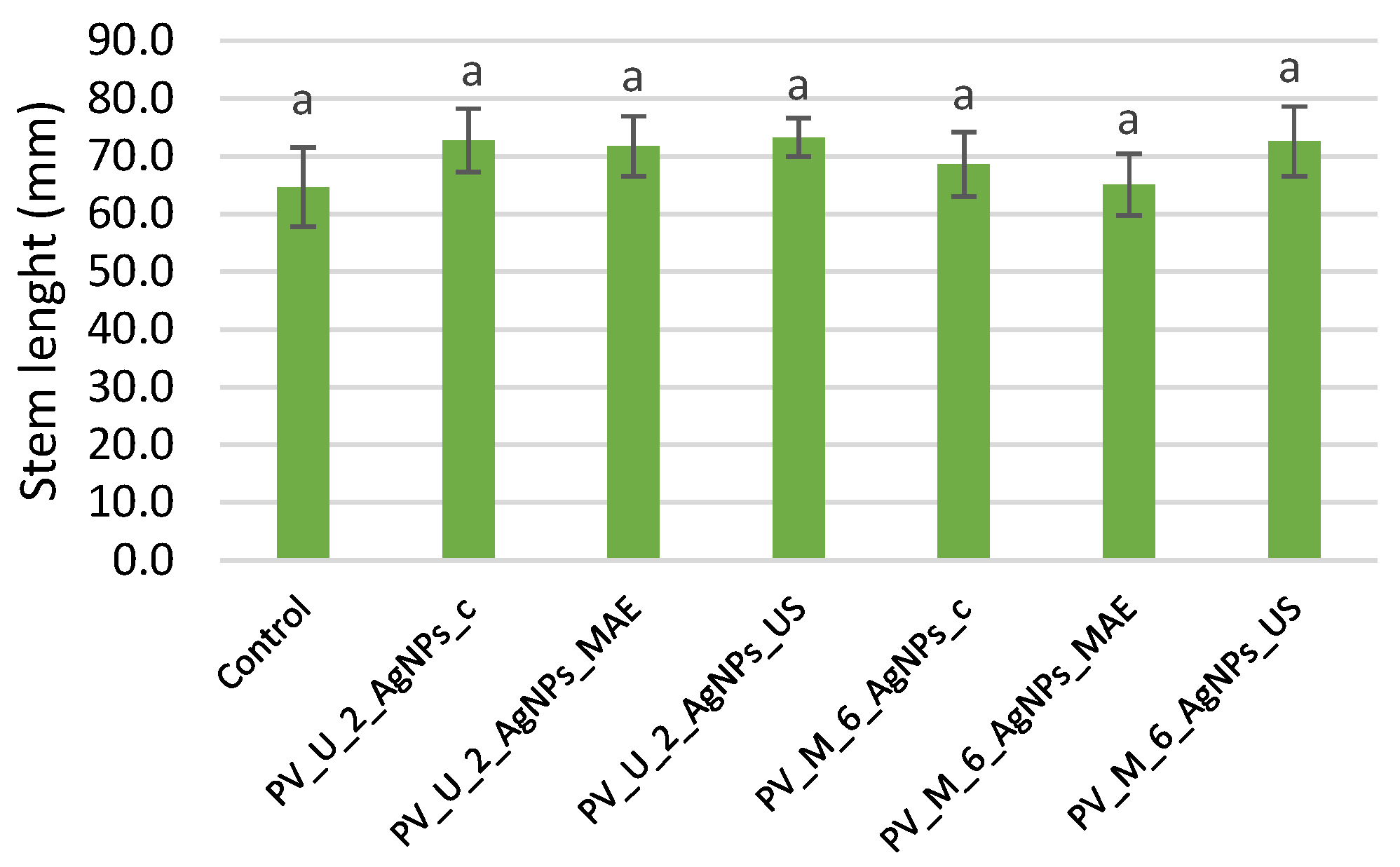
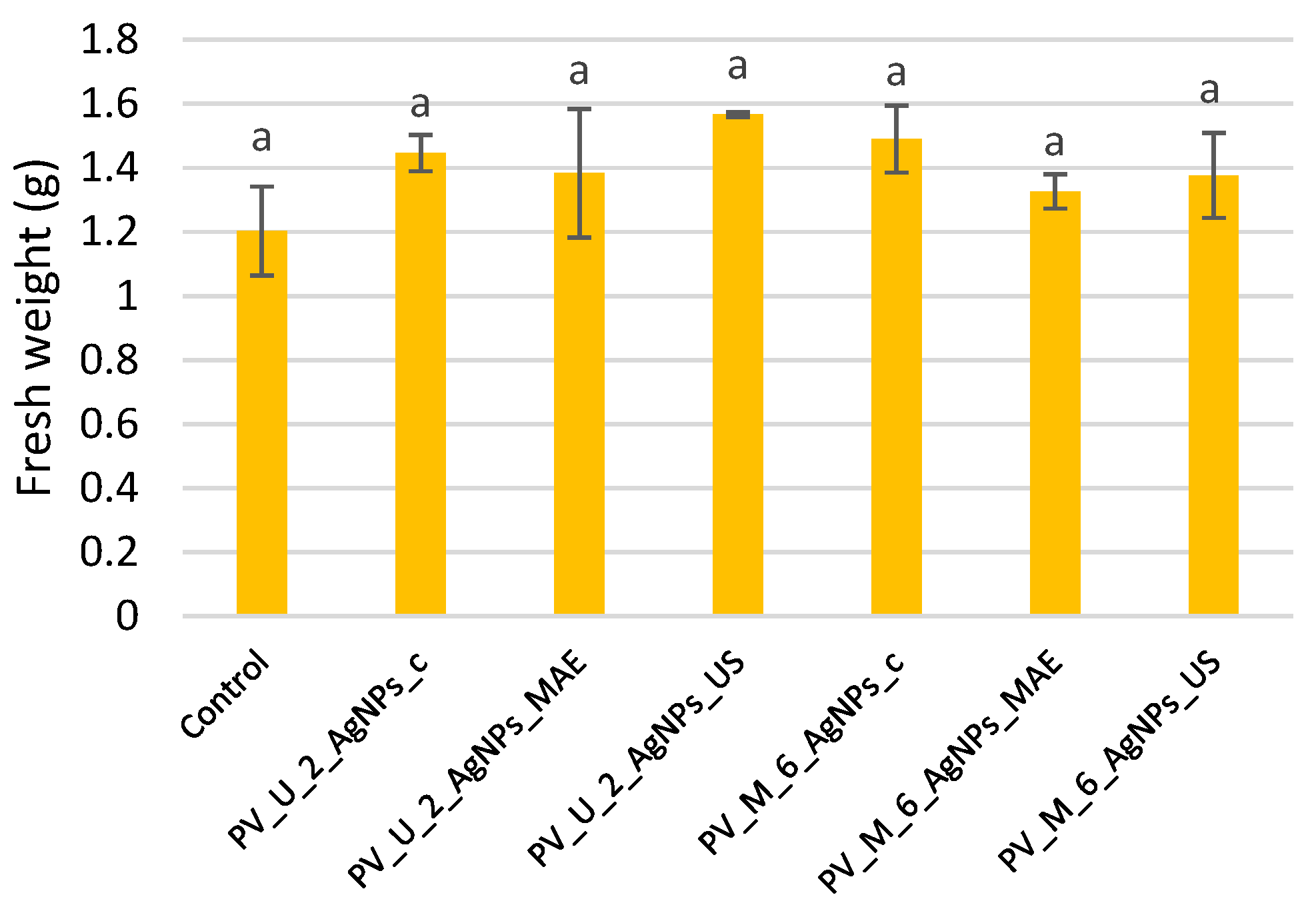
P. vulgaris extracts with AgNPs had beneficial effects on seedling growth and weight. Of the two axial organs of the seedling, the root was influenced to a greater extent by exposure to the extracts compared with the stem (Figure 11 and Figure 12). Thus, in the variants PV_U_2_AgNPs_c (76.9 mm), PV_M_6_AgNPs_c (81.8 mm) and PV_M_6_AgNPs_US (75 mm), root growth was significantly stimulated compared with the control (49.8 mm). The growth in stem length was stimulated in the variants exposed to the extracts but not statistically significant. In the variant exposed to (PV_U_2_AgNPs_c), the stem exceeded the control stem length by 8 mm (64.6 mm). An increase in the wet weight of the samples exposed to the extracts was also observed (Figure 13).

4. Discussion

4.1. Obtaining Prunella vulgaris L. Extracts, Phytochemical Analysis, Biosynthesis and Characterization of Nanoparticles

HPLC analysis revealed that MAE yielded crude extracts with better polyphenol content than those obtained by UAE (Table 4). The use of the whole aerial part of the P. vulgaris (stem, leaves, inflorescence; PV_M1-M6; PV_U1-U4) favored a broader phytochemical spectrum in the extracts, reflecting a differential accumulation of metabolites among plant organs. For example, the leaves are known to contain a large amount of rutoside, while the kernels have few active principles [28].
The compounds present in the two selected crude extracts (PV_M6 and PV_U2) (Table 4; Figure 2) acted both as a reducing and stabilizing agent, forming AgNPs coated with plant-derived metabolites in the extracts [29,30]. AgNPs of similar sizes (2–20 nm) were biosynthesized in extracts obtained from P. vulgaris leaves [31].
Ganaie et al. (2023) [31] reported a surface plasmon resonance (SPR) at approximately 430 nm for green AgNPs synthesized from P. vulgaris leaf extract. AgNPs exhibit a UV–Visible absorption maximum in the range of 400–500 nm [32]. The shift in the position of the absorption peak of AgNPs (between 475 and 504) may be due to the differences in nanoparticle particle size and shape, pH, and composition of the synthesized NPs.
Particle size distribution histograms (Figure 8 and Figures S6–S10) showed that the AgNPs possessed a well-defined morphology with mean diameters ranging from 8.64 to 13.84 nm. These values, obtained by log-normal fitting of BF-STEM measurements, indicate a narrow size distribution and suggest controlled nucleation and growth kinetic parameters during the synthesis process.
The occurrence of the AgCl phase alongside metallic silver (Ag0) in XRD spectra is a frequent phenomenon in green synthesis, caused by the rapid precipitation of Ag+ ions in the presence of trace chloride (Cl) ions [33,34]. Such ions may originate from impurities in the precursor (AgNO3), from the water used, or most likely, from the phytoconstituents of the P. vulgaris L. extract. Due to the extremely low solubility product (Ksp ≈ 1.8 × 10⁻¹⁰), AgCl formation is thermodynamically favored, with its precipitation often preceding or competing with the reduction process of ionic silver to metallic silver. P. vulgaris is characterized by a high endogenous concentration of chloride ions (Cl) within its tissues, which are released into the aqueous medium during extraction [35]. Upon the addition of the AgNO3 precursor, the instantaneous attainment of the solubility product (Ksp) favors AgCl precipitation, with this rapid ionic reaction outpacing the slower kinetics of silver reduction to its metallic form (Ag0) [36].

4.2. Polyphenol Content, Antioxidant, Antimicrobial Activity and Phytotoxicity of Nanoformulations Obtained from Prunella vulgaris L. Extracts

The TPC of the PV_M_6_AgNPs_MAE sample (77.98 mg GAE/g DW) was higher than that reported by Grosan et al. (2020) for methanolic and aqueous extracts of P. vulgaris L. obtained from leaves or inflorescences (26.94–63.78 mg GAE/g DW) [28]. Rosmarinic acid identified in all analyzed samples (PV_M1-6; PV_U1-4) constitutes a quality standard for P. vulgaris [3]. Hyperoside, quercetin and kaempferol identified in PV_M6 and PV_U2 were also determined in P. vulgaris L. inflorescences collected from the Transylvanian area, along with other compounds [37].
The higher TPC of the extracts with AgNPs obtained from PV_M6 was also reflected in the results obtained for higher antioxidant activity, compared with that of the extracts obtained from PV_U2. The Pearson index value (+0.8718) shows a close relationship between TPC and antioxidant activity, evaluated using DPPH. The exogenous application of chlorogenic acid (CGA) has been shown to slow the rate of chlorophyll degradation, attenuate membrane damage and lipid peroxidation, and enhance antioxidant enzyme activity in apple slices [38].
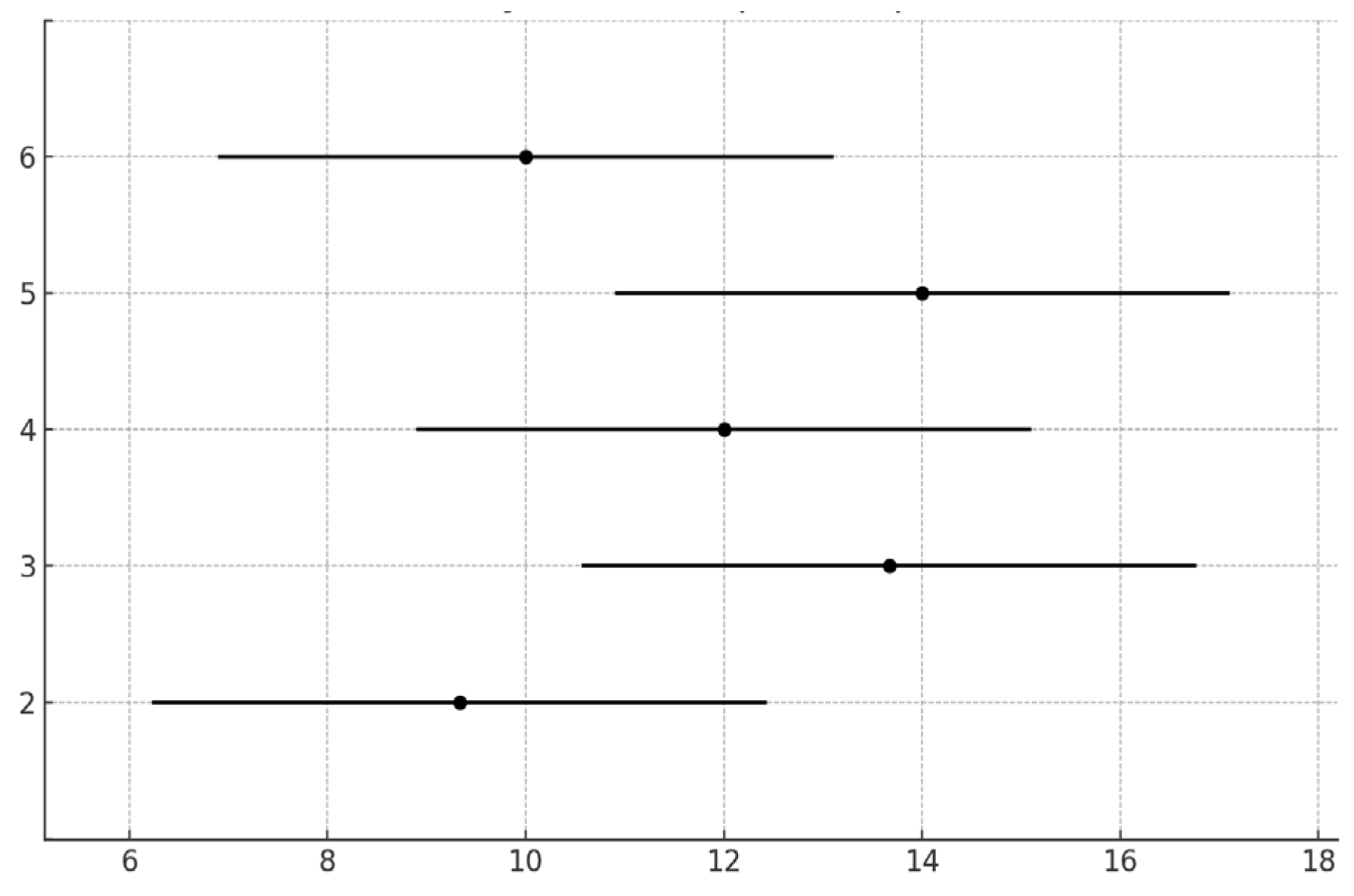
Finding new sources of antimicrobial products that are effective for antibiotic-resistant microorganisms or closer to natural products, with applications in the protection of plant crops, is an ongoing challenge. The antifungal action of P. vulgaris L. extracts with AgNPs was correlated with the TPC and antioxidant activity of the samples. The samples that showed high antifungal activities, especially PV_M_6_AgNPs_MAE (Figure 9e), benefited from the more efficient synthesis of AgNPs by applying microwaves, which favors the formation of small-sized particles (Figure S9) and influences their activity (Figure 14). PV_U_2_AgNPs_classic did not show inhibition, probably due to the insufficient concentration or reduced stability of the nanoparticles formed, in the absence of external activation (ultrasound, microwaves).
Antifungal activity against F. oxysporum or other plant pathogens has been reported by various authors. The compounds octadeca-9,11,13-triynoic acid and transoctadec-13-ene-9,11-diynoic acid isolated from P. vulgaris inhibited the growth of F. oxysporum mycelium (MIC > 200 µg/mL), as well as other plant pathogens (Magnaporthe oryzae, Rhizoctonia solani, Phytophthora infestans, Sclerotinia sclerotiorum, Phytophthora capsici) [9].
Ethyl acetate extract and methanolic crude extracts obtained from P. vulgaris L. inflorescences inhibited the growth of F. oxysporum, P. digitatum and A. solani, depending on the extract concentration [12]. The tested extracts were rich in dichloroacetic acid and tridec-2-ynyl ester, a compound confirmed for antifungal activity by in silico tests. The antifungal activity reported for F. oxysporum by Akhtar et al. [12] was similar to that obtained in our own tests.
Fusarium species infect seedlings through the roots and subsequently colonize the entire plant via vascular tissue. Antifungal activity against Fusarium, along with the stimulation of root growth, may protect seedlings in early ontogenetic stages by limiting pathogen spread. The anti-Fusarium activity observed for the tested P. vulgaris L. nanoformulations represents a starting point for further research through in vivo tests, with standardized extracts.
The antibacterial effects obtained by using P. vulgaris extracts with AgNPs in cultures of E. coli, B. subtilis, and S. aureus confirm some of the data reported in the specialized literature. Thus, extracts and compounds isolated from P. vulgaris have shown antibacterial and antifungal effects against a series of microorganisms, such as S. aureus, Streptococcus pneumoniae, Enterococcus faecalis and Klebsiella pneumoniae strains [39,40] as well as S. aureus, S. epidermidis and Propionibacterium acnes [41]. Methanolic and aqueous extracts obtained from the leaves and inflorescences of P. vulgaris had bactericidal effects on K. pneumoniae ATCC 13883, E. coli ATCC 25922, Pseudomonas aeruginosa ATCC 27853 and MRSA ATCC 43300, as well as on some antibiotic-resistant bacteria, S. aureus ATCC 43300—MRSA and ATCC 25923—MSSA, multidrug-resistant K. pneumoniae and multidrug-resistant Providencia stuartii [7]. The effects varied depending on the type of extract (aqueous, hydroalcoholic) and the part of the plant used, with more pronounced effects being recorded for concentrated extracts. Also, P. vulgaris extracts with AgONPs [13] proved effective against S. aureus and K. pneumoniae.
Statistical analysis revealed a clear and biologically coherent pattern of antibacterial activity across treatments. The antibiotic control consistently exhibited superior inhibitory effects across all three bacterial strains, confirming the internal validity of the assay. Nanoparticle-based formulations produced moderate inhibition zones with limited variability, forming a compact activity range largely independent of bacterial strain. For B. subtilis, these differences were statistically resolvable due to minimal within-group variance, allowing formal inference. In contrast, for E. coli and S. aureus, the data supports descriptive but not confirmatory conclusions. The statistical dominance of the antibiotic treatment reflects a genuine biological contrast rather than an analytical artifact. At the same time, the small absolute differences among AgNPs formulations, even when statistically significant, suggest that formulation-dependent effects are subtle and likely secondary to strain-specific susceptibility.
Overall, the data indicate that P. vulgaris-derived AgNPs exert reproducible but moderate antibacterial activity, with limited differentiation among synthesis routes under the present experimental conditions. These results are best interpreted as defining a consistent activity window rather than ranking formulations by efficacy.
The combination of the complex chemical compositions of P. vulgaris extracts and AgNPs biosynthesized in the biological matrix led to an obvious biostimulation of root growth and, to a lesser extent, of stem and fresh weight. The variety of compounds present in the obtained extracts (rosmarinic acid, tannic acid, gallic acid, protocatechuic acid, vanillic acid, chlorogenic acid, quercetin, etc.) (Table 4), with varied biological roles to which the generated AgNPs are added, have improved the growth of T. aestivum seedlings. Chlorogenic acid (CGA) enhances tolerance to environmental stresses such as high temperature, salinity, and intense light [42] by efficiently scavenging reactive oxygen species (ROS) in plants [38], and its biosynthesis and accumulation are regulated by endogenous and exogenous factors [43]. Quercetin is a powerful antioxidant that facilitates seed germination, pollen growth, antioxidant machinery, and photosynthesis, as well as induces proper plant growth and development [44].
Although plant responses to AgNPs vary depending on multiple factors, including exposure time, concentration, particle size, plant species, and extract composition, many studies reported their biostimulatory effects [45,46,47]. In particular, AgNPs have been shown to promote plant growth and alleviate biotic and abiotic stresses when applied under ex vitro conditions through various delivery methods [48].
The combination of antifungal activity and stimulation of seedling growth is of considerable relevance in plant culture, as the early stages of their life cycle are especially vulnerable and require constant attention.
The implementation of effective strategies to control and combat fusariosis will require methodological standardization, comprehensive toxicity assessments across different groups of non-target organisms, and investigations of potential morphological, physiological, biochemical, enzymatic, etc., effects on target crop plants.

5. Conclusions

From the data known so far, these are the first regarding the procurement and chemical and biological characterization of extracts from P. vulgaris in which the extraction is carried out using microwaves. MAE favored the derivation of crude extracts from P. vulgaris herba with a high content of polyphenols and a correlated antioxidant activity. The antifungal action of P. vulgaris L. extracts with AgNPs was correlated with the TPC and antioxidant activity of the samples.
The obtained results support the use of MAE and UAE for the biosynthesis of AgNPs and identify the PV_U_2_AgNPs_US and PV_M_6_AgNPs_MAE nanoformulas as promising candidates for further investigations aimed at developing environmentally friendly antifungal strategies against Fusarium spp. The lack of detectable phytotoxic effects on T. aestivum seedlings, together with the stimulation of root growth, further supports the potential utility of the tested nanoformulations in protecting young plants from pathogen attack. Seed-immersion phytotoxicity assays using AgNP extracts also suggest the feasibility of pre-sowing seed treatments as a strategy to reduce early infection by Fusarium spp. However, validation under greenhouse and field conditions, along with comprehensive ecotoxicological assessments and dose–response analyses, will be required before practical application can be recommended.
P. vulgaris constitutes a valuable natural resource, with its antifungal and antibacterial properties requiring the testing of new microbial strains, the application of additional biological tests, as well as the investigation of already identified compounds through in silico methods.

Supplementary Materials

The following supporting information can be downloaded at: https://www.mdpi.com/article/10.3390/agronomy16050566/s1. Figure S1. ATR-FTIR for PV_M_6_AgNPs_c. Figure S2. ATR-FTIR for PV_M_6_AgNPs_US. Figure S3. ATR-FTIR for PV_U_2_AgNPs_c. Figure S4. ATR-FTIR for PV_U_2_AgNPs_MAE. Figure S5. ATR-FTIR for PV_U_2_AgNPs_US. Figure S6. Particle size distribution histogram of silver nanoparticles (AgNPs) for sample PV_U_2_AgNPs_MAE. Figure S7. Particle size distribution histogram of silver nanoparticles (AgNPs) for sample PV_U_2_AgNPs_US. Figure S8. Particle size distribution histogram of silver nanoparticles (AgNPs) for sample PV_M_6_AgNPs_c. Figure S9. Particle size distribution histogram of silver nanoparticles (AgNPs) for sample PV_M_6_AgNPs_MAE. Figure S10. Particle size distribution histogram of silver nanoparticles (AgNPs) for sample PV_M_6_AgNPs_US. Figure S11. Antifungal activity of Prunella vulgaris L. crude extracts (PV_M_1, PV_M_2 PV_M_3 PV_M_4 PV_M_5 PV_M_6, PV_U_1, PV_U_2, PV_U_3, and PV_U_4). Figure S12. Disk diffusion test for evaluating the effects of Prunella vulgaris L. crude extracts on a. Escherichia coli ATCC 25922, b. Bacillus subtilis ATCC 6633, and c. Staphylococcus aureus ATCC 25923; (M—negative control, A—positive control). Figure S13. MIC evaluation by broth dilution method; control (M—sterile medium, MB—bacterial culture without extract): a. PV_U_2_AgNPs_MAE, b. PV_M_6_AgNPs_c, and c. PV_M_6_AgNPs_US, d. PV_U_2_AgNPs_US. Figure S14. MBC evaluation on the Mueller–Hinton agar for PV_U_2_AgNPs_MAE against S. aureus; control (MB—bacterial culture without extract). Table S1. Inhibition zone diameters (mm) induced by Prunella vulgaris L. crude extracts (mean, n = 3).

Author Contributions

Conceptualization, L.C.S., G.C., R.C.F., S.M.A.,C.U., I.D., O.A.L., C.M.T., S.G.M.; C.B., I.D., I.F. and A.D.N.; software, O.A.L., N.A.Ș. and G.C.; formal analysis, C.B., C.M.T. and S.G.M.; investigation, C.B.; resources, L.C.S.; data curation, C.B.; writing—original draft preparation, L.C.S., R.C.F., I.F., S.M.A., C.U., I.D., A.P., N.A.Ș., O.A.L., A.D.N. and G.C.; writing—review and editing, L.C.S., C.M.T. and S.G.M.; project administration, L.C.S.; funding acquisition, R.C.F. All authors have read and agreed to the published version of the manuscript.

Funding

I.F. and R.C.F. gratefully acknowledge the support of the Ministry of Research, Innovation and Digitization (Ministry of Education and Research—National Authority for Research), CCCDI—UEFISCDI, project number PN-IV-P7-7.1-PED-2024-0318, contract 85PED/2025, within PNCDI IV.

Data Availability Statement

The original contributions presented in this study are included in the article/Supplementary Materials. Further inquiries can be directed to the corresponding author.

Conflicts of Interest

The authors declare no conflicts of interest.

Abbreviations

The following abbreviations are used in this manuscript:
BF-STEMbright-field scanning transmission electron microscopy
UPLC-ESI-MSultra-performance liquid chromatography–electrospray ionization–tandem mass spectrometry
HPLC-UV/Mhigh-performance liquid chromatography coupled with both ultraviolet (UV) detection and mass spectrometry (MS)
HPLChigh-performance liquid chromatography
AgNPssilver nanoparticles
CG-MSgas chromatography–mass spectrometry
AgONPssilver oxide nanoparticles
AuNPsgold nanoparticles
PtNPsplatinum nanoparticles
CuONPscooper-oxide nanoparticles
DPPH2,2-diphenyl-1-picrylhydrazyl
GAEgallic acid equivalent
MAEmicrowave-assisted extraction
UAEultrasound-assisted extraction
EDSenergy-dispersive X-ray spectroscopy
PDApotato dextrose agar
MICminimum inhibitory concentration
CGAchlorogenic acid
ROSreactive oxygen species
ESselected extracts
dwdry weight
fwfresh weight
Pprecursor

References

  1. Sârbu, I.; Ştefan, N.; Oprea, A. Vascular Plants from Romania. Illustrated Field Guide; VictorBVictor Publisher: Bucharest, Romania, 2013. [Google Scholar]
  2. Council of Europe. European Pharmacopoeia, 10th ed.; Deutscher Apotheker: Stuttgart, Germany, 2019. [Google Scholar]
  3. Chinese Pharmacopoeia Committee. The 2020 Edition of Pharmacopoeia of the People’s Republic of China, 11th ed.; Chemical Industry Press: Beijing, China, 2020; Volume 1. [Google Scholar]
  4. Pan, J.; Wang, H.; Chen, Y. Prunella vulgaris L.—A Review of its Ethnopharmacology, Phytochemistry, Quality Control and Pharmacological Effects. Front. Pharmacol. 2022, 13, 903171. [Google Scholar] [CrossRef] [PubMed]
  5. Zholdasbayev, M.E.; Atazhanova, G.A.; Musozoda, S.; Poleszak, E. Prunella vulgaris L.: An Updated Overview of Botany, Chemical Composition, Extraction Methods, and Biological Activities. Pharmaceuticals 2023, 16, 1106. [Google Scholar] [CrossRef] [PubMed]
  6. Parolin Trindade, G.; Perez Pinheiro, G.; Silva, A.A.R.; Porcari, A.M.; Sawaya, A.C.H.F. Sources of variation of the chemical composition of Lippia origanoides Kunth (Verbenaceae). Nat. Prod. Res. 2025, 1–10. [Google Scholar] [CrossRef] [PubMed]
  7. Groșan, A.; Vari, C.E.; Ștefănescu, R.; Danciu, C.; Pavel, I.Z.; Dehelean, C.; Man, A.; David, R.E.; Vlase, L.; Muntean, D.L. Antibacterial and antitumor activity of the species Prunella vulgaris L. Rev. Romana De Med. De Lab. 2020, 28, 405–417. [Google Scholar] [CrossRef]
  8. Özbek, O.; Saglam, B.; Usta, N.C.; Budak, Y. GC–MS analysis and antimicrobial activity of Prunella vulgaris L. extracts. J. Indian Chem. Soc. 2022, 99, 100460. [Google Scholar] [CrossRef]
  9. Yoon, M.-Y.; Choi, G.J.; Choi, Y.H.; Jang, K.S.; Park, M.S.; Cha, B.; Kim, J.-C. Effect of polyacetylenic acids from Prunella vulgaris on various plant pathogens. Lett. Appl. Microbiol. 2010, 51, 511–517. [Google Scholar] [CrossRef]
  10. Nayak, A.; Khan, M.A.; Sharma, P.; Mishra, R.M. Phytochemical screening, antioxidant and antimicrobial activities of Prunella vulgaris for oral thrush. J. Drug Deliv. Therapeut. 2018, 8, 251–258. [Google Scholar] [CrossRef]
  11. Lawson, S.K.; Sharp, L.G.; Satyal, P.; Setzer, W.N. Volatile components of the aerial parts of Prunella vulgaris L. (Lamiaceae). Am. J. Essent. Oils Nat. Prod. 2020, 8, 17–19. [Google Scholar]
  12. Akhtar, R.; Dharumadurai, D.; Kumar, T.S. Novel antifungal compound from Prunella vulgaris: An in-silico approach towards the discovery of potent inhibitor to combat phytopathogenic fungi. Biocatal. Agric. Biotechnol. 2024, 58, 103187. [Google Scholar] [CrossRef]
  13. Moges-Tsegaye, M.; Kumar, M.; Pandey, S.P.; Fentie-Tasew, M.; Yadav, P.; Chouhan, G. Characterization and Antibacterial Activity of Plant-Mediated Silver Oxide Nanoparticles. Macromol. Symp. 2023, 407, 2200084. [Google Scholar] [CrossRef]
  14. Ahn, E.Y.; Lee, Y.J.; Park, J.; Chun, P.; Park, Y. Antioxidant Potential of Artemisia capillaris, Portulaca oleracea, and Prunella vulgaris Extracts for Biofabrication of Gold Nanoparticles and Cytotoxicity Assessment. Nanoscale Res. Lett. 2018, 13, 348. [Google Scholar] [CrossRef]
  15. Marvi, P.K.; Ahmed, S.R.; Das, P.; Ghosh, R.; Srinivasan, S.; Rajabzadeh, A.R. Prunella vulgaris-phytosynthesized platinum nanoparticles: Insights into nanozymatic activity for H2O2 and glutamate detection and antioxidant capacity. Talanta 2024, 274, 125998. [Google Scholar] [CrossRef] [PubMed]
  16. Moges-Tsegaye, M.; Chouhan, G.; Kumar, M.; Pandey, S.P.; Fentie, M.; Yadav, P. Green Synthesis of Copper-oxide Nanopar-ticles and Evaluation of Its Therapeutic Efficacy. Macromol. Symp. 2023, 407, 2200080. [Google Scholar] [CrossRef]
  17. Bucăloiu, C. Characterization of Prunella vulgaris L. extracts in terms of polyphenol total content (TPC). Muzeul Olteniei Craiova. Oltenia. Studii şi comunicări. Ştiinţele Nat. 2025, 41, 46–51. [Google Scholar]
  18. Alowaiesh, B.F.; Alhaithloul, H.A.S.; Saad, A.M.; Hassanin, A.A. Green Biogenic of Silver Nanoparticles Using Polyphenolic Extract of Olive Leaf Wastes with Focus on Their Anticancer and Antimicrobial Activities. Plants 2023, 12, 1410. [Google Scholar] [CrossRef]
  19. Malik, M.A.; Batterjee, M.G.; Kamli, M.R.; Alzahrani, K.A.; Danish, E.Y.; Nabi, A. Polyphenol-Capped Biogenic Synthesis of Noble Metallic Silver Nanoparticles for Antifungal Activity against Candida auris. J. Fungi 2022, 8, 639. [Google Scholar] [CrossRef]
  20. Lite, M.C.; Constantinescu, R.; Tănăsescu, E.C.; Kuncser, A.; Romanițan, C.; Mihaiescu, D.E.; Lacatusu, I.; Badea, N. Phyto-chemical Synthesis of Silver Nanoparticles and Their Antimicrobial Investigation on Cotton and Wool Textiles. Materials 2023, 16, 3924. [Google Scholar] [CrossRef]
  21. Şuţan, N.A.; Fierăscu, I.; Fierăscu, R.C.; Manolescu, D.Ş.; Soare, L.C. Comparative analytical characterization and in vitro cytogenotoxic activity of Asplenium scolopendrium L., leaves and rhizome extracts prior to and after Ag nanoparticles phytosynthesis. Ind. Crops Prod. 2016, 83, 379–386. [Google Scholar] [CrossRef]
  22. Singleton, V.L.; Rossi, J.A. Colorimetry of Total Phenolics with Phosphomolybdic-Phosphotungstic Acid Reagents. Am. J. Enol. Vitic. 1965, 16, 144–158. [Google Scholar] [CrossRef]
  23. ISO 14502-1:2005; Determination of Substances Characteristic of Green and Black Tea—Part 1: Content of Total Polyphenols in Tea-Colorimetric Method Using Folin-Ciocalteu Reagent. International Organization for Standardization: Geneva, Switzerland, 2005.
  24. Shimamura, T.; Sumikura, Y.; Yamazaki, T.; Tada, A.; Kashiwagi, T.; Ishikawa, H.; Matsui, T.; Sugimoto, N.; Akiyama, H.; Ukeda, H. Applicability of the DPPH assay for evaluating the antioxidant capacity of food additives − inter-laboratory eva-luation study. Anal. Sci. 2014, 30, 717–721. [Google Scholar] [CrossRef]
  25. Radji, M.; Agustama, R.A.; Elya, B.; Tjampakasari, C.R. Antimicrobial activity of green tea extract against isolates of methicil-lin-resistant Staphylococcus aureus and multi-drug resistant Pseudomonas aeruginosa. Asian Pac. J. Trop. Biomed. 2013, 3, 663–667. [Google Scholar] [CrossRef]
  26. Kowalska-Krochmal, B.; Dudek-Wicher, R. The Minimum Inhibitory Concentration of Antibiotics: Methods, Interpretation, Clinical Relevance. Pathogens 2021, 10, 165. [Google Scholar] [CrossRef]
  27. Pisculungeanu, S.E.; Soare, L.C.; Lutu, O.A.; Păunescu, A.; Cirstea, G.; Negrea, A.D.; Dobrescu, C.M.; Ionescu, N.A. Integrated Assessment of Silver Nanoparticles on Plant Growth and Cytogenotoxicity Using Triticum and Allium Bioassays. J. Xenobiot. 2025, 15, 147. [Google Scholar] [CrossRef] [PubMed]
  28. Groșan, D.A. Biologically Active Compounds with Therapeutic Benefits from the Species Prunella vulgaris L. Analytical and Pharmacological Approaches. Doctoral Dissertation, University of Medicine, Pharmacy, Sciences and Technology “George Emil Palade” of Târgu Mureş, Târgu Mureş, Romania, 2020. [Google Scholar]
  29. Bold, B.-E.; Urnukhsaikhan, E.; Mishig-Ochir, T. Biosynthesis of silver nanoparticles with antibacterial, antioxidant, anti-inflammatory properties and their burn wound healing efficacy. Front. Chem. 2022, 10, 972534. [Google Scholar] [CrossRef] [PubMed]
  30. Xing, Y.; Liao, X.; Liu, X.; Li, W.; Huang, R.; Tang, J.; Xu, Q.; Li, X.; Yu, J. Characterization and Antimicrobial Activity of Silver Nanoparticles Synthesized with the Peel Extract of Mango. Materials 2021, 14, 5878. [Google Scholar] [CrossRef] [PubMed]
  31. Ganaie, A.S.; Zahoor, I.; Singh, R. Prunella vulgaris leaf extract assisted green synthesis of silver nanoparticles: Antimicrobial activity. Mater. Today Proc. 2023, 79, 107–112. [Google Scholar] [CrossRef]
  32. Sastry, M.; Mayya, K.S.; Bandyopadhyay, K. pH Dependent changes in the optical properties of carboxylic acid derivatized silver colloidal particles. Colloids Surf. A Physicochem. Eng. Asp. 1997, 127, 221–228. [Google Scholar] [CrossRef]
  33. Jakimińska, A.; Macyk, W. Photochemical transformations of AgCl in the context of its eventual photocatalytic applications. J. Photochem. Photobiol. A Chem. 2023, 445, 115048. [Google Scholar] [CrossRef]
  34. Torres-López, J.L.; Lázaro-Mass, S.; De la Rosa-García, S.; Alvarez-Lemus, M.A.; Gómez-Rivera, A.; López-González, R.; Lobato-García, C.E.; Morales-Mendoza, G.; Gómez-Cornelio, S. Medicinal Plants Extract for the Bio-Assisted Synthesis of Ag/AgCl Nanoparticles with Antibacterial Activity. J. Clust. Sci. 2024, 36, 20. [Google Scholar] [CrossRef]
  35. Sharifi-Rad, M.; Pohl, P. Synthesis of Biogenic Silver Nanoparticles (AgCl-NPs) Using a Pulicaria vulgaris Gaertn. Aerial Part Extract and Their Application as Antibacterial, Antifungal and Antioxidant Agents. Nanomaterials 2020, 10, 638. [Google Scholar] [CrossRef]
  36. Yegon, A.K.; Oyetade, J.A.; Mtavangu, S.G.; Rwiza, M.J.; Machunda, R.L. Green synthesis of silver silver chloride (Ag/AgCl) nanoparticles using macadamia nutshell xylan extract, characterization and evaluation of its antibacterial activity. Discov. Nano 2025, 20, 120. [Google Scholar] [CrossRef]
  37. Groșan, A.; Ștefănescu, R.; Vari, C.E.; Jîtcă, G.; Bătrânu, M.; Muntean, D.L. Phytochemical characterization of Transilvanian Prunella vulgaris. Acta Biol. Marisiensis 2020, 3, 62–69. [Google Scholar] [CrossRef]
  38. Mei, Y.; Sun, H.; Du, G.; Wang, X.; Lyu, D. Exogenous Chlorogenic Acid Alleviates Oxidative Stress in Apple Leaves by Enhancing Antioxidant Capacity. Sci. Hortic. 2020, 274, 109676. [Google Scholar] [CrossRef]
  39. Pan, X.R. Thermodynamic Study on the Bacteriostatic Action of Prunella vulgaris and its Triterpenoid Saponins. J. Weifang Univ. 2018, 18, 24–26. [Google Scholar]
  40. Dar, K.A.; Senthilmurugan, S.; Venkatesan, A. Antibacterial, Antioxidant Potential and Functional Group Analysis of Kashmir Grown Prunella vulgaris L. Root Extract. Int. J. Bot. Stud. 2022, 7, 19–25. [Google Scholar]
  41. Hu, D.P.; Gu, Y.Z.; Zhao, J.R.; Li, X.X. Antibacterial Activity and Mechanism of Extracts from Prunellae Spica against Pathogenic Organisms of Acne. Chin. J. Pharmacovigil. 2015, 12, 394–397. [Google Scholar] [CrossRef]
  42. Volpi e Silva, N.; Mazzafera, P.; Cesarino, I. Should I Stay or Should I Go: Are Chlorogenic Acids Mobilized towards Lignin Biosynthesis? Phytochemistry 2019, 166, 112063. [Google Scholar] [CrossRef] [PubMed]
  43. Li, Y.; Kong, D.; Fu, Y.; Sussman, M.R.; Wu, H. The Effect of Developmental and Environmental Factors on Secondary Metabolites in Medicinal Plants. Plant Physiol. Biochem. 2020, 148, 80–89. [Google Scholar] [CrossRef] [PubMed]
  44. Singh, P.; Arif, Y.; Bajguz, A.; Hayat, S. The role of quercetin in plants. Plant Physiol. Biochem. PPB 2021, 166, 10–19. [Google Scholar] [CrossRef]
  45. Hasan, M.; Mehmood, K.; Mustafa, G.; Zafar, A.; Tariq, T.; Hassan, S.G.; Loomba, S.; Zia, M.; Mazher, A.; Mahmood, N.; et al. Phytotoxic Evaluation of Phytosynthesized Silver Nanoparticles on Lettuce. Coatings 2021, 11, 225. [Google Scholar] [CrossRef]
  46. Tymoszuk, A. Silver Nanoparticles Effects on In Vitro Germination, Growth, and Biochemical Activity of Tomato, Radish, and Kale Seedlings. Materials 2021, 14, 5340. [Google Scholar] [CrossRef] [PubMed]
  47. Yan, A.; Chen, Z. Impacts of Silver Nanoparticles on Plants: A Focus on the Phytotoxicity and Underlying Mechanism. Int. J. Mol. Sci. 2019, 20, 1003. [Google Scholar] [CrossRef] [PubMed]
  48. Alfosea-Simón, F.J.; Burgos, L.; Alburquerque, N. Silver Nanoparticles Help Plants Grow, Alleviate Stresses, and Fight Against Pathogens. Plants 2025, 14, 428. [Google Scholar] [CrossRef] [PubMed]
Figure 1. UV-Vis spectra of Prunella vulgaris L extracts with AgNPs. The bullet indicates the maximum absorbance obtained for the investigated samples.
Agronomy 16 00566 g001
Figure 2. ATR-FTIR for PV_M_6_AgNPs_MAE.
Agronomy 16 00566 g002
Figure 3. Representative XRD pattern of the nanoparticle sample, showing the presence of the polycrystalline phases of metallic silver (Ag0) and silver chloride (AgCl).
Agronomy 16 00566 g003
Figure 4. EDS spectra obtained for the Prunella vulgaris L. extract with AgNPs (PV_U_2_AgNPs_MAE sample).
Agronomy 16 00566 g004
Figure 5. EDS spectra obtained for the Prunella vulgaris L. extract with AgNPs (PV_M_6_AgNPs_c sample).
Agronomy 16 00566 g005
Figure 6. EDX-mapping—presence and distribution of chemical elements within the investigated areas (left) and Ag-mapping (right) in Prunella vulgaris L. extract with AgNPs (PV_U_2_AgNPs_US).
Agronomy 16 00566 g006
Figure 7. AgNP dispersion and dimensional analysis performed by BF-STEM.
Agronomy 16 00566 g007aAgronomy 16 00566 g007b
Figure 8. Particle size distribution histogram of AgNPs for sample PV_U_2_AgNPs_c.
Agronomy 16 00566 g008
Figure 9. Antifungal activity of Prunella vulgaris L. extracts with silver nanoparticles.
Agronomy 16 00566 g009
Figure 10. Disk diffusion test for evaluating the effects of Prunella vulgaris L. extracts with AgNPs against microorganisms (a) Escherichia coli ATCC 25922, (b) Bacillus subtilis ATCC 6633, and (c) Staphylococcus aureus ATCC 25923; (M—negative control, A—positive control).
Agronomy 16 00566 g010
Figure 11. Influence of Prunella vulgaris L. extracts with AgNPs on root growth in Triticum aestivum L. (a, b: the interpretation of the significance of the differences by means of the Duncan test, p < 0.05).
Agronomy 16 00566 g011
Figure 12. Influence of Prunella vulgaris L. extracts with AgNPs on stem growth in Triticum aestivum L. (a, the interpretation of the significance of the differences by means of the Duncan test, p < 0.05).
Agronomy 16 00566 g012
Figure 13. Influence of Prunella vulgaris L. extracts with AgNPs on seedlings’ fresh weight in Triticum aestivum L. (a, the interpretation of the significance of the differences by means of the Duncan test, p < 0.05).
Agronomy 16 00566 g013
Figure 14. Graphical representation of Tukey HSD confidence intervals for the analyzed samples. (2 = PV_U_2_AgNPs_MAE, 3 = PV_U_2_AgNPs_US, 4 = PV_M_6_AgNPs_classic, 5 = PV_M_6_AgNPs_MAE, 6 = PV_M_6_AgNPs_US).
Agronomy 16 00566 g014
Table 1. Coding of samples obtained by microwave-assisted extraction (M) and the extraction parameters.
Sample CodeExtraction ParametersFinal Temperature (°C)
PV_M_15 min, 310 W (2 min 250 W, 3 min 310 W)68
PV_M_25 min, 500 W (2 min 250 W, 3 min 500 W)76
PV_M_3 10 min, 310 W (4 min 250 W, 6 min 310 W)79
PV_M_410 min, 500 W (4 min 350 W, 6 min 500 W)82
PV_M_520 min, 310 W (8 min 250 W, 12 min 310 W)84
PV_M_620 min, 500 W (8 min 350 W, 12 min 500 W)89
Table 2. Coding of samples obtained by ultrasound-assisted extraction (U) and the extraction parameters.
Sample CodeExtraction ParametersMaximum Power (W/h)Final Temperature (°C)
PV_U_1 5 min, 310 W6.59642
PV_U_2 5 min, 500 W8.96350
PV_U_3 10 min, 310 W13.05956
PV_U_4 10 min, 500 W16.28464
Table 3. Prunella officinalis L. extracts with AgNPs.
NoCoding Experimental
Variants
Method of ObtainingParameters
1PV_U_2_AgNPs_cmagnetic stirring 30 min, 500 RPM
2PV_U_2_AgNPs_MAEmicrowave30 s, 300 W
3PV_U_2_AgNPs_USultrasoundAmplitude 50%, 5 min impulse
4PV_M_6_AgNPs_cmagnetic stirring 30 min, 500 RPM
5PV_M_6_AgNPs_MAEmicrowave30 s, 300 W
6PV_M_6_AgNPs_USultrasoundAmplitude 50%, 5 min impulse
Table 4. The content of phenolic compounds of the crude extracts.
Compound mg/LPrunella vulgaris L. Crude Extracts
PV M 1PV M 2PV M 3PV M 4PV M 5PV M 6PV U 1PV U 2PV U 4PV U 9
Tannic acid0.90371.1354000.82311.57070.41300.87730.89280.5006
Gallic acid0.10420.0609000.12260.112000.08910.07070
Protocatechuic acid0.14340.2020000.18230.278100.15650.15720
Catechin00000.448100.4616000
Vanillic acid0.071200000.18710.22620.09490.08970
Ellagic acid000000.07220000
Chlorogenic acid1.17811.7114001.40142.141101.35921.24480.0797
Isoquercetin10.255118.909300006.142511.387414.96850.6161
Rutin 000029.025291.34430018.94850
Luteolin glycoside 02.9305003.381336.76090000
Hyperoside 06.489700000000
Naringina 1.11890001.08901.85750.31120.47671.19610
Kaemferol glycoside 03.3729000112.16590000
Rosmarinic acid33.295847.10811.02191.003136.600061.828713.695826.724439.25212.3725
Quercetin04.87980006.315504.43145.37680
Luteolin 1.10581.5465001.06961.74730.85480.78641.01100
Table 5. Positions of FTIR absorption band maxima for Prunella vulgaris L. extracts with AgNPs.
Samples (cm−1)Attribution
PV_U_2_AgNPs_cPV_U_2_AgNPs_MAEPV_U_2_AgNPs_USPV_M_6_AgNPs_cPV_M_6_AgNPs_MAEPV_M_6_AgNPs_US
326232623261326232753265O–H and N–H stretching vibrations
163516351636163616361636C=O and C=C vibrations of amide groups, flavonoids, and aromatic compounds
154015401540154015401540amide II
139613961396139613961396C–N and COO vibrations
1077
1045
1078
1046
1077
1045
107810781149C–O stretching
Table 6. Total polyphenol content (TPC) of Prunella vulgaris L. extracts with AgNPs.
NoSample CodingTPC (mg GAE g dw−1)
1PV_U_2_AgNPs_c31.63
2PV_U_2_AgNPs_MAE32.04
3PV_U_2_AgNPs_US26.52
4PV_M_6_AgNPs_c58.74
5PV_M_6_AgNPs_MAE77.98
6PV_M_6_AgNPs_US65.28
Table 7. Inhibition ratio values for the antioxidant activity of Prunella vulgaris L. extracts with AgNPs.
NoSample CodingSample Concentration
(mg Plant/mL Solvent)
Inhibition Ratio (%)
1PV_U_2_AgNPs_c33 mg/mL65.31
2PV_U_2_AgNPs_MAE33 mg/mL69.47
3PV_U_2_AgNPs_US33 mg/mL63.70
4PV_M_6_AgNPs_c33 mg/mL75.53
5PV_M_6_AgNPs_MAE33 mg/mL74.75
6PV_M_6_AgNPs_US33 mg/mL71.91
Trolox 0.07 mg/mL95.27
Table 8. Antifungal activity of nanostructured extracts obtained from Prunella vulgaris L. against Fusarium oxysporum MUCL 791 (mean ± SD, n = 3).
NoSampleInhibition Zone (mm)
1PV_U_2_AgNPs_c-
2PV_U_2_AgNPs_MAE9.33 ± 0.58
3PV_U_2_AgNPs_US13.67 ± 4.51
4PV_M_6_AgNPs_c12.00 ± 2.00
5PV_M_6_AgNPs_MAE14.00 ± 1.00
6PV_M_6_AgNPs_US10.00 ± 1.00
Table 9. Inhibition zone diameter (mm) induced by Prunella vulgaris L. extracts with AgNPs (mean ± SD, n = 3).
NoTreatmentE. coliB. subtilisS. aureus
AAntibiotic28.3 ± 0.630.0 ± 0.0 *24.7 ± 0.6
1PV_U_2_AgNPs_c10.0 ± 1.09.0 ± 0.010.0 ± 0.0
2PV_U_2_AgNPs_MAE10.0 ± 0.08.3 ± 0.611.0 ± 1.0
3PV_U_2_AgNPs_US10.3 ± 0.69.0 ± 0.08.7 ± 0.6
4PV_M_6_AgNPs_c10.5 ± 0.610.7 ± 0.6 *7.3 ± 0.6
5PV_M_6_AgNPs_MAE8.7 ± 0.69.0 ± 0.07.3 ± 0.6
6PV_M_6_AgNPs_US10.5 ± 0.610.0 ± 0.08.7 ± 0.6
* Asterisks indicate treatments that were statistically different from other treatments within the same strain (Tukey HSD, p < 0.05; inferential testing applicable only for B. subtilis).
Disclaimer/Publisher’s Note: The statements, opinions and data contained in all publications are solely those of the individual author(s) and contributor(s) and not of MDPI and/or the editor(s). MDPI and/or the editor(s) disclaim responsibility for any injury to people or property resulting from any ideas, methods, instructions or products referred to in the content.