Review

Methylobacterium-Mediated Phytohormone Regulation and Metabolic Priming in Plant Drought Resilience

by
Rajendran Poorniammal
1,
Somasundaram Prabhu
2,
Laurent Dufossé
3,* and
Krishnakumar Rithikha Sharmi
1
1
Department of Agricultural Microbiology, Tamil Nadu Agricultural University, Coimbatore 641003, Tamil Nadu, India
2
Department of Plant Protection, Horticultural College and Research Institute, Tamil Nadu Agricultural University, Periyakulam 625604, Tamil Nadu, India
3
Laboratoire CHEMBIOPRO, ESIROI Agroalimentaire, University of La Réunion Island, 97490 Sainte-Clotilde, France
*
Author to whom correspondence should be addressed.
Agronomy 2026, 16(5), 494; https://doi.org/10.3390/agronomy16050494
Submission received: 31 December 2025 / Revised: 4 February 2026 / Accepted: 20 February 2026 / Published: 24 February 2026
(This article belongs to the Special Issue Plant–Microbiota Interactions Under Abiotic Stress)

Abstract

Droughts are considered one of the major abiotic limitations constraining global plant productivity. Recent findings suggest that water-deficit responses in plants are largely mediated by associated microbial communities, instead of being purely genetically based in plants. Of these beneficial microbes, pink-pigmented, facultative, methylotrophic bacteria in the genus Methylobacterium have been recognized for their immense potential as plant-growth-promoting agents. These microbes have the ability to generate phytohormones, especially cytokinins and auxins, as well as manipulate host metabolic pathways. This review aims to compile available knowledge on hormonal and metabolic interactions in the plant holobiont mediated by Methylobacterium species, especially in relation to drought stress. Firstly, the review discusses the microbial production of phytohormones, specifically cytokinins (such as trans-zeatin) and auxins (like indole-3-acetic acid, or IAA), and their effects on plant roots and shoots. Next, the review aims to discuss metabolic priming approaches induced by Methylobacterium in plants exposed to drought, which include priming for osmolyte biosynthesis (proline, glycine betaine, trehalose, etc.) and activating antioxidant defenses. Furthermore, the review aims to explain how these interactions and responses collectively contribute to developing plant drought stress resilience via improved plant–water relations, postponing senescence, maintaining photosystem efficiency and elucidating mechanisms using omics approaches.

1. Introduction

Global climate change is expected to intensify in the coming decades due to the continuous rise in air temperature and atmospheric carbon dioxide (CO2) concentrations, ultimately leading to altered rainfall patterns and distribution [1,2]. While reduced rainfall is a primary driver of drought stress, enhanced soil water loss through evaporation—driven by high-temperature events, intense light, and dry winds—can further exacerbate existing drought conditions [3]. Drought stress is an unavoidable challenge that affects diverse environments, often striking without warning and disregarding geographical limits, ultimately reducing plant growth, yield quality, and energy reserves. It is the most important environmental stress that occurs due to temperature dynamics, light intensity, and low rainfall [4].
Application of sustainable agriculture will help meet the increasing global demand for food while minimizing environmental degradation. However, climate change, erratic rainfall, and extreme weather conditions, coupled with ever-increasing intensification of farming systems, resulted in reduced soil quality, microbial diversity, and crop productivity [5]. Key abiotic stresses include drought, salinity, high and low temperatures, freezing, high light intensity, pH, flooding, and heavy metal toxicity [6,7]. Of these, drought is the most widespread form of abiotic stress, affecting about 64% of the Earth’s land area, followed by cold stress, which accounts for 57%, soil acidity—15%, flooding—13%, low soil fertility—9%, and salinity—6%. Global assessments of drought frequency across all continents include Africa (45–55%), particularly in the Sahel, Horn of Africa, and southern Africa, Asia (5–45%) in South, Central, and West Asia; Europe (50–60%) in the Mediterranean region; North America (30–40%) in the western United States, Mexico, and the Canadian prairies, South America (40–50%) in the northeastern and southeastern Brazil and the Andean region; Australia and Oceania (60–70%) in Australian interior and the Murray–Darling Basin. Globally, about 40% of terrestrial land shows increasing drought trends [8,9]. Hence, it is one of the most important abiotic stresses that causes drastic reductions in crop yield and quality.
Among major biotic stresses, droughts stand out as one of the most severe stressors limiting plant productivity [4]. Drought is defined as a prolonged period of deficient rainfall at a given location, where rainfall steadily remains below the climatological normal. Periodic droughts profoundly threaten the global food supply, especially staple crops such as rice, wheat, and maize, which are vital for human nutrition and food security [10].
The impacts of drought on agriculture are intensified by the depletion of water resources and the increasing food demand driven by rapid global population growth [11]. The unpredictable nature of droughts is governed by multiple interacting factors, including uneven and unreliable rainfall distribution, rates of evapotranspiration, and the water-holding capacity of soils within the rhizosphere. Moreover, in certain situations, plants may fail to uptake water despite adequate moisture being present in the root zone—a condition referred to as physiological drought or pseudo-drought [12,13].

2. Drought Stress Impacts on Plants

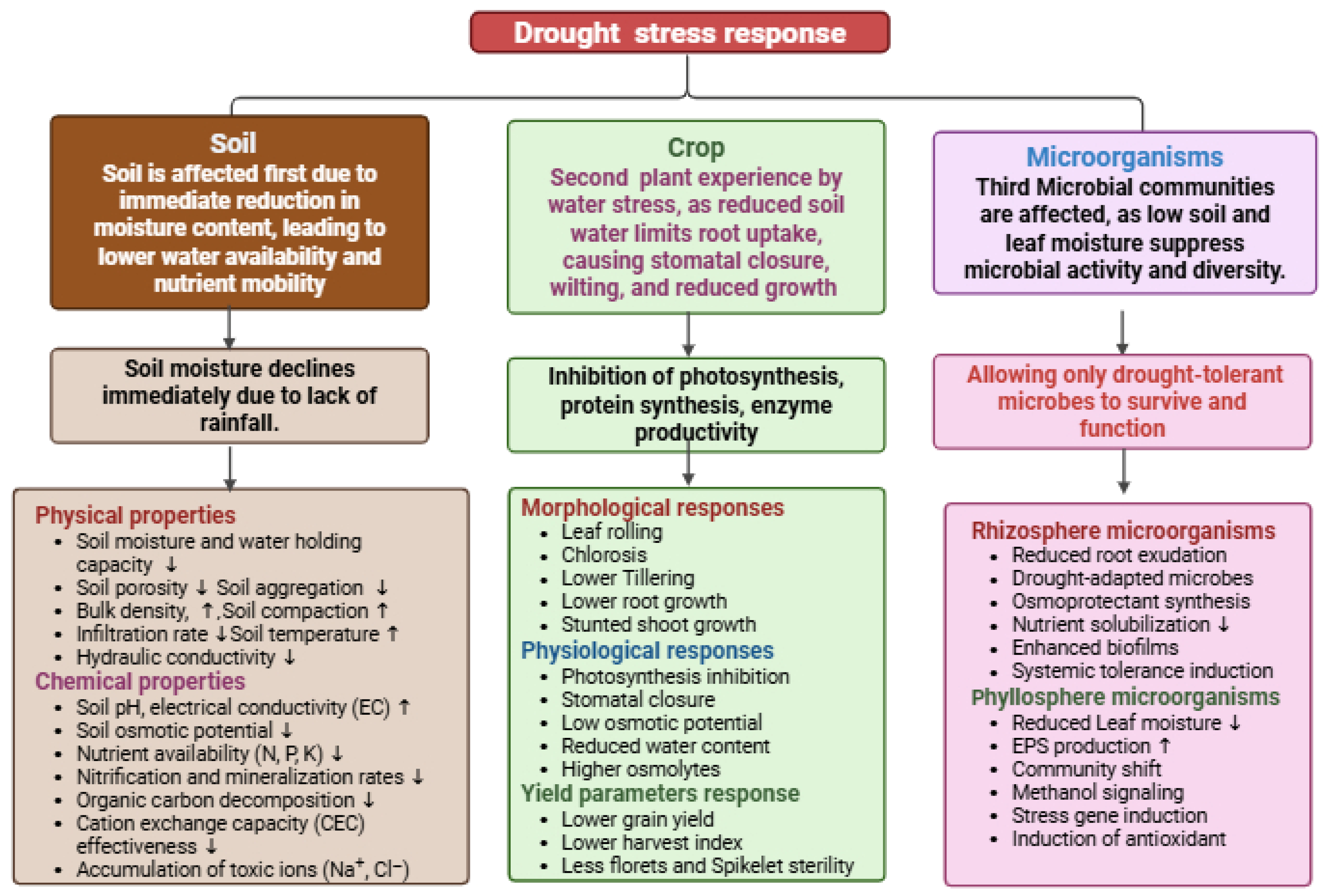
Drought stress causes water deficiency in plants, triggering multiple adverse effects. These include loss of cell turgor—leading to wilting leaves and drooping stems—impaired nutrient uptake due to disrupted water and nutrient transport and reduced soil moisture, metabolic imbalances resulting from altered physiological and biochemical processes, and, under severe or prolonged stress, possible cell damage or even crop death [14]. During drought, the lack of soil water causes plants to close their stomata to save moisture, but this also reduces CO2 intake and slows down photosynthesis. With less CO2 being used, the photosynthetic machinery can build up excess energy that leads to higher levels of reactive oxygen species (ROS), which can harm cells if antioxidant defenses are overwhelmed. At the same time, damage to chloroplasts and mitochondria lowers Adenosine Triphosphate (ATP) production, linking reduced photosynthesis with an overall energy deficit [15]. In response to water scarcity, plants synthesize osmolytes such as soluble sugars, proline, betaine, and spermine to help maintain cellular turgor. They also accumulate secondary metabolites and antioxidant compounds that play protective roles during drought [16,17]. Additional defense strategies include activation of abscisic acid (ABA)-mediated signaling pathways, modulation of transcription factors, and improved ion transport processes [18,19]. However, in situations where the physical properties and defensive mechanisms of plants fail, droughts can pose a significant threat due to the damage caused [20,21,22]. Microorganisms induce localized and systemic stress-mitigation responses in plants, thereby enhancing their survival and performance under abiotic stress conditions [23]. These microbes help plants manage both biotic and abiotic stresses while also promoting growth [24]. The effects of droughts on the soil, microbes and plants are explained in Figure 1.

3. Role of Phyllosphere Microbiota in Plant Drought Tolerance

The term phyllosphere is defined as the above-ground parts of a plant that serve as a habitat for microorganisms. It is everything that is above ground level, and all its aerial parts (leaf, stem, flower and fruit) comprise the habitat where bacteria colonize and naturally form associations in plants, particularly epiphytes. It is reportedly nutrient-poor with respect to the rhizosphere [25]. The microorganisms living on the surface of plant leaves (the phyllosphere) comprise incredibly complex communities, consisting of both culturable and uncultured bacteria. The diversity of microorganisms that inhabit the phyllosphere is influenced by external factors such as light, temperature, the presence of nutrients, water and UV rays [26]. The phyllosphere is the largest biological surface of Earth, ~2 times larger than the land surface area [27]. The phyllosphere, the above-ground plant surface, has been estimated to represent more than 109 km2 and harbor 1026 bacterial cells, ranking among the most extensive microbial habitats on earth [28]. Consequently, phyllosphere communities could contribute to ecosystem functioning [29,30,31]. They harbor various microorganisms such as bacteria, fungi, algae and protozoa. Among the diverse microbial communities, bacteria represent the predominant community residing on leaves. This is a site that, under normal circumstances, hosts a variety of microorganisms.
The phyllosphere contains unique micro-environments arising from leaf physiology and epidermal cell layout, which greatly influence the distribution of organisms on leaf surfaces. Its outer cuticle layer contains aliphatic compounds and permits permeability and moisture which results in better attachment of the microorganisms [32].
The permeability of water is a pivotal determinant for success in the growth and survival of epiphytes on the phyllosphere. The bacterially infested surface of this high water content is the leaf. Phyllosphere microbes benefit host fitness via phytohormone and nutrient supply, enhanced stress responses and protection against pathogens. There is microbial flora on the surface phyllosphere, of which several factors exist, determining it, such as wax layers, trichomes, hairs, various secondary metabolites, anti-bacterial compound secretion, etc. [33,34,35].
Phyllospheric microflora is necessary for the production of phytohormones and metabolites, photosynthesis, respiration, disease and pathogenic infection protection, and various abiotic stresses [36]. Biofilm formation is a common trait of phyllosphere microbiomes that shields microbial communities from detrimental environmental conditions [37]. It is important to note that the host’s genetic diversity also plays a big role in the microbial diversity in the phyllosphere. Proteobacteria, Firmicutes, and Bacteroidetes are the most common types of bacteria in flowers [38]. There are a number of things that affect how microbes grow on flowers. These include rich nutrition, nectar’s extreme osmotic environment, visits from different insects or other animals that carry pathogens, and other probiotic elements [39].
Molecular studies have demonstrated that alpha-, beta-, and gamma-proteobacteria constitute the primary bacterial inhabitants of the phyllosphere. The phyllosphere is also home to many acidobacteria, cyanobacteria, and actinobacteria. Sporobolomyces, Rhodotorula, and Cryptococcus are some of the yeasts that are often found on the surface of leaves. Methylotrophic bacteria in the phyllosphere include the genera Methylophilus, Methylobacterium, Methylocella, Methylibium, Hyphomicrobium, and Methylocystis [40]. Fungi primarily linked to the phyllospheric zone encompass genera such as Fusarium oxysporum, Aspergillus niger, Penicillium aurantiogriseum, Alternaria alternata, Talaromyces funiculosus, Aspergillus flavus, and Trichoderma aureoviride [41].
The phyllosphere is a very harsh place for microbes to live because temperatures change and UV rays are strong. Even though these conditions are harsh, phyllosphere communities show strong seasonal and temporal patterns. According to the literature, Gammaproteobacteria and Alphaproteobacteria are always the most common groups [33,34]. In the realm of Alphaproteobacteria, representatives from the genera Methylobacterium and Sphingomonas are prevalent in numerous phyllosphere investigations. It is thought that they are generalists that can live on a low amount of different substrates, which makes them perfect for the constantly changing phyllosphere ecosystem [42,43]. Methylotrophic bacteria are especially important for plant growth and helping plants survive droughts in the plant microbiome. These bacteria are characterized by their ability to use single-carbon (C1) compounds as their only carbon and energy source. Plants make more ethylene and reactive oxygen species when it is dry, and they close their stomata and damage their membranes more often. All of these things lower the yield in the end [44]. Methylotrophic bacteria help fight these effects by making 1-aminocyclopropane-1-carboxylate (ACC) deaminase and the plant’s antioxidant enzymes and osmolytes work harder. These actions collectively support plants in managing drought and heat stress. This paper provides an overview of the principal strategies employed by plants, emphasizing Methylobacterium-mediated phytohormonal signaling and metabolic priming, which enhance drought resilience in crop species [45].

4. Ecology and Distribution of Methylobacterium

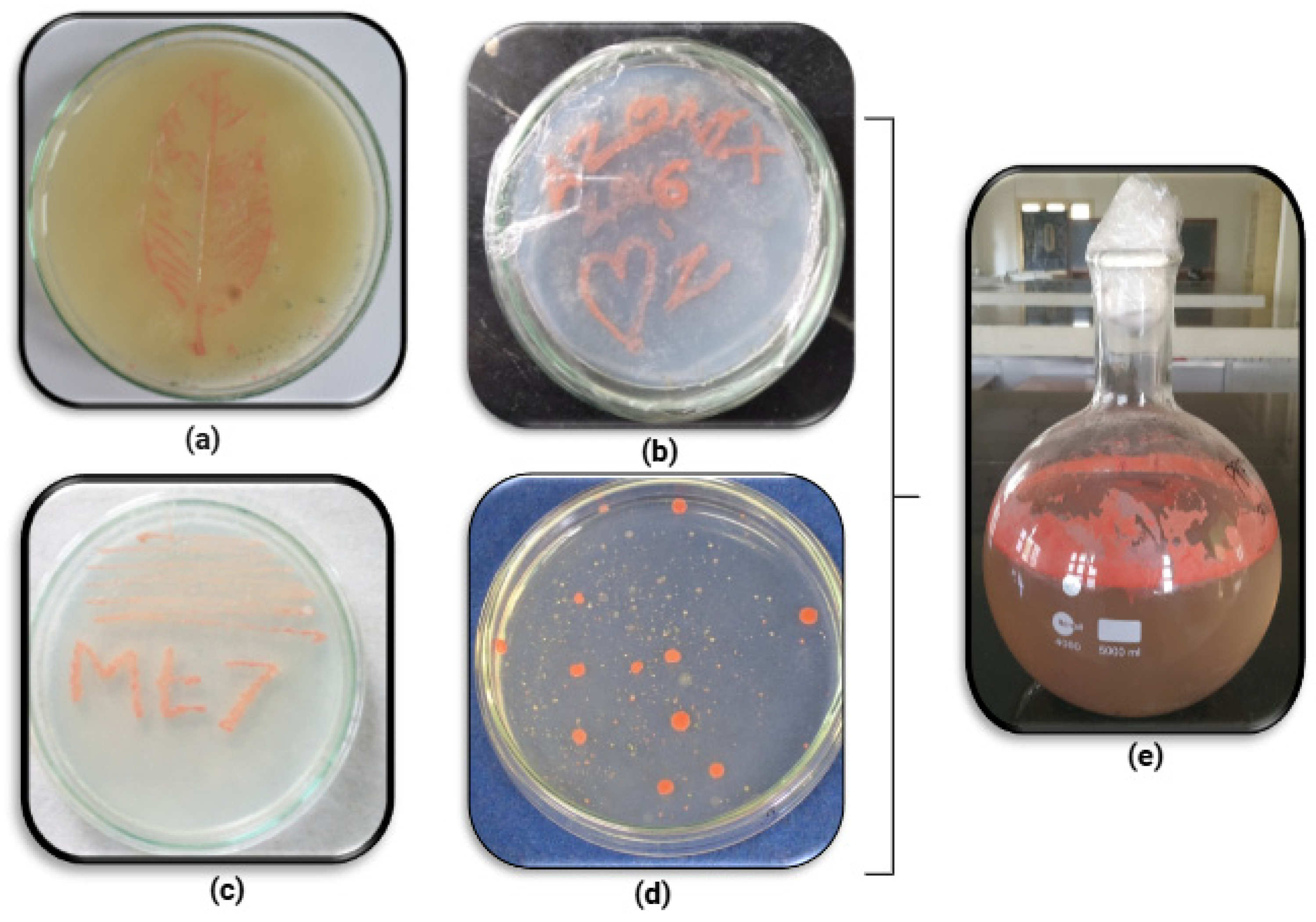
The genus Methylobacterium is a major group of bacteria in the phyllosphere [46], having 104–107 cells in every gram of plant material. Methylobacterium can be an epiphytic, endophytic [46,47,48], or symbiotic [49] strain and, as documented in scientific literature, is isolated from earthworm material and designated as Bacillus extorquens. The genus Methylobacterium was created in 1976 with M. organophilum as its first species [50]. Since then, the number of recognized Methylobacterium species has increased to more than 60 [51]. Different efforts have been undertaken to evaluate PPFMs from a taxonomic viewpoint [52]. Methylobacterium is a type of alpha-proteobacteria that can use one-carbon compounds (C1) such methanol and methylamine as energy and carbon sources, including one-carbon molecules like methanol (CH3OH), methylamine (CH3NH2), and formaldehyde (CH2O), as well as multi-carbon compounds. It is a straight rod that is Gram-negative and can live in both aerobic and anaerobic environments. Methylobacterium species exhibit pink pigmentation as a result of carotenoid production. So, they have been called PPFMs (pink-pigmented facultative methylotrophs). Plants usually emit methanol, a volatile organic compound (VOC), through stomatal holes in the epidermis. This is how Methylobacterium spp. connect with plants [53]. During cell wall production, pectin metabolism generates methanol inside leaves. During cell elongation and division, C-6 demethylation of homogalacturonan was catalyzed by pectin methylesterases, releasing methanol in plant cells [54]. Plants are thought to release 100 to 128 Tg of methanol into the air each year [53]. The colonization of plants by methylotrophic bacteria, particularly Methylobacterium species, is significant due to their crucial involvement in the atmospheric methanol cycle, as they utilize methanol as their exclusive source of carbon and energy [48]. The distribution of Methylobacterium in different crops is shown in Figure 2.

5. Methylobacterium Mediated Phytohormonal and Metabolic Regulation Under Drought

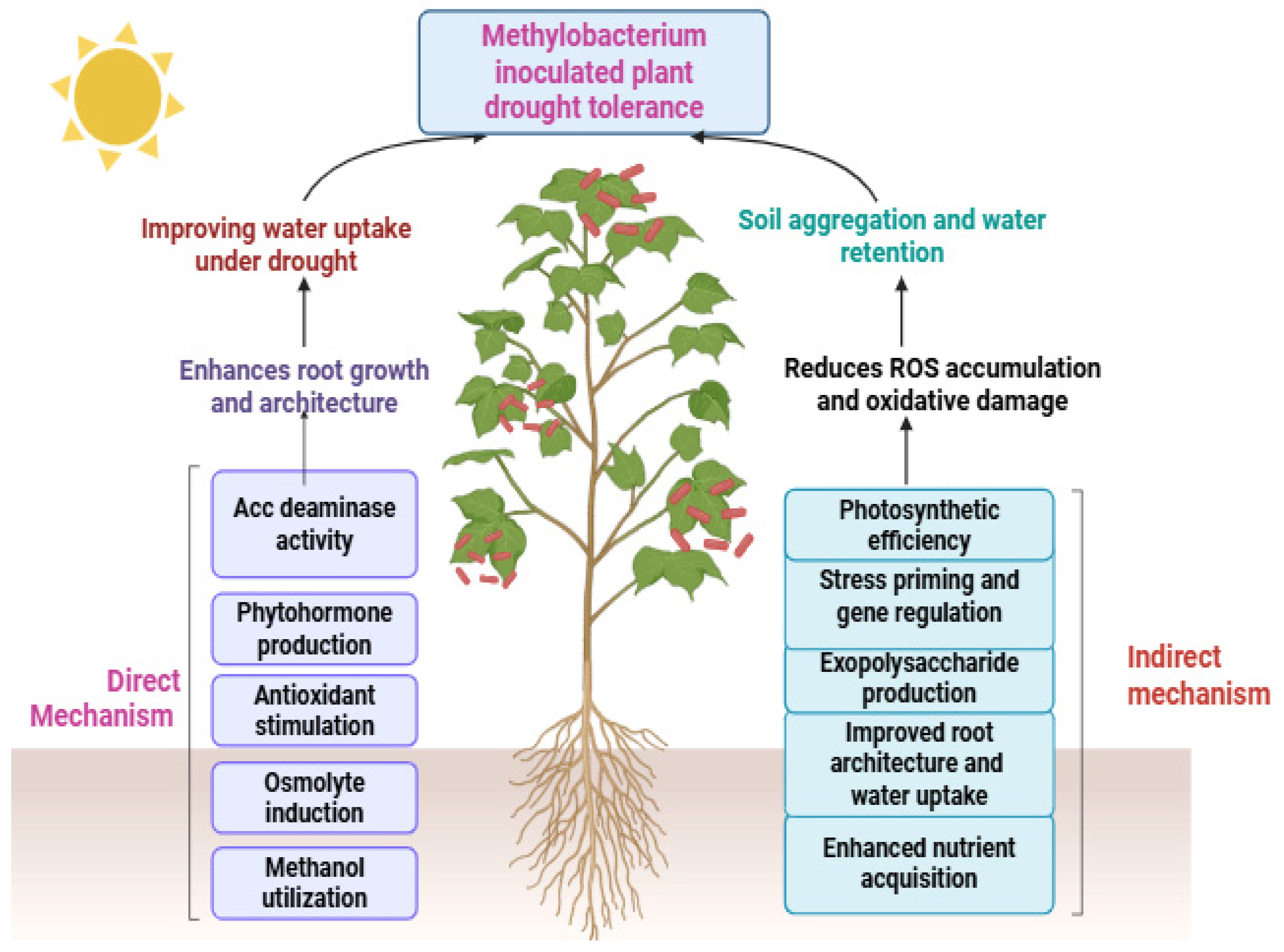
Plants produce a wide range of phytohormones to help them grow. These include auxin, cytokinin (CK), gibberellic acid (GA), ethylene, salicylic acid (SA), and jasmonic acid (JA). These phytohormones provide a wide range of dynamic yet precisely regulated molecular responses during the plant’s life cycle [55]. Phytohormones such as ethylene, salicylic acid, jasmonic acid, and abscisic acid control some of the actions that occur during droughts, such as changing the shape of roots and keeping the osmotic potential of root cells. Phytohormonal control and signaling are important for root growth and development in both favorable and unfavorable environments. When plants are stressed by drought, they change the structure and function of their roots [56,57]. The mechanism of drought stress and the mitigation of stress by Methylobacterium are explained in Figure 3 and Table 1.

5.1. Phytohormone Production and Coordination

5.1.1. Indole-Acetic Acid (IAA)

Auxin is very important when there is a drought because it helps plants grow strong roots. Indole-acetic acid (IAA), a naturally occurring auxin, is biosynthesized in plants in a manner that is both dependent on and independent of tryptophan [66]. It controls plant growth during root development [67] and also helps seeds germinate when they are under stress [68]. Methylobacterium synthesizes IAA and enhances plant growth. Several genes implicated in auxin production include aldehyde dehydrogenase, N-acyltransferase, amine oxidase, nitrile hydratase, and nitrilase/cyanide hydratase [39]. Auxins can control gene expression and change some proteins that are part of signaling pathways during environmental challenges, even at extremely low levels [69]. Auxins and cytokinins are important for cell division and plant growth. They also prevent ethylene from building up in plant roots via ACC deaminase. Methylotrophs secrete cytokinins and auxins, which control seed germination and plant growth, as well as the ability to handle water stress [19,70]. Bacterial IAA production can cause plants to produce ACC, which means that both pathways are linked and may improve the health of plants and bacteria when they interact with methylotrophs [71].

5.1.2. Cytokinins (CKs)

Cytokinins are essential for the development of plant regulatory systems and their adaptability to drought stress [72,73]. These hormones are very important for cytokinesis, which is the process of cell division, in both roots and shoots. Cytokinins are adenine derivatives with an N6 substitution, such as zeatins (with isoprenoid functionality) and topolins (with aromatic functionality). Cytokinins play a role in several biological processes in plants, such as nutrient uptake, gametophyte development, vascular development, cell division and elongation, and shoot growth [60,74,75,76]. Some researchers think that Methylobacterium yields CKs as a byproduct of breaking down tRNA [77]. The Methylobacterium genus is different from other PGPB in that it can biosynthesize very high quantities of the most active CK forms, such as trans-Zeatin (tZ). Symbiotic Methylobacterium spp. can stimulate plant cell division and enhance methanol release—a byproduct of cell wall construction—through the production of bioactive cytokinins (CKs) that are chemically and biologically identical to those synthesized by plants [47,77,78]. Cytokinin production was evaluated in Methylobacterium strains isolated from five different host plants (sugarcane, pigeon pea, mustard, potato, and radish), revealing that Methylobacterium sp. NC4 produced the highest cytokinin levels (9.89 µg mL−1), which significantly improved seedling vigor compared to the control [79].

5.1.3. Gibberelins (GAs)

Gibberelins are tetracyclic diterpenoids of carboxylic acids called gibberellins (GAs). The primary role of GAs in plants is to control growth and protect them from abiotic stresses like droughts, which they carry out in plants for the rest of their lives. Gibberellins are used to speed up tissue growth by making cells longer and dividing more quickly in both the early and late stages of plant growth. Additionally, they improve the reproductive and vegetative phases of plant life [80]. Methylotrophic bacteria isolated from soil samples synthesized gibberellic acid and were evaluated for antibiosis ability against R. solani. Kang et al. and Kaseem et al. [81,82] indicated that the most significant quantity of gibberellin-producing methylotrophs (M. rhodinum and M. aminovorans) has the potential to inhibit R. solani.

5.2. Abscisic Acid and Ethylene Cross-Talk

Abscisic acid is a crucial phytohormone for signaling in response to drought stress [83]. It controls all physiological responses, including bud and seed dormancy, fruit ripening, cambium activity, and organ growth when the environment is stressful (drought, salinity, and temperature). The amount of ABA in plants depends on the variables in the environment. When the plant is under stress, like high salinity, cold, drought, or osmosis, it starts to store ABA, which causes the stomata to close. Pink-pigmented facultative methylotrophs (PPFMs) are said to control stomatal closure by making volatile chemicals and phytohormones that cause stomata to close on their own. Likewise, methylotrophic bacteria that produce ABA, including Methylobacterium sp. D10 and Methylophilus glucoseoxidans, have been shown to encourage the growth of morphogenic calli and shoots and the growth of new plants [84].
Abscisic acid (ABA) and ethylene are important phytohormones that interact in a crucial crosstalk for plant responses against drought stress. Methylobacterium spp., especially pink-pigmented facultative methylotrophs (PPFMs), interact in this crosstalk between ABA and ethylene in an efficient manner for stress tolerance in plants. In drought stress, the accumulation of ABA regulates stomatal closure in plants for reduced transpiration, while higher levels of ethylene result in an inhibitory effect on plant growth and an acceleration of senescence. In brief, in drought stress, Methylobacterium can control higher ethylene production in plants by breaking down the ethylene precursor, 1-aminocyclopropane-1-carboxylic acid (ACC), by the action of ACC deaminase in Methylobacterium, thereby reducing stress ethylene in plants, which in turn does not affect the inhibitory effect of ethylene on ABA sensitivity, ensuring optimal regulation in plants. At the same time, Methylobacterium can regulate ABA sensitivity, which balances an inhibitory effect on plant growth and survival [85].

5.3. Antioxidant Regulation

Plants have both enzymatic and non-enzymatic antioxidants that help them eliminate ROS. These antioxidants are very important for keeping ROS levels stable [86]. Plants have antioxidant enzymes like superoxide dismutase (SOD), ascorbate peroxidase (APX), catalase (CAT), glutathione peroxidase (GPX), monodehydroascorbate reductase (MDHAR), dehydroascorbate reductase (DHAR), glutathione reductase (GR), and glutathione S-transferase (GST) [87]. Glutathione, ascorbate, tocopherols, carotenoids, and flavonoids are all examples of antioxidants that do not work as enzymes. Alternatively, excessive production of reactive oxygen species (ROS) can be reduced through the modulation of alternative oxidase (AOX) enzymes, which prevent the electron leakage to oxygen [88].
PPFM makes enzymatic antioxidants to help plants deal with drought stress. Methylobacterium enhances plant drought tolerance by generating enzymatic antioxidants that modulate oxidative stress caused by drought conditions. Under water deficit stress, reactive oxygen species (ROS) like superoxide radicals and hydrogen peroxide build up, which damages cells. PPFM makes important antioxidant enzymes like superoxide dismutase (SOD), catalase (CAT), and peroxidases (POD), which work well to get rid of ROS in the phyllosphere and rhizosphere (Table 2). SOD changes superoxide radicals into hydrogen peroxide. CAT and POD then break down the hydrogen peroxide into water and oxygen, which stops oxidative damage. Also, PPFM produces glutathione reductase (GR), which helps maintain redox balance by keeping levels of reduced glutathione high, and enzymatic antioxidants protect membranes, keep photosynthetic efficiency high, and make plants more resilient to drought stress by directly scavenging ROS and priming the plant’s antioxidant machinery [89].
Non-enzymatic antioxidants are small molecules that can be divided into two groups: water-soluble antioxidants like ascorbic acid and glutathione, and lipophilic antioxidants like tocopherols and β-carotenes. One of the most studied antioxidants is ascorbic acid. Ascorbic acid was determined to be distributed throughout most plant cell types, organelles, and even apoplasts [101].
Methylobacterium improves plant drought tolerance by producing non-enzymatic antioxidants which mitigate oxidative stress. The drought causes overproduction of reactive oxygen species (ROS), which in turn exerts damaging effects. Drought leads to an excessive generation of reactive oxygen species (ROS), which harms membranes, proteins, and the photosynthetic apparatus. The carotenoids in PPFM that give them their pink color are good at getting rid of singlet oxygen and free radicals, which protect chloroplast membranes and photosystem II and glutathione, an important redox molecule that gets rid of ROS [13] and helps other antioxidants regenerate and maintain the redox balance in cells. It also makes phenolic and flavonoid-like compounds that are strong reducing agents and metal chelators. This is helpful in protecting from oxidative damage. Tocopherol-related compounds also assist in protecting lipids from the action of peroxidation of membranes. The role of PPFM’s exopolysaccharides is to indirectly reduce oxidative stress levels in plants by helping them retain water easily and providing protection to the plants with a micro-environment. The combination of the above-mentioned non-enzymatic antioxidants makes the plant capable of removing ROS and ready to defend its resistance to drought stress [89].
Methylobacterium exhibits pigmentation attributed to carotenoids, which confer protection against solar UV radiation damage via the antioxidant properties of their host plants [102]. Methylobacterium has been documented for synthesizing carotenoids, which participate in mechanisms of stress alleviation. Methylomicrobium alcaliphilium 20Z synthesizes isoprene volatile compounds that accumulate ROS and develop lateral roots [103,104,105]. Similarly, M. organophilium DSMZ 760 synthesizes canthaxanthin, astaxanthin, lutein, β-carotene, spheroidene, 1,1′-or 2,2′-dihydroxylycopene, and 2′-dehydroxy-myxol, which have antioxidant properties and inhibit lipid oxidation in liposomes. A new gene cluster called crtNB has been found in the Methylomonas sp. strain 16a that makes C30 carotenoids. This gene cluster is responsible for the transformation of 4,4′-diapolycopene into 4–4′-diapolycopene aldehyde [106].

5.4. Osmolyte Induction

Osmolytes are compatible solutes that accumulate in plants to protect cells from oxidative damage and help maintain osmotic balance under stress conditions. These include compounds such as proline, glycine, betaine, polyamines, and various sugars, which play important roles in reducing the osmotic pressure caused by salinity and drought stress. Proline, in particular, is a key osmolyte that builds up in plants experiencing abiotic stress with low relative water potential, helping to stabilize proteins and membranes and prevent wilting [107,108]. Methylotrophs that help plants develop have been shown to produce amino acids as secondary metabolites. These include proline, salicylic acid, ectoine, toblerols, and methanobactin. These amino acids work together as osmoprotectants, metal solubilizers, antibiotics, and antioxidants to help plants deal with both living and nonliving stressors [109]. Nysanth et al. [110] assessed PPFMs for enhancing paddy growth, demonstrating that PGPMs preserved cell membrane integrity and markedly increased chlorophyll and proline levels relative to untreated plants. PPFMs may have augmented the drought resistance of tomato plants by synthesizing proline and glycine betaine [111].

5.5. Ethylene Biosynthesis and ACC Deaminase-Mediated Pathway

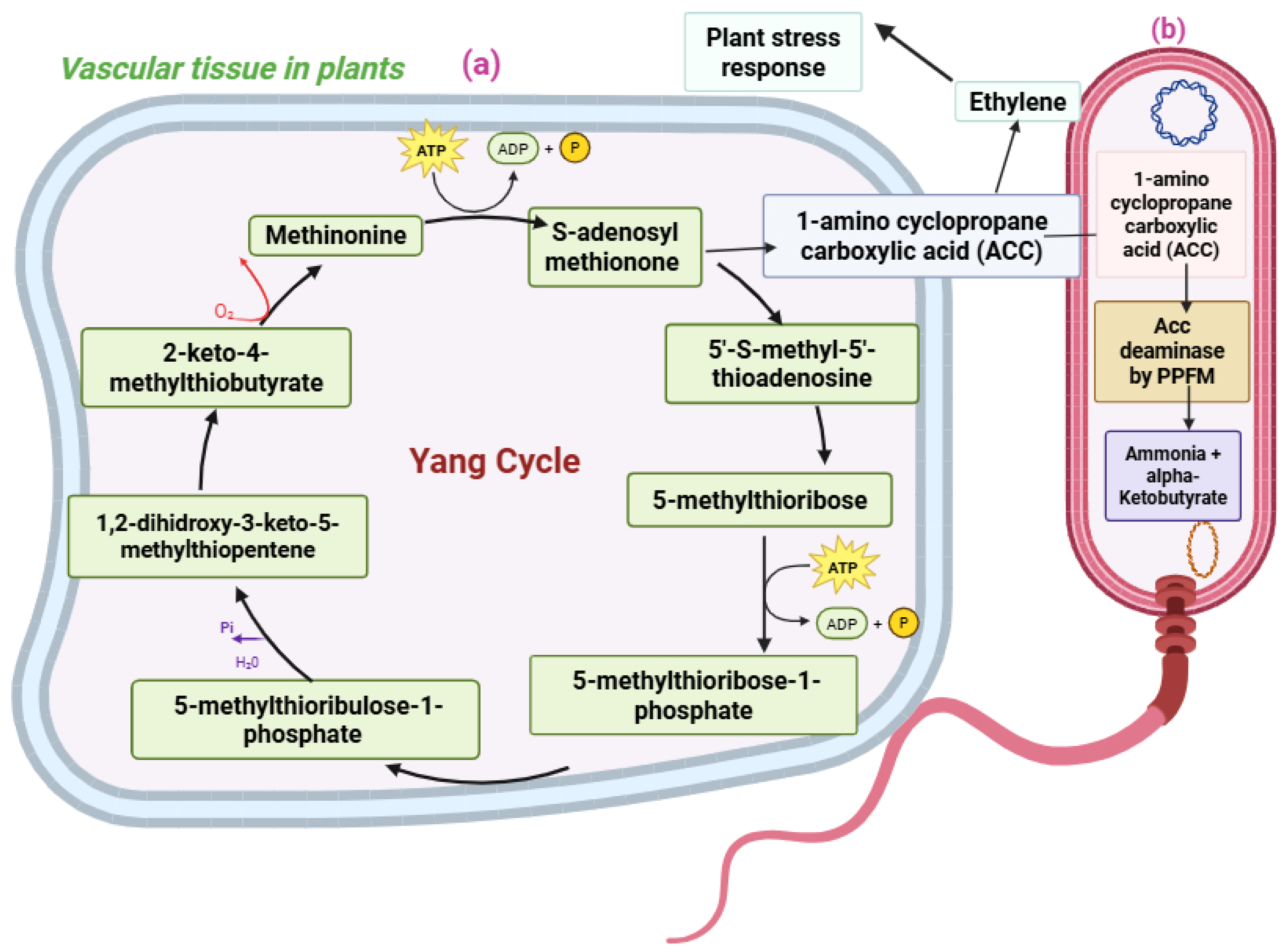
Ethylene is a central phytohormone regulating plant growth, development, and responses to both biotic and abiotic stresses. Under drought conditions, ethylene biosynthesis is markedly enhanced, leading to growth inhibition, premature senescence, reduced photosynthetic efficiency, and impaired root development [112,113]. Excessive ethylene accumulation under water deficit disrupts carbon assimilation and water-use efficiency, thereby aggravating drought-induced yield losses. The biosynthesis of ethylene in plant cells is mediated by the Yang cycle and involves methionine and certain enzymatic reactions that are very sensitive to stress in plants [104,114]. Notably, controlling ethylene biosynthesis has become an important strategy in microbial biotechnology to counter drought in plants (Figure 4).
In plants, the first conversion is the production of S-adenosyl-L-methionine (SAM). SAM is subsequently converted into 1-aminocyclopropane-1-carboxylic acid (ACC) by ACC synthase (ACS), which represents the key rate-limiting step in ethylene biosynthesis and is strongly induced under drought stress [105,115]. ACC is finally oxidized to ethylene by ACC oxidase (ACO/ACCO), producing CO2 and cyanide as byproducts. Drought stress enhances both the transcriptional and enzymatic activity of ACS and ACO, resulting in excessive ethylene accumulation that negatively affects plant–water relations, photosynthesis, and growth [116,117].
Methylobacterium controls ethylene production by degrading ACC, the direct precursor of ethylene. Some strains of Methylobacterium possess the acdS gene that encodes the enzyme ACC deaminase, which catalyzes the irreversible reaction of breaking down ACC to form α-ketobutyrate and ammonia [118]. By consuming plant-released ACC, PPFM can reduce the endogenous concentration of ACC, contributing to ethylene production as an ABA stress signal under drought conditions [119,120].
Apart from the direct degradation of ACC by enzymes, the colonization process performed by PPFM also plays a role in the regulation of ethylene biosynthesis. The expression of genes involved in ethylene biosynthesis, such as Acs and ACCO-encoding enzymes, is reduced in plants colonized with PPFM under drought conditions, showing the transcriptional repression of ethylene biosynthesis [121]. Ethylene signaling can be attenuated by the action of the enzyme ACC deaminase, and the consequences thereof are extremely important from a physiological perspective. This decrease in ethylene concentrations relieves the inhibition of primary root growth as well as the inhibition of the development of lateral roots, leading to enhanced root system development and an improvement in the uptake of water during drought conditions [122,123]. At the aerial part of the plant, the decrease in ethylene concentrations leads to a delay in leaf senescence and an enhanced level of chlorophyll. Moreover, an impairment of ethylene-mediated oxidative bursts leads to a decrease in reactive oxygen species under drought conditions [120,124]
Notably, the regulation of ethylene by ACC deaminase has interactions with other hormonal signaling pathways. CgACS2-mediated resistance to ethylene promotes responsiveness to auxins and gibberellins and also modulates the abscisic acid signaling pathway that is involved in stomatal closure and drought stress [113,122]. The involvement of hormonal interactions of the PPFM in adjusting the trade-off between plant growth and stress allows the plant to sustain its productivity under water stress conditions.
In general, the regulation of ethylene biosynthesis by ACC deaminase is an overall mechanism of drought stress conferred by the Methylobacterium bacterium. PPFMs act at the level of hormone precursors, enzymes, or genes, affording precise and efficient control over drought stress-induced ethylene biosynthesis. The mechanism emphasizes the great potential of ACC deaminase producers, namely Methylobacterium, as plant bio-inoculants, which can increase drought stress resistance in plants [112].

5.6. Methanol Utilization

The consistent success of Methylobacterium strains in colonizing the phyllosphere is probably due to their ability to utilize methanol as a carbon and energy source, even if the surfaces of plants are also covered with soluble carbohydrates, amino acids, organic and phenolic acids, terpenes, and alkaloids. The success of Methylobacterium strains in colonizing the phyllosphere is likely due to their ability to use methanol as a carbon and energy source, even if the surfaces of plants are also covered with soluble carbohydrates, amino acids, organic and phenolic acids, terpenes, and alkaloids [48]. The large amount of methanol released by plants is believed to be a byproduct of pectin metabolism during cell wall formation [125]. Indirect experimental evidence has shown that most of the methanol is produced inside leaves and is emitted primarily through the stomata. Indirect experimental evidence has shown that most of the methanol is produced in the leaf and is mainly released through the stomata [125,126].
Stomata are tiny pores surrounded by a pair of guard cells (GCs) that are commonly located at the abaxial leaf epidermis. They control gas exchanges between the leaves and the atmosphere, such as the uptake of carbon dioxide (CO2) for photosynthesis and the water vapor release during transpiration. The mechanism of stress-induced stomatal closure depends on these GC-expressed anion channels. During stress conditions, the GCs either drive anions outside the cell or inside the vacuole; this causes changes in cell turgor pressure and decreases the volume of GCs. Stomata are small openings surrounded by a pair of guard cells (GCs) that are usually found at the abaxial leaf epidermis. They regulate gas exchange between the leaves and the atmosphere, such as the uptake of carbon dioxide (CO2) for photosynthesis and the release of water vapor during transpiration. The stress-induced stomatal closure mechanism is made possible by the GC-expressed anion channels. During stress responses, the GCs either stimulate the movement of anions out of or into the vacuole; this results in an alteration in cell turgor pressures and a reduction in the amount of GCs [127]. Different environmental and internal signals, such as drought, salt stress, light, temperature, CO2 concentration, relative humidity, phytohormones, and microbes, regulate stomatal function. Various environmental and internal cues, such as drought, salt stress, light, temperature, CO2 concentration, relative humidity, phytohormones, and microbes, control stomatal activity [128,129]. Plants have evolved complex systems to control stomatal opening and closure (movement).
Drought stress upregulates the expression of a gene encoding abscisic acid (ABA) to trigger stomatal closure and the production of osmoprotectants. PPFMs regulate the closure of stomata in plants by direct and indirect methods. Regarding the direct regulation, volatile compounds, or microbial-associated molecular pattern (MAMP), trigger SA and JA, the plant hormones associated with plant defense, as well as initiate an ABA-independent pathway in stomatal closure, mediated by Nitric oxide (NO) and open stomato (OST1) signal transduction. In indirect regulation, the inhibitory effect of ethylene on the interaction between drought stress and ABA is eliminated by an ACC deaminase-producing PPFM. The relative water content in plant tissues is regarded as an index in estimating the level of drought stress and acts as an indication of the content of water in the plant tissues, having direct linkages to the rate of photosynthesis and the opening of stomata. The level of relative water content in plant tissues increased due to treatment with PPFM, which was higher compared to the untreated control plants exposed to drought stress [130].

5.7. Exopolysaccharide Production

Exopolysaccharides (EPS) produce hydrophilic biofilms that provide protection against aridity during osmotic stress by increasing the water-holding capacity of the soil and controlling the allocation of biological carbon sources. These microorganisms produce sheaths that protect the roots of the plant from dehydration and provide optimal moisture content [120]. Generally, production of exopolysaccharides assists plants in dealing with abiotic stress [131]. Exopolysaccharides are high-molecular-weight compounds that aid in the strong adhesion of bacterial cells to leaf or root surfaces and enable them to grow in stressful environments. When drought stress occurs, high production of exopolysaccharides generates a hydrated environment around microbes and plant cells that prevents dehydration. The hygroscopic nature of EPS improves water retention in the phyllosphere and rhizosphere and contributes to soil aggregation, thereby enhancing soil structure and water-holding capacity. In addition, EPS protect PPFM cells from osmotic stress, UV radiation, and temperature extremes, ensuring sustained plant–microbe interactions. EPS also aids in nutrient chelation and gradual nutrient release under water-limited conditions. Collectively, EPS production by PPFM supports plant water status, reinforces stress-adaptive responses, and contributes to improved drought resilience in crops [132].

6. Molecular Mechanisms of Hormone-Mediated Stress Perception and Signaling

Advancements in sequencing technologies have facilitated the accumulation of many Methylobacterium genome sequences in public databases, offering extensive insights into their genomic architecture, metabolic pathways, ecological roles, and potential applications. The genomes of Methylobacterium species exhibit considerable diversity in both size and composition. Technological improvements in sequencing have made it easier for many Methylobacterium genome sequences to be deposited into public databases, providing a vast amount of information on their genomic features, metabolic processes, ecological functions, and possible applications. The genomes of Methylobacterium species are quite diverse in terms of size and content [39]. Generally, the genomes of Methylobacterium species range from 4.4 to 8.8 megabase pairs (Mbp) and have a high guanine-cytosine (GC) content, usually ranging from 65.9% to 72.7% [133]. For example, Methylobacterium sp. 4-46 has a genome size of 7.7 Mbp, while Methylobacterium sp. 37f has a smaller genome size of 5.3 Mbp with a GC content of 67.5% [52]. In general, the genome of Methylobacterium comprises a main circular chromosome and, in some cases, one or more plasmids. These plasmids contain genes that encode different adaptive traits, such as those involved in methylotrophy, stress responses, and plant interactions. Comparative genomic analyses have shown that there is a core genome that encodes basic cellular processes and an accessory genome that is involved in ecological adaptation and niche specificity [97,98].
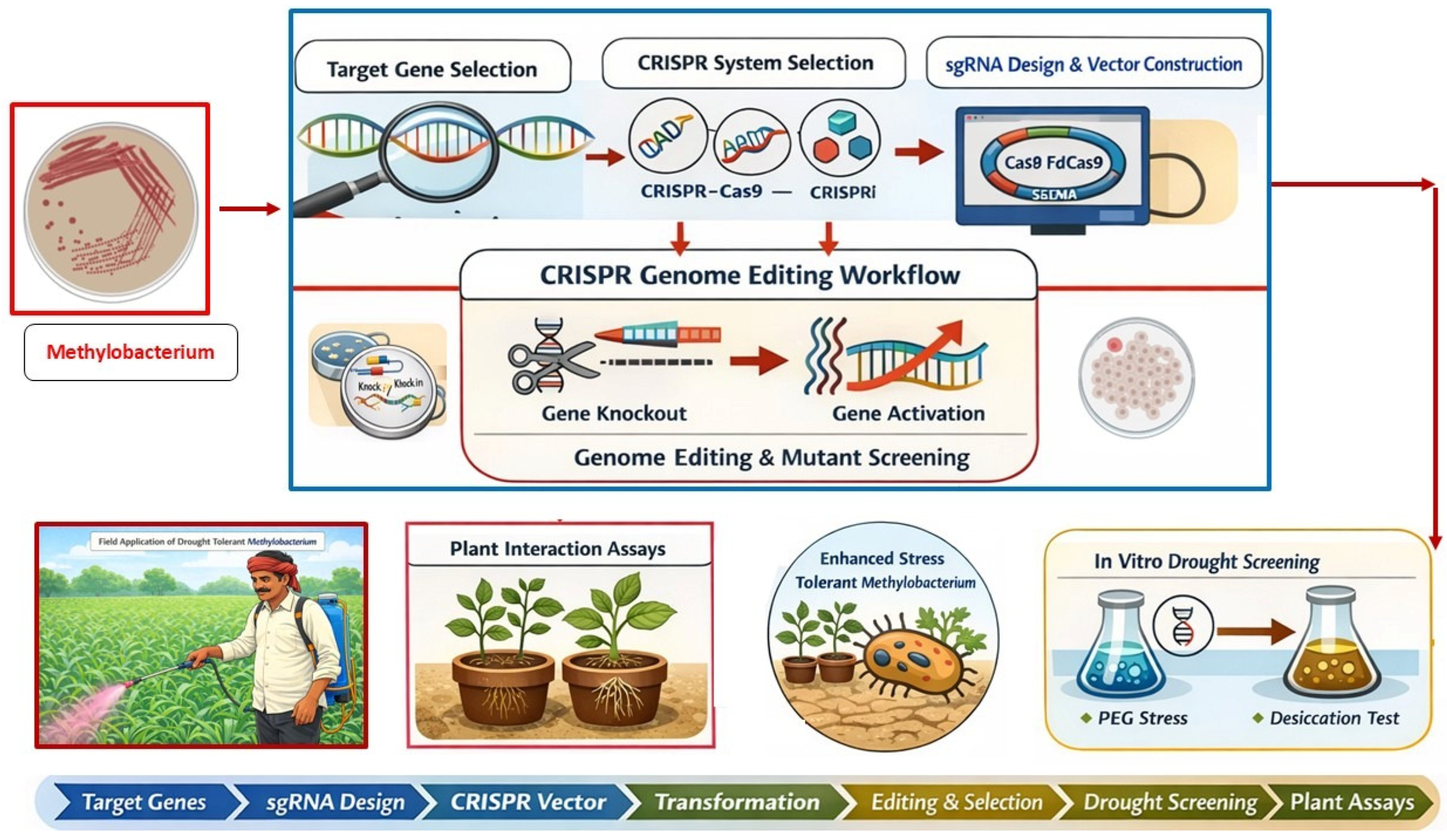
Genetic engineering of Methylobacterium spp. has recently emerged as a new frontier for the improvement of sustainable agriculture, especially in the area of plant microbiome management and bio-inoculant research. Methylobacterium, a natural phyllo- and rhizosphere colonizer of several crops like maize, rice, soybean, and strawberry, is an excellent host for bioengineering approaches to improve the stress tolerance and productivity of these plants. Rather than relying on exogenous microbes, which often leads to inefficient colonization and competes with the native microbiota, genetic engineering of the native strains of Methylobacterium could improve the bacterium’s ability to support plants by fixing nitrogen, solubilizing phosphates, and synthesizing plant hormones [134], for example, genetically engineered M. extorquens AM1 for the optimization of methanol metabolism and the production of vitamins and genes involved in the biosynthesis of plant hormones, specifically auxins and cytokinins, thereby providing better vigor to the plant under abiotic stress. Gene editing tools have made Methylobacterium susceptible to high-precision genetic manipulation. The application of CRISPR interference (CRISPRi) in M. extorquens has enabled the specific repression of essential genes to optimize cellular metabolism for plant-beneficial traits without disrupting gene function (Figure 5) [135]. In addition, the recent enhancement of CRISPR-Cas9 systems designed for methylotrophs has enabled the introduction of stress-resistance genes, such as trehalose biosynthesis or reactive oxygen species detoxification genes, to improve bacterial survival in plant environments. Multi-omics analyses, such as transcriptomics and metabolomics, have enabled the discovery of genes involved in colonization processes, including surface adhesion, biofilm formation, and osmoprotectant production. For instance, in another study, a specific variant of the prs gene (phosphoribosylpyrophosphate synthetase) in M. populi improved colonization of Arabidopsis leaves by improving adaptation to methanol-limited environments [136,137]. Beyond CRISPR, strain improvement through adaptive laboratory evolution and random mutagenesis (e.g., UV or atmospheric pressure plasma treatments) has also yielded robust Methylobacterium strains with enhanced tolerance to environmental stressors like acidic pH, salinity, and oxidative damage. In addition to CRISPR, strain modification using adaptive laboratory evolution and random mutagenesis (e.g., UV or atmospheric pressure plasma treatments) has also enabled the development of robust Methylobacterium strains with improved tolerance to environmental stressors such as acidic pH, salinity, and oxidative stress [19]. These strain modifications are essential for ensuring inoculant viability and performance under fluctuating environmental conditions.

7. Metabolic Priming and Adaptive Stress Memory

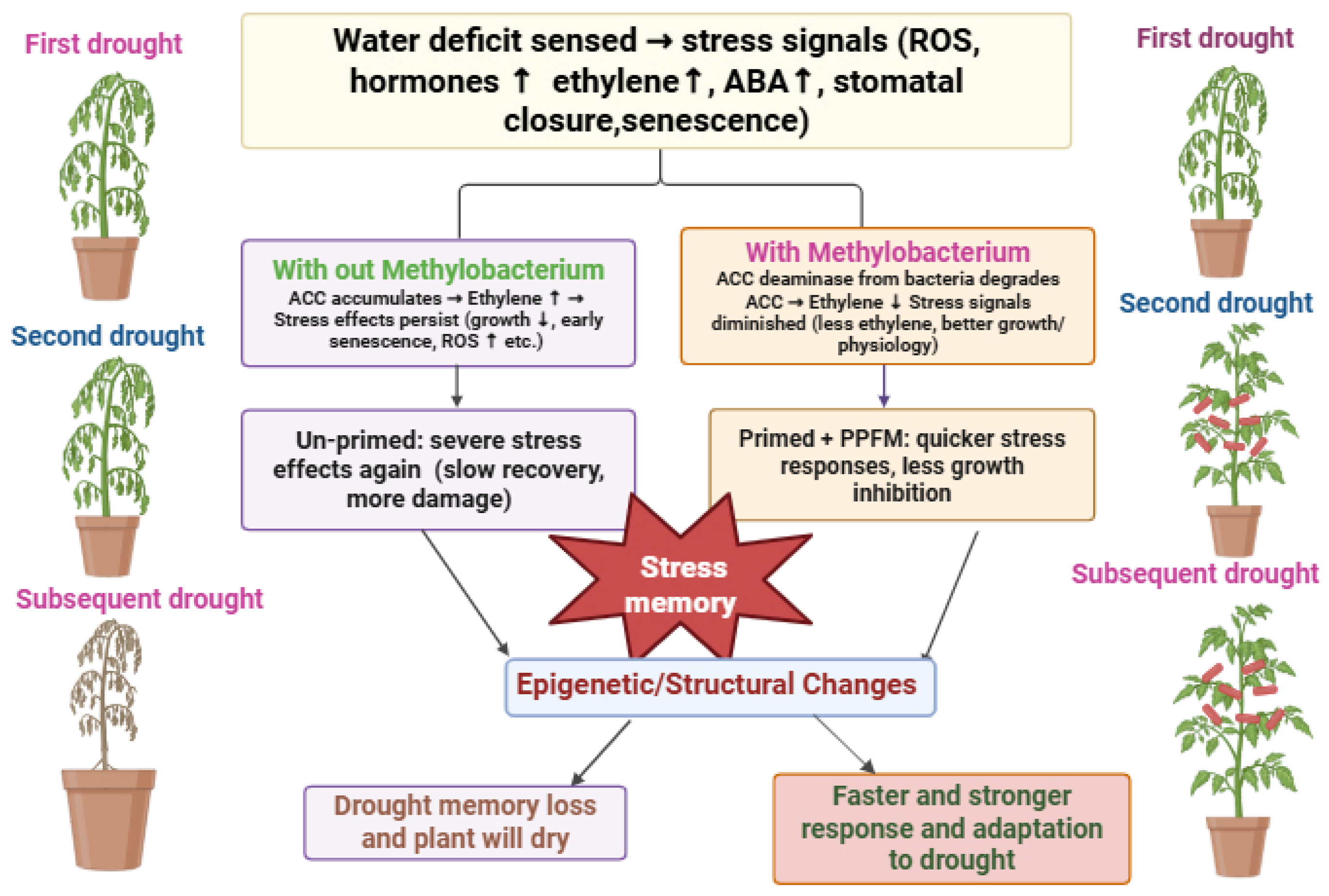
Epigenetic regulation is increasingly recognized as a contributor to Methylobacterium-mediated drought tolerance. Stress-associated histone modifications and DNA methylation changes induced by microbial colonization have been linked to sustained expression of drought-responsive genes, thereby contributing to Adaptive Stress Memory. These epigenetic imprints enable plants to mount faster and stronger molecular responses upon recurring drought events [138,139].
Additionally, Methylobacterium influences carbon and nitrogen metabolic gene networks. As methylotrophs, these bacteria utilize methanol released from plant cell wall metabolism, reinforcing plant–microbe metabolic coupling. This interaction alters host gene expression related to carbon allocation, nitrogen assimilation, and amino acid biosynthesis, supporting energy balance and growth maintenance during drought stress [126,140].
Metabolic priming by microorganisms is a biological pre-conditioning process that improves drought stress tolerance in plants by triggering a long-term physio-biochemical memory. Plant-growth-promoting rhizobacteria (PGPR) and endophytes trigger a long-term "metabolic memory" in plants. These microorganisms activate the biosynthesis of osmoprotectants (e.g., proline and glycine betaine), exopolysaccharides (EPS) for biofilm development, and antioxidant enzymes such as CAT and SOD. Common priming molecules include plant-growth-promoting rhizobacteria such as Bacillus, Pseudomonas, and Azospirillum, which also reduce stress-induced ethylene levels through ACC deaminase activity [123,141]. Among these, Methylobacterium (pink-pigmented facultative methylotrophs) was found particularly useful because of its potential to consume methanol produced in plants. This intimate metabolic interdependence ensures efficient triggering of a physio-biochemical memory in plant drought stress metabolism [49]. PPFM-mediated priming reduces drought-induced ethylene levels via ACC deaminase activity, thereby preventing premature senescence and growth inhibition [118]. In addition, Methylobacterium enhances photosynthetic efficiency and carbon–nitrogen balance by regulating sugar metabolism enzymes such as hexokinase and fructokinase, supporting energy homeostasis under drought stress [119].
Metabolic priming is a physiological condition in which plants, after being exposed to beneficial microbes or mild stress signals, respond to stress more quickly and strongly the next time they encounter it [141,142]. Persistent changes in redox metabolism also help Adaptive Stress Memory. Primed plants frequently sustain heightened baseline activities of antioxidant enzymes or preserve transcriptional and metabolic preparedness for the detoxification of reactive oxygen species (ROS). This facilitates the swift re-establishment of redox equilibrium during recurrent stress periods and mitigates oxidative damage [139,143].
There is more and more evidence suggesting that epigenetic and transcriptional processes are what make Adaptive Stress Memory work. Histone modifications, DNA methylation patterns, and persistent transcriptional states induced during stress exposure regulate key metabolic genes involved in carbon allocation, amino acid metabolism, and the antioxidant pathway. These molecular imprints enable plants to retain memories of previous stress exposure and enhance their responses in subsequent stress events [138,144].
Stress memory is the ability of plants to "remember" stress they have been through before and respond better to subsequent stress events. This imprint, or stress memory, denotes the structural, genetic, and biochemical alterations resulting from stress exposure that enhance the plant’s resistance to subsequent exposure to the same stressful situation. If the subsequent stimulus differs, the term “cross-stress tolerance” is more applicable [145]. The increase in resistance may hinder plant productivity in the short term, potentially by diminishing photosynthesis; nevertheless, it signifies enhanced tolerance to future stress, so promoting long-term productivity [146]. But if the stress is too much, it could affect productivity in the short and long term. Repeated drought cycles create a microbial memory in the rhizosphere and phyllosphere that changes how plants respond to drought. Fungal communities quickly react to early drought, whereas bacteria, especially Proteobacteria, take longer to adapt but are more discriminating about who they recruit when stress happens again and again (Figure 6). This reconfiguration of bacteria and fungi creates microbial networks that are different from bulk soil in specific niches. Transplanting microbiomes that have been conditioned by drought improves the water status, osmolytes, and chlorophyll of plants while lowering cellular damage. This shows that microbes can help plants survive droughts [147].
Drought stress memory dramatically alters bacterial and fungal communities across the soybean rhizosphere, endosphere, and phyllosphere. Droughts diminish plant biomass and yield, resulting in a gradual reduction in microbial α-diversity from the rhizosphere to the leaf, accompanied by significant alterations in community composition. Methylobacterium-mediated stress memory is a promising means of making plants more resistant to drought and creating microbial-based methods to grow crops in a way that is good for the environment. Evidence indicates that Methylobacterium enhances plant drought tolerance, and the mechanism underlying its role in plant stress memory remains poorly understood. No research has investigated whether Methylobacterium can establish enduring physiological or molecular memory that improves plant responses to recurrent drought conditions. Future research integrating omics, epigenetic analyses, and stress-priming experiments is essential to unravel this unexplored dimension.

8. Formulation of Methylobacterium Bio-Inoculant for Drought Mitigation

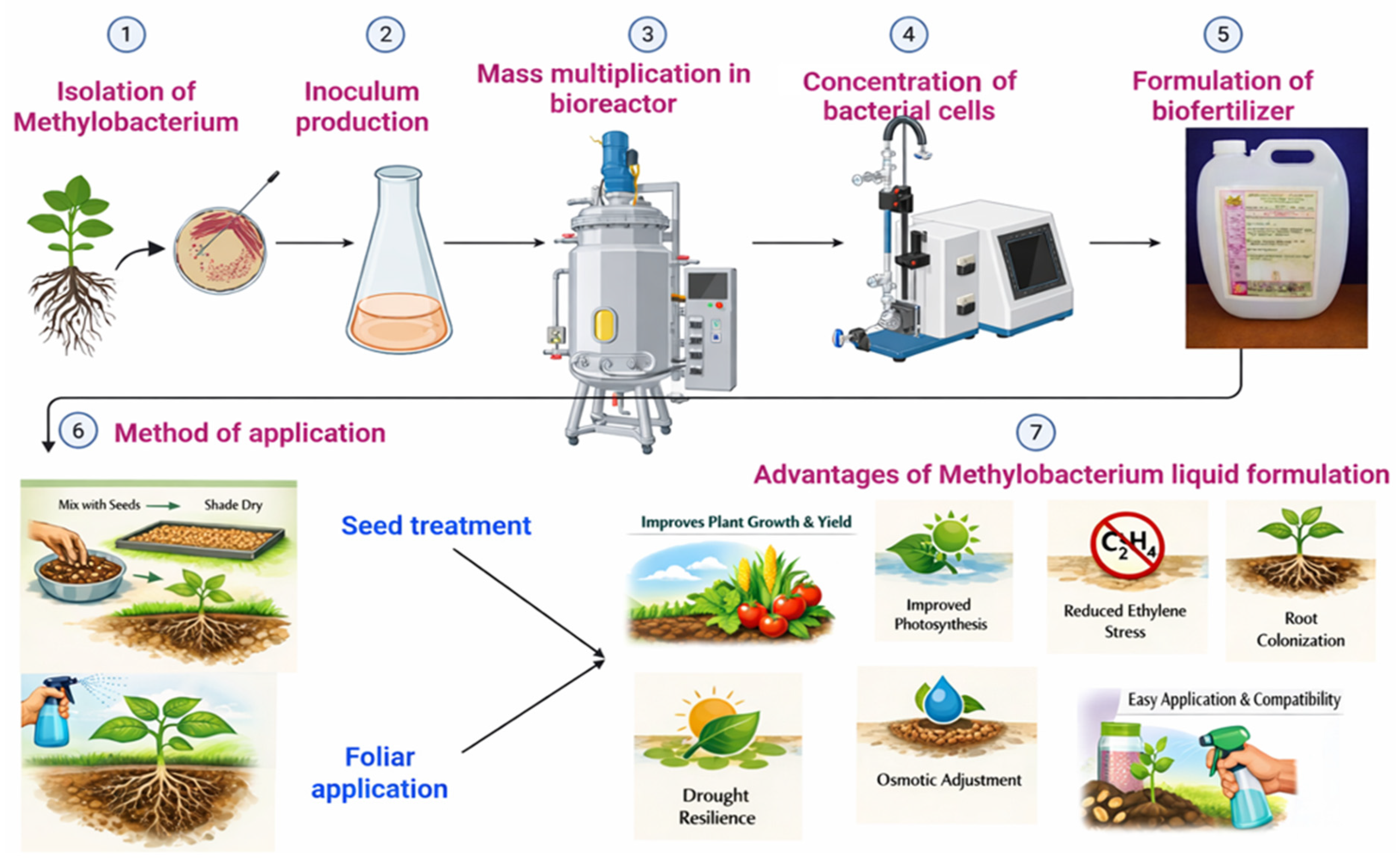
Biofertilizer formulation is the process of creating a stable product that carries beneficial microbes with the help of appropriate carriers or as a liquid preparation, ensuring the organisms stay alive during storage and can successfully establish on seeds or in the soil when applied. These formulations come in various forms, including solid carrier products like granules, powders, and water-dispersible granules that help protect microbes and make them easy to use, as well as liquid products that keep high numbers of viable microbes ready for application.
Liquid bio-inoculant formulations are designed to suspend beneficial microorganisms uniformly in a fluid medium such as water, oil, or an emulsion, along with stabilizers and additives that protect cells and support their viability during storage and application. In these systems, microbial cells typically constitute a significant fraction of the formulation, accompanied by ingredients that help maintain uniform suspension (suspending agents), promote dispersion (dispersants), reduce surface tension (surfactants), and provide a carrier liquid that makes up a large portion of the product [148]. Liquid bio-inoculants also contain cell protectants that would help form dormant and resting cells, which would increase shelf life and stress tolerance [149]. Compared to carrier-based bio-inoculants, liquid bio-inoculants have several advantages, including being capable of sustaining very high populations, being less contaminated, being amenable to all agricultural equipment, withstanding relatively higher temperatures, and being very easy to handle and apply to seeds, soil, and plant surfaces. This would enhance survival rates and delivery efficiency to plants under various conditions [150]. The Methylobacterium liquid biofertilizer can be applied easily to plants by foliar application, has a longer shelf life, and increases plant vigor, vegetative growth, chlorophyll, flowering, and productivity while increasing resistance to drought and other abiotic stresses and lowering requirements for chemical fertilizers (Figure 7).

9. Effect of Methylobacterium on Drought Stress in Various Crop Plants

Krishnamoorthy et al. [45] studied the role of phyllosphere methylotrophic PGPR in mitigating drought stress in groundnuts under varying water regimes. Five microbial treatments, including individual strains and a consortium, were evaluated at 75%, 45%, and 20% field capacity using a completely randomized design. After 22 days of normal growth, drought stress was imposed for 6 days. Microbial inoculation significantly improved plant growth and reduced ethylene and proline accumulation compared to the control, regardless of stress intensity. ACC oxidase (ACCO) gene expression was markedly lower in inoculated plants across all drought levels. Overall, methylotrophic bacteria showed strong potential as bio-inoculants for enhancing drought tolerance in groundnut [45]. Arya et al. [151] reported that drought-tolerant M.populi (Nel-c) enhanced growth and disease resistance in amaranth. They identified Nel-c as a native strain that significantly boosts biomass and leaf number while providing protection against R. solani under water stress [151]. Methylobacterium spp. isolated from semiarid soils promotes growth and drought tolerance in maize in Kenya. This research details how strains K2 (M. brachiatum) and K19 (M. radiotolerans) increase maize shoot dry weight by 42% and plant height by 65.8% under severe osmotic stress through high GA and IAA production [97,98].
Recent works highlight the efficacy of Methylobacterium in agricultural applications. For example, foliar treatment with M. symbioticum SB23 on maize and strawberry allowed a 25–50% reduction in the use of nitrogen fertilizer while increasing photosynthesis and nitrogen fixation [152]. In amaranth, a novel strain, M. populi Nel-c, increased shoot and root biomass, leaf number, and disease resistance under drought-simulated conditions [151]. Similarly, endophytic inoculation of Methylobacterium spp. in peach and maize increased seedling height, fruit quality, and maintained yield even with reduced nitrogen fertilizer use [98,153,154]. Other strains such as M. oryzae have been demonstrated to increase cytokinin production in drought conditions, leading to stress tolerance in lentil [60]. Field experiments in wheat also showed that M. symbioticum increased chlorophyll content and normalized difference vegetation index (NDVI), especially when nitrogen fertilizer was reduced and drought conditions were simulated [63]. These findings showed that Methylobacterium spp. are highly versatile and a sustainable and climate-resilient option for modern agriculture. Even with some variability in the efficiency of colonization and environmental performance, the genus has immense potential for broader applications as a microbial biostimulant, particularly in drought-stressed agro-ecosystems (Table 3).

10. Conclusions and Future Perspectives

Methylobacterium spp., especially pink-pigmented facultative methylotrophs (PPFMs), are important for helping plants survive droughts by coordinating phytohormonal signaling and metabolic priming. Methylobacterium controls stomatal regulation, root architectural change, and stress-responsive gene expression by fine-tuning important hormonal pathways, such as abscisic acid, ethylene (through ACC deaminase), auxin, and cytokinins. At the same time, metabolic priming through antioxidant systems, osmolyte accumulation, exopolysaccharide production, and methanol use helps plants keep their cells in balance and quickly respond to water shortages that happen again and again. These effects are not just additive; they show a change in the way plants work at the system level, which leads to better stress memory and better water-use efficiency. Furthermore, the extent and uniformity of these advantages are significantly affected by host genotype, microbial strain specificity, environmental context, and colonization stability. The existing body of evidence remains incomplete, as many studies have been conducted under controlled conditions with limited mechanistic validation at the field level.
Future research needs to move from descriptive associations to mechanistic and predictive frameworks. Integrative multi-omics methodologies that incorporate transcriptomics, metabolomics, phytohormone profiling, and microbial functional genomics are crucial for elucidating the causal relationships between Methylobacterium characteristics and plant drought responses. In the future, screening for strong microbial phenotypes for drought-prone agroecosystems should focus on functional diversity at the strain level, quorum sensing, and epigenetic stress memory. Field-scale testing across various crops and climatic conditions is an important bottleneck needing special attention in establishing relationships between laboratory findings and agronomic relevance. In addition, targeted CRISPR/Cas gene editing in both plants and Methylobacterium offers a powerful approach to functionally validate key candidate genes and pathways, helping to bridge existing knowledge gaps and clarify the precise mechanisms involved in drought stress memory and Methylobacterium-mediated drought mitigation. Formulation strategies are also required that enhance phyllosphere persistence and ensure good compatibility with the native microbiome and stability regardless of environmental conditions. Utilizing synthetic microbial consortia and combining Methylobacterium-based strategies with plant breeding and precision agriculture may lead to the development of sustainable, climate-resilient agricultural systems. In the end, developing Methylobacterium-driven phytohormonal and metabolic priming into solutions that can be used on a large scale will require work from people in microbiology, plant physiology, systems biology, and molecular biology.

Author Contributions

Writing—original draft, Conceptualization—R.P.; Writing—review and editing, Supervision, Resources—S.P.; Supervision, Conceptualization, Writing—review and editing, Validation—L.D.; Reference, editing and resources—K.R.S.; Visualization, Supervision, Conceptualization, Resources—R.P. and S.P. All authors have read and agreed to the published version of the manuscript.

Funding

No funding was received for this research or manuscript.

Data Availability Statement

No new data were created or analyzed in this study. Data sharing is not applicable to this article.

Acknowledgments

The authors express their gratitude to Tamil Nadu Agricultural University for providing access to digital resources. LD thanks the Conseil Régional de La Réunion and the Conseil Régional de Bretagne for the continuous support of research activities dedicated to technology, microbiology and biotechnology.

Conflicts of Interest

The authors declare no conflicts of interest. The funders had no role in the design of the study; in the collection, analyses, or interpretation of data; in the writing of the manuscript, or in the decision to publish the results.

References

  1. Yang, H.; Huntingford, C.; Wiltshire, A.; Sitch, S.; Mercado, L. Compensatory climate effects link trends in global runoff to rising atmospheric CO2 concentration. Environ. Res. Lett. 2019, 14, 124075. [Google Scholar] [CrossRef]
  2. Yin, J.; Gentine, P.; Zhou, S.; Sullivan, S.C.; Wang, R.; Zhang, Y.; Guo, S. Large increase in global storm runoff extremes driven by climate and anthropogenic changes. Nat. Commun. 2018, 9, 4389. [Google Scholar] [CrossRef] [PubMed]
  3. Cohen, I.; Zandalinas, S.I.; Huck, C.; Fritschi, F.B.; Mittler, R. Meta-analysis of drought and heat stress combination impact on crop yield and yield components. Physiol. Plant. 2021, 171, 66–76. [Google Scholar] [CrossRef] [PubMed]
  4. Seleiman, M.F.; Al-Suhaibani, N.; Ali, N.; Akmal, M.; Alotaibi, M.; Refay, Y.; Dindaroglu, T.; Abdul-Wajid, H.H.; Battaglia, M.L. Drought stress impacts on plants and different approaches to alleviate its adverse effects. Plants 2021, 10, 259. [Google Scholar] [CrossRef]
  5. Hartmann, M.; Six, J. Soil structure and microbiome functions in agroecosystems. Nat. Rev. Earth Environ. 2023, 4, 4–18. [Google Scholar] [CrossRef]
  6. Teshome, D.T.; Zharare, G.E.; Naidoo, S. The threat of the combined effect of biotic and abiotic stress factors in forestry under a changing climate. Front. Plant Sci. 2020, 11, 601009. [Google Scholar] [CrossRef]
  7. Parray, J.A.; Li, W.-J. Microbiome-Assisted Bioremediation: Rehabilitating Agricultural Soils; Elsevier: Amsterdam, The Netherlands, 2024. [Google Scholar]
  8. Allan, R.P.; Arias, P.A.; Berger, S.; Canadell, J.G.; Cassou, C.; Chen, D.; Cherchi, A.; Connors, S.L.; Coppola, E.; Cruz, F.A.; et al. Summary for policymakers. In Climate Change 2021: The Physical Science Basis. Contribution of Working Group I to the Sixth Assessment Report of the Intergovernmental Panel on Climate Change; Cambridge University Press: Cambridge, UK, 2023; pp. 3–32. [Google Scholar]
  9. Lee, H.; Calvin, K.; Dasgupta, D.; Krinner, G.; Mukherji, A.; Thorne, P.; Trisos, C.; Romero, J.; Aldunce, P.; Barret, K.; et al. IPCC, 2023: Climate Change 2023: Synthesis Report, Summary for Policymakers. Contribution of Working Groups I, II and III to the Sixth Assessment Report of the Intergovernmental Panel on Climate Change; Lee, H., Romero, J., Eds.; IPCC: Geneva, Switzerland, 2023. [Google Scholar]
  10. Habib-ur-Rahman, M.; Ahmad, A.; Raza, A.; Hasnain, M.U.; Alharby, H.F.; Alzahrani, Y.M.; Bamagoos, A.A.; Hakeem, K.R.; Ahmad, S.; Nasim, W. Impact of climate change on agricultural production; Issues, challenges, and opportunities in Asia. Front. Plant Sci. 2022, 13, 925548. [Google Scholar] [CrossRef]
  11. O’Connell, E. Towards adaptation of water resource systems to climatic and socio-economic change. Water Resour. Manag. 2017, 31, 2965–2984. [Google Scholar] [CrossRef]
  12. Salehi-Lisar, S.Y.; Bakhshayeshan-Agdam, H. Agronomic crop responses and tolerance to drought stress. In Agronomic Crops: Volume 3: Stress Responses and Tolerance; Springer: Berlin/Heidelberg, Germany, 2020; pp. 63–91. [Google Scholar]
  13. Daryanto, S.; Wang, L.; Jacinthe, P.-A. Global synthesis of drought effects on cereal, legume, tuber and root crops production: A review. Agric. Water Manag. 2017, 179, 18–33. [Google Scholar] [CrossRef]
  14. Diatta, A.A.; Fike, J.H.; Battaglia, M.L.; Galbraith, J.M.; Baig, M.B. Effects of biochar on soil fertility and crop productivity in arid regions: A review. Arab. J. Geosci. 2020, 13, 595. [Google Scholar] [CrossRef]
  15. Shaffique, S.; Khan, M.A.; Imran, M.; Kang, S.-M.; Park, Y.-S.; Wani, S.H.; Lee, I.-J. Research progress in the field of microbial mitigation of drought stress in plants. Front. Plant Sci. 2022, 13, 870626. [Google Scholar] [CrossRef] [PubMed]
  16. Kaur, H.; Manna, M.; Thakur, T.; Gautam, V.; Salvi, P. Imperative role of sugar signaling and transport during drought stress responses in plants. Physiol. Plant. 2021, 171, 833–848. [Google Scholar] [CrossRef] [PubMed]
  17. Hasanuzzaman, M.; Bhuyan, M.B.; Zulfiqar, F.; Raza, A.; Mohsin, S.M.; Mahmud, J.A.; Fujita, M.; Fotopoulos, V. Reactive oxygen species and antioxidant defense in plants under abiotic stress: Revisiting the crucial role of a universal defense regulator. Antioxidants 2020, 9, 681. [Google Scholar] [CrossRef] [PubMed]
  18. Prakash, K. Characterization and Identification of Black Pepper Accessions (Piper nigrum L.) for Stress Tolerance and Quality. Doctoral Dissertation, Kerala Agricultural University, Thrissur, India, 2019. [Google Scholar]
  19. Kumar, M.; Kour, D.; Yadav, A.N.; Saxena, R.; Rai, P.K.; Jyoti, A.; Tomar, R.S. Biodiversity of methylotrophic microbial communities and their potential role in mitigation of abiotic stresses in plants. Biologia 2019, 74, 287–308. [Google Scholar] [CrossRef]
  20. Bhanbhro, N.; Wang, H.J.; Bakhsh, Q.; Basit, M.F.; Song, W.; Ullah, U.; Shi, S.; Gao, S.; Shalmani, A.; Zhang, R.X. TaSnRK2. 1-2D Contributes to Drought Tolerance by Modulating ROS Production in Wheat. Plant Cell Environ. 2025, 48, 6440–6443. [Google Scholar] [CrossRef]
  21. Shahid, S.; Ali, Q.; Ali, S.; Al-Misned, F.A.; Maqbool, S. Water deficit stress tolerance potential of newly developed wheat genotypes for better yield based on agronomic traits and stress tolerance indices: Physio-biochemical responses, lipid peroxidation and antioxidative defense mechanism. Plants 2022, 11, 466. [Google Scholar] [CrossRef]
  22. Thomas-Barry, G.; Martin, C.S.; Ramsubhag, A.; Eudoxie, G.; Miller, J.R. Multi-trait efficiency and interactivity of bacterial consortia used to enhance plant performance under water stress conditions. Microbiol. Res. 2024, 281, 127610. [Google Scholar] [CrossRef]
  23. Vocciante, M.; Grifoni, M.; Fusini, D.; Petruzzelli, G.; Franchi, E. The role of plant growth-promoting rhizobacteria (PGPR) in mitigating plant’s environmental stresses. Appl. Sci. 2022, 12, 1231. [Google Scholar] [CrossRef]
  24. Ebadi, A.; Etesami, H. Monitoring changes in the rhizospheric microbiome under drought conditions: Approaches and challenges. Sustain. Agric. Under Drought Stress 2025, 265–286. [Google Scholar] [CrossRef]
  25. Bechtold, E.K.; Ryan, S.; Moughan, S.E.; Ranjan, R.; Nüsslein, K. Phyllosphere community assembly and response to drought stress on common tropical and temperate forage grasses. Appl. Environ. Microbiol. 2021, 87, e00895-21. [Google Scholar] [CrossRef]
  26. Mishra, S.; Sharma, A.; Dutta, A.K.; Kapoor, R.K.; Jha, D.K.; Kumar, D. An introduction to current and future aspect on growth promoting microbiome. In Plant-Microbe Interaction-Recent Advances in Molecular and Biochemical Approaches; Elsevier: Amsterdam, The Netherlands, 2023; pp. 87–110. [Google Scholar]
  27. Woodward, F.; Lomas, M. Vegetation dynamics–simulating responses to climatic change. Biol. Rev. 2004, 79, 643–670. [Google Scholar] [CrossRef]
  28. Lindow, S.E.; Brandl, M.T. Microbiology of the Phyllosphere. Appl. Environ. Microbiol. 2003, 69, 1875–1883. [Google Scholar] [CrossRef]
  29. Vorholt, J.A. Microbial life in the phyllosphere. Nat. Rev. Microbiol. 2012, 10, 828–840. [Google Scholar] [CrossRef] [PubMed]
  30. Fürnkranz, M.; Wanek, W.; Richter, A.; Abell, G.; Rasche, F.; Sessitsch, A. Nitrogen fixation by phyllosphere bacteria associated with higher plants and their colonizing epiphytes of a tropical lowland rainforest of Costa Rica. ISME J. 2008, 2, 561–570. [Google Scholar] [CrossRef] [PubMed]
  31. Innerebner, G.; Knief, C.; Vorholt, J.A. Protection of Arabidopsis thaliana against leaf-pathogenic Pseudomonas syringae by Sphingomonas strains in a controlled model system. Appl. Environ. Microbiol. 2011, 77, 3202–3210. [Google Scholar] [CrossRef] [PubMed]
  32. El-Saadony, M.T.; Saad, A.M.; Mohammed, D.M.; Fahmy, M.A.; Elesawi, I.E.; Ahmed, A.E.; Algopishi, U.B.; Elrys, A.S.; Desoky, E.-S.M.; Mosa, W.F. Drought-tolerant plant growth-promoting rhizobacteria alleviate drought stress and enhance soil health for sustainable agriculture: A comprehensive review. Plant Stress 2024, 14, 100632. [Google Scholar] [CrossRef]
  33. Grady, K.L.; Sorensen, J.W.; Stopnisek, N.; Guittar, J.; Shade, A. Assembly and seasonality of core phyllosphere microbiota on perennial biofuel crops. Nat. Commun. 2019, 10, 4135. [Google Scholar] [CrossRef]
  34. Laforest-Lapointe, I.; Whitaker, B.K. Decrypting the phyllosphere microbiota. Am. J. Bot. 2019, 106, 171–173. [Google Scholar] [CrossRef]
  35. Vandenkoornhuyse, P.; Quaiser, A.; Duhamel, M.; Le Van, A.; Dufresne, A. The importance of the microbiome of the plant holobiont. New Phytol. 2015, 206, 1196–1206. [Google Scholar] [CrossRef]
  36. Carvalho, S.D.; Castillo, J.A. Influence of Light on Plant–Phyllosphere Interaction. Front. Plant Sci. 2018, 9, 1482. [Google Scholar] [CrossRef]
  37. Bridier, A.; Piard, J.-C.; Pandin, C.; Labarthe, S.; Dubois-Brissonnet, F.; Briandet, R. Spatial organization plasticity as an adaptive driver of surface microbial communities. Front. Microbiol. 2017, 8, 1364. [Google Scholar] [CrossRef] [PubMed]
  38. Wagner, M.R.; Lundberg, D.S.; Del Rio, T.G.; Tringe, S.G.; Dangl, J.L.; Mitchell-Olds, T. Host genotype and age shape the leaf and root microbiomes of a wild perennial plant. Nat. Commun. 2016, 7, 12151. [Google Scholar] [CrossRef] [PubMed]
  39. Kwak, M.-J.; Jeong, H.; Madhaiyan, M.; Lee, Y.; Sa, T.-M.; Oh, T.K.; Kim, J.F. Genome information of Methylobacterium oryzae, a plant-probiotic methylotroph in the phyllosphere. PLoS ONE 2014, 9, e106704. [Google Scholar] [CrossRef] [PubMed]
  40. Sohrabi, R.; Paasch, B.C.; Liber, J.A.; He, S.Y. Phyllosphere microbiome. Annu. Rev. Plant Biol. 2023, 74, 539–568. [Google Scholar] [CrossRef]
  41. Bera, K.; Sadhukhan, S.; Gunjal, A.; Choudhury, A.; Dutta, P. Phytomicrobiome in modulating plant growth and stress resilience: An insight into the functions and emerging perspectives in agriculture. Microbiome Driv. Ecosyst. Funct. 2024, 31–59. [Google Scholar] [CrossRef]
  42. Jackson, C.R.; Denney, W.C. Annual and seasonal variation in the phyllosphere bacterial community associated with leaves of the southern magnolia (Magnolia grandiflora). Microb. Ecol. 2011, 61, 113–122. [Google Scholar] [CrossRef]
  43. Carlström, C.I.; Field, C.M.; Bortfeld-Miller, M.; Müller, B.; Sunagawa, S.; Vorholt, J.A. Synthetic microbiota reveal priority effects and keystone strains in the Arabidopsis phyllosphere. Nat. Ecol. Evol. 2019, 3, 1445–1454. [Google Scholar] [CrossRef]
  44. Jahan, R.; McDonald, I.R. Diversity of Methylobacterium species associated with New Zealand native plants. FEMS Microbiol. Lett. 2023, 370, fnad124. [Google Scholar] [CrossRef]
  45. Krishnamoorthy, R.; Anandham, R.; Senthilkumar, M.; Venkatramanan, V. Adaptation mechanism of methylotrophic bacteria to drought condition and its strategies in mitigating plant stress caused by climate change. In Exploring Synergies and Trade-Offs Between Climate Change and the Sustainable Development Goals; Springer: Berlin/Heidelberg, Germany, 2020; pp. 145–158. [Google Scholar]
  46. Delmotte, N.; Knief, C.; Chaffron, S.; Innerebner, G.; Roschitzki, B.; Schlapbach, R.; von Mering, C.; Vorholt, J.A. Community proteogenomics reveals insights into the physiology of phyllosphere bacteria. Proc. Natl. Acad. Sci. USA 2009, 106, 16428–16433. [Google Scholar] [CrossRef]
  47. Holland, M.A. Methylobacterium and plants. Rec. Res. Dev. Plant Physiol. 1997, 1, 207–213. [Google Scholar]
  48. Corpe, W.; Rheem, S. Ecology of the methylotrophic bacteria on living leaf surfaces. FEMS Microbiol. Ecol. 1989, 5, 243–249. [Google Scholar] [CrossRef]
  49. Sy, A.; Timmers, A.C.; Knief, C.; Vorholt, J.A. Methylotrophic metabolism is advantageous for Methylobacterium extorquens during colonization of Medicago truncatula under competitive conditions. Appl. Environ. Microbiol. 2005, 71, 7245–7252. [Google Scholar] [CrossRef] [PubMed]
  50. Patt, T.; Cole, G.; Hanson, R. Methylobacterium, a new genus of facultatively methylotrophic bacteria. Int. J. Syst. Evol. Microbiol. 1976, 26, 226–229. [Google Scholar] [CrossRef]
  51. Maeng, S.; Kim, D.-U.; Lim, S.; Lee, B.-H.; Lee, K.; Kim, M.; Srinivasan, S.; Bai, J. Methylobacterium radiodurans sp. nov., a novel radiation-resistant Methylobacterium. Arch. Microbiol. 2021, 203, 3435–3442. [Google Scholar] [CrossRef]
  52. Alessa, O.; Ogura, Y.; Fujitani, Y.; Takami, H.; Hayashi, T.; Sahin, N.; Tani, A. Comprehensive Comparative Genomics and Phenotyping of Methylobacterium Species. Front. Microbiol. 2021, 12, 740610. [Google Scholar] [CrossRef]
  53. Galbally, I.; Wv, K. The Production of Methanol by Flowering Plants and the Global Cycle of Methanol. J. Atmos. Chem. 2002, 43, 195–229. [Google Scholar] [CrossRef]
  54. Körner, E.; von Dahl, C.C.; Bonaventure, G.; Baldwin, I.T. Pectin methylesterase Na PME1 contributes to the emission of methanol during insect herbivory and to the elicitation of defence responses in Nicotiana attenuata. J. Exp. Bot. 2009, 60, 2631–2640. [Google Scholar] [CrossRef]
  55. Salvi, P.; Manna, M.; Kaur, H.; Thakur, T.; Gandass, N.; Bhatt, D.; Muthamilarasan, M. Phytohormone signaling and crosstalk in regulating drought stress response in plants. Plant Cell Rep. 2021, 40, 1305–1329. [Google Scholar] [CrossRef]
  56. Swain, R.; Sahoo, S.; Behera, M.; Rout, G.R. Instigating prevalent abiotic stress resilience in crop by exogenous application of phytohormones and nutrient. Front. Plant Sci. 2023, 14, 1104874. [Google Scholar] [CrossRef]
  57. Ranjan, A.; Sinha, R.; Lal, S.K.; Bishi, S.K.; Singh, A.K. Phytohormone signalling and cross-talk to alleviate aluminium toxicity in plants. Plant Cell Rep. 2021, 40, 1331–1343. [Google Scholar] [CrossRef]
  58. Grossi, C.E.; Tani, A.; Mori, I.C.; Matsuura, T.; Ulloa, R.M. Plant growth-promoting abilities of Methylobacterium sp. 2A involve auxin-mediated regulation of the root architecture. Plant Cell Environ. 2024, 47, 5343–5357. [Google Scholar] [CrossRef]
  59. Klikno, J.; Kutschera, U. Regulation of root development in Arabidopsis thaliana by phytohormone-secreting epiphytic methylobacteria. Protoplasma 2017, 254, 1867–1877. [Google Scholar] [CrossRef]
  60. Palberg, D.; Kisiała, A.; Jorge, G.L.; Emery, R.N. A survey of Methylobacterium species and strains reveals widespread production and varying profiles of cytokinin phytohormones. BMC Microbiol. 2022, 22, 49. [Google Scholar] [CrossRef] [PubMed]
  61. Jorge, G.L.; Kisiala, A.; Morrison, E.; Aoki, M.; Nogueira, A.P.O.; Emery, R.N. Endosymbiotic Methylobacterium oryzae mitigates the impact of limited water availability in lentil (Lens culinaris Medik.) by increasing plant cytokinin levels. Environ. Exp. Bot. 2019, 162, 525–540. [Google Scholar] [CrossRef]
  62. Grossi, C.E.M.; Ulloa, R.M.; Sahin, N.; Tani, A. Methylobacterium as a Key Symbiont in Plant-Microbe Interactions: Its Ecological and Agricultural Significance. Plant Biotechnol. 2025, 42, 229–241. [Google Scholar] [CrossRef] [PubMed]
  63. Valente, F.; Panozzo, A.; Bozzolin, F.; Barion, G.; Bolla, P.K.; Bertin, V.; Potestio, S.; Visioli, G.; Wang, Y.; Vamerali, T. Growth, photosynthesis and yield responses of common wheat to foliar application of methylobacterium symbioticum under decreasing chemical nitrogen fertilization. Agriculture 2024, 14, 1670. [Google Scholar] [CrossRef]
  64. Yim, W.; Seshadri, S.; Kim, K.; Lee, G.; Sa, T. Ethylene emission and PR protein synthesis in ACC deaminase producing Methylobacterium spp. inoculated tomato plants (Lycopersicon esculentum Mill.) challenged with Ralstonia solanacearum under greenhouse conditions. Plant Physiol. Biochem. 2013, 67, 95–104. [Google Scholar] [CrossRef]
  65. Joe, M.; Saravanan, V.; Islam, M.; Sa, T. Development of alginate-based aggregate inoculants of Methylobacterium sp. and Azospirillum brasilense tested under in vitro conditions to promote plant growth. J. Appl. Microbiol. 2014, 116, 408–423. [Google Scholar] [CrossRef]
  66. de Carvalho, M.R.; Bicalho, E.M.; Pereira, E.G.; Guilherme, L.R.G.; Marchiori, P.E.R. Drought tolerance: A perspective about leaf venation and the role of auxin. Theor. Exp. Plant Physiol. 2025, 37, 11. [Google Scholar] [CrossRef]
  67. Roychoudhry, S.; Kepinski, S. Auxin in root development. Cold Spring Harb. Perspect. Biol. 2022, 14, a039933. [Google Scholar] [CrossRef]
  68. Meena, K.K.; Bitla, U.M.; Sorty, A.M.; Singh, D.P.; Gupta, V.K.; Wakchaure, G.; Kumar, S. Mitigation of salinity stress in wheat seedlings due to the application of phytohormone-rich culture filtrate extract of methylotrophic actinobacterium Nocardioides sp. NIMMe6. Front. Microbiol. 2020, 11, 2091. [Google Scholar] [CrossRef] [PubMed]
  69. Gomes, G.; Scortecci, K. Auxin and its role in plant development: Structure, signalling, regulation and response mechanisms. Plant Biol. 2021, 23, 894–904. [Google Scholar] [CrossRef] [PubMed]
  70. Ashok, G.; Nambirajan, G.; Baskaran, K.; Viswanathan, C.; Alexander, X. Phylogenetic diversity of epiphytic pink-pigmented methylotrophic bacteria and role in alleviation of abiotic stress in plants. In Plant Microbiomes for Sustainable Agriculture; Springer: Berlin/Heidelberg, Germany, 2020; pp. 245–262. [Google Scholar]
  71. Ivanova, E.; Doronina, N.; Trotsenko, Y.A. Aerobic methylobacteria are capable of synthesizing auxins. Microbiology 2001, 70, 392–397. [Google Scholar] [CrossRef]
  72. Li, W.; Herrera-Estrella, L.; Tran, L.-S.P. The Yin–Yang of cytokinin homeostasis and drought acclimation/adaptation. Trends Plant Sci. 2016, 21, 548–550. [Google Scholar] [CrossRef] [PubMed]
  73. Ha, S.; Vankova, R.; Yamaguchi-Shinozaki, K.; Shinozaki, K.; Tran, L.-S.P. Cytokinins: Metabolism and function in plant adaptation to environmental stresses. Trends Plant Sci. 2012, 17, 172–179. [Google Scholar] [CrossRef]
  74. Sakakibara, H. Cytokinins: Activity, biosynthesis, and translocation. Annu. Rev. Plant Biol. 2006, 57, 431–449. [Google Scholar] [CrossRef]
  75. Kieber, J.J.; Schaller, G.E. Cytokinin signaling in plant development. Development 2018, 145, dev149344. [Google Scholar] [CrossRef]
  76. Gibb, M.; Kisiala, A.B.; Morrison, E.N.; Emery, R.N. The origins and roles of methylthiolated cytokinins: Evidence from among life kingdoms. Front. Cell Dev. Biol. 2020, 8, 605672. [Google Scholar] [CrossRef]
  77. Koenig, R.L.; Morris, R.O.; Polacco, J.C. tRNA is the source of low-level trans-zeatin production in Methylobacterium spp. J. Bacteriol. 2002, 184, 1832–1842. [Google Scholar] [CrossRef]
  78. Šmejkalová, H.; Erb, T.J.; Fuchs, G. Methanol assimilation in Methylobacterium extorquens AM1: Demonstration of all enzymes and their regulation. PLoS ONE 2010, 5, e13001. [Google Scholar] [CrossRef]
  79. Meena, K.K.; Kumar, M.; Kalyuzhnaya, M.G.; Yandigeri, M.S.; Singh, D.P.; Saxena, A.K.; Arora, D.K. Epiphytic pink-pigmented methylotrophic bacteria enhance germination and seedling growth of wheat (Triticum aestivum) by producing phytohormone. Antonie Van Leeuwenhoek 2012, 101, 777–786. [Google Scholar] [CrossRef]
  80. Kutschera, U. Plant-associated methylobacteria as co-evolved phytosymbionts: A hypothesis. Plant Signal. Behav. 2007, 2, 74–78. [Google Scholar] [CrossRef] [PubMed]
  81. Kang, S.-M.; Hamayun, M.; Khan, M.A.; Iqbal, A.; Lee, I.-J. Bacillus subtilis JW1 enhances plant growth and nutrient uptake of Chinese cabbage through gibberellins secretion. J. Appl. Bot. Food Qual. 2019, 92, 172–178. [Google Scholar]
  82. Kassem, M.; Hauka, F.; Afify, A.H.; Nour El-Din, M.; Omara, A. Isolation and identification of some PPFMs bacterial isolates and their potentiality as biofertilizers and biocontrol agents to Rhizoctonia solani. J. Agric. Chem. Biotechnol. 2013, 4, 79–92. [Google Scholar] [CrossRef]
  83. Lamlom, S.F.; Abdelghany, A.M.; Farouk, A.; Alwakel, E.S.; Makled, K.M.; Bukhari, N.A.; Hatamleh, A.A.; Ren, H.; El-Sorady, G.A.; Shehab, A. Biochemical and yield response of spring wheat to drought stress through gibberellic and abscisic acids. BMC Plant Biol. 2025, 25, 5. [Google Scholar] [CrossRef]
  84. Kalyaeva, M.; Ivanova, E.; Doronina, N.; Zakharchenko, N.; Trotsenko, Y.A.; Buryanov, Y.I. The effect of aerobic methylotrophic bacteria on the in vitro morphogenesis of soft wheat (Triticum aestivum). Russ. J. Plant Physiol. 2003, 50, 313–317. [Google Scholar] [CrossRef]
  85. Das, S.; Shil, S.; Rime, J.; Alice, A.K.; Yumkhaibam, T.; Mounika, V.; Singh, A.P.; Kundu, M.; Lalhmangaihzuali, H.; Hazarika, T.K. Phytohormonal signaling in plant resilience: Advances and strategies for enhancing abiotic stress tolerance. Plant Growth Regul. 2025, 105, 329–360. [Google Scholar] [CrossRef]
  86. Mishra, N.; Jiang, C.; Chen, L.; Paul, A.; Chatterjee, A.; Shen, G. Achieving abiotic stress tolerance in plants through antioxidative defense mechanisms. Front. Plant Sci. 2023, 14, 1110622. [Google Scholar] [CrossRef]
  87. Mittler, R.; Vanderauwera, S.; Suzuki, N.; Miller, G.; Tognetti, V.B.; Vandepoele, K.; Gollery, M.; Shulaev, V.; Van Breusegem, F. ROS signaling: The new wave? Trends Plant Sci. 2011, 16, 300–309. [Google Scholar] [CrossRef]
  88. Jaleel, C.A.; Manivannan, P.; Kishorekumar, A.; Sankar, B.; Gopi, R.; Somasundaram, R.; Panneerselvam, R. Alterations in osmoregulation, antioxidant enzymes and indole alkaloid levels in Catharanthus roseus exposed to water deficit. Colloids Surf. B Biointerfaces 2007, 59, 150–157. [Google Scholar] [CrossRef]
  89. Nysanth, N.; Anu Rajan, S.; Sivapriya, S.; Anith, K. Pink Pigmented Facultative Methylotrophs (PPFMs): Potential Bioinoculants for Sustainable Crop Production. J. Pure Appl. Microbiol. 2023, 17, 660–681. [Google Scholar] [CrossRef]
  90. Chieb, M.; Gachomo, E.W. The role of plant growth promoting rhizobacteria in plant drought stress responses. BMC Plant Biol. 2023, 23, 407. [Google Scholar] [CrossRef] [PubMed]
  91. Poorniammal, R.; Sundaram, S.P.; Kumutha, K. In Vitro Biocontrol Activity of Methylobacterium extorquens Against Fungal Pathogens. Int. J. Plant Prot. 2009, 2, 59–62. [Google Scholar] [CrossRef]
  92. Bogati, K.; Walczak, M. The Impact of Drought Stress on Soil Microbial Community, Enzyme Activities and Plants. Agronomy 2022, 12, 189. [Google Scholar] [CrossRef]
  93. Photolo, M.M.; Mavumengwana, V.; Sitole, L.; Tlou, M.G. Antimicrobial and Antioxidant Properties of a Bacterial Endophyte, Methylobacterium radiotolerans MAMP 4754, Isolated from Combretum erythrophyllum Seeds. Int. J. Microbiol. 2020, 2020, 9483670. [Google Scholar] [CrossRef]
  94. Mohanty, S.R.; Mahawar, H.; Bajpai, A.; Dubey, G.; Parmar, R.; Atoliya, N.; Devi, M.H.; Singh, A.B.; Jain, D.; Patra, A.; et al. Methylotroph bacteria and cellular metabolite carotenoid alleviate ultraviolet radiation-driven abiotic stress in plants. Front. Microbiol. 2023, 13, 899268. [Google Scholar] [CrossRef]
  95. Araújo, W.; Santos, D.; Dini-Andreote, F.; Salgueiro-Londoño, J.; Camargo-Neves, A.A.; Andreote, F.; Dourado, M. Genes related to antioxidant metabolism are involved in Methylobacterium mesophilicum-soybean interaction. Antonie Van Leeuwenhoek 2015, 108, 951–963. [Google Scholar] [CrossRef]
  96. Ramli, N.; Abas, F.; Ismail, I.S.; Rukayadi, Y.; Nor, S.M. Determination of Antioxidant Activity, Phenolic Compounds, and Toxicity of Methanolic and Ethanolic Extracts of Pink Pigmented Facultative Methylotrophs (PPFM) Bacteria Pigment. Pertanika J. Trop. Agric. Sci. 2023, 46.(4), 1407. [Google Scholar] [CrossRef]
  97. Ehinmitan, E.; Siamalube, B.; Losenge, T.; Mamati, E.; Juma, P.; Ngumi, V. Methylobacterium spp. in Sustainable Agriculture: Strategies for Plant Stress Management and Growth Promotion. Microbe 2025, 8, 100476. [Google Scholar] [CrossRef]
  98. Ehinmitan, E.; Siamalube, B.; Losenge, T.; Mamati, E.; Juma, P.; Ngumi, V. Methylobacterium spp. Isolated From Semiarid Soils Promote Growth and Drought Tolerance in Maize in Kenya. Int. J. Microbiol. 2025, 2025, 7442350. [Google Scholar] [CrossRef]
  99. Vanacore, A.; Forgione, M.C.; Cavasso, D.; Nguyen, H.N.A.; Molinaro, A.; Saenz, J.P.; D’Errico, G.; Paduano, L.; Marchetti, R.; Silipo, A. Role of EPS in mitigation of plant abiotic stress: The case of Methylobacterium extorquens PA1. Carbohydr. Polym. 2022, 295, 119863. [Google Scholar] [CrossRef] [PubMed]
  100. Dourado, M.N.; Bogas, A.C.; Pomini, A.M.; Andreote, F.D.; Quecine, M.C.; Marsaioli, A.J.; Araújo, W.L. Methylobacterium-plant interaction genes regulated by plant exudate and quorum sensing molecules. Braz. J. Microbiol. 2013, 44, 1331–1339. [Google Scholar] [CrossRef] [PubMed]
  101. Dumanović, J.; Nepovimova, E.; Natić, M.; Kuča, K.; Jaćević, V. The significance of reactive oxygen species and antioxidant defense system in plants: A concise overview. Front. Plant Sci. 2021, 11, 552969. [Google Scholar] [CrossRef] [PubMed]
  102. Birben, E.; Sahiner, U.M.; Sackesen, C.; Erzurum, S.; Kalayci, O. Oxidative stress and antioxidant defense. World Allergy Organ. J. 2012, 5, 9–19. [Google Scholar] [CrossRef]
  103. Sang, Y.L.; Cheng, Z.J.; Zhang, X.S. Plant stem cells and de novo organogenesis. New Phytol. 2018, 218, 1334–1339. [Google Scholar] [CrossRef]
  104. Yang, S.F.; Hoffman, N.E. Ethylene biosynthesis and its regulation in higher plants. Annu. Rev. Plant Physiol. 1984, 35, 155–189. [Google Scholar] [CrossRef]
  105. Zarembinski, T.I.; Theologis, A. Ethylene biosynthesis and action: A case of conservation. Plant Mol. Biol. 1994, 26, 1579–1597. [Google Scholar] [CrossRef]
  106. Tao, L.; Schenzle, A.; Odom, J.M.; Cheng, Q. Novel carotenoid oxidase involved in biosynthesis of 4, 4′-diapolycopene dialdehyde. Appl. Environ. Microbiol. 2005, 71, 3294–3301. [Google Scholar] [CrossRef]
  107. Zulfiqar, F.; Ashraf, M. Proline alleviates abiotic stress induced oxidative stress in plants. J. Plant Growth Regul. 2023, 42, 4629–4651. [Google Scholar] [CrossRef]
  108. Hernandez-Leon, S.G.; Valenzuela-Soto, E.M. Glycine betaine is a phytohormone-like plant growth and development regulator under stress conditions. J. Plant Growth Regul. 2023, 42, 5029–5040. [Google Scholar] [CrossRef]
  109. Gamit, H.A.; Amaresan, N. Inoculation of methylotrophic bacteria ameliorate summer heat stress and enhance the black gram (Vigna mungo L.) growth, physiology and antioxidants properties. J. Plant Growth Regul. 2024, 43, 2077–2089. [Google Scholar] [CrossRef]
  110. Nysanth, N.; Meenakumari, K.; Syriac, E.K.; Beena, R. Screening of pink pigmented facultative methylotrophs for growth enhancement in paddy. Biocatal. Agric. Biotechnol. 2019, 18, 101055. [Google Scholar] [CrossRef]
  111. Sivakumar, R.; Chandrasekaran, P.; Nithila, S. Effect of PPFM and PGRs on root characters, TDMP, yield and quality of tomato (Solanum lycopersicum) under drought. Int. J. Curr. Microbiol. Appl. Sci. 2018, 7, 2046–2054. [Google Scholar] [CrossRef]
  112. Morgan, P.W.; Drew, M.C. Ethylene and plant responses to stress. Physiol. Plant. 1997, 100, 620–630. [Google Scholar] [CrossRef]
  113. Wilkinson, S.; Davies, W.J. Drought, ozone, ABA and ethylene: New insights from cell to plant to community. Plant Cell Environ. 2010, 33, 510–525. [Google Scholar] [CrossRef]
  114. Chen, H.; Zhao, Z.; Chen, J.; Mertens, J.; Van de Poel, B.; Li, D.; Chen, K. The Yang cycle in plants: A journey of methionine recycling with fascinating metabolites and enzymes. Plant Horm. 2025, 1, e007. [Google Scholar] [CrossRef]
  115. Wang, K.L.-C.; Li, H.; Ecker, J.R. Ethylene Biosynthesis and Signaling Networks. Plant Cell 2002, 14, S131–S151. [Google Scholar] [CrossRef]
  116. Sharp, R. Interaction with ethylene: Changing views on the role of abscisic acid in root and shoot growth responses to water stress. Plant Cell Environ. 2002, 25, 211–222. [Google Scholar] [CrossRef]
  117. Dubois, M.; Van den Broeck, L.; Inzé, D. The Pivotal Role of Ethylene in Plant Growth. Trends Plant Sci. 2018, 23, 311–323. [Google Scholar] [CrossRef]
  118. Glick, B.R. Modulating phytohormone levels. In Beneficial Plant-Bacterial Interactions; Springer: Berlin/Heidelberg, Germany, 2020; pp. 139–180. [Google Scholar]
  119. Madhaiyan, M.; Reddy, B.; Anandham, R.; Senthilkumar, M.; Poonguzhali, S.; Sundaram, S. Plant growth–promoting methylobacterium induces defense responses in groundnut (Arachis hypogaea L.) compared with rot pathogens. Curr. Microbiol. 2006, 53, 270–276. [Google Scholar] [CrossRef]
  120. Nadeem, S.M.; Ahmad, M.; Tufail, M.A.; Asghar, H.N.; Nazli, F.; Zahir, Z.A. Appraising the potential of EPS-producing rhizobacteria with ACC-deaminase activity to improve growth and physiology of maize under drought stress. Physiol. Plant. 2021, 172, 463–476. [Google Scholar] [CrossRef] [PubMed]
  121. Kumar, M.; Kumar Patel, M.; Kumar, N.; Bajpai, A.B.; Siddique, K.H. Metabolomics and molecular approaches reveal drought stress tolerance in plants. Int. J. Mol. Sci. 2021, 22, 9108. [Google Scholar] [CrossRef] [PubMed]
  122. Glick, B.R. Beneficial Plant-Bacterial Interactions; Springer: Berlin/Heidelberg, Germany, 2015; Volume 243. [Google Scholar]
  123. Vurukonda, S.S.K.P.; Vardharajula, S.; Shrivastava, M.; SkZ, A. Enhancement of drought stress tolerance in crops by plant growth promoting rhizobacteria. Microbiol. Res. 2016, 184, 13–24. [Google Scholar] [CrossRef]
  124. Fatma, M.; Asgher, M.; Iqbal, N.; Rasheed, F.; Sehar, Z.; Sofo, A.; Khan, N.A. Ethylene signaling under stressful environments: Analyzing collaborative knowledge. Plants 2022, 11, 2211. [Google Scholar] [CrossRef] [PubMed]
  125. Nemecek-Marshall, M.; MacDonald, R.C.; Franzen, J.J.; Wojciechowski, C.L.; Fall, R. Methanol emission from leaves (enzymatic detection of gas-phase methanol and relation of methanol fluxes to stomatal conductance and leaf development). Plant Physiol. 1995, 108, 1359. [Google Scholar] [CrossRef]
  126. Yurimoto, H. Phyllosphere C1-microorganisms: Their interaction with plants and contribution to the global carbon cycle. Plant Biotechnol. 2025, 42, 193–201. [Google Scholar] [CrossRef]
  127. Saito, S.; Uozumi, N. Guard cell membrane anion transport systems and their regulatory components: An elaborate mechanism controlling stress-induced stomatal closure. Plants 2019, 8, 9. [Google Scholar] [CrossRef]
  128. Acharya, B.R.; Assmann, S.M. Hormone interactions in stomatal function. Plant Mol. Biol. 2009, 69, 451–462. [Google Scholar] [CrossRef]
  129. Wachendorf, M.; Küppers, M. The effect of initial stomatal opening on the dynamics of biochemical and overall photosynthetic induction. Trees 2017, 31, 981–995. [Google Scholar] [CrossRef]
  130. Sivakumar, R.; Nandhitha, G.; Chandrasekaran, P.; Boominathan, P.; Senthilkumar, M. Impact of pink pigmented facultative methylotroph and PGRs on water status, photosynthesis, proline and NR activity in tomato under drought. Int. J. Curr. Microbiol. Appl. Sci. 2017, 6, 1640–1651. [Google Scholar] [CrossRef]
  131. Naseem, H.; Ahsan, M.; Shahid, M.A.; Khan, N. Exopolysaccharides producing rhizobacteria and their role in plant growth and drought tolerance. J. Basic Microbiol. 2018, 58, 1009–1022. [Google Scholar] [CrossRef] [PubMed]
  132. Zhang, C.; Wang, M.-Y.; Khan, N.; Tan, L.-L.; Yang, S. Potentials, utilization, and bioengineering of plant growth-promoting Methylobacterium for sustainable agriculture. Sustainability 2021, 13, 3941. [Google Scholar] [CrossRef]
  133. Green, P.N.; Ardley, J.K. Review of the genus Methylobacterium and closely related organisms: A proposal that some Methylobacterium species be reclassified into a new genus, Methylorubrum gen. nov. Int. J. Syst. Evol. Microbiol. 2018, 68, 2727–2748. [Google Scholar] [CrossRef] [PubMed]
  134. Ochsner, A.M.; Sonntag, F.; Buchhaupt, M.; Schrader, J.; Vorholt, J.A. Methylobacterium extorquens: Methylotrophy and biotechnological applications. Appl. Microbiol. Biotechnol. 2015, 99, 517–534. [Google Scholar] [CrossRef]
  135. Mo, X.-H.; Zhang, H.; Wang, T.-M.; Zhang, C.; Zhang, C.; Xing, X.-H.; Yang, S. Establishment of CRISPR interference in Methylorubrum extorquens and application of rapidly mining a new phytoene desaturase involved in carotenoid biosynthesis. Appl. Microbiol. Biotechnol. 2020, 104, 4515–4532. [Google Scholar] [CrossRef]
  136. Kaya, C. Microbial modulation of hormone signaling, proteomic dynamics, and metabolomics in plant drought adaptation. Food Energy Secur. 2024, 13, e513. [Google Scholar] [CrossRef]
  137. Zhang, C.; Yao, L.; Zhang, M.-M.; Tian, D.-D.; Wu, J.; Hu, Y.-Z.; Bao, K.; Ma, Z.-X.; Tan, L.-L.; Yang, S. Improvement of plant growth and fruit quality by introducing a phosphoribosylpyrophosphate synthetase mutation into Methylorubrum populi. J. Appl. Microbiol. 2025, 136, lxaf013. [Google Scholar] [CrossRef]
  138. Crisp, P.A.; Ganguly, D.; Eichten, S.R.; Borevitz, J.O.; Pogson, B.J. Reconsidering plant memory: Intersections between stress recovery, RNA turnover, and epigenetics. Sci. Adv. 2016, 2, e1501340. [Google Scholar] [CrossRef]
  139. Ding, L.; Yang, L.; Ren, C.; Zhang, H.; Lu, J.; Wang, S.; Wu, Z.; Yang, Y. A review of aberrant DNA methylation and epigenetic agents targeting DNA methyltransferases in endometriosis. Curr. Drug Targets 2020, 21, 1047–1055. [Google Scholar] [CrossRef]
  140. Chistoserdova, L. Modularity of methylotrophy, revisited. Environ. Microbiol. 2011, 13, 2603–2622. [Google Scholar] [CrossRef]
  141. Conrath, U.; Beckers, G.J.; Langenbach, C.J.; Jaskiewicz, M.R. Priming for enhanced defense. Annu. Rev. Phytopathol. 2015, 53, 97–119. [Google Scholar] [CrossRef]
  142. Hilker, M.; Schwachtje, J.; Baier, M.; Balazadeh, S.; Bäurle, I.; Geiselhardt, S.; Hincha, D.K.; Kunze, R.; Mueller-Roeber, B.; Rillig, M.C. Priming and memory of stress responses in organisms lacking a nervous system. Biol. Rev. 2016, 91, 1118–1133. [Google Scholar] [CrossRef] [PubMed]
  143. Walter, J.; Jentsch, A.; Beierkuhnlein, C.; Kreyling, J. Ecological stress memory and cross stress tolerance in plants in the face of climate extremes. Environ. Exp. Bot. 2013, 94, 3–8. [Google Scholar] [CrossRef]
  144. Friedrich, T.; Faivre, L.; Bäurle, I.; Schubert, D. Chromatin-based mechanisms of temperature memory in plants. Plant Cell Environ. 2019, 42, 762–770. [Google Scholar] [CrossRef] [PubMed]
  145. Fleta-Soriano, E.; Munné-Bosch, S. Stress memory and the inevitable effects of drought: A physiological perspective. Front. Plant Sci. 2016, 7, 143. [Google Scholar] [CrossRef]
  146. Bruce, T.J.; Matthes, M.C.; Napier, J.A.; Pickett, J.A. Stressful “memories” of plants: Evidence and possible mechanisms. Plant Sci. 2007, 173, 603–608. [Google Scholar] [CrossRef]
  147. Qi, H.; Wen, X.; Wang, Z.; Yin, S. Microbial Memory of Drought Reshapes Root-Associated Communities to Enhance Plant Resilience. Plant Cell Environ. 2025, 49, 140–155. [Google Scholar] [CrossRef]
  148. Poorniammal, R.; Prabhu, S.; Kannan, J.; Janaki, D. Liquid biofertilizer-A boon to sustainable agriculture. Biot. Res Today 2020, 2, 915–918. [Google Scholar]
  149. Allouzi, M.M.A.; Allouzi, S.M.A.; Keng, Z.X.; Supramaniam, C.V.; Singh, A.; Chong, S. Liquid biofertilizers as a sustainable solution for agriculture. Heliyon 2022, 8, e12609. [Google Scholar] [CrossRef]
  150. Kanishka, S.; Gnanachitra, M.; Kumutha, K.; Poorniammal, R.; Thiyageshwaari, S. Formulation Breakthroughs: The Key to Tackling Biofertilizer Shelf Life and Quality Challenges. J. Pure Appl. Microbiol. 2025, 19, 2470. [Google Scholar] [CrossRef]
  151. Arya, C.; Surendra Gopal, K.; Dicto, J.; Deepa, J.; Saeed, T. Drought tolerant Methylobacterium populi (Nel-c) enhanced growth and disease resistance in amaranth. Indian J. Hortic. 2025, 82, 34–39. [Google Scholar] [CrossRef]
  152. Torres Vera, R.; Bernabé García, A.J.; Carmona Álvarez, F.J.; Martínez Ruiz, J.; Fernández Martín, F. Application and effectiveness of Methylobacterium symbioticum as a biological inoculant in maize and strawberry crops. Folia Microbiol. 2024, 69, 121–131. [Google Scholar] [CrossRef] [PubMed]
  153. Ehinmitan, E.; Siamalube, B.; Mamati, E.; Ngumi, V.; Juma, P.; Losenge, T. Evaluating growth-promotion and drought tolerance properties of endophytic Methylobacterium spp. from semi-arid Kenya Soil. Scope 2024, 14, 924–940. [Google Scholar]
  154. Tsoumanis, D.; Katsenios, N.; Monokrousos, N. Enhancing Peach Tree Fertilization: Investigating Methylobacterium symbioticum SB23 as Game-Changing Agent. Agronomy 2025, 15, 521. [Google Scholar] [CrossRef]
  155. Jasna Sherin, P.; Anu Rajan, S.; Anith, K.; Anuradha, T.; Soni, K.; Soumya, V.; Chitra, N. Functional Pink Pigmented Facultative Methylotrophs from Capsicum frutescens Phyllosphere as Bioinoculants for Growth Promotion and Drought Stress Alleviation in Chilli. J. Crop Health 2025, 77, 160. [Google Scholar] [CrossRef]
  156. Krishnamoorthy, R.; Kwon, S.-W.; Kumutha, K.; Senthilkumar, M.; Ahmed, S.; Sa, T.; Anandham, R. Diversity of culturable methylotrophic bacteria in different genotypes of groundnut and their potential for plant growth promotion. 3 Biotech 2018, 8, 275. [Google Scholar] [CrossRef]
  157. de Jesus Santos, A.F.; Da Cas Bundt, A. Foliar inoculation with Methylobacterium symbioticum SB23 enhances biological nitrogen fixation and maize yield under contrasting edaphoclimatic conditions. Braz. J. Agric. Sci. /Rev. Bras. Ciências Agrárias 2025, 20, 1. [Google Scholar]
  158. Rodrigues, M.Â.; Correia, C.M.; Arrobas, M. The application of a foliar spray containing Methylobacterium symbioticum had a limited effect on crop yield and nitrogen recovery in field and pot-grown maize. Plants 2024, 13, 2909. [Google Scholar] [CrossRef]
  159. Solanki, J.; Vyas, R.; Jhala, Y.; Patel, H. Development of Pink Pigmented Facultative Methylotrophs (PPFMs) consortium formulation and its efficacy on Chilli (Capsicum annuum). J. Adv. Microbiol. 2024, 24, 1–7. [Google Scholar] [CrossRef]
  160. Manjubhargavi, Y.; Rajan, S.; Chitra, N.; Soumya, V.; Beena, R.; Anith, K. Pink pigmented facultative Methylotrophs (PPFMs) improve rooting in black pepper (Piper nigrum L.) cuttings and mitigate drought stress. Plant Sci. 2024, 11, 4546. [Google Scholar] [CrossRef]
  161. Joel, G.V.V.; Latha, P.; Gopal, A.V.; Sreedevi, B. Isolation and characterization of pink pigmented facultative methylotrophic bacteria: An in-vitro evaluation of the isolates for plant growth promotion on rice. Biol. Forum Int. J. 2023, 15, 1167–1179. [Google Scholar]
  162. Poorniammal, R.; Senthilkumar, M.; Prabhu, S.; Anandhi, K. Effect of Methylobacterium on seed germination, growth and yield of Barnyard Millet (Echinochloa frumentacea Var. COKV 2) under Rainfed Condition. Phytopathology 2020, 9, 1675–1677. [Google Scholar] [CrossRef]
  163. Poorniammal, R.; Prabhu, S.; Senthilkumar, M.; Anandhi, K. Effect of phyllosphere application of Methylobacterium on growth and yield of barnyard millet (Echinochloa frumentacea var. COKV 2). Int. J. Curr. Microbiol. Appl. Sci. 2020, 9, 1860–1866. [Google Scholar] [CrossRef]
  164. Riyas, N. Screening of Pink Pigmented Facultative Methylotroph (PPFM) Isolates for Water Stress Tolerance and Yield in Paddy. Master’s Thesis, Kerala Agricultural University, Thrissur, India, 2019. [Google Scholar]
Figure 1. Effect of drought stress on soil, crop and microorganisms.
Agronomy 16 00494 g001
Figure 2. Distribution of Methylobacterium in some crop plants. (a) Guava (leaf surface); (b) barn yard millet (leaf surface); (c) sugarcane (stem surface); (d) cotton (flower tissue); (e) mass multiplication of Methylobacterium in ammonium mineral salt broth.
Agronomy 16 00494 g002
Figure 3. Mechanism of Methylobacterium in mitigating drought stress in plants.
Agronomy 16 00494 g003
Figure 4. (a) Biosynthesis of ethylene pathway in plants. S-adenosyl-methionine (SAM) is formed from methionine by SAM synthetase (SAMS). SAM is then converted by ACC synthase (ACS) into 5′-methylthioadenosine (MTA) and 1-aminocyclopropane-1-carboxylic acid (ACC). MTA is depurinated by MTA nucleosidase (MTN) to 5-methylthioribose (MTR), which is phosphorylated by MTR kinase (MTK) to 5-methylthioribose-1-phosphate (MTR-P). MTR-P is isomerized by MTR-P isomerase (MTI) to 5-methylthioribulose-1-phosphate (MTRu-P), then converted by dehydratase-enolase-phosphatase (DEP) to 1,2-dihydroxy-3-keto-5-methylthiopentene (DHKMP). DHKMP is oxidized by acireductone dioxygenase (ARD) to 2-keto-4-methylthiobutyrate (KMTB), and KMTB is finally transaminated by an aminotransferase (AT) to regenerate methionine (b). Methylobacterium expressing ACC deaminase degrades ACC into ammonia and α-ketobutyrate, reducing excess ethylene production and improving plant stress resilience [114].
Agronomy 16 00494 g004
Figure 5. CRISPR-based genome editing workflow for drought-tolerant Methylobacterium.
Agronomy 16 00494 g005
Figure 6. Stress memory by plant with and without colonization of Methylobacterium under drought.
Agronomy 16 00494 g006
Figure 7. Liquid formulation of Methylobacterium for drought stress.
Agronomy 16 00494 g007
Table 1. Phytohormones produced by Methylobacterium and their roles in plant drought protection.
PhytohormoneMethylobacterium ProductionMechanismPlantsRole in Drought ToleranceReferences
Indole-3-acetic acid (IAA)YesRoot elongation, lateral root formationArabidopsis thalianaEnhanced water and nutrient uptake[58]
Gibberellins (GA3, GA4)YesCell elongationArabidopsis thalianaMaintenance of growth under drought[59]
CytokininsYesShoot–root balance, senescence delayLentil Maintains photosynthetic activity and leaf turgor during drought stress[60,61]
Abscisic acid (ABA)-like compoundsIndirect modulationStomatal regulationWheat Improved water-use efficiency[62,63]
Ethylene (via ACC deaminase activity)Ethylene levels reducedLowers plant ethylene by degrading ACCTomato Prevents ethylene-induced growth inhibition during drought stress[64,65]
Jasmonic acid (JA)Low/indirectRegulates stress and defense responsesArabidopsis thalianaContributes to osmotic adjustment and drought-induced defense mechanisms[58]
Salicylic acid (SA)YesActivates antioxidant defense and stress signaling pathwaysArabidopsis thalianaEnhances drought tolerance by reducing oxidative damage and improving stress signaling[58]
Table 2. Role of antioxidants mediated by Methylobacterium under drought stress.
AntioxidantsTypesNaturePrimary FunctionRole in Drought Stress MitigationReferences
EnzymaticSuperoxide dismutase (SOD)MetalloenzymeConverts O2• to H2O2Reduces superoxide toxicity and limits oxidative burst under drought[90,91]
Catalase (CAT)Heme enzymeDecomposes H2O2Prevents hydrogen peroxide accumulation and membrane damage[92]
Peroxidases (POD)OxidoreductasesDetoxify peroxidesProtects proteins, lipids, and cell membranes during dehydration[90]
Glutathione reductase (GR)FlavoenzymeMaintains reduced glutathione (GSH)Sustains cellular redox balance under water stress[93]
Non-enzymaticCarotenoidsLipophilic pigmentsROS quenchingProtect chloroplasts and photosynthetic machinery[94]
Glutathione (GSH)Thiol tripeptideRedox bufferingScavenges ROS and regenerates other antioxidants[95]
PhenolicsSecondary metabolitesRadical scavengingStabilize membranes and protect macromolecules[96]
Flavonoid-like compoundsPolyphenolsMetal chelationSuppress ROS formation and oxidative damage[97]
Tocopherol-like compoundsLipid-soluble antioxidantsMembrane protectionPrevent lipid peroxidation and electrolyte leakage[98]
Exopolysaccharides (EPS)Extracellular polymersIndirect antioxidant actionImprove water retention and buffer ROS diffusion[99]
Compatible solutes (trehalose, sugars)OsmoprotectantsCellular stabilizationMaintain hydration and reduce oxidative stress[100]
Table 3. Methylobacterium to enhance drought resilience in various crop plants.
Methylobacterium StrainsApplicationCropDosage and Time of ApplicationStress LevelMode of ActionReference
Methylorubrum podarium, M. gregans, M. populiSeed treatment and soil applicationChili1% PPFM30% Poly ethylene glycol (PEG) 6000Cell membrane integrity, relative water content, proline, activity of super oxide dismutase (SOD) and peroxidase also improved [155]
M. populi, M. thiocyanatumSeed treatmentGroundnut1% PPFM @ 45, 60 Days after sowing (DAS)Natural conditionReducing stress-related ethylene and proline accumulation[45,156]
M. symbioticumFoliar inoculation Maize8–10 leaf stage
333 g ha−1 of wettable powder in 300 L ha−1 of water
Natural conditionEnhances biological nitrogen fixation and yield under contrasting edaphoclimatic conditions[157]
Methylobacterium spp., M. komagataeSeed treatmentMaize--Antioxidant enzyme catalase (CAT) and the osmoprotectant proline production[153]
M. symbioticumFoliar applicationMaize--N fixation capacity and drought tolerance[158]
M. radiotolerans, M. populiFoliar applicationChili5 × 108 CFU/mL @ 30, 45 Days after transplanting (DATP) Natural conditionGrowth promotion and yield increases[159]
M. brachiatum, M. thiocyanatum, M. populiSeed treatment and foliar applicationMung bean- Reduced oxidative stress in plants by managing the production of hydrogen peroxide (H2O2) and superoxide radicals (O2). [109]
M. aerolatum, M. aminovorans, Methylorubrum zatmaniiSett treatment and foliar sprayBlack pepper1% PPFM @ 45, 75 and 90 Days after planting (DAP)5% PEG 6000Growth promotion and drought stress mitigation[160]
M. aquaticum, M. phyllosphaerae, M. radiotolerans, M. fujisawaenseSeed treatmentRice108 CFU/mL Overnight soaked seed0.73 MPa
PEG 6000
Yield increase and drought tolerance[161]
Methylobacterium spp.Seed treatment and Foliar applicationBarnyard Millet1% 30, 45, 60 DASNatural conditionYield increase and drought tolerance[162,163]
Methylobacterium spp.Seed treatment and Foliar applicationRice1% 30, 45 DATP1%, 2%, 3% mannitolPlant cell membrane integrity under water stress conditions[164]
Methylobacterium, Methylocapsa, Methylocella, Methyloferula, Methylohalomonas, Methylomonas, Methylophilus, Methylopila, Methylosinus, Methylotenera, Methylovirgula and MethylovorusSeed treatment and Foliar applicationAll crops--Osmoprotectants such as sugars and alcohols which ultimately help to protect the plants from desiccation and excessive radiations[19]
M. oryzaeSeed treatmentLentil20mL/seedPEG 6000Increasing plant cytokinin levels[61]
Methylobacterium spp.Foliar applicationTomato2% @ 25, 45 DAS50% Field capacityGrowth promotion and drought stress mitigation[111]
Disclaimer/Publisher’s Note: The statements, opinions and data contained in all publications are solely those of the individual author(s) and contributor(s) and not of MDPI and/or the editor(s). MDPI and/or the editor(s) disclaim responsibility for any injury to people or property resulting from any ideas, methods, instructions or products referred to in the content.